




The creative group CLAMP is back in the anime spotlight. Their Mahou Kishi Rayearth is being adapted for anime again more than 30 years after the original, with Sakura Ayane, Ookubo Rumi, and Takahashi Rie in the main cast. The series begins airing on October 7. As Mahou Kishi Rayearth returns in the Reiwa era, it is a good moment to revisit CLAMP’s many famous works. One anime writer picks a favorite: Chobits.
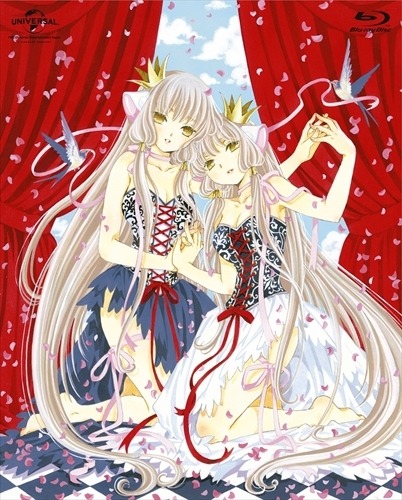
Revisiting Chobits in the Reiwa Era: Fear and Warmth in a World of Humanoid Computers and Humans
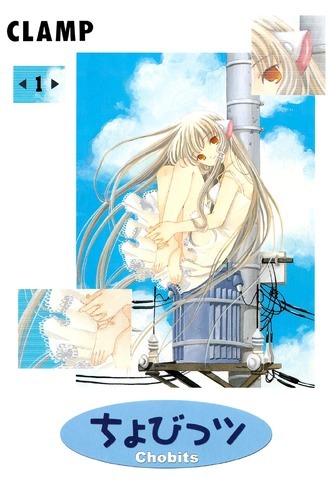
Chobits was serialized in Weekly Young Magazine from September 2000 to October 2002. The story is set in a world where humanoid computers have become common. Motosuwa Hideki, a ronin student, finds a humanoid computer in a garbage dump near his home. The computer looks like a cute woman, says only “Chii,” and appears to have no memories. Hideki names her Chii, and the two begin living together.
The appeal of the series lies in Hideki’s good-natured protagonist presence, Chii’s ignorance of common sense and her strange behavior as she slowly learns, and the devoted way she acts for Hideki. As the story progresses, the truth about Chii is revealed. When the manga was running, it was fun to read for its near-future worldview, and it could also feel bittersweet. In today’s AI era, as artificial intelligence evolves and spreads into work and daily life, reading Chobits makes one think even more about human relationships.
These days, some people consult AI about their problems or worries, or chat with it like a friend to relax. For now, such interactions may still be limited to being convenient or fun. But if humanoid AI were to appear, what would happen to us? Chobits depicts a world where the spread of humanoid computers has made some people happy and left others hurt.
One example is Shimizu Takako, an instructor at the prep school Motosuwa attends. Her husband became so absorbed in computers that their family fell apart. Her lines—”The fact that I have to put the chain on the door means my husband has already forgotten I’m coming home” and “When I thought it didn’t matter whether I was there or not, I just stopped caring”—convey the loneliness and fear of being forgotten.
This is, of course, a manga and a fantasy. Still, it is hard to say there is zero possibility that a future could arrive in which people are hurt in similar ways.
While Chobits can inspire feelings close to fear, it also depicts the importance and irreplaceable nature of memories. Memories are not built only between people. Even if the object is something programmed, that does not change the meaning. The writer has been moved by anime and games many times. Those memories are certainly connected to who they are now. Reading the manga brought those thoughts back, and made their chest grow hot.
Returning to the AI era: as AI continues to evolve, the nature of work and daily life will likely change further. Surely, a time will come when AI can perform almost perfectly some part of writing, which the writer counts as one of their professions. In such an era, the writer believes human feelings will become even more important. This column is exactly that kind of work. Perhaps AI could write more polished sentences. Even so, the fear the writer felt while reading Chobits, and the warmth felt in many of its lines, can only be conveyed through one’s own words. Interviews, too, convey someone’s thoughts, influence others, and remain in memory. Reading Chobits made the writer feel pride in their work once again.
This has become rather personal, but for those of us living in the AI era, Chobits may be a chance to think about the future. Because it ran in a seinen manga magazine, it includes some slightly adult-oriented depictions. If that kind of expression is not a problem for you, it is worth trying at least once.
And yet—could CLAMP-sensei have predicted back in 2000, when the serialization began, that AI would spread into daily life in the not-so-distant future? One can only admire their foresight.