


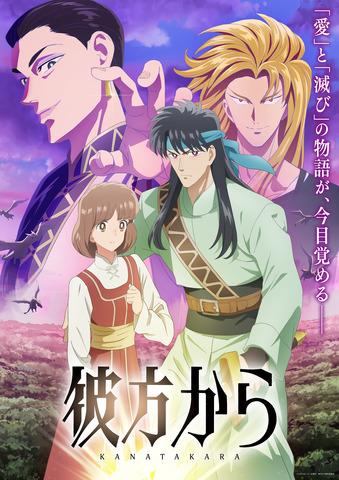
Hikawa Kyouko’s Kanata Kara, a pioneering isekai summoning manga that began in the shoujo magazine LaLa in 1991, has returned as a TV anime 35 years later. The series is now airing in Japan, bringing Noriko and Izark’s harsh journey to a new generation with modern animation.
A Classic Isekai Begins Its TV Anime Run
The Kanata Kara anime started its broadcast rollout in October 2026. According to the official information, TOKYO MX began airing the series on October 4, with AT-X, ABC TV, and WOWOW following on later dates. Streaming services began sequentially from October 5.
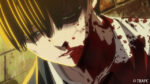
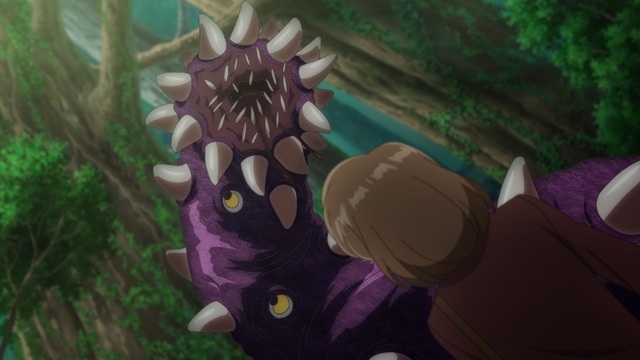
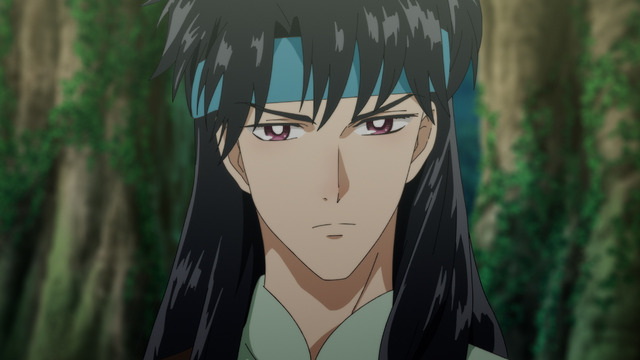
The story centers on Tachiki Noriko, an ordinary high school student whose usual morning is interrupted when she is suddenly thrown into another world. She lands in a deep green forest that she had seen in a dream. Before she can understand what has happened, she is attacked by strange monsters called Hanamushi. A man named Izark saves her. He has come to search for the “Mezame” — the Awakening — a being that can awaken the destructive monster Ten’nou Oni. Powerful figures want to obtain the Awakening and become rulers of the world.
Noriko’s Smartphone Bridges Past and Present
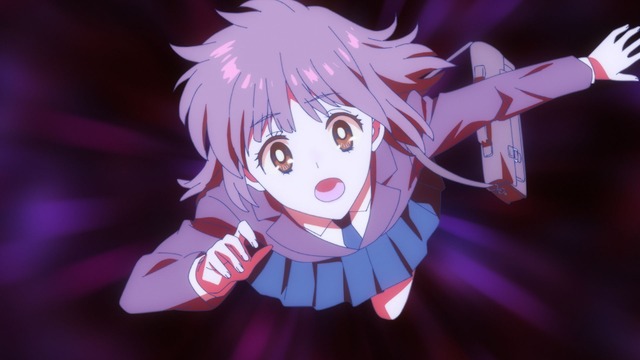
The first episode, “Mezame,” brings Hikawa’s original manga to life with dynamic visuals. One detail stands out: Noriko has a smartphone. That small modern object instantly makes the story feel current, even though the manga began serialization in 1991 — the same year LaLa, now celebrating its 50th anniversary in 2026, launched the tale. Hikawa Kyouko, already one of LaLa’s flagship manga artists, began this grand isekai epic after creating the Western shoujo stories Kouya no Tenshidomo and its sequel Jikan wo Tomete Matteite.
Kanata Kara ran for 11 years from 1991 and was composed of five parts. It is now recognized as a pioneering work in the isekai fantasy genre.
The Language Barrier That Makes Kanata Kara Stand Out
What separates Kanata Kara from many modern isekai stories is that Noriko cannot understand the language spoken by Izark and the people of his world. In the anime’s first episode, the two initially cannot communicate. The screen distorts as the perspective shifts between Noriko and Izark. Despite the difficulty, they begin their journey together, and Noriko starts learning the language with help from Izark and the people she meets.
From halting words to gradually making herself understood, Noriko deepens her relationships with others. She emerges as a heroine with a certain kind of strength — a “fighting heroine” — and her struggle gives the isekai summoning premise a sense of realism. The smartphone she carries in the opening also bridges the gap between the manga’s original era and the present, allowing Kanata Kara to become a story with real relevance for today.
Why Classic Manga Are Being Animated Now
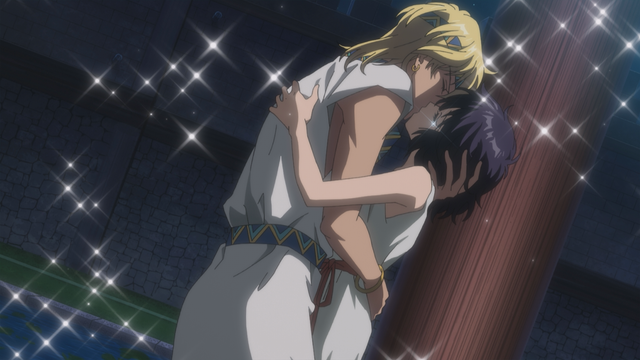
The spread of e-books, subscription services, and streaming has made older works easier to discover, and more masterpieces from decades past are being adapted or re-adapted for anime. Recent examples include Ten wa Aka no Kawa no Hotori, which began in 1995; 3-nen Kimengumi, which started in 1980; and Urusei Yatsura, which began in 1978.
The source article suggests that one reason for these adaptations is that the stories fit the current atmosphere and can be accepted by overseas anime fans. Seen this way, comics from what might be called the distant past can appear surprisingly cutting-edge. A single smartphone can update a story’s setting to the present, while the drama still captivates viewers who never knew the manga when it was first serialized. It also raises the question of which classic works will get their turn next.
A Colorful Return in Modern Animation
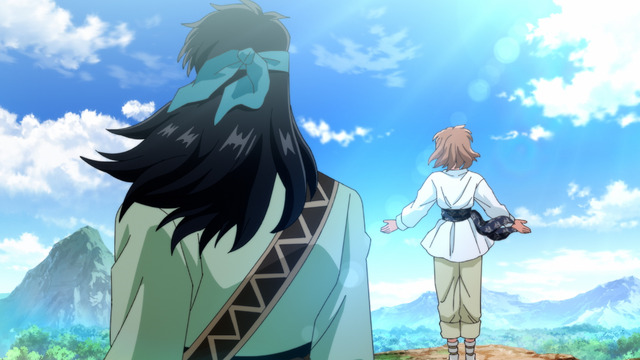
Kanata Kara is set to run through late 2026. As a grand isekai fantasy, it remains to be seen how far the anime will depict Noriko and Izark’s harsh journey and their fate. The friends they will meet and the cities they will visit are among the many things to look forward to. The story was previously adapted as an audio drama CD, but now modern animation technology will bring that other world to life in vivid color.
Broadcast and Streaming Information
Broadcast
- TOKYO MX: From October 4 (Sun), every Sunday at 24:00~
- AT-X: From October 7 (Wed), every Wednesday at 23:30~; repeat broadcasts every Friday at 11:30~ and every Tuesday at 17:30~
- ABC TV: From October 10 (Sat), every Saturday at 26:30~
- WOWOW: From October 13 (Tue), every Tuesday at 24:00~ (all episodes free broadcast)
Streaming
- Advance streaming: From October 5 (Mon) 0:30 onward, sequentially on U-NEXT, Anime Hōdai, and Anime Times.
- General streaming: From October 10 (Sat) 0:30 onward, sequentially on various streaming services.
- Latest episode limited free streaming: From October 10 (Sat) 0:30 onward, sequentially on TVer.
- Individual paid services: From October 10 (Sat) 0:30 onward, sequentially on various individual paid services.
For details on streaming services, please check the official website.
Staff
| Role | Name |
|---|---|
| Original story / Script supervision | Hikawa Kyouko Kanata Kara (Hakusensha) |
| Director | Abe Noriyuki |
| Series composition | Takasugi Rika |
| Character design | Abiko Eiji |
| Art director | Mayuzumi Masaki |
| Color design | Katsuraki Imari |
| Director of photography | Lee In-ju |
| Editing | Shiraishi Akane |
| Music | Hamatakeshi (Cosmic Wave) |
| Sound director | Yano Satoshi |
| Sound effects | Tanaka Hidemi |
| Sound production | Ai Addiction |
| Animation production | Studio Deen |
| Production | Kanata Kara Production Committee |
Cast
| Character | Voice actor |
|---|---|
| Tachiki Noriko | Kurosawa Tomoyo |
| Izark Kia Tarj | Kumagai Kentarou |
| Rachef | Umehara Yuuichirou |
| Keimos Lee Goda | Takeuchi Eiji |
| Gaya | Saitou Kimiko |
| Goriya | Miyazawa Tadashi |
| Agor | Nakano Taisuke |
| Ginahars | Itou Miku |
Theme Songs
- Opening theme: Gen’in wa Jibun ni Aru. “Toukoukou” (SDR / Polydor Records)
- Ending theme: Nanashi no Tarou “Hikari no Soba de” (UNIVERSAL MUSIC / Polydor Records)
©Hikawa Kyouko, Hakusensha / Kanata Kara Production Committee
Book Editions
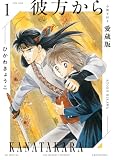
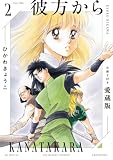
Two special edition volumes with booklets are also listed: Kanata Kara: Shousasshi-tsuki Aizouban 1 and Kanata Kara: Shousasshi-tsuki Aizouban 2 (Hana to Yume Comics Special), each priced at ¥1,980. Prices and stock are as of the article’s publication.