


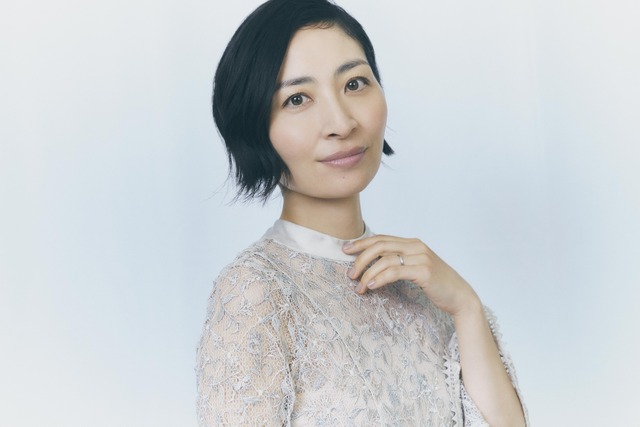
Maaya Sakamoto has stepped forward from her 30th anniversary year, and now releases a best album collecting all the theme songs she has contributed to the smartphone RPG Fate/Grand Order over 11 years. Titled Yo-in (余韻), the album arrived on July 29, 2026. In a long interview, Sakamoto looks back on her career, the evolution of her music, and the unique creative partnership with TYPE-MOON’s Kinoko Nasu that shaped the game’s story through her lyrics.
◆ The Weight of Accumulation After 30 Years
—Looking back after your 30th anniversary, what do you feel most strongly now?
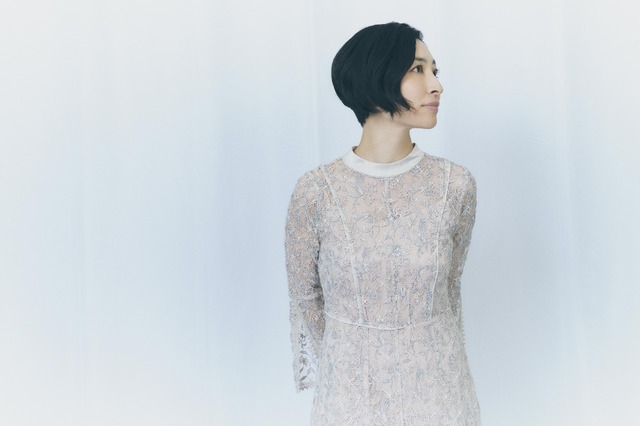
Sakamoto: When the anniversary year began, I had a vague hope that it would be a year to convey gratitude to the fans who always listen and to the colleagues who worked with me. But after the final live at Ariake Arena, I realized it became an irreplaceable, unforgettable milestone beyond what I imagined. I had done 20th and 25th anniversaries every five years, and each time I reflected and felt gratitude, but the longer the years go, the deeper the emotion. To continue one thing for 30 years is not just my own effort—it’s luck, guidance from people around me, many things overlapping. After it ended, I really felt what an incredible number it is.
—What do you remember of yourself 30 years ago?
Sakamoto: Thirty years ago I was still a teenager, naive and not yet anyone. I had been working as a child actor, but I didn’t jump in with a solid goal or conviction. It started like an extension of extracurricular activities. With little experience, I gradually developed a sense of responsibility through performing in public and having things released under my name. At first I was really just a child with nothing.
—How has your approach to music changed?
Sakamoto: I entered this world through acting, and becoming someone else was liberating and fun. But when singing, people ask what I think, what I like, what I want to do. I had to express myself, so it became a good opportunity to ask myself who I am. Writing lyrics deepened that. During adolescence, when I often felt conflicted, facing those feelings through writing and singing was precious time for myself. Without that, I might have drifted and avoided confronting myself.
—As you moved through your 20s and 30s, did you develop things you wouldn’t compromise on?
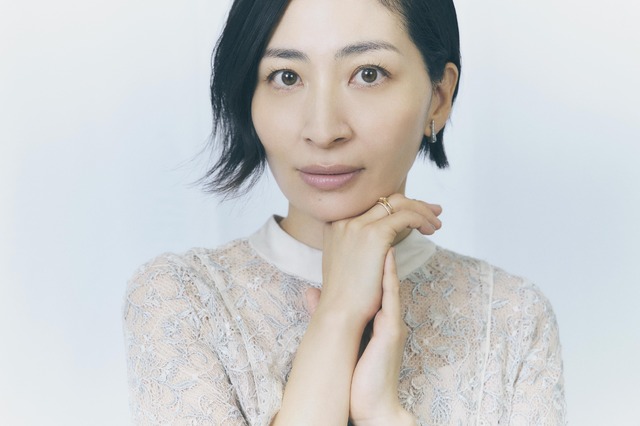
Sakamoto: Yoko Kanno, who collaborated with me for nine years from my debut, is the origin of everything for me. She always enjoys music more than anyone, clearly says no to things she dislikes, and is good at communicating her feelings. She was a kind of mentor I met in my teens. After parting with her, when I thought about how I wanted to work, I realized I was largely trying to emulate her wonderful qualities—especially her attitude toward work. I believe work should originate from one’s own happiness. If I have doubts, I ask people nearby; if I dislike something, I try to say it even if it’s scary; I want to be someone others want to work with. I think I was trained through meeting various people while keeping that attitude.
—Do you see your age or the era reflected in what you’ve created?
Sakamoto: Of course the era is probably there, but for me and for everyone, the teens, 20s, 30s, 40s are truly changing periods. Some values changed, some didn’t. The angle and perspective when writing lyrics may have changed with life experience. I think change comes with age.
—How about your attitude toward live performances?
Sakamoto: I wasn’t good at live shows initially—I was scared and wanted to avoid them. I was nervous and anxious because I didn’t understand my own identity on stage. But after leaving Kanno’s production, I suddenly thought, ‘Maybe I can do a little more now.’ That was when I made the album Kazeyomi. From there, I started wanting to try more, to become better, and as I did more, I found enjoyment, met great companions, and it became a very important place. Sharing that space with the audience is special. Singing old songs years later, I find new changes in myself. I realized that songs aren’t completed at recording—they evolve and grow through live performances.
—How have the songs you created evolved?
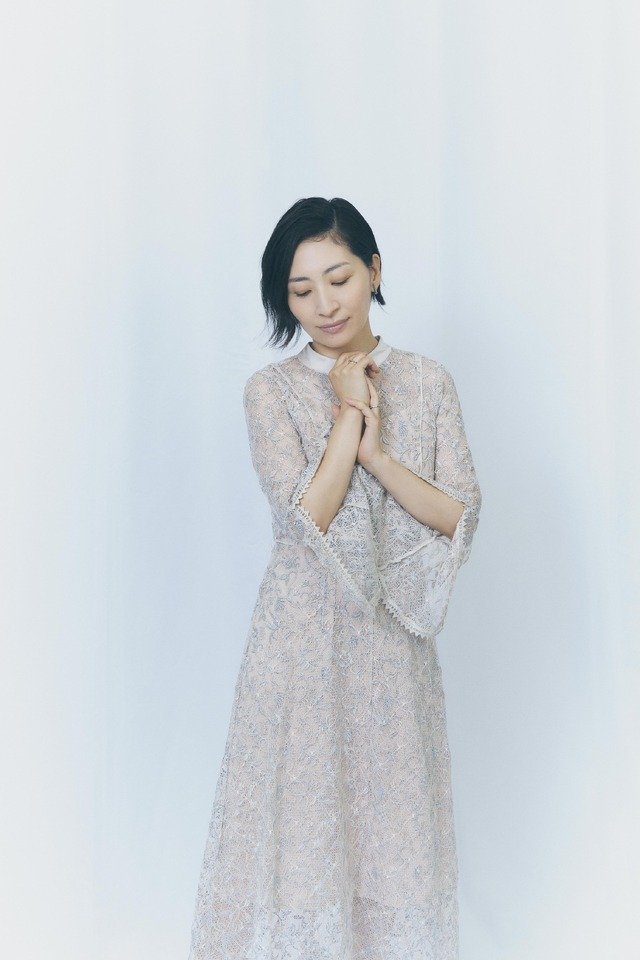
Sakamoto: Even with my own lyrics, I sometimes discover new interpretations while singing live years later—’This line can be understood this way too’ or ‘It fits me now differently than before.’ Even lyrics written by others change with my experience and how I receive words. I’ve always wanted to avoid trendy phrases so the songs remain listenable across eras. I want to keep discovering and evolving, but also want music that never feels dated. At the 30th anniversary live, I sang debut-era songs, and the lyrics I wrote as a teen still feel fresh and not embarrassing—I’m grateful for that.
—How did you feel stepping into the 30th anniversary live?
Sakamoto: At first I just thought ‘I have to do something for 30 years.’ But anniversary lives feature many A-side singles, so even first-timers can enjoy them. I wanted people who don’t know me well to just enjoy the music and feel happy. I wasn’t used to arena-class venues, so I was scared, but the experience I had built up over the years pushed me forward, and I thought ‘It’ll be okay.’ I’m glad I kept going.
—What are your thoughts moving forward from 30 years?
Sakamoto: After the anniversary ended, I felt relieved and then couldn’t move at all (laughs). Truly in the ‘yo-in’ (afterglow). It ended in April, and I thought ‘two months is fine,’ but now it’s July, and I need to start moving. The album release keeps me physically active, but shifting gears after a big milestone takes determination. I’ve never set long-term goals—I just do what’s in front of me. I don’t have a goal now either. I don’t know what will happen for the 35th anniversary. It feels like it will come quickly, but I’ll be 50 then, so I’m just watching to see how I’ll be.
◆ A Story Beginning with ‘Shikisai’ – Memories of Creation with Kinoko Nasu
—The best album Yo-in is out. Can you share the story behind the first theme song ‘Shikisai’?
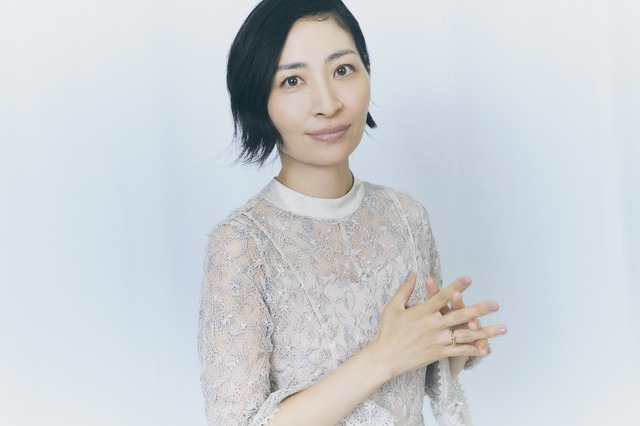
Sakamoto: I don’t remember exactly when, but quite a while before launch, Nasu-san approached me about a smartphone game and asked for a theme song. We discussed what kind of song and lyrics. Since Nasu-san is a writer and I knew his sharp sensibilities from other works, I felt pressure writing lyrics myself. But he told me the planned ending even though the audience knew nothing yet, so I took that home and thought about what lyrics to write.
—Were there conversations that now make more sense?
Sakamoto: All the time. The amazing thing about smartphone games is that we heard the intended ending early, but no one expected it would take this long. The story expanded with detailed episodes along the way. My lyrics apparently became fuel for Nasu-san—he made the ending closely link to the lyrics of ‘Shikisai.’ In anime, the scenario comes first, then theme music, but with Fate/Grand Order, it was simultaneous. Nasu-san said the lyrics made the ending clearer. When phrases reminiscent of ‘Shikisai’ appeared in the script, users had ‘aha’ moments—’So that’s what it meant!’ or ‘Was it planned from the start?’ That feels great (laughs). It wasn’t intentional from the beginning, but the landing worked perfectly. I still feel it was a very successful first theme song. Nasu-san featured ‘Shikisai’ more than originally planned, so users grew to love it deeply.

—The second theme ‘Gekkou’ came in 2017/2018.
Sakamoto: Yes. After ‘Shikisai,’ I worried about what to do because everyone would expect something similar. I asked about the ending, but only a broad outline was known. So I started with the idea of linking the song to the protagonist’s feelings at that part of the ending. No one thought the game would last 11 years. I never expected to sing six theme songs. The popularity exceeded imagination, and growing it together over time was an unexpected joy.
—The second part ended in December 2025, shocking players worldwide. You couldn’t say anything until then?
Sakamoto: I kept wondering when the ending would come and waited for the reveal. The song was done long before. I was told it was the second part theme and the ending, but then midway through part two, they asked me to make a theme for a certain character (Altria Caster), and I was like ‘Ehh?!’ I worried everyone would forget ‘Gekkou.’ But they assured me it would return. So many unexpected things happened over those 11 years. Part two felt especially long, but I’m glad ‘Gekkou’ safely returned when it was time (laughs).
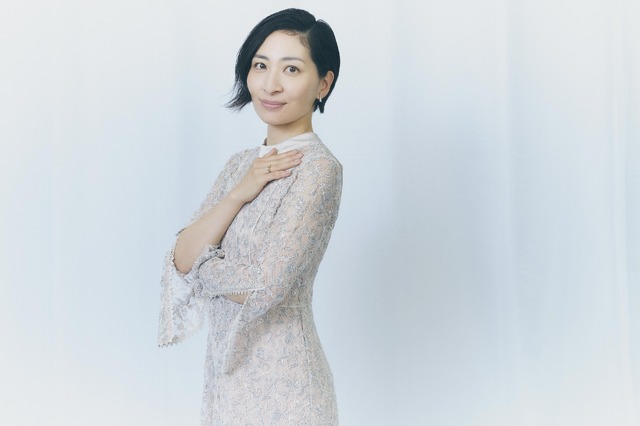
—Were the lyrical hooks planned from the start?
Sakamoto: No, for ‘Gekkou,’ what I heard from Nasu-san roughly matched, but there were many surprises—’I never expected that twist!’ People might think I knew the game’s developments well, but I didn’t. I think Nasu-san wrote the story to mesh with the lyrics, so it was like making mochi together—’Here you go!’ ‘Okay!’—building Fate/Grand Order together. That’s what I find interesting about being involved. Nasu-san is the general director, with many creators, and I have no place in the story normally, but by writing lyrics, I got to participate as a spark of inspiration and blend into the narrative. That’s an experience I can’t get elsewhere.
—You were almost a story-maker.
Sakamoto: Not that big a role. Fate/Grand Order fans are sensitive to words because they love Nasu-san’s work, and they enjoy expanding interpretations. Nasu-san knows that. Rather than just matching the mood, the experience of being teased with possible meanings—like with ‘Shikisai’—is part of the fun. So the image I had when writing and the image fans have may differ. Seeing fans add new interpretations was fascinating.
◆ Expanding Worlds – ‘Kuuhaku’ and ‘Yakudou’ as Cheers and Challenges
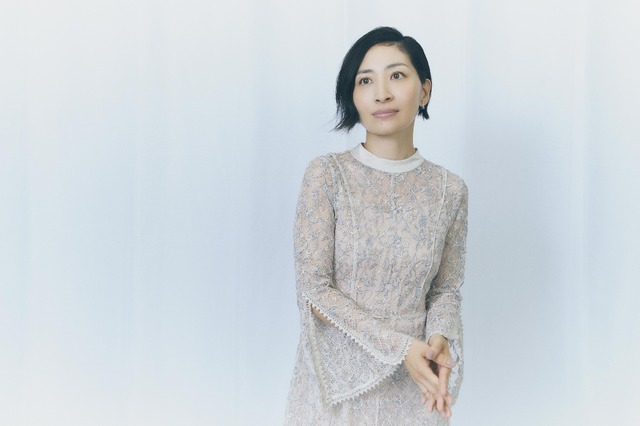
—You also wrote ‘Kuuhaku’ for Fate/Grand Order Arcade. Was your approach different?
Sakamoto: ‘Kuuhaku’ was difficult. Takashi Takeuchi and Nasu-san really liked ‘Shikisai,’ so when they asked for the second part theme, they also mentioned the arcade game. When deciding the second part theme, la la larks also submitted a demo. I loved both songs and couldn’t choose. We went with ‘Gekkou,’ but TYPE-MOON wanted me to sing the other demo too, so I put lyrics on it for the arcade game. The story wasn’t clear, but the image was a bridge between part one and part two—’We’ve lost things, but we move forward.’ When I heard that theme, the title ‘Kuuhaku’ came to mind, and I jokingly said, ‘Let’s make all titles two kanji characters.’ That made ‘Shikisai,’ ‘Gekkou,’ and ‘Kuuhaku’ a trilogy. I never imagined we’d reach six songs. Nasu-san casually said ‘Sounds good’ (laughs).
—Then ‘Yakudou’ was born as the latter half theme of part two.
Sakamoto: By then I felt like ‘Go, Nasu-san!’ I had to support him until the ending he envisioned. I heard the ending during ‘Shikisai,’ and we had to reach it, but creating is hard. I wanted to make a song that would energize Nasu-san, like refueling him. Around that time, I felt I was running out of things to write. The core themes—’journey,’ facing hardship—overlapped, so I struggled to find originality.
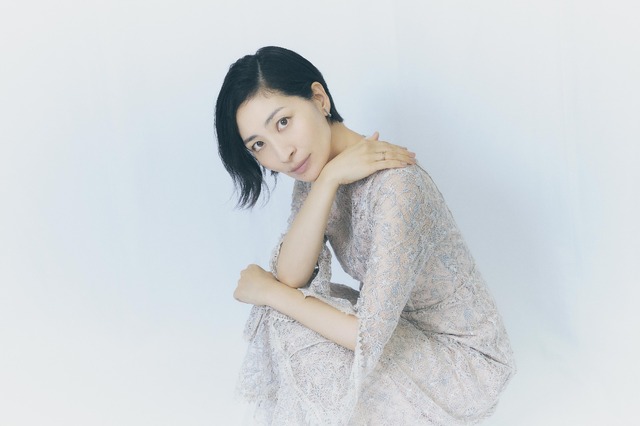
—That song became important to users.
Sakamoto: For those who know Fate/Grand Order, Nasu-san runs alongside and explains the song’s interpretation, but people who haven’t played also listen as my personal message. I made ‘Yakudou’ during a chaotic time when I thought it’s okay to be desperate for something that moves you beyond reason. Personally, I love the opening four lines: ‘If victory is what you obtain…’ Writing that felt strong for a personal song, but with the Fate/Grand Order worldview backing it, I could write boldly. It balanced being my own work and the game’s message.
◆ Camelot Duology – ‘Dokuhaku’ and Mamoru Miyano’s ‘Toumei’ from Two Perspectives
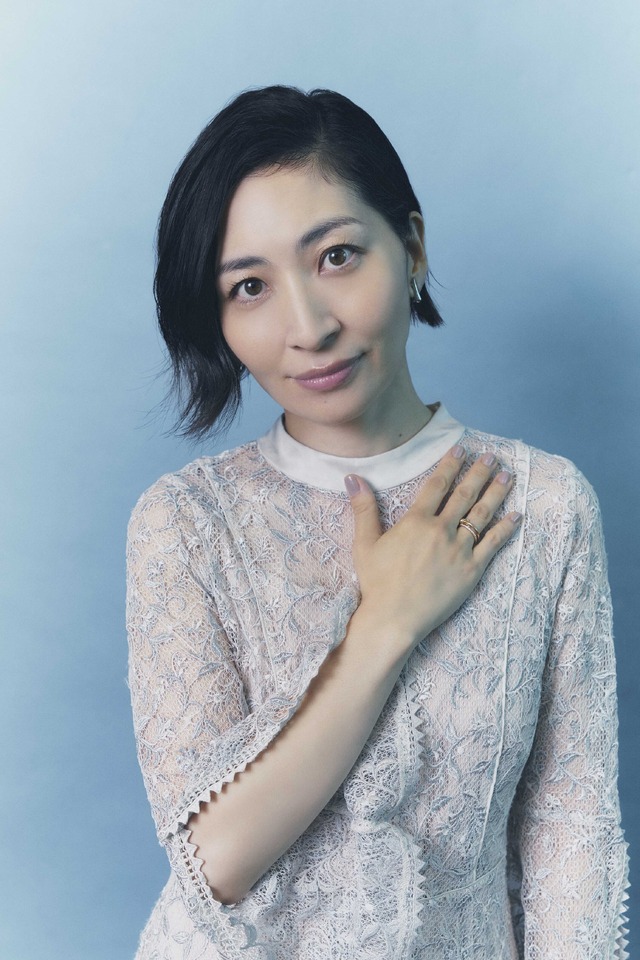
—’Dokuhaku’ is the theme for the first Camelot movie, from Bedivere’s perspective. That was different.
Sakamoto: It was difficult. The movie was split into two parts, and Mamoru Miyano was set to sing the second part theme. My role was the ending of an unfinished story. I couldn’t resolve anything, so the song became one of constant anguish. I made it thoroughly dark and gloomy. It plays at a painful moment, but I think it fits the work. The second part theme ‘Toumei’ is warm and hopeful, so the contrast works well.
—Did you know you’d write lyrics for ‘Toumei’ too?
Sakamoto: Yes. They asked me to write lyrics to keep the world consistent, even though Mamoru Miyano sings it. I felt I was getting closer to the Fate/Grand Order staff (laughs). But I was happy. I wrote it during the pandemic when Miyano couldn’t enjoy time with fans. I imagined him singing surrounded by a crowd, loved and cheered, thinking ‘I’ve been waiting for this moment.’ I hope each song becomes a BGM for various life scenes.
◆ The Final Chapter – ‘Tokei’ Carrying Kindness and Rebirth

—The final chapter theme is ‘Tokei.’
Sakamoto: To close such a long journey. ‘Gekkou’ left some uncertainty about salvation. I personally wanted to end with a gentle song, and I also wanted to comfort Nasu-san and everyone who ran toward the ending. When discussing the song, I said I wanted something gentle. Nasu-san offered keywords: ‘Accumulate ordinary steps to connect to the next generation,’ ‘That step doesn’t have to be big,’ ‘It’s noble that you yourself are ending Fate/Grand Order,’ ‘You did something amazing that no one knows, use that as a springboard to live daily life,’ and ‘Loss becomes treasure.’ That last phrase resonates with anyone. Writing about continuing to take small steps and believing in yourself even if no one knows—that was beautiful. I built the song from there.
—How did you feel when the sixth song reached users?
Sakamoto: It was announced suddenly without prior notice. People were playing and some heard it quickly. I was happy. Everyone said ‘I don’t want it to end’ while listening to ‘Tokei,’ truly enjoying the ‘yo-in’ (afterglow) at the end of the year. I felt ‘Finally, this moment has come.’ Many famous artists contributed songs, but I’m really glad the final song was one I wrote and composed. It coincided with my 30th anniversary, and I wanted to leave a memorable piece with Fate/Grand Order.
—Over six songs (plus ‘Toumei’), what did you most focus on when writing lyrics?
Sakamoto: I always try to find where the protagonist’s feelings intersect with my own. I can write because it overlaps with me. That’s why it resonates with users. This work is fantasy with historical figures, but its charm is the very human drama. When writing lyrics, I think I exposed human messiness, hesitation, conflict, weakness.
—When ‘Tokei’ plays after the game ends, the first line ‘The farewell I imagined was a little different’ really hits.
Sakamoto: (Laughs) ‘Exactly.’ That was the aim!
—These songs are also heard by non-players. What did you keep in mind for them?
Sakamoto: For ‘Tokei,’ I thought about what kind of song I’d want to hear when feeling sad. When something unbearably sad happens, I don’t want to be told ‘It’s okay’ or ‘Cheer up.’ I wanted to say it’s okay to stay in that sadness for a while, to immerse in that loss. I imagined the unwanted farewells or unexpected partings that can happen in anyone’s life.
—Disc 2 includes unplugged sessions, including a self-cover of ‘Toumei.’ How was that?
Sakamoto: I didn’t plan to self-cover when I wrote the lyrics, but when collecting the two-kanji series, I couldn’t leave it out. The arrangement is completely different from Mamoru Miyano’s version, so I hope people enjoy this version too.
◆ The Meaning of ‘Yo-in’ and Continuing Connections
—Why did you name the best album ‘Yo-in’?
Sakamoto: It felt like the only choice. We considered many, but everyone said ‘This is it.’ Having an album of theme songs for one work is amazing. The two-kanji titles became a genre. I have 256 songs now, and Fate/Grand Order became its own category. Some people discovered me through this work. One-third of my 30-year career has been with Fate/Grand Order, and I’ve connected with fans through it. Reaching such a wide range of generations is incredible.
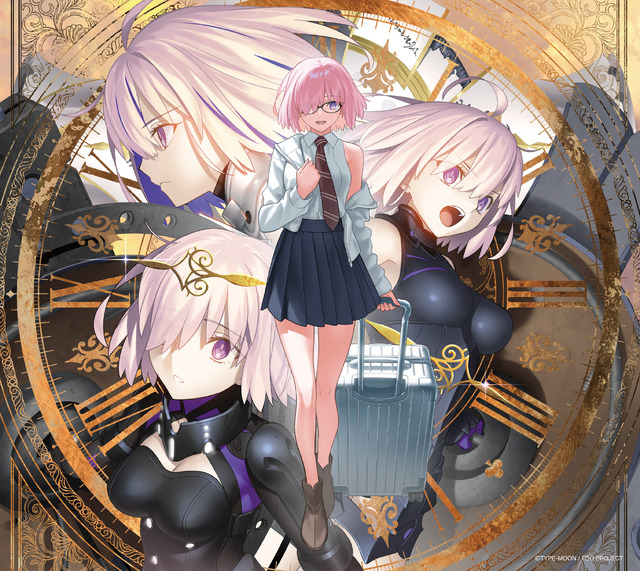
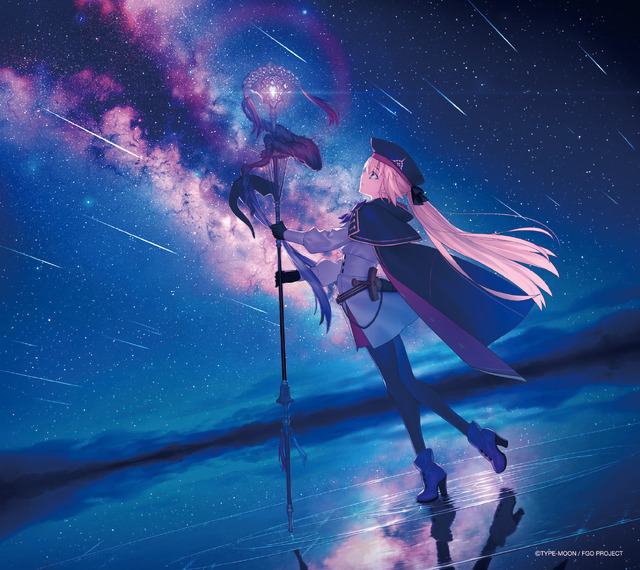
—The sleeve features a newly drawn illustration by Takashi Takeuchi.
Sakamoto: I asked for one, but he drew three. I hope everyone enjoys them.
—What does Fate/Grand Order mean to you now after 11 years?
Sakamoto: I didn’t know what a smartphone RPG would be like. I never imagined it would become a global phenomenon. More than a game, people enjoy the story—that’s Nasu-san’s work. The characters did all sorts of things: shrank, appeared in other works… I voiced so many that some people might build decks with only my voice. I had to think how to differentiate them. As a voice actor, I gained a lot of experience. It’s sad to see a chapter close, but landing such a huge work takes energy. The creators’ determination to end it properly was admirable. The grand series will continue in some form, and I look forward to new beginnings.
—What aspects of you are packed into this 11-year album?
Sakamoto: Compared to my usual music, I gained more edgy, hard songs through Fate/Grand Order. It feels like I’m expressing a deformed part of myself. At first I worried if I could sing such difficult, intense songs live, but they’ve become an essential part of me. There’s a unique catharsis in singing them. This album contains one of my identities. Fate/Grand Order is a game anyone can start anytime. Maybe some will start playing after hearing this album. For longtime players, it’s a best album to enjoy the ‘yo-in’ together. I hope everyone savors it.
◆ Release Information
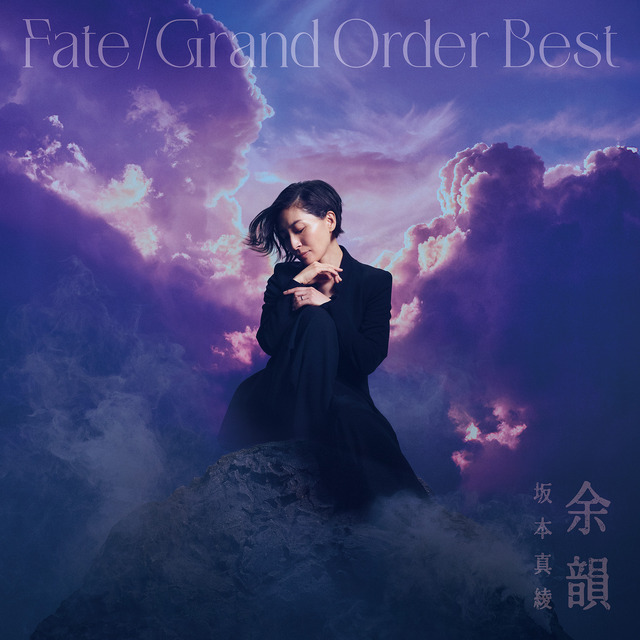
Fate/Grand Order Theme Song Best Album Yo-in
Release Date: July 29, 2026 (Wednesday)
● [Limited Edition] [2CD + BD] Price: 4,950 yen (tax included)
[Blu-ray]
・2021 Tokyo Opera City no-audience streaming live ‘Fate/Grand Order 6th Anniversary Special Live ~Maaya Sakamoto Unplugged~’
[LIVE Tracks] 1. Dokuhaku 2. Gekkou 3. Yakudou
[LIVE MUSICIANS] Maaya Sakamoto (Vo), Kento Ogiya (Piano, Pipe Organ & Band Master), Masao Fukunaga (Dr. & Per), Ichiro Fujitani (W.B), Kazuma Tozono (A.G), Koichiro Muroya Strings (Strings)
・’Tokei’ Music Video
● [Regular Edition] [2CD] Price: 2,750 yen (tax included)
[Product Specifications]
・Triple-sided sleeve case with double-sided illustration by Takashi Takeuchi (TYPE-MOON)
[Tracklist]
Disc 1
01. Shikisai (Smartphone RPG Fate/Grand Order theme song)
02. Gekkou (Smartphone RPG Fate/Grand Order Part 2 theme song)
03. Kuuhaku (Fate/Grand Order Arcade theme song)
04. Yakudou (Smartphone RPG Fate/Grand Order Part 2 latter half theme song)
05. Dokuhaku (Theatrical film Fate/Grand Order – Divine Realm of the Round Table: Camelot – Wandering; Agateram theme song)
06. Tokei (Smartphone RPG Fate/Grand Order final chapter theme song)
Disc 2
01. Shikisai ~unplugged session~
02. Gekkou ~unplugged session~
03. Yakudou ~unplugged session~ (new recording)
04. Toumei ~selfcover~ (new recording / self-cover of provided song)