






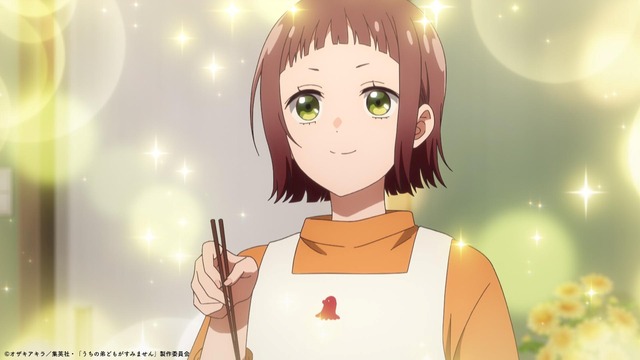
A month into the summer 2026 anime season, the initial uncertainty has given way to clearer themes and character dynamics. Among the crowded lineup, several shows stand out for their nuanced portrayal of how people navigate distance and connection. This article highlights three anime from different genres that share a common thread of kindness and mutual understanding: Reiwa no Darasan, Uchi no Otoutodomo ga Sumimasen, and Otome Kaijuu Caramelize.
◆ Horror and Humor Coexist in ‘Reiwa no Darasan’
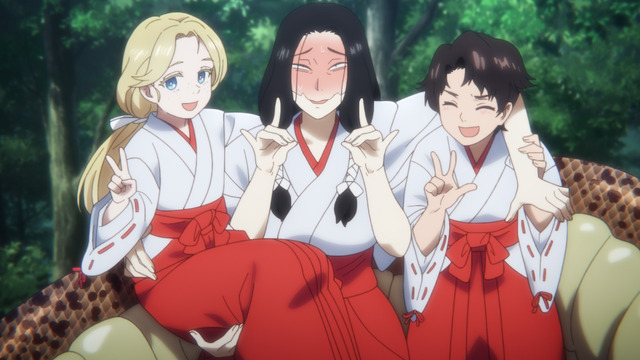
Set in a rural area steeped in folklore, Reiwa no Darasan is a horror comedy that follows the daily life of Darasan (real name Yagata Madara), a female yokai living in a forbidden mountain area, and the Mijikidani siblings Hinata and Kaoru, who befriend her without any fear. Darasan was once a shrine maiden who protected the mountain with her spiritual powers, but after being betrayed by her sister and villagers and nearly killed, she merged with a serpentine evil spirit out of vengeance. In the present day, she is sealed in the mountain but retains a serious and sensible personality due to her shrine maiden origins. Hinata and Kaoru, as children of the family that manages the mountain, approach Darasan without hesitation. Kaoru even compares Darasan’s snake-like appearance to a naga from a mobile game and tries to get her to cosplay, leaving Darasan exasperated. Other characters include Fudeki Naomichi, a teacher skilled in cosplay costume making who helps Kaoru, and Isogo Miwa, a local manga artist who, despite a seemingly dangerous interest in the elementary schooler Kaoru, maintains a respectful friendship and is revealed to have androphobia. The show balances these precarious relationships by highlighting the characters’ earnestness and Darasan’s role as a protector.
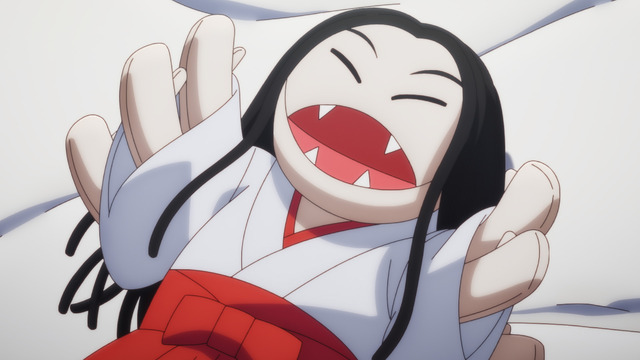
While the modern-day segments are comedic as Darasan is dragged around by the siblings, the flashback sequences depicting how the shrine maiden became the yokai are thoroughly serious, filled with violence, malice, and grotesque horror. The show also maintains its horror credentials in scenes without the siblings, such as when an occult YouTuber trespasses into the forbidden area for fun and suffers a curse, with Darasan offering no help, remaining a fearsome entity. These horror elements make the siblings’ importance to Darasan all the more striking.

◆ The Awkward Kindness of Becoming Family in ‘Uchi no Otoutodomo ga Sumimasen’
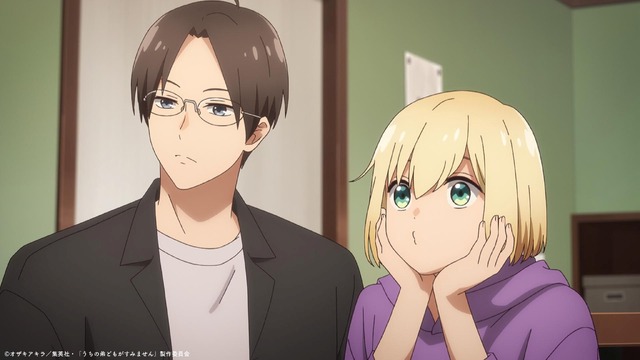
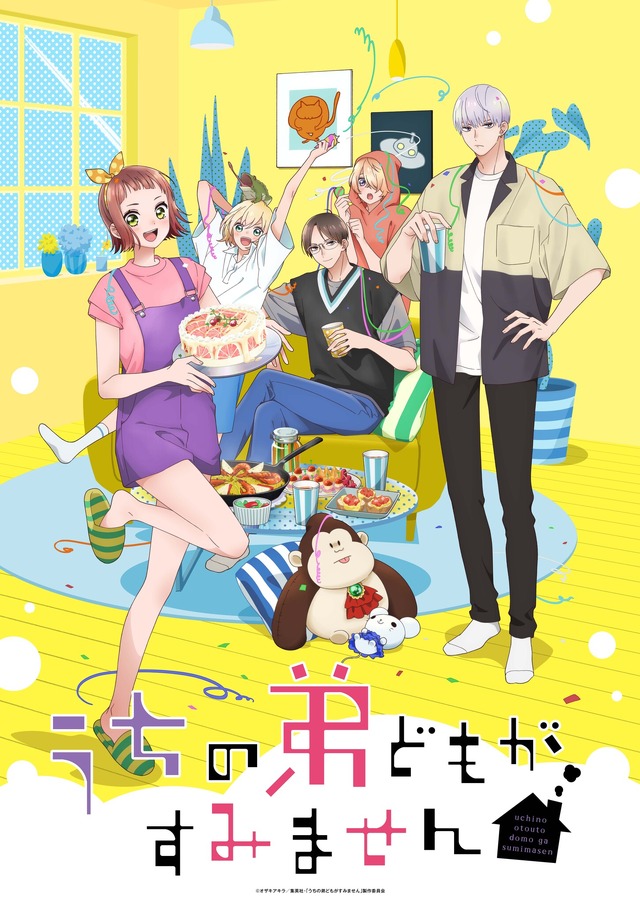
Another sibling-centered anime this season is Uchi no Otoutodomo ga Sumimasen. The story begins when protagonist Ito becomes the stepsister of the four Narita brothers: Gen, Raku, Hiiragi, and Rui, after her mother remarries. Having grown up supporting her working mother in the absence of her father, Ito is determined to be a good sister despite her clumsiness. She uses her housekeeping skills to try to earn the brothers’ recognition, and her earnest yet overreaching efforts are endearing. However, the eldest brother Gen, who became self-reliant after losing his mother, has trouble relying on others. While Raku and Rui accept Ito as a sister, Gen struggles to interact with her due to his own history as the family’s older brother. Despite misunderstandings, neither side rejects the other. Both Ito, who grew up in a single-mother household and longs for family, and the four brothers, deeply affected by their mother’s death, share a sense of loneliness. As they spend time together, familial bonds begin to form. They build a relationship of mutual care and kindness, awkwardly but surely becoming a family. Meanwhile, the close proximity between Ito and Gen, who are the same age, gives rise to feelings that resemble romantic attraction, though neither is fully aware. They suppress these emotions, substituting them with other feelings, creating a tense dynamic. As a shoujo manga serialized in Bessatsu Margaret, the series often places Gen very close to Ito, constantly reminding the audience that their relationship may not remain purely familial. Uchi no Otoutodomo ga Sumimasen is a home drama that steadily accumulates romantic comedy elements, making it unmissable.
◆ Love Reveals ‘True Self’ and the Strength to Accept in ‘Otome Kaijuu Caramelize’
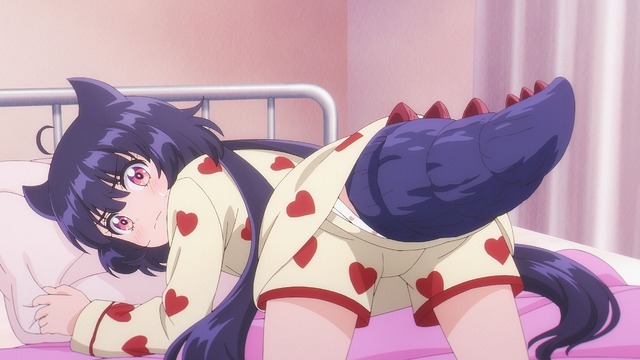
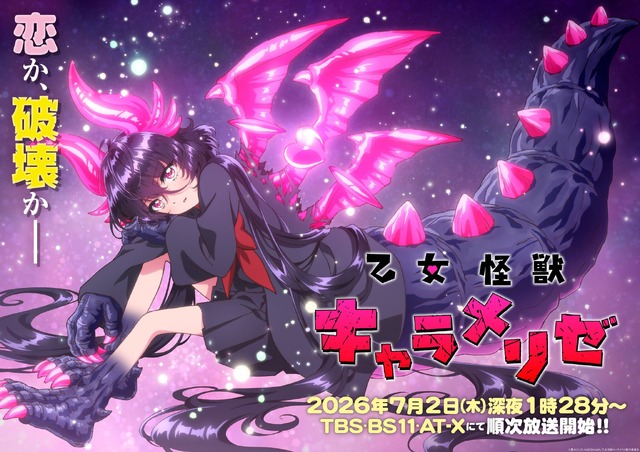
Another notable shoujo manga adaptation this season is Otome Kaijuu Caramelize. Originally serialized in Monthly Comic Alive, the series follows high school girl Akaishi Kuroe, who has a condition that turns her into a monster when her emotions run high. She falls in love with her classmate Minami Arata, a popular and handsome boy. Because of her condition, Kuroe has avoided social interaction. However, Arata is drawn to her unpretentious and strong-willed attitude, and he also accepts his own past as a former overweight person. Kuroe, in turn, is attracted to Arata’s straightforward approach to her, someone who has been kept at a distance due to her gloomy personality. But her romantic feelings cause her to lose control and transform into a giant monster. Previously, her transformations were partial, but her love for Arata triggers a full-blown rampage, making her condition an obstacle to love. As the story progresses, Arata gradually uncovers the connection between Kuroe and her transformations, and just as Kuroe accepted his past, Arata shows signs of accepting Kuroe including her condition. The supporting cast is also rich: Tomori Manatsu, a human who loves monsters and sees Kuroe as a monster priestess, and Kawano Raimu, who hides her gorilla-like face with makeup. Manatsu is in love with a monster and has long struggled with the gap between humans and monsters. Raimu overcomes her complex about her face through makeup, achieving the appearance she wants, paralleling Kuroe’s struggle with her condition and Arata’s past weight issues. How these characters with similar problems will deepen the show’s themes is worth watching. Otome Kaijuu Caramelize deals with universal themes such as uncontrollable adolescent emotions, how appearance changes one’s surroundings, and the distance between ideal and real self.
These three anime feature characters who, despite various barriers, take steps toward each other. Their earnest and sometimes clumsy efforts to build relationships are sure to move viewers.
(C) Tomotsuka Haruomi・KADOKAWA/Reiwa no Darasan Production Committee
(C) Ozaki Akira/Shueisha・”Uchi no Otoutodomo ga Sumimasen” Production Committee
(C) Aoki Supika/KADOKAWA/Otome Kaijuu Caramelize Production Committee
《クコ》