


Romantic comedy anime are having a moment. Some shows invite viewers to pick a favorite heroine and cheer for her victory, while others focus on the slow, careful growth of a single couple. Meanwhile, a third wave uses romance as a lens to explore the quiet, everyday anxieties of youth. These approaches are so different that the genre now defies simple comparison.
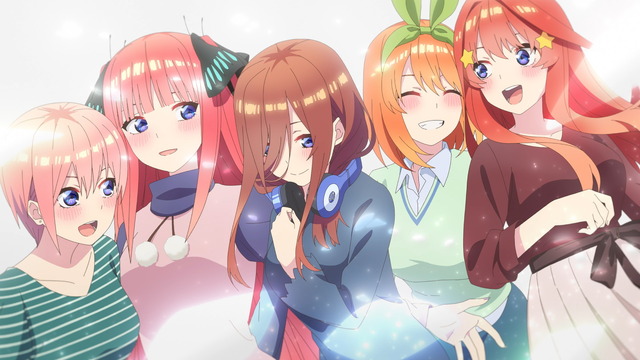
All love comedies share a basic skeleton—a protagonist meets someone charming and falls in love—but the number of rivals, the presence of a winner, and the emotional hook vary wildly from series to series. From single-pair love stories to tales where a hero dates one hundred girls, the genre has grown too broad to be summed up in a single label.
◆ Multi-Heroine Rom-Coms: Who Wins? Or Does Nobody Have to Lose?
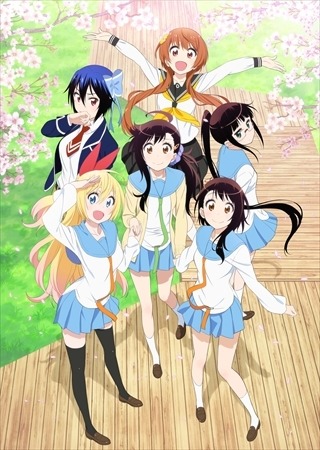
Since Go-Toubun no Hanayome*, the popular formula for multi-heroine shows has become a “heroine race.” Works like Nisekoi build in past connections and mystery, and viewers know that, eventually, one girl will be chosen and the others will be left behind. Magazines have leaned into this with titles such as Amagami-san Chi no Enmusubi and Megami no Café Terrace, where the fun is guessing which of several symmetrical heroines will end up with the hero. Light novels like Chitose-kun wa Ramune Bin no Naka also follow this format, giving each heroine her own spotlight.
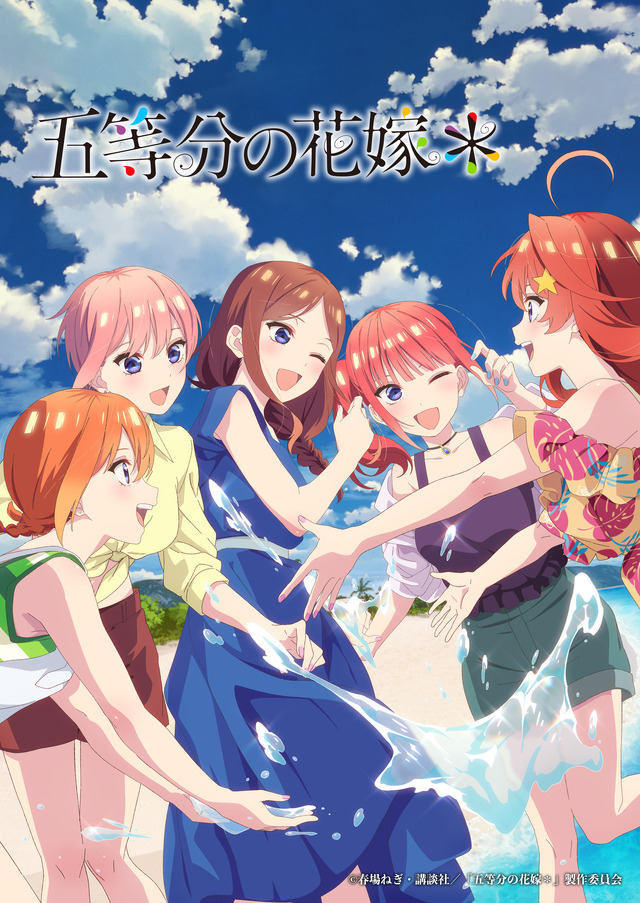
The uncertainty of who will win stirs strong feelings of support for favorites, and when a heroine loses in the final stretch, that sense of pity creates its own kind of excitement.
But not every multi-heroine show includes a loser. Kimi no Koto ga Dai Dai Dai Dai Daisuki na 100-nin no Kanojo uses the premise of dating all 100 heroines, so no one is defeated by design. Similarly, Watashi ga Koibito ni Narenai Wake Naijan, Muri Muri! questions whether one person has to be chosen at all, proposing a relationship that involves multiple people rather than a single pairing. These works refuse the traditional premise that the story must end in one couple.
◆ One-on-One Rom-Coms: The Journey Matters More Than the Destination
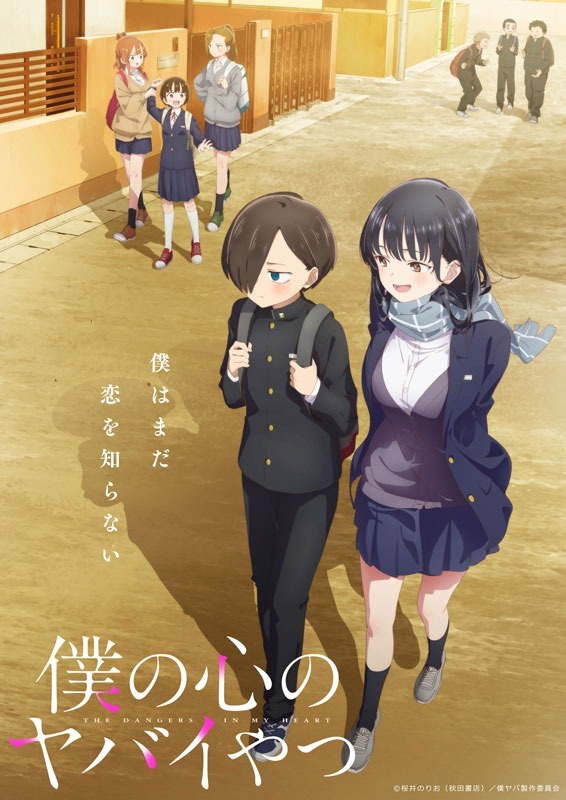
At the opposite pole is the one-on-one type, which focuses exclusively on two people. Boku no Kokoro no Yabai Yatsu and Otonari no Tenshi-sama ni Itsunomanika Dame Ningen ni Sareteita Ken are prime examples. Here, the draw is not who wins but how the two characters grow closer. They share values, reveal their pasts, and deepen their understanding through conversation. The ending is visible from the start, yet the show keeps you glued to the screen.
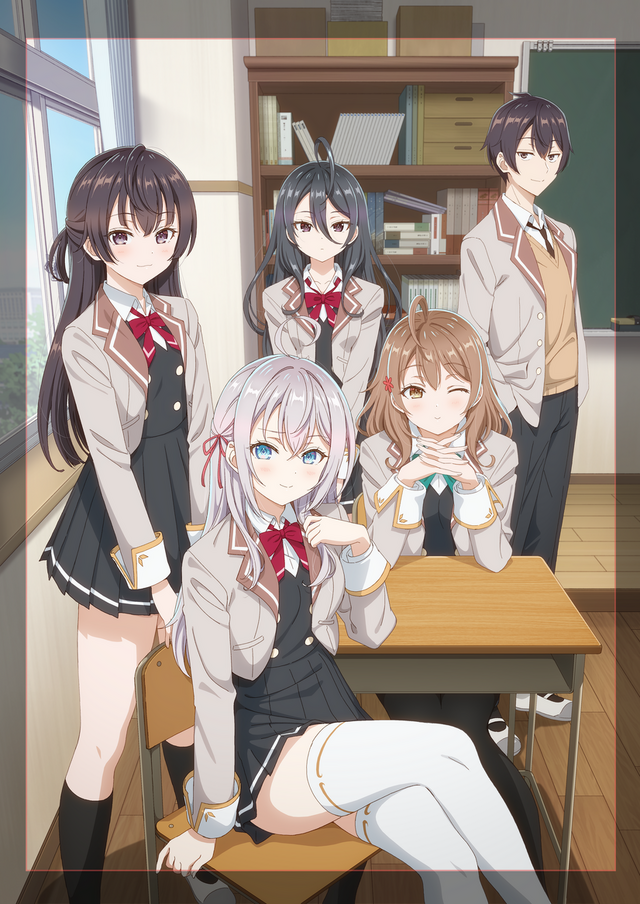
Some series, like Tokidoki Bosotto Rossiya-go de Dereru Tonari no Alya-san, do include sub-heroines, but the story’s center of gravity stays firmly on the main pair. The other characters serve as foils or narrative support lines rather than serious rivals.
◆ Empathy-Driven Rom-Coms: Youthful Worries Woven Through Romance
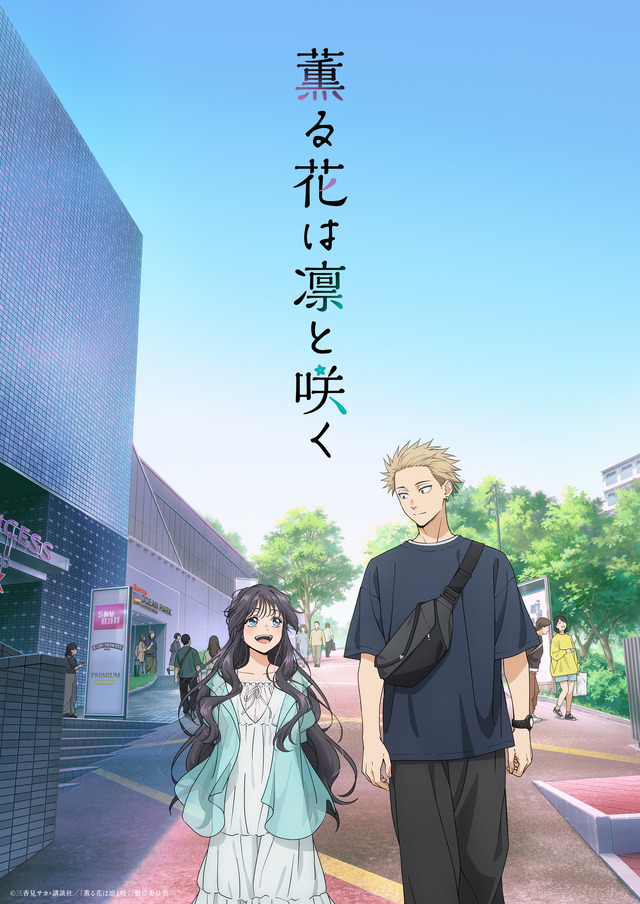
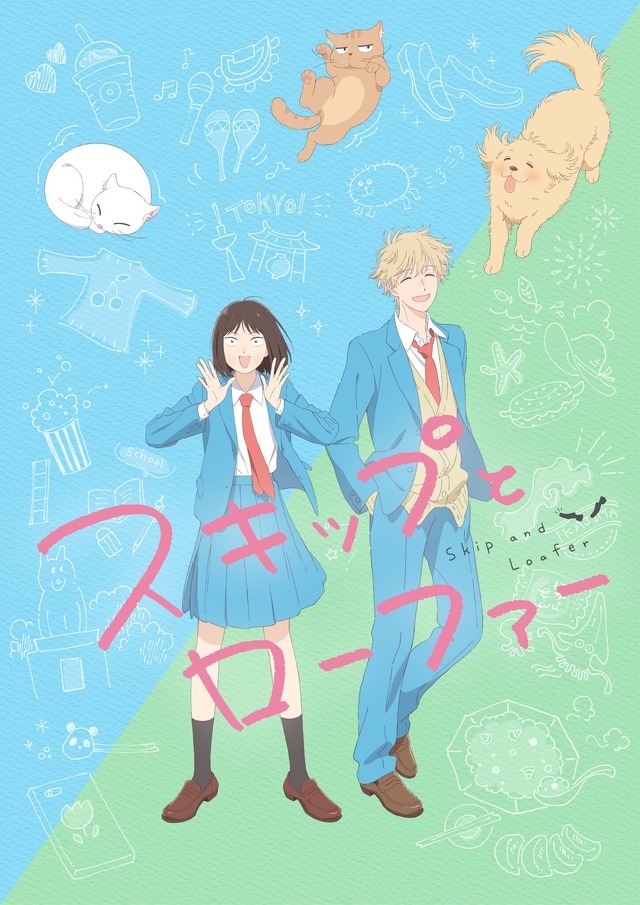
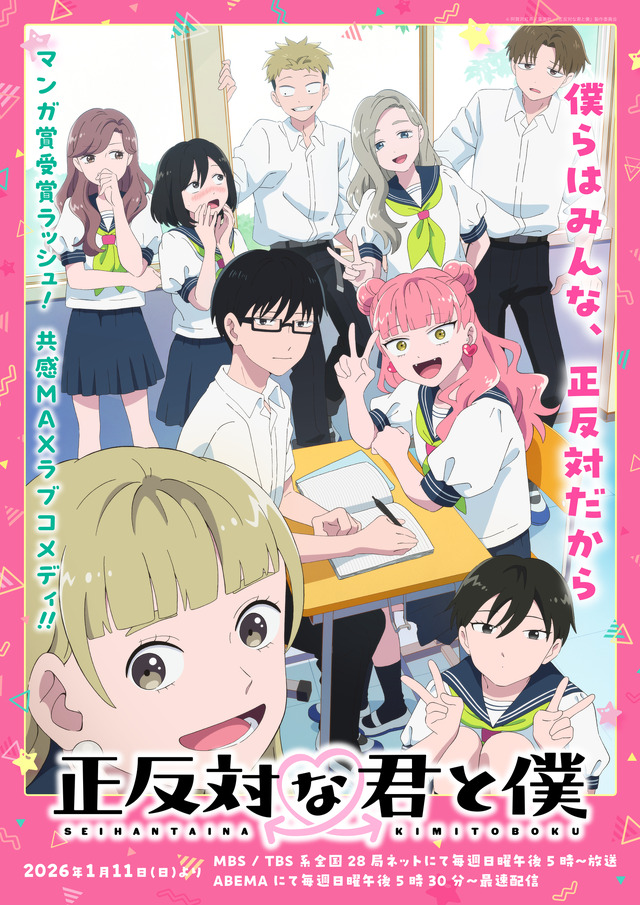
The third stream emphasizes a shoujo-manga-like emotional resonance. These stories may start from fictional meetings or unusual settings, but the emotions stay grounded. Titles such as Skip to Loafer, Seihantai na Kimi to Boku, and Kaoru Hana wa Rin to Saku fall into this category.
Unlike the two previous genres, which center on the charm of heroines, this type uses romance to depict the broader struggles of adolescence—how you see yourself in the eyes of others, how to face people, and how to grow up. Love is only one aspect of the characters’ daily lives, not the sole goal. The appeal lies in the way these works articulate universal, relatable worries with clarity, giving viewers moments of recognition and empathy.
◆ The Future of Rom-Coms: Expanding Beyond Boundaries
We have outlined three currents—multi-heroine, one-on-one, and empathy-driven—to map the current state of romantic comedy anime. Yet the genre’s appeal depends so heavily on character and chemistry that any simple classification is bound to miss something.
Moreover, many anime that aren’t primarily rom-coms still include romantic elements, such as heroines in isekai adventures. These secondary rom-com threads can spark new trends of their own.
Rom-coms remain a major force in manga and light novels as well as anime, and they will continue to command attention in the years ahead.
(C)春場ねぎ・講談社/「五等分の花嫁*」製作委員会
(C)古味直志/集英社・アニプレックス・シャフト・MBS
(C)内藤マーシー・講談社/「甘神さんちの縁結び」製作委員会
(C)瀬尾公治・講談社/「女神のカフェテラス」製作委員会・MBS
(C)裕夢/小学館/チラムネ製作委員会
(C)中村力斗・野澤ゆき子/集英社・君のことが大大大大大好きな製作委員会
(C)みかみてれん・竹嶋えく/集英社・わたなれ製作委員会
(C)桜井のりお(秋田書店)/僕ヤバ製作委員会
(C)佐伯さん・SBクリエイティブ/アニメ「お隣の天使様」製作委員会
(C)Sunsunsun,Momoco/KADOKAWA/Alya-san Partners
(C)高松美咲・講談社/「スキップとローファー」製作委員会
(C)阿賀沢紅茶/集英社・「正反対な君と僕」製作委員会
(C)三香見サカ・講談社/「薫る花は凛と咲く」製作委員会