




Introduction
Some anime are about saving the world. Some are about falling in love. And some, like Kore Kaite Shine, are about the terrifying, exhilarating act of making something and showing it to another person. This is a series that understands something fundamental about creative life: the gap between loving a medium and daring to contribute to it is enormous, and crossing that gap requires more courage than most stories are willing to admit.
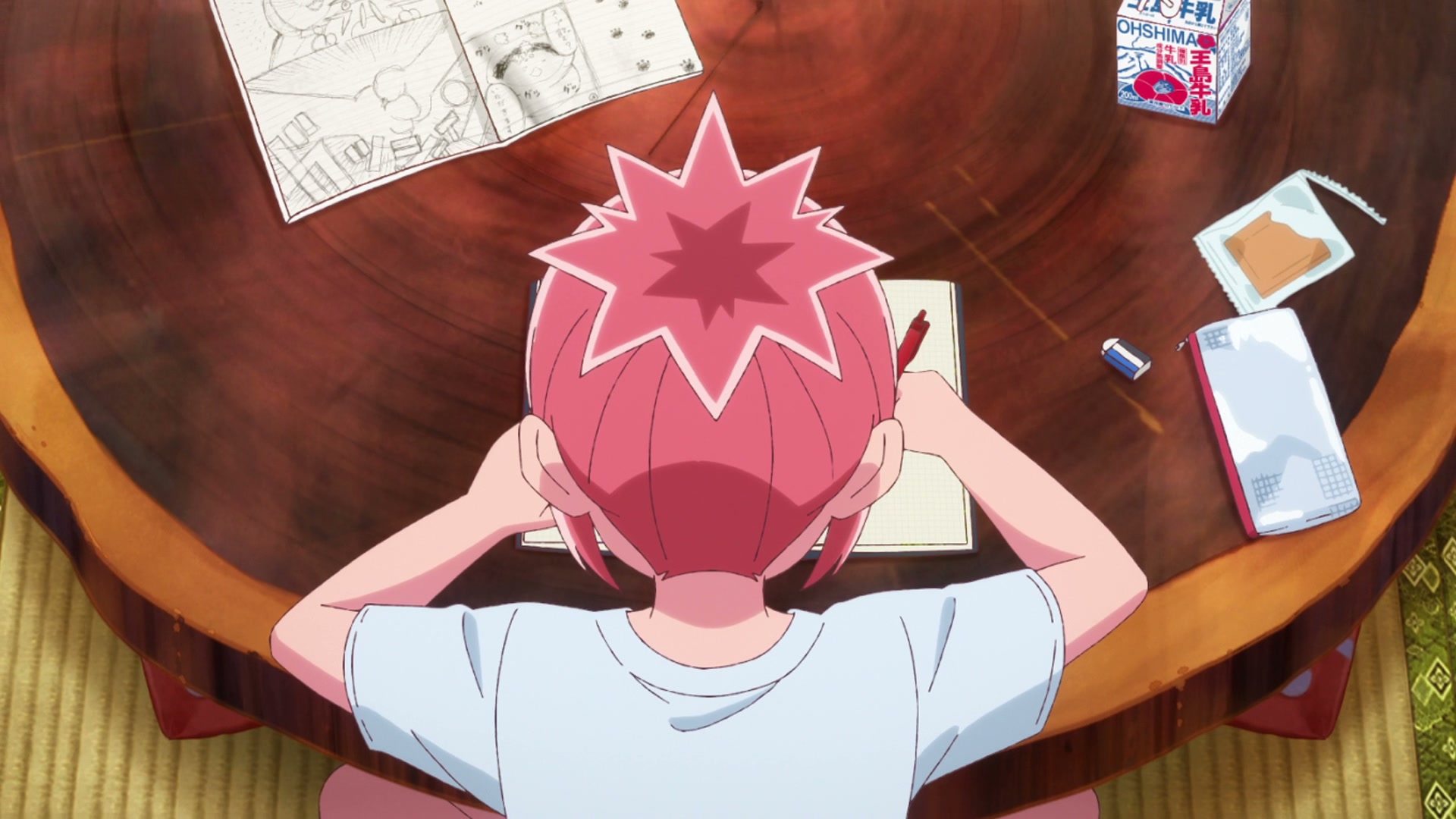
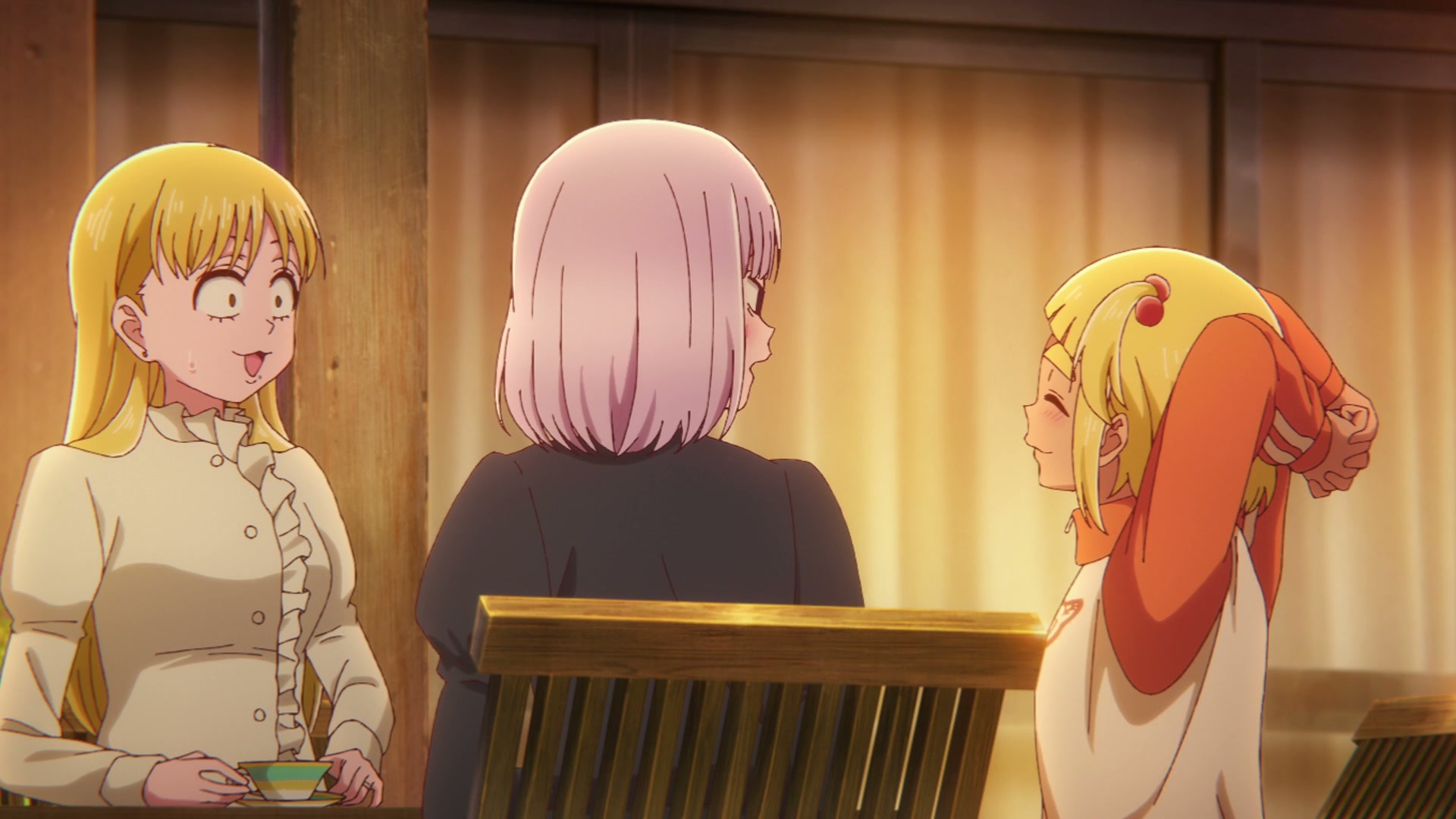
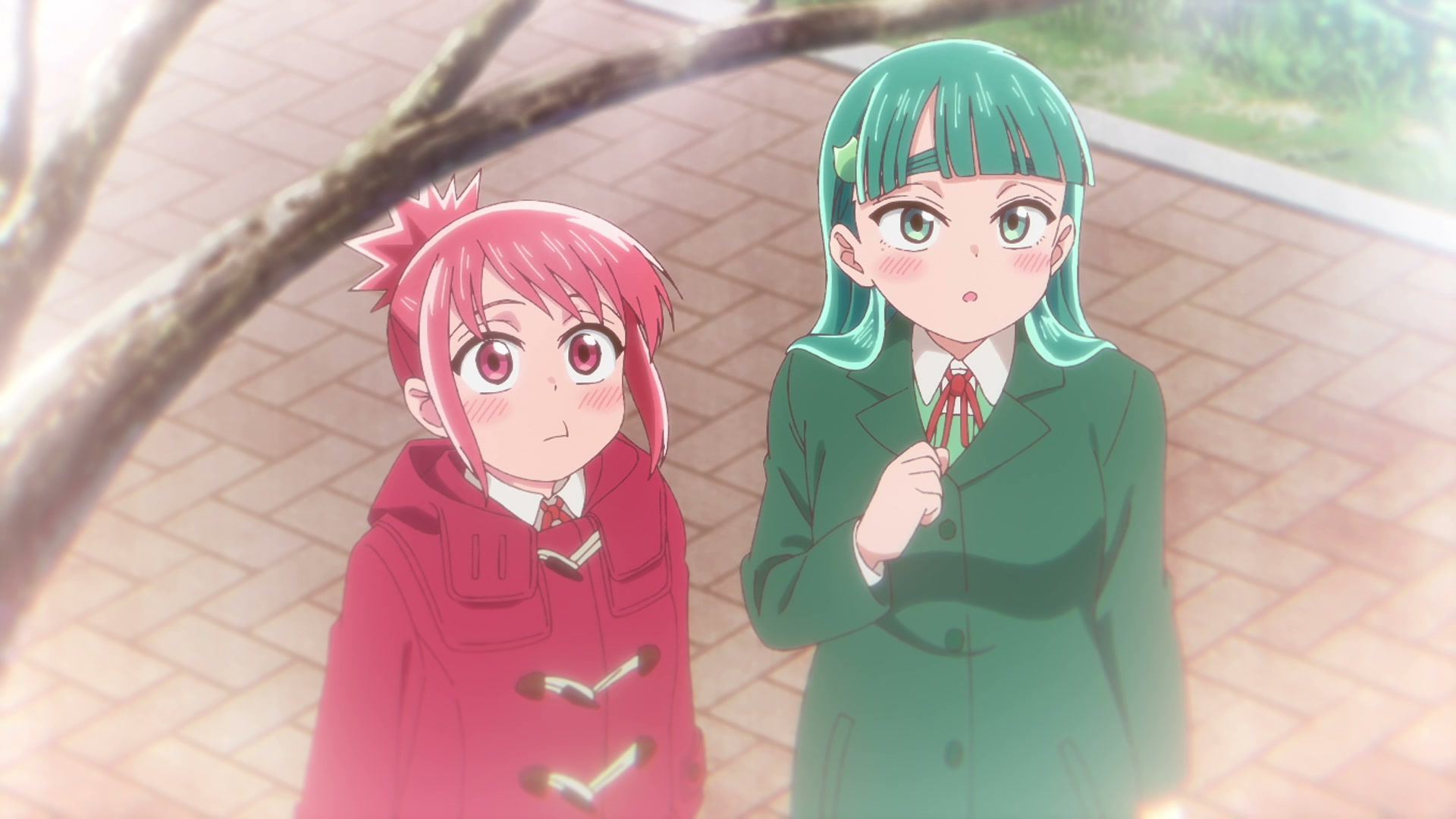
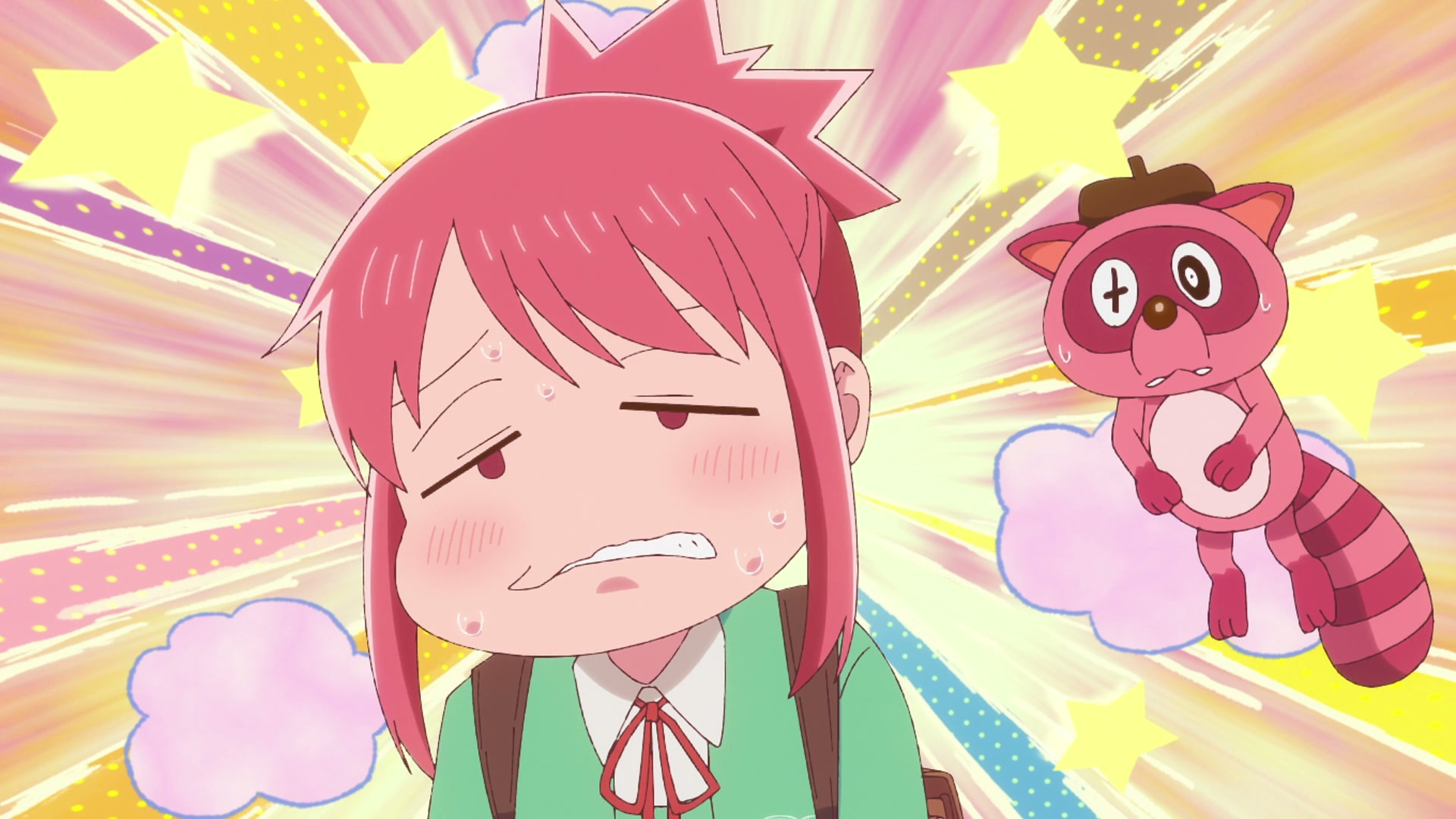
Kore Kaite Shine follows Yasumi Ai, a high school girl on Izu Oshima who has spent her life using manga as a substitute for human connection. Her imaginary companion, a tanuki named Pokota, comes straight from the pages of Robota & Pokota, a manga she has read so many times she can quote it chapter and verse. When Ai discovers that her strict, manga-hating teacher, Teshima Rei, is secretly the author of that very manga, she stumbles into a world she never expected to enter: the world of making manga herself.
What follows is not a triumphant rise to professional stardom. It is something gentler, messier, and far more honest. Ai forms a manga research club with her classmates, learns the basics of storytelling and art, attends doujinshi events, faces criticism, and slowly discovers that the thing she loves most might also be the thing that hurts her most. The series asks whether creativity is worth the cost, and it refuses to give a simple answer.
I have been watching anime for a long time, and I have seen many shows about creative pursuits. Bakuman gave us the thrill of serialization and rivalry. Shirobako showed us the chaos of anime production. Kore Kaite Shine sits alongside them but carves out its own space. It is quieter, more introspective, and more focused on the emotional interior of creation rather than the mechanics. It is a series for anyone who has ever loved something enough to be afraid of ruining it.
Story and Themes
The Structure of a Creative Life
Kore Kaite Shine unfolds across twelve episodes, and its narrative structure mirrors the creative process it depicts. The first few episodes establish the premise and assemble the club. The middle episodes expand the characters’ understanding of what manga can be, both as art and as commerce. The final episodes push them toward a professional threshold and ask what they actually want from all this effort.
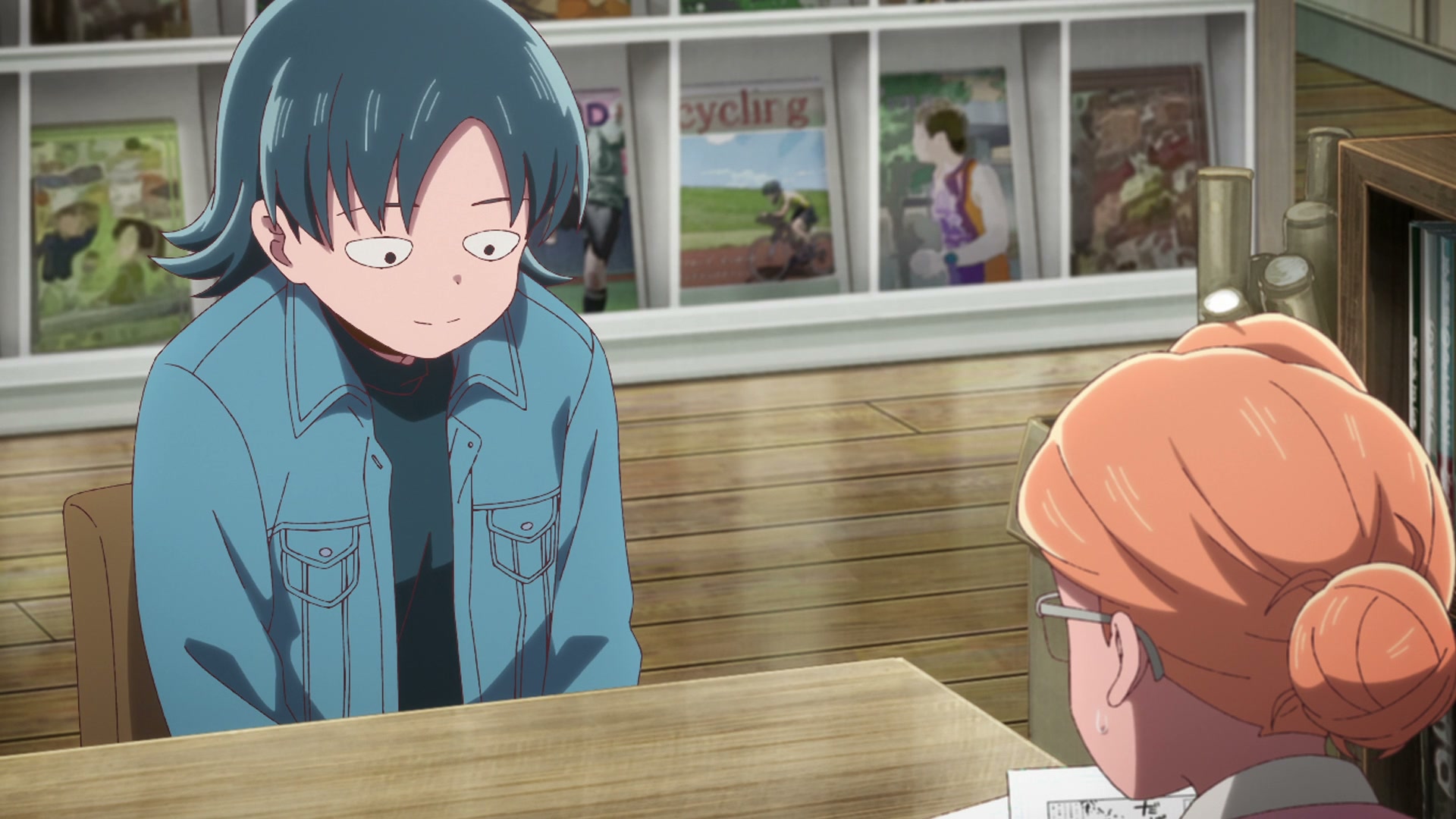
The pacing is deliberate. This is not a series that rushes toward dramatic confrontations or tournament arcs. It lingers on small moments: a conversation on a hill, a quiet evening at a book rental shop, the spark of an idea during a walk. The series understands that creative work is mostly made of these small moments, and it trusts the viewer to find them compelling.
That said, the series does have clear turning points. The first Comitia arc establishes the reality of selling your work to strangers. The social media arc explores the temptation to chase popularity. The final arc brings the characters face to face with professional editors and the question of whether they want to go pro. Each arc builds on the last, creating a sense of accumulation rather than escalation.
Manga as Connection
The central theme of the series is that manga, and art more broadly, is a form of connection. Ai begins the series isolated, using Robota & Pokota as a script for social interaction. She literally asks herself what a manga protagonist would do, and then she does it. This could have been played as pathetic, but the series treats it as genuinely heroic. Ai’s willingness to learn from stories is what saves her from loneliness.
The series extends this theme to every major character. Kokoro draws because she cannot speak. Hikaru makes manga because she has no friends. Rei drew manga because she wanted to reach someone. Even Sachi, who does not draw, connects to others by reading and commenting on their work. The club itself is a testament to the idea that making things together creates bonds that ordinary conversation cannot.
One of the most moving expressions of this theme comes in the final episode, when we learn that young Ai once gave Rei a fan letter. Rei was in a dark place, considering giving up on manga entirely. Ai’s words, delivered through a simple letter, reminded her why she started. Years later, Ai is still drawing, still reaching toward others, and Rei is still by her side. The circularity is not contrived; it feels earned because the series has spent twelve episodes showing us how much these connections matter.
Hobby vs. Professional Ambition
Perhaps the most interesting thematic tension in the series is the question of whether manga should be a hobby or a profession. Rei is adamant that the club treat manga as a hobby. She makes them promise to put schoolwork first, not to aim for professional publication, and never to stake their lives on manga. On the surface, this seems like a reasonable adult trying to protect teenagers from unrealistic dreams.
But the series gradually reveals that Rei’s insistence on hobby status is not wisdom. It is trauma. Rei herself tried to go pro. She became an assistant to her idol Hebichika, nearly achieved serialization, and burned out so badly that she describes her creative fire as “magma” that has gone cold. Her rules for the club are not about protecting them from disappointment; they are about protecting them from the specific pain she experienced.
Ai’s response to this tension is the emotional climax of the series. When Rei asks her if she wants to go pro, Ai says that she wants to draw what she loves, and whether she goes pro or not does not matter as long as she can keep drawing. This is not a rejection of ambition. It is a refusal to let ambition define her relationship with the thing she loves. Rei tells her she is choosing the toughest path, and she is right. But it is also the path that might allow Ai to keep her magma burning.
Cultural Context
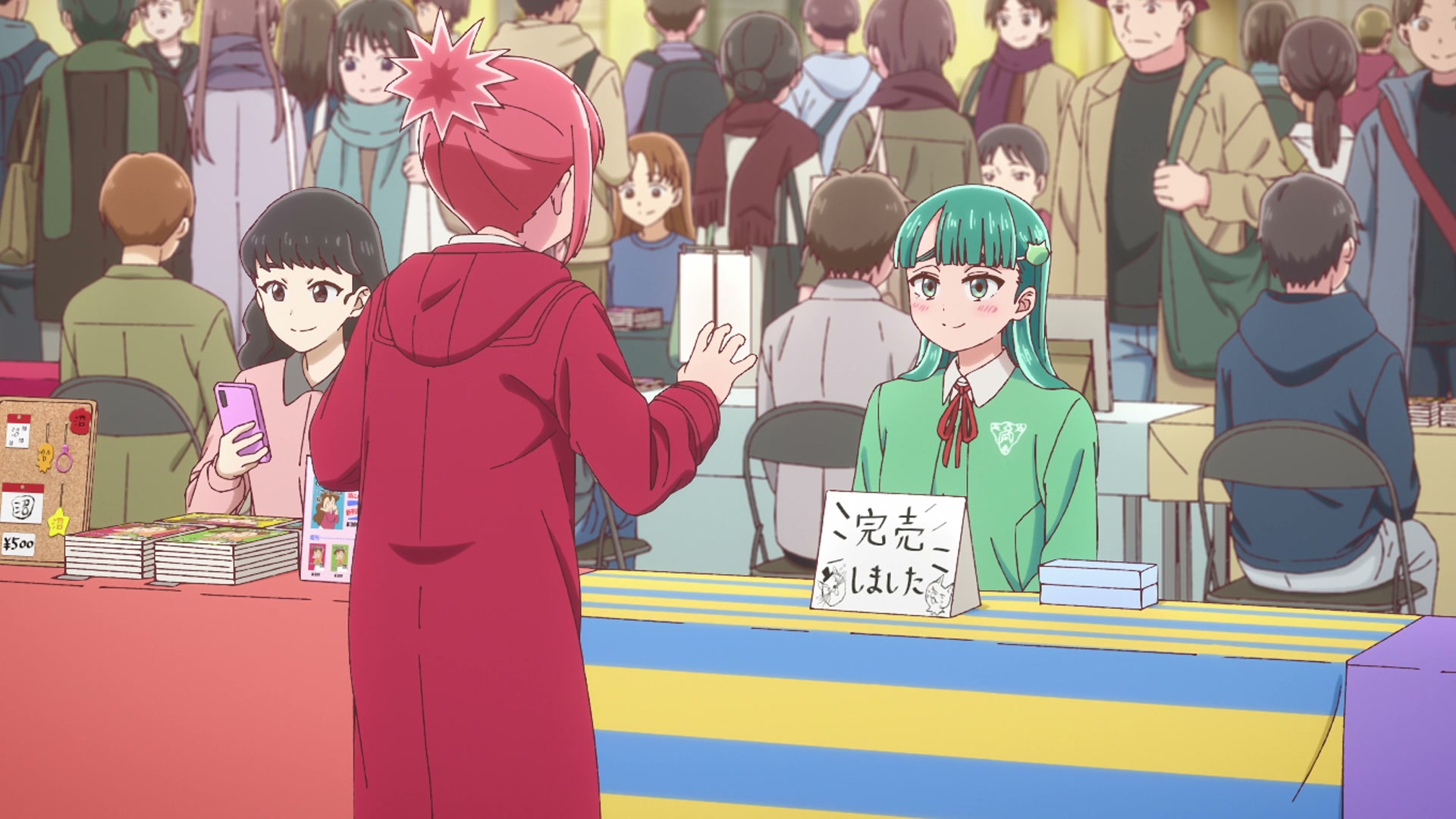
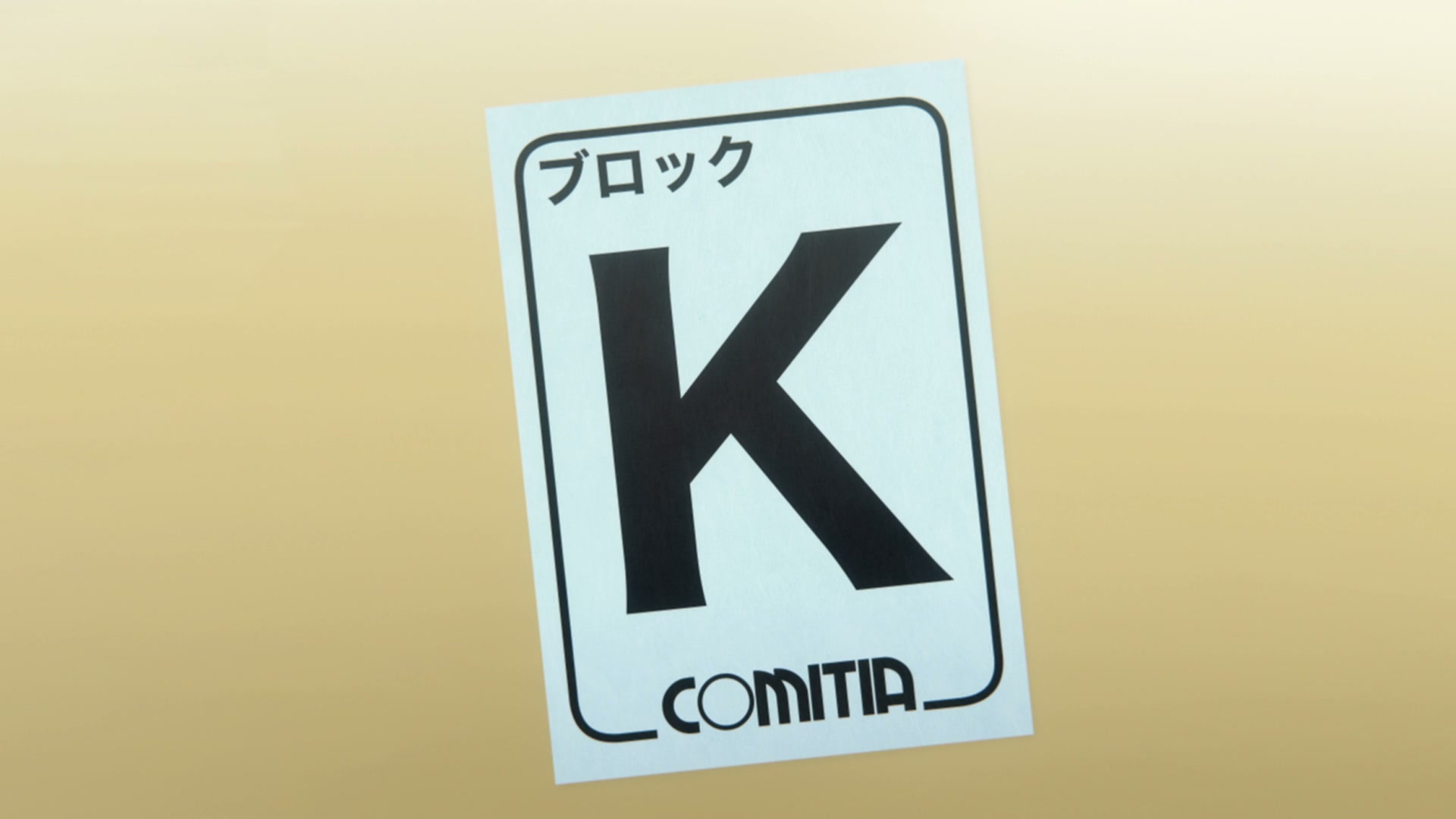
The series is steeped in Japanese creative culture, and it treats that culture with affection and specificity. Comitia, the doujinshi event that serves as the backdrop for several episodes, is depicted with real attention to detail: the lottery system for tables, the etiquette of greeting neighboring booths, the business cards, the sample books, the on-site editorial offices. For anyone who has spent time in that world, the authenticity is palpable.
The series also engages with the professional manga industry. Rei’s flashbacks show us the assistant system, the editor relationships, the serialization meetings, the deadline madness. Kongoji Hana, Rei’s former editor, is a nuanced portrayal of an editor who genuinely cares about creators but also has to enforce commercial realities. The series does not romanticize the industry, but it also does not demonize it. It is simply another context in which people try to make things and connect with readers.
The island setting of Izu Oshima adds another layer. The girls’ trips to Tokyo are not just field trips; they are journeys into a different world, a world of bookstores and publishers and editorial offices. The contrast between the island’s slow, communal life and Tokyo’s commercial intensity mirrors the contrast between hobbyist creativity and professional ambition. The series uses this geography to make abstract tensions concrete.
Adaptation Notes
I am not familiar with the source material, so I cannot speak to what was cut, condensed, or changed. What I can say is that the anime tells a complete and satisfying story. The arcs are clearly structured, the character development is consistent, and the ending feels earned. If the source material expands on any of this, I would be happy to explore it, but the anime stands on its own as a coherent work.
Characters
Yasumi Ai
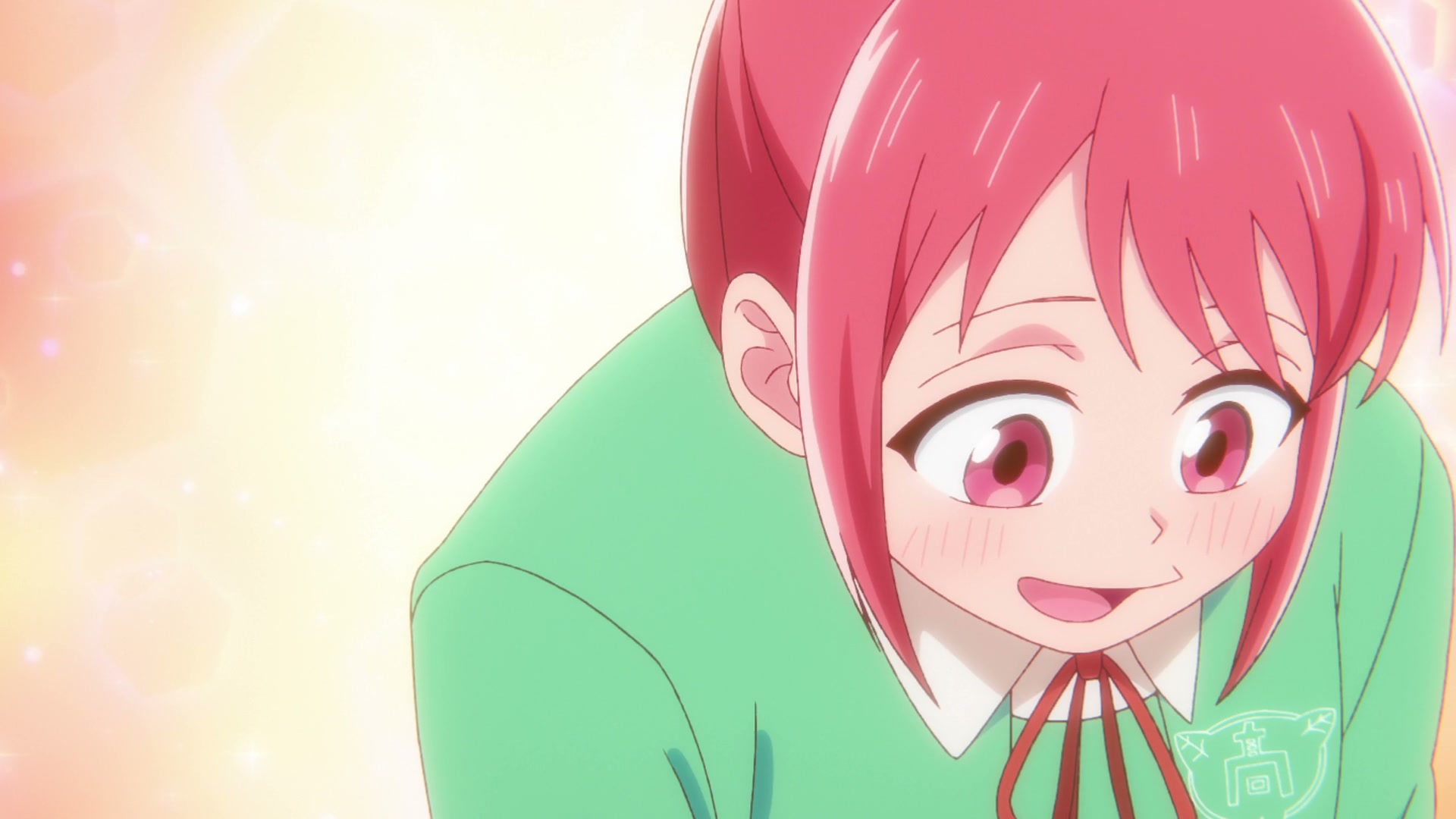
Ai is the emotional heart of the series, and her arc is the most fully realized. She begins as a lonely girl who has turned to manga as a substitute for human connection. Her imaginary friend Pokota is not just a cute quirk; he is a survival mechanism. When Ai does not know how to act, she asks herself what a manga protagonist would do, and she does it. This is how she makes her first friends, and it is how she approaches almost every challenge in the series.
What makes Ai compelling is her honesty. She is not a genius. She is not naturally talented at drawing or storytelling. What she has is enthusiasm, sincerity, and a bottomless capacity for feeling. When she is happy, she is ecstatic. When she is hurt, she cries. When she is jealous, she cannot hide it. This emotional transparency makes her interactions with others incredibly intimate, even when they are awkward or painful.
Her growth is not from weakness to strength, but from isolation to community. She learns to ask for help, first from Pokota, then from Kokoro, then from the entire club. She learns to apologize when she has hurt someone. She learns that her ideas are valuable not because they are polished, but because they are hers. By the end of the series, she can stand in front of a professional editor and say, with complete clarity, that she wants to draw what she loves. That is a remarkable journey.
Teshima Rei / Hoshino Rei
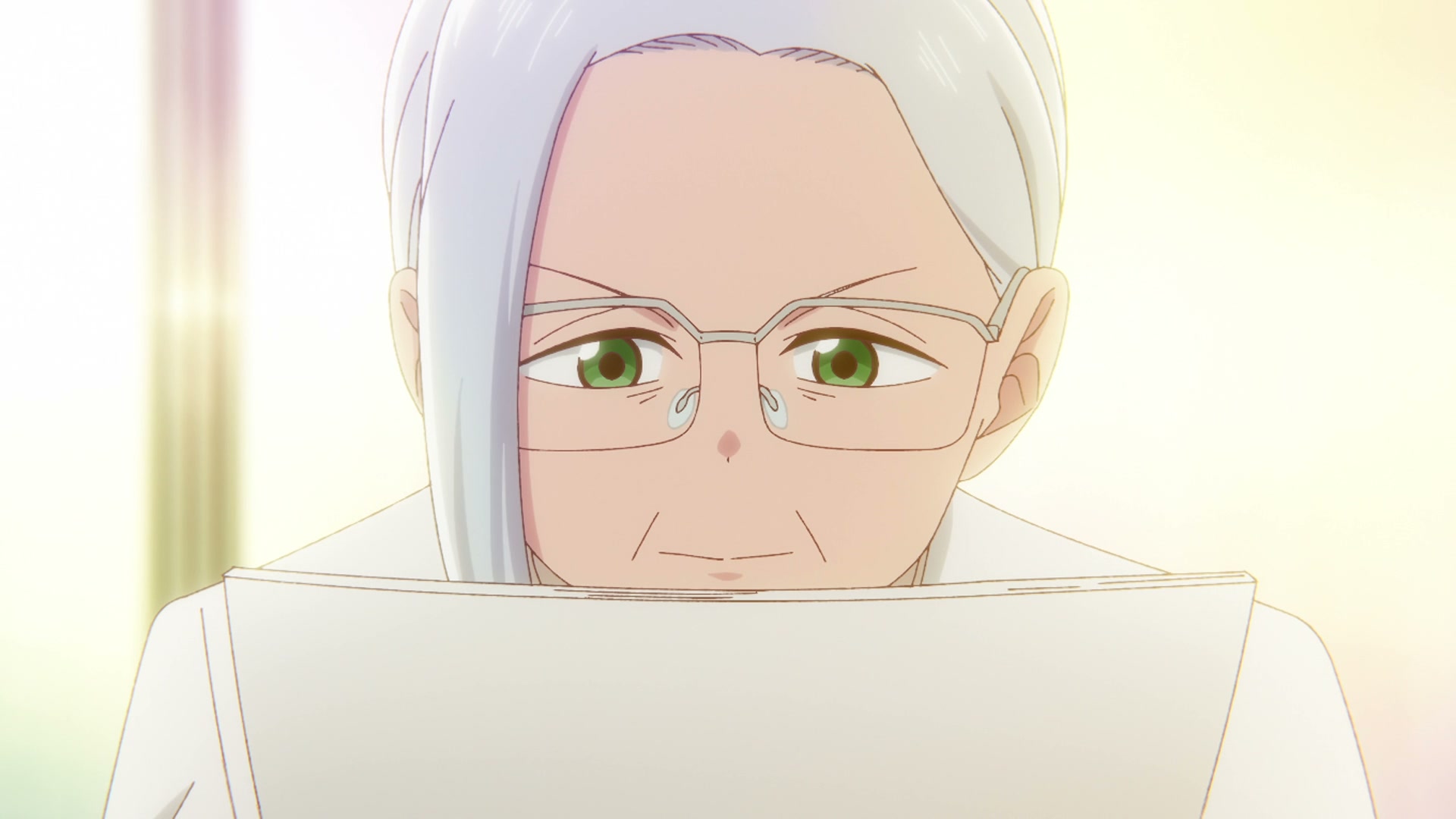
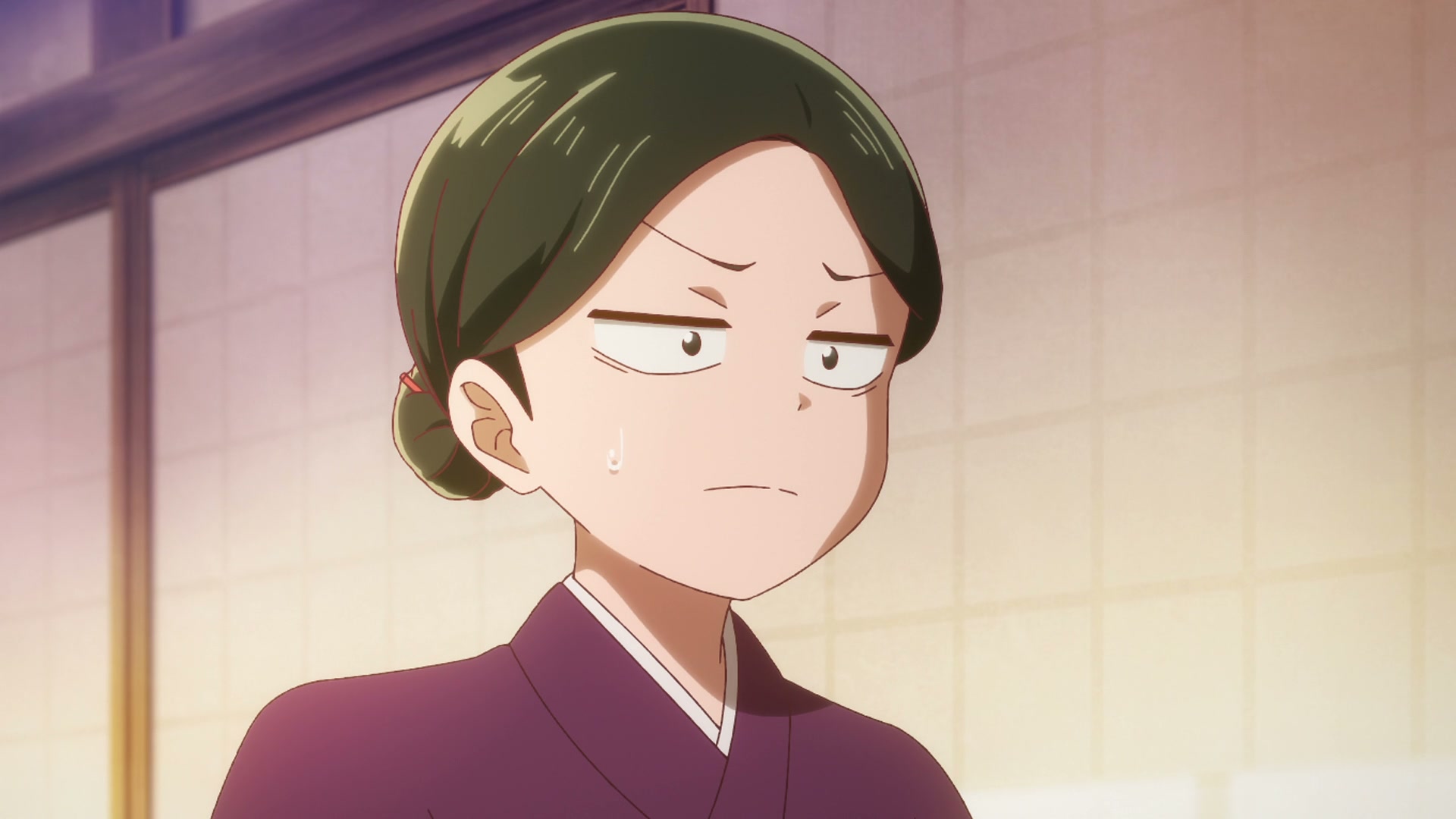
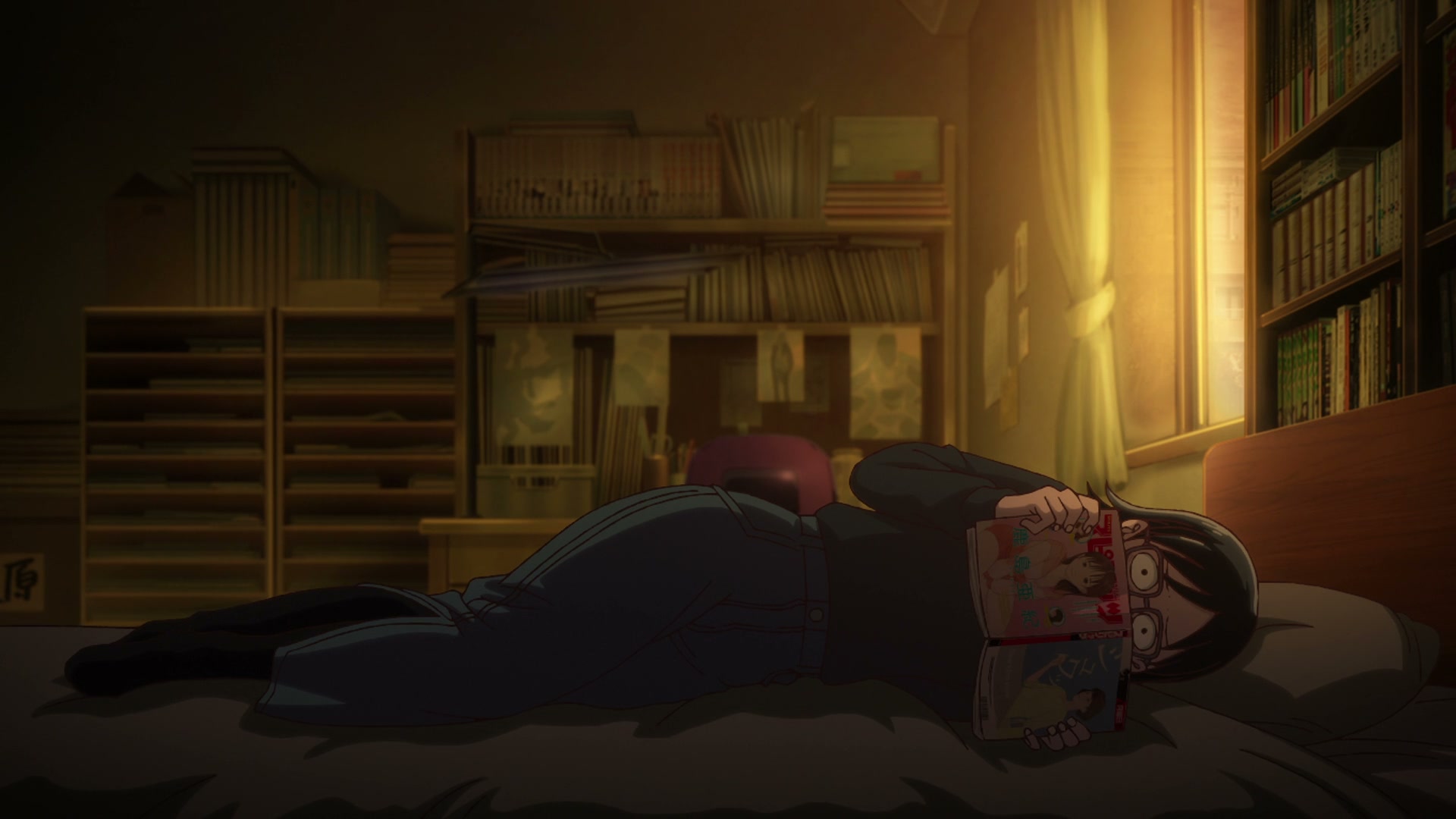
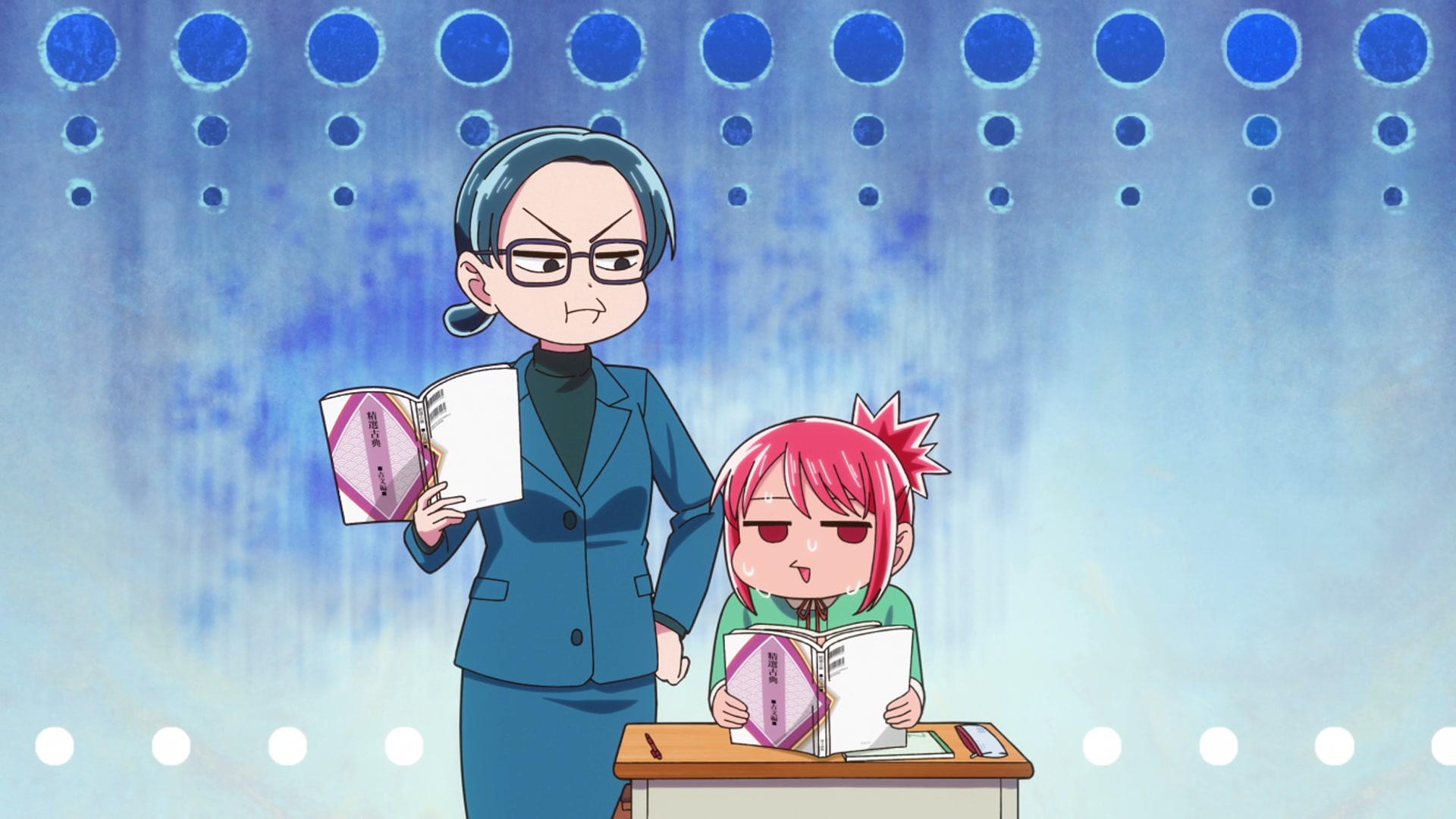
Rei is the most complex character in the series, and in many ways, she is the true protagonist of the emotional story. She is introduced as an antagonist: the strict teacher who confiscates manga and delivers long lectures about how manga is pointless. But the series quickly reveals that she is Hoshino Rei, the creator of the manga that saved Ai’s life, and that her anti-manga stance is a form of self-punishment.
Rei’s backstory is tragic. She loved manga with her whole being. She became an assistant to her idol Hebichika, worked herself to exhaustion, nearly achieved serialization, and then lost her creative fire. The metaphor the series uses is “magma.” Rei describes the magma inside her as having gone cold, and she has accepted that she will never draw again. Her decision to become a teacher, to live on an island far from Tokyo, and to confiscate the very thing she once loved is her way of protecting herself from further pain.
What makes Rei so compelling is her inconsistency. She says she will not teach manga, then gives detailed lessons. She says she is against the Comitia trip, then prepares an exhaustive itinerary. She says she is not buying Ai’s manga out of pity, but she buys it anyway. These contradictions are not writing errors; they are the contradictions of a person who is trying desperately not to care and failing. Rei cares. She cares so much that it terrifies her.
Her relationship with Ai is the engine of the series. Ai reminds Rei of her younger self, and Rei cannot resist guiding her, even as she insists that she will not. By the end of the series, Rei has not fully reignited her magma, but she has chosen to stay near it. Her final line, “For just a little longer, let me stay by your side,” is a modest but profound statement. She is not returning to professional manga. She is simply allowing herself to remain connected to the thing she loves.
Fujimori Kokoro
Kokoro is the artist of the group, and her arc is about finding her voice. She begins as a shy, stuttering girl who apologizes constantly and cannot stand up to her controlling mother. She expresses herself through drawing, and when she joins the manga club, she becomes the visual talent that completes Ai’s ideas. Their partnership is the creative core of the series.
Kokoro’s conflict with her mother is the most direct portrayal of parental pressure in the series. Her mother controls her hair, her clothes, her activities, and her time. When Kokoro joins the manga club and starts wearing her father’s hairpins, her mother is furious. Kokoro is too afraid to confront her, so she does what she does best: she draws. She creates a manga that explains her feelings, her loneliness, her new friends, and her love for the hairpins. Her mother reads it and softens.
This is a simple resolution, but it is earned because the series has shown us how difficult it is for Kokoro to express herself. When she later confronts Kongoji Hana and insists that pity stifles creativity, we see how much she has grown. She is still shy, still soft-spoken, but she has learned that her drawings can speak for her when her voice cannot.
Akafuku Sachi
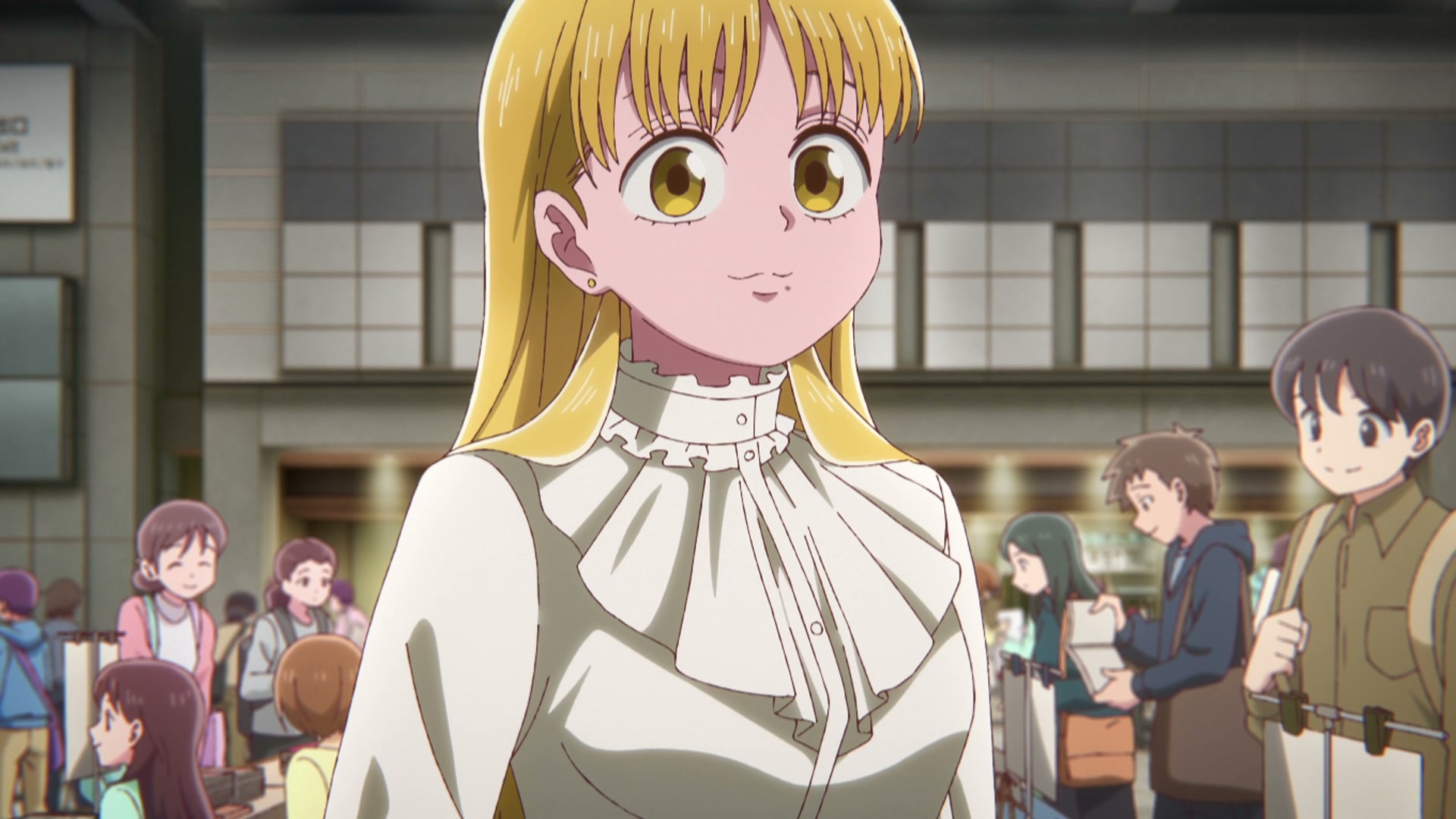
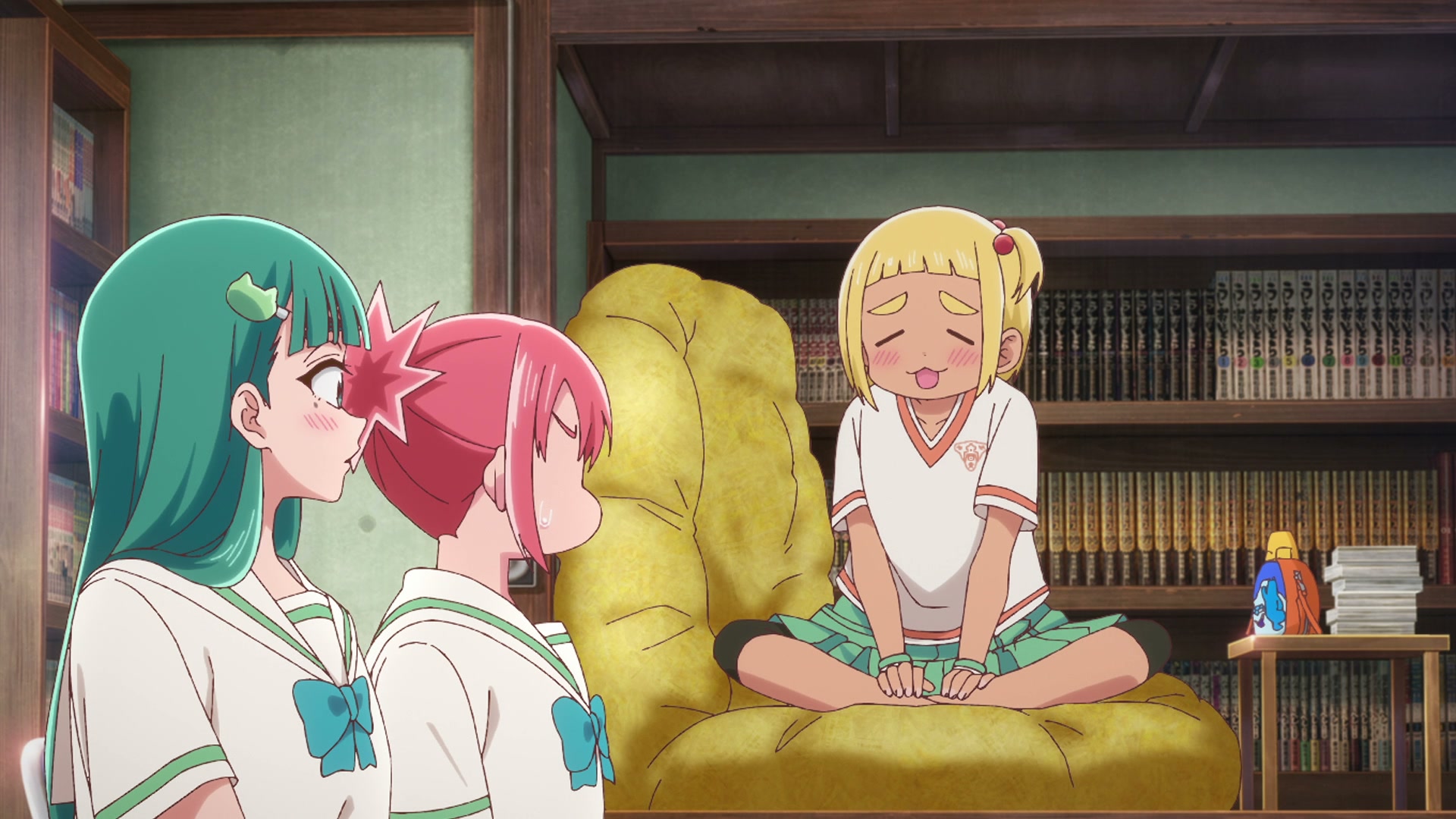
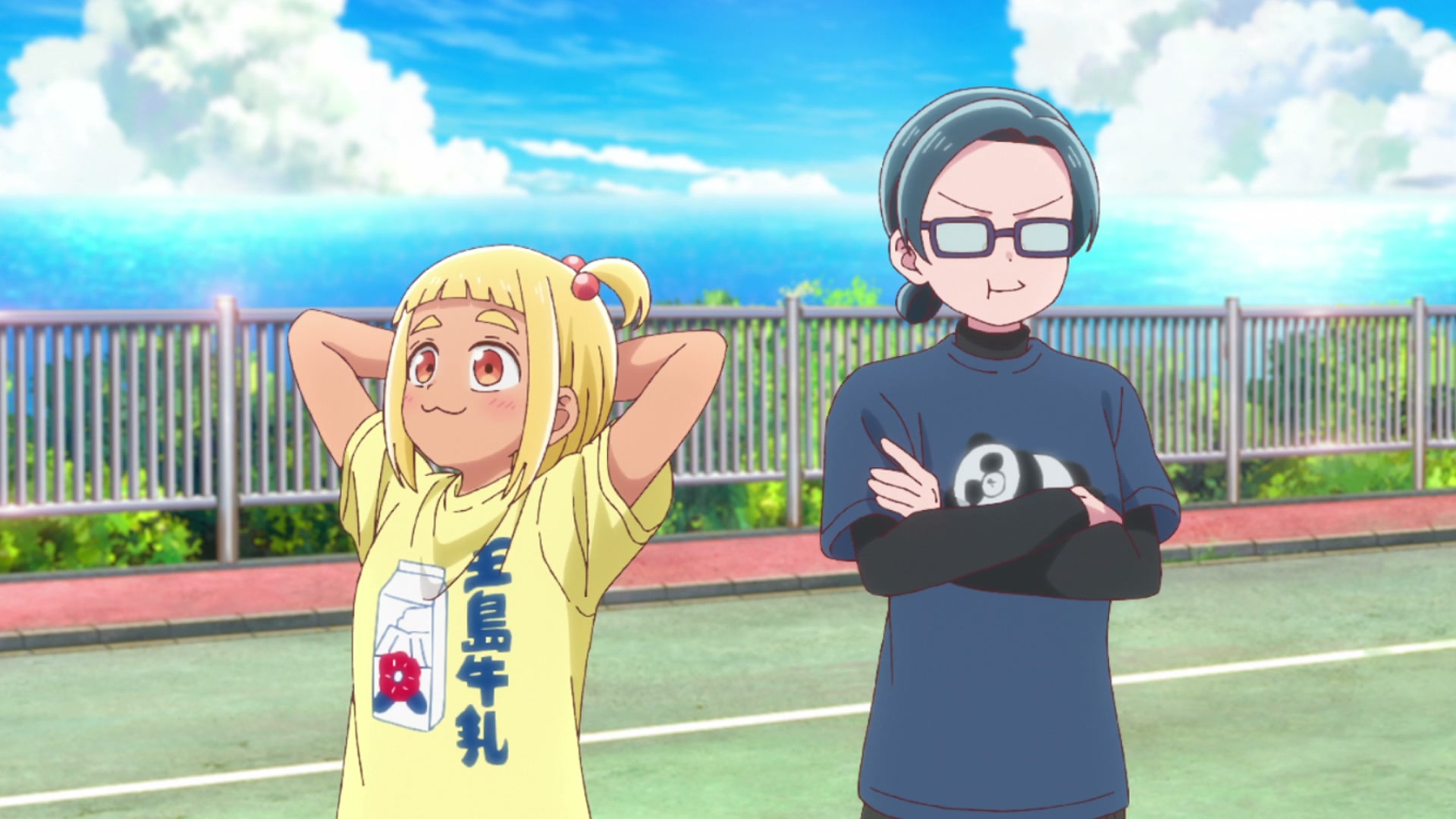
Sachi is the comic relief, the instigator, and the emotional bridge of the group. She is the one who pressures Rei into becoming the club advisor, mostly because she wants an air-conditioned room and unlimited manga. She does not draw. She is not interested in becoming an artist. What she loves is reading, and what she is good at is telling the truth.
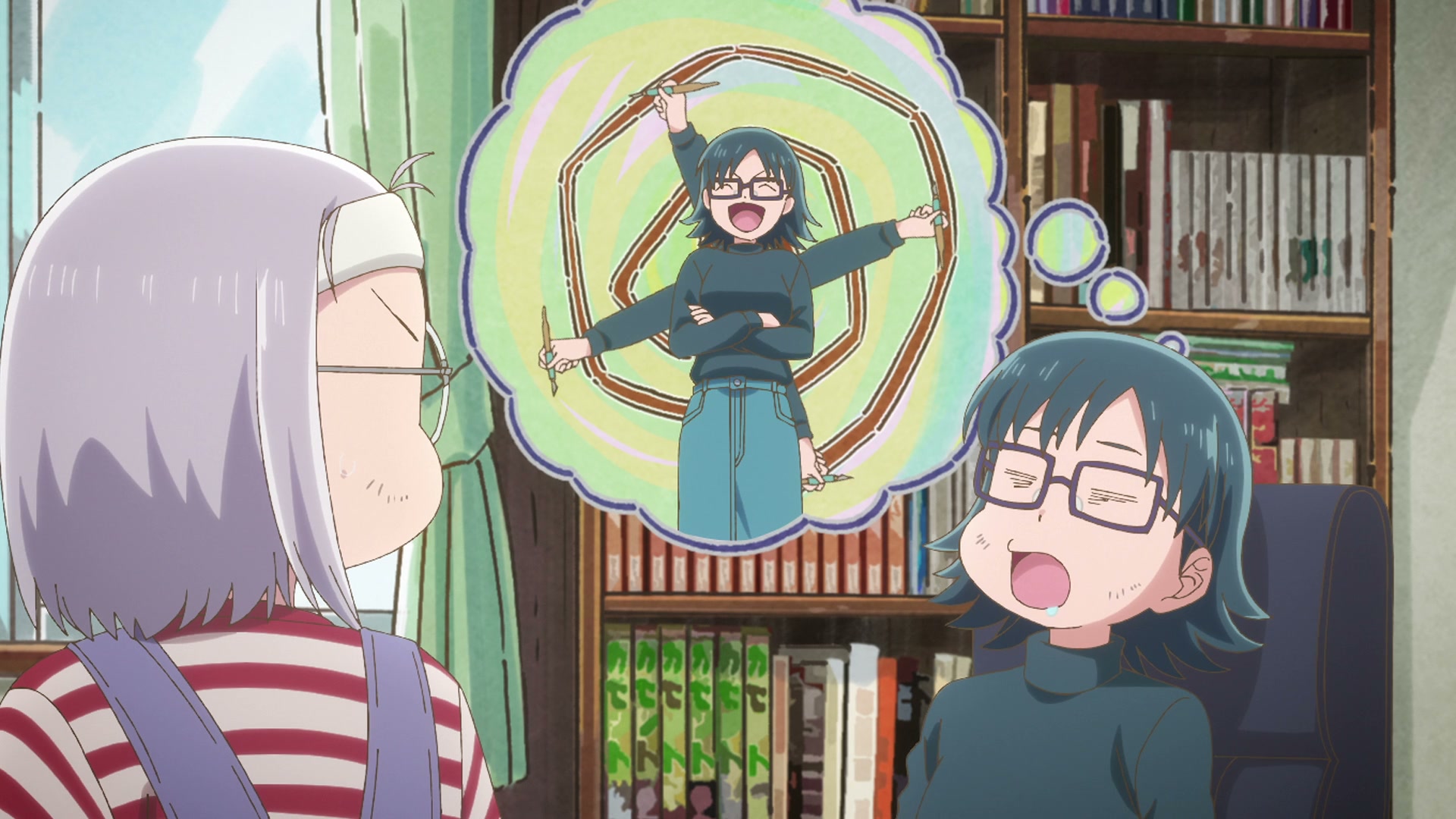
Sachi’s role in the club is to be the objective reader. She tells Ai when her stories are boring, predictable, or incoherent. She is not cruel about it, but she is not gentle either. She understands that honest feedback is more valuable than empty praise, and she is willing to be the bad guy if it helps her friends improve.
Her friendship with Hikaru is one of the series’ most satisfying subplots. Sachi pursues Hikaru relentlessly, asking her to call her Sacchan, inviting her to lunch, taking her fishing. Hikaru resists, but Sachi’s persistence wears her down. When Hikaru says something that hurts Sachi’s feelings, Sachi reads Hikaru’s manga and understands the apology that Hikaru cannot speak aloud. Sachi’s ability to read people through their art is her greatest gift, and it is what makes her indispensable to the group.
Sekiryu Hikaru / Stone Dragon
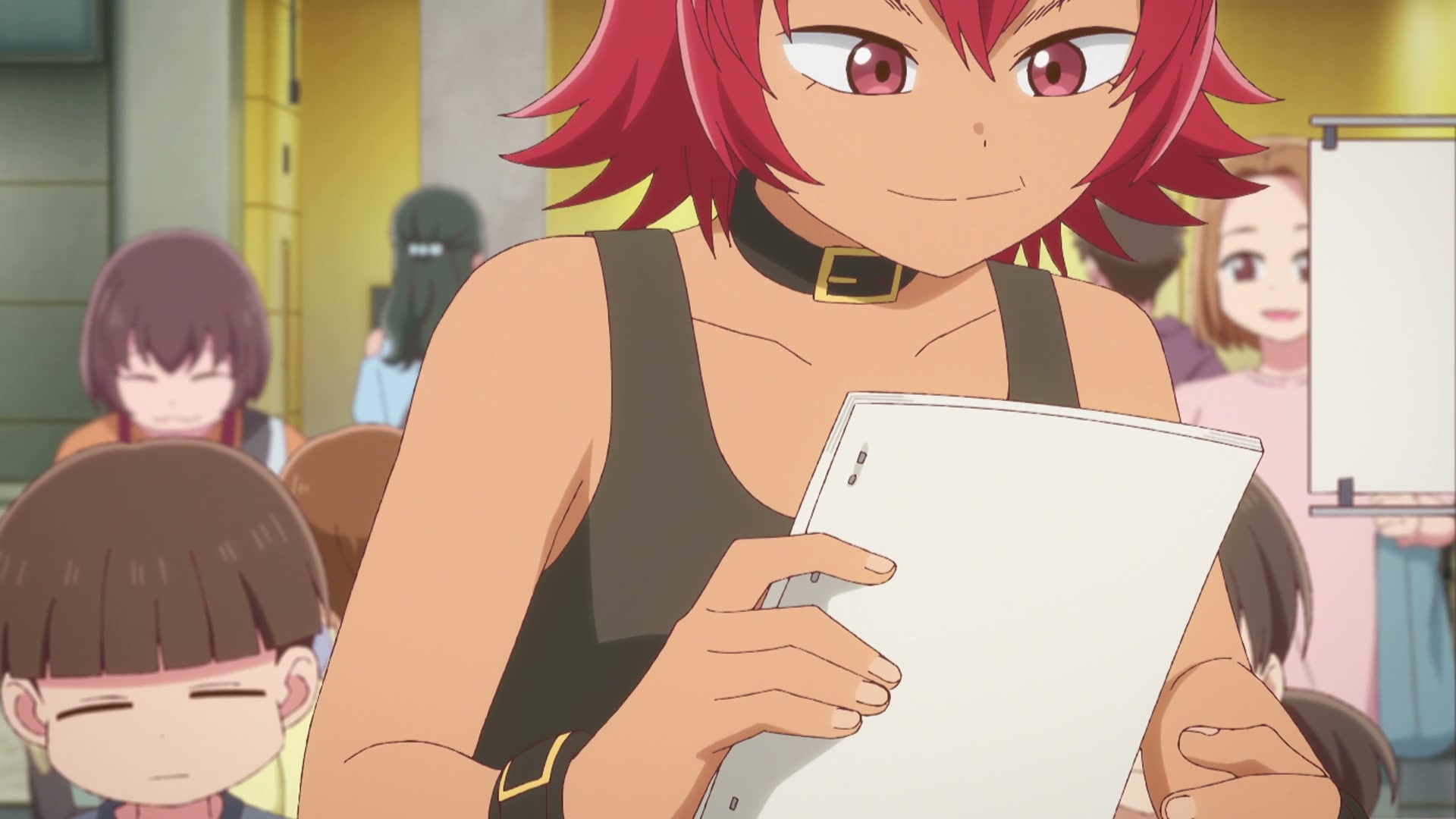
Hikaru is the prodigy, the blunt outsider who pushes everyone to be better. She is already a successful manga artist on social media, with a following that dwarfs anything the club has achieved. She is also deeply isolated. She has no friends, she repeats a grade because she spent all her time drawing, and she says that manga are her only friends.
Hikaru’s arc is about learning to accept friendship without losing her edge. She is afraid of her own sharpness, her “fangs,” because she knows that she hurts people without meaning to. When she visits Sachi’s home and experiences a normal family dinner, she is moved despite herself. When she says, “Why would I ever go back?” she is not being cruel; she is being defensive. She does not know how to want something without being afraid of losing it.
Her apology to Sachi, written in the margins of a storyboard, is one of the most beautiful moments in the series. It shows that Hikaru has learned, from Ai and Kokoro and Sachi, that manga can communicate things that words cannot. By the end of the series, she is calling Sachi “Master Akafuku,” a title of respect and affection that shows how far she has come.
Teramura Nana
Nana is the owner of the book rental shop, Rei’s close friend, and the bridge between the older and younger generations. She was Rei’s fellow assistant under Hebichika, and she understands Rei’s pain better than anyone. Her decision to follow Rei to Oshima, to open a book rental shop, and to create a space where manga can be shared is her way of keeping her own love for manga alive.
Nana’s role in the series is to provide context and perspective. She tells the girls about Rei’s past, not to embarrass Rei but to help them understand who she is. She gives Rei notebooks and reminds her that she still wants Rei to draw. She does not push, but she does not let Rei forget. Without Nana, Rei might have succeeded in cutting manga out of her life entirely.
Hebichika
Hebichika is Rei’s idol, Hikaru’s mother, and the author of Sweet Snake Strawberries. She is a genius of pure instinct, and she is also a tyrant. She redraws entire chapters on a whim, ignores her assistants’ exhaustion, and says things like “More bloodlust, maybe?” without explaining what she means. She is not malicious, but she is indifferent to the suffering she causes.
Her relationship with Rei is the source of Rei’s creative trauma. Rei worshipped her, worked for her, and learned from her, but she also learned that genius is not kind and that the professional manga world can consume you. Hebichika’s line “Good luck killing me, Rei-chan” is both a challenge and a dismissal, and it haunts Rei for years.
Hebichika’s role in the present is to show the girls what professional manga looks like up close. She is intimidating, cryptic, and brilliant, and she represents both the attraction and the danger of going pro. Her interaction with Sachi in episode ten is particularly interesting. Sachi reframes Hebichika’s cynical “90% of everything is crap” into a statement of human equality, and Hebichika is both amused and unnerved. Sachi’s ability to find the humanity in cynicism is her superpower.
Kongoji Hana
Hana is Rei’s former editor and the professional gatekeeper who evaluates Ai and Kokoro’s work in the finale. She is calm, direct, and honest. She does not flatter, but she does not crush. When she tells Ai that her manga is well done as a hobbyist work but not ready for professional publication, it stings, but it is also fair. Her philosophy, “pity only stifles creativity,” is harsh, but it is also a form of respect. She is not going to pretend something is good just to make someone feel better.
Her relationship with Rei is professional but caring. She recognizes Rei’s potential, even when Rei cannot see it herself. She offers Rei a different magazine when the first one will not accept her. She gives Ai and Kokoro her business card and the opportunity to submit again. She is not a villain or a savior; she is simply an editor who knows what the market demands and respects creators enough to tell them the truth.
Pokota
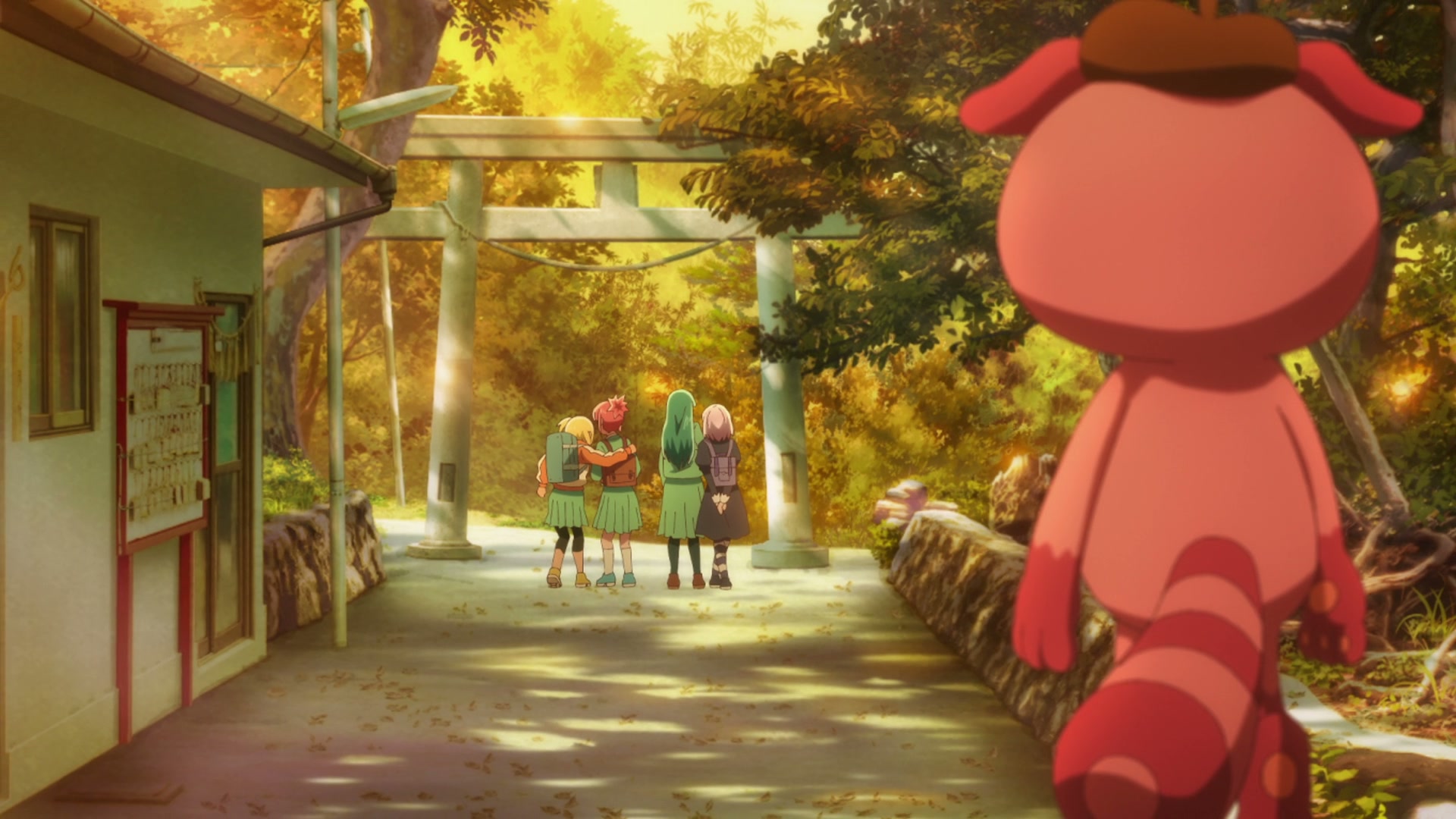
Pokota is Ai’s imaginary friend, a tanuki from the manga Robota & Pokota. He is not a separate physical being; he is a manifestation of Ai’s love for manga and her growing social courage. He asks the recurring question, “Yasumi, what would a manga protagonist do here?” and he is always there when she needs him.
But as Ai makes real friends and becomes a creator, Pokota fades into the background. This could have been tragic, but the series treats it as natural. In the finale, Pokota reappears and says he has been busy looking after all the characters the girls create. He is not gone; he is simply not needed as much as he once was. He is still there, as long as Ai keeps loving manga.
Visuals and Animation
Art Style and Character Design
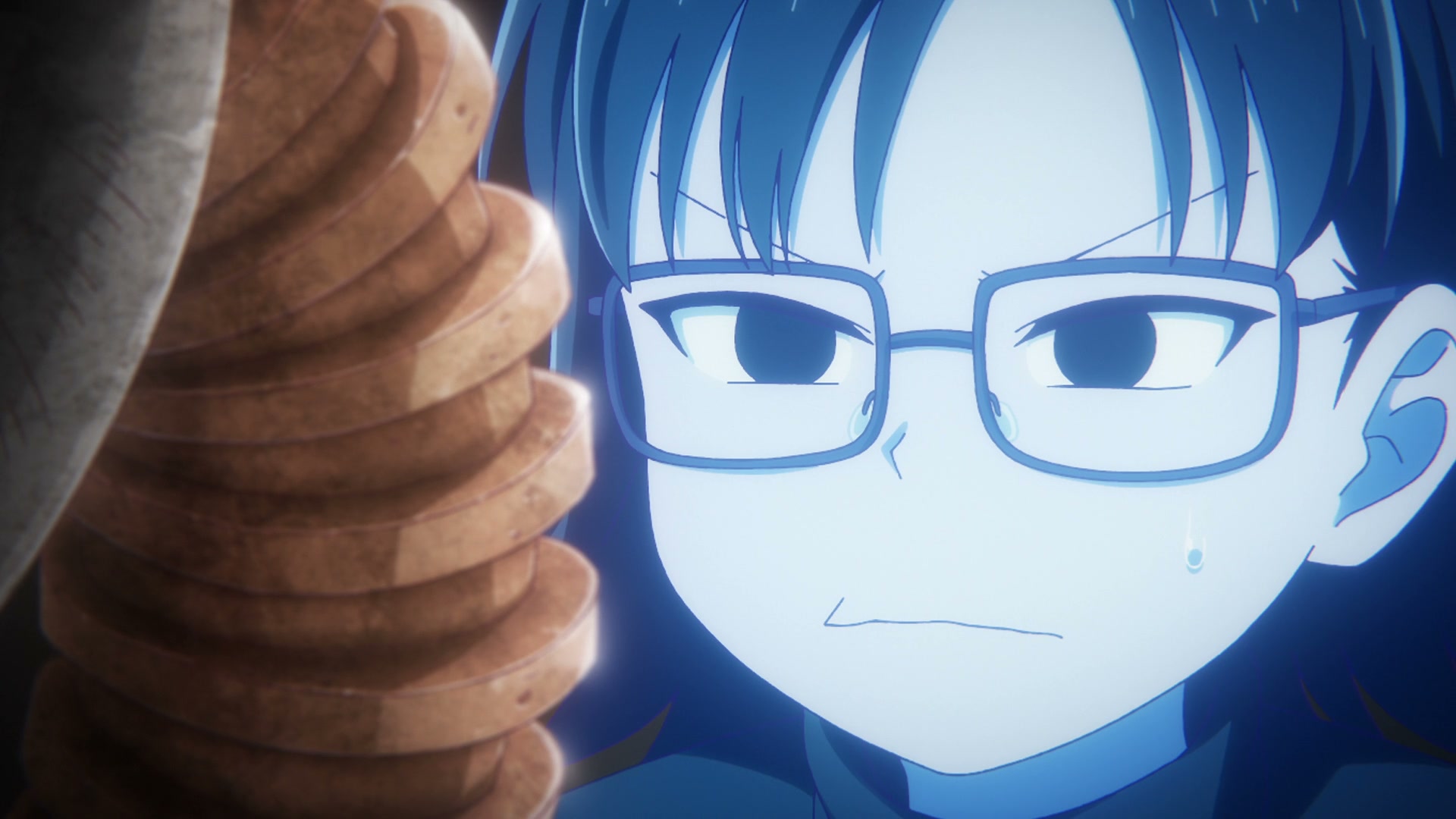
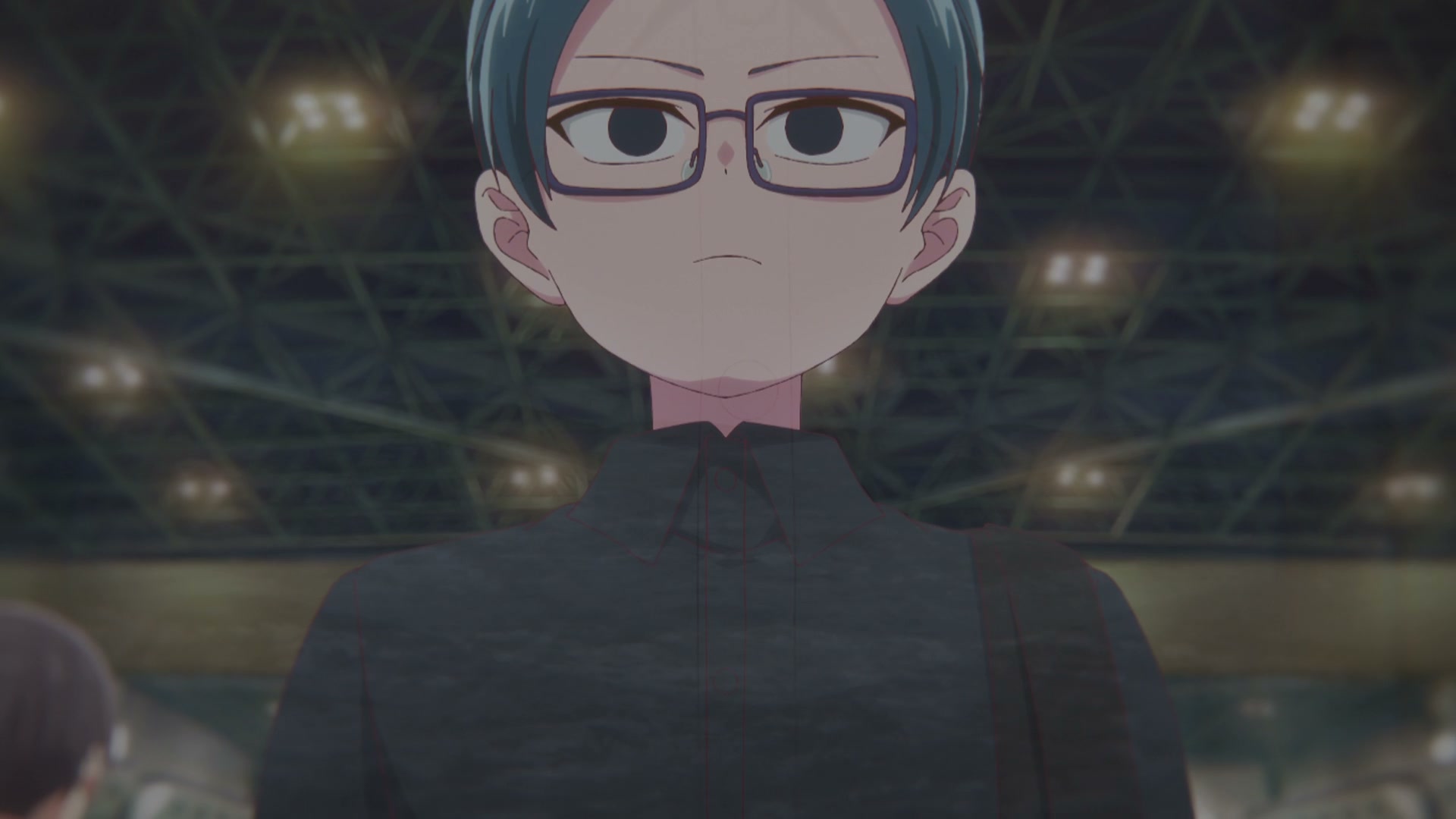
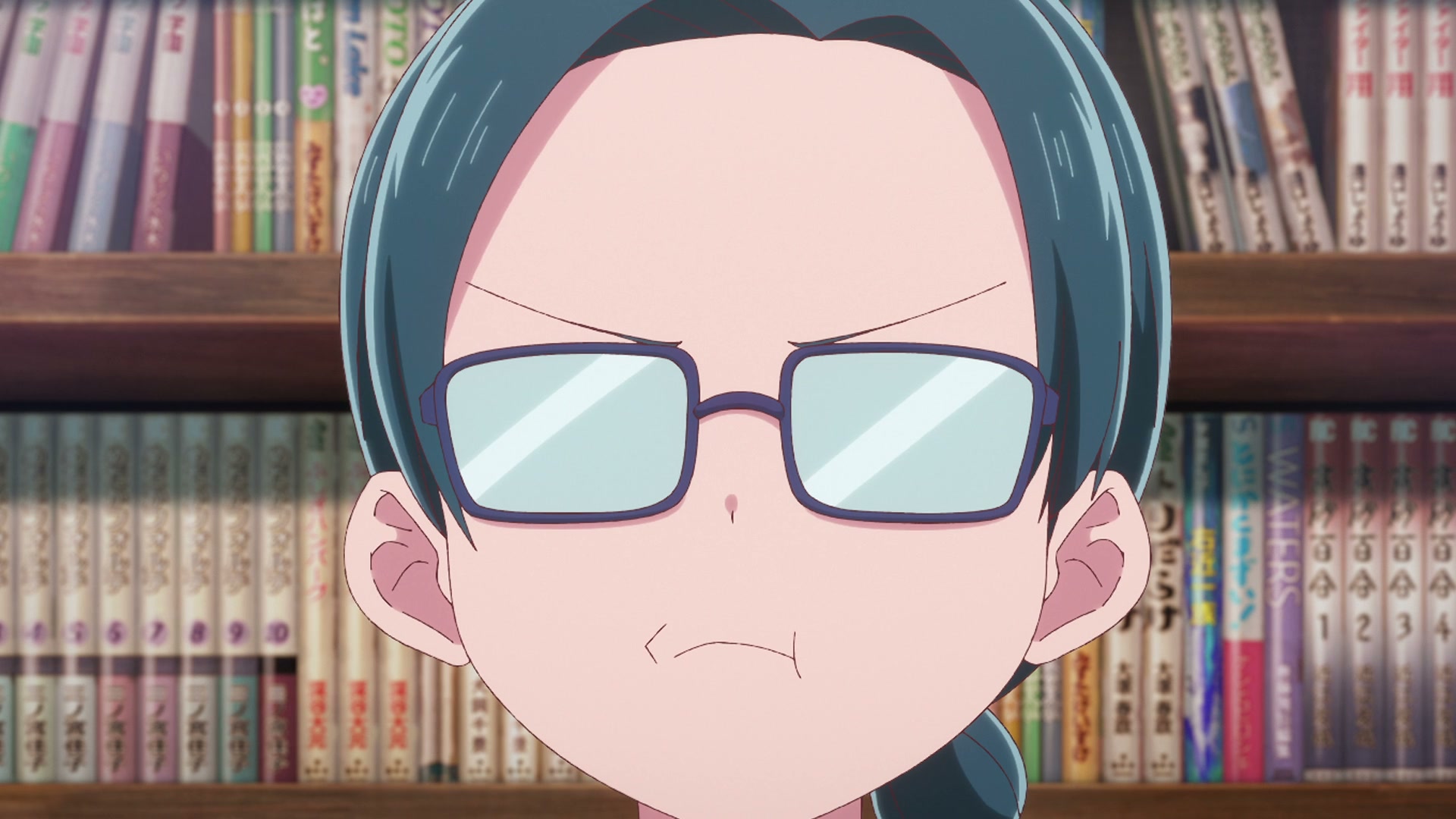
The character designs in Kore Kaite Shine are clean, expressive, and distinct. Each character is immediately recognizable by silhouette and expression. Ai has an open, earnest face that shifts easily between joy and tears. Kokoro is softer and more guarded, with her hairpins serving as a visual shorthand for her hidden self. Rei’s severity is communicated through her sharp posture and glasses. Sachi’s smug energy is all in her grin. Hikaru’s blankness is as distinctive as any grin.
The series uses a relatively simple art style, but it uses it well. The characters are expressive enough to carry the emotional weight of the series, and the designs are consistent enough to avoid distracting off-model moments. This is not a production that relies on flashy animation to impress the viewer. It relies on facial expressions, body language, and careful composition.
Manga-within-Anime
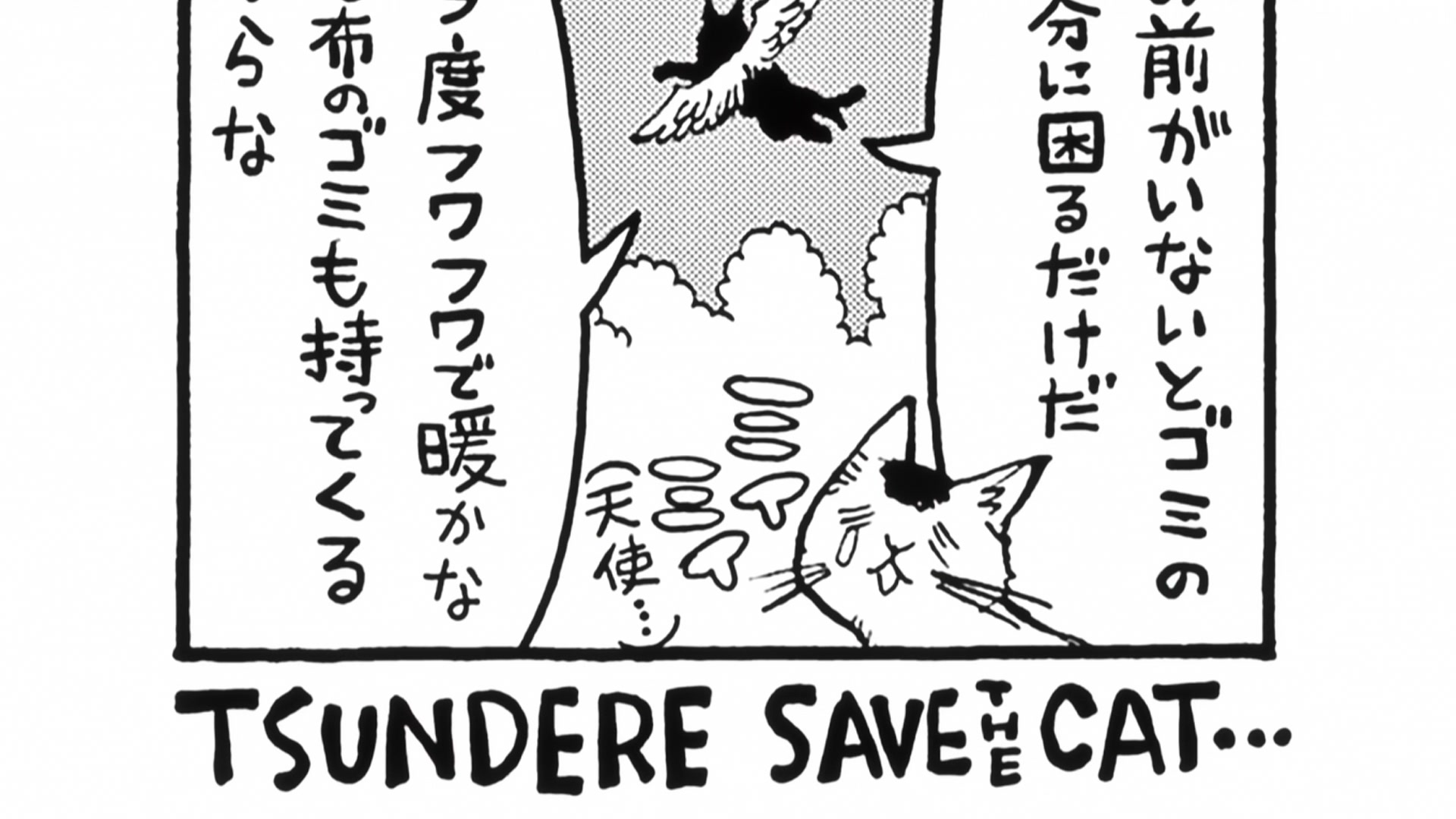
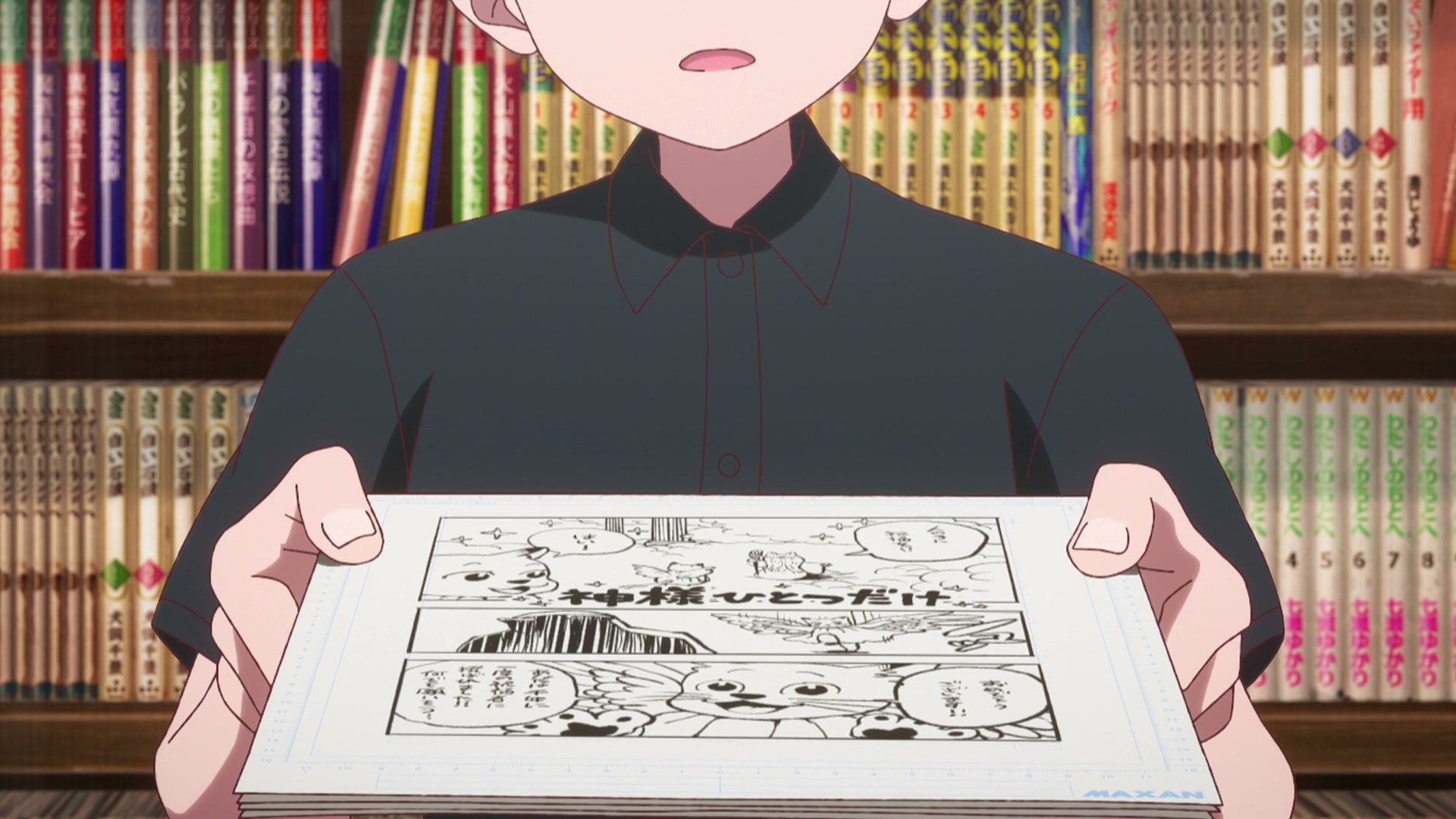
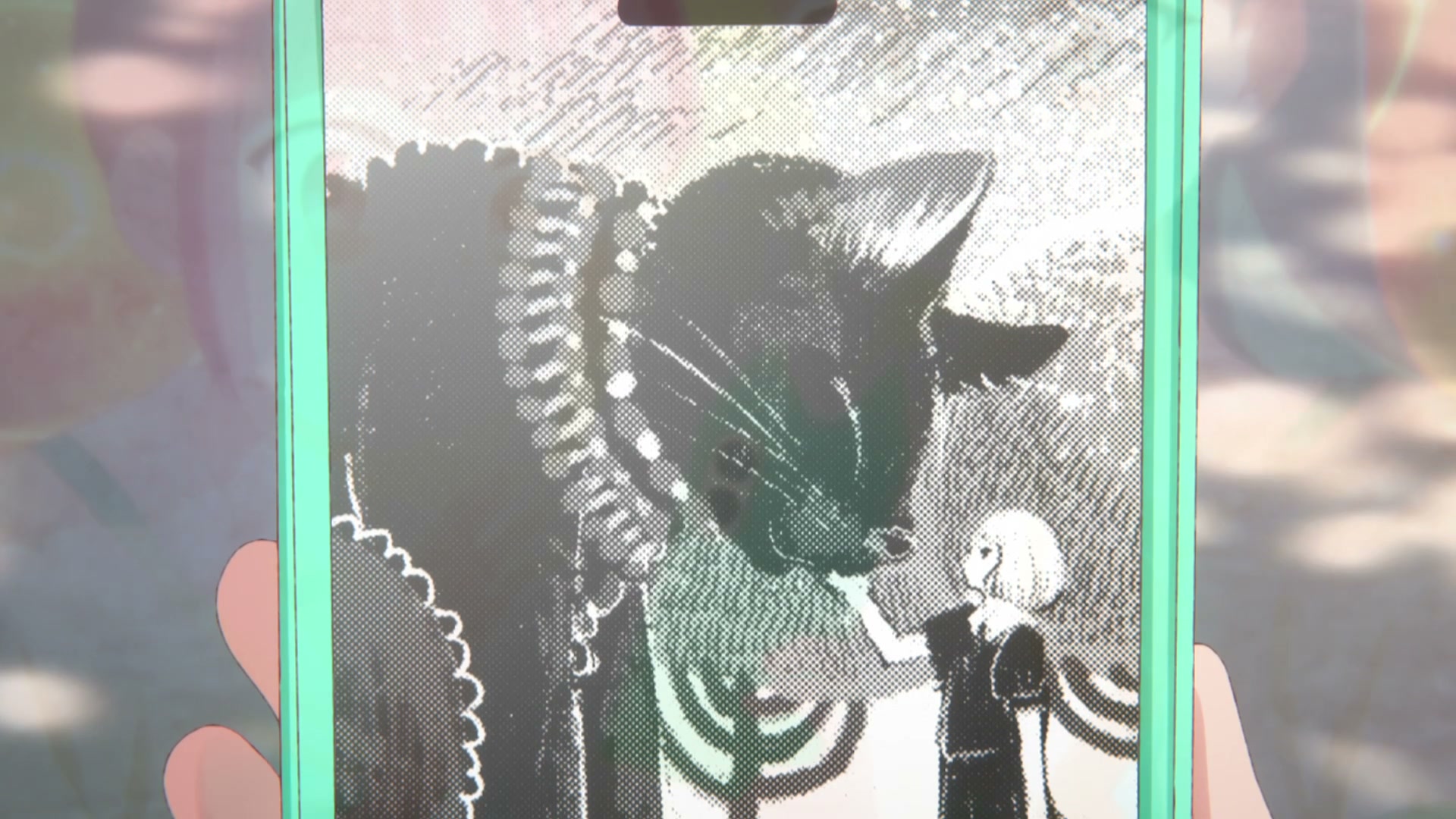
One of the visual highlights of the series is the manga that the characters create. Nekota & Nyanta, Ai’s first manga, is drawn in a rough, energetic style that reflects her personality. The Evil Familiar, Dark Fuwa is a four-panel strip with a more polished, social-media-friendly aesthetic. Hikaru’s manga about the treefolk has a distinctive, world-building quality. And The Planet’s Song, the manga Ai and Kokoro submit to the editors, blends Ai’s wild ideas with Kokoro’s beautiful art.
These manga-within-the-anime sequences are not just visual flourishes. They show the viewer what the characters are trying to express, and they make the creative process tangible. When Rei reads Ai’s manga and criticizes its structure, we can see what she is talking about. When Hana says that the characters in The Planet’s Song are slaves to the concept, we can see what she means. This integration of art and story is one of the series’ strengths.
Background Art and Setting
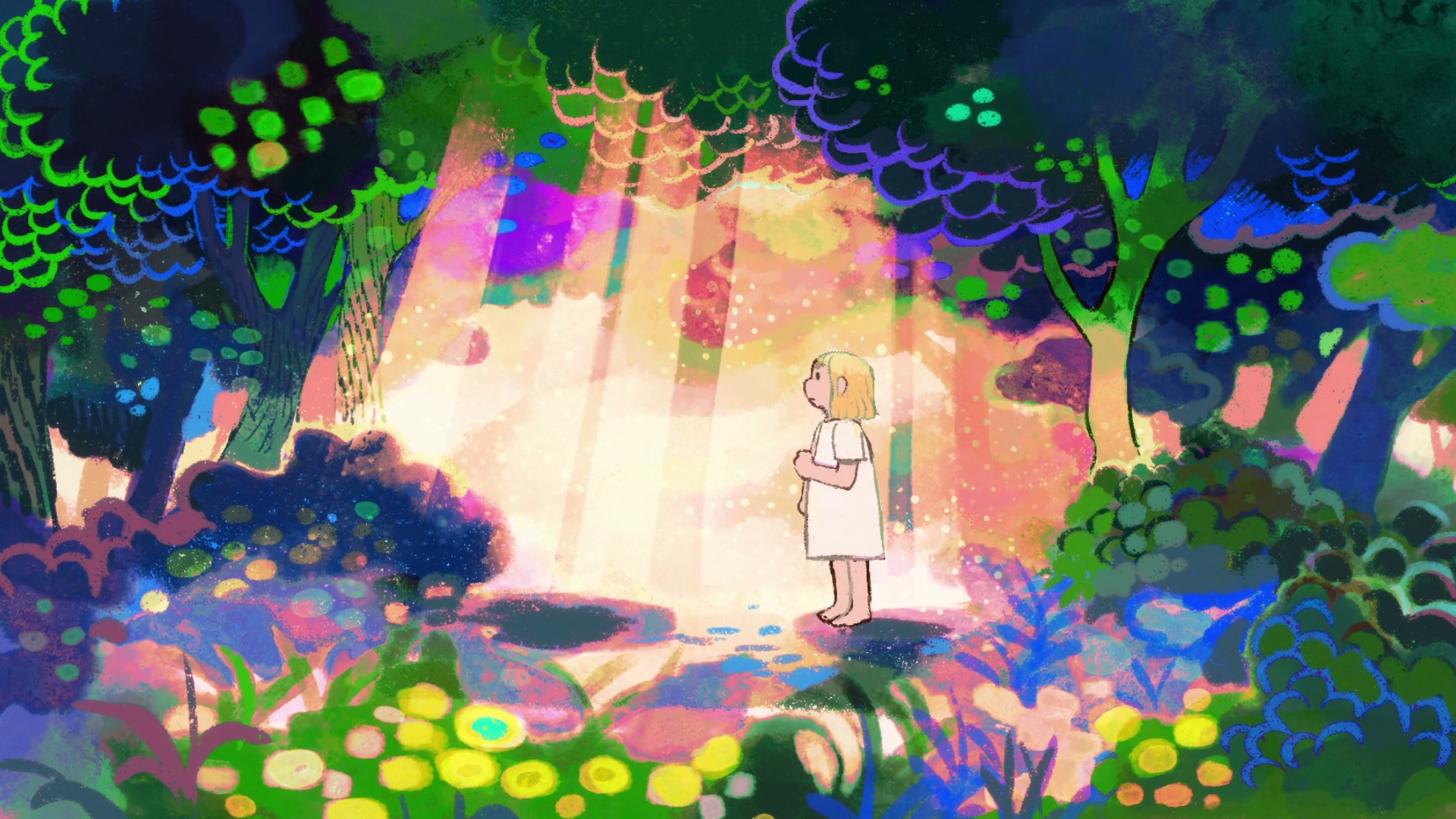
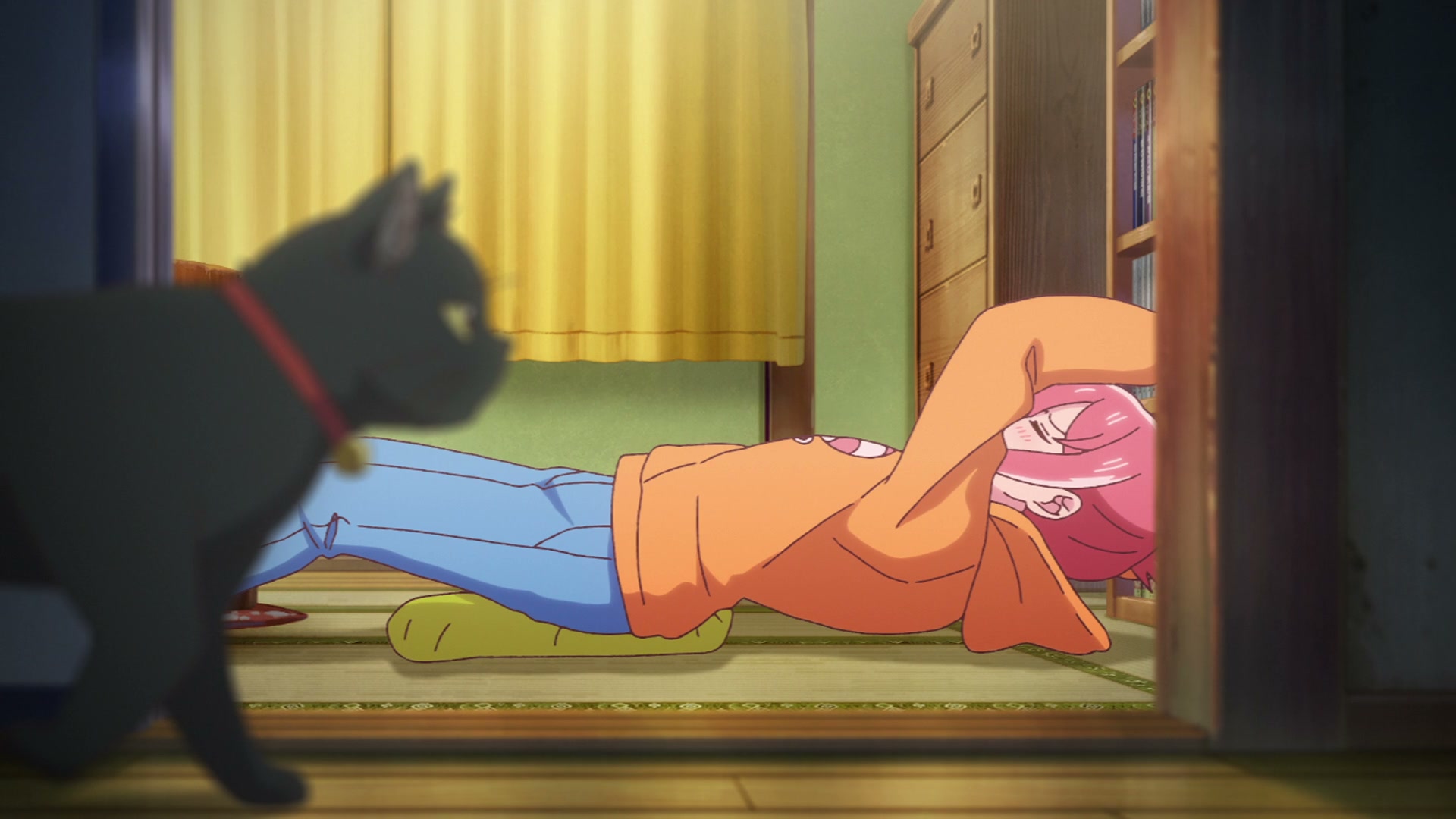
The backgrounds in the series are detailed and evocative. The island of Izu Oshima is rendered with a warm, natural palette that contrasts with the cooler tones of the Tokyo sequences. The book rental shop, the club room, and the Comitia hall are all depicted with enough specificity to feel like real places.
The series uses its settings to reinforce its themes. The island is a place of slow, communal life, where creativity can develop without commercial pressure. Tokyo is a place of intensity and ambition, where creativity is a commodity. The contrast is not moralistic; both places offer something valuable. But the series is clear that they are different worlds.
Limited Animation
The animation in Kore Kaite Shine is not its strongest feature. This is a talk-heavy, character-driven series, and it often relies on limited animation to convey its story. There are many scenes of characters sitting and talking, and these scenes are sometimes static. The series does not attempt elaborate action sequences or complex choreography.
However, the series uses its limitations effectively. The stillness of the conversation scenes feels intentional, not lazy. It allows the viewer to focus on the characters’ faces and voices. The moments of high emotion—Ai’s tears, Kokoro’s blushes, Rei’s rare smiles—are given the space they need to land. The series is not trying to be visually spectacular. It is trying to be emotionally engaging, and it succeeds.
Sound and Music
Voice Acting
The voice acting in Kore Kaite Shine is excellent across the board. Each seiyuu brings something distinctive to their character. Ai’s voice is bright and expressive, shifting easily between excitement and despair. Rei’s voice is measured and controlled, with occasional cracks that reveal the emotion beneath. Kokoro’s voice is soft and hesitant, but it gains confidence over the series. Sachi’s voice is playful and sharp. Hikaru’s voice is flat and deadpan, but it softens in her moments of vulnerability.
The vocal performances are crucial to making these characters feel real. In a series that relies on emotional honesty, the acting needs to be believable, and it is. The final scene, where Rei says, “For just a little longer, let me stay by your side,” only works because her voice conveys both resignation and hope.
Soundtrack and Atmosphere
The soundtrack supports the tone of the series without overwhelming it. The music is gentle and melodic, with piano and strings often taking the lead. It swells during moments of emotional intensity and recedes during quieter scenes. The opening and ending themes are memorable and fitting, capturing the series’ blend of hopefulness and melancholy.
The sound design is also effective. The sounds of pen on paper, the rustle of manuscript pages, the murmur of the Comitia crowd, the crash of fireworks: these details add texture to the world and reinforce the series’ focus on the physical act of making manga. The audio environment is as carefully constructed as the visual one.
Overall Verdict
Kore Kaite Shine is a series that understands something profound about creative life: that the act of making something is inseparable from the act of risking something. Every character in this series is putting themselves on the line. Ai risks rejection. Kokoro risks her mother’s disapproval. Hikaru risks her isolation. Rei risks confronting her own past. And all of them do it because the thing they love is worth the risk.
This is not a high-energy series. It does not have villains, tournaments, or dramatic twists. What it has is honesty, warmth, and a deep respect for the messy, vulnerable process of creation. It is a series for anyone who has ever loved something enough to be afraid of it. It is a series for anyone who has ever wanted to make something and worried they were not good enough. It is a series for anyone who has ever found a piece of art that saved them and wondered if they could ever create something that might save someone else.
Who should watch this? Fans of Bakuman who want something gentler and more introspective. Fans of Shirobako who want a break from the chaos of production schedules. Fans of character-driven drama who are willing to trade plot twists for emotional depth. Anyone who has ever drawn something and been afraid to show it.
Who might not enjoy it? Viewers who need constant action or high stakes. Anyone who finds slice-of-life pacing frustrating. People who are looking for a technical tutorial on how to make manga. This series is not a manual; it is a meditation.
I cannot give a star rating, but I can say this: Kore Kaite Shine is one of the most honest anime about creative life that I have seen. It does not promise that hard work leads to success or that love always conquers fear. What it promises is that the effort is worth something, and that the people you meet along the way are worth knowing. That is a modest promise, but it is kept beautifully.
The final image, of Ai drawing by the window as the island light fades and Pokota sits beside her, stays with me. She is not famous. She is not rich. She is not even sure if she will ever go pro. But she is drawing what she loves. And for now, that is enough.
Gallery