





On June 13, 2026, Tokyo’s Ariake district hosted the red carpet for MUSIC AWARDS JAPAN 2026 (MAJ), one of Japan’s largest music award ceremonies. With the theme “Connect with the world, light the future of music,” the event spanned 78 categories across pop, rock, R&B, and classical, bringing together artists from every genre. Among the most eye-catching attendees were the many musicians who have lent their voices to anime theme songs—a genre that has become indispensable to Japan’s music scene.
Here is a look at the anime-connected artists who walked the red carpet and the awards they took home.
Hitsujibungaku

Awards:
● Best Alternative Song
● Best Alternative Artist
Hitsujibungaku won two awards in the alternative category. The band provided the ending theme “more than words” for the second season of Jujutsu Kaisen (the “Shibuya Incident” arc) in 2023. Their delicate sound and emotional vocals left a strong impression, earning support from both music fans and anime enthusiasts.

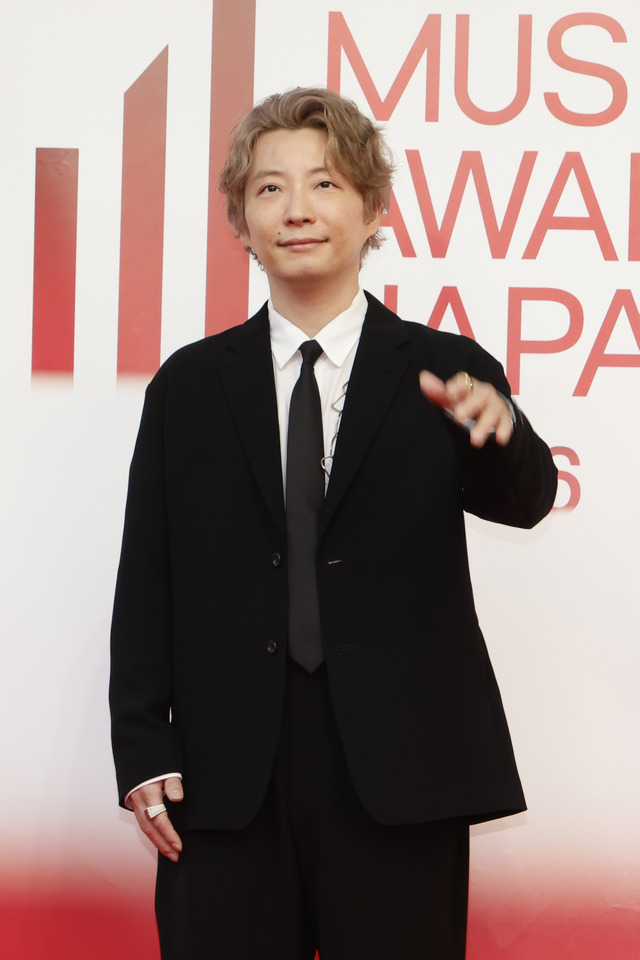
Gen Hoshino
Award:
● Best Cross-Border Collaboration Song
Hoshino has contributed multiple anime theme songs, including the ending theme “Kigeki” for SPY×FAMILY Season 1, the theme “Hikari no Ato” for the film SPY×FAMILY CODE: White, the theme “Doraemon” for Eiga Doraemon: Nobita no Takarajima, and the theme “Gag” for the Saint☆Oniisan series. His warm pop style has charmed fans across many works.
Aina the End

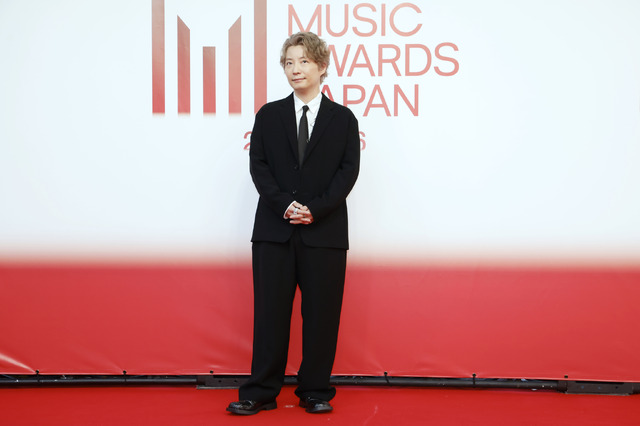
Starting July 5, 2026, Aina the End will perform the theme song “Blue Shining Star” for the TV anime ONE PIECE HEROINES. She previously sang the opening theme “Kakumei Douchuu” for Dandadan Season 2 and the theme “Hana Musou” for the anime film Gekijouban Mononoke Dainishou: Hi no Nezumi. Her distinctive husky voice and expressive singing bring vivid color to each story.

LiSA

LiSA has provided theme songs for the Demon Slayer: Kimetsu no Yaiba film series, including “Gurenge,” “Homura,” “Akeboshi,” “Hakugin,” and “Zankoku na Yoru ni Kagayake.” Her music has supported key moments in the story, making her a representative figure in both anime and music scenes.

Wednesday Campanella
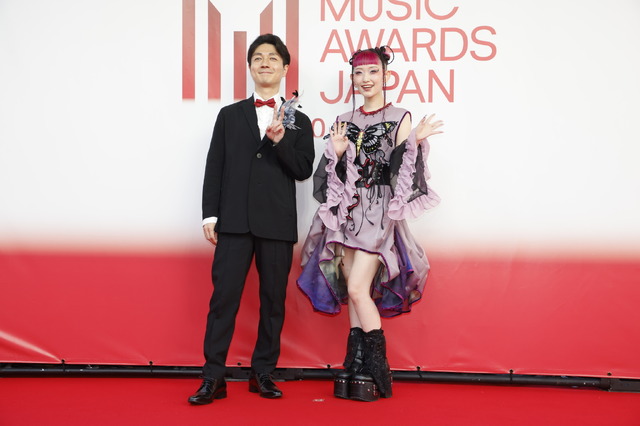
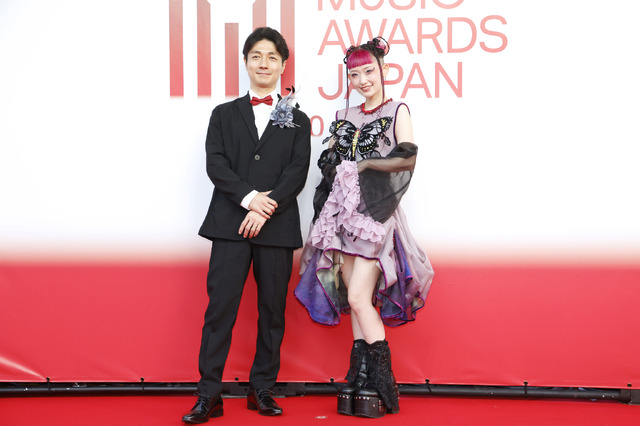
Wednesday Campanella has created theme songs for a wide range of anime, films, and dramas. Their credits include “Uo Ai Ni” for Ranma 1/2, “Summer Time Ghost” for Kyuuryuu Generic Romance, “Kaijuu Shima” for Chibi Godzilla no Gyakushuu, and “Negai wa Gyousan” for Fushigi Dagashiya Zenitendou. Their original lyrics and sounds bring each world to life.
Tokyo Ska Paradise Orchestra
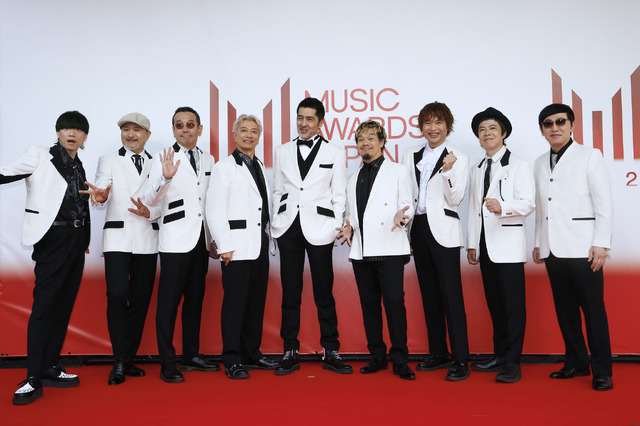
Tokyo Ska Paradise Orchestra has participated in many projects, including “Rurou no Katashiro” (featuring Masaki Suda on vocals) for Rurouni Kenshin: Meiji Kenkaku Romantan, “ALMIGHTY ~Kamen no Yakusoku feat. Yohei Kawakami” for Kamen Rider Saber, and “Good Luck! My Friend feat. Murotsuyoshi & Sakana-kun” for Nezumikun no Chokki. Their energetic ska sound adds vibrant color to each work.
Divorce Legend
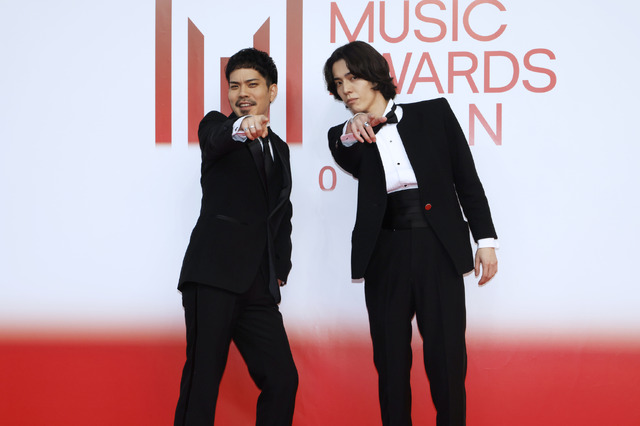
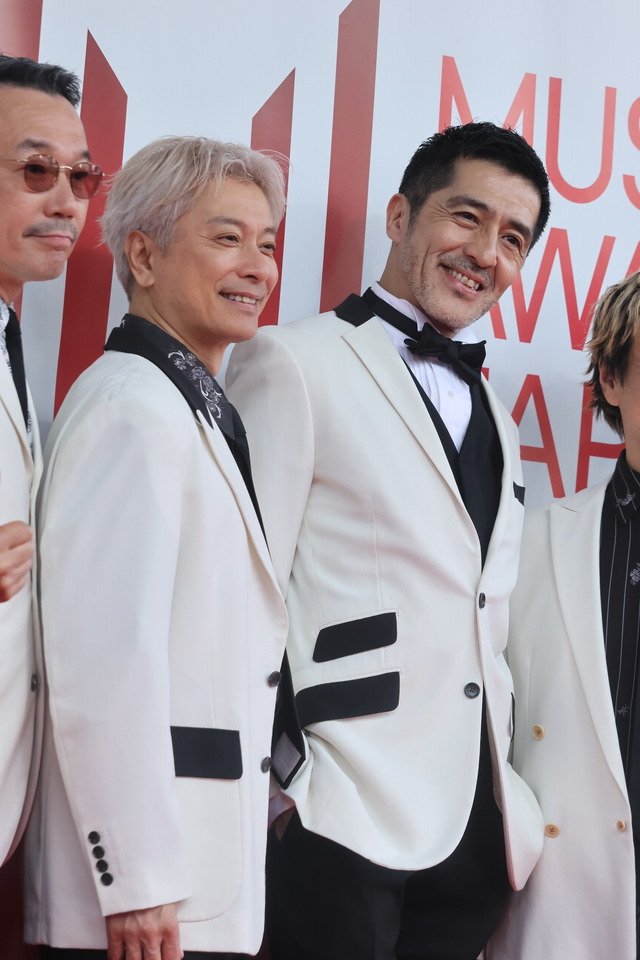
Divorce Legend provided the ending theme “Sutekii!!” for the winter 2026 anime High School! Kimenshoku and the ending theme “Honjitsu no Osusume” for Ramen Aka Neko. Their friendly melodies and light pop sensibility naturally enhance the charm of each series.
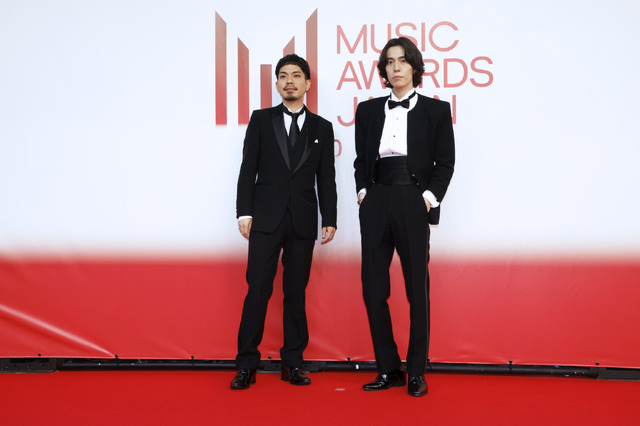
Keina Suda

Keina Suda has sung opening themes for Muchuu sa, Kimi ni. (“Raburu”), Skip to Loafer (“Mellow”), Tsuki ga Michibiku Isekai Douchuu Dainimaku (“Utopia”), and the ending theme “veil” for En’en no Shouboutai. He also contributed the theme “MOIL” for the film Ni no Kuni and songs for the short anime series ROAD TO YOU. His delicate lyrics and narrative sound paint a wide range of worlds.

Atarashii Gakko no Leaders
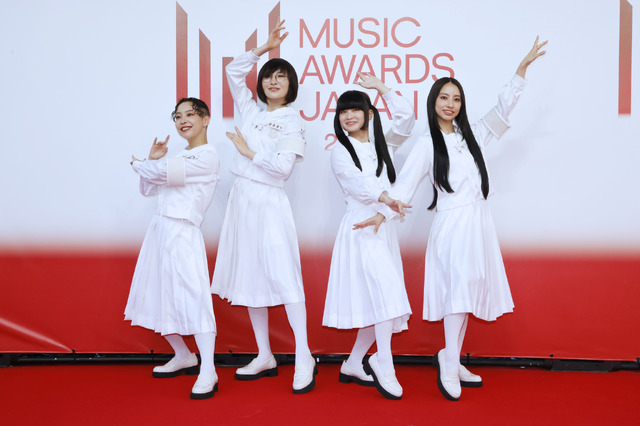
Atarashii Gakko no Leaders performed the theme song “Sailor, Sail On” for the theatrical anime Meikyuu no Shiori, directed by Shoji Kawamori. The song was written and composed by yonkey, and member SUZUKA also took on voice acting roles as both the protagonist Maebara Shiori and SHIORI. This dual involvement in theme song and character voice drew significant attention.
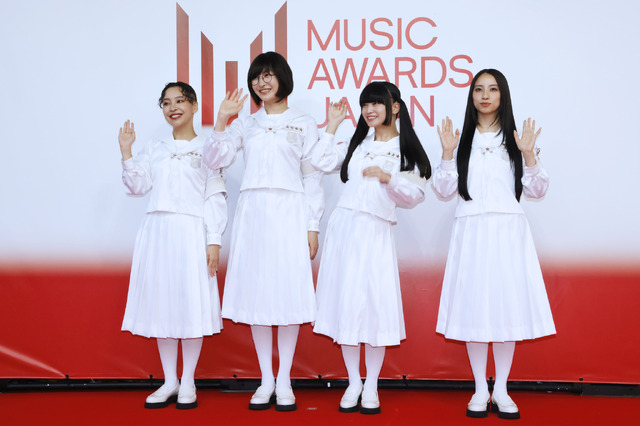
The MAJ 2026 red carpet gathered artists beloved by fans through their anime theme songs. Anime music has become a key pillar of the music industry, and its influence continues to grow. The intersection of music and anime creates new expressions that attract attention not only in Japan but around the world. MAJ 2026 served as a showcase of where Japanese pop culture stands today.