





I went into Otome Kaijuu Carameliser knowing nothing except the title promised a strange mix of shoujo romance and giant monster chaos. The first episode does not ease you in gently. It opens with a young Kuroe confessing to a boy, only to be called a monster, and then cuts to her present-day high school life where she is the class outcast, nicknamed “Psycho-tan,” and spends her lunch breaks alone on the rooftop drawing grayscale pictures. The episode then takes a hard left turn into pancake bonding, a sudden hand-hold that turns the world pink, and a kaiju rampage that ends with her mother casually dropping the phrase “You’re in heat?” It is exactly as unhinged as it sounds, and I loved every minute of it.
Kuroe’s World Is Gray for a Reason
The episode wastes no time establishing why Kuroe keeps everyone at arm’s length. Her body has a mysterious condition: when she feels strong emotions, parts of her mutate in ugly ways. The first time it happened was with her first crush, and the memory of that boy’s horrified face still haunts her. She has spent sixteen years convinced that no one will ever accept her, and the world around her reinforces that belief constantly. The classroom chatter is a wall of casual cruelty about looks, plastic surgery, and who counts as a “monster.” Kuroe sits in the middle of it, invisible except when someone needs to mock her for being in the way.
Her internal monologue is sharp and self-lacerating. She wishes she could crush the popular kids under her shoe, then immediately scolds herself for letting them get to her. She fantasizes about eating premium pancakes at a fancy café but immediately lists all the reasons it is impossible: no friends, no ticket, Omotesando is scary. The way she talks herself out of wanting things feels painfully real. She has built a gray, quiet life where the only safe pleasure is drawing alone on the rooftop, and even that she does in monochrome because “it’s cooler this way.”
The show does not treat her isolation as a quirky personality trait. It is a survival mechanism. The moment a classmate calls her a freak, she does not fight back. She just retreats further. When Arata first speaks to her on the rooftop, her immediate reaction is panic: “Don’t look at that!” She assumes any attention from someone like him can only end badly. That defensiveness makes the later moments where she lets her guard down hit much harder.
Minami Arata Is Not What He Looks Like
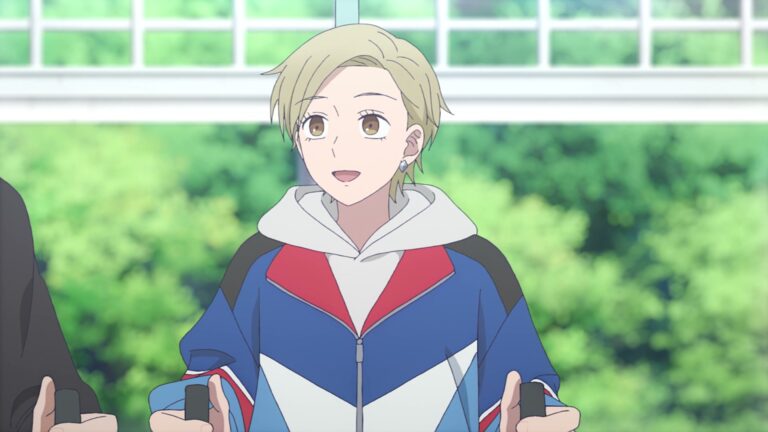
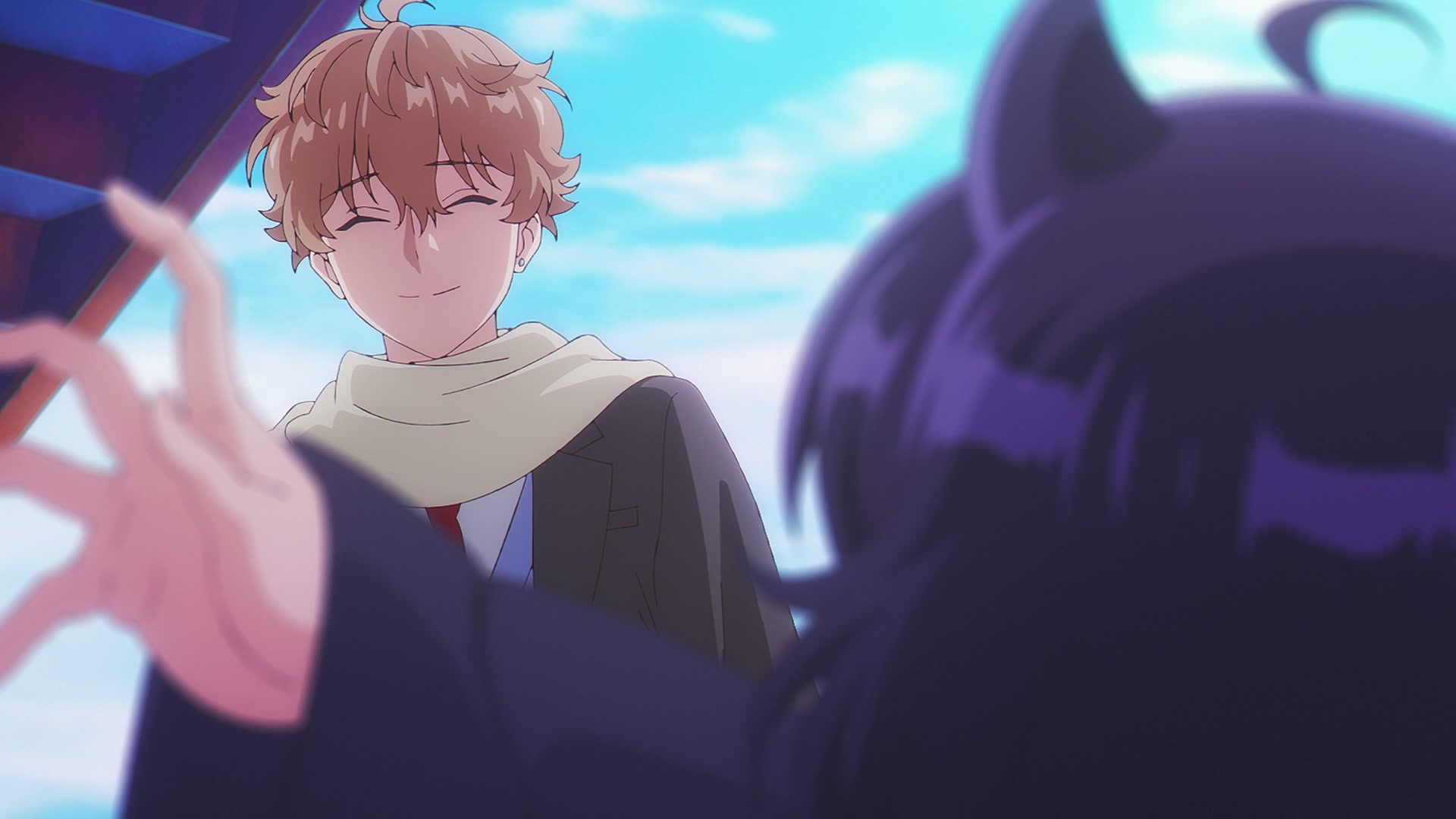
Arata is the class prince, constantly surrounded by girls taking his picture and gossiping about modeling offers. The episode sets him up as the kind of effortlessly popular guy who would never notice someone like Kuroe. But the first real conversation on the rooftop flips that expectation. He is not there because he wants to be alone with her; he is hiding from the constant attention, and he admits it makes him weirdly introspective. “What’s so great about me, anyway?” he says, and it does not sound like false modesty. It sounds tired.
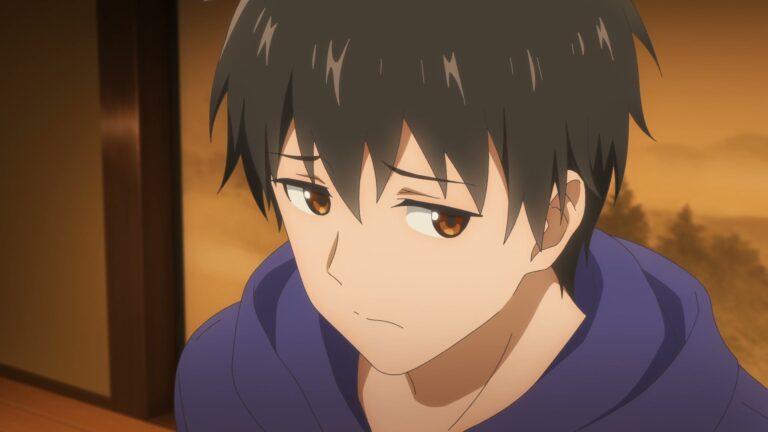
Kuroe snaps at him, telling him his wishy-washy attitude hurts people and that he is being rude to the fans who like him. Instead of getting offended, Arata thanks her and says she is totally right. That moment is the first crack in Kuroe’s armor. He actually listens. Later, during the pancake outing, he reveals he used to be overweight and had no friends in middle school. He shows her an old photo and admits he is scared of going back to being alone. The confession is quiet and unguarded in a way that makes his earlier popularity feel like a costume he is still learning to wear.
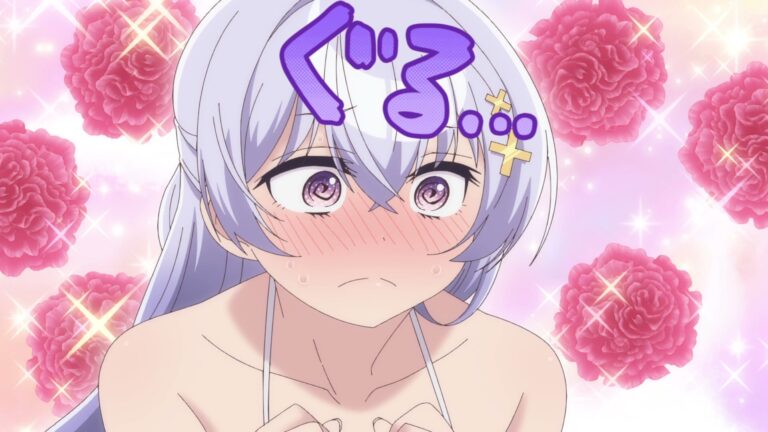
What makes Arata work as a love interest is that he notices things about Kuroe no one else does. He points out that she waters the classroom flowers, that she cleans thoroughly, that she dresses like herself without apology. He calls her “awesome” with zero irony. For a girl who has spent years believing she is a monster, hearing someone say that while looking directly at her is almost too much. The episode lets that moment breathe, and you can see Kuroe short-circuit in real time.
The Pancake Date That Should Not Work
The sequence where Arata invites Kuroe to try premium pancakes is the emotional center of the episode. It is awkward, sweet, and laced with dread because Kuroe’s condition is threatening to surface the entire time. She keeps telling herself not to be fooled, that she is not like the other girls, but the pancakes arrive and she devours them with such obvious joy that Arata laughs, not at her, but in surprise. He says he feels like she always keeps the world at arm’s length, and seeing her genuinely enjoy something is disarming.
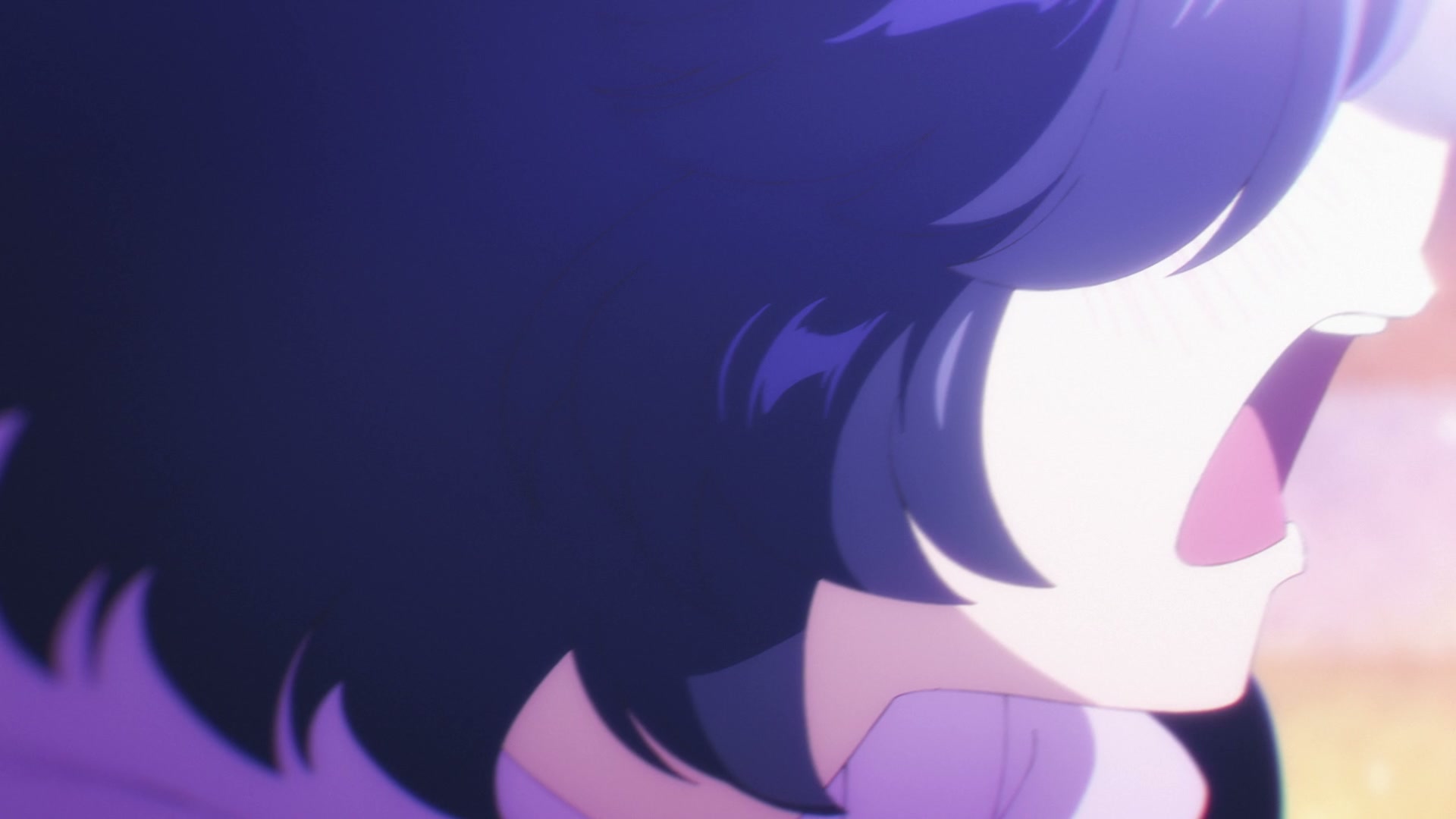
Kuroe, in turn, tells him to eat his own pancakes and not worry about his weight. “I don’t care if you’re fat or a beanpole,” she says, and then adds, quieter, “I’m glad I came here with you today.” It is the first time she has let herself be vulnerable with another person in years, and the episode treats it like the fragile, terrifying thing it is. The world literally starts to look pink to her. The visual shift is not just a cute romantic filter; it is her body reacting to feelings she has been suppressing for so long that they are now boiling over.
When Love Turns You Into a Kaiju
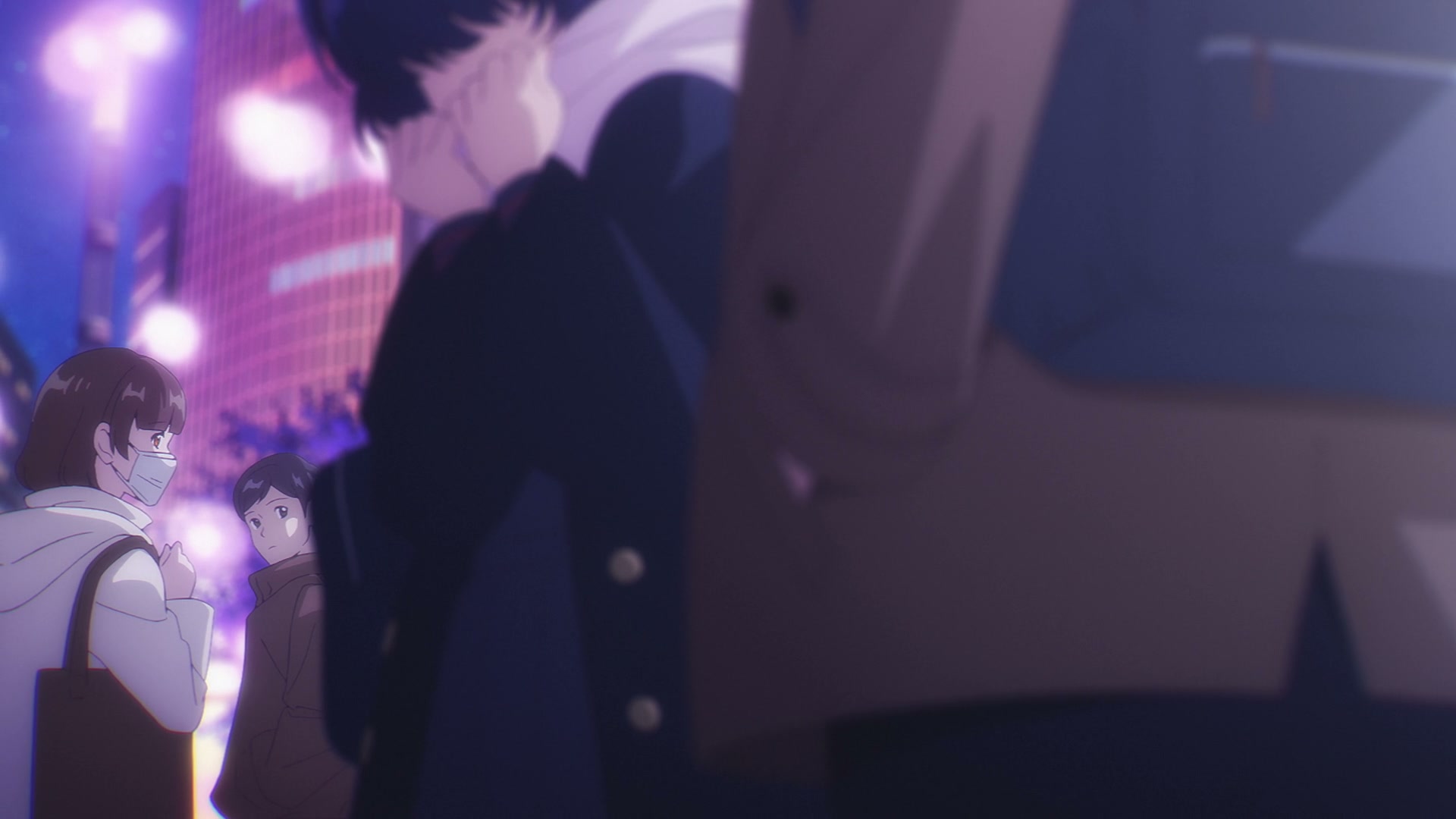
The back half of the episode escalates fast. After the pancake date, Kuroe’s classmates spot her with Arata and immediately start hurling insults. Arata grabs her hand and runs, and for a few seconds, everything is pink and breathless and straight out of a shoujo manga. Then Kuroe’s body gives out. She apologizes, runs off, and the next thing we see is a giant creature rising from the Sumida River, swatting away JSDF attacks like they are nothing.
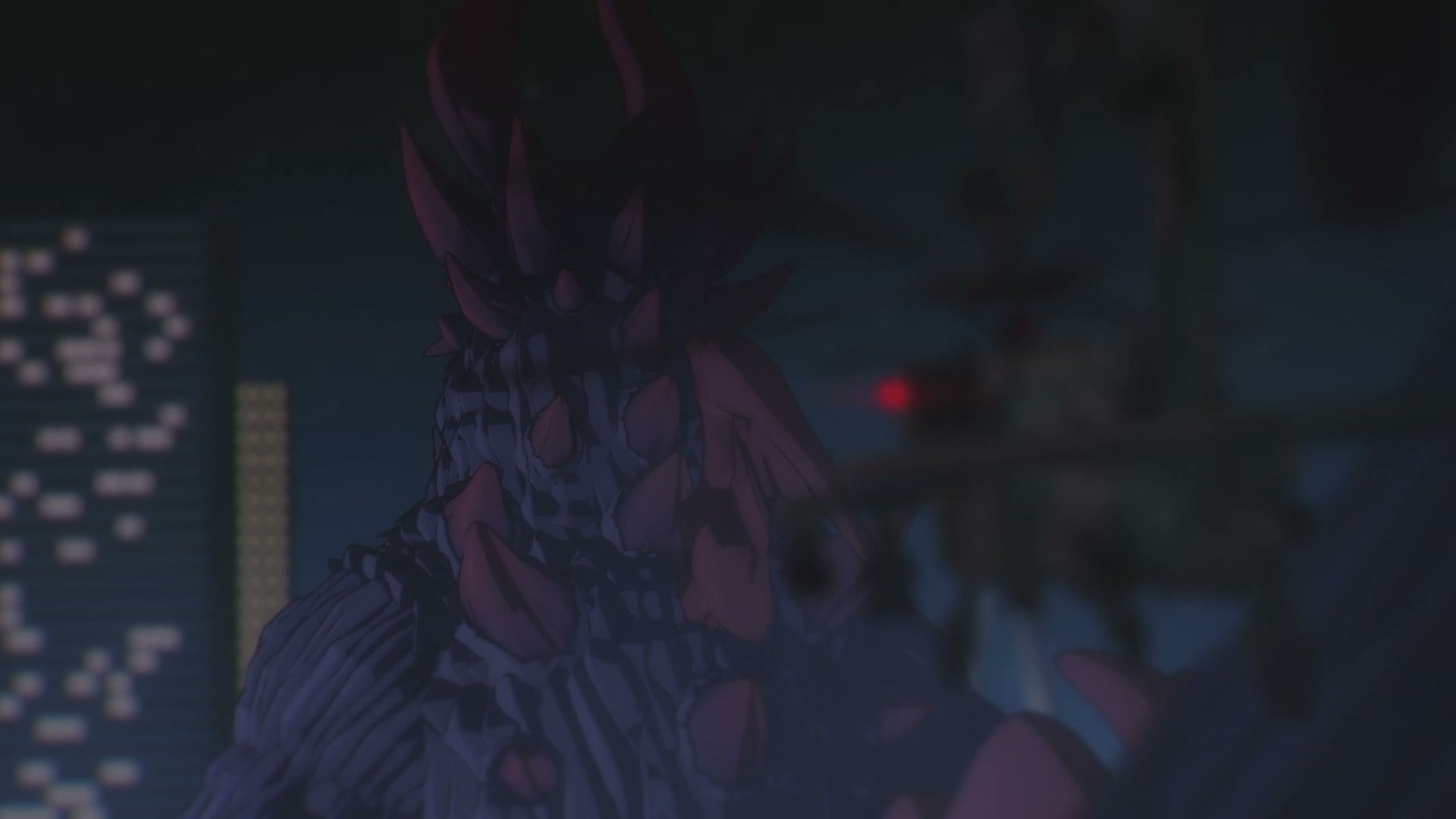
The kaiju design is clearly Kuroe, with the same baggy silhouette and messy hair, just scaled up to city-smashing size. The episode plays the rampage with a strange mix of horror and catharsis. Kuroe’s internal monologue during the transformation is almost blissful: “I’m having the strangest dream. But it feels really good, too. It’s like I’m venting all my pent-up feelings.” For a girl who has spent her whole life shrinking herself, becoming a giant monster is the ultimate release. The moment she realizes Arata is looking at her, though, the shame crashes back in. She covers her face and retreats into the river, and the kaiju vanishes as suddenly as it appeared.
The episode does not linger on the destruction or the military response. The real weight is on Kuroe waking up the next morning, hoping it was all a dream, only for her mother to confirm it was not.
Rinko Knows More Than She Lets On
Kuroe’s mother Rinko is introduced as an overbearing, affectionate presence who insists on “I’m home” hugs and worries constantly. She also seems to know exactly what is happening with Kuroe’s condition. When Kuroe comes home with a mutation on her back, Rinko scolds the family dog Jumbo King for being a “bad dog” in a way that suggests the dog is somehow involved, or at least that Rinko is used to weirdness. Later, after the kaiju incident, she washes Kuroe’s uniform, makes pancakes, and casually drops the bombshell: “That kaiju was you, Kuro-tan!” She speculates that the extreme transformation might be because Kuroe is “in heat,” which is such a bizarre and funny line that it completely recontextualizes the entire episode.
Rinko’s calm acceptance implies this condition is not new to the family. She is not horrified; she is worried but also almost amused. The dog Jumbo King gets a strange amount of focus, and Rinko talks to it like it understands more than a normal pet should. There is clearly more going on with this household than the episode has time to explain, and that mystery adds a layer of intrigue to the already wild premise.
A Premise That Goes All In
What makes this first episode work is how seriously it takes Kuroe’s emotional state while also embracing the absurdity of the kaiju metaphor. The condition is not just a gimmick; it is a direct physical manifestation of feelings she has been taught to see as monstrous. The episode does not shy away from how cruel teenagers can be, but it also does not wallow in misery. The pancake scene is genuinely warm, and Arata’s kindness feels earned rather than convenient.
The tonal whiplash between shoujo romance and kaiju destruction could have been a mess, but the episode commits to both with such sincerity that it becomes its own thing. One minute Kuroe is blushing over pancakes, the next she is swatting helicopters out of the sky while internally monologuing about how good it feels to finally let go. It is ridiculous, but it is also weirdly moving. The kaiju is not a separate monster; it is Kuroe’s heart, too big and too messy to stay hidden any longer.
The episode ends on a cliffhanger of sorts, with Kuroe reeling from the revelation and Arata having witnessed the kaiju up close. He even asked Rinko to tell Kuroe he had fun, not knowing the girl he ate pancakes with and the giant creature are the same person. The setup for future episodes is wide open, and I am genuinely curious where this strange, heartfelt, and completely unhinged series goes next.
Screenshots