





The first episode of Tenkou-saki no Seiso Karen na Bishoujo ga, Mukashi Danshi to Omotte Issho ni Asonda Osananajimi Datta Ken does not waste a single second pretending its premise is subtle. The title alone is a full plot summary, and the show knows it. What matters is not the twist but how the episode handles the reunion between two childhood friends who spent years apart, one of whom went through a change the other never saw coming. The result is a warm, surprisingly grounded twenty-two minutes that leans hard into the specific awkwardness of reconnecting with someone you thought you knew completely.
The Reunion Lands Exactly Right
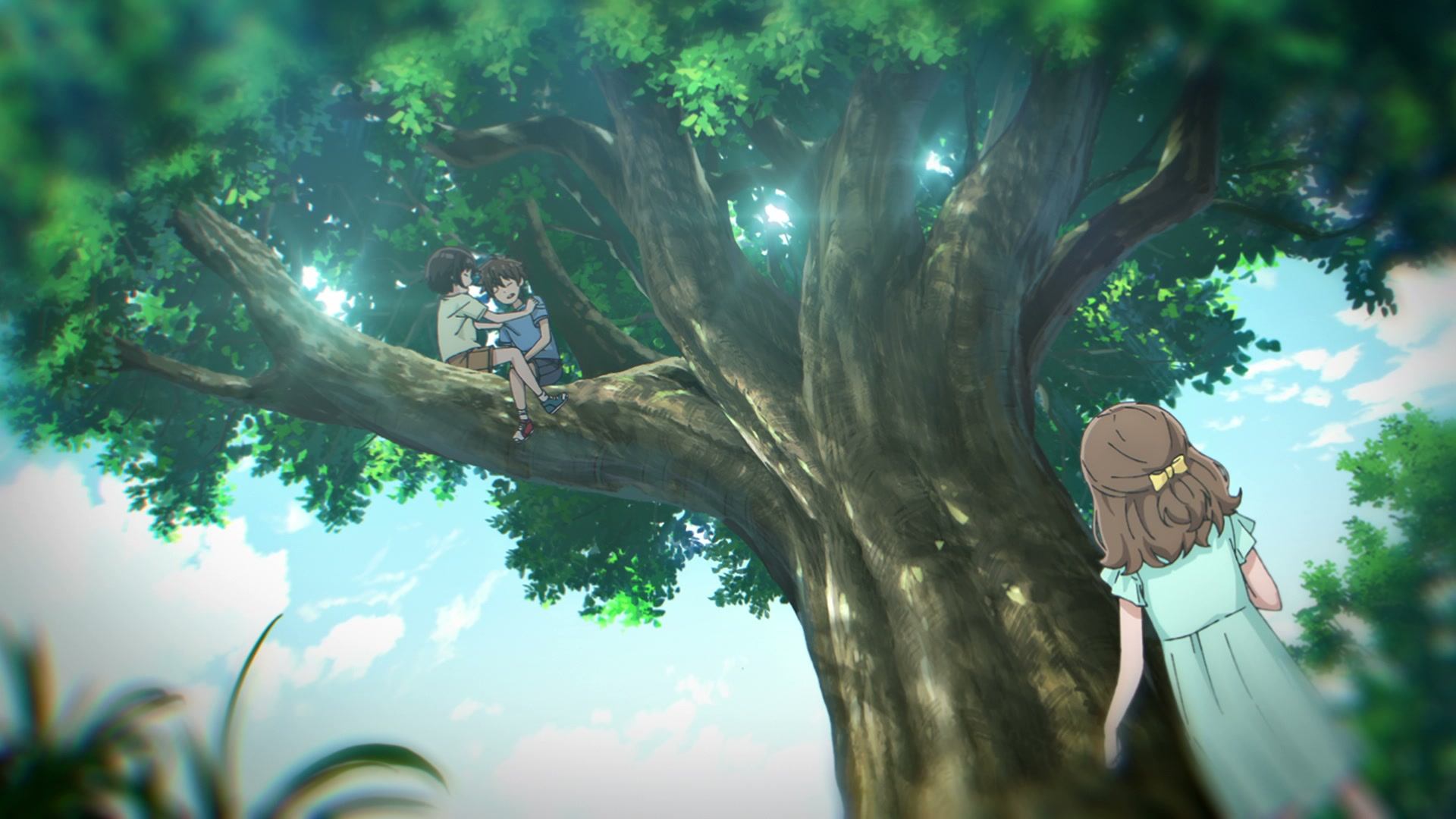
The cold open gives us the childhood promise: two boys, Hayato and Haruki, saying goodbye under a summer sky, swearing they will always be pals. It is simple, direct, and just sentimental enough to stick. When Hayato transfers to a Tokyo high school years later and finds himself seated next to a girl named Nikaidou, the pieces do not click for him right away. He even jokes internally that his old friend would have hit on her and crashed and burned. The show lets that irony hang in the air without winking at the audience too hard.
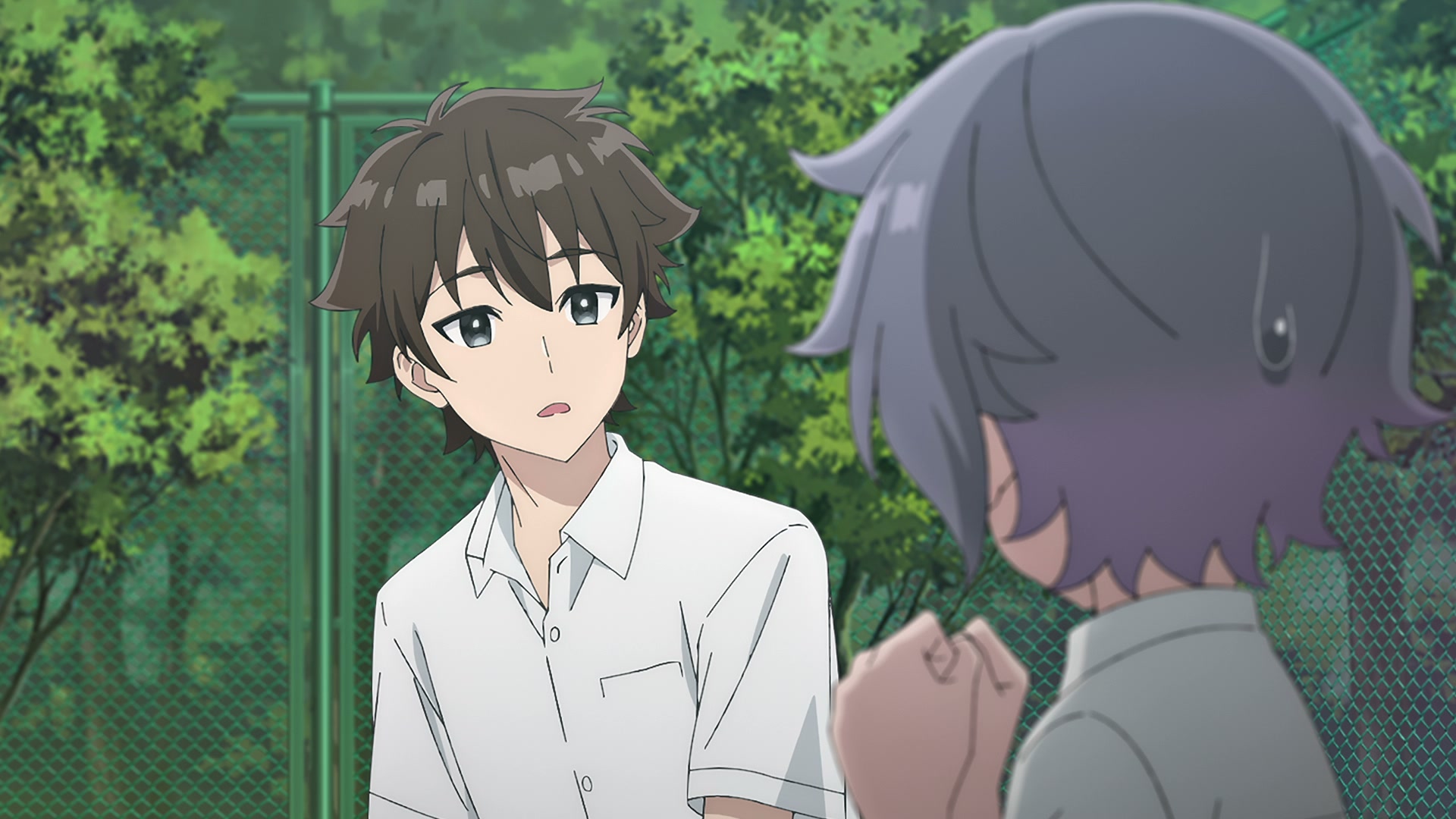
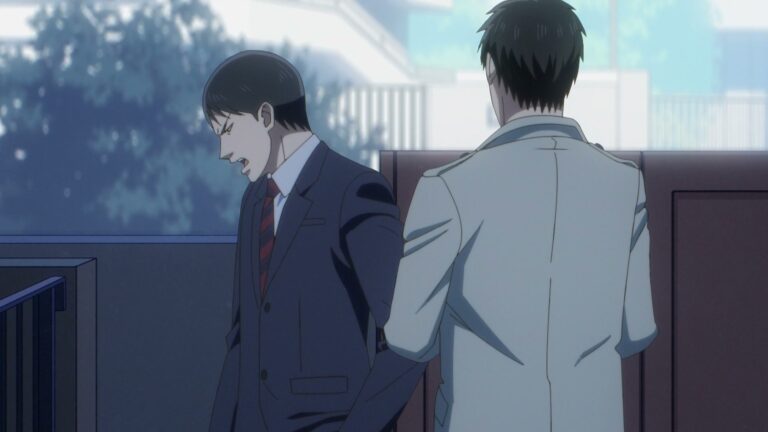
Hayato’s slow realization is handled with a light touch. He notices something familiar in her voice, her mannerisms, the way she reacts when he describes his childhood friend as “an angry monkey or some kind of weird creature.” The pencil snapping in her hand is the first real tell, and the episode trusts the viewer to connect the dots alongside him. By the time Haruki drags him to the rooftop and drops the act, the reveal feels earned rather than dragged out. The moment she calls him a jerk for comparing a classmate to a sheep and he instinctively says her name, the whole dynamic clicks back into place.
Haruki’s Camouflage and the School Persona
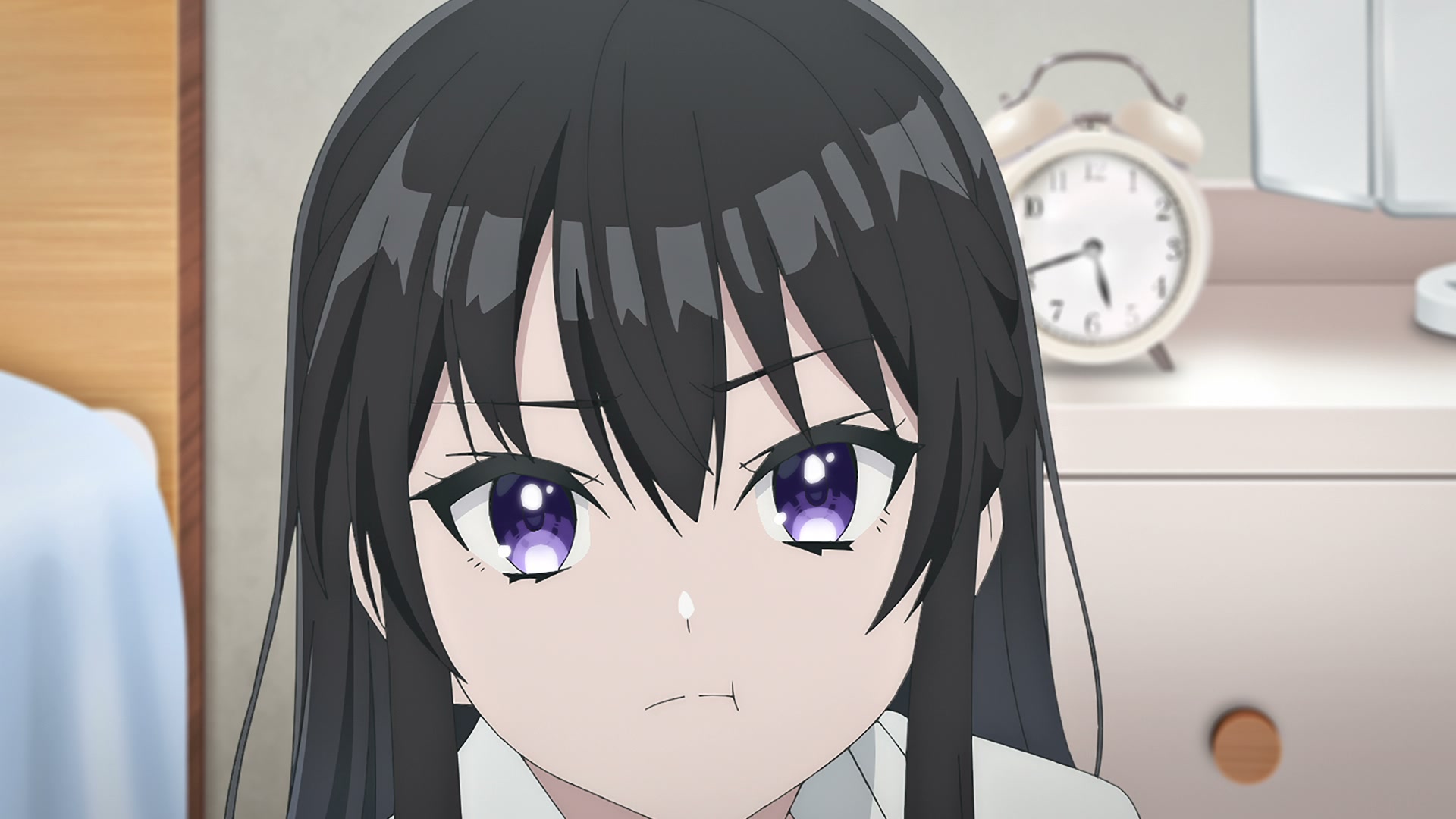
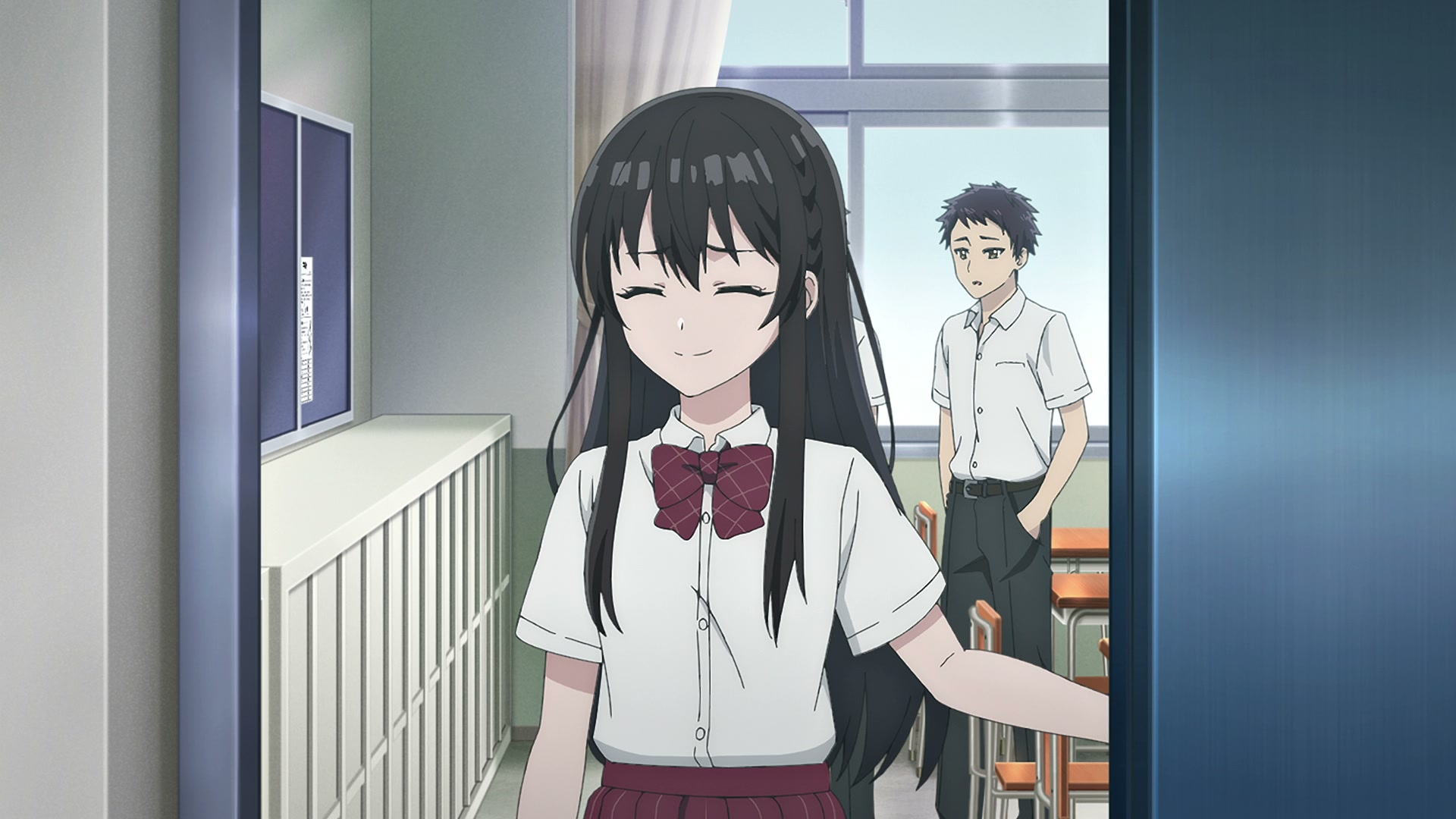
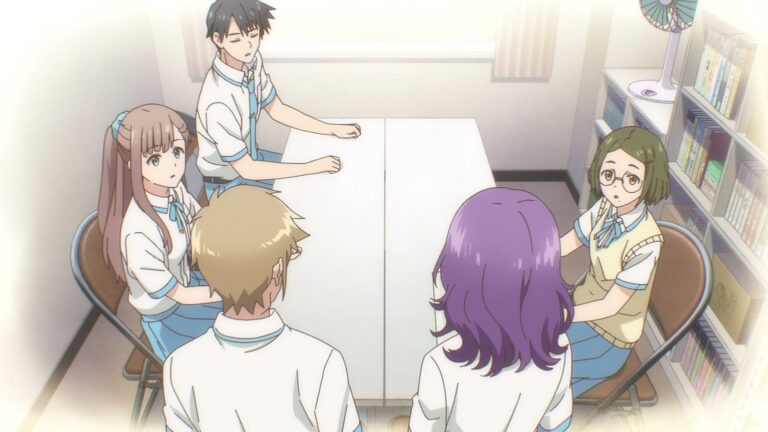
One of the smarter choices the episode makes is showing how Haruki has built an entirely different image at school. She is the perfect honor student, constantly pulled aside by classmates and student council requests, polite and untouchable. Mori Iori, the classmate who appoints himself Hayato’s guide to the social landscape, describes her as a “real prize” that no guy has ever managed to win. It is a funny contrast to the Haruki we see in private, who shoves Hayato around, challenges him to rock-paper-scissors for favors, and complains about having to eat lunch alone.
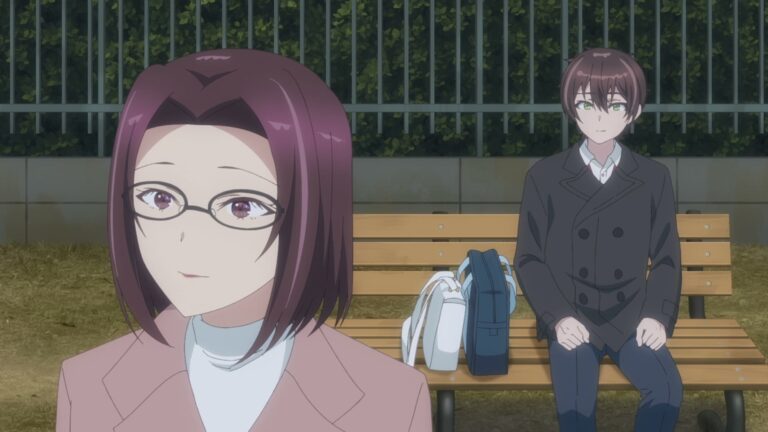
Haruki calls it “camouflage,” and the episode does not overexplain it. She has her reasons, and Hayato accepts that without prying. That restraint keeps the episode from feeling like a checklist of gender-identity talking points. Instead, it reads as a character choice: Haruki wanted a fresh start, and the school’s perception of her is part of that. The gap between her public and private selves becomes a source of comedy, especially when she has to invent excuses to pull Hayato away from classmates who want to hang out with him.
The Lunchtime Promise
The emotional core of the episode is not the gender reveal but the quiet admission that Haruki has been eating lunch alone for who knows how long. She frames it as a logistical problem: if she eats with someone, it will make others jealous, so she avoids it entirely. Hayato sees right through that. He does not call her out directly, but his response, “looks like your dream is about to start coming true every day,” is the kind of gentle, matter-of-fact kindness that defines their relationship.
The promise they make, to meet in the storage room for lunch whenever they can, is small but significant. It is not a grand romantic gesture. It is two friends reclaiming a routine they never got to have. The episode ends on that note, with Haruki welcoming Hayato back not just to Tokyo but to her life. The final line, “Our relationship, which I had thought had ended, had returned along with the summer,” is a little on the nose, but the warmth behind it is genuine.
The Comedy Is All in the Timing
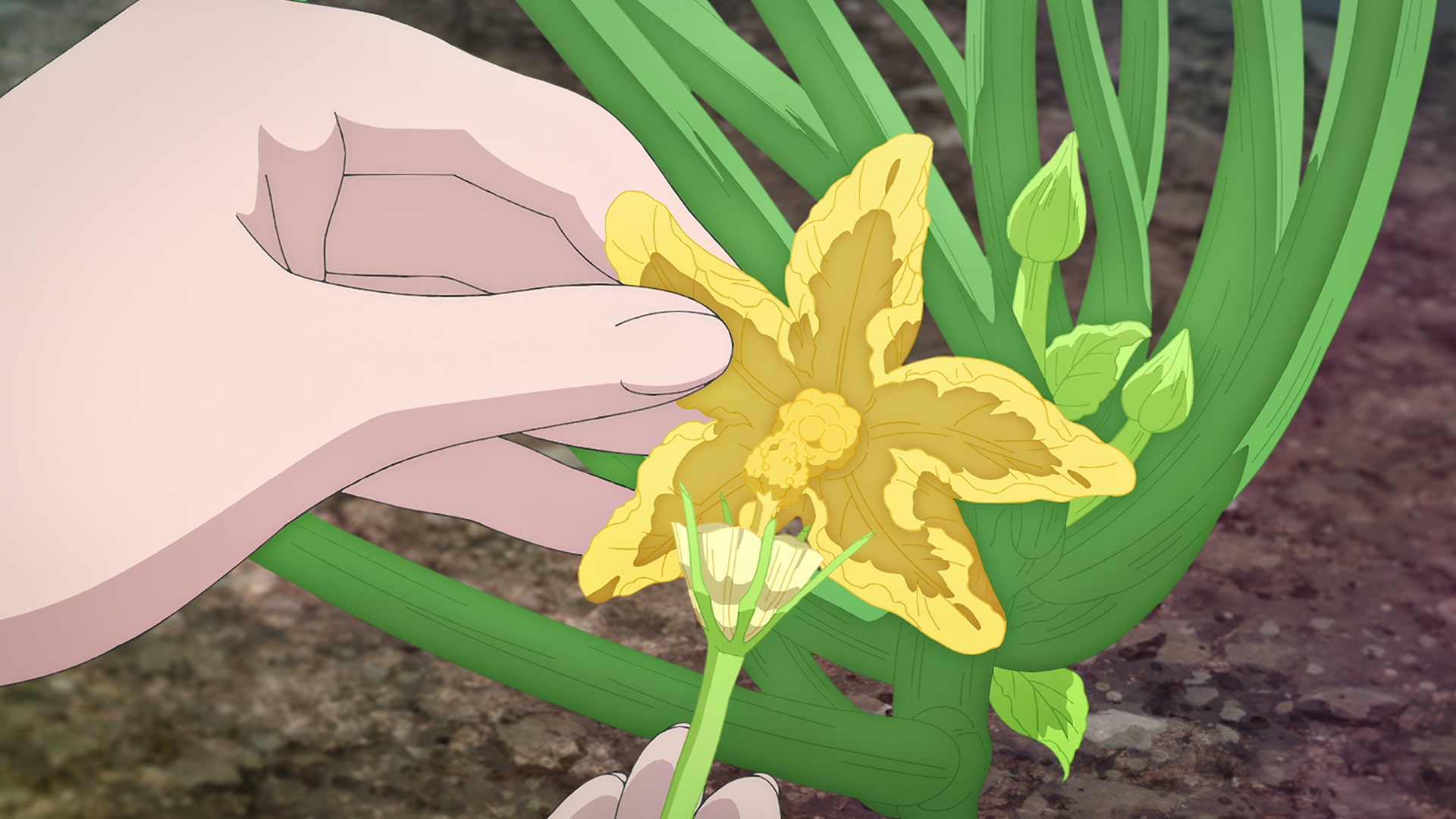
The humor in this episode works because it trusts the characters to be funny without forcing it. Hayato’s deadpan internal monologue, especially his habit of comparing people to farm animals, is a running thread that pays off when Haruki catches him in the act. The scene in the gardening club garden, where Hayato helps a flustered girl named Mitake with pollination and she spirals into a stammering panic about stamens and pistils, is pure farce. Haruki watching from the sidelines and only stepping in after the damage is done is exactly the kind of petty friendship energy the show needs.
The rock-paper-scissors match for favors is another highlight. It is a callback to their childhood dynamic, and the episode plays it straight. No dramatic music, no slow motion. Just two people who know each other well enough to turn a simple game into a currency of mutual obligation. Hayato racking up debts within minutes of reuniting feels right.
A Few Visual Touches
The episode looks clean and bright, with a color palette that leans into warm greens and soft blues. The rooftop scenes have a hazy, late-summer quality that matches the nostalgic tone. One small detail I appreciated: when Hayato first sees Haruki in the classroom, the framing keeps her slightly out of focus in the background while he processes the name “Nikaidou.” It is a subtle way to put the audience in his headspace, noticing her without fully registering her.
The character designs do a lot of heavy lifting. Haruki’s school uniform and neat hair give her an almost doll-like perfection in public, but the moment she lets her guard down, her expressions become looser and more animated. The gap is visible without being exaggerated. Hayato, meanwhile, looks exactly like the country boy he claims to be, with a relaxed posture and an easy smile that makes his social adaptability feel natural.
Closing Thoughts
This premiere does exactly what a first episode should: it establishes the central relationship, sets up the comedic and emotional stakes, and leaves you wanting to see more of these two together. The childhood friend reunion trope is well-worn territory, but the episode’s refusal to overplay the drama or rush into romance gives it a comfortable, lived-in feel. Hayato and Haruki are fun to watch because they already have a history, and the show trusts that history to carry the weight.
If the rest of the season can maintain this balance of humor and warmth without leaning too hard on misunderstandings or harem antics, this could be a genuinely sweet little series. For now, I am just happy to see two old friends finally get to eat lunch together.
Screenshots