






Introduction
There is a particular kind of warmth that comes from stories about people finding their place. It is a quiet warmth, not the flashy heat of a dramatic climax, but the steady, comforting glow of a hearth. Game Center Shoujo to Ibunka Kouryuu is built around that warmth. It is a series that understands the value of a shared space, the slow work of building trust, and the surprising ways that a simple hobby can become the foundation for a whole community.
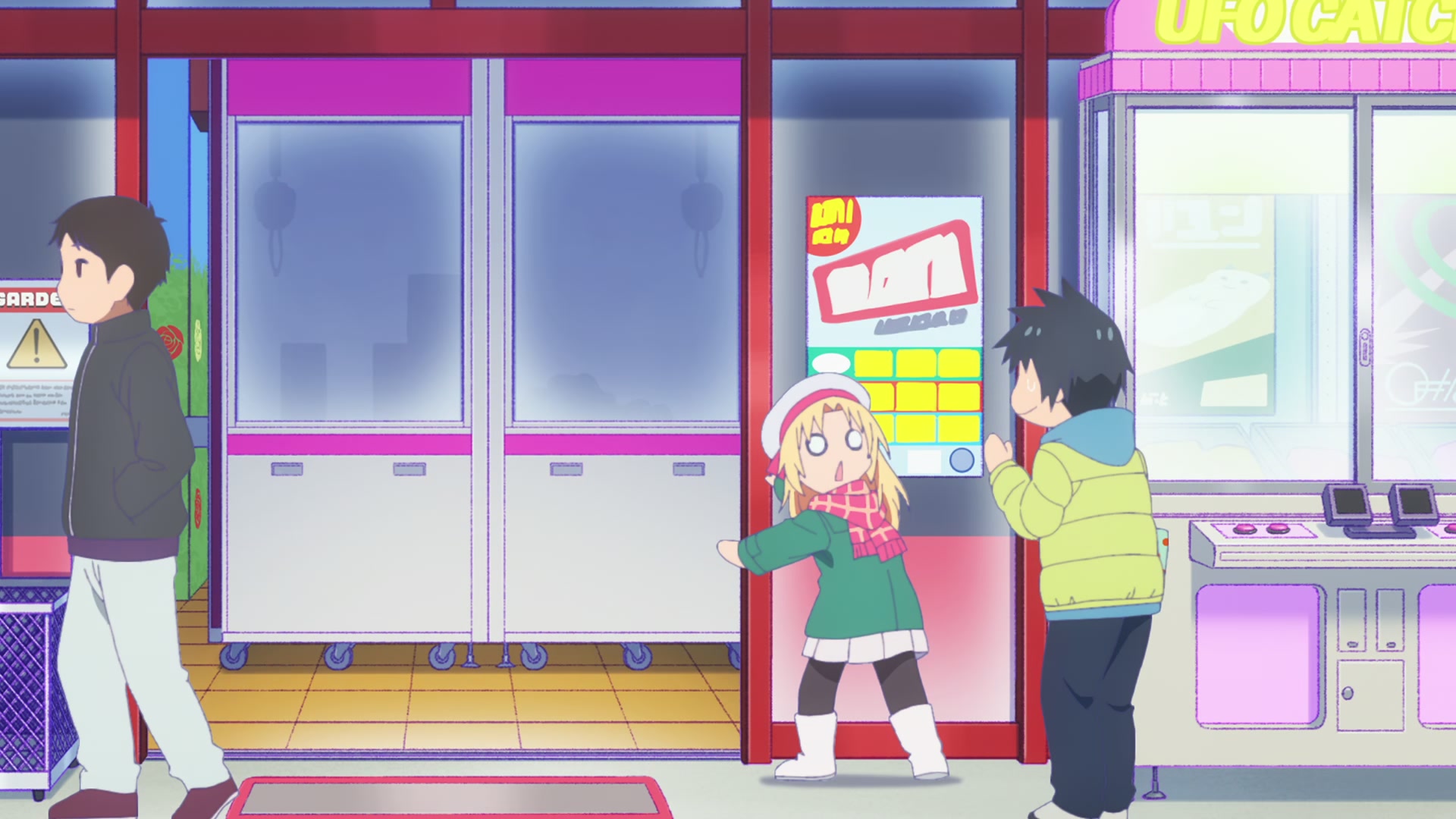
The premise is straightforward. Kusakabe Renji is a college student working part-time at a local game center. One day, he notices a young girl, Lily Baker, struggling with a crane game. She is determined to win an Otokogi Koala plush, a mascot she finds incredibly cool. Renji, after his shift, helps her win it. This small act of kindness sparks a connection. Lily, who recently moved from England, is still finding her footing in Japan. The game center becomes her refuge, and Renji becomes a steady presence in her new life. What follows is a story about cultural exchange, first love, and the friendships that form when people from different worlds meet over a shared passion.
My overall impression is one of deep appreciation. This series is a gem for anyone who loves thoughtful slice-of-life stories. It is not a high-octane drama or a gag-a-minute comedy. It is a patient, observant show that trusts its characters and its audience. It is for viewers who find joy in small moments, who appreciate the nuances of communication, and who believe that a local arcade can be as meaningful a setting as any fantastical world.


Story and Themes
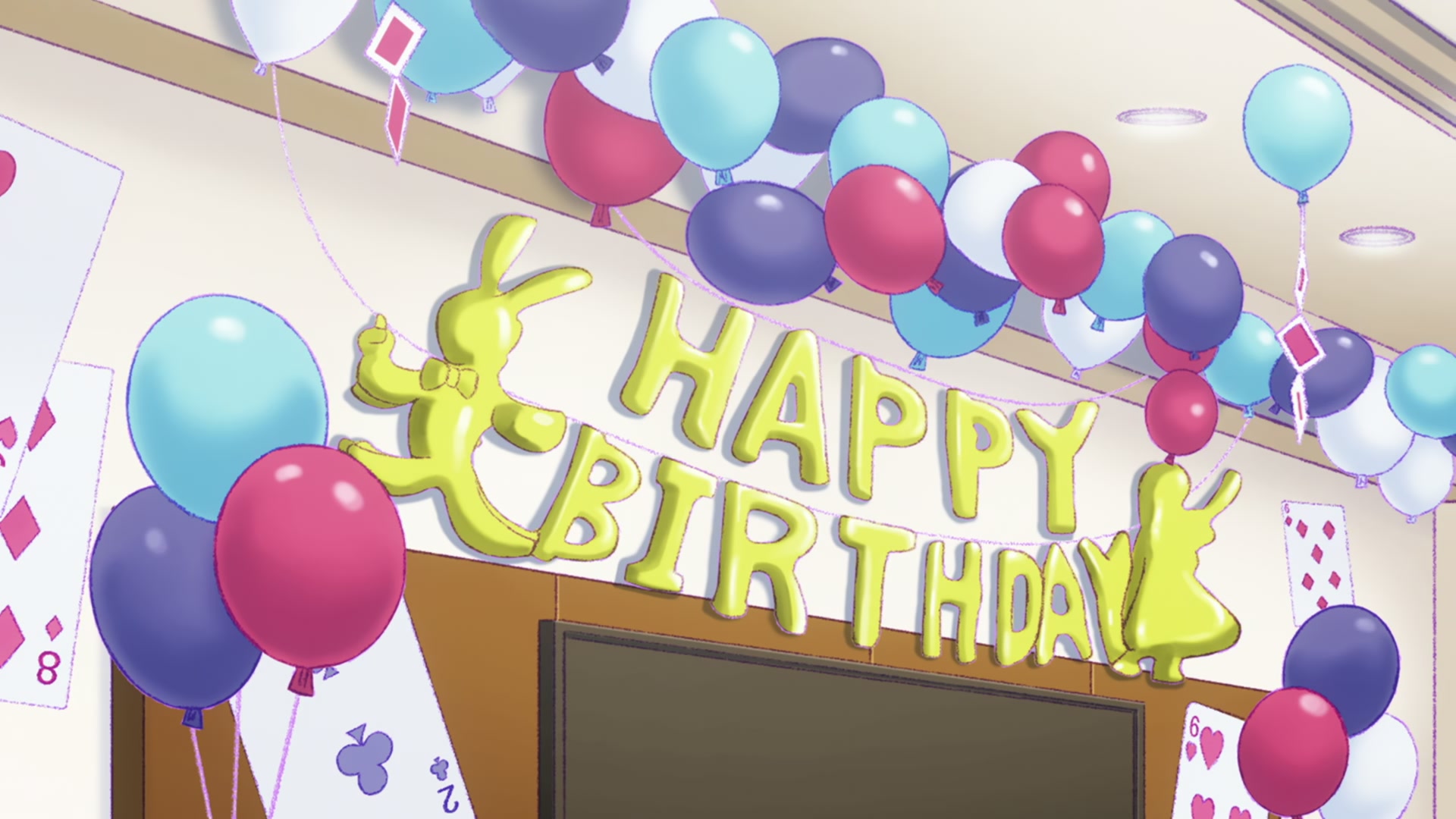
The narrative structure of Game Center Shoujo to Ibunka Kouryuu is episodic, but it carries a strong, continuous thread. Each episode often focuses on a specific event or cultural moment, like Tanabata, a birthday party, or a summer festival. These events are not just backdrops. They are the engines of character growth and relationship development. The pacing is deliberate. The series takes its time, allowing moments to breathe and conversations to unfold naturally. This is a story that values process over payoff, and the emotional rewards are earned through patience.
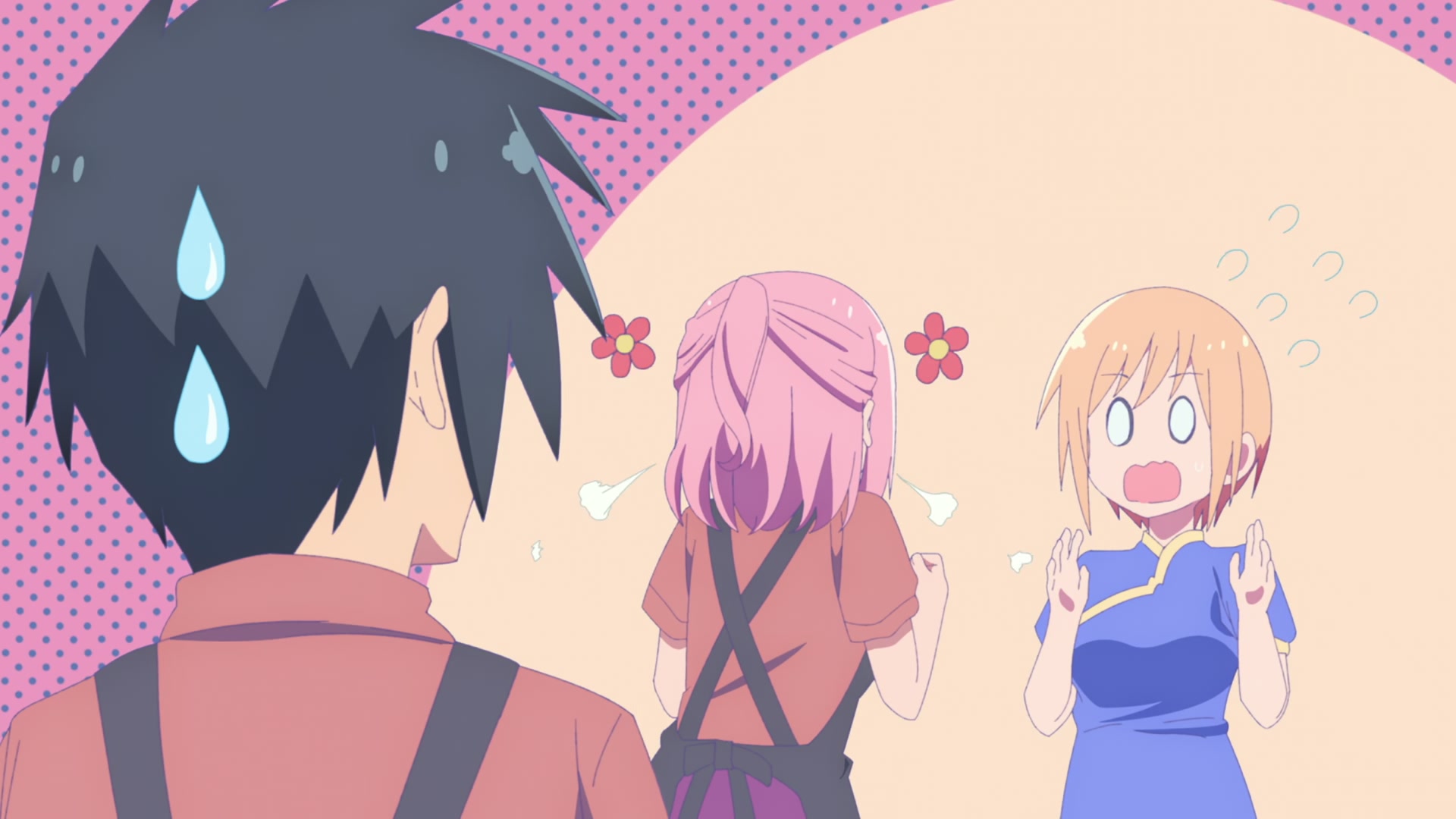
The central theme is cultural exchange, and the series handles it with remarkable balance. It is not a one-way street where a foreigner simply learns about Japan. While Lily does learn about Japanese customs, the Japanese characters also learn about British traditions. The Valentine’s Day misunderstanding in the first episode is a perfect example. Renji gives Lily a gift, not realizing that in England, boys give gifts to girls on Valentine’s Day as a romantic gesture. This leads to a confession from Lily and a panic from Renji. The series uses this confusion not just for comedy, but to establish a core principle: understanding requires effort from both sides.
The exchange notebook is the physical manifestation of this theme. It is a shared diary where Renji and Lily write to each other, bridging the language barrier and allowing for more complex communication than either could manage verbally. The notebook is a brilliant narrative device. It creates intimate moments of vulnerability and honesty, and it shows a genuine commitment to understanding across difference. It is not just a tool for language learning; it is a symbol of their growing connection.
The game center itself functions as what sociologists call a “third space.” It is neither home, school, nor work. It is a liminal zone where social hierarchies dissolve. For Lily, it is a sanctuary where she can be herself without the pressure of being “the foreign student.” For Renji, it is a place where he can express his true personality through his gaming expertise and his genuine care for customers. The series understands the importance of such spaces. They are where authentic relationships can form, free from the expectations of the outside world.
Different games serve as metaphors for different types of connection. Crane games are about shared triumph and disappointment, and the joy of giving. Fighting games are about competitive spirit, respect between rivals, and personal growth. Rhythm games bridge generational gaps. Even the notoriously difficult janken games become a metaphor for life’s unfairness and the importance of perseverance. The series never lectures about these meanings. It simply shows the characters playing, and the themes emerge organically.
The complexity of first love is another major theme. Lily’s feelings for Renji are portrayed with remarkable nuance. Her confession is culturally appropriate for her British background and emotionally vulnerable. The series does not rush their relationship. It shows the gradual development of trust and understanding. Renji’s response is equally thoughtful. He does not reject Lily outright but asks for time to get to know her better. His concern about the age difference and his uncertainty about whether Lily’s feelings will remain constant demonstrate genuine care rather than simple avoidance. The series handles the age gap with sensitivity, focusing on emotional connection rather than physical attraction.
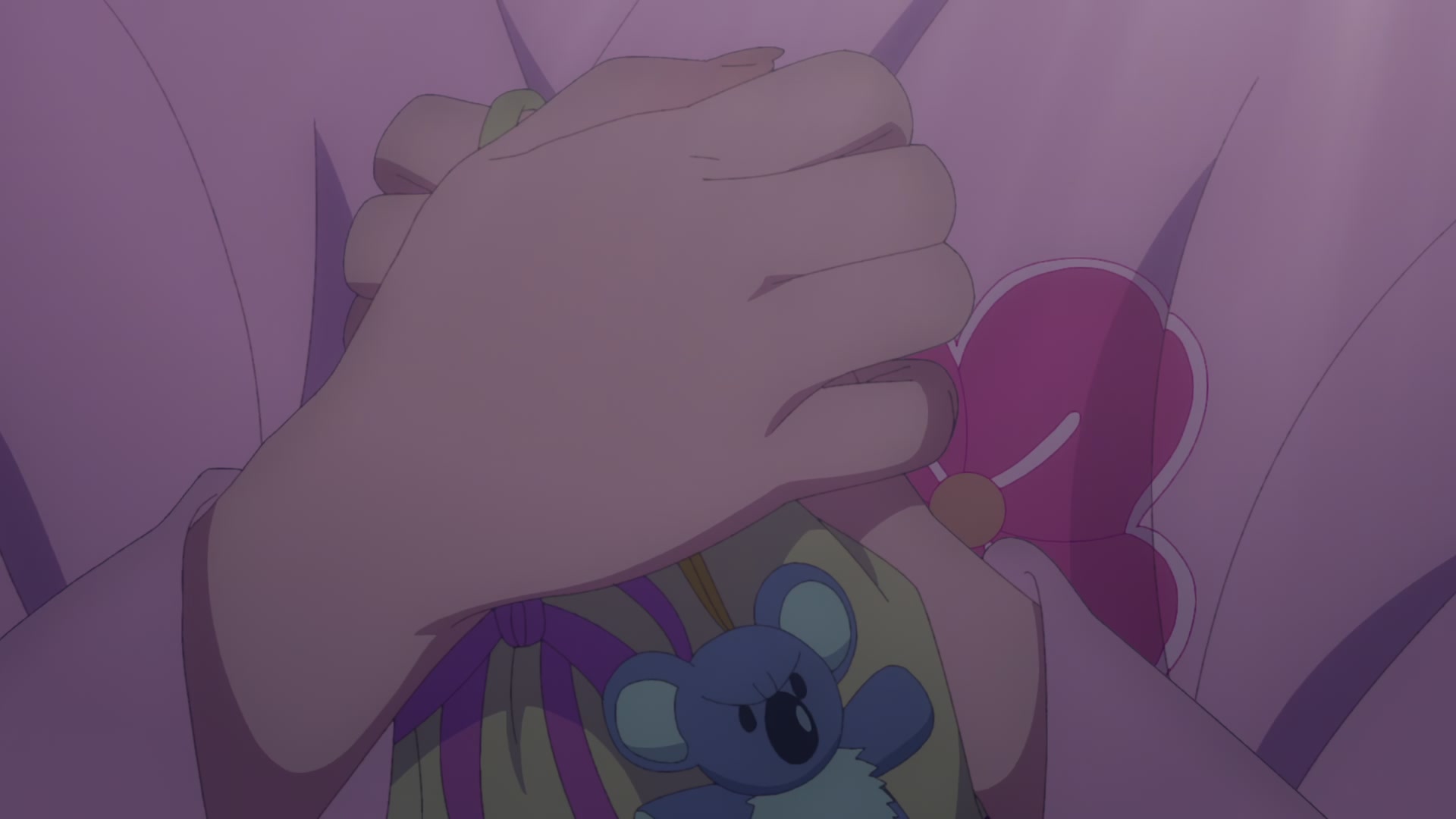
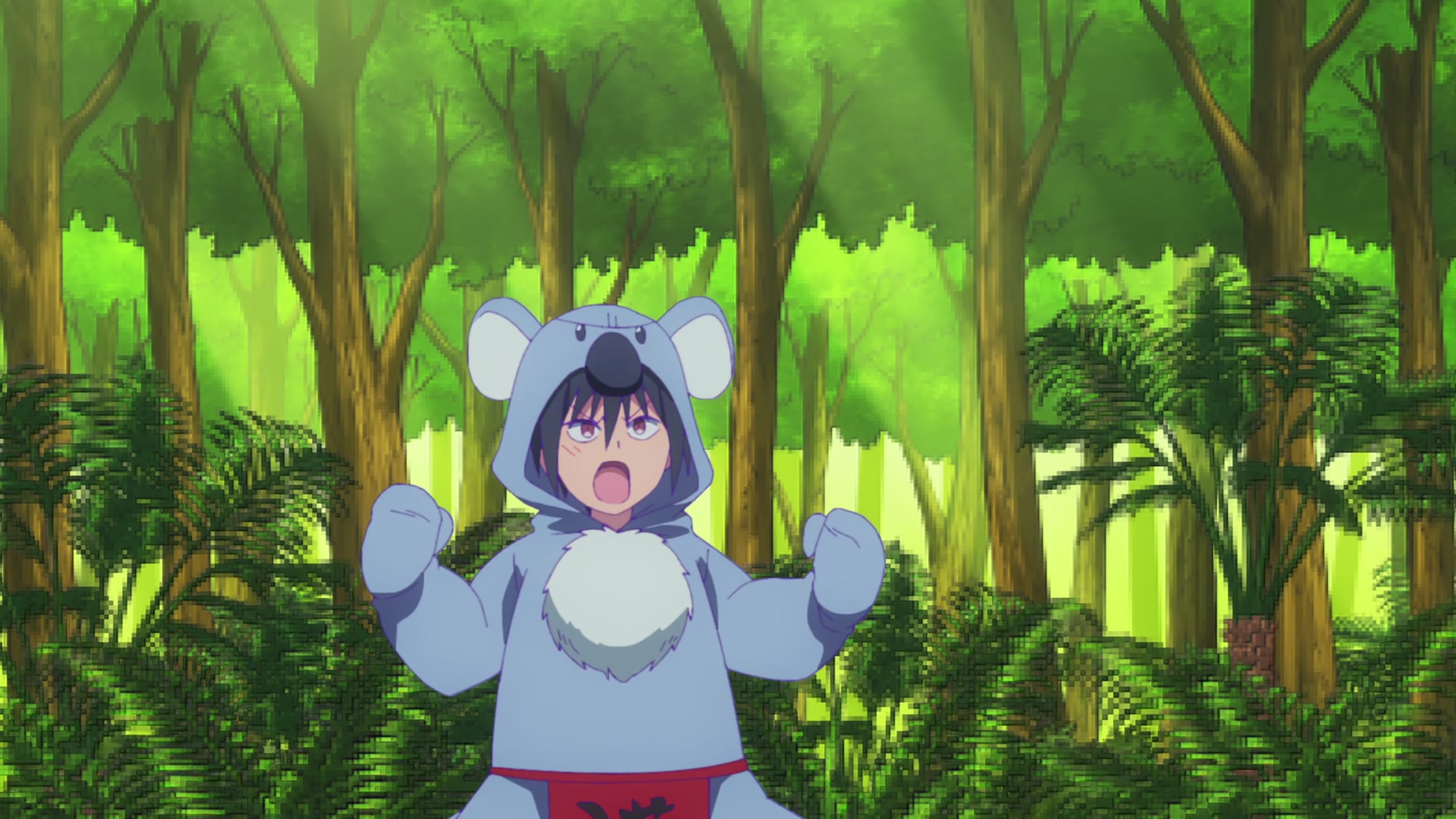
The symbolism of Otokogi Koala is a delightful thread. Lily is drawn to this “cool” mascot, not a “cute” one. This reflects her desire to be taken seriously despite her youth. The koala’s “otokogi mode,” or manly spirit mode, represents the strength and confidence she aspires to embody. The koala appears throughout the series, in crane games, VR games, fighting games, and merchandise. It becomes a symbol of the connection between Lily and Renji. The final episode’s flashback, revealing that Renji gave a young Lily a koala plush years ago, adds a layer of destiny to their relationship. It recontextualizes their entire history and suggests that their meeting was not entirely by chance.
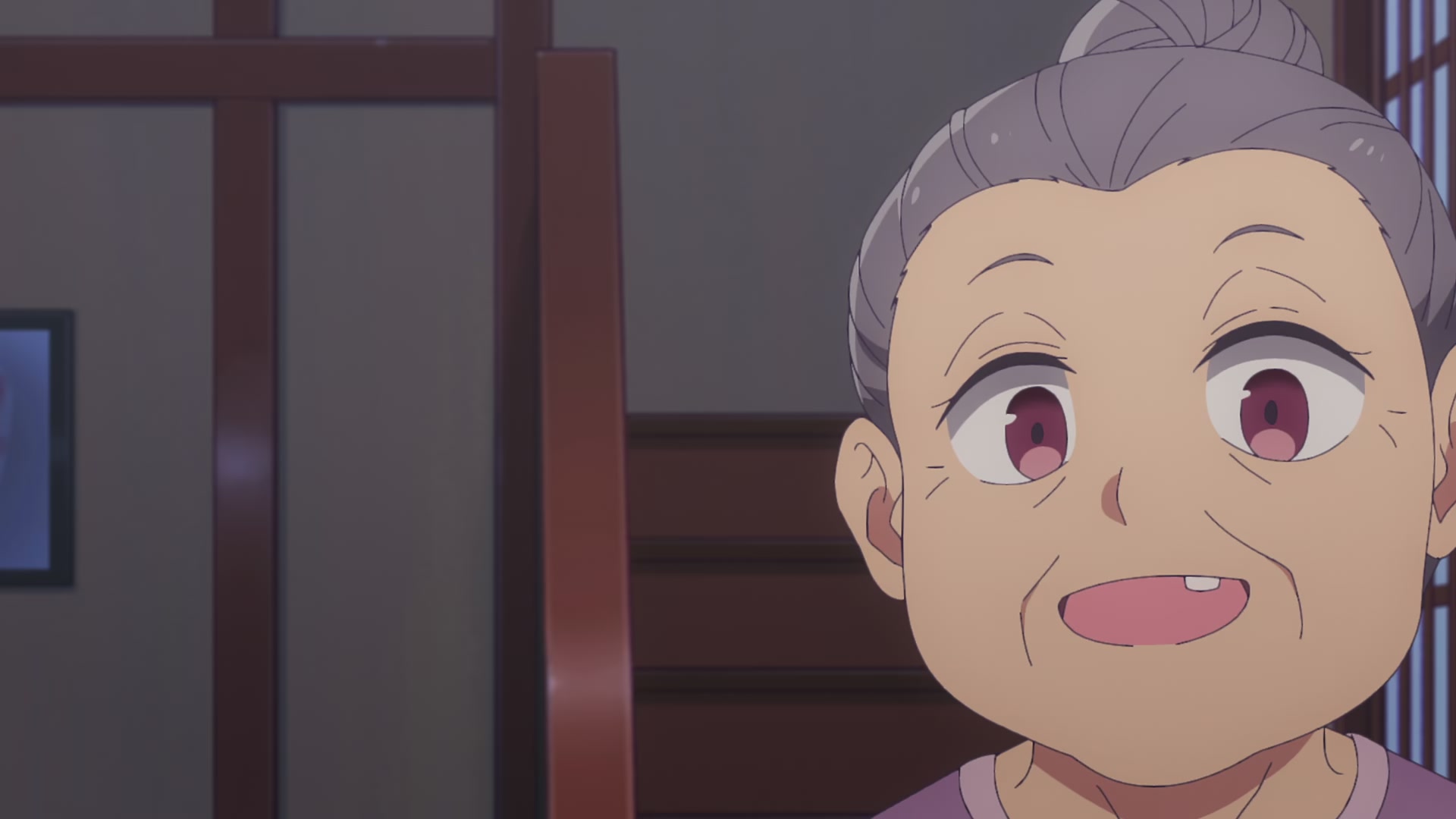
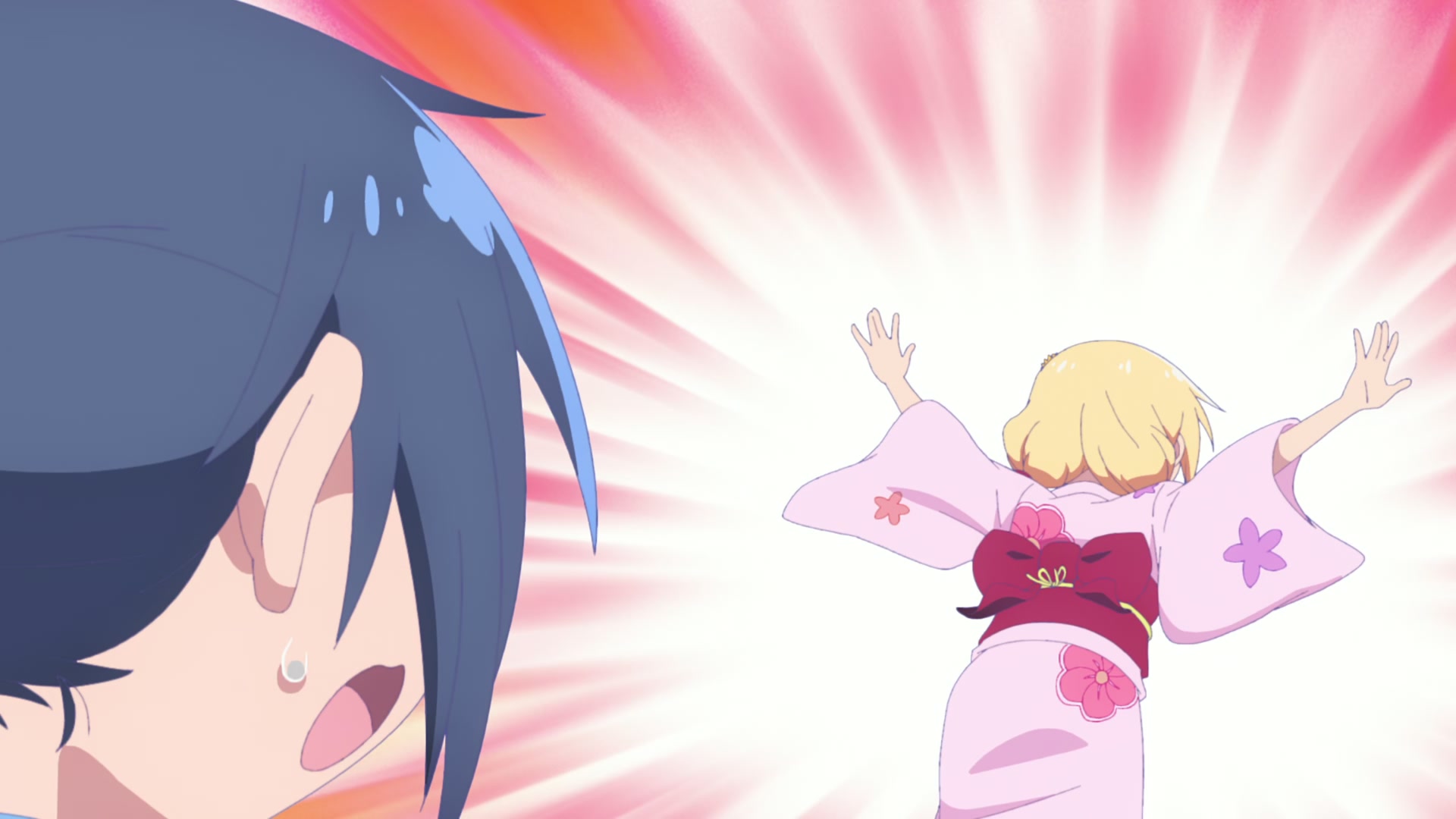
The fireworks festival legend, told by Renji’s grandmother, adds a touch of magical realism. The story of two lovers from different villages united by the festival, and the belief that couples holding hands during the last firework will be together forever, is a beautiful piece of folklore. It sets up the series’ climax, where Lily hopes to hold hands with Renji during the final firework. The interruption by their friends is a bittersweet moment, but it does not feel like a denial. It feels like a promise for the future.
Regarding adaptation concerns, I must be honest. I have not read the source material, so I cannot judge whether the anime skipped or badly adapted any content. What I can say is that the anime works as a complete, satisfying narrative on its own terms. The emotional arc is complete, the themes are coherent, and the characters are consistent. If the source material is richer, that is a bonus, but the anime stands on its own.



Characters
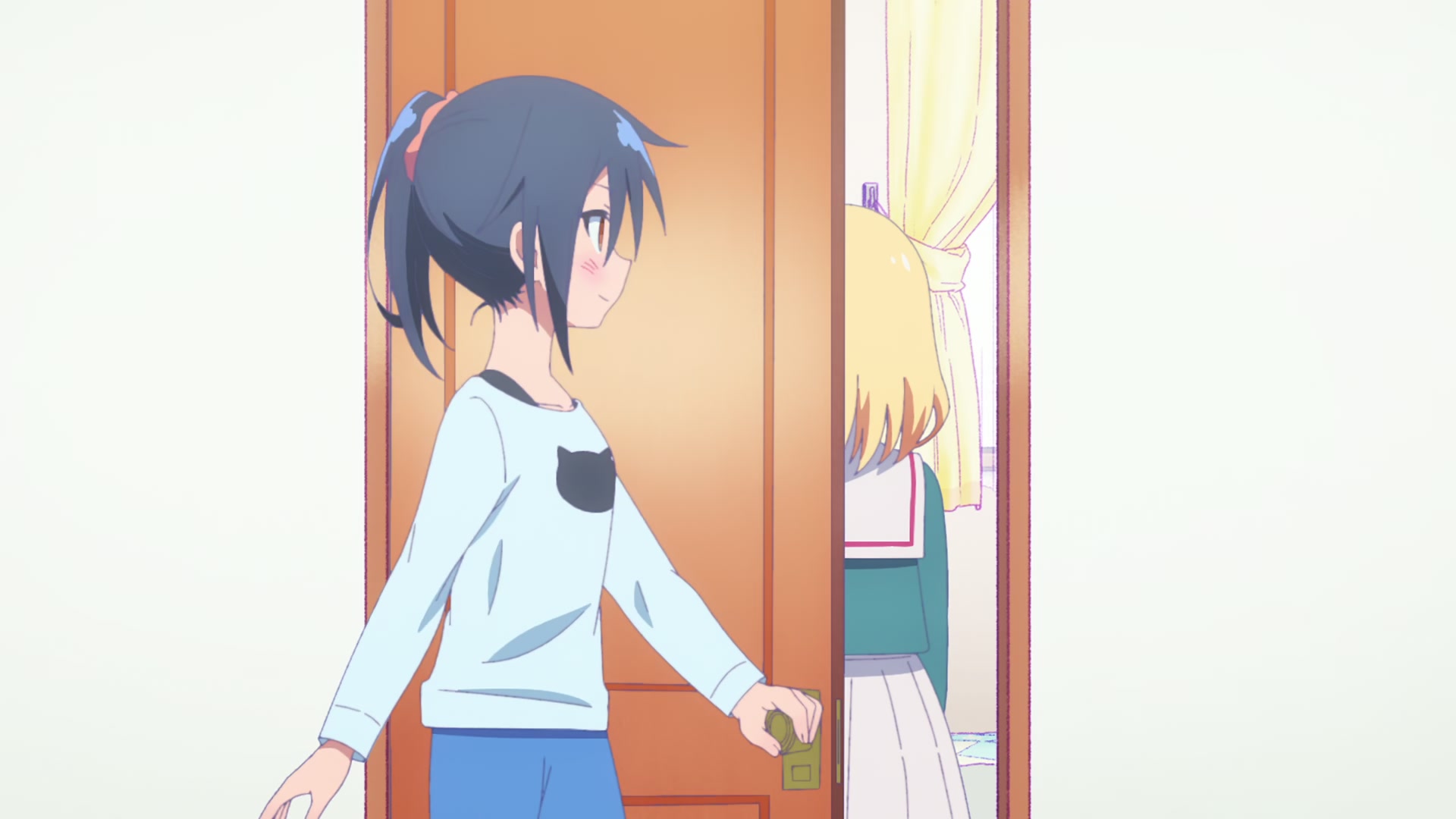
The character writing in Game Center Shoujo to Ibunka Kouryuu is one of its greatest strengths. The characters are well-rounded, with clear motivations, personal conflicts, and satisfying growth arcs. They are not just archetypes; they feel like real people.
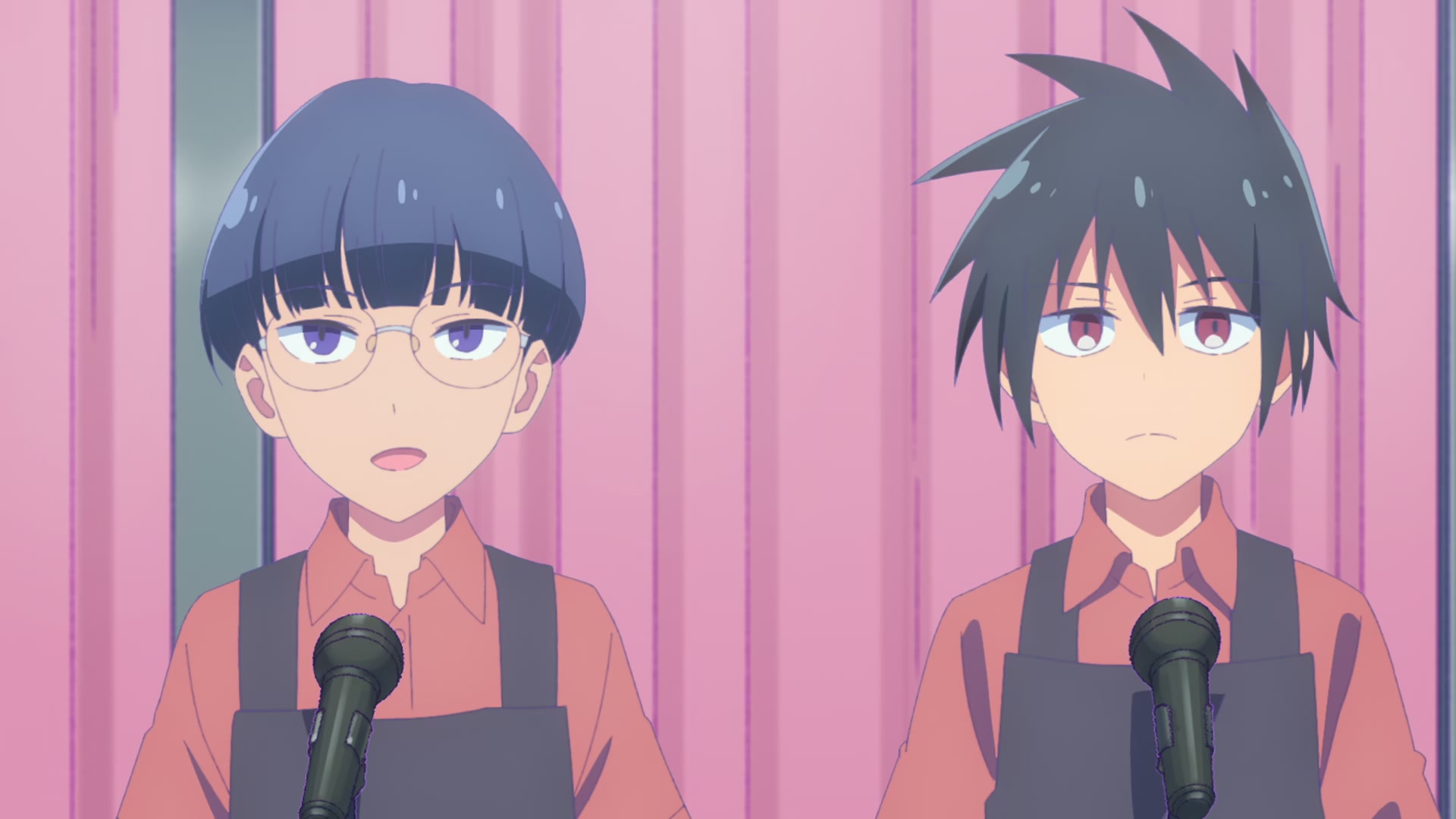
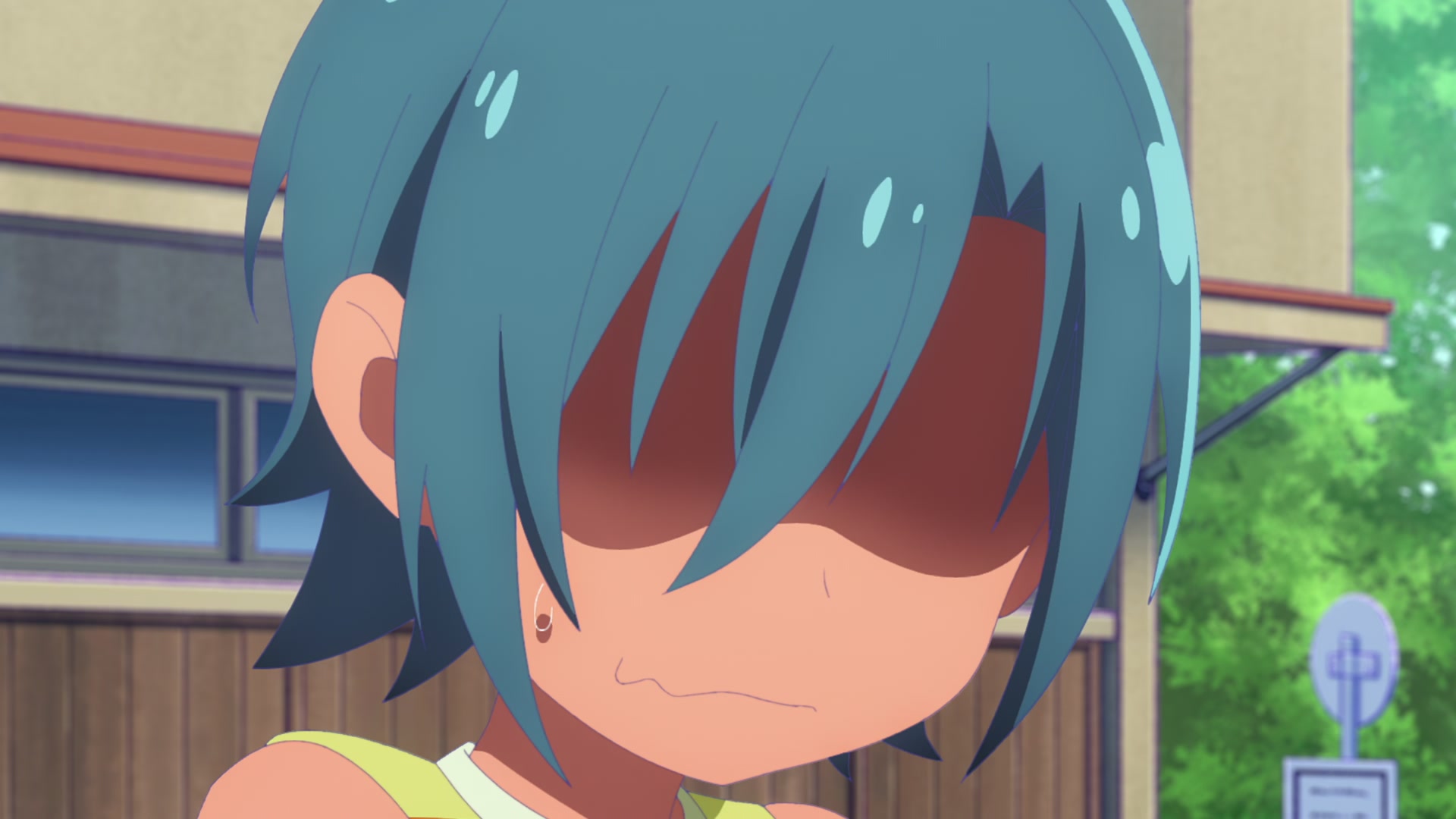
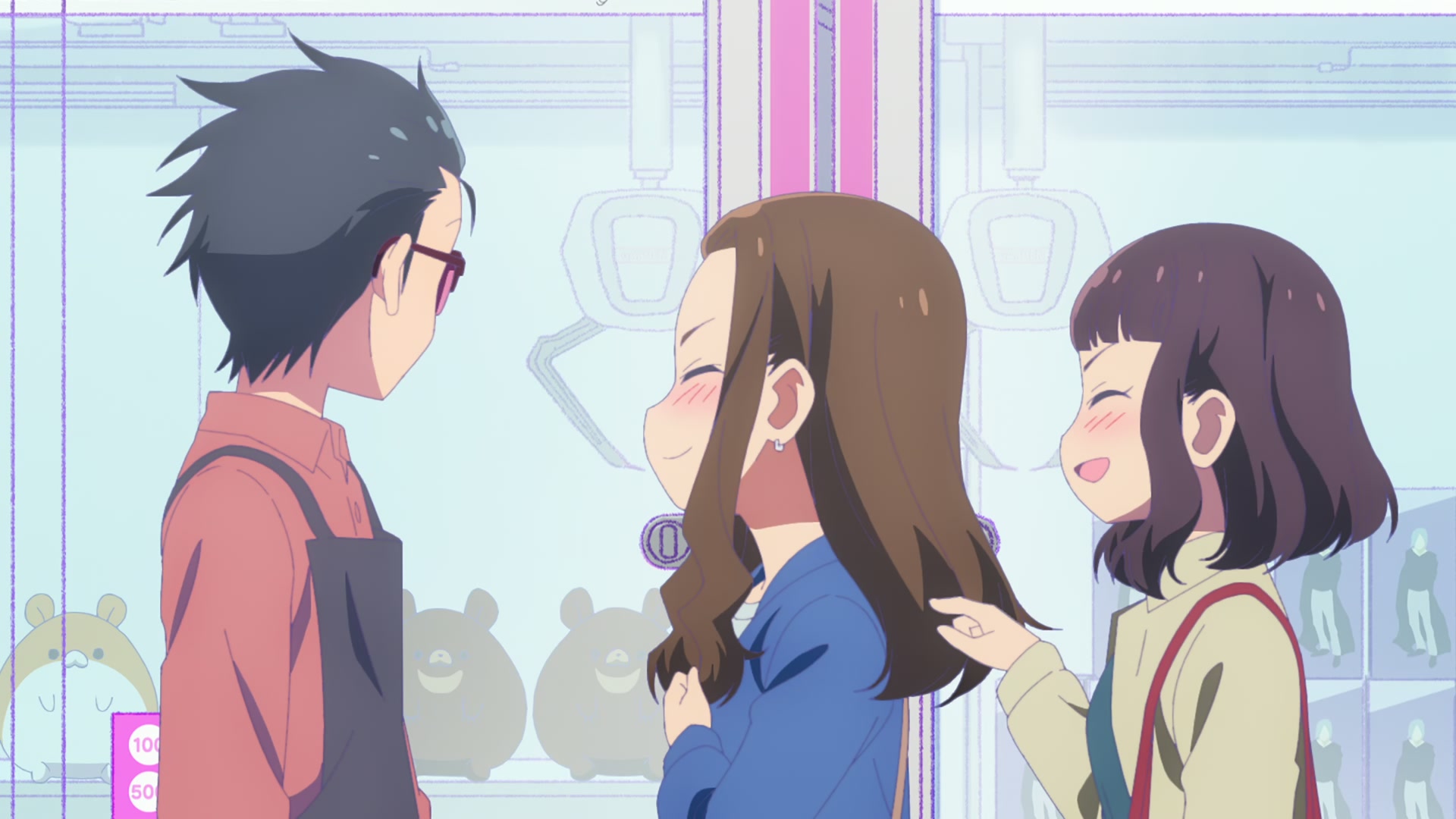
Kusakabe Renji is an unusually competent and emotionally intelligent protagonist for a romantic comedy. He is not oblivious or overly reactive. He is thoughtful, patient, and genuinely empathetic. His defining characteristic is his care for others, particularly Lily. This manifests in small, consistent ways. He notices when she is struggling, offers his umbrella when it rains, and creates the exchange notebook. He is protective without being overbearing. His emotional journey is one of gradual opening. He begins the series comfortable in his routine and somewhat closed off from deeper connections. Through his relationship with Lily, he becomes more open and honest about his feelings. His admission to Lily’s father, Oliver, that he is “not really sure yet” about his feelings but knows he does not want to upset Lily, is a masterclass in honest emotional expression.
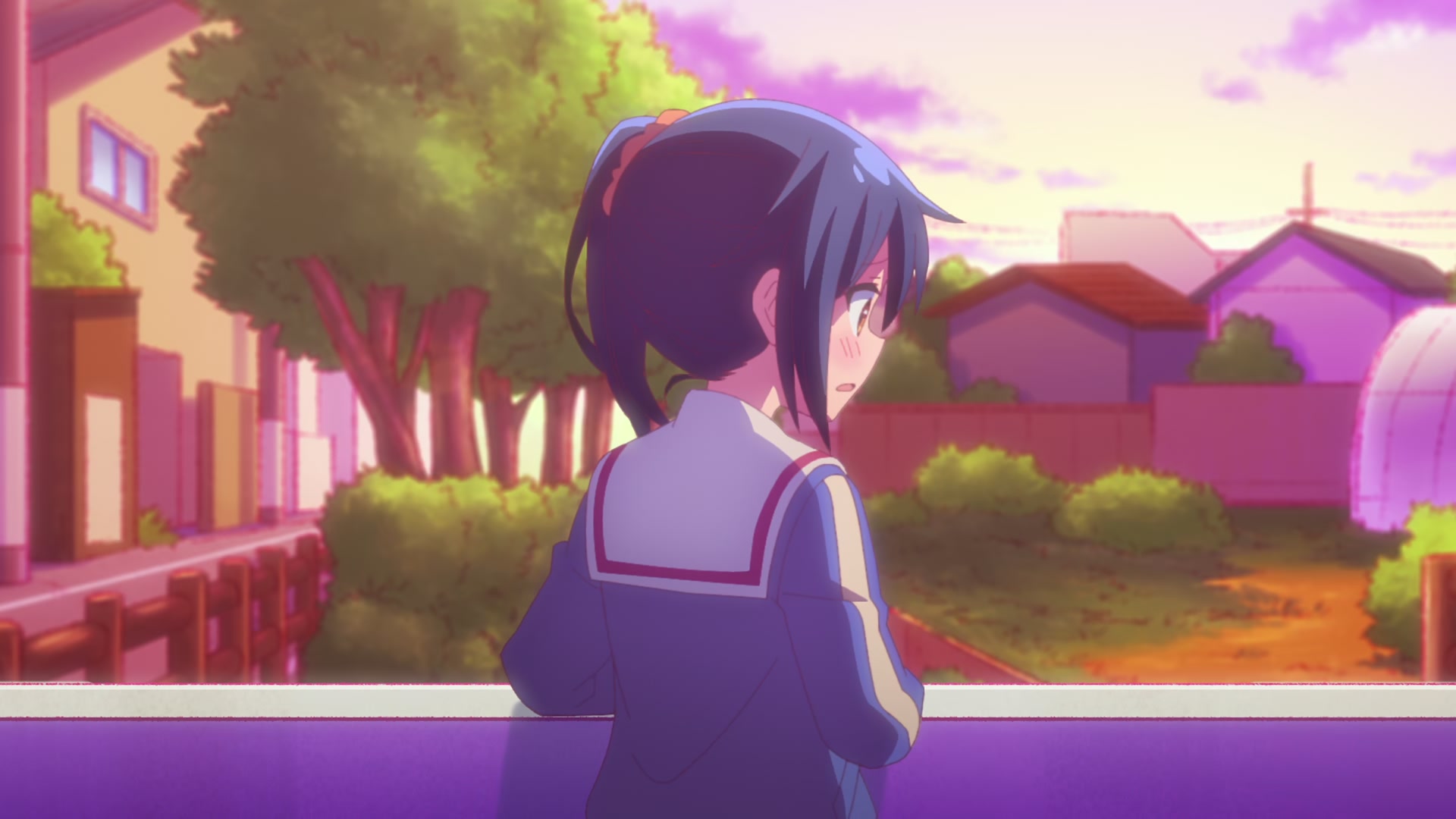
Lily Baker is a vibrant, determined, and emotionally expressive young woman. She is not simply the “genki foreigner” stereotype. She has depth, complexity, and genuine struggles. Her most defining trait is her fierce determination. When she wants something, she pursues it with single-minded focus. This determination is admirable but also leads to moments of frustration. She is also remarkably brave. Moving to a new country as a middle schooler is daunting, and she initially struggled. Rather than retreating, she found the game center and gradually built a social network. Her emotional journey is one of growing confidence and security. She begins as a lonely immigrant and ends as a confident young woman with a strong friend group. Her feelings for Renji are genuine and deep, but they are complicated by her youth and the cultural differences between them. Her growth involves learning to value herself and trust in the connections she has built.
Kusakabe Aoi, Renji’s younger sister, is a spirited, loyal, and occasionally meddlesome young woman. She serves as both comic relief and emotional support. Her most defining trait is her enthusiasm. She throws herself into everything, whether it is learning about game centers to impress Lily or trying to support Lily’s romantic pursuits. She is also remarkably perceptive about others’ feelings, even if she is sometimes oblivious about situations directly involving her. Her emotional journey involves learning to navigate the complicated dynamics of being both Lily’s best friend and Renji’s sister. The revelation that the “game center employee” Lily loves is actually her brother creates a crisis. Her eventual acceptance of the situation, and her warning to Renji not to make Lily upset, shows significant growth.
Kaga Karin is a complex character who initially appears as a stereotypical tough-girl rival but reveals surprising depth. She is a middle schooler with exceptional fighting game skills, honed through years of obsessive practice after a traumatic defeat at Renji’s hands. Her tough exterior is a defense mechanism. Beneath it, she is deeply passionate about gaming and genuinely cares about the people she has come to know. Her relationship with Lily is particularly touching. Despite initially dismissing her, she is moved by Lily’s tears and agrees to train her. This mentorship becomes a genuine friendship. Her rivalry with Renji is the driving force of her character. When she finally gets the chance to face him, she loses badly. But rather than being discouraged, she is inspired to improve further. Her tears after the match are a pivotal moment, revealing the depth of her investment and marking a turning point in her growth.
Mochizuki Momoko is a gentle, kind-hearted young woman whose initial appearance as a potential rival belies her true nature. She is from a rural area and her family runs a kendo hall, which has given her both physical discipline and a humble demeanor. Her most notable trait is her unexpected gaming talent. Her kendo training has honed her reflexes and intuition to a remarkable degree. She is also deeply kind. When she wins a prize that Lily wanted, she immediately offers it to her. Her relationship with Renji is complicated. She clearly has some interest in him, but she never acts on these feelings, instead becoming a supportive friend to both Renji and Lily.
Hotaru, the class president, is a serious, responsible young woman who takes her role very seriously. She is initially concerned about her classmates spending time at game centers. Her defining trait is her earnestness. She approaches everything with sincerity and dedication. Her emotional journey involves learning to relax and enjoy herself. Her initial resistance to the game center is rooted in genuine concern. Her eventual acceptance comes from experiencing the game center firsthand and recognizing its positive aspects. Her embrace of game center culture is gradual but complete, and she becomes an enthusiastic regular.
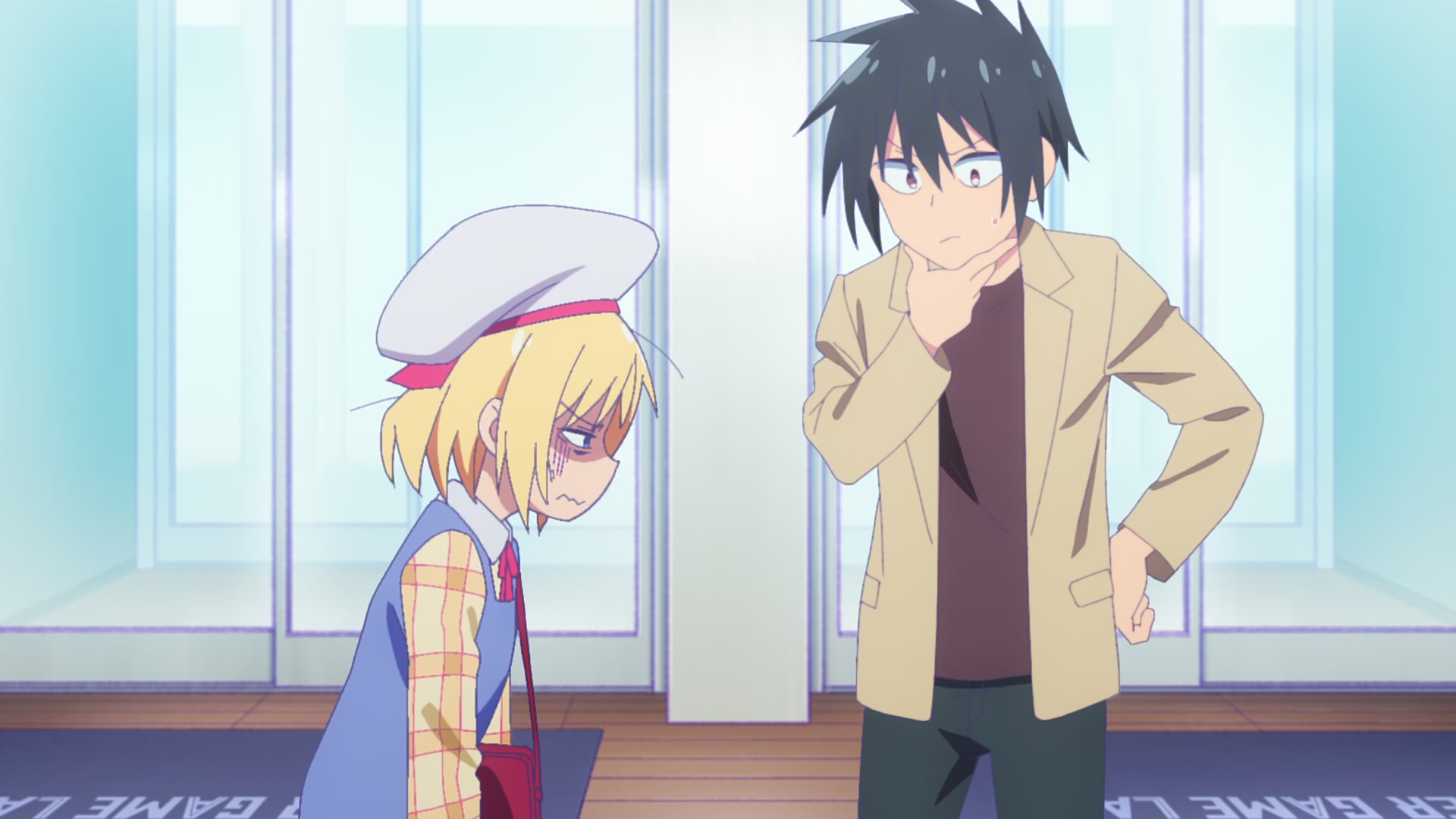
Oliver Baker, Lily’s father, is a loving but overprotective father whose intimidating appearance masks a deeply caring nature. He is fiercely devoted to his daughter and suspicious of any male attention she receives. His defining trait is his intensity. Everything he does, he does with full commitment. He is also surprisingly childish at times. His sulking when he discovers he was not invited to the game center is both funny and endearing. His emotional journey involves learning to trust others with his daughter’s wellbeing. His eventual acceptance of Renji comes from recognizing that Renji genuinely cares about Lily.
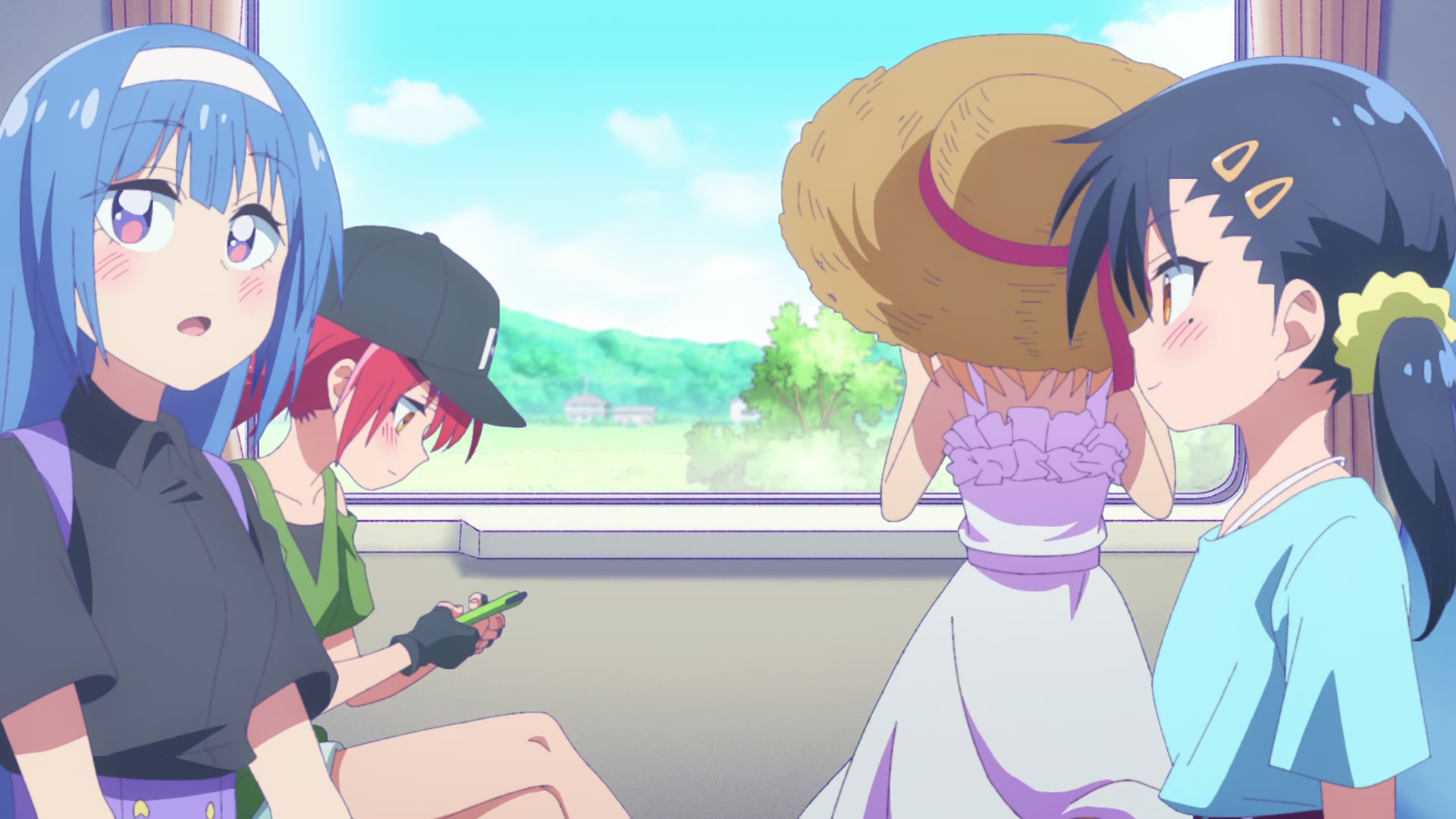
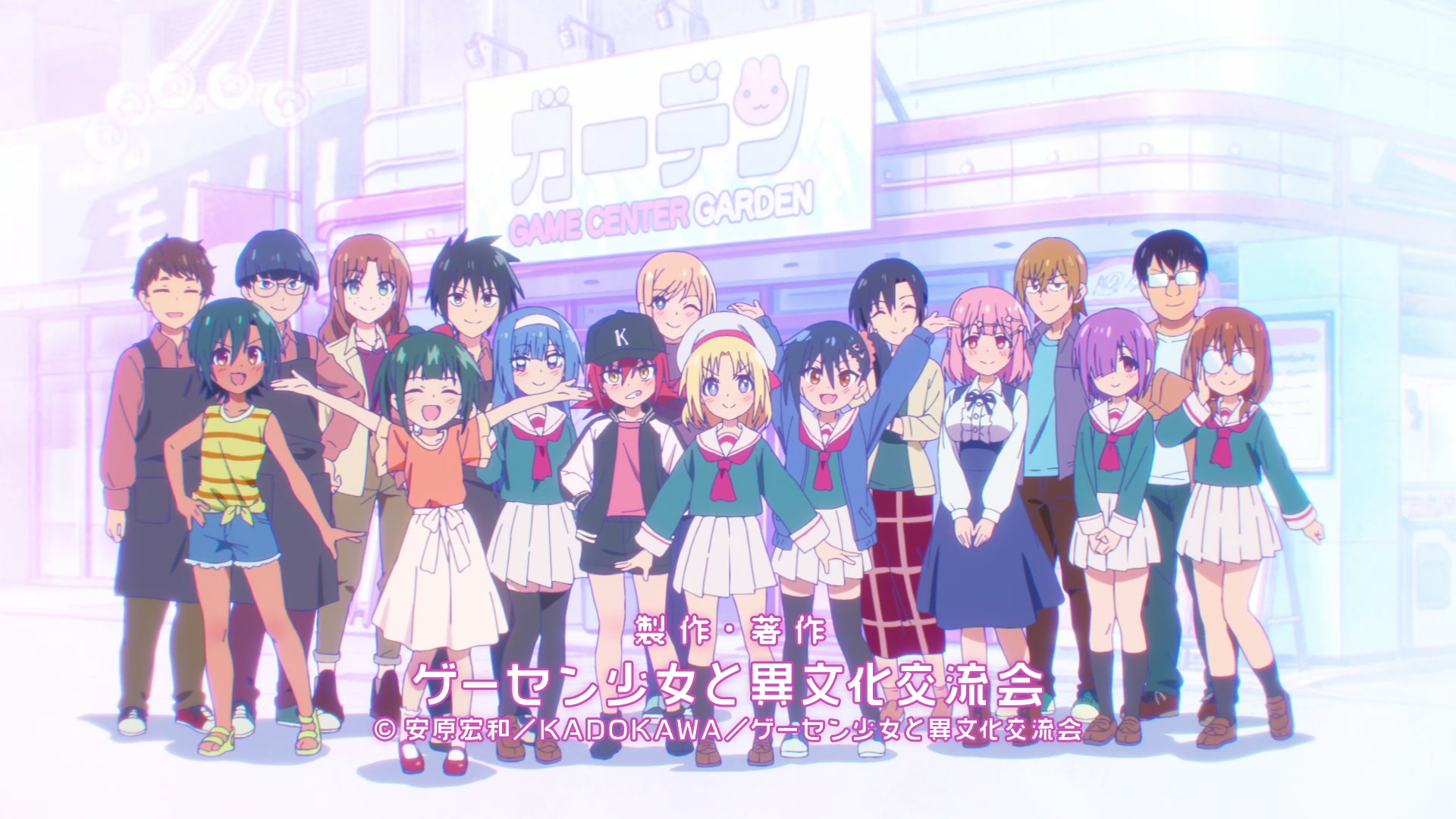
The character dynamics are rich and well-developed. The central relationship between Renji and Lily is handled with care. The sibling bond between Renji and Aoi is authentic and touching. The friendship network that forms around Lily is satisfying to watch. The rivalry between Karin and Renji transforms into mutual respect. The complicated triangle between Lily, Momoko, and Renji resolves through kindness. The family dynamics, both the Bakers and the Kusakabes, are portrayed with warmth and humor.

Visuals and Animation
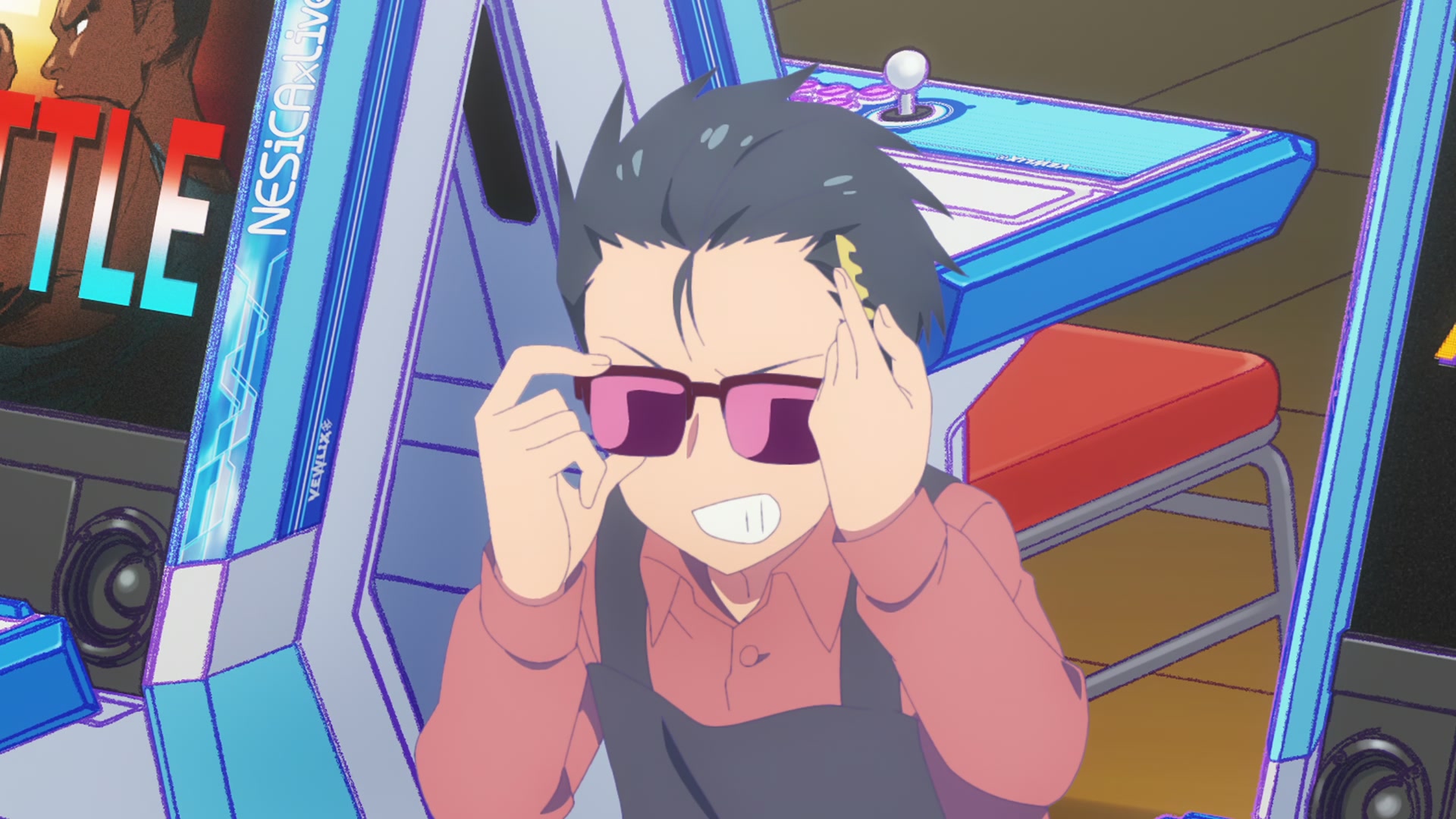
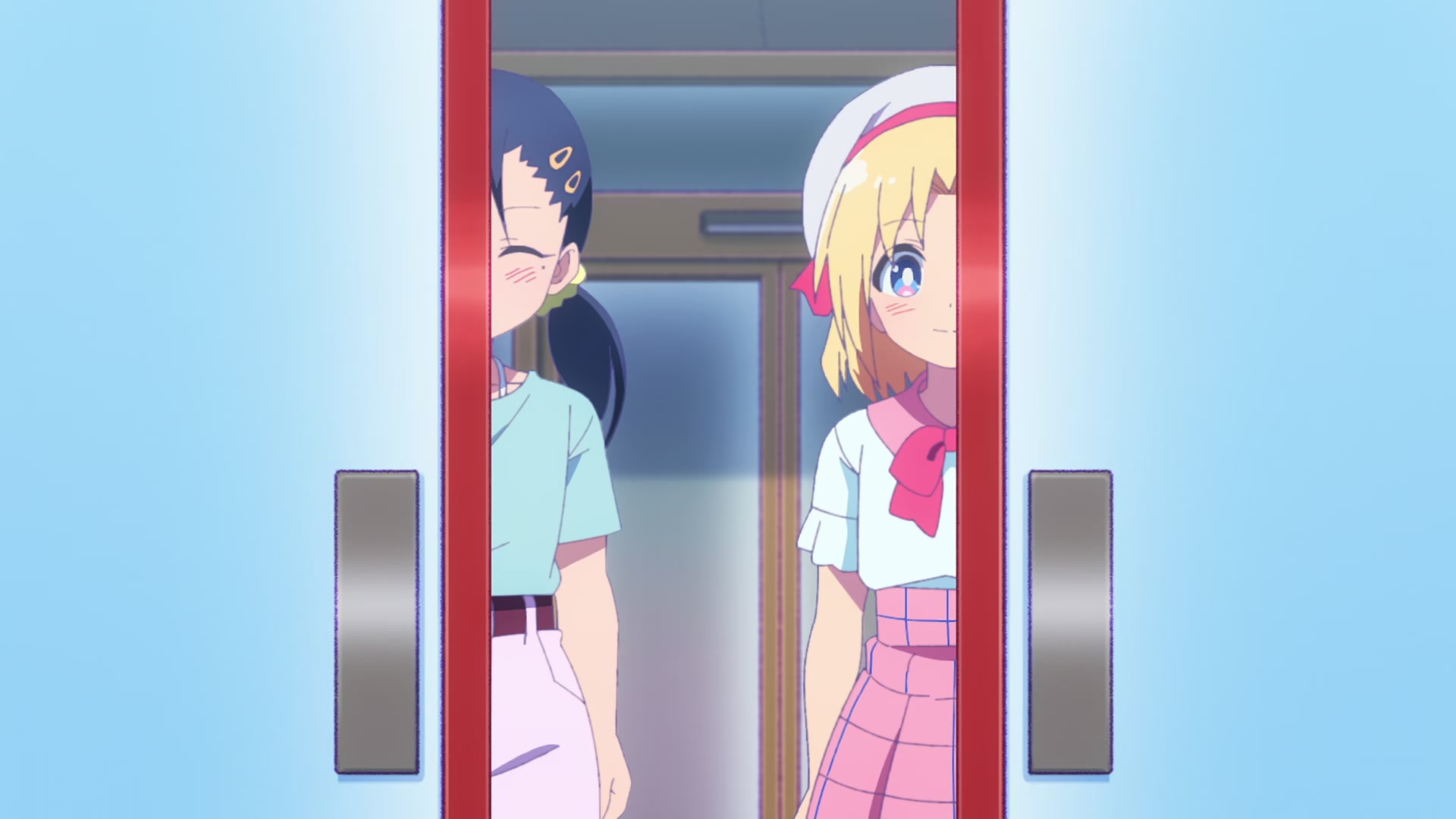
The visual style of Game Center Shoujo to Ibunka Kouryuu is warm and inviting. The character designs are distinct and memorable. Each character is immediately recognizable, and their designs reflect their personalities. Lily’s bright, expressive features convey her energy and enthusiasm. Renji’s calm, understated appearance reflects his steady nature. Karin’s sharp, intense look matches her competitive spirit. The Otokogi Koala design is a standout. It is a “cool” mascot that stands out from typical cute mascots, with its sunglasses and “otokogi mode” being visually distinctive.
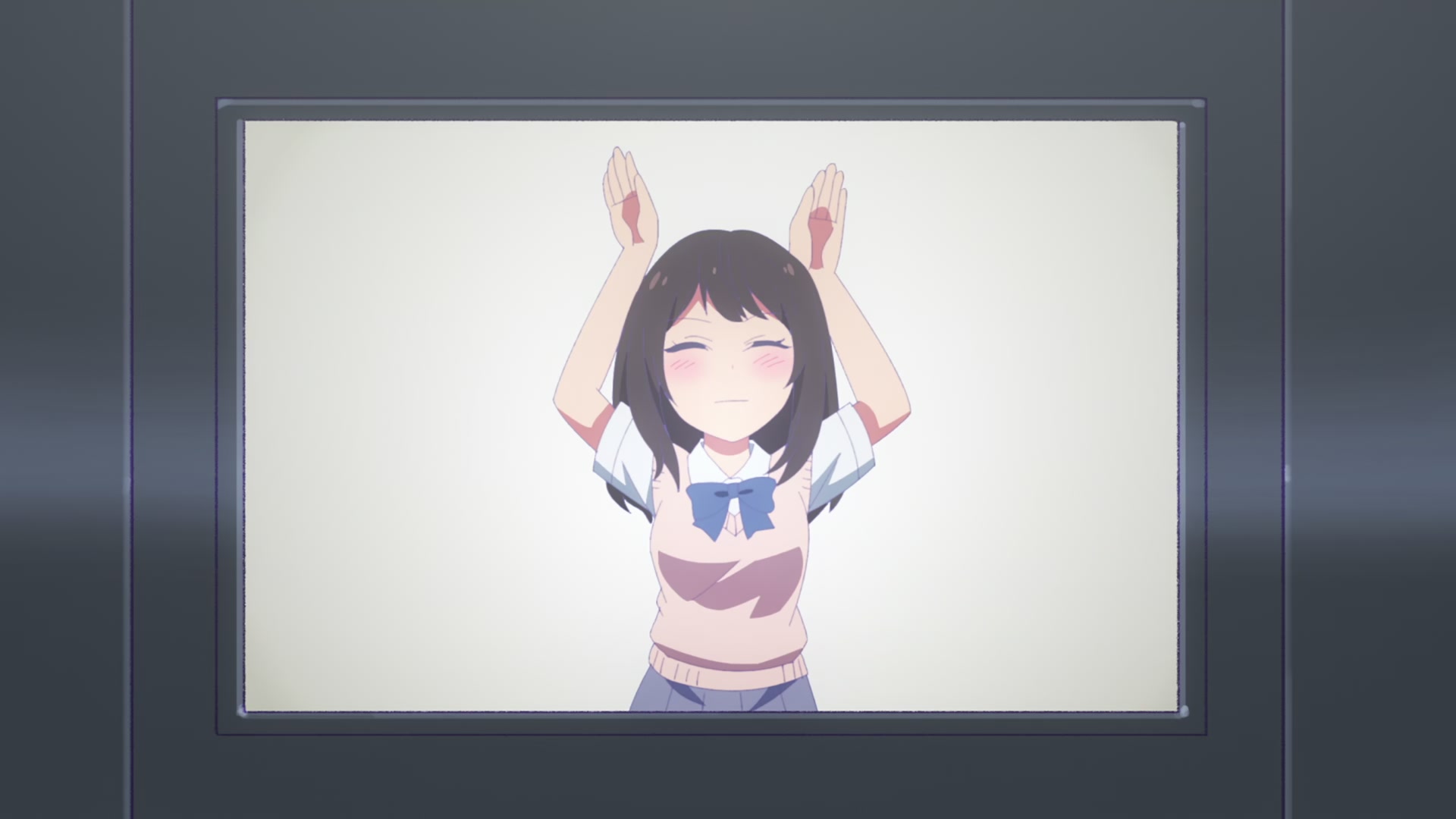
Facial expressions and character acting are a major strength. Given the language barrier between characters, non-verbal communication carries significant weight. The series excels at showing rather than telling. Lily’s emotions are clearly conveyed through her face. The series uses exaggerated expressions for comedy but also subtle expressions for emotional moments. Key emotional beats, like Lily’s tears when she loses at fighting games or Renji’s gentle smile when he helps her, are conveyed effectively through the animation.
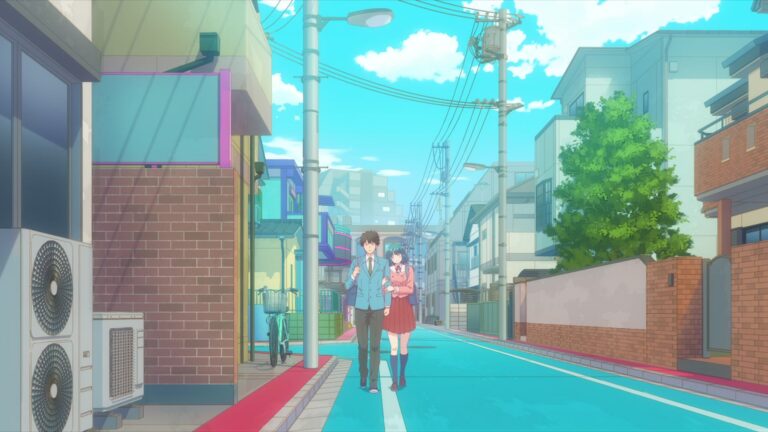
The background art is detailed and creates a sense of place. The game center is depicted as a vibrant, lived-in space, filled with the visual noise of arcade machines, prizes, and customers. The contrast between the busy game floor and quieter areas is well-established. The countryside arc provides visual variety, with the rural landscape, the grandmother’s house, and the festival offering a different visual palette. The attention to detail in the various games and prizes is commendable.
The color palette is warm and inviting. The game center is depicted as a welcoming space, and the series avoids harsh or cold color schemes. The progression from winter to summer is reflected in the visuals, with the summer vacation arc having a brighter, more vibrant palette.
However, the animation quality is functional but not spectacular. The series’ tone suits static scenes. Slice-of-life pacing allows for contemplative moments, and conversation scenes do not require dynamic animation. The focus is on character interaction, not action. The series knows its strengths and uses stillness effectively for intimate scenes.
There are moments of genuinely weak animation. Some crowd scenes may be sparsely animated, with background characters being static or minimally animated. The tournament arc’s fighting game sequences may rely on still frames or limited animation. The series may struggle to depict the intensity of the matches, and the fights may feel less exciting than they should. The use of game UI and sound effects may compensate for visual limitations, but viewers expecting dynamic fight scenes may be disappointed.
The distinction between intentional stillness and limitation is important. Quiet moments between characters benefit from stillness. The exchange notebook moments, for example, suit a static presentation. The stillness emphasizes the intimacy of the communication. However, action sequences that should be dynamic but are not reveal limitations. The fireworks at the climax of the series should be visually stunning, but limited animation may make them feel underwhelming.
The series’ visual identity is appropriate for the material. The slice-of-life genre does not require spectacular animation. The focus on character and emotion is the right choice. The series does not attempt ambitious action sequences, and the tournament arc is handled through character reactions rather than dynamic fight scenes. This is a valid choice, but it is a limitation nonetheless.



Sound and Music
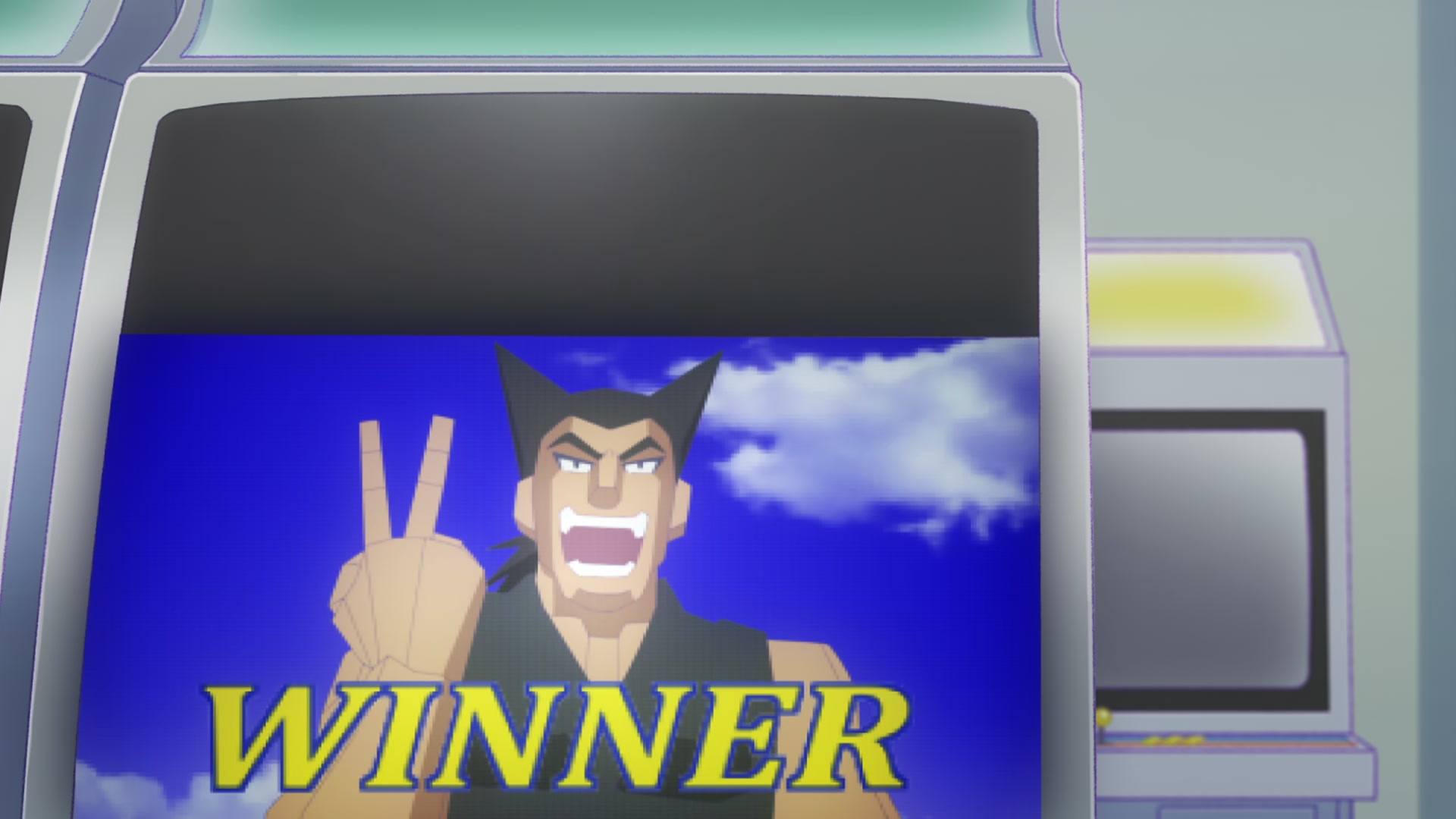
The soundtrack of Game Center Shoujo to Ibunka Kouryuu is a quiet but effective presence. It enhances the scenes without overpowering them. The music is often gentle and melodic, matching the series’ warm tone. It swells during emotional moments and recedes during quiet conversations. The sound design is also well-done. The ambient noise of the game center, the beeps and boops of arcade machines, and the chatter of customers create a sense of place. The use of game sound effects as narrative punctuation is clever. The “K.O.” of a fighting game becomes a metaphor for emotional moments, while the janken game’s taunting “You lose!” becomes a running joke about life’s unfairness.
The opening and ending themes are catchy and fitting. They capture the series’ spirit of fun and warmth. The opening theme is upbeat and energetic, while the ending theme is more gentle and reflective. They bookend each episode nicely.
The voice acting is a major strength. The seiyuu work is excellent across the board. The voice actors bring the characters to life with nuance and emotion. Lily’s voice actress, in particular, does a wonderful job of conveying her character’s range of emotions, from her enthusiastic declarations to her quiet moments of vulnerability. Renji’s voice actor captures his calm, steady nature perfectly. The supporting cast is equally strong, with each character having a distinct and memorable voice. The voice acting is crucial to the series’ success, as it carries much of the emotional weight of the story.


Overall Verdict
Game Center Shoujo to Ibunka Kouryuu is a series that rewards patience. It is a slow-burn story about connection, understanding, and the quiet joy of finding your place. It is not a series for everyone. Viewers seeking action, drama, or fast-paced romance will likely be disappointed. But for those who appreciate thoughtful slice-of-life, this series is a gem.
The series’ greatest strength is its understanding of relationships. It recognizes that relationships are complex, that they involve tension and conflict as well as love and support, and that they evolve over time. The central relationship between Renji and Lily is handled with remarkable care. The series never rushes their relationship, never forces it into conventional patterns, and never ignores the genuine complications of their situation. The supporting relationships, the sibling bond, the friendship network, the family dynamics, and the rivalries, all enrich the story and provide context for the central relationship.
The cultural exchange is not a gimmick. It is the very fabric of the story. The series celebrates the ways people reach across divides to find each other, understand each other, and care for each other. The game center is the heart of the story, a third space where connections form and grow. It is a place where social hierarchies dissolve and authentic relationships can flourish.
The animation is functional, not spectacular. The series knows its strengths and plays to them. The focus is on character and emotion, and the visual style supports that focus. The voice acting is excellent, and the soundtrack is effective.
I would recommend this series to anyone who loves slice-of-life anime, romantic comedies with heart, or stories about cultural exchange. It is a warm, funny, and genuinely touching story that will resonate with anyone who has ever found friendship or love in unexpected places. It is a reminder of the power of patience, respect, and vulnerability, the qualities that make genuine connection possible.
The game center may be the setting, but the relationships are the story. And what a beautiful story it is.


Gallery