





Introduction
There is a particular kind of anime that announces itself with a title so deliberately provocative, so eager to signal its own edginess, that you brace yourself for something disposable. Watari-kun no xx ga Houkai Sunzen opens with its protagonist pinned against a wall, a childhood friend’s tongue shoved down his throat in his aunt’s backyard, and the promise embedded in its title that something, somewhere, is about to collapse. The surface promises a harem comedy spiced with fanservice and the kind of romantic indecision that fuels a dozen light novel adaptations per season. Then it spends twenty-five episodes systematically dismantling that expectation.
What follows is not a story about a boy choosing between beautiful girls, though that structure provides its skeleton. The series is a deliberate, occasionally painful examination of what it means to be terrified of your own desires. It takes the architecture of the romantic comedy and fills it with something heavier: inherited trauma, the paralysing weight of choice, and the slow, unglamorous work of learning to be honest with yourself and others. The collapse in the title is real, but it is not the collapse of Watari Naoto’s relationships. It is the collapse of his defenses.
This is not a perfect show. Its animation budget strains against its ambitions, its pacing will frustrate viewers accustomed to faster resolutions, and its protagonist will infuriate anyone who has never been frozen by the fear of making an irreversible mistake. But for those who recognize themselves in that fear, who understand how terrifying it is to want something and admit you want it, the series offers something rare: a mirror that does not flinch.
Story and Themes
The Architecture of Collapse
The narrative spans roughly a year in Watari Naoto’s life, from the start of his second year of high school through the following summer break. Its structure is deceptively simple. A childhood friend reappears, a crush becomes a girlfriend, that relationship crumbles, the childhood friend confesses and retreats, and the boy must decide whether to pursue her or let her go. Within this familiar framework, the series embeds a dense network of psychological observation.
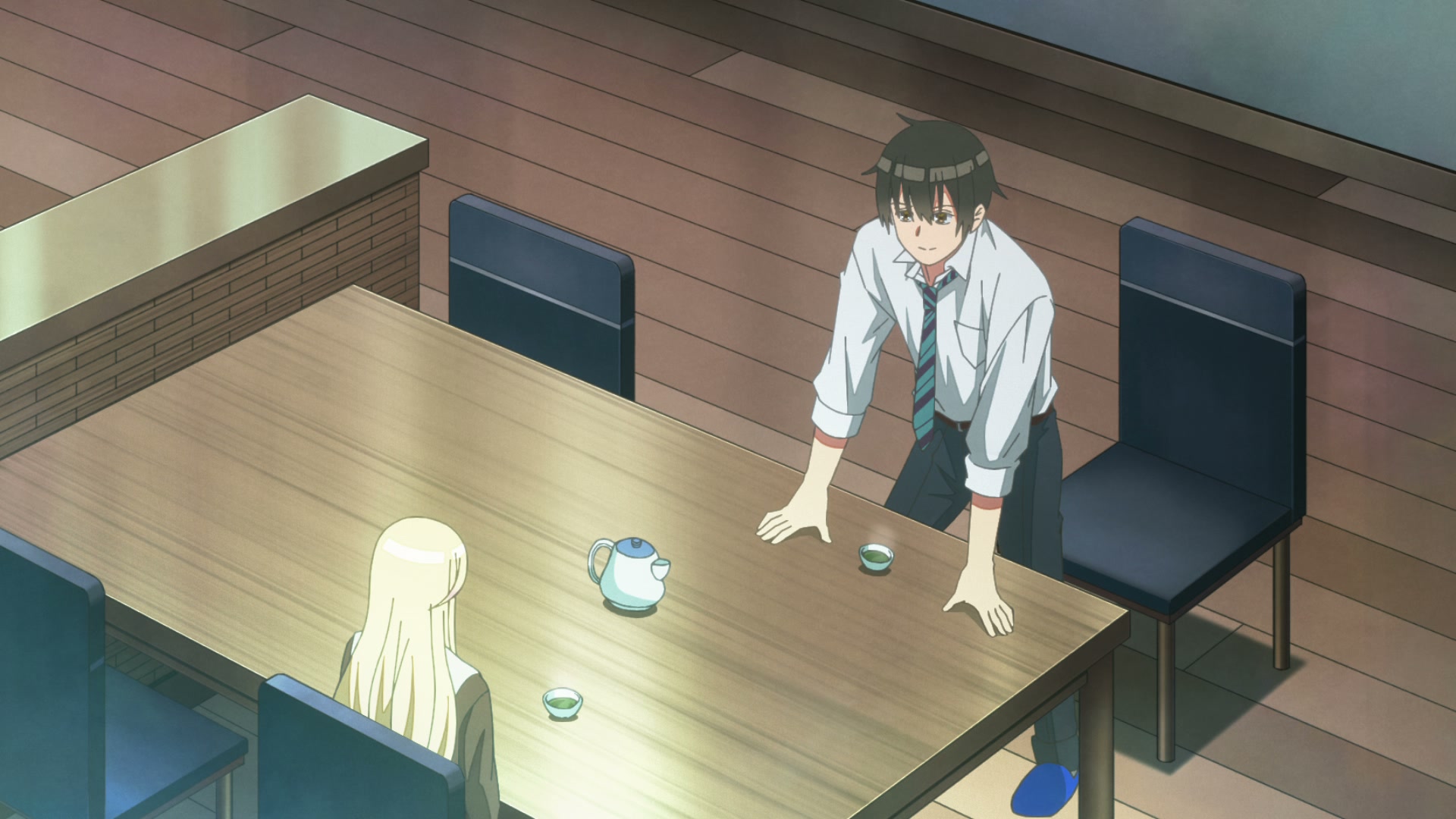
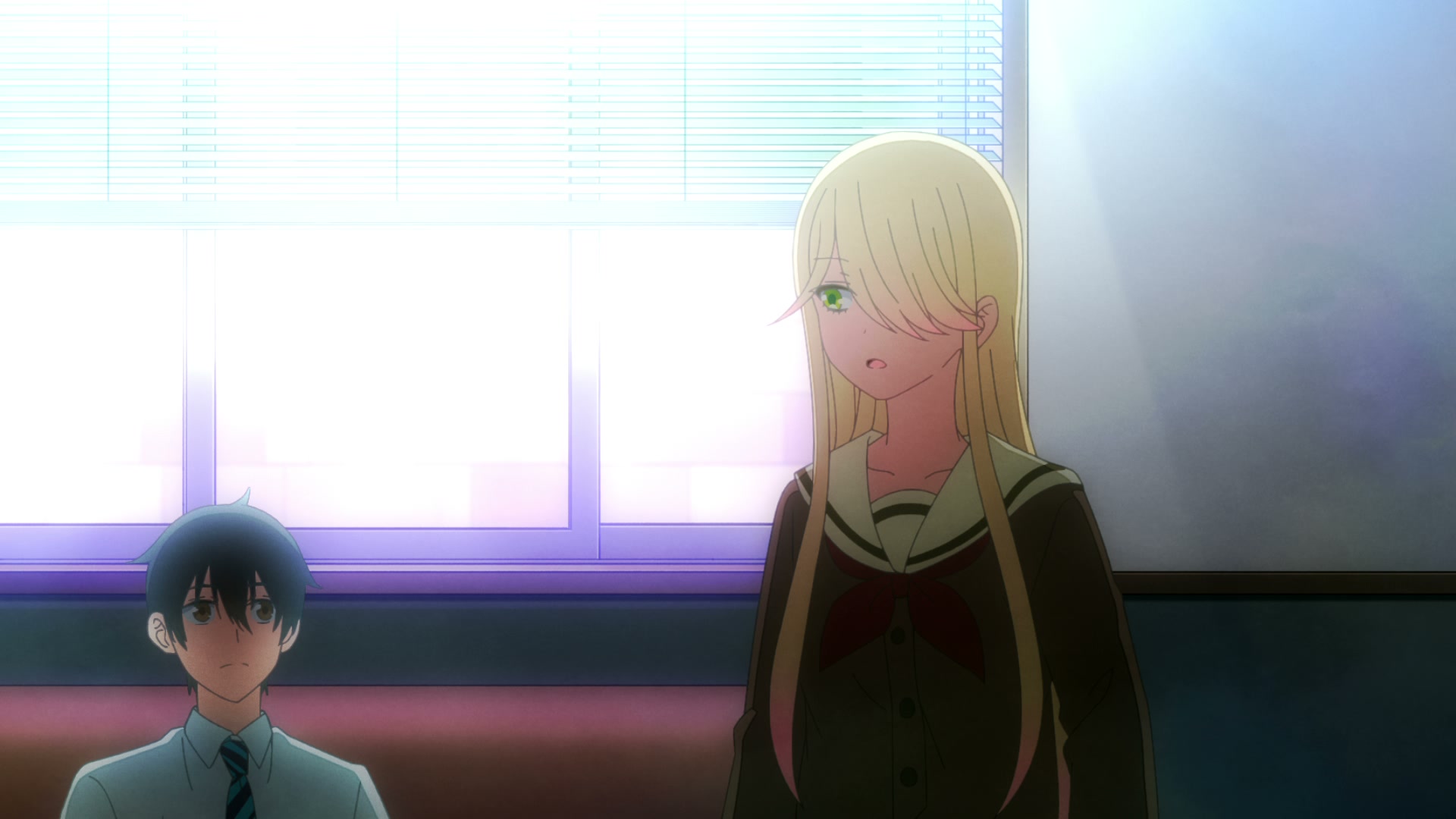
Naoto lives with his ten-year-old sister Suzushiro in the home of their aunt Tamayo, having been shuffled between resentful relatives after their parents died two years prior. He has built his identity around caring for Suzushiro, using his responsibilities as a shield against peer relationships. When Tachibana Satsuki transfers into his school, the girl who destroyed his family garden six years ago and then vanished, she forces herself back into his life with an intensity that borders on alarming. Simultaneously, Ishihara Yukari, the class beauty Naoto has admired from a respectful distance, begins showing him warmth that suggests his feelings might not be one-sided.
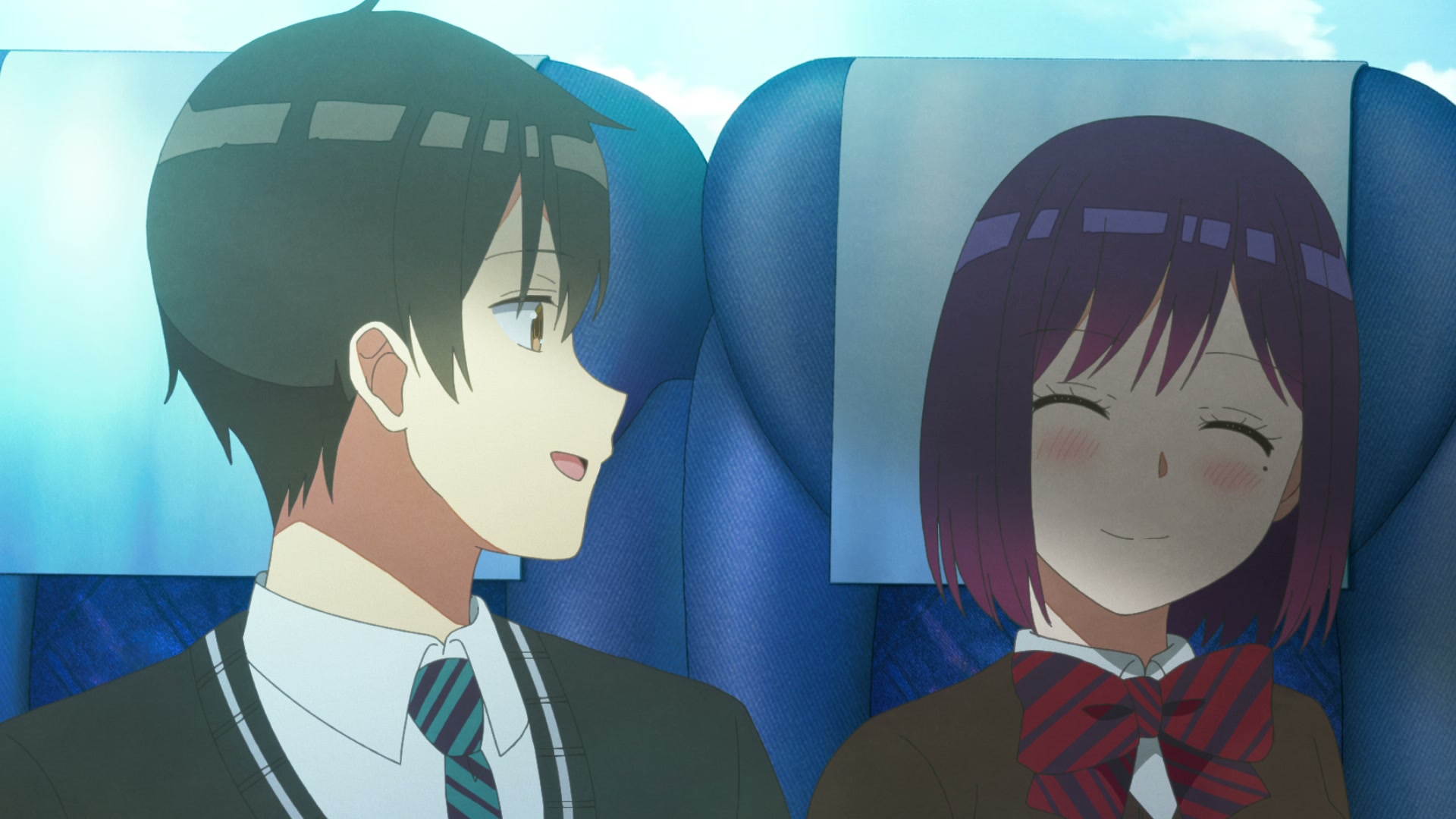
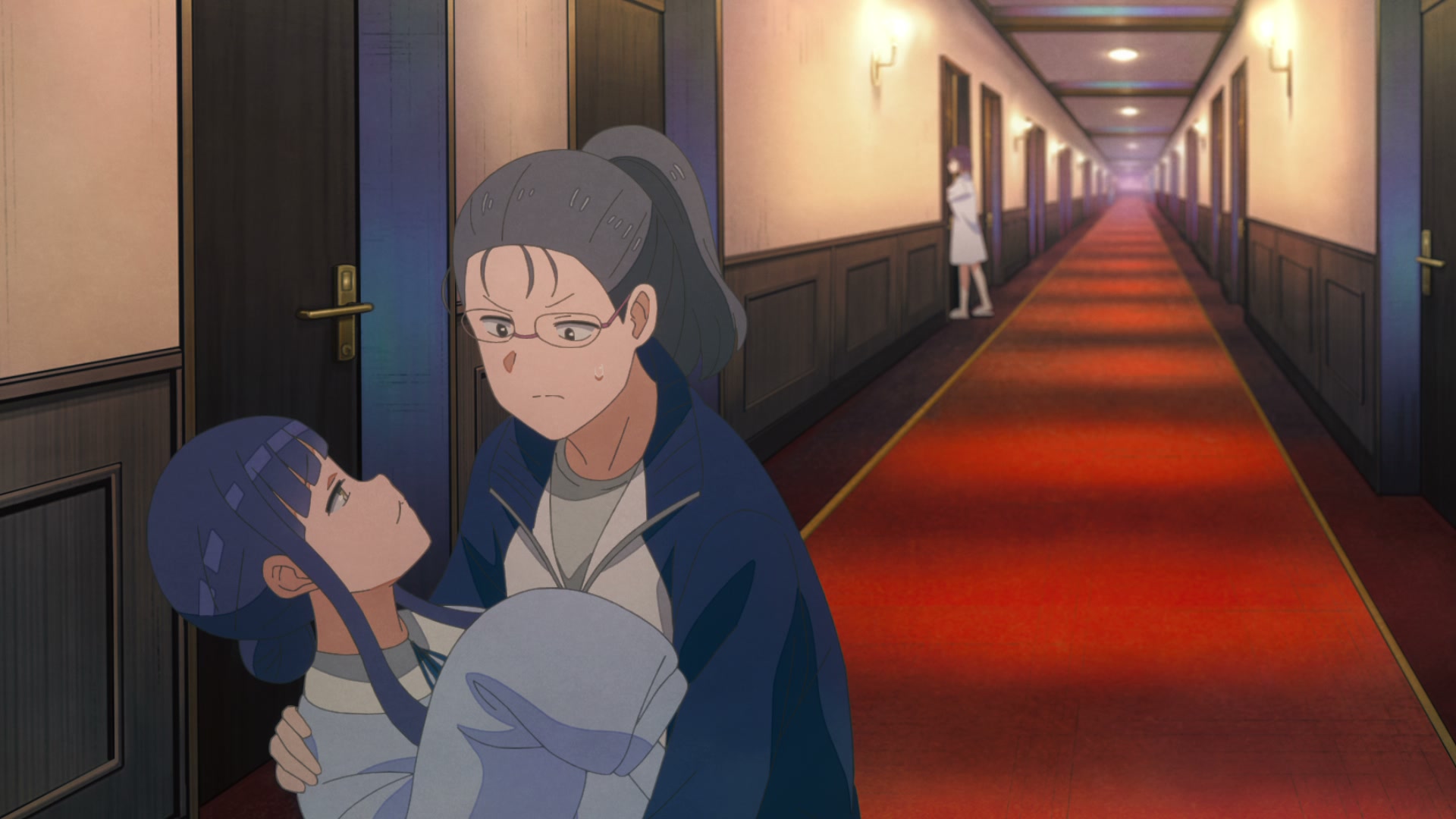
The series moves through four distinct movements. The first establishes the emotional status quo and introduces the central tensions. The second follows Naoto’s trial dating period with Ishihara, a relationship built on mutual idealization that collapses under the weight of unspoken expectations. The third pivots toward Satsuki, exploring her traumatic past and Naoto’s emotional dependence on her. The fourth follows Naoto’s pursuit of Satsuki through a school trip to Okinawa, a journey that forces him to become active rather than reactive for the first time.
This quadripartite structure allows the series to treat each emotional phase with the time it deserves. The breakup with Ishihara is not a clean pivot point but a ragged, extended dissolution that leaves both parties wounded. The confession from Satsuki arrives at the worst possible moment, in front of her rival, and the aftermath plays out not in a single dramatic scene but across episodes of avoidance, miscommunication, and slow rapprochement.
The Garden as Emotional Barometer
The garden is the series’ most persistent and flexible symbol. It begins as Suzushiro’s birthday wish, a patch of neglected earth behind Tamayo’s house. Satsuki, who destroyed the Watari family garden in Shinshu six years ago, now helps cultivate its replacement. The garden becomes the site of every significant emotional transaction: Satsuki and Naoto talking through their shared past while pulling weeds; Suzushiro and Naoto planting seeds that require patience and daily care; the entire cast gathering to share vegetables harvested from its soil.
Satsuki’s gardening lesson about companion plants, basil and tomatoes that “share their nutrients with each other and repel pests from each other,” is the series’ thesis statement disguised as horticultural advice. The relationships that survive in this story are not competitive or parasitic. They are symbiotic. Naoto and Satsuki support each other’s growth precisely because they are rooted close enough to exchange resources.
The garden’s seasonal progression mirrors the characters’ internal transformation. Radishes that sprout in twenty days represent the quick, superficial growth that looks impressive but offers little sustenance. Asparagus that takes three years to fully mature represents the kind of slow, deep development that the series ultimately values. When Satsuki covers the garden with a tarp during a sudden storm, coming in the middle of the night to protect plants that are not even hers, the action carries the weight of her entire character: she protects what she loves even when she believes she will eventually destroy it.
The Fear of Choice and Inherited Trauma
Naoto’s parents conceived him at eighteen, eloped against furious family opposition, and died tragically while their children were still young. For Naoto, making a choice—picking one love over another, committing to one path—is coded with catastrophic consequences. He has internalized his parents’ story not as romance but as warning. Every decision to love is, in his subconscious, a decision to destroy something else.
This fear manifests in his romantic paralysis. When confronted with confessions from both Ishihara and Satsuki, he cannot choose either. His solution, that he loves both and will therefore date neither, is psychologically astute writing. It is not indecision. It is magical thinking, the belief that refusing to choose can prevent harm. The series deconstructs this through multiple voices until Naoto finally recognizes it as a form of emotional cowardice.
The psychological test administered by Maruyama Rika, a university student in Shinshu who knew Naoto’s father, is the most direct confrontation with this paralysis. The scenario is simple: Naoto, Ishihara, and Satsuki are stranded in the ocean with only a single-occupant lifeboat. Naoto cannot use it himself but must choose which girl to save. The twist is not in the answer but in Rika’s interpretation. The girl he chooses is the one he values; the girl he does not is the one he depends on. Both, it turns out, are Satsuki. The test reveals what Naoto’s conscious mind has refused to acknowledge: his fear is not of choosing between two women but of admitting that he has already chosen and of accepting the terrifying vulnerability that choice entails.
The series resolves this theme not through dramatic reversal but through the slow accumulation of counter-evidence. Naoto learns that his father maintained secret email contact with his sister Tamayo even after the elopement, that relationships can be rebuilt in new forms after they are seemingly destroyed. The message is not that choices are consequence-free but that consequences need not be absolute.
The Many Shapes of Family
Family in this series is a concept under constant renegotiation. The biological family is a site of grief: parents dead, relatives resentful, a birth mother who abandoned her daughter. The Tachibana family who took Satsuki in were not cruel but emotionally absent, too consumed by a struggling business to connect with a traumatized child. Their misguided attempt to arrange a marriage between Satsuki and her adoptive brother Naozumi, though well-intentioned, only reinforced her belief that she was valued for utility rather than love.
Against these failures, the series posits chosen family as an alternative. The Watari household, with its prickly aunt and sibling unit held together by shared loss, gradually expands to include friends, romantic partners, and even former rivals. Suzushiro’s friendship with Renon and eventually with Shou, Ishihara’s younger brother, creates a web of connections beyond the central romance.
The final thesis arrives in the rain, with Naoto and Satsuki sharing an umbrella on the walk home. Satsuki cannot imagine herself as a wife or mother because she has never experienced functional family love. Naoto’s response, that “the two of us are already a family,” reframes romantic love not as passion or possession but as the deliberate creation of a permanent bond. Family is not something you are born into or something you perform. It is something you build, day by day, through acts of care and presence.
Cultural Context and Adaptation Notes
The series operates within a specifically Japanese emotional vocabulary. Satsuki’s core self-conception, that she is a “nuisance” who gets in people’s way, is a heightened articulation of meiwaku, the culturally embedded anxiety about causing trouble for others. Her belief that her existence inconveniences those around her is not merely personal pathology but a recognizable social anxiety amplified to breaking point.
Similarly, Naoto’s obsession with independence, his insistence on entering the workforce immediately after graduation rather than accepting his aunt’s offer to fund college, reflects a particular ideal of self-reliance. Tamayo’s counterargument, that accepting help is not weakness but a different form of strength, functions as a gentle cultural critique.
Ishihara’s proposal of a “trial dating period” with a defined endpoint is a fascinating artifact: the need to structure even romantic feeling within clear social parameters, with exit strategies built in, speaks to a discomfort with ambiguity that pervades the series’ social world.
I have not read the original manga and cannot speak to what was cut or compressed. The anime, judged on its own terms, delivers a coherent and emotionally complete narrative. If the source material is richer or more nuanced, that does not retroactively diminish the adaptation’s standalone value. The story told here is psychologically legible and emotionally resonant.
Characters
Watari Naoto: The Paralysis of the Caretaker
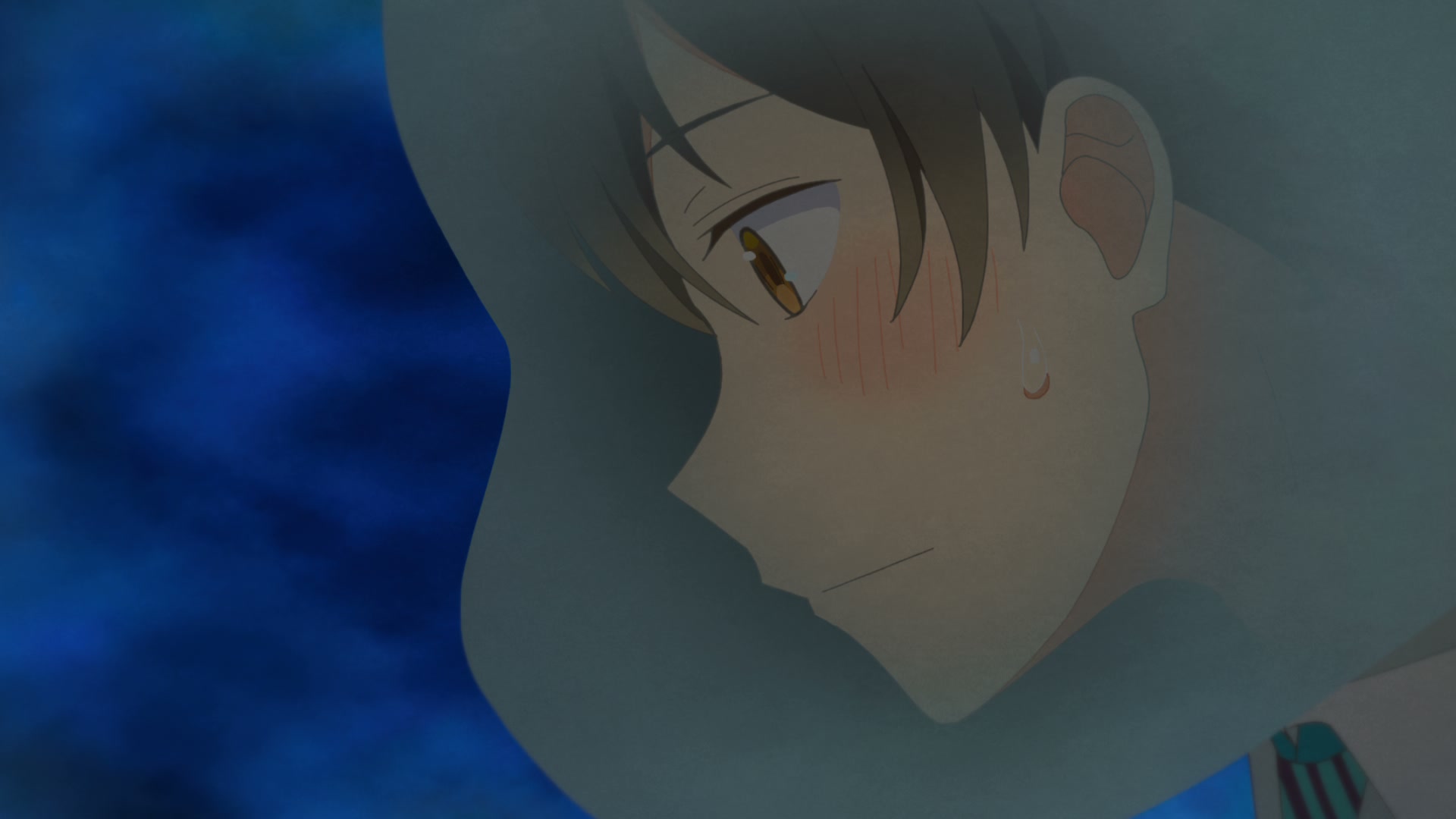
Naoto is a protagonist who will frustrate viewers who demand decisive action from their leads. He spends much of the series being acted upon rather than acting, buffeted between the competing desires of the women who love him. This passivity is not a writing flaw but a character diagnosis.
His identity is built on a foundation of self-sacrifice. He cooks every meal, manages the household budget, walks his sister to school, and uses these responsibilities as a shield against peer relationships. When his classmates tease him for being a “siscon,” the label is uncomfortable precisely because it misidentifies his pathology. He is not attracted to his sister. He is terrified of a life without her dependence, because her dependence gives him purpose.
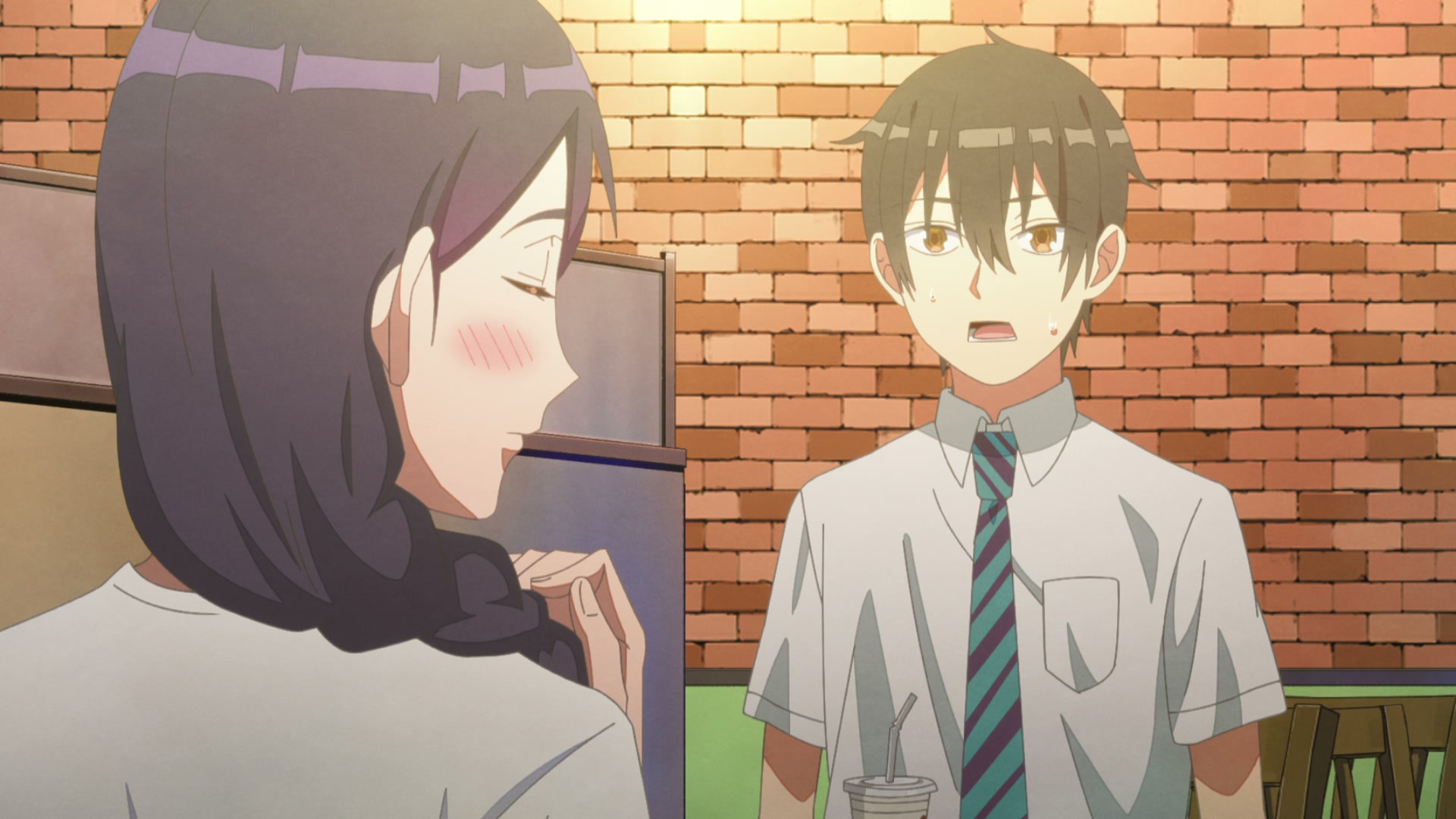
His romantic panic is equally misunderstood. When he chants “I mustn’t think! I mustn’t look!” to suppress thoughts of Ishihara’s body, the comedy is undercut by something sadder. He has internalized her image of him as the “one boy who isn’t like the others,” the pure gentleman who would never view her sexually. Any expression of desire threatens to shatter both her ideal and his self-image. He cannot integrate his sexuality into his identity because he has built his identity on its denial.
His arc requires him to dismantle three beliefs. First, that neutrality is a form of kindness rather than a form of harm. Second, that accepting help is weakness rather than a different kind of strength. Third, that choosing one person is an automatic death sentence for all other relationships. This dismantling occurs across twenty-five episodes, with setbacks and regressions that can feel repetitive but which accurately reflect the difficulty of changing deep-seated emotional patterns.
Tachibana Satsuki: The Broken Mirror
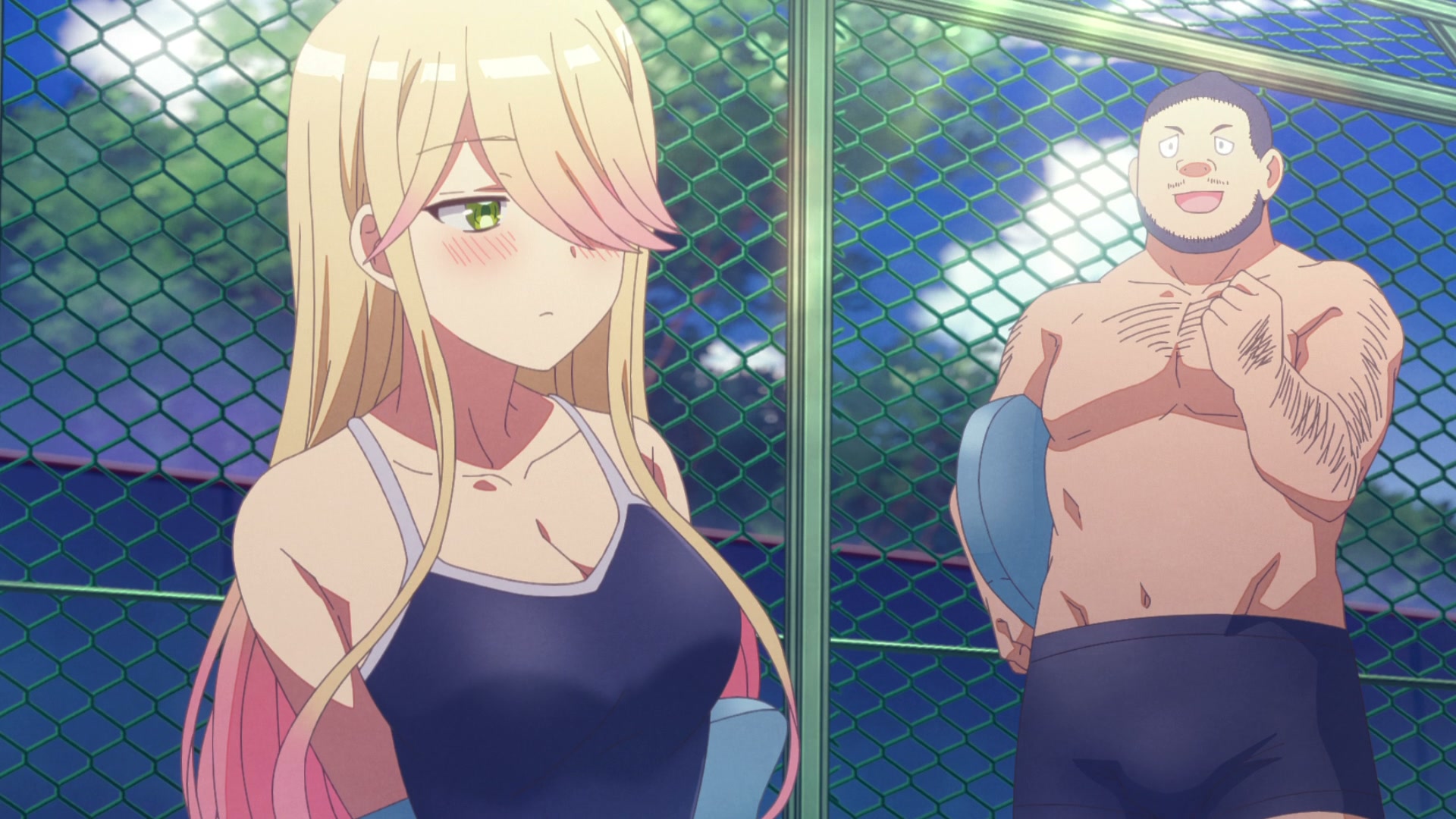
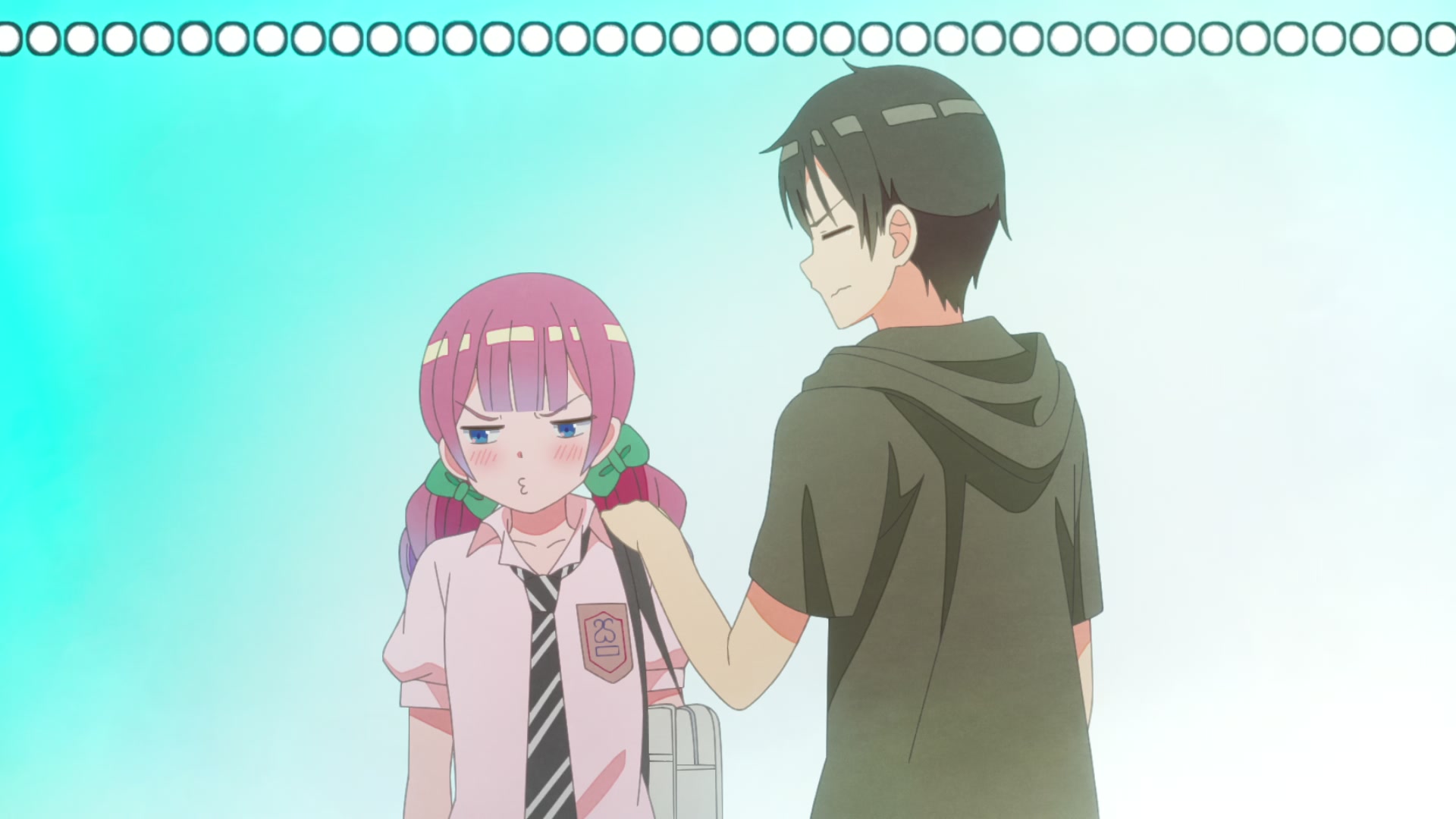
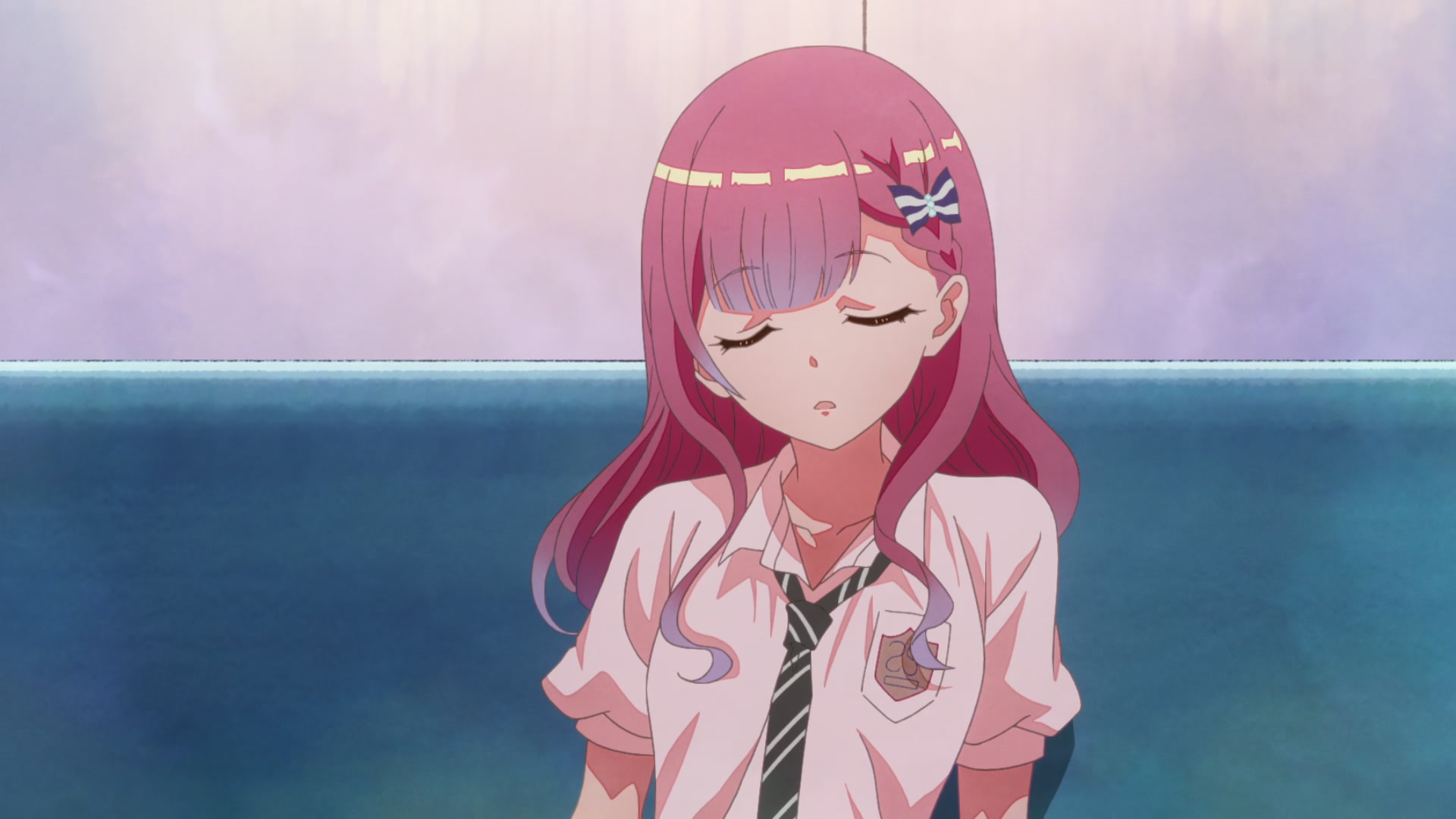
Satsuki is the series’ most complex creation and its emotional center of gravity. Outwardly, she is provocative, boundary-obliterating, and seemingly without a filter. She kisses Naoto without warning, strips in his garden, and offers her body with the clinical detachment of someone discussing a transaction. This behavior is not confidence but armor, forged through an abandonment so profound it has become her organizing principle.
Her birth mother did not simply leave once. She periodically returned, extracting Satsuki from unstable living situations, only to abandon her again when it became inconvenient. This cycle of hope and devastation created a girl who preemptively destroys connections before they can be destroyed for her. The garden destruction six years ago was not an act of malice. It was an act of self-protection. If she severed the bond first, she could control the pain.
Her sexual provocations are the series’ most widely misunderstood element. When she claims she will “kiss anyone” or offers to be Naoto’s “mistress,” she is not expressing promiscuity. She is revealing a transactional understanding of relationships, learned through bitter experience. People value her for what she provides, not who she is. By offering everything preemptively, she can never be rejected for wanting too much. The alternative, that she might be loved unconditionally, is too terrifying to accept because it requires hope, and hope has hurt her more than anything.
Her confession of love, blurted out in front of Ishihara immediately after her brother and coach label her feelings, comes across as chaotic and almost cruel. This is intentional. She does not know how to express vulnerability. She can only test boundaries and dare rejection. That Naoto cannot answer her “love or hate” ultimatum is devastating, but it is also what forces her to finally stop deflecting and admit what she wants.
The handwritten note at Naozumi’s wedding, with its simple “Thank you for always staying by my side,” is her emotional capstone. She has spent the series running, deflecting, and destroying. To stand still and express gratitude, not apology, not self-effacement, but genuine thanks, is her quiet triumph.
Ishihara Yukari: The Ideal’s Imprisonment
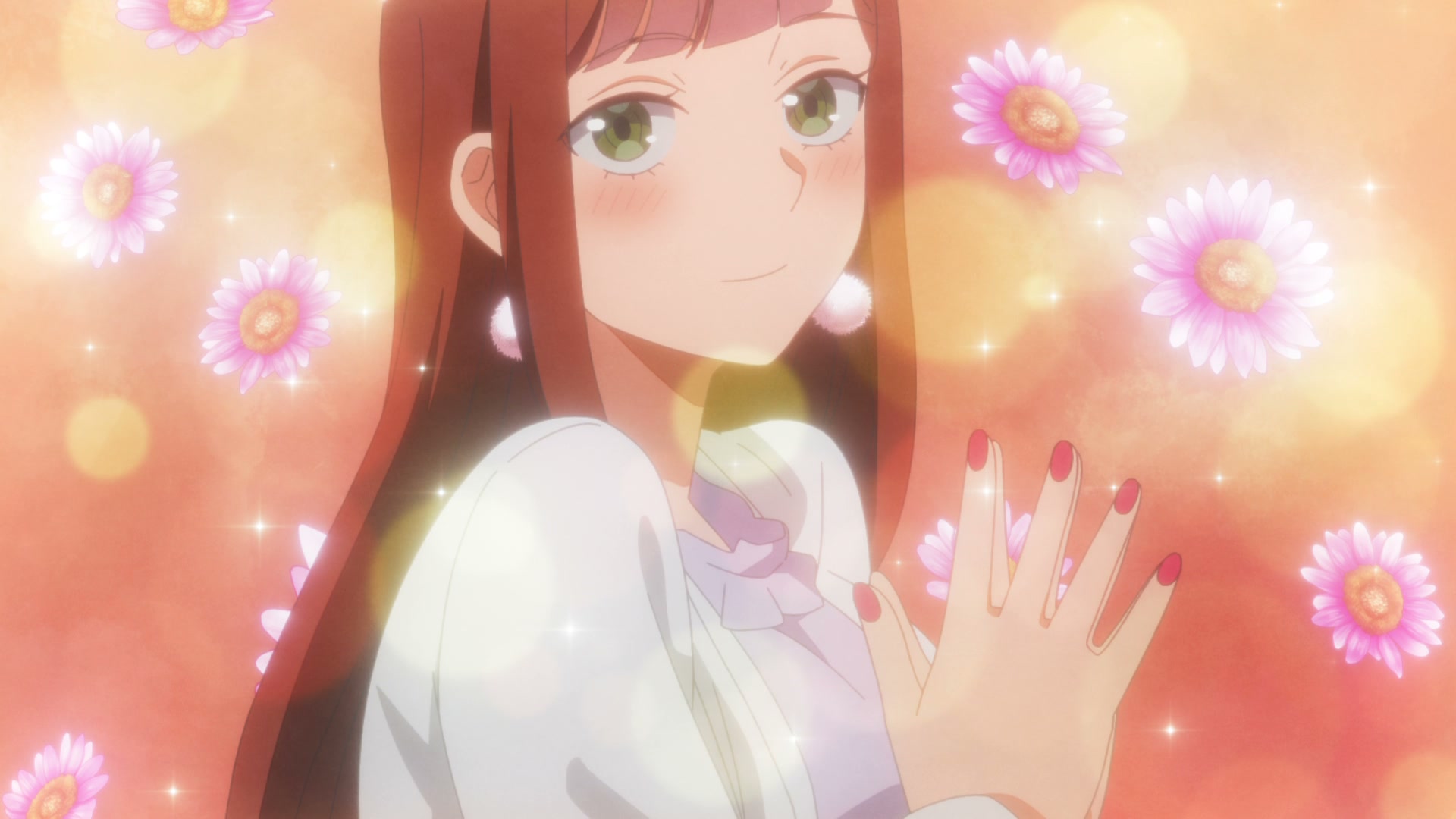
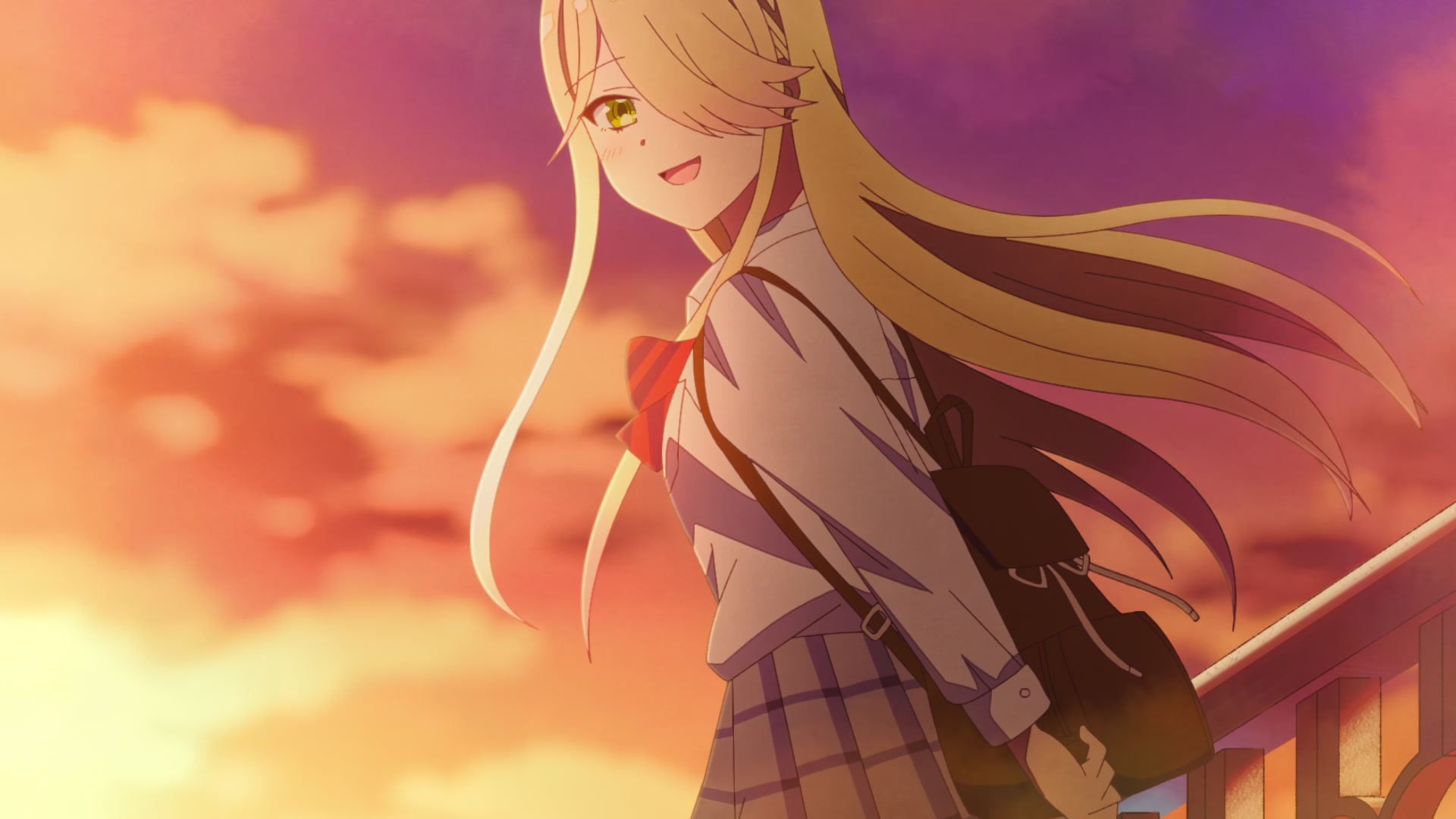
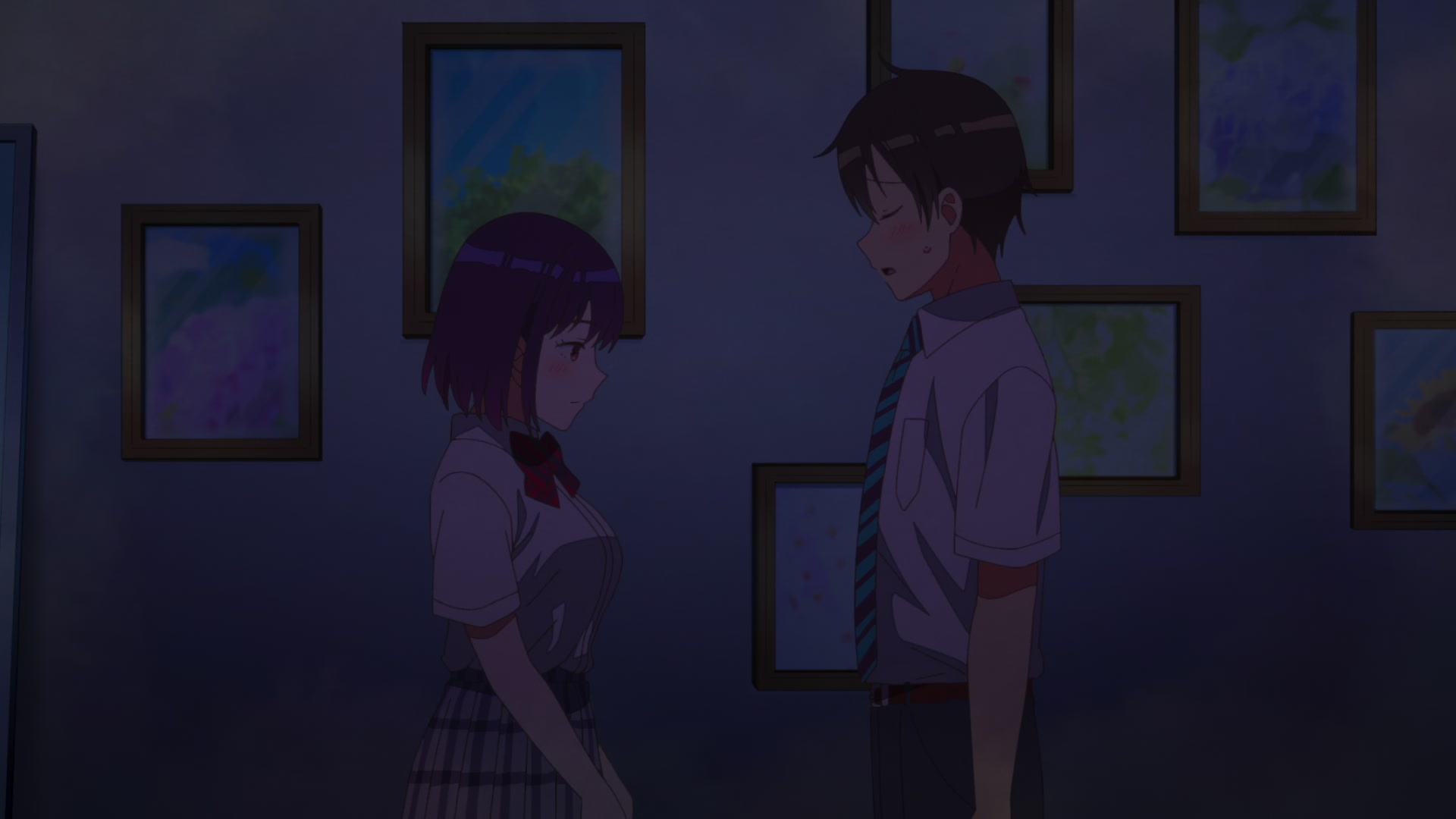
Ishihara is outwardly perfect: beautiful, kind, and poised. This perfection has become her prison. She has spent her adolescence fending off boys who project fantasies onto her, from the coercive Fujioka-senpai who treated her as property to the classmates who chase her through the cultural festival like prey. She gravitates toward Naoto precisely because he does not treat her as a sexual object. His hesitant admiration feels safe.
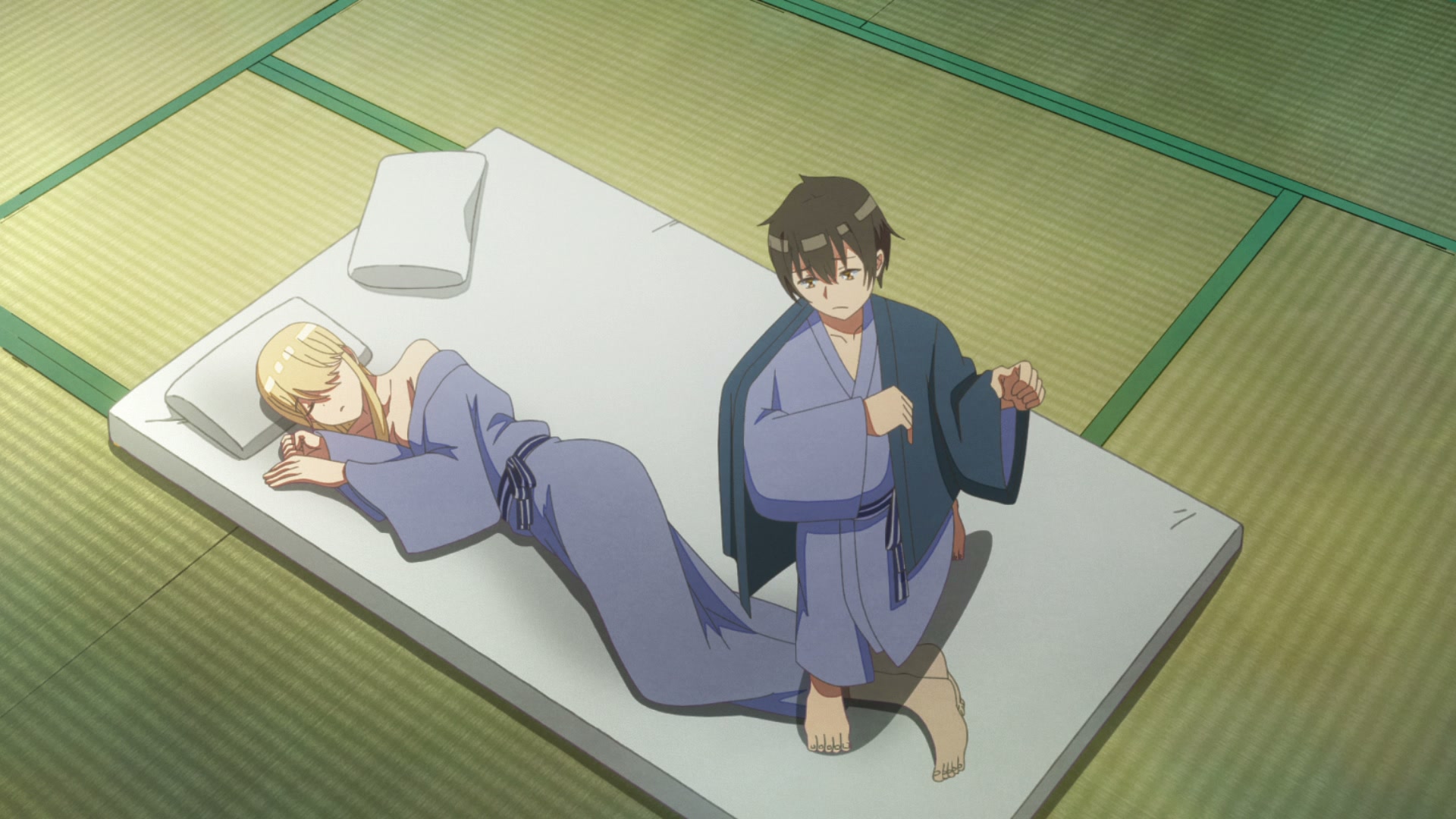
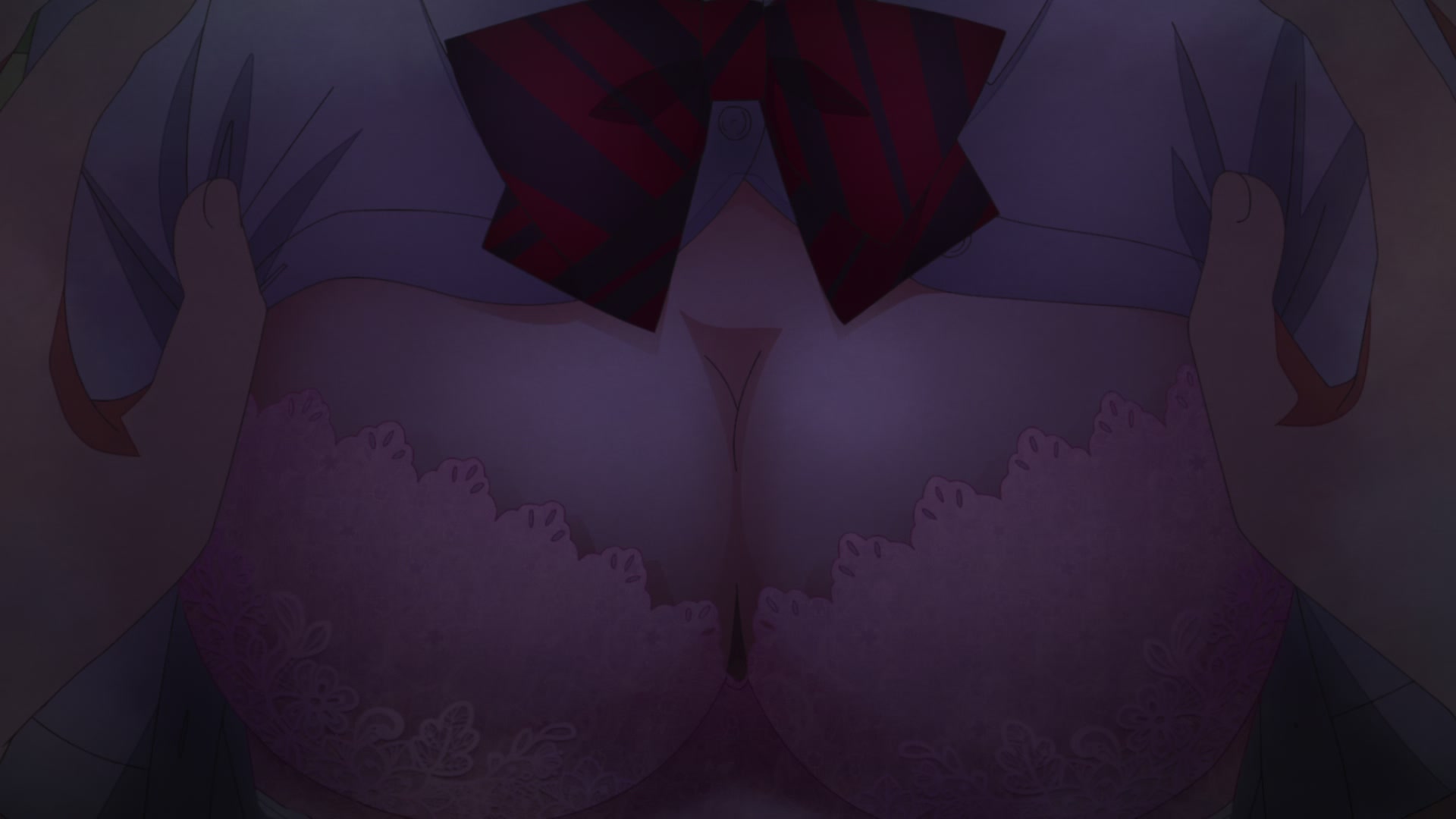
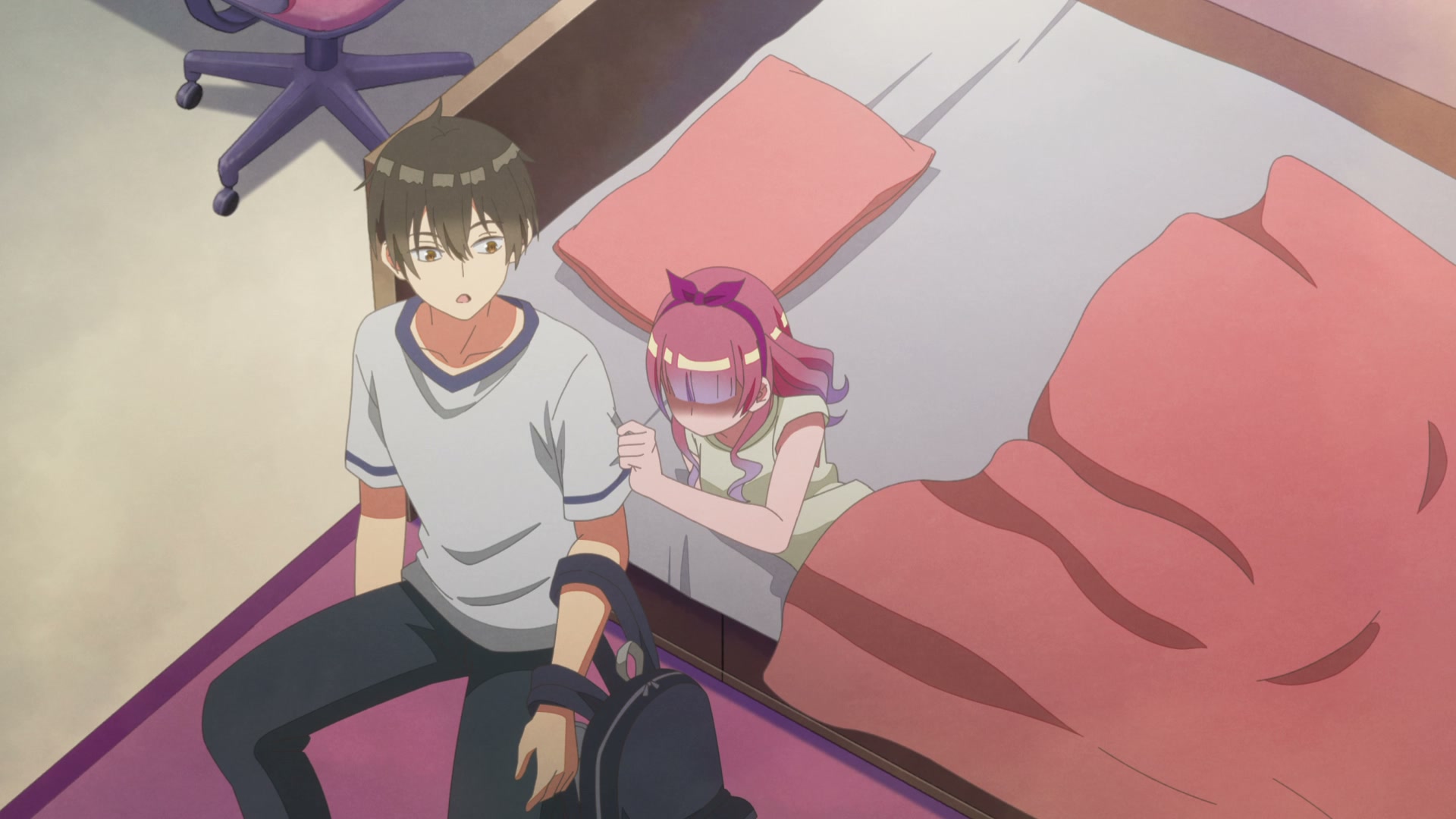
Yet this same quality becomes the source of her undoing. Once they begin dating, Ishihara discovers that she wants him to desire her, and she cannot reconcile that want with her self-image as the untouchable ideal. Her attempt to seduce him during the sleepover episode is one of the most uncomfortable scenes in the series, not because of its content but because of its psychological realism. She has prepared contraceptives, calculated safe days, and orchestrated the situation entirely. But she has not prepared herself emotionally. She is performing desire rather than feeling it, and when Naoto pulls back, her shame is absolute.
Her mother’s request that Naoto break up with her is framed not as villainy but as a complex parental anxiety. Mio acknowledges teenage sexuality as natural and is genuinely concerned about the consequences of premature physical intimacy. Her primary flaw is underestimating her daughter’s capacity to make decisions, a result of years of focusing on a sickly younger son and leaving Ishihara to fend for herself emotionally.
Ishihara’s recovery arc, structured around female friendship and professional aspiration, is one of the series’ most satisfying subplots. The “Cheer Up Ishihara Committee” formed by the theatrical Shimada provides her with something she has never had: a support network that values her for more than her appearance. Her decision to tell Naoto about Satsuki’s departing train, knowing it will likely end her own hopes, is the most selfless act in the series. Her final request for a goodbye kiss, and her acceptance of his gentle refusal, marks her transformation from a girl defined by how others see her into a woman who can define herself.
Umezawa Makina: The Falling Star
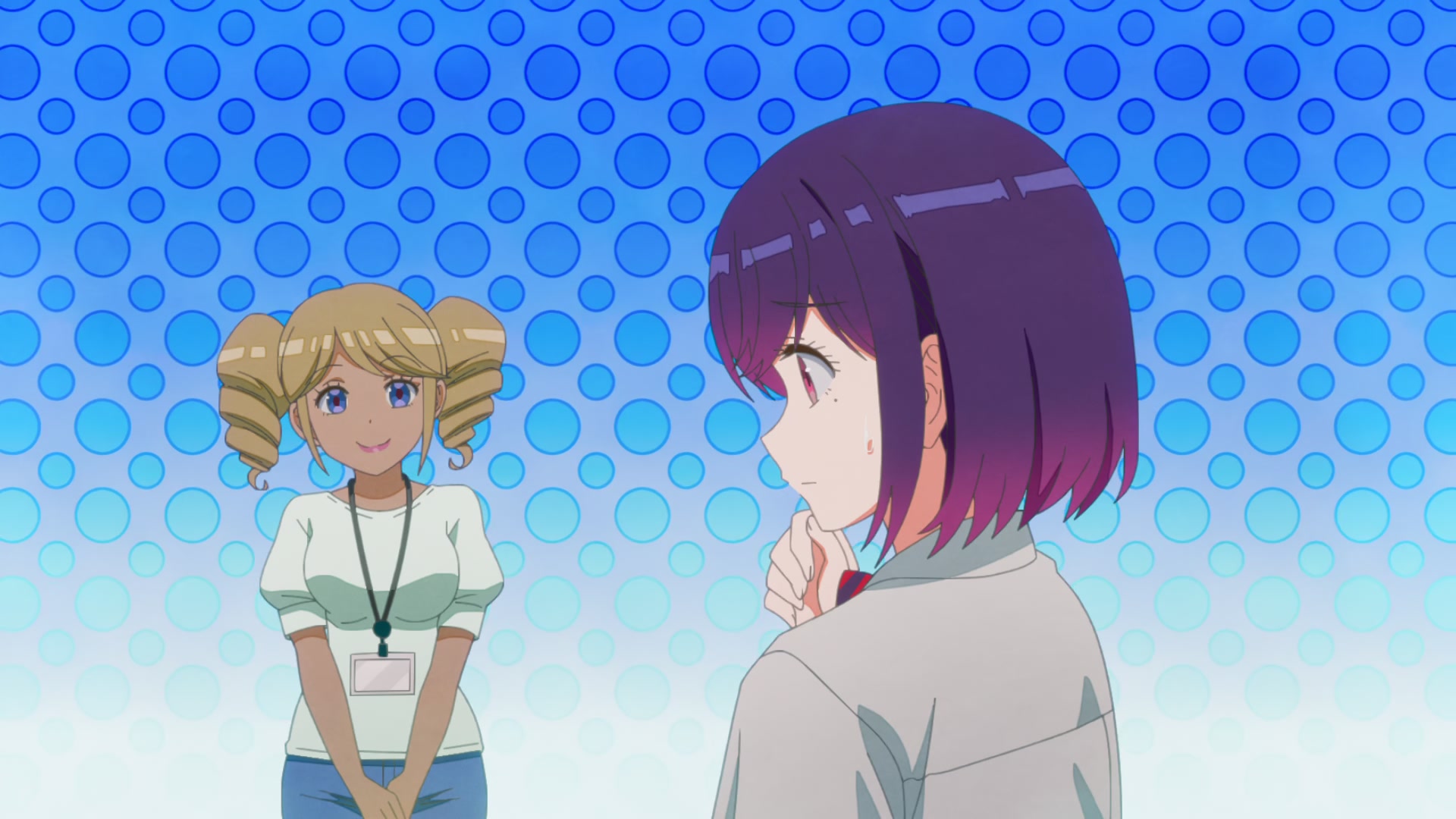
Makina appears as a fourth vertex in the romantic polygon, but she is more than comic relief or complication. A former middle-school track star now floundering at an elite athletic academy, she masks her loneliness and declining performance behind arrogance. She fixates on Naoto because he treats her with straightforward, un-patronizing kindness, the first person in a long time to do so, and because he seems “so much happier than me, when I thought we were in the same boat.”
Her aggressive advances, including inviting him to touch her breasts and asking him to be her fake boyfriend, are a blend of genuine attraction and a desperate attempt to reclaim control over a life that is spiraling. But she is also the series’ most direct character. Unlike Naoto’s paralysis, Satsuki’s deflection, or Ishihara’s performance, Makina simply asks for what she wants. Her requests are delivered without filtering or self-protection. The answer is rejection, but she survives it. Her directness proves that honesty is not fatal, a lesson the series extends to everyone.
Running is not incidental to her characterization. When emotionally overwhelmed, she bolts. When Naoto catches her after her confession, it is a physical demonstration of what he has learned: you cannot outrun your feelings, but you can be caught and held.
Tokui Shigenobu: The Spectator’s Confession
Tokui is the series’ emotional anchor, a handsome, socially adept figure who floats above the chaos while quietly orchestrating its resolution. He arranges the beach trip to give Naoto and Ishihara a chance. He tracks Satsuki’s school online. He enlists Abe-kun to deliver messages during the Okinawa arc. He tells Ishihara about the festival “curse” to boost her courage for a final confession.
This role, as the series gradually reveals, is a defense against his own romantic trauma. His first love, an older woman named Aki, left him while pregnant with another man’s child. He buried the pain, retreated into the role of helpful observer, and quietly abandoned his own pursuit of romance. Watching Naoto stumble forward forces him to admit that he, too, has been running away. His admission that he was “all talk” while Naoto was, however clumsily, taking real steps forward, is a quietly devastating self-assessment. Finding Aki happily married with her daughter provides closure, not tragedy. He learns that his inaction did not ruin her life and that he is free to move on.
The Supporting Ecosystem
Tamayo, the prickly aunt, carries a secret grief over her brother’s elopement that manifests as coldness toward Naoto. Her progression from threatening to kick him out to funding his culinary training is one of the series’ quietest and most satisfying arcs. Her warning about not repeating her brother’s mistakes carries the weight of personal experience.
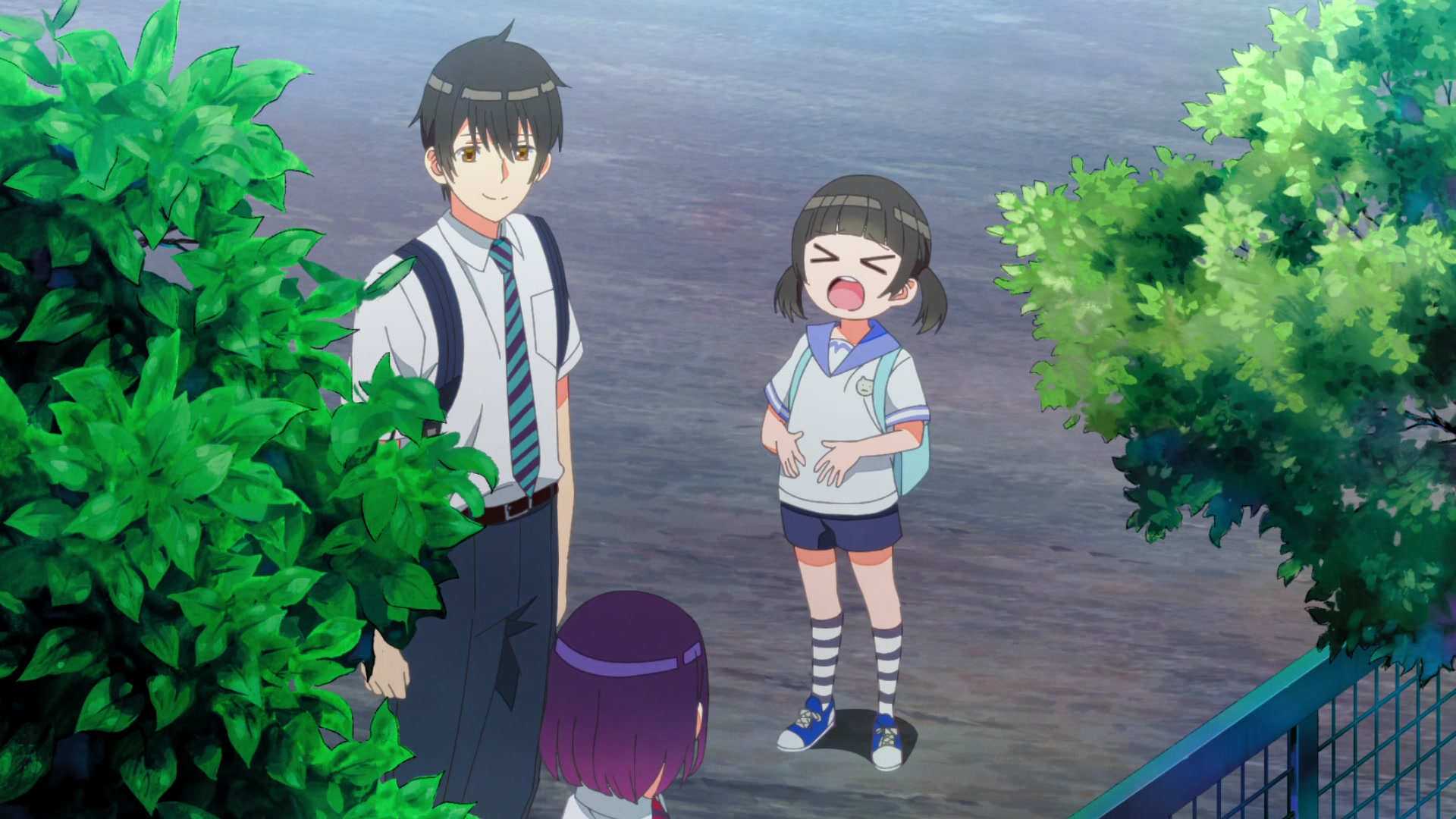
Suzushiro is far more capable than she lets on, hiding her competencies to maintain the dynamic her emotionally fragile brother depends on. Her guilt over having stayed silent about what she witnessed six years ago haunts her, and her maturation involves accepting responsibility for that silence while forgiving herself. Her declaration that “to meddle in another’s private matters, even one’s own sibling, really is most uncouth” is both precocious and genuinely moving.
Naozumi, Satsuki’s adoptive brother, literally renamed himself “Nao-kun” to provide her with an emotional anchor when she first arrived in the Tachibana household. His marriage to Yayoi frees Satsuki from the burden of succession. Yayoi herself provides a model of maternal warmth Satsuki never experienced.
Abe-kun, the shut-in gamer whose involvement in the Okinawa operation pulls him out of his shell, uses dating sim terminology to process real romance in a way that is both funny and sincere. By the end, he is pursuing real relationships, a quiet testament to the series’ thesis that engaging with messy reality is better than retreating into fantasy.
Visuals and Animation
The High-Glow Aesthetic as Emotional Signature
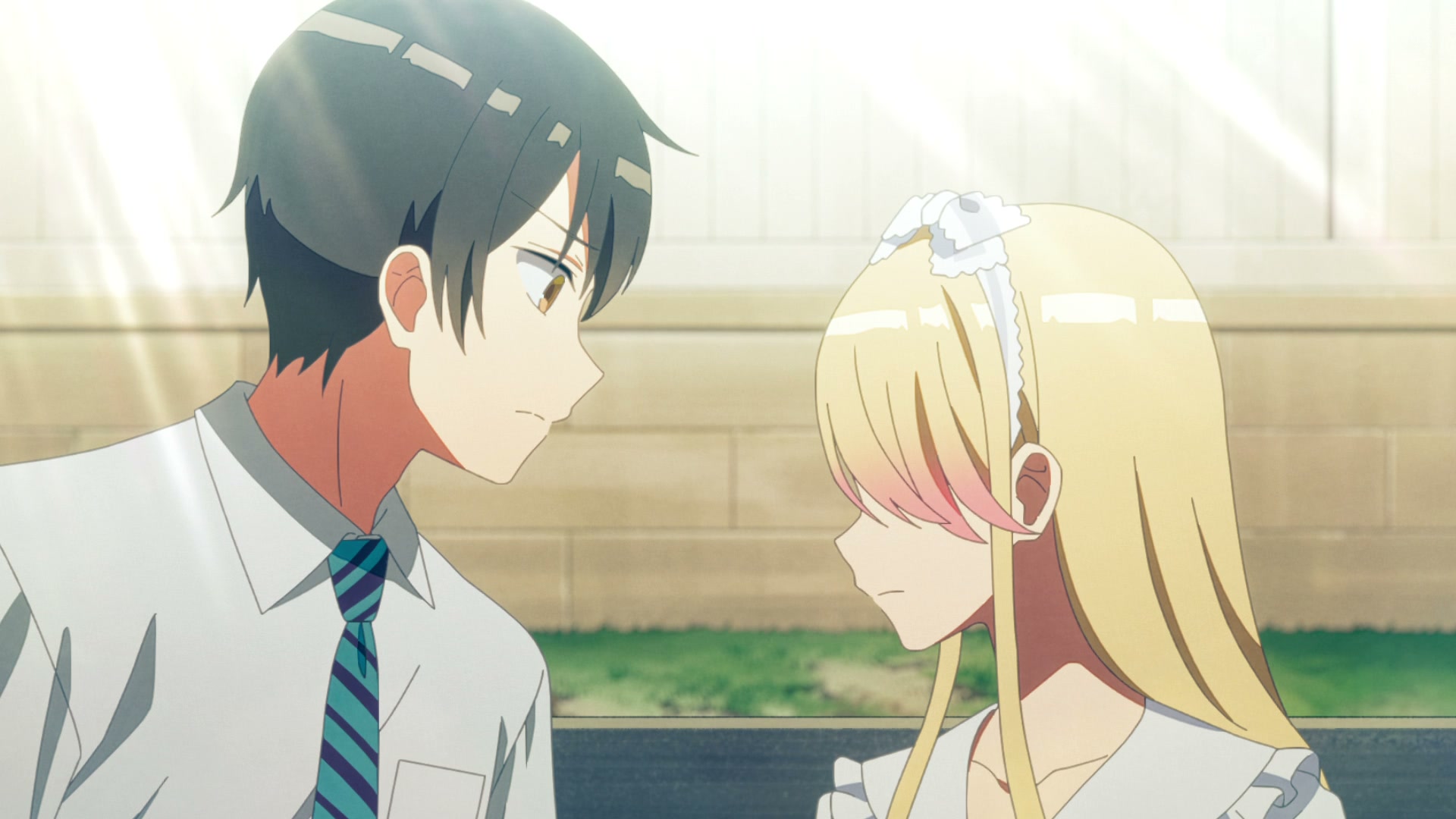
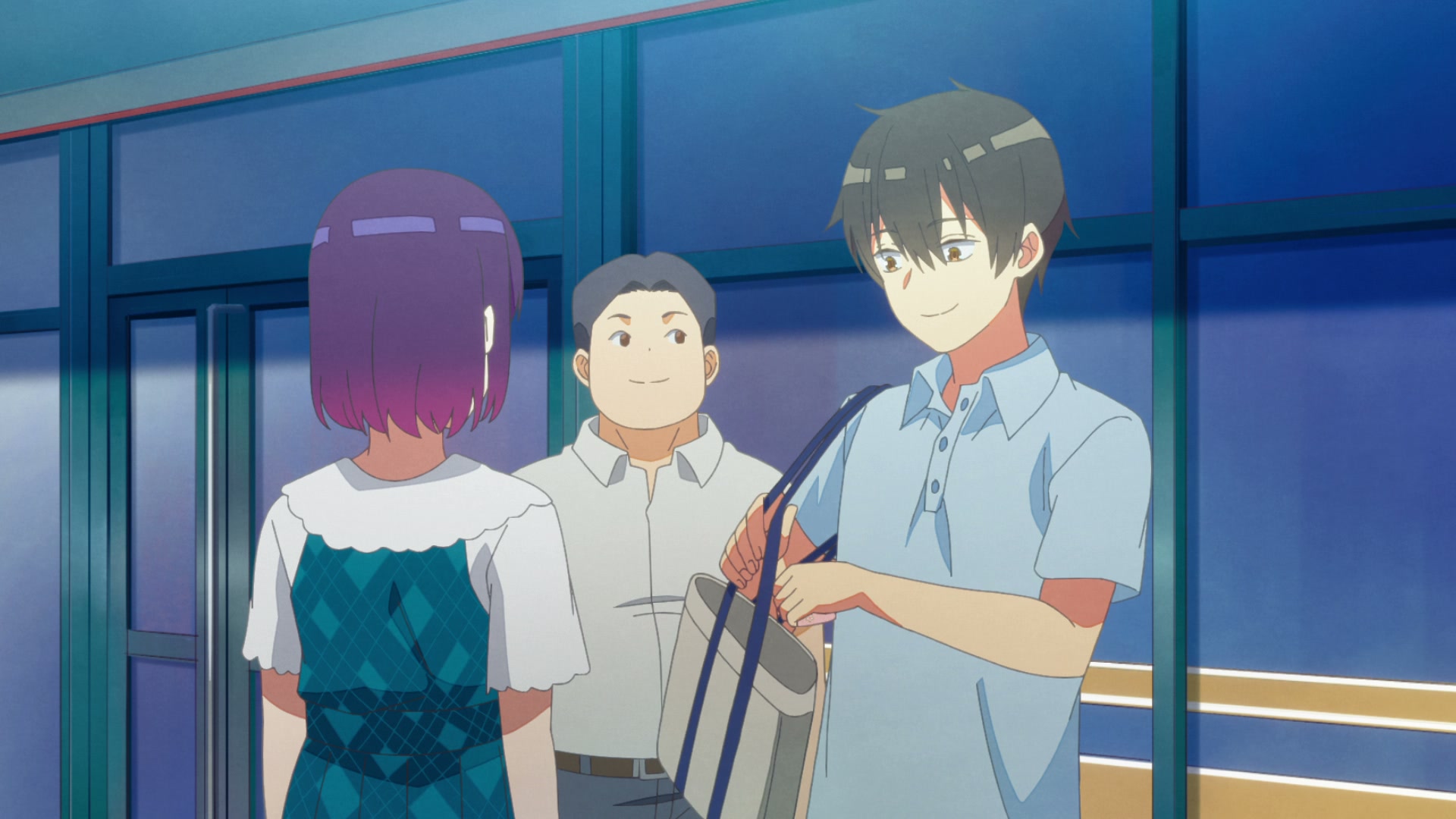
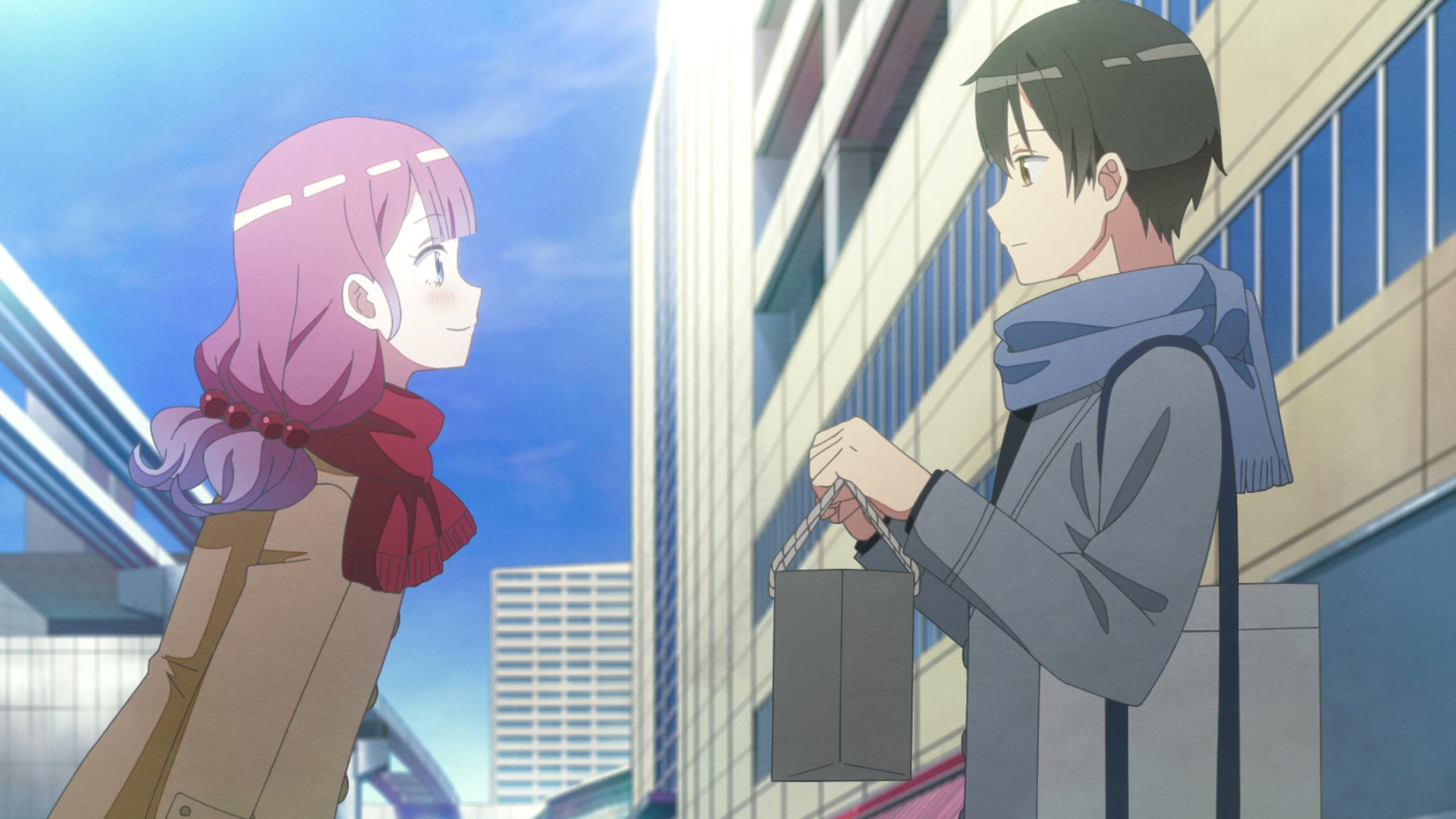
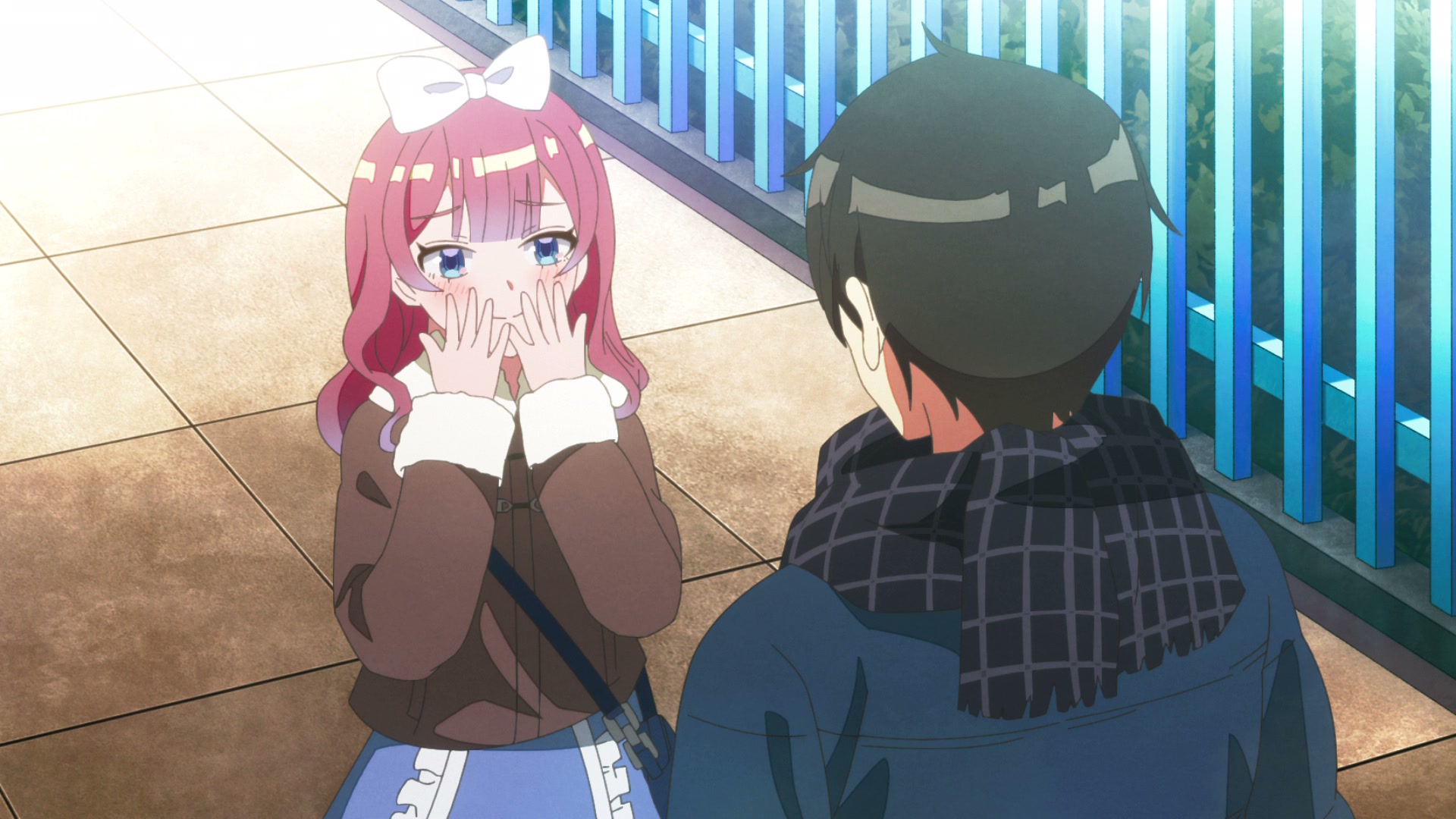
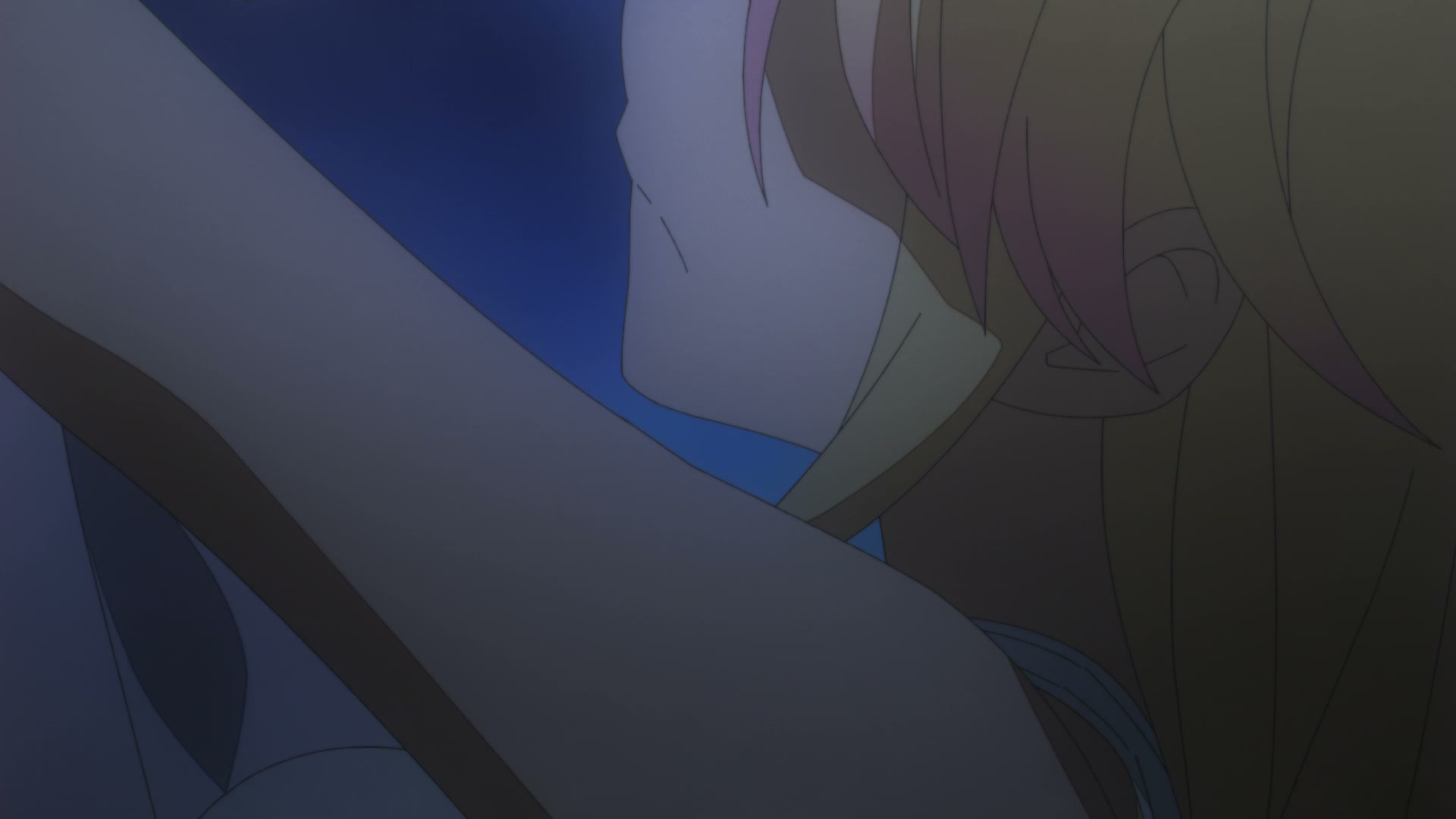
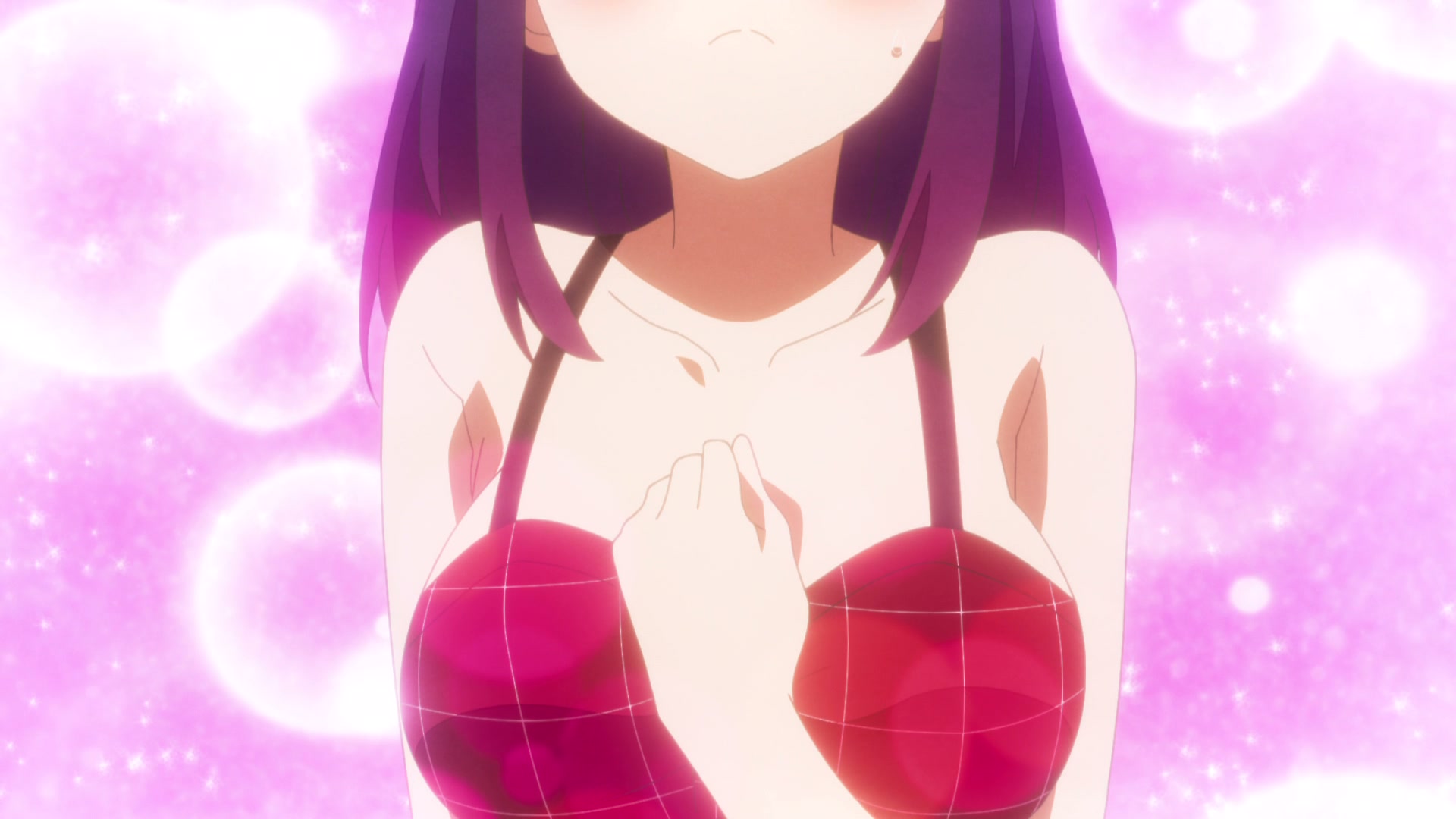
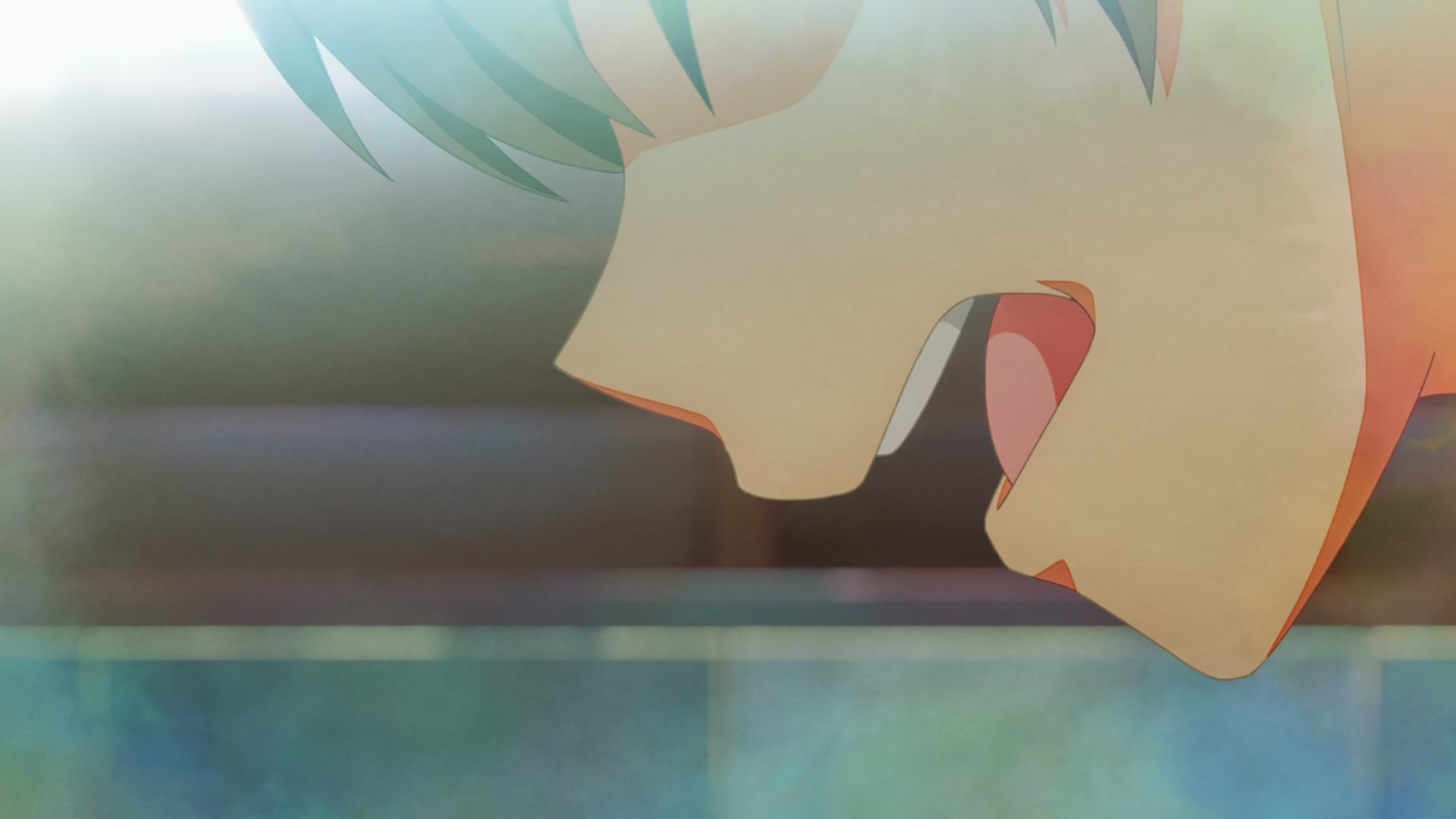
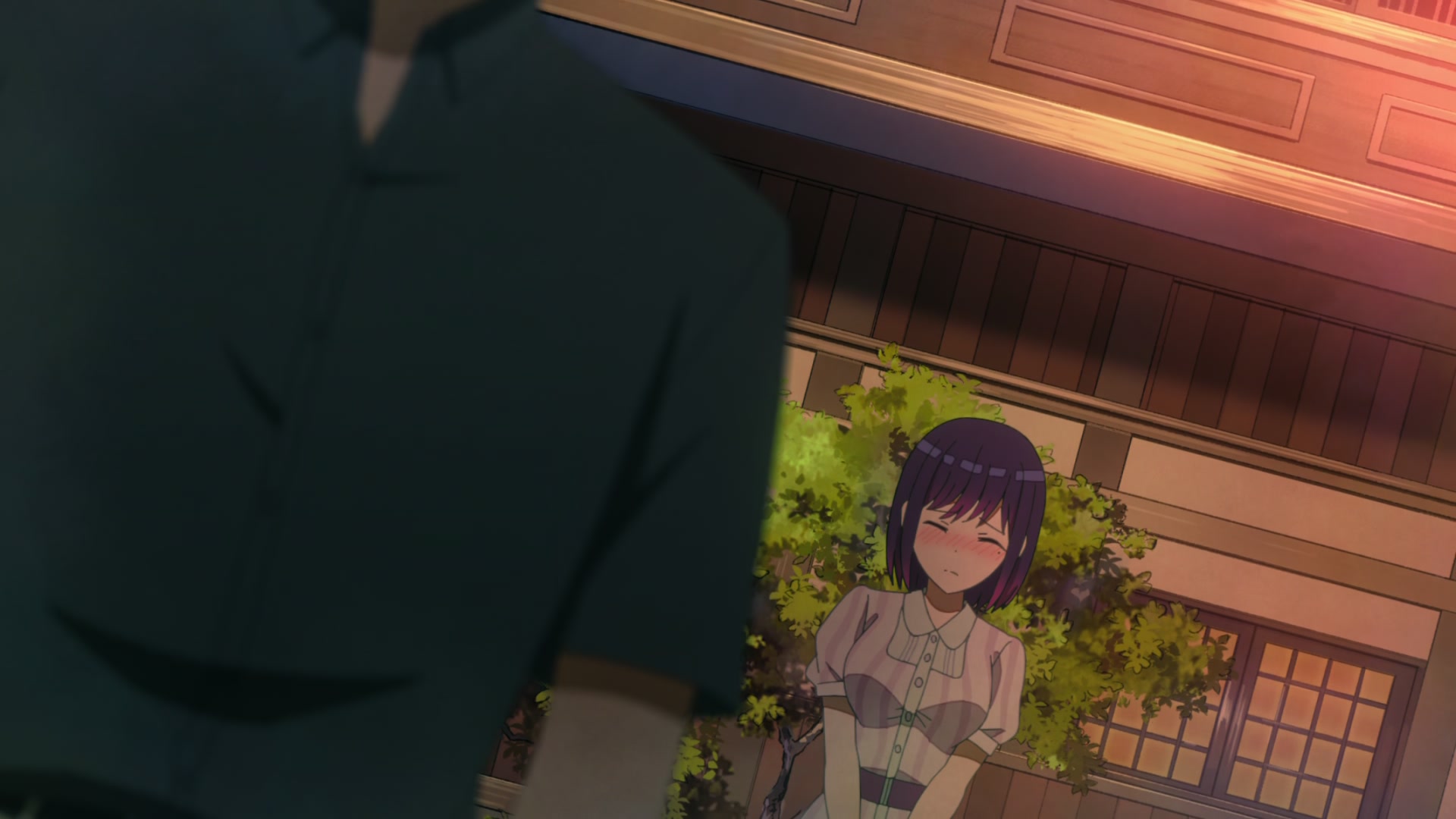
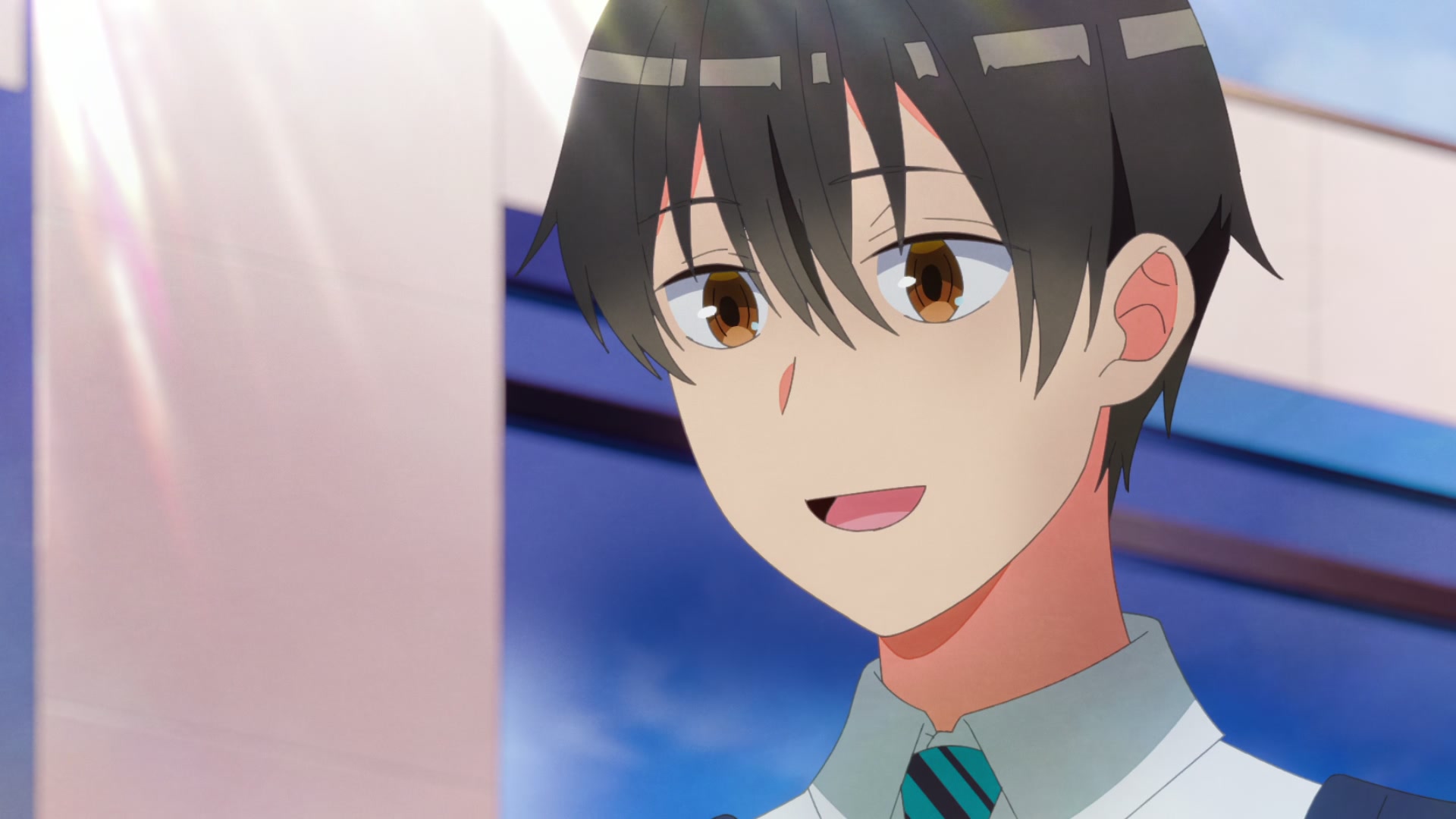
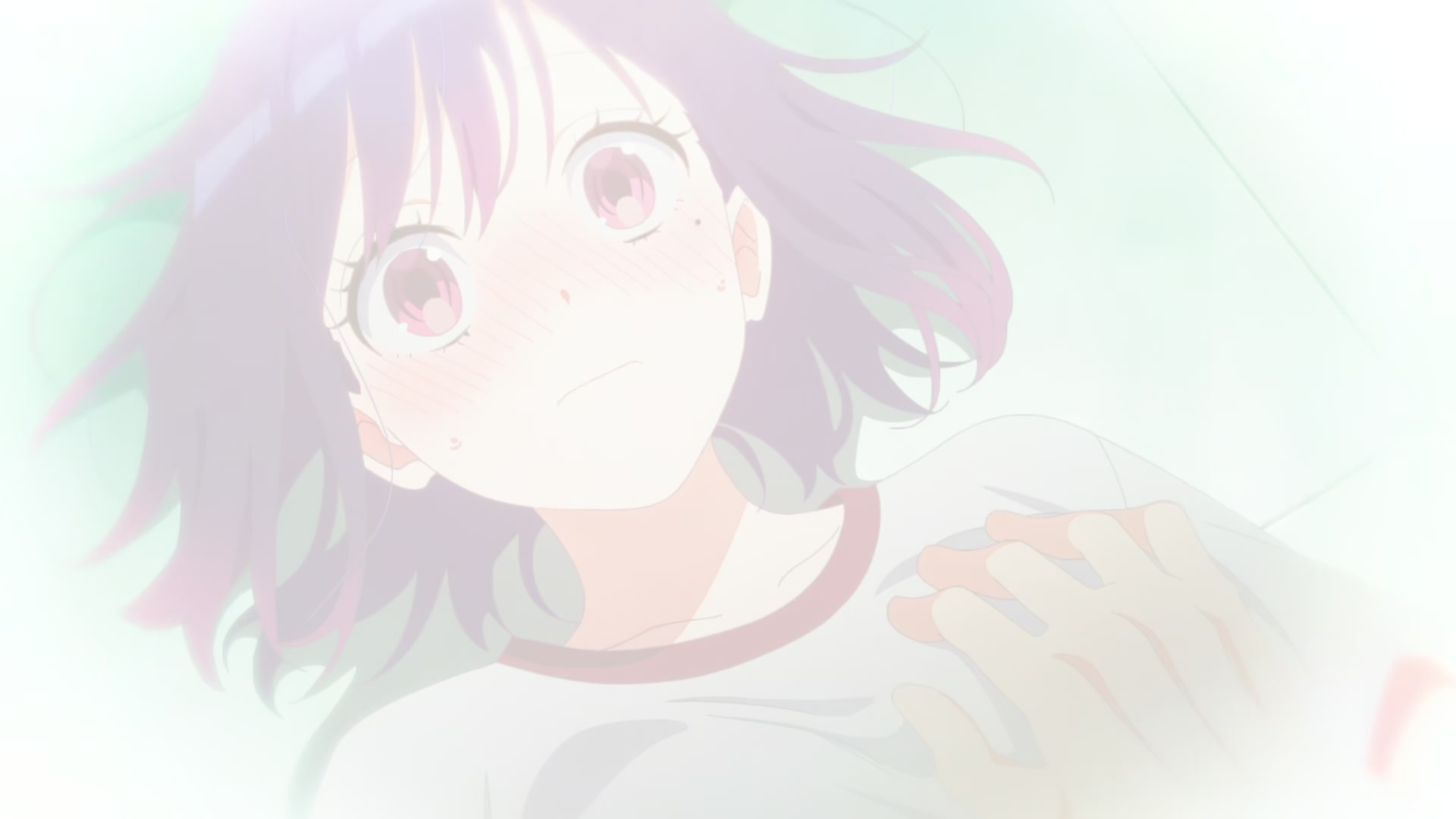
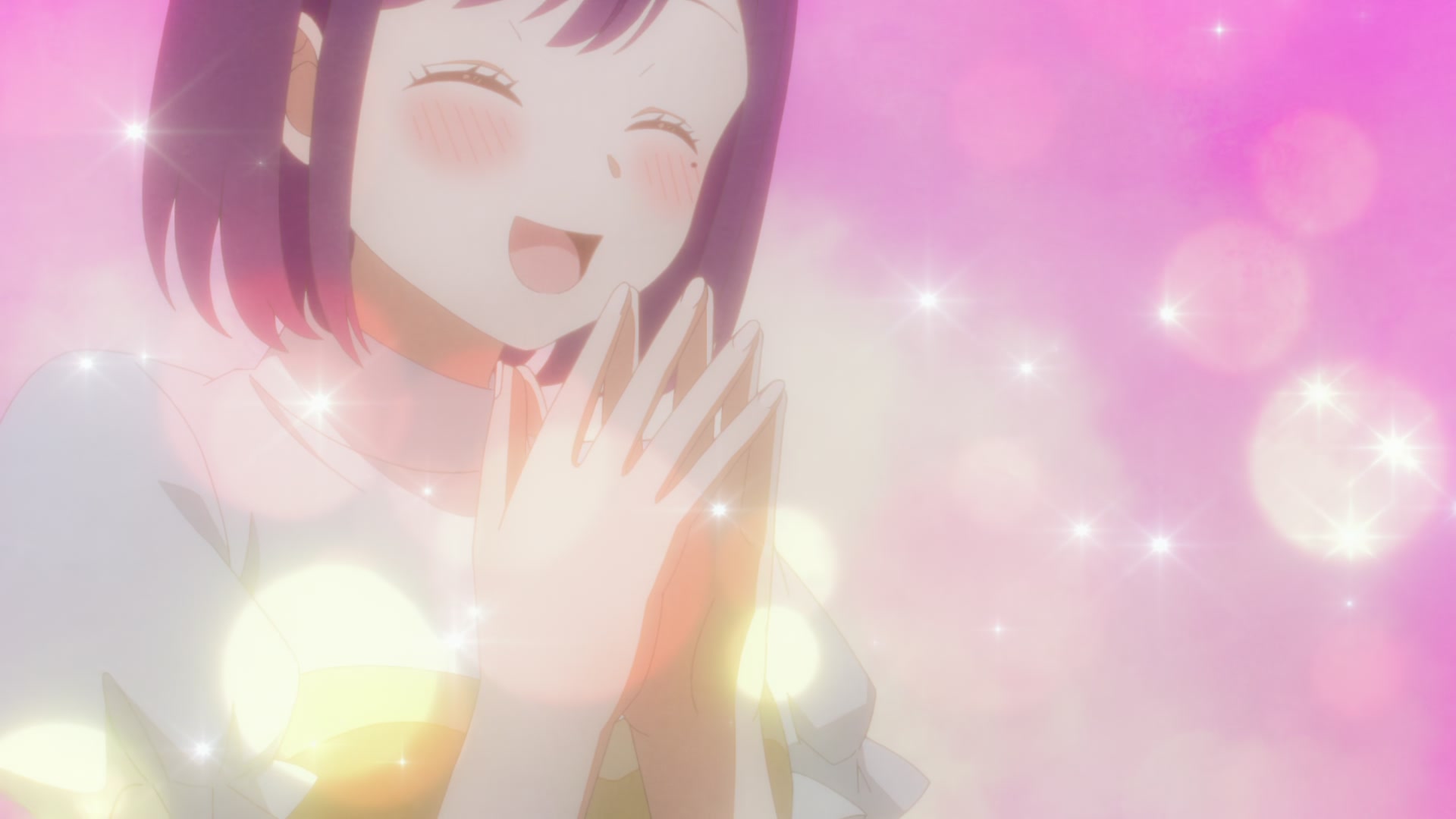
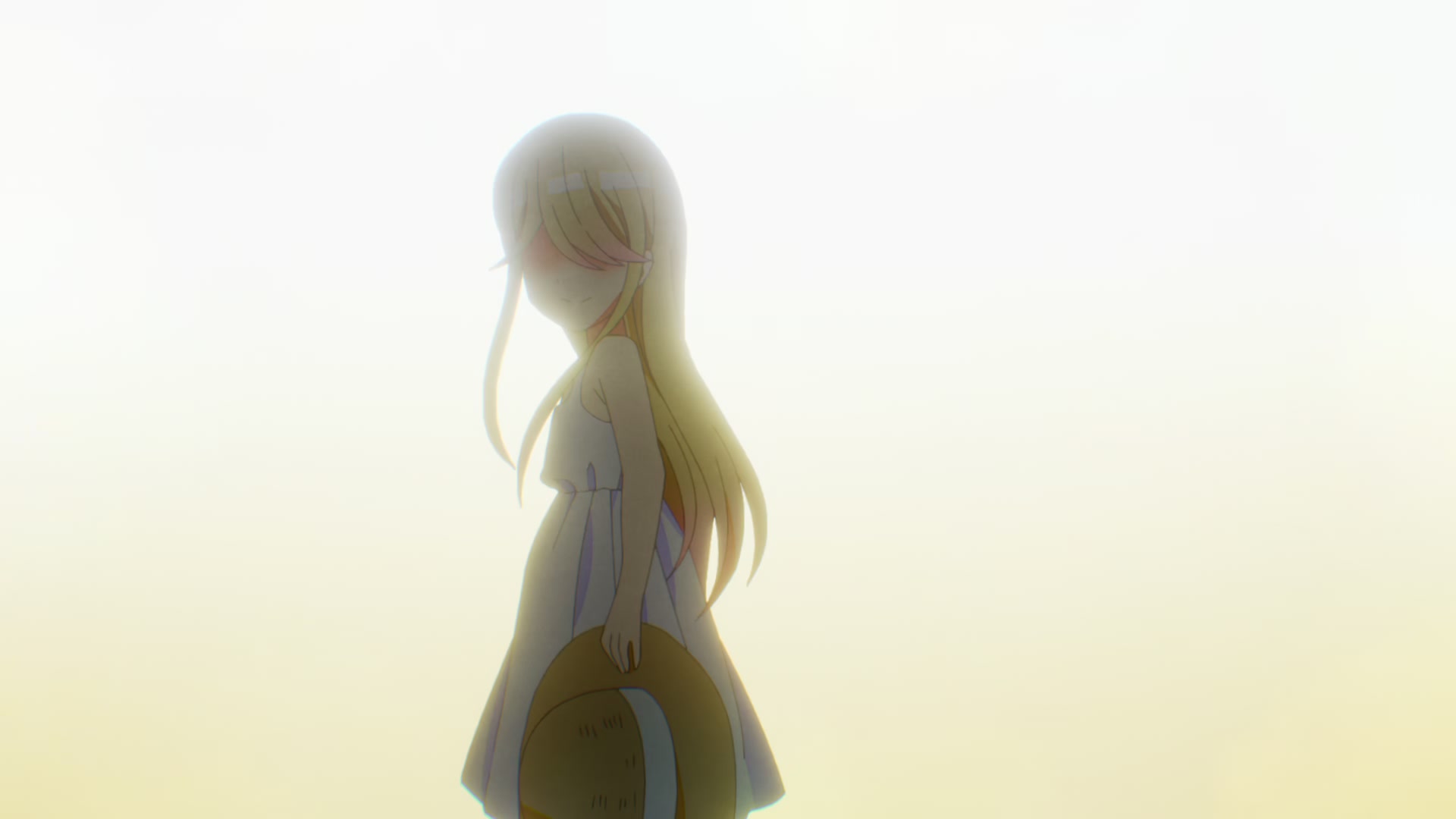
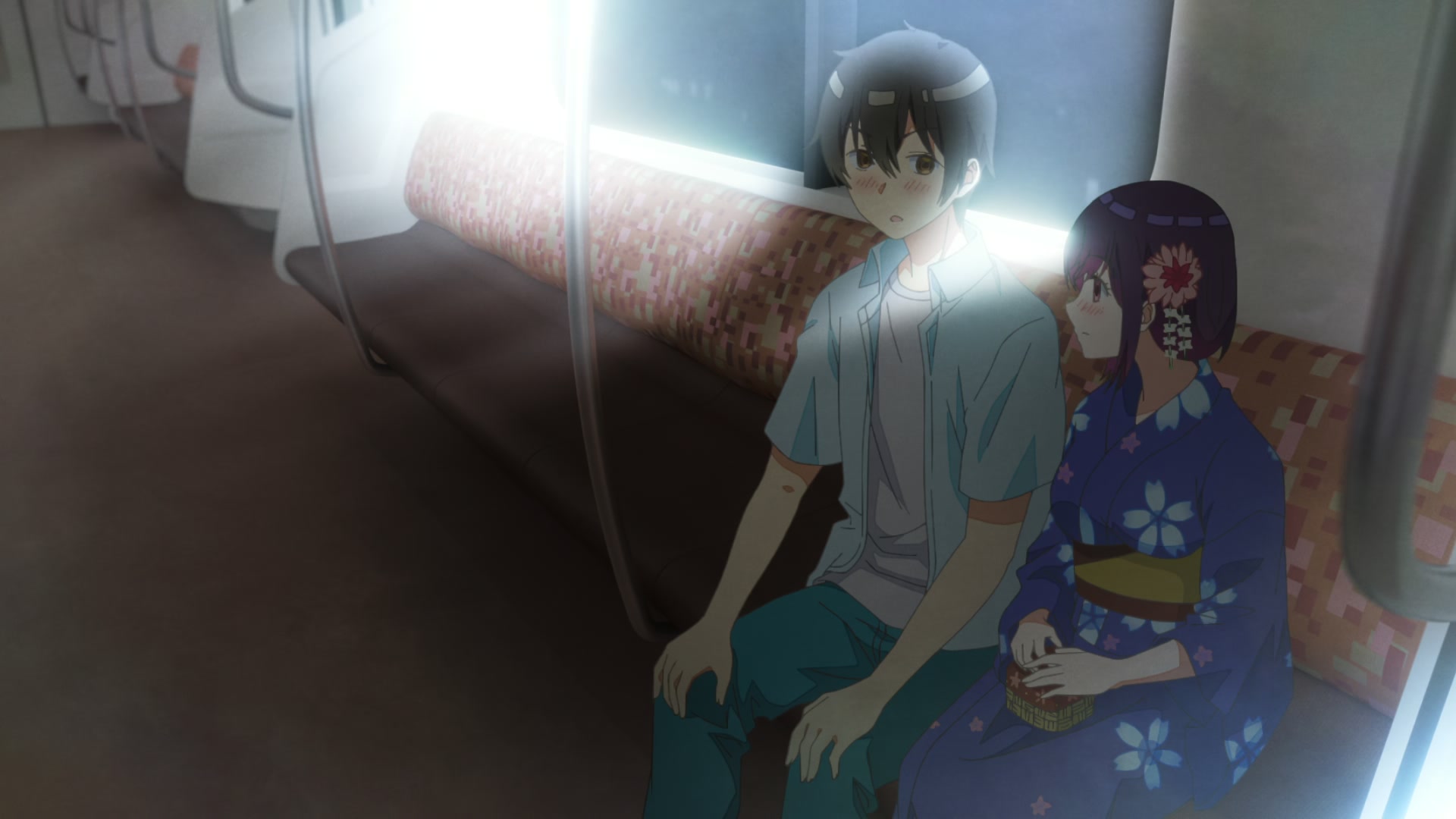
The visual identity of this series is defined by an aggressive but purposeful use of bloom, lens flares, and light-wash filters. Light often spills over the edges of characters and objects, creating a soft luminescence that transforms mundane moments into something cinematic. A walk home from the station becomes a painting. A conversation in the garden becomes a memory in the making. This is not lazy post-processing. It is a deliberate aesthetic that aligns the visuals with the series’ themes of nostalgia, longing, and the selective idealization of memory.
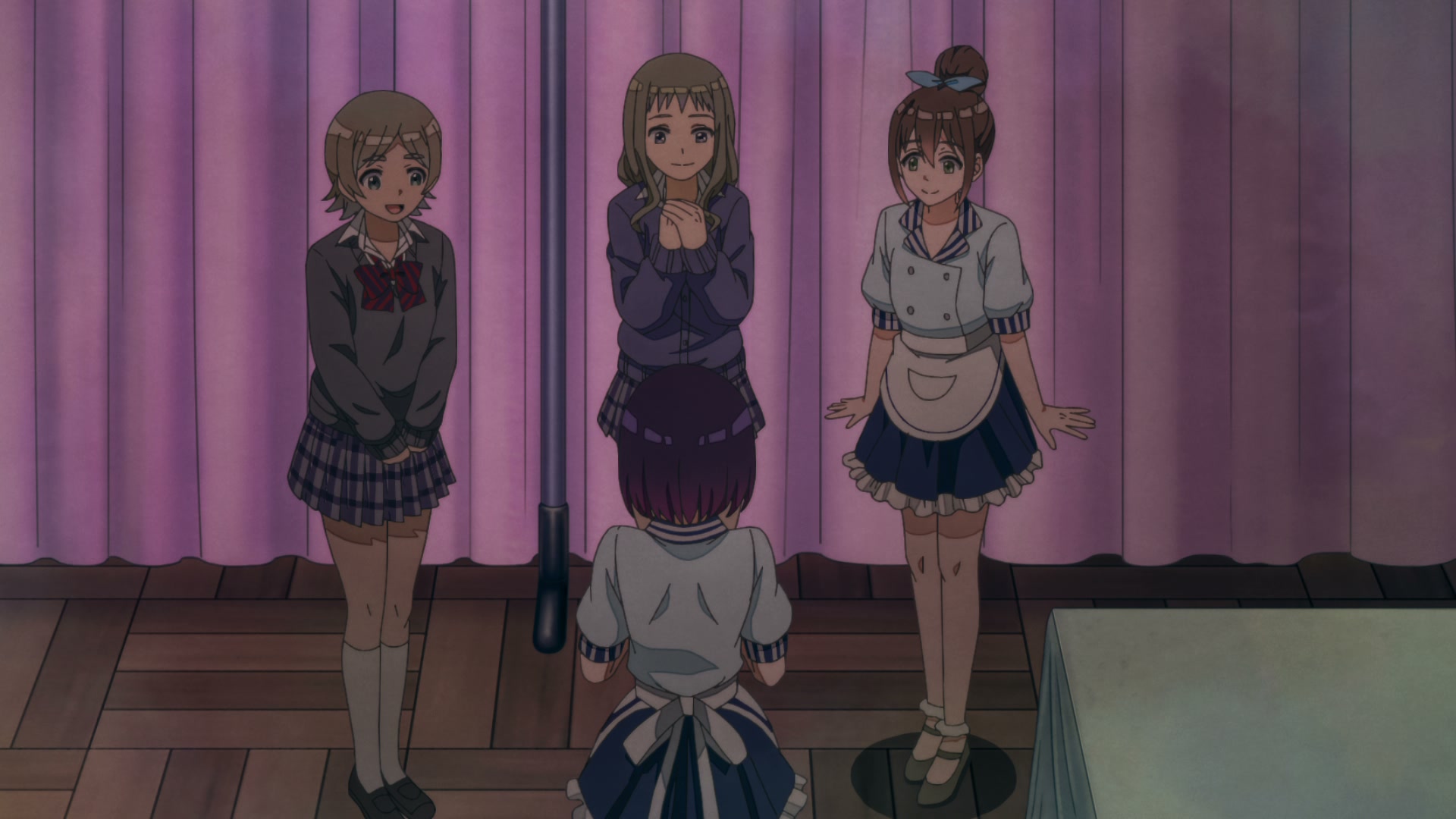
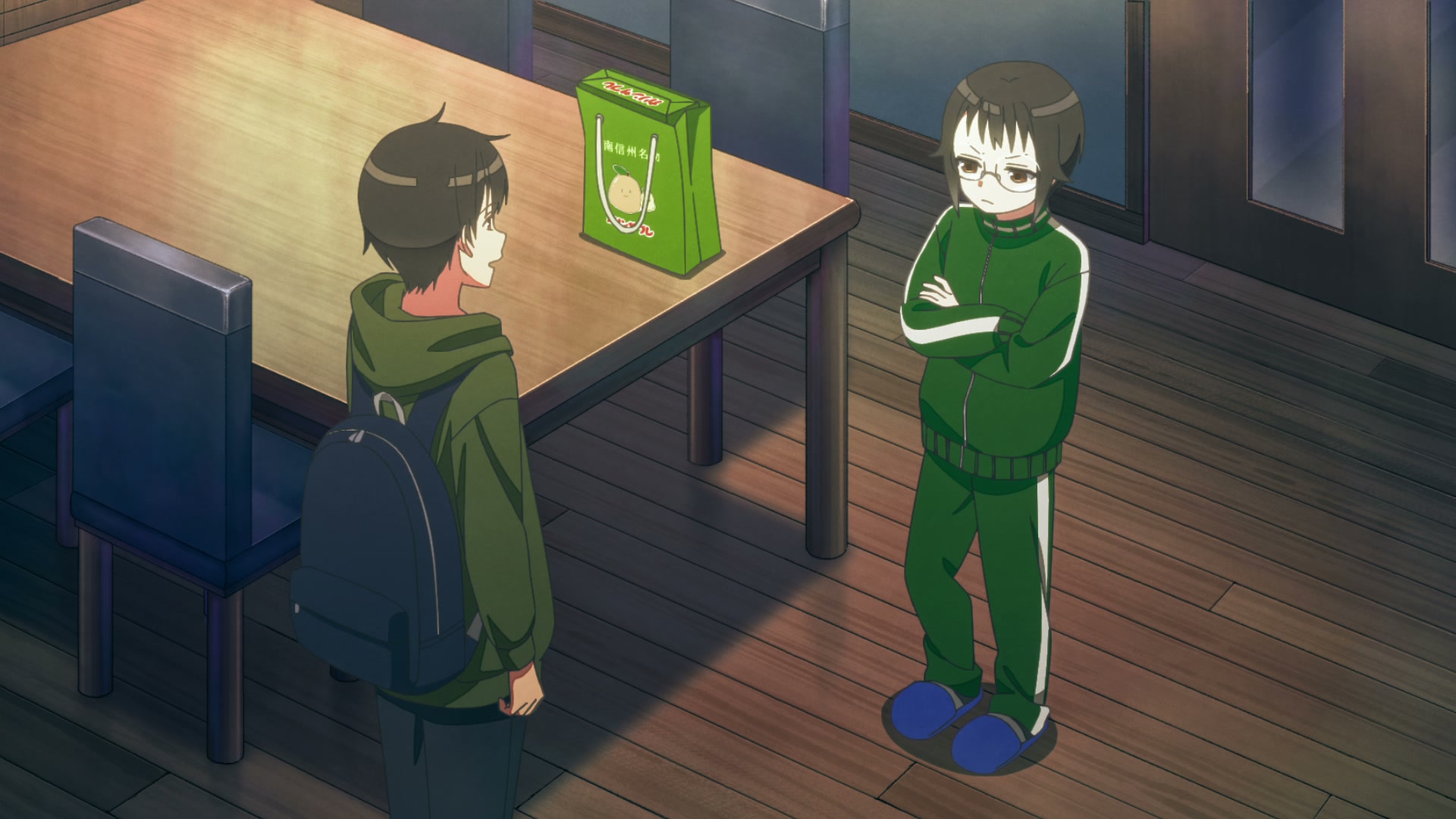
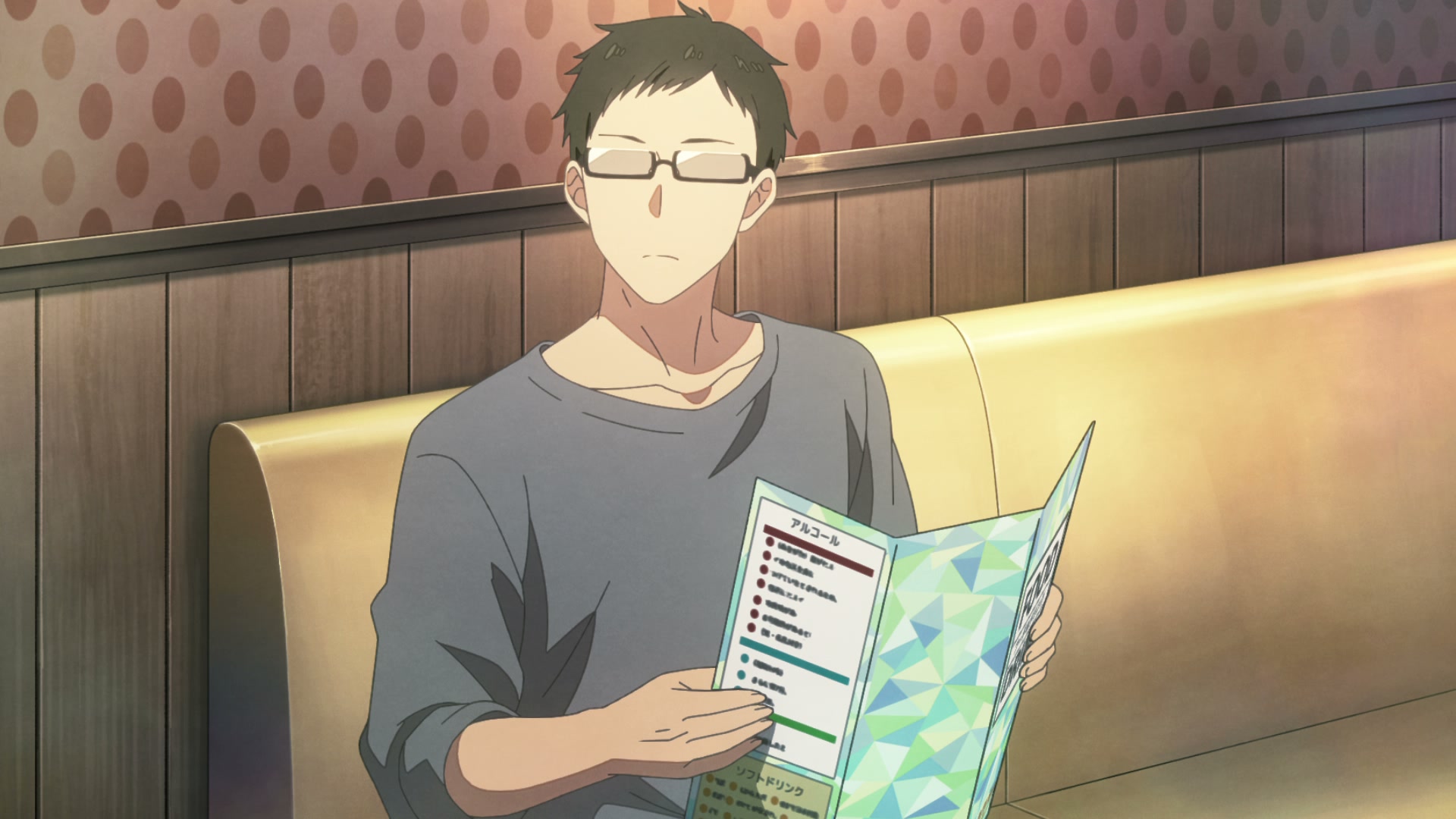
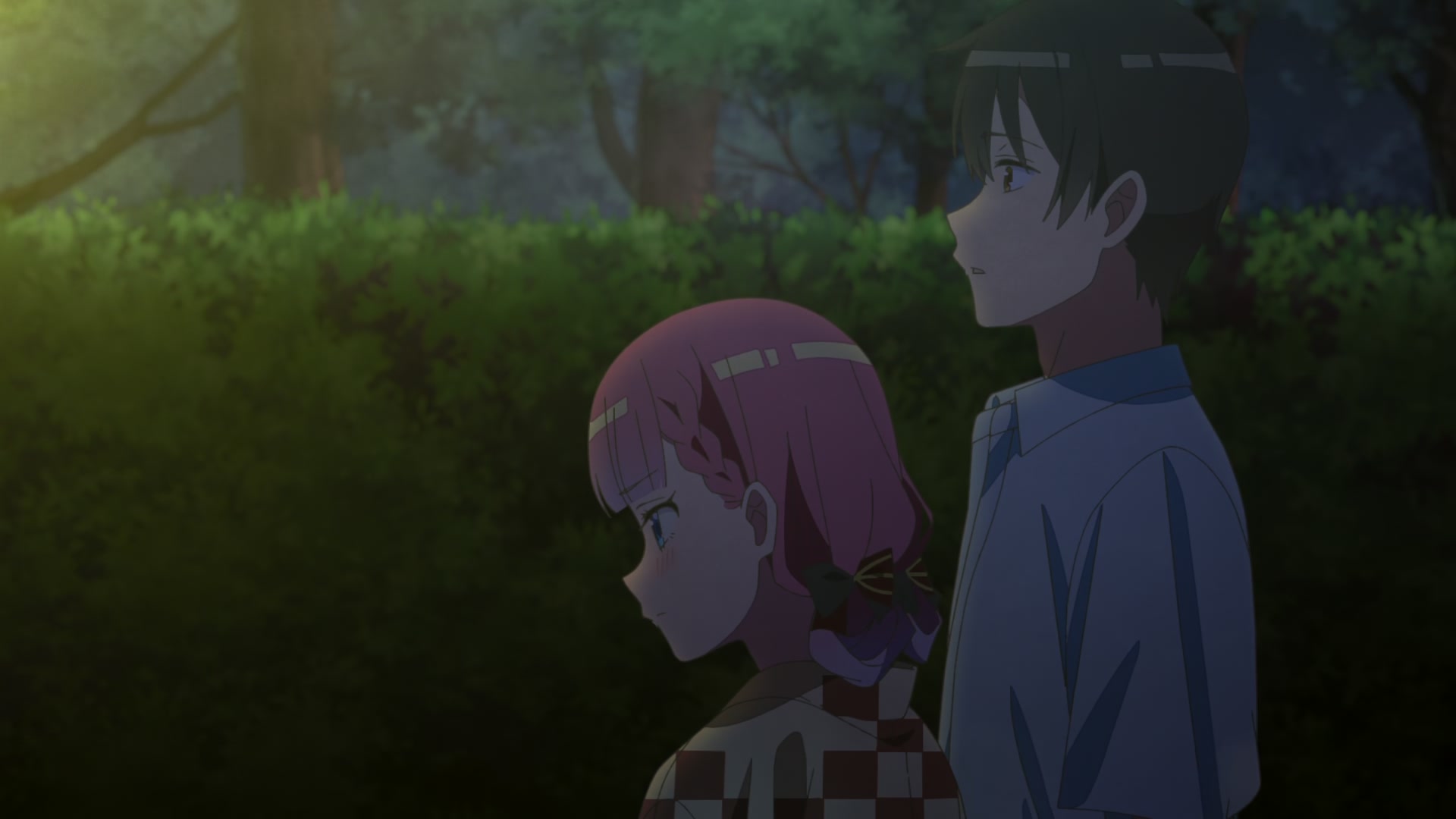
The color palette leans heavily on golden-hour tones, saturating outdoor and romantic scenes with oranges, purples, and ambers that evoke a perpetual late afternoon. Interior scenes, by contrast, often shift to cooler teals and purples with high contrast and localized light sources, a desk lamp or a diagonal sunbeam, that guide the viewer’s eye and create intimacy. The frequent bokeh effects and sparkling highlights are classic moe techniques, but here they function as visual punctuation, appearing in moments of genuine emotional revelation rather than as decoration.
Character Design and Acting
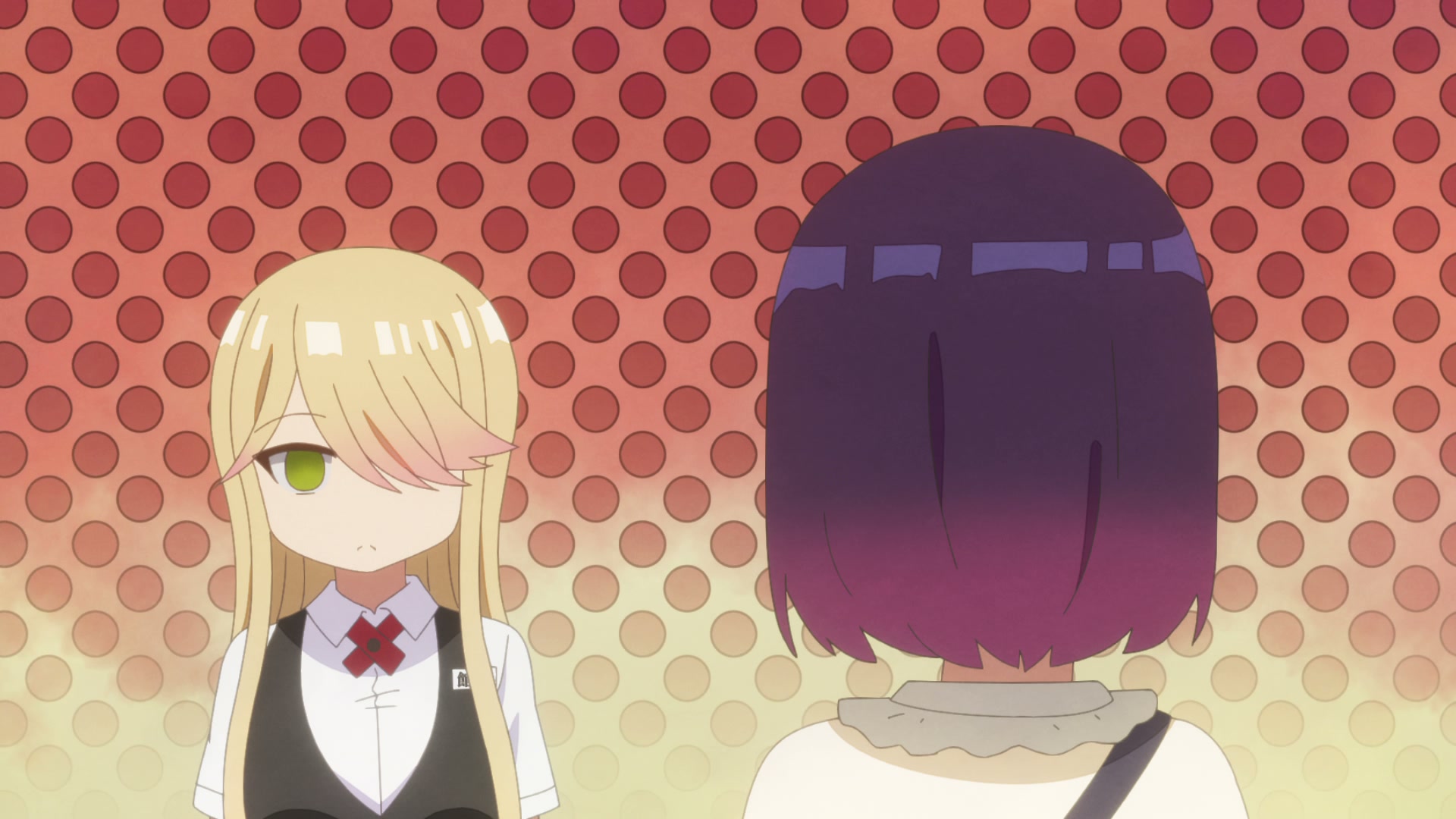
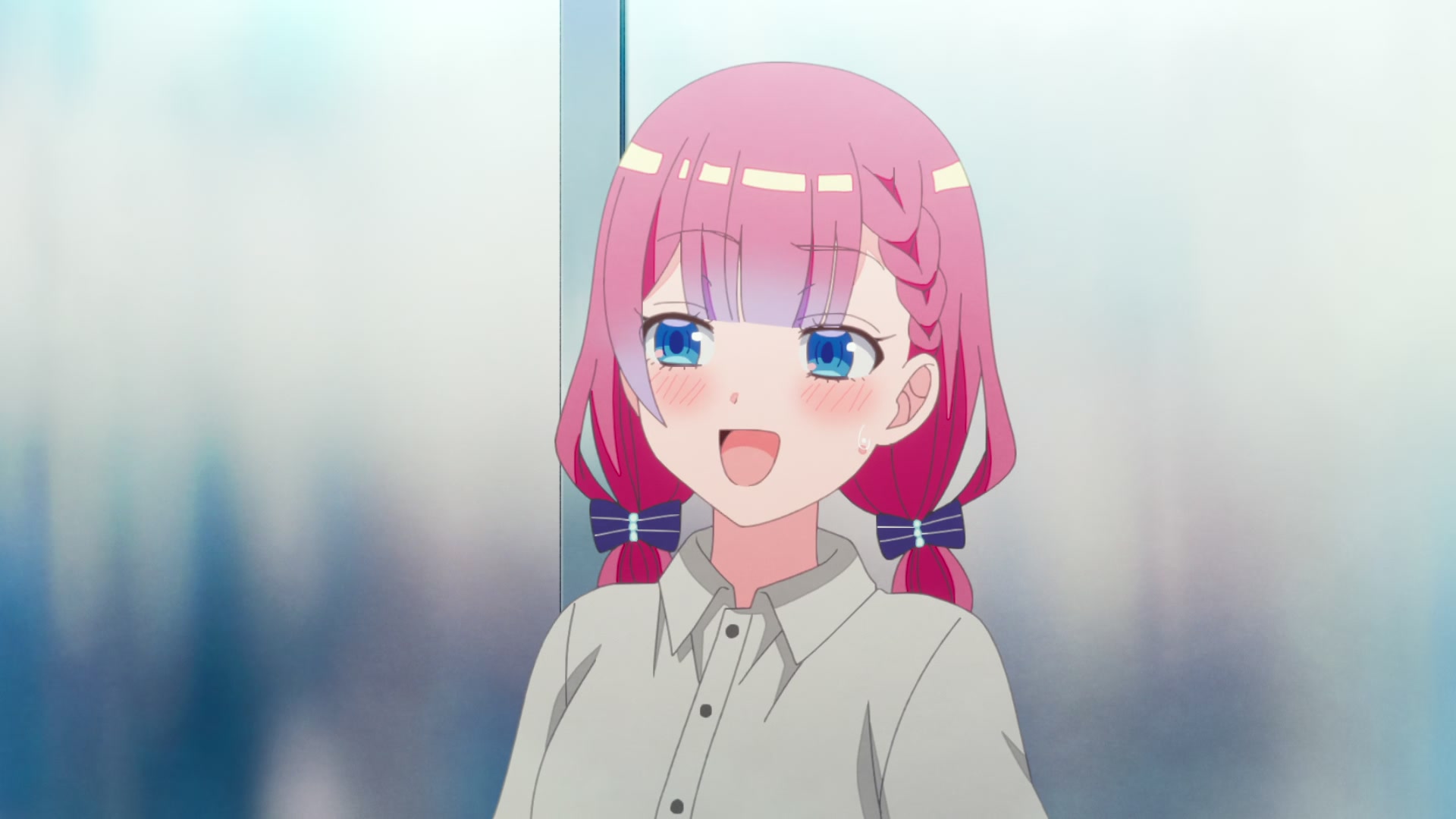
The character designs employ delicate linework, often tinted to match hair or skin tones rather than stark black, which helps characters integrate into the hazy environments and avoids the “cutout” effect that plagues lower-budget productions. The hair designs are elaborate across the board, with prominent color gradients and blocky, geometric “ribbon” highlights that provide digital crispness. Satsuki’s gradient from purple to magenta and Ishihara’s flowing black hair are both visual markers of their respective identities.
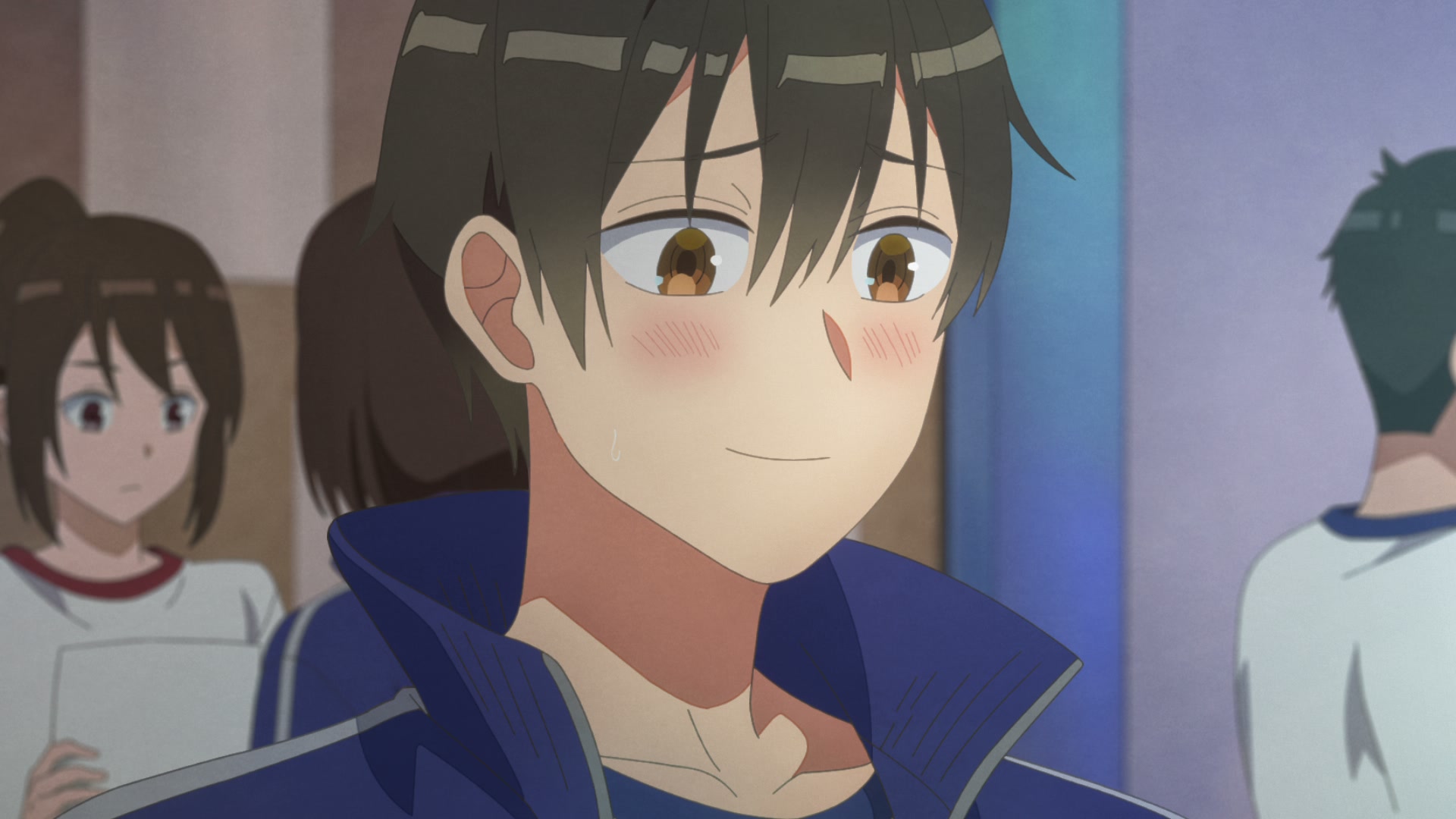
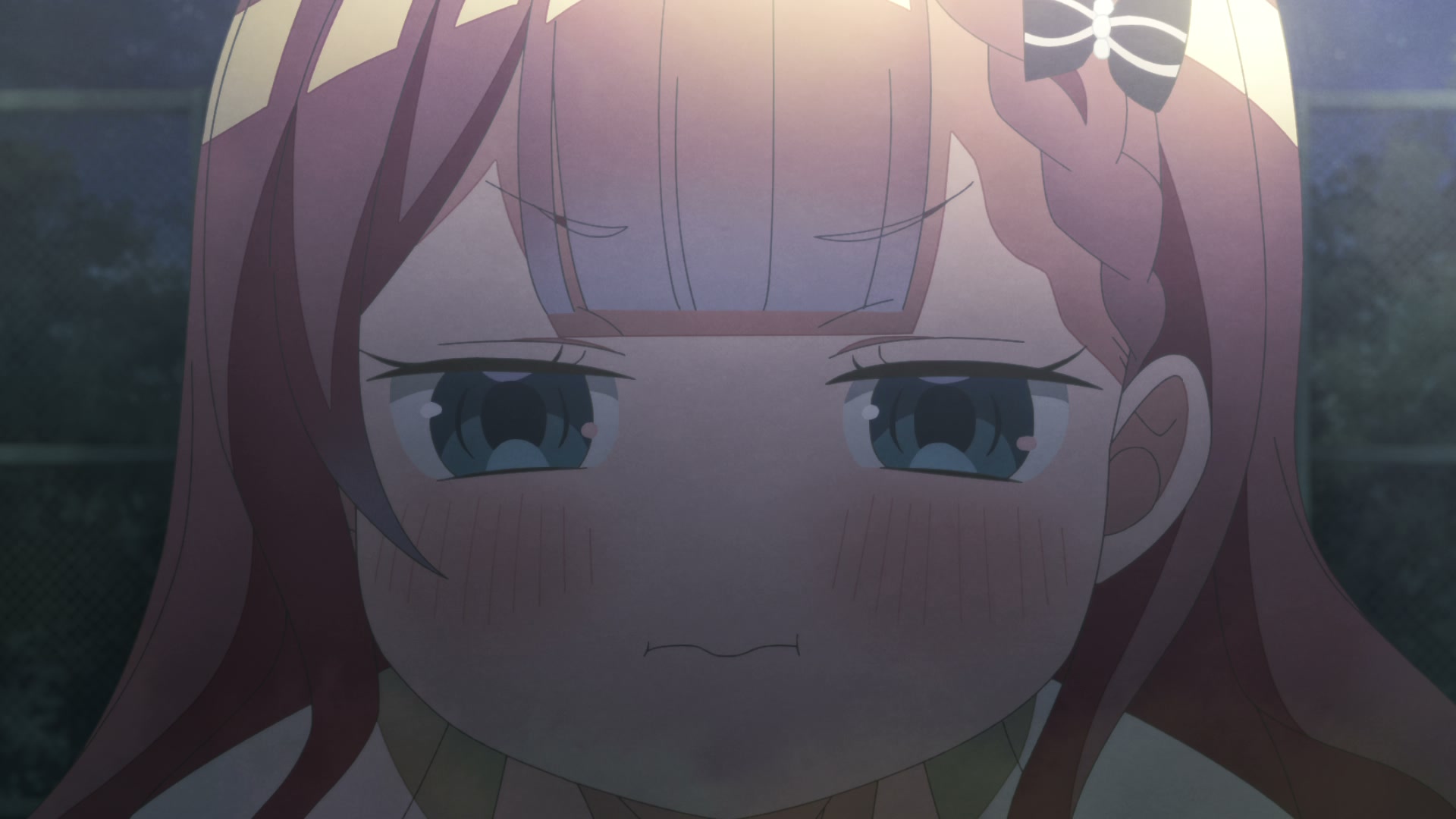
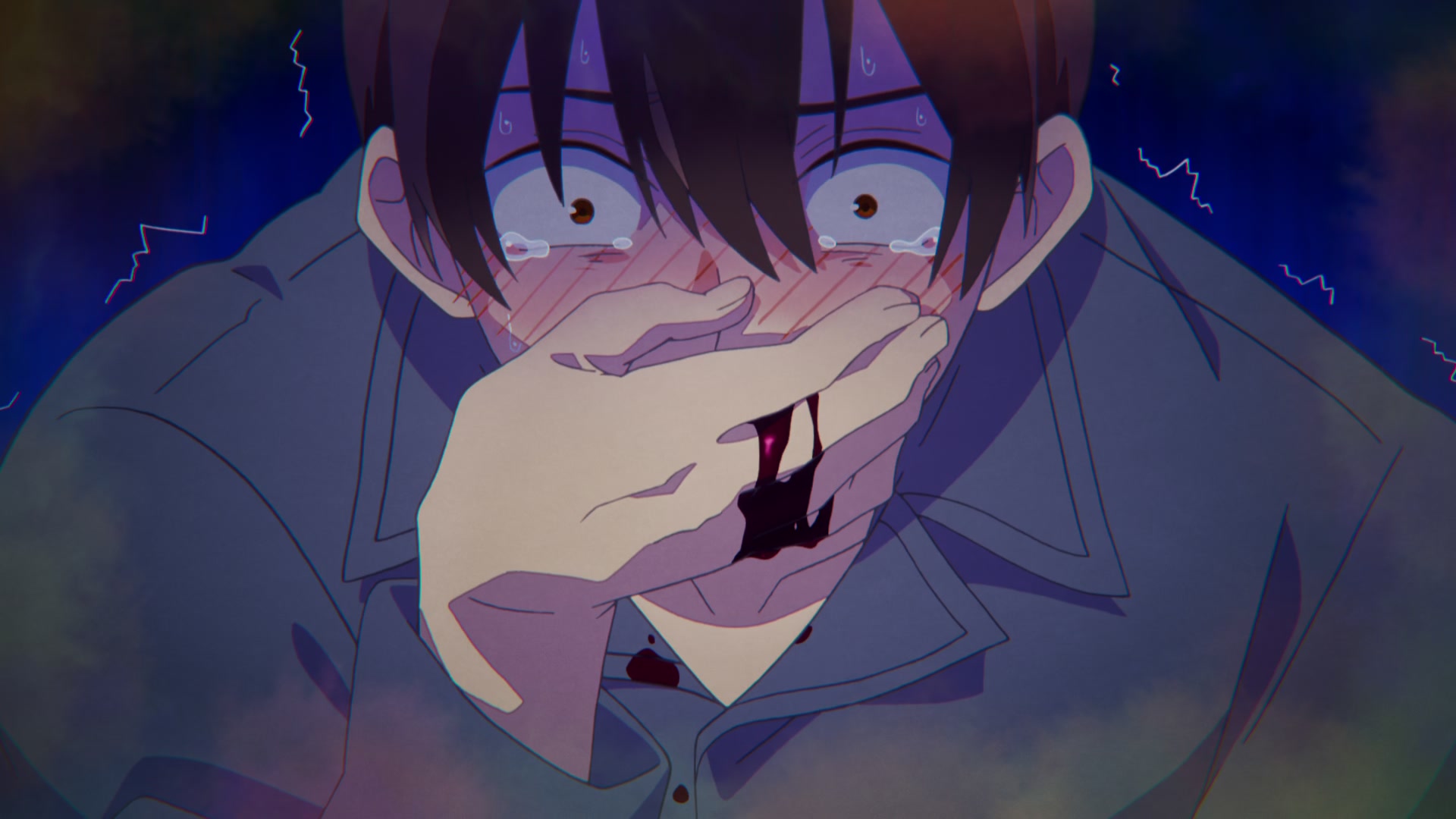
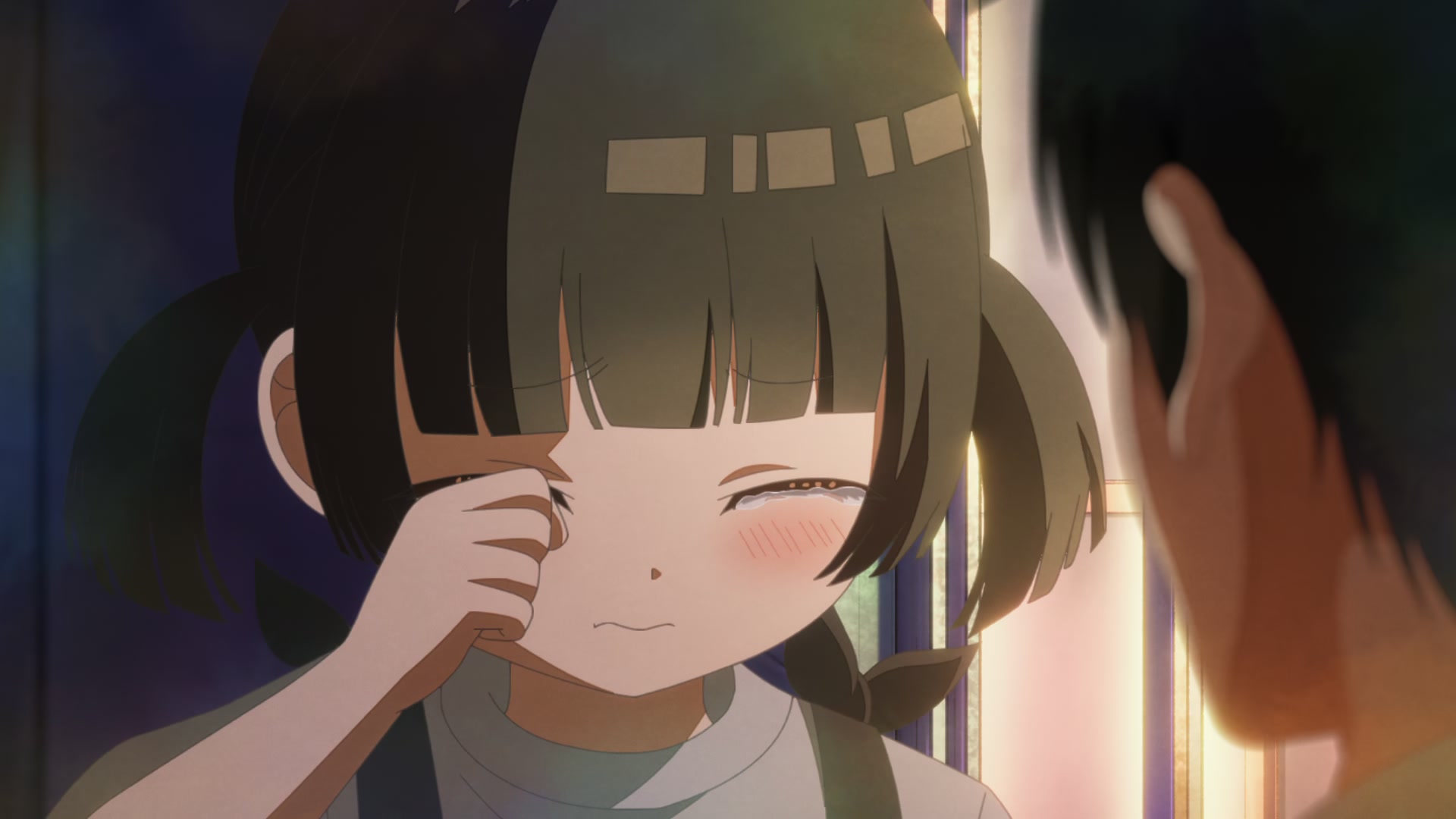
The eyes are the focus of the visual budget in close-ups. Irises are layered with multiple gradient tones and sharp white catchlights, ensuring that emotional revelation lands where it needs to. The expression range navigates between subtle, realistic micro-expressions and exaggerated comedic tropes, vibrating outlines, sweat drops, chibi deformation, with enough flexibility to modulate tone without breaking viewer investment.
Composition and Environmental Storytelling
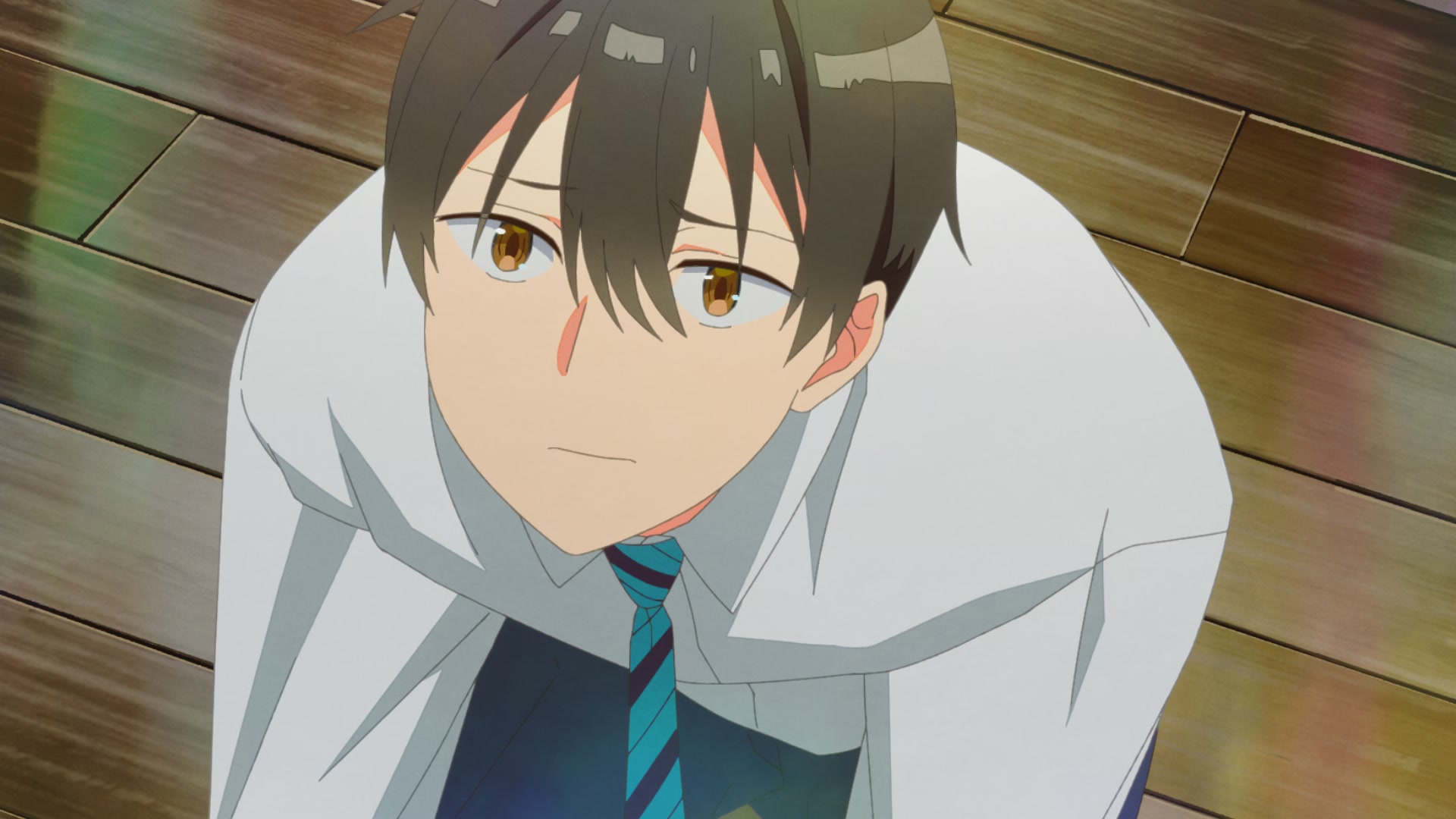
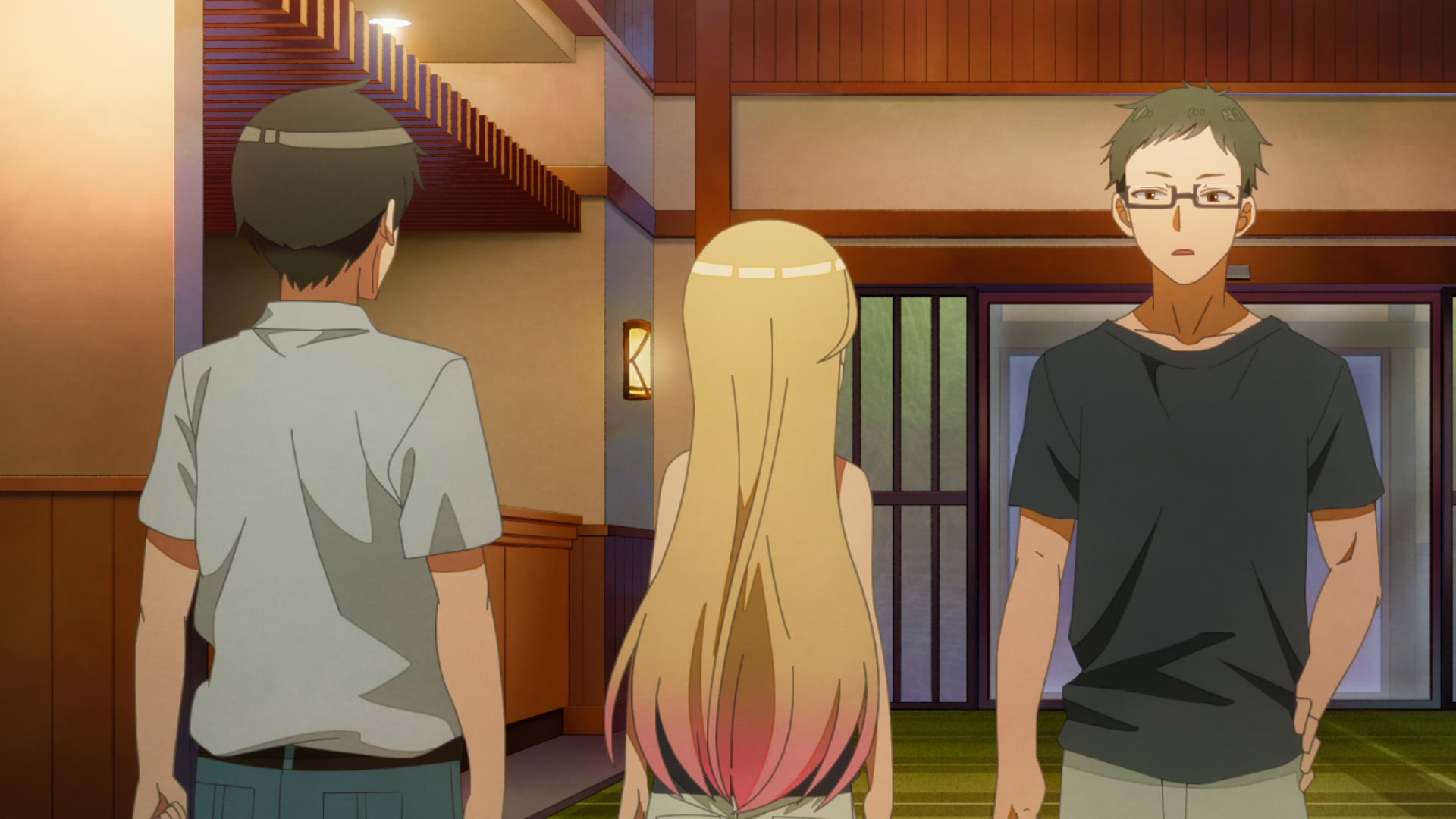
The cinematography moves beyond standard talking-head layouts. High God’s-eye angles and steep Dutch tilts convey vulnerability, with Naoto lying on his floor after a breakdown seen from directly above. Foreground framing, blurred shoulders, curtains, railings, creates a voyeuristic intimacy, positioning the viewer as witness to private moments. Tactile insert shots of hands, Naoto’s knife calluses, Satsuki’s fingers tying shoelaces, Ishihara’s manicured nails gripping a yukata, ground the ethereal visuals in physical sensation.
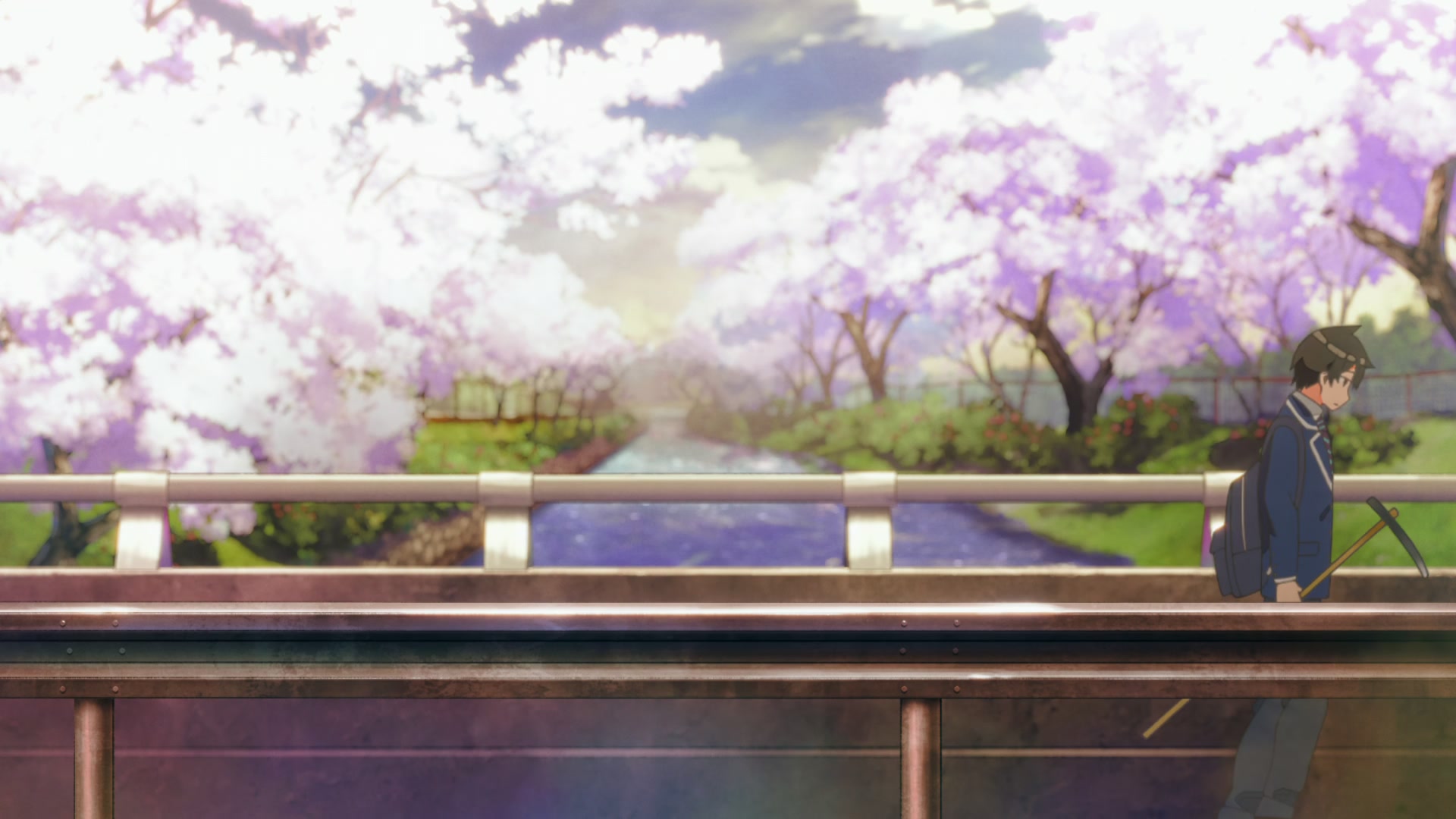
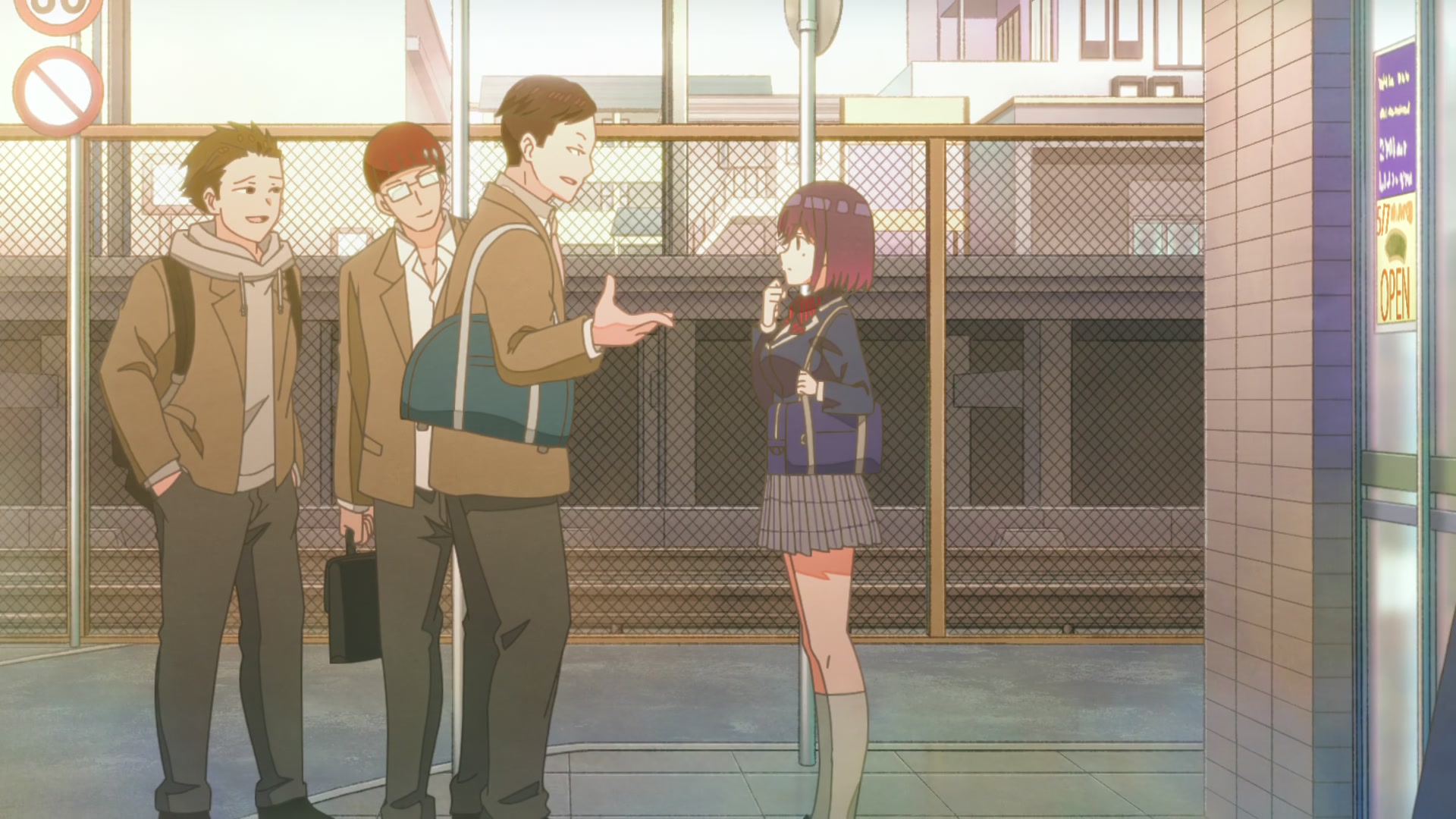
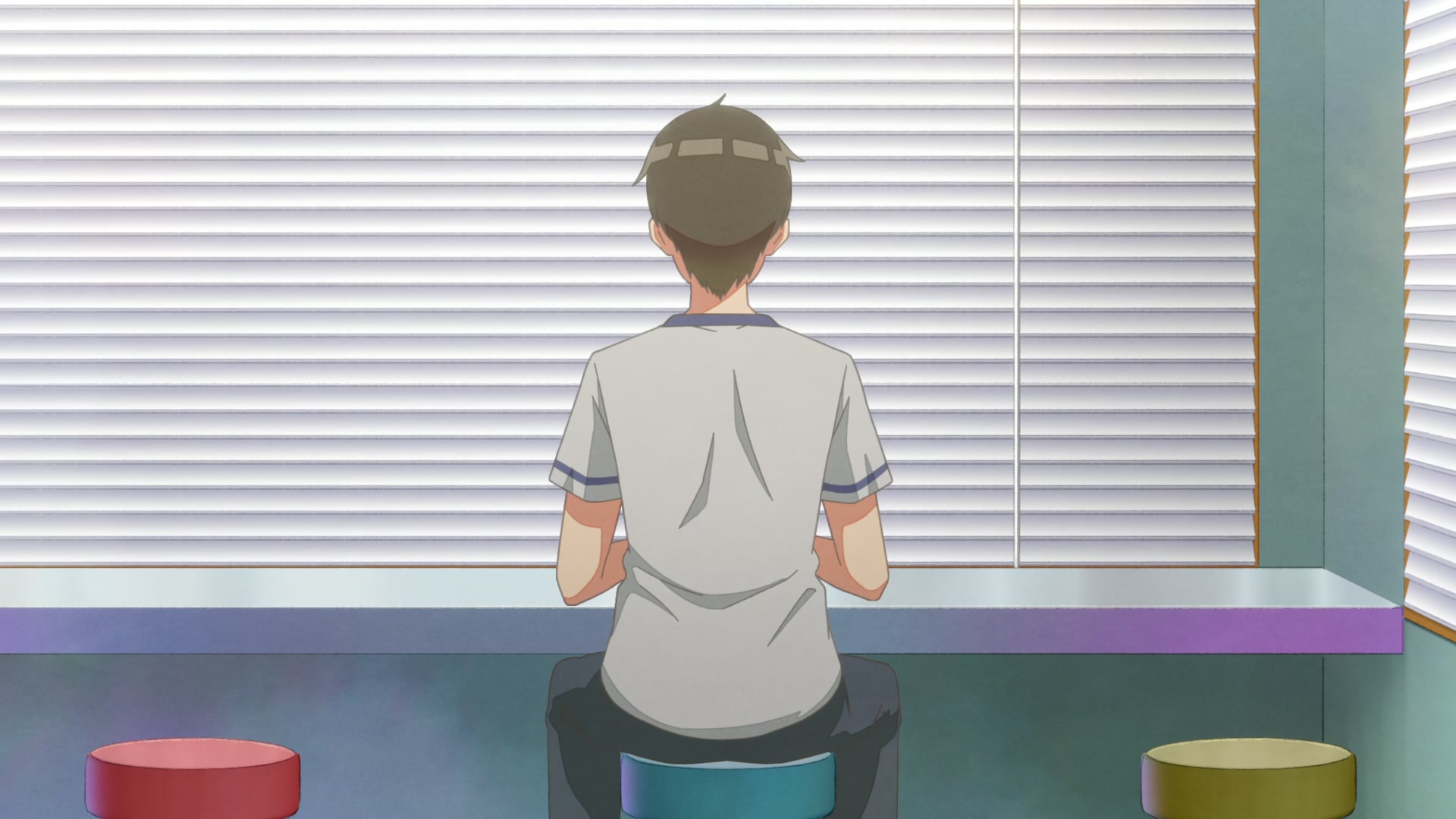
The outdoor backgrounds are a genuine highlight. The Shinshu landscapes, the sunflower field, and the night skies over the garden are rendered with a textured, almost watercolor quality that exceeds standard TV anime expectations. Dappled light through trees and the rendering of clouds show care and attention. Interior environments are less striking, often reliant on standard layouts and repetitive textures, which is a budget reality more than a creative choice. The visual contrast between the lush outdoor world and the more sterile indoor spaces subtly reinforces the thematic preference for natural, organic connections over artificial structures.
The vegetable garden itself evolves across episodes, its growth tracked through changing foliage and seasonal lighting. This environmental continuity rewards attentive viewing and anchors the series’ timeline.
Limitations and Honesty
The series is not an animation showcase. Dialogue-heavy scenes occasionally devolve into minimally animated talking heads with only lip flaps moving, and group scenes sometimes feel like characters are posed motionless until their turn to speak. The integration of 3D and 2D elements in some large-scale environments has a “layered” quality where flat-shaded characters feel slightly detached from more textured backgrounds.
But the stillness is often productive. A held gaze, a moment of hesitation before speaking, a character frozen in a doorway, these are not animation failures but directorial choices aligned with the series’ contemplative tone. The show understands that in romance, the most important action often happens internally. The physical comedy beats that do exist, Satsuki’s knee to Fujioka, Naoto’s sprint through Okinawa, Makina’s running, are competently handled without being showcase moments. The series wisely limits its animation ambitions to what it can execute well: facial expressions, small gestures, and environmental atmosphere.
Sound and Music
The sound direction supports the series’ tonal shifts with restraint, letting silence and ambient noise carry as much weight as the score. Outdoor scenes are filled with cicada song and wind through leaves, establishing a strong sense of place and season. Interior scenes use the absence of music to underscore awkwardness and tension, particularly during the sleepover sequence where every small sound feels amplified with meaning.
The voice acting is the audio department’s greatest strength. Satsuki’s seiyuu navigates a demanding range, from deadpan provocations to emotional collapse, without losing the character’s essential opacity. The flat delivery of her most outrageous lines contrasts effectively with the trembling in her voice during moments of genuine vulnerability. Ishihara’s performance captures the strain of maintaining a perfect exterior, with her voice tightening almost imperceptibly when confronted with jealousy or desire. Naoto’s seiyuu handles his internal chaos with believable hesitations and outbursts, making his rare moments of directness feel earned through their contrast with his usual stammering delivery.
The opening and ending themes frame the series’ emotional register effectively, though I should not pretend to a track-by-track analysis of the full score. What matters is that the music never overpowers the moments it supports, and the quiet scenes are given the space they need to breathe.
Overall Verdict
Watari-kun no xx ga Houkai Sunzen is a series that knows the value of standing in the wreckage of something and deciding to rebuild. Its characters are not idealized. They are damaged, frustrating, and slow to change. Its protagonist is maddeningly passive for much of its runtime, and its resolution comes only after repeated, painful false starts. But this is precisely what makes the resolution meaningful. Naoto’s final confession to Satsuki, delivered not with dramatic flair but with awkward, stumbling sincerity, means something because we have watched him fail to reach this point for twenty-two episodes.
The series’ visual language frames small human struggles against a backdrop of quiet beauty. The garden grows. The seasons turn. The sunflower field blooms out of season, against all odds. A boy learns that choosing one person does not destroy everyone else. A girl learns that she is not a nuisance but a gift. An aunt sets down a burden she has carried since her brother left. A little sister steps back to let her brother grow up.
This is not a show for everyone. Viewers who demand decisive protagonists, fast pacing, or minimal romantic angst will be frustrated. Those who cannot tolerate the deliberate, contemplative rhythms of melodrama should look elsewhere. But for those who recognize themselves in Naoto’s fear, in Satsuki’s deflection, in Ishihara’s performance, for those who understand how terrifying it is to want something and admit that you want it, this series offers something rare.
It is honest about how hard it is to be honest. That alone makes it worth the watch.
Gallery