



Introduction
Some anime series hide their real intentions behind a familiar exterior. You start watching what appears to be a straightforward dark fantasy about women with enormous swords hunting shape-shifting demons, and somewhere along the way you realize the show has been conducting a quiet, devastating examination of trauma, the meaning of humanity, and what we owe to the people who loved us.
Claymore belongs to that specific era of mid-2000s dark fantasy anime, the kind that emerged in the wake of Berserk and carved its own space in the genre through atmosphere and emotional brutality. Produced by Madhouse in 2007 and adapted from Norihiro Yagi’s manga, the twenty-six episodes tell the story of Clare, the lowest-ranked warrior in an organization of half-human, half-Yoma women who protect a fearful populace from the demons that prey upon them. The premise sounds generic. The execution is anything but.
This is a series that understands grief as a physical weight, that treats vengeance as a slow-acting poison rather than a heroic motivation, and that builds its world through shadows and silence as much as through sword clashes. If you come for the action, you will stay for the characters, and if you let it, the series will leave you thinking about what it means to carry someone’s will forward after they are gone.
Story and Themes
The Architecture of Loss
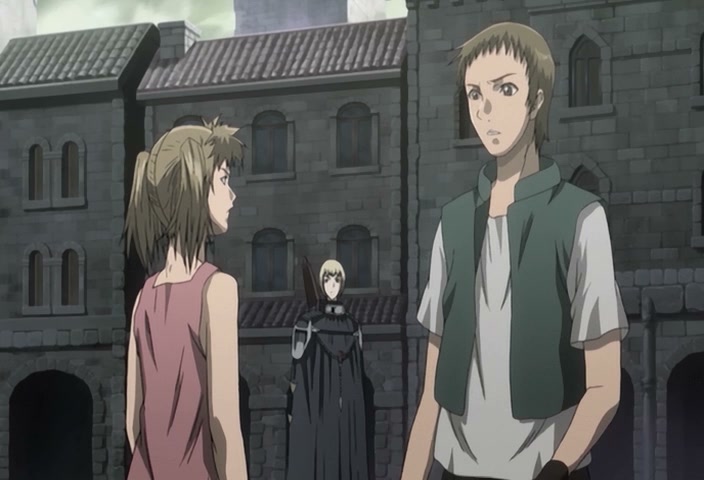
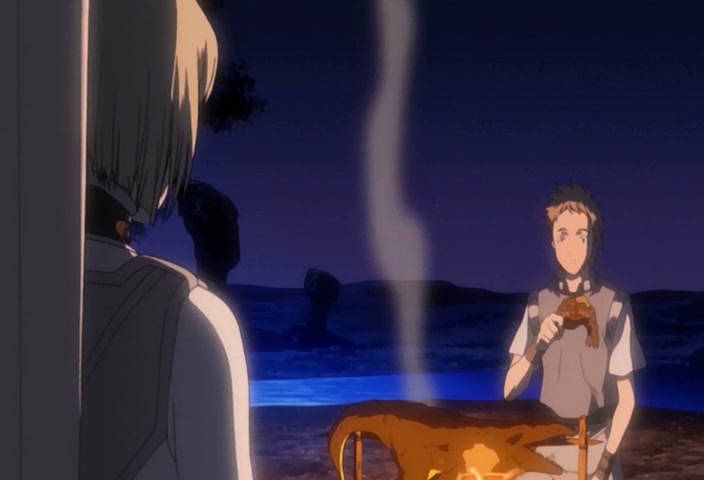
Claymore organizes its narrative into four movements, each escalating the stakes while deepening the thematic core. The introductory arc, spanning episodes one through four, establishes the world through the eyes of Raki, a boy whose family is slaughtered by Yoma. When the villagers exile him out of fear that he might be contaminated, Clare takes him in as her cook. Their bond forms the emotional spine of the entire series.
The second arc, episodes five through eight, is a flashback that functions as the story’s origin myth. We meet Teresa of the Faint Smile, the most powerful warrior of her generation, who discovers her own humanity through the desperate, wordless love of an abused child. Teresa adopts the girl and names her Clare. When Teresa is murdered by the newly awakened Priscilla, the traumatized child volunteers to have Teresa’s flesh and blood implanted in her body, becoming a warrior for the sole purpose of revenge. This arc transforms everything that came before and everything that follows. It is the wound from which the entire narrative bleeds.
Episodes nine through seventeen follow Clare’s development as she trains under Irene, masters the Flash Sword, and encounters the Awakened Beings that represent what all Claymores may become. The introduction of Riful of the West, a Dweller of the Deep of apocalyptic power, expands the world’s scope and introduces the political landscape among the awakened.
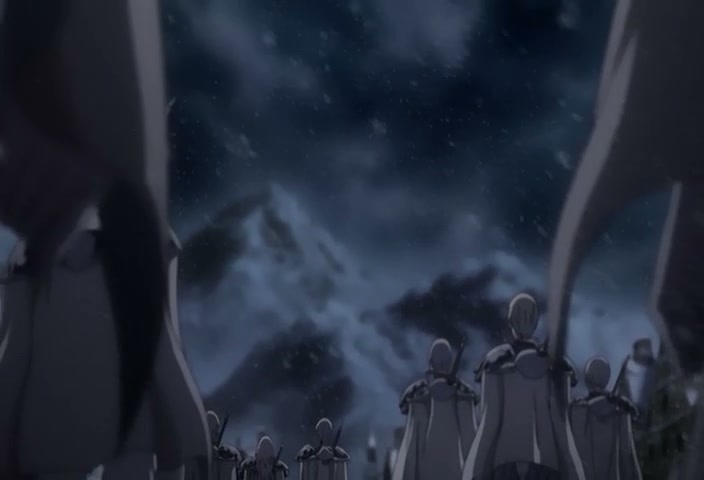
The final movement, the Northern Campaign spanning episodes eighteen through twenty-six, gathers twenty-four warriors for a desperate battle against an army of Awakened Beings commanded by Easley of the North. The arc is a crucible that tests every conviction, kills characters you have grown to love, and forces Clare to choose between dying for her vengeance and living for those who have entrusted their futures to her.
What Defines a Human Being
The series asks its central question early and never stops asking it. Claymores occupy an impossible position. They are physically part monster, despised and feared by the humans they protect, yet they fight, suffer, and die for those same humans. Their silver eyes mark them as other. The villagers call them witches. And yet the series demonstrates, over and over, that humanity is not a biological category but a set of choices.
Teresa’s arc crystallizes this theme. She begins as the ultimate weapon, dispatching Yoma with such effortless grace that her expression never changes, hence the nickname “of the Faint Smile.” Her humanity is dormant, unexpressed, perhaps even atrophied. The mute, abused child who follows her, who refuses to stop following despite being kicked and ignored, awakens something Teresa did not know she possessed. When the child finally speaks, her first words are not a plea for herself but a question about Teresa’s pain. In that moment of mutual recognition, two lonely souls find each other. Teresa weeps silver tears, taught emotion by a broken girl, and declares she will live for Clare’s sake.
This discovery of humanity through connection becomes the standard against which all other character decisions are measured. The “half-awakened” warriors, Miria, Deneve, Helen, and Clare, have each crossed the threshold that should have transformed them into monsters, and each returned. They represent a conscious confrontation with the monster within, a refusal to be defined by biology. The series insists, through every character who chooses to live rather than awaken, that human consciousness, however fragile and painful, is worth preserving.
The Poison of Vengeance
Clare’s entire existence as a warrior is predicated on a single goal: killing Priscilla, the Awakened Being who murdered Teresa. This drive gives her purpose but also narrows her soul to a single point. The series consistently questions whether vengeance can provide meaningful resolution, and it offers multiple cautionary examples.
Ophelia, the sadistic Number Four, is Clare’s dark mirror. She became a warrior to avenge her brother, whom a one-horned Awakened Being killed while he smiled at her, having ensured her safety. That trauma curdled into an obsession with slaughtering Awakened Beings that became indistinguishable from the monsters she hunted. When Ophelia awakens, becoming the very thing she dedicated her existence to destroying, her scream of denial, “Are you telling me that I awakened?” is the series’ most concise statement about where vengeance leads. She dies reconciled with her brother’s memory, having passed her will to Clare, but only after becoming a monster first.
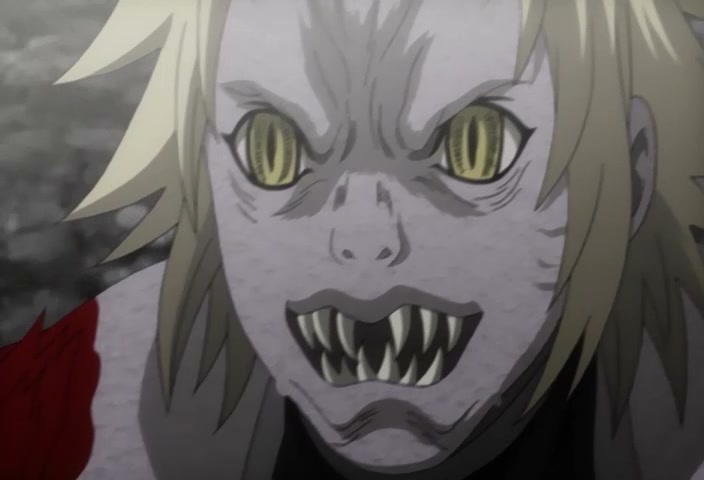
Priscilla herself is the ultimate tragic mirror. She lost her family to Yoma, killed her own Yoma-possessed father, and became a warrior to destroy the creatures she hated. Her rigid moral absolutism could not accommodate the complexity Teresa represented. When Teresa broke the rule against killing humans to protect Clare, Priscilla’s worldview shattered. Her awakening was driven by terror and righteous fury, and she became the thing she most despised, trapped in a dissociative state where she cries for her dead family even as she devours strangers.
The finale offers Clare a different path. Raki’s desperate plea, “Priscilla lost her family to Yoma as well. For these same people who’ve been left behind to fight each other is just…” forces her to see the cycle from outside. Jeane’s sacrifice, pulling Clare back from full awakening just as Clare once pulled Jeane back, reminds her that she has more to live for than vengeance. The series does not pretend that trauma can be overcome or that loss can be redeemed. But it insists that living for the living matters more than dying for the dead.
The Organization as True Villain
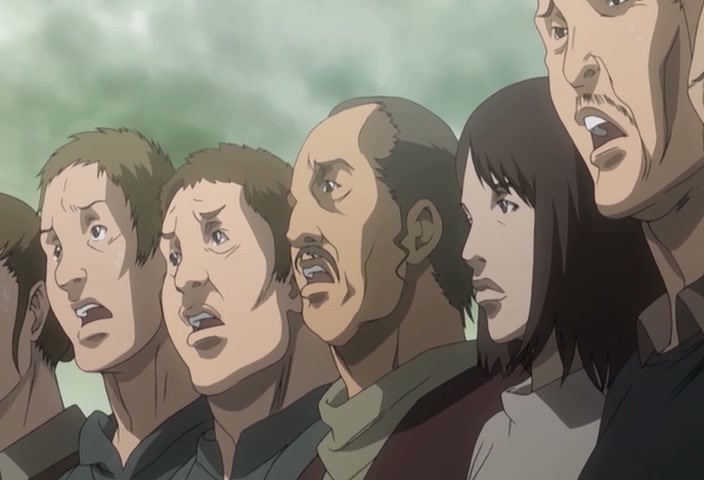
Behind every tragedy in Claymore stands the Organization. They manufacture warriors from traumatized children. They implant Yoma flesh into their bodies. They deploy them as disposable assets, send them on suicide missions when they become inconvenient, and pit friends against awakened former comrades without telling them. Miria’s investigation reveals the architecture of this exploitation. She lost her friend Hilda, sent unknowingly to kill an Awakened Being who turned out to be Hilda herself, and that betrayal crystallized her determination to uncover the truth.
The Northern Campaign is the Organization’s most explicit act of systemic evil. Twenty-four warriors, many of them “problem children” who had come close to awakening, are gathered in Pieta and sent against an army of twenty-seven Awakened Beings commanded by a Dweller of the Deep. Miria calculates the probability of success at zero. The Organization is buying time, spending lives that mean nothing to them.
This is not a simple monster-hunting narrative. The monsters are real, but the system that creates warriors to fight them is equally monstrous, trading in human suffering with bureaucratic efficiency.
Inherited Will and Found Family
The series traces a chain of transmission that forms its deepest emotional structure. Teresa gives Clare love and a name. Irene, the former Number Two who fled in terror after Priscilla’s awakening, gives Clare her sword arm and her technique, literally carving her flesh from her body as a farewell gift. “Take it,” she says, “so that you may survive, for that would serve as proof that Teresa lived.” Jeane, saved from awakening by Clare’s stubborn refusal to let her die, later gives her life to synchronize her Yoki with Clare’s and pull her back from the abyss. Each generation passes forward not just power but purpose.
The half-awakened quartet of Miria, Helen, Deneve, and Clare form a chosen family that stands in direct opposition to the Organization’s atomization of its warriors. Their pact, “May we all live to meet again,” made in secret after surviving their first Awakened Being hunt, is an act of rebellion. They choose to trust each other over their masters. When the Northern Campaign threatens to destroy them all, it is these bonds that allow them to survive.
Adaptation Considerations
The anime’s twenty-six episodes conclude with an original ending that diverges from Yagi’s manga, which continued for many more volumes. The confrontation between Clare and Priscilla in the anime differs from the manga’s much later, more elaborate resolution. Several significant characters and locations from the source material do not appear.
Having experienced the anime as a complete work, I can say that its ending functions emotionally. The character arcs resolve. Clare chooses to live. The half-awakened group survives and goes their separate ways. Thematic closure is achieved even if plot threads remain deliberately open. Whether the manga’s version is superior is a question I cannot address from personal knowledge. The anime earns its ending on its own terms.
Characters
Clare, the Vessel of Inherited Rage
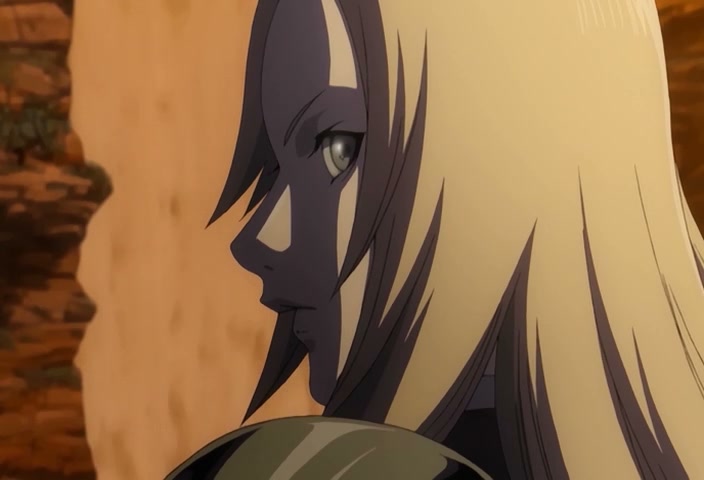
Clare begins as the weakest ranked warrior, Number Forty-Seven, and the series makes her weakness central to her identity. She is not a power fantasy. She is one-quarter Yoma rather than half, the result of having Teresa’s flesh and blood implanted rather than a Yoma’s. Her power is unstable, unpredictable, occasionally useless and occasionally capable of feats that should be impossible. This instability mirrors her psychology. She is a child who witnessed the murder of the only person who ever loved her, and that moment calcified into a singular purpose.
Her emotional arc moves from cold professionalism to vulnerability to near-total self-destruction. In the early episodes, she speaks in a monotone, refuses to be called “Claymore,” and warns Raki not to expect gentleness from her. But Raki’s open, unguarded emotion gradually draws her out. She teases him. She worries about his future. In Rabona, she prays for his safety. By the Northern Campaign, she has opened herself enough to form deep bonds with the other half-awakened warriors.
And then she nearly throws it all away. When Priscilla appears, Clare’s awakening accelerates past the point of no return. She begs Helen to kill her while she still has human consciousness. It takes Jeane’s sacrifice and Raki’s declaration of love to remind her that she exists as more than “the one who will kill Priscilla.” Her final choice to continue living, carrying the wills of everyone who died for her, is the series’ most hard-won victory.
Raki, the Human Anchor
Raki is often dismissed by viewers who find him annoying, a weak tagalong in a world of superhuman warriors. This reading misses his function entirely. Raki is the emotional counterweight to Clare’s coldness. Where she suppresses, he expresses. Where she calculates, he feels. His powerlessness is the point. In a world where “impotence is a sin,” as Easley later teaches him, Raki must find a way to matter without ever matching the physical capabilities of the warriors around him.
His strength is his refusal to abandon those he loves. When Clare is transforming in Rabona, he embraces her despite her warnings. When she tells him to flee from Ophelia, he promises to survive and become strong enough to protect her. He trains relentlessly under Easley, learning swordsmanship from the very enemy he should fear. By the finale, he has matured enough to articulate the moral horror of Clare’s vengeance spiral in words that reach her when nothing else can.
Teresa, the Lost Ideal
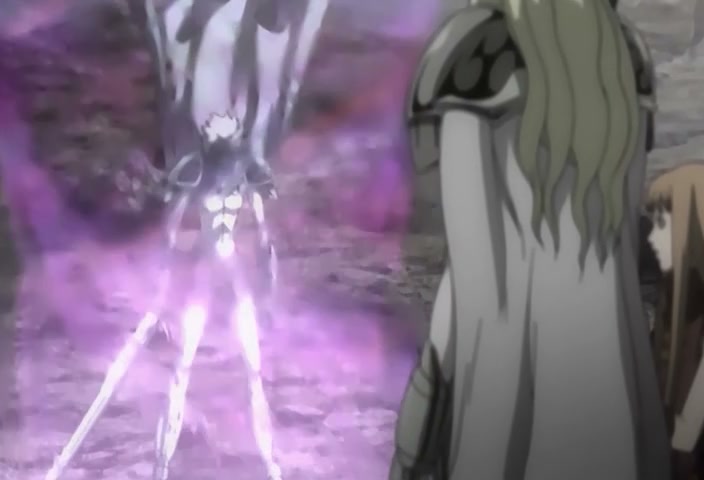
Teresa of the Faint Smile exists in the narrative as both a character and a memory, a ghost that haunts every frame after her death. Her arc is compact and devastating. She begins as a supremely confident, almost bored warrior who views her work as a transaction. She ends as a mother willing to slaughter anyone who threatens her child.
Her faint smile, initially a mark of cold detachment, becomes genuine warmth directed only at Clare. The series is explicit that the comfort flowed both ways. The small, trembling girl who reached out to share Teresa’s pain taught the strongest warrior in history that she was capable of tears. Teresa chose love over everything, the Organization, the rules, her own life, and she died smiling faintly, at peace because she had found a reason to live.
Priscilla, the Monster Who Was a Victim
Priscilla is the series’ most complex antagonist because she is also its most tragic figure. Her origin mirrors Clare’s in ways that become devastating when the two finally clash. She lost her family to Yoma. She killed her own Yoma-possessed father while he devoured her sister. She became a warrior to destroy the creatures she hated, adopting a rigid moral absolutism that left no room for nuance.
When Teresa, whom Priscilla viewed as a villain for breaking the rule against killing humans, showed her mercy by sparing her life, Priscilla’s psyche could not process the contradiction. She awakened in a storm of terror and righteous fury, becoming the very thing she dedicated her existence to destroying. Her dissociative state, where she cries for Papa and Mama even as she devours strangers, is not an excuse but an explanation. She is Clare’s mirror, and the series refuses to pretend that destroying her would be simple justice.
The Half-Awakened Quartet
The bond between Miria, Helen, Deneve, and Clare, later joined by Jeane, forms the series’ emotional backbone. Miria is the strategist, carrying the weight of the truth about the Organization and the guilt of those she cannot save. Helen is the heart, loud and brash but fiercely loyal, refusing to kill the awakening Clare despite having accepted that role. Deneve is the analyst, cool and self-experimenting, deliberately testing the half-awakening theory to understand her own condition. Their dynamic works because each serves a function in the group’s emotional ecosystem.
Jeane’s addition completes the circle of reciprocal salvation. Clare pulled her back from awakening in Riful’s lair. Jeane later does exactly the same, synchronizing her Yoki with Clare’s and dying to halt Clare’s transformation. Her final words, “Just don’t forget that there are people who want you to live, and that I’m one of them,” are the thesis statement of the entire series.
Supporting Warriors of Note
Ophelia, the Number Four, deserves particular attention. Her sadism is a trauma response, displaced grief for her murdered brother twisted into an obsession with slaughtering Awakened Beings. Her awakening and death form the series’ most compact tragedy. When she realizes she has become the monster she hunted, she screams denial, then, in a moment of shocking self-awareness, concentrates all her human tissue in her tail and challenges Clare to cut through to it. It is both a test of Clare’s worthiness and a form of suicide by proxy. She dies reconciled with her brother’s memory, finally at peace.
Galatea, the Number Three, represents the possibility of choosing conscience over obedience. Sent to retrieve or eliminate the rogue Clare, she instead aids her against Duff and Riful, then falsifies her report to the Organization. Her quiet rebellion, and her later guidance of the survivors during the final battle, mark her as someone who learned to see warriors as people rather than assets.
Flora, the Number Eight, embodies the ideal warrior. She is skilled, principled, empathetic and she dies to Rigardo’s initial strike, a reminder that goodness offers no protection against overwhelming power. Undine, the Number Eleven, hides a delicate, grieving interior beneath artificially maintained muscles, and her acceptance of help from Deneve is a small but complete arc of learning that strength need not be solitary.
Visuals and Animation
The Discipline of Darkness
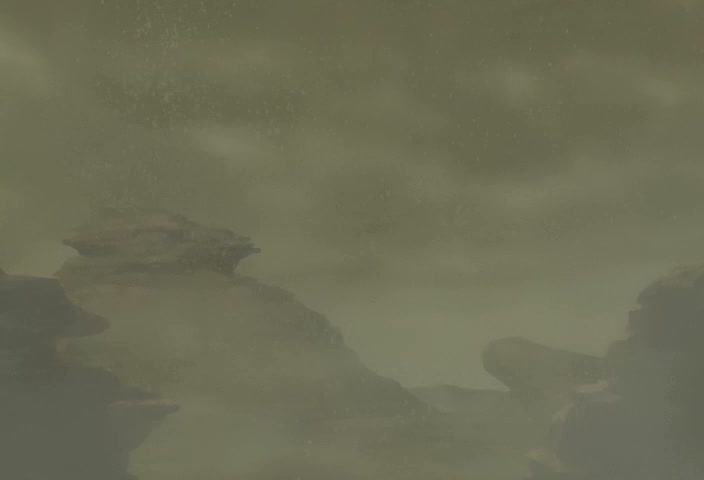
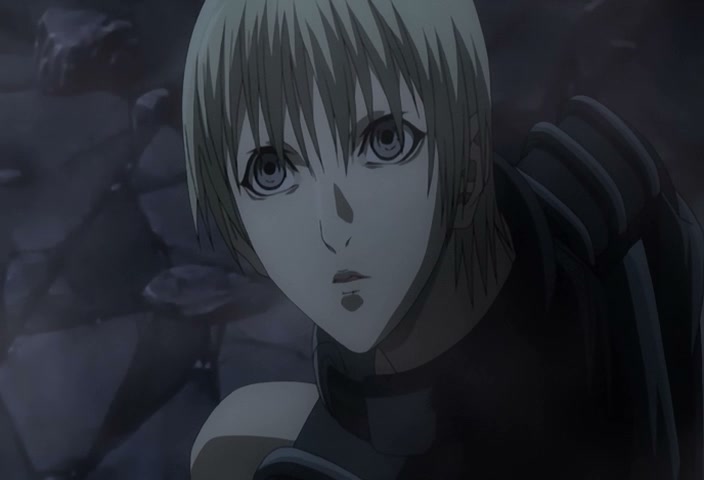
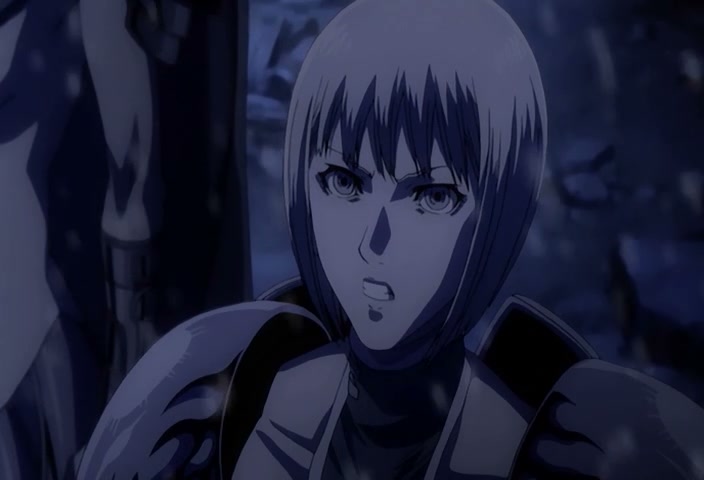
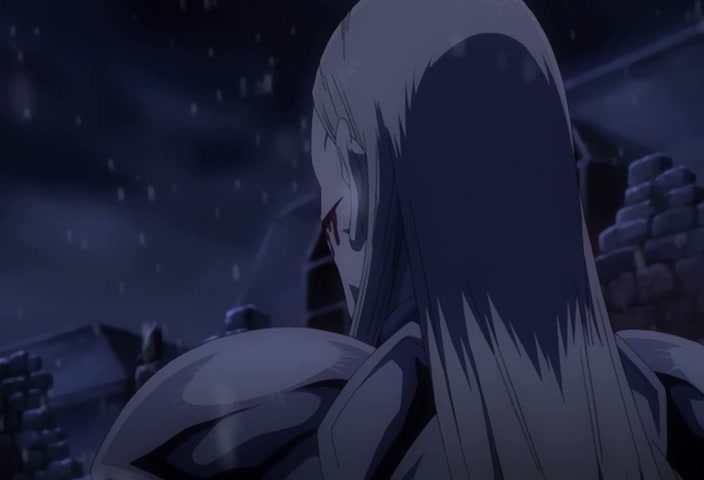
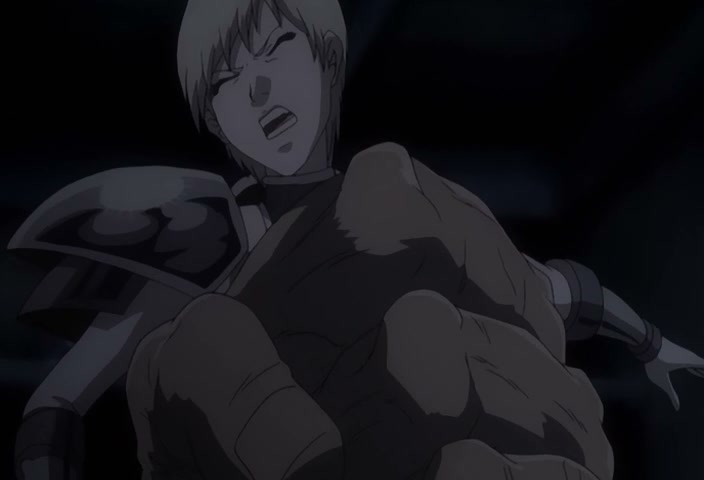
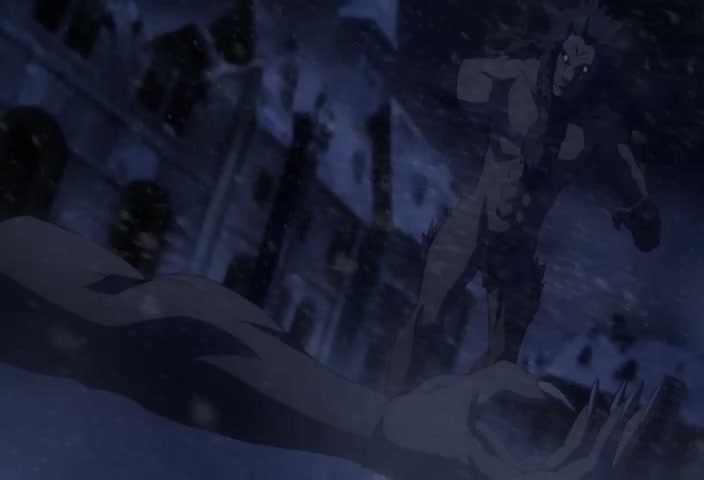
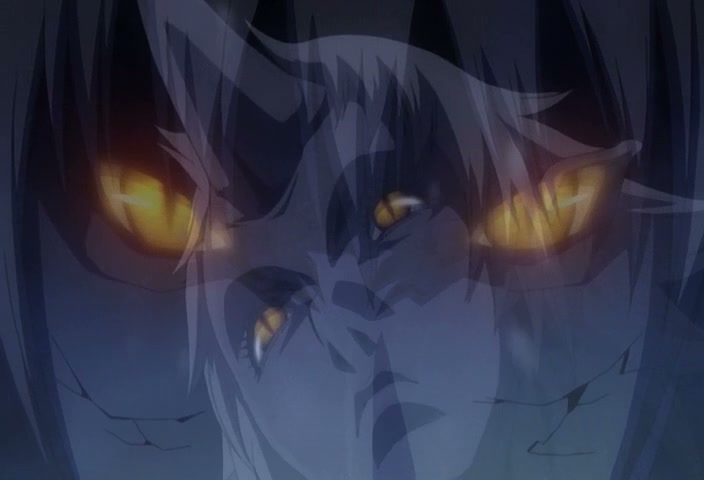
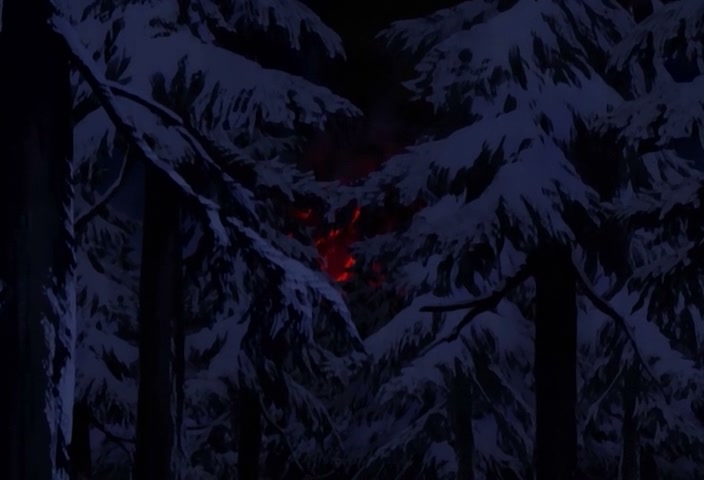
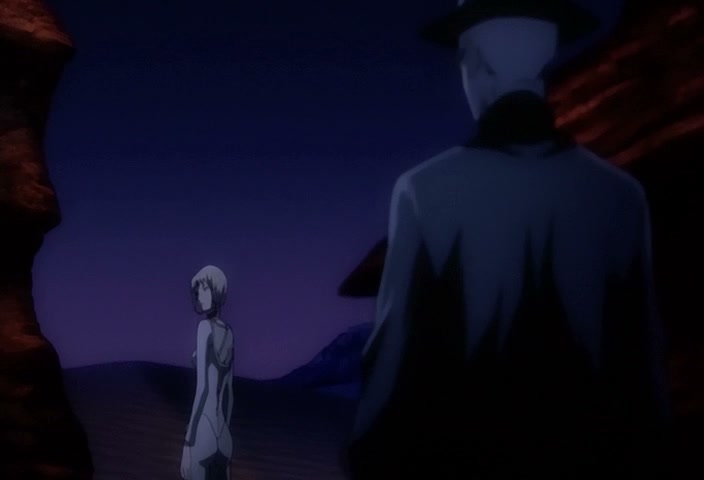
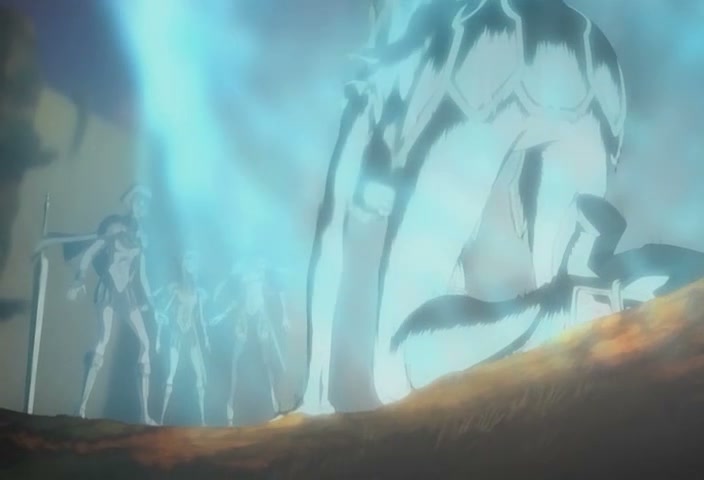
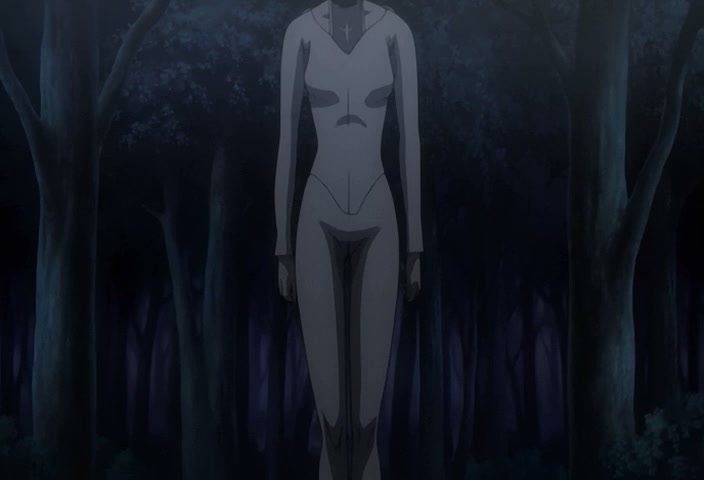
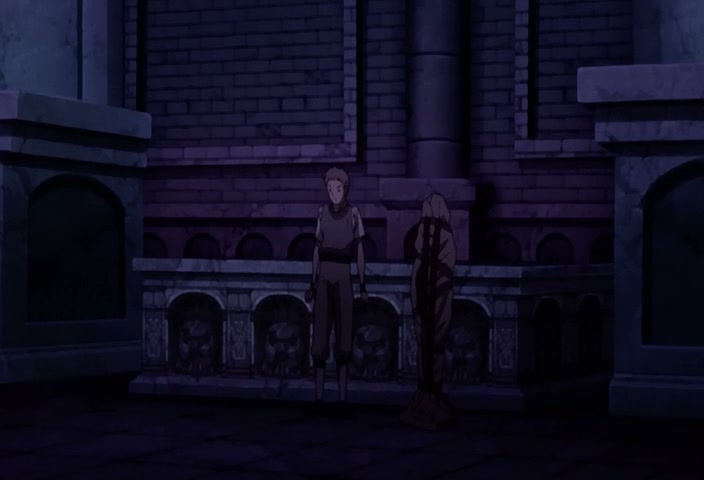
Madhouse’s production design for Claymore commits fully to a cold, desaturated aesthetic that defines the series’ identity. The color palette is strictly controlled. Steely grays, deep indigos, charcoal blacks, and muted purples dominate the frame, creating an atmosphere that feels perpetually overcast, perpetually on the edge of snowfall or nightfall. This is not a world where warmth comes easily.
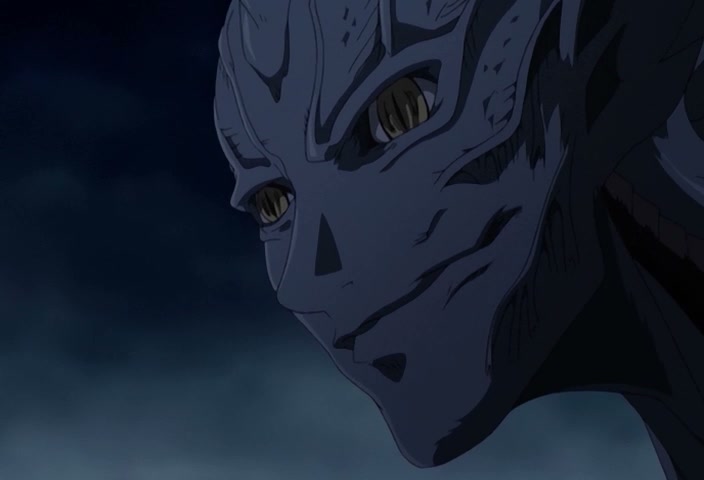
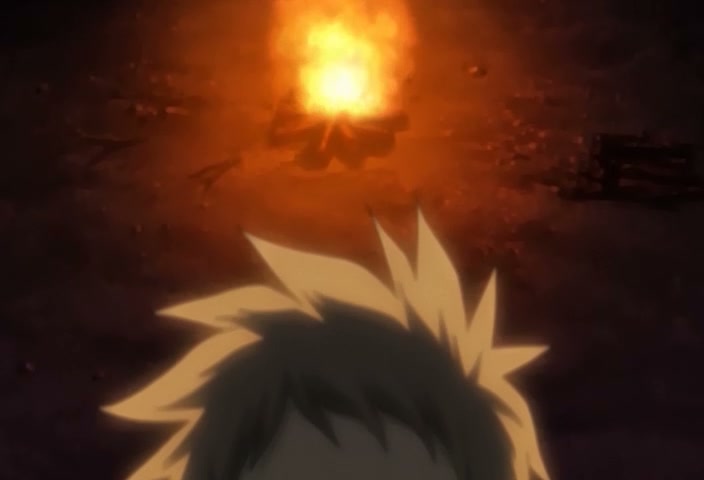
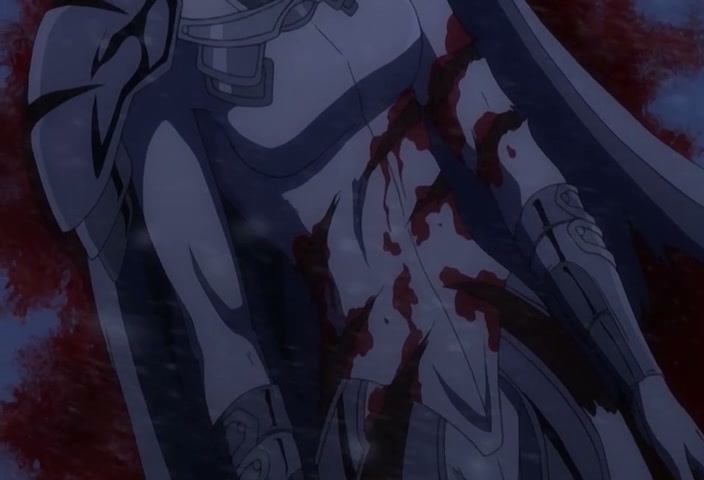
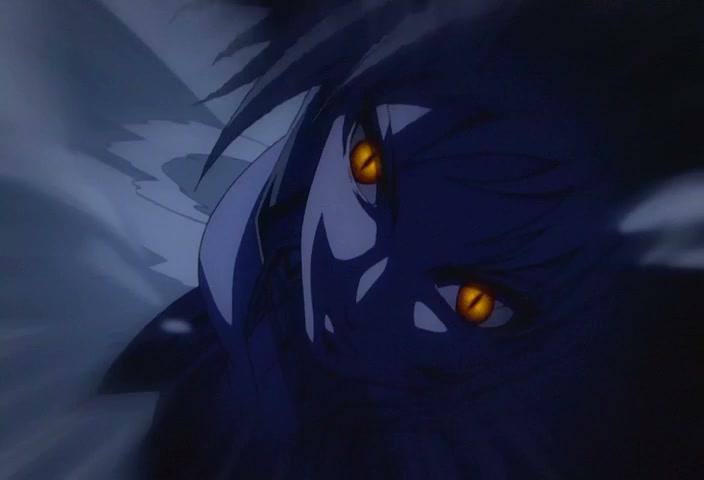
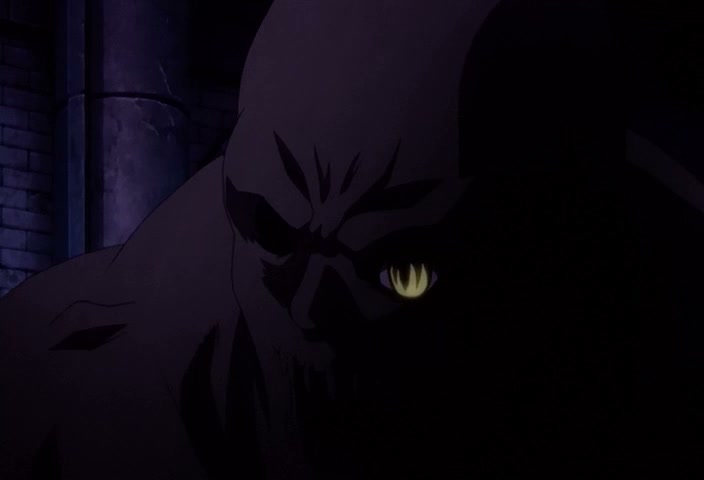
The discipline extends to how color is deployed for emphasis. The silver of the warriors’ eyes, the amber glow that overtakes them when Yoma power surges, the vivid purple of Awakened Being biology, and the shocking crimson of blood all carry amplified weight because of the monochromatic restraint surrounding them. A single splash of red against a gray winter landscape reads as violence in a way that constant saturation never could.
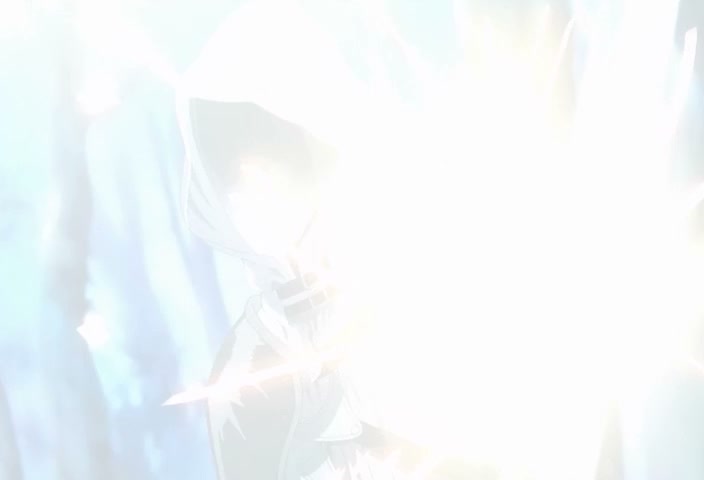
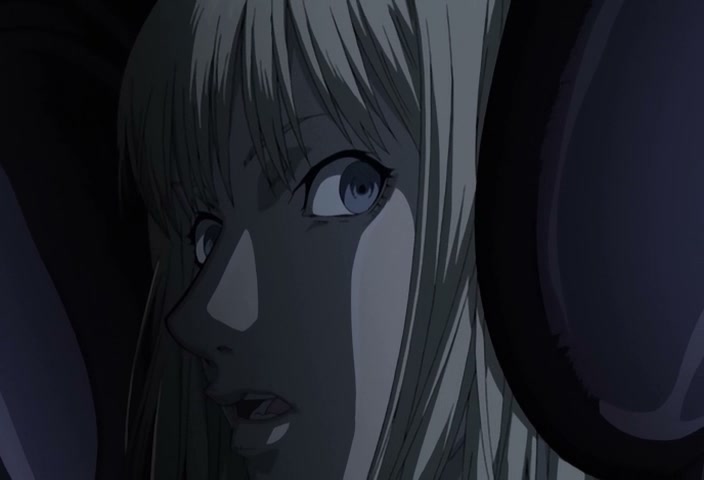
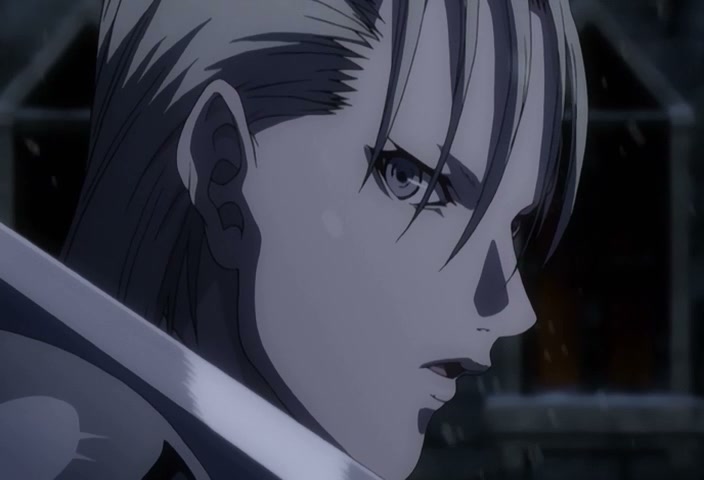
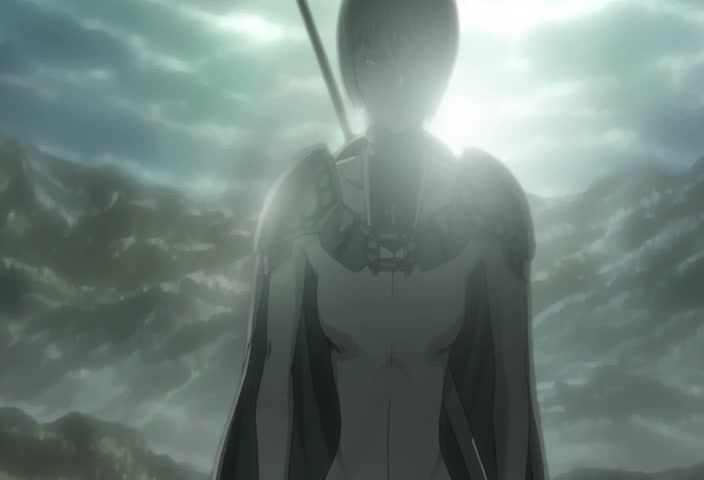
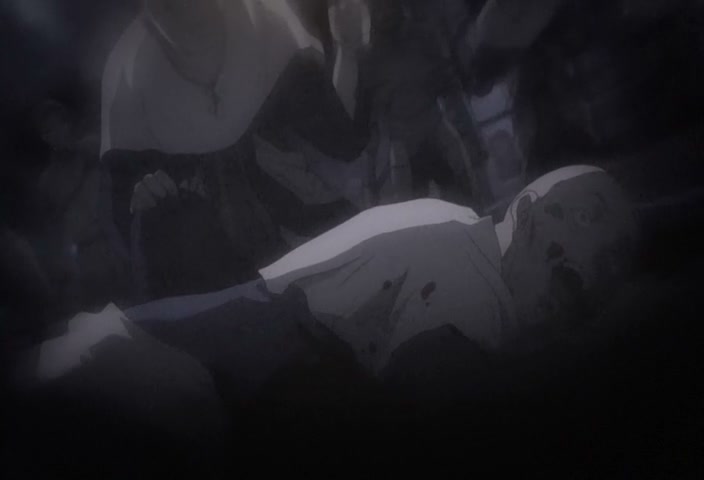
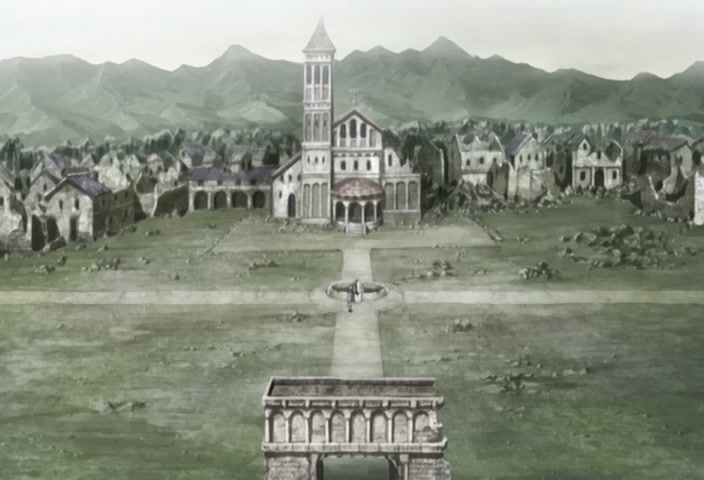
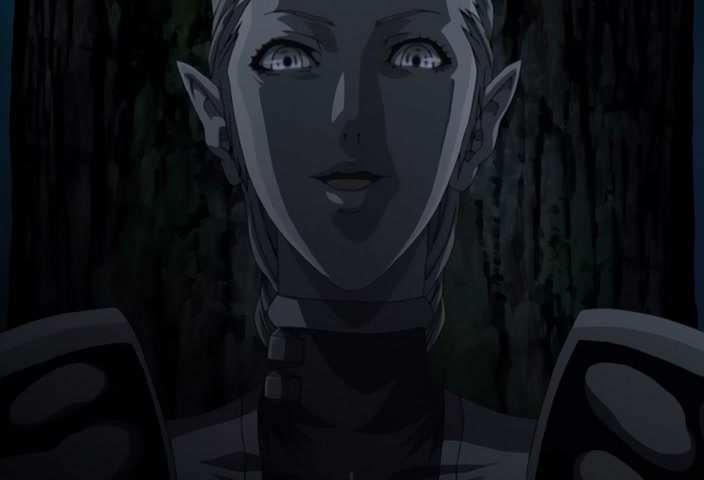
The art direction understands that darkness is not the absence of light but a presence in itself. Characters are often partially swallowed by ink-black shadows, with only a single glowing eye visible through the darkness. This chiaroscuro approach, borrowed from Baroque painting by way of gothic horror, gives the series a visual gravity that matches its emotional weight. When the “camera” pulls back for wide shots of snowy mountain passes or crumbling cathedral ruins, the landscapes feel genuinely desolate, not merely empty.
The Architecture of Faces
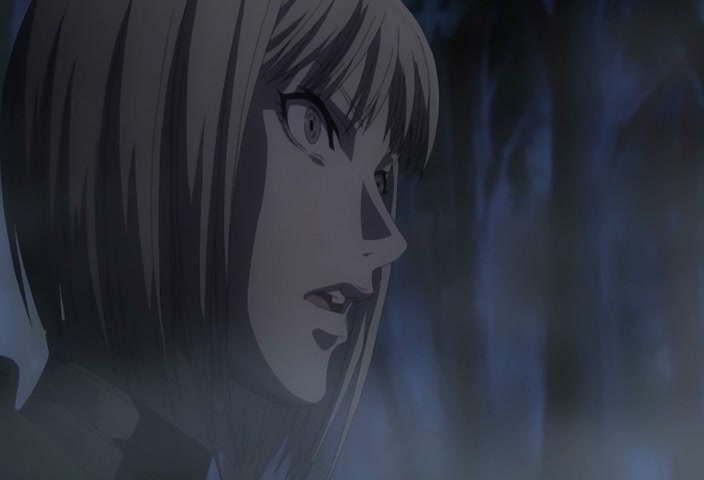
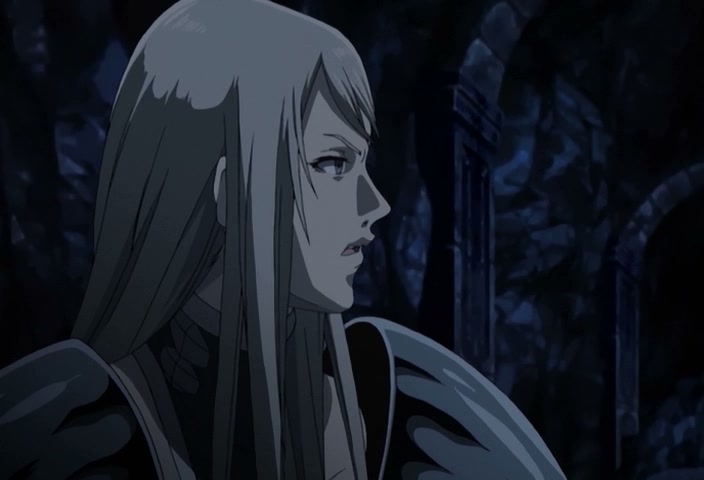
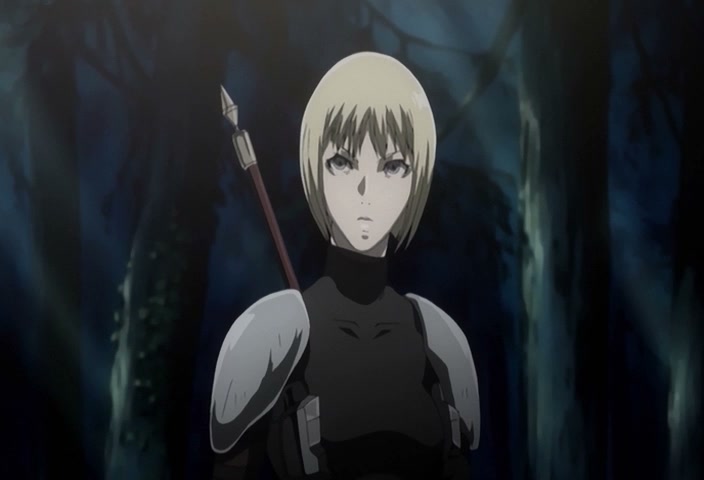
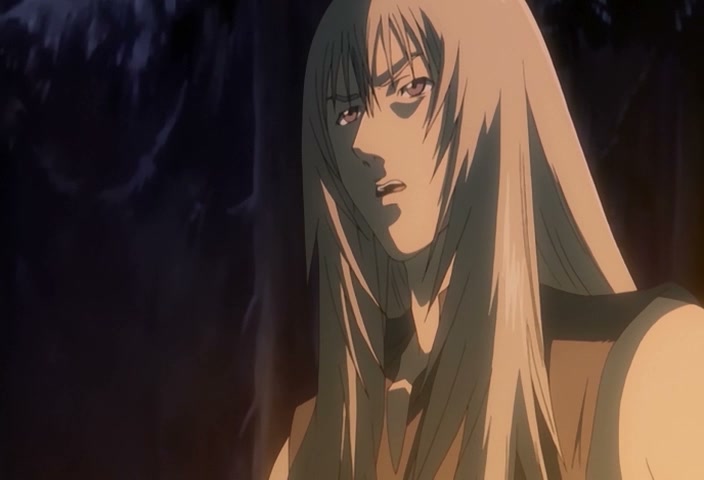
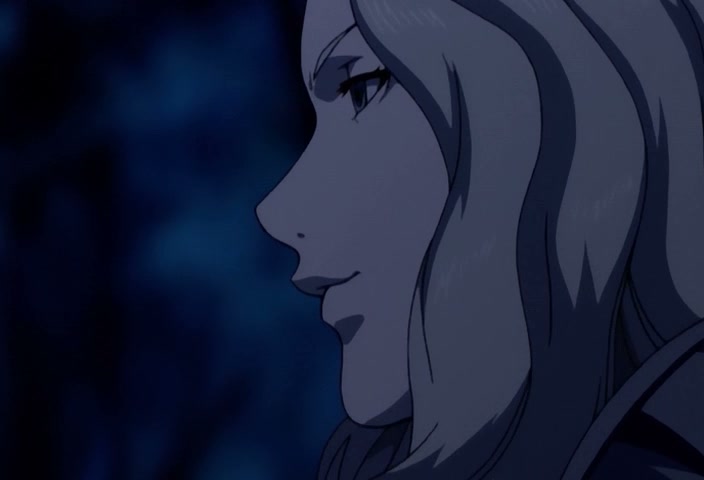
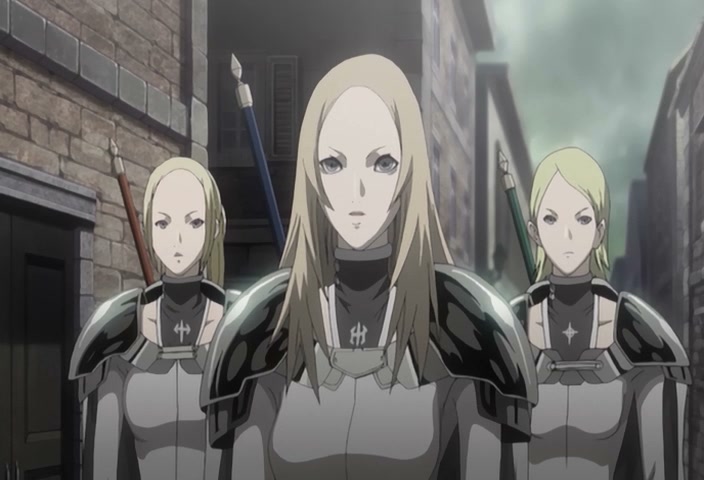
Character designs in Claymore employ elongated, angular proportions that separate the warriors from ordinary humans. High foreheads, pointed chins, narrow eyes, and slender, almost ethereal builds give the cast a quality that the scared villagers are not wrong to find unsettling. These women are beautiful, but it is a cold, alien beauty that marks them as something other.
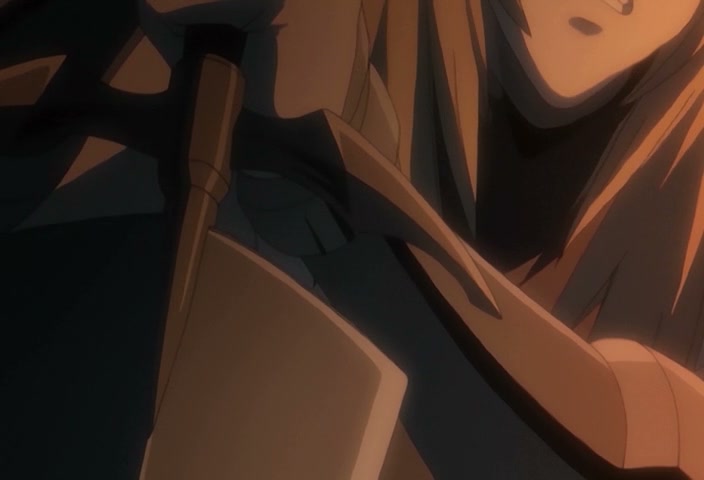
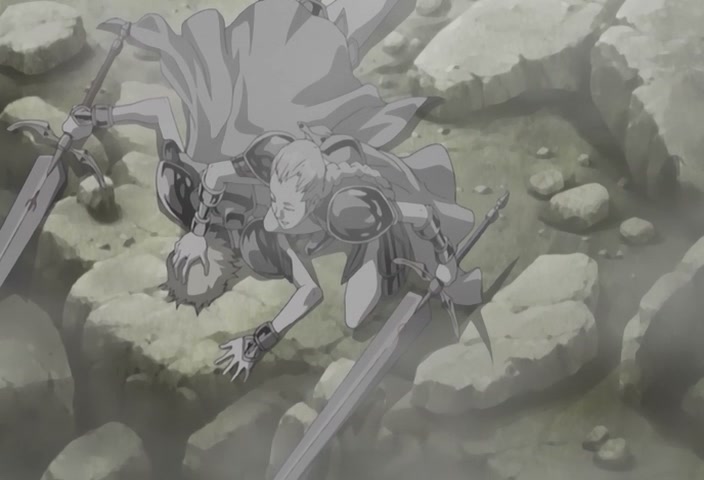
The armor design mixes organic bodysuits with hard-surface metallic plates, the highlights on the pauldrons and greaves rendered with sharp, reflective precision. When characters sustain damage, the linework becomes agitated and sketchy, hair rendered in thin, stringy clumps matted with blood or sweat. The series takes body horror seriously. Wounds are not abstract marks but visceral violations of flesh.
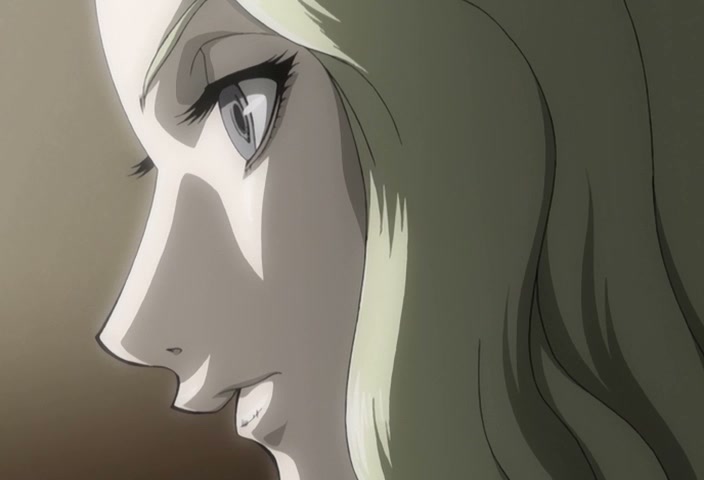
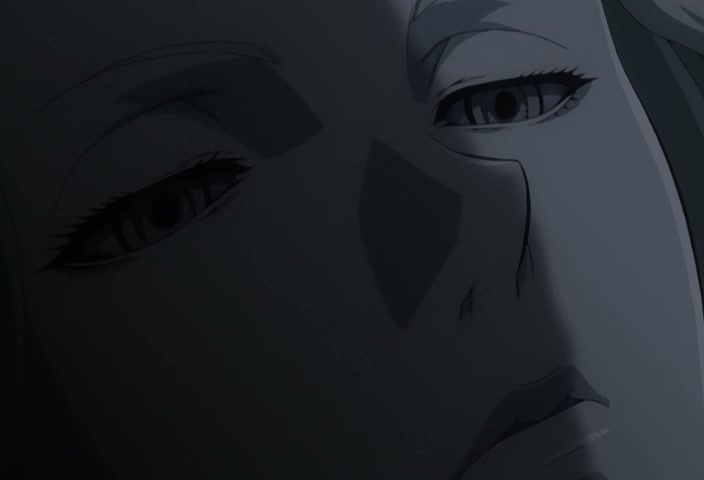
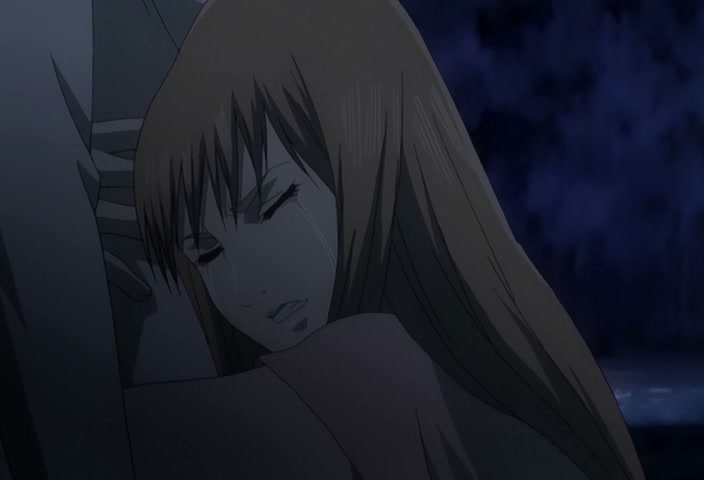
Facial expressions rely heavily on the eyes. The default state for most warriors is a guarded stoicism, and the animation trusts this stillness to communicate tension rather than attempting constant motion. When characters break, when Teresa weeps silver tears or Clare screams her hatred at Priscilla, the impact is magnified by the restraint that preceded it. The series understands that emotional release means more when characters have been holding everything in.
Cinematography and Composition
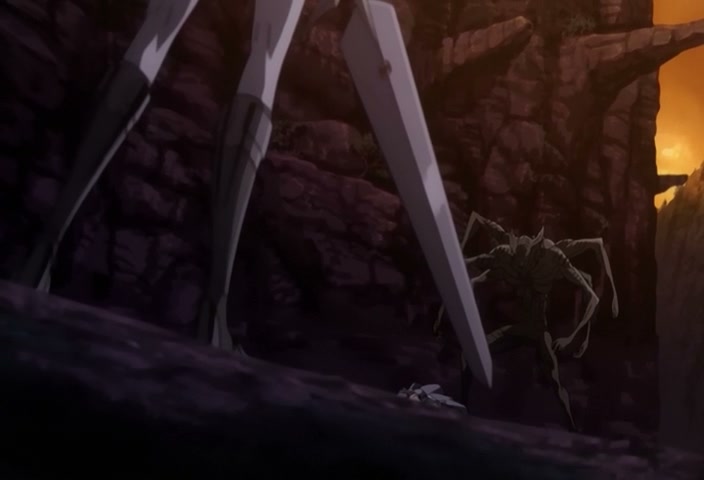
The framing throughout the series shows a sophisticated understanding of how camera placement communicates power and vulnerability. Monsters and warriors are shot from low angles that emphasize their imposing presence. Weapons and debris placed in extreme foreground, the “Sword of Damocles” approach, create immediate physical peril. Dutch angles, tight and tilted, signal shifts from calm to feral states.
The oscillation between vast wide shots and claustrophobic close-ups gives the series its rhythm. A character alone against an endless winter horizon communicates desolation. A tight crop on trembling fingers returning to human form after nearly awakening communicates fragile hope. The series knows when to let an image hold. Many of its most memorable moments are essentially illustrations, compositions held for beats to let the weight of what has happened settle.
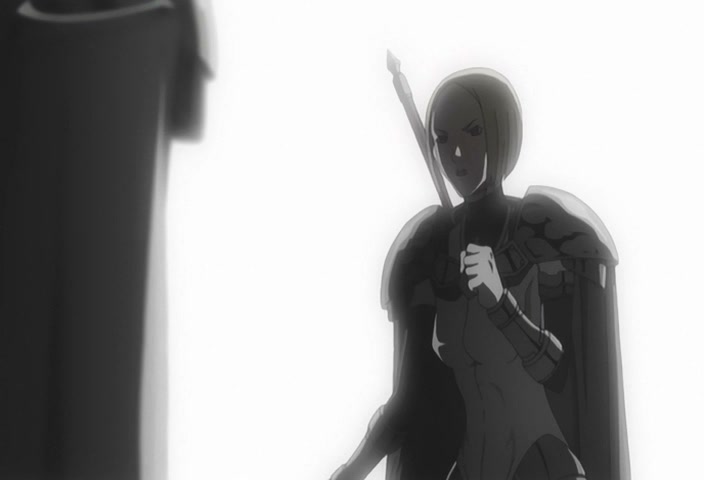
Silhouettes are used extensively and effectively. Characters reduced to black shapes against light, whether the glow of a setting sun or the bloom of Yoma energy, create iconic stills that feel like illustrations from a dark fairy tale. This is not a series that needs constant motion to maintain interest. Its visual language trusts the power of a well-composed frame.
Where the Budget Shows
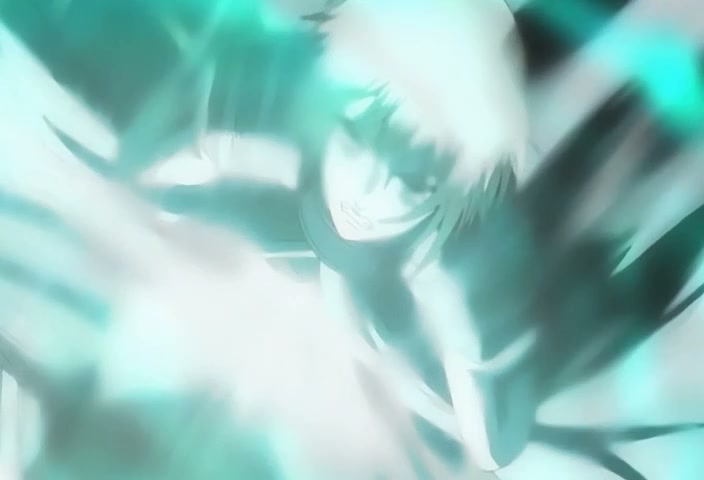
A 2007 television anime operates under constraints that modern theatrical productions do not, and Claymore‘s limitations are visible when you look for them. Mid-range character movement often relies on limited animation techniques, pans across static images, zooms into detail shots, held frames that substitute for fluid motion. Complex action sequences sometimes resolve into smears of motion lines rather than clearly legible choreography.
The compositing, the integration of characters with backgrounds, occasionally suffers from flatness. Characters can feel pasted onto painted environments rather than existing within them, a common issue in digital animation of this era. Certain nocturnal or fog-heavy scenes, while atmospherically intended, can tip into visual muddiness where “black crush” obscures finer details that might have been legible in the original production materials.
These are genuine weaknesses, but they are weaknesses of means rather than vision. The series compensates through its strength in static composition, its atmospheric discipline, and its understanding that emotional impact matters more than frame count. A held shot of Clare’s expressionless face, communicating volumes through immobility, is not a budget-saving shortcut. It is a directorial choice that fits the tone. The stiff, weightless transitions that occasionally plague action scenes, by contrast, are the budget showing through.
The distinction matters because criticizing a 2007 TV anime for not having 2024-level animation fluidity misunderstands the production context. Claymore looks as good as it does because its designers understood their constraints and built an aesthetic that works within them. The series is visually memorable not despite its limitations but because of how intelligently it navigates them.
Sound and Music
The sonic landscape of Claymore matches its visual discipline. The soundtrack favors choral and operatic elements for moments of epic scale, swelling voices that give the battles an almost liturgical weight. Quieter scenes employ sparse, atmospheric pieces that trust silence as much as sound. The direction understands that the absence of music can be more powerful than its presence, and many of the series’ most affecting moments play out against minimal or absent scoring.
The opening theme, “Raison d’être” by Nightmare, sets the tone with driving rock energy that captures the series’ forward momentum and underlying desperation. The ending themes provide necessary decompression, gentler melodic lines that allow the emotional weight of each episode to settle before the credits finish.
Voice acting across the cast is strong. Clare’s performance in Japanese requires navigating a narrow emotional band, from monotone professionalism to barely suppressed grief to full-throated rage, and the work holds that range convincingly. Teresa’s voice carries exactly the right mix of aristocratic boredom and genuine warmth. Raki’s performance communicates youthful vulnerability without becoming grating, a balance that the character requires to function. The Awakened Beings are given vocal textures that suggest something fundamentally wrong, registers that hover between human speech and something deeper and more resonant.
Sound design for combat emphasizes impact. The clash of the massive claymore swords carries weight, and the wet, organic sounds of Awakened Being transformations and injuries ground the horror elements in physical reality. The series never lets you forget that the beautiful monsters are made of flesh, and flesh makes sounds when it tears.
Overall Verdict
Claymore is a series that rewards patience and punishes distraction. Its slow-burn approach to character development, its willingness to let silence and shadow do the work that lesser shows assign to exposition, and its refusal to offer easy catharsis for its central tragedies will not appeal to viewers seeking constant stimulation or unambiguous victories. For those willing to meet it on its own terms, however, it offers something rare: a dark fantasy that earns its darkness through genuine engagement with grief, trauma, and the desperate human need for connection.
The series’ greatest achievement is making its quiet affirmation of life feel earned after twenty-six episodes of relentless loss. Clare does not defeat Priscilla. She does not avenge Teresa. The Organization remains unchallenged. What she gains instead is the recognition that she carries the wills of everyone who died so she could continue, and that living as a human, connected to other humans, is itself a form of victory.
The half-awakened warriors who survive the Northern Campaign go their separate ways, scattered but bound by shared secret and mutual promise. The chain of transmission continues, Teresa to Irene to Clare to Jeane, and now forward into an uncertain future where the only certainty is that they will carry each other’s memories with them.
This series earns its place in the dark fantasy canon. It belongs alongside works that understand that the truest monsters are not the ones with claws and fangs, but the systems that create suffering and the hatreds that consume from within. It is a series about women who were made into weapons and chose to remain people. It deserves to be remembered.
Recommended for: Fans of character-driven dark fantasy, viewers who appreciate atmospheric storytelling over constant action, anyone who has ever loved Berserk and wanted something that understands why Berserk works. Not recommended for: Viewers seeking light entertainment, those who need constant plot momentum, anyone uncomfortable with body horror or extended sequences of psychological suffering.
The silver-eyed witches walk on. They carry their dead with them. And they keep moving. That is what the series is about.
Gallery