



Introduction
Some anime are loud and brash, demanding your attention with flashy battles and world-ending stakes. Others whisper. Urara Meirochou belongs firmly in the second camp, yet what it whispers is surprisingly resonant. This twelve-episode series from 2017 is a slice-of-life fantasy set in a walled city where young women train as diviners, or urara, borrowing power from invisible gods to guide the lost. The premise sounds gentle, almost sleepy, but beneath the tea ceremonies and fortune-telling lies a story about loneliness, ambition, and the quiet ferocity of found family.
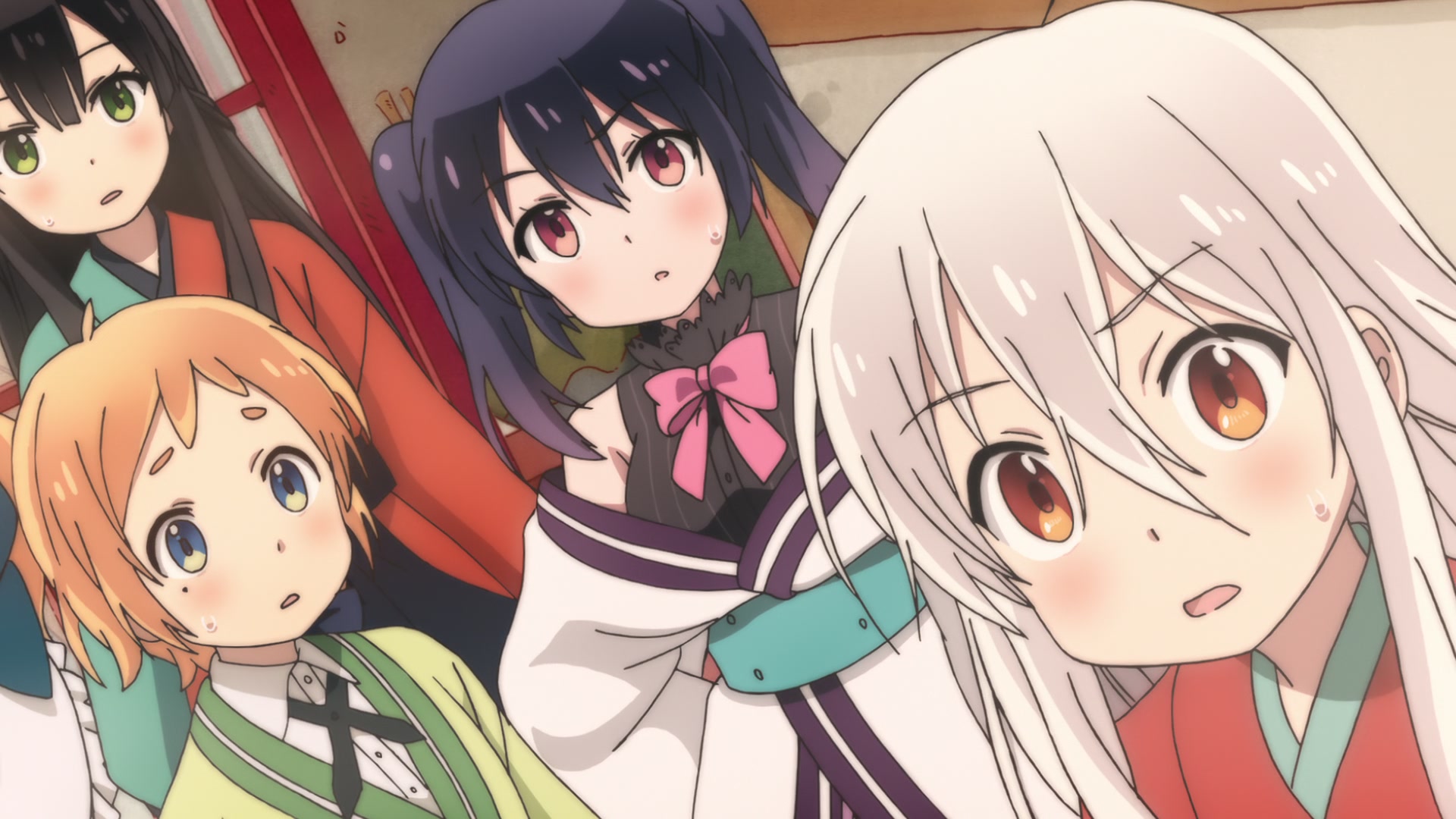
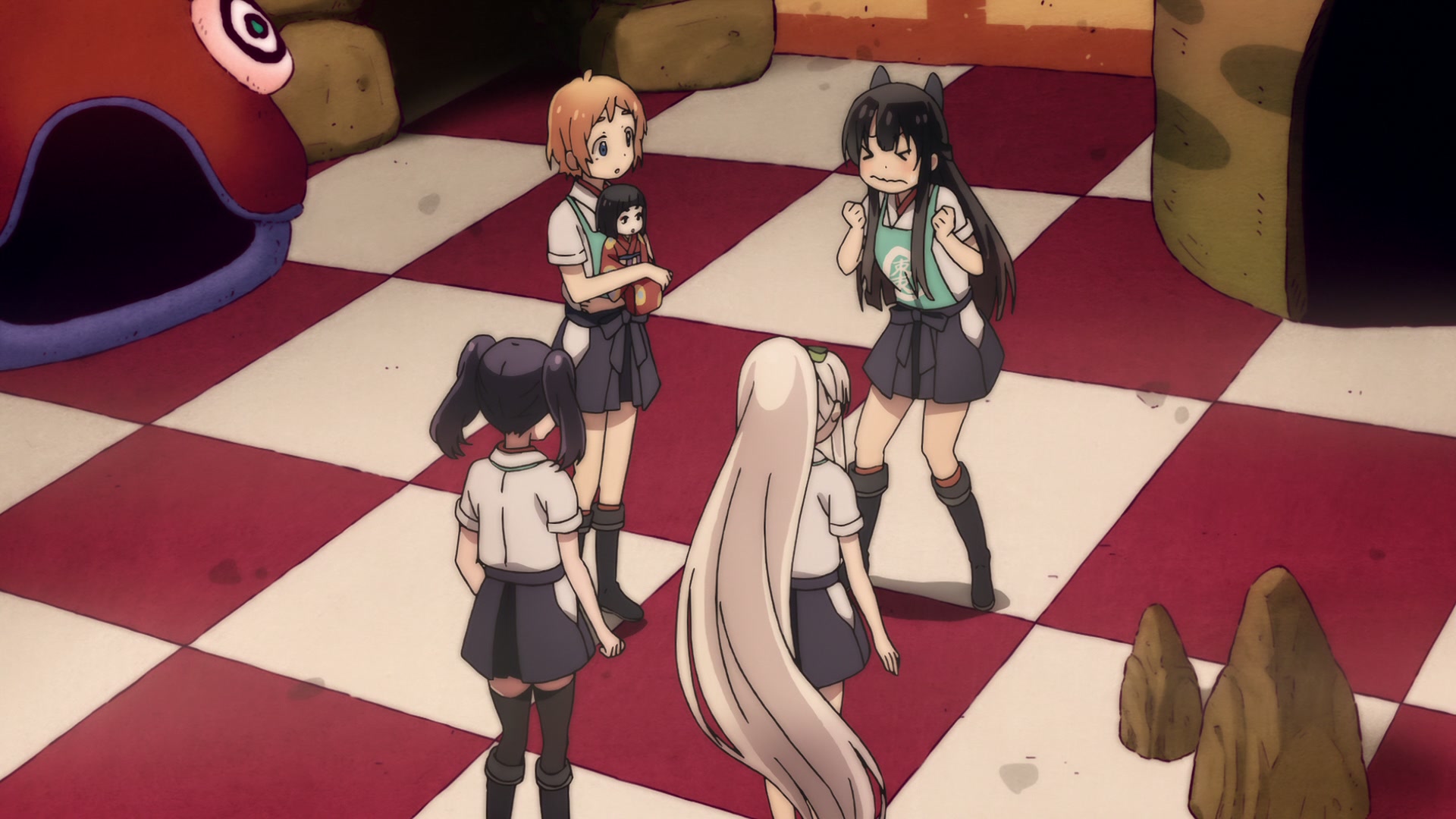
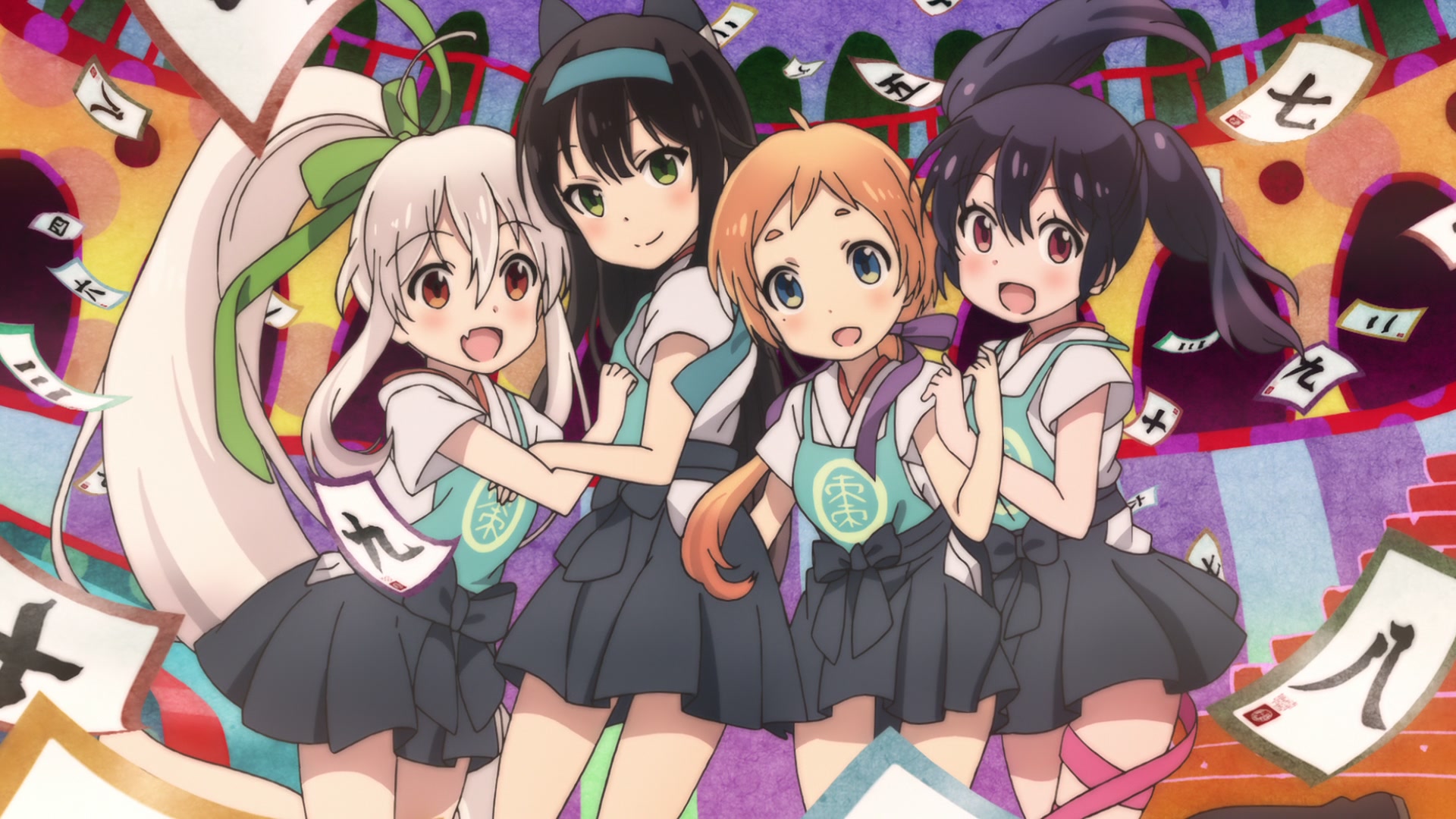
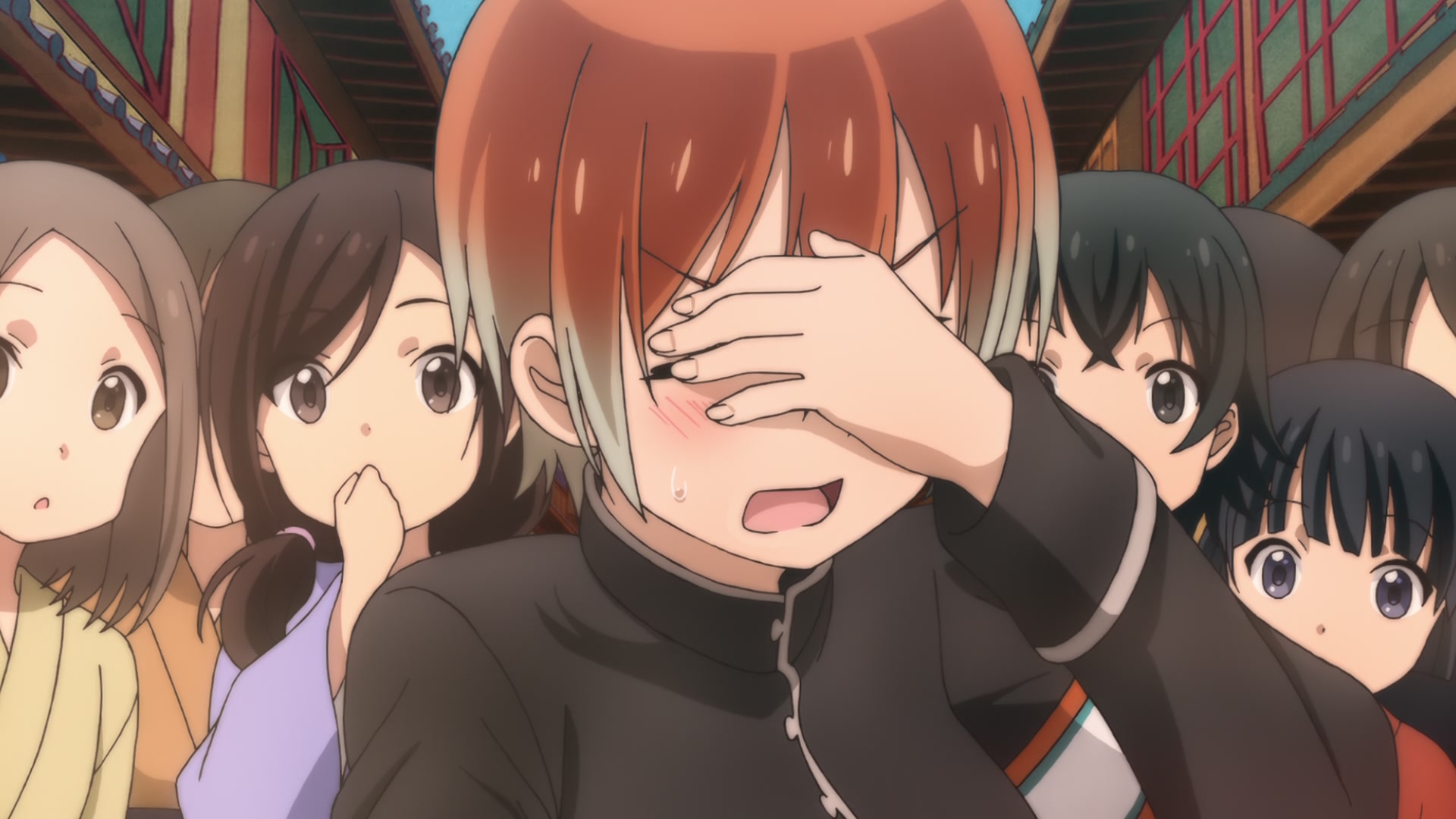
The series follows four fifteen-year-old girls who come to live and study at Natsume-ya, a tea house in the Tenth District of Labyrinth Town. Chiya is a feral mountain child who can’t read a room but can befriend any animal. Kon is a studious fox-eared girl drowning in books and self-doubt. Koume is a wealthy heiress who models herself after French witches, all flair and hidden vulnerability. Nono is the proprietor’s younger sister, so painfully shy she once spent an entire afternoon hiding behind her sibling without anyone noticing. Over the course of a season, they stumble through divination lessons, butt heads, comfort each other, and eventually face a high-stakes exam that pushes their bond to its limit.
I came to this show expecting a cozy comfort watch, something to relax with after a long day. I finished it genuinely moved, surprised by how much emotional weight had accumulated under its pastel surface. If you appreciate stories about friendship that treat their characters with real tenderness, or if you’re drawn to Japanese folklore woven into everyday life, this is a gem worth digging up.
Story and Themes
Labyrinth Town is a city of gates. Urara are ranked from ten to one, and each promotion grants passage into a higher district. For Chiya, whose missing mother is supposedly somewhere in First District, every rank she climbs is a step toward reunion. This gives the series a clear, emotionally grounding goal, but the narrative rarely feels like a breakneck race. Instead, most episodes settle into a comfortable rhythm: a lesson on a new divination technique, a comedic misadventure, and a small, heartfelt revelation.
The early episodes establish this pattern. The girls bungle an errand at a supply shop, get caught in a thunderstorm, celebrate a festival, and nurse Chiya through her first cold. These everyday incidents are not filler, though. Each one builds the group’s dynamic and deepens their understanding of themselves. Chiya’s cheerful refusal to treat bad luck as anything but an adventure, for instance, directly challenges Kon’s tendency to catastrophize. By the time the story pivots to the ninth-rank promotional exam in its final third, you’ve watched these characters earn each other’s trust a hundred small ways, so the high tension actually matters.
Thematically, the series is fascinated by the unknown and our relationship to it. Urara are trained to divine the future, but the show makes it clear that divination is not about certainty. It’s about hope. Nina, their teacher, frames incantations as heartfelt prayers, not rigid spells. When the girls fail a star divination and worry about their prospects, Koume drags them out for sweets because “there’s no use crying over spilled milk.” The series argues that uncertainty is not a curse but an invitation, and that carrying a mystery is like holding an unopened treasure chest.
This dovetails with the deeper mystery around Chiya’s mother, Yami, and the forbidden taboo of seeing the gods. Urara are forbidden to divine the true forms of the gods on pain of losing their powers. Chiya, however, can see them naturally, a gift she first mistakes for monster sightings. Her ability frightens the otherworldly entities who harass her, and they call her “daughter of the traitor urara.” The series teases a larger mythology here, but wisely refuses to resolve it within these twelve episodes. The resulting open-endedness feels intentional rather than incomplete, a mystery that mirrors life’s own unresolved longings. By the finale, Chiya knows her mother’s name and that her mother is hated by the gods, but not where she is. That’s okay. The journey has just begun.
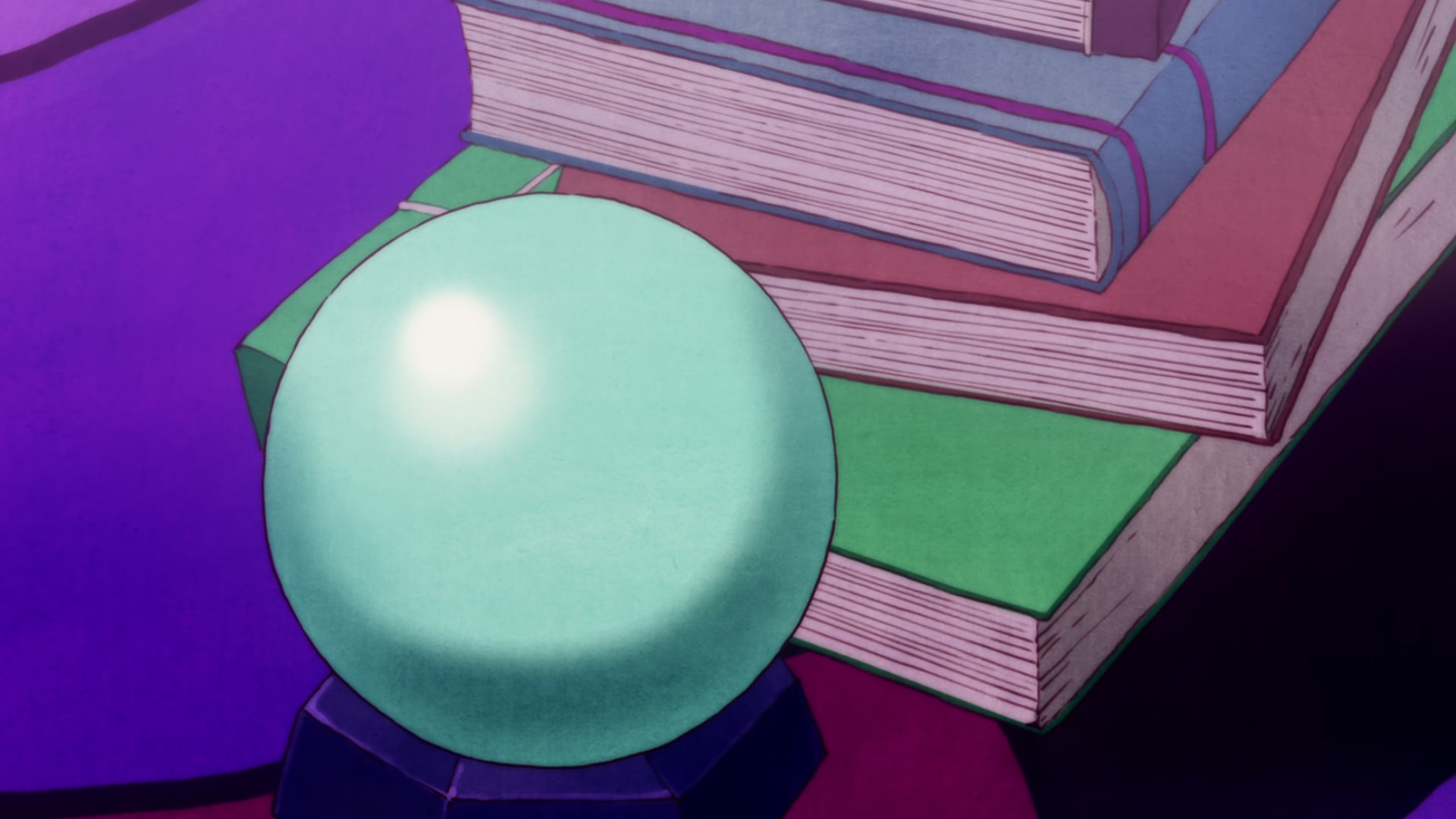
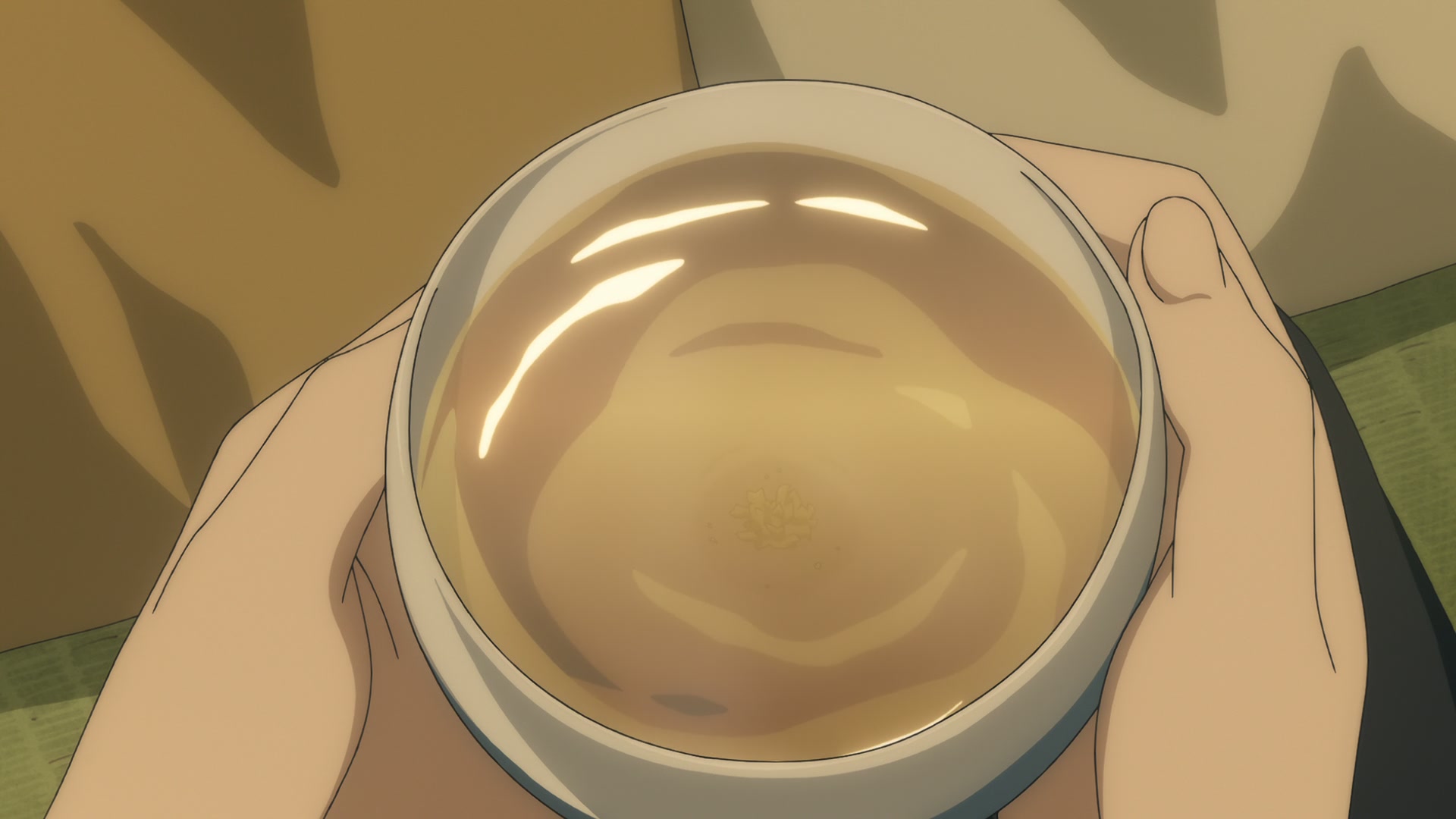
Culturally, Urara Meirochou is steeped in Japanese folk tradition. The divination techniques on display range from tea-leaf reading (tasseography) to Kokkuri, a ritual that summons a fox spirit using a coin and a written grid. Mole reading, pendulum dowsing, crystal gazing, and astrology all appear, each with distinct incantations and protocols. The urara hierarchy, complete with tea houses, apprenticeship, and licensed emblems, feels like a clever mashup of geisha districts, shrine maiden traditions, and craft guilds. The Wedding Kimono Festival, during which girls dress as brides to catch a god’s attention, draws on concepts of kami musubi, divine union. These elements give the setting a lived-in texture that grounds the fantasy.
Regarding adaptation, I have not read the source manga, so I cannot speak to what might have been compressed or omitted. Standing alone, the anime tells a coherent and emotionally satisfying story. The pacing accelerates in the final arc, packing the exam and its fallout into a few episodes, but the earlier establishment of the girls’ bond ensures it never feels rushed. If anything, the series leaves you wanting more, which is the mark of a successful adaptation.
Characters
The cast is where Urara Meirochou truly shines. Each of the four leads is given a distinct voice, a personal wound, and a trajectory of growth that unfolds organically across the season.
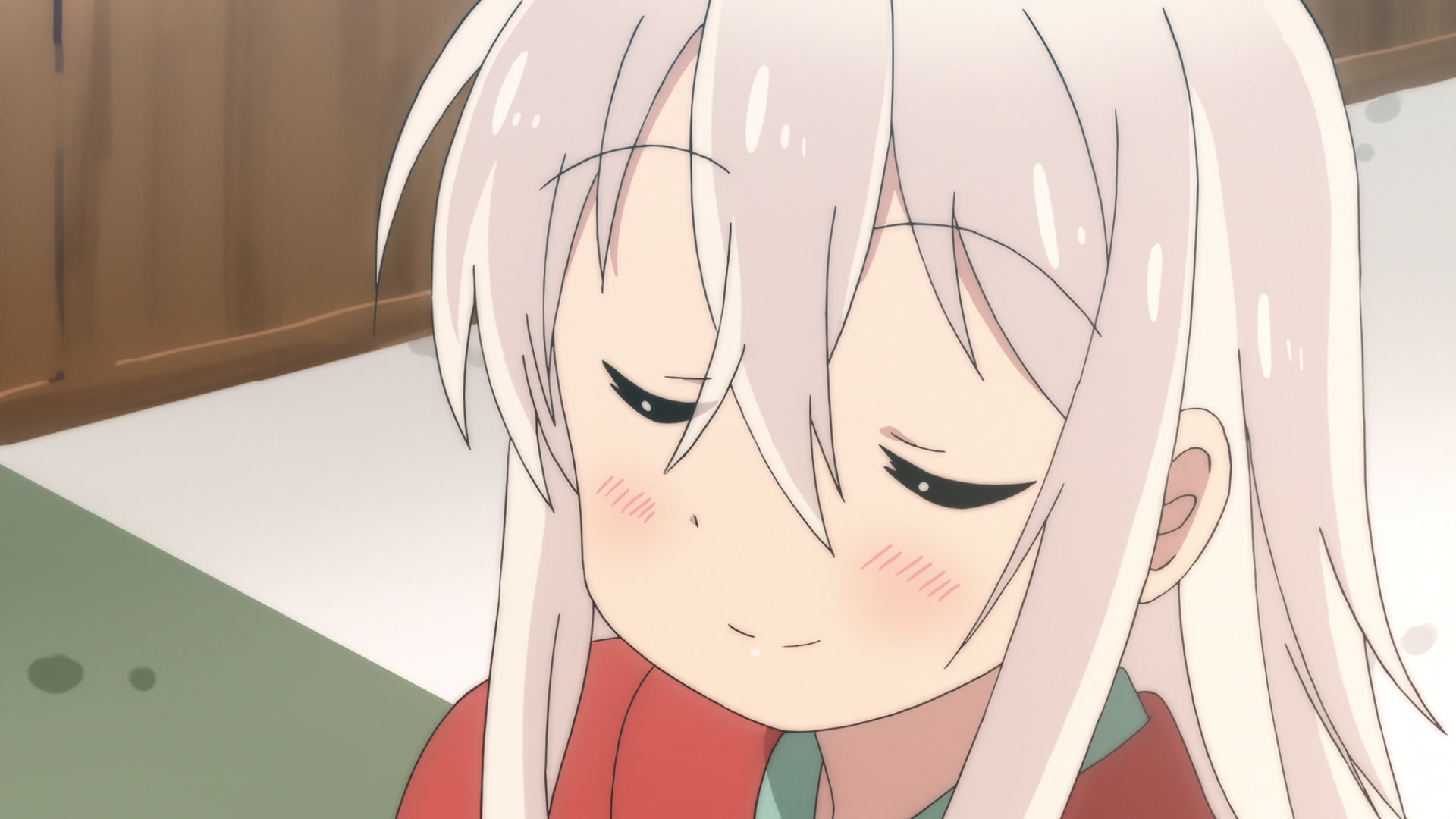
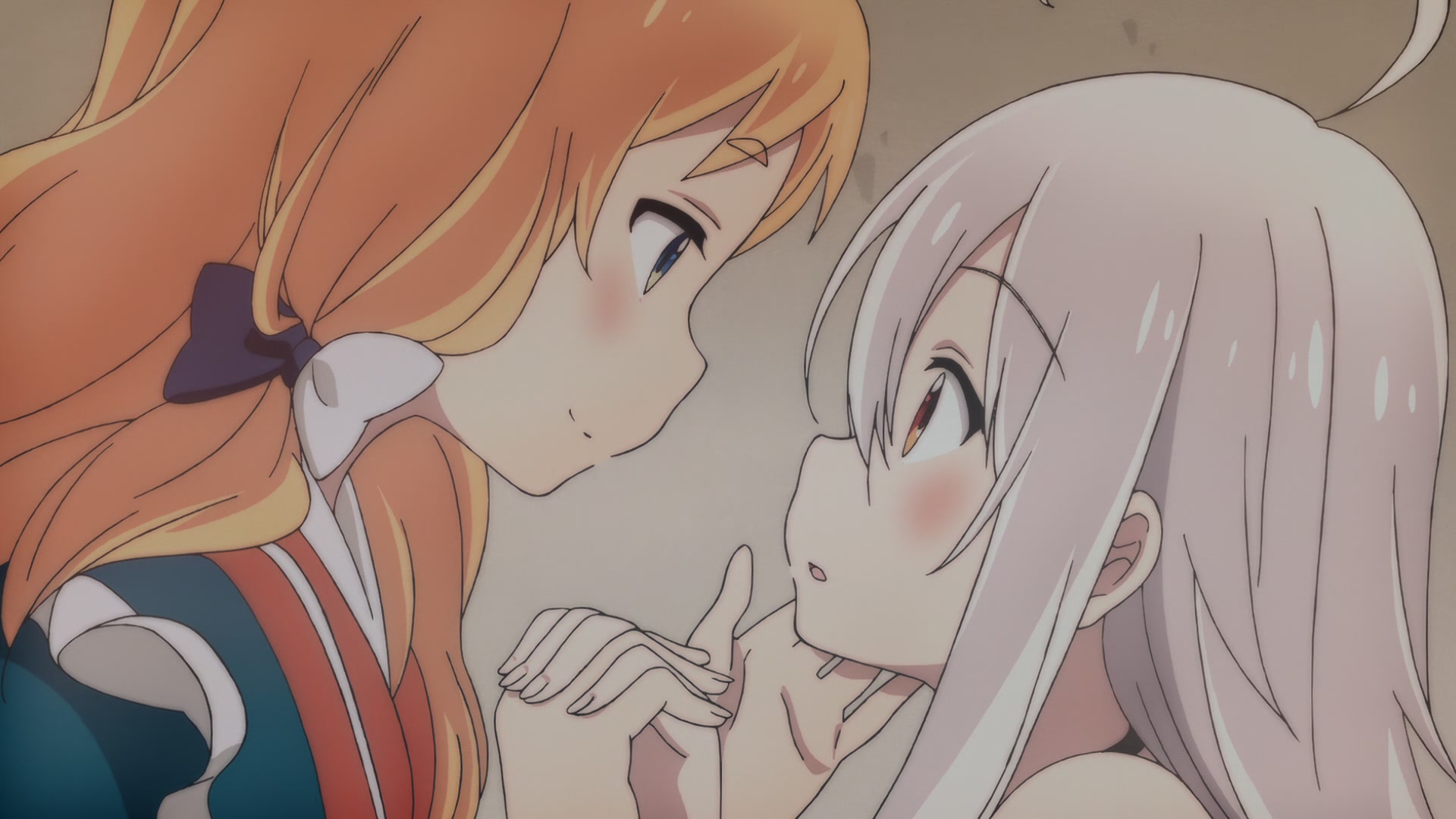
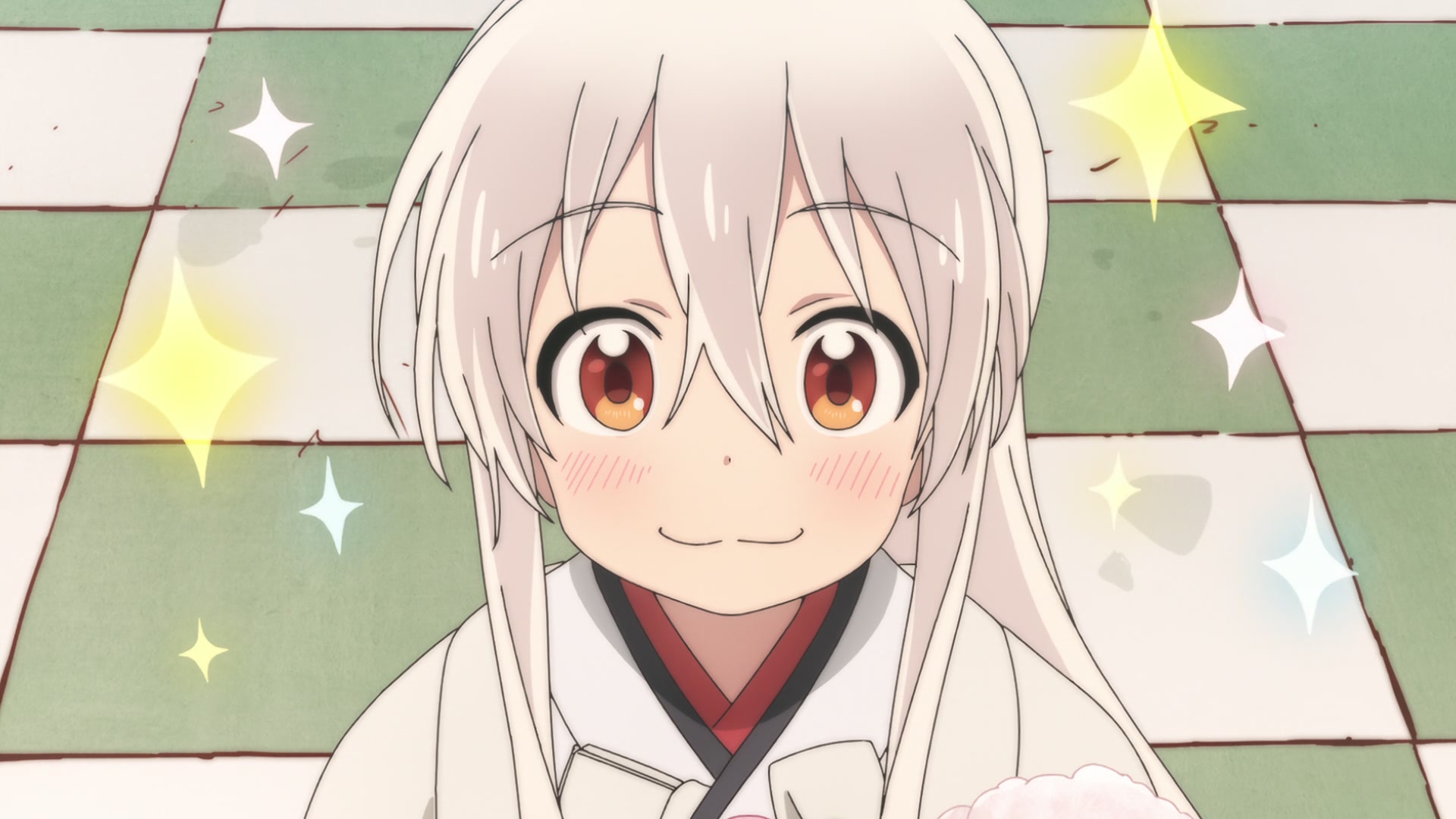
Chiya is a walking incarnation of id. Raised in the mountains by a guardian named Setsu, she arrives in Labyrinth Town knowing nothing about civilization. She apologises by flashing her belly, strips without shame, and treats the city like an extension of the forest. Her lack of social conditioning could easily be grating, but the series uses it to highlight her emotional honesty. Chiya feels what she feels without filter. When Kon cries, Chiya climbs into her futon and wraps around her like a puppy. When hostile spirits threaten to erase her, she asks them what they want in the same breath she scolds them for interrupting her exam. Her optimism is not naivety; it’s a conscious choice to face the unknown with a smile. Her arc is about finding her own way to divine, which she finally achieves in the labyrinth through her bond with Kurou, a mysterious black creature that may be a god. Chiya’s longing for her mother and her fear that she might be a “traitor’s daughter” add a layer of melancholy to her sunniness.
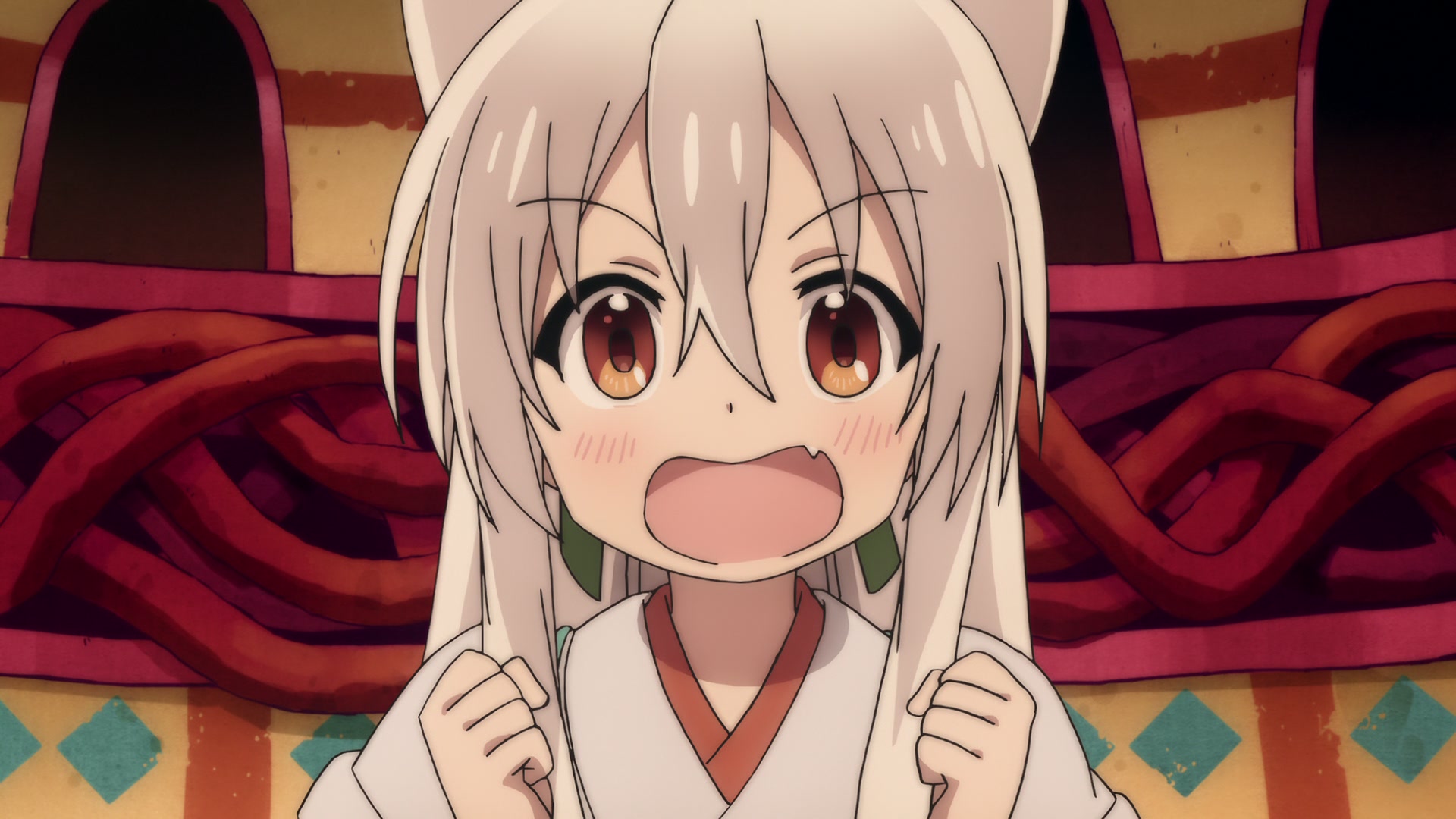
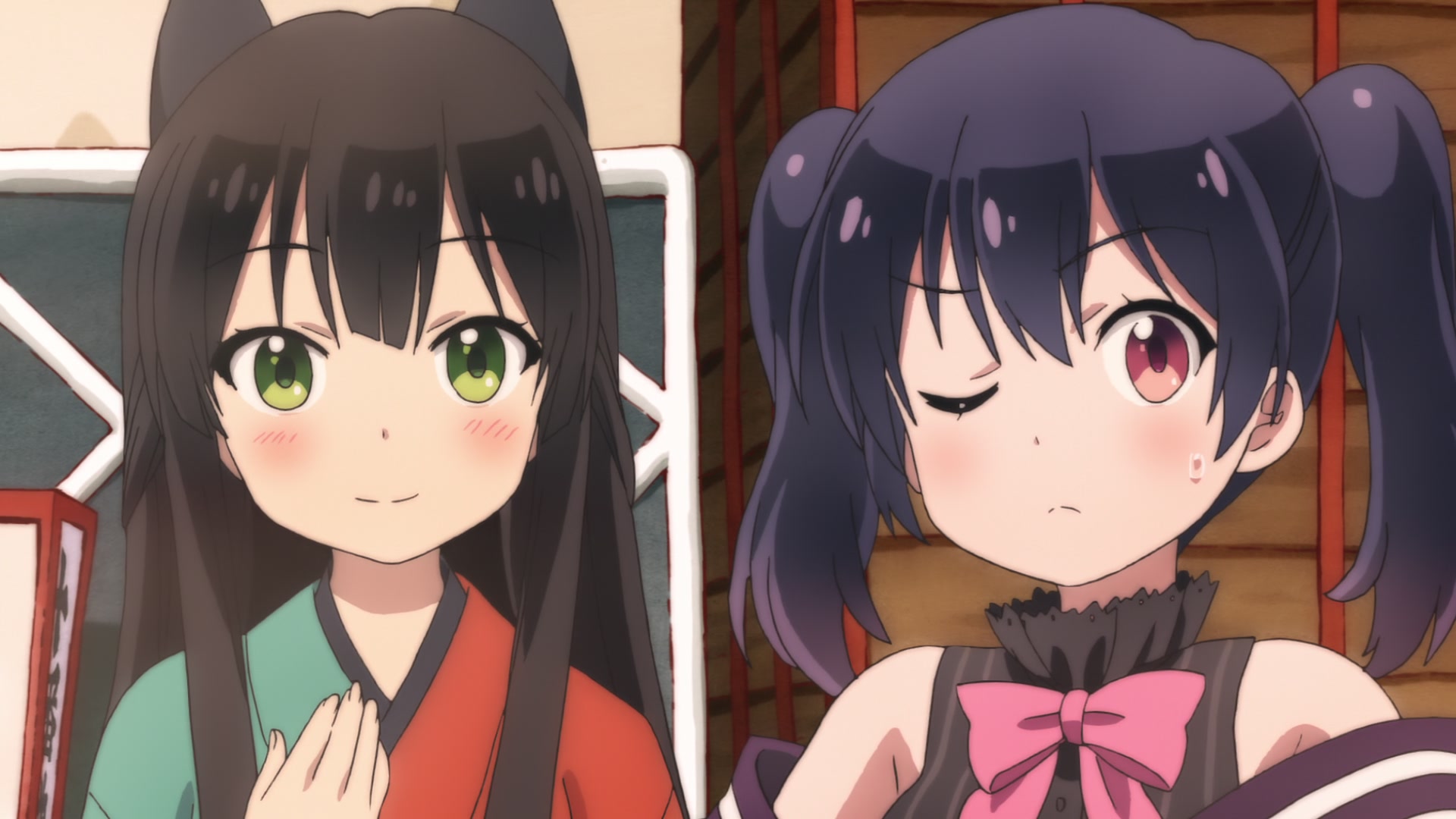
Kon is Chiya’s opposite in almost every way. The daughter of a distinguished second-rank urara, she has spent years studying alone, memorizing incantations and dreaming of friends she never had. She is fiercely intelligent, a perfectionist, and profoundly insecure. Her fox-ear-shaped ribbon is a constant source of comedic torment, but also a symbol of her identity crisis: she is associated with foxes because of her family’s Kokkuri specialty, yet she insists she is not a fox. Her emotional arc is the most relatable for anyone who has ever felt overshadowed by a naturally gifted peer. She is jealous of Chiya’s ability to see gods without training, and she confesses this to Nina with tears. Nina’s response, that even she would want to be chosen, validates Kon’s feelings and reframes rivalry as a normal, even motivating force. Kon’s growth lies in learning to lead without needing to be the best, and in trusting her friends’ unorthodox methods when her own meticulousness fails.
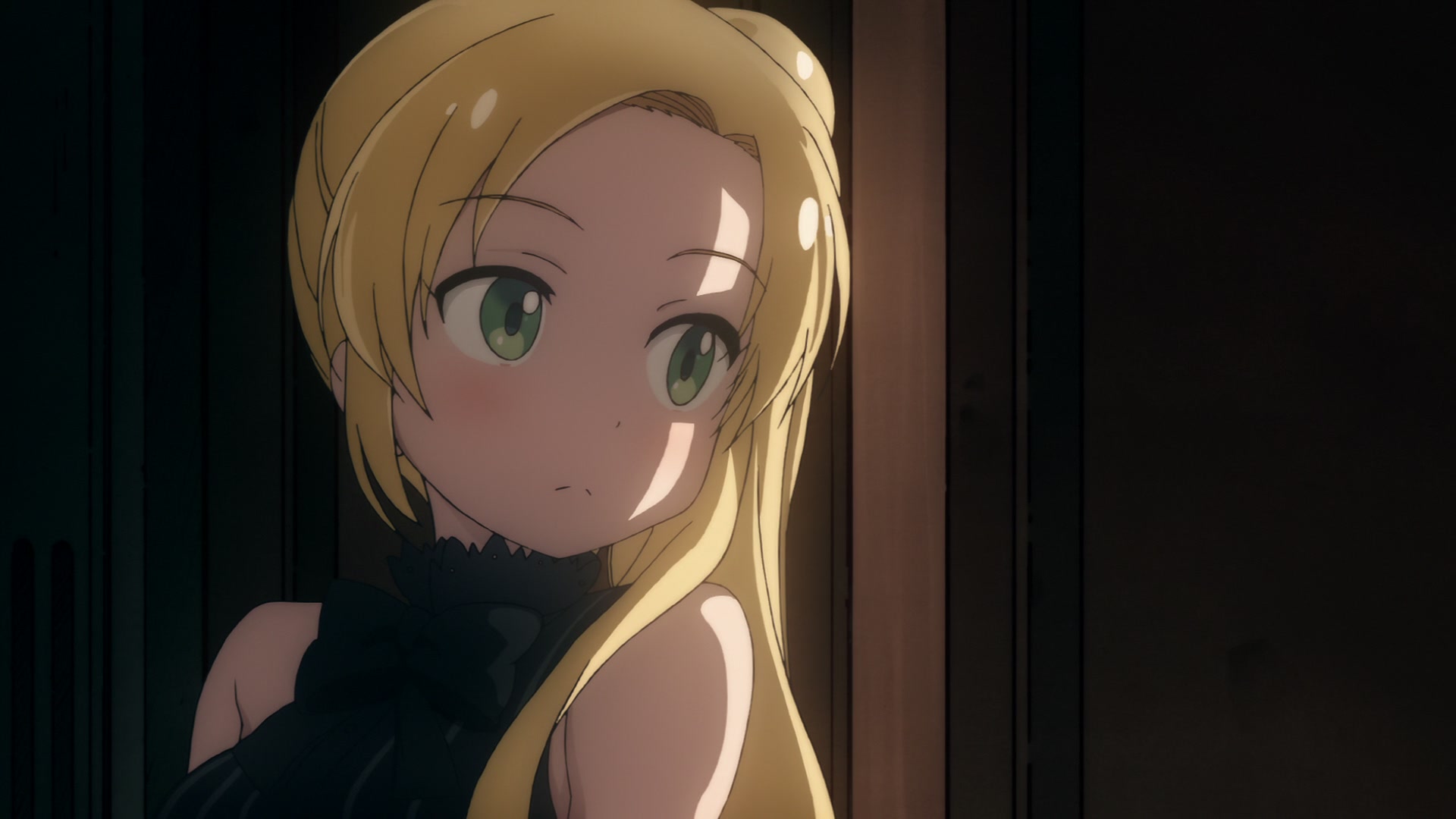
Koume initially seems like comic relief: a self-proclaimed fashion prodigy who speaks in a theatrical mix of Japanese and French, personifies her pendulum as a klutzy cherub named Undulette, and dreams of becoming a glamorous witch. Episode 7 reveals the childhood wound beneath the performance. She once idolized a real French witch named Marie, who stayed with her family and taught her that witches are magnificent precisely because they are feared. When Marie was driven out of Japan by superstitious townsfolk who blamed her for a plague, she gave Koume an impossible challenge: become the greatest witch in the country. That promise is why Koume came to Labyrinth Town, aiming to reach first-rank and prove to the world that witches (and urara) are not evil. Koume’s flamboyance is armor, and the series respects it while also allowing her to drop it with her friends. Her relationship with Nono is particularly sweet, as the two bond over feeling inadequate and push each other to be bolder.
Nono is the quiet heart of the group. Cripplingly shy, she communicates through a ventriloquist doll named Matsuko-san, a gift from her late mother. Her growth is the most dramatic because it requires her to overcome a near-total fear of being seen. In early episodes, she hides behind her sister Nina. By the exam arc, she is the one insisting they not give up, singing soothing incantations that put enemies to sleep, and physically holding up a collapsing ceiling to save her friends. Her discovery that her singing is a valid form of divination, an expression of her mother’s love through a half-remembered lullaby, is one of the series’ most tender moments.
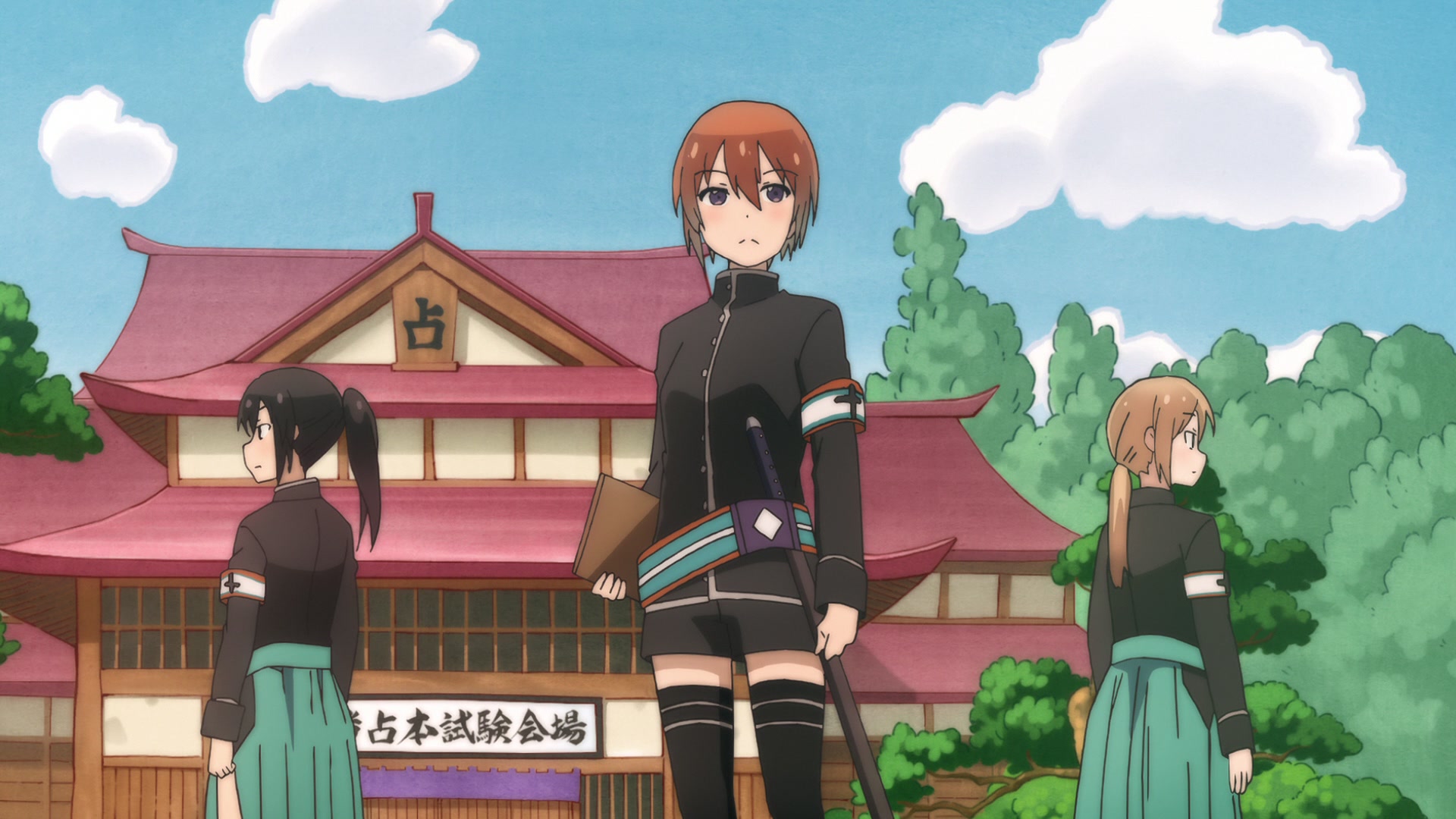
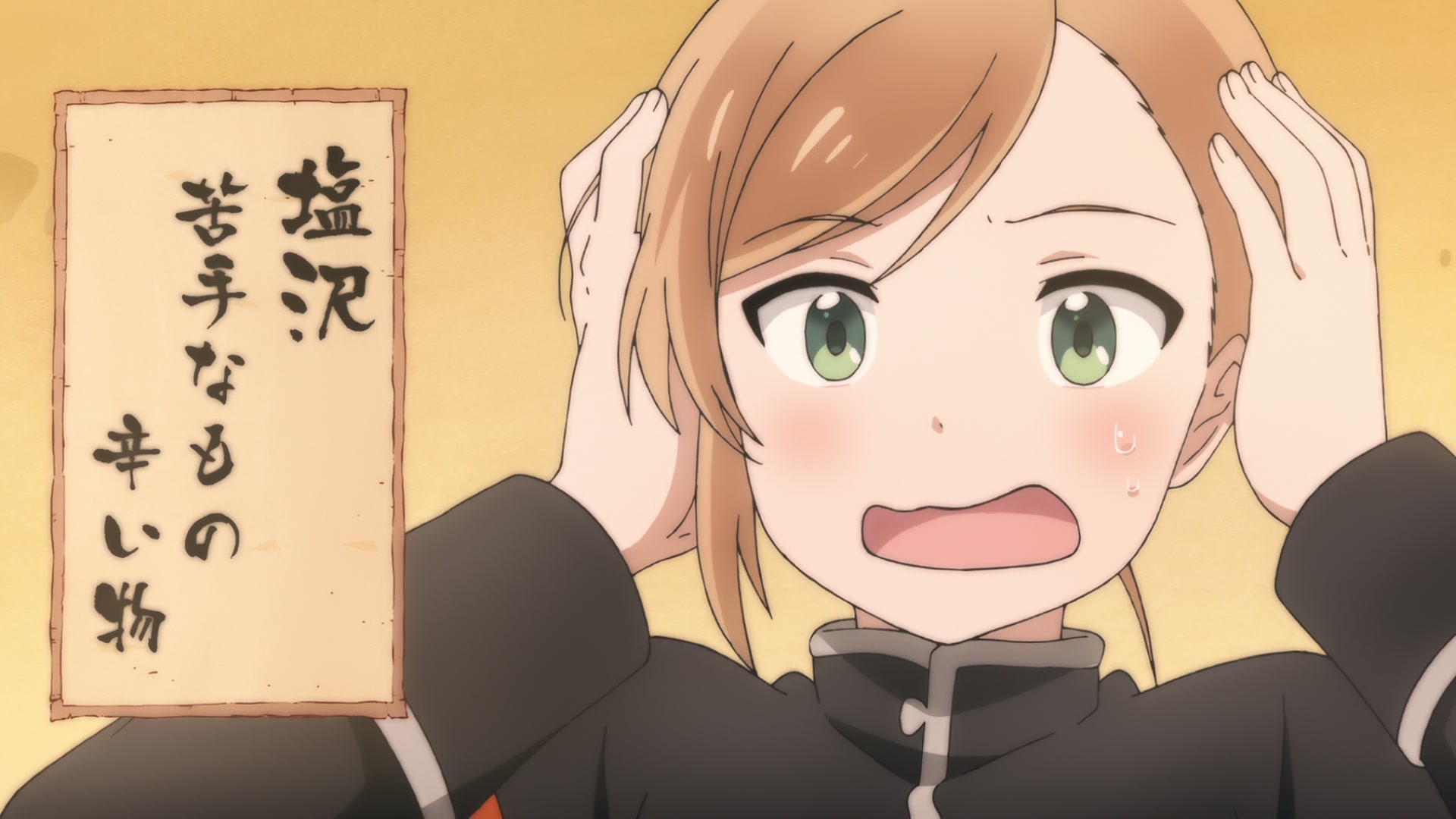
The supporting cast enriches the dynamics without stealing focus. Nina is the ideal teacher: warm, slightly dotty, prone to threatening ritual suicide over minor mishaps, and secretly lonely. Her relationship with the girls, especially her little sister Nono, grounds the story in a maternal love that the protagonists are either searching for (Chiya, Kon) or learning to leave (Nono). Saku, the prudish watch captain, acts as a stern older sibling who masks her affection behind rules. Her promise with Chiya to become a first-rank ura rather than sneak into First District is a quiet turning point. Tokie, Kon’s mother, provides a contrasting model of care through challenge, her apparent coldness hiding pride and hope. And the oddball deputies Ooshima and Shiozawa provide loyal, hopelessly infatuated comic relief.
The writing balances archetype and depth with skill. Chiya is a classic genki girl, but her feral background and search for her mother give her specificity. Kon is a kuudere whose anxiety is genuine, not played for mere laughs. Koume’s ojou-sama persona masks a child who was never believed. Nono’s shyness is treated with dignity. The relationships feel earned because conflicts arise from character, not plot convenience, and resolutions come through honest conversation rather than magical intervention.

Visuals and Animation
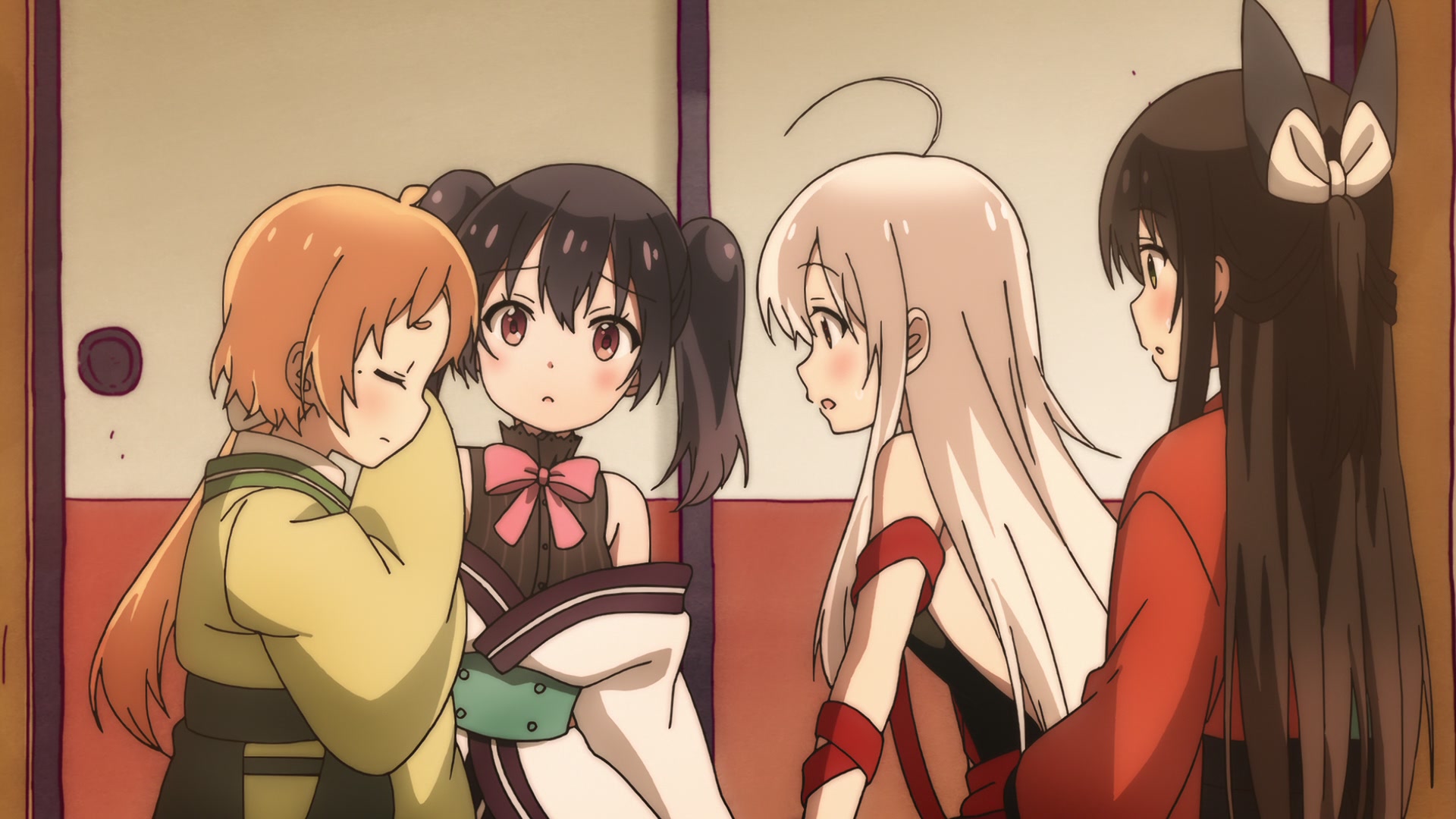
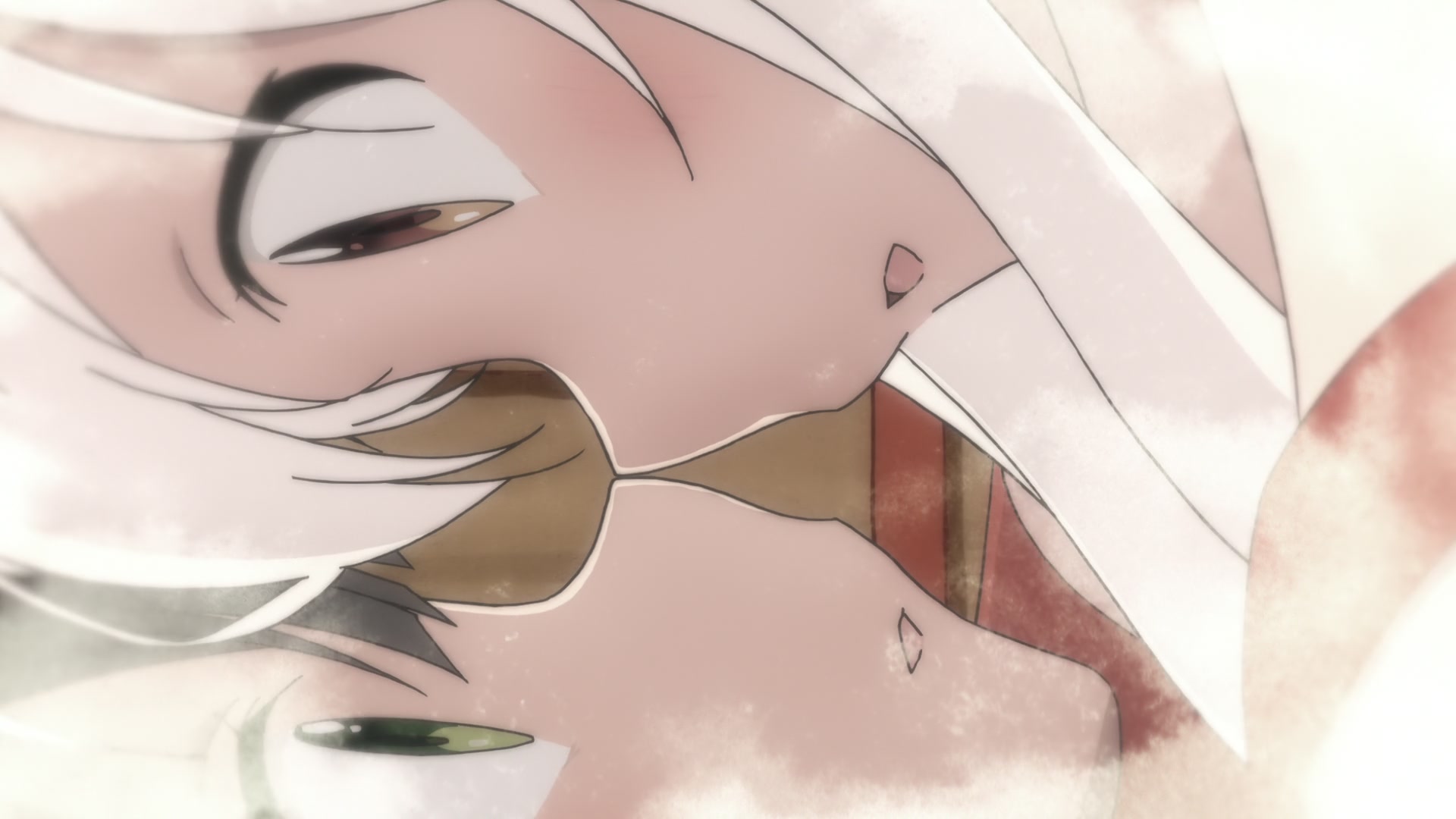
Urara Meirochou is a pretty show, but its prettiness is more than skin deep. The art direction understands that a series about divination and dreams should look like a waking reverie. The color palette is warm and inviting, dominated by soft pinks, creams, and gentle greens. A pervasive digital bloom effect gives interior scenes a cozy, slightly hazy glow, as if you’re viewing the world through filtered afternoon light.
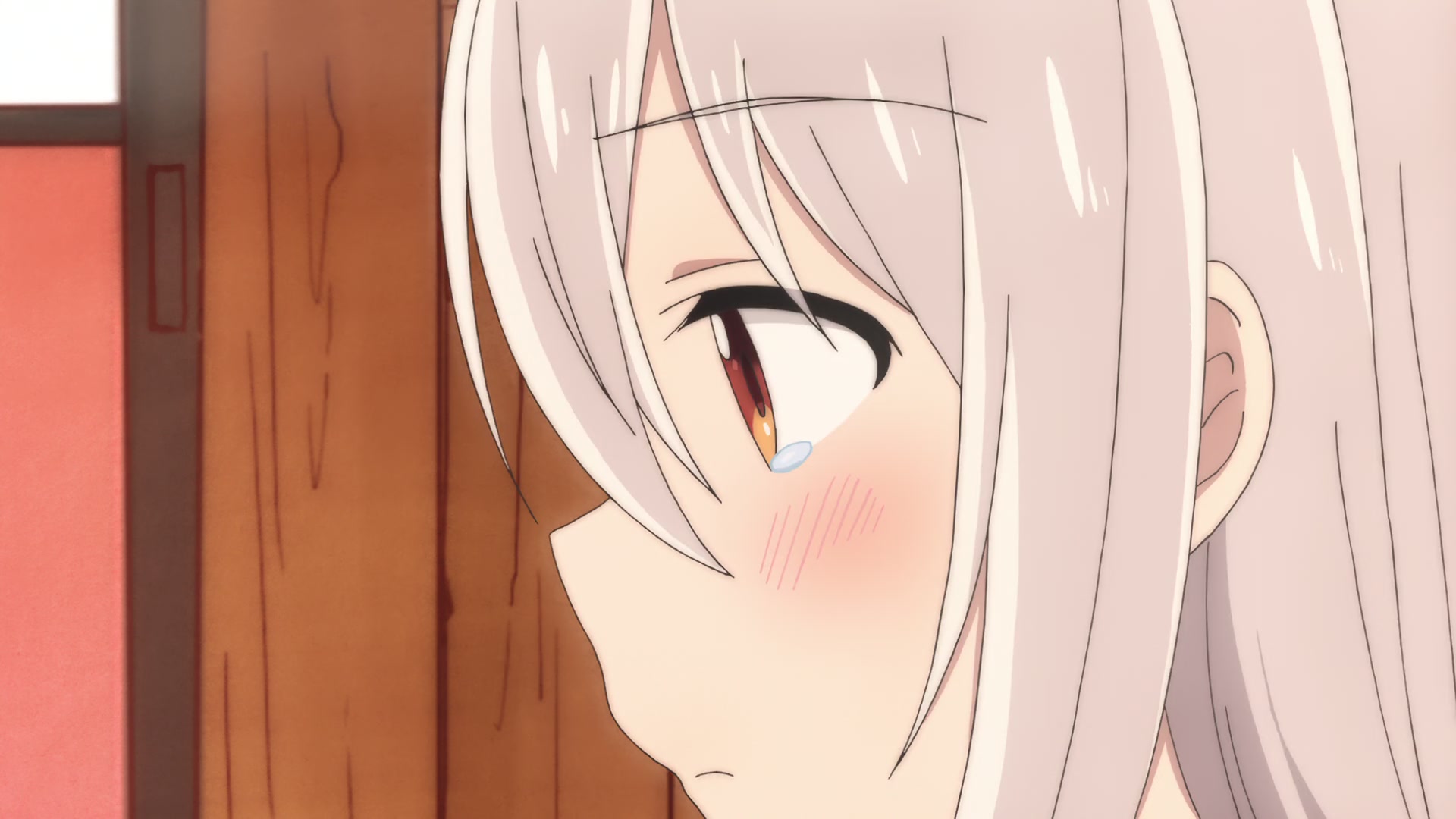
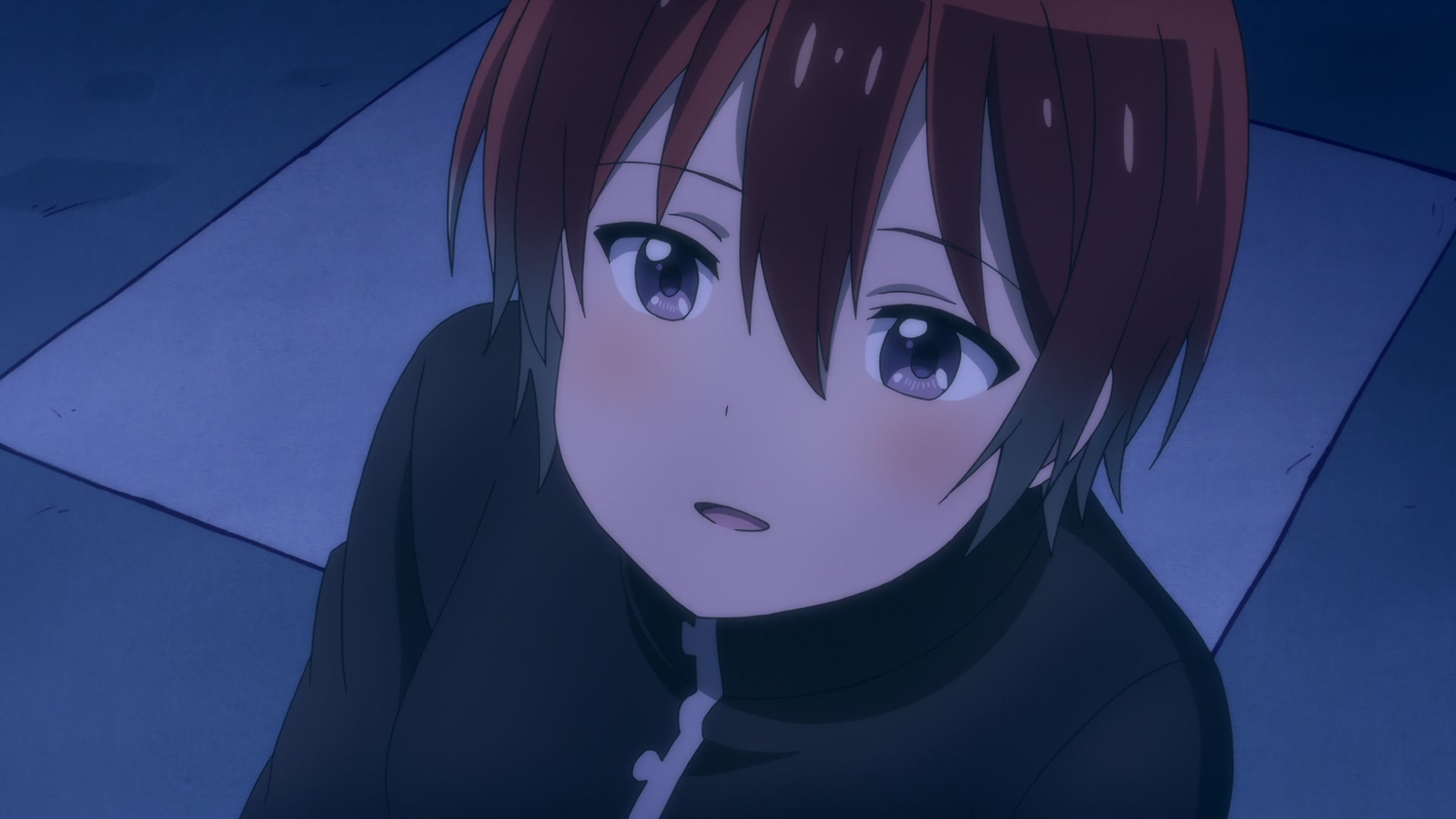
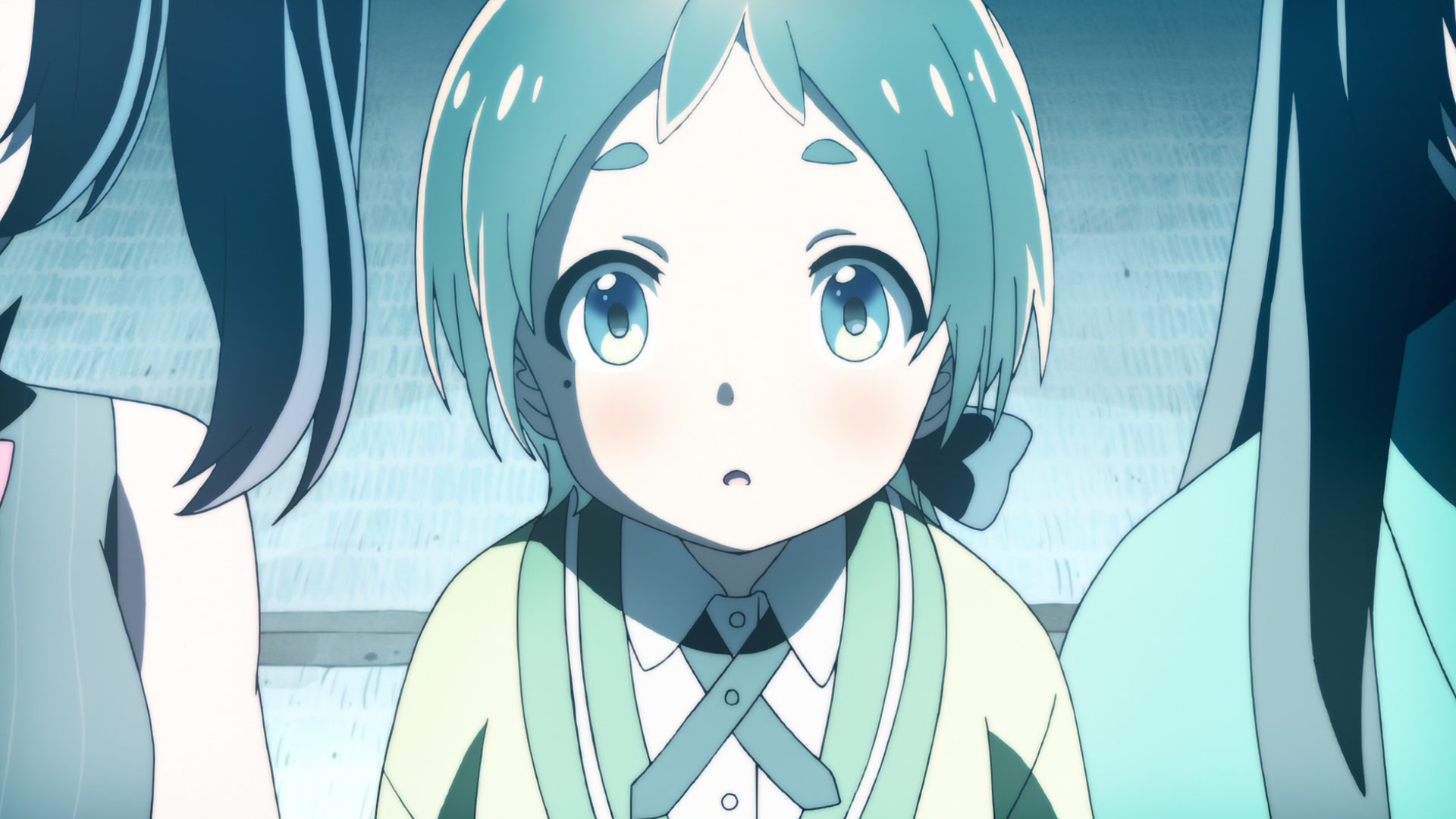
Character designs are a highlight. The four leads have distinct silhouettes: Chiya’s wild mane of red-tinged hair, Kon’s fox-ear ribbon and long dark locks, Koume’s wavy blonde drills, and Nono’s bob cut with a beauty mark under her eye. The eyes are where the budget clearly went. Multiple layers of gradients and highlights create a luminous, almost liquid depth that draws focus straight to the characters’ emotional state. When Chiya tears up, you see it in her eyes before her voice cracks.
The animation itself is modest by industry standards. Most dialogue scenes rely on mouth flaps and minimal movement, and action sequences in the labyrinth exam use speed lines and screen shakes rather than fluid choreography. In a lesser series, this would be a weakness. Here, it mostly works in the show’s favor. The stillness of a quiet tea-drinking session feels meditative and intentional rather than lazy. The production compensates for limited motion with strong layouts and expressive character acting. Close-ups are lovingly rendered; a trembling lip, a widening eye, a soft blush all receive careful attention.
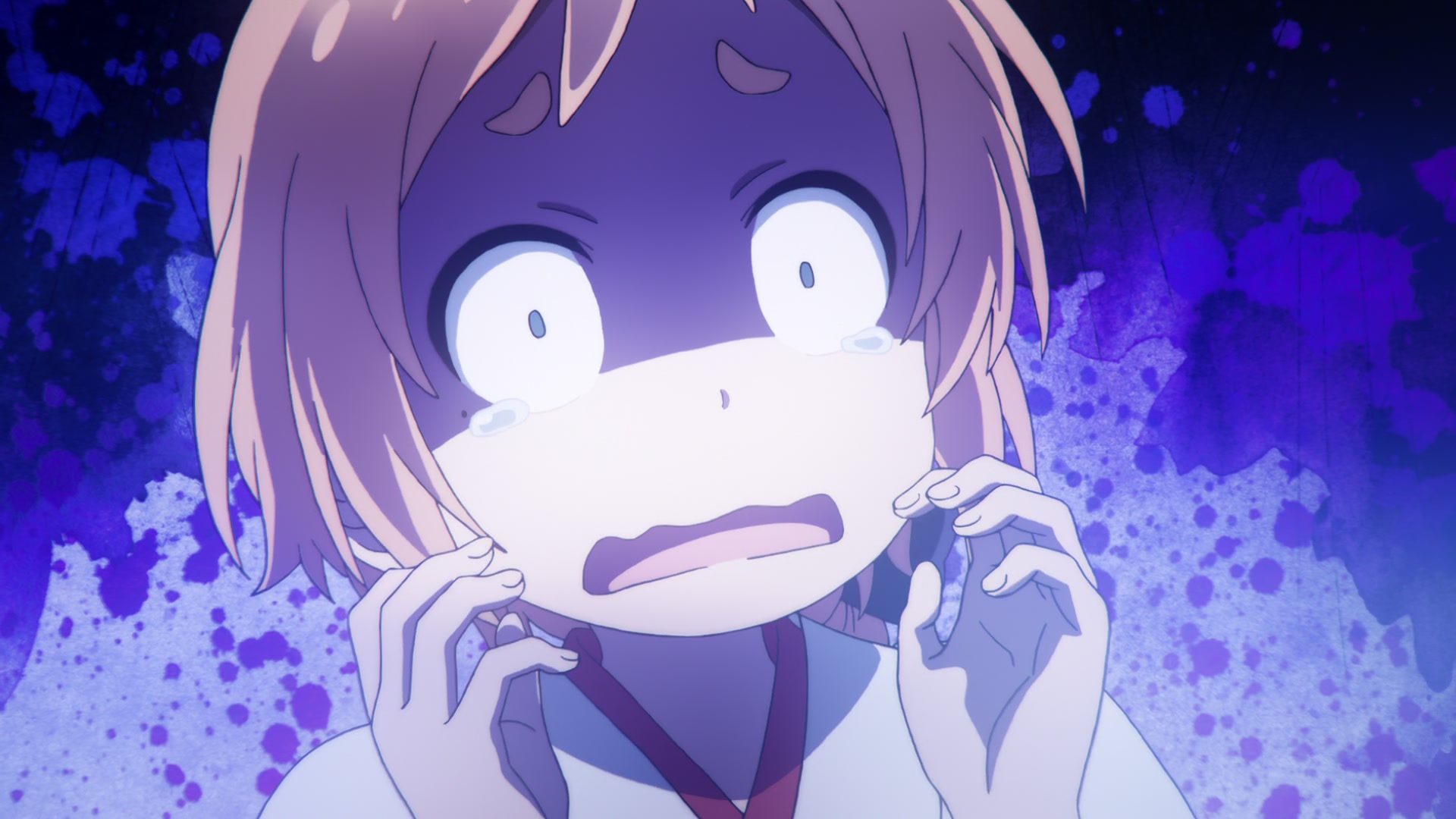
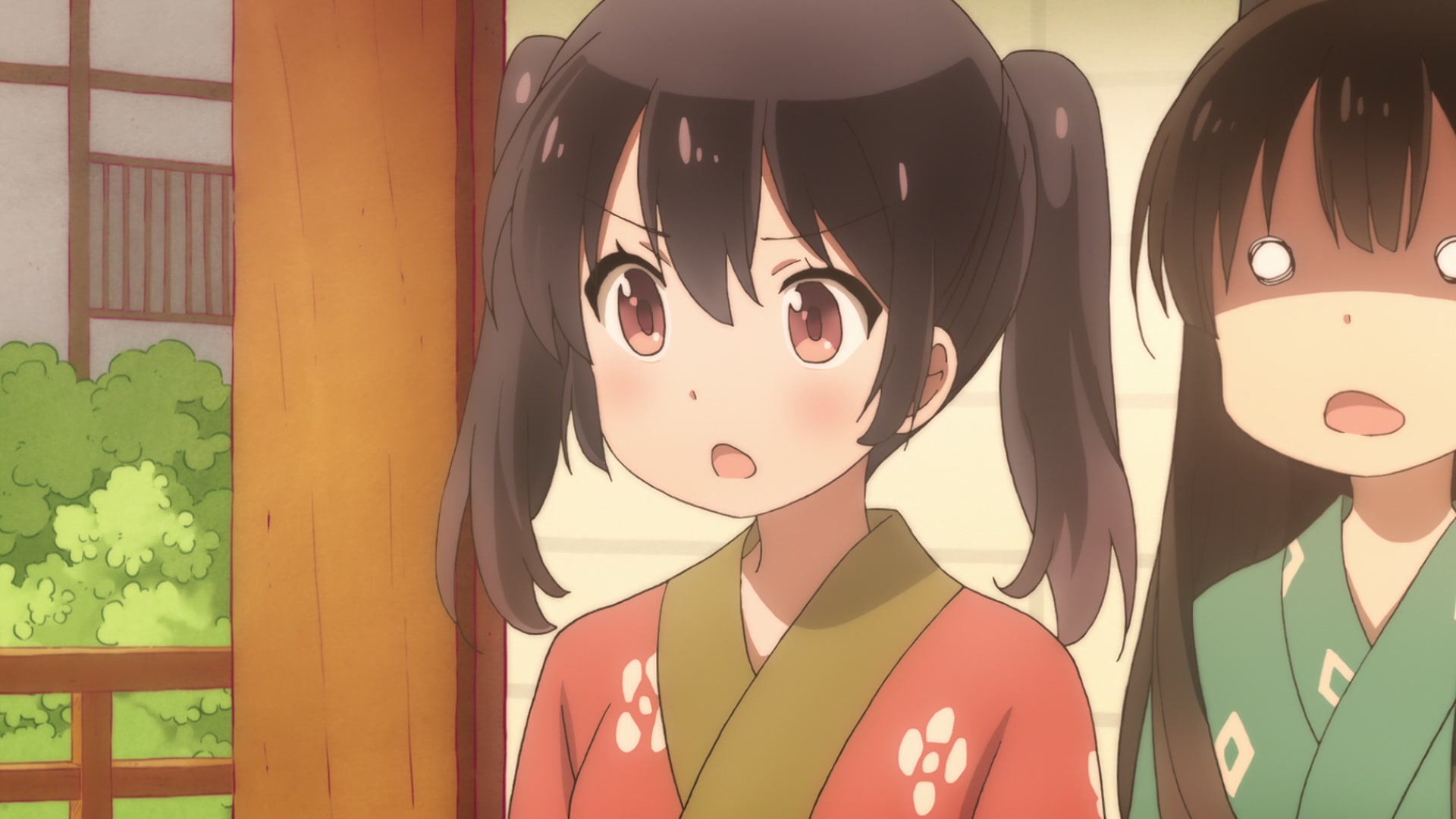
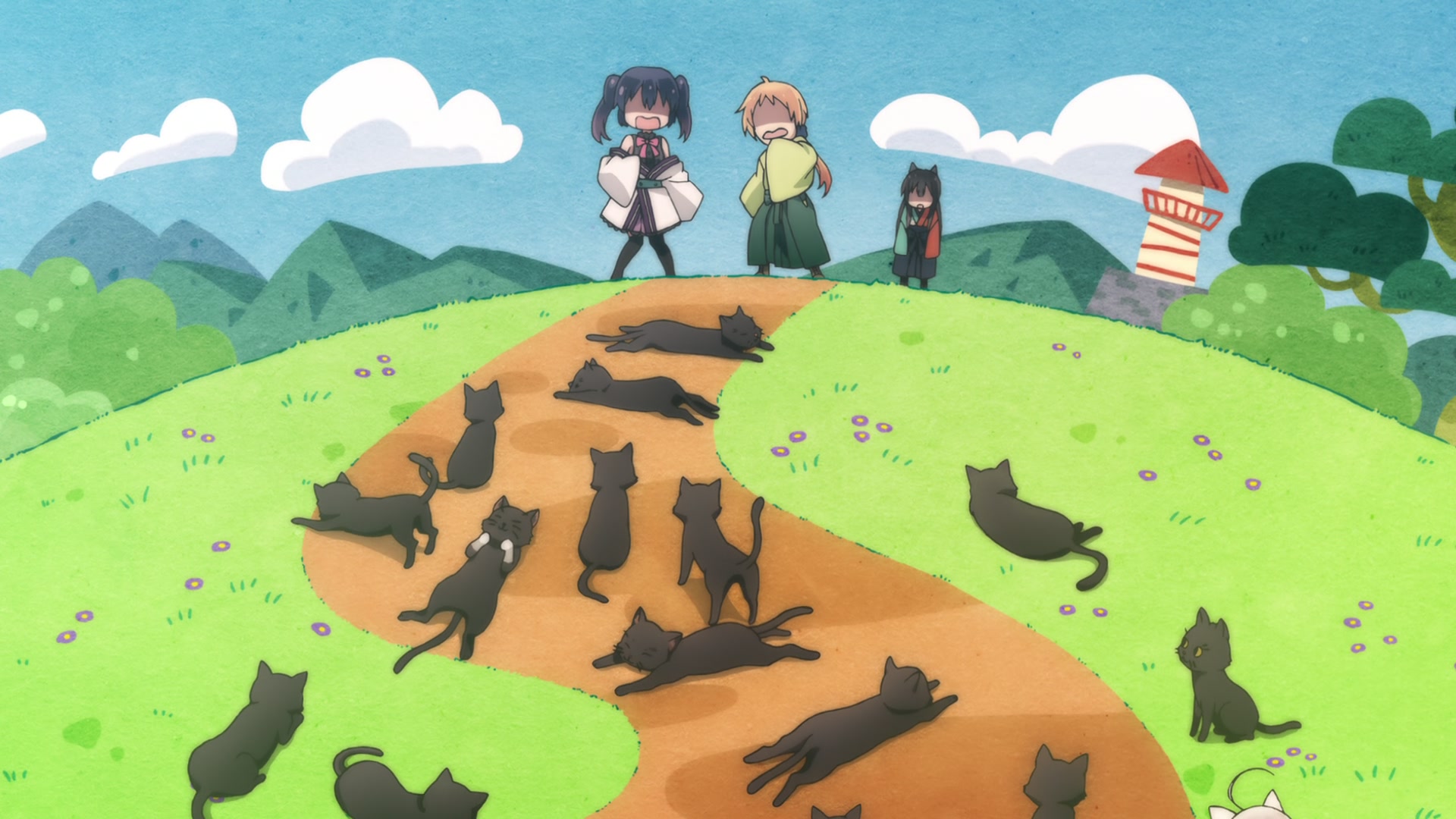
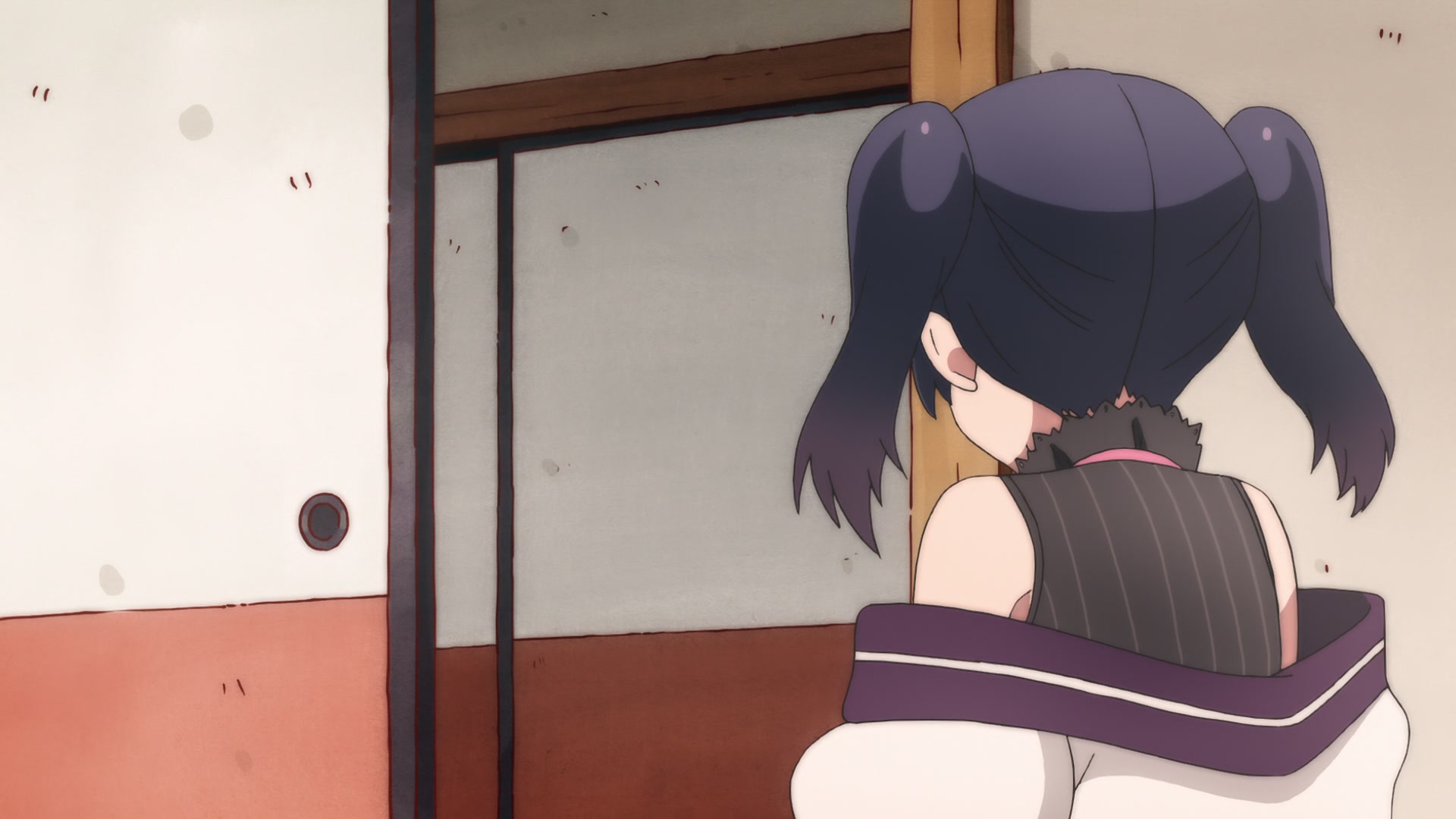
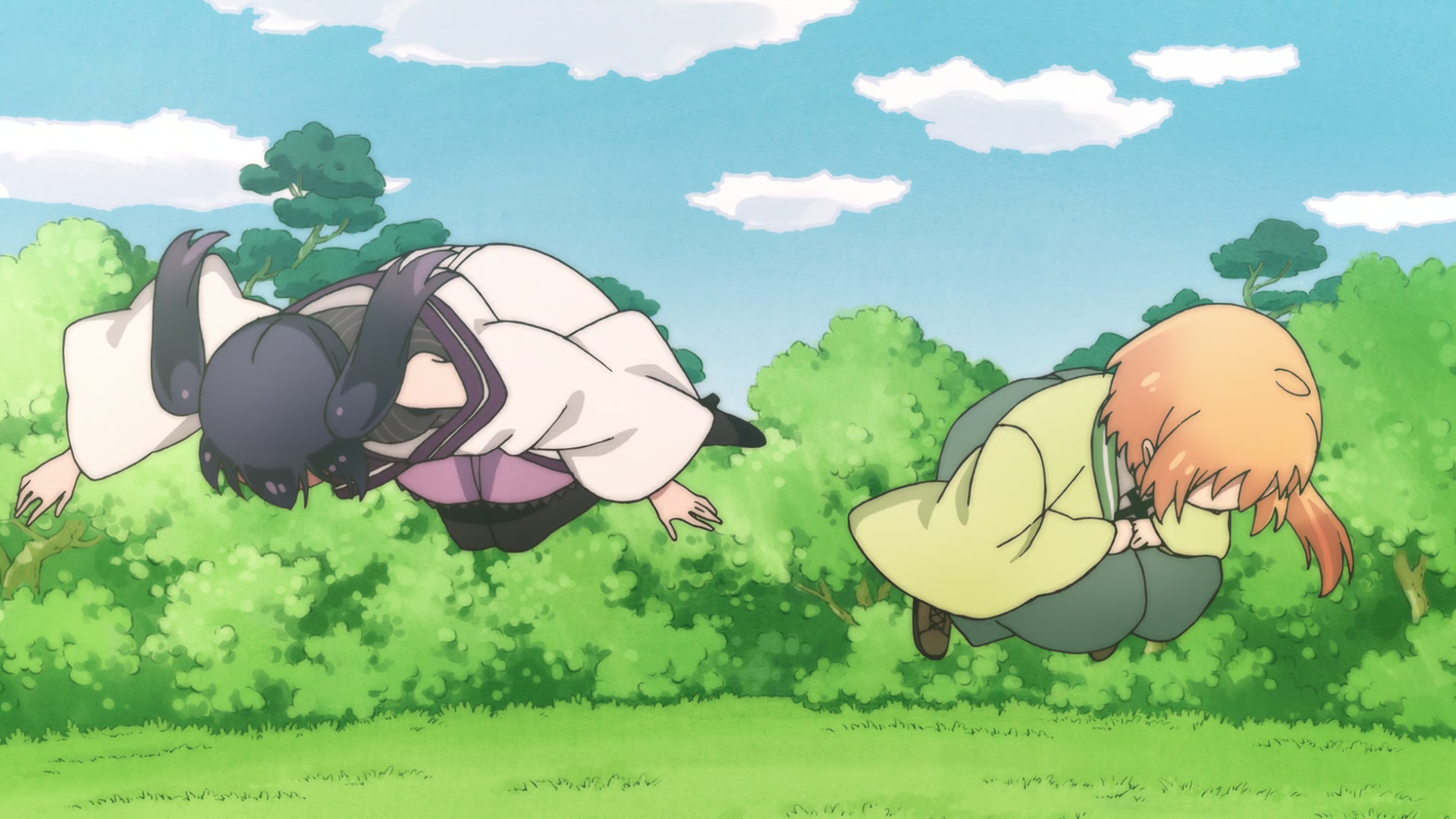
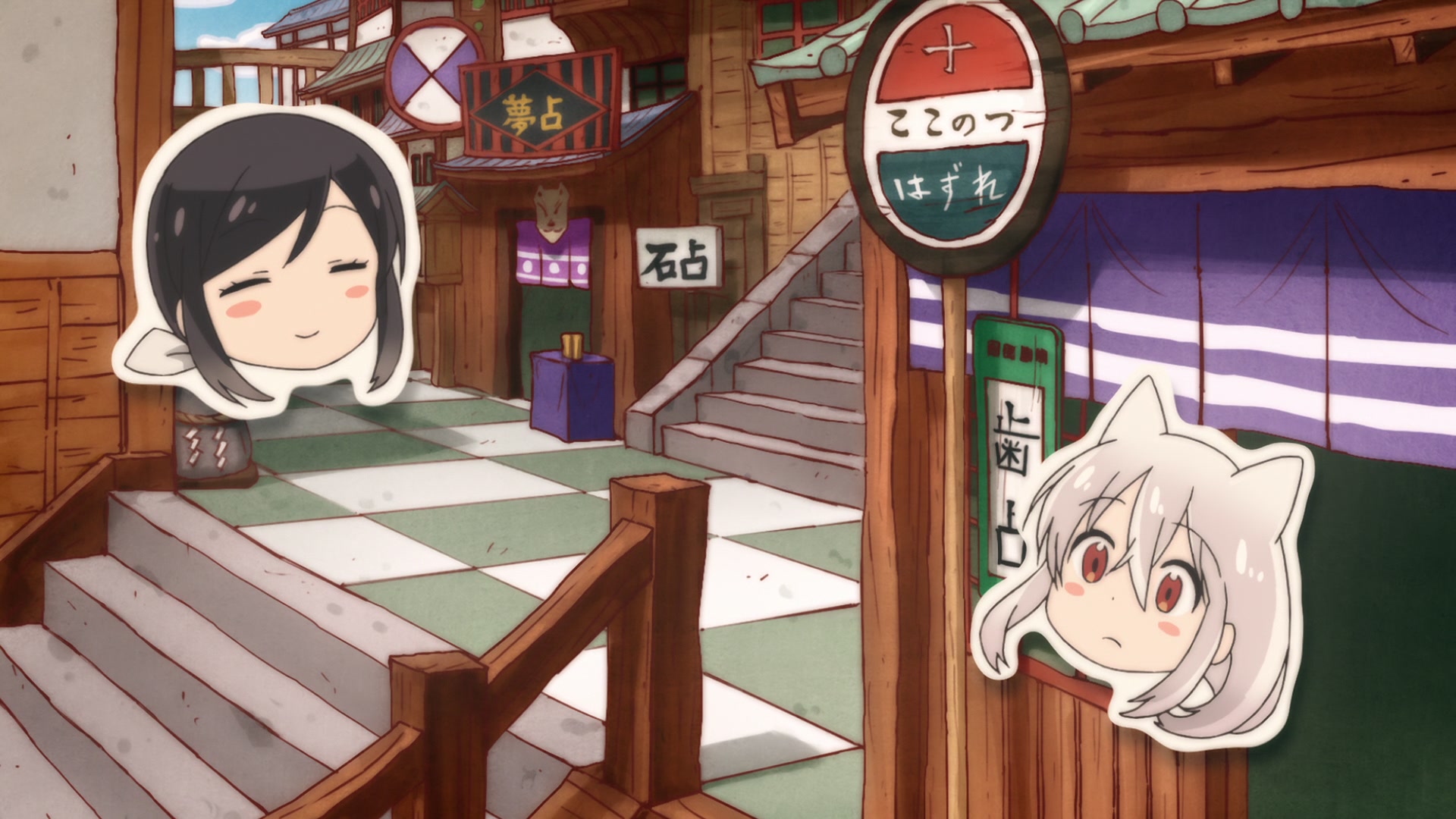
The series also deploys a versatile toolkit of stylized gags. Characters frequently chibify for comedic beats, their faces simplifying to dots and curves. Shock is conveyed through blank white eyes, panic through spiral irises, and emotional overwhelm through wavy “tremble” lines. These shifts are integrated smoothly and never undercut the drama. Backgrounds balance traditional Japanese architecture with whimsical storybook touches: sliding doors, tatami mats, and wooden beams are rendered with visible grain and texture. Outdoor greenery often resembles watercolor painting, contrasting nicely with the crisp digital character art.
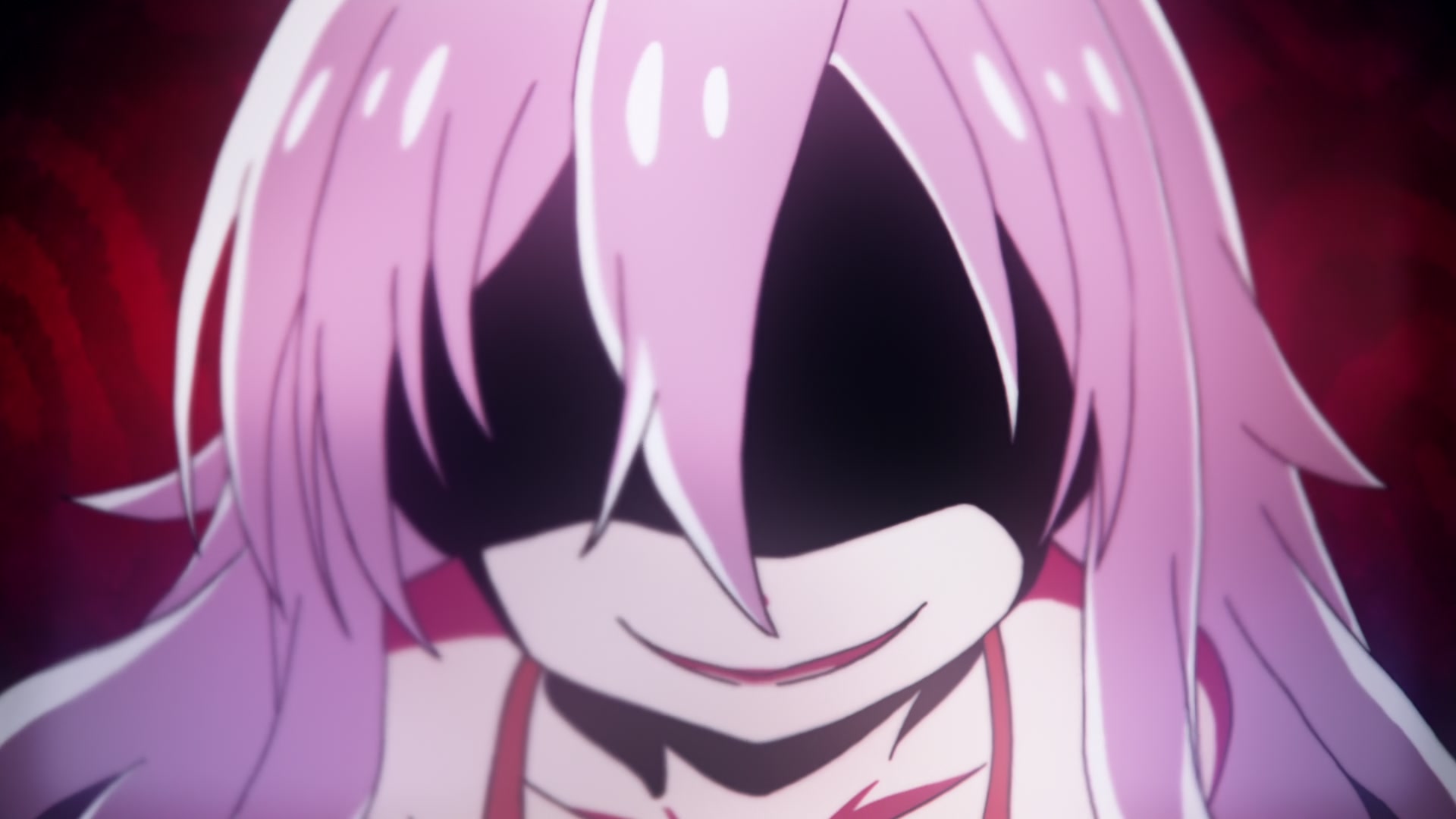
The show’s use of lighting deserves special mention. In daylight, scenes are bathed in a high-key warmth that invites you to linger. At night, cool blue-teal washes dominate, with rim lighting picking out hair and shoulders. Supernatural moments push into high-contrast chiaroscuro; the black entities and Kurou are rendered as inky voids with glowing red eyes, their otherworldliness enhanced by how they consume the light around them. This visual flexibility allows the series to pivot from cozy slice-of-life to eerie mystery without missing a beat.

Sound and Music
The auditory landscape of Urara Meirochou complements its visual softness. While I cannot offer a forensic breakdown of every track, the general impression is of a soundtrack that knows when to recede and when to swell. Gentle piano and woodwind melodies underscore daily life at Natsume-ya, while traditional Japanese instrumentation, koto strings and shakuhachi-like flutes, surfaces during rituals and festivals, reinforcing the cultural texture. The music never overwhelms; it’s content to be a warm blanket rather than a spotlight.
The opening theme, performed by the main cast, is an upbeat, catchy number that perfectly captures the series’ optimistic spirit. The closing theme shifts to a more sentimental, slightly melancholic tone, a musical reminder that even in a show about looking forward, there’s an ache for what’s left behind. Both songs bookend each episode with emotional clarity.
Voice acting is consistently strong. Harada Sayaka brings Chiya to life with a bouncy, unguarded energy that never crosses into shrillness. Hon’nizumi Rina’s Kon balances prissy panic and genuine warmth, while Kubo Yurika gives Koume just the right amount of theatrical smarm with a vulnerable undercurrent. Yoshimura Haruka’s Nono is a masterclass in trembling timidity that slowly firms up as the character grows. The supporting cast is equally well-served. The kitsune spirit’s archaic, haughty inflection is a comedic highlight, and Nina’s voice, performed by Minase Inori, exudes maternal calm punctuated by hilarious drunken abandon.
Sound design fills the world with small, satisfying details: the clink of tea cups, the rustle of paper charms, the soft splash of spring water. These ambient touches make Labyrinth Town feel inhabited and real, a place you’d want to return to.
Overall Verdict
Urara Meirochou is a series that rewards patience and attention. It isn’t in a hurry to impress you, but over the course of twelve episodes it builds a quietly compelling story about four girls who become each other’s reason to keep moving forward. The combination of gentle fantasy, cultural richness, and genuine emotional stakes elevates it well above disposable cuteness.
This is a show for fans of iyashikei and character-driven slice-of-life who appreciate a little mysticism. If you loved the atmospheric warmth of Aria, the rural charm of Flying Witch, or the supernatural-tinged found-family dynamics of Konohana Kitan, you’ll find a comfortable home here. It’s also an excellent entry point for viewers curious about Japanese folk divination practices, presented with enough fantasy twists to remain accessible.
The series is not for everyone. Viewers seeking high-stakes action, rapid pacing, or a fully resolved plot may grow impatient. The mysteries around Chiya’s mother and the nature of the gods remain open, and the climactic exam, while tense, is not an epic battle. The humor, reliant on belly exposure, animal antics, and Chiya’s feral cluelessness, might register as juvenile to some, though it never becomes mean-spirited or exploitative.
As a whole, Urara Meirochou earns a strong recommendation. It’s a sincere, skillfully crafted slice-of-life that understands what makes this genre powerful: not the things that happen, but the people they happen to and the bonds that form along the way. In a medium often obsessed with saving the world, there’s something quietly radical about a story where the highest stakes are simply losing each other’s trust, and the greatest victory is opening a door together.
If you’re willing to sit down with a cup of tea and let Labyrinth Town wrap around you, you may find yourself unexpectedly moved. Chiya’s journey is far from over, but even in this first chapter, she’s already proven something important: the future doesn’t need to be certain to be worth chasing.

Gallery