





Pearl in Blue is a new smartphone RPG from Netmarble, built around the concept of a “monthly romantic comedy.” It promises a fresh heroine and storyline every month, blending romcom-style interactions with action-RPG mechanics, all set in a world where desires take shape as “Pearls.” Ahead of Tokyo Game Show 2026, we got an early hands-on session.

From Shell-less Blacksmith to Manager of a Knight
In the world of Pearl in Blue, human desires can manifest as “Pearls,” and those who wield them are called “Knights.” Those unable to awaken their Pearl are known as “Shell-less.” The protagonist is a blacksmith’s apprentice who has never managed to bloom his own Pearl. His fate changes when he meets Nika, a fellow Shell-less who is nevertheless aiming to become a top-tier swordswoman known as a “Top Sword.”
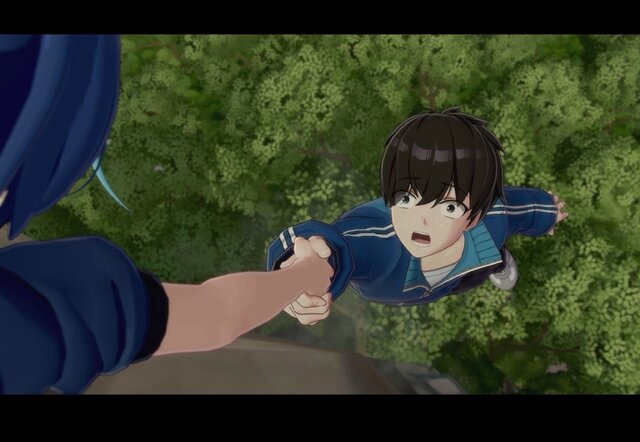
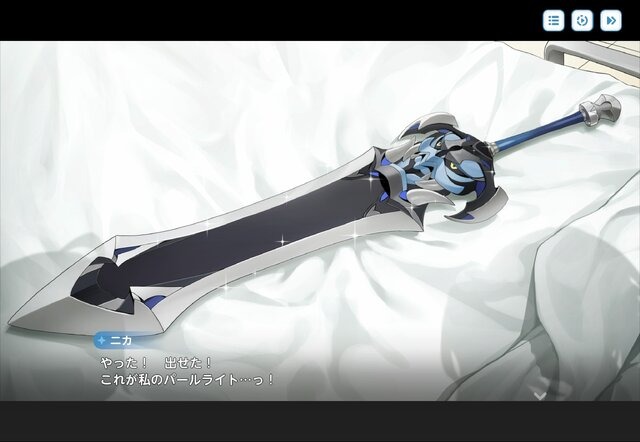
When Nika shows up to pick up a sword she ordered (to save on delivery fees), the two are suddenly attacked by an enemy called Barok. During the battle, the protagonist shields Nika and nearly falls off a cliff. Nika grabs his hand, but he intentionally lets go to save her. That act spurs Nika to remember his words, and her Pearl finally blooms, granting her a “Pearl Light.”
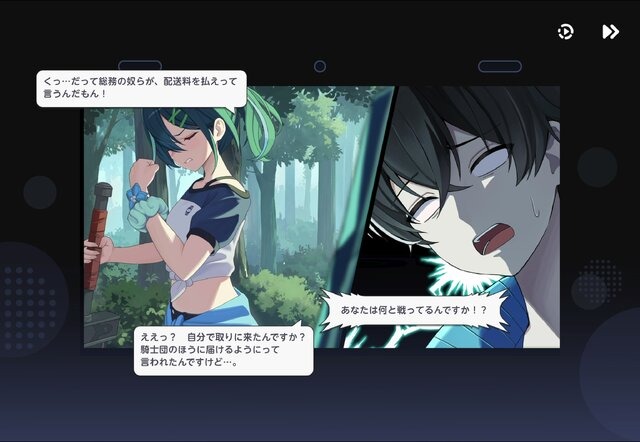
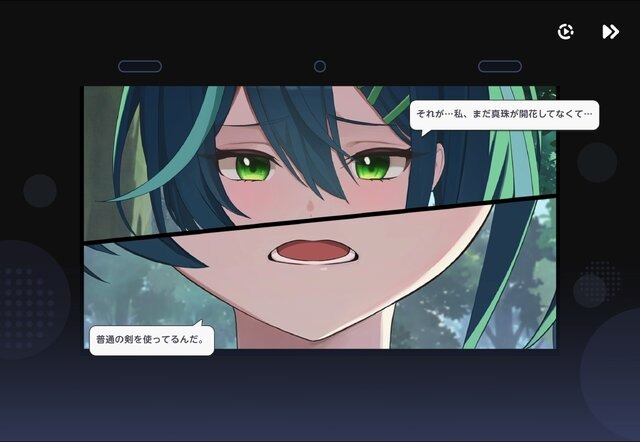
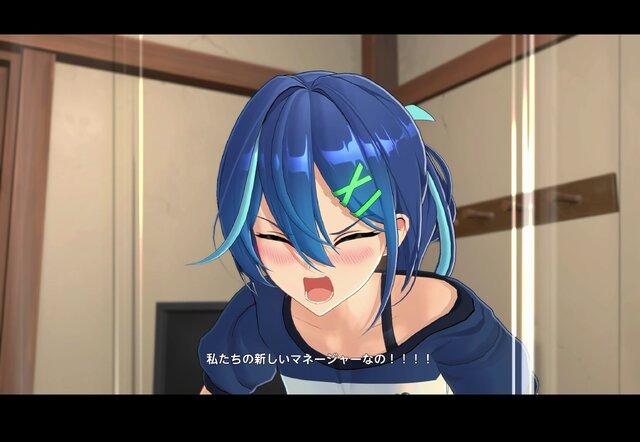
After surviving a series of troubles, the pair arrive at the Knights’ dormitory, where Nika’s fellow knights ask who the protagonist is. Without missing a beat, Nika introduces him as her “new manager.” From there, the story between the protagonist and the heroines begins to unfold.
Monthly Romcom Energy in Everyday Conversations
The most striking part of the hands-on was the snappy dialogue between characters. Conversations with Nika moved along at a brisk pace, and toward the end, other heroines with very different personalities appeared one after another, making the scenes feel wonderfully chaotic. Even small exchanges are packed with comedic beats, and I found myself laughing multiple times.
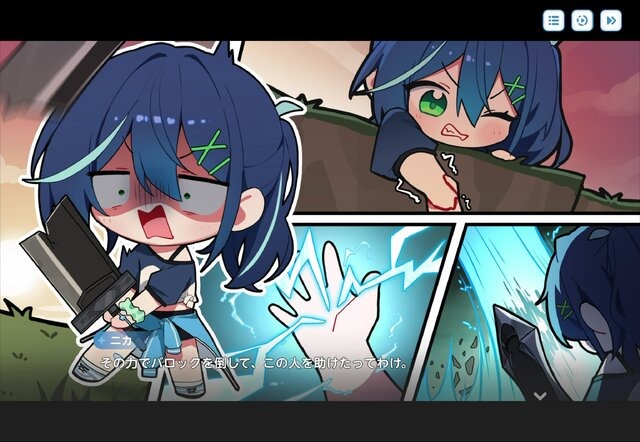
On the flip side, when the heroes find themselves in real danger, the expressions and direction tighten into serious mode. The story keeps a bright, playful tone, but the characters also get moments to look genuinely cool in combat—enough to make you root for them.
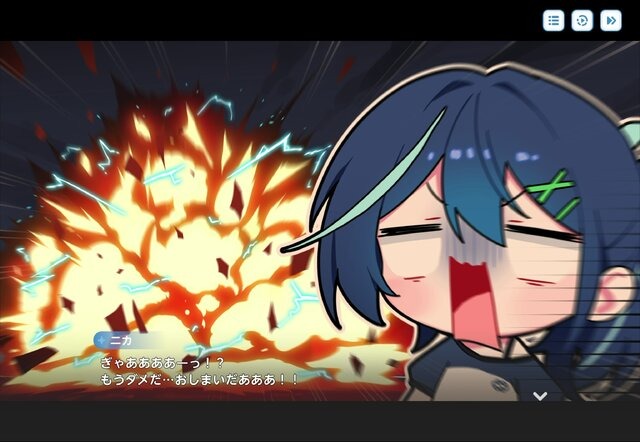
That sense of rhythm fits perfectly with the “monthly romcom” concept. Classic romcoms often bounce between silly conversations, sudden heartfelt or dramatic scenes, and then back to daily chaos, and Pearl in Blue seems to recreate that pacing in game form.
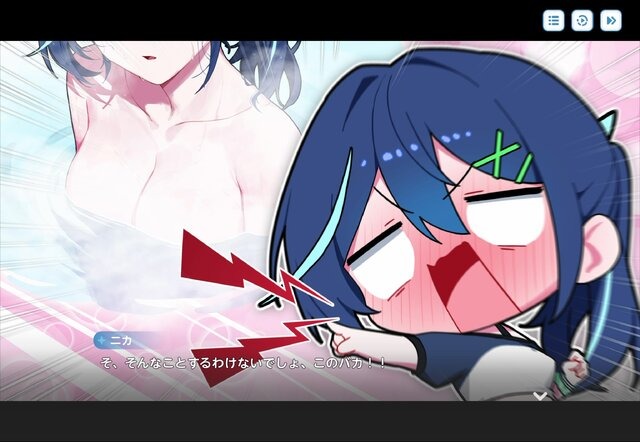
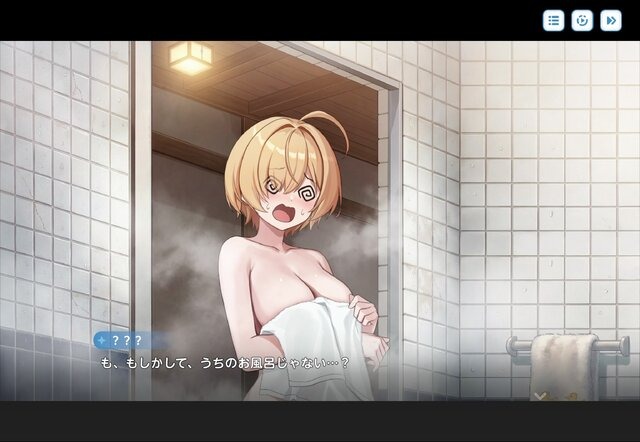
Personally, I also felt a nostalgic “old-school romcom” vibe: a group of cute girls flocking around the protagonist, getting into big silly situations, with even a few service scenes in the mix. It’s essentially a modern mobile game with the energetic absurdity of a classic love-comedy.
Event Scenes That Do More Than Just Show Text
What keeps the conversations feeling fresh is how the presentation constantly changes. Comedic expressions pop up, illustrations break in, and 3D character animations take over, so the screen never stays stuck in a simple visual-novel-style static view. This makes reading dialogue far more engaging, and there’s a fun anticipation about what visual trick will come next.
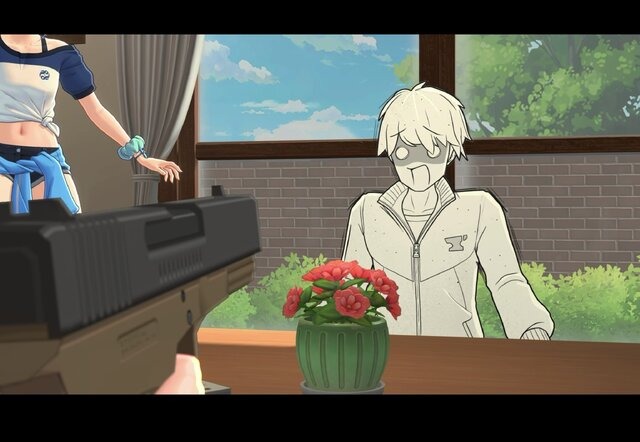
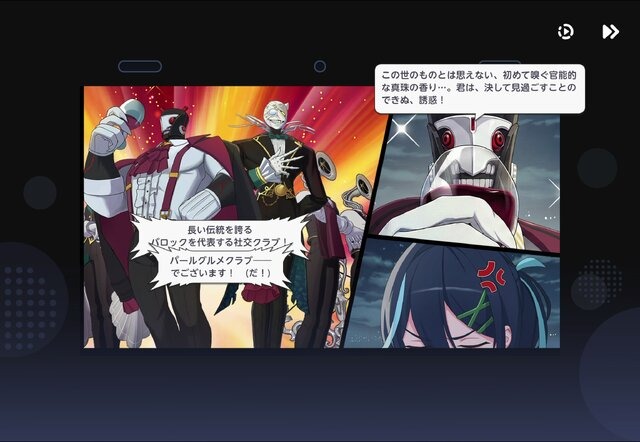
The chibi-style deformed characters are particularly effective in comedic moments, adding charm and energy to the heroines’ reactions.

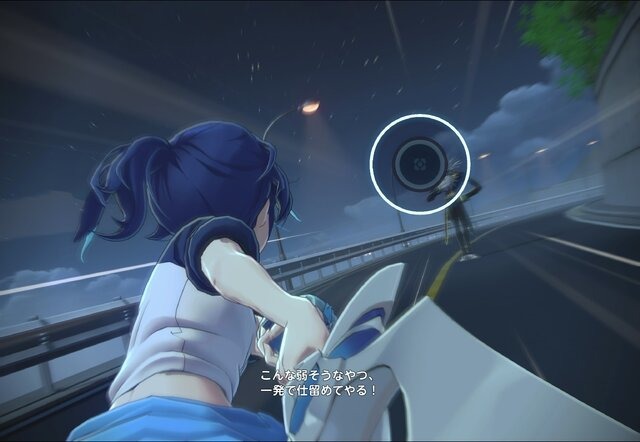
Battle event scenes also include QTE prompts, requiring repeated taps at key moments. This means you’re not just passively watching the story; your own actions can push the scene forward (and missing inputs doesn’t seem to break anything).
Parries, Specials, and Punchy Battle Presentation
Of course, Pearl in Blue isn’t just about chatting. Combat appears regularly in the story, with heroines using their Pearl Lights to fight.
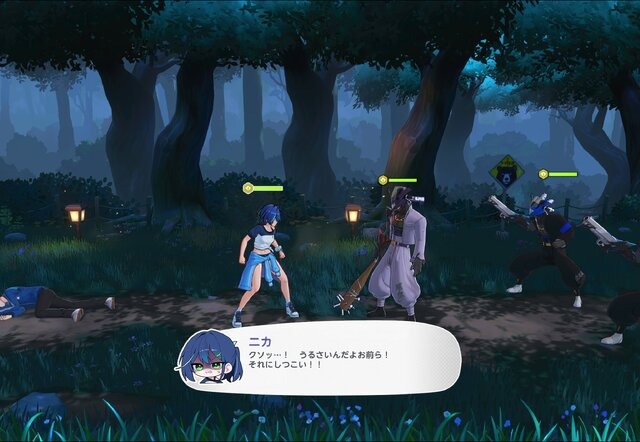
In the hands-on build, characters move left and right to close distance and attack in a lane-based system. You have to watch the distance and timing carefully while switching between strikes and movement.
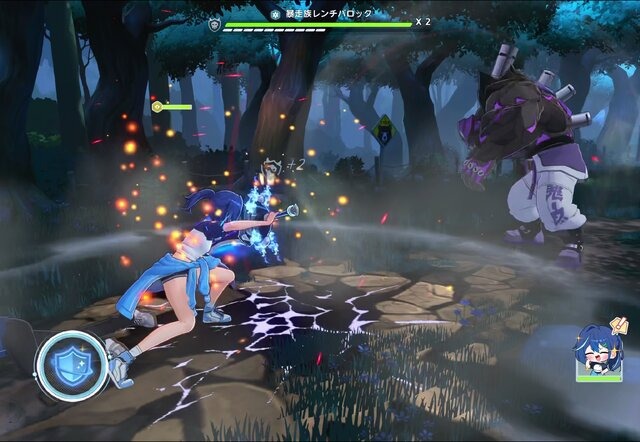
Holding down a knight icon on the right side unleashes a flashy “Ultimate Skill” that feels like a proper finisher. Each character has their own attack animation, and being able to trigger these big moves with your own controls gives you a real sense of participation in battle.

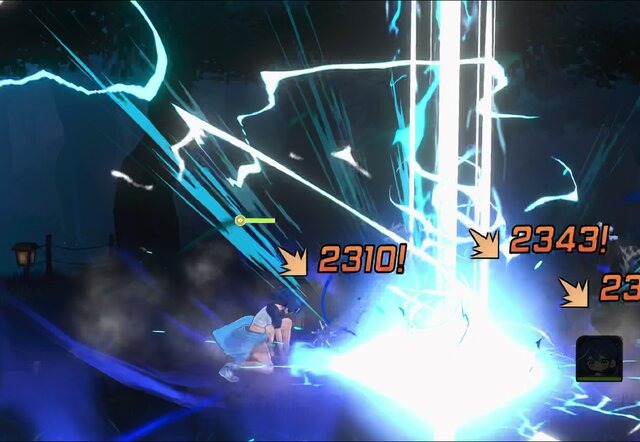
Guard and parry are also key. Pressing guard in time with enemy attacks lets you parry and deflect them, and against enemies that chain multiple hits, you can hold guard to parry the sequence. Even for players like me who aren’t great at precise parry timing in action games, the simple hold-to-parry system feels satisfying and rewarding without demanding too much precision. The overall design seems focused on making you feel powerful and immersed rather than punishing.
An Experience That Makes You Feel Like the Romcom Protagonist
What stands out about Pearl in Blue is how deeply the “monthly romcom” concept influences not just the cast, but the pacing, presentation, and even battle flow. You laugh at the heroines’ banter, then get swept up when they face danger, then return to goofy everyday scenes—with QTEs, service moments, and combat mixed in. Each individual element is familiar from mobile RPGs or bishoujo games, but the way it’s all strung together with a romcom anime tempo gives Pearl in Blue its own unmistakable vibe.
Even in the prologue, the protagonist, unable to awaken his own Pearl, helps Nika find her strength and becomes her manager. There’s a lot of room for romantic development and Pearl awakenings down the line, making the monthly story format feel like a natural fit.
Pearl in Blue is planned to launch on iOS and Android as a free-to-play title with in-app purchases. More details are available on the official website.
© Netmarble Corp. & Netmarble N2 Inc. All Rights Reserved.




![In BL Powerhouse Thailand, Japanese BL Works Create Huge Fan Buzz! La Roseraie’s Japanese BL Unveiled at Thailand’s Largest Book Fair [Report]](https://animeworld.info/wp-content/uploads/2025/10/805071.jpg)
