
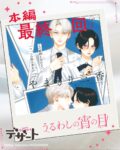


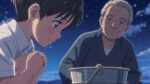

The landmark isekai fantasy manga Kanata Kara is receiving a full TV anime adaptation in celebration of its 35th anniversary. The adaptation is supervised by original author Hikawa Kyouko on script, and it began airing in October 2026 on TOKYO MX, ABC TV, WOWOW, and other stations.
The opening theme song is performed by the seven-member dance vocal group Genjibu (原因は自分にある。), a “new interpretation idol” group leading Japanese culture. Its members are Ookura Sora, Koizumi Kousaki, Sakuragi Masaya, Nagano Ryouta, Mutou Jun, Mokudai Kazuto, and Yoshizawa Kanato. They are also part of the artist collective EBiDAN, which includes Choutokkyuu and M!LK. In August, their single “Yes! Tokyo” achieved a first-week million, and in the same month they appeared at the large live event “EBiDAN THE LIVE 2026 15th Anniversary” at Tokyo’s National Yoyogi Stadium First Gymnasium, drawing 50,000 people. The group is currently a hot topic.
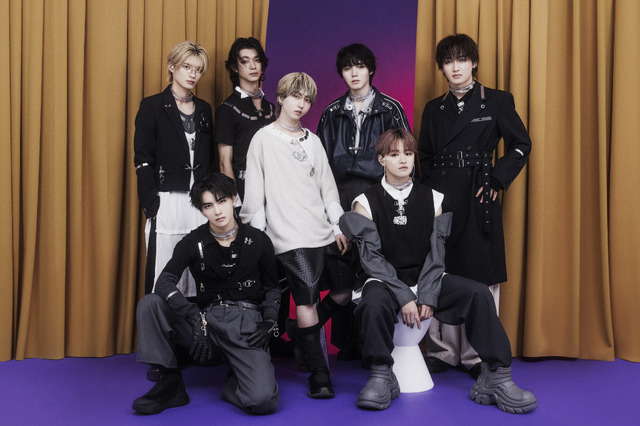
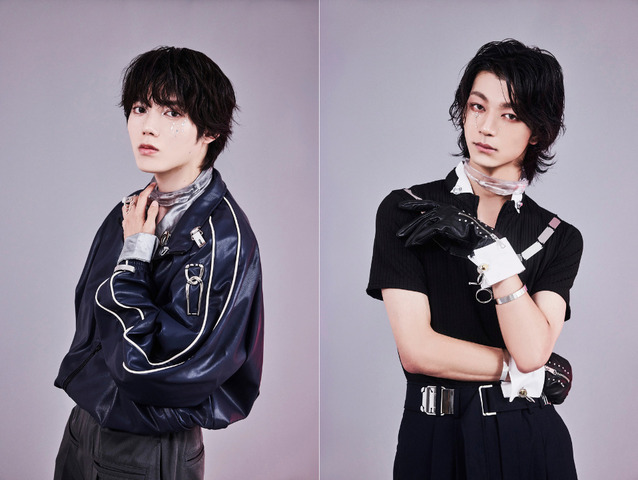
To commemorate the TV anime broadcast and the release of the theme song “Toukougyou,” an interview was conducted with Koizumi Kousaki-san and Yoshizawa Kanato-san. They discussed their feelings when the theme song was decided, behind-the-scenes stories from recording, and even talked about “isekai” in relation to Kanata Kara.
A Song That Fuses Genjibu’s Identity with the Story’s World

――When you heard about the opening theme for Kanata Kara, what were your honest thoughts? Also, what was your first impression of the new song “Toukougyou”?
Koizumi: First, I am happy to be involved in a work that is loved across generations, in the form of its theme song. The new song “Toukougyou” combines our style with a nostalgic soundscape, and I felt it fits this work very well.
Yoshizawa: I felt great joy that we could be in charge of the opening theme for Kanata Kara. As part of the work, I want to deliver it with all my strength so that it colors the story even a little. “Toukougyou” has a refreshing feel, while the core, powerful lyrics are very cool. I think it is a song that expresses strength within gentleness.
――Do you have a favorite lyric, or a part in the vocal split that you were happy to sing?
Koizumi: It’s the part “Kimi to tsunagu epifanii kaosu no hazama wo kakenukete.” I think this lyric truly captures the story of the two in Kanata Kara, and I was happy to sing the opening of the chorus, which makes an impression for this song.
Yoshizawa: It’s the 2A part. The melody is very catchy, so it’s fun to sing. I also really like that you can feel the change in emotions from the lyrics, and I was happy to express that change with my voice.
――What did you keep in mind during recording, and was there any direction that left an impression?
Koizumi: I also sang the final part. At first I sang the ending of that part with a stretched note, but I received advice: “Be conscious of singing it with a placing feeling.” I think it was a rare finish for a final part. But by placing it, the piano sound at the end of the song resonates immediately, so I thought it fit very well in terms of timing and the atmosphere of the sound.
Yoshizawa: I sang with a gentle voice while being conscious not to become too weak. I focused on carrying both the softness the song has and the strength behind it in my voice.


