





The Time Skip Lands Like a Punch to the Gut
The cold open already told us where this was going. Kouichi’s voiceover about the 1-in-5000 odds of landing a creative position at a major ad agency, Eren’s voice from high school echoing that only one in a hundred thousand makes it. And then the time skip hits properly, not as a triumphant montage of success but as Kouichi scrambling to fix other people’s work in a cramped office, muttering “My life never even began.”
That’s the gut punch this episode builds from, and it doesn’t let up.
The Office Hierarchy Eats the Dream
The structure of the agency becomes immediately clear, and it’s brutal in its casualness. Kouichi arrives bright-eyed, thanking Kamiya-san for the networking opportunity, only to have HR redirect him away. “He’s still in his 30s, isn’t he? He doesn’t have a team.” The dismissal is so matter-of-fact it barely registers as cruelty. Kamiya himself seems to take it in stride, which might be the saddest detail.
Instead, Kouichi gets placed under Creative Director Sawamura, an older man near retirement who keeps telling him to slow down, read a book, clock out on time. The generational friction here isn’t played as comedy. Sawamura’s whole philosophy, that the era of grinding yourself to dust for creative work is ending, lands as genuine wisdom from someone who’s seen what that grind costs. The episode doesn’t treat him as washed-up or irrelevant. It treats him as someone who learned the hard way and is trying, futilely, to pass that lesson on.
But Kouichi can’t hear it. His internal monologue after Sawamura’s “aim to clock out on time” speech is raw: “As if he’d ever understand why I’m this impatient! Especially as an old man near retirement!” The arrogance of youth plays straight into the desperation of someone who feels time slipping away before he’s even started.
The Four Types and the Missing Fit
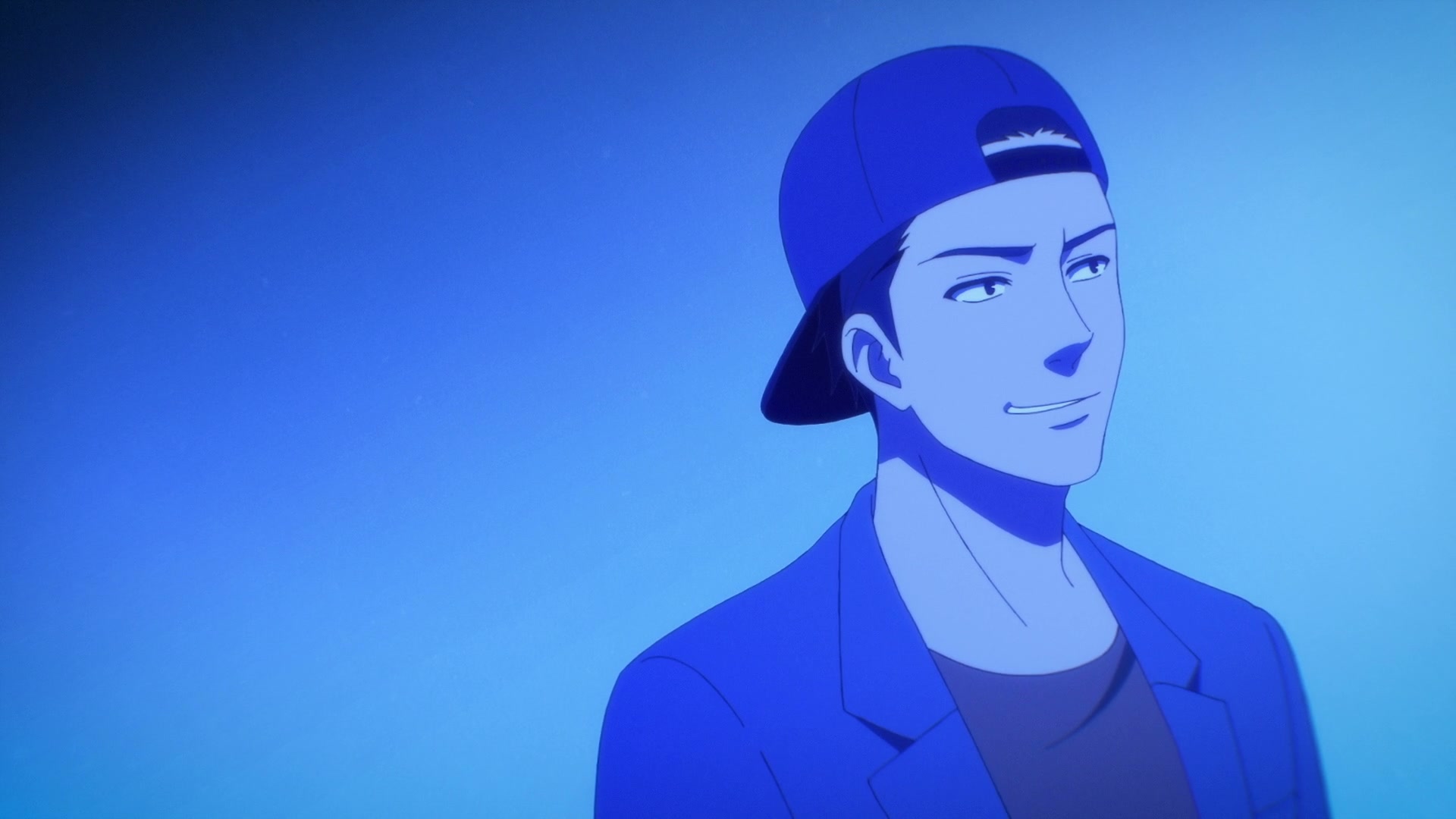
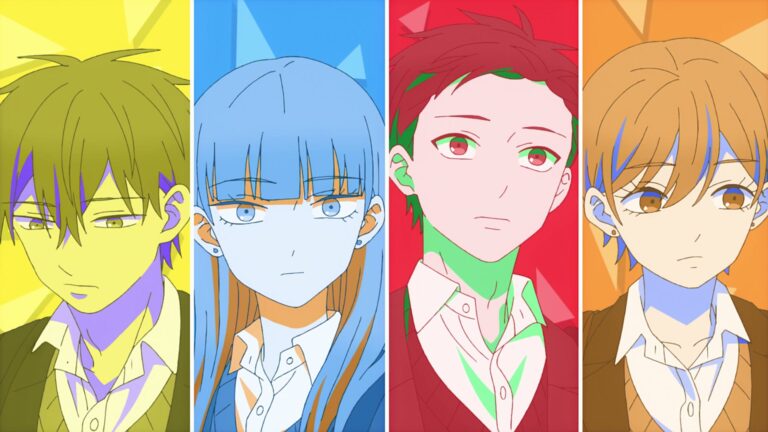
Sawamura’s breakdown of the four types who make it in the creative world is the episode’s thematic centerpiece. The realist who grows through self-analysis (Kamiya, maybe Sayuri). The narcissist who believes they can succeed at anything (the celebrity type). The sadist who forces everyone to submit to their judgment (Yanagi, charismatic and feared). And finally, the artist: the person for whom this is their only way of life, who has no other choice.
Kouichi immediately slots Eren into that last category, and the flashback confirms it. But he can’t find himself in any of them. This isn’t a humblebrag or false modesty. He genuinely doesn’t know what his card is beyond “guts,” which Sawamura dismisses as just another word for youth, a card that will eventually disappear.
The card metaphor threads through the whole episode. Sawamura insists everyone has to fight with the cards they’ve been dealt, talent and connections included. Youth is the wild card you can’t count on. Kouichi’s inability to name any other card he holds becomes more alarming as the episode progresses, because we see exactly how he tries to compensate.
The Collapse and What It Reveals
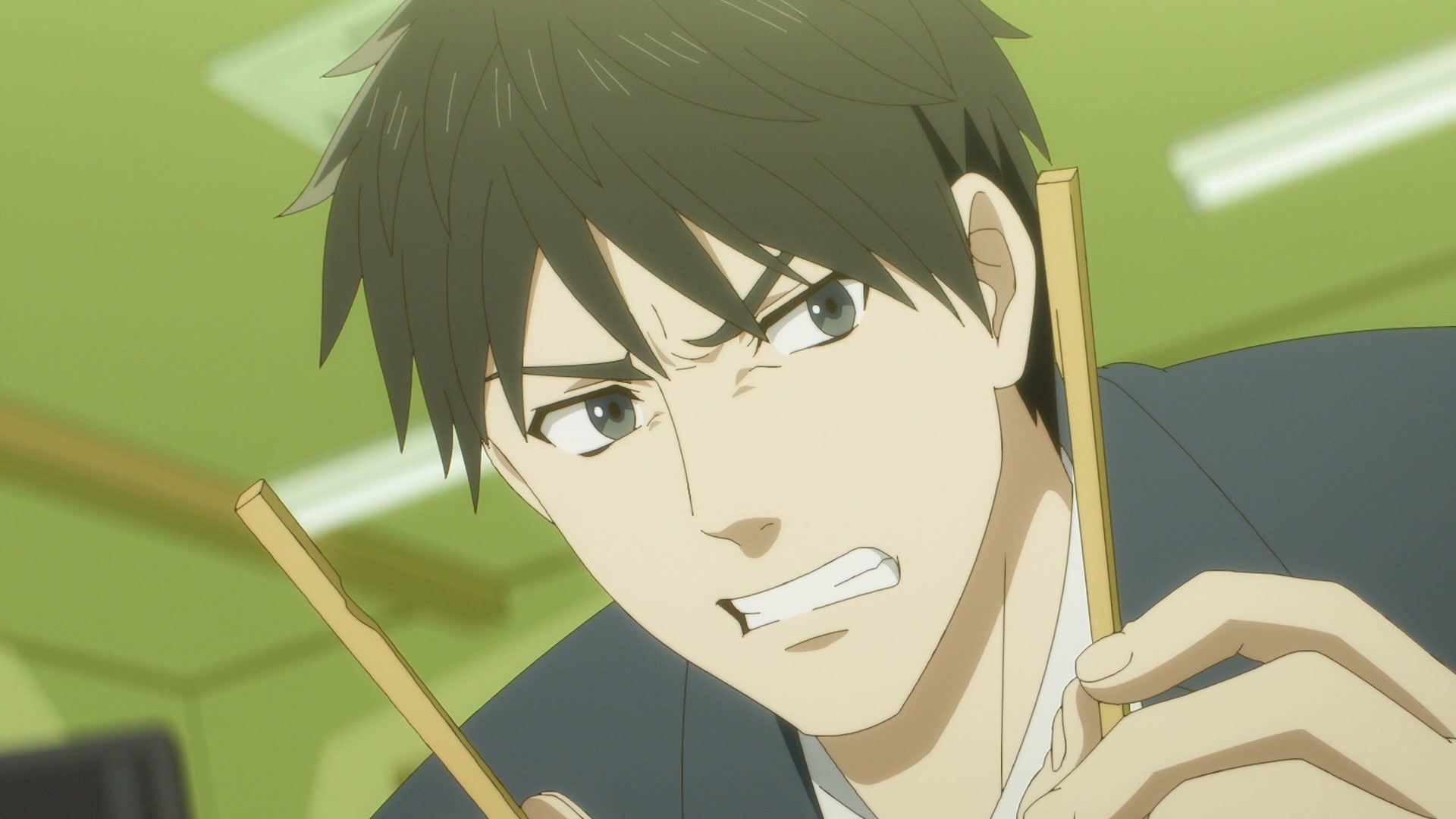
The Sunny Try presentation prep is where Kouichi’s “guts” strategy hits its limit. Thirty hours awake, anemia, collapsing in the office. Kamiya’s response is complicated in a way that rewards attention. He tells the section chief Kasuga that Kouichi has guts, then adds “I mean, guts is all he’s got, but hey!” It’s a joke, but it’s not funny. It’s an accurate assessment delivered with a grin that masks something closer to recognition.
The argument between Sawamura and Kamiya in the hallway is the episode’s sharpest scene. Sawamura accuses Kamiya of exploiting a kid’s dream. Kamiya fires back that Kouichi isn’t a kid, isn’t Sawamura’s son, and that Sawamura’s own wife and son left because of his work obsession. The personal history that spills out here recontextualizes everything. Kamiya’s father was also a designer who left the family. Kamiya’s philosophy isn’t cruelty. It’s a twisted form of respect. He believes the creative life means choosing “spine-chilling reality” over sweet dreams, choosing to be a creative over being a functional adult.
And then the line that made me pause the episode: “After you’ve endured enough, down dangles the spider’s thread.” Kamiya’s framing of creative breakthrough as something that only comes after sufficient suffering isn’t presented as correct or incorrect. The episode lets it sit there, uncomfortable and unresolved. The flashback to high school Eren thanking Kouichi at the riverbank cuts in right after, linking his current endurance to that moment of genuine connection and recognition. The spider’s thread might be real, or it might be what you tell yourself to keep going.
Having the Project Torn Away
The cruelest beat comes after they win. Kouichi presented part of the logo design himself. The 300-million-yen Sunny Try account is theirs. He’s elated, already half-dreaming about becoming the youngest ADC Award winner. And then Kasuga calls him in and tells him he’s being removed from the project. No experience. A veteran will take over.
Kouichi’s internal monologue during the post-removal drinking session is the episode’s emotional low point, and it’s constructed beautifully through overlapping dialogue. While Kamiya and Mitsuhashi chat about smoking bans, Kouichi’s thoughts run underneath: “I’m working hard now. I’m already working hard enough. I’m doing my best here. I’m busting my ass so hard I’m not even sleeping. I had the idea, I designed it, and I presented it, didn’t I? That was my project… Mine! It was mine!” The repetition of “mine” breaks something open. He storms out, refuses the taxi money, and we cut to him standing in front of an art museum exhibit.
Back to Where It Started
The final scene at BankART reconnects the adult Kouichi to the high school version we left behind last episode. Sayuri appears, and we learn the piece they’re looking at is one Eren graffitied with “You suck” back in high school. “She got competitive with an art museum exhibit and wrote ‘You suck’ on it. Who does that?” Kouichi says it with something between exasperation and affection.
But the episode doesn’t end on warmth. Mitsuhashi’s text explains that Kamiya fought for him in the chief’s office for ages but was powerless. She asks him to understand how Kamiya must feel. Kouichi’s response to himself is just “So lame… I’m so lame…” And then Eren’s voice from high school: “You seem pretty occupied with yourself.”
That lands hard because it’s true. He’s been so deep in his own frustration and ambition that he couldn’t see Kamiya’s position, couldn’t hear Sawamura’s warnings, couldn’t accept help when it was offered. The self-awareness arrives late and painful.
A Small but Meaningful Recovery
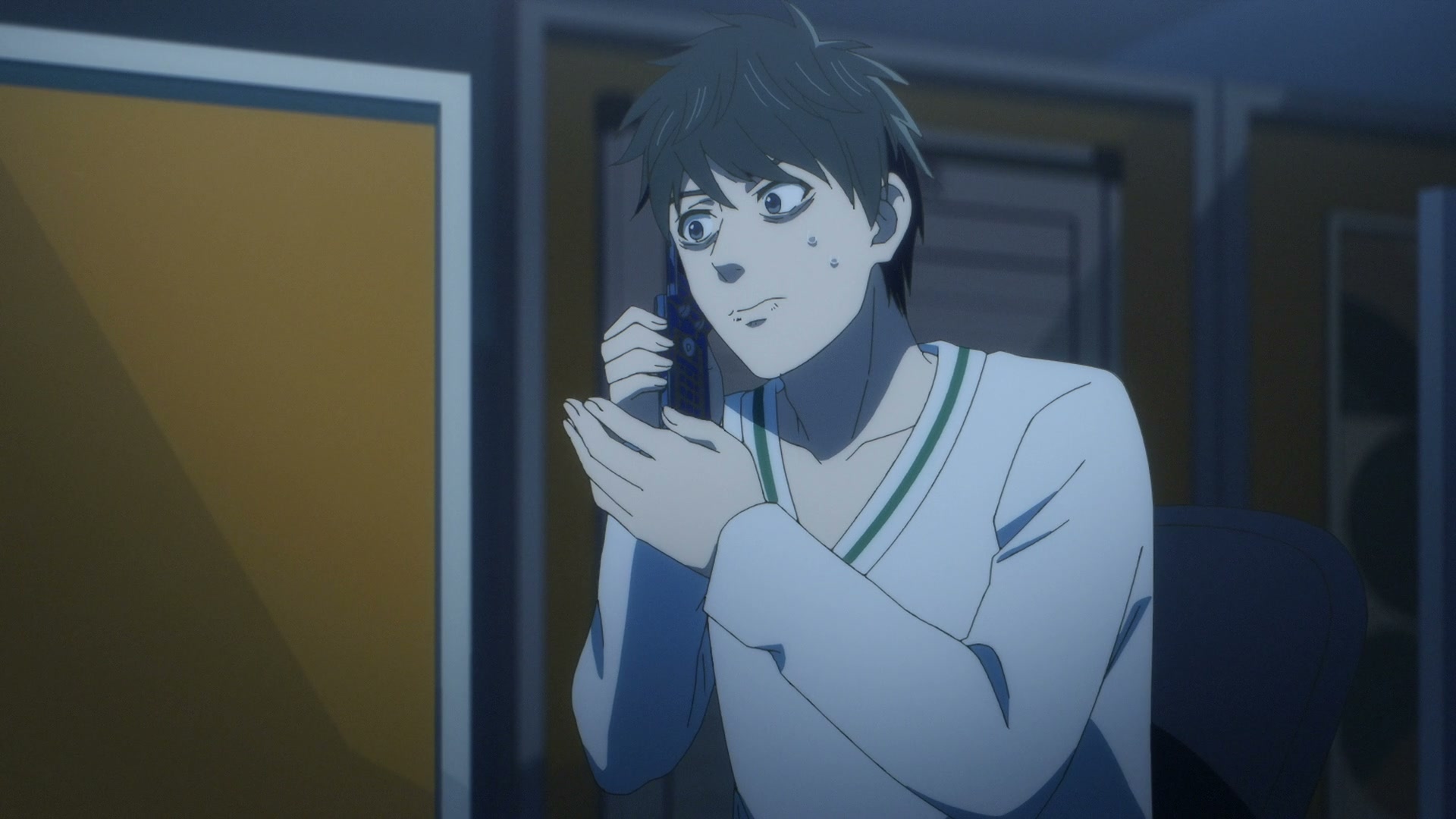
The episode doesn’t leave him in the pit, though. The phone call where he apologizes to Kamiya and gets right back to work, saying “All I’ve got is guts, after all,” could read as bleak. He’s learned nothing. Same strategy, same likely outcome. But Kamiya’s final line to Mitsuhashi complicates it: “It’s all good that way. We’re guys.” It’s not approval of the overwork culture or dismissal of feelings. It’s recognition that this is how they communicate, how they push forward, how they survive in a system neither of them fully controls.
The voiceover that closes the episode, saying Kouichi would still choose to be a designer even if he could go back, even if he keeps failing and no one expects anything of him, isn’t triumphant. It’s stubborn. It’s all he has left. And given everything the episode just showed us about the industry, about the toll, about the people who burn out or get discarded, that stubbornness might actually be enough. Or it might be the thing that destroys him. The episode is smart enough not to answer that yet.
On the Bright Side
Kamiya remains the episode’s most interesting figure. He smokes too much, works his team hard, and can’t advocate effectively against the section chief’s decisions. But he also splits Kouichi’s remaining corrections when the kid is clearly drowning, fights behind closed doors for him to stay on the project, and takes the team out for drinks when he fails. He’s not a mentor in any conventional sense. He’s something messier and more believable: a talented creative who internalized suffering as the price of admission and now passes that expectation on without quite meaning to.
The detail about Sawamura’s nickname in his prime, “Sadi-mura,” feared by everyone, adds another layer. The gentle near-retiree who tells kids to go home on time used to be the sadist in Sawamura’s own four-types framework. People change. The damage they did doesn’t disappear. The episode holds both truths at once.
Screenshots