






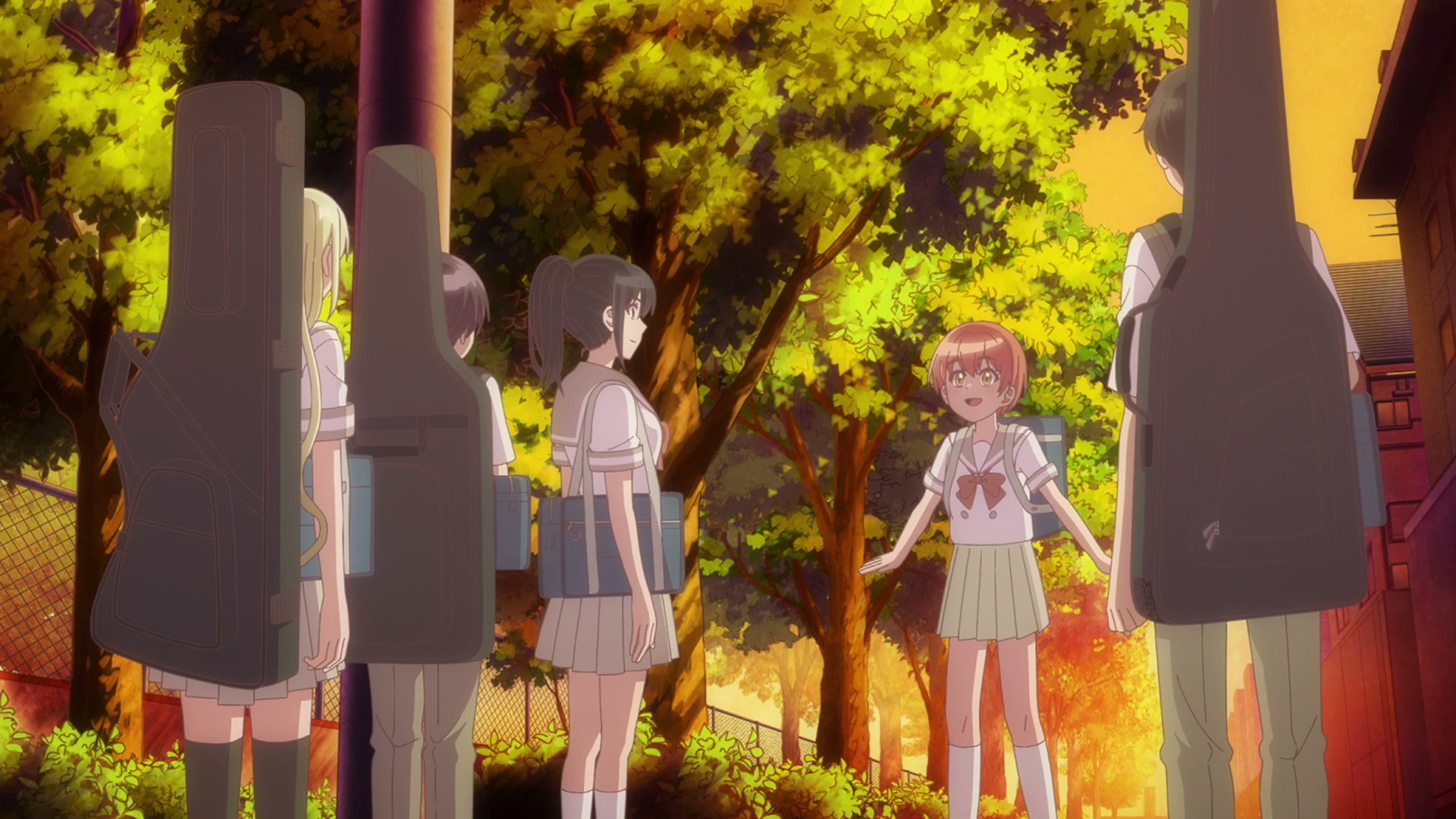
The episode opens with a conversation we already knew happened but hadn’t heard in full. Uta and Hikari, on the last day of summer break, spent the day together shopping, watching a movie, eating. Then Hikari dropped the words that turned their friendship into an acknowledged rivalry: “I like Natsuki-kun. So I need to apologize to you.” Uta’s response is steady, almost gentle. She doesn’t flinch. She tells Hikari not to hold back, and Hikari promises the same. The scene is brief, but it reframes everything that follows. The band, the lyrics, the creative struggle, all of it now sits inside a love triangle where both girls have openly declared they won’t lose.
That flashback hangs over the rest of the episode like a quiet pressure. Natsuki doesn’t know the details of that conversation, but he’s already carrying the weight of his own indecision. The band becomes his escape, and also the place where his feelings get pulled into the light.
Mishlef Gets a Name, Natsuki Gets a Critic
The band practice scenes continue to be a joy. Serika’s bluntness remains the group’s engine. She rates their first jam a three out of ten, tells Shinohara he’s good but holding back, and leaves Natsuki without any pointers at all, which stings him more than criticism would. The dynamic is settling into something comfortable: Iwano’s quiet commitment, Shinohara’s nervous enthusiasm, Serika’s uncompromising ear, and Natsuki’s growing awareness that he’s the weakest link.
The band name discussion is exactly the kind of low-key charm this show does well. Iwano suggests “Mishmash Leftovers,” pointing out that aside from Natsuki, they’re all castoffs from the school music club. Serika likes it but notes there’s no twist. Natsuki shortens it to “Mishlef” and calls it cute. Serika immediately approves of the combination: a cool full name with a cute nickname. It’s a small moment, but it captures how this group works. Nobody fights for ego. Ideas get tossed around, tweaked, and adopted without friction. The band is becoming a real thing, not just a Serika project with hired hands.
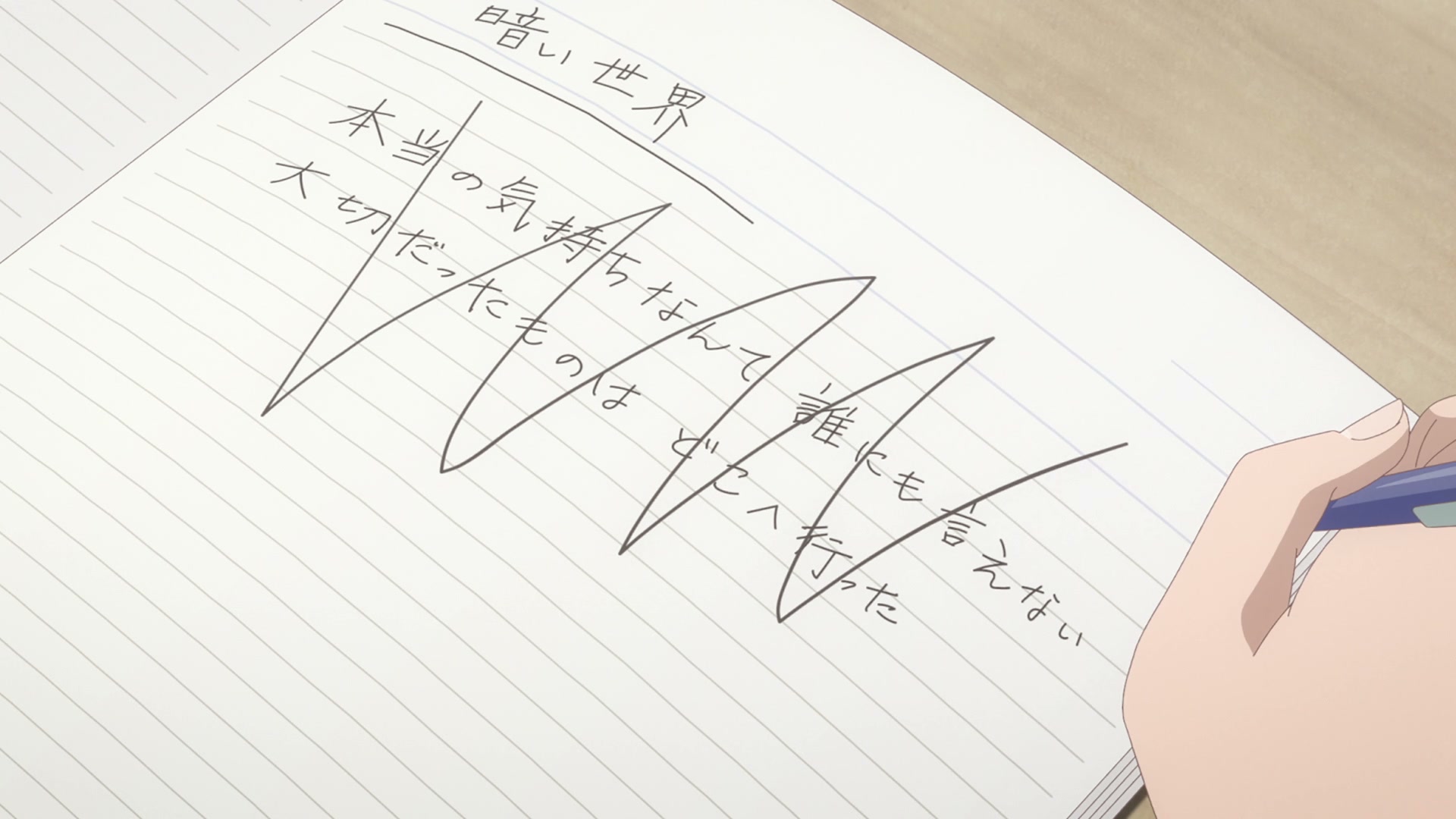
Natsuki’s struggle with singing and playing simultaneously is still present, but the episode shifts focus to a new challenge: lyrics. Serika has a second song ready, “Monochrome,” with a theme of past and regret, but she’s stuck on the words. She can turn themes into music, she says, but not into language. So she asks Natsuki to write them.
This is where the episode starts weaving Natsuki’s internal conflict into his creative output. He’s been thinking about who he is, why he’s taking the band so seriously, and what he wants to say. Uta asked him earlier what his motivation was, and he couldn’t give a clear answer. Now, writing lyrics forces him to articulate something he’s been avoiding.
Hikari’s Honesty Cuts Through
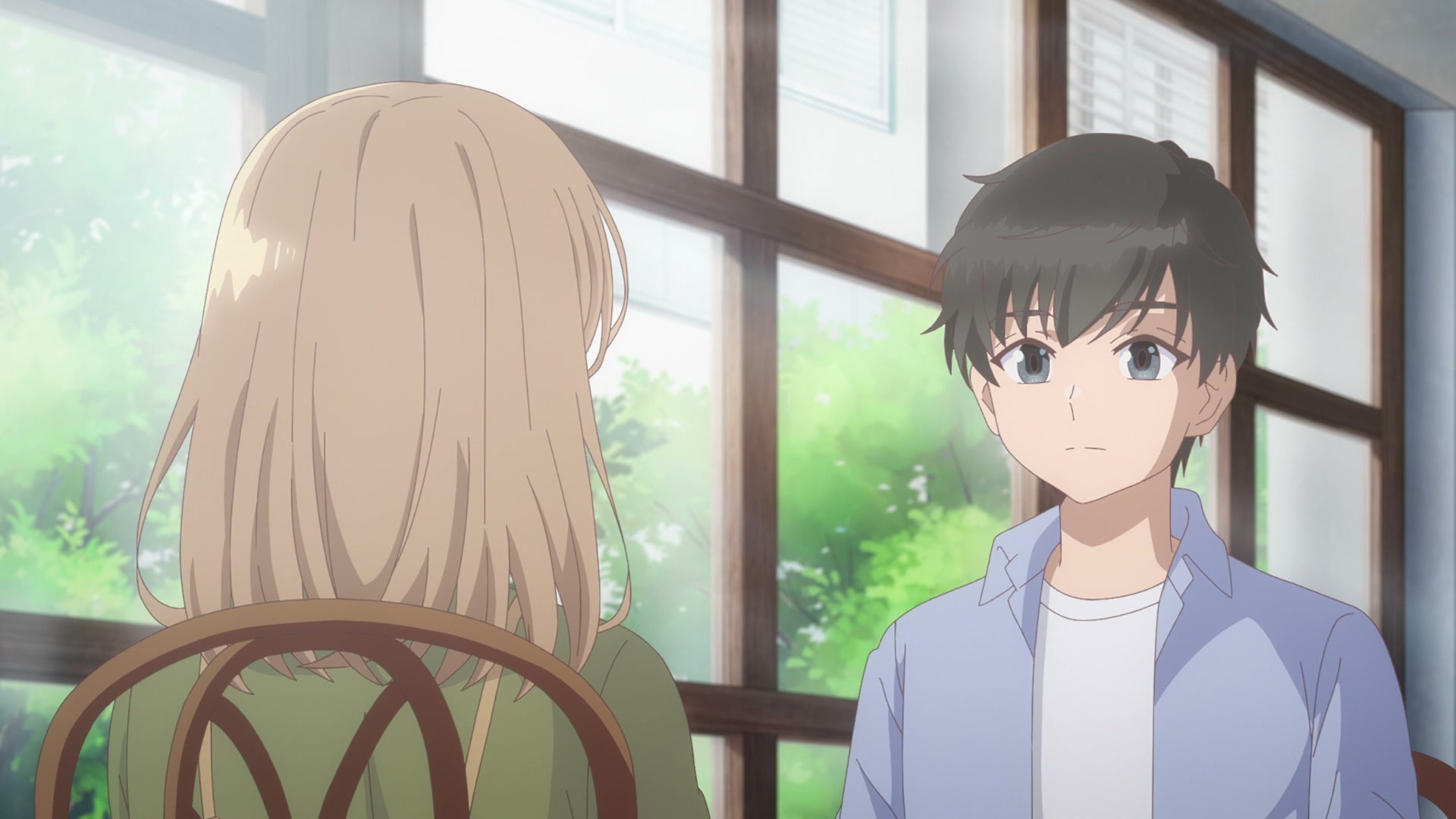
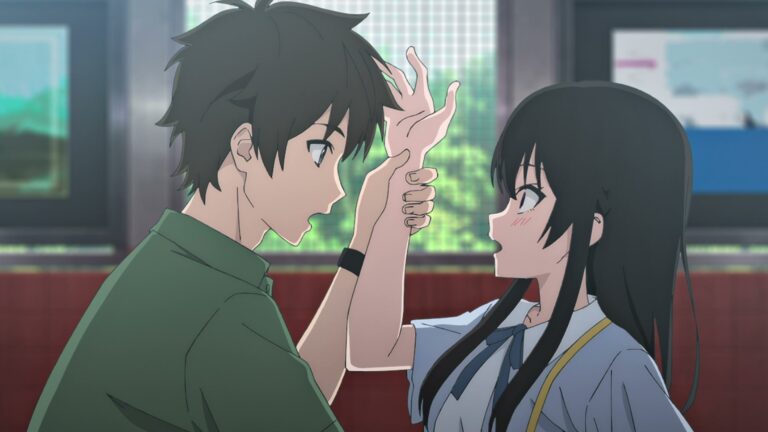
Natsuki turns to Hikari for help. She writes novels, so he figures there might be overlap. They meet at a pancake place, and the scene is warm in a way that makes the underlying tension sharper. He tells her she looks cute today, then corrects himself: she always looks cute. She says she prefers being called pretty. It’s a small exchange, but it shows how comfortable they’ve become, and how Hikari still gently redirects his compliments toward something more substantial.
She reads his draft lyrics and doesn’t soften the blow. The words aren’t bad, she says, but they’re not saying anything. She can guess at his past and regrets, but she can’t tell what he wants to say about them. And the tone is nothing but gloomy, sad, lonely. Then she lands the line that reframes the entire exercise: “That just isn’t like you to talk like that.”
Natsuki’s internal reaction is immediate. That is who he really is, he thinks. But Hikari already knows that. She’s seen the real him, the anxious former loner who hid behind a fabricated cool persona. What she’s pushing him toward isn’t a return to that gloom. It’s the version of him that’s trying to change. “I think the way you’re trying to become a cooler person is cool,” she says, “so I hope you’ll keep doing that.”
This is the most direct affirmation Natsuki has received about his entire redo project. People have called him cool after his time-travel-assisted transformation, but Hikari is the only one who saw the whole process. She watched him drop the act, reveal his dorky past, and keep striving anyway. Her praise isn’t for the result. It’s for the effort.
The pancake scene ends with Natsuki quietly crying what he calls happy tears. It’s a small, unforced emotional beat. The show doesn’t linger on it or underline it with music. It just lets him sit with the feeling that someone sees the whole him and still thinks he’s worth rooting for.
The Third Song and What It Means
With Hikari’s push, Natsuki revises the lyrics for “Monochrome,” and Serika approves. They sound like him, she says. Then the question of the third song comes up. Serika doesn’t have one ready, and Natsuki volunteers to write lyrics again, this time from scratch.
What he writes is different. The temporary draft he shows Hikari later is full of weakness and uncertainty, and he’s not satisfied. He wants to say something stronger: that he can change, that he will change, that he can change the world for someone. But he’s afraid that changing the lyrics now will screw over the band, since they’re already working with the temporary version.
Hikari doesn’t let him compromise. “If you’re trying to express a will to change, you can’t give up,” she tells him. “The world won’t change if you compromise.” This is the same girl who ran away from home and told her father to read her novel or accept that she won’t be his puppet. She knows what it costs to put your real feelings into words and demand to be seen. She’s not going to let Natsuki take the safe route.
He finishes the lyrics. He thanks her, says he got it done because of her, and runs off to practice. And then the episode drops its quietest, heaviest moment. Hikari, alone, thinks: “What am I supposed to do after seeing those lyrics?”
The show doesn’t show us the lyrics. We don’t need to see them. The implication is clear. Natsuki wrote something that moved her, something that likely expressed his feelings in a way that can’t be mistaken for anything else. Whether it’s a declaration of love, a promise to become someone worthy, or both, it hit Hikari hard enough to leave her asking herself what comes next.
The Band as an Emotional Conduit
Throughout the episode, Natsuki’s internal monologues keep circling back to the same idea. He wants to become someone he can be confident in, someone he can respect, someone who can proudly say “I love you, and I’ll make you happy.” The band, the lyrics, the effort to improve at guitar, all of it is in service of that goal. He’s not just trying to put on a good show at the cultural festival. He’s trying to become a person who deserves to be chosen.
This is where the love triangle gains weight. Uta is patient and determined, promising to keep thinking about him until she figures it out. Hikari has declared she won’t lose. Natsuki is paralyzed between them, but he’s not passive. He’s actively working to become someone who can make a decision and stand by it. The lyrics are part of that work.
The episode also gives us a brief scene with Tatsuya, who asks Natsuki why he hasn’t decided yet about Uta. Tatsuya says he can’t stand to watch her these days. Natsuki apologizes, and Tatsuya acknowledges it’s not his responsibility, but the frustration is real. The love chain hasn’t loosened. Tatsuya still likes Uta, Uta still pursues Natsuki, and Natsuki still can’t choose. The band offers a parallel track where progress feels possible, but the romantic knot remains tangled.
Where the Episode Leaves Us
The band now has a name, two songs nearly complete, and a third song with lyrics that carry Natsuki’s most honest feelings. The recording plan is in Shinohara’s hands. The cultural festival is approaching. On the surface, the creative project is moving forward.
Underneath, Hikari’s final question hangs in the air. She’s been the one pushing Natsuki to be honest in his writing, and now she’s holding the result. Her own feelings, already complicated by her novel’s male lead being based on him, by her declaration at sunrise, by the short story she wrote for his birthday, are now confronted with his words set to music. She can’t unread them.
The episode doesn’t resolve anything. It deepens everything. Natsuki is still split. Uta is still waiting. Hikari is now carrying something new and heavy. And the band, the thing that was supposed to be an escape from romantic paralysis, has become the vehicle for Natsuki’s most vulnerable self-expression. The next move isn’t his alone anymore. Hikari has to figure out what she does with what she’s seen.
Screenshots

← Episode 10 | All Haibara-kun no Tsuyokute Seishun New Game Season 1 posts →
[…] ← Episode 11 | All Haibara-kun no Tsuyokute Seishun New Game Season 1 posts → […]