






The spring 2026 anime season has come to a close, and among the many series that aired, three stand out for their quiet warmth and lasting emotional resonance. A writer picks Jisho Akuyaku Reijou na Konyakusha no Kansatsu Kiroku, Awajima Hyakkei, and Kami no Niwa Tsuki Kusunoki-tei as the shows that linger in the heart long after the final episode.
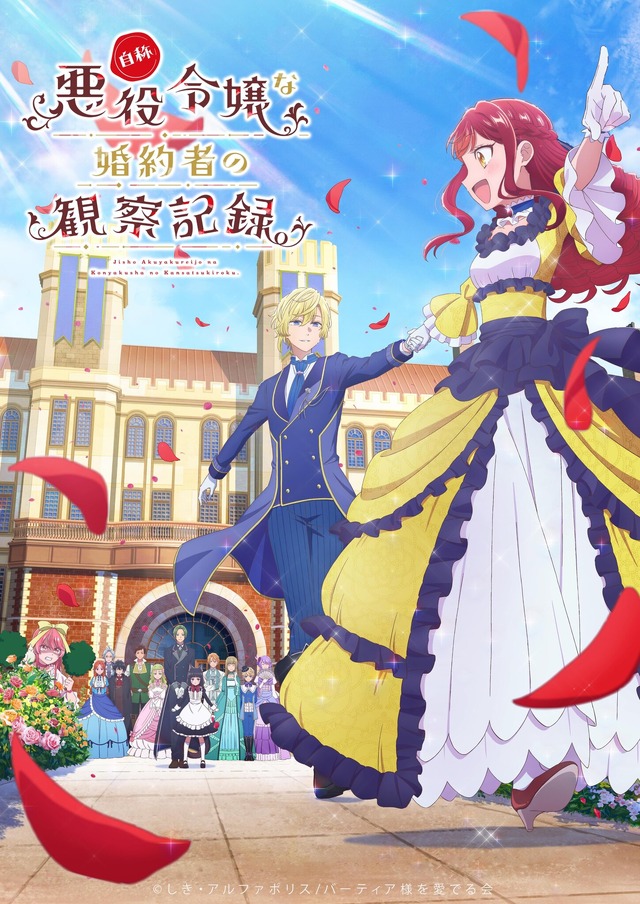
『自称悪役令嬢な婚約者の観察記録。』
“ざまぁ”を目指す令嬢が気づかせてくれる、笑顔と優しさの連鎖

It’s almost too much to handle—Lady Barthia, the self-proclaimed villainess, is just too adorable. The only daughter of the distinguished Noches Marquis family, she is engaged to Crown Prince Cecil of the Alphasta Kingdom. Claiming to have reincarnated into an otome game world, she charges headlong toward her goal: to be “zamaa” (humiliated) by the heroine and make Cecil happy. For the calm, capable, and bored prince, she was at first just a pleasant distraction—but his feelings soon begin to change.
Though she seems to be aiming for a “zamaa” ending, Barthia’s actions are always aimed at preventing misfortune for those around her. Her choices lead in unexpected directions, and before long, the people surrounding her and the prince are filled with warmth and smiles as they watch over the adorable couple. Barthia’s earnest, oblivious efforts are so endearing that even those who aren’t Cecil can’t look away.
The “observation record” from a cool-headed perspective made each episode a delight—”Lady Barthia… so precious.” And as for who actually gets “zamaa” in this story? It’s a surprising character. This pure and passionate self-proclaimed villainess brings plenty of laughs and healing.
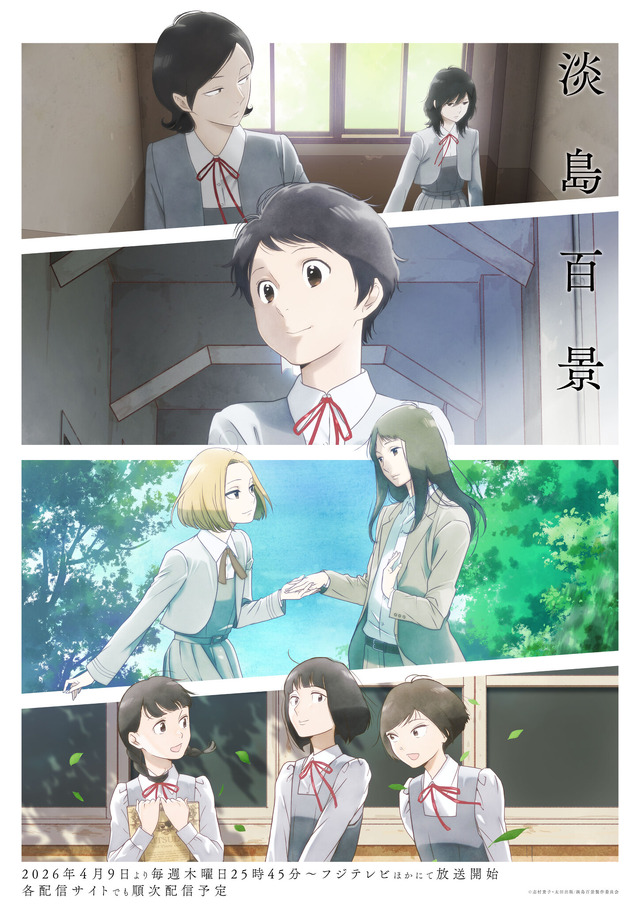
『淡島百景』
痛みを抱えながら舞台を目指す 青春の光と影が交差する歌劇学校の物語

It brings back memories of six years at an all-girls school, and of a friend who aimed for that famous opera school. She was beautiful too.
Awajima Hyakkei carefully weaves the daily lives of girls at the historic Awajima Opera School, which trains only female performers. Based on the popular manga by Shimura Takako and animated by Madhouse, the story follows girls from across the country who pass the difficult entrance exam and enter the school’s gates. Dormitory life, strict lessons, relationships with senior roommates, time with classmates—the reality that awaits them as they chase their dreams is sometimes gentle, sometimes cruel. The narrative shifts protagonists each episode, quietly depicting the girls’ feelings.
Through the students’ eyes, we experience the days at the opera school. One girl recalls wanting to pursue acting with a friend; another regrets coming here. Some have retired from acting and work at talent agencies; others left the Awajima Opera and became successful actresses. A girl burdened by her grandmother’s legacy as a star actress lashes out in jealousy at a beautiful, talented classmate. Someone else, pushed to the brink, gives up her dream and leaves the school, thinking of the childhood friend who supported her, and cries.
And then there are the “former girls” who now watch over the students, carrying their own regrets. Catching a glimpse of the brilliant “youth” of these pages, by the final episode, one’s own “blue period” of adolescence vividly resurfaces. The story, filled with nostalgia and passion, makes the heart tremble, and tears overflow each episode. This reunion with youth is precious.
『神の庭付き楠木邸』
孤独な青年と神々の出会いが生む 心の庭が広がる日々
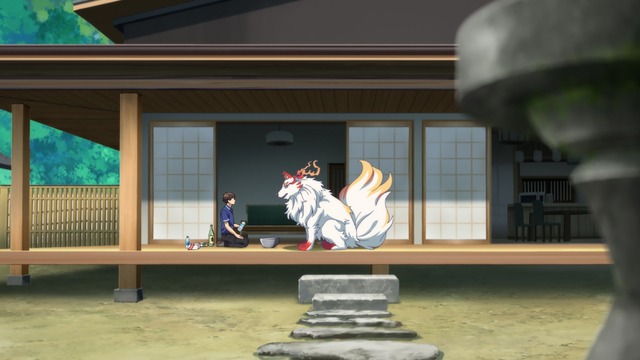
The lively, pure days at the Kusunoki residence, where gods and sacred beasts have taken up residence, make the heart dance. Minato Kusunoki, who has been able to see yokai and spirits since childhood, is put in charge of managing an empty house built by a distant relative. When he arrives at the run-down property that has been vacant for two years, he unknowingly dispels an ominous presence—and the mountain god appears before him.
Minato possesses the ability to write characters that exorcise evil, and he can see the unseen. Before long, gods like the wind god and thunder god, as well as the four auspicious spirits—the spirit turtle, dragon, kirin, and phoenix—and other divine beasts gather around him. The spacious garden is gradually landscaped with the help of the gods’ power, becoming a Japanese garden with clear flowing water, and even an open-air bath for hot spring therapy. Each episode offers healing and a warm, cozy feeling as we watch the sacred beings and the easygoing Minato go about their daily lives. The sight of them sitting on the veranda, sharing sake and Japanese sweets with the mountain god and the four spirits, is truly enviable!
The anime depicts the leisurely relaxation of the invisible beings and the beautiful, pure garden. It almost feels as if you are touching that serene air. It reminds me of visiting temples and shrines in Kyoto, where the moment you step inside, the quiet, dignified atmosphere heals body and mind. I used to visit early in the morning to experience that purer air.
Perhaps beings like the mountain god exist in those places too. The gods and spirits, living outside human logic, are free-spirited and unconstrained. Watching Minato being swept along by them, and the careful depiction of life through the four seasons, makes you want to keep watching over them forever, like the camphor tree standing in the garden. It was a gem of a story.

All three works offer kindness beyond loneliness and pain, leaving a warm afterglow in the heart. Now that they have ended, it’s the perfect time to revisit these stories and rediscover that warmth within yourself.
— Ebisawa Nachi

![Hints of “Connection” to Previous Work Spark Active Speculation! “The Fifth Man” Shion Ishida is a “Do-M Researcher”!? Ryuusei & Shion… Men’s Friendship Was Too Hot in “Yoroi Shinden Samurai Troopers” [Reaction Summary with Spoilers for Episode 4]](https://animeworld.info/wp-content/uploads/2026/01/835962.jpg)