
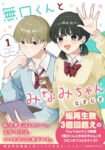
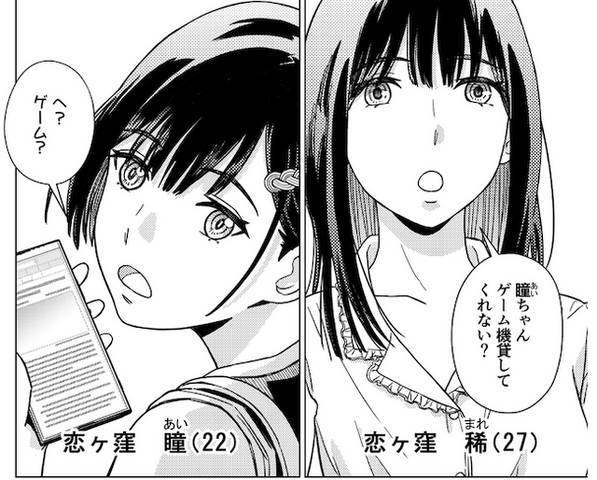
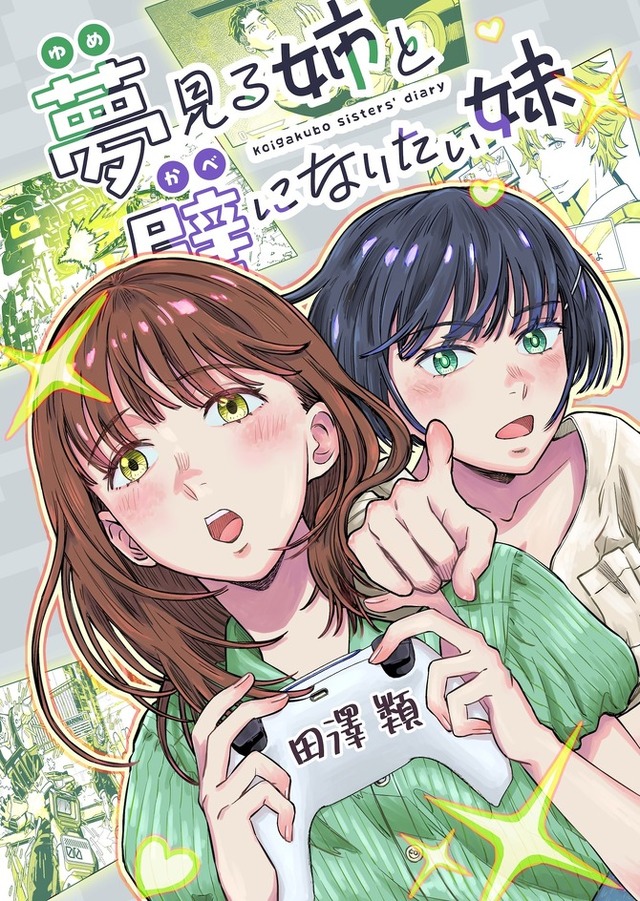
The manga “Yumemiru Ane to Kabe ni Naritai Imouto” depicts a sister who gets hooked on games and the younger sister who watches over her. Serialized on Game*Spark in 2025, the tankoubon was released on June 30, 2026, including newly written stories. To celebrate the release, we spoke with author Tazawa Rui about the manga’s origins, the challenges of depicting real gaming culture, and the surprising real-life inspiration behind the bonus story.
Interview with Tazawa Rui: How Were the “Yumemiru Ane to Kabe ni Naritai Imouto” Born?
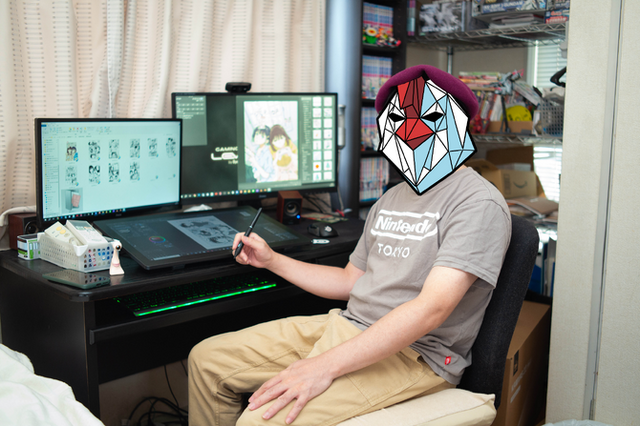
——How did the project start?
Tazawa: It was around early 2024, right after “Megaroporisu Nokku Daun Riroodeddo” ended. I wanted to think of a new serialization, but my editor and I decided to first draw a one-shot as a bridge. That was the beginning.
——There was also an e-sports school concept initially, right?
Tazawa: Yes, I considered that. I even visited a game school for research, but I felt it would take too long. I wanted something familiar that I could draw quickly, so the idea for “Yumemiru Ane to Kabe ni Naritai Imouto” was born. Around that time, I heard that young women who don’t usually play hardcore games were playing Armored Core 6 because of a handsome character. I found that interesting. Unlike the “cute girls doing old man hobbies” trend, this was real.
——Were there other influences?
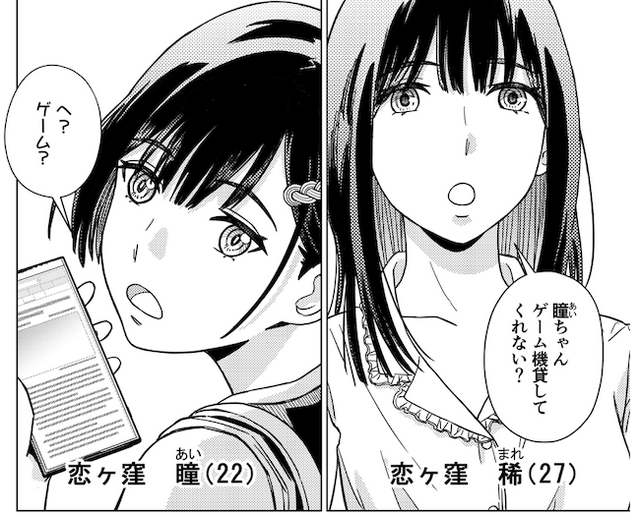
Tazawa: For character design, the sisters’ surname Koi-ga-ubo comes from a place in Kokubunji where I used to live. It’s catchy and has a cute image. The manga shares the same universe as “Megaroporisu Nokku Daun Riroodeddo,” so sometimes characters wear T-shirts with patterns from that series.
——The one-shot received mixed reactions, didn’t it?
Tazawa: Yes. There was some backlash from the “yume joshi” (dream girl) community. I thought I had enough literacy about otaku culture, but I was surprised. My intention was never to be negative. What I really wanted to depict was the sisterly relationship. Families are made of people with different values, and I wanted to show that dynamic. However, I admit some parts may have come across as critical of female otaku. That was my lack of expression.
——Were there revisions for the serialization?
Tazawa: Quite a few. The biggest change was softening the younger sister’s harsh words toward her older sister. The core of the story remained the same.
——What did you do during the year before serialization started?
Tazawa: I basically stockpiled chapters. The editorial team asked me to wait for the right timing, so I kept working. Without deadlines, I might have spent too much time on each page (laughs).
——Each chapter features a different game. Was that challenging?
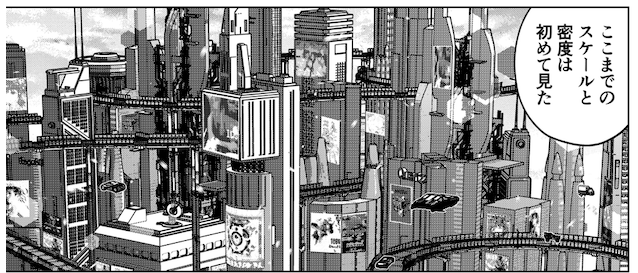
Tazawa: More than I expected. In “Megaroporisu Nokku Daun Riroodeddo,” I only needed to create one big game. Here, I had to invent a new game every chapter, and I couldn’t use real games directly due to rights issues. I had to convert them into parodies. It was labor-intensive. At first I thought I could draw endlessly, but later I realized it was tough to maintain.
——How about story creation?
Tazawa: That was smooth. I based it on my own gaming experiences and those of people around me. I expanded on real events and impressions. Depicting gamer behavior comes naturally to me.
——How did you approach drawing the sisters?
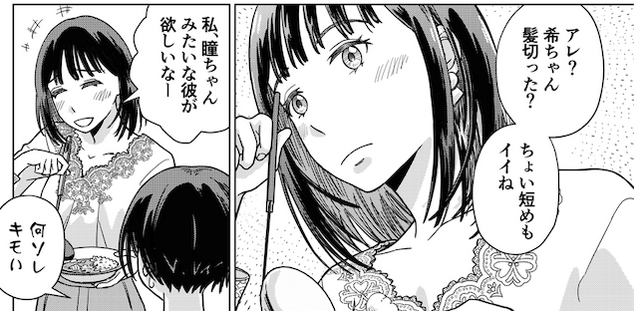
Tazawa: That was also natural. I’m an only child, but my mother’s family had three sisters living together in one house. I grew up surrounded by women, so I saw sisterly interactions constantly. Sibling relationships are fascinating—they can seem hostile but always stick together. My commercial debut work was also about sisters fighting. In a way, it’s a theme I’ve always explored.
——The sisters in this story are quite close, aren’t they?
Tazawa: Yes. The apartment was originally rented by the older sister for herself, and the younger sister later moved in. She sleeps in the living room without her own room. The fact that the older sister allows that shows they are very close.
——Other family members are barely shown. Why?
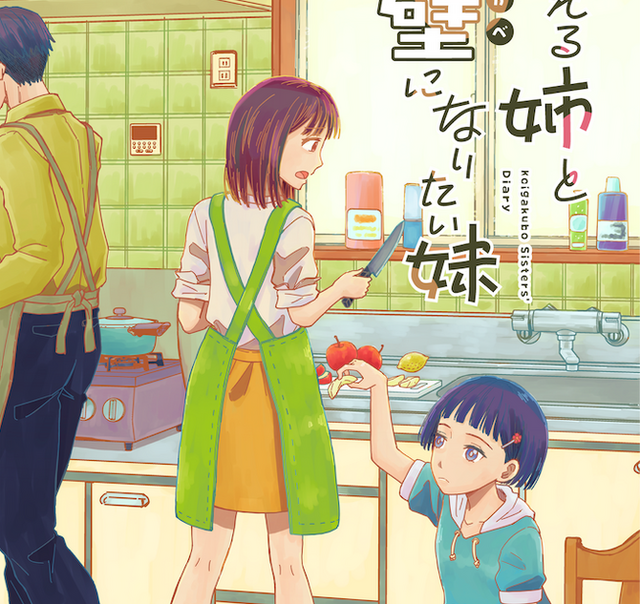
Tazawa: They appear briefly in flashbacks. The family is a typical nuclear family living in Kodaira, not far from Kokubunji. I based the family on a real household I know—very warm, like something from Doraemon or Crayon Shin-chan. But even such families have conflicts. I reflected that atmosphere in the Koi-ga-ubo sisters.
——The older sister, Mare, doesn’t play games at all in the first chapter. Was that a challenge for you as a lifelong gamer?
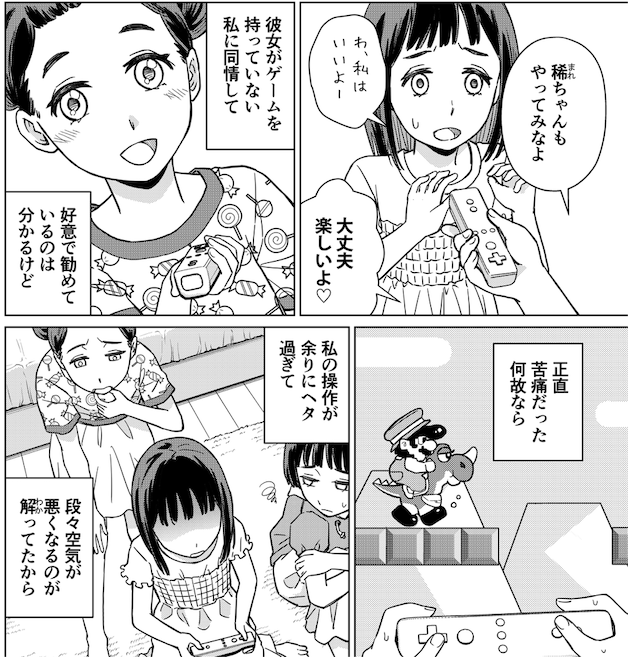
Tazawa: Yes. I’ve loved games since elementary school, so I didn’t understand non-gamers. I researched by watching a highly educated streamer who was raised with no games. He said he found it painful when friends gathered to play games because he had no interest. That was a fresh perspective for me. I also had a two-year period in elementary school when my parents banned games. During that time, I felt a hunger for games, which I tried to give to the older sister.
——Game manga readers and creators are usually gamers themselves.
Tazawa: Exactly. Since Game*Spark is a hardcore gamer news site, I thought readers might not understand non-gamers. In “Megaroporisu Nokku Daun Riroodeddo,” the protagonist was a proactive gamer even as a child. This time, I wanted to depict someone who never played games and formed their personality without them. That might be a new angle for a game manga.

——The tankoubon includes two new stories. The second one is quite shocking. Why that direction?
Tazawa: It’s a sequel to the final chapter, where the older sister’s position is turned upside down. It may seem convenient, but there’s a real-life model. A sister I know quit her long-term job and became a NEET for years. When I asked about reemployment, she suddenly said she wanted to draw manga. She had only drawn illustrations in school, but in her late 30s, she actually started drawing and got a commercial serialization without any awards. Reality overtook fiction. Some may find it convenient, but that’s what happened.
——Finally, a message for readers.
Tazawa: I apologize for the long gap between serialization and the tankoubon. Though short, I packed it with my thoughts on what makes a good game, a good player, and a rich gaming experience. I hope readers think, “Ah, that’s why I love this game” or “That’s why I kept playing.” Games are not just about winning or improving; they become lifelong experiences. Also, I hope those with siblings can relate to the sisterly dynamics. Thank you.
——Thank you. We look forward to your next work!
The tankoubon (digital edition) of “Yumemiru Ane to Kabe ni Naritai Imouto” is available at various e-book stores for 935 yen (tax included).
Game*Spark serialized manga “Yumemiru Ane to Kabe ni Naritai Imouto” tankoubon release interview—Behind the scenes from birth to the bonus story, as told by the author.