



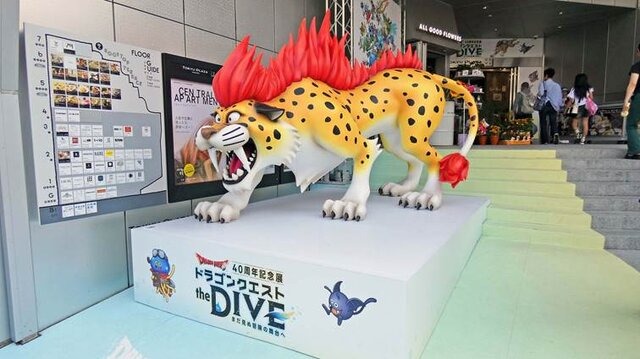
Since its debut on the Famicom in 1986, Dragon Quest has become a pillar of Japanese pop culture, beloved across generations. To celebrate its 40th anniversary in 2026, a large-scale exhibition titled “Dragon Quest the DIVE -まだ見ぬ冒険の舞台へ-“ is being held at Tokyu Plaza Harajuku “Harakado” in Tokyo from July 17 to September 6, 2026. The event spans three floors—the main venue on the 4th floor, a secret materials display on the 2nd floor, and a collaboration restaurant on the 5th—offering a wide range of content including VR attractions, panel displays tracing the series’ history, rare archival materials, photo spots, and various “cosplay experiences” that let visitors feel like characters from the Dragon Quest world.
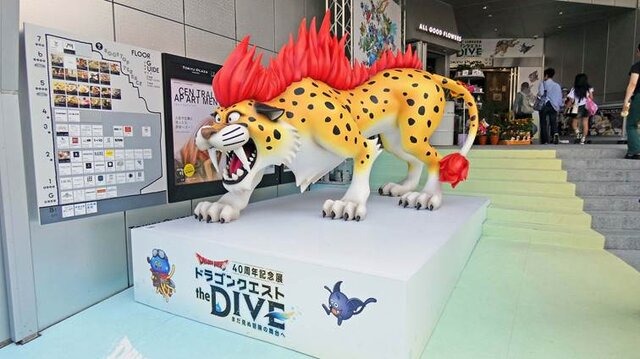
This article reports on the media preview event, which featured a talk session with special guests and a first-hand experience of the exhibition.
Secret Materials Not to Be Missed
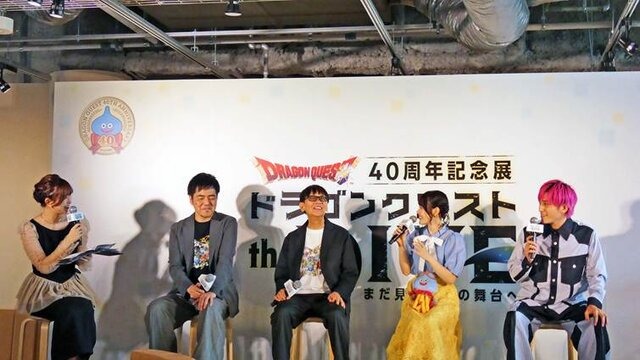
From left: Yuka Kuramochi, Yohei Murakami, Yuji Horii, Yui Ogura, Daiki Kanchiku.
The stage session at the media preview featured game designer Horii Yuji, Murakami Yohei of Square Enix, Ogura Yui who voices the character “Homiita” in the VR content, Kanchiku Daiki of the comedy duo EXIT (a self-proclaimed Dragon Quest fan), and MC Kuramochi Yuka.
First up was the centerpiece of the event: the immersive attraction “Dragon Quest VR RIDE”. Using the latest VR device Meta Quest3 and a motion seat, this attraction simulates the sensation of riding a Killer Panther across a grassy plain, offering a thrilling sense of speed and dynamic adventure. Horii Yuji, the creator of Dragon Quest, excitedly commented, “It’s so realistic, the immersion is incredible!” He also explained the naming of Homiita: “Since it’s a boy character, we went from ‘Homiita’ to ‘Homiita’—actually from ‘Homiita’ to ‘Homiita’?” (laughs). The source says “ホミー太” became “ホミータ”, so the name evolved from “Homiita” to “Homiita”.
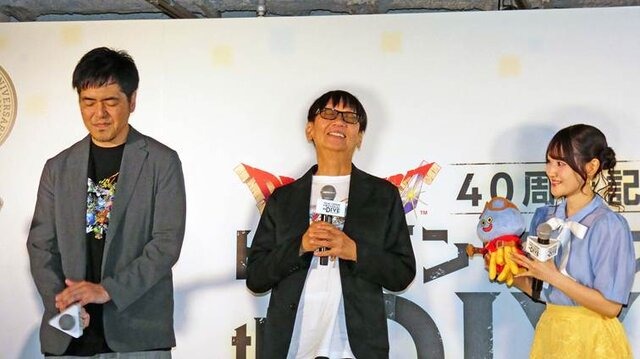
Ogura Yui, who plays the navigator Homiita, said, “I kept the boyishness important, but since it’s a key role guiding everyone, I paid close attention to the sense of presence, mixed in ad-libs, and spent a lot of time recording with great care.”
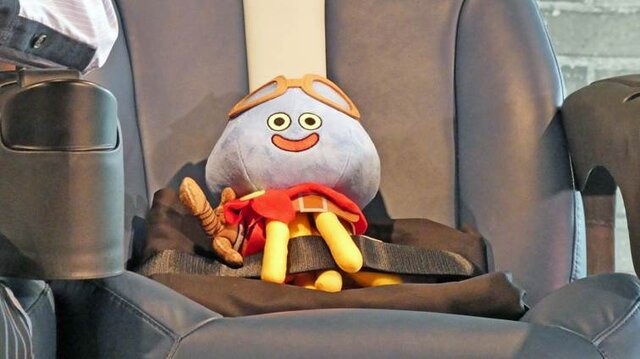
A Homiita plushie is also available at the official store “Douguya.”
The motion seat was designed with motion sickness in mind, aiming for movements that minimize discomfort, so visitors can enjoy safely. Kanchiku Daiki, who actually tried the ride on stage, said excitedly, “Even the back side is detailed—it was amazing everywhere! Honestly, you could ride it many times and still find new discoveries!”
The visual experience is true to the Dragon Quest world. Even the reporter who tried it thought, “Does the hero go on adventures like this every time? Can their body handle it?” The seat moves, you feel wind, and even the sensation of grass brushing against your legs—it’s an attraction you can only experience here, and it was overwhelming.
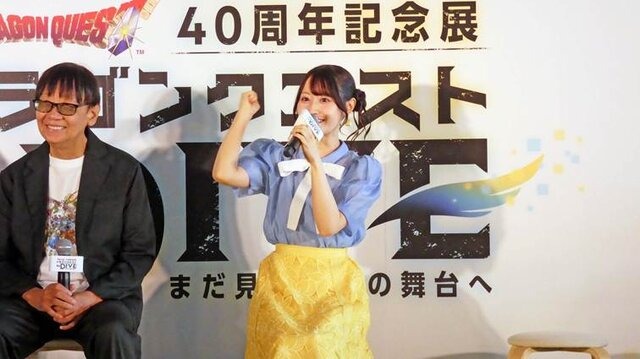
Ogura Yui declaring “VR attraction, start!” in Homiita’s voice.
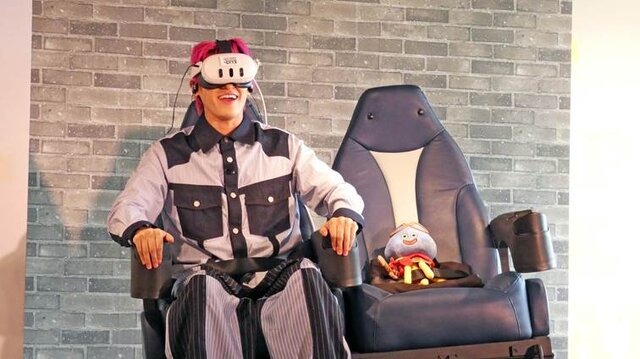
Kanchiku Daiki actually experiencing the “Dragon Quest VR RIDE.” The seat moves quite boldly.
Other topics in the session included the exciting display-based attractions. After passing through the entrance, visitors first experience the VR RIDE. Then, in the “Castle Area,” they receive a “Adventure Log” at the church—a kind of admission souvenir that makes you think, “So this is where you save!”
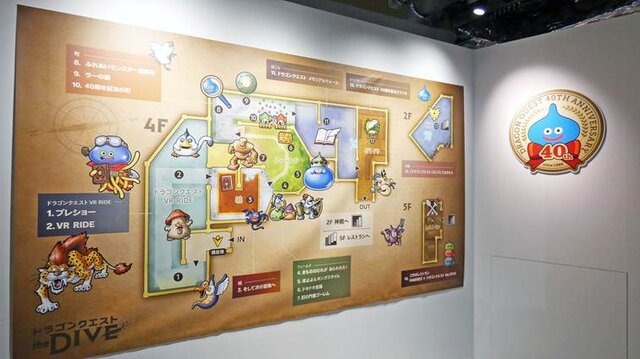
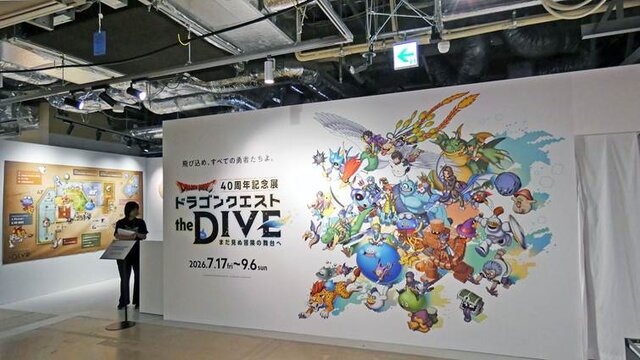
Entrance with a map of the venue.
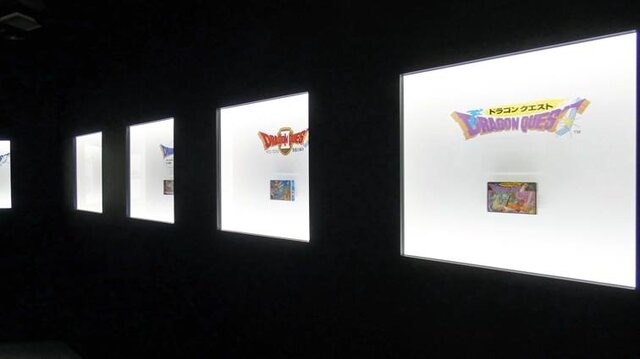
Past Dragon Quest packages.
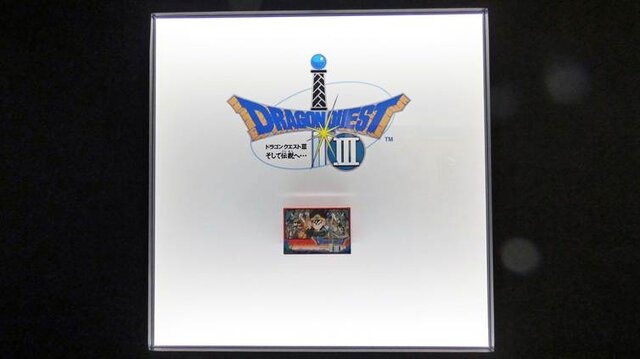
Dragon Quest III: And Into the Legend… which became a social phenomenon in 1988. Truly legendary.
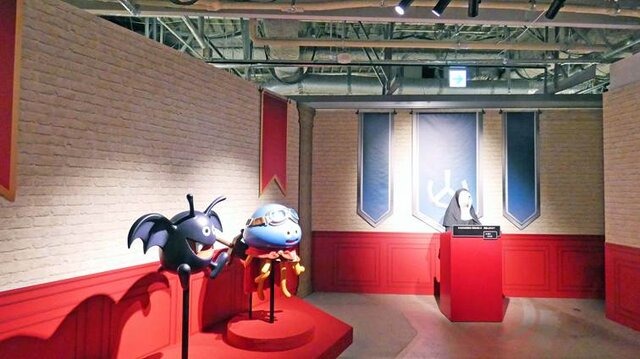
The “Castle Area.”
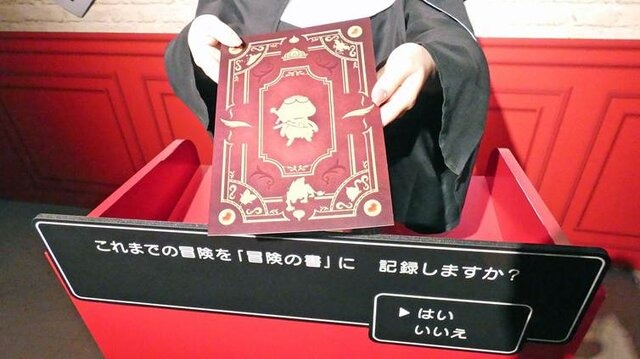
This is the “Adventure Log”!
Next is the “Field Area,” featuring monster photo spots, a “Poyoyon King Slime” you can actually touch, and a “Dokidoki Treasure Chest” you can peek inside. The chest randomly displays items with explanations, so each visitor gets a different experience.
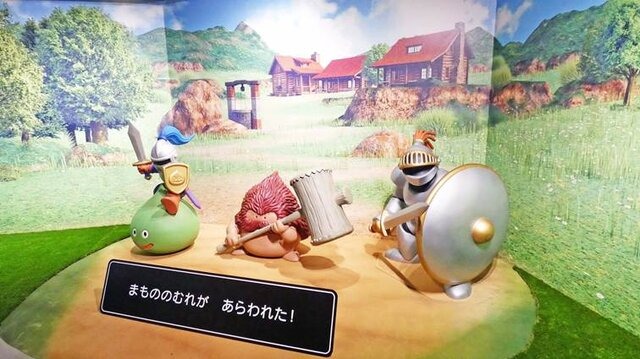
Monster photo spot in the “Field Area.”
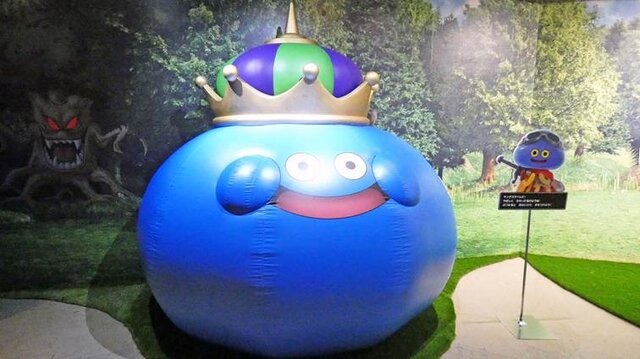
The touchable “Poyoyon King Slime.”
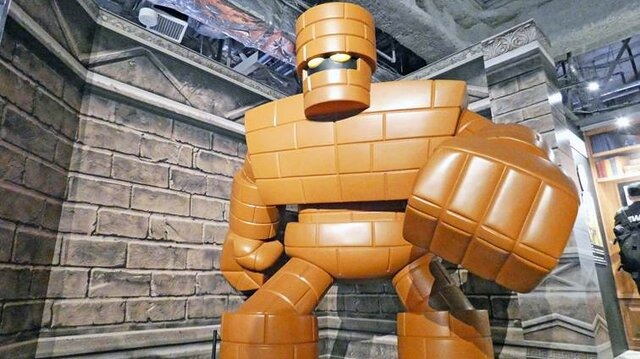
The familiar Golem.
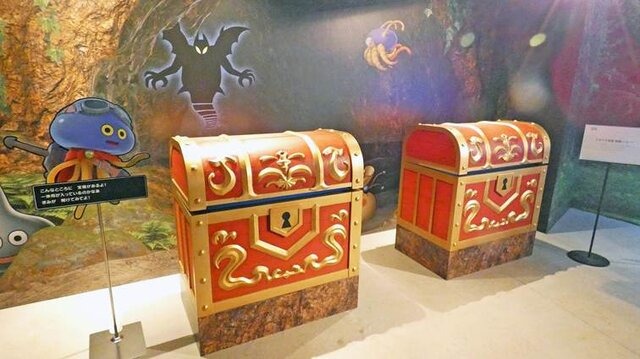
The “Dokidoki Treasure Chest” you can actually open.
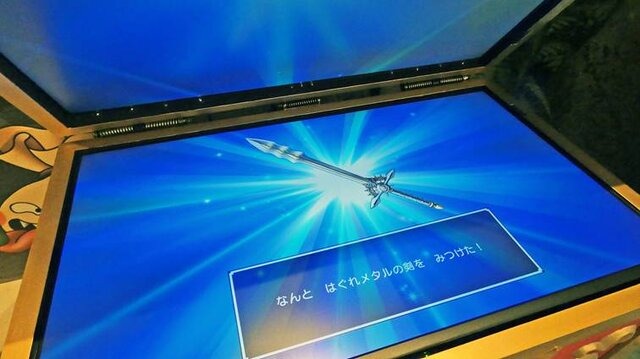
What! A “Metal King Sword”!
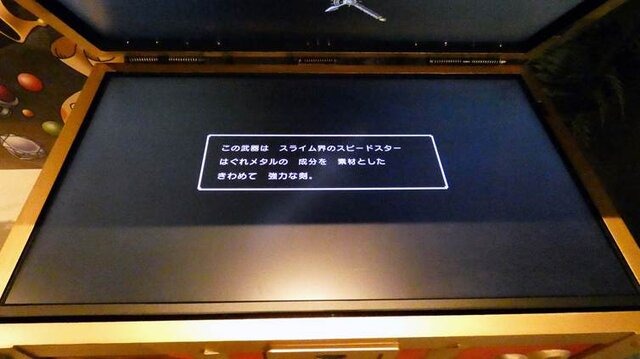
It even came with an explanation.
Further ahead is the “Town Area.” At the “Fureai Monster Research Lab,” you can touch parts of monsters—for example, “Moomin, so fluffy!” (referring to a Moomin-like monster). The “Mirror of Ra” transforms your reflection into a monster; it supports face tracking, so the monster’s expression changes with yours. In the “40th Anniversary Town,” your image on camera turns you into a town resident, and a large monitor shows you blending into the town, making you feel attached to the otherwise ordinary setting.
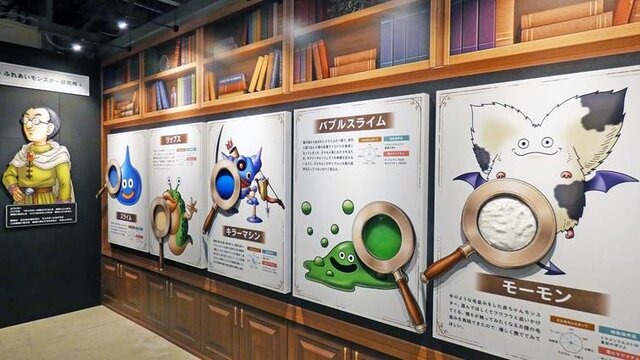
The “Fureai Monster Research Lab” in the Town Area. The lens part of the magnifying glass is touchable.
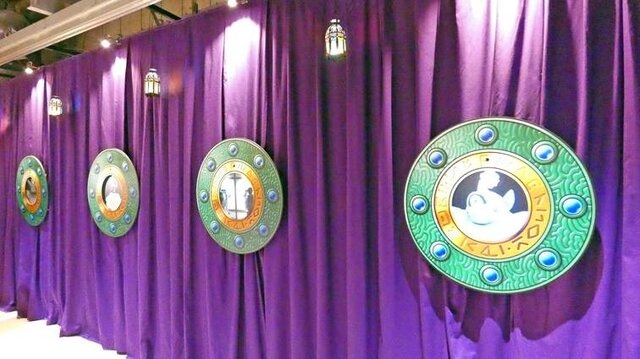
The “Mirror of Ra” that transforms your reflection into a monster.
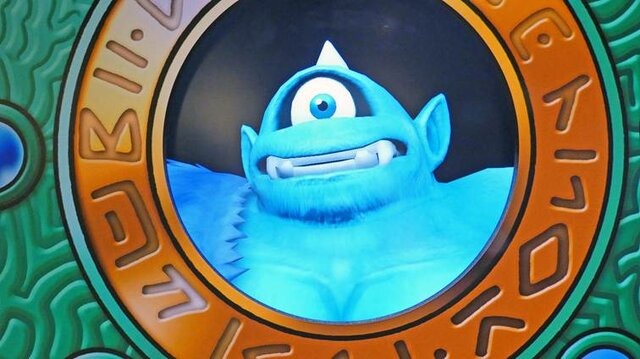
This is the reporter’s true form.
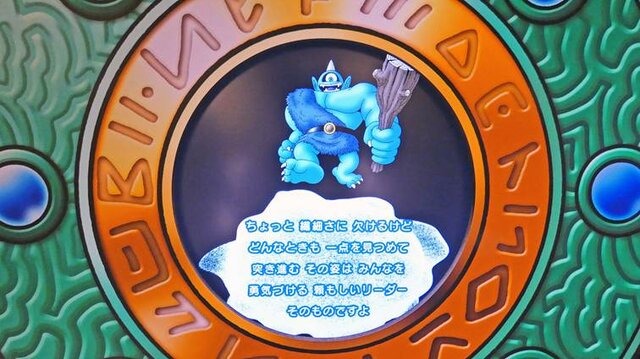
An explanation text like a personality diagnosis.
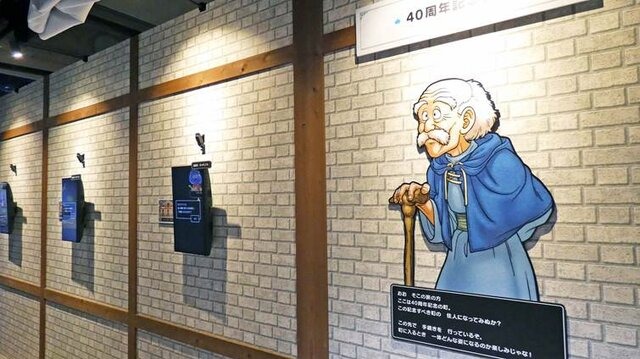
The “40th Anniversary Town” corner.
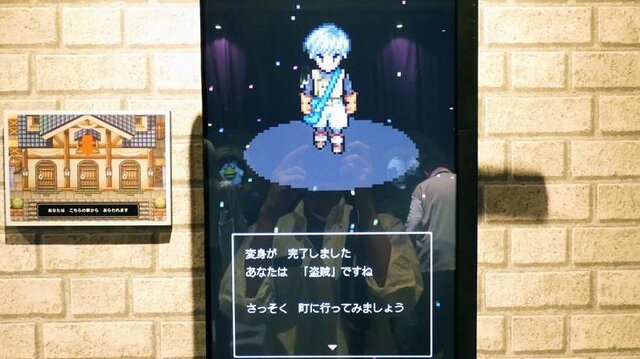
Your camera image transforms into a town resident. The left panel explains where on the monitor you will appear. (The reporter’s bag was slung diagonally, so they became a thief. Hair looks like that too.)
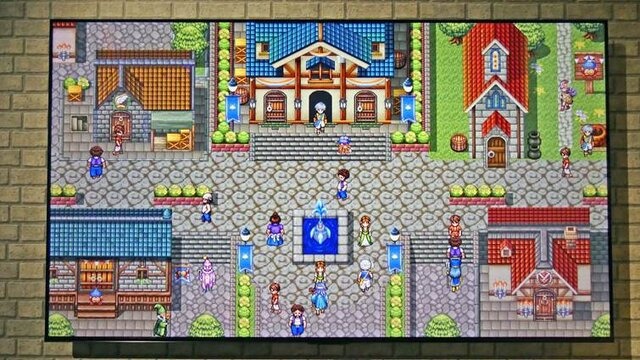
The reporter appears from the central door!
The main exhibition ends with the “Shrine Area.” The “Dragon Quest Memorial Wall” depicts past Dragon Quest series, evoking nostalgia.
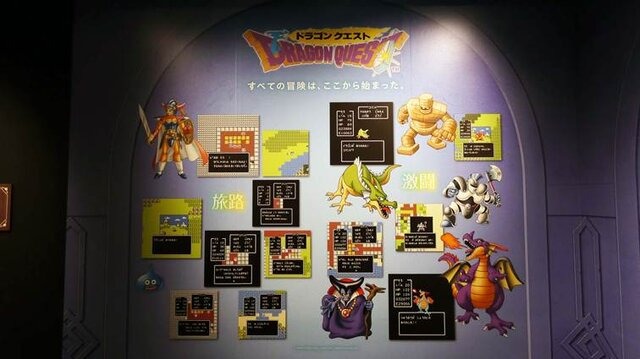
Part of the “Dragon Quest Memorial Wall” in the Shrine Area, looking back at the first game.
On the same floor is the official store “Dragon Quest 40th Anniversary Douguya,” and on the 5th floor, the collaboration restaurant “FAMiRES × Dragon Quest the DIVE” at FAMiRES. On the 2nd floor, “COVER” hosts the “40th Anniversary Exhibition: How Dragon Quest Was Born.” Murakami Yohei proudly said, “With 40 years of history, we have a huge amount of materials. This time, we’ve prepared rare development documents from the first game, from Horii-san’s era.” Horii Yuji added happily, “We’ve had exhibitions before, but this time there are many items never seen before, including producer’s notes.” Indeed, seeing the materials, you can’t help but be drawn into the imagination behind each handwritten detail, understanding why Murakami was so eager for people to see them.

The official store “Douguya.”
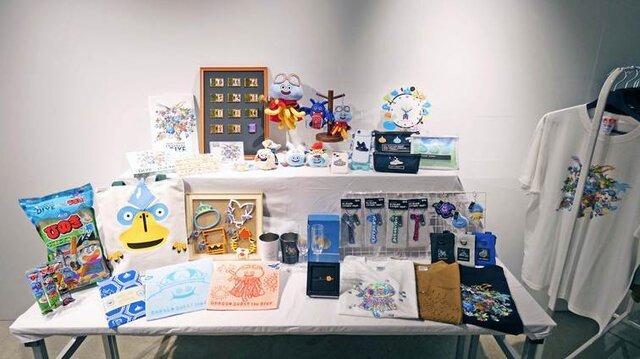
Some of the merchandise!
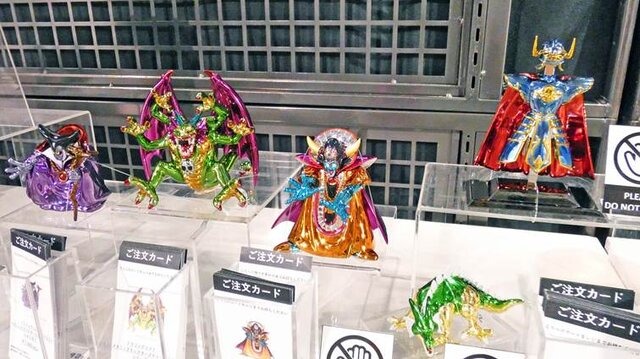
More goods!
The collaboration menu is also creative and worth lingering over. Why not become a resident of the Dragon Quest world this summer vacation?
Comment from Horii Yuji:
“When I made the first game 40 years ago, I never thought it would last this long. Now, 40 years later, I am deeply grateful for such a magnificent exhibition. Please come and see it.”
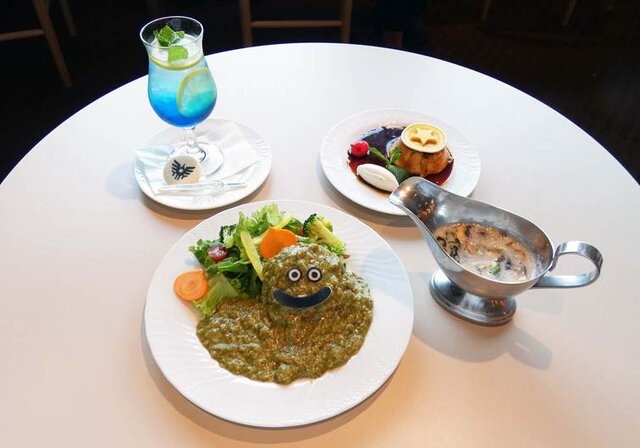
Part of the collaboration menu. The Loto’s Sword and Bubble Slime face attached to drinks are made of “monaka” (wafer) and are edible. The Bubble Slime omurice comes with a Kiaリー sauce (likely a pun on “Heal” or similar), adding a different flavor to the already delicious omurice.
Event Overview:
Dragon Quest 40th Anniversary Exhibition “Dragon Quest the DIVE -まだ見ぬ冒険の舞台へ-“
Period: July 17 (Fri) – September 6 (Sun), 2026 (open every day)
Hours: 11:00 – 21:00 (last entry 19:59)
Admission: See official website for details
Venue: Tokyu Plaza Harajuku “Harakado” 4F MAZE, 2F COVER (6-31-21 Jingumae, Shibuya-ku, Tokyo)
Note: An Osaka run is planned for early 2027.
Organizers: Tohokushinsha Film Corporation / Square Enix Co., Ltd.
Production: Tohokushinsha Film Corporation
Cooperation & Supervision: Square Enix Co., Ltd.
Special Sponsorship: HP Japan / HyperX
Technical Cooperation: Omnibus Japan Inc., PROTOTYPE Inc., Brogent Technologies Inc.
(C) ARMOR PROJECT/BIRD STUDIO/SQUARE ENIX
(C) SUGIYAMA KOBO
(P) SUGIYAMA KOBO