


There’s a particular kind of loneliness that only a really good manga can fill. Not the kind where you just want entertainment, but the kind where the characters feel like they’re speaking directly to you, nudging you through the parts of life you can’t figure out on your own. The first episode of Kore Kaite Shine understands that feeling completely, and it wraps it in a small-town island setting, a prickly teacher, and a tanuki-shaped imaginary friend who might be the best life coach you never had.
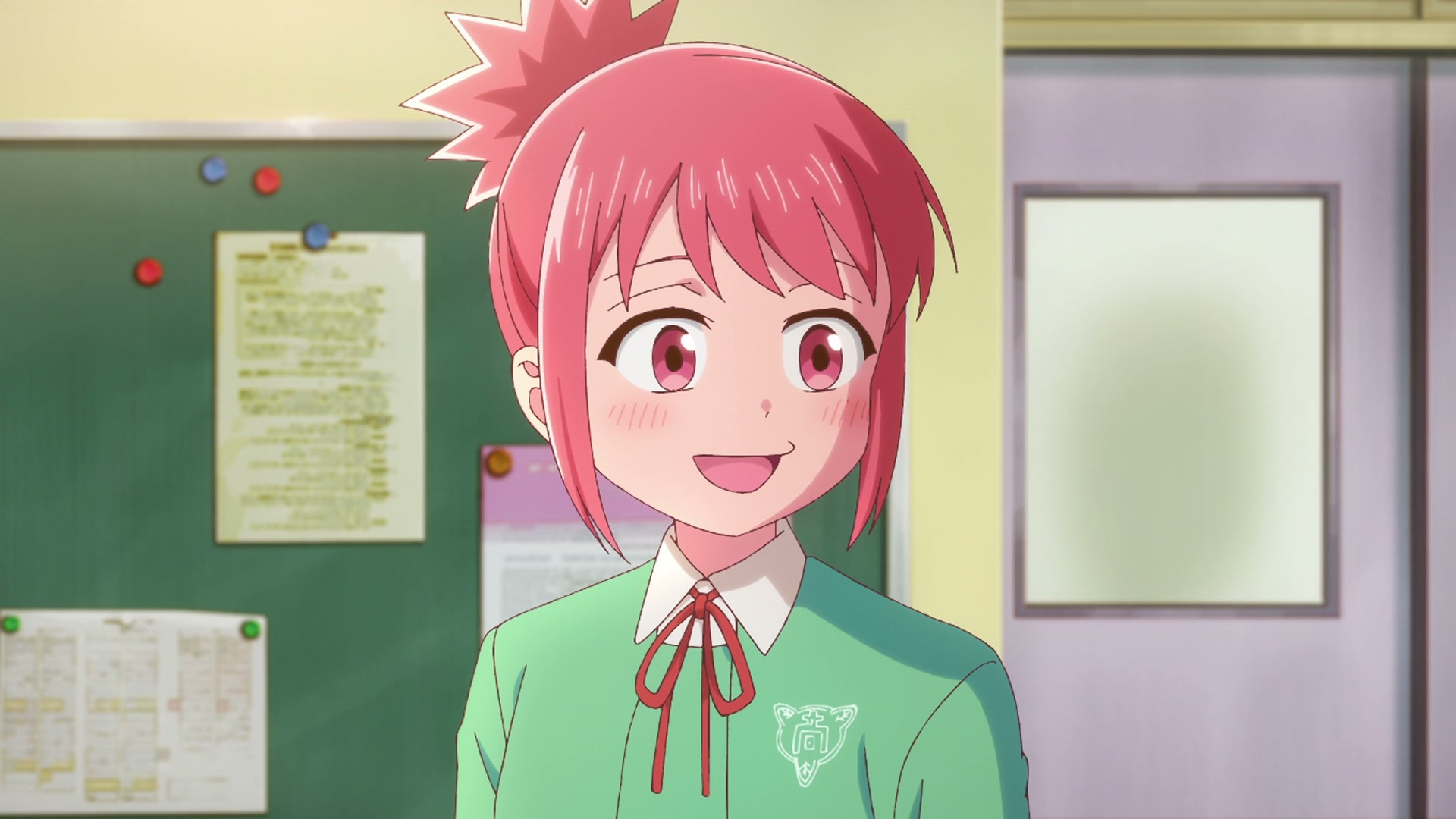
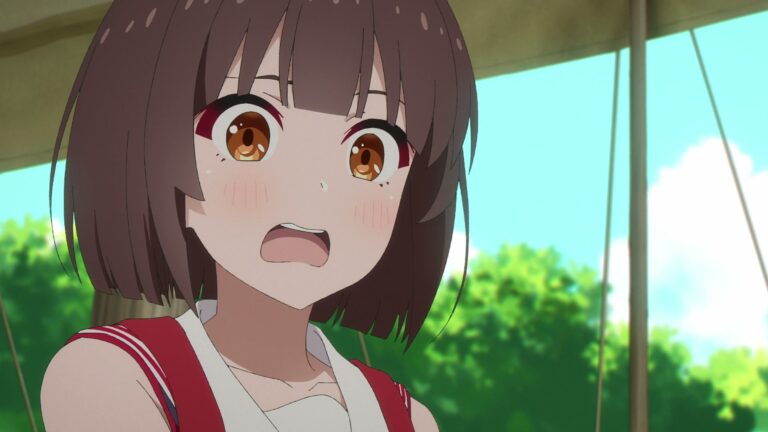
Yasumi Ai is a high school first-year who has never quite fit in. She’s awkward, a little too earnest, and she’s spent most of her childhood with her nose buried in manga because making real friends didn’t come naturally. The episode doesn’t wallow in that loneliness. It just lets it sit there quietly, like the single dandelion fluff she watches at the very beginning, all alone in a field. That image sets the tone: Ai is someone who notices the small, solitary things because she is one.
When a Manga Becomes a Friend
The heart of the episode is a single, out-of-print manga called Robota & Pokota. Ai stumbles into a dusty rental shop run by a kind older woman named Nana and picks up the volume almost by accident. The cover catches her eye, a tanuki and a robot, and the story inside clicks with her immediately. The robot, Robota, is bad at reading social cues. The tanuki, Pokota, teaches him how to act, when to get mad, when to smile. Ai sees herself in both of them: the girl who doesn’t know the right thing to say, and the one who desperately wants someone to show her how.
The show handles Ai’s connection to the manga with a light touch. We see her borrowing it over and over, reading other series like Doraemon and Ushio & Tora, but always circling back to Robota & Pokota. Nana mentions it’s a hidden gem by an author named Hoshino Rei, a single-volume debut that got axed but developed a cult following. Used copies go for over 10,000 yen. Ai can’t afford to buy it, so she just keeps borrowing it, and Nana, with the quiet warmth of a good bookseller, never pressures her. That little detail, the 10-yen first-time discount, the way Nana says “only you can decide what manga you like,” tells you everything about why this shop matters.
Pokota, the Little Tanuki Coach
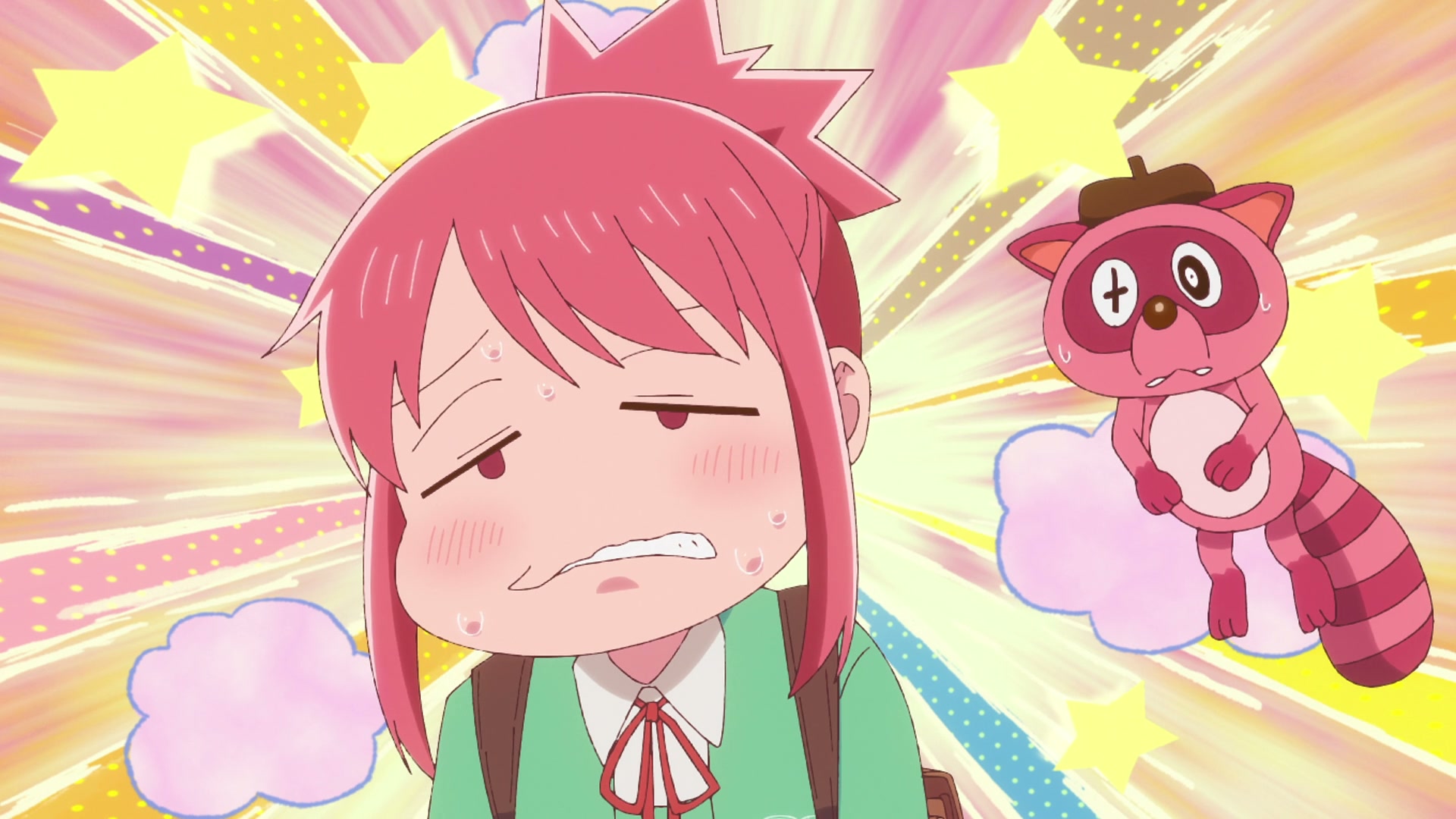
What makes the episode special is that Pokota doesn’t stay on the page. After Ai reads the manga enough times, the character starts appearing to her as a tiny, floating imaginary companion. He’s not a hallucination in a scary way. He’s more like an internal monologue given a cute, furry body and a bossy attitude. Whenever Ai freezes up, Pokota is there, perched on her shoulder or bouncing ahead of her, asking, “What would a manga protagonist do here?”
This device could have felt gimmicky, but it works because Pokota’s advice is genuinely practical. When Ai needs to return the manga and her strict homeroom teacher Teshima Rei catches her dawdling, Pokota nudges her to invite the teacher inside the shop. When she accidentally steps on a classmate’s painting, he tells her to ask to see the finished piece. When she’s too scared to join a group of kids playing, he pushes her to just say “Let’s play.” Each time, Ai follows the script, and each time, it actually helps. The episode isn’t saying manga solves everything. It’s saying that stories can give you a framework when you don’t have one of your own. Ai’s little victories feel earned because we’ve seen how much she struggles just to say hello.
The visual design of Pokota is charmingly simple. He’s a round, raccoon-dog creature with a leaf on his head, bouncing around with the energy of a tiny drill sergeant. The show never explains whether he’s “real” in any supernatural sense, and it doesn’t need to. He’s real to Ai, and that’s enough.
Teshima-sensei’s Double Life
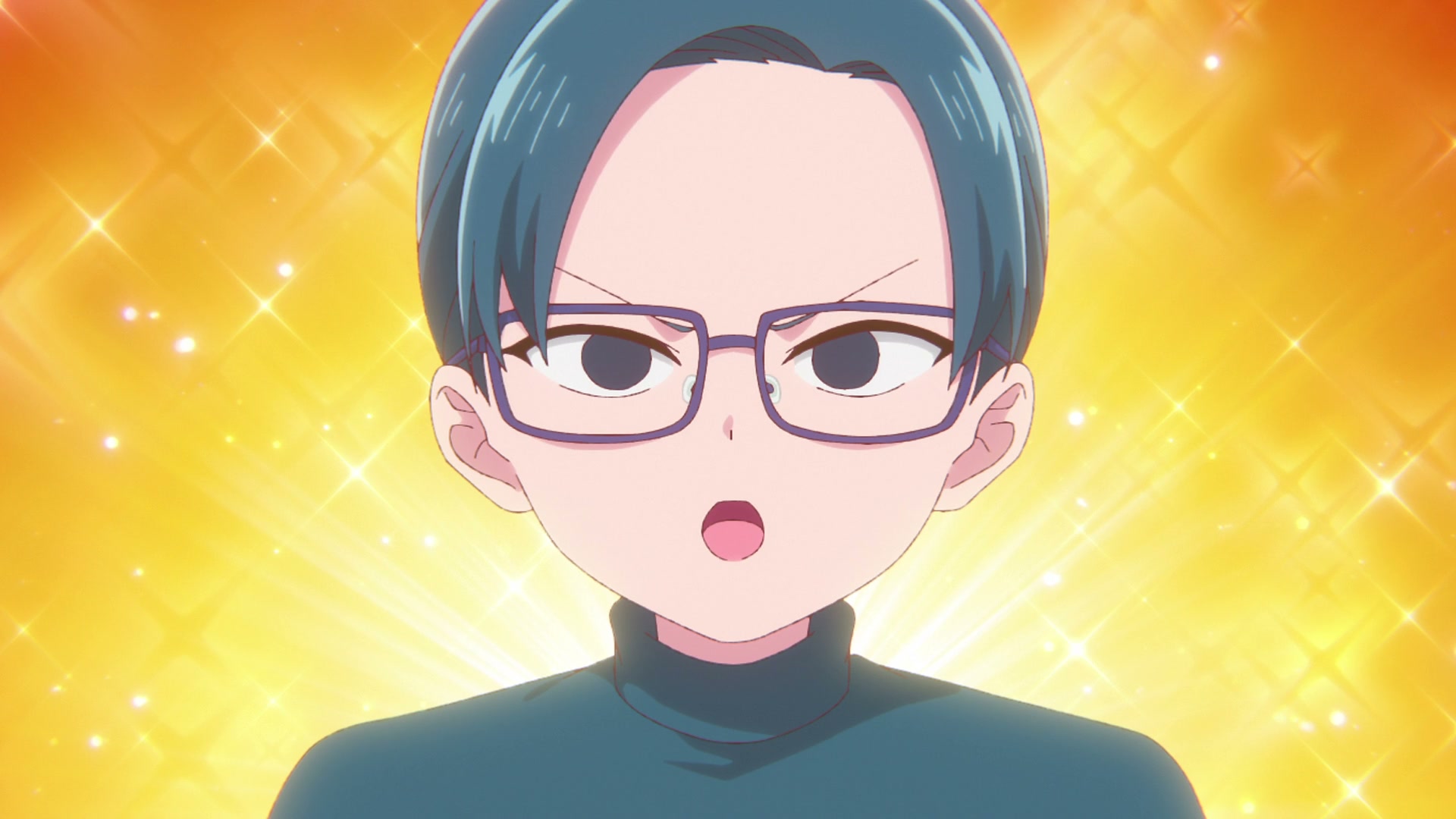
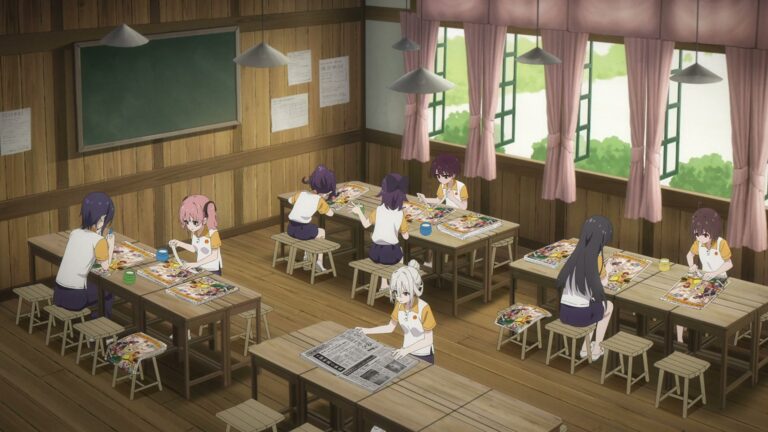
The episode’s central conflict comes from Teshima Rei, Ai’s homeroom teacher. She’s severe, no-nonsense, and has a particular hatred for manga. When she catches Ai with Robota & Pokota during class, she launches into a blistering anti-manga speech. Manga is preposterous, outrageous, a lot of utter nonsense. It provides fleeting stimulation and leads to a dead end. It’s nothing but lies. She confiscates the volume and promises to tell the rental shop not to lend it to Ai anymore.
Ai’s response is the first moment where the episode shows its teeth. She doesn’t argue back with logic. She just tells Teshima-sensei what the manga means to her: that Robota and Pokota are robots who want to become human, that Robota sees the world logically but Pokota shows him feelings matter. Then she adds, quietly, that as a kid she couldn’t make friends, so all she did was read manga. It’s not a dramatic confession. It’s just a fact, and it lands harder than any shouting match could.
Teshima-sensei’s reply is cold: “No. They’re all lies.” But the episode has already planted the seeds of the twist. The author’s name is Hoshino Rei. Teshima Rei. The rental shop owner mentioned it was a debut work. And when Ai later discovers that Hoshino-sensei is selling a new Robota & Pokota book at the doujinshi event Comitia, the pieces start falling into place.
The Trip to Tokyo Big Sight
Ai’s decision to travel all the way from her island home (Izu Oshima, technically still Tokyo, as Pokota helpfully points out) to Tokyo Big Sight is the kind of reckless, wonderful thing a teenager does when a story means too much to let go. She lies to her aunt, scrapes together money, and takes the ferry alone. The episode captures the giddy thrill of a first solo trip to the big city, the crowded train, the unfamiliar station, the sheer scale of the event hall. Ai’s wide-eyed reaction to seeing so many people selling their own self-published manga is infectious. She’s stunned that you can just draw your own manga and sell it. The idea had never occurred to her.
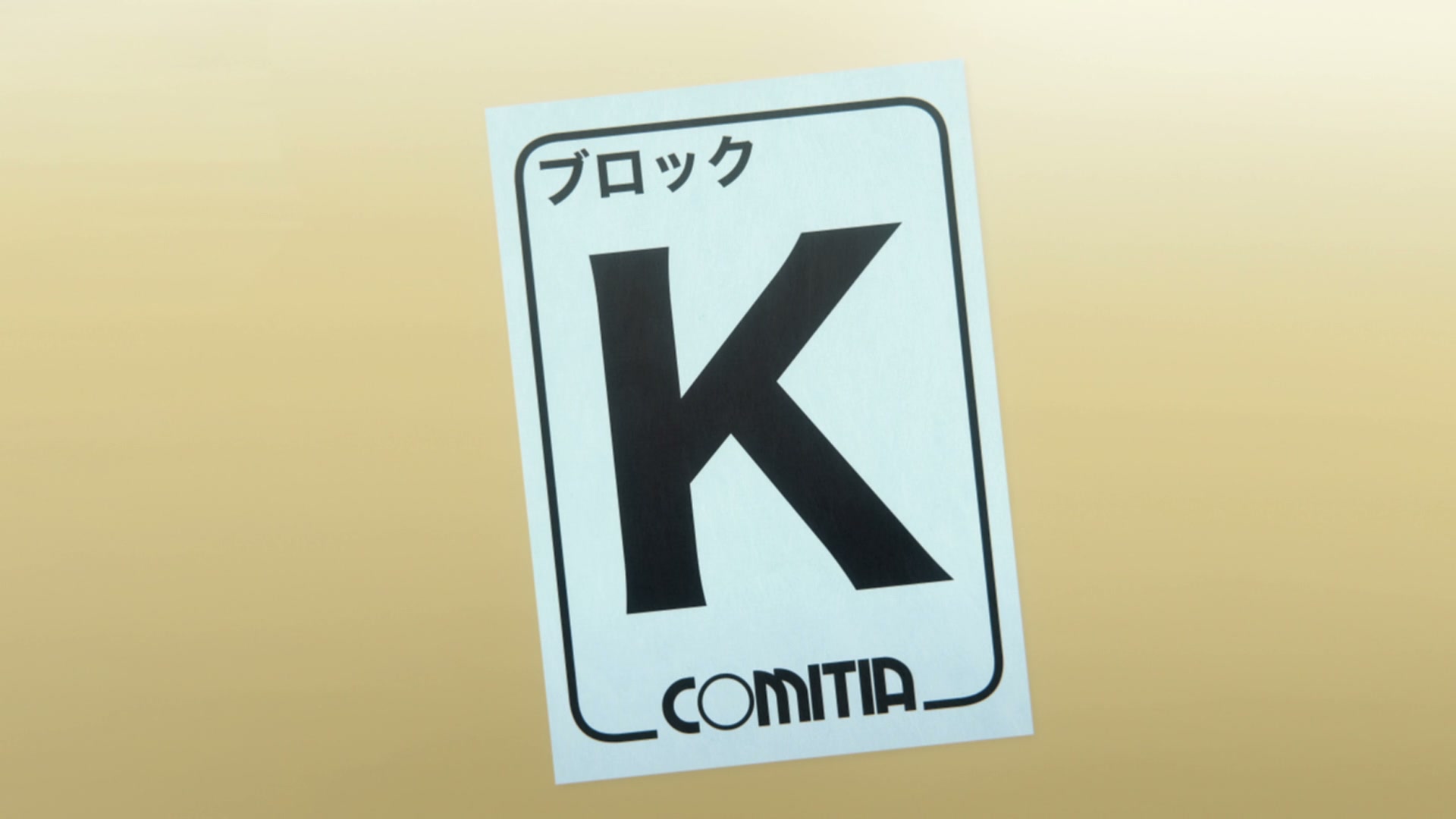
The Comitia sequence is a love letter to doujin culture. Ai wanders past tables, asking each artist “You drew this yourself?” and getting a mix of bemused and proud nods. She sees a book sell out and panics that Hoshino-sensei’s might be gone too. The line at booth K-39 is long, and Ai’s internal monologue races with what she’ll say when she finally meets the creator. Then she reaches the front, and the person sitting there, taking money and handing out copies, is Teshima Rei.
The reveal is handled with perfect comedic timing. Ai starts her rehearsed “I’m your biggest fan” speech, freezes, and blurts out “Teshima-sen—” before the teacher cuts her off with a weary “You have the wrong person.” The lie is so transparent it’s hilarious. Teshima-sensei, the woman who just lectured her about manga being worthless lies, is Hoshino Rei, the author of the very manga she confiscated. The irony is thick enough to trip over, and the episode lets it hang there for a beat before Ai, undeterred, buys two copies.
The Moment That Makes It All Worth It
What follows is the emotional payoff the whole episode has been building toward. Ai, clutching the new book, tells Teshima-sensei how long she’s waited, how she worried the author might have stopped drawing or even died. She says, “I’m so happy,” and the simplicity of that line, delivered without any grand gesture, is what makes it hit. This isn’t about proving the teacher wrong. It’s about a girl who found a story that made her feel less alone, and now she’s holding proof that the person who made it is still out there, still creating.
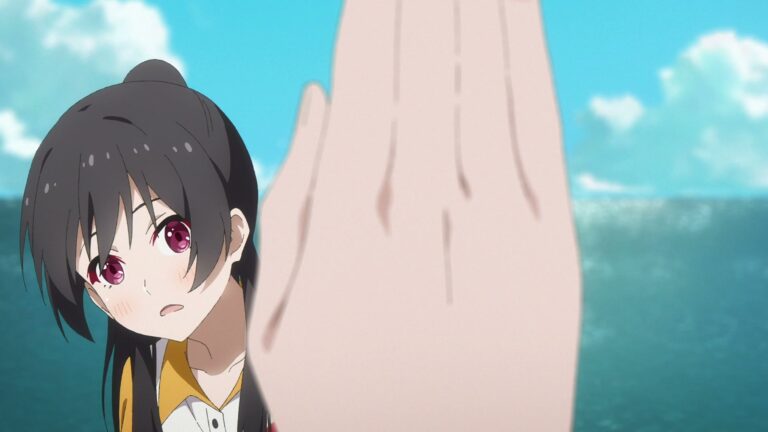
Teshima-sensei’s reaction is complicated. She immediately shifts into teacher mode, threatening to reprimand Ai for traveling alone, but there’s a crack in the stern facade. When Ai begs her to teach her how to draw manga, Teshima-sensei refuses three times in a row, counting them off, and the absurdity of the counting undercuts the harshness. She’s flustered, not angry. Then, in a move that says more than any apology, she packs up her booth early, gives away the remaining books for free, and drags Ai back to the ferry so she won’t have to wait for the overnight one. She doesn’t say “I’m sorry” or “I was wrong.” She just makes sure the kid gets home safe, and that’s its own kind of apology.
The final shot of Ai on the ferry, holding the new book, is quiet and satisfied. She didn’t get a mentor or a grand reconciliation. She got the one thing she really wanted: more of the story that helped her survive.
A Small World That Feels Full
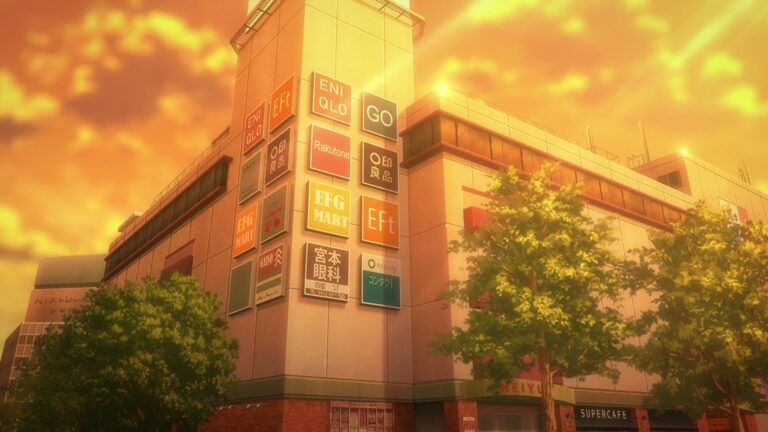
The episode’s setting deserves a mention. Izu Oshima feels like a character in its own right, with its steep hills, the view from the top that Pokota never gets tired of, the small shopping district with only a handful of shops. The rental bookstore is a cramped, cozy space crammed with shelves, the kind of place where the owner knows your name and which manga you’ve borrowed a dozen times. The contrast with the overwhelming scale of Tokyo Big Sight makes Ai’s journey feel like a real adventure, even though it’s just a ferry ride away.
The humor is woven in naturally. Ai’s classmate Akafuku Sachi greets her with a deadpan “Good meow-tauros,” and later, when Teshima-sensei announces Ai will be reprimanded, Sachi mutters “She said ‘oof’ out loud.” The pug named Ben who chases Ai and then gets scolded by his owner is a tiny, perfect slice-of-life moment. These beats keep the episode from feeling too heavy, even when it’s dealing with loneliness and the fear of being misunderstood.
Where I Landed
Kore Kaite Shine opens with an episode that knows exactly what it wants to say about stories and the people who need them. It doesn’t treat Ai’s love of manga as an escape to be outgrown. It treats it as a lifeline, a way to practice being human when the real thing feels too hard. The twist that the teacher who calls manga “lies” is the very author who wrote Ai’s favorite story isn’t just a gotcha. It’s a reminder that the people who make the things we love are often complicated, sometimes hypocritical, and maybe a little ashamed of the parts of themselves they put on the page.
The episode ends with Ai back on the ferry, the new book in her hands, and the promise of more to come. It’s a small, warm, deeply sincere start, and I’m already rooting for this odd pair of a manga-obsessed girl and her secretly-a-mangaka teacher.
Screenshots