





Narika’s introduction last week was a quick emotional gut punch, a tearful collision in the hallway that promised a whole hidden history. This episode delivers on that promise and then immediately complicates it in the most Saijo no Osewa way possible: by turning a childhood reunion into a caretaker custody battle. The show’s rhythm is settling in now, and episode three feels like the moment it fully commits to being an ensemble comedy about rich kids who are all, in their own ways, completely hopeless.
Narika’s Reunion Lands Harder Than Expected
The flashback sequence is the emotional anchor of the episode, and it earns its runtime. Young Narika is introduced as a frightened ten-year-old who has been raised to believe the outside world is dangerous, a girl who cannot even walk beyond the estate gates alone. Itsuki, already a quiet and accommodating kid, becomes her accidental guide. The candy shop scene is small and sweet: Narika’s wide-eyed wonder at an Unmaibo, the way she parrots “Wow!” three times like she’s discovering a new sense. It is not a grand adventure. It is a child being shown that the world is not just threats, and that matters.
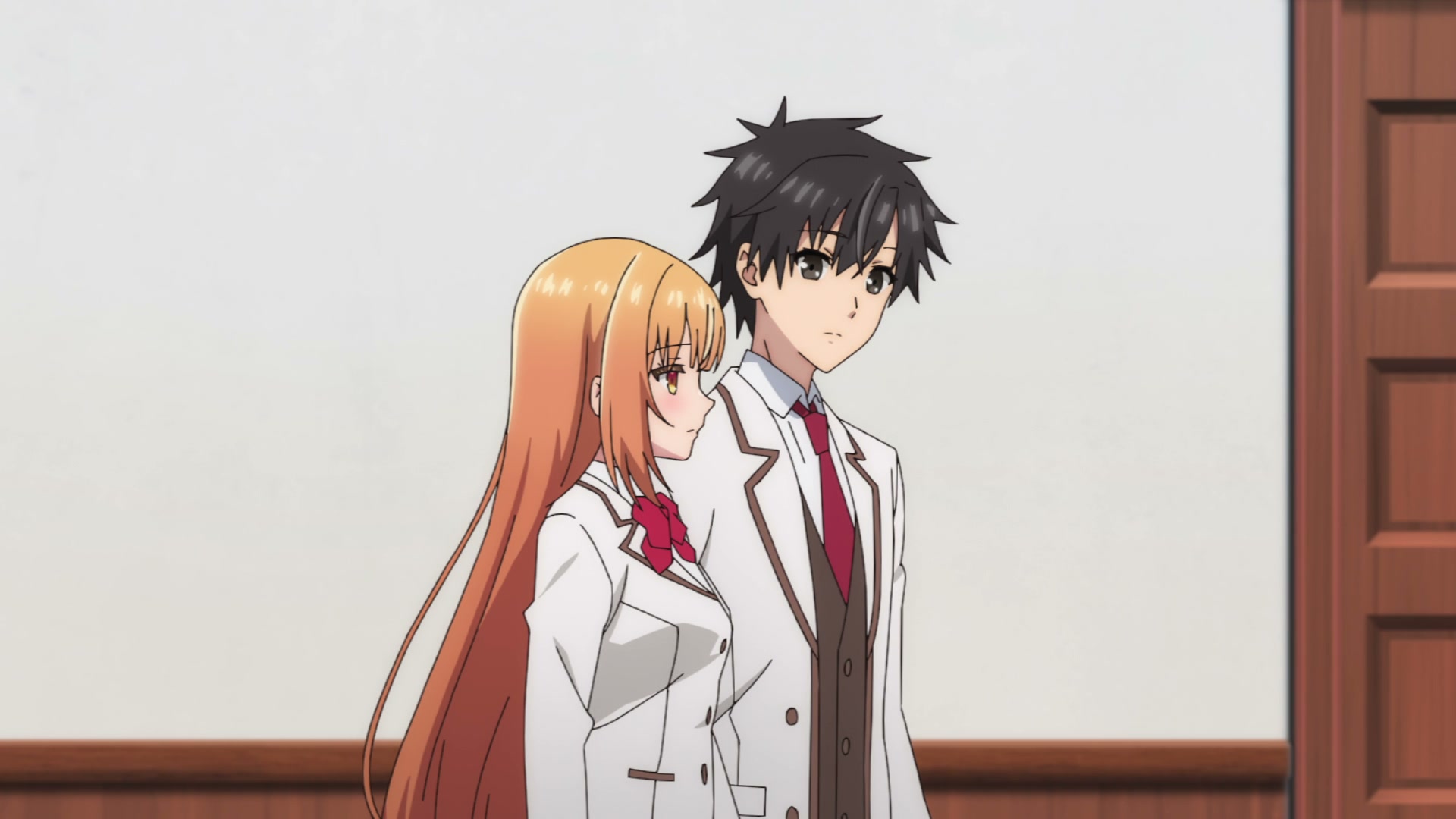
The fallout is harsh. Narika’s father discovers the outings and throws Itsuki and his mother out immediately, framing the boy as a danger to his daughter. The show does not soften this. Itsuki’s mother had forced her way back into a family that disowned her grandmother, and the fragile arrangement shatters because a kid wanted to buy snacks. Narika’s tearful promise to become strong, shouted as Itsuki is dragged away, lands with the weight of a genuine childhood wound. When she collides with him in the present day and immediately loses all feeling in her legs from sheer excitement, the comedy is undercut by the knowledge that this girl has been carrying that promise for years.
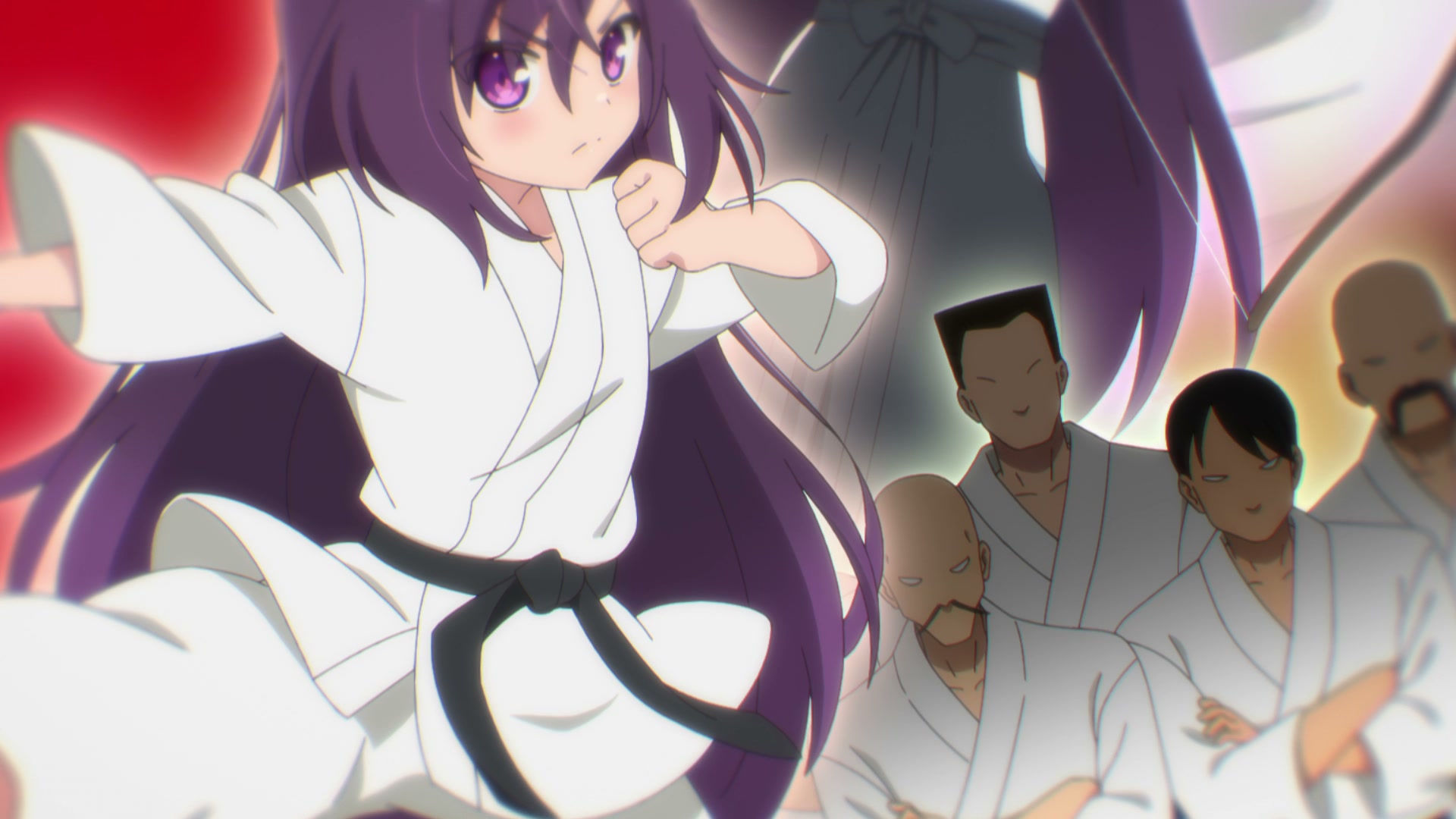
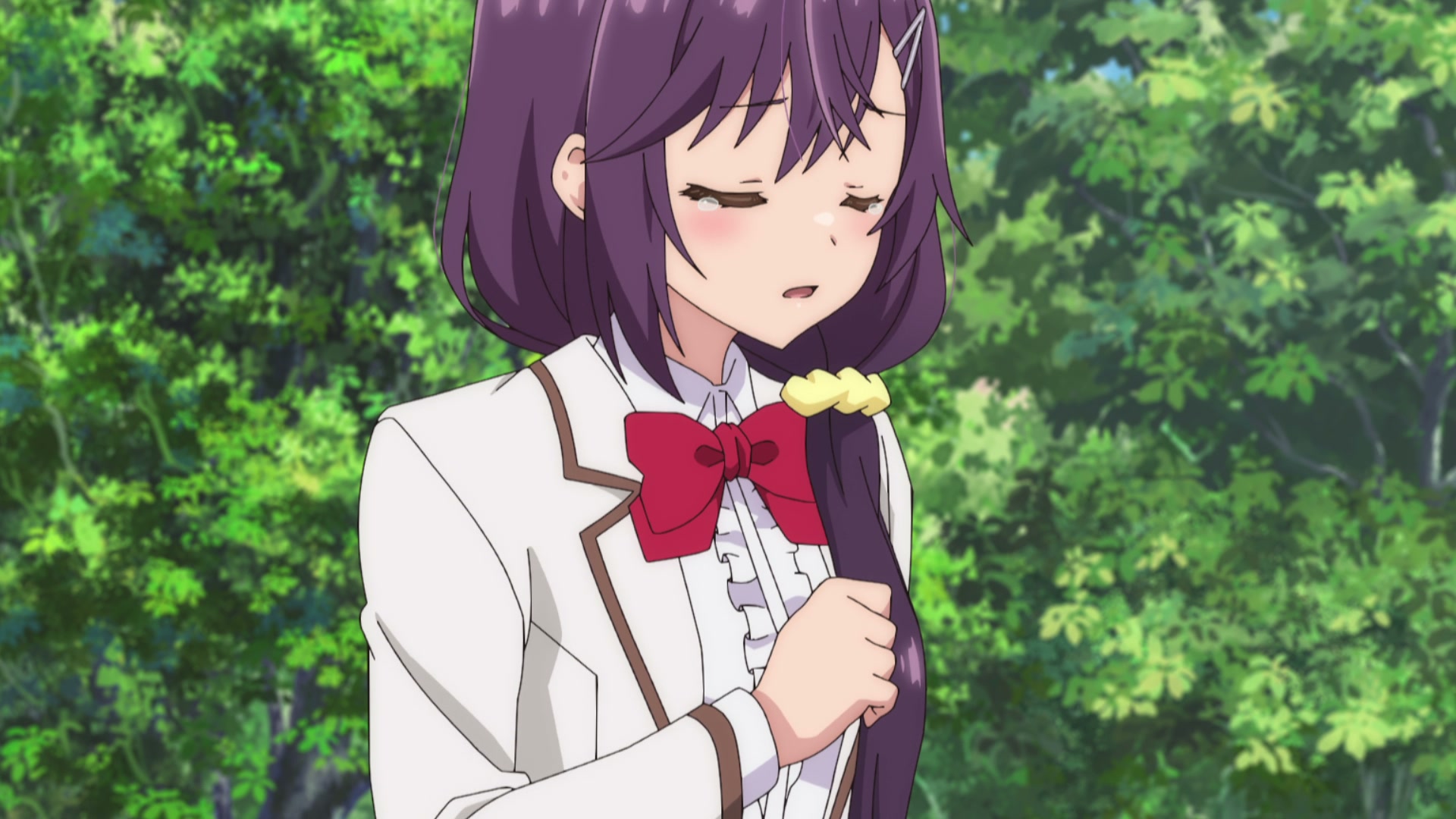
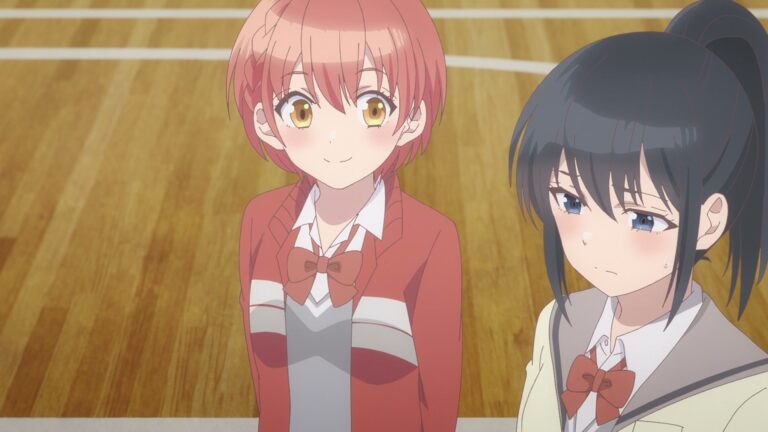
The episode also quietly corrects the school’s perception of her. The rumors about yakuza ties and delinquency are just that: rumors born from a family that practices martial arts and a girl whose nervousness freezes her face into something intimidating. Narika is not a cool beauty. She is a socially terrified young woman who has never been invited to a tea party in her life. The moment she cries when Itsuki invites her is played for gentle humor, but it stings a little too.
The Caretaker Cold War
The nurse’s office confrontation between Narika and Hinako is the episode’s sharpest comedic setpiece. Narika, still weak-legged and flustered, tries to explain that Itsuki was her caretaker first. Hinako, who has been lurking in the next bed after faking illness to track him down, responds with the deadliest weapon in her arsenal: factual statements delivered with perfect polite blankness.
“Tomonari-kun is currently in my family’s employ.”
The line is not aggressive. It is simply true, and that makes it devastating. Narika’s sputtering protest, “I had Itsuki first,” is the cry of someone who knows she has already lost the argument on technical grounds. Hinako does not even need to raise her voice. She just states the current employment situation and then asks Itsuki to return to class. The power dynamic is absurd: two wealthy heiresses fighting over a broke high schooler like he is a limited-edition household appliance.
What makes the scene work beyond the joke is that Hinako is not being entirely cold. She later admits she got scared she would get lost on her own and played sick to have someone bring her halfway. She is not a master strategist. She is a girl who panicked when her caretaker vanished and then stumbled into a territorial dispute she did not plan for. When she asks, “Whose caretaker are you?” and Itsuki answers correctly, her quiet “Good” is less triumphant than relieved.
Shizune’s deadpan observation that Hinako has been clinging to Itsuki “in the manner of a koala” and her follow-up request for an explanation to give the Miyakojima family is the perfect button on the whole sequence. The show knows exactly how absurd this is and lets Shizune be the straight man.
The Tea Party Is a Delightful Mess
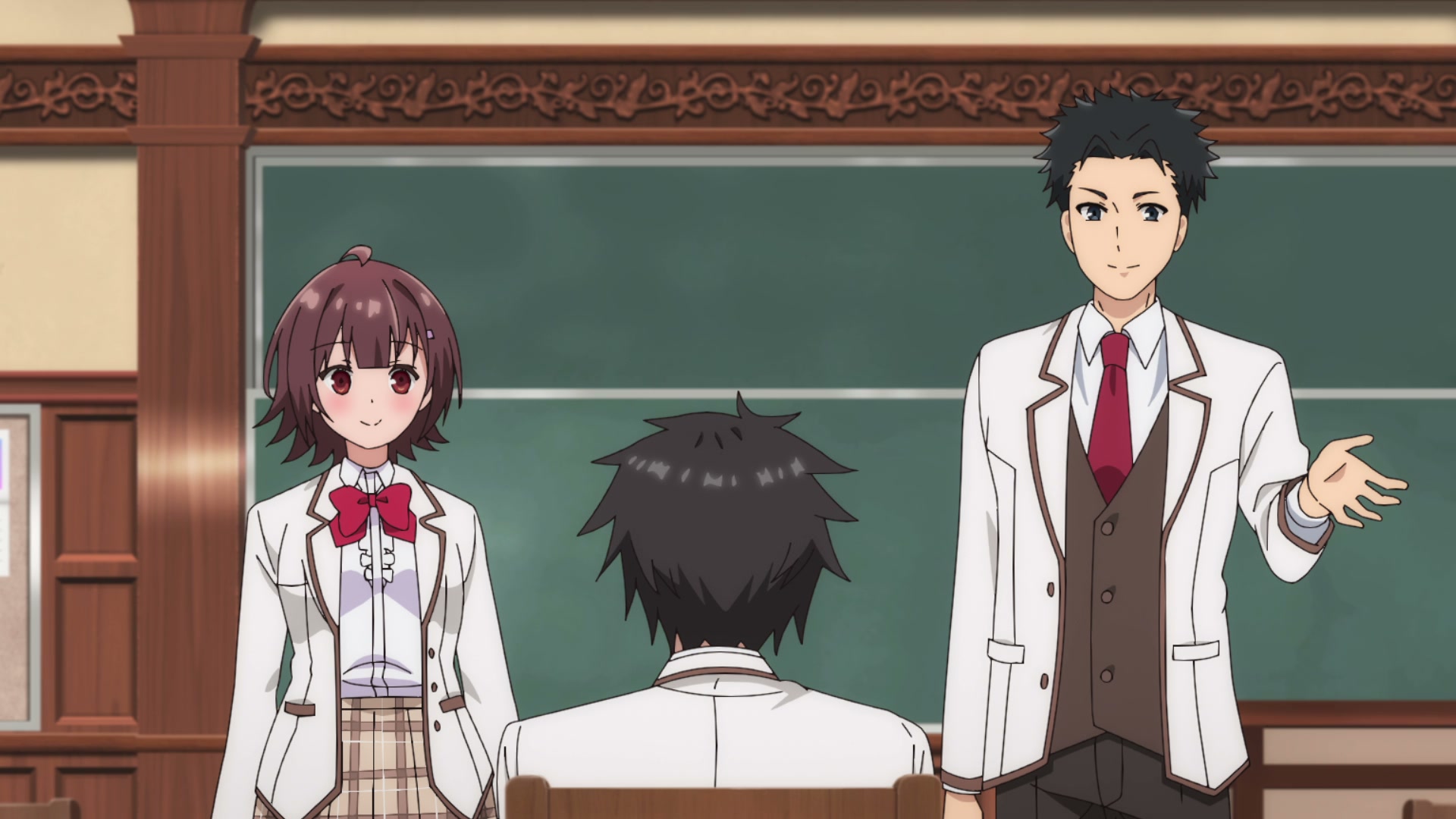
The second half pivots to the welcome party Taisho and Asahi planned, which balloons into a full ensemble gathering. Itsuki invites Hinako, then Narika, and somehow Mirei Tennoji also ends up at the table. The result is a tea party where nobody quite knows the social script, and the episode leans into that chaos.
Mirei’s presence is a gift. She opens with a formal introduction that includes permission to speak to her candidly, then immediately corrects Itsuki’s tea-drinking posture. Her fixation on Hinako remains one-sided and deeply strange. She acknowledges Hinako’s beauty and academic accomplishments are “entirely on par with my own,” which is such a backhanded self-compliment that it circles back to being endearing. When she later admits the tea party was “not displeasing,” it is the highest praise she can physically give.
The three-second rule demonstration is the kind of low-stakes cultural exchange that feels genuinely funny in this setting. Itsuki drops a snack, counts to three, and eats it. Taisho is genuinely impressed. Hinako immediately replicates the bit with perfect deadpan, and Mirei calls it vulgar but amusing. The show understands that these rich kids have been so sheltered that a commoner’s silly food rule is genuinely novel to them. It is not mocking them. It is just letting them be curious and a little ridiculous.
Narika’s integration into the group is handled with care. Itsuki vouches for her, explains the rumors are false, and the others accept it without much fuss. Mirei even notes that anyone with basic investigative skills would know the Miyakojima family runs sporting goods, not a crime syndicate. The tea party gives Narika her first real social success, and her quiet gratitude afterward, calling Itsuki her hero, feels earned.
Hinako’s Quiet Jealousy
Hinako’s behavior throughout the episode is a study in small, possessive gestures. She invites herself to the tea party without hesitation. She watches Itsuki pat Narika’s head and then demands the same treatment later, clinging to him in front of Shizune. She does not make a scene. She just quietly asserts her position.
The head-pat exchange is particularly telling. Narika asks for it as a nostalgic comfort, something Itsuki used to do when they were children. Hinako sees this, says nothing in the moment, and then later, back in the classroom, simply says “Pat it. Pat my head.” There is no explanation. She just wants the same thing, and Itsuki obliges. The show does not frame this as romantic rivalry exactly. It is more like Hinako is staking a claim on a service she now considers part of her caretaker package. The fact that she does it while koala-clinging to him just makes the whole image funnier.
Shizune’s reaction is perfect. She does not scold. She just notes the clinging and asks for an explanation. The Konohana household’s approach to Itsuki’s complicated past is refreshingly practical: they will handle the Miyakojima situation administratively, and in the meantime, Her Ladyship can continue being a koala.
Closing Thoughts
Episode three expands the world without losing the core dynamic. Narika is a strong addition, not just as a rival for Itsuki’s attention but as someone whose backstory recontextualizes his own childhood. The tea party sequence proves the show can juggle a larger cast and still land character beats for everyone. Mirei remains a delightful weirdo, Taisho and Asahi are warm and uncomplicated, and Shizune’s deadpan continues to be the secret weapon.
The episode ends with Narika asking Itsuki to come to her house once his apprenticeship ends, and his noncommittal “Maybe. If I can.” She calls him out on the politeness, and the final cry of his name is left hanging. The show is not resolving this thread yet. It is just letting the tension sit there, alongside Hinako’s koala grip and Shizune’s administrative solutions. For a comedy about a guy getting paid to manage a lazy heiress, Saijo no Osewa is building a surprisingly tender web of connections. I am genuinely curious where it goes next.
Screenshots