





Introduction
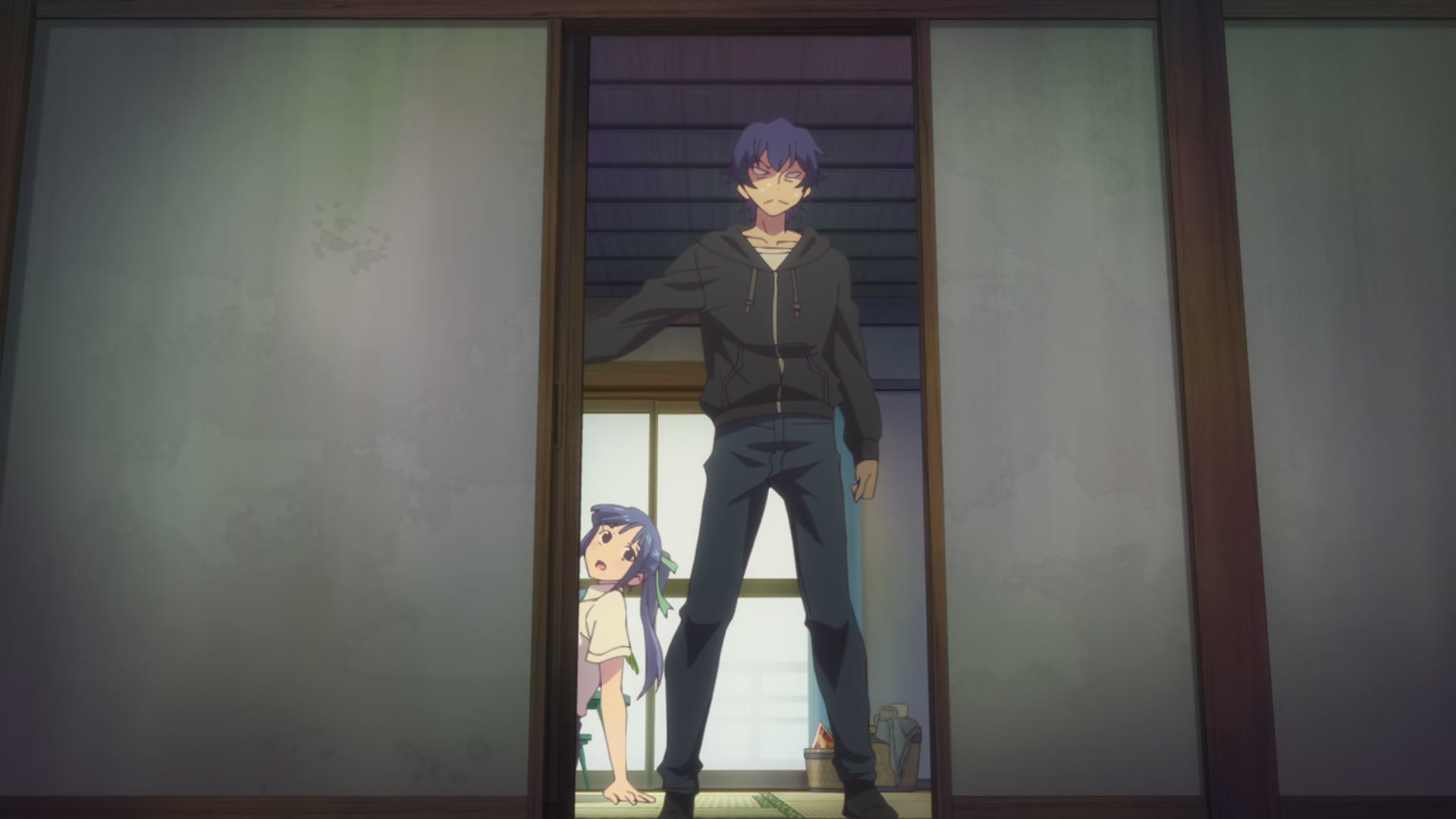
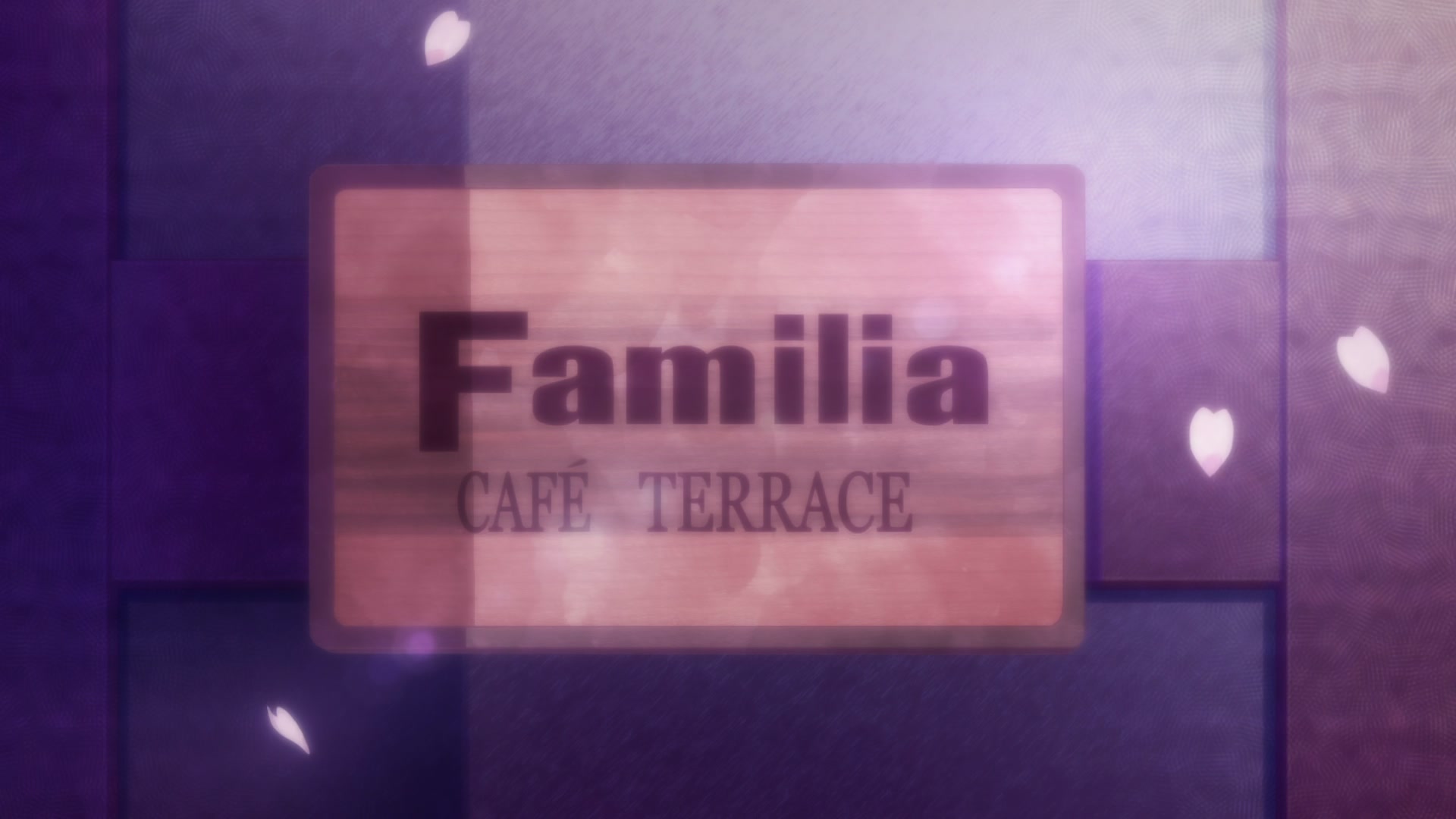
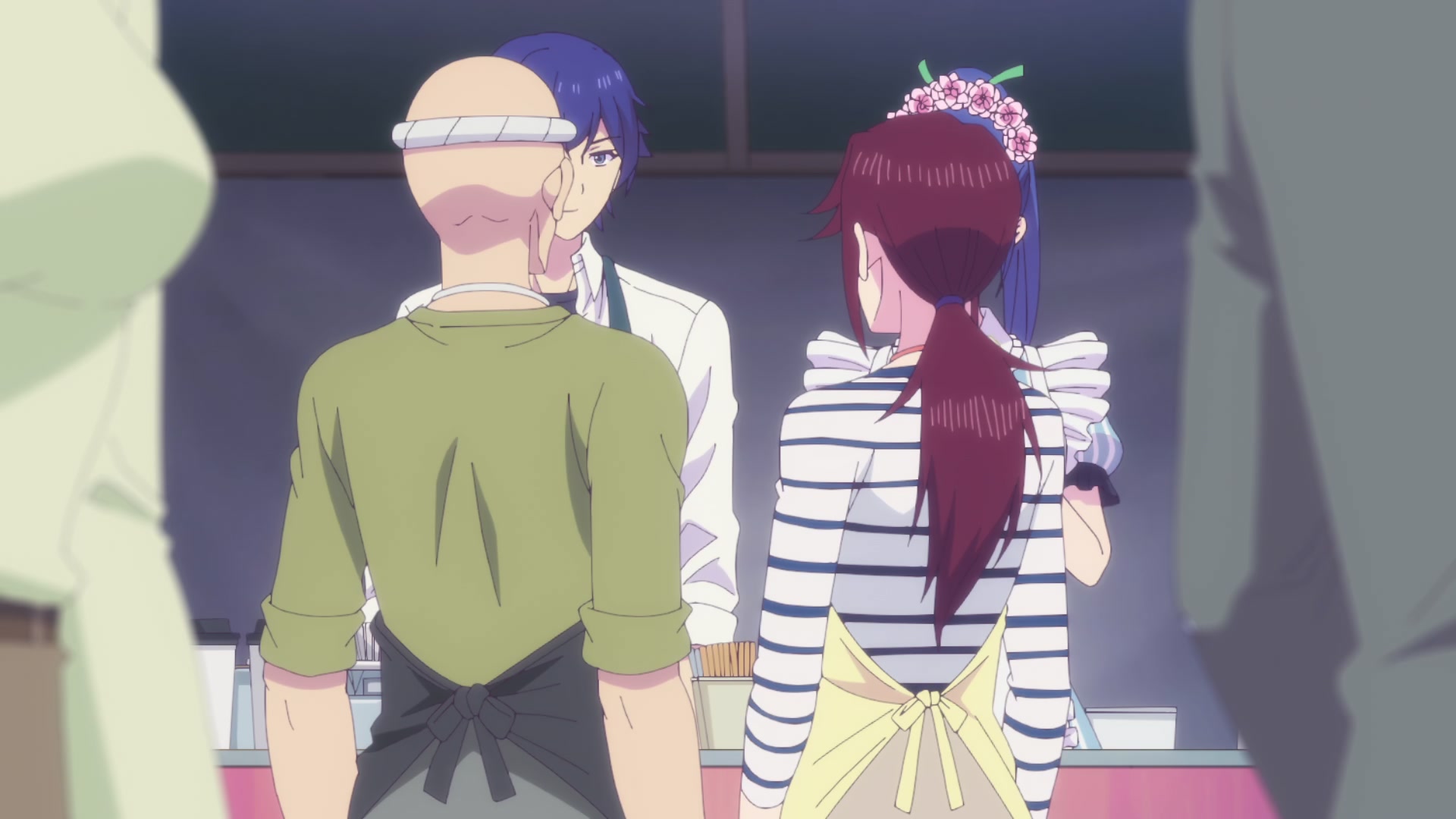
There’s a moment in the first episode of Megami no Café Terrace where the protagonist, Kasukabe Hayato, discovers a faded sign in a pile of debris. The sign reads “Familia,” and in that instant, his entire plan to demolish his late grandmother’s café and sell the land for a parking lot begins to crumble. It’s a small moment, easy to overlook amid the chaos of naked strangers, mistaken identities, and flying kicks, but it encapsulates everything this series does well. Beneath the surface of what appears to be standard harem fare lies a story about grief, legacy, and the families we build when the ones we’re born into fall apart.
The premise is deceptively simple. Hayato, a Tokyo University student on leave, returns to his grandmother’s seaside café after her death, only to find five young women living there. They were invited by his grandmother, Sachiko, to work and live at Café Terrace Familia, a name derived from the Spanish word for family. Hayato’s initial instinct is to evict them and sell the property. But as he learns more about his grandmother’s final years, about the women she took in, and about the secret she kept from him, his plans change. What begins as a conflict over property rights evolves into something far more meaningful.
This series is for viewers who understand that the harem genre, at its best, is about more than wish fulfillment. It’s for those who appreciate the warmth of Quintessential Quintuplets, the emotional depth of Love Hina, and the quiet sincerity of series that respect their characters enough to give them real problems and real growth. It rewards patience and attention, building its emotional beats through accumulated small moments rather than grand declarations. And while it never forgets to be entertaining, it has something genuine to say about what it means to find a place where you belong.

Story and Themes
The Architecture of Familia
The series takes its time establishing its central concept. “Familia” isn’t just a cute name for a café; it’s a philosophy that extends beyond blood relations to encompass anyone who chooses to stay, support, and grow together. Sachiko built this philosophy over decades, treating her customers and employees as family members, and the series explores what happens when that philosophy is inherited by someone who initially doesn’t understand it.
Hayato’s journey from seeing the café as a financial asset to recognizing it as his home forms the spine of the narrative. His initial calculation—that a parking lot would be more profitable than a café—isn’t wrong in purely economic terms. But the series argues that some things transcend economic calculation. The value of a place where people gather, where they share meals, where they find connection, cannot be measured in yen.
The narrative structure reflects this philosophy. The first season follows a clear arc: establishing the café, reopening it, facing adversity, and finally understanding Sachiko’s legacy. The second season expands the world, introducing rivals who become neighbors, exploring the characters’ families, and deepening the romantic tensions. Throughout, the series maintains a balance between episodic adventures (the Cherry Blossom Festival, the beach hut, the hot spring trip) and ongoing character development.
Grief and Its Manifestations
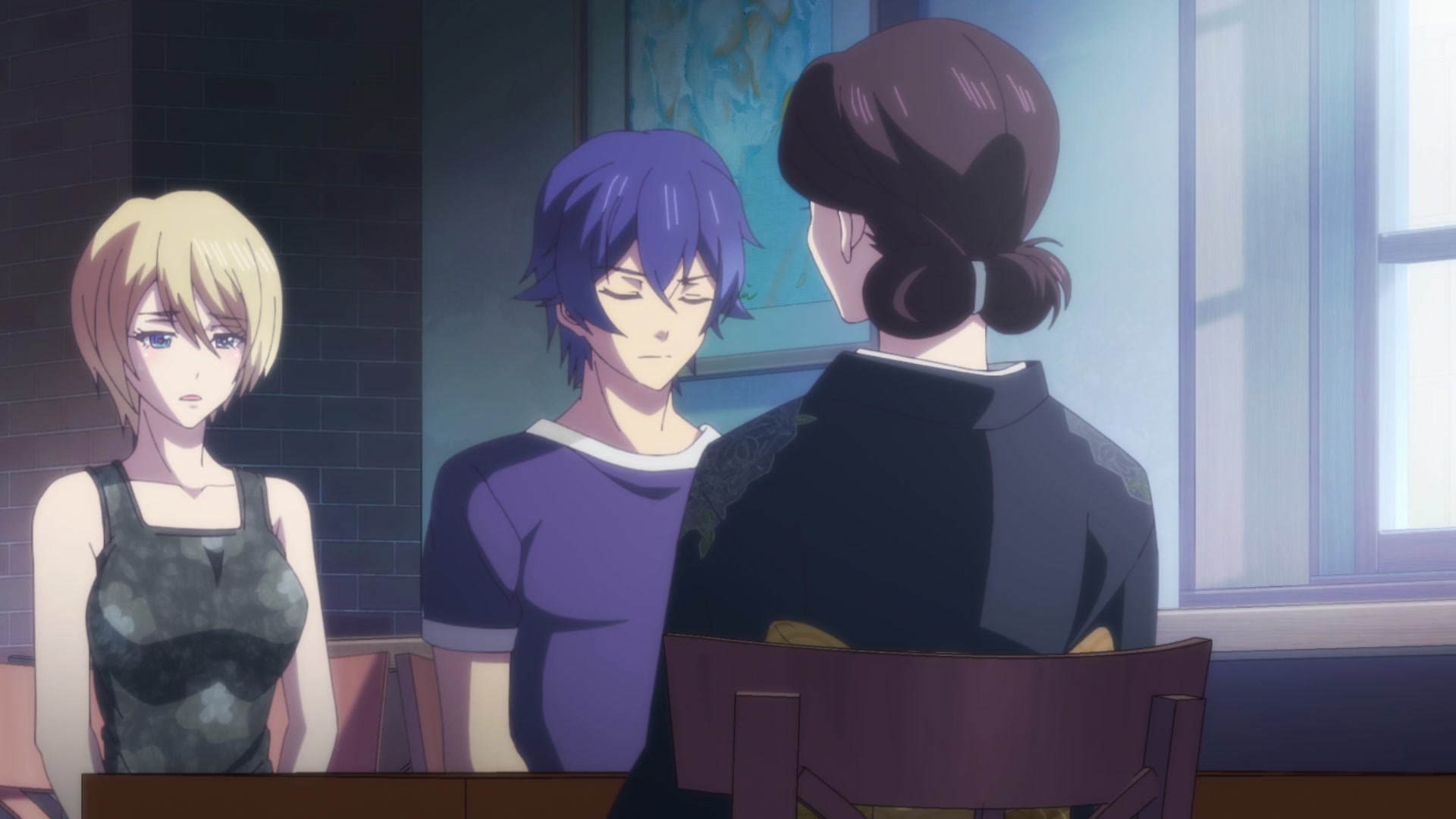
What strikes me most about this series is how seriously it takes grief. Hayato’s grandmother died before the story begins, and her absence permeates everything. Hayato carries guilt over their estrangement; he hadn’t spoken to her in three years before her death and only learned of it through authorities. His initial harshness toward the women isn’t cruelty so much as grief, a way of protecting himself from further loss by refusing to care about anything his grandmother left behind.
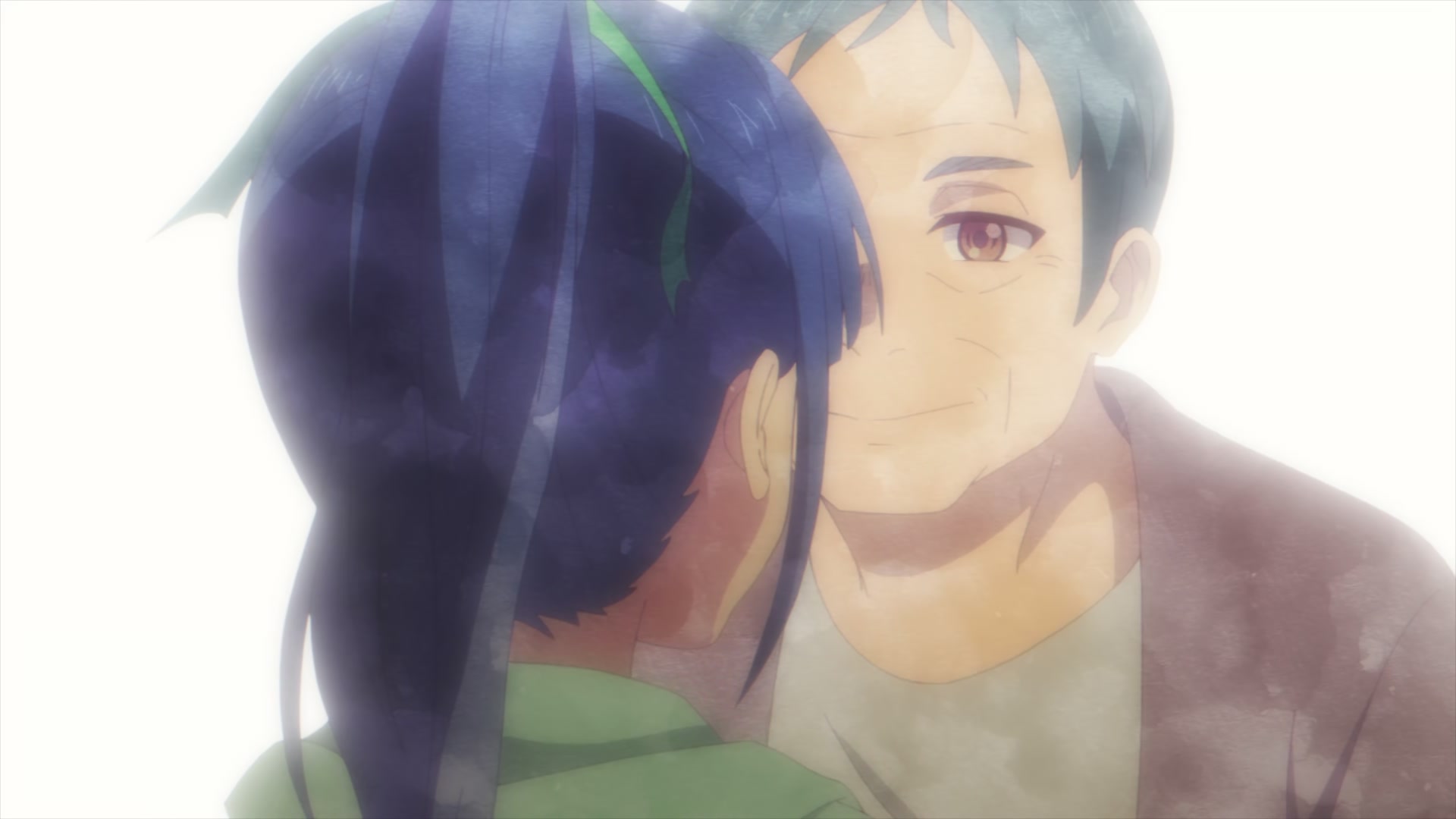
The series reveals Sachiko’s life gradually, through flashbacks and the memories of those who knew her. We learn she was a three-star chef who worked in Spain for fifteen years, trained other chefs, and planned to open her own restaurant called Anhelo. We learn she gave all that up to raise Hayato after his parents died. And we learn, ultimately, that she never regretted her choice. “The ten years I spent here with Hayato made me so happy that none of that even mattered to me anymore,” she tells Shiragiku. This revelation transforms the series from a story about a young man dealing with his grandmother’s death into a story about understanding the depth of her love.
Other characters carry their own grief. Ami’s grandmother suffers from dementia and doesn’t recognize her, leading Ami to avoid returning home. Riho’s mother emotionally abandoned her when her child acting career ended, leaving Riho with a compulsive need to be needed. Akane’s family expects her to abandon her dreams for duty. Each character’s pain is treated with appropriate weight, and the café becomes a place where healing begins.
The Definition of Family
The series’ central question—what makes a family?—is explored through multiple relationships. Hayato has no blood family left. The five women who live with him are strangers connected only through their relationship to his grandmother. Yet over the course of the series, they become something more than coworkers or housemates. They become family.
This theme extends beyond the main cast. The revelation that all five women’s grandmothers worked at the original Familia café suggests a design that transcends coincidence. There’s a photograph of the original staff—Masahiro, Sachiko, Harue, Katsuyo, Yumiko, Youko, and Akemi—and the current staff essentially reenacts their relationships. Sachiko married Masahiro; the women’s granddaughters now orbit Hayato (Masahiro’s grandson) in similar ways. The series suggests that family is not just about the present but about connections that echo across generations.
Even the antagonists become family. The “Black Saints” from the rival café begin as commercial enemies but transform into neighbors and friends. Their integration into the extended family demonstrates that “familia” is capacious enough to include former rivals. By the second season’s end, the neighborhood consists of two restaurants that support each other, their staffs intermingling freely.
Cultural Context
The series is deeply embedded in Japanese cultural traditions. The kissaten (traditional coffee shop) setting isn’t just a backdrop; it’s a specific cultural institution. Unlike modern chain cafés, kissaten are places where customers linger, where the owner knows regulars by name, where coffee is made with care rather than efficiency. Sachiko’s philosophy of treating customers as family is rooted in this tradition.
The seasonal events (Cherry Blossom Festival, Obon, New Year’s) aren’t just plot devices; they’re windows into how Japanese communities mark the passage of time. The shrine visits, the traditional inns, the emphasis on specific foods associated with each season—these elements ground the series in a specific cultural context while making its themes universal.
The emphasis on grandparent-grandchild relationships reflects a real demographic reality in Japan, where grandparents often raise grandchildren when parents are absent due to death, divorce, or career demands. The series treats these relationships with appropriate weight, neither romanticizing nor critiquing them unduly.
Adaptation Notes
I should be upfront here: I came to this series without having read the manga, so I can’t speak to what was compressed, altered, or omitted. What I can say is that the anime feels complete and well-paced. Each character gets their arc, each theme is developed thoroughly, and the emotional beats land with appropriate impact. There are no obvious gaps or rushed developments. If the source material is richer, the anime does a commendable job of standing on its own.


Characters
Kasukabe Hayato: The Reluctant Heir
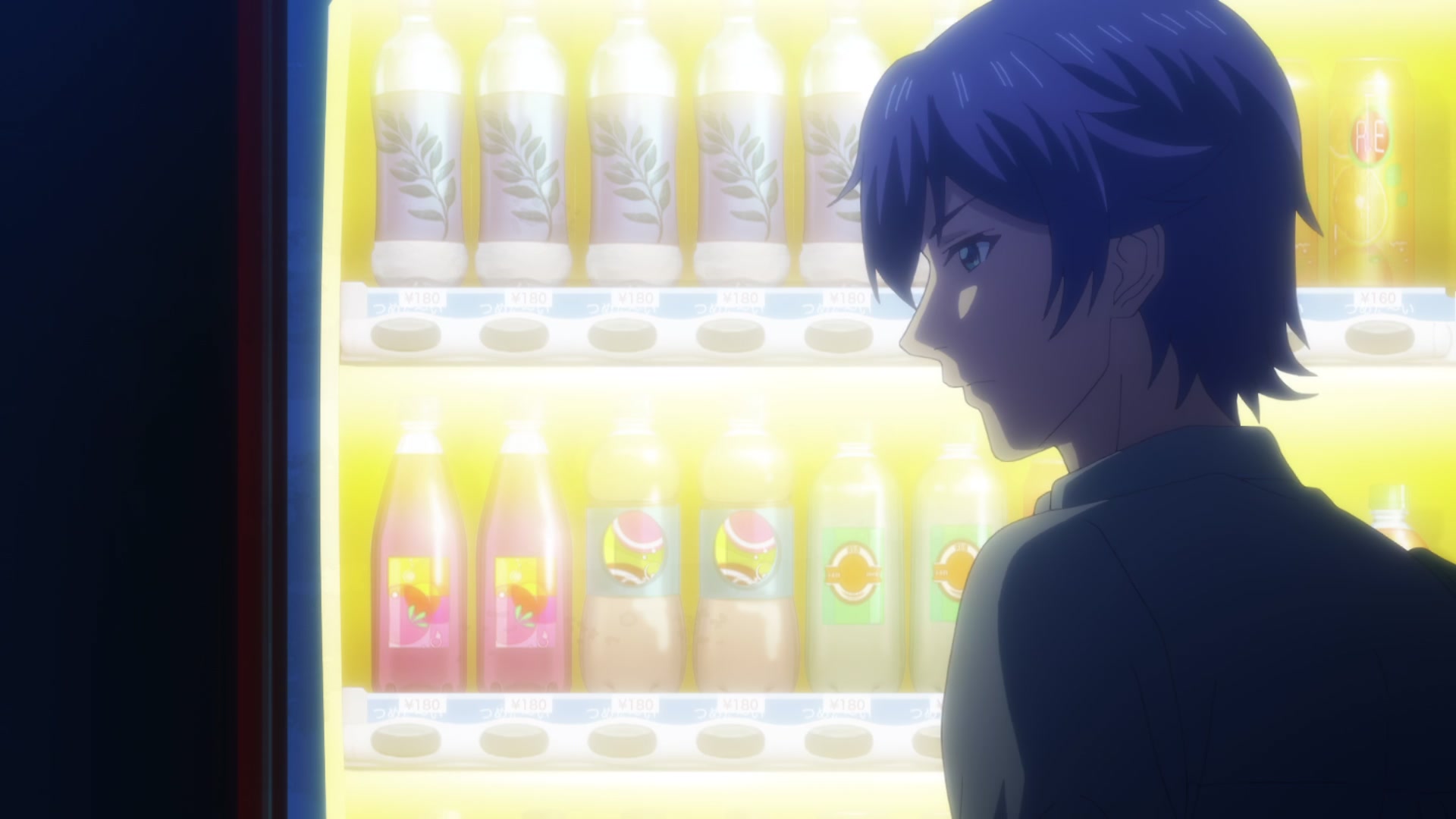
Hayato is the kind of protagonist who could easily be unlikable. He’s sharp-tongued, calculating, and initially dismissive of his grandmother’s legacy. He tells the women who live in his house that they’re total strangers and he has the right to kick them out. He estimates the monetary value of fried chicken. He prioritizes practicality over sentiment.
But the series is careful to show his underlying compassion. He hates unfairness, which means he can’t bear to see the women treated poorly even when they frustrate him. He keeps the falling sign without knowing why. He practices coffee-making late into the night because he wants to match his grandmother’s standards. His harshness is a defense mechanism, and his growth involves learning that vulnerability isn’t weakness.
His romantic development is deliberately deferred. When women confess to him, he acknowledges their feelings but explains that he can’t think about romance while the café’s future is uncertain. This isn’t just a narrative excuse to maintain the harem status quo; it’s consistent with his character. He’s someone who takes responsibilities seriously, and the café represents his grandmother’s legacy and the livelihood of everyone who depends on it. His eventual acknowledgment that he might one day like someone enough for it to matter is a quiet but meaningful concession.
The Five Heroines
The series’ strength lies in giving each of the five women distinct personalities, conflicts, and growth arcs. They’re not interchangeable love interests but fully realized individuals with their own dreams and struggles.
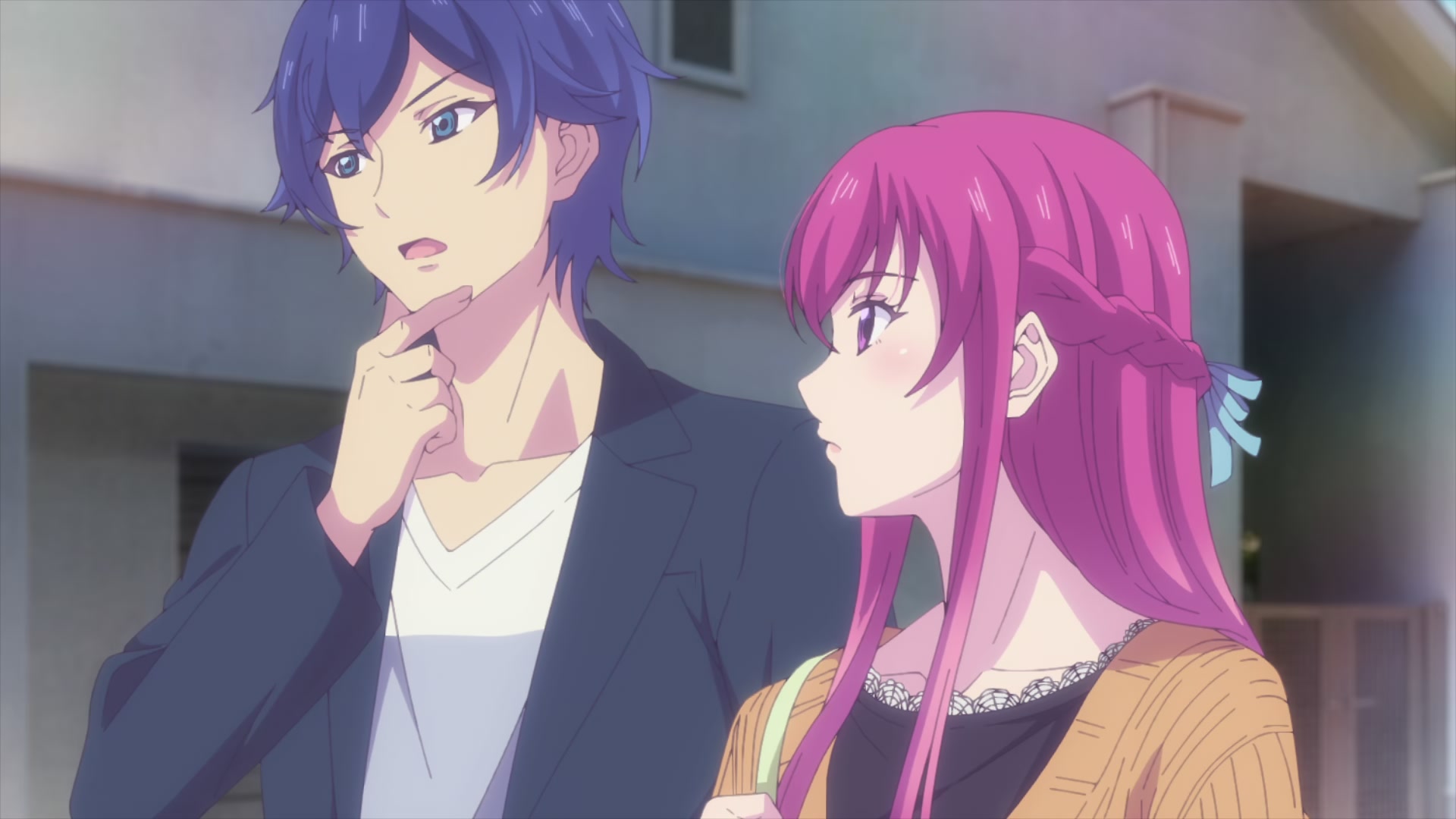
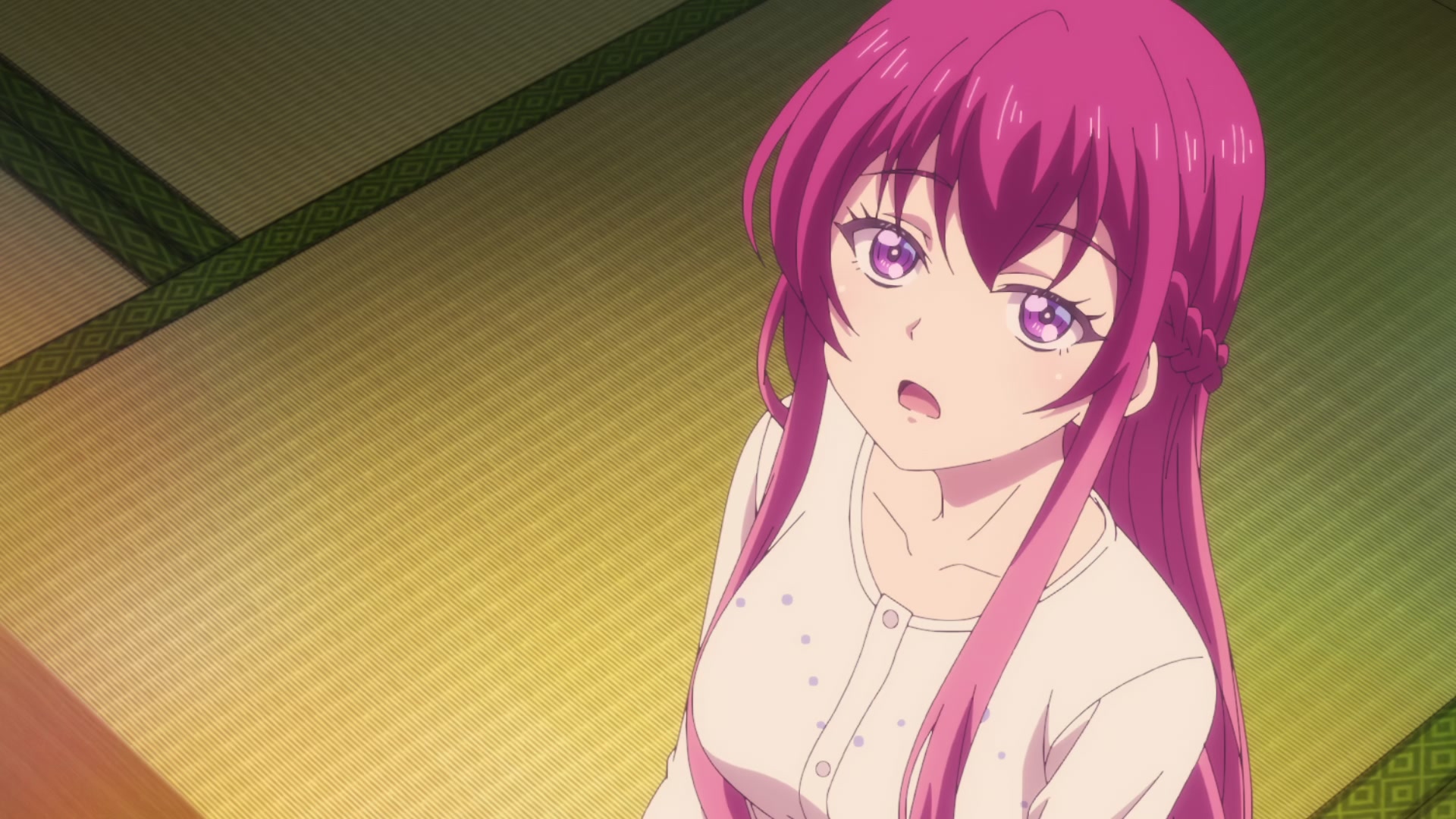
Makuzawa Ouka is the tsundere, but her aggression masks insecurity about her family’s expectations. As the older twin who defied her family’s academic demands to pursue fashion design, she constantly second-guesses herself. Her sharp tongue is learned behavior, a way of maintaining armor against the perception that she’s a burden. Her eventual decision to move to France to work for a fashion brand represents her learning that she can pursue her dreams without guilt.
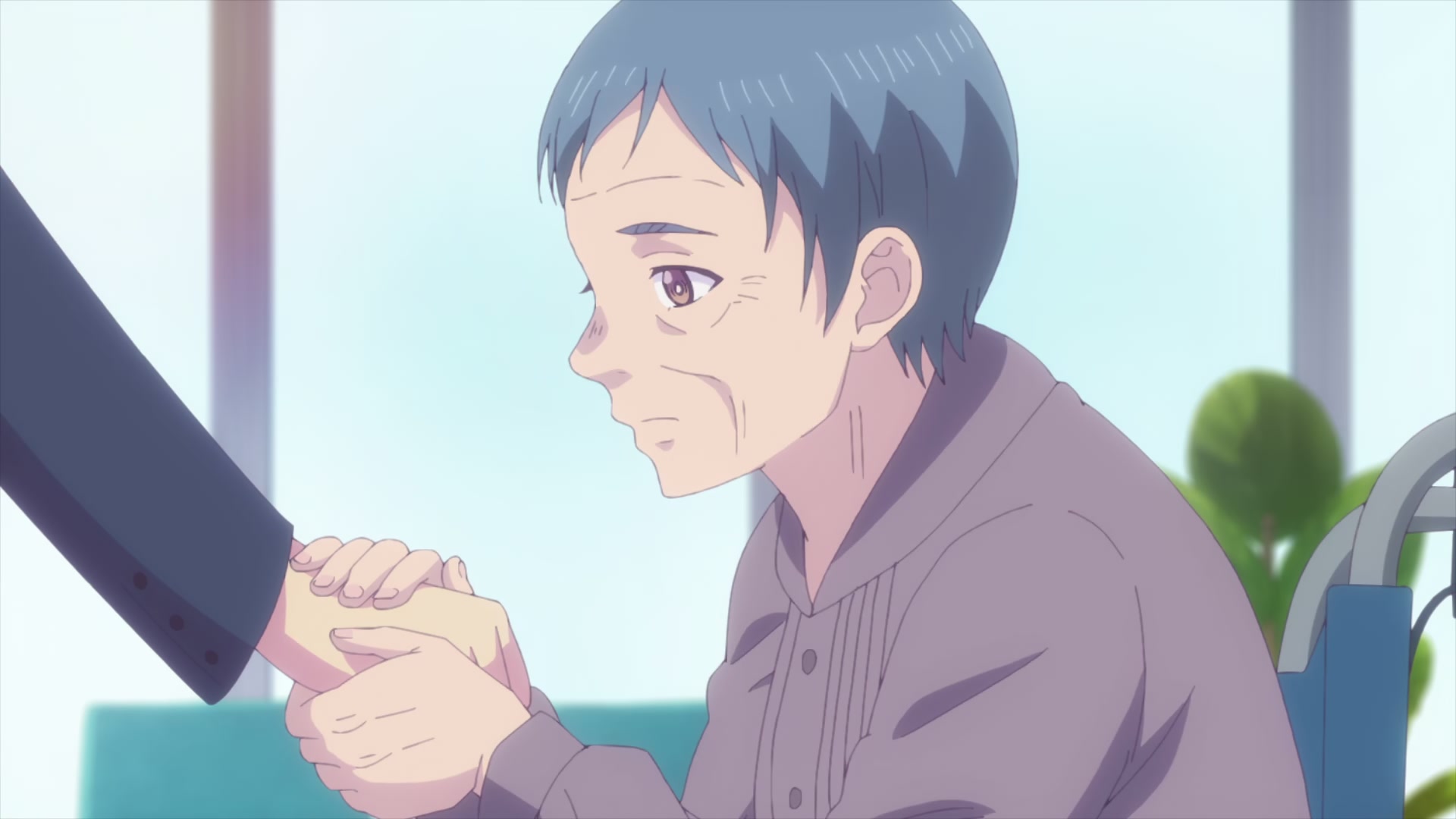
Tsuruga Ami provides comic relief through her energy and destructive tendencies, but her arc is surprisingly emotional. Her cheerful exterior hides the pain of her grandmother’s dementia. Her decision to finally visit and confront the reality of the situation, supported by Hayato’s own experience with regret, is one of the series’ most moving storylines.
Tsukishima Riho is the most outwardly capable of the women, but her sociability is a survival mechanism. As a former child star whose mother pushed her into the industry and then discarded her, she’s developed a compulsive need to be needed. Her journey involves recognizing that her hard work has value and that she doesn’t have to earn love.
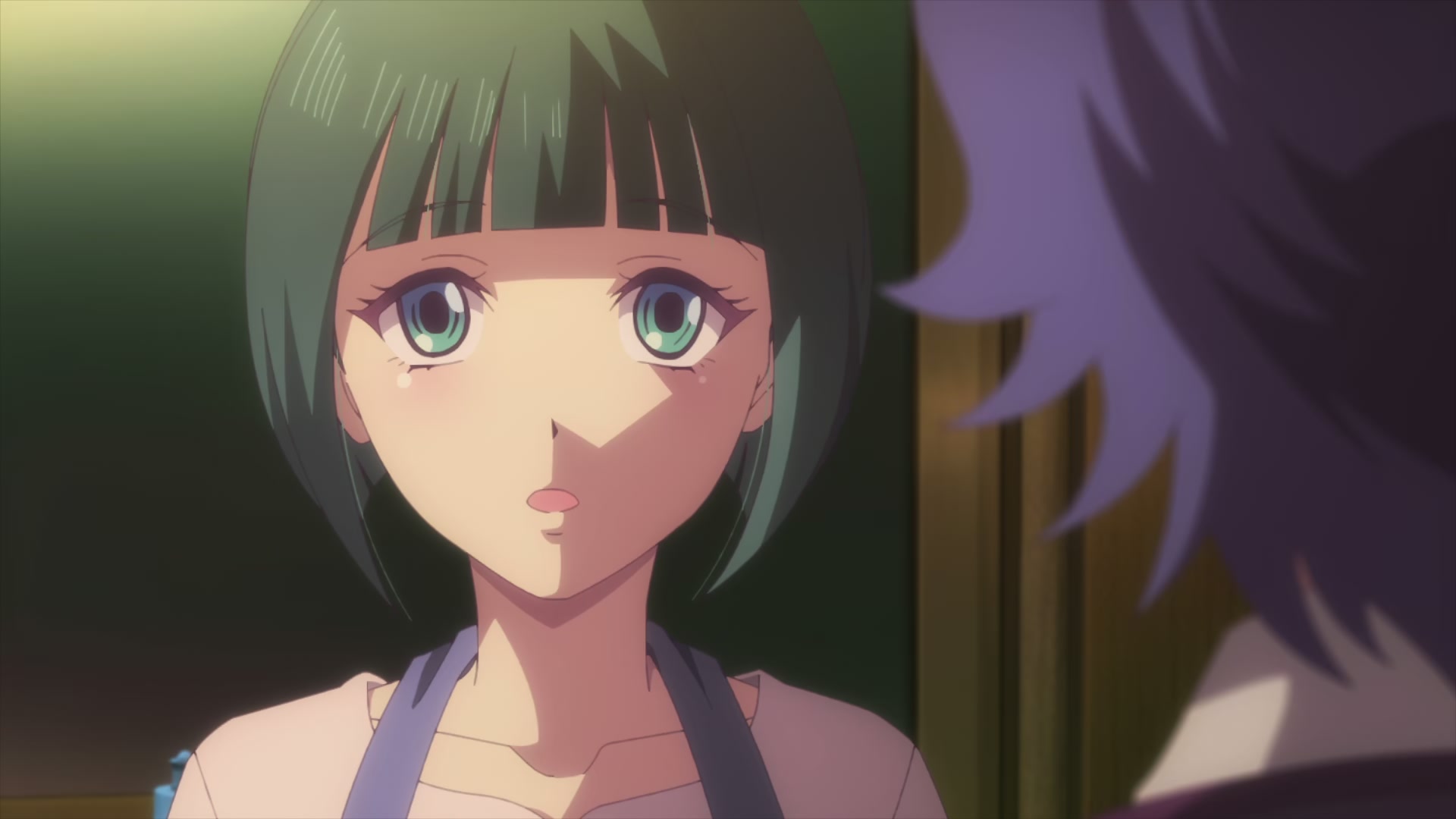
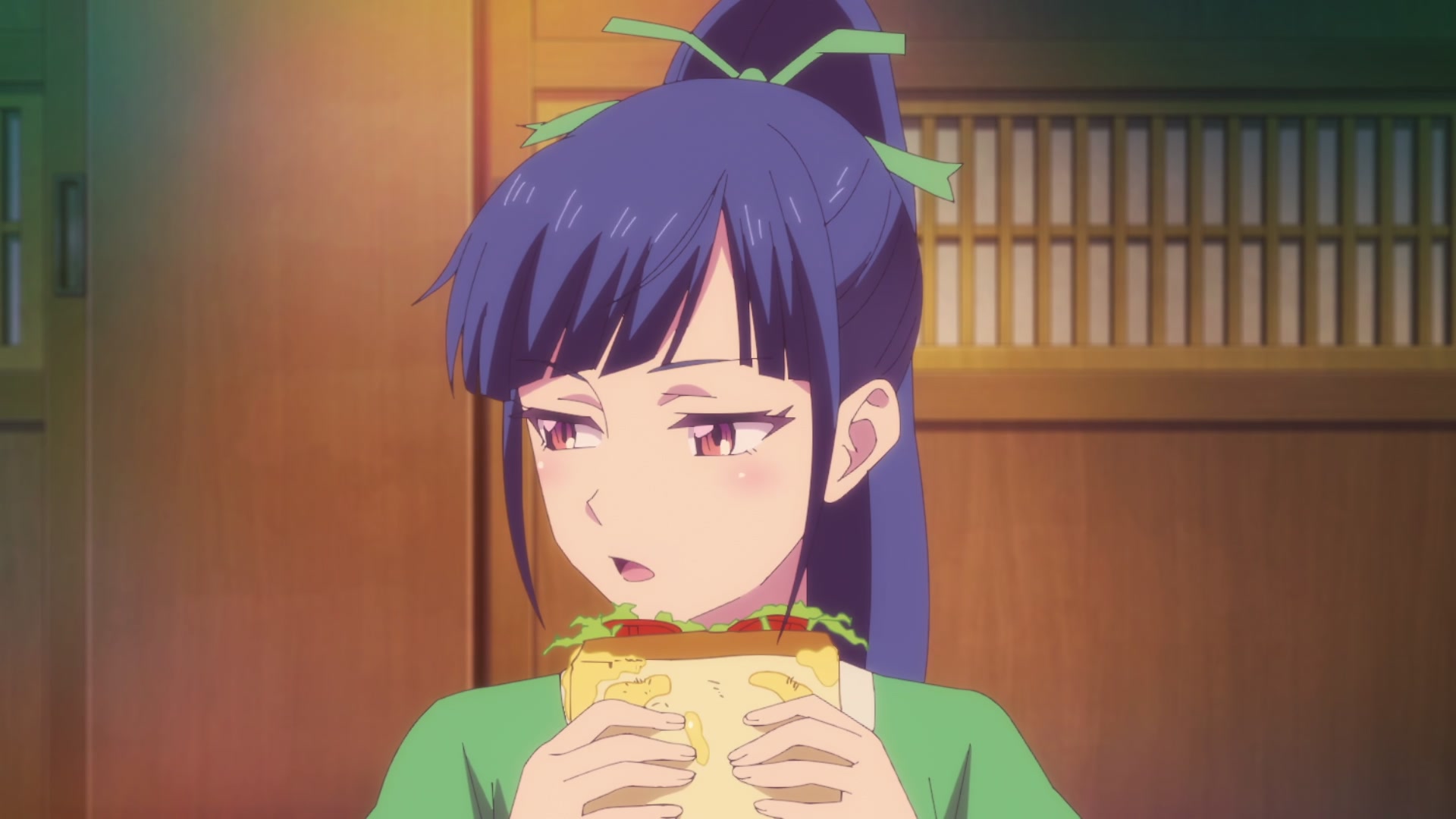
Ono Shiragiku is the quietest of the group, but her reserved exterior hides immense talent and repressed desires. Her transformation when she drinks alcohol (even if only through cooked food) is the series’ most reliable comedic device, but it also represents the feelings she can’t express sober. Her struggle to create something beyond Sachiko’s recipes mirrors her struggle to express her own feelings.
Hououji Akane is the coolest and most mysterious, but her deadpan delivers some of the series’ best lines. Her family conflict—the expectation that she’ll inherit the business and marry appropriately—is the most formally antagonistic storyline, but her directness in romantic matters (she’s the first to confess, the first to propose) makes her the most honest of the women.
The Expanded Cast
The second season introduces five new characters from the rival café. Rather than treating them as one-dimensional antagonists, the series gives each of them their own personality and conflict.
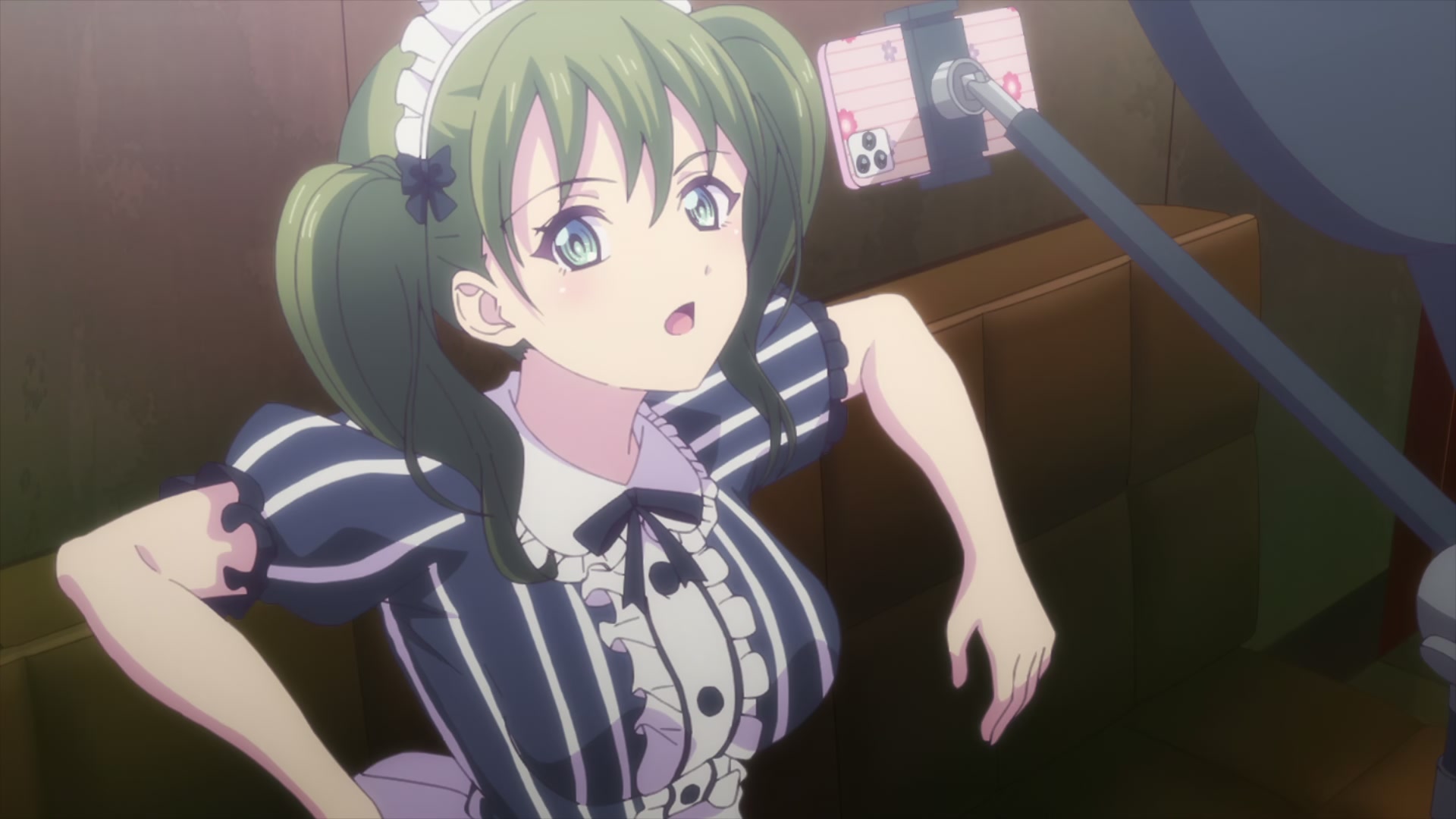
Chiyoda Ririka is a foil for Riho, a younger, more insecure version of a showbiz survivor. Her journey from antagonist to business owner, from being saved by Riho to saving herself, is the most substantial of the new arcs.
Takasaki Mao is the blunt realist who says what everyone is thinking. Her sexual humor normalizes the romantic content and provides comic relief, but she’s also a voice of experience who helps others navigate their feelings.
Souya Moemi has the most interesting conflict of the new characters. Her serious, perfectionist cooking persona hides the pressure of being the heir to a traditional restaurant. Her “big dummy” public face is an act, and her strict chef mode when cooking reveals a character struggling with duty and joy.
Yoshino Hekiru is the meta-commentator who talks about “losing heroines” and “heroine races.” Her predictions provide a lens for understanding the romantic dynamics, and her own struggles as a writer parallel the larger themes.
Azuma Valentina (Tina) matches Ami’s energy and provides the physical comedy that the original cast sometimes lacks. Her status as a traveler makes her naturally suited to the found-family theme.
Character Dynamics
The series excels at group dynamics. The scenes where all characters are together—the meals, the celebrations, the arguments—feel like genuine family interactions. There’s a warmth to these scenes that’s difficult to fake, and it’s a testament to the writing that even with a cast of eleven, each character feels distinct and integral.
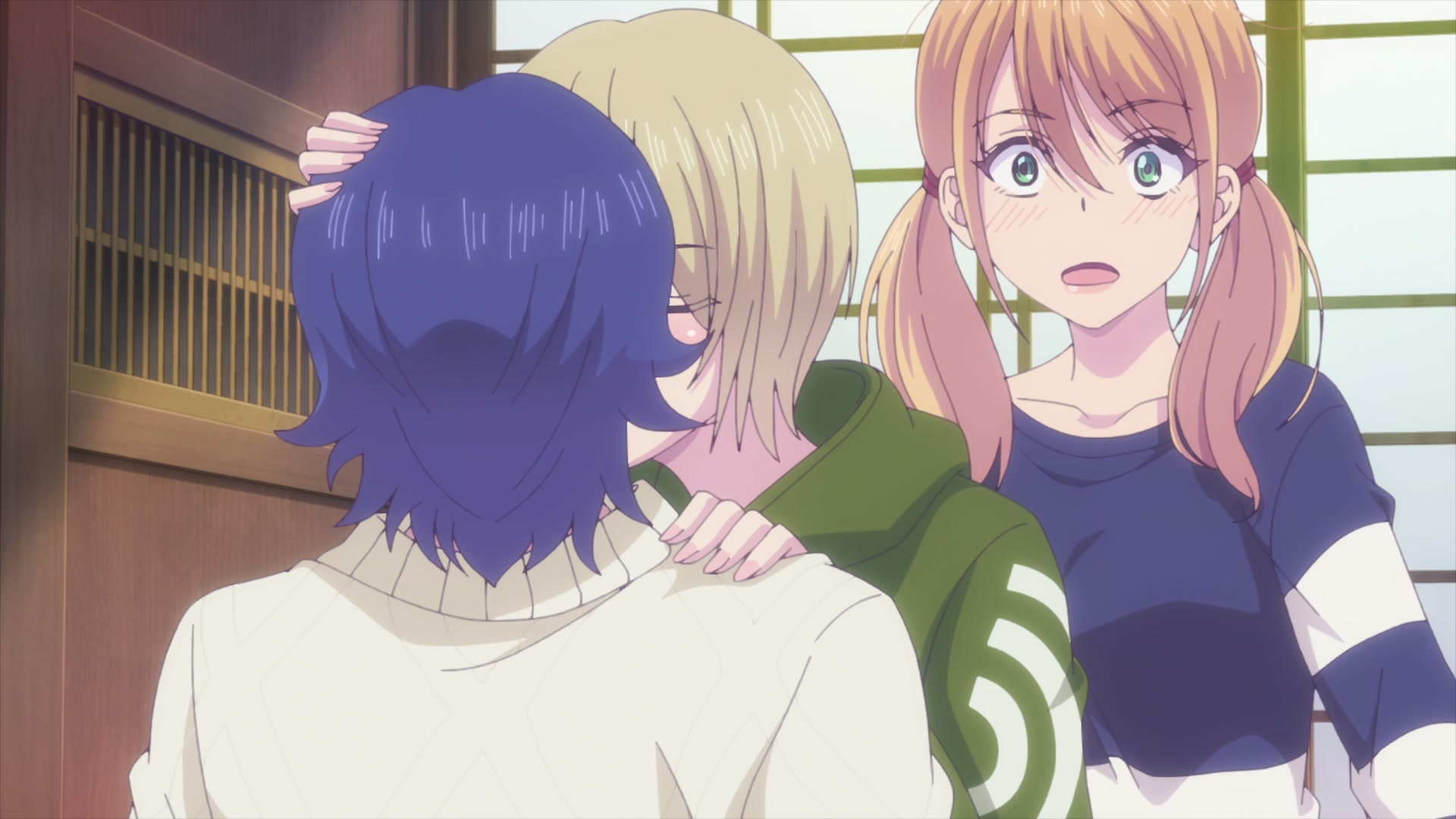
The romantic competition is handled with a light touch. The women compete for Hayato’s attention, but they also support each other. The mock trial scene, where Shiragiku is accused of “stealing” Hayato’s kiss, is both comedic and reveals deeper truths about fairness and consent. The “kiss rights” granted to the other women represent a formal acknowledgment of the competition while also keeping it playful.


Visuals and Animation
Art Style and Visual Direction
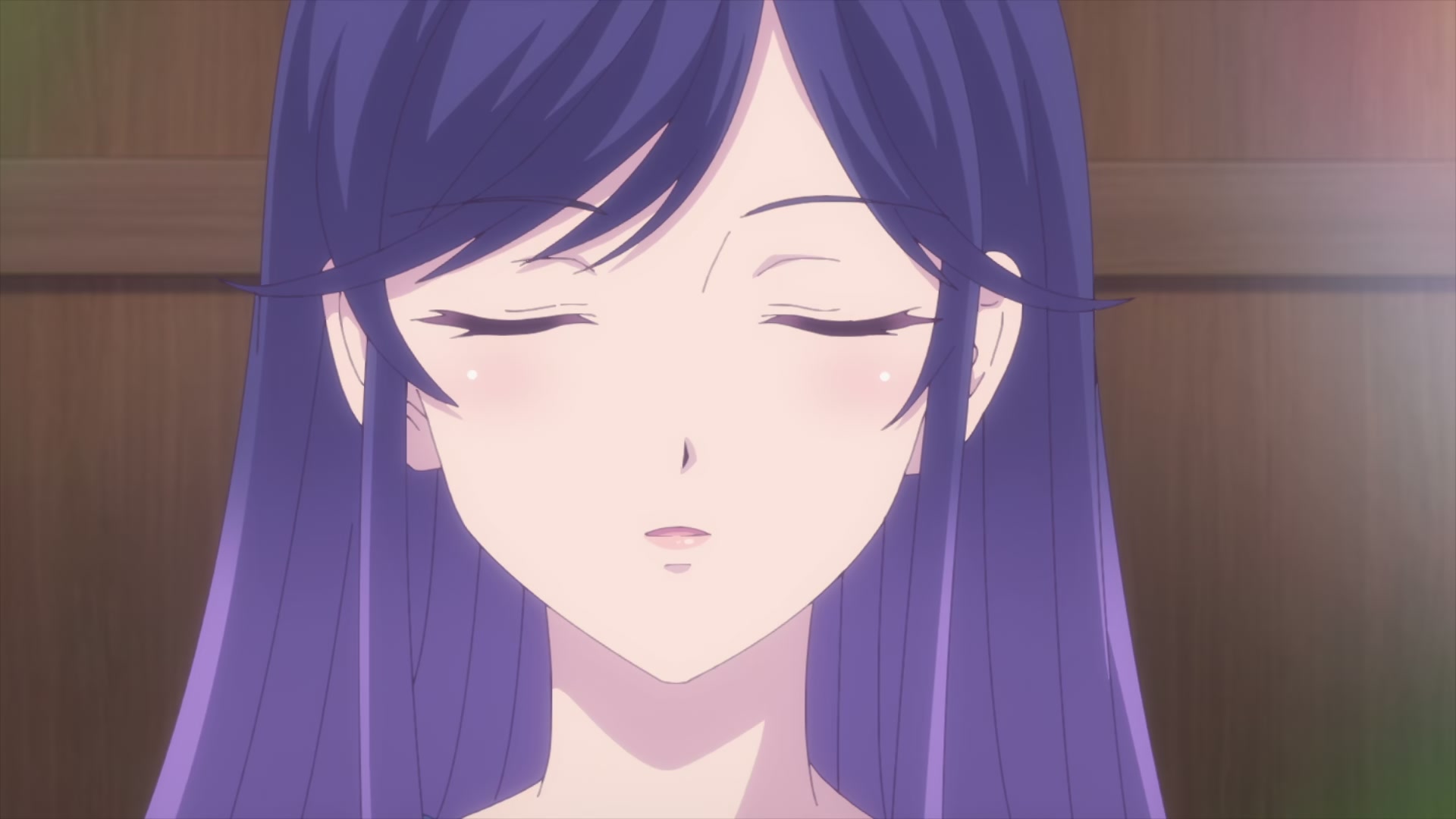
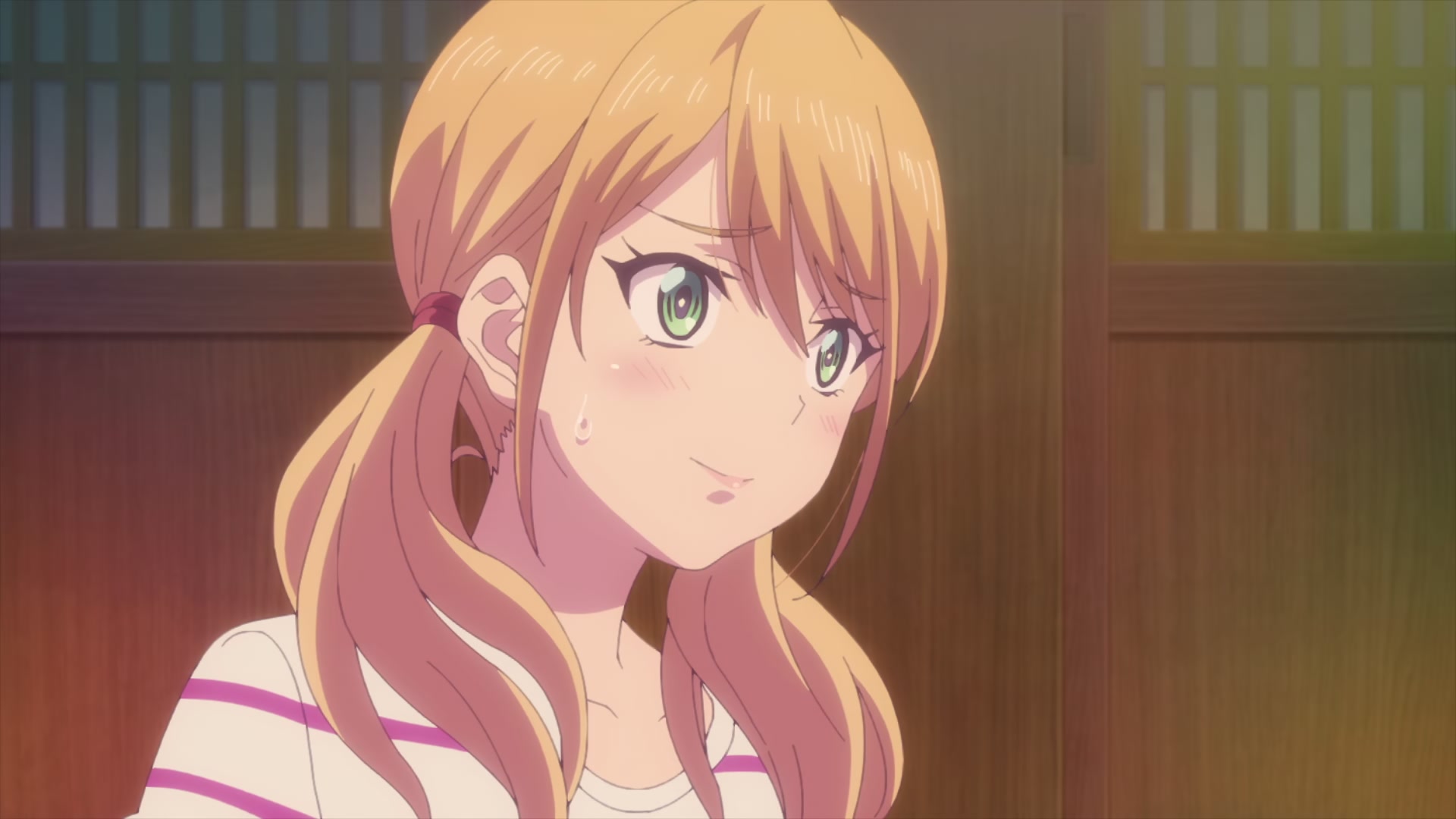
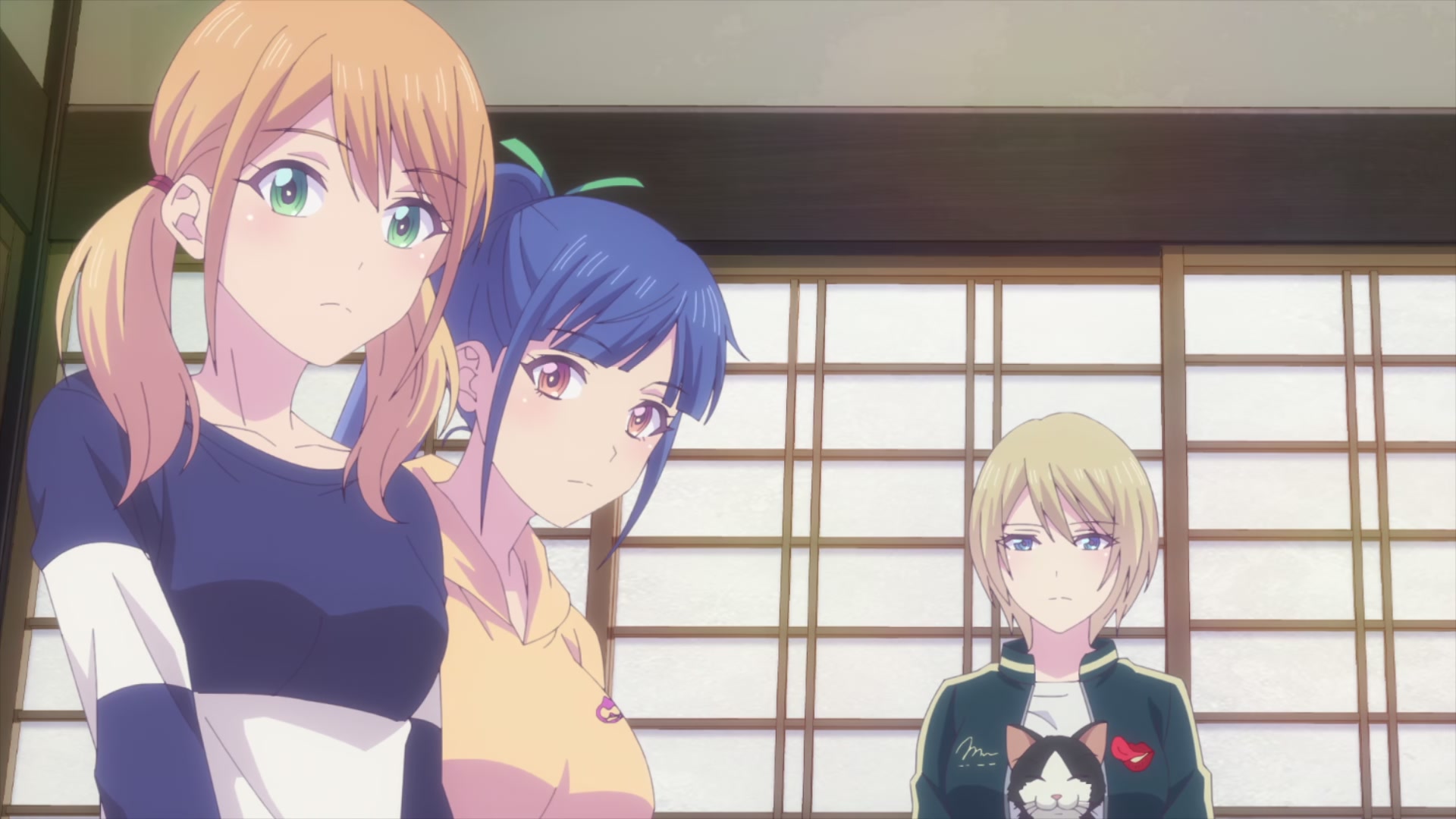
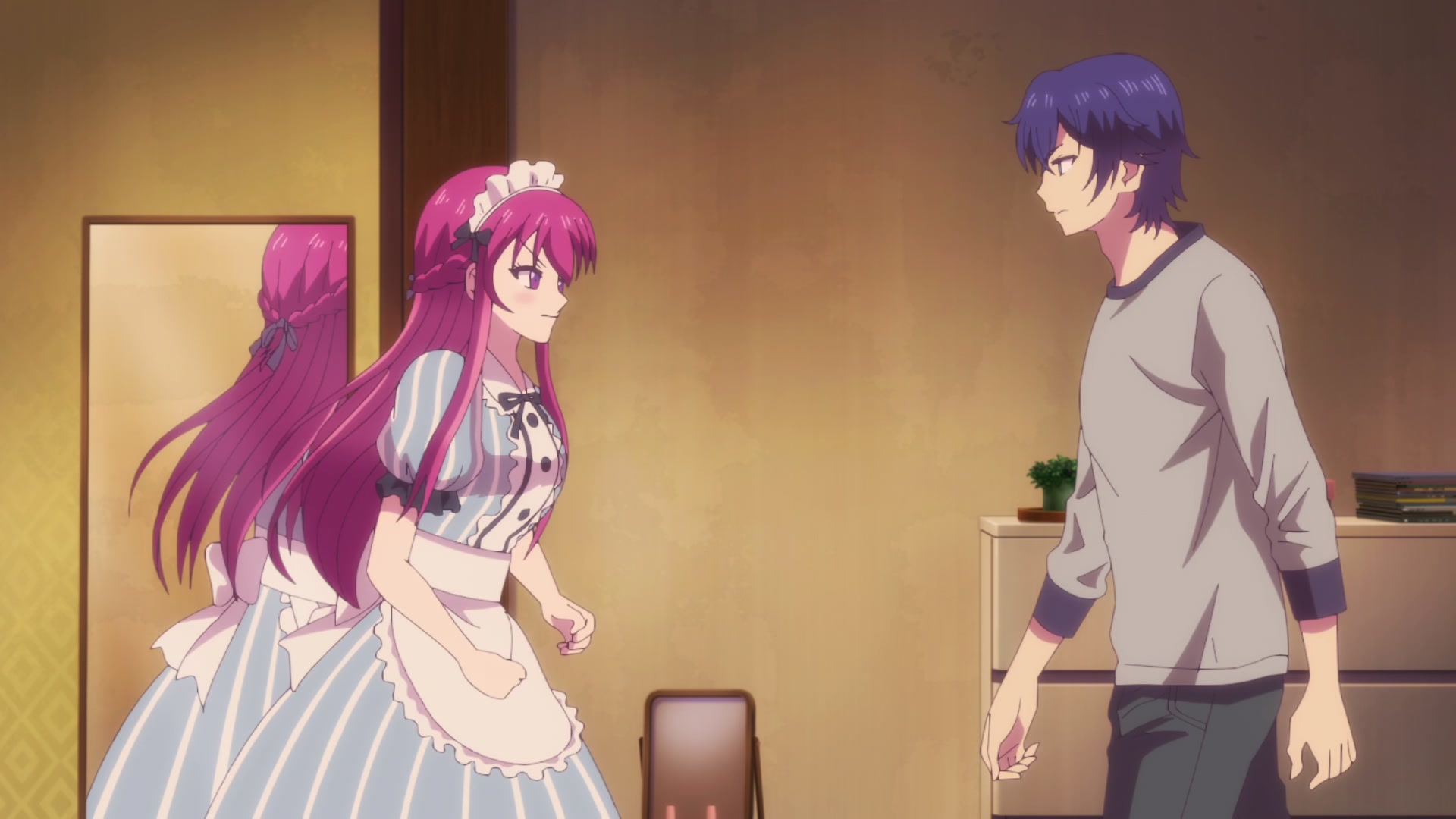
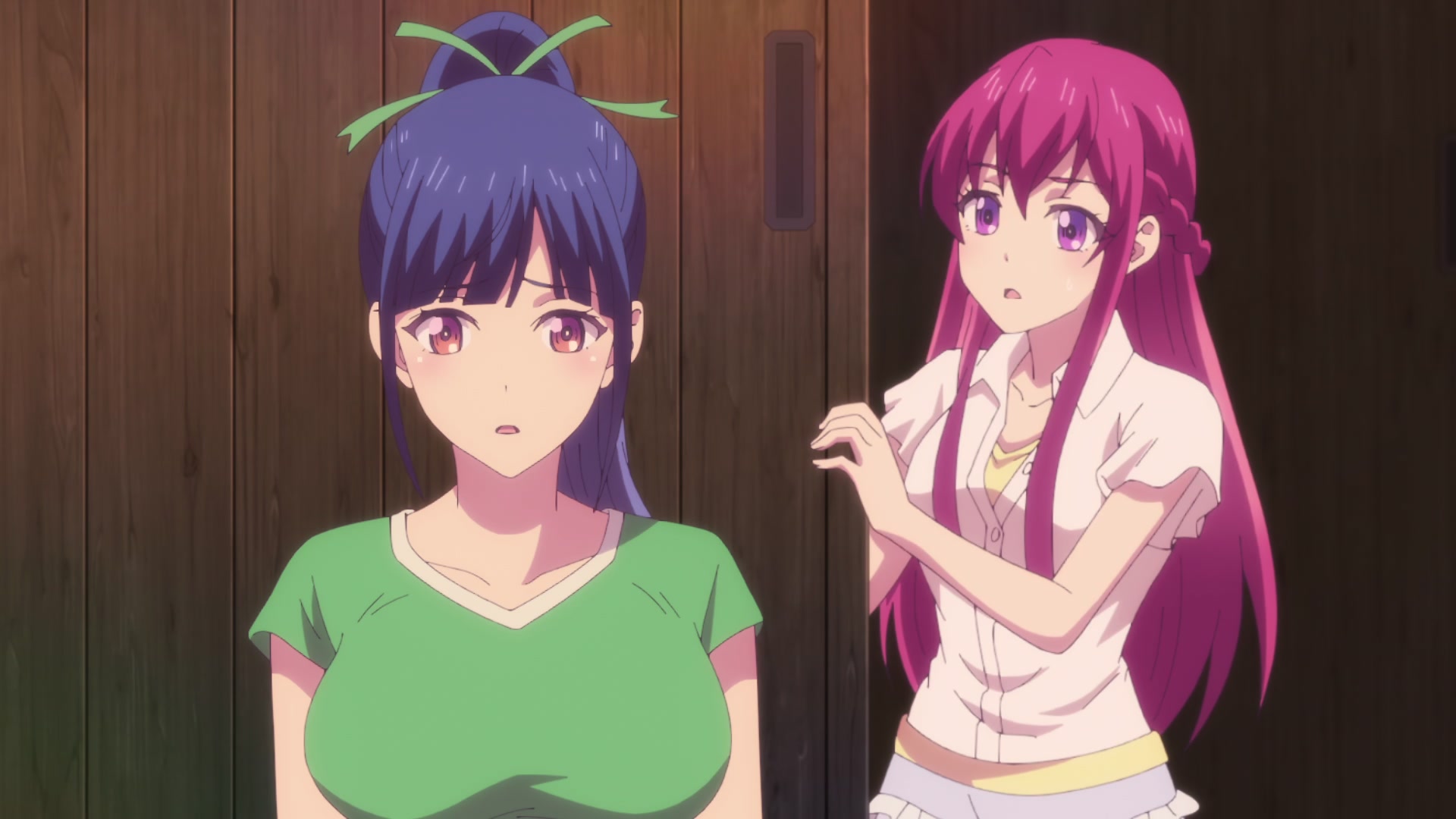
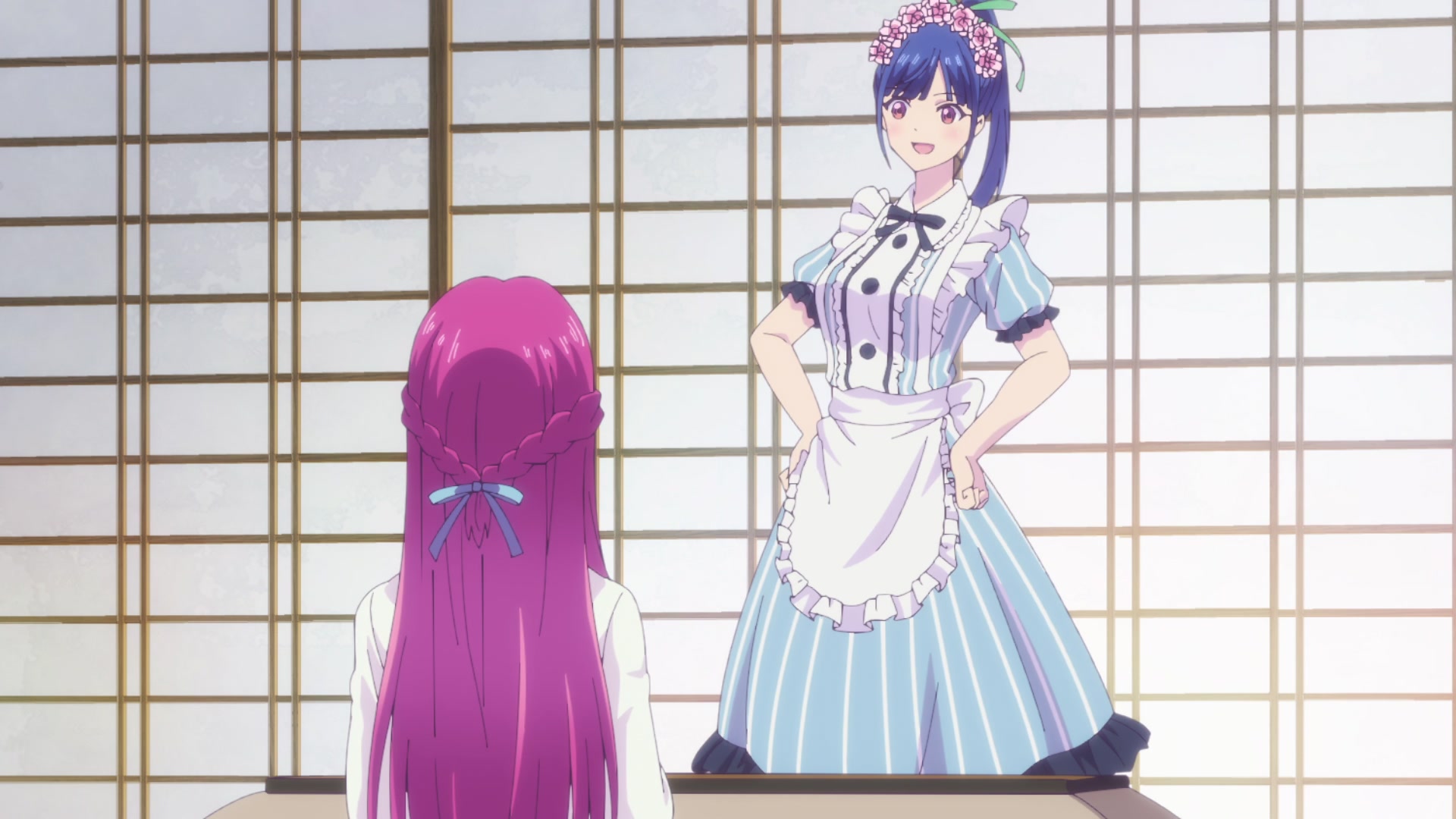
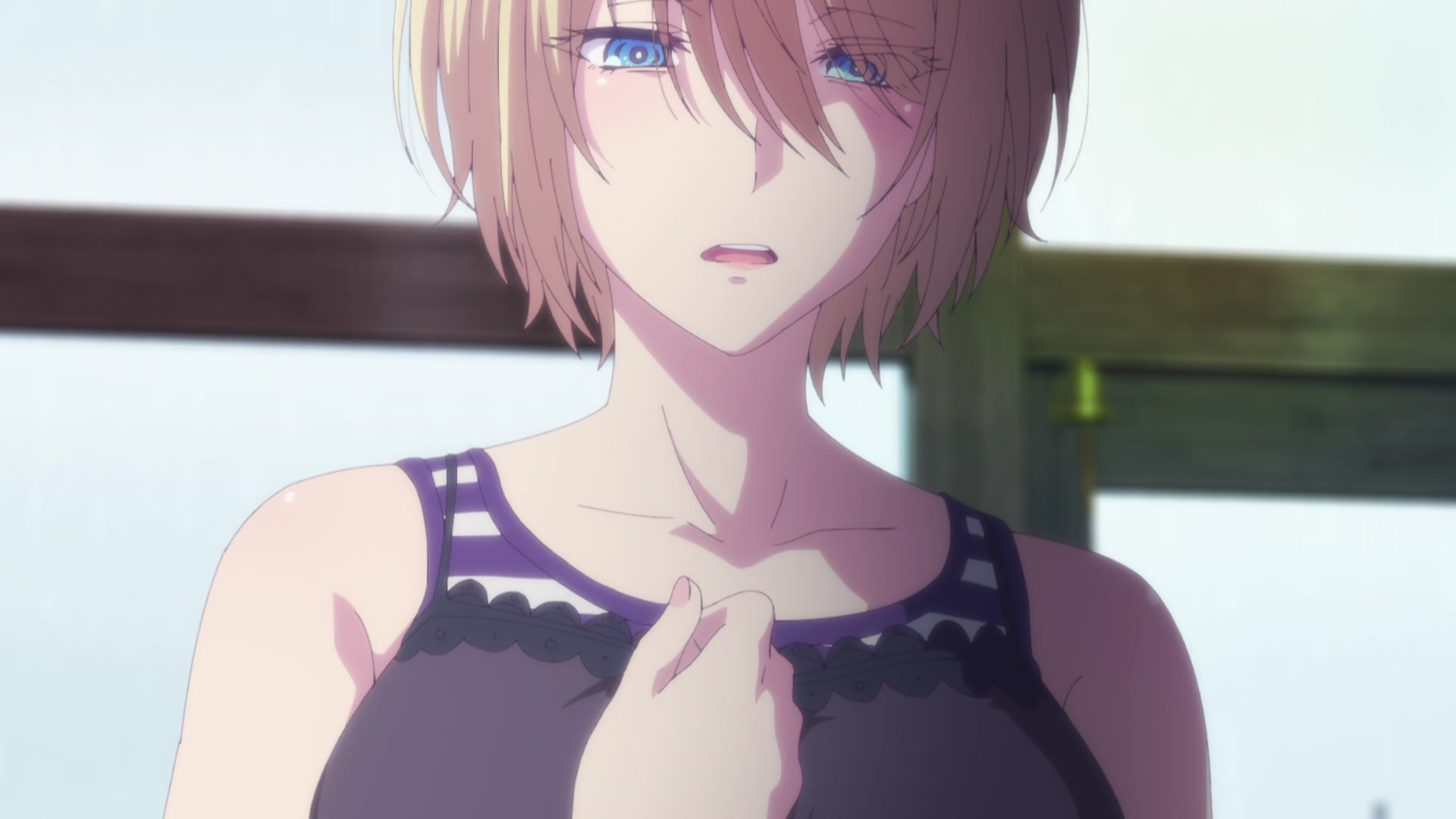
The series employs a polished, modern aesthetic that fits comfortably within contemporary romantic comedy conventions. The character designs are attractive and distinctive, using hair color (magenta for Ouka, teal for Riho, indigo for Shiragiku, blonde for Akane, orange for Ami) as the primary differentiator. Eye designs are particularly detailed, with complex iris patterns and significant highlights that serve as the primary focal point for emotional delivery.
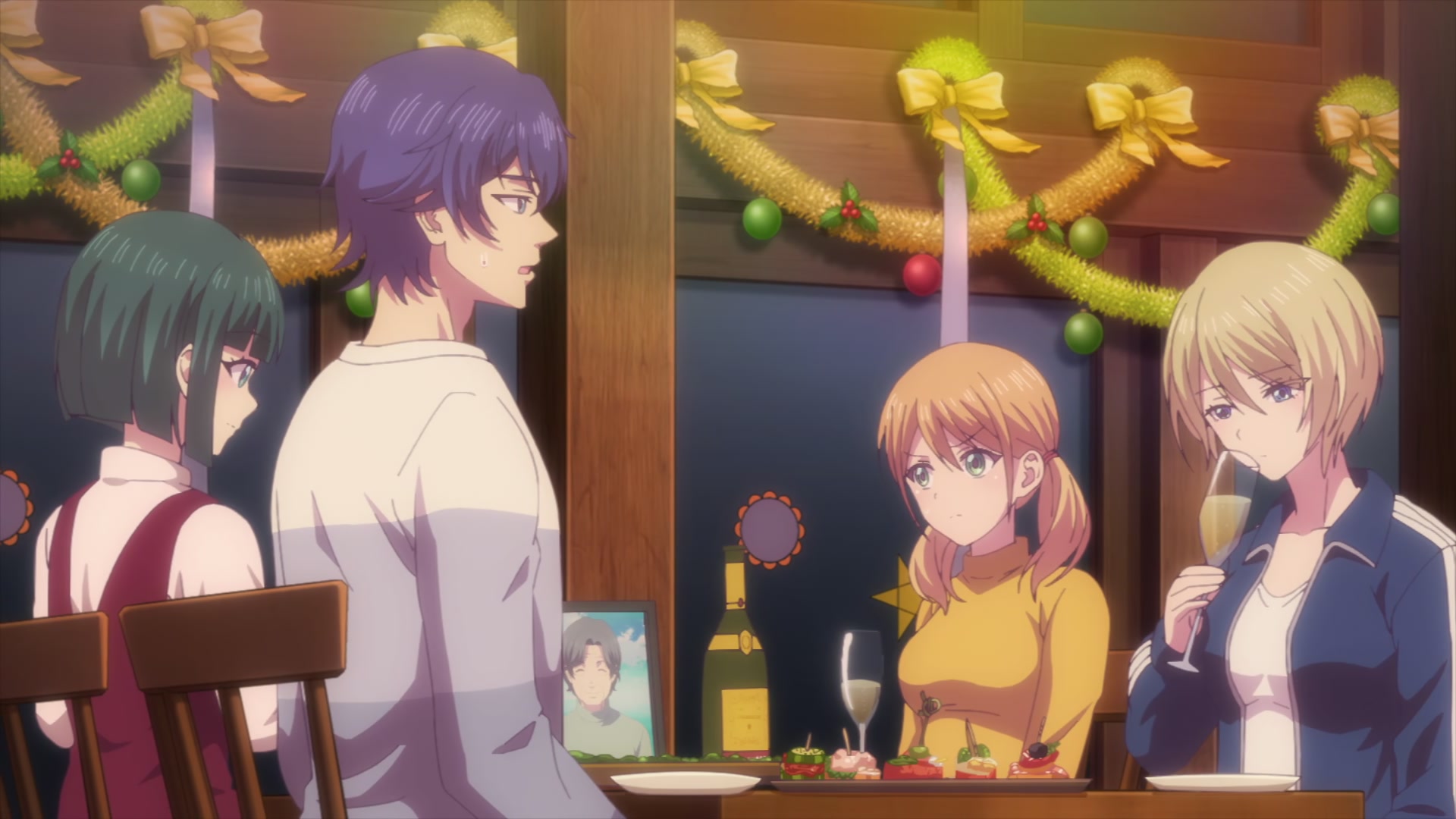
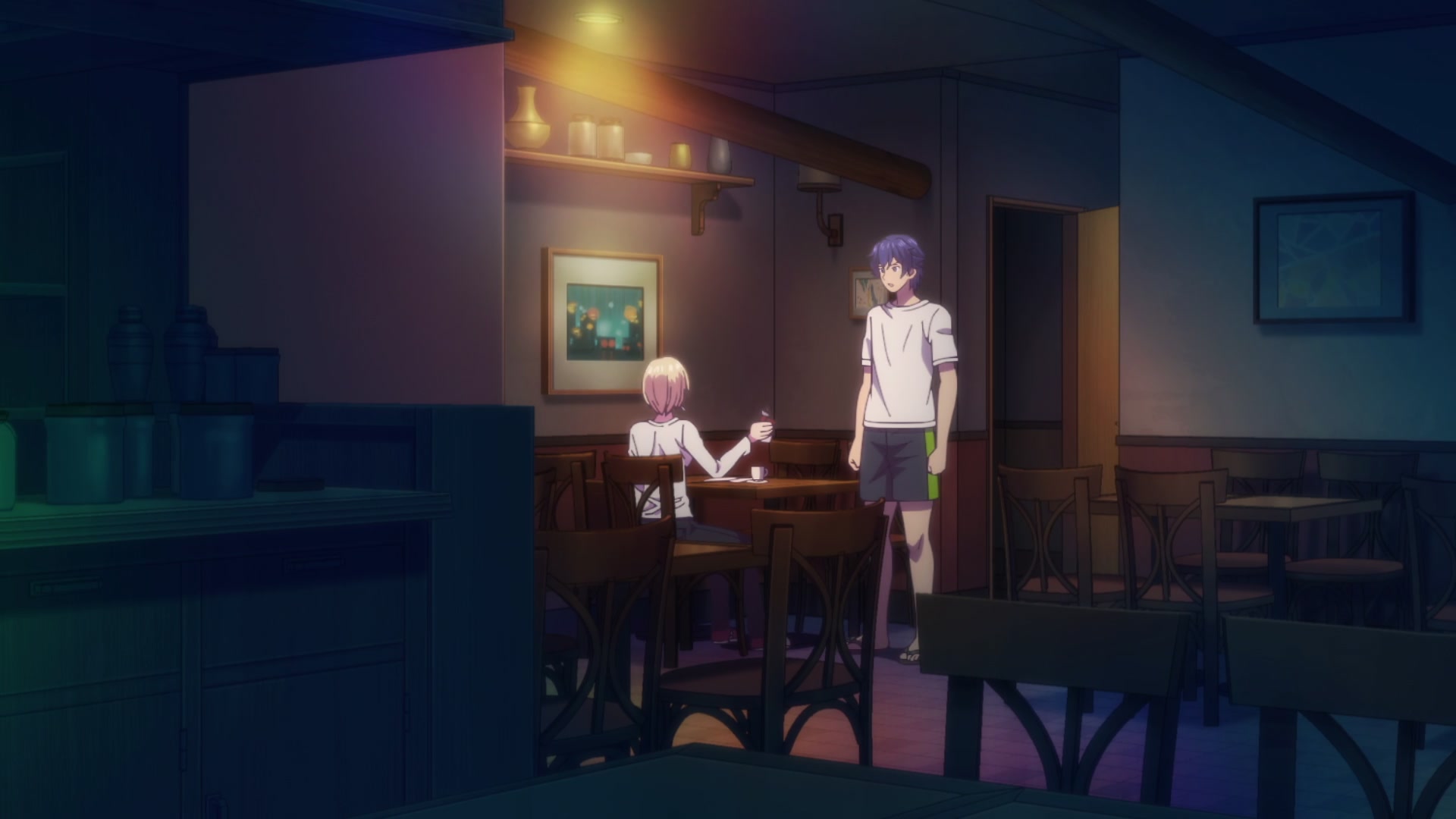
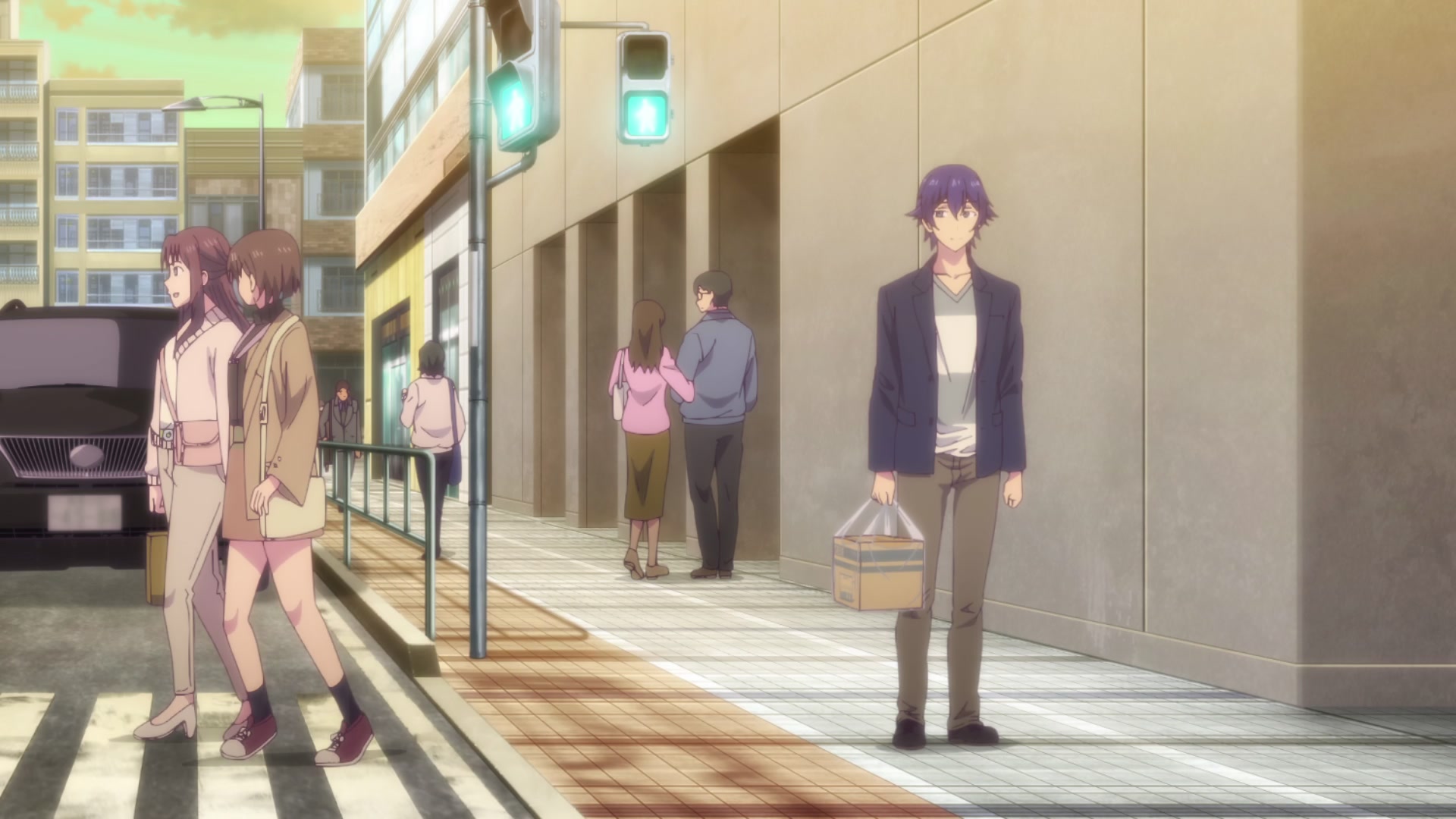
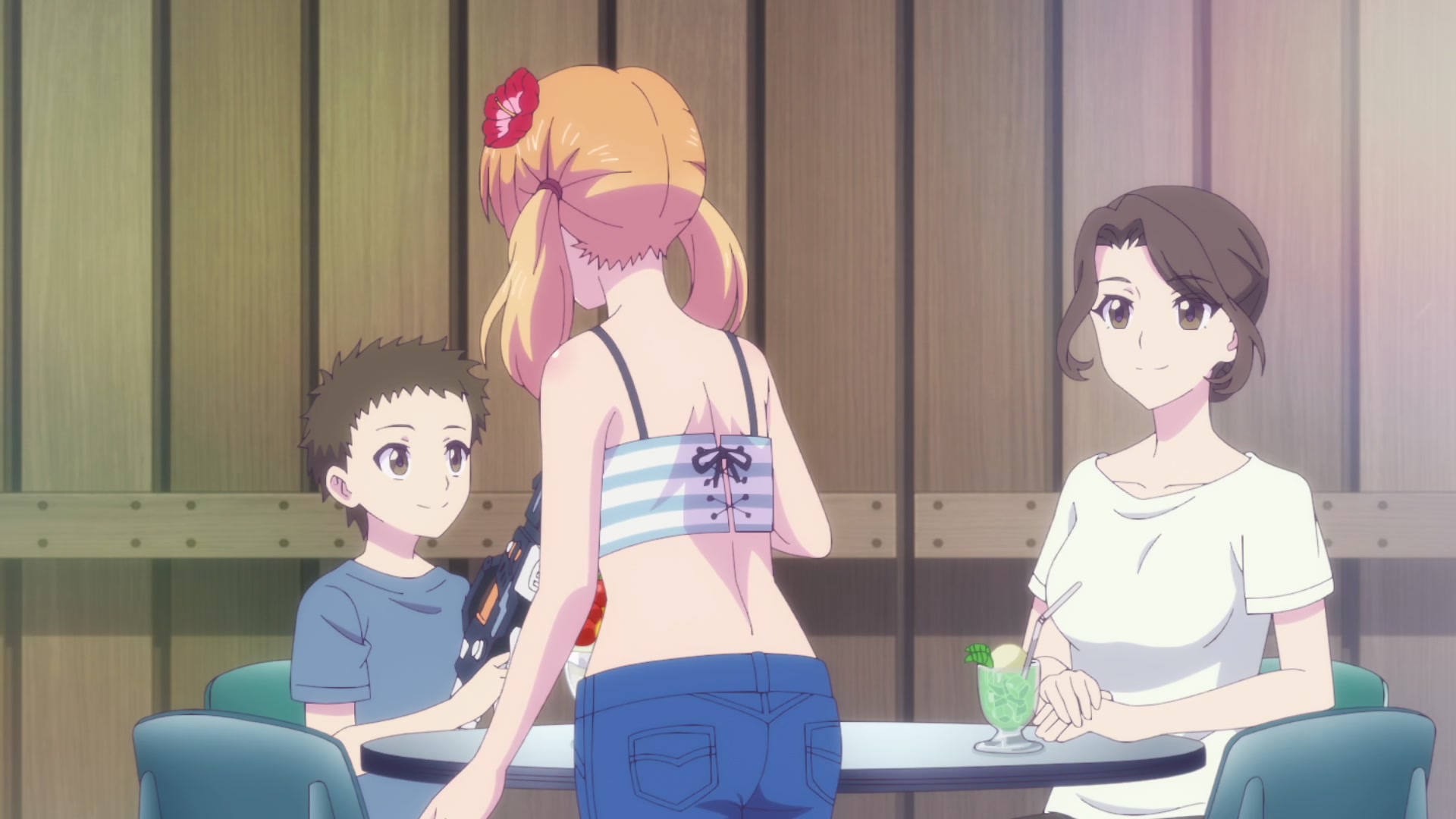
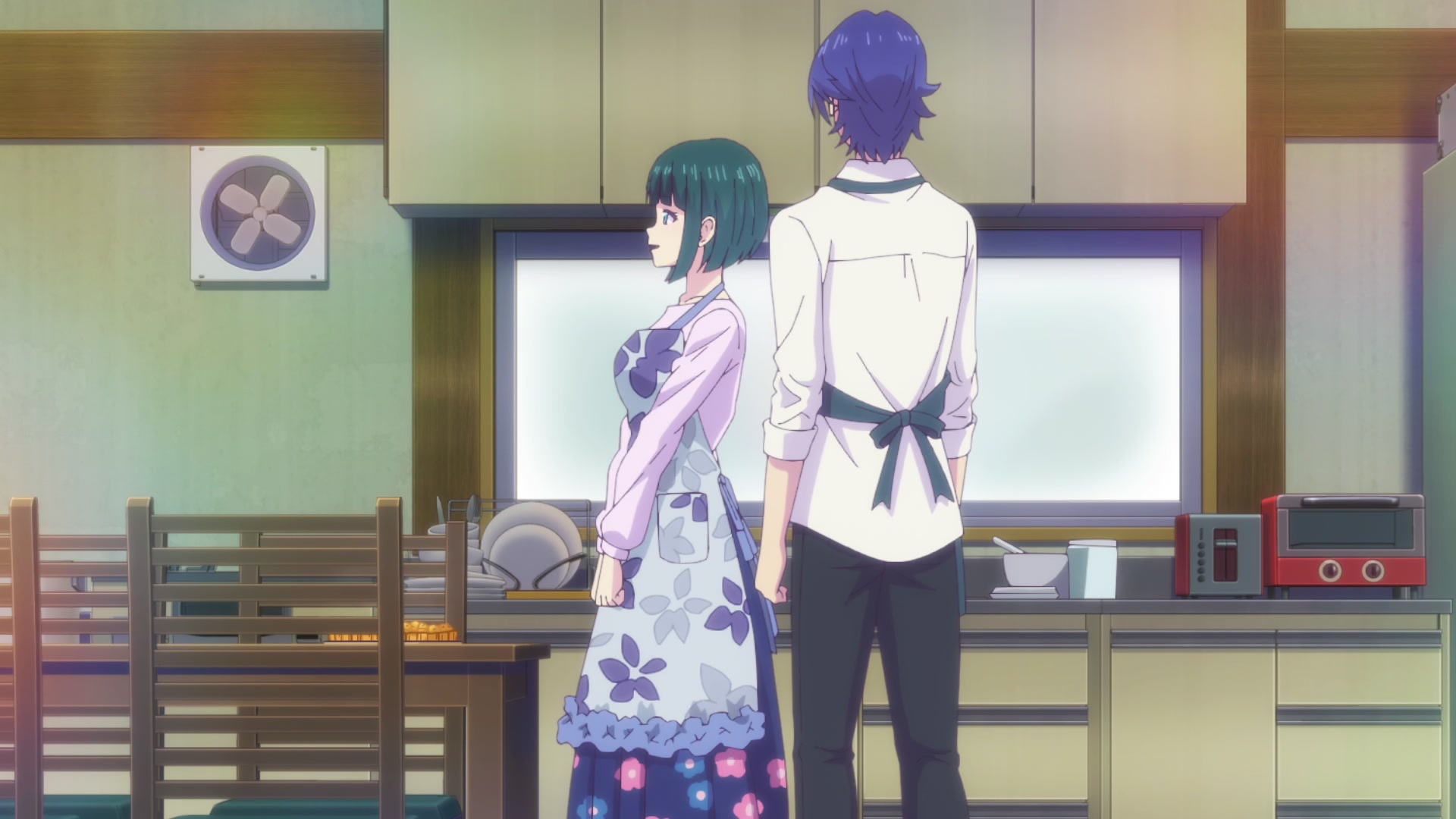
The art direction prioritizes warmth and approachability. The café interior is bathed in soft, warm lighting that creates a cozy, domestic atmosphere. Exterior scenes use golden-hour lighting to emphasize the seaside setting’s nostalgic quality. The overall effect is inviting, aligning with the series’ themes of comfort and belonging.
Lighting and Color Palette
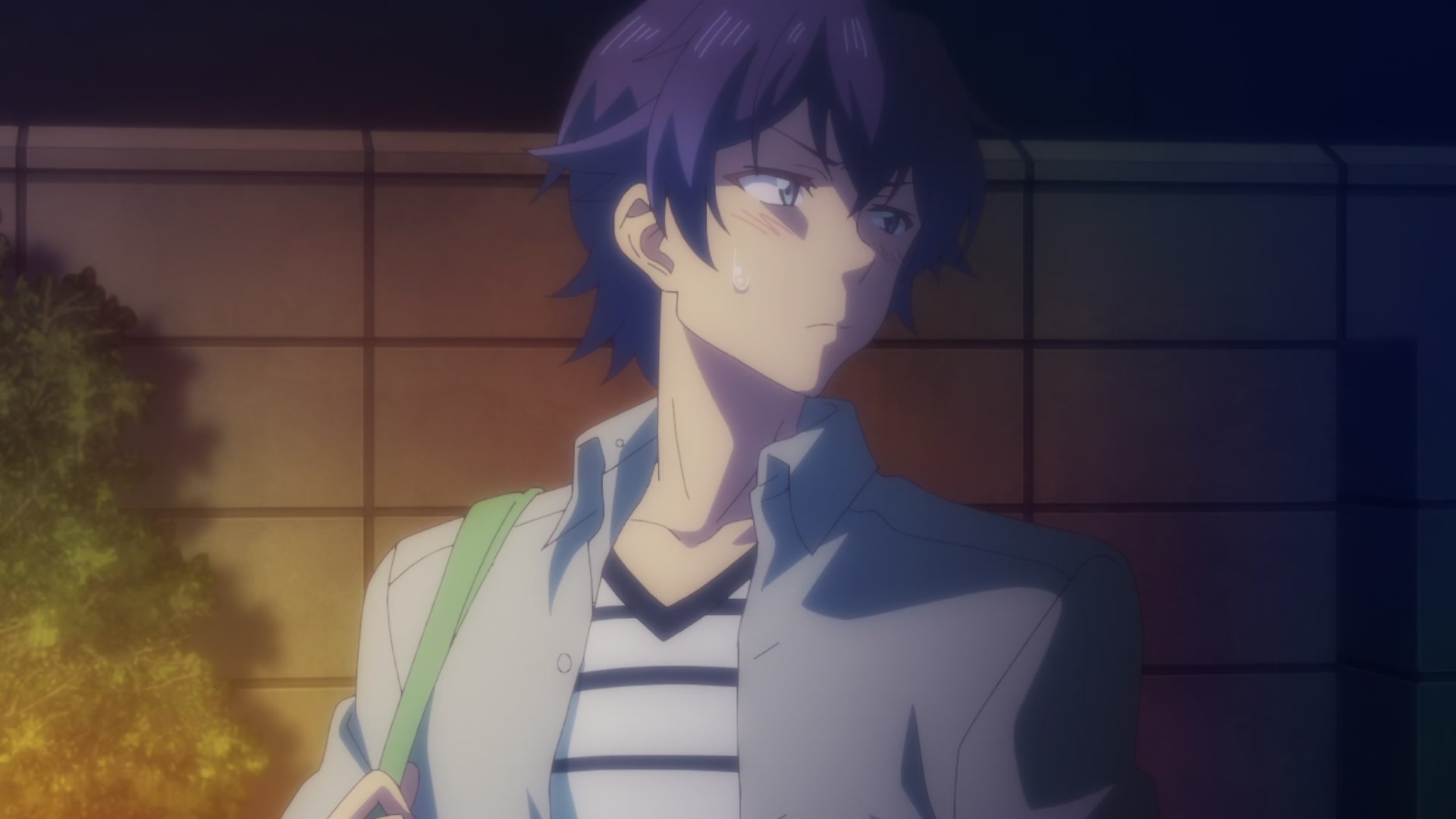
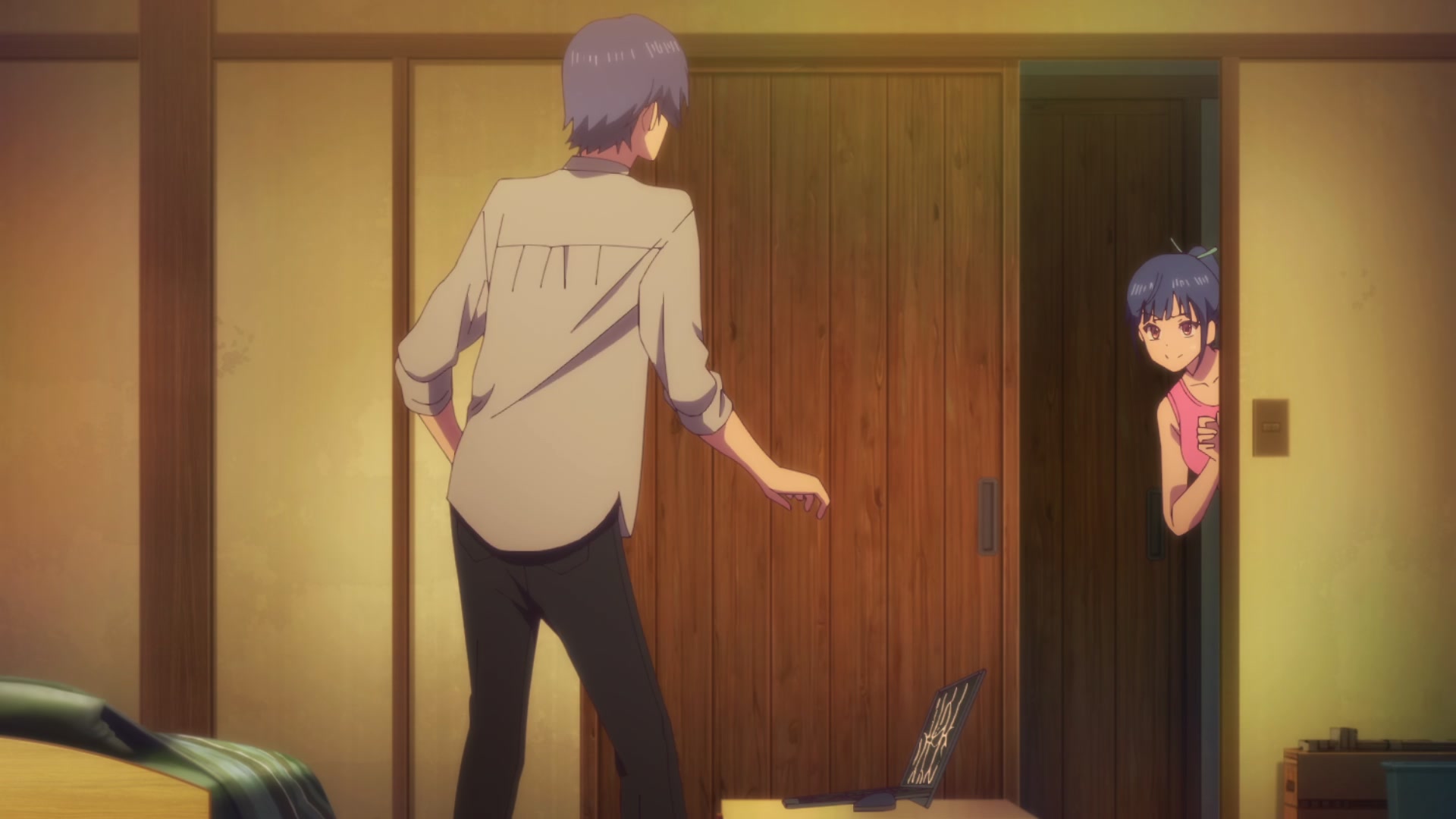
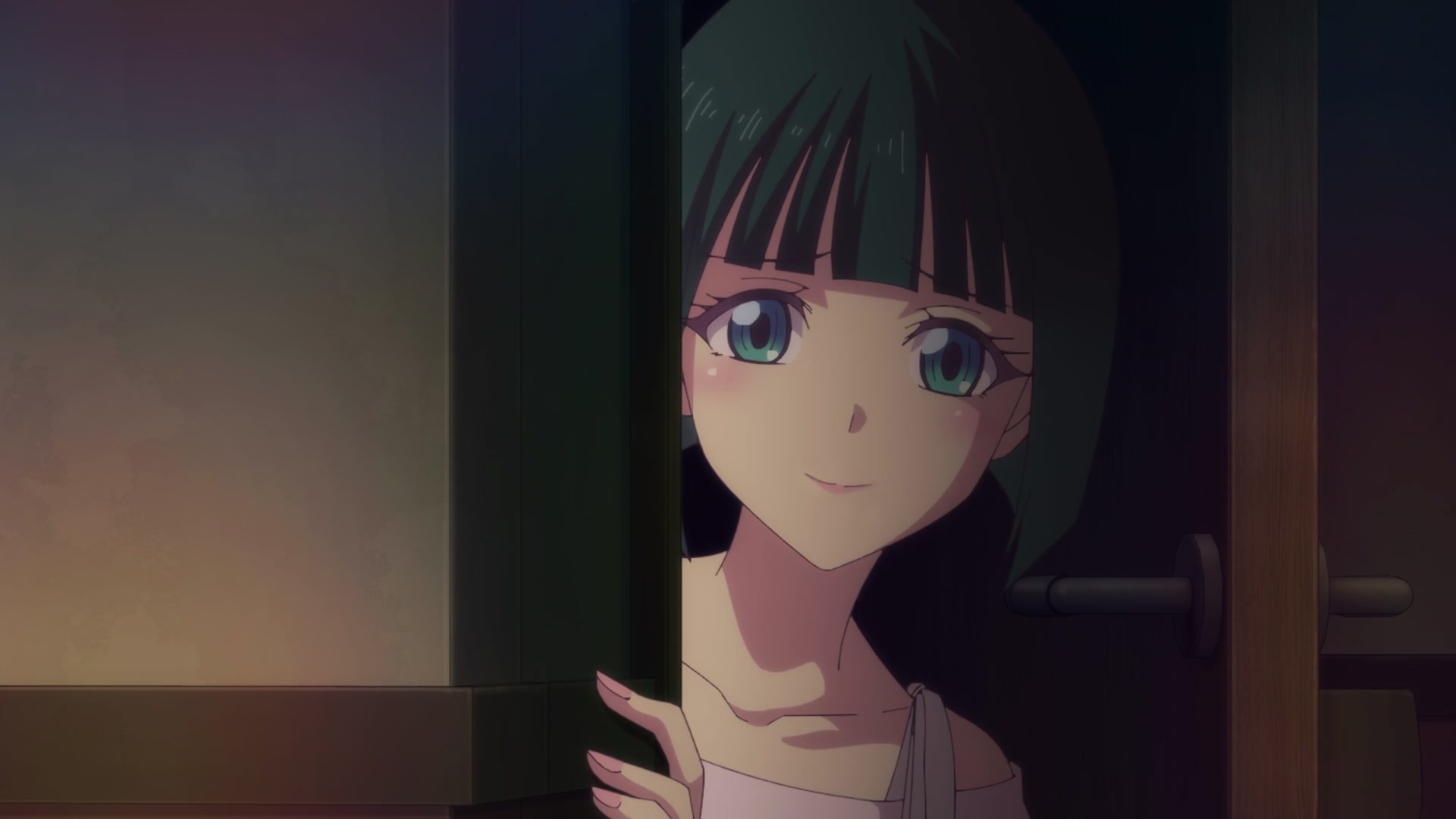
The color scripting demonstrates strong command of temperature contrast. Interior scenes use warm yellows and oranges to create a sense of safety and intimacy. Night scenes use cool blue filters to denote isolation or contemplation. This contrast between warm interiors and cool exteriors visually reinforces the distinction between the family space and the outside world.
The series makes frequent use of bloom and soft-focus filters, particularly in emotionally heightened scenes. While this adds a dreamy quality to key moments, it occasionally borders on looking like a post-processing overlay rather than integrated lighting. In some bright scenes, the heavy bloom can wash out fine details, slightly flattening the image.
Seasonal color changes are handled with care. Spring scenes feature cherry blossom pinks and pastels; summer scenes use bright blues and greens; fall scenes shift toward amber and orange tones; winter scenes become cooler and more muted. This attention to seasonal variation adds depth to the world-building.
Animation Quality
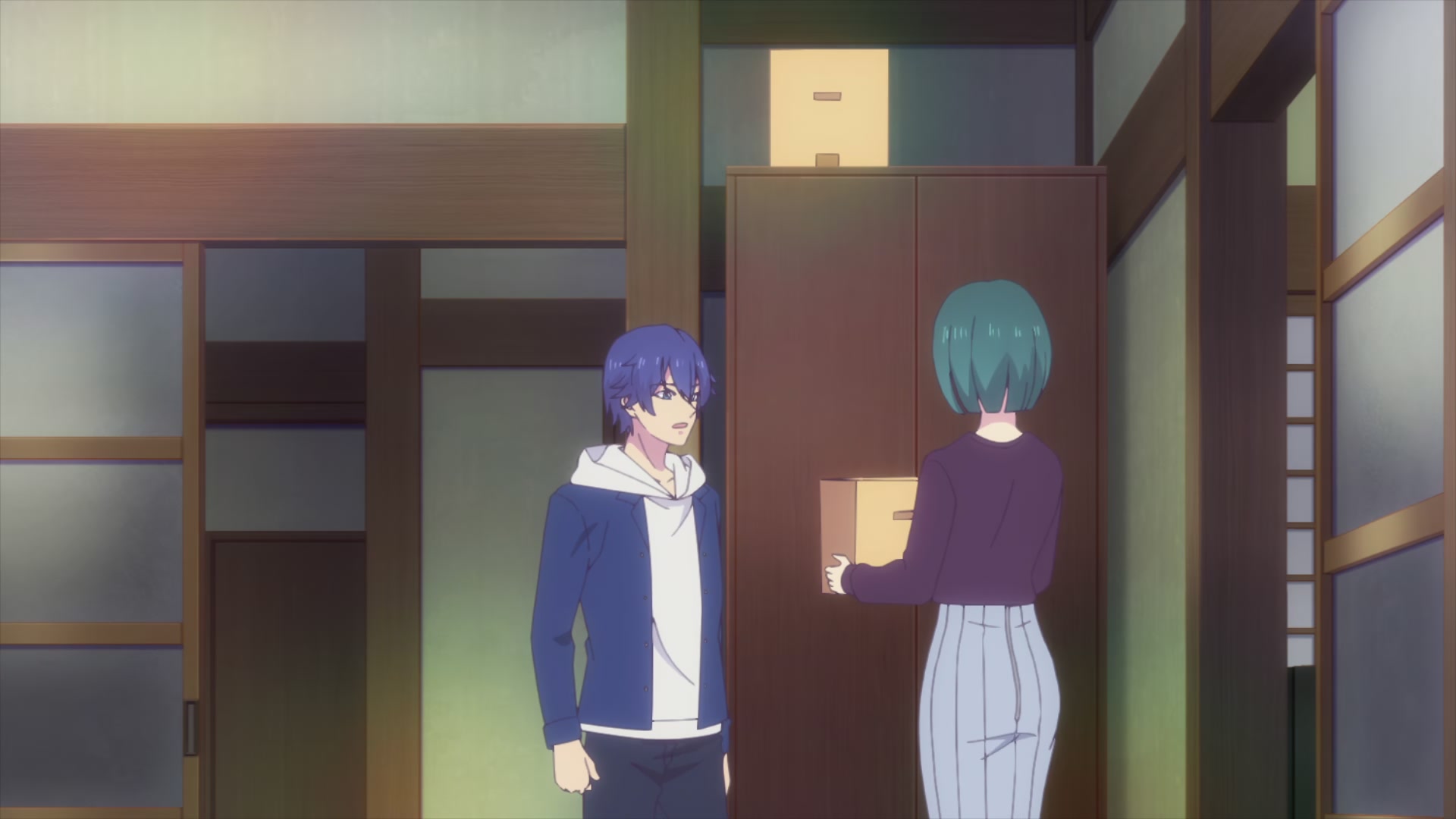
The animation is competent but limited. The series favors subtle movement—hair swaying, blinking, mouth flaps—over dynamic action. Dialogue scenes often use static cuts and standard coverage (medium shots, close-ups, over-the-shoulder compositions) that prioritize clarity over visual interest.
Action scenes, such as Ami’s martial arts or the “Tornado Spin” fusion technique, are choreographed for comedic effect but animated with limited frames. The comedy comes from the aftermath rather than the movement itself, and this works within the series’ tonal framework.
The direction knows when to hold on a shot for emotional effect. Quiet moments—Shiragiku working alone in the kitchen, Hayato practicing coffee-making—benefit from stillness, allowing the characters’ isolation or focus to register. However, conversations between multiple characters could sometimes benefit from more dynamic staging.
Character Acting and Expressions
The series excels at facial expressions. The characters can display a wide range of emotion, from subtle blush to exaggerated shock. The go-to visual shorthand for embarrassment (blush, averted gaze) is used effectively, and more complex emotions (Akane’s controlled deadpan, Riho’s customer service smile that doesn’t reach her eyes) are rendered with nuance.
Body language communicates personality. Ami is always moving, bouncing on her heels, making fists. Ouka’s defensive posture (crossed arms, turned away) contradicts her words. Akane moves precisely and deliberately, reflecting her emotional restraint. These physical characterizations add depth beyond dialogue.
Background Art
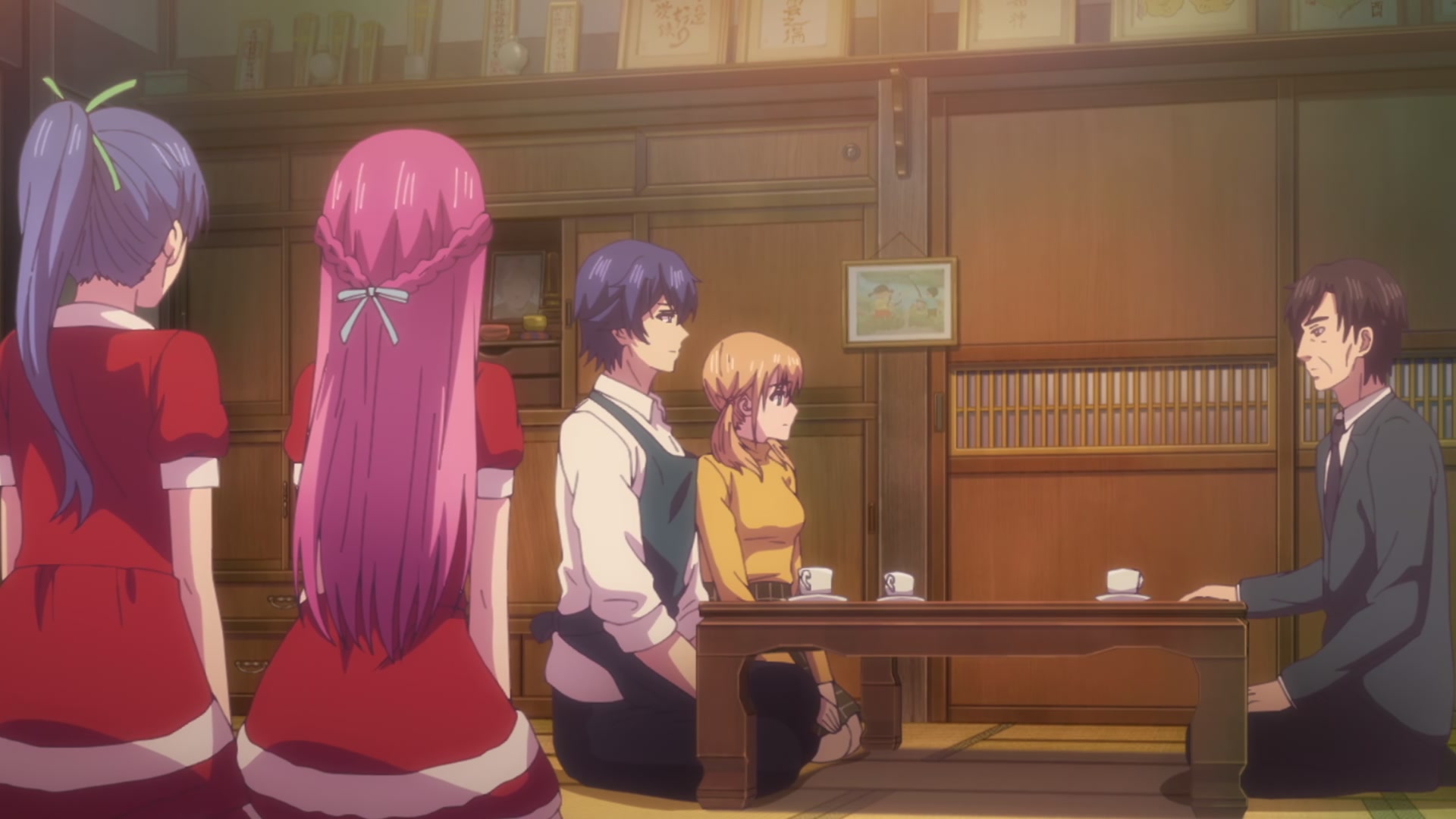
The backgrounds are functional and detailed enough to ground the characters without distracting. The café interior has enough texture (wood grains, worn counters, cluttered kitchen) to feel lived-in. The seaside setting, the traditional house, the neighborhood streets—these are rendered with competent perspective and environmental storytelling.
Some backgrounds are more generic than others. Interiors like classrooms or the rival café feel less detailed than the Familia, a budget-conscious prioritization that’s common in TV anime. Close-ups often use blurred backgrounds to focus attention on faces, which is functional but can make the world feel less present.
Sound and Music
The opening theme, “Unmei no Shizuku” by Nao Touyama, sets the tone perfectly. It’s upbeat and energetic, with a catchy melody that captures the series’ blend of comedy and romance. The accompanying visuals introduce each character with personality-appropriate animation, establishing their dynamics before the episode even begins. The ending theme changes across the seasons, but each one maintains a warm, slightly nostalgic quality that suits the series’ emotional register.
The voice acting is a major strength. The seiyuu bring the characters to life in ways that dialogue alone couldn’t. Shiragiku’s shy, hesitant voice contrasts beautifully with her aggressive drunk persona. Ririka’s tsundere energy (the way she snaps and then immediately softens) is perfectly calibrated. Akane’s deadpan delivery makes her teasing lines land with maximum impact. The vocal performances enhance the character writing, making the relationships feel genuine.
Sound design is competent but unremarkable. The café ambience (the hiss of the espresso machine, the clink of cups, the murmur of customers) grounds the scenes in a specific space. Emotional scenes use silence effectively, allowing the weight of a moment to register before music swells in. The soundtrack supports the action without drawing attention to itself.


Overall Verdict
Megami no Café Terrace is comfort food executed with care. It works within the harem rom-com genre but doesn’t feel constrained by it. The series takes its characters seriously, giving each one real problems and real growth. The themes of grief, legacy, and found family are handled with appropriate depth, and the emotional beats land because they’re earned through accumulated small moments rather than manufactured drama.
The animation is limited, and the romantic plot remains frustratingly unresolved. The fanservice (the recurring “wild sushi roll” gag, the mixed-bath scenes, the uniform designs) will test viewers who are allergic to such elements. But for those who can appreciate the genre’s conventions, this series offers something genuinely heartwarming.
Rating: 8/10
Who should watch this: Fans of harem rom-coms with emotional depth, viewers who appreciate found-family narratives, anyone who enjoys slice-of-life anime with strong character writing.
Who might not: Viewers who need romantic resolution, those who dislike fanservice, people who prefer dynamic animation over static conversation scenes.
The series’ final message—that family is not blood but choice—is universal, but it’s particularly resonant in a context where traditional family structures are both rigid and increasingly fractured. Megami no Café Terrace uses the harem framework to explore this theme, demonstrating that even within a well-worn genre, there’s room for genuine emotional storytelling.
What stays with me are the quiet moments: Sachiko’s prayer that Hayato never be lonely, Ami’s grandmother recognizing her again, Riho learning that her hard work had meaning. These are the moments that justify the series’ existence, that elevate it above mere entertainment. It’s a show made with care, and that care shows in every episode. For anyone looking for a warm, funny, occasionally profound series about finding home in unexpected places, this is worth your time.

Gallery