

Jigokuraku Season 2 is Here: Director Makita Kaori on New Challenges and Character Bonds
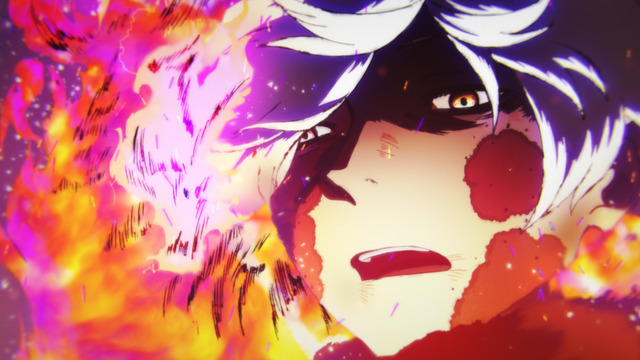
The second season of the TV anime Jigokuraku (also known as Hell’s Paradise) kicked off its broadcast on January 11, 2026. This hit series is a ninja romantic adventure set in the late Edo period, based on the manga by Kaku Yuuji that was serialized in the Shounen Jump+ app and has sold over 6.4 million copies. The story follows Gabimaru, the strongest ninja, now a captured runaway and death row convict. To earn his pardon, he and the decapitator executioner, Yamada Asaemon Sagiri, set foot on an island rumored to be a paradise. Their mission: to obtain the “elixir of immortality” and return alive.
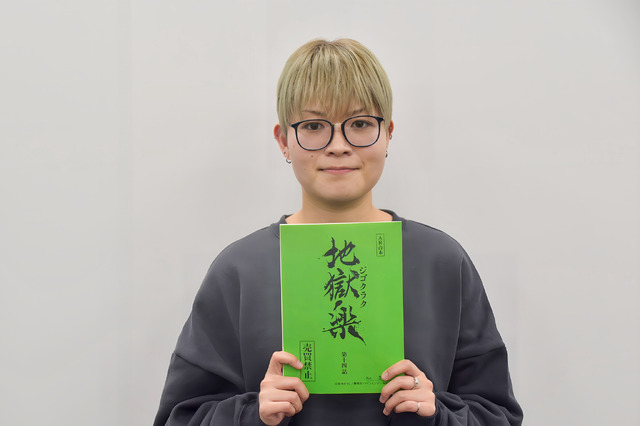
At the helm of this adaptation is director Makita Kaori, known for her work on Kakegurui Twin and Saezuru Tori wa Habatakanai. Her animation is celebrated for its delicate portrayal of characters’ inner worlds through their expressions. We sat down with Director Makita to dive deep into her creative process, the points she focused on for Jigokuraku, and the new challenges tackled in the second season.
[Interview and Text by Yoneda Kaori]
Season 2: A Deeper Dive into the Characters
Looking back at the first season, were there any scenes that left a particular impression on you, Director?
Episodes 1 and 13—the very beginning and the end of the first season. Episode 1 took a lot of time because we were building the world from the ground up. We were constantly thinking, “What kind of show are we trying to make?” so it’s very memorable.
For Episode 13, we knew a second season was coming, so we had to plant those seeds. We included scenes like Gabimaru losing his memory, which almost resets his relationship with his wife. We also wanted to show the relationships between the other characters, so we wrestled with the script from the very start.
Was there any part that was particularly difficult or time-consuming to create?
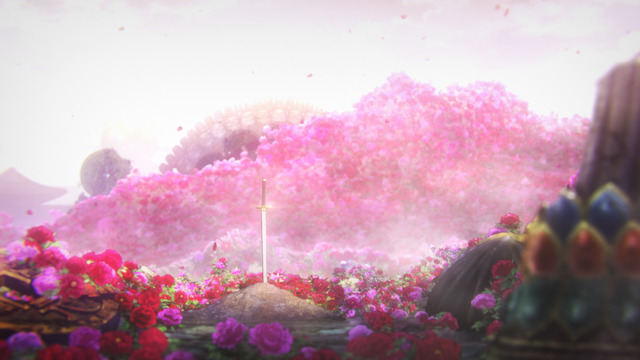
How to depict the “Shinsenkyou” (Island of the Immortals) in Episode 1. It only appears briefly in that episode, but I felt this visual would be a hook for the viewers going forward. I thought the island’s visuals would build anticipation, so I was especially conscious of differentiating its color palette from the mainland. I wanted the start to feel distinctly like a period drama, so the mainland has a heavy, solid color tone, while Shinsenkyou is fantastical and vividly colorful. Striking that balance was very challenging.
What about the character depictions?
Since all the characters have clear goals, their personalities were easy to grasp. I just portrayed their charms as I felt them.
The buddy dynamic between the death row convicts and the executioners is a major draw. What was your approach there?
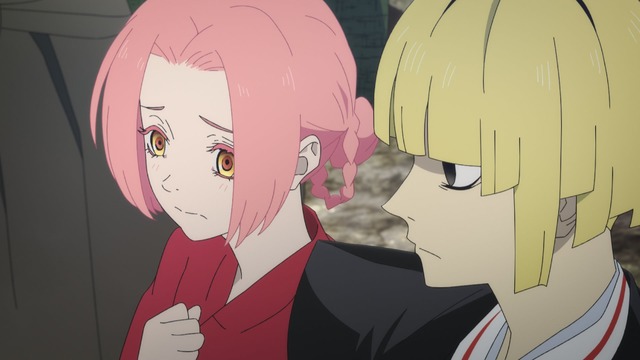
Gabimaru and Sagiri are the central buddy pair, so we used Episodes 1 and 2 to carefully depict the process of them learning to trust each other. These are two people who would never have met under normal circumstances, and Gabimaru already has a wife. I wanted to portray a trust that wouldn’t develop into romance—a relationship that goes beyond simple male-female dynamics.
For the brothers, Aza Choubei and Touma, whose relationship wasn’t explored much in the first season, we hinted at the “spark” of what’s to come. All the buddy pairs are really unique, aren’t they? Gantetsusai and Tsuki was a pair that felt warm and fuzzy to work on.
New Focus for Season 2: Unity and Trust
Was there anything new you consciously focused on when creating the second season?
When thinking about the theme for the second season, many staff members agreed on “unity”. We wanted the main axis to be about coming together and deepening trust. The Tenshin (Immortals), who were ambiguous enemies in the first season, become clearly visible in the second, which makes it easier for the group to unite. Sharing near-death experiences also fosters trust. I thought we could build the story around that. Also, since we get to see sides of the characters that weren’t shown in the first season, I think the second season has a stronger focus on featuring them.
That’s true. The first season felt stronger on the battle royale elements on the island, rather than deeply exploring the characters.
Right. The first season presented a lot of mysteries. The second season is where those ambiguous points become clear and the tag-team battles get even more serious. I felt I could immerse myself more in the characters. Each episode has a duo that feels like the main characters, so it was easier to tell the staff, “Make this character look cool in this episode!”
What’s the charm of Jigokuraku that you felt anew while working on the second season?
Working on the second season made me feel again that even the enemy Tenshin have a humanity to them, making them appealing characters regardless of which side they’re on. That’s why I want to get closer to the characters and depict them more carefully than in the first season. I hope we can portray the Tenshin not just as enemies, but in a way that makes viewers like them too. We’re actually planting seeds for future developments in various scenes. I’m creating it so that even a single expression makes the viewer wonder, “What is this character thinking about now?” So I hope you’ll pay attention to the small details.
Image Gallery


—Yoneda Kaori
_