
The second episode of Haibara-kun no Tsuyokute Seishun New Game doesn’t waste time letting Natsuki coast on the momentum of his first-week social wins. Instead it puts him in two situations where his old insecurities could undo him immediately: alone with Miori, who has zero filter and a brand-new transactional agenda, and then in the middle of a group outing where physical activity threatens to surface everything he’s still carrying from his original high school days.
The result is a quieter episode than the premiere but one that ends with a genuinely satisfying release valve, the kind that makes you realize the show isn’t just going to recycle “socially awkward guy accidentally says the right thing” forever.
Miori’s Wingwoman Offensive Refuses to Wait
The cold open is basically Miori demonstrating that when she said “partner in crime,” she meant it. She calls Natsuki out of nowhere, and the conversation immediately highlights the imbalance between them: she’s direct and completely shameless, while he’s still floundering to keep up. The fact that she got his number from Namika (his younger sister) without asking him is a tiny detail that tells you everything about how Miori operates. She doesn’t knock politely. She kicks the door in.
Their in-person meeting is a delight of small humiliations. Miori takes one look at his tracksuit and calls it lame with the same flat voice you’d use to comment on the weather. And she’s right, of course, which Natsuki openly admits. He doesn’t own real clothes. This is his most decent outfit. It’s a rare moment where the show lets his past poverty of experience become concrete visual comedy rather than just internal monologue sorrow.
But the genuine warmth of their arrangement starts to show once she agrees to help him shop. Natsuki has nobody else he can ask. Miori knows it. She doesn’t twist the knife, though. Instead she frames it as the logical foundation of their deal: she’s the only one in position to help, which makes her the perfect co-conspirator. The transactional language is still there, but it’s softened by the fact that she’s actually good at what she’s offering. When Natsuki walks into the group meetup later in clothes that prompt Hikari to compliment him, you can feel him mentally thanking Miori. That’s a nice touch. The deal is working, and the show trusts you to remember how we got here.
The Spo-cha Hangout Finds Its Groove
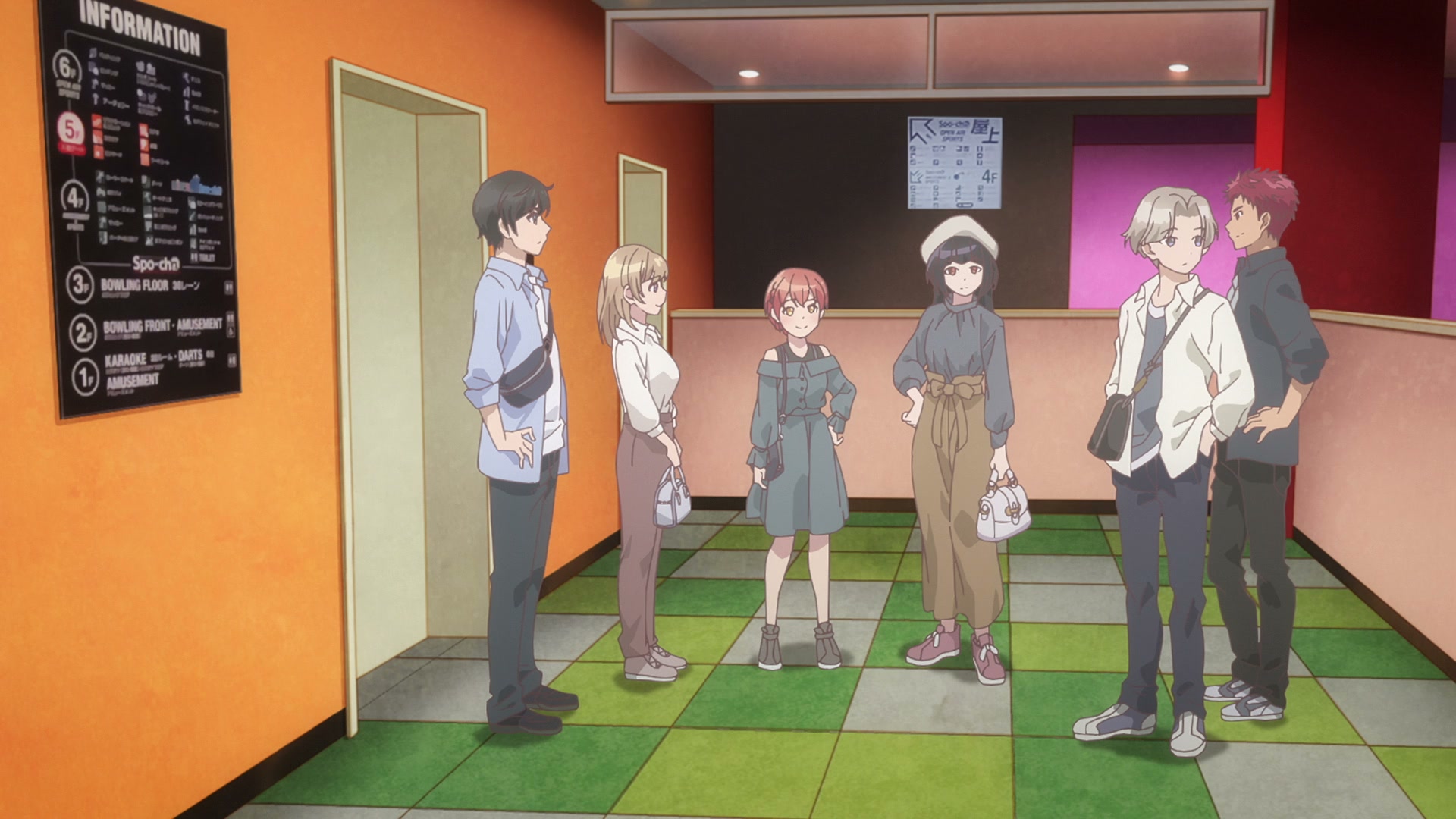
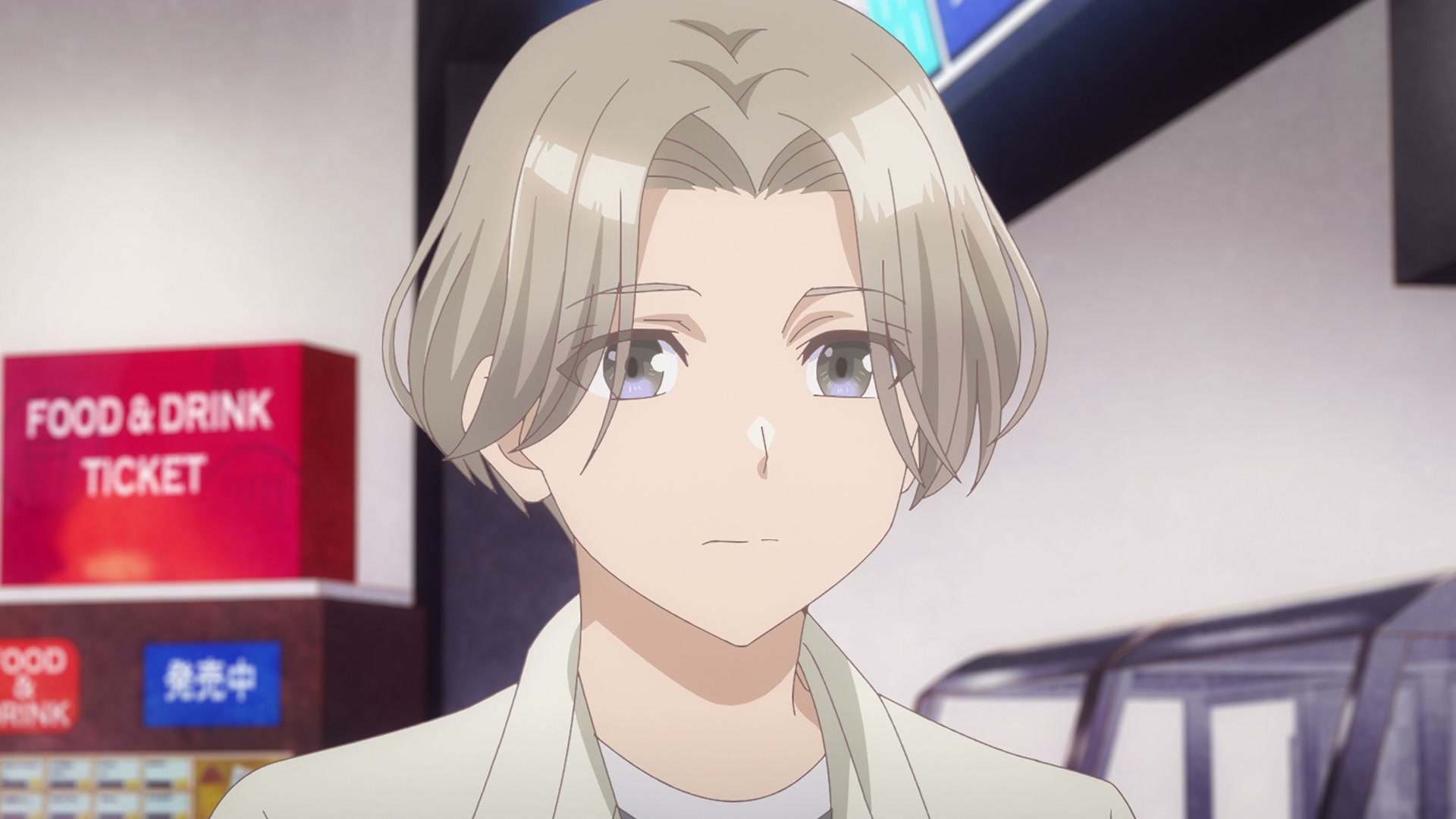
The bulk of the episode takes place at a spo-cha, one of those multi-activity sports amusement centers, and the show uses the freeform setting to let the group dynamics breathe. Tatsuya is almost late again, which Uta immediately roasts him for, and Reita’s deadpan observation that “truly close friends don’t mind if you’re not there” lands somewhere between philosophy and a subtle jab. It’s the kind of line that would be smug coming from anyone else but works because Reita’s delivery is so even. The cast is still shaking itself out, but the rhythm between them already feels less forced than in a lot of school-life ensembles.
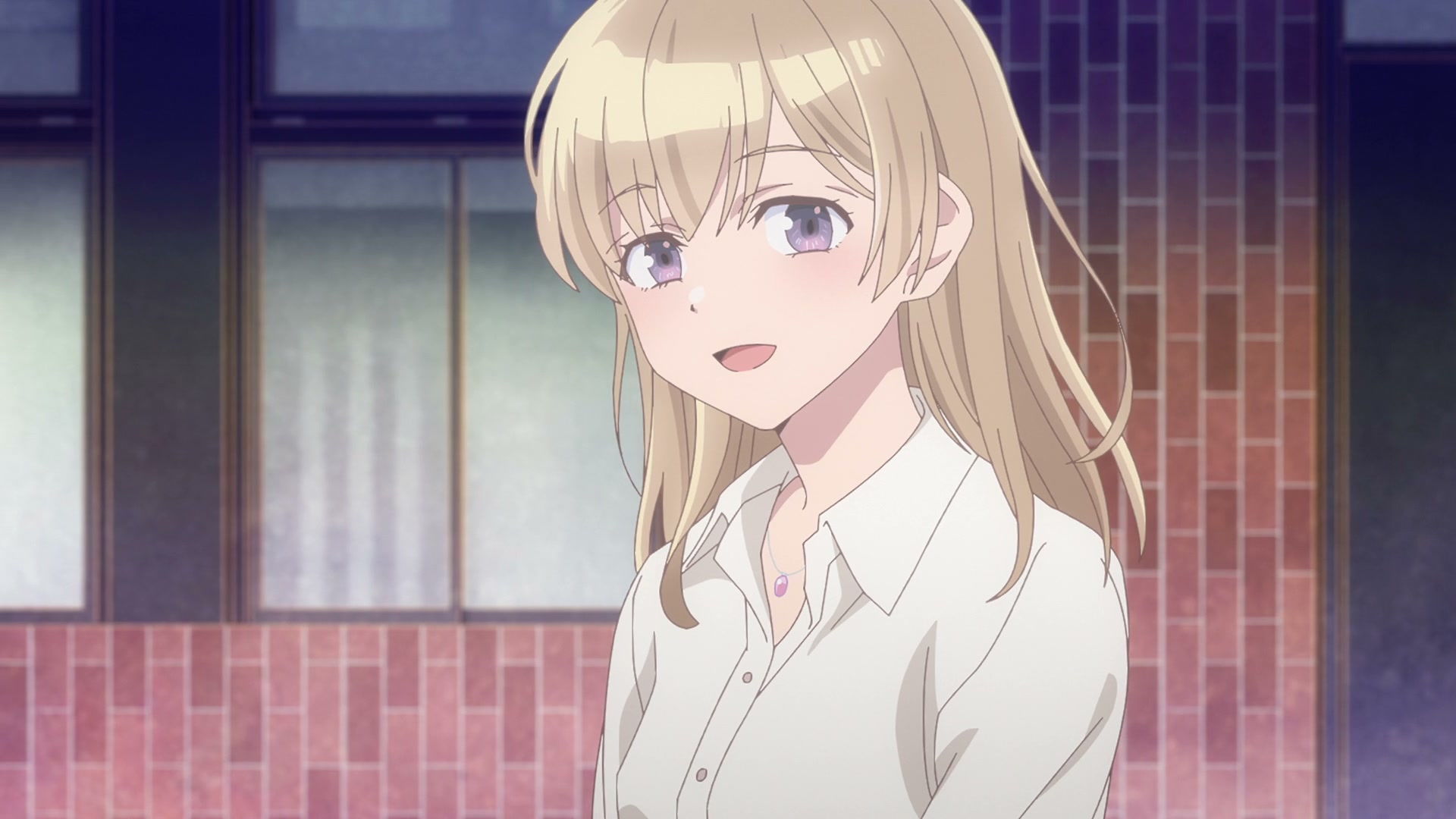
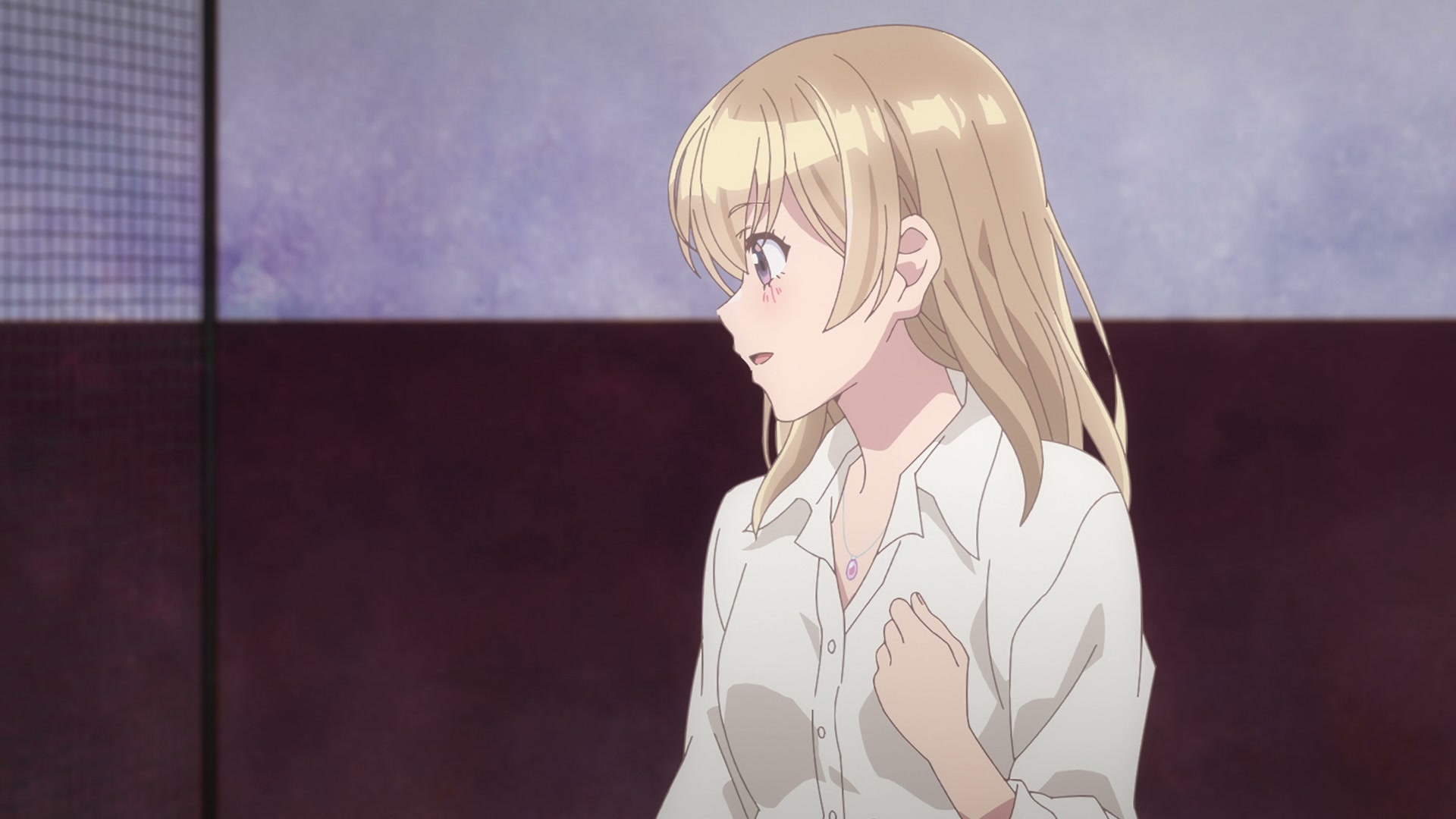
Hikari’s compliment about Natsuki’s outfit is a small moment that gets magnified because we watched him panic over it earlier. When he fumbles his way to telling her she looks cool, not cute, and she responds by saying she actually prefers androgynous fashion and buys men’s clothes when she likes them, the exchange does two things at once. It defuses his embarrassment while quietly building her into someone with specific tastes and a personality that extends past “pretty and nice.” The show keeps doing this with Hikari. She’s allowed to have odd edges, and that’s far more endearing than a perfect heroine would be.
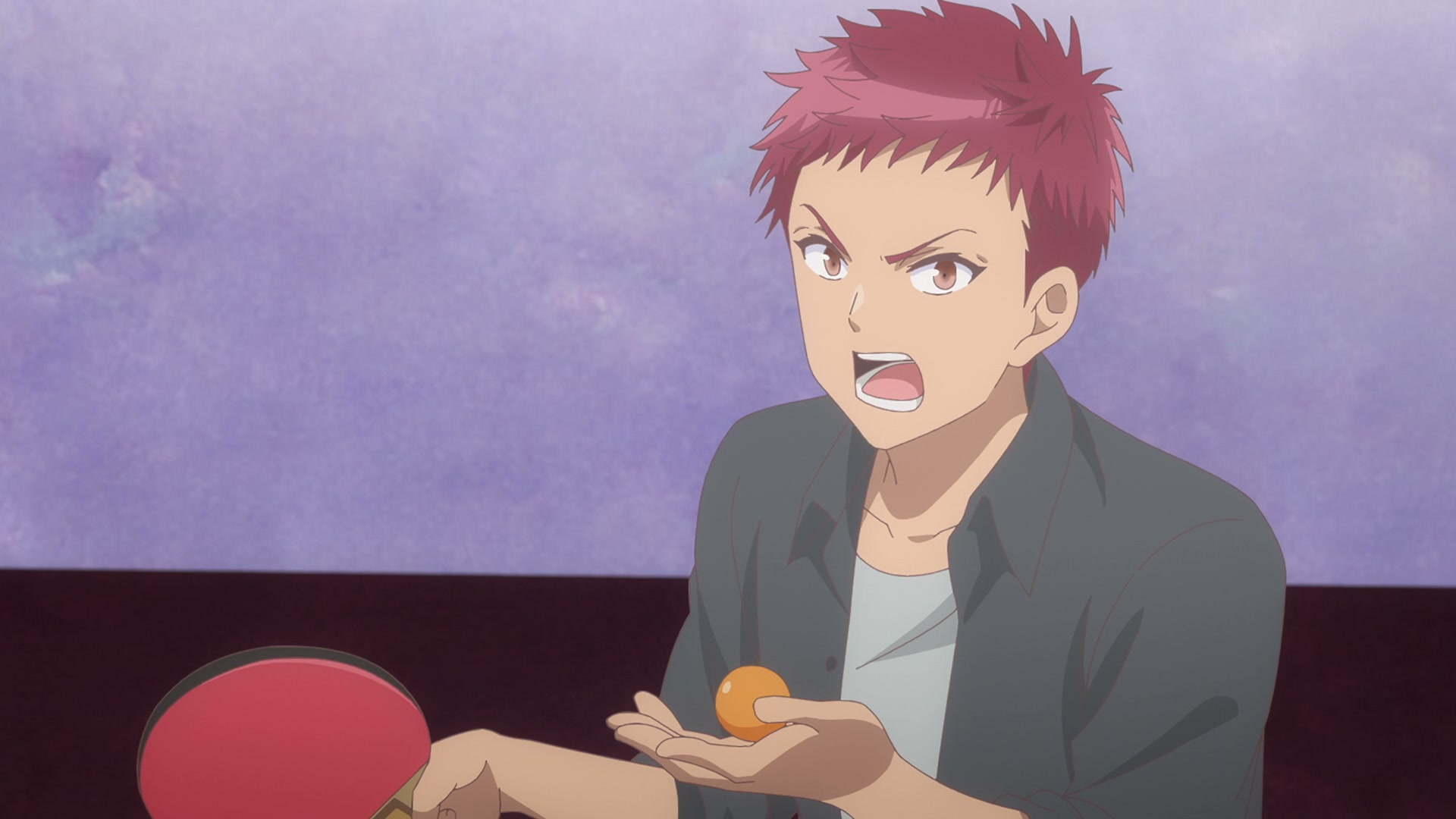
Then the table tennis starts, and we get what might be the episode’s best sustained gag. Hikari claims to be “pretty good” at it despite being terrible at other sports, and within three swings of the racket it becomes painfully obvious that she is, in fact, spectacularly bad. Yuino, ever the honest best friend, states outright that Hikari’s only flaw is her devastatingly poor athletic ability. Hikari’s defense: she’s not good at sports, but she likes them, and what’s wrong with that? Nothing at all, and that’s the point. It’s a small character beat that makes her stubbornness feel genuine rather than a “cute clumsy girl” trope. Natsuki’s brain just loops “Hoshimiya’s so cute” on repeat through all of this, and honestly, fair.
A Ghost From the Old Timeline
Then basketball enters the picture, and the episode tips into something heavier. Natsuki has been keeping up with the athletic members of the group despite not being on a team, and when Reita passes him the ball, the show cuts into an extended internal monologue. We learn that in his original life, Natsuki kept playing basketball through high school even while everyone hated him, that he practiced shooting alone in college mostly because he had nothing better to do, and that since starting over he hasn’t touched a ball until today.
The zone he feels isn’t just physical. It’s the accumulated muscle memory of seven years, suddenly available again in a body that isn’t beaten down by neglect. He nails a shot and the group is stunned, but the real surprise is how Natsuki reacts. He’s not just happy to look cool in front of Hikari. He’s realizing that the thing he loved is still inside him, and that he can access it without the original pain attached.
Tatsuya’s challenge to a one-on-one, first to three, is where everything from the past and present collides. Natsuki’s fear of Tatsuya, which Reita perceptively sniffed out earlier in a quiet conversation, comes from the original timeline. Tatsuya in the first go-round was the team captain and ace who shone too brightly, who Natsuki couldn’t face as an equal, and whom he was terrified would hate him. But Natsuki also reveals that Tatsuya didn’t let people shit-talk him behind his back, that his presence kept the bullying from escalating, and that Natsuki’s gray teen years “weren’t a worse color because of you.”
That’s the heaviest line in the episode, and the show doesn’t overplay it. Natsuki isn’t confessing this aloud. He’s thinking it as he drives into the final points, and it makes every move he makes feel like both an apology and a thank-you. He knows Tatsuya’s go-to fake-left drive-right because he practiced with him for three years in the life no one else remembers. He wins not through talent but through experience and a desperate desire to finally, truly be this person’s friend.
The Visual Moments That Sold It
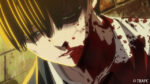
The screenshots for this episode include a couple of the basketball sequence. The one where Natsuki releases his first shot is framed to emphasize the lightness he mentions. The rim looks huge, the background blurs, and the ball arcs with an almost unnaturally clean trajectory. Another shot, from the one-on-one, captures the exact moment Tatsuya realizes Natsuki has read his drive. The composition puts Tatsuya’s body already committed, Natsuki already in position, and the ball just beginning to bounce toward a turnover. The show’s sports animation isn’t flashy, but it understands that small posture shifts can communicate years of history.
The earlier scene in the fashion section, where Miori holds up clothes against a visibly uncomfortable Natsuki, is less striking visually but tells the same story through character acting. Natsuki’s shoulders are permanently hunched, his hands shoved in his jacket pockets, while Miori gestures with the authority of someone who has never doubted her own taste. The contrast says everything about who’s leading this partnership.
Where This Leaves the Season
Episode two takes the wingman deal from a verbal agreement to a functioning mechanic, and it also closes the immediate loop on Natsuki’s tension with Tatsuya. It doesn’t resolve his broader anxiety about belonging, but it gives him a concrete victory over one specific ghost. Uta screams for him to join the basketball team, and maybe he will, maybe he won’t, but the victory itself already did the work it needed to do.
The Yuino-café subplot, where Hikari sulks because her best friend told Natsuki about a job before telling her, is a minor thread that could easily pay off later. For now it mainly reinforces that Hikari gets jealous over friendships, not just romance, which is a more interesting flavor of possessiveness than the usual crush-driven pouting.
Two episodes in, Haibara-kun has shown it can pivot from physical comedy to small-scale emotional payoff without jarring the viewer. The time-travel premise still sits in the background unexplained, and that’s fine. What matters right now is that Natsuki’s second chance is producing moments he could never have reached the first time around. When he shouts “Yeah!” after beating Tatsuya, it’s the first time you really believe he might leave the old, gray timeline behind for good.
Screenshots
← Episode 1 | All Haibara-kun no Tsuyokute Seishun New Game Season 1 posts →
[…] News Haibara-kun no Tsuyokute Seishun New Game Episode 3: Flying Alone Haibara-kun no Tsuyokute Seishun New Game Episode 2: Facing Old Ghosts Kamen Rider Zetts Movie: M!LK Member Shunta Sano to Play Dark Hero Kamen Rider Mugen […]