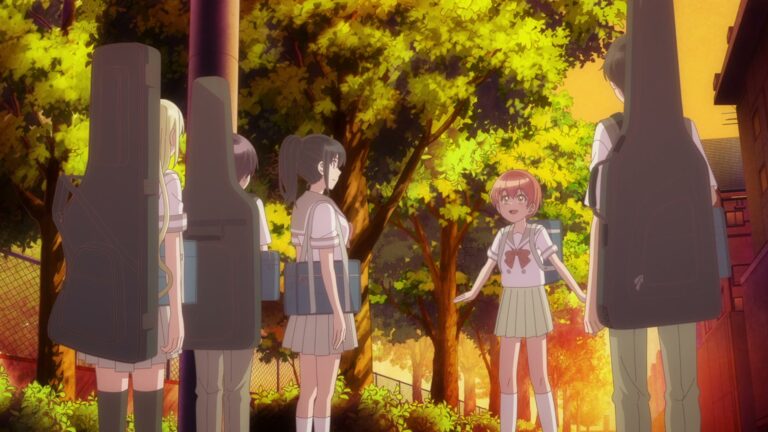





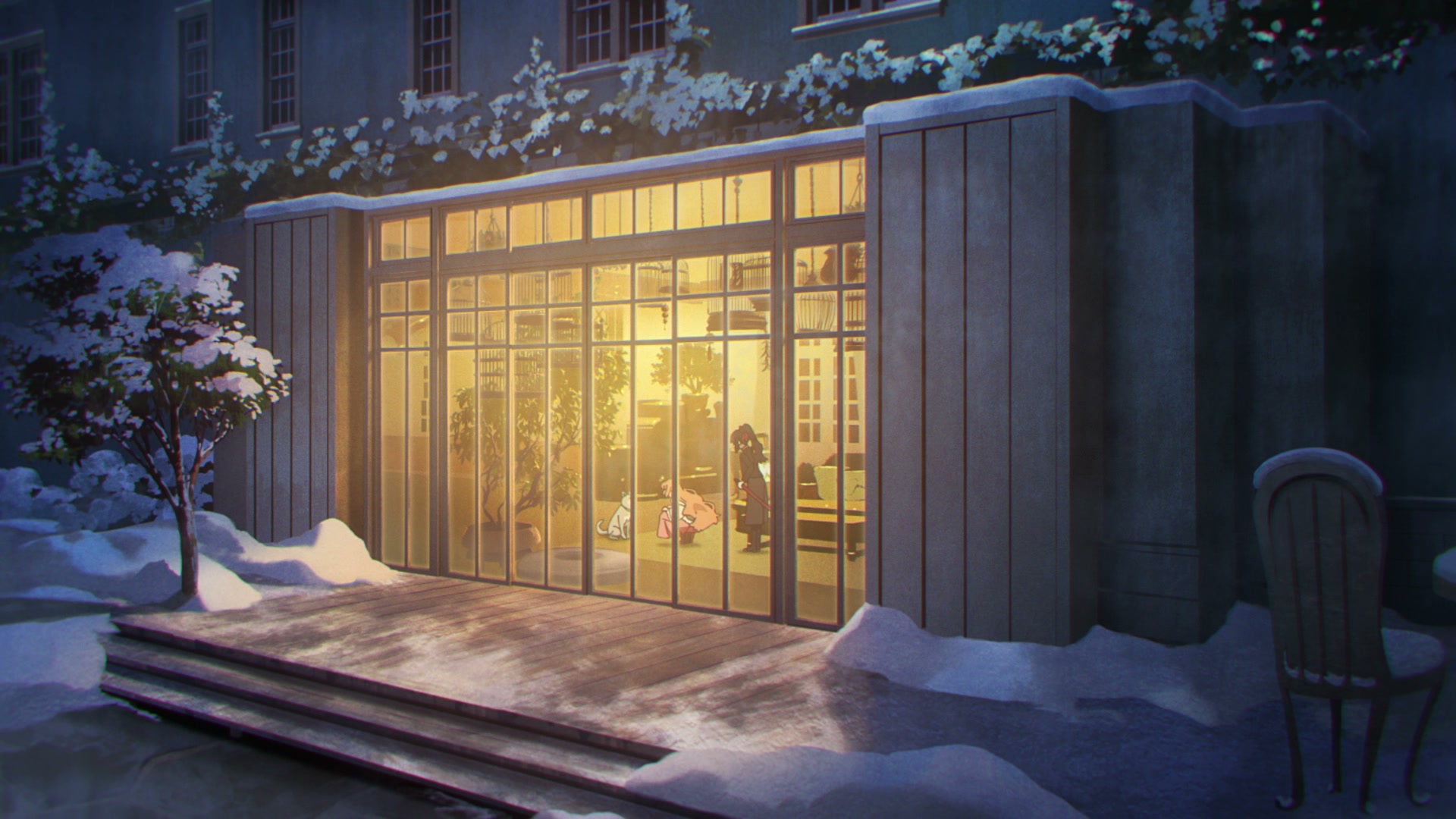
When Sakura promised to find Hinagiku a safe, quiet place to recover between spring rites, I don’t think she imagined a garden full of rabbits, puppies, kittens, birds, and squirrels wandering around like it’s nobody’s business. But that’s exactly where they end up on Iyo, the territory watched over by the Agent of Summer. The episode wastes no time laying out what kind of household this is: animals everywhere, a cheerful but overworked Guard of Summer named Hazakura Ayame, and the distinct feeling that something is off. The Agent of Summer is conspicuously absent. She’s “resting,” Ayame says, but everyone with an ounce of sense can tell that’s a polite lie.
What follows is one of the most quietly devastating character studies this series has done so far, and it’s built around a person who barely leaves her room.
The Animal Kingdom Has a Palace Coup
The initial scenes are disarmingly cute. Hinagiku spotting a bunny, then puppies, then more creatures while Sakura stands there calling it an “outrageous pairing” gives us a moment of pure lightness before the tension creeps in. Ayame’s pride in her menagerie is genuine, and the way she and Sakura immediately bond over the eternal struggle of dressing their respective Agents is exactly the kind of retainer solidarity I live for. Sakura waxes poetic about bankrupting herself to put Hinagiku in beautiful kimono, and Ayame counters that her Agent prefers Western clothes, which at least keeps costs down. The moment Hinagiku tentatively offers to switch to suits so Sakura can save money, both retainers slam the door on that idea in perfect unison. It’s a tiny, wonderful beat that tells you everything about how these women see their roles.
But the warmth curdles as soon as Ayame admits the real situation: Ruri, the Agent of Summer and Ayame’s younger sister, has locked herself in her room and hasn’t come out in three months. She’s on strike. The reason? Ayame is getting married and will resign as her retainer. Ruri doesn’t want to lose her sister, so she’s refusing to do her job. Ayame frames this as pure selfishness, and at first the episode lets you sit with that interpretation. Then it systematically dismantles it.
Hinagiku Wanders into the Quiet Heart of the Episode
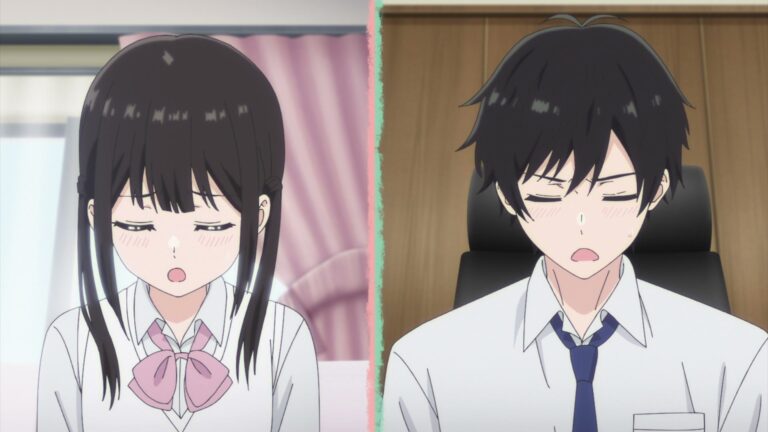
The scene where Hinagiku meets Ruri by accident is framed with the kind of gentle stillness this show does so well. Hinagiku, left alone while Sakura and Ayame fetch snacks, stumbles upon a girl who looks exhausted and small. Ruri introduces herself with no ceremony, and the first thing she asks is what her sister said about her. When Hinagiku relays the “resting” excuse, Ruri immediately sees through it: “She didn’t say anything else? I knew it. Ayame doesn’t care about me.” You can feel Hinagiku’s discomfort radiating through her stuttered denials. She tries to defend Ayame, but Ruri’s bitterness is too thick to pierce.
What makes this meeting land is how Hinagiku, despite her halting speech, tries to bridge the gap. She admits she doesn’t want to sound rude, but she’s about to say something when Ayame and Sakura barge in. Ayame’s fury, her demand that Ruri apologize, her accusation that Ruri always runs away, lands like a slap. Hinagiku, who knows exactly what it’s like to hide in a room because the world outside feels impossible, pleads with Ayame to stop. It’s the first time we see her actively intervene in someone else’s family conflict, and it’s a direct mirror of her own past. Sakura later fills in the blanks for Ruri, and by extension for us.
The Kitchen Conversation That Reframes Everything
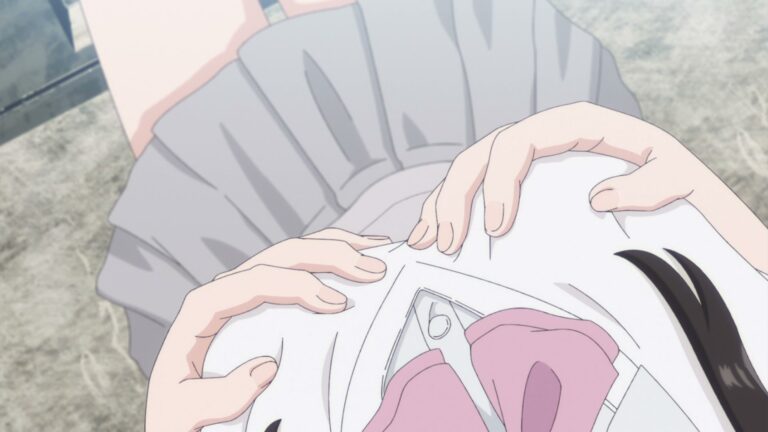
The long scene between Sakura and Ruri, which a screenshot from the episode places around the sixteen-minute mark, is the emotional core. Ruri appears in the kitchen, embarrassed to be seen in ordinary clothes, asking to learn how to make porridge because she wants to be able to care for her future husband. Sakura, assuming initially that this is Ayame, slowly realizes she’s talking to the Agent of Summer herself. What follows is less a cooking lesson and more a confession.
Ruri lays out the suffocation of being an Agent: “No one ever asks to become an Agent of the Four Seasons. You can’t go to school, or make friends, or have fun. Others decide everything for you. You’re not even allowed to say no.” Her voice isn’t angry so much as exhausted. She manifests summer not because she cares about the season, but because she wants to make Ayame happy. And now Ayame, the one person who made the burden bearable, is leaving her. The marriage and resignation feel less like a new chapter and more like abandonment.
Sakura’s response is where this series shows its hand. She doesn’t scold Ruri or defend Ayame. Instead, she tells her about Hinagiku’s own two-year strike after being rescued from captivity. She describes the Village of Spring abandoning the search, waiting for Hinagiku to die so a new Agent would emerge automatically. She calls out the way the world treats Agents like cattle, kept penned up and denied freedom, their only value measured by their output. When she says, “Perhaps she feels you support her emotionally in a way no one else could,” she’s not just diagnosing Ruri’s dependence on Ayame. She’s describing the bond every Agent has with the one person who sees them as human. And she’s asking Ayame, who is listening in or perhaps hearing about it later, to recognize that Ruri’s pain isn’t a tantrum. It’s grief.
The Summer That Was Always for Her Sister
I need to talk about the flashback or internal memory that plays near the end of this sequence, the one captured in a screenshot timestamped at around eighteen minutes. Ruri remembers Ayame asking her, “Show me summer.” Not as a command, not as a duty, but as a request to share something precious. Ruri’s internal response, “I wanted permission to keep liking her,” and “Because I love her,” isn’t romantic in the typical sense. It’s the bone-deep love of someone who has poured her entire emotional life into a single relationship and is terrified of losing it. Ayame’s reply, “I like the summer you give me,” is equally vital. It means the summer wasn’t meaningless. It meant something to her. That acknowledgment might be the first time Ruri has felt that her sacrifice mattered to the person it was meant for. The episode doesn’t show their on-screen reconciliation, but it gives us the emotional raw materials for one. Whether it lands in a later episode or stays as subtext, the damage between them is now fully visible.
Insurgents Crash the Moment
Just as Sakura notices Hinagiku’s fever has gone down and things seem calm, the insurgents attack. The abrupt shift from domestic tension to armed threat is jarring in the best way. Sakura’s immediate reaction, “Don’t worry, Hinagiku-sama. I promise I’ll keep you safe,” is exactly what we’d expect from her, but the episode cuts to black before we see anything else. It’s a cliffhanger that reminds us the broader conflict never went away. The insurgents are still hunting Agents, and whatever fragile emotional progress was made in this house is now at risk of being shattered.
Little Visual Moments
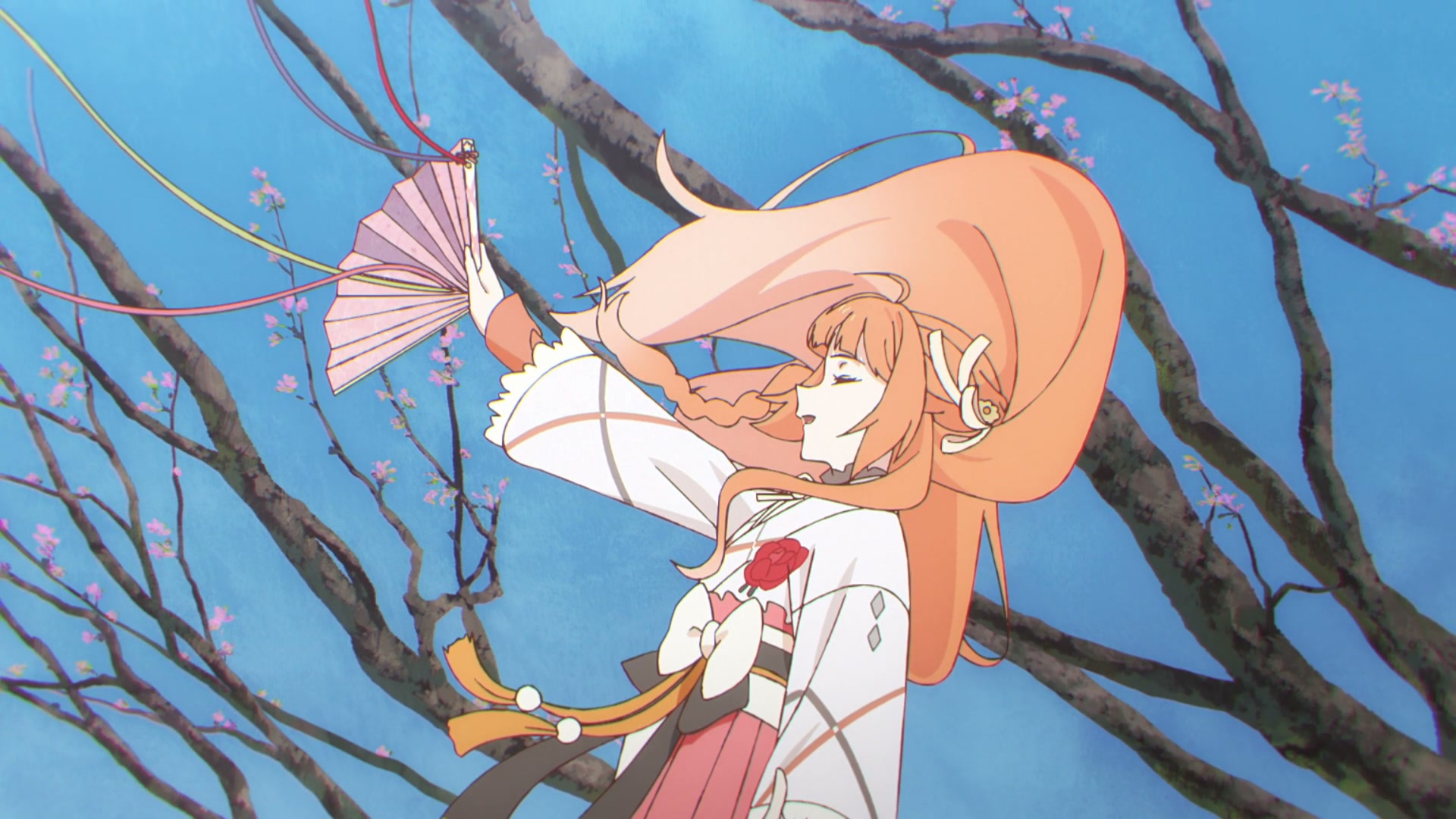
The episode is full of small visual choices I want to mention. The initial garden scene, with animals dotting a sunlit path, is storybook pretty. Hinagiku crouching to talk to a rabbit while Sakura hovers protectively nearby is a screenshot I’d frame. Ruri’s first appearance, in plain Western clothes rather than the elaborate kimono Sakura imagined, says everything about her refusal to perform her role. And the kitchen, with its warm, practical lighting, becomes the stage for the most honest conversation in the entire episode. The directing trusts stillness and long dialogue takes, which makes the sudden intrusion of violence feel even more destabilizing.
One Other Thing Worth Noting
A small cultural detail that might fly by: both sisters share the family name Hazakura, which Ayame points out is confusing since she’s the guard and Ruri is the Agent. It’s a small worldbuilding beat that tells us Summer keeps its Agent’s support structure entirely within the family, even after the Agent comes of age and marries. The spouse will take over as the new guard. It’s a different model from Spring’s arrangement, where Sakura is from the Himedaka clan and serves as a sworn sword, not family. The institutional differences between the seasonal villages are only hinted at, but they’re clearly significant.
Closing Thoughts
This episode does something I didn’t expect: it uses the Hazakura sisters to hold up a mirror to Hinagiku and Sakura without making the parallel too neat. Ruri isn’t just Hinagiku again, and Ayame isn’t a colder Sakura. Their conflict comes from love that has nowhere to go, and the episode trusts us to sit with that discomfort. Sakura’s willingness to understand Ruri, even before she’s met her officially, shows how much she’s learned from her own mistakes with Hinagiku. And the insurgent attack lurking at the end is a brutal reminder that the world won’t wait for anyone’s emotional breakthrough.
If the first two episodes established what was lost, this one starts to ask what it would take to let go of the fear of losing it again. Not an easy question, and the cliffhanger suggests we won’t get a gentle answer.
Screenshots
← Episode 2 | All Shunkashuutou Daikousha – Haru no Mai Season 1 posts →