



Introduction
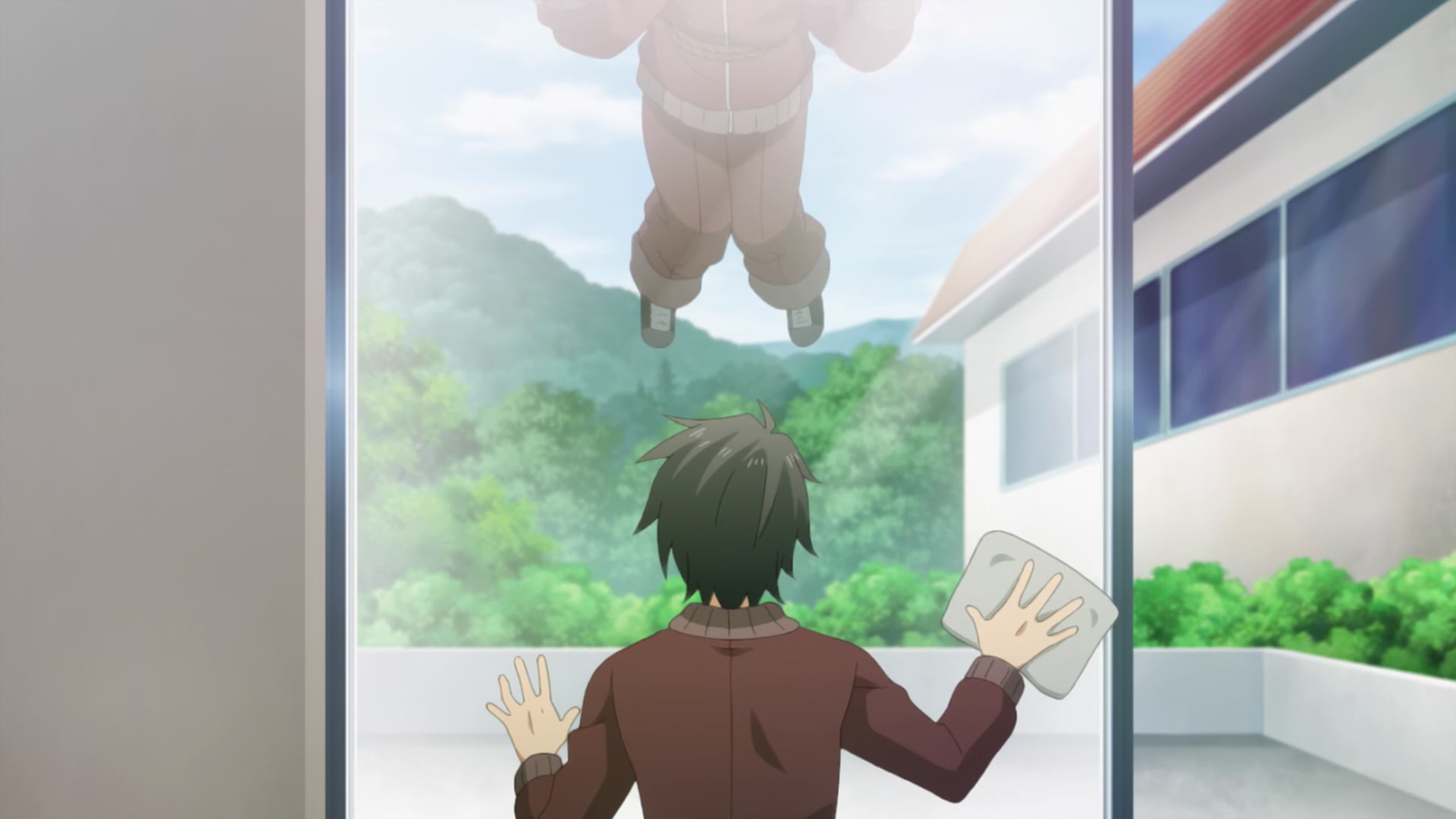
There is a moment in the final episode of Rakudai Kishi no Cavalry that encapsulates everything this series gets right. Kurogane Ikki, the so-called Worst One, has just defeated the academy’s strongest knight in a single exchange. His body is shutting down. He can barely stand. And instead of collapsing, he calls the woman he loves to his side and, on live television, asks her to become his family. It is the kind of earnest, unironic climax that anime does better than any other medium, and it lands with the full weight of twelve episodes of careful character work behind it.
This is a magic academy battle series. You have seen its components before: the underdog protagonist with a hidden trump card, the tsundere princess with fire powers, the little sister with a brother complex, the tournament arc that determines who will represent the school at the big national competition. What makes Rakudai Kishi no Cavalry stand out is not that it reinvents these elements but that it executes them with genuine conviction. The romance actually progresses. The protagonist’s weakness is real and systemic, not a disguised superpower waiting to awaken. The series has something to say about talent, effort, and the people who believe in you, and it says it clearly across all twelve episodes without hedging or backtracking.
This is a show for people who love the genre but are tired of its worst habits. It is for viewers who want a romance that goes somewhere, fights with tactical depth, and a story that respects its audience enough to deliver a complete emotional arc in a single cour. It is not a masterpiece of animation or a revolutionary work of art. It is, however, a damn good show that deserves to be remembered as more than just the better Asterisk War.
Story and Themes
The world of Rakudai Kishi no Cavalry is one where certain individuals, called Blazers, can manifest weapons known as Devices and wield magical abilities. They are trained at academies to become Magic Knights, and the pinnacle of student competition is the Seven Stars Swordsmanship Tournament. Hagun Academy, once a powerhouse, has fallen on hard times, and a new chairman has taken over with the goal of shaking things up. Her first move is to pair the academy’s strongest new student, A-rank princess Stella Vermillion, with its weakest, F-rank repeater Kurogane Ikki, as roommates.
From this premise, the series builds a narrative that is part sports anime, part romance, and part family drama. The structure is straightforward: the first half establishes the characters and their relationships while running through early tournament matches, and the second half deepens the emotional stakes through arcs centered on Ayatsuji Ayase, the student council, and finally a direct attack on Ikki’s right to exist as a knight. The pacing is brisk but not rushed. Each episode advances either a relationship beat or a tournament match, and often both at once.
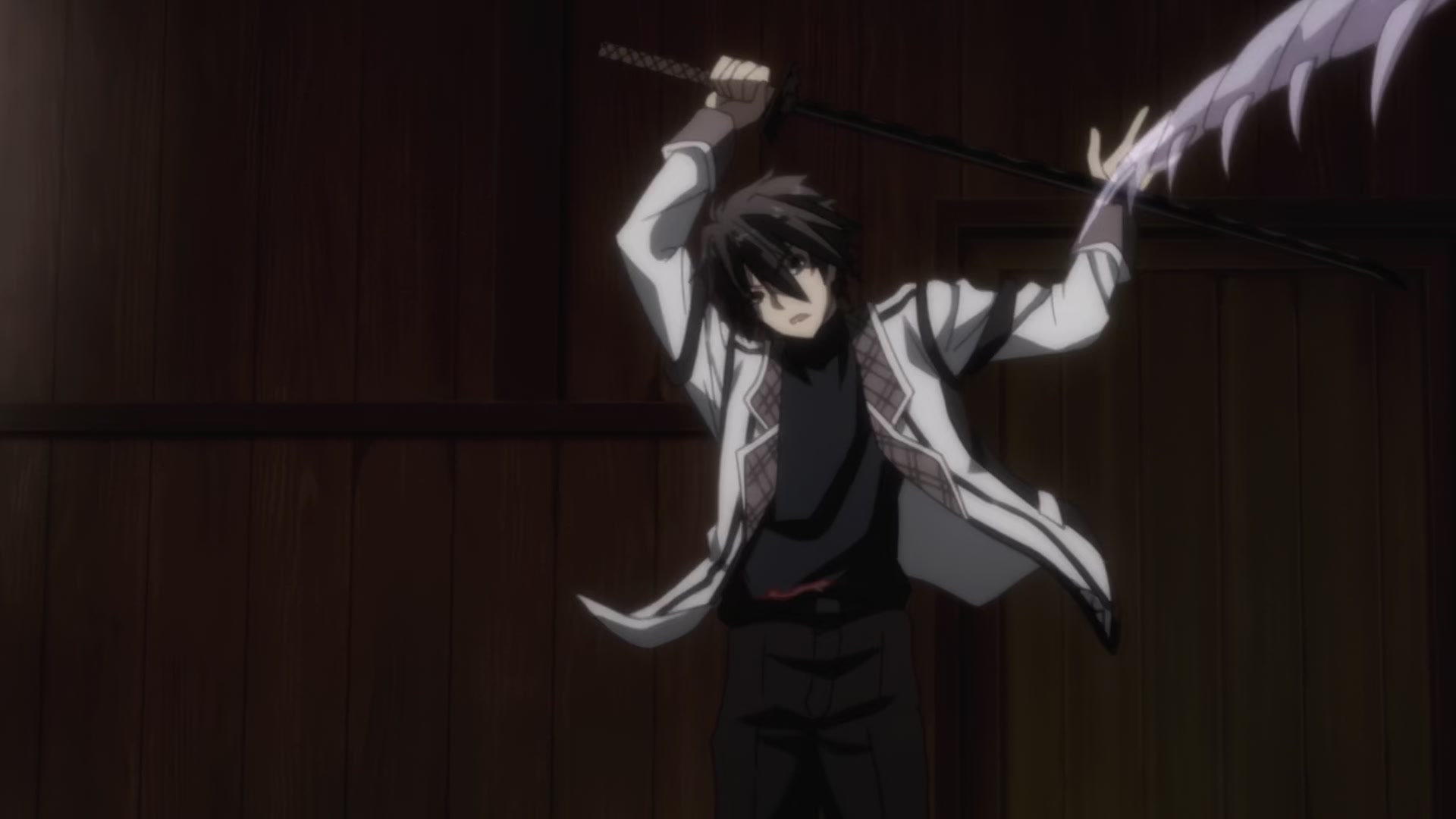
The central thematic question is stated in the opening minutes of the first episode: “There are people who think life is unfair. That what you are given in the beginning determines the rest of your life.” The series argues against this proposition, but it does not do so naively. Ikki does not win because he secretly has more power than everyone thought. His magical capacity is genuinely a tenth of the average. His Device, Intetsu, is a plain katana with no special properties. What he has is technique, built through years of solitary training after his family refused to teach him anything. His observational ability, Blade Steal, allows him to analyze and copy opponents’ styles. His Perfect Vision reads their thought processes through the pattern of their attacks. His trump card, Ittou Shura, concentrates all his life force into a single minute of overwhelming power, after which he collapses. These are not gifts. They are compensations, built by a man who was told he could do nothing and refused to accept that verdict.
The series is deeply interested in the Japanese martial tradition, and this is not mere set dressing. Ikki’s great-grandfather is Kurogane Ryouma, a transparent stand-in for the Bakumatsu hero Sakamoto Ryouma, a figure associated with meritocracy and the overthrow of an ossified feudal system. The words Ryouma speaks to the young Ikki, who is lost in a blizzard after running away from his neglectful family, become the philosophical core of the series: “Are you annoyed, youngster? Don’t throw away that frustration just because you’re the weakest. That’s proof that you haven’t given up yet. On yourself, that is.” This is not empty encouragement. It is a diagnosis. Frustration is evidence of unfulfilled potential, and the refusal to abandon that frustration is what separates those who grow from those who accept their assigned place.
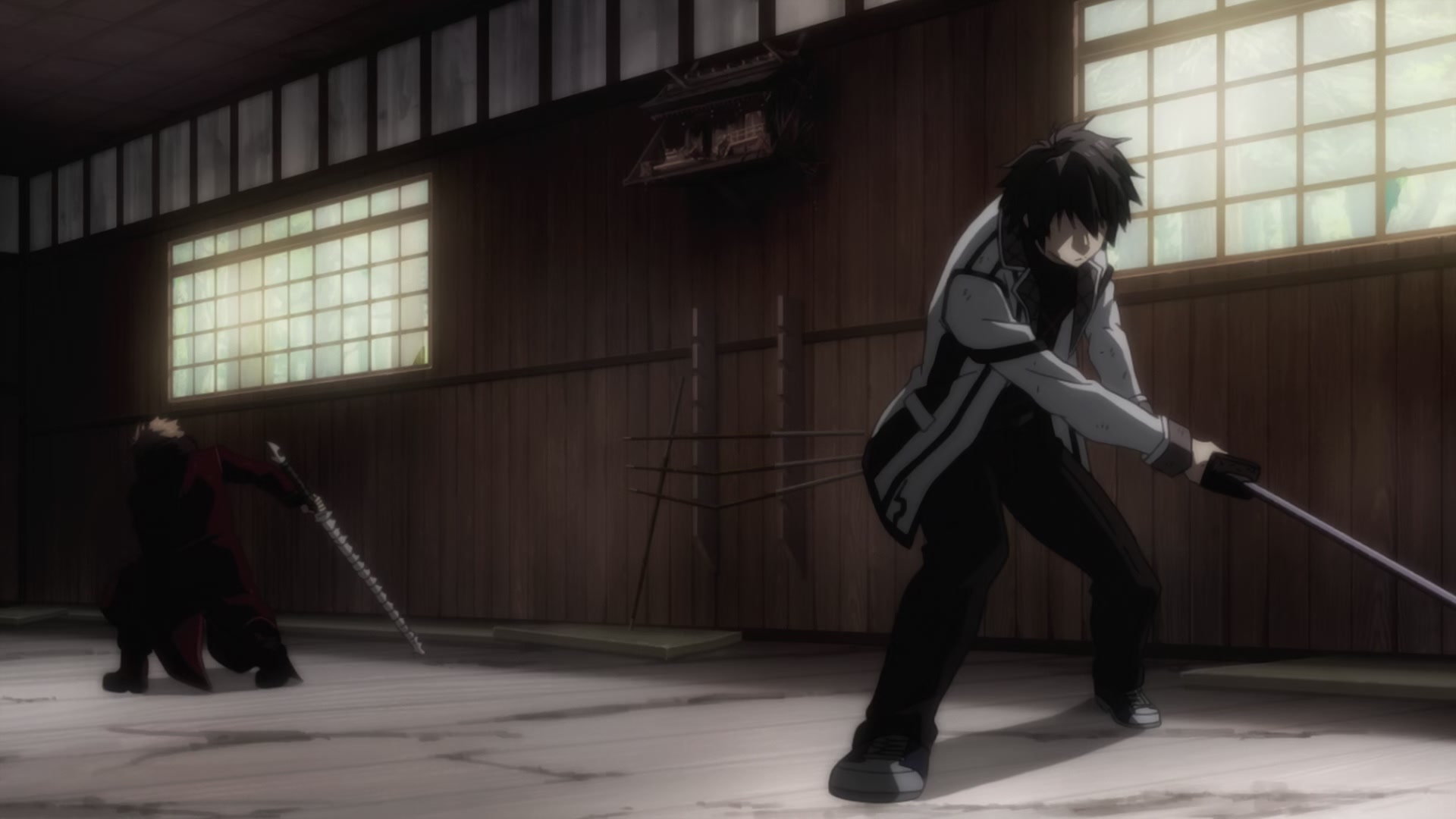
The Ayatsuji arc deepens this martial arts theme considerably. Ayatsuji Ayase is the daughter of the Last Samurai, a legendary non-Blazer swordsman whose dojo was taken by a talented brute named Kurashiki Kuraudo. Her father’s secret technique, Ten’i Muhou (a term meaning natural perfection beyond technique, drawn from classical Japanese aesthetics), is something she has memorized but cannot execute. Ikki, through Blade Steal, learns it from her body’s memory and uses it to defeat Kuraudo and reclaim the dojo. The sequence is a love letter to the idea of martial transmission: that a technique is not just a set of movements but a philosophy, and that it can be passed from teacher to student, from father to daughter, from one generation to the next, even across the boundaries of bloodline. When Kuraudo, who has been waiting two years to see Ten’i Muhou, smiles and acknowledges that the wait was worth it, the series grants even its villain a moment of genuine appreciation for the art.
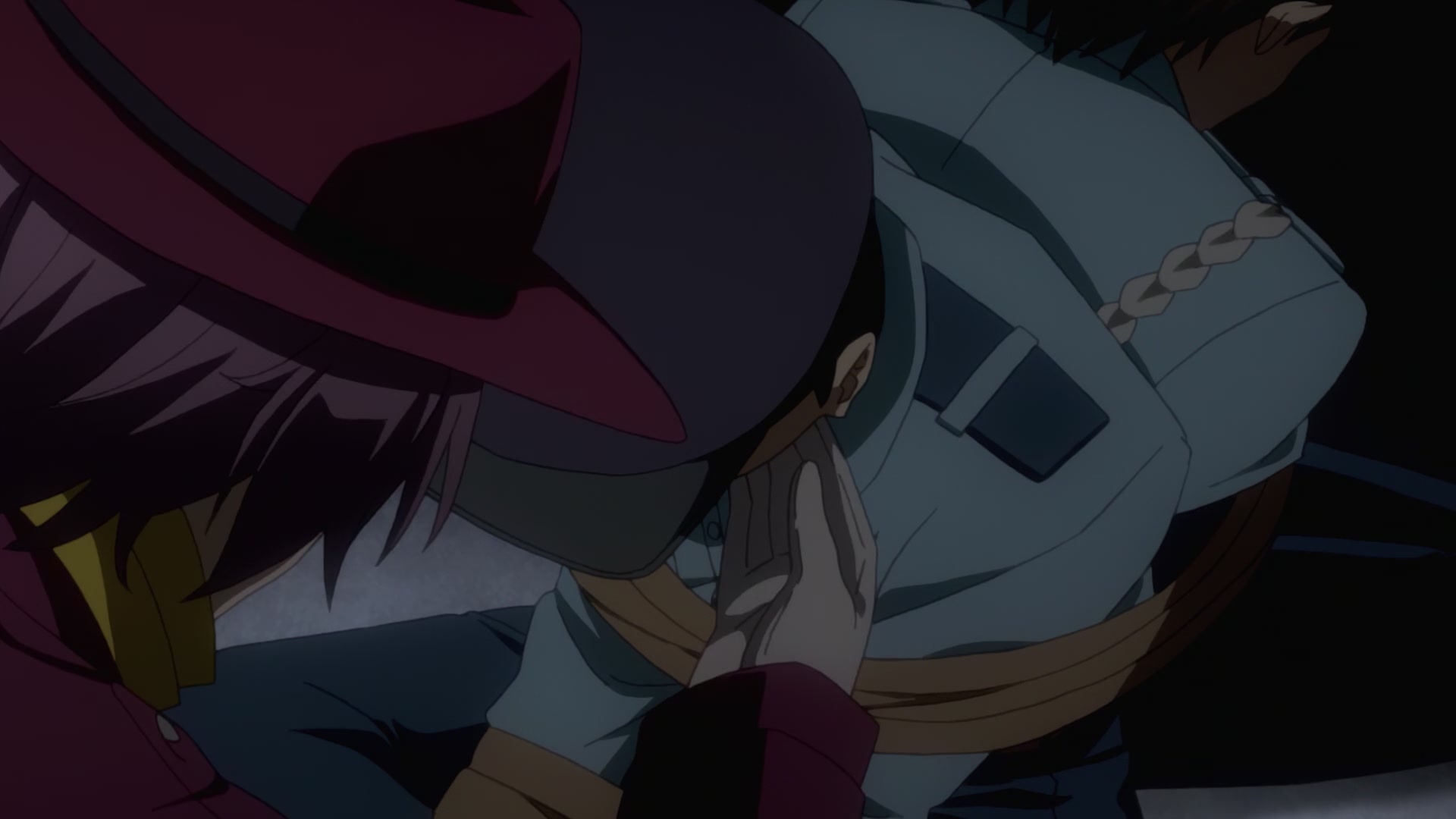
The inquiry arc in the final episodes shifts the conflict from the physical to the institutional. Akaza Mamoru, a member of the International Magic Knight Federation’s Morals Committee and a branch family member of the Kuroganes, orchestrates a media scandal around Ikki’s relationship with Stella. The goal is to destroy Ikki’s reputation and force him out of the academy. The inquiry scenes are a study in bureaucratic malice: the endless repetitive questions, the manufactured outrage, the way the system is rigged to produce a predetermined outcome. Ikki’s defiant statement, “I truly love Stella, and Stella truly loves me. So I do not believe we have done anything wrong,” is a moment of moral clarity in a room full of bad faith.
This arc also brings Ikki face to face with his father, Kurogane Itsuki, in what is perhaps the series’ most devastating scene. Itsuki does not hate Ikki. He simply considers him a non-entity. His philosophy is that a talentless person achieving things only gives false hope to other incompetents and creates discord in the organization. “Since you can’t do anything, don’t do anything. That’s everything I wish from you.” This is the true ideological antagonist of the series: not a cackling villain but a cold, utilitarian logic that assigns people their place based on innate capacity and demands they stay there. Ikki’s realization that his father never even considered him worth hating is paradoxically liberating. He has been chasing acknowledgment from a man who is incapable of giving it, and understanding this frees him to seek validation elsewhere.
The series is an adaptation of a light novel series by Misora Riku, and it covers the first major arc in its twelve episodes. I have not read the source material, so I cannot speak to what was cut, compressed, or rearranged. What I can say is that the anime tells a complete, emotionally satisfying story. The romance reaches a natural climax with a marriage proposal. The tournament arc concludes with a definitive victory. The thematic argument is stated, challenged, and vindicated. If later light novel volumes introduce new conflicts and characters, that is the nature of serialized fiction, but the anime does not feel like an incomplete fragment. It feels like a full meal.
Characters
Kurogane Ikki is the kind of protagonist who could easily be insufferable. He is the weakest, the most oppressed, the most hardworking, the most noble. He wins fights through sheer grit and tactical genius. He attracts the love of a beautiful princess. He is, in short, a power fantasy. What saves him is that the series takes his suffering seriously and does not pretend it has not shaped him. Alice, the series’ most perceptive character, observes that Ikki is “too used to getting hurt” and can no longer hear his own soul screaming. His calm smile is a defense mechanism, not a sign of inner peace. He is nervous before his first official match, genuinely nervous, because this is the moment he has been working toward for years and the system has tried repeatedly to steal it from him. His performance anxiety is not a weakness to be overcome in a single episode but a realistic response to the weight of his circumstances.
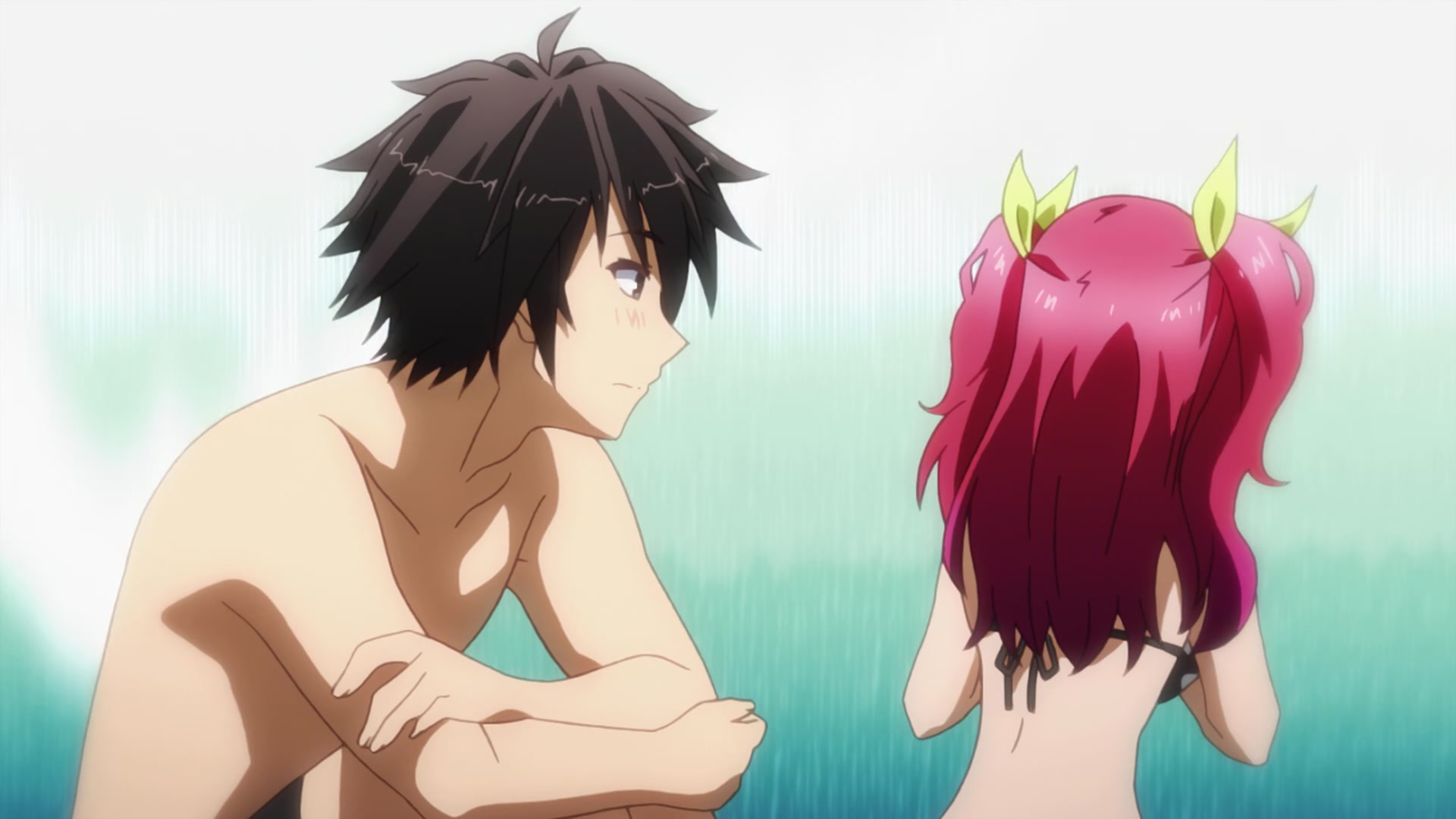
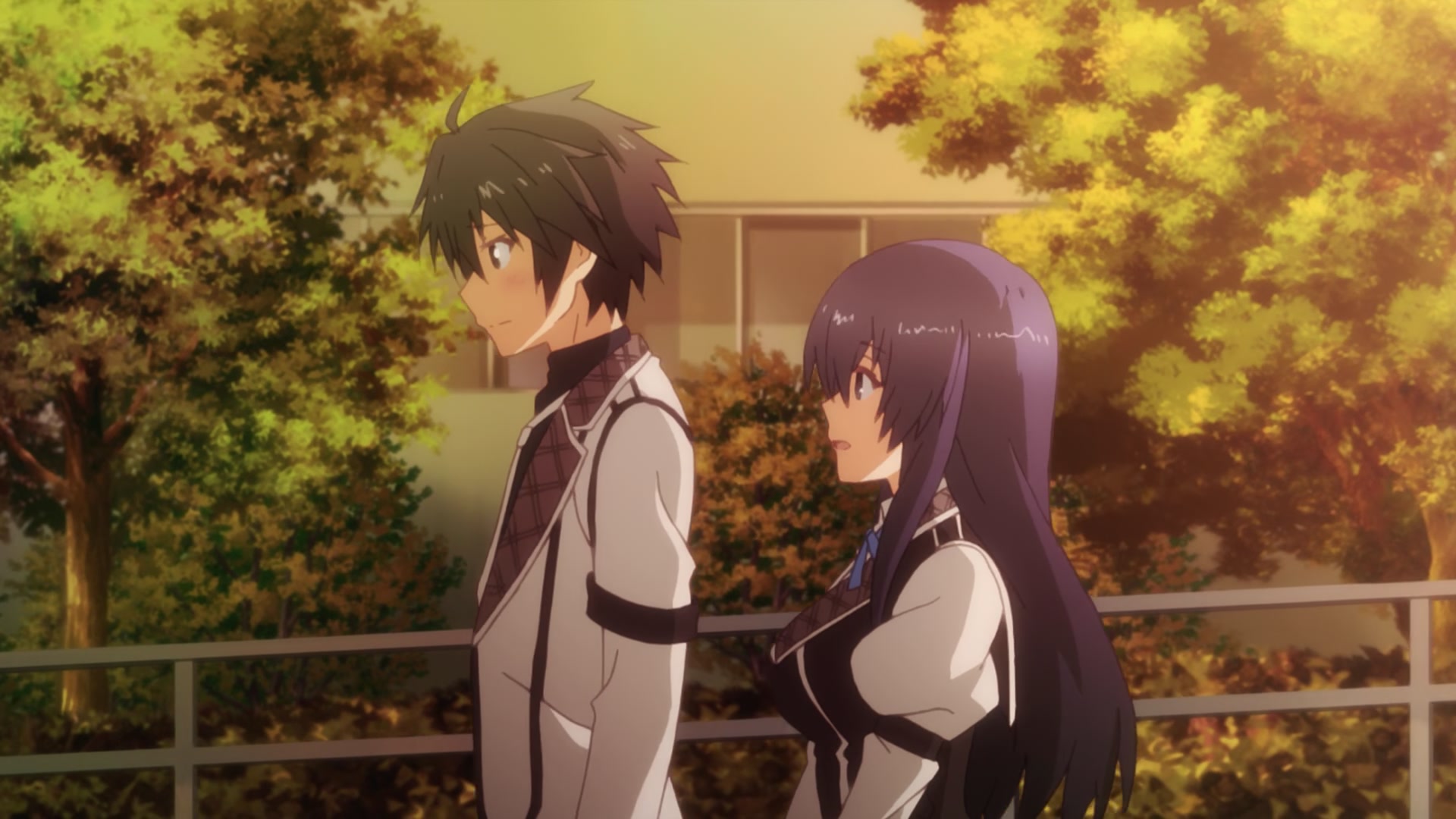
His relationship with Stella is the heart of the series, and it works because the series commits to it early and never wavers. They become lovers in Episode 4. They have their first real fight in Episode 5, about the fact that neither of them has made a move in two weeks because both are afraid of seeming lecherous or loose. They resolve it by shouting their feelings at each other and then kissing. This is not the slow-burn will-they-won’t-they that defines so many anime romances. It is two people who know what they want and are figuring out how to express it. The mountain lodge scene in Episode 9, where Stella offers herself to Ikki and he gently refuses because he wants to proudly tell everyone he loves her first, is a moment of genuine intimacy and mutual respect. His proposal at the end of Episode 12, asking her to become his family, is the culmination of an emotional arc that began with a boy who had no family in any meaningful sense.
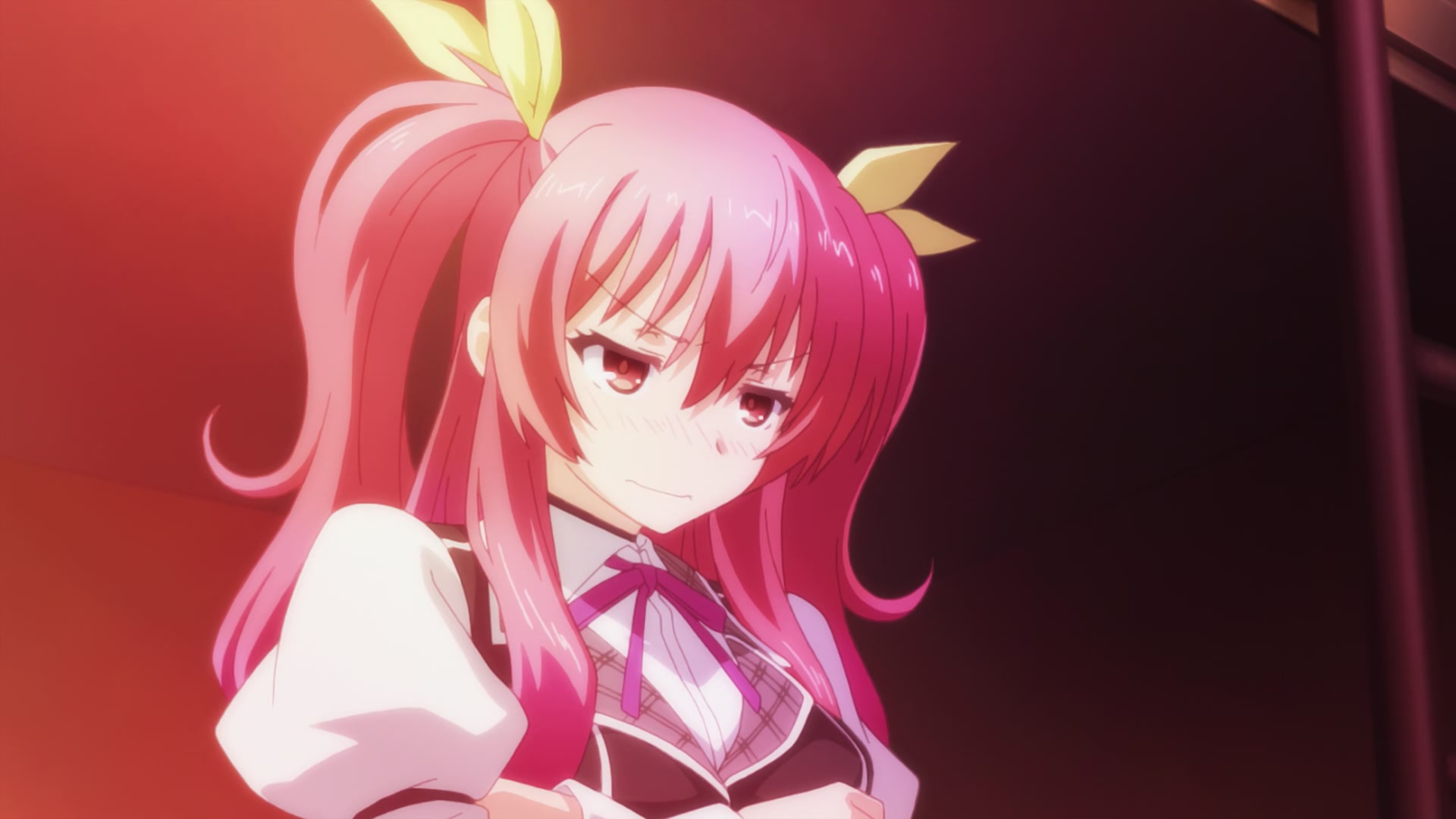
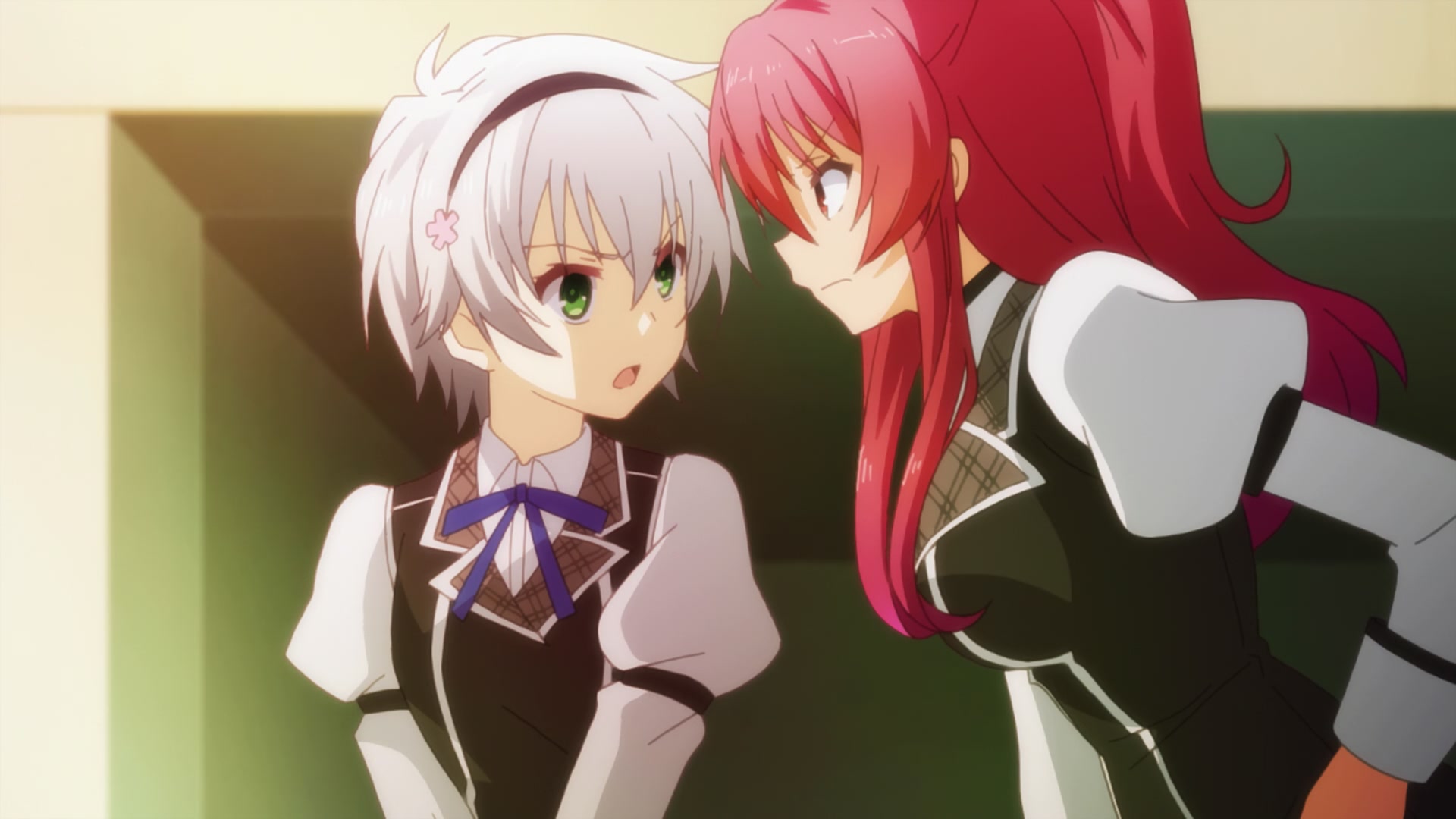
Stella Vermillion is introduced as the archetypal tsundere princess: proud, quick to anger, easily flustered by romantic attention. But the series complicates this immediately. She left her small country to escape the frame of being a genius. She resents being judged by her rank, yet she did the same to Ikki until he defeated her. Her loss in the mock battle is not just a physical defeat but a philosophical one, and she has the grace to accept it. Her development over the series involves learning to be honest about her feelings and to support Ikki as an equal rather than as a rival or a prize. Her public declaration during the Kirihara match, “Don’t mock the knight I love!”, is the moment she stops caring about appearances and commits fully to being his partner.
Kurogane Shizuku, Ikki’s younger sister, is a more complicated figure. Her love for her brother is intense to the point of being uncomfortable, and the series does not shy away from this. She kisses him on the lips, clings to him physically, and openly states that she will provide him with all the love their family denied him. The question of whether this is romantic or compensatory is left deliberately ambiguous. Shizuku witnessed her brother being treated as a non-entity and appointed herself as his entire emotional support system. She is trying to be father, mother, brother, and sister all at once, and the romantic overtones may simply be the result of her not knowing how to categorize love that intense within the available familial frameworks. Her match against Toudou Touka is fought with the explicit goal of being recognized by Ikki as a knight, not just a little sister. She loses, and her breakdown afterward, comforted by Alice, is one of the series’ most vulnerable moments.
Arisuin Nagi, called Alice, is Shizuku’s roommate and the series’ emotional intelligence. She is a biological male who identifies and presents as a woman, and the series treats this without judgment or exploitation. Her Device manipulates shadows, and she herself operates in the emotional shadows, seeing what others hide. Her observation about Ikki’s inability to hear his own soul is the key to understanding his character. She is underutilized as a fighter (her match is offscreen), but her role as confidante and emotional anchor for Shizuku is essential.
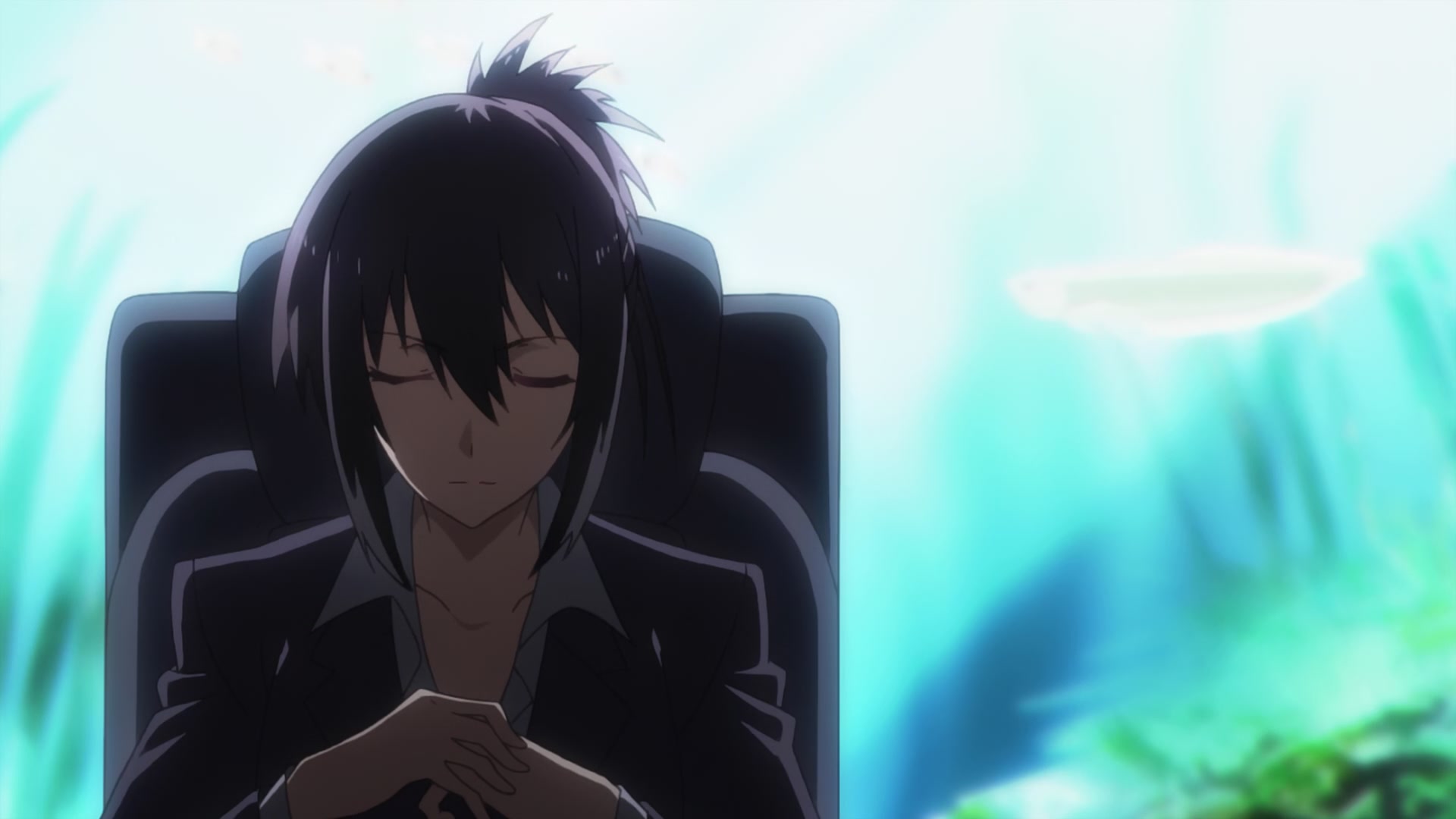
Toudou Touka, the student council president, is the final boss of the selection matches and the series’ other model of strength. Raised in an orphanage, she fights to be a beacon of hope for children in similar circumstances. Her Noble Art, Reverse Sight, allows her to perceive the electrical currents of the brain, the “bare feelings you can’t fake.” She is a person who sees through facades because she has dedicated her life to giving people something real to believe in. Her loss to Ikki is handled with grace; she entrusts him with the school flag and the hopes of all who lost, recognizing that he has become what she strove to be.
Ayatsuji Ayase, the daughter of the Last Samurai, has a compact but effective redemption arc. Her desperation to reclaim her family’s dojo leads her to betray Ikki’s trust, forcing him to use Ittou Shura the night before their match. During the fight, Ikki sees through her wavering heart and defeats her without his trump card, using an illusionary blade to avoid injuring her. His declaration that he will bring back her pride breaks through her desperation, and she tearfully asks for his help. Her later decision to report her own cheating to the committee shows that she has internalized the lessons her father tried to teach her.
The antagonists are varied and serve different thematic functions. Kirihara Shizuya is the coward who abuses power; his breakdown when faced with a real fight is cathartic but also pathetic. Kurashiki Kuraudo is the talented brute whose Marginal Counter, an inborn reaction speed under 0.05 seconds, represents the unfairness of innate ability. Akaza Mamoru is the bureaucratic villain whose power is institutional rather than personal. And Kurogane Itsuki is the true ideological antagonist, the man whose cold philosophy that the talentless should stay in their place is what Ikki has been fighting against his entire life.
Visuals and Animation
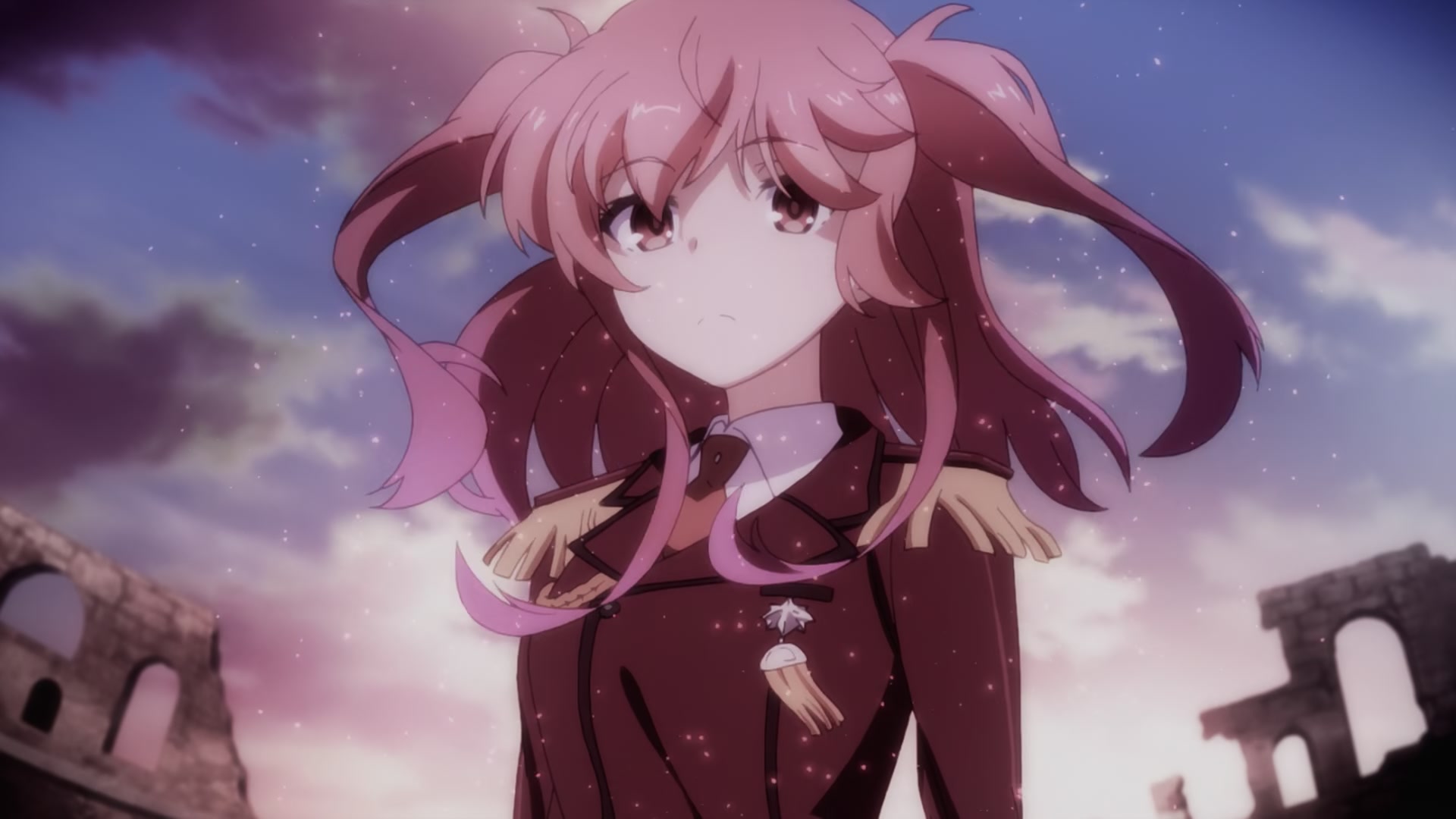
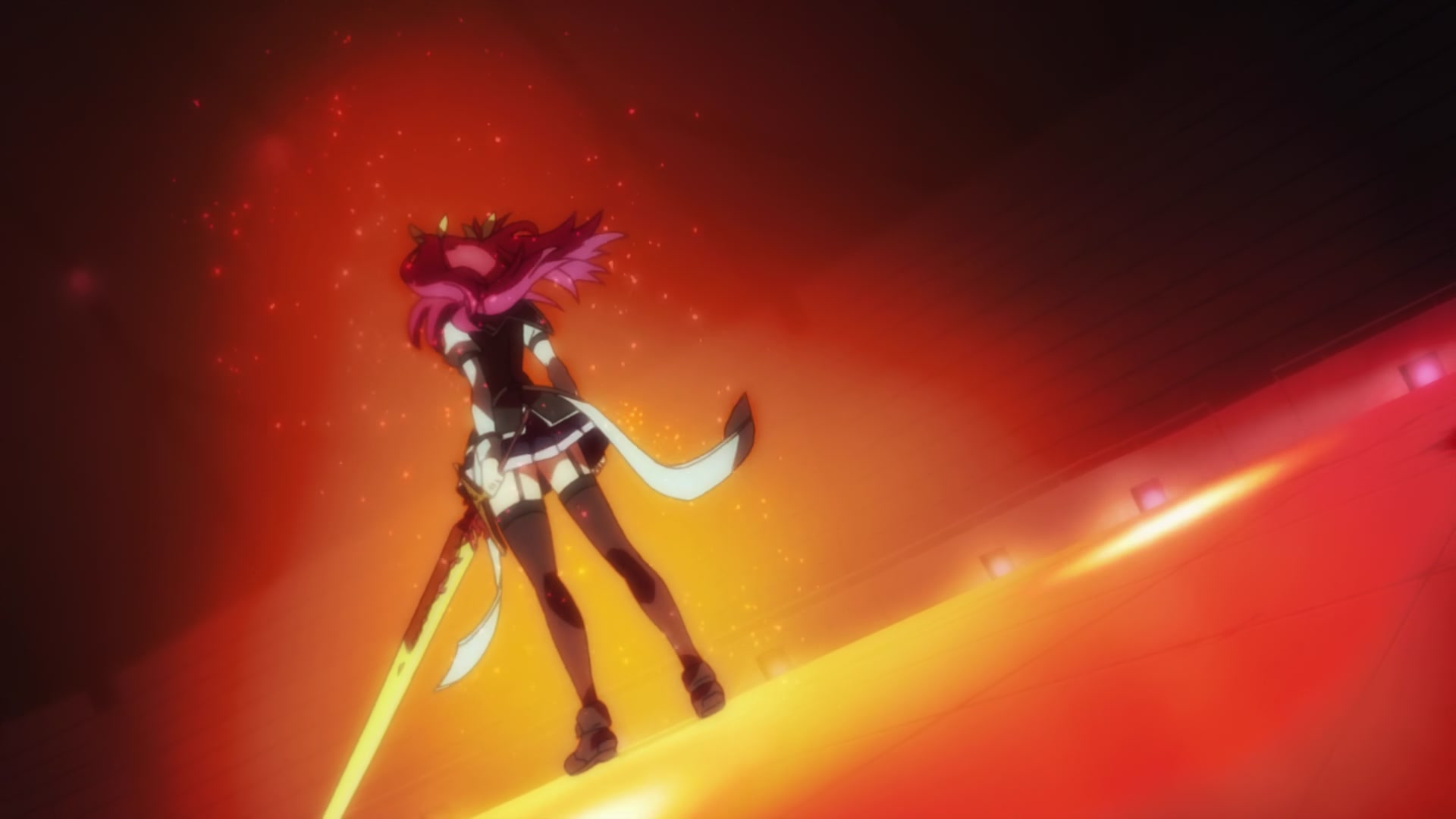
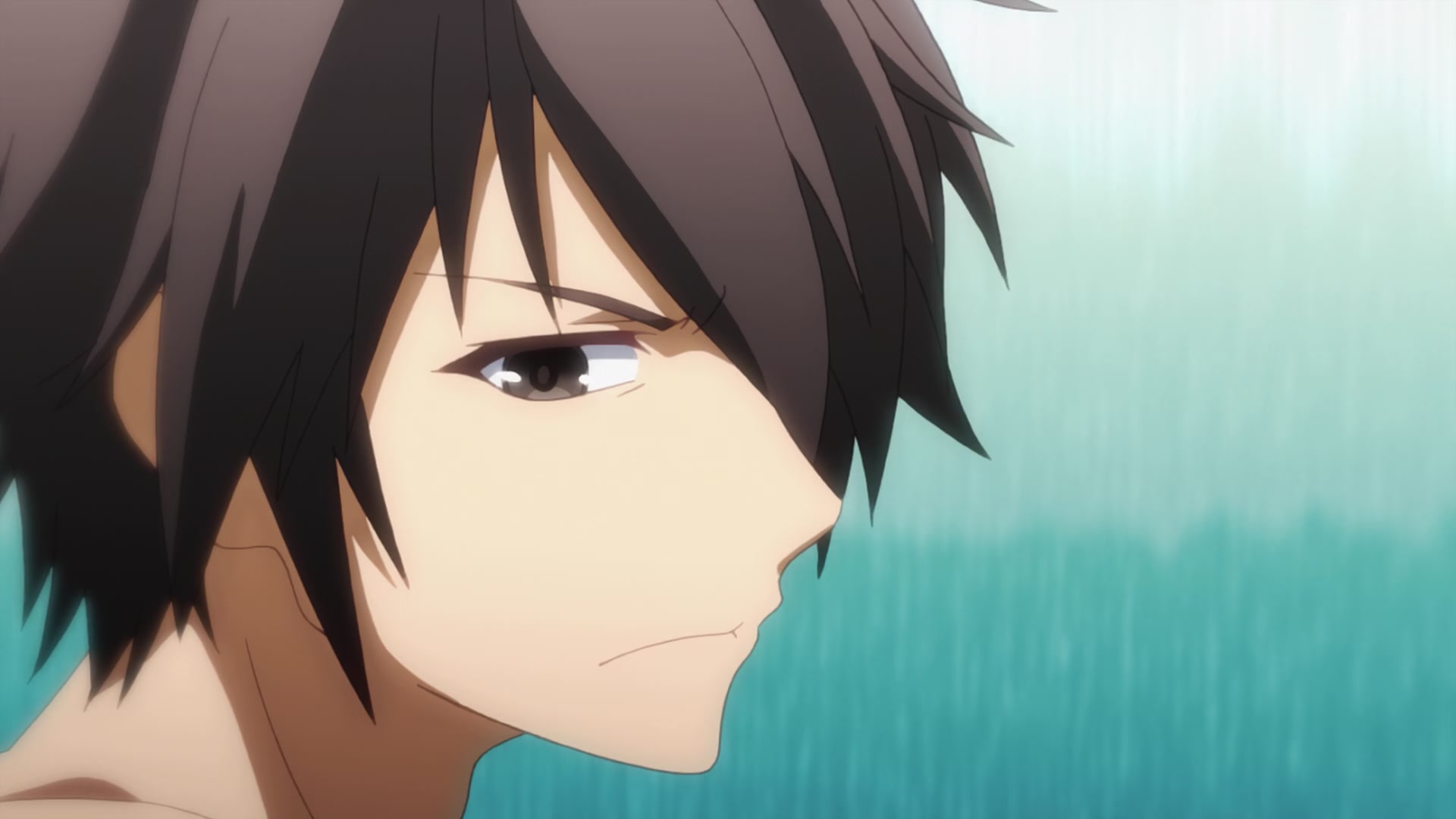
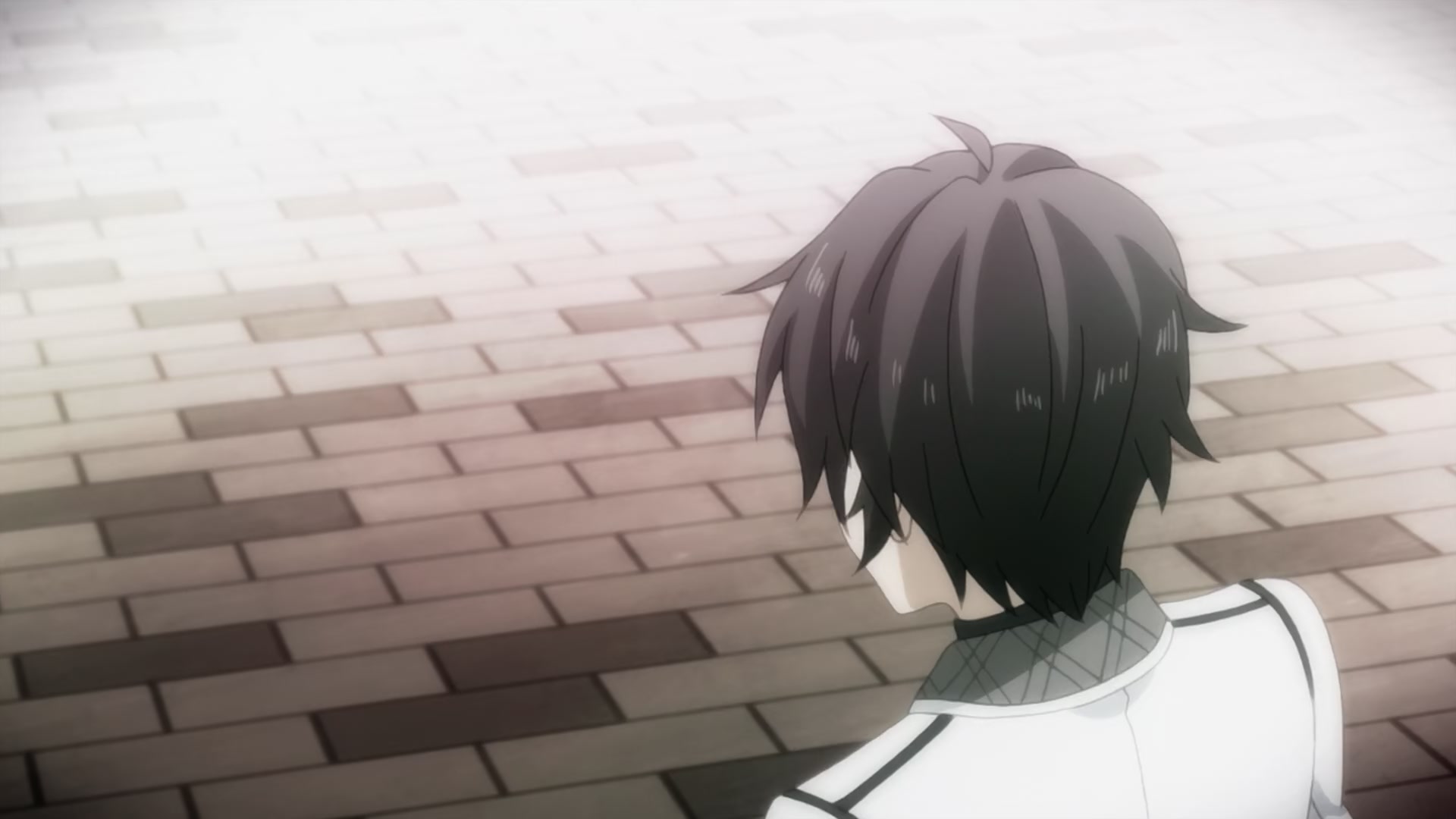
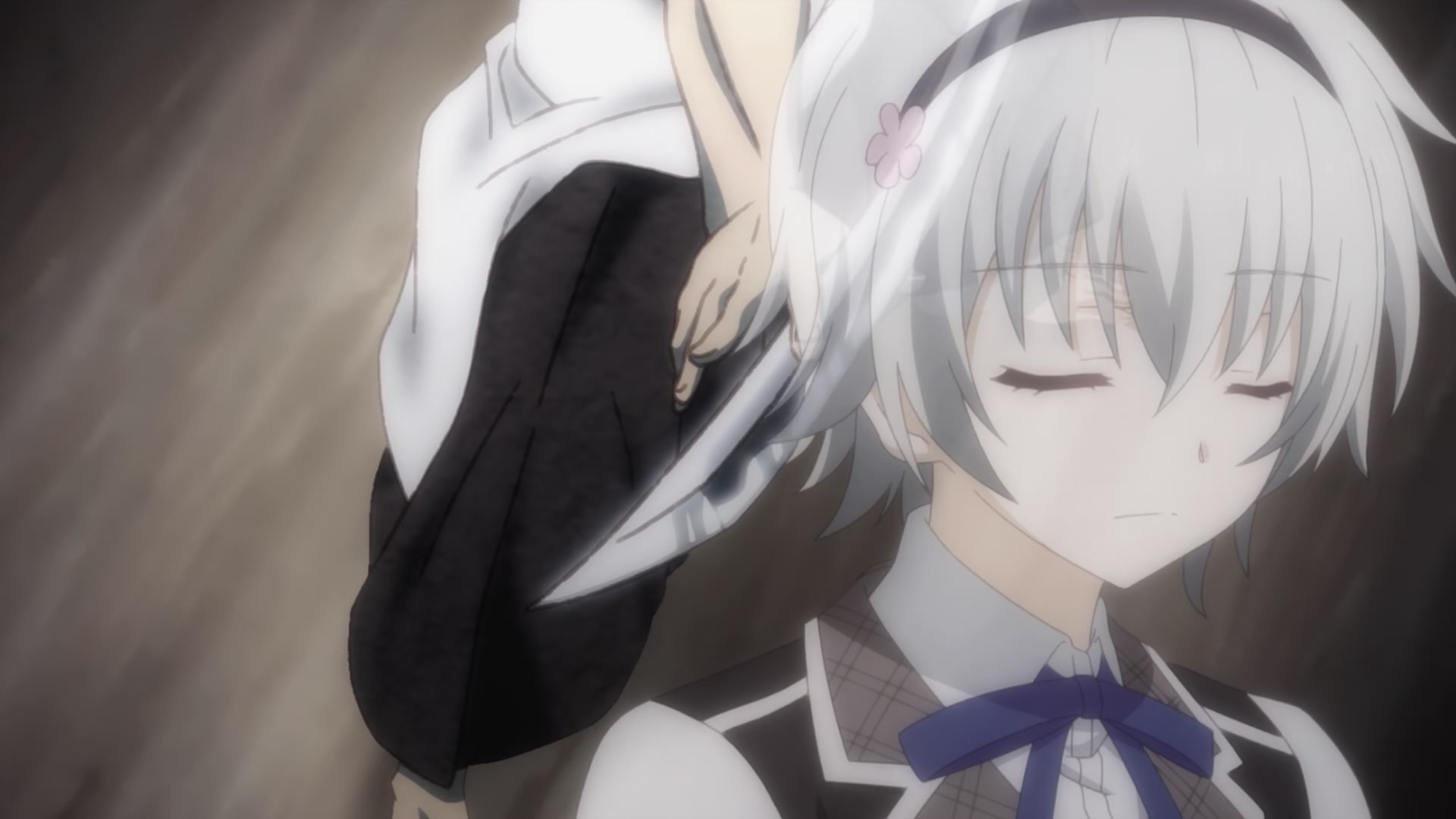
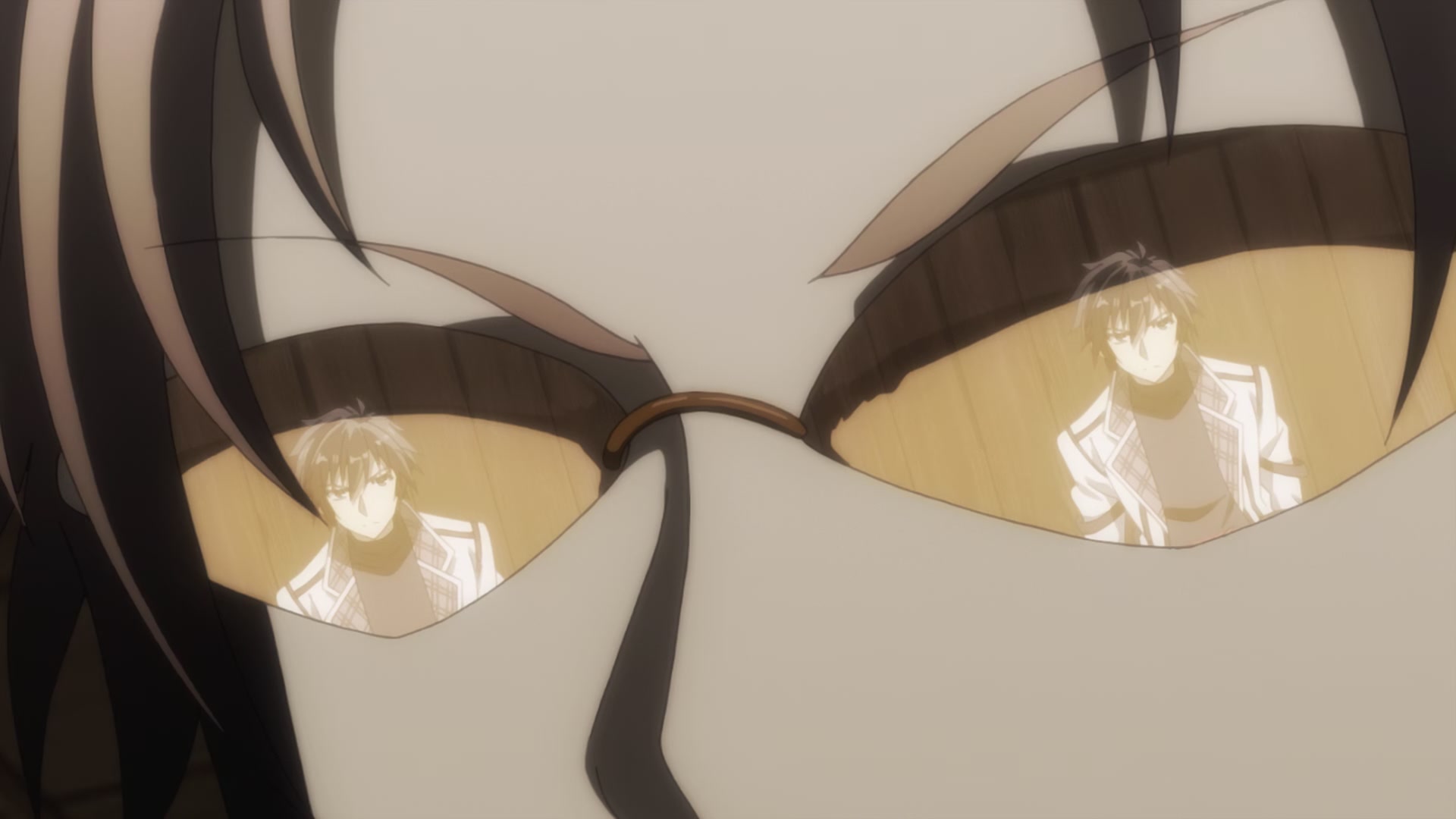
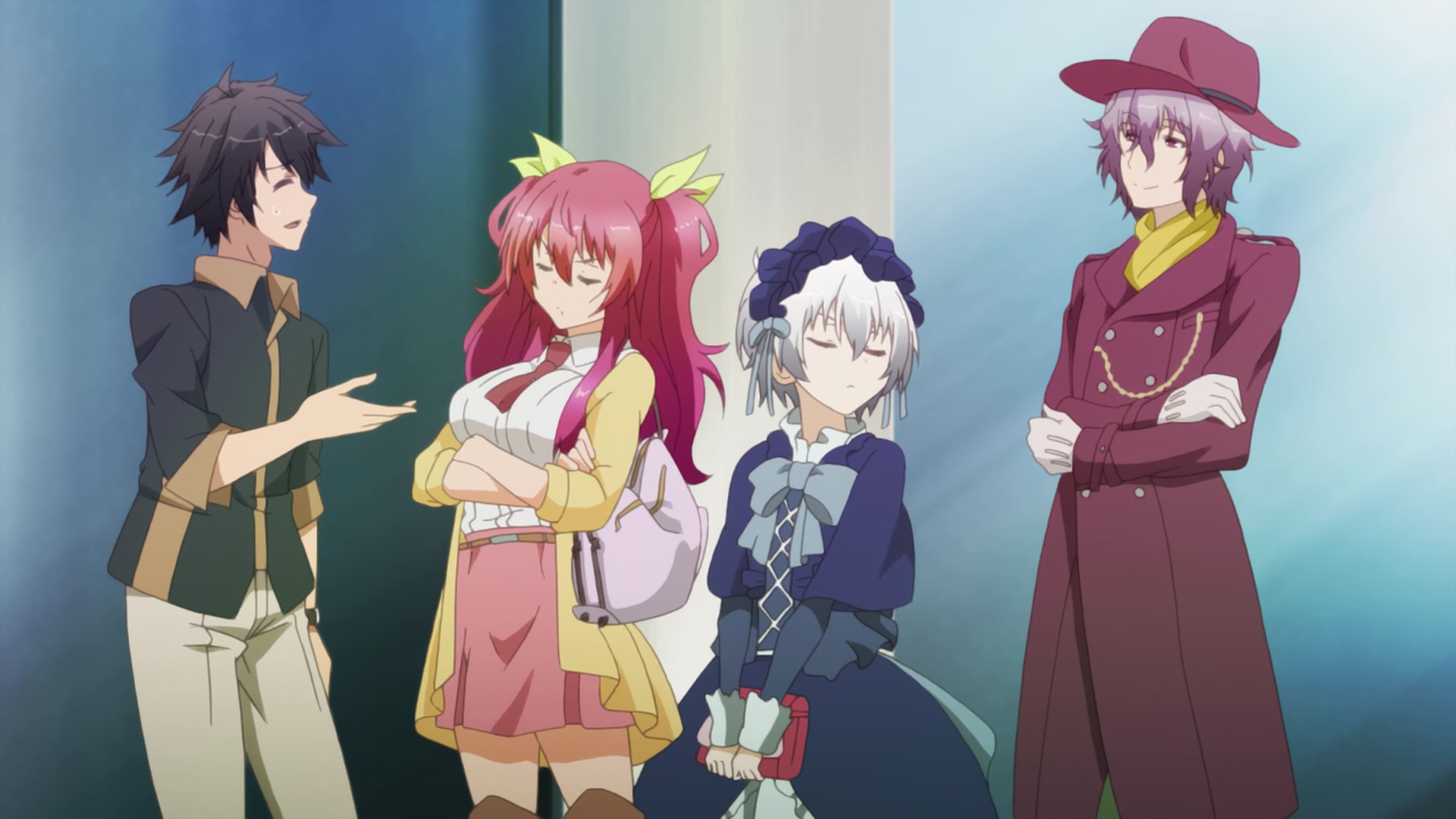
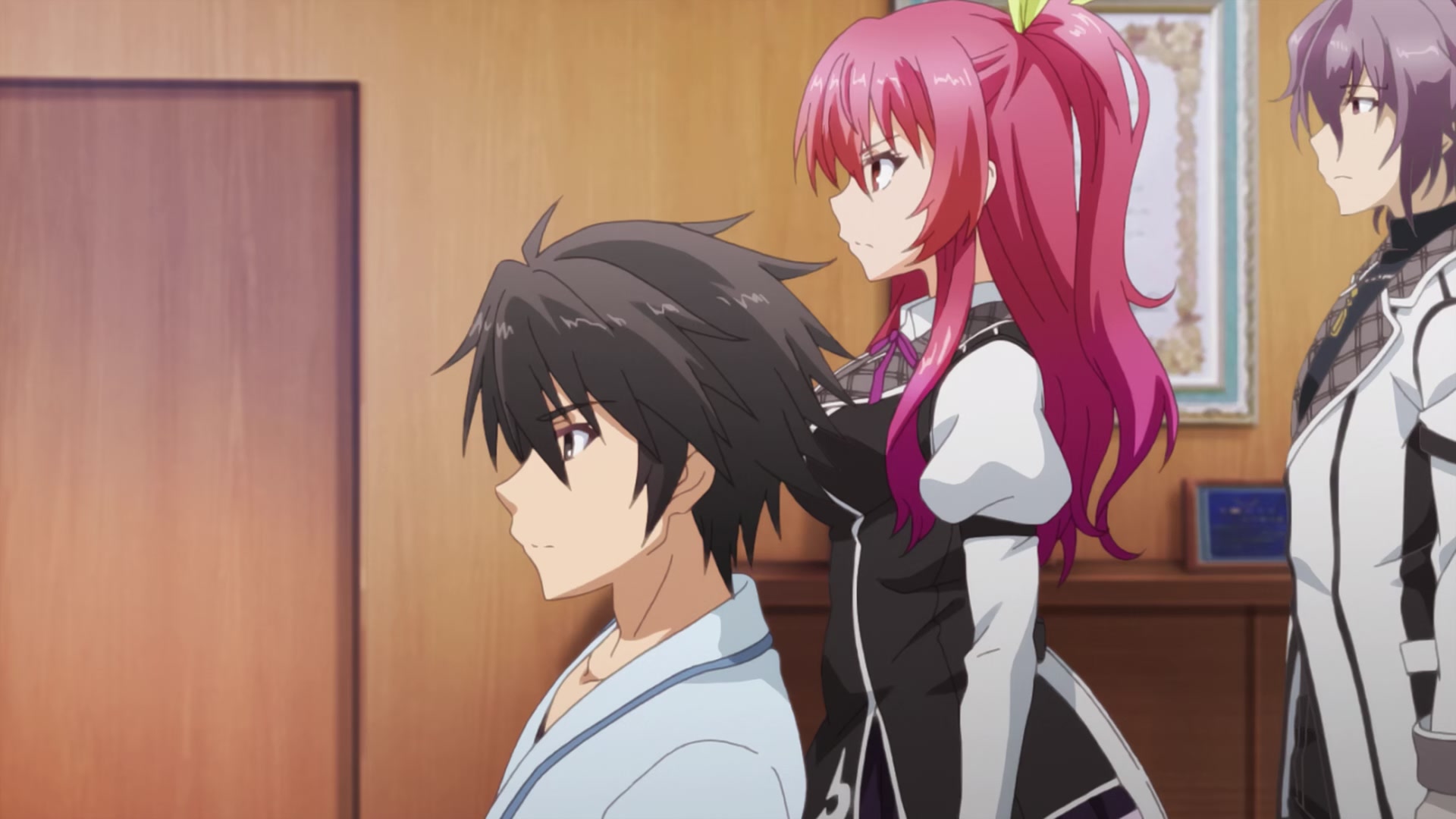
The character designs in Rakudai Kishi no Cavalry are effective at communicating personality and status. Ikki looks like a background character: simple black hair, unadorned school uniform, a plain katana for a Device. This is the point. He is supposed to be unremarkable, the Worst One, someone you would not notice in a crowd. Stella, by contrast, is designed to draw the eye: crimson hair, regal bearing, an elaborate Device with flame motifs. The visual language tells you immediately that she is the protagonist of her own story, which makes her defeat in Episode 1 more impactful. Shizuku’s cool color palette (silver hair, blue accents) and smaller stature contrast with her intense presence. Alice’s androgynous design and elegant fashion sense set her apart from the rest of the cast. Touka’s glasses and traditional sword mark her as a final boss figure, which she functionally is.
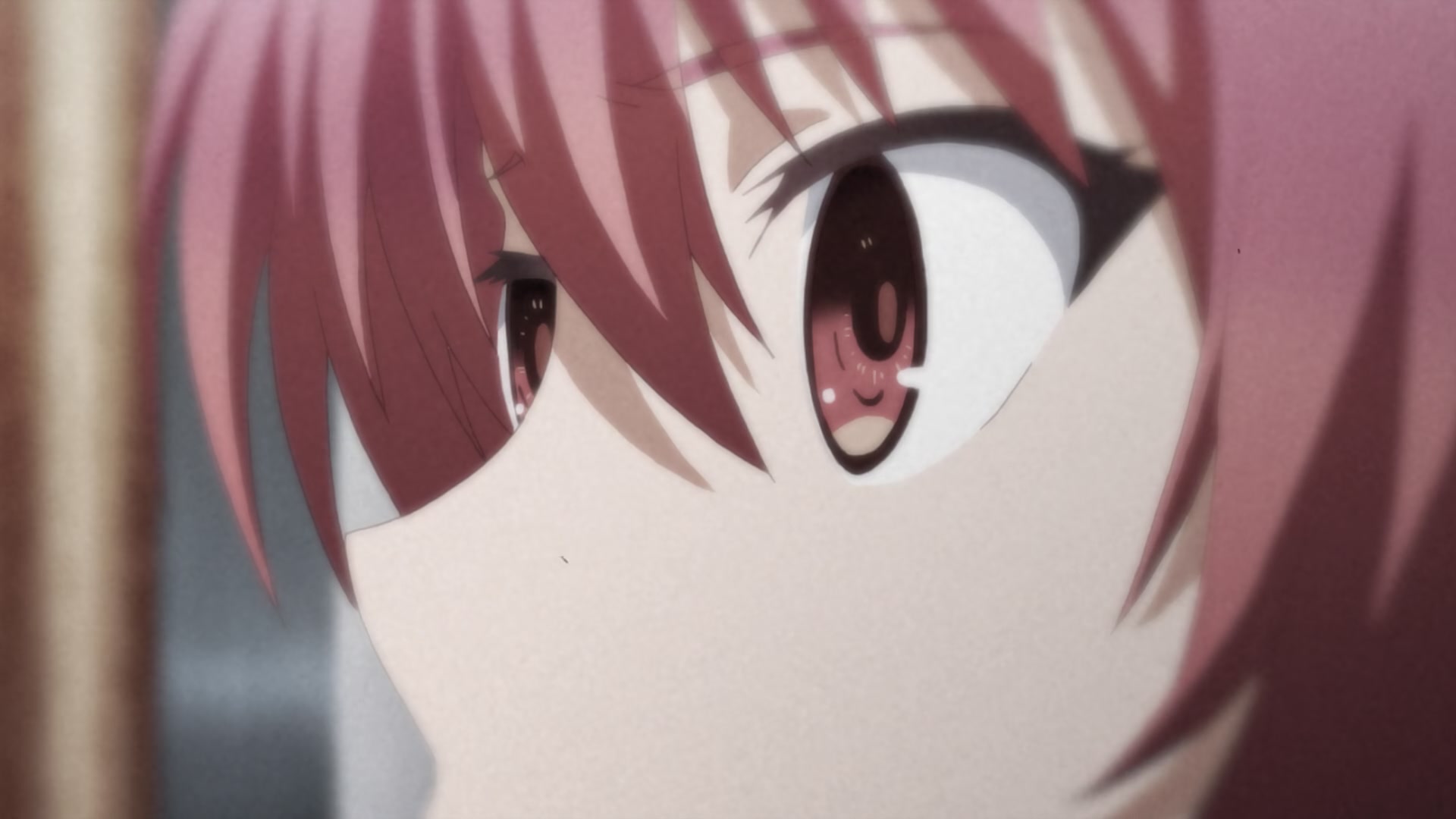
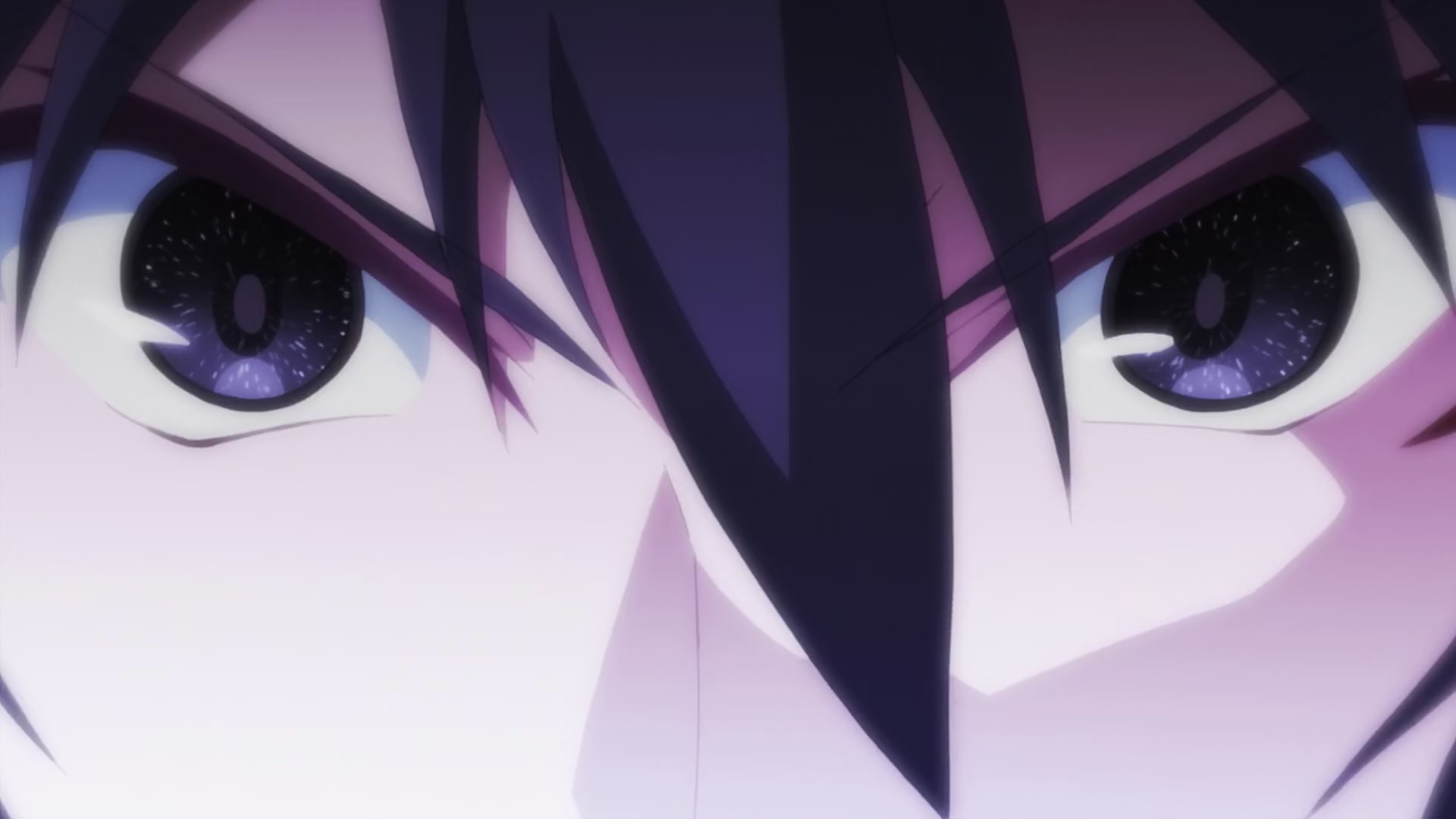
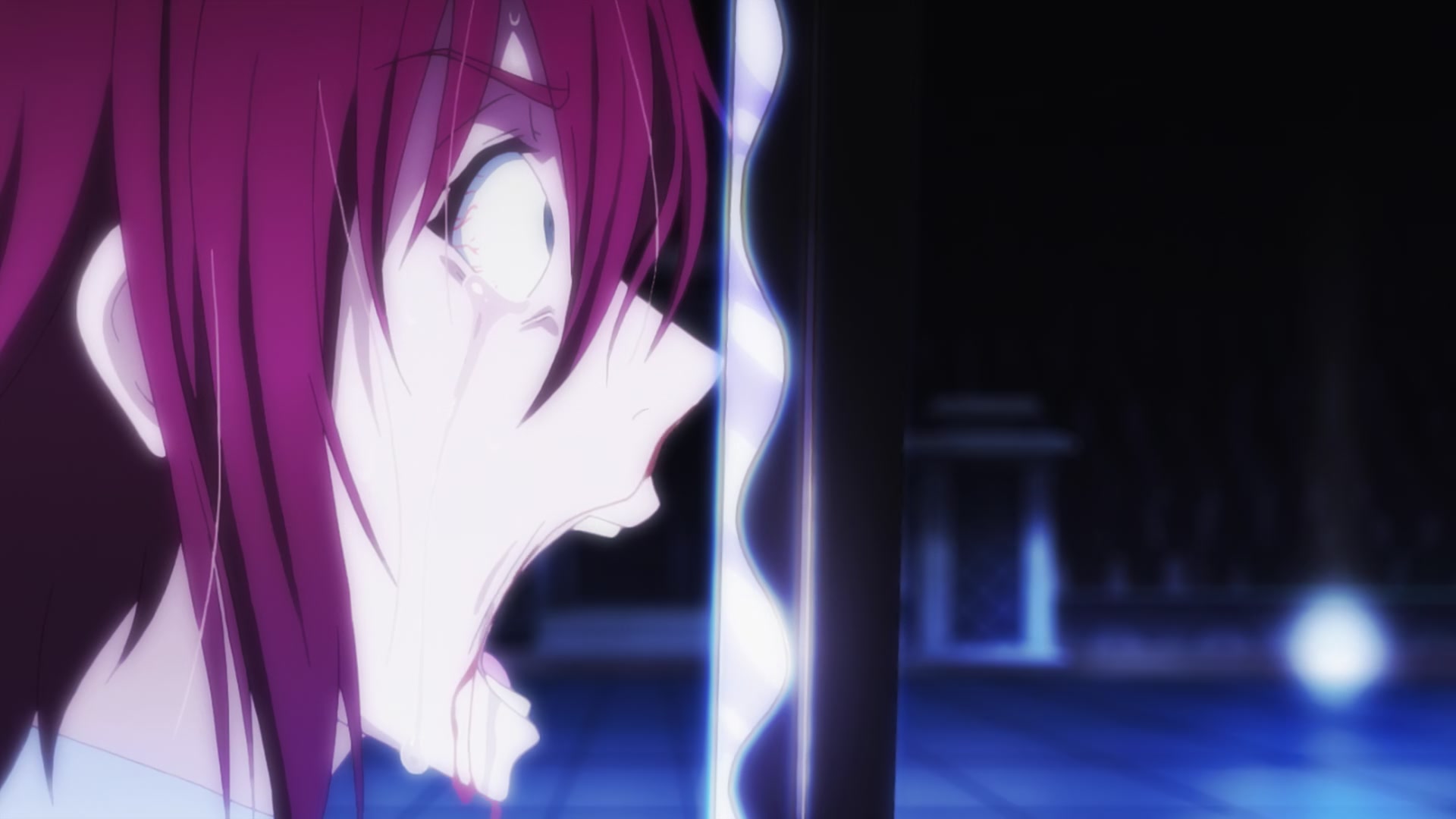
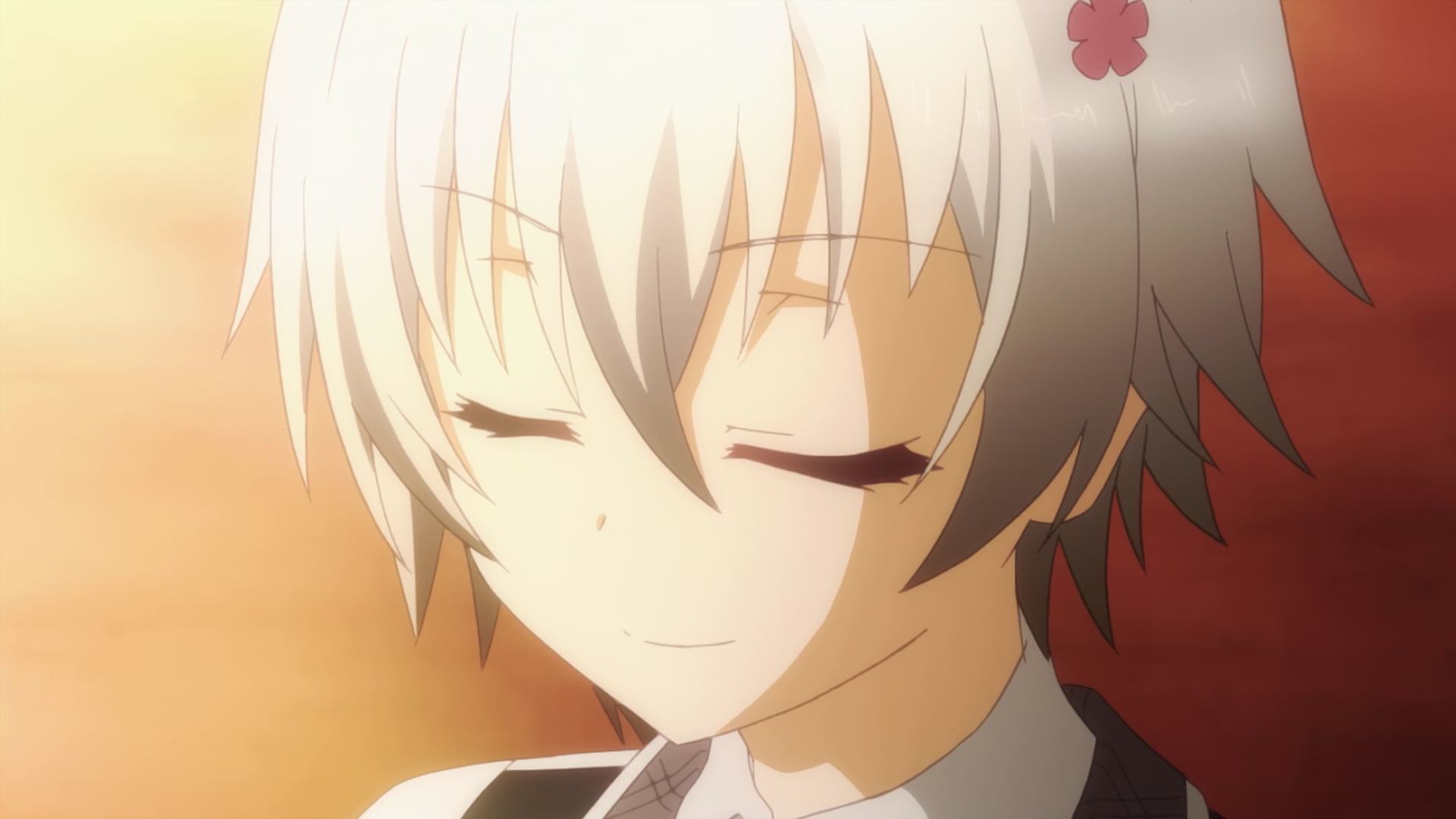
Facial expressions and character acting are one of the series’ visual strengths. Stella’s shifting expressions during the mock battle, from confidence to shock to respect, sell her emotional journey without dialogue. Ikki’s calm smile versus his genuine smiles are subtly different, the former a mask and the latter a rare moment of real happiness. Shizuku’s cold glare and her vulnerable tears with Alice show the gap between her public face and her private self. Ayase’s desperation during her match is conveyed through wild eyes and a trembling grip on her Device. Kirihara’s smugness crumbling into pathetic terror is a full emotional collapse rendered through facial acting alone. The series uses close-ups on eyes effectively during both emotional beats and tactical realizations, letting the audience see the moment understanding dawns.
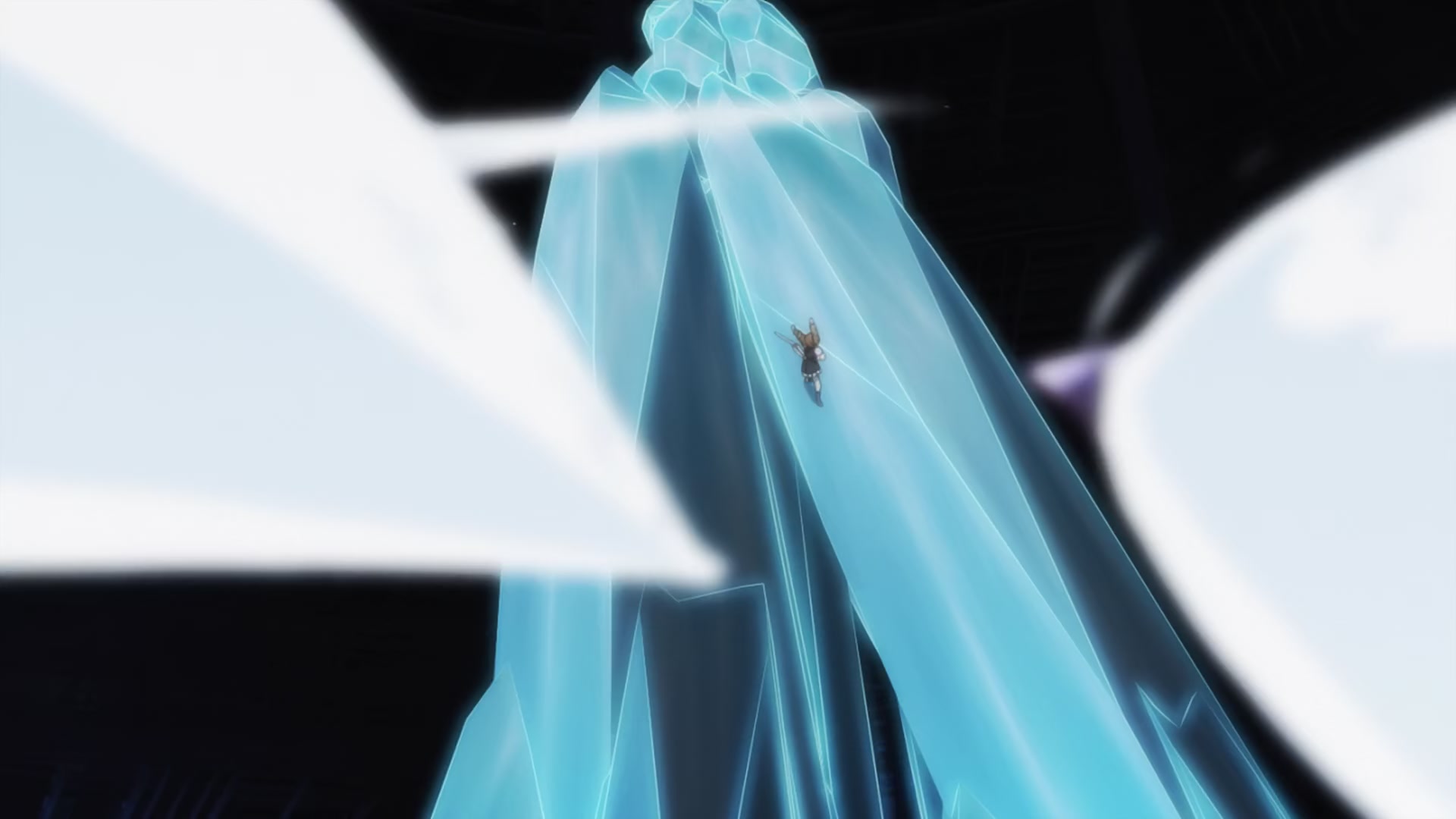
The fight choreography is tactical and legible. The mock battle in Episode 1 establishes the baseline: fluid sword exchanges, clear spatial geography, and the impact of Ittou Shura conveyed through speed lines and a shift in color palette. The match against Kirihara uses point-of-view shots from the invisible attacker’s perspective to build tension, and the final slash that stops a millimeter from his face is a striking image. The dojo duel against Kuraudo features multi-directional attacks from his transforming Device, Orochimaru, creating a sense of overwhelming speed and pressure. The final match against Touka is resolved in a single exchange, a bold choice that works thematically: Ikki compresses all his power into one swing, and the fight is over.
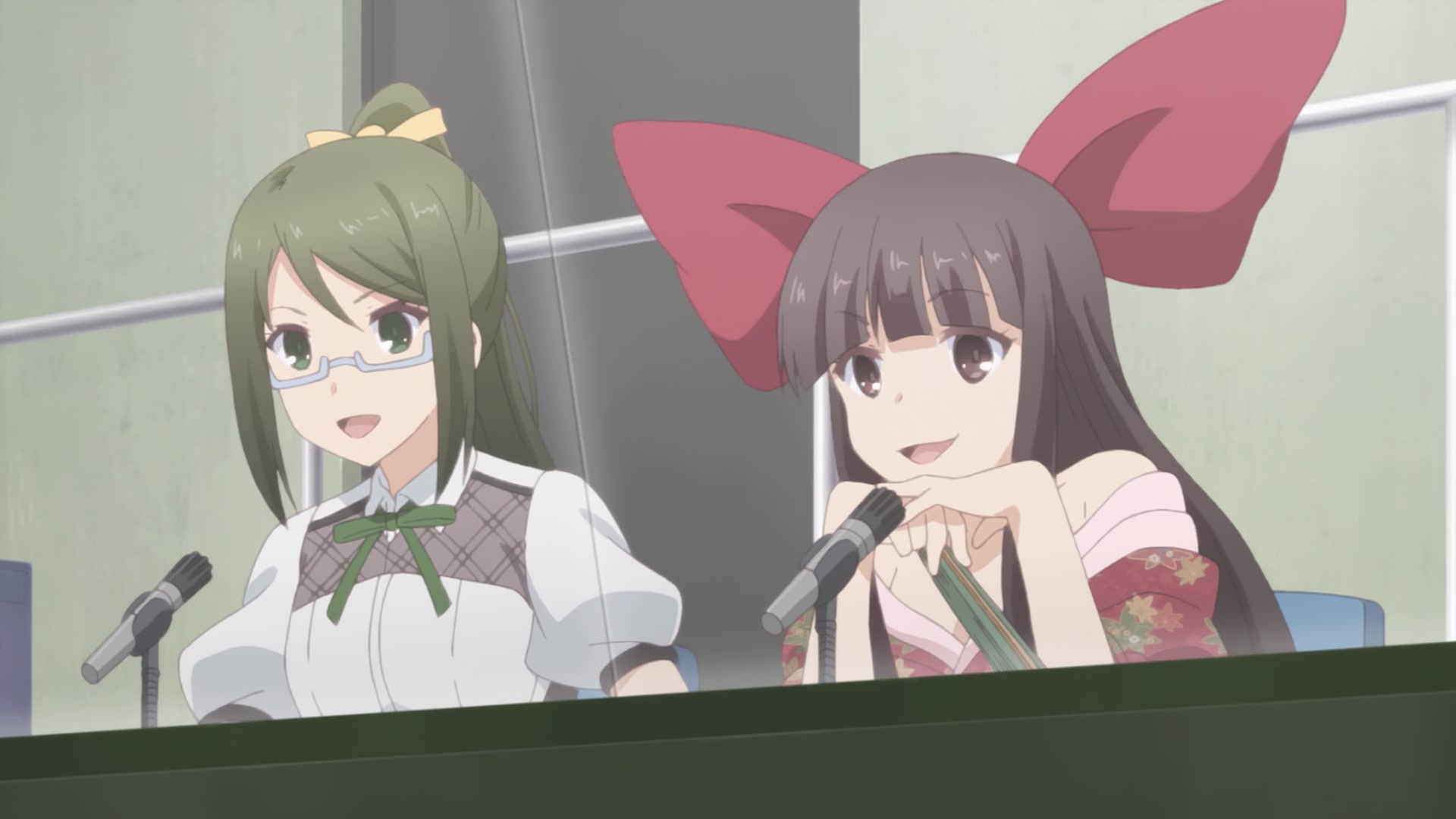
The series is smart about allocating its animation budget. The climactic moments get the resources, while transitional action is handled with shortcuts. Some matches rely on still frames with speed lines and impact effects rather than fluid animation. Crowd reactions during matches are often static or looped, a common budget-saving measure. The golem attack in Episode 9 is visually muddy, the stone creatures lacking weight and presence compared to the human fights. The use of internal monologue during fights, where Ikki explains his Perfect Vision deductions, allows for static shots with voiceover. This is a stylistic choice that fits the tactical nature of the combat, but it also reduces animation demands. The series knows where to spend its money, and the key frames, the moments of impact, the final slashes, are consistently strong enough to sell the action.
The color palette uses warm tones for Stella (crimson, gold, fire) and cool tones for Shizuku (silver, blue, water), a visual representation of their rivalry. During Ittou Shura, the world desaturates, Ikki’s vision literally losing color as he sacrifices everything for power. Touka’s Raikiri is rendered in golden lightning that carries a sense of divine judgment. The mountain lodge sequence uses dim, rain-soaked lighting to create intimacy through isolation. The Federation building is cold blues and grays, institutional oppression rendered in color.
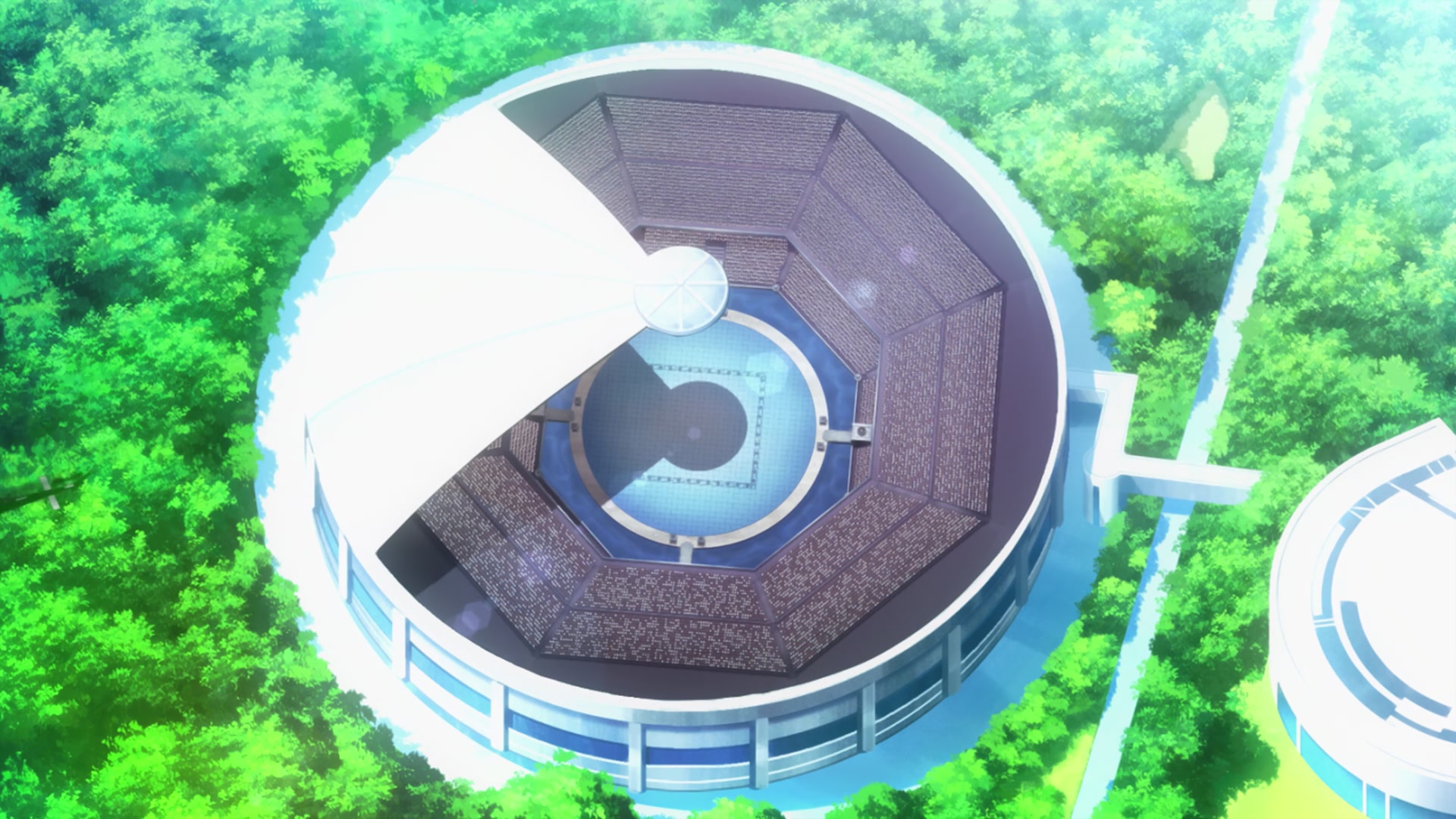
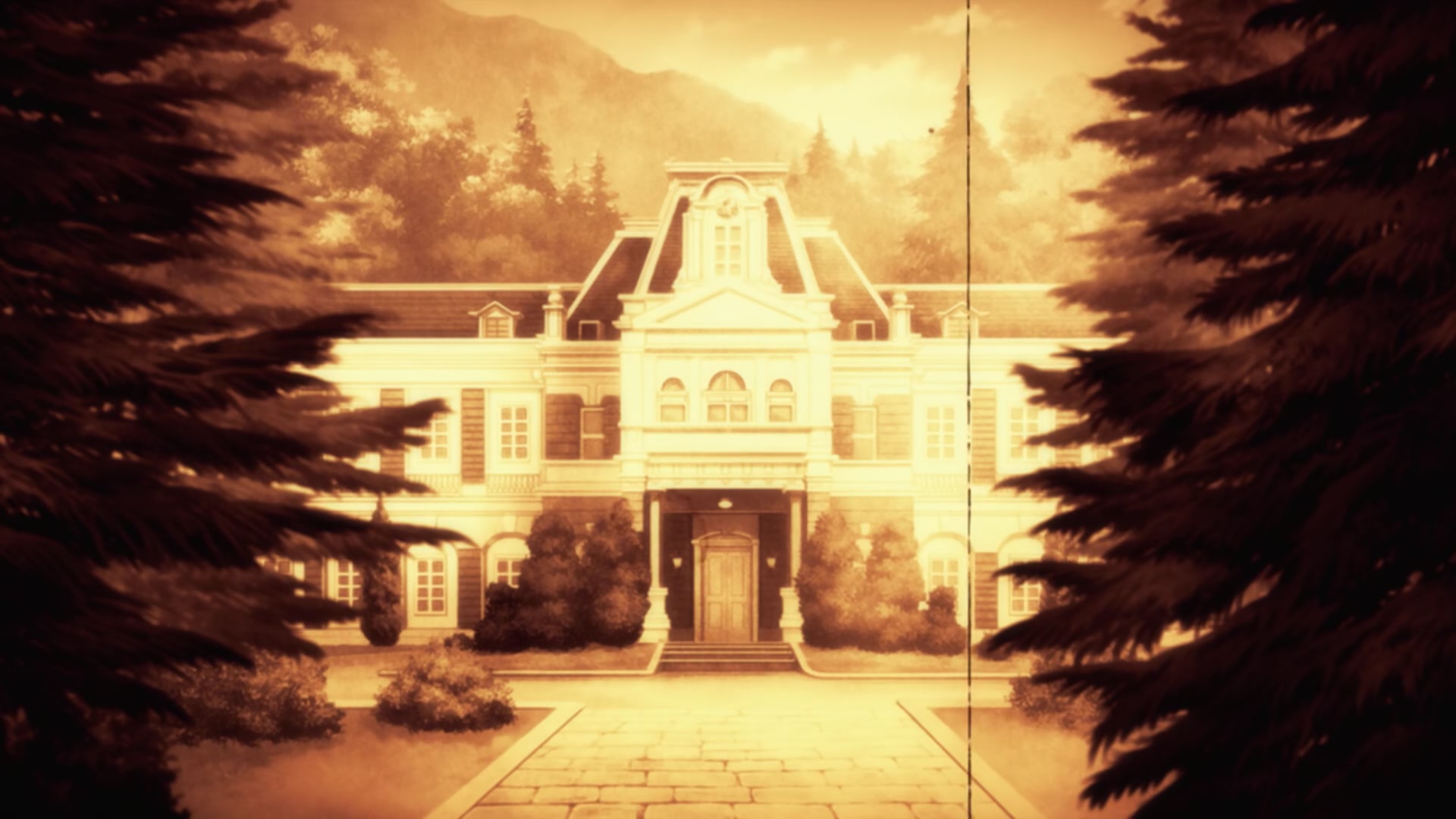
Background art is serviceable but not exceptional. Hagun Academy’s grand arena, practice grounds, and dormitories are functional. The shopping mall in Episode 3 is a realistic modern Japanese space that grounds the fantasy elements in contemporary life. The Ayatsuji dojo, with its traditional architecture and wooden floors, feels lived-in and then violated when Kuraudo’s gang takes it over. The backgrounds do their job without drawing attention to themselves, which is fine for a series whose visual priorities are clearly elsewhere.
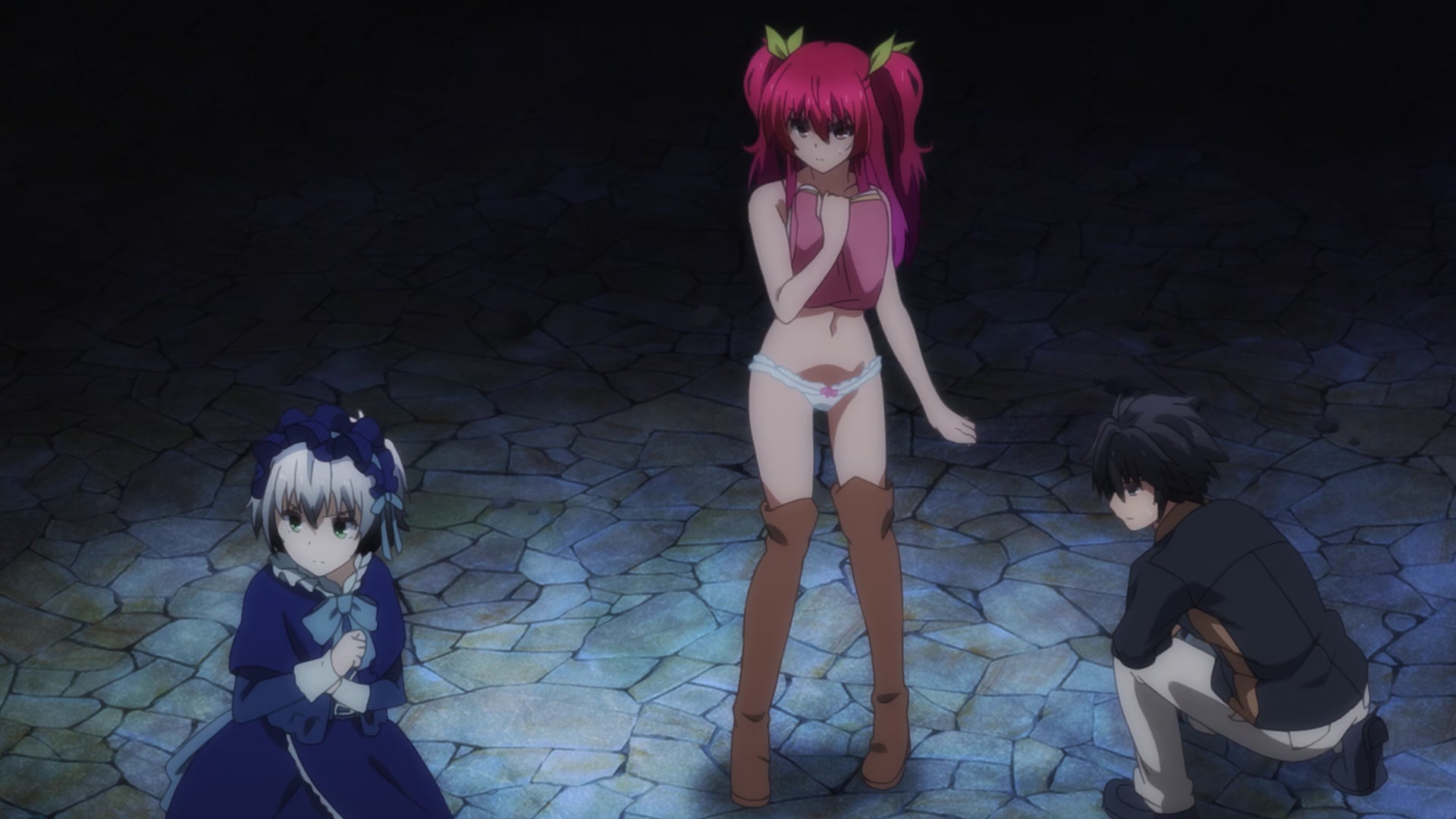
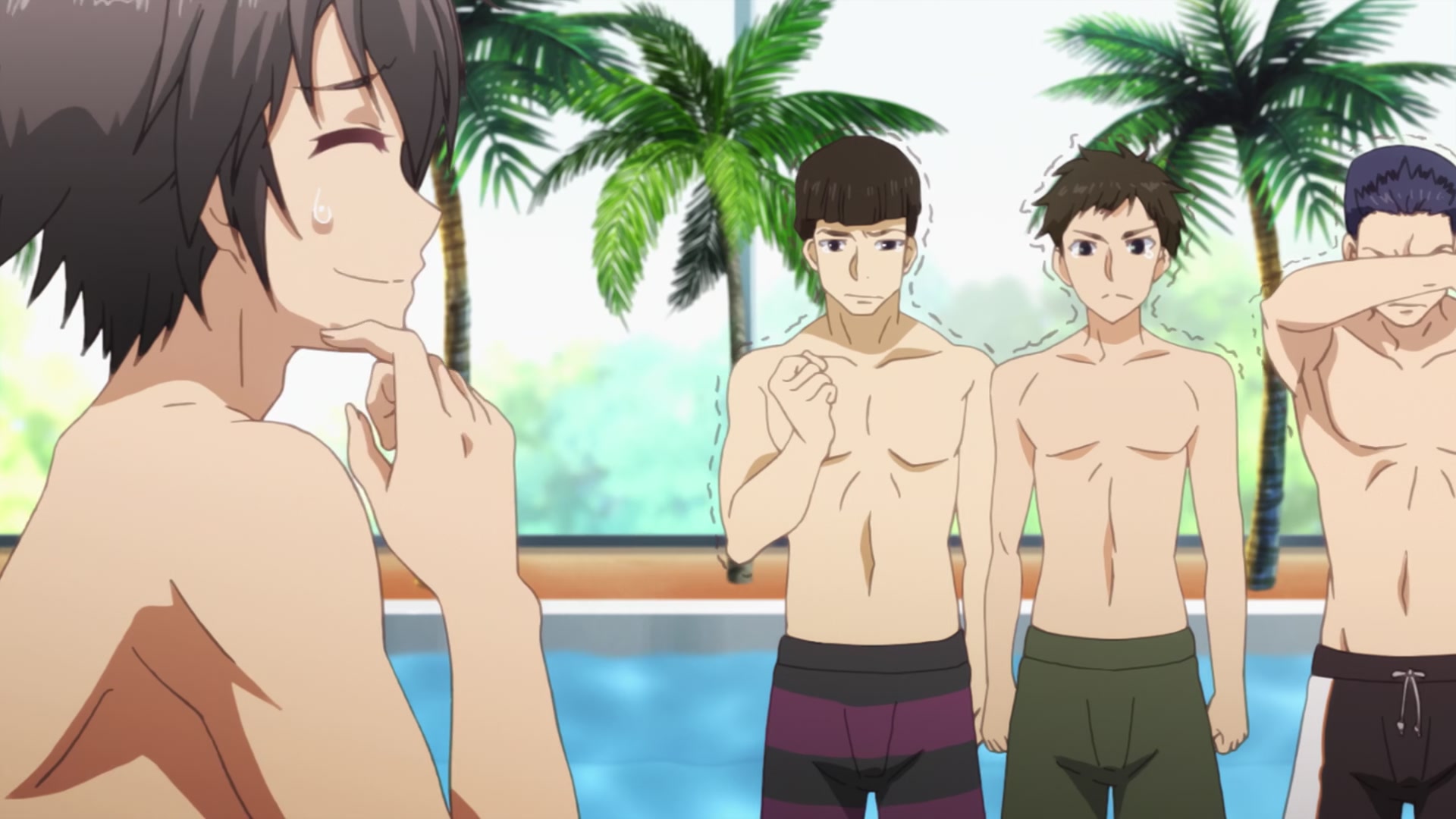
Fanservice is present but generally integrated into character dynamics rather than feeling inserted. The mutual stripping in Episode 1 is absurd and comedic, setting a tone where the series can be silly without undermining its serious moments. Stella’s body is sexualized, but she is also the one who initiates and controls the sexual tension. She offers herself, she asks for the kiss, she is an active participant rather than a passive object. The running gag about chest size between Stella and Shizuku is juvenile but in-character for both of them. Alice’s gender identity is handled without leering or punchlines, a rare example of respectful treatment in a genre that often fails at this.

Sound and Music
The opening theme, “Identity” by Sakai Mikio, is a high-energy rock track that sets the tone for the series’ blend of action and romance. Its lyrics, about refusing to be defined by others’ expectations and forging one’s own identity, align perfectly with Ikki’s character arc. The animation sequence that accompanies it is a dynamic montage of the main cast and key fight scenes, with a particularly striking shot of Ikki and Stella back-to-back that emphasizes their partnership.
The ending theme, “Haramitsu Renge” by ALI PROJECT, is a slower, more atmospheric piece that provides a cooling-down period after each episode’s events. ALI PROJECT’s distinctive style, blending classical and gothic elements with pop sensibilities, gives the ending a slightly melancholic, reflective quality that suits the series’ more introspective moments.
The voice acting is a significant strength. Osaka Ryota brings a quiet intensity to Ikki, capturing both his gentle humility and his fierce determination. His voice carries the weight of someone who has been hurt but refuses to break, and his delivery in the proposal scene is genuinely moving. Tadokoro Azusa as Stella navigates the character’s range from haughty princess to vulnerable lover with skill, and her outburst during the Kirihara match, “Don’t mock the knight I love!”, is a standout moment of vocal performance. Touyama Nao as Shizuku balances coldness and vulnerability, making the character’s emotional breakdown with Alice feel earned. Matsuoka Yoshitsugu as Alice brings a calm, knowing quality that suits the character’s role as the series’ emotional intelligence.
The sound design during fights emphasizes impact. Sword clashes have weight. The activation of Devices is accompanied by distinctive sound effects that make each summoning feel significant. The crackling of Touka’s lightning, the roar of Stella’s flames, the rush of Shizuku’s water, all have distinct audio signatures that help differentiate the combatants even in chaotic exchanges. The use of silence during the final exchange between Ikki and Touka, the world going quiet before the single decisive strike, is an effective audio choice that heightens the tension.
The background music supports the emotional beats without overpowering them. Action scenes are accompanied by driving orchestral rock that builds energy. Romantic moments use softer piano and string arrangements. The inquiry scenes employ minimal, tense underscoring that lets the dialogue carry the weight. The soundtrack is functional and well-placed, doing its job without calling excessive attention to itself.
Overall Verdict
Rakudai Kishi no Cavalry is the kind of series that rewards genre literacy. It knows the tropes of the magic academy battle show and plays with them: the tsundere princess who becomes a devoted girlfriend, the little sister with a brother complex whose feelings are treated as genuinely complicated rather than just fetishistic, the tournament arc that actually concludes, the underdog protagonist whose weakness is real and whose victories are earned through technique and strategy rather than hidden power. It has a sincerity that is increasingly rare. It believes in its themes, that effort matters, that love is worth fighting for, that the people who support you are your true strength, and it expresses those themes without irony or detachment.
The romance is a genuine strength. By committing to Ikki and Stella becoming a couple early, the series avoids the stalling that plagues many light novel adaptations and instead explores the actual challenges of an established relationship: communication, insecurity, physical intimacy, public scrutiny. Their progression from antagonistic roommates to engaged partners feels natural and earned.
The action is tactical and satisfying. Fights are won through observation, adaptation, and strategy rather than raw power escalation. Blade Steal and Perfect Vision give Ikki a unique fighting style that is interesting to watch and thematically consistent with his character. The final match against Touka, resolved in a single exchange, is a bold choice that pays off.
The animation is functional rather than exceptional. The series knows its budget limitations and works within them, using strong storyboarding, key frames, and facial acting to compensate for limited in-between animation. The character designs are effective, the color palette is thoughtful, and the climactic moments of each fight are consistently well-rendered.
The supporting cast is a mixed bag. The central trio of Ikki, Stella, and Shizuku are well-realized. Alice, Touka, and Ayase have complete, satisfying arcs. The other student council members and the Hagure twins are sketches rather than portraits, functional for their roles but not deeply developed. This is likely a consequence of the twelve-episode format, which simply does not have time to flesh out every character.
This is a series for people who love the genre but are tired of its worst habits. It is for viewers who want a romance that goes somewhere, fights with tactical depth, and a story that respects its audience enough to deliver a complete emotional arc. It is not for people who are allergic to fanservice, though the fanservice here is generally integrated into character dynamics rather than feeling gratuitous. It is not for people who demand groundbreaking originality, though it executes its familiar elements with more care than most.
If you have been burned by magic academy shows that stall their romances for entire seasons, that treat their underdog protagonists as secretly overpowered, that end on cliffhangers or anime-original non-endings, Rakudai Kishi no Cavalry is the antidote. It is a show that understands what makes the genre satisfying and delivers on those satisfactions with confidence and heart. It is not a masterpiece. But it is a damn good show, and it deserves to be remembered.

Gallery