





Introduction
There is a particular comfort in romance anime that takes its time, that lets relationships breathe and grow through small moments rather than grand gestures. Amagami SS and its sequel Amagami SS+ plus belong to this tradition, offering something increasingly rare in the medium: a genuine anthology of love stories where each heroine receives her own complete narrative arc. The series adapts Enterbrain’s 2009 visual novel of the same name, and it embraces the source material’s omnibus structure with remarkable confidence. Each route resets the timeline, allowing protagonist Tachibana Junichi to fall in love with a different girl, and each story stands alone as a complete romantic journey.
The premise is deceptively simple. Two years before the main story, on Christmas Eve, Junichi was stood up by a girl he had asked out. That wound has never fully healed. He has become afraid of love, hesitant to pursue romance, and prone to retreating into his own private world. The series follows his gradual emergence from that shell through his interactions with six very different heroines. What makes this structure work is that Junichi remains fundamentally the same person across all routes. His kindness, his awkwardness, his occasional perverted streak, and his deep-seated fear of vulnerability are constants. What changes is how each heroine draws out different aspects of his personality and helps him grow in different ways.
This is a series for viewers who appreciate slow-burn romance, who enjoy watching characters fumble toward connection, and who don’t mind a healthy dose of fanservice and comedy mixed in with genuine emotional depth. It is not a series for those seeking high-stakes drama or visual spectacle. It is, instead, a warm and patient exploration of what it means to love again after being hurt.
Story and Themes
The Omnibus Structure
The omnibus format is the defining feature of Amagami SS. Rather than forcing a single canonical pairing, the series gives each heroine her own timeline. The first season dedicates four episodes to each of the six main heroines, with the exception of Kamizaki Risa, who receives a single episode that serves as a hidden route. The second season, Amagami SS+ plus, revisits each couple in two-episode after-stories that introduce new conflicts and test the established relationships.
This structure has significant advantages. It allows the series to explore multiple relationship dynamics without the awkwardness of a harem setup where one girl must eventually win. Each route feels complete and satisfying on its own terms. The reset mechanism also means that Junichi’s development can be replayed and recontextualized. In the Morishima Haruka route, he learns to be bold and persistent. In the Nakata Sae route, he learns patience and mentorship. In the Ayatsuji Tsukasa route, he learns to see past surfaces. These are not contradictory developments but complementary facets of the same character.
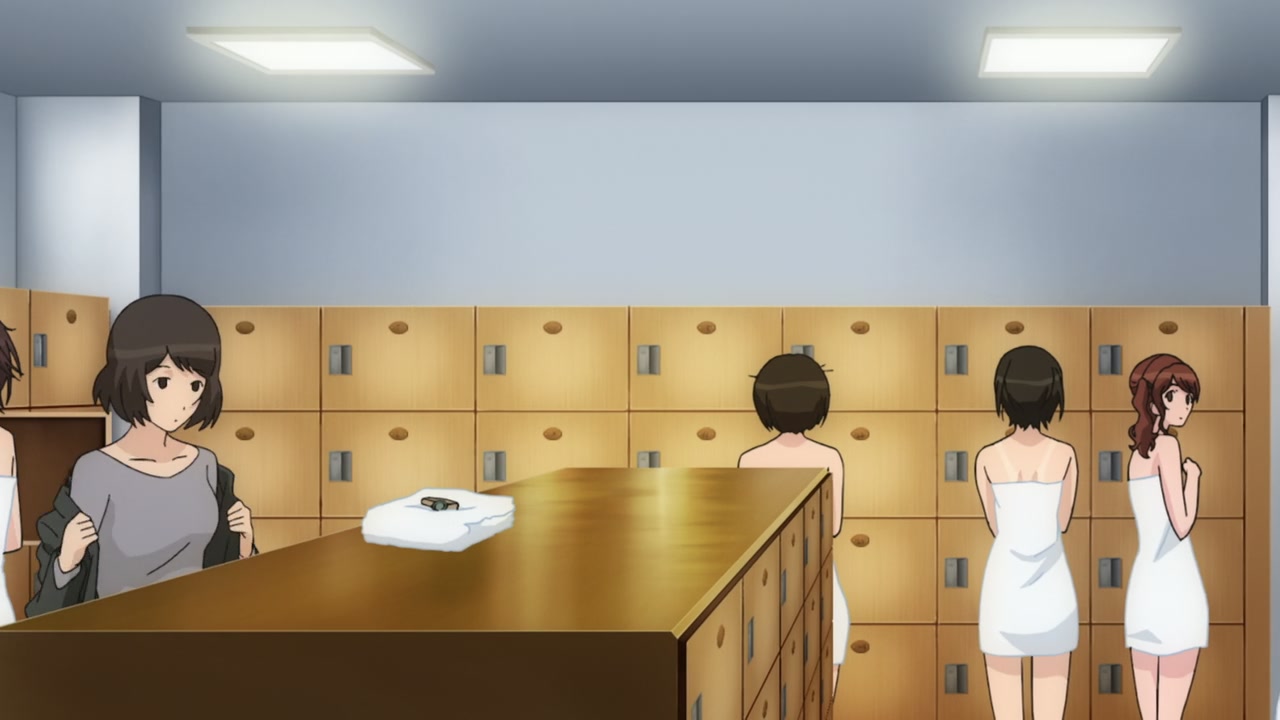
The sequel arcs in SS+ plus are a welcome addition, though they are uneven. Some, like Haruka’s, use the two-episode format effectively to build toward a satisfying climax. Others, like Rihoko’s, feel rushed despite the emotional payoff. The hot springs special that closes the second season is pure fanservice with no plot, a lighthearted coda that exists primarily to give the female cast a chance to interact outside the constraints of their individual routes.
Christmas as Wound and Healing
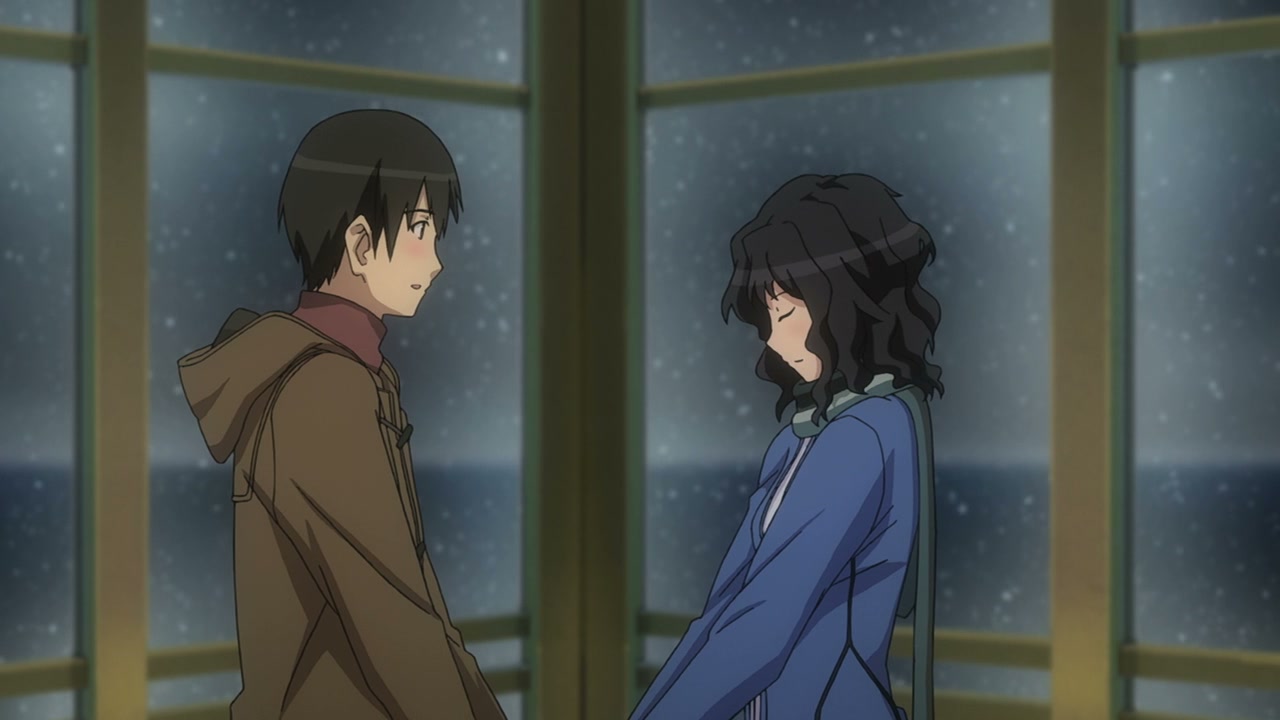
Christmas is the emotional center of the series. The holiday functions as both trauma trigger and potential salvation. Junichi’s fear of love is tied directly to being stood up on Christmas Eve, and each route uses the holiday or the Founder’s Festival as a climactic moment where he must confront that fear and choose to move forward.
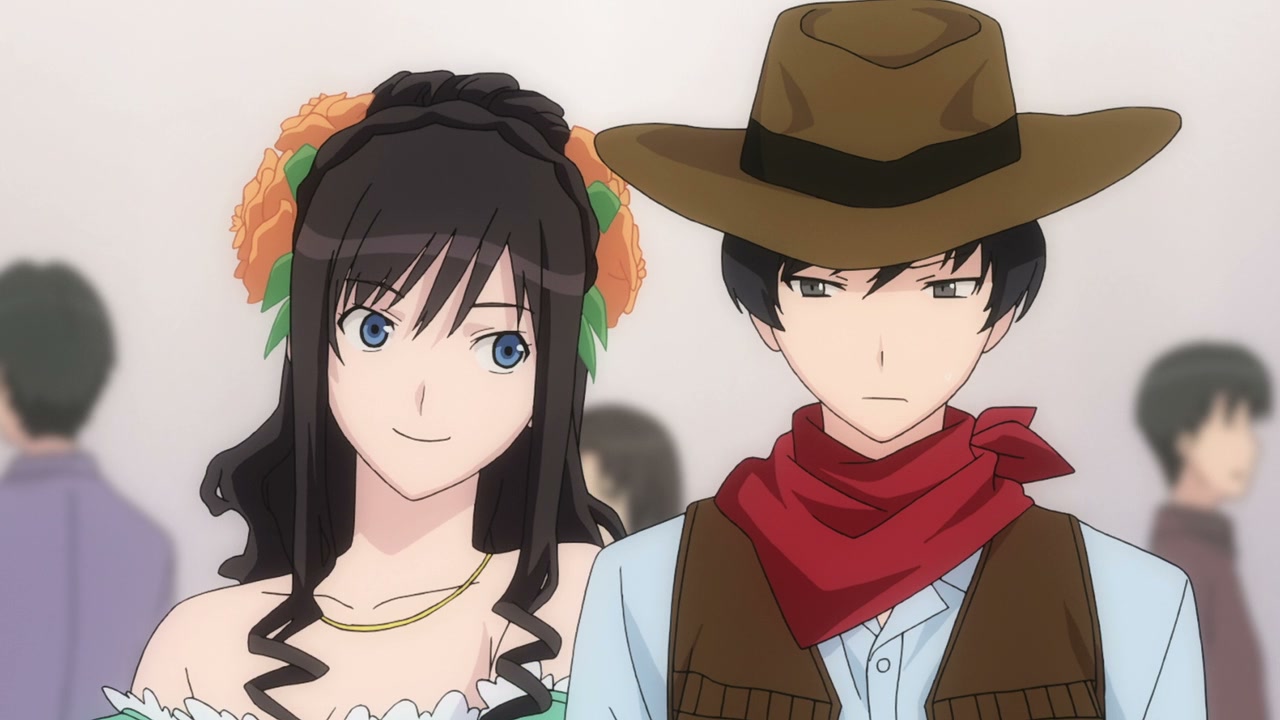
The Founder’s Festival, held on Christmas Eve to celebrate the school founder’s birthday, becomes a symbolic battleground. It is where past pain meets present hope. In the Morishima route, the festival is where Junichi and Haruka’s relationship reaches its turning point. In the Ayatsuji route, the festival is the culmination of Tsukasa’s efforts to bring happiness to others. In the Nakata Sae route, the Best Couple contest at the festival becomes a public declaration of their bond.
The series argues that healing from trauma requires active effort. Junichi cannot simply wait for love to find him. He must pursue it, even when it terrifies him. His journey from the boy who couldn’t bring himself to attend the festival in the first episode to the man who publicly proposes at graduation in the sequel is the series’ true arc.
Hidden Selves and Masks
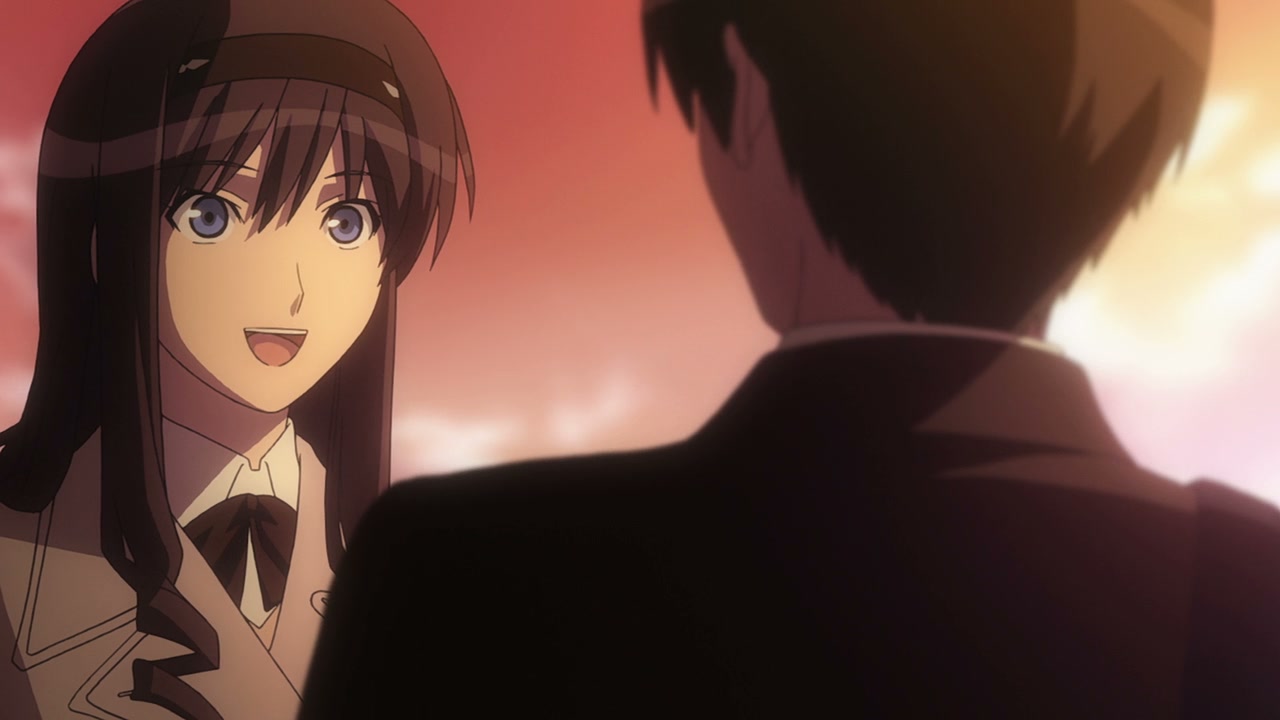
Many heroines in Amagami SS have a public face and a private self. Ayatsuji Tsukasa is the most obvious example. She presents herself as the perfect class representative, helpful and hardworking, but her private personality is sharp-tongued, proud, and manipulative. The series does not treat this duality as a simple mask to be discarded. Instead, it suggests that both sides are genuinely her. Junichi’s acceptance of her hidden self is what allows their relationship to flourish.
Nanasaki Ai also hides her loneliness behind a cool, capable exterior. She manages her household, cares for her younger brother, and leads the swim club, but she struggles to express her own emotional needs. Her arc is about learning to rely on someone else.
Kamizaki Risa’s hidden self is the most dramatic. She presents herself as a cheerful girl who suddenly confesses to Junichi, but she is revealed to be guilt-ridden and obsessive, haunted by her role in the Christmas Eve trauma. Her route reframes the entire series, suggesting that Junichi’s wound was not random but the result of a specific person’s misguided actions.
The series argues that true intimacy involves seeing and accepting the hidden parts of a person. Love is not about finding someone perfect but about finding someone whose flaws you can embrace.
Mentorship and Growth
The Nakata Sae route frames love as a form of teaching. Junichi becomes her “Instructor,” guiding her through a series of training exercises designed to help her overcome her extreme shyness. These exercises are comedic, including talking to vending machines and speed-changing drills, but they reflect real social anxiety. Sae’s growth from a girl who runs away from strangers to a confident committee president is the series’ most dramatic character arc.
The mentorship dynamic creates a power imbalance that is both touching and slightly uncomfortable. Sae looks up to Junichi with pure adoration, while Junichi feels a protective, nurturing love. The series handles this dynamic with care, allowing Sae to gradually take initiative in the relationship. By the sequel arc, she has become the Founder’s Festival committee president, a role that requires her to be assertive and decisive.
The Hero Show as Metaphor
The fictional hero show Inago Mask appears in multiple routes, most prominently in Sae’s. It represents childhood innocence, courage, and the desire to be a hero. Sae’s love of the show connects to her wish to be brave. The transformation poses, catchphrases, and monster-of-the-week format are lovingly recreated, and the series treats this “childish” interest with respect rather than mockery.
In the Kaoru route, the hero show becomes a part-time job that goes hilariously wrong. In the Ai route, an Inago Mask action belt becomes a symbol of connection between Ai and her younger brother. The hero show’s campy villains and transformations mirror the series’ own tonal shifts between comedy and drama.
Food as Love Language
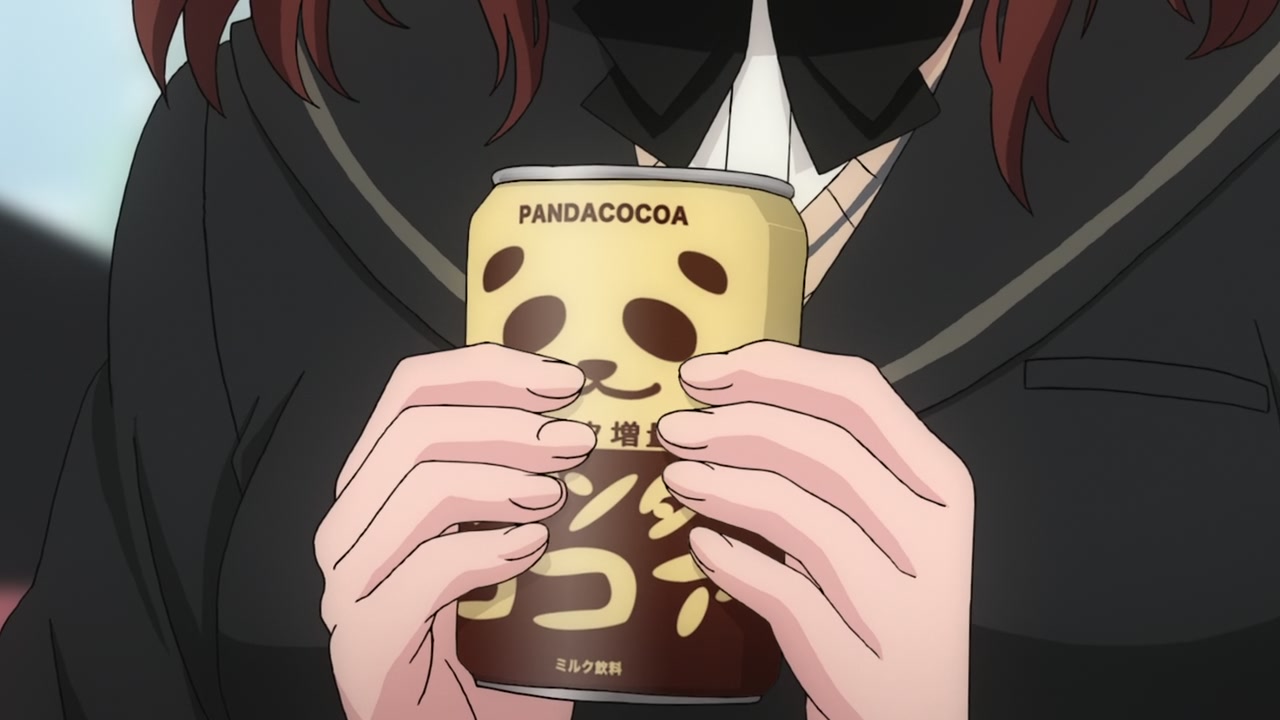
Food serves as a way to express care when words fail. Rihoko’s cooking is her primary means of showing affection. Her failed diets are comedic but also reflect her insecurity about being worthy of love. Kaoru’s obsession with limited-time snacks is a running gag that also reveals her impulsive, pleasure-seeking nature. Sae’s café work and her love of panda cocoa become small details that Junichi learns to notice and remember.
The meat bun running gag with Miya adds levity while reinforcing family bonds. Miya’s love of meat buns is a constant source of humor, but it also grounds the series in a sense of everyday domesticity.
Characters
Tachibana Junichi
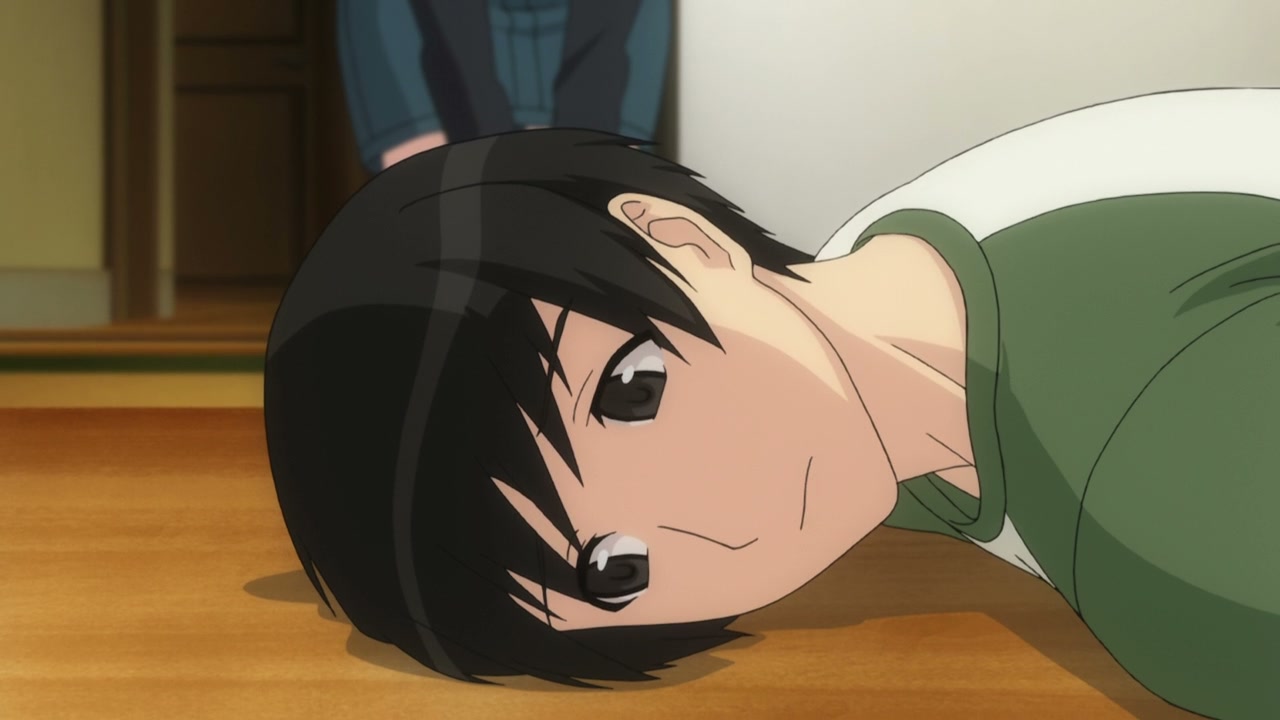
Junichi is defined by a fundamental contradiction. He is simultaneously afraid of love and desperately lonely. The Christmas Eve trauma has left him with what the series explicitly calls “scars,” a fear of vulnerability that manifests as indecisiveness, overthinking, and a tendency to retreat into his closet planetarium, a private space decorated with hand-drawn stars where he can escape from the world.
His kindness is not performative but instinctive. He helps a flustered freshman buy bread without hesitation, carries Haruka’s stack of dog photo books without complaint, searches for Kaoru when she goes missing, trains Sae to overcome her shyness, helps Ai study for her math exam, and joins the Tea Club so Rihoko won’t be alone. This kindness is the foundation upon which all his relationships are built.
Junichi is also deeply flawed. He is a self-admitted pervert, prone to fantasizing about the heroines in compromising situations. This trait is played for comedy but also serves a deeper purpose. It humanizes him and makes his romantic struggles relatable. He is not a perfect prince but a normal teenage boy with normal teenage desires, trying to navigate the terrifying waters of first love.
His development across routes follows a consistent arc from fear to courage, from passivity to action. In the Morishima route, he confesses, is rejected, but refuses to give up. His second confession is more heartfelt, and his persistence eventually wins Haruka’s heart. By the sequel arc, he has grown so much that he can publicly propose to her at graduation. In the Nakata Sae route, his development is framed as mentorship. By helping Sae, Junichi also grows, learning to be more patient and understanding. In the Ayatsuji route, he learns to see past surfaces and accept people in their full complexity.
Morishima Haruka
Haruka is the school idol, beautiful, popular, and seemingly unattainable. Her quarter-English background gives her a unique appearance, and her playful, energetic personality makes her the center of attention wherever she goes. She loves dogs, often comparing Junichi to a puppy, and she approaches life with a childlike enthusiasm that is both endearing and exhausting.
Beneath her cheerful exterior, Haruka harbors significant insecurities. She is older than Junichi, and she worries that this age gap makes her less appealing. She also fears that her demanding, playful nature might drive him away. These insecurities are most visible in the hotel room scene, where she turns off the lights and confronts Junichi about not peeking at her in the bath. Her tears reveal a vulnerability that contradicts her public image.
The relationship between Haruka and Junichi is characterized by a playful power imbalance. Haruka initiates most of their interactions, pulling Junichi into her world of leapfrog games, dog photo books, and elaborate role-playing scenarios. She teases him mercilessly, but her teasing is always affectionate. She is testing him, seeing if he can keep up with her energy and match her enthusiasm.
Tanamachi Kaoru
Kaoru is Junichi’s best friend and classmate, a tomboyish girl with a sharp tongue and a heart of gold. She is fiercely loyal, as demonstrated by her confrontation with the boy who mocked Keiko’s love letter. She is hardworking, holding down a part-time job to help her single mother. She is also deeply sensitive, though she hides this sensitivity behind a wall of teasing and bravado.
Kaoru’s family situation is a significant source of tension in her arc. Her mother’s potential remarriage threatens her sense of stability and her identity as the “woman of the house.” This conflict forces Kaoru to confront her own fears about change and her place in the world.
The relationship between Kaoru and Junichi is built on a foundation of friendship. They have known each other since middle school, and their interactions are characterized by easy familiarity and playful antagonism. The shift from friendship to romance is gradual and fraught with tension. The accidental kiss is a catalyst, forcing both of them to confront feelings they had been suppressing.
Nakata Sae
Sae is the epitome of a shy, “moe” character. She is extremely timid, afraid of strangers, and even scared of small dogs. Her large chest is a constant source of comedy and fanservice, but it also serves as a metaphor for her hidden depths. She is more than just a shy girl. She has a rich inner life and a capacity for great courage.
Sae’s love for the hero show Inago Mask is a key aspect of her character. It represents her desire to be brave, to be a hero, to overcome her fears. Her journey from timid freshman to confident committee president is a testament to her inner strength.
The relationship between Sae and Junichi is framed as mentorship. Junichi becomes her “Instructor,” guiding her through training exercises designed to help her overcome her shyness. This dynamic creates a power imbalance that is both comedic and touching. Sae looks up to Junichi with pure, unwavering adoration, while Junichi feels a protective, nurturing love for her.
Nanasaki Ai
Ai is a “kuudere,” cool, composed, and often sarcastic. She is highly responsible, managing her household chores and caring for her younger brother, Ikuo. She is a dedicated swimmer and a natural leader, eventually becoming the captain of the Girls Swim Club.
Beneath her cool exterior, Ai is deeply lonely. She has few close friends and struggles to express her emotions. Her relationship with her younger brother is strained, as he has been acting distant. This loneliness is a key driver of her arc, as she gradually opens up to Junichi and learns to rely on him.
The relationship between Ai and Junichi is characterized by a playful antagonism. Ai is quick to call Junichi a pervert and to scold him for his inappropriate behavior. But beneath this antagonism lies a genuine affection. Ai is drawn to Junichi’s kindness and his willingness to help others, even if she would never admit it.
Sakurai Rihoko
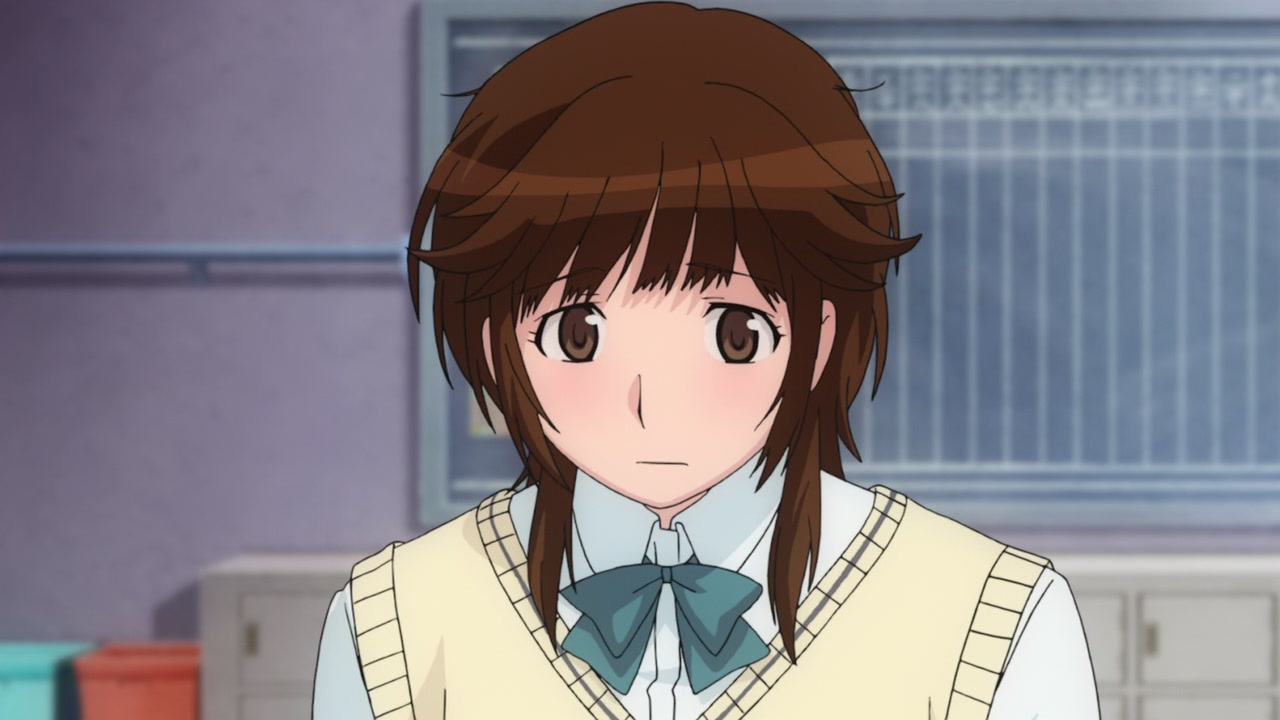
Rihoko is Junichi’s childhood friend, a sweet, clumsy girl who loves food and is constantly on a failed diet. She has been in love with Junichi since kindergarten but has never been able to confess. Her love is patient and enduring, a quiet constant in Junichi’s life.
Rihoko’s clumsiness is a defining trait. She trips, falls, gets stuck in fences, and generally causes chaos wherever she goes. But this clumsiness is endearing rather than annoying, and it highlights her essential sweetness. She is a good person who tries her best, even when things don’t go her way.
The relationship between Rihoko and Junichi is characterized by easy familiarity. They have known each other their entire lives, and their interactions are comfortable and unforced. This familiarity is both a blessing and a curse. It makes their relationship strong, but it also makes it difficult for them to see each other as romantic partners.
Ayatsuji Tsukasa
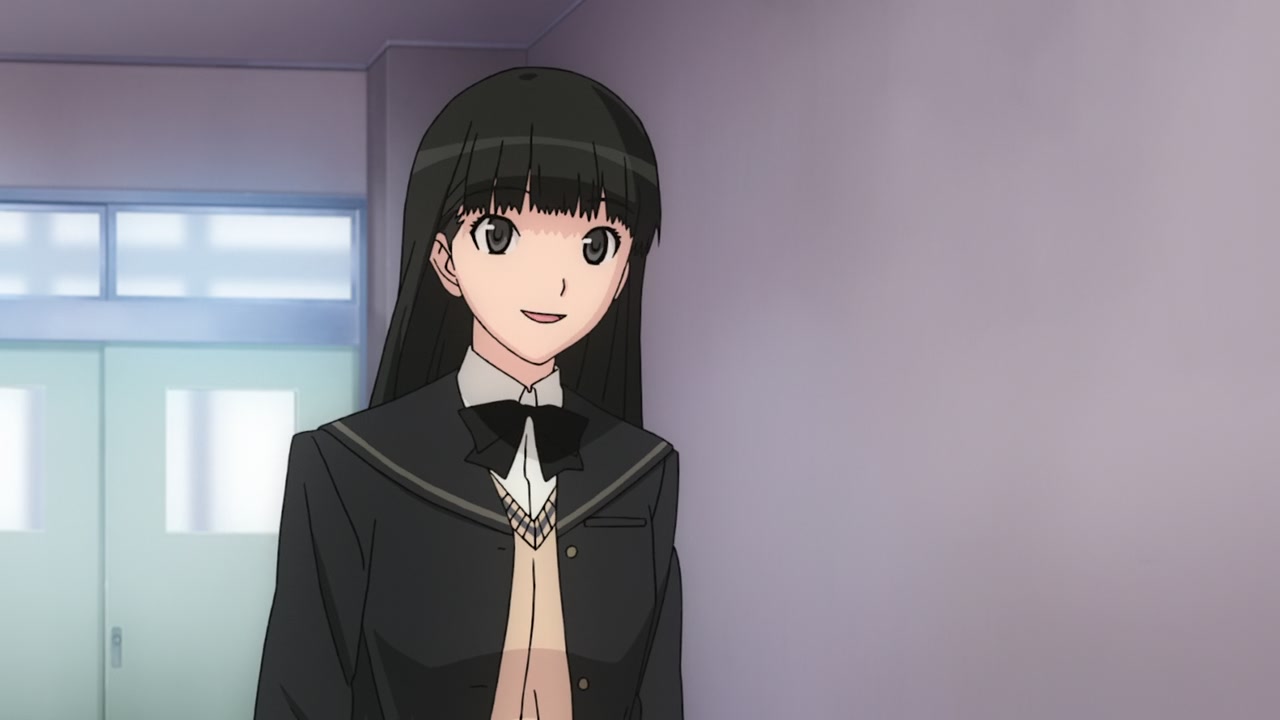
Tsukasa is a study in contrasts. In public, she is the perfect class representative, smart, helpful, and hardworking. In private, she is sharp-tongued, proud, and manipulative. This duality is the core of her character, and it creates a fascinating dynamic with Junichi.
Tsukasa’s hidden personality is not a mask but a different facet of her true self. She is genuinely hardworking and genuinely wants to help others, but she is also genuinely proud and genuinely manipulative. These traits are not contradictory but complementary. They are all part of who she is.
The relationship between Tsukasa and Junichi is combative but ultimately loving. Junichi discovers her hidden personality and, instead of being repelled, is drawn to her complexity. He sees past her public image and accepts her for who she truly is.
Kamizaki Risa
Risa is a hidden heroine whose route reveals the truth behind Junichi’s trauma. She is initially presented as a cute, cheerful girl who suddenly confesses to Junichi. But she is revealed to be deeply insecure and guilt-ridden, haunted by her past actions.
Risa’s love for Junichi is obsessive and all-consuming. She has been watching over him since elementary school, and she is willing to do anything to protect him, even if it means hurting others. Her actions are misguided but understandable, driven by a deep-seated fear of losing him.
The relationship between Risa and Junichi is built on a foundation of guilt and secrecy. Risa insists on keeping their relationship a secret, which confuses and frustrates Junichi. He senses that something is wrong, but he doesn’t know what. The revelation of the truth is a turning point, forcing both of them to confront the past and decide whether their relationship can survive.
Visuals and Animation
Lighting and Color Scripting
The series’ strongest visual asset is its use of lighting. The color palette shifts deliberately to match emotional states, creating a visual language that supports the narrative without overwhelming it.
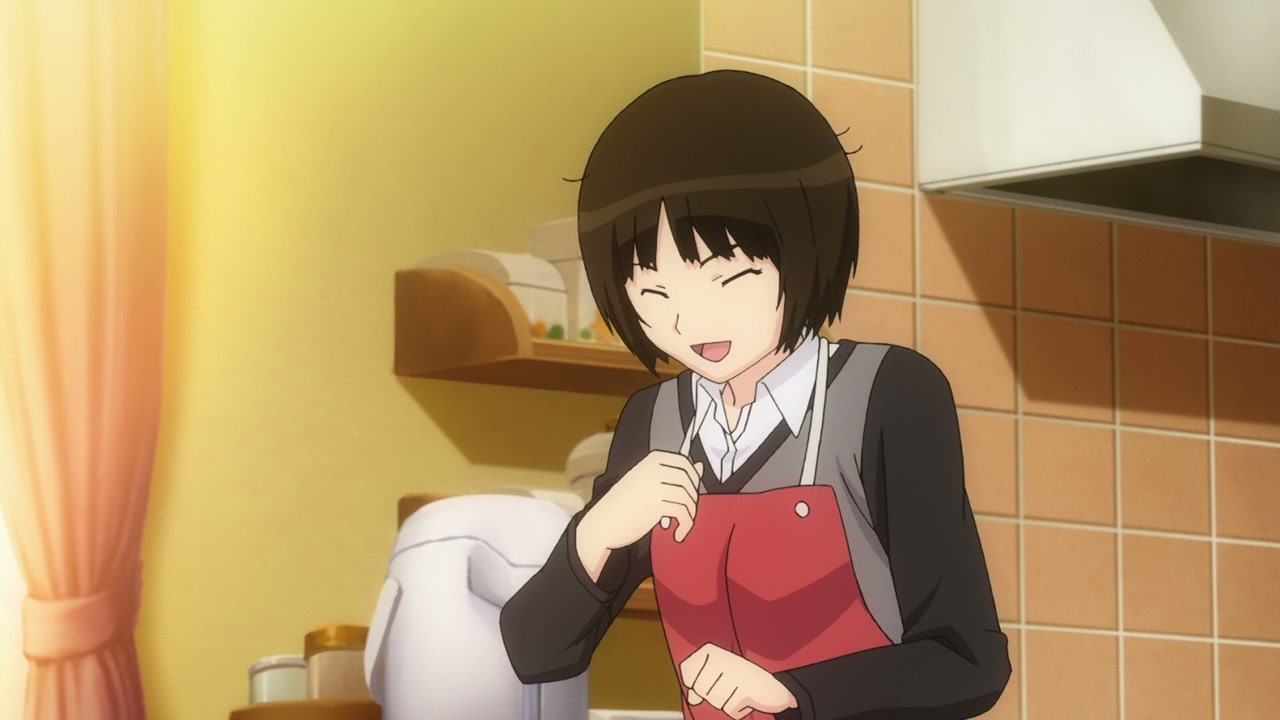
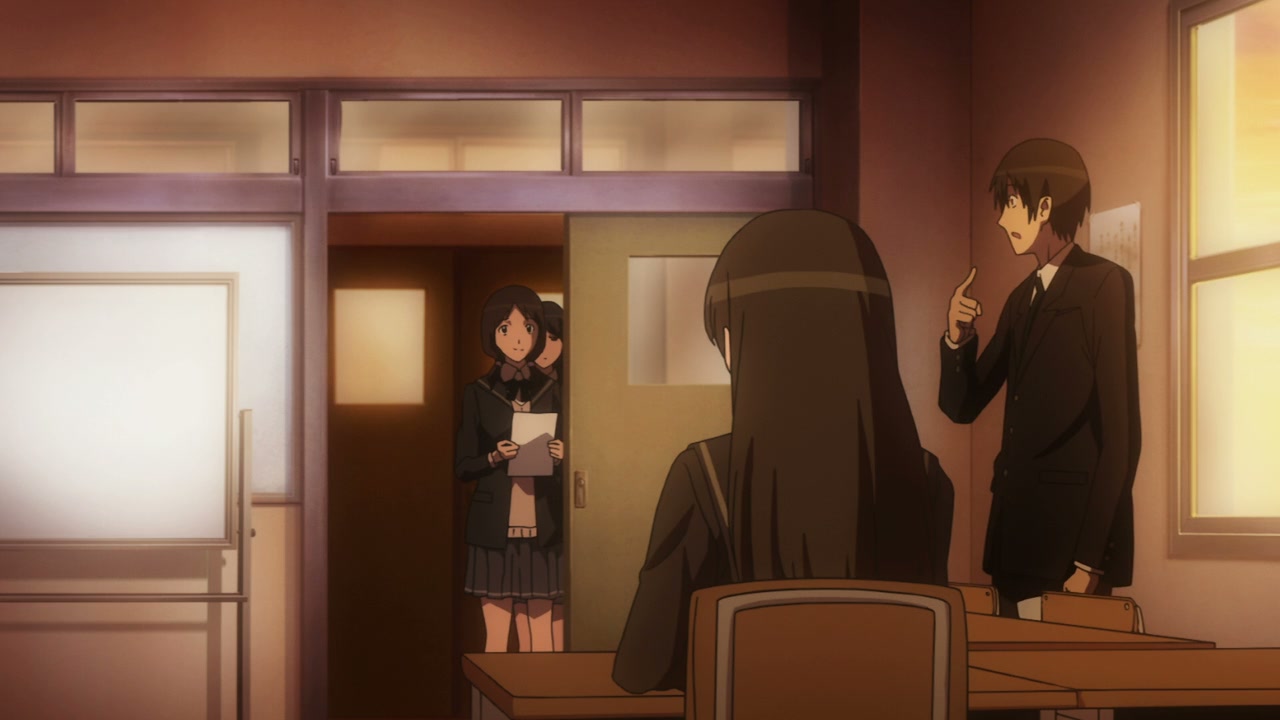
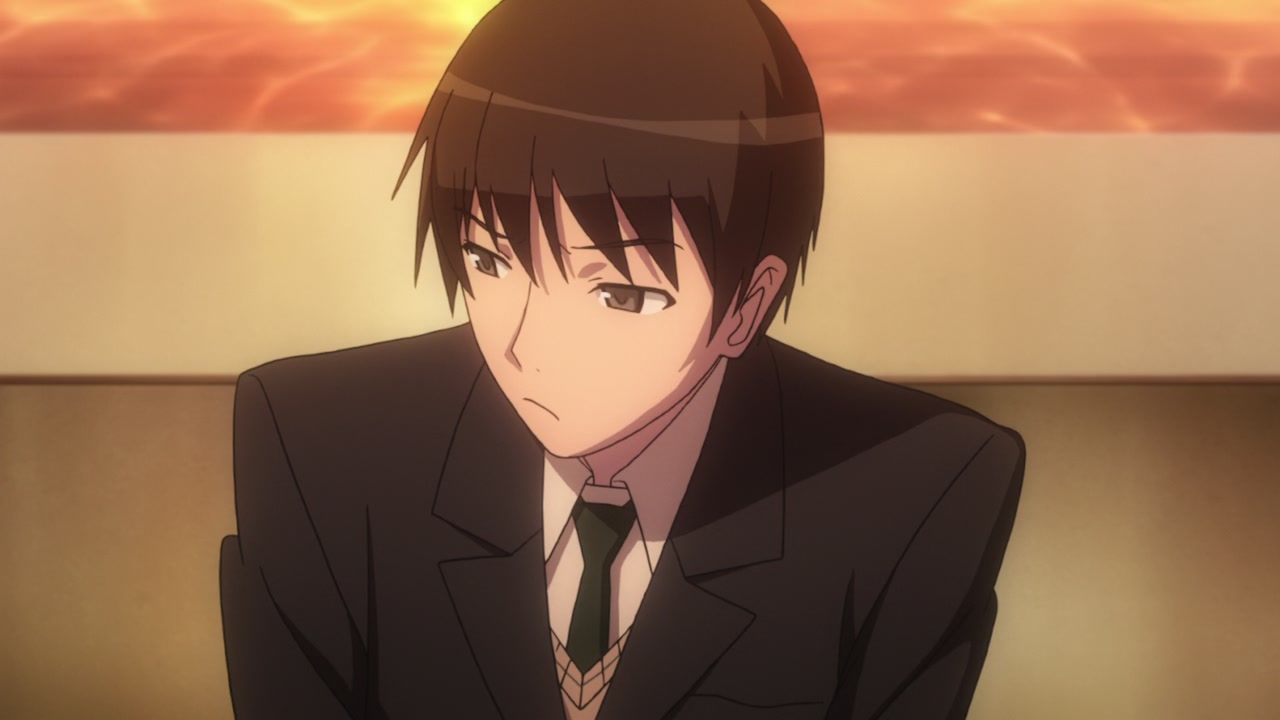
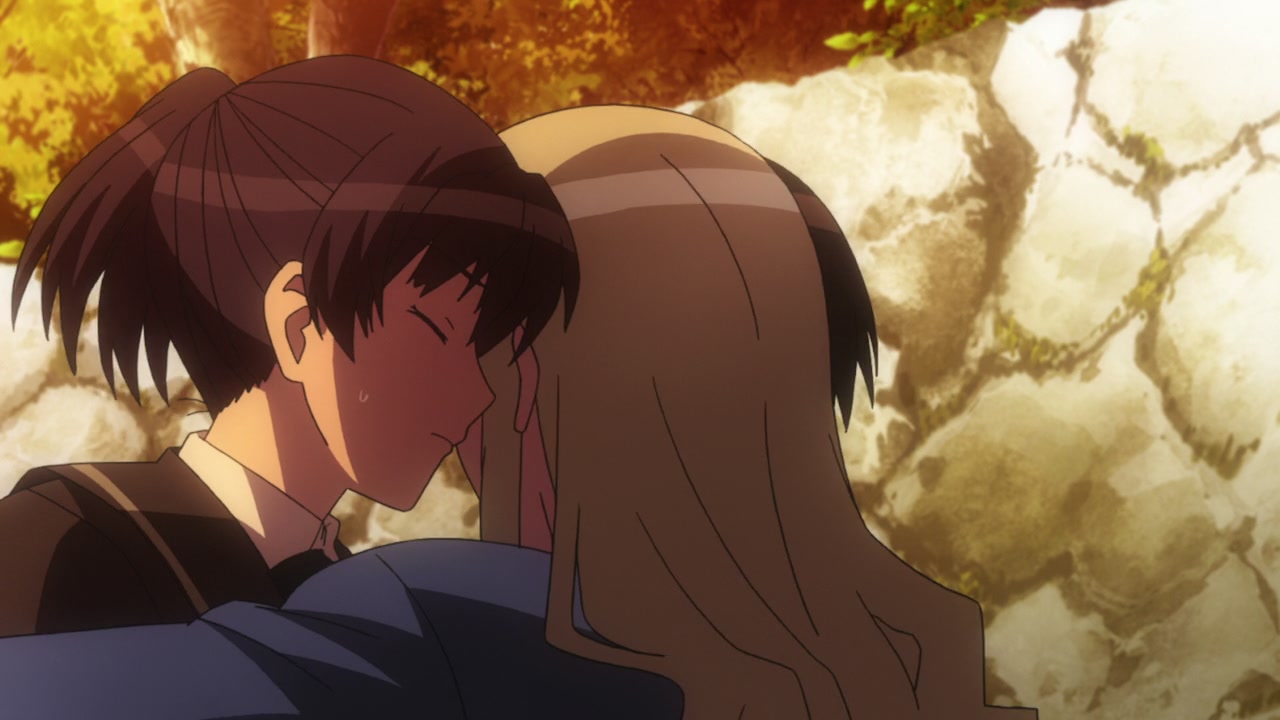
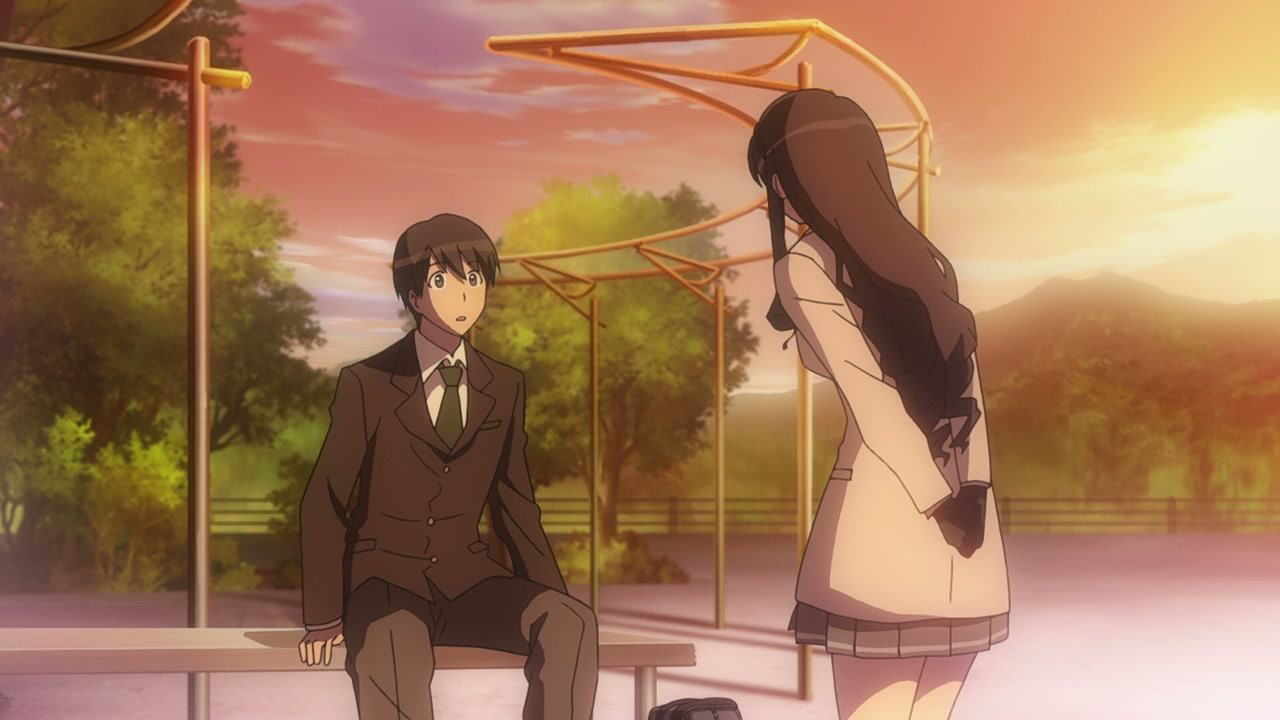
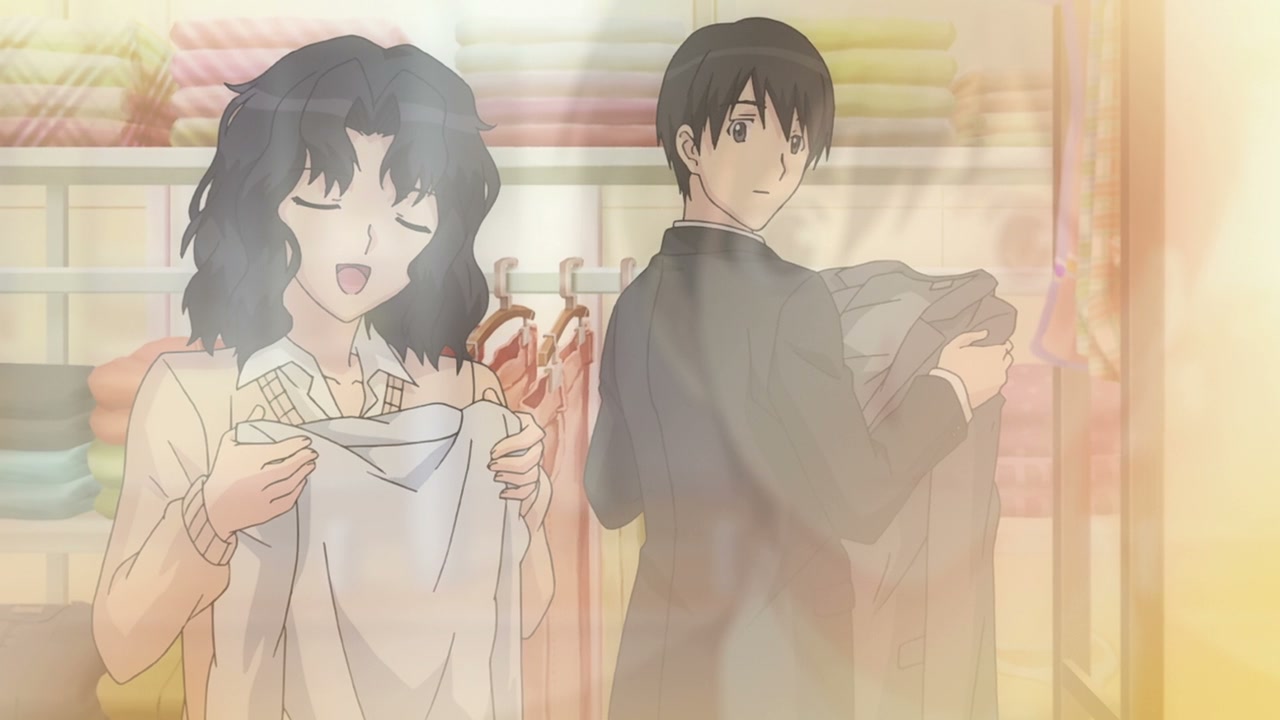
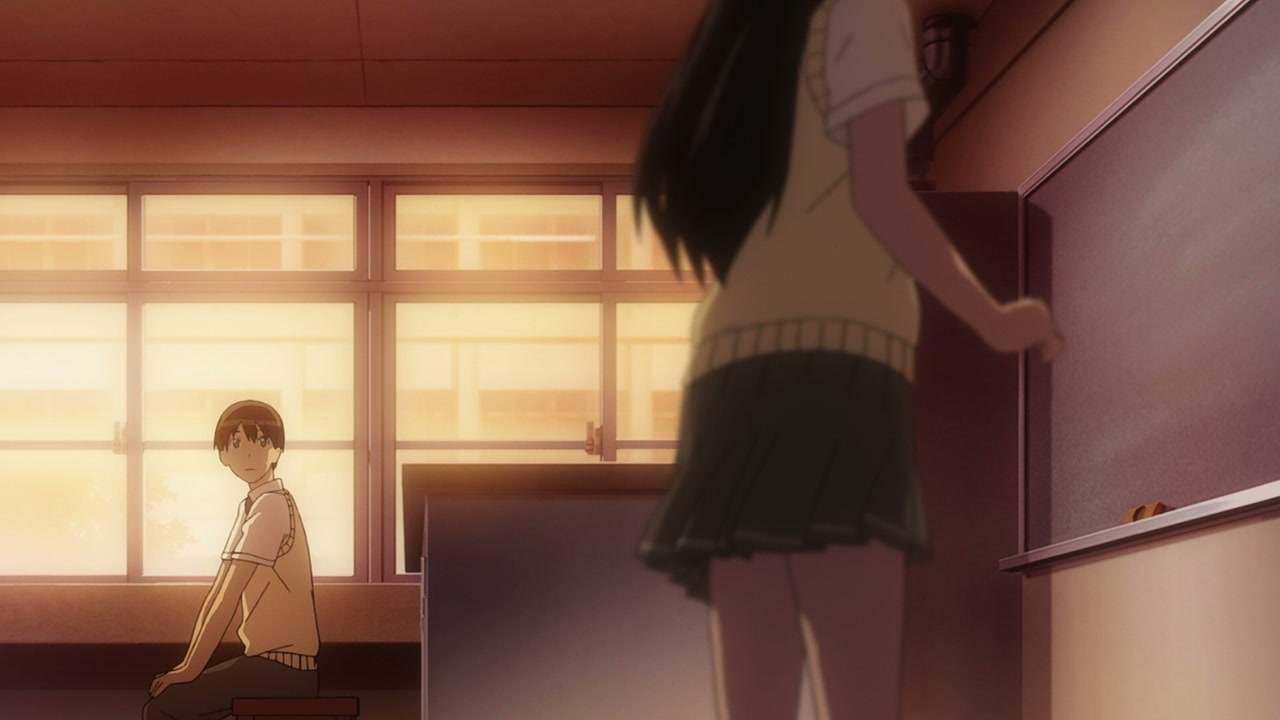
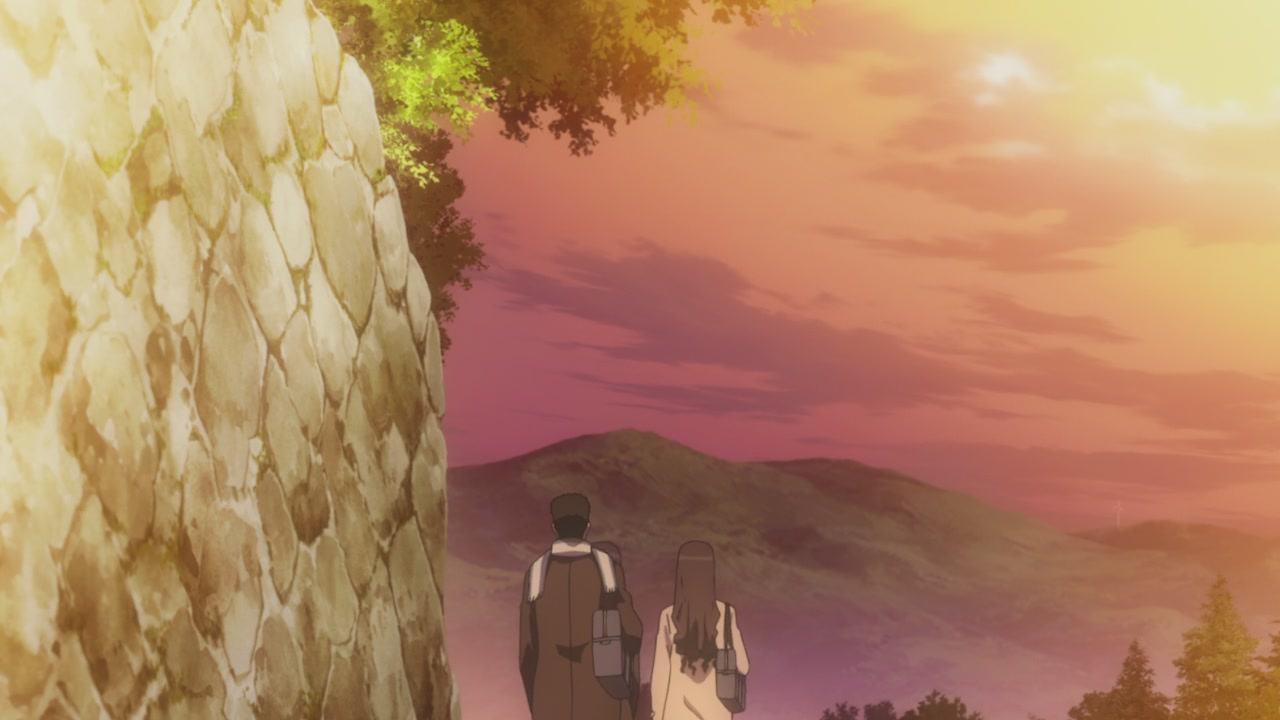
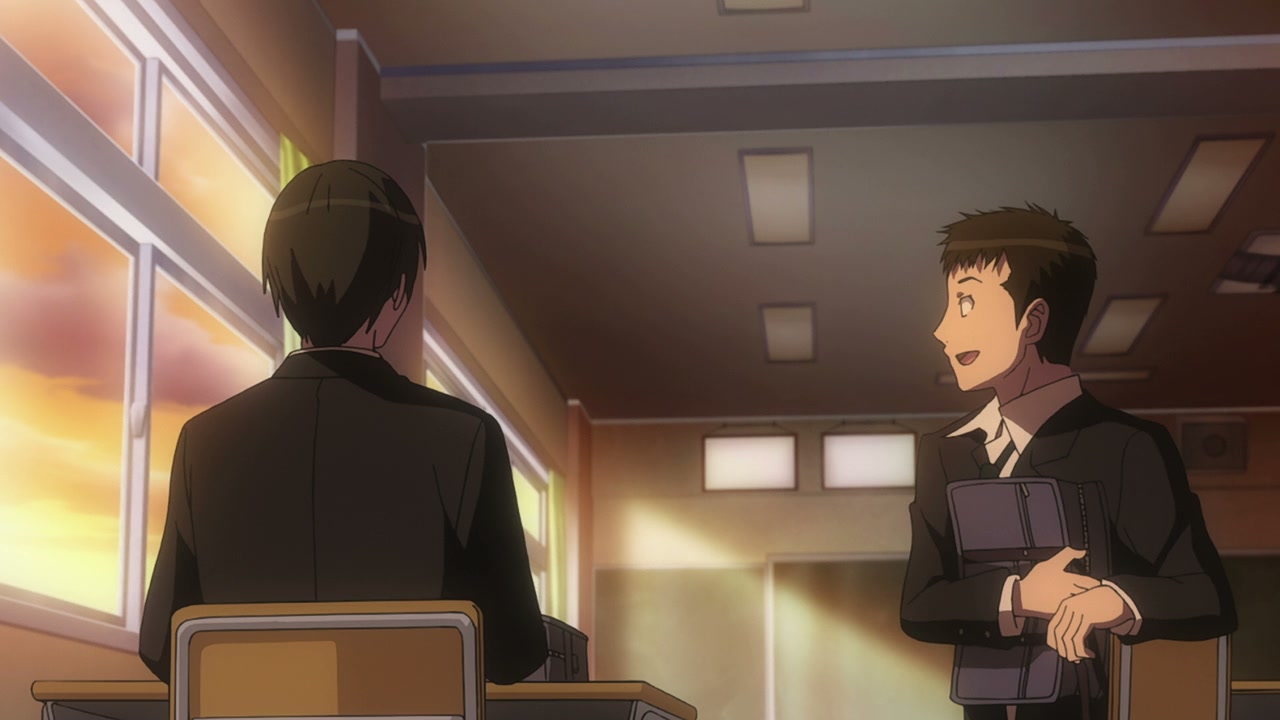
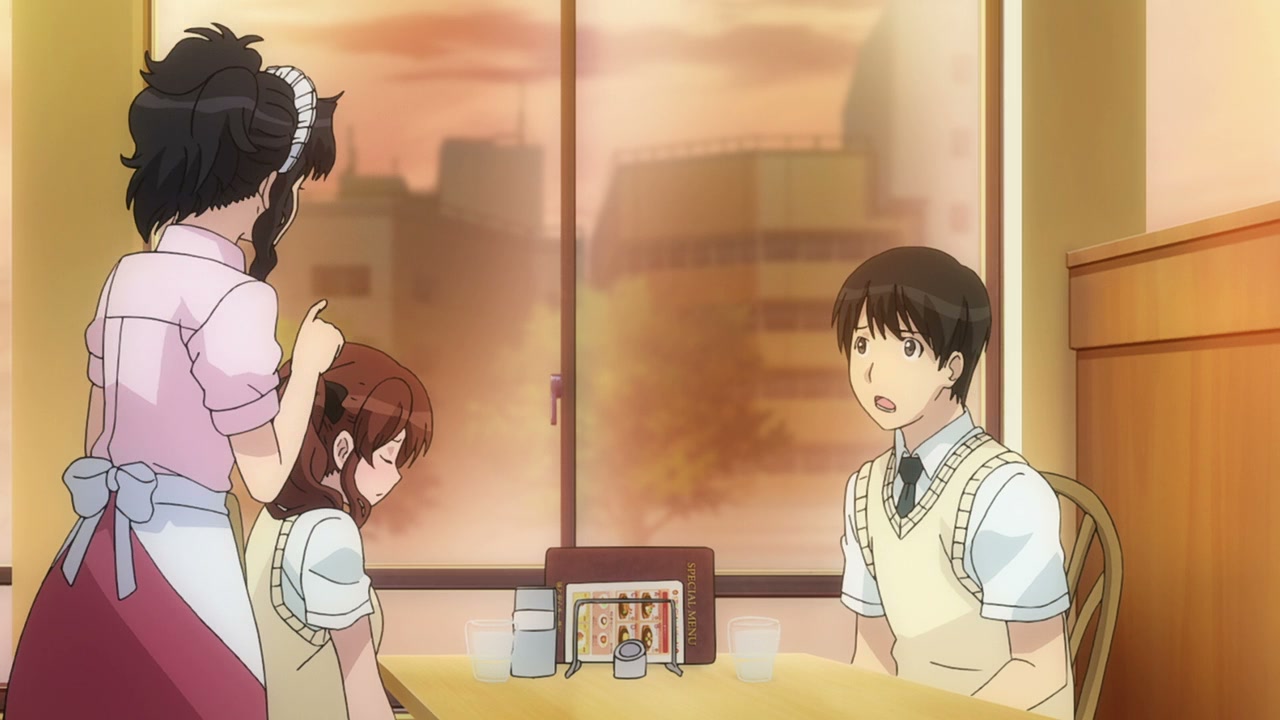
Golden hour scenes are a recurring motif. Warm, saturated oranges and yellows create a nostalgic, romantic atmosphere. These scenes often use backlighting to create rim-light effects on hair, separating characters from the background during intimate moments. The effect is particularly striking in outdoor scenes, where the setting sun casts long shadows and bathes everything in a soft, warm glow.
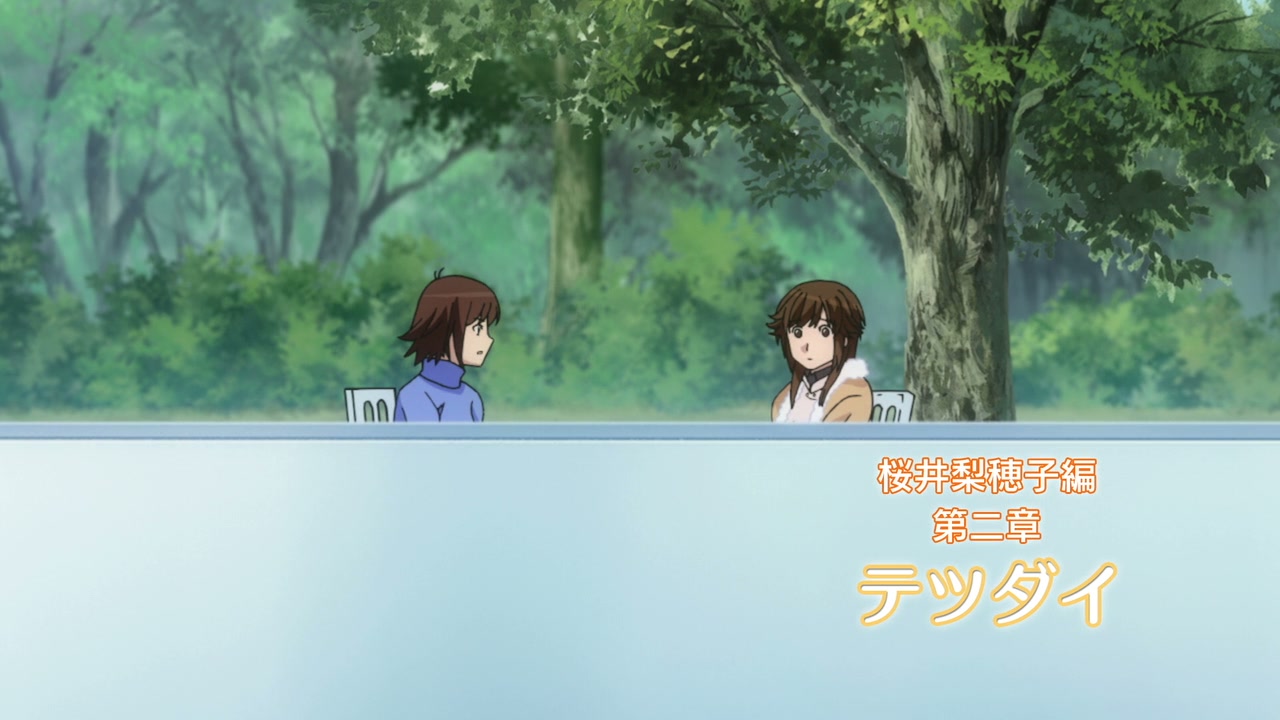
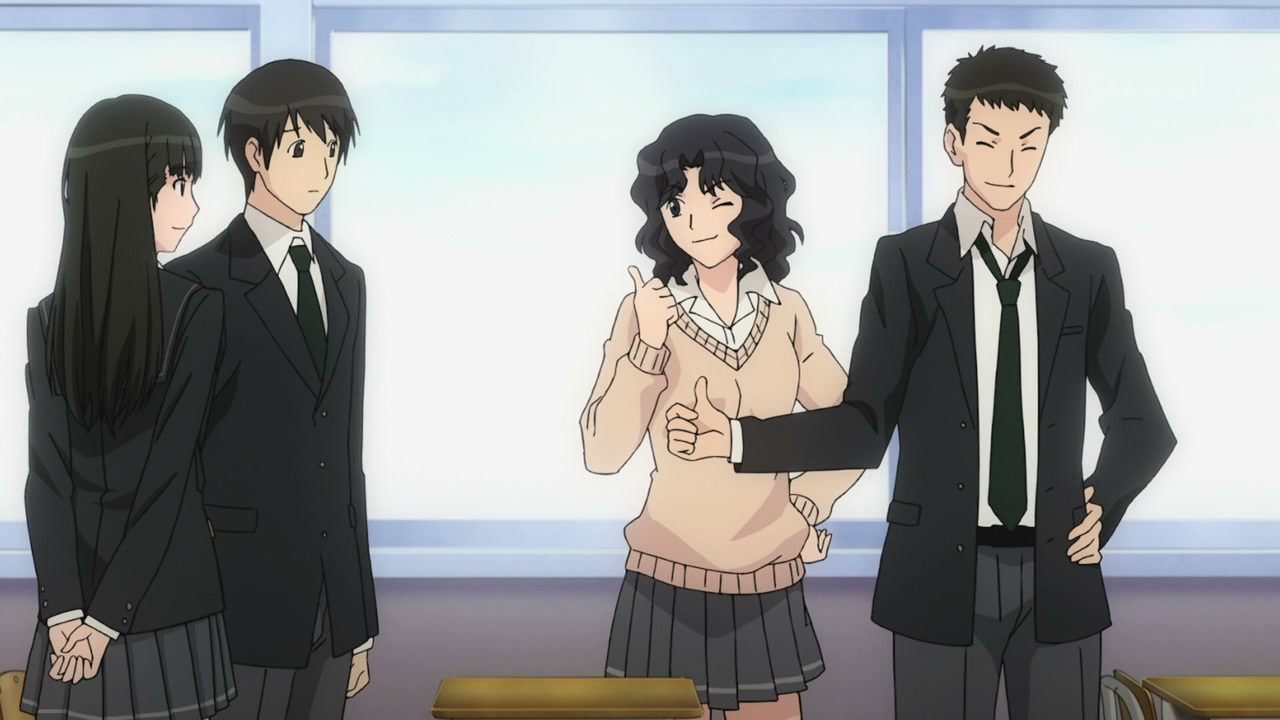
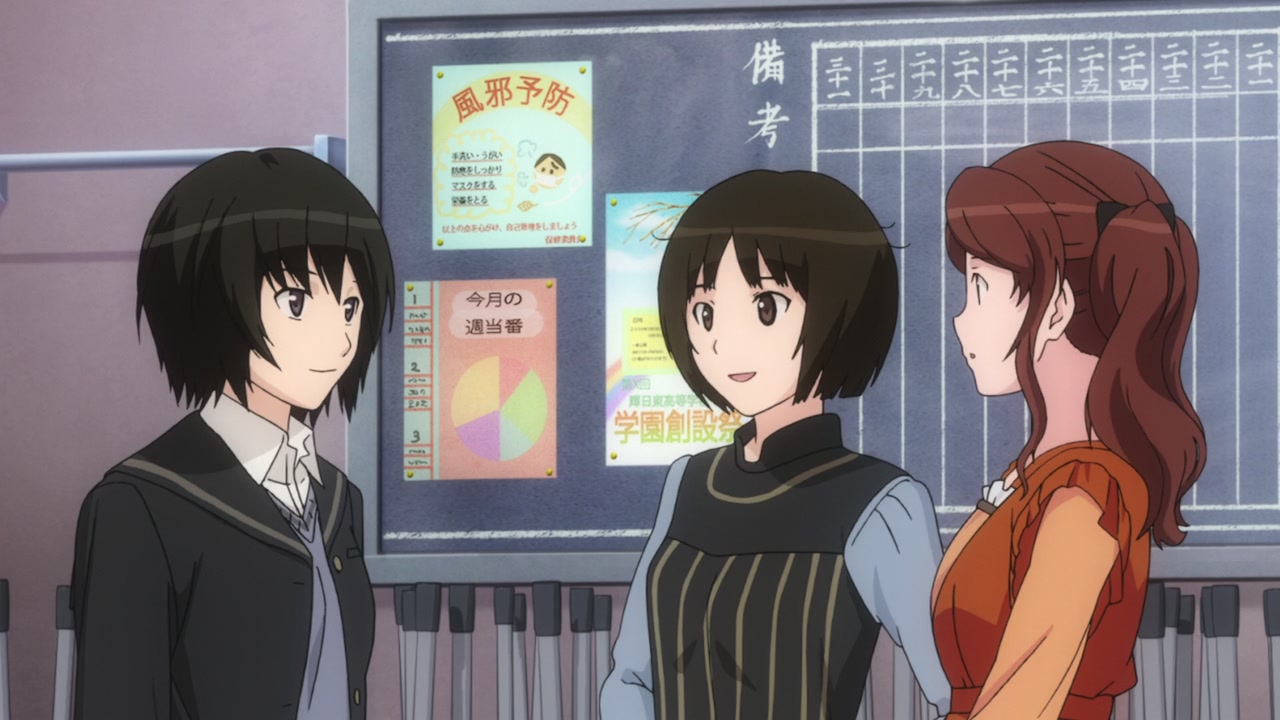
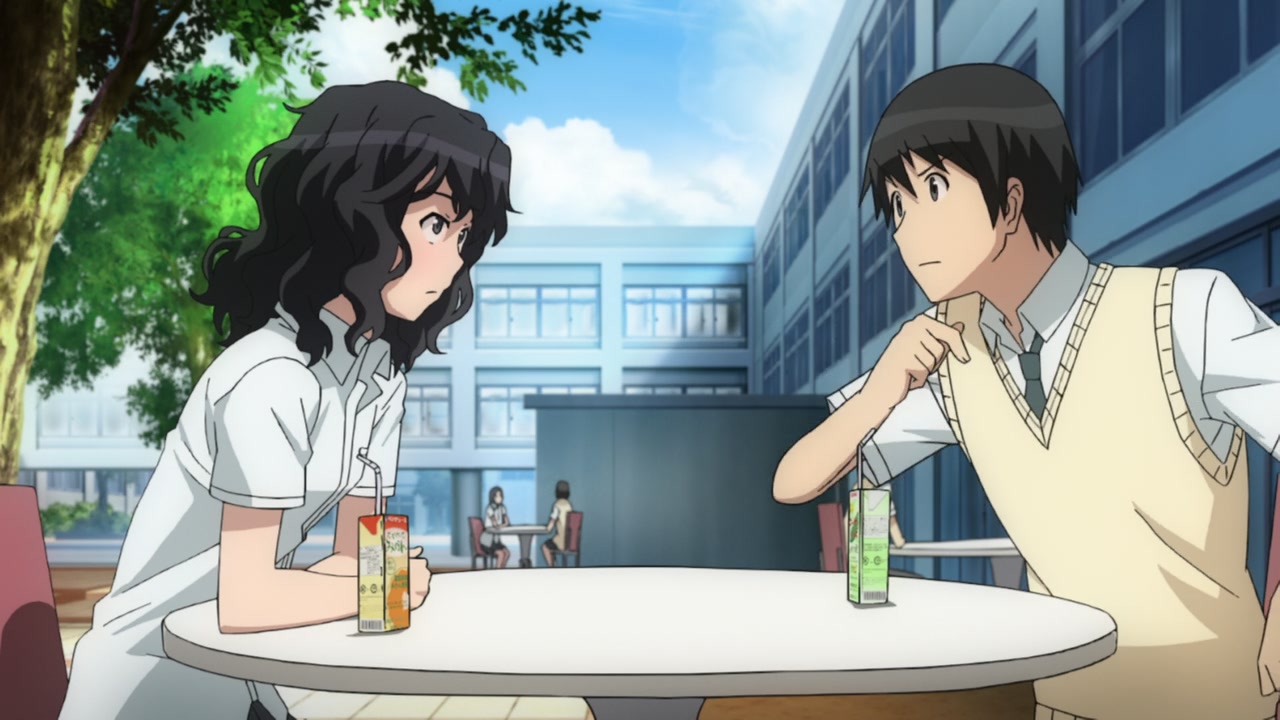
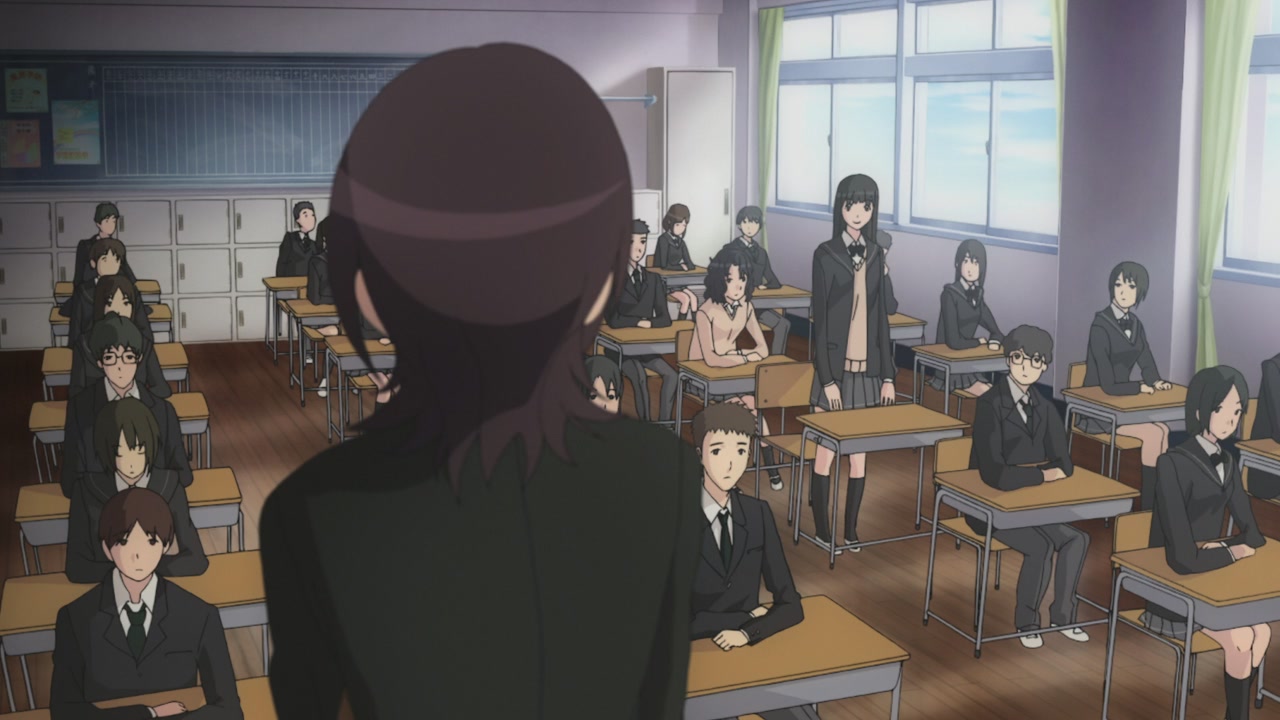
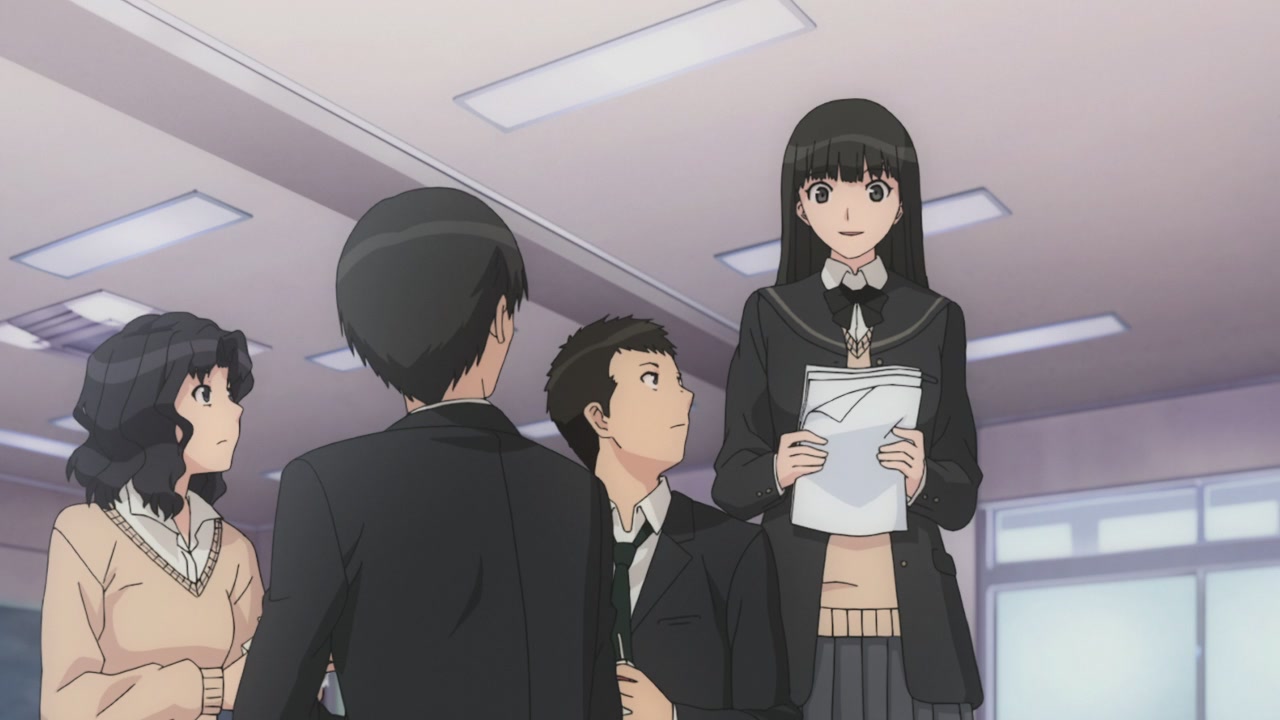
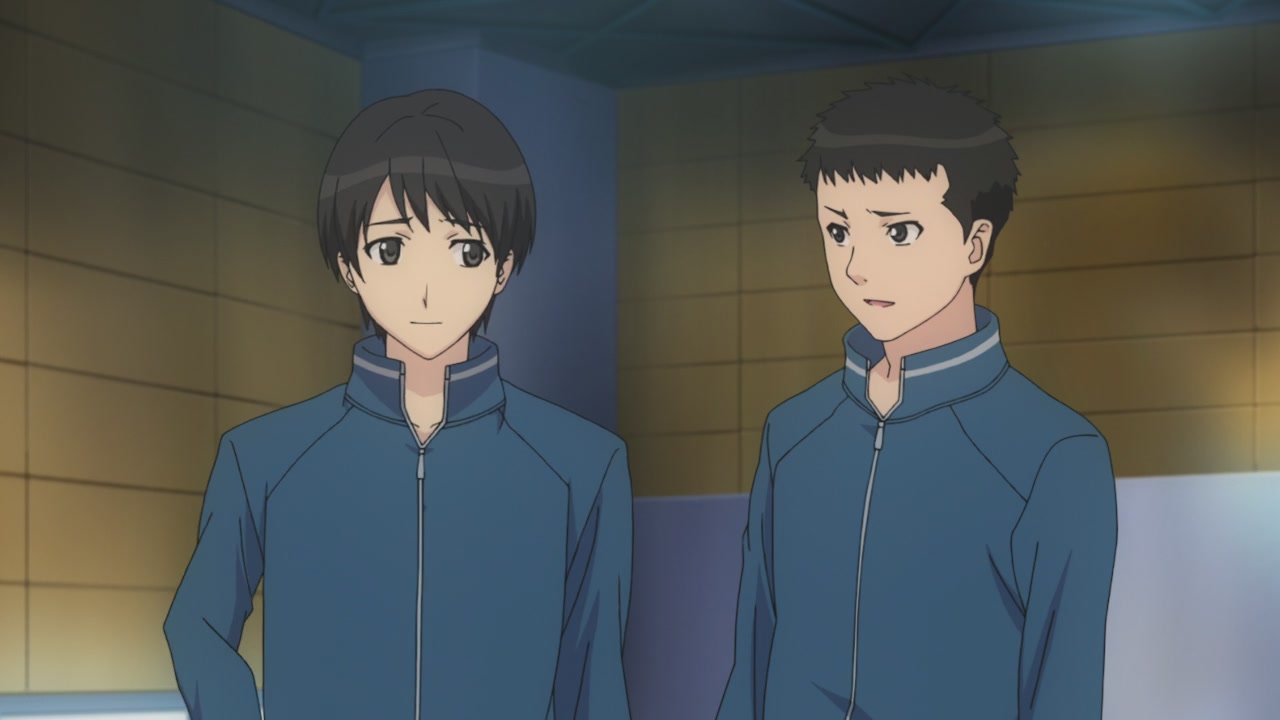
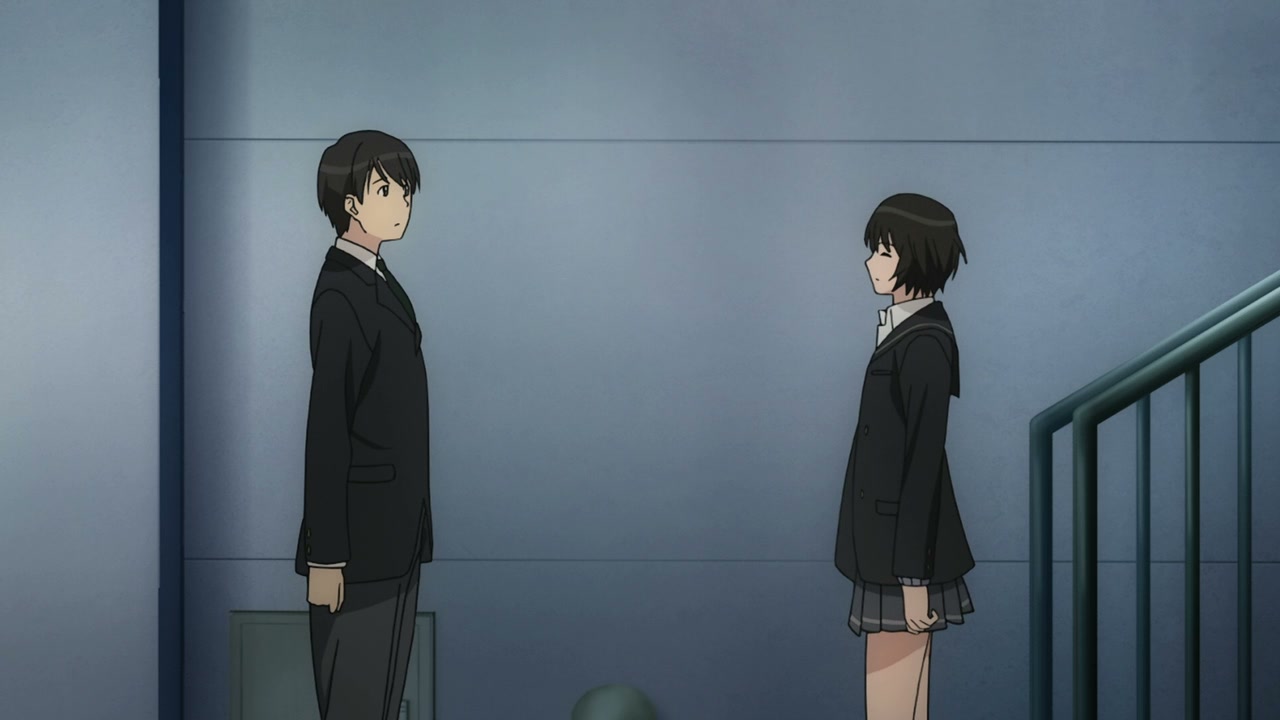
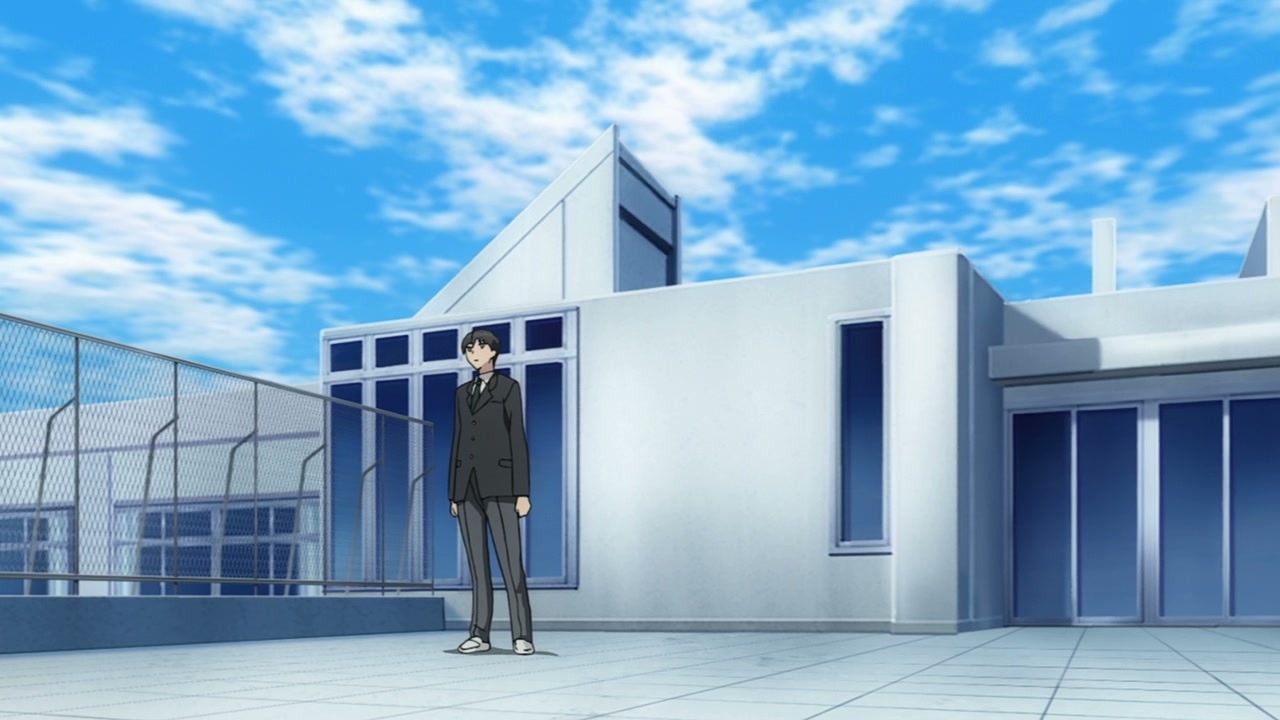
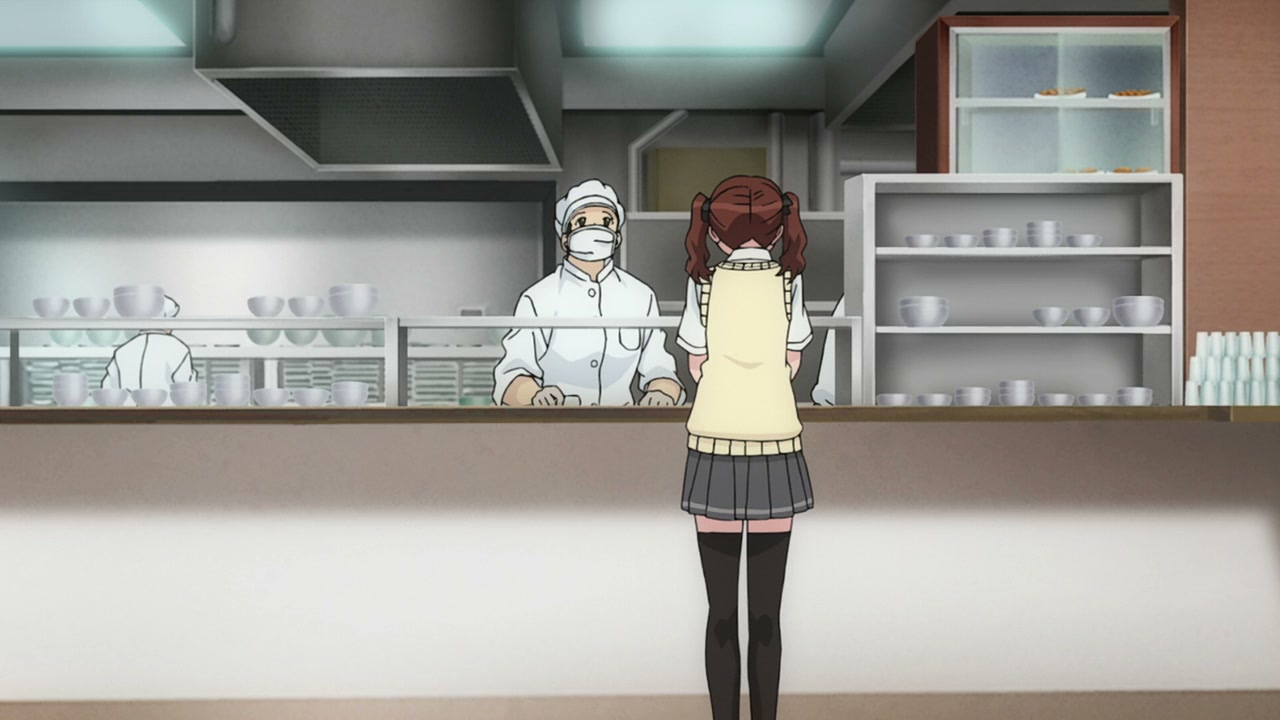
Cool interiors provide a deliberate contrast. School settings and daytime interiors use cooler, flatter lighting. Fluorescent overheads and overcast daylight result in desaturated blues, greys, and muted greens. This creates a sterile, mundane atmosphere that emphasizes the routine nature of school life. The contrast between warm and cool lighting is used to signal shifts in emotional temperature.
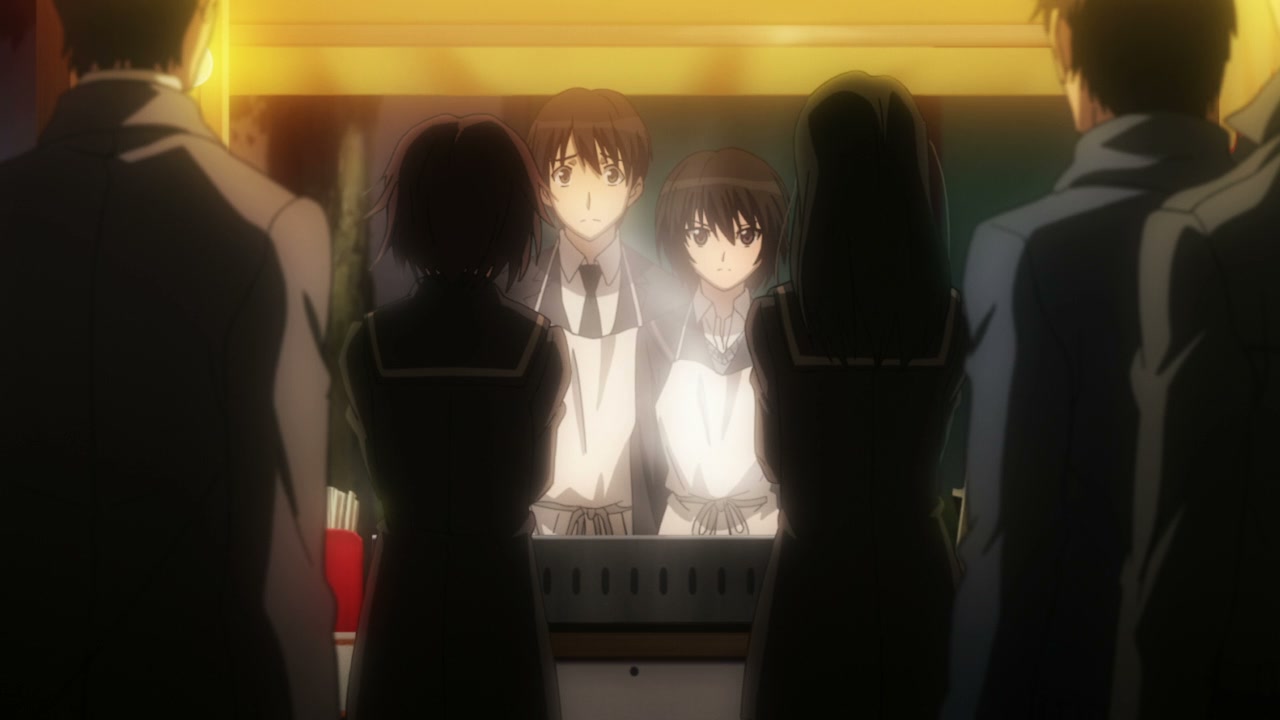
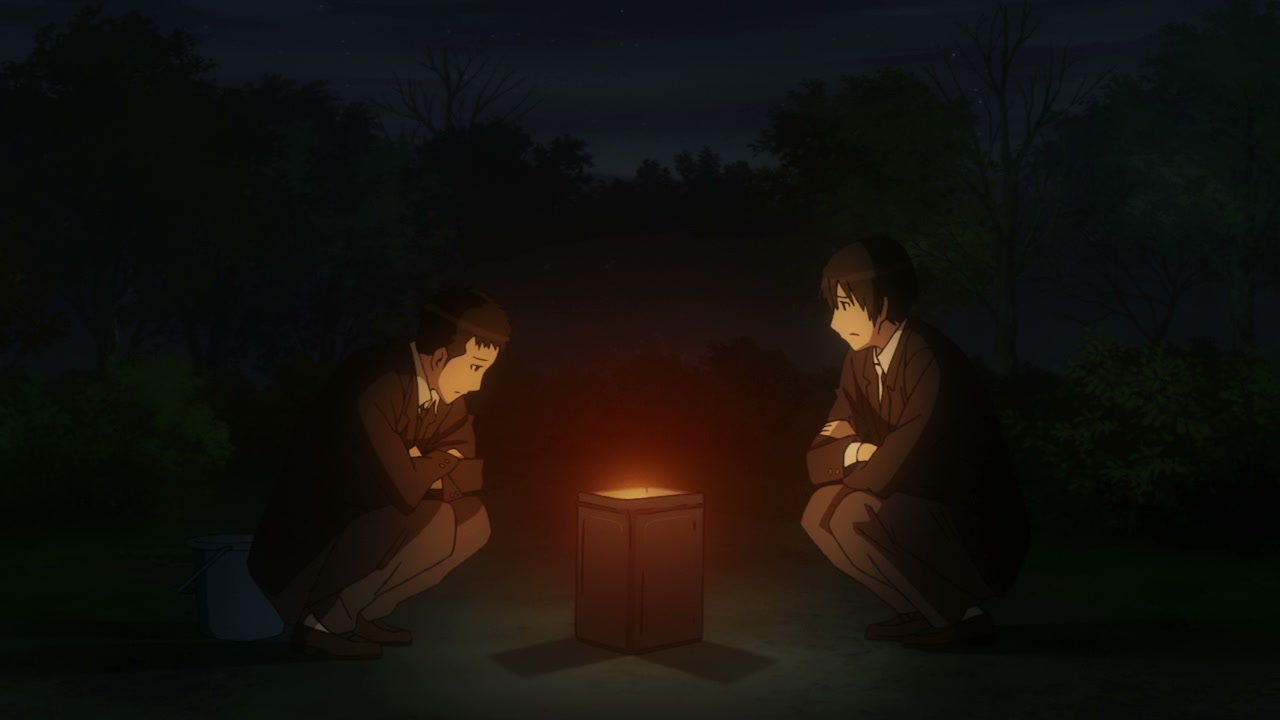
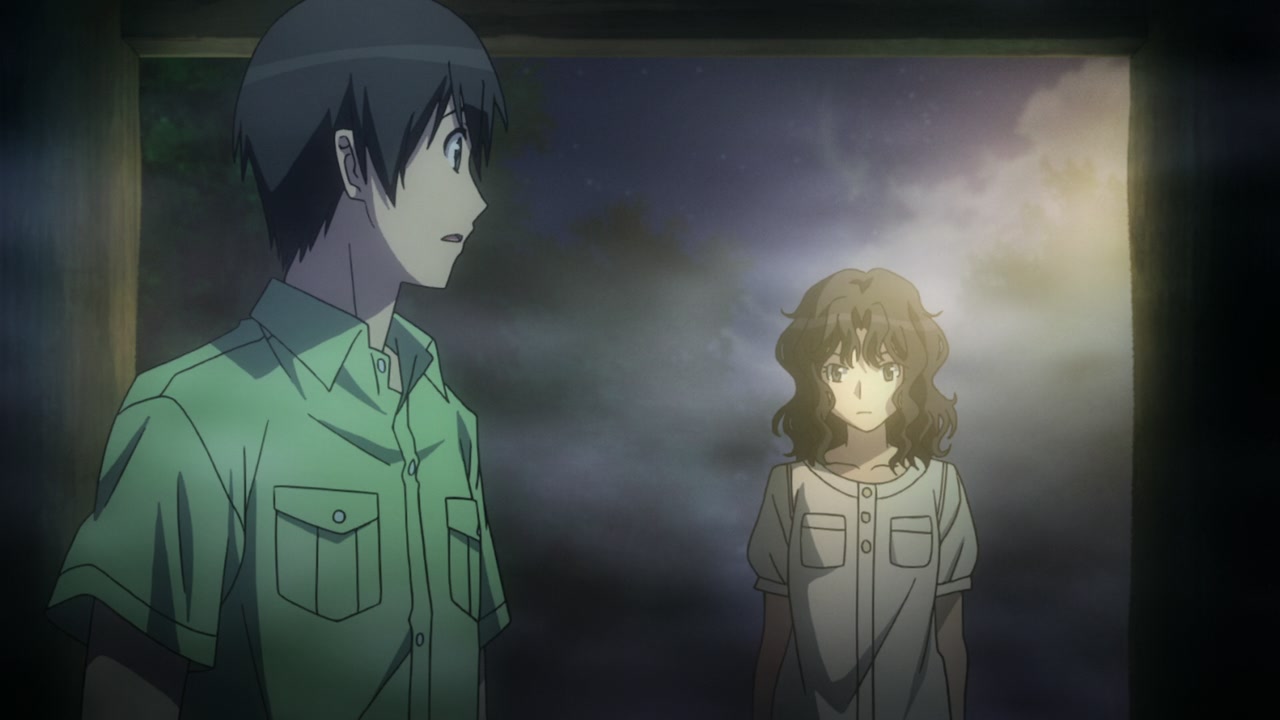
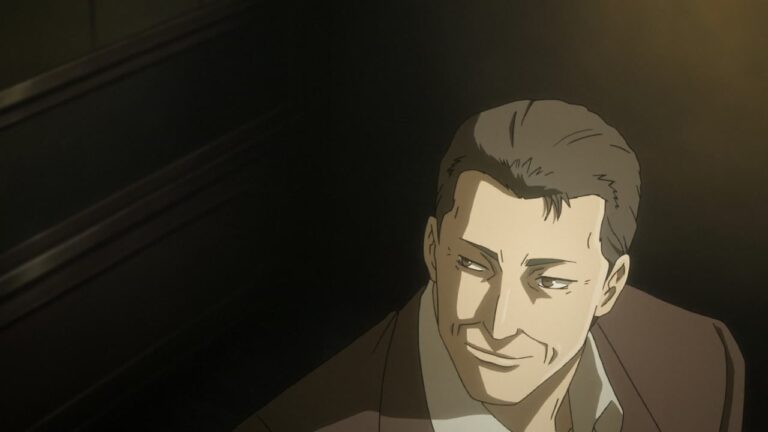
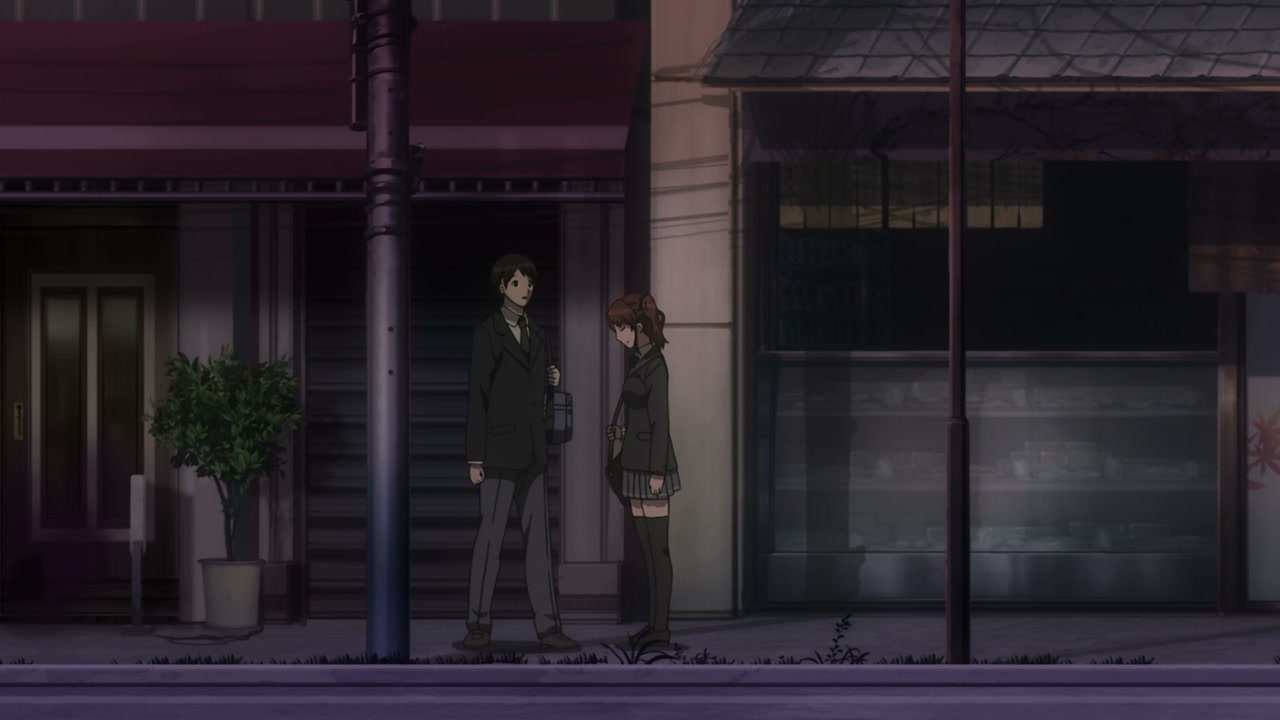
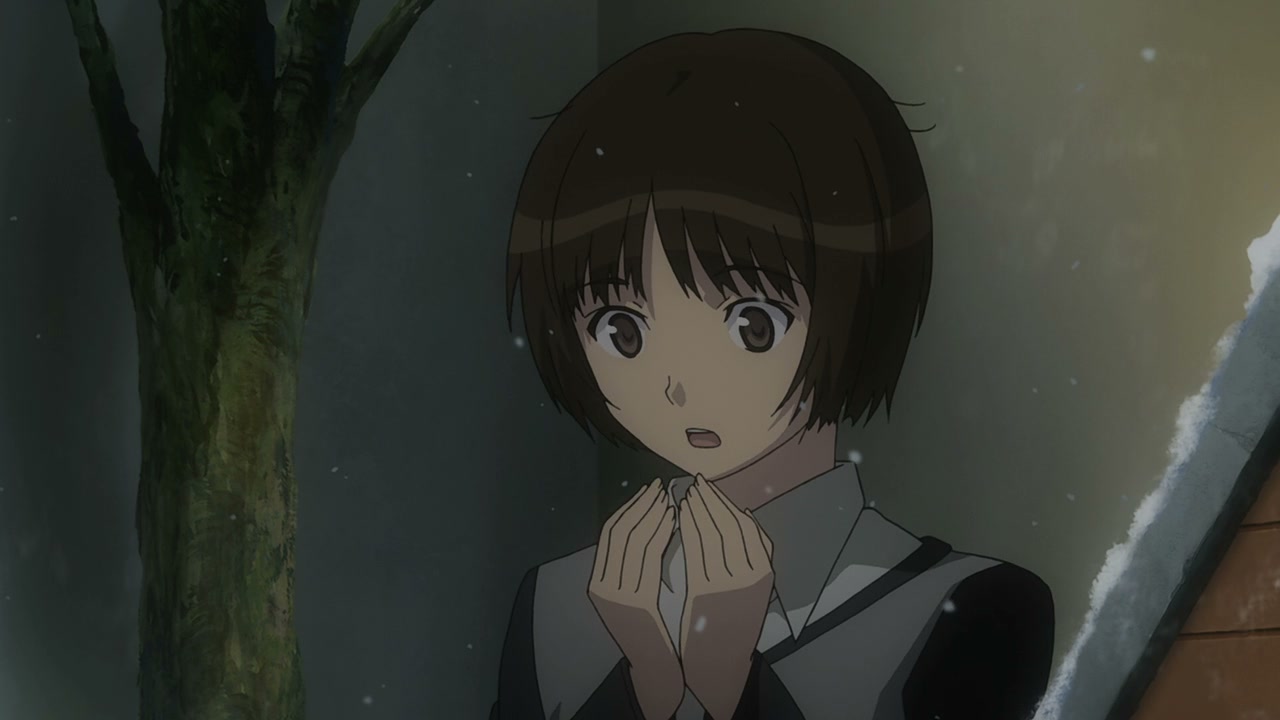
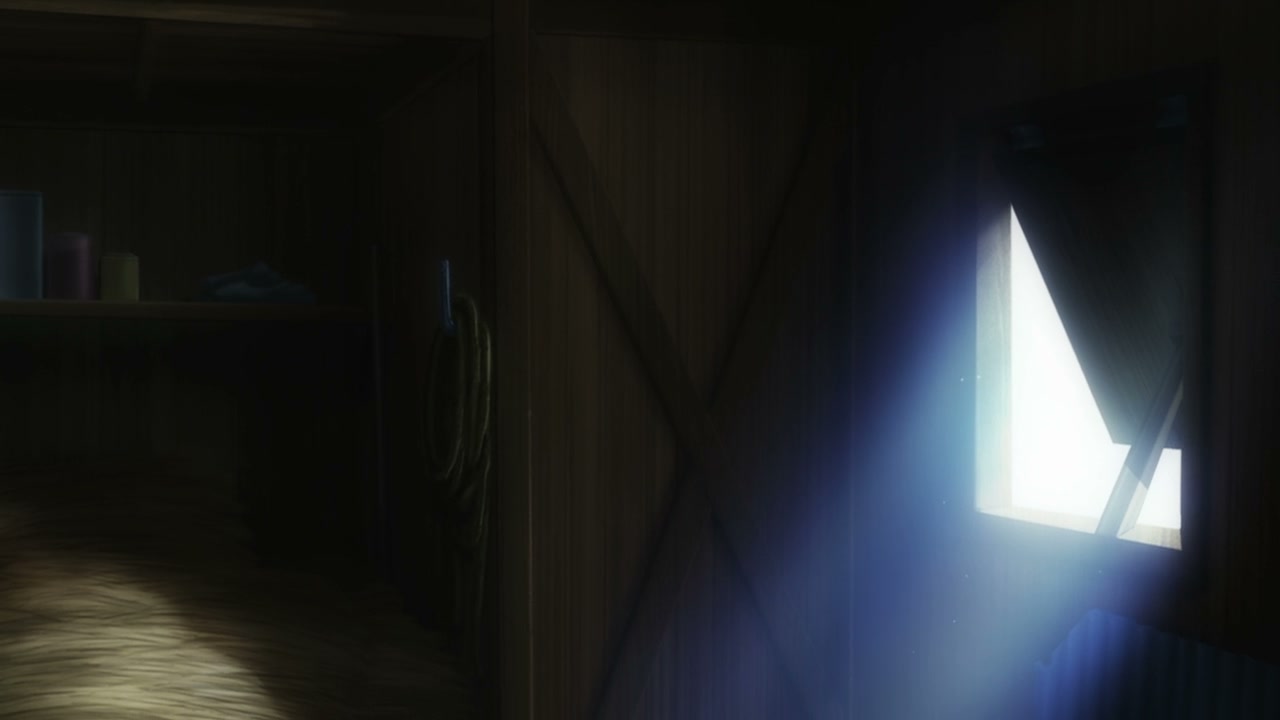
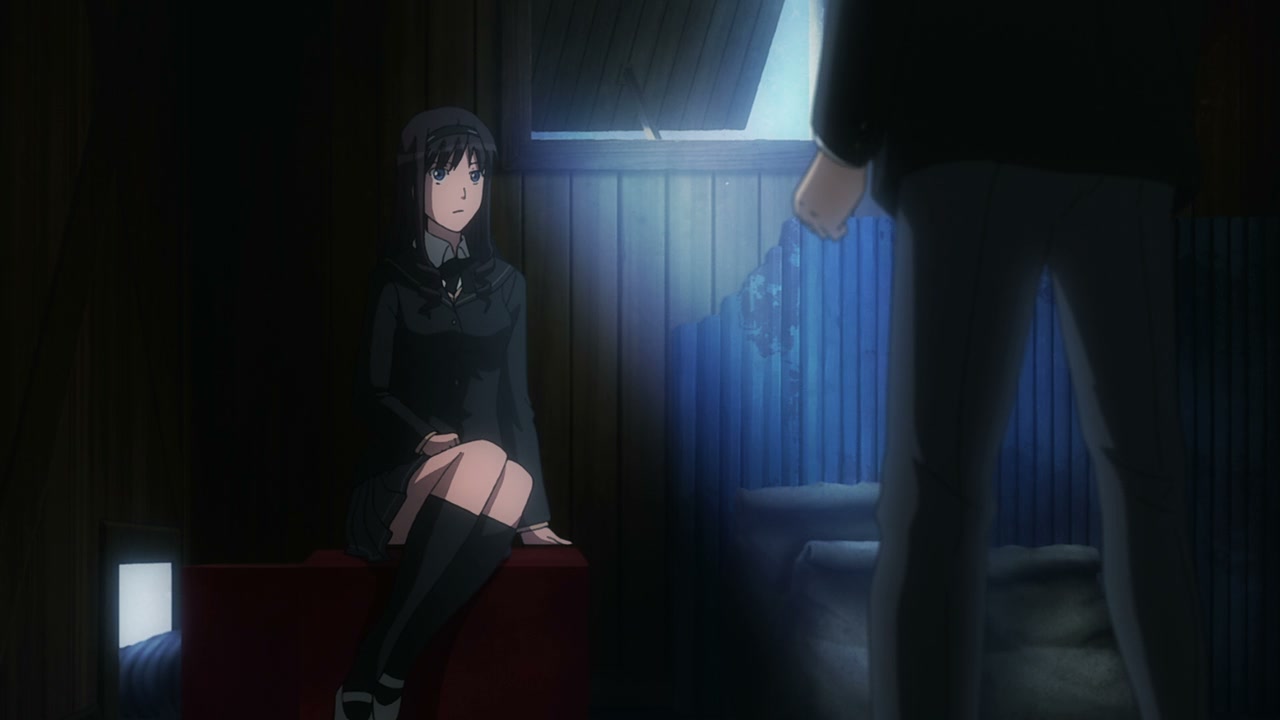
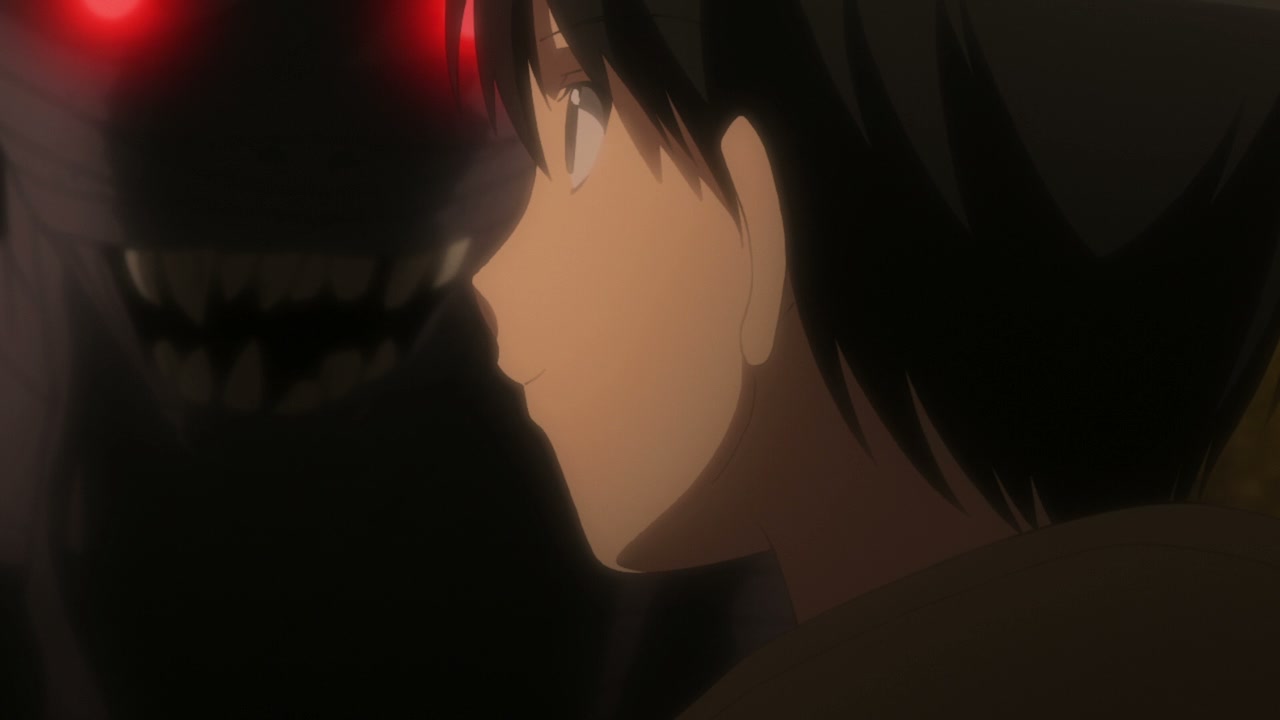
Night scenes and dramatic sequences employ low-key lighting and chiaroscuro effects. Deep shadows dominate, pierced by sharp beams of light or ambient street lighting. This technique conveys isolation, tension, or secrecy, often obscuring parts of the characters’ faces to emphasize internal conflict.
Background Art and Environmental Design
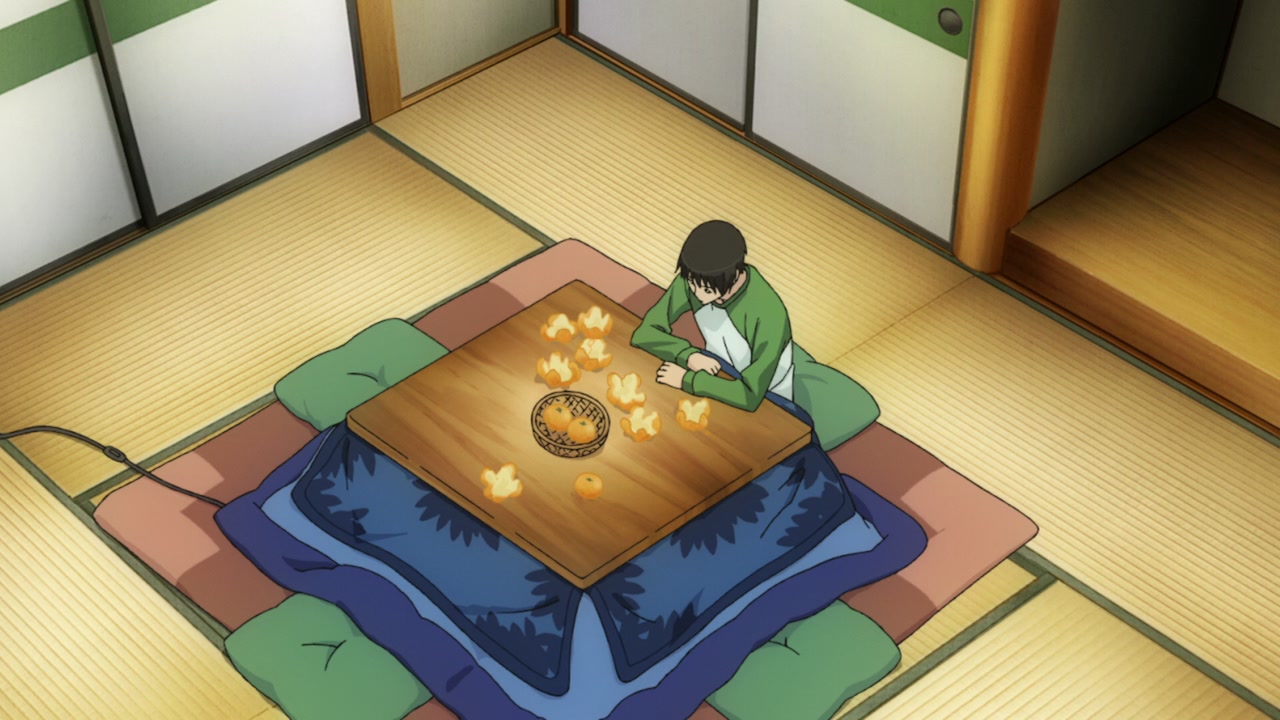
The background art is detailed and functional, providing a believable, lived-in foundation for the narrative. Interiors are cluttered with appropriate details. Lockers, chalkboards with legible text, posters, and household items like CRT televisions or specific snack props add realism and texture.
Exterior shots range from urban streets with textured pavement and utility poles to rural landscapes featuring wind turbines and lush foliage. The backgrounds often utilize atmospheric perspective, with distant mountains or trees fading into a hazy blue to suggest depth.
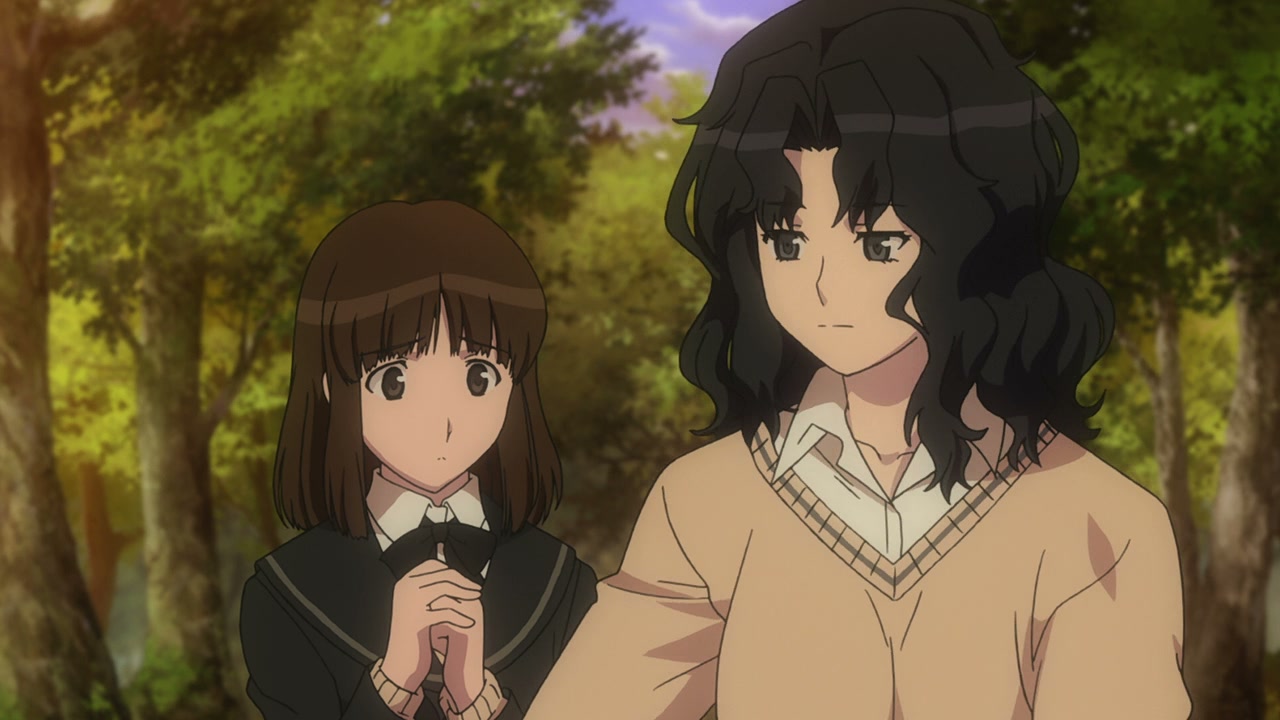
There is a strong effort to blend characters into these spaces. Depth of field is used effectively. Backgrounds are often softened with a bokeh effect to keep focus on character interaction while still establishing the setting.
Character Acting and Facial Expressions
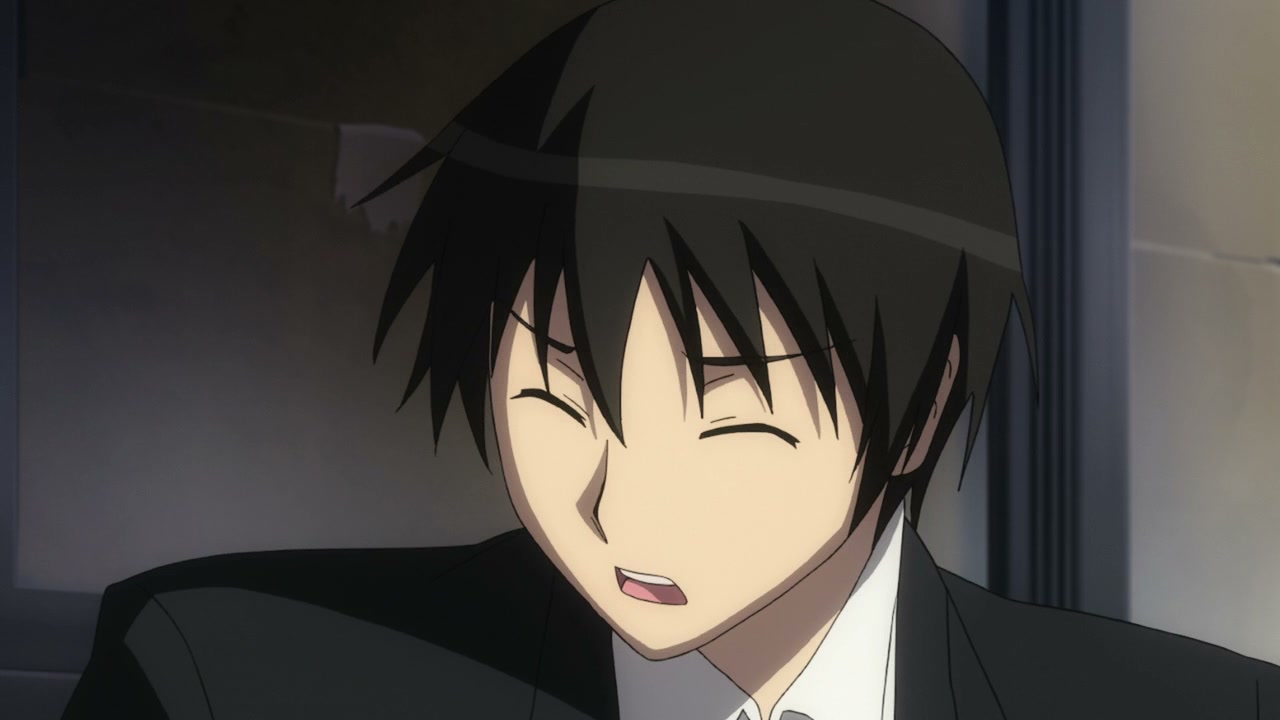
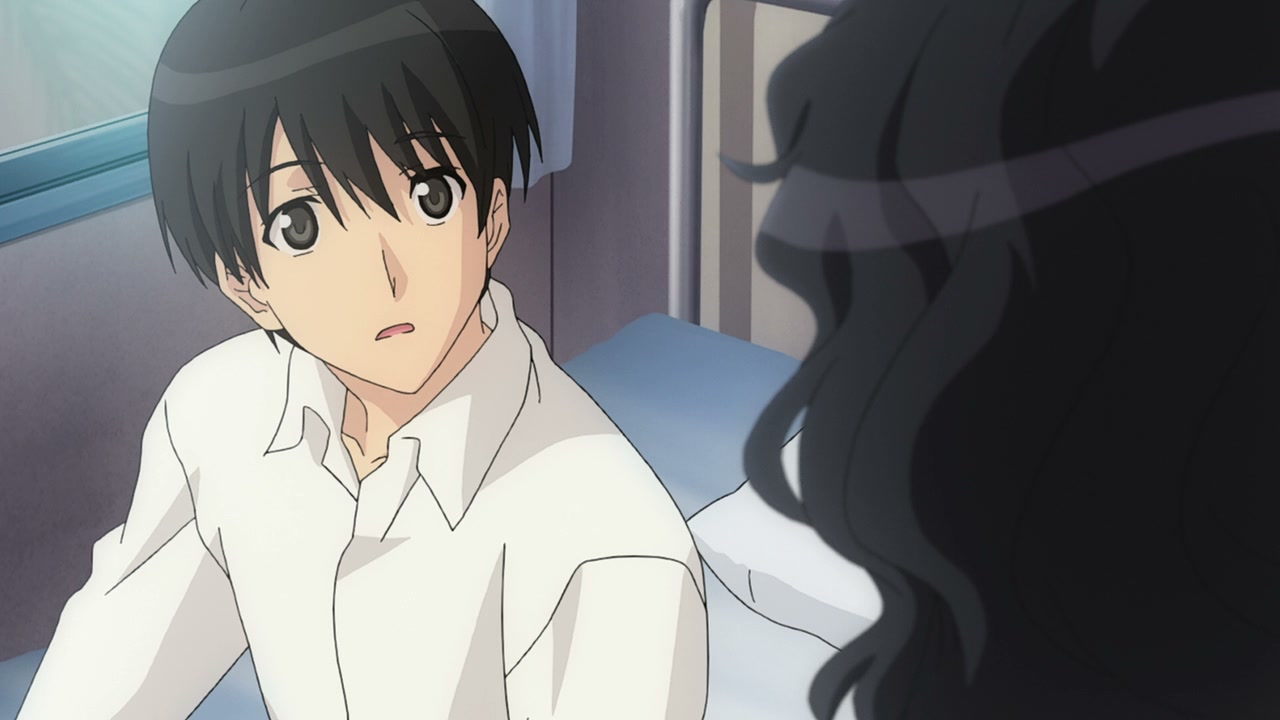
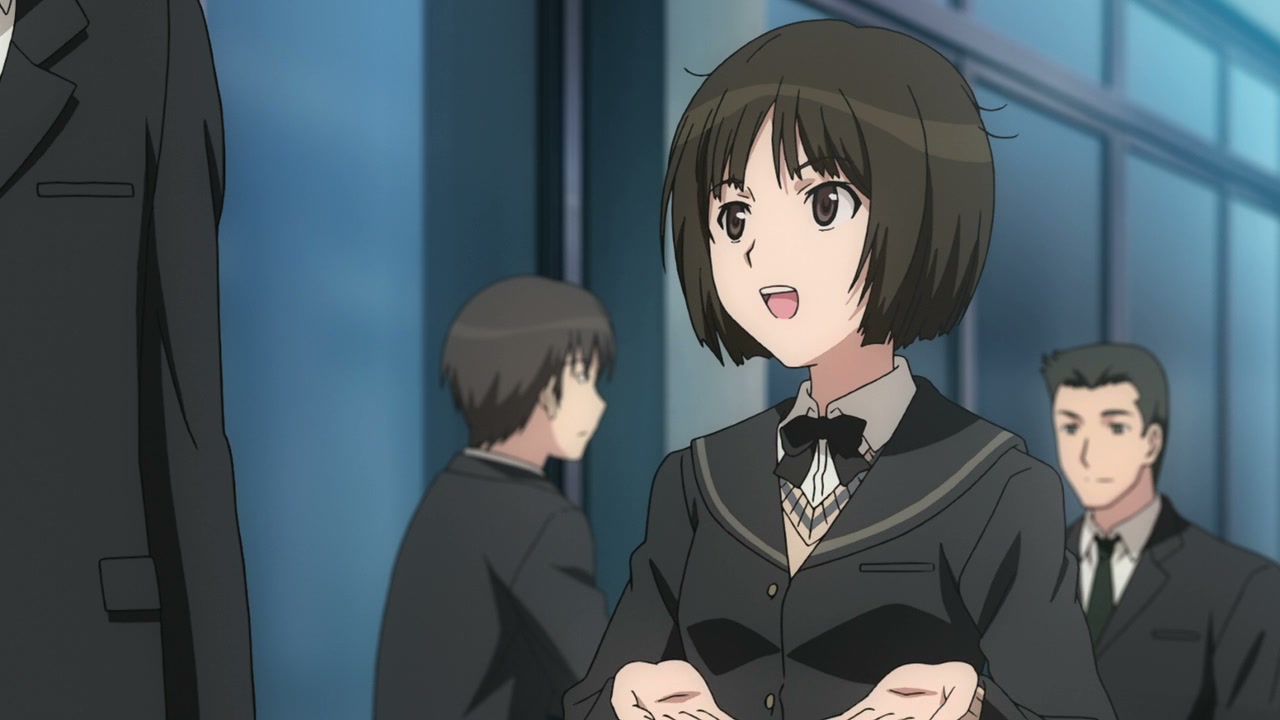
Emotional acting is subtle and restrained, relying on nuanced facial cues rather than broad exaggeration. Emotions are conveyed through slight changes in eye shape, eyebrow position, and mouth curvature. Blushes, sweat drops, and downward gazes communicate embarrassment, anxiety, or resignation without dialogue.
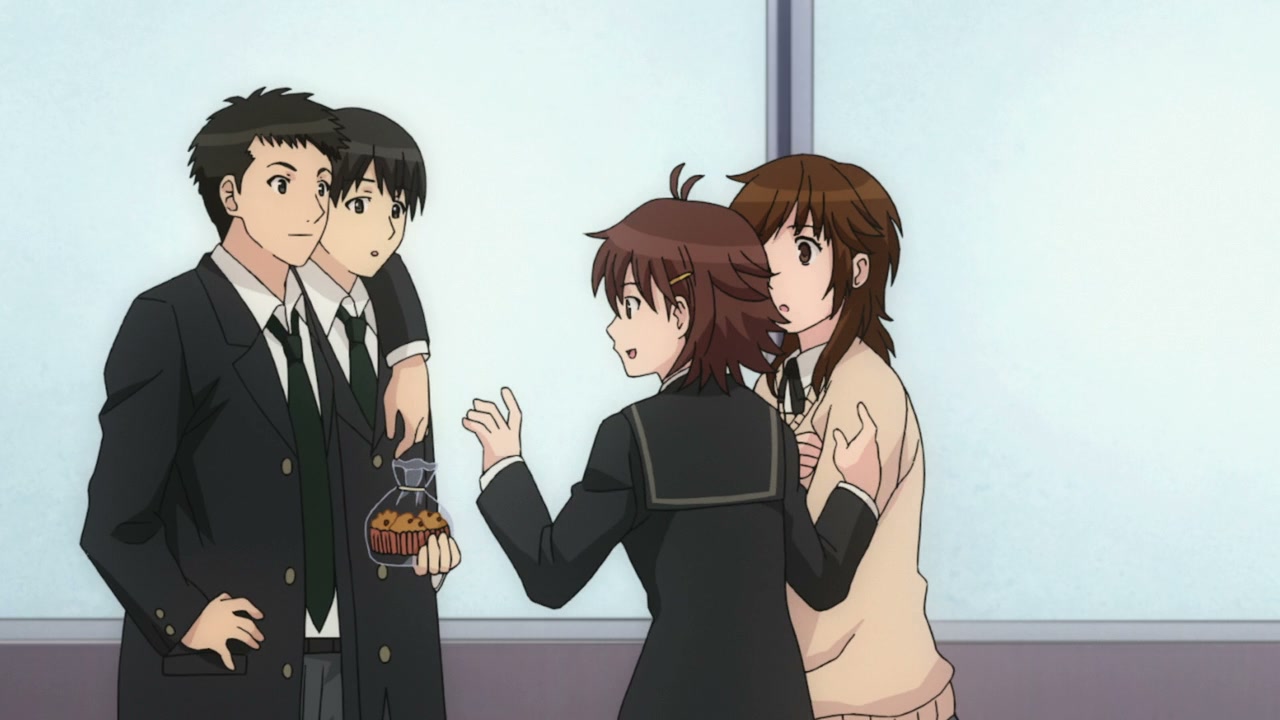
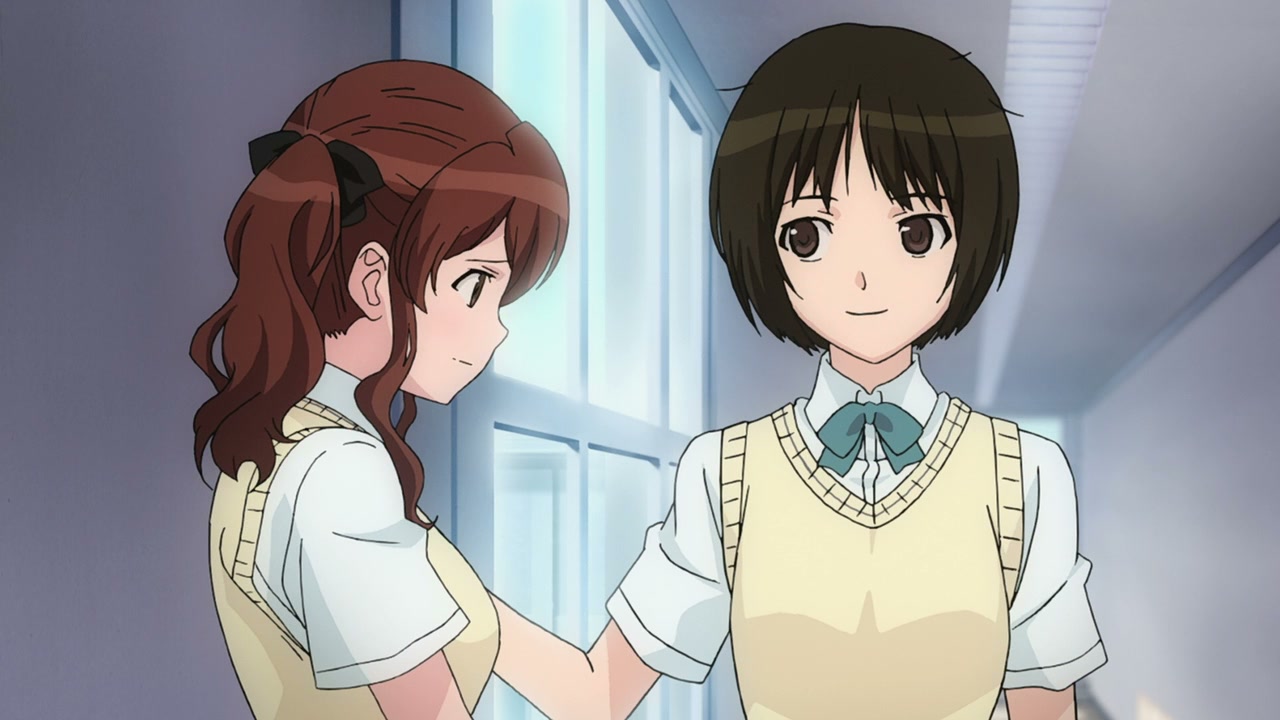
The series relies heavily on posture and proximity to show relationships. Physical contact, a hand on an arm, holding hands, is used to cement bonds, while physical distance in framing reinforces emotional separation.
Character models remain consistent across different angles and lighting conditions. While some wider shots reveal slight stiffness in posing, close-ups demonstrate a strong command of expressive acting, particularly in the eyes.
Hair Rendering
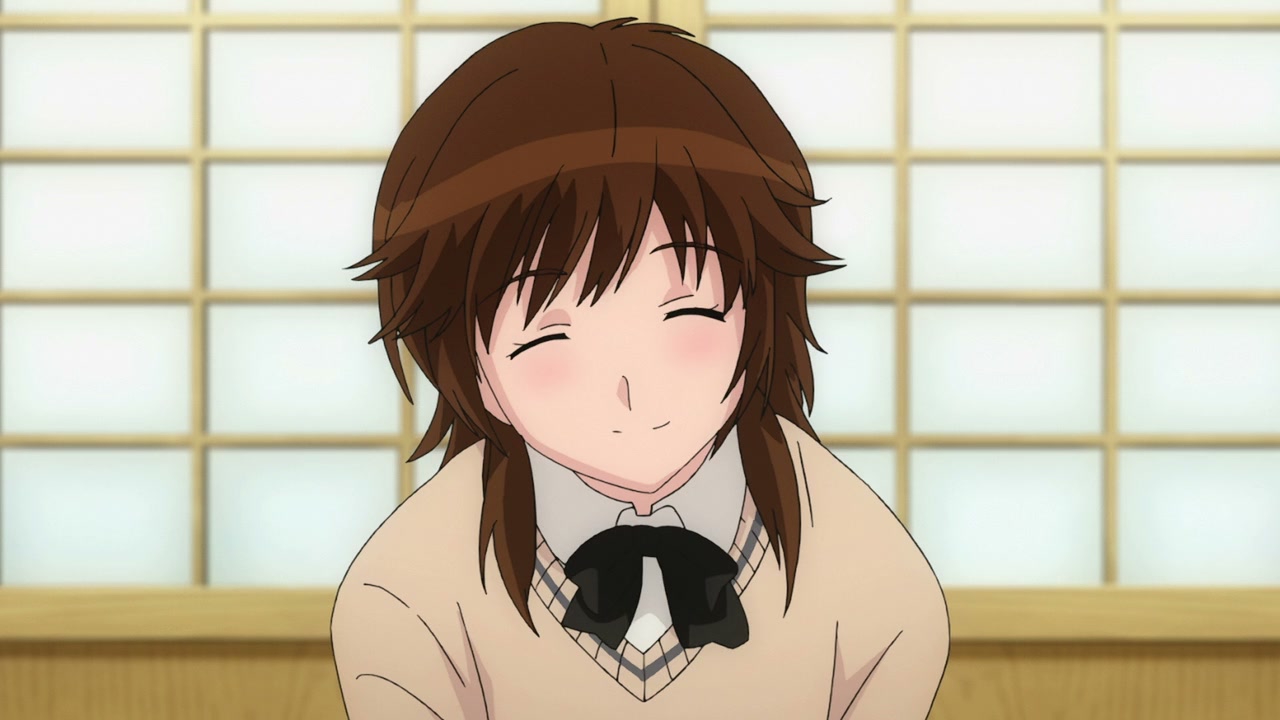
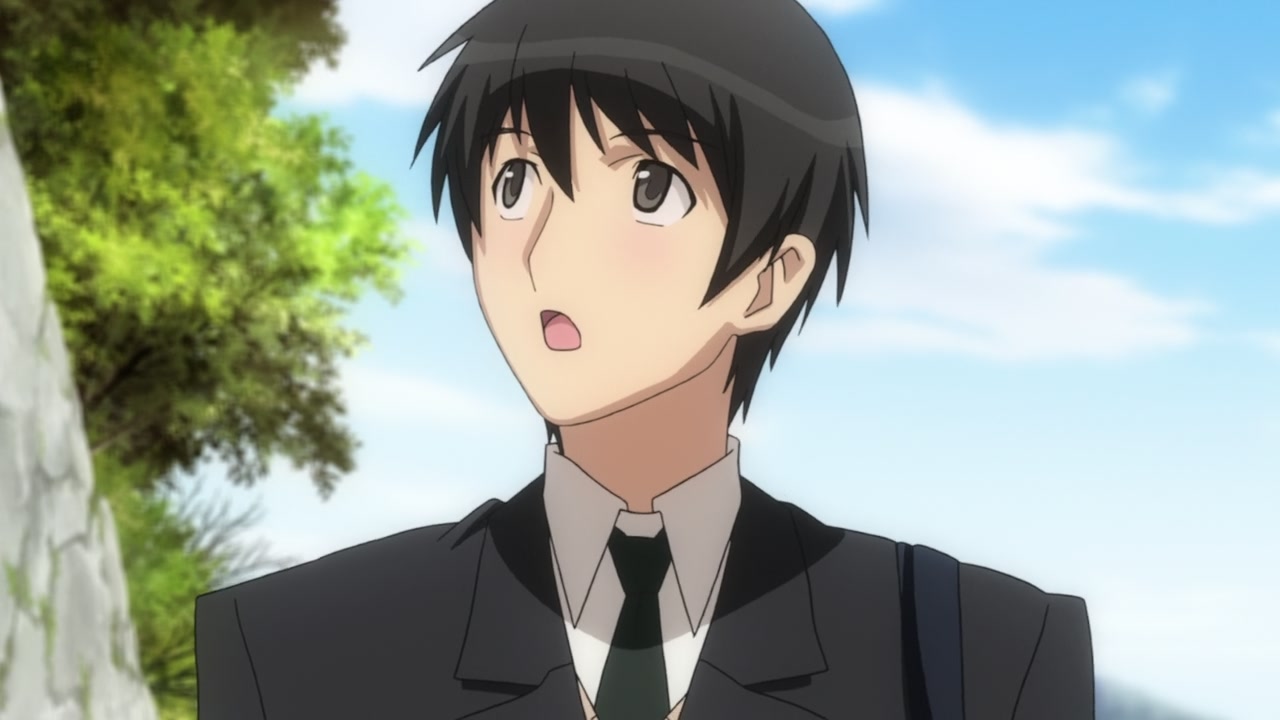
Hair is a standout element in the character designs. It is rendered with thick, glossy locks featuring prominent specular highlights or distinct sheen bands. This adds weight and texture to the models. Hair movement is used sparingly but effectively, with the sheen bands shifting as characters move.
Animation Limitations
The series relies heavily on static shots and limited movement. This is appropriate for a dialogue-heavy drama but can feel flat in some scenes. Many conversations are presented as static medium shots with minimal movement. This is efficient but can feel stiff.
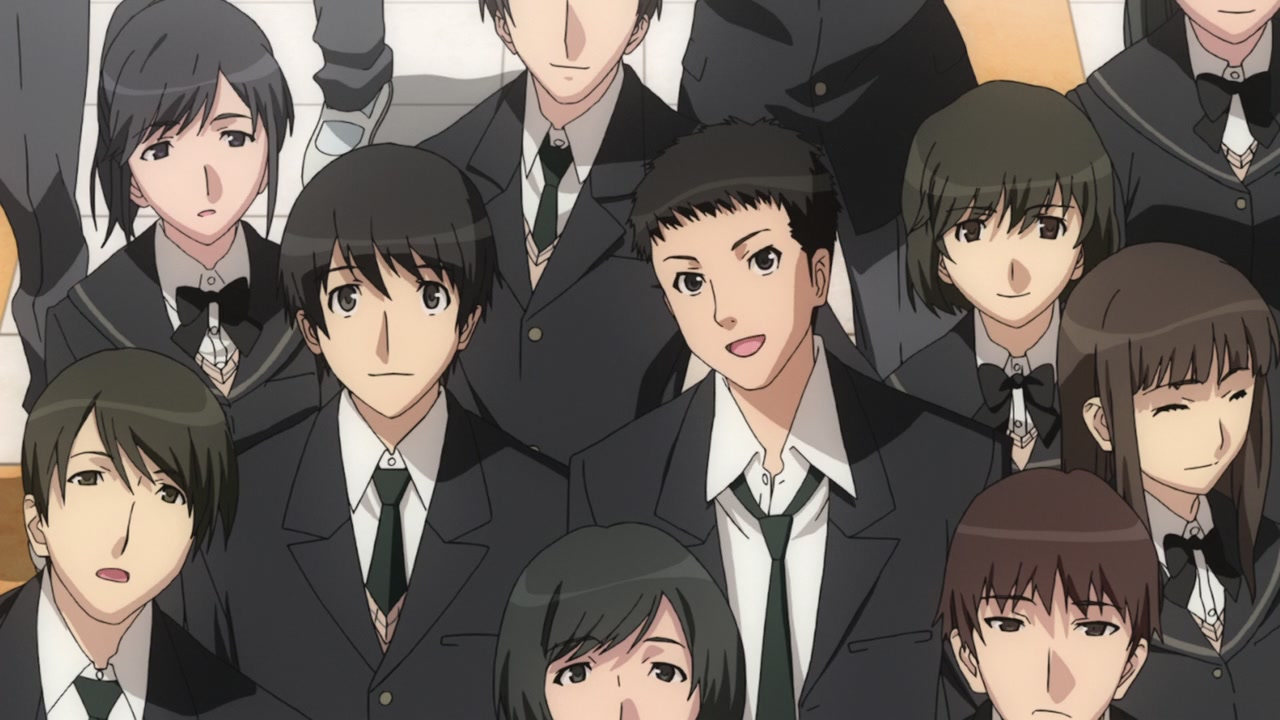
The character designs, while clean, are somewhat generic within the genre. They lack unique silhouettes that would make them instantly iconic without context. The large cast can be difficult to distinguish at a glance.
The hot springs special in the second season is almost entirely fanservice with minimal animation. The episode is a collection of static shots of characters in baths. This is a deliberate choice but highlights the series’ limitations.
The animation is competent but not exceptional. The series’ visual strengths lie in lighting, color, and composition, not in movement. The static approach fits the introspective tone but limits the series’ visual dynamism.

Sound and Music
Opening and Ending Themes
The opening theme for the first season, “i Love” by azusa, sets the tone effectively. It is a bright, upbeat pop song that captures the series’ blend of romance and playfulness. The animation accompanying the opening introduces each heroine in turn, giving viewers a sense of the omnibus structure.
The ending theme, “Kimi no Mama de” by azusa, is a softer, more melancholic piece that reflects the series’ emotional core. The ending animation, which features Junichi alone in various settings, reinforces the theme of loneliness and the search for connection.
The second season features new opening and ending themes that maintain the same general tone. The music is pleasant and fits the series well, though it is not particularly memorable or distinctive.
Voice Acting
The voice acting is a significant strength of the series. The seiyuu performances bring the characters to life with nuance and warmth.
The protagonist, Tachibana Junichi, is voiced by Maeno Tomoaki, who captures both his awkwardness and his moments of genuine courage. His performance evolves across the routes, reflecting Junichi’s growth from hesitant to confident.
The heroines are all well-cast. Itou Shizuka brings warmth and playfulness to Morishima Haruka, while Nazuka Kaori captures Tanamachi Kaoru’s sharp tongue and hidden sensitivity. Kana Asumi’s performance as Nakata Sae is particularly notable, conveying her extreme shyness through stuttering and hesitation while also showing her growing confidence.
The supporting cast is equally strong. Shintani Ryouko’s performance as Nanasaki Ai balances coolness with vulnerability, while Sakurai Takahiro brings comedic energy to Umehara Masayoshi.
Sound Design and Atmospheric Audio
The sound design is functional and effective. Ambient sounds, the chatter of students, the hum of fluorescent lights, the chirping of cicadas in summer, create a sense of place. The use of silence is also notable, with quiet moments allowing the emotional weight of a scene to settle.
The soundtrack, composed by Oohashi Megumi, is pleasant and supportive. It enhances scenes without drawing attention to itself. The music shifts between light, comedic pieces and more emotional, piano-driven tracks as the narrative demands.
Overall Verdict
Amagami SS and Amagami SS+ plus are warm, engaging romance anthologies that execute their premise with care and sincerity. The omnibus structure is a feature, not a bug, allowing the series to explore multiple relationship dynamics without the awkwardness of a forced single pairing. Each heroine offers a different flavor of romance, from the playful adoration of Morishima Haruka to the quiet devotion of Sakurai Rihoko.
The series’ emotional core is Junichi’s journey from fear to courage. His trauma is treated with respect, and his healing is portrayed as an active process requiring effort and vulnerability. The series argues that love is not a destination but a journey, one that requires patience, communication, and a willingness to be hurt again.
The sequel arcs are a welcome addition for fans of specific heroines, though they are uneven. Some use the two-episode format effectively, while others feel rushed. The hot springs special is pure fanservice, a lighthearted coda that exists primarily for comedy.
Visually, the series is solid but conventional. The lighting and color scripting are the standout elements, creating atmosphere and supporting the emotional beats. The animation is competent but not exceptional, relying on static shots and subtle movement rather than dynamic action.
The voice acting is a significant strength, with performances that bring the characters to life with nuance and warmth. The music is pleasant and supportive, enhancing scenes without drawing attention to itself.
This is a series for viewers who appreciate slow-burn romance and character-driven stories. It is a comfort watch, a series to return to when you want to believe that even the deepest wounds can heal and that happiness is possible if you are willing to reach for it. It does not reinvent the genre, but it executes its premise with genuine warmth and sincerity.
For fans of romance anime, Amagami SS is a hidden gem worth discovering. It offers six complete love stories, each with its own emotional arc and satisfying conclusion. The sequel arcs deepen these relationships, and the omnibus structure means there is something for everyone. Whether you prefer the playful energy of Haruka, the tomboyish charm of Kaoru, the shy sweetness of Sae, the cool depth of Ai, the patient devotion of Rihoko, or the complex duality of Tsukasa, there is a route here that will resonate.
The series earns a solid recommendation. It is not a masterpiece, but it is a well-crafted, emotionally satisfying romance anthology that understands what makes the genre work. In a medium often dominated by high-concept premises and dramatic twists, Amagami SS is a reminder that sometimes the simplest stories, told with care and sincerity, are the most rewarding.
Gallery