




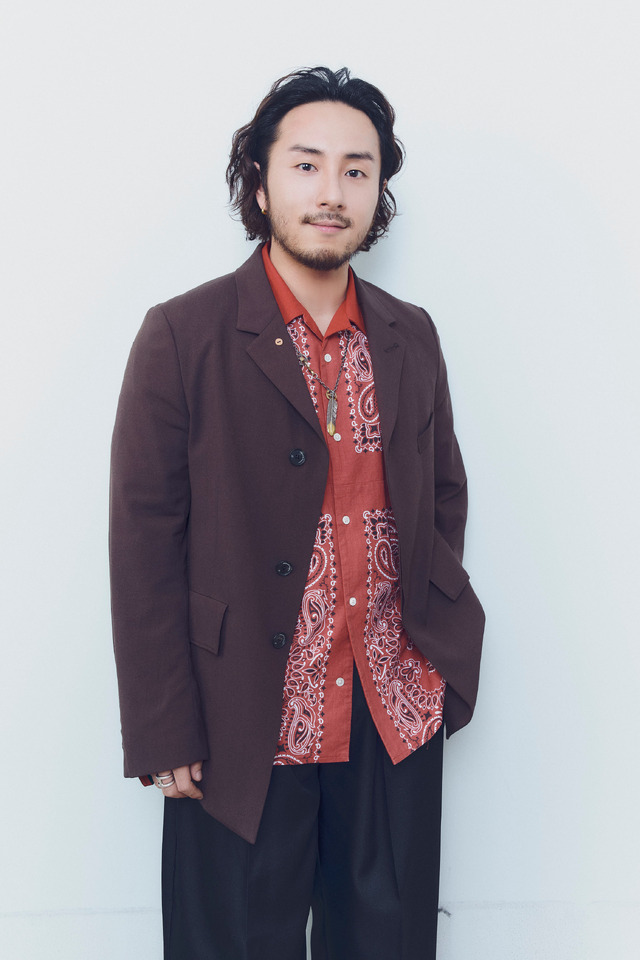
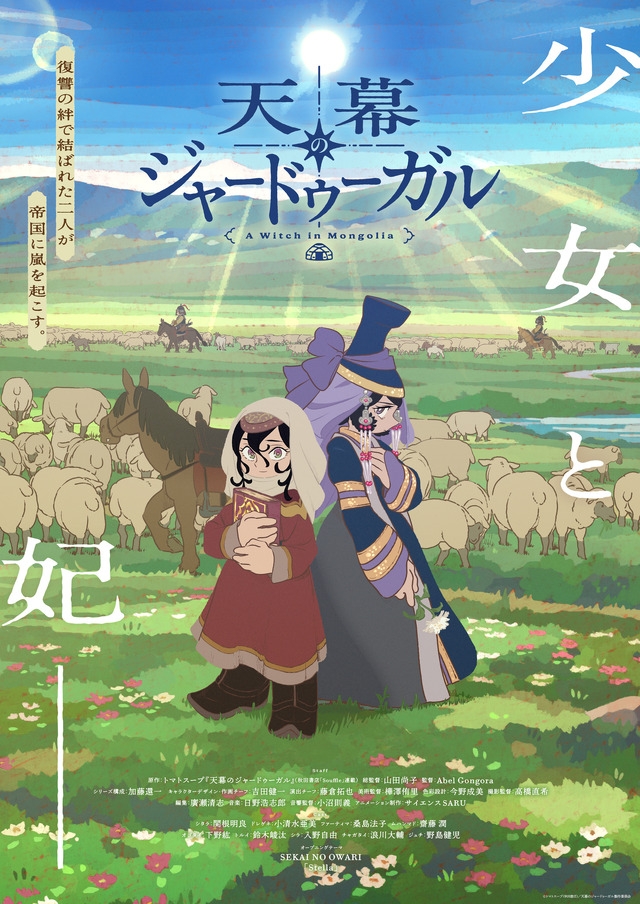
The TV anime adaptation of Tomato Soup’s historical manga Tenmaku no Jaadougaru is currently airing on TV Asahi’s IMAnimation slot and BS Asahi. Set in 13th-century Mongolia, the story follows Shitara, a former slave girl whose actions shake an empire. In this interview, we hear from Ryota Suzuki, who voices Tolui, the fourth son of Genghis Khan and commander of the empire’s largest military force. Suzuki discusses the character’s surprising duality, the series’ nuanced portrayal of conflict, and what true strength means to him.
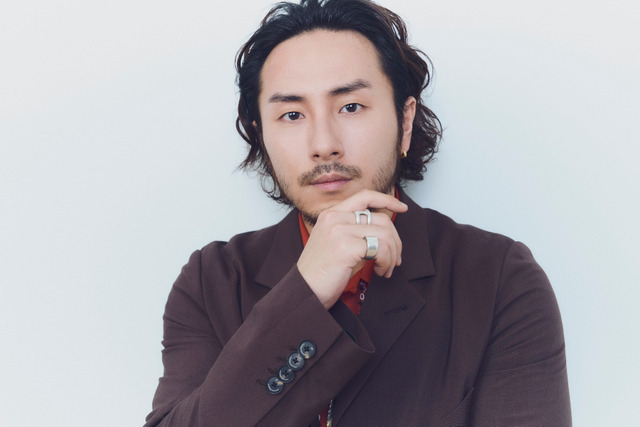
“He Doesn’t Act Out of Malice” – Suzuki on Tolui’s Appeal
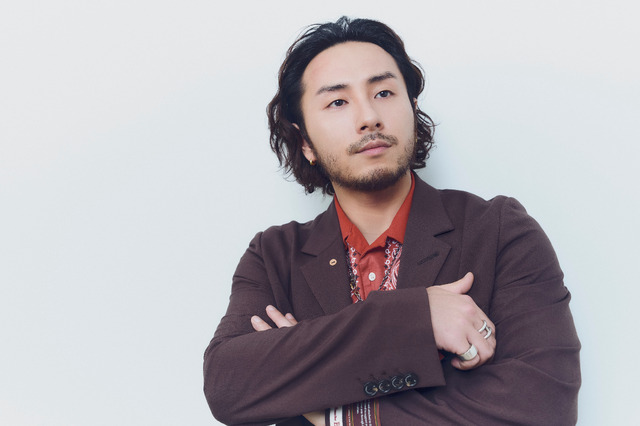
—What was your first impression of the work?
Suzuki: When we think of Mongolian history from school lessons, the image of the Mongol invasions of Japan is strong. I didn’t have many opportunities to learn deeply about Mongolia beyond that. But after encountering this work and learning about its history, culture, and values, I realized it’s not simply a story of men at war. It’s also the beginning of a tale that leads to those called “witches,” and within that, we see communities of women and their intricate schemes. There’s a suspenseful atmosphere to it.
—What are your thoughts on the character Tolui?
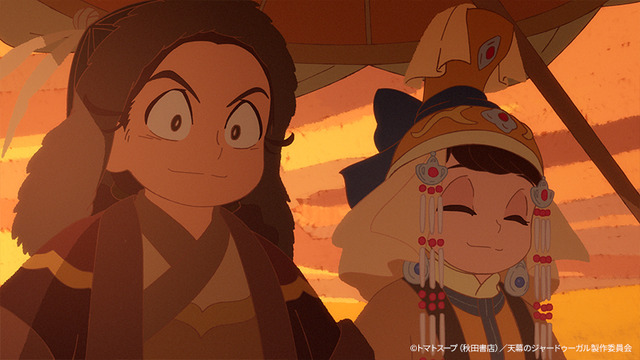
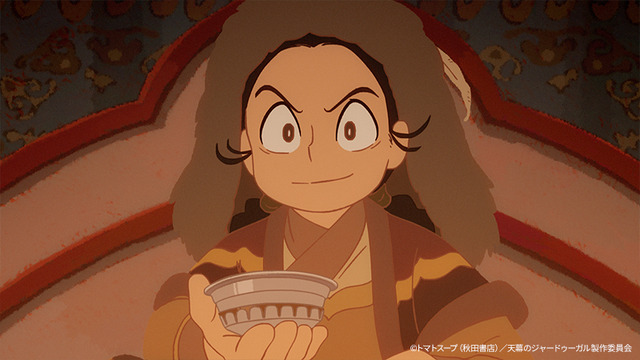
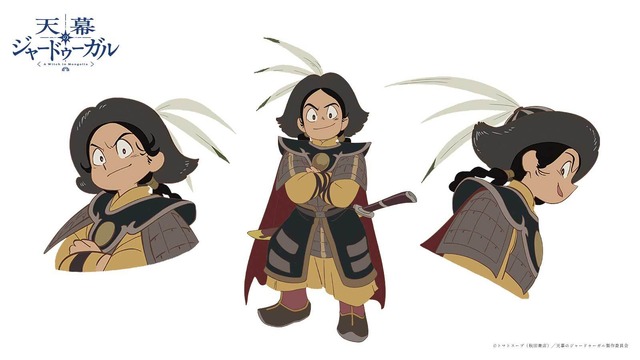
Suzuki: Tolui is the youngest of four brothers, and in Mongolian culture, the youngest son inherits the household, so he carries a heavy burden. He also leads military forces, so in the early episodes, his strength and coldness are strongly emphasized. He’s always smiling, but there’s a chill behind that smile—that’s part of his charm. On the other hand, when you see him inside the tent or ger, he’s very cheerful. He’s a lively man who hasn’t forgotten his boyish spirit even as an adult, and above all, his devotion to family makes him a wonderful character.
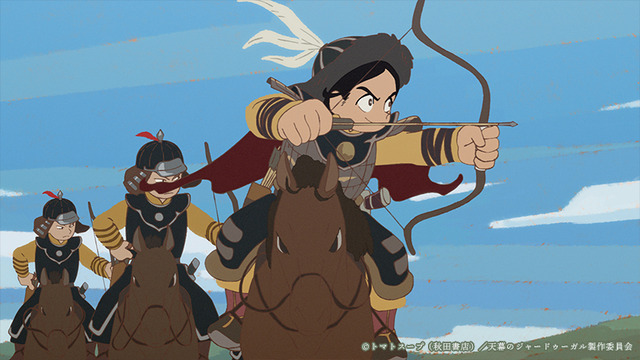
—In his impactful debut scene, he speaks Mongolian, and a Mongolian voice actor dubbed those lines. Did you have any interaction with that actor?
Suzuki: Unfortunately, I didn’t get to meet the Mongolian voice actor. My performance was sent over as a base, and they built the Mongolian Tolui from that. It wasn’t a strict guide, but I recorded with the idea of providing a direction for the Japanese version. It’s a shame that viewers can’t hear that audio directly, but I hope they can imagine the atmosphere.
—Tolui initially orders Shitara’s death and seizes the original text, making him seem like a villain. But as the story progresses, we see his lighter side. Did you consciously play that gap?
Suzuki: Tolui himself doesn’t think he’s doing anything wrong. He’s just there to get what Sorqoqtani asked for. So I didn’t drastically change my inner approach. However, he’s someone Shitara and others must fear, so I made sure to bring out a sense of menace on the battlefield. But basically, he’s a loud, energetic, and straightforward person. Later in the story, we see more of his motivations, but in everyday conversation, he doesn’t seem to think too deeply. He’s the type who, when asked if he can read the original text, says “I don’t know.” So I played him as someone who charges straight toward his goal rather than overthinking.
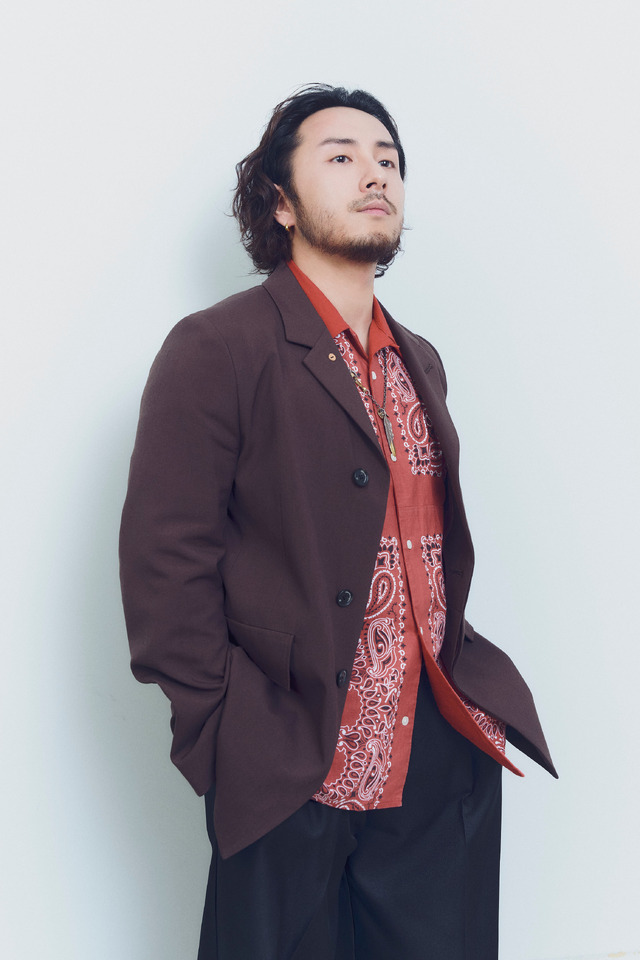
—When we interviewed Sekine Akira (Shitara’s voice), she said, “This work has enemies but no villains.” Tolui seems to embody that.
Suzuki: Exactly. In the latter half, the story becomes about the women’s schemes, but everyone is acting on their own sense of justice. The consorts want power for their husbands or to protect their positions. They’re not acting purely out of malice. Of course, Doregene and Shitara have revenge in their hearts, but that’s not simple malice—it’s born from what they’ve carried. It really feels like justice clashing with justice. So indeed, I don’t sense much “evil” in this story.
—So Tolui didn’t act out of malice either.
Suzuki: No, it wasn’t malice. He just wanted to fulfill Sorqoqtani’s wish. When he returns to the ger and happily says, “She asked for a book instead of jewels—how modest!” you can see his purity. He wasn’t thinking “I’ll hurt someone”; he was thinking “I want to grant her wish.”
“The Strongest Person I Know Is My Mother” – Suzuki’s Definition of Strength
—The story depicts battles and power struggles, but at its core are family and relationships. Was there any character or relationship that stood out to you while playing Tolui?
Suzuki: Sorqoqtani, definitely. Including the performance of Misaki Kuno, who voices her, she left a strong impression. I’ve worked with Kuno before, but she often played animal-like or low-stature characters, so hearing her in this calm, mature woman’s role was refreshing. I respected her a lot during our exchanges. Sorqoqtani herself values intellect and has the wisdom to see ahead—she’s a fascinating character. Also, the relationships among the brothers are important. The scene where Tolui risks his life for Ogotai really moved me during recording.
—Were there any performances from your co-stars that stood out?
Suzuki: I have to mention Shitara. Including the narration, her performance as an older Shitara has a detached, almost documentary-like quality. There’s a scene where she speaks in a barely audible whisper, and when I saw it in the final footage, it was beautifully captured. I was amazed that such a small voice could carry so well—whether it’s technique or her natural voice, I don’t know, but it was impressive. Shitara is a difficult character. She smiles on the surface but harbors hatred inside, and she switches between those states often. She also moves between monologue and dialogue, requiring delicate acting. Sekine makes it look natural—she’s a truly skilled actress.
—In your comment when the cast was announced, you said you learned about culture and language you hadn’t encountered before. What aspects of Mongolian history or values left an impression?
Suzuki: Even the way animals are butchered differs by region. The method of bleeding—like going for the neck—shows how cultural differences existed even then. Also, the rule about not stepping on the threshold of the tent, and the significance of fire as a purifying force—those values stood out. But when I think about it, we also have the custom of taking off shoes at home. Not stepping on the threshold feels similar. It made me realize that ancient values still linger in modern life, which was interesting.
—You also mentioned the animation’s detailed artistry. Are there any scenes you’d like viewers to pay attention to?
Suzuki: I was curious how Tomato Soup’s picture-book-like art would be translated into animation. One scene that stood out was in episode one, where Shitara and others talk in front of a window. Normally, you’d expect the window to reflect the characters like a mirror, but here it’s the opposite—the reflection appears on the characters’ side. I’ve never seen that kind of depiction before, so it was fascinating. Also, despite the cute art style, the tears are realistic. The way tears well up and fall follows human movement. Since this is a dialogue-driven story, I felt they put a lot of effort into human expression. The landscapes, mountains, and animals are beautiful, and the buildings are detailed. The atmosphere of the era is well-crafted—that’s worth watching.
—The depiction of light and shadow is distinctive.
Suzuki: Yes. In that era, there were no clocks, so they measured time by the light coming through the tent—like a sundial. That makes me think the sun was a huge presence for them. It’s sometimes seen as a deity, and its meaning changes depending on how it appears. There’s an eclipse scene in the story, and such phenomena must have held even more special significance back then. Of course, the sun is still important today, but it was more closely tied to daily life and values in that time.
—Tolui is depicted as a “strong character” with great military power, but this work teaches us that strength has many meanings. Who do you consider a “strong person”?
Suzuki: Someone who can abandon themselves for others is strong. Voice acting is a profession in the spotlight, so people might think we have strong egos, but in reality, there are many people supporting us behind the scenes—animators, managers, and family. For me, my mother is especially that. She worked late into the night but still did so much for me. If I said I wanted to do club activities, she’d prepare everything. I didn’t realize it at the time, but by high school, I thought, “She’s a really strong person.” I don’t think I could push myself that hard for someone else—I’d probably break. So the strongest person I know is my mother.
—Thank you. Finally, please give a message to fans enjoying the series.
Suzuki: As I said at the start, this work is built around the women’s dialogue and a suspenseful atmosphere. You’ll wonder what happens to Doregene, Shitara, and Sorqoqtani—each character lives with strong feelings within their positions and statuses. I think you’ll find something to relate to. If you can connect with even one character, you’ll enjoy the story from a different angle. As for Tolui, his devotion to family is his greatest charm. Please watch how he makes choices for his family, and how the people who receive his feelings carry them forward.
■TV Anime Tenmaku no Jaadougaru
Currently airing on TV Asahi’s IMAnimation slot (24 stations nationwide) and BS Asahi.
| Staff | |
|---|---|
| Original | Tomato Soup, Tenmaku no Jaadougaru (Akita Shoten, Souffle) |
| General Director | Naoko Yamada |
| Director | Abel Gongora |
| Series Composition | Kanichi Kato |
| Character Design & Animation Chief | Kenichi Yoshida |
| Direction Chief | Takuya Fujikura |
| Art Director | Yuri Kabasawa |
| Color Design | Narumi Konno |
| Cinematography | Naoki Takahashi |
| Editing | Kiyoshi Hirose |
| Music | Koshiro Hino |
| Sound Director | Noriyoshi Konuma |
| Animation Production | Science SARU |
| Cast | |
|---|---|
| Shitara | Akira Sekine |
| Doregene | Ami Koshimizu |
| Fatima | Noriko Kuwashima |
| Muhammad | Jun Saito |
| Ogotai | Hiro Shimono |
| Tolui | Ryota Suzuki |
| Shira | Miyu Irino |
| Chagatai | Daisuke Namikawa |
| Juchi | Kenji Nojima |
| Sorqoqtani | Misaki Kuno |
| Moge | Ayaka Asai |
| Kirgisutani | Mayumi Shintani |
| Borakuchin | Kujira |
Opening theme: SEKAI NO OWARI “Stella”
Ending theme: Queen Bee “Hoshi”
© Tomato Soup (Akita Shoten) / Tenmaku no Jaadougaru Production Committee