





Introduction
There is something quietly devastating about watching two people realize they have been carrying the same memory for seven years. Tenkou-saki no Seiso Karen na Bishoujo ga, Mukashi Danshi to Omotte Issho ni Asonda Osananajimi Datta Ken opens with a childhood promise between two kids in a rural mountain town, the kind of promise that feels enormous when you are eight and impossible to keep when you are fifteen. Kirishima Hayato told Nikaidou Haruki they would always be buddies. Haruki said the same. Then Haruki moved away, and Hayato waited.
The series picks up with Hayato moving to Tokyo after his mother’s hospitalization. He transfers into a new high school, sits next to a girl named Nikaidou-san, and dismisses the coincidence because his childhood friend was a boy. Except Haruki was never a boy. Haruki was always a girl, one who has spent years hiding behind a carefully constructed “camouflage” at school, a perfect and aloof persona designed to keep everyone at arm’s length. The moment Hayato realizes who she is, the series transforms from a competent slice-of-life comedy into something considerably more emotionally ambitious.
My overall impression is that this series represents the slice-of-life romantic comedy genre at its most patient and observant. It trusts its audience to sit with quiet moments, to read between lines of dialogue, and to understand that the most meaningful changes in a relationship often happen without anyone announcing them. This is a series for viewers who appreciate character-driven storytelling, who find joy in watching two people slowly figure out what they mean to each other, and who do not require constant narrative escalation to stay engaged.
Story and Themes
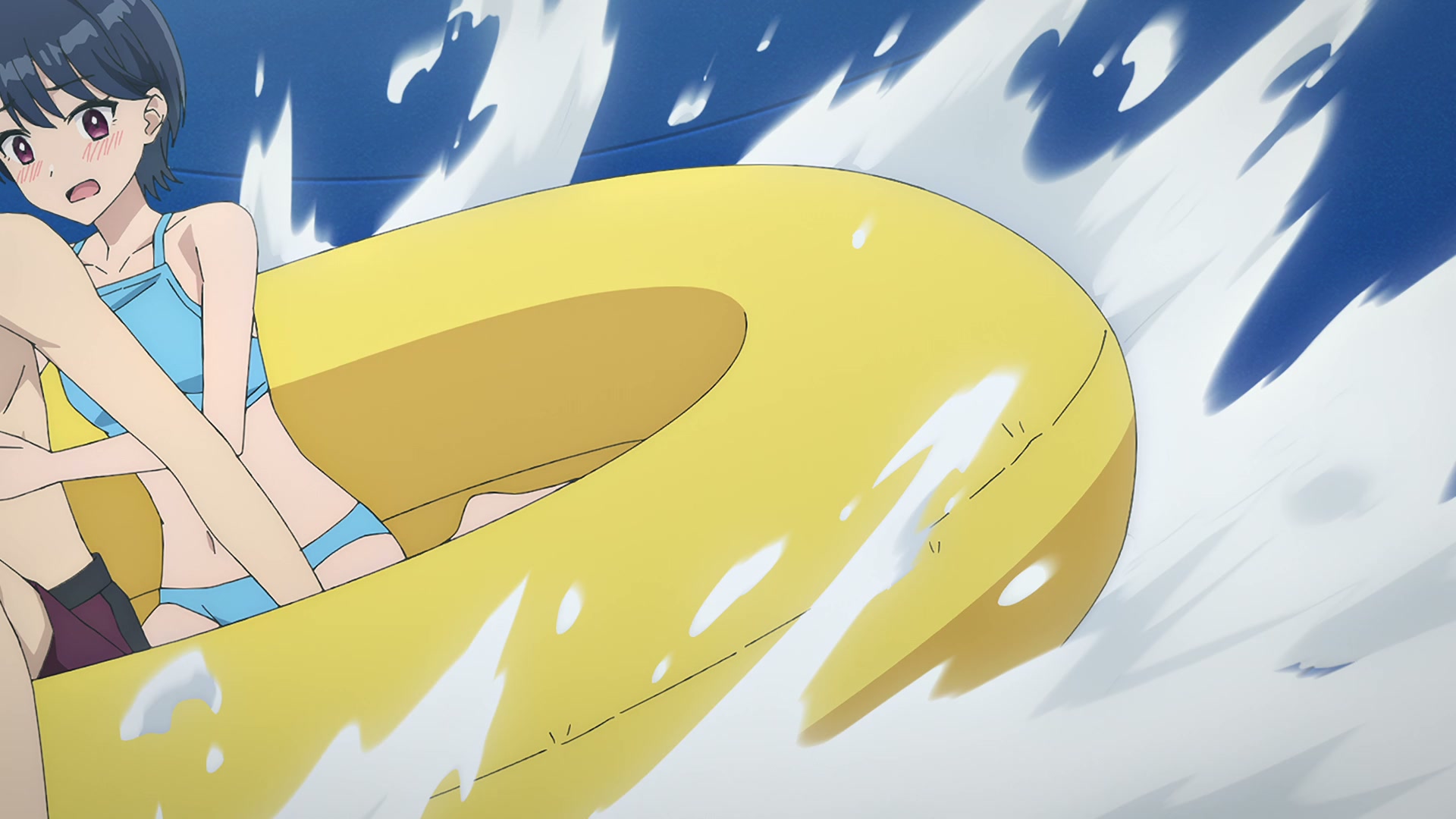
The narrative structure follows a seasonal arc, beginning with the reunion and progressing through the gradual integration of Hayato and Haruki’s private bond into a wider social world. The pacing is deliberate, sometimes almost leisurely. Episodes are built around everyday activities: shopping for a cell phone, working a shift at a confectionery shop, going to the pool. These mundane settings become stages for character revelation, and the series consistently finds emotional weight in spaces other anime would treat as filler.
The central metaphor is camouflage. Haruki’s school persona is explicitly framed as survival rather than deception. She is the illegitimate daughter of Takura Mao, a famous actress, and her mother has made it violently clear that Haruki’s existence is a liability. The slap scene, where Mao screams at Haruki to stay out of sight, is brief but brutal, and it recontextualizes everything that came before. The perfect student, the aloof beauty, the girl who eats lunch alone to avoid making others jealous. All of it is armor.
What elevates the theme beyond a simple “be yourself” message is how the series extends the camouflage concept to nearly every character. Kaidou Kazuki wears a charming playboy mask to hide his awkwardness and his complicated past. Sato Airi performs as a bold celebrity but becomes uncertain and apologetic when her contacts fall out. Murao Saki carries the weight of being the perfect shrine girl, admitting privately that she sometimes defaults to shrine clothes just because choosing outfits is exhausting. The series argues that everyone wears masks, and the question is not whether to wear them but whether to have the courage to remove them with the people who matter.
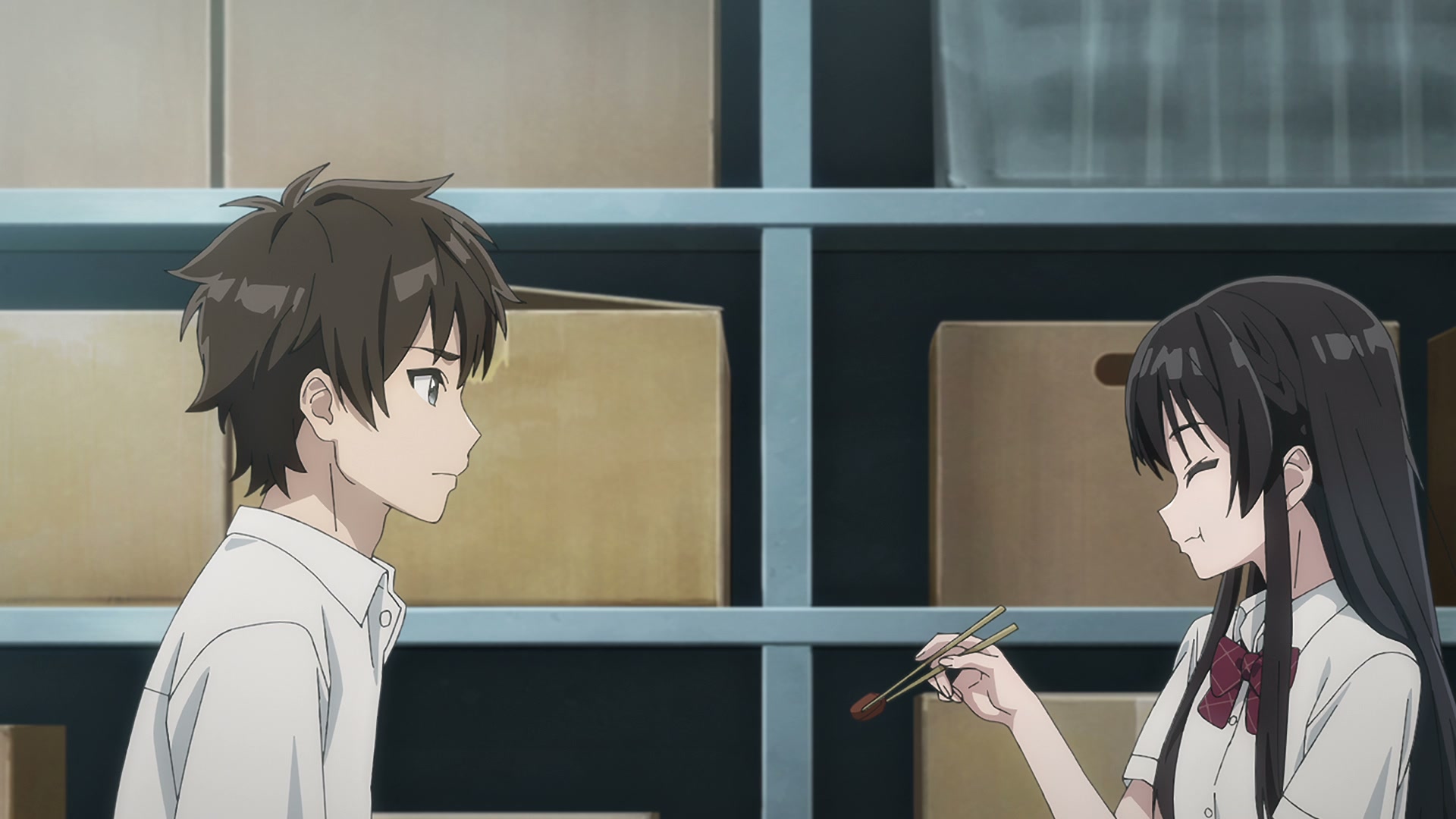
The owe and repay system between Hayato and Haruki is one of the more sophisticated pieces of relationship writing I have encountered in this genre. They constantly tally favors, each insisting the other “owes one” for shared food or small kindnesses. On the surface this is playful competition, a holdover from childhood. But it functions as a language of care. Saying “you owe me one” is easier than saying “I wanted to help you.” The system maintains equality in a relationship where Haruki clearly receives more support than she can give back. And the perpetual imbalance of favors ensures the relationship keeps moving forward. Haruki’s mother taught her that everything must be paid back. Hayato’s version of owing is not about repayment. It is about staying connected.
Loneliness runs through the series as a shared condition rather than an individual problem. Haruki lives alone. Minamo lives alone while her grandfather is hospitalized. Hayato spent seven years in Tsukinose with no friends his age after Haruki left. Saki has loved Hayato from a distance for years. Kazuki is surrounded by admirers but lacks genuine connection. The series does not treat loneliness as something to be solved through romance or friendship alone. It treats acknowledgment as the first step. Haruki’s halting confession that she “got lonely” is not weakness. It is the beginning of healing.
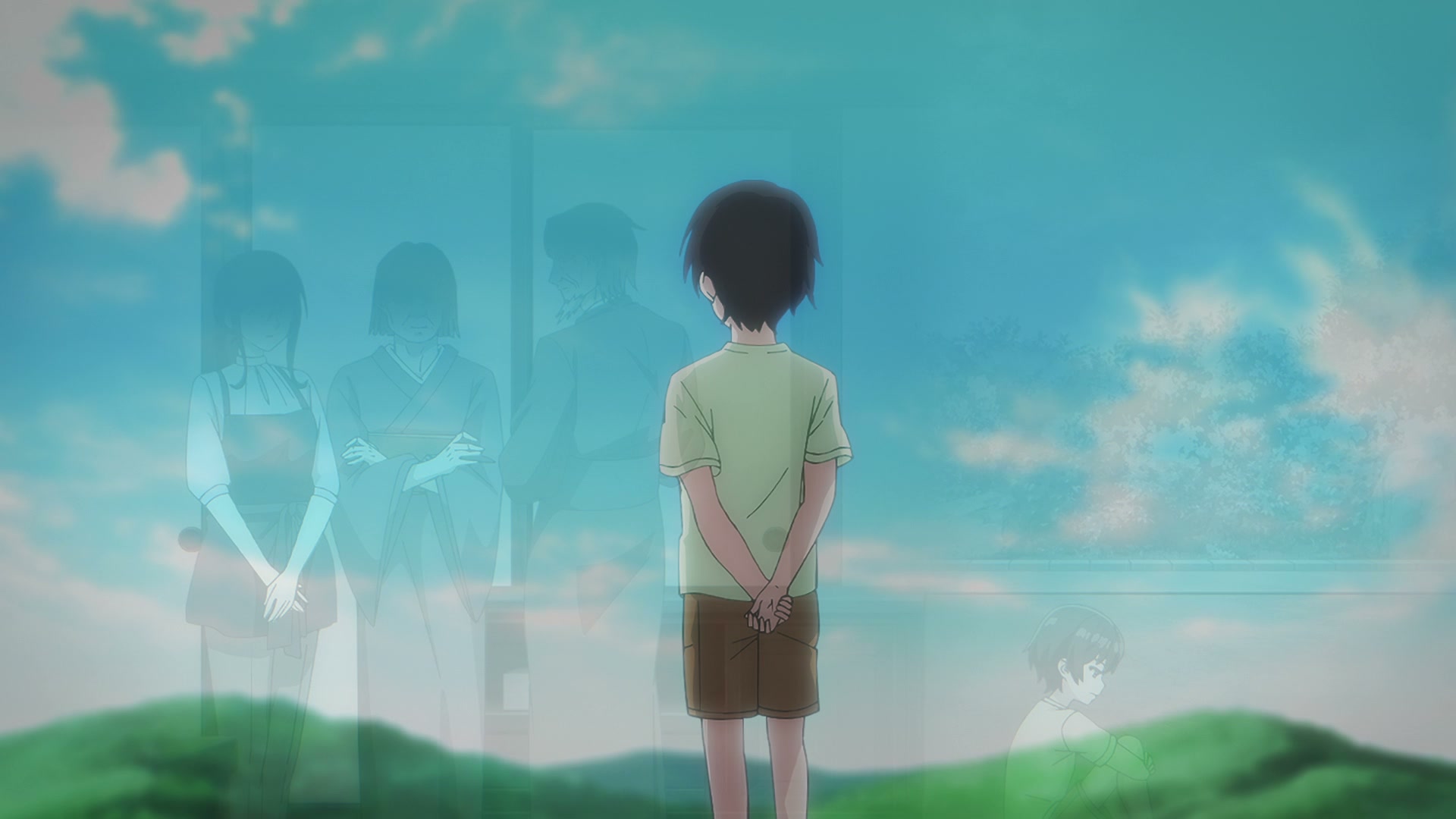
The return to Tsukinose in the final episode brings the themes full circle. The treasure box that seemed large in childhood is now small. Haruki observes that Hayato’s hands just got bigger. The landscape is unchanged, but the people standing in it have grown. This is the thesis on memory: the past does not disappear, but our relationship to it transforms. The characters honor where they came from without being trapped by it.
On adaptation concerns, I have no familiarity with any source material this series may be based on. I cannot speak to what was cut or compressed. What I can say is that the anime as presented feels complete. The pacing allows relationships to develop organically, and there are no obvious gaps where subplots seem to have been removed. The open ending, which leaves the central romance unresolved, feels like a thematic choice rather than a failure of adaptation.
Characters
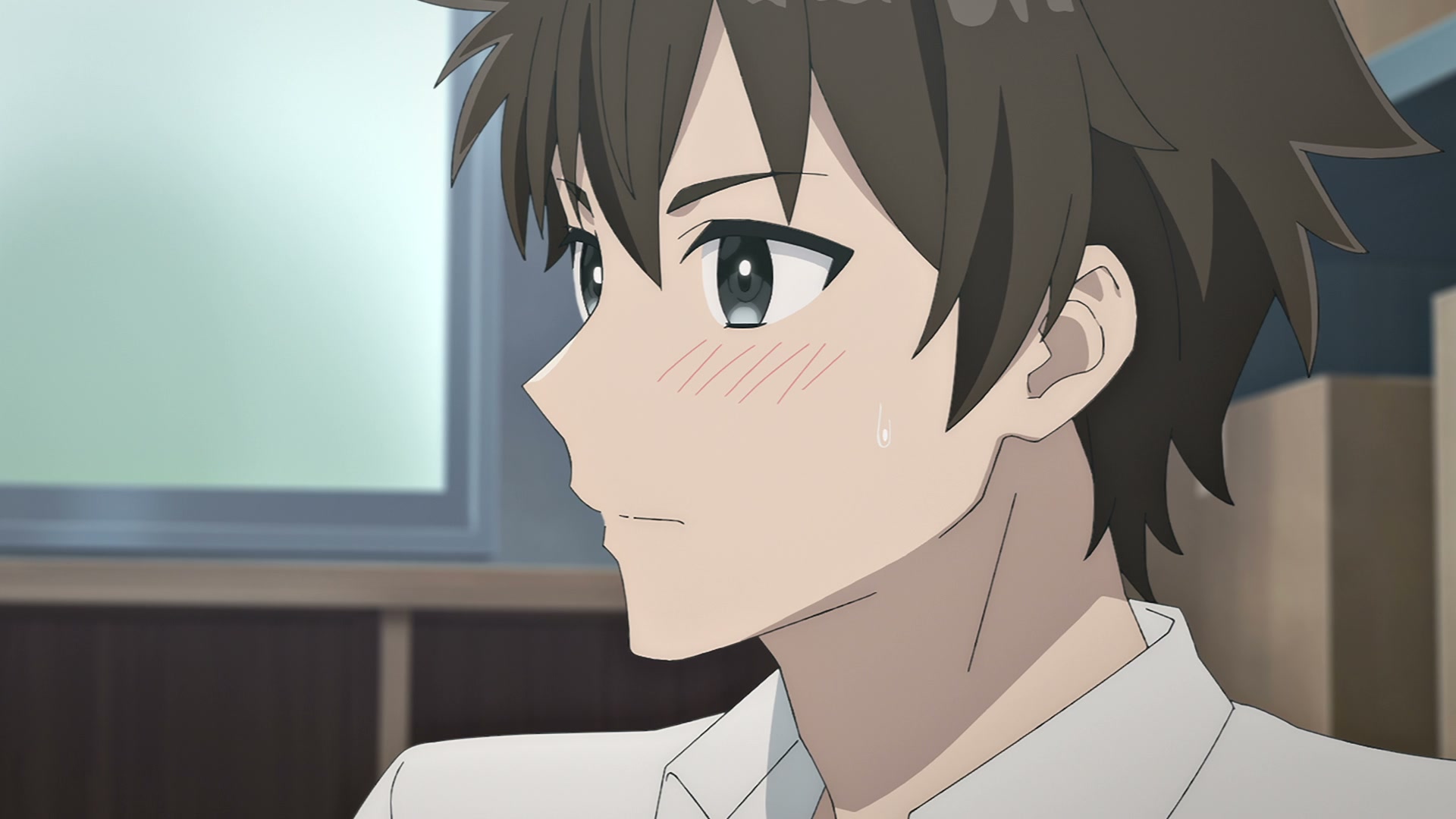
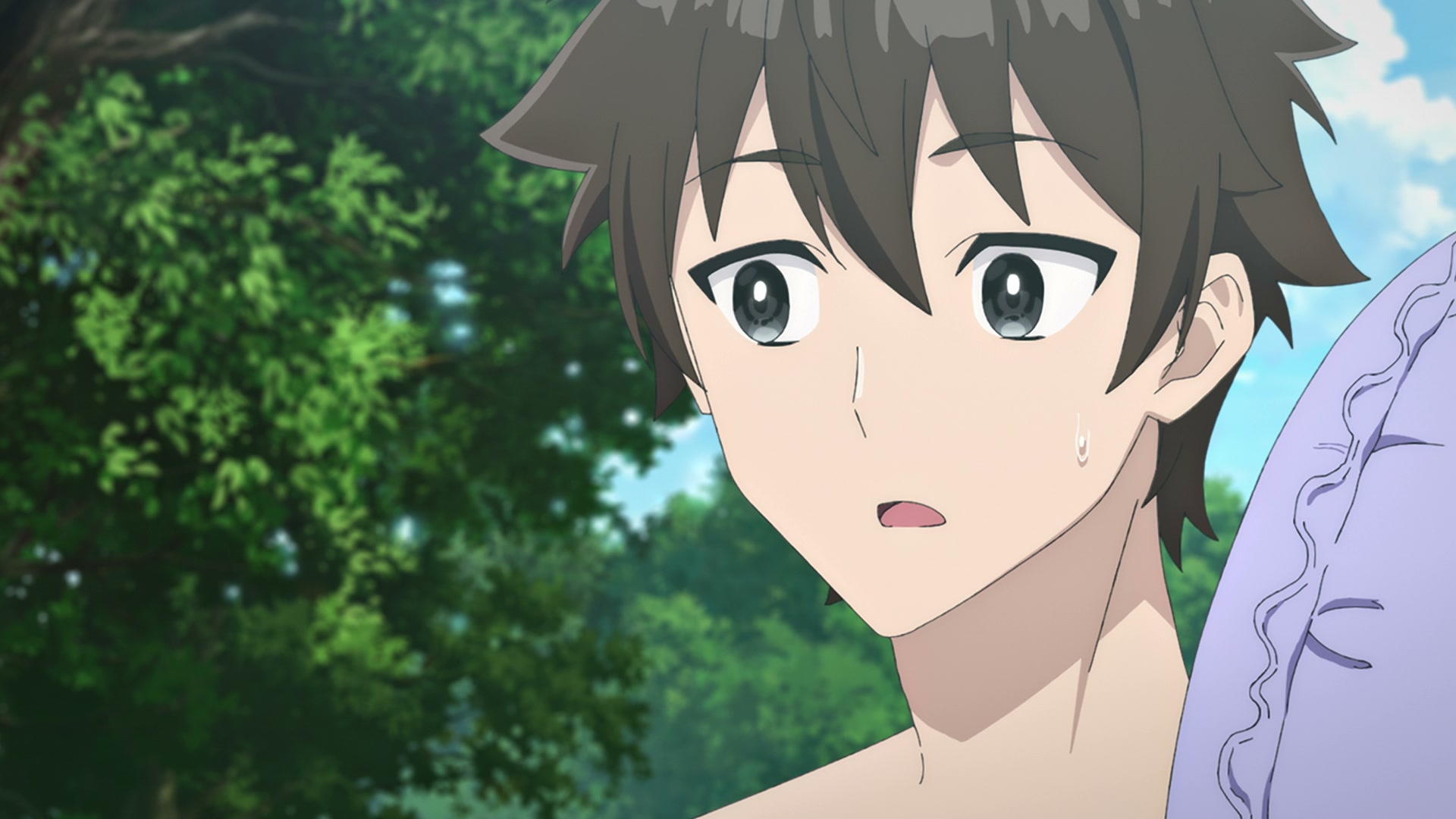
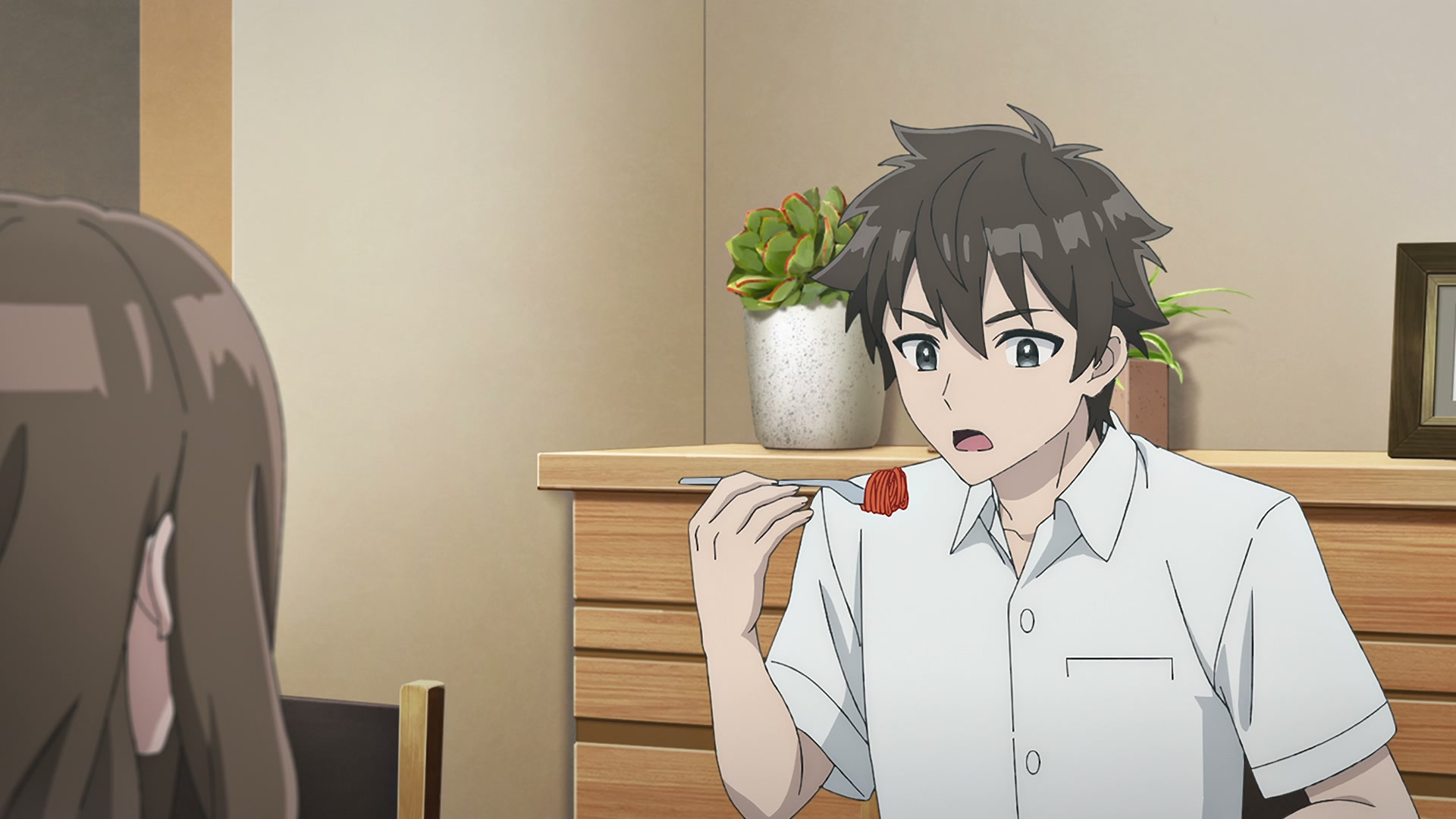
Kirishima Hayato is a protagonist defined by emotional reserve. He expresses care through action: cooking meals, carrying groceries, giving Haruki a spare key to his apartment. Words are harder for him. His confession in Episode 4 that he was lonely after Haruki left is a rare moment of verbal vulnerability, and it lands because of how infrequently he allows himself that openness. His obliviousness to romantic interest, from Saki’s obvious crush to Minamo’s growing feelings to Haruki’s own confused attraction, is played for comedy but serves a deeper purpose. He built his emotional framework around a friendship he believed was between two boys. He has no template for processing romantic feelings toward his childhood friend, so he defaults to the familiar. He treats her as he always has, which preserves their bond while also preventing its evolution.
What makes Hayato work as a protagonist is his authenticity. He is genuinely enthusiastic about the massive 100-yen store and the movie theater with 768 seats. He is matter-of-factly competent at cooking and household management without making a show of it. He is not embarrassed by his rural background. When he gives a passionate speech about vegetable growing to Kazuki, it is earnest and slightly ridiculous and completely sincere. That sincerity is what draws people to him, and it is what eventually breaks through Haruki’s walls.
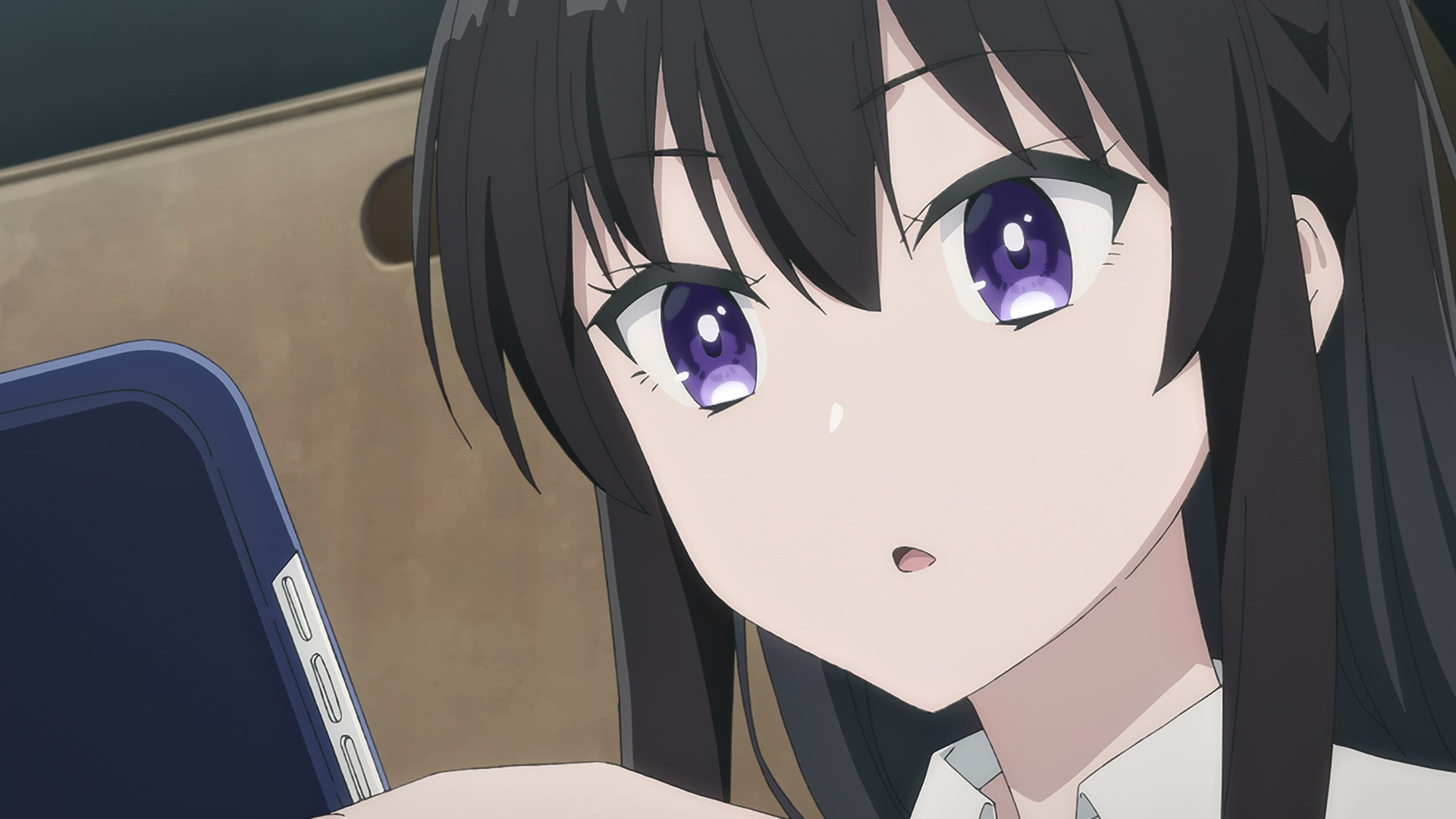
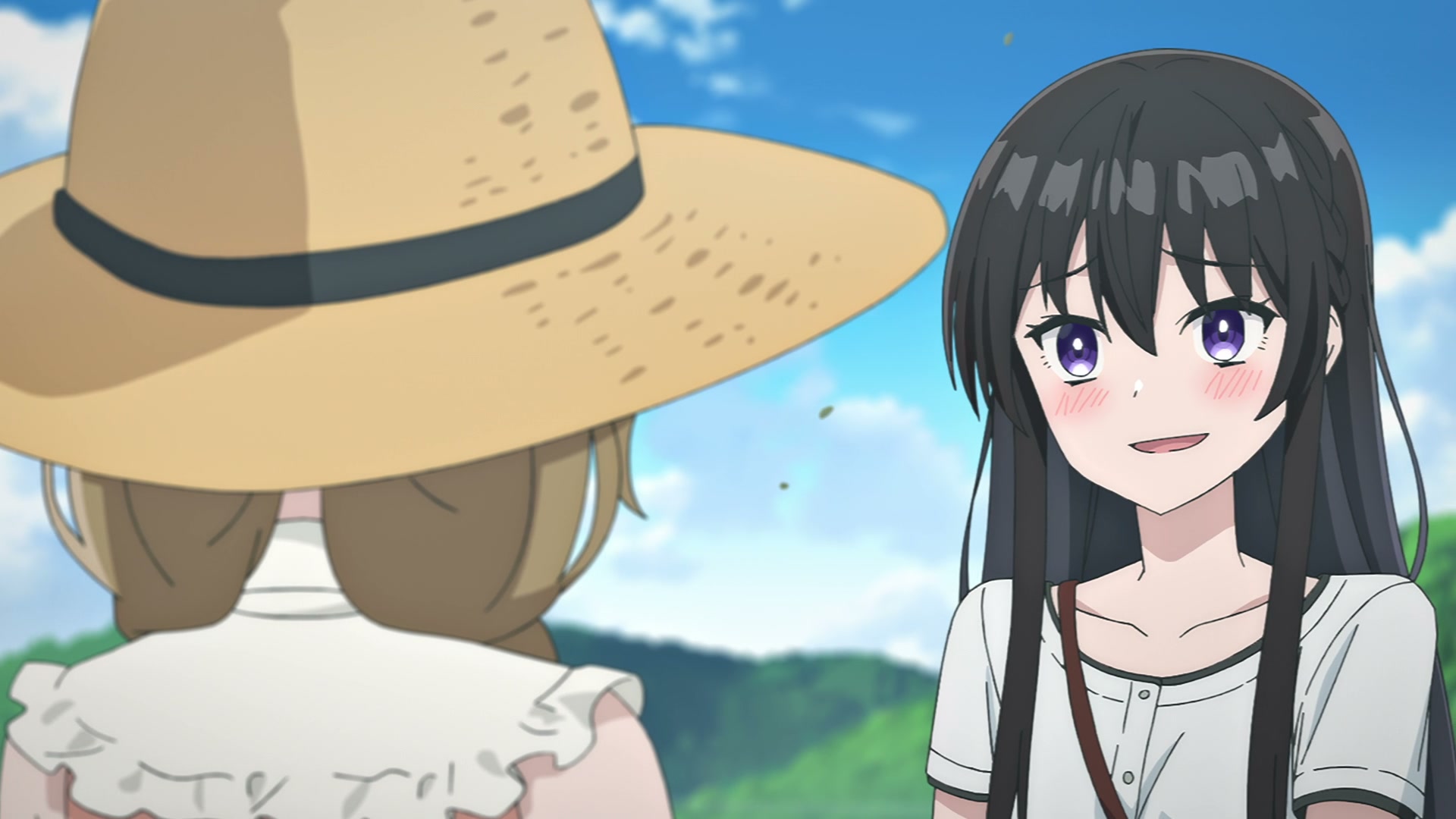
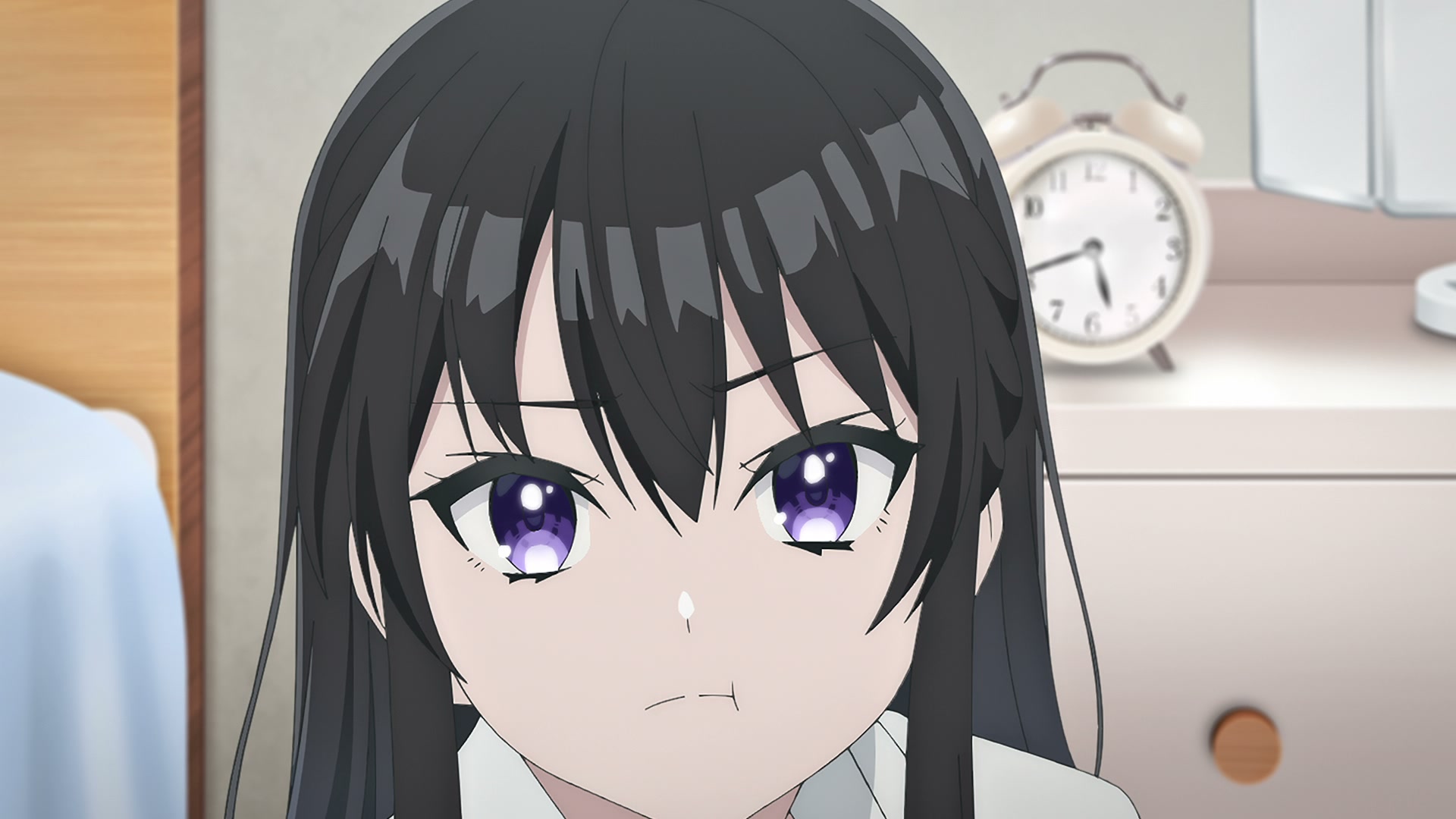
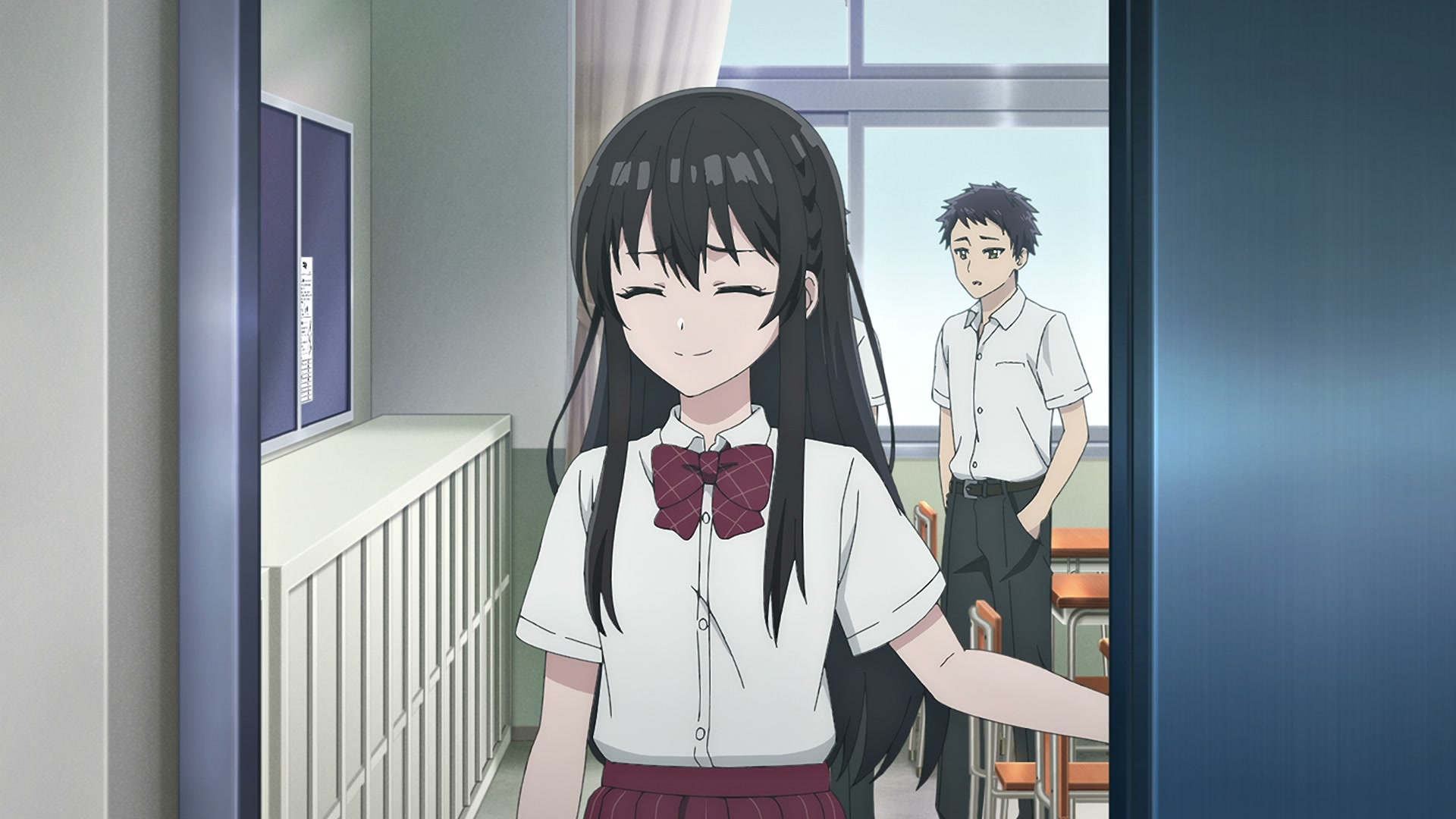
Nikaidou Haruki is the heart of the series, and her internal conflict is rendered with remarkable sensitivity. She is three people at once: the boy Hayato remembers from childhood, the perfect girl she performs as in public, and the authentic self she reveals only to those she trusts. Reconciling these identities is her central struggle. Her questions about femininity, whether she actually looks like a girl, reveal deep insecurity despite her acknowledged beauty. She spent her childhood being mistaken for male. She has been isolated from female peer groups. Her mother rejected her. She has no clear sense of what being a girl means, and she is trying to figure it out in real time.
The “Meeah” exclamation deserves special mention. It occurs involuntarily when Haruki is flustered or overwhelmed, a crack in the camouflage that reveals the authentic self beneath. The frequency increases as the series progresses, suggesting she is becoming less able and less willing to maintain her mask. It is a small detail, but it is the kind of character beat that separates good writing from merely competent writing.
Her confession in Episode 9, delivered via phone call from Minamo’s house, is the emotional climax of the series. The distance of the phone call paradoxically enables intimacy. Haruki can say things she might not manage face-to-face. She admits her loneliness, reveals her mother’s violence, and states her desire to become “a truly special person” to Hayato. The halting delivery, the vulnerability, the way she almost hangs up before saying what she needs to say. It is a masterclass in emotional writing.
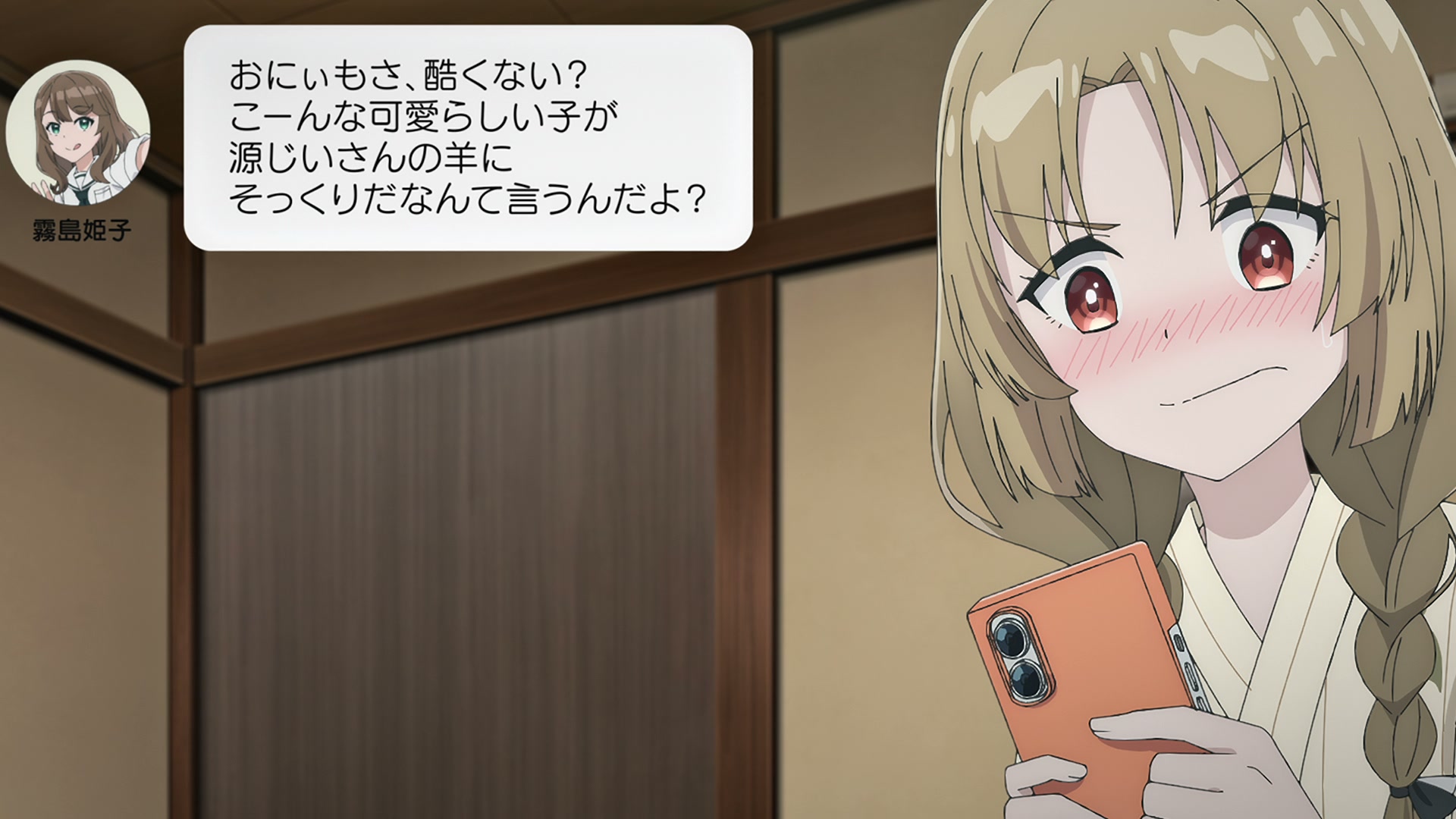
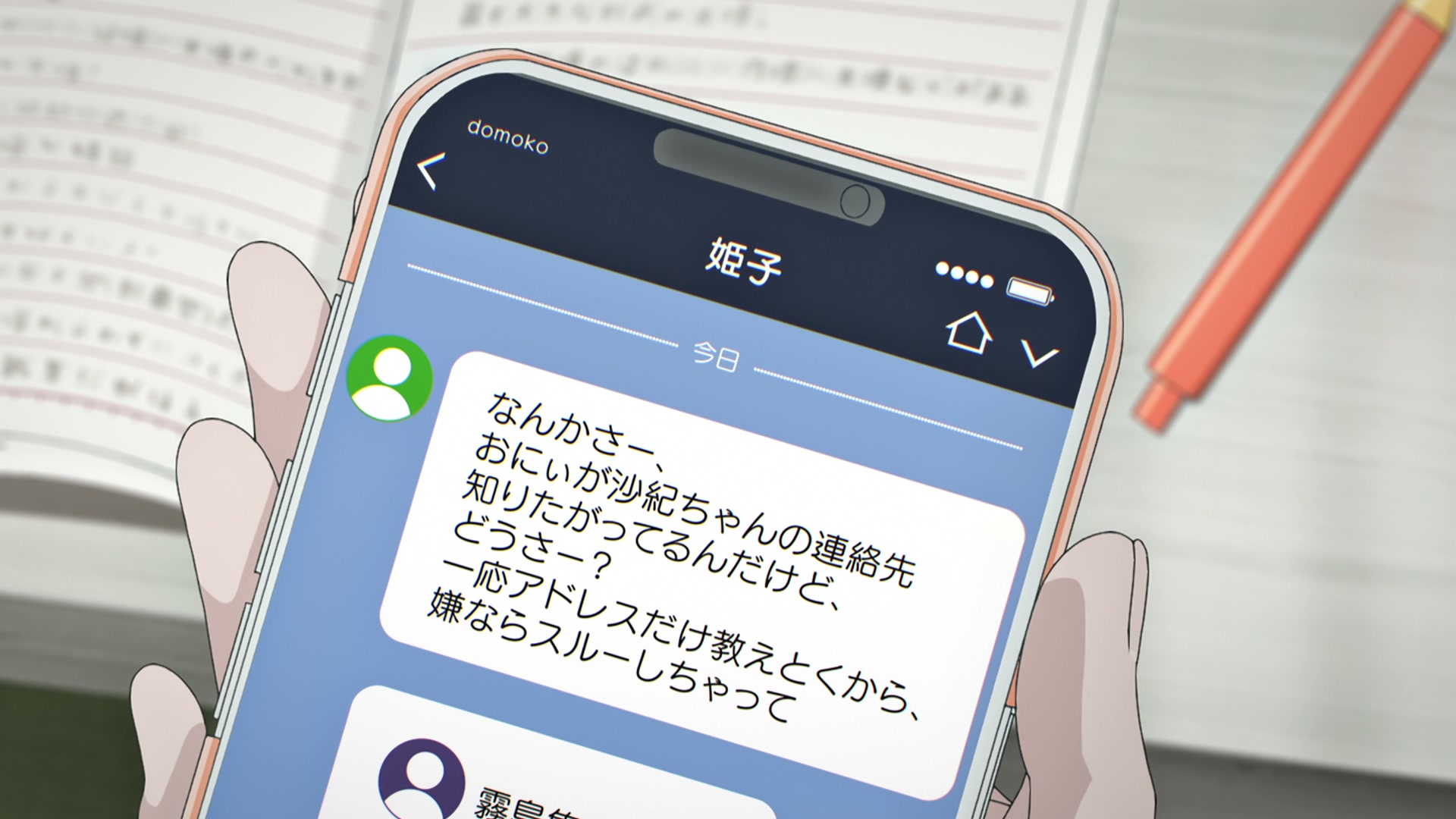
Kirishima Himeko functions as comic relief and emotional insight simultaneously. Her role as relationship facilitator, pushing Hayato and Haruki together while teasing them about their obliviousness, makes her an audience surrogate. She is expressing what viewers are thinking. But her own hinted romantic disappointment, the “someone I liked once” who she is now out of touch with, adds depth beyond her meddling persona. She is not just the little sister. She is someone who understands loss and longing, which is why she is so invested in her brother’s happiness.
Mitake Minamo is a gentle presence who becomes crucial to Haruki’s development. Her sheep-like appearance, noted by Hayato, matches her soft and skittish nature. But she is stronger than she appears. Living alone while her grandfather is hospitalized, she has built a life around nurturing plants. Her friendship with Haruki develops naturally from shared loneliness, and her unconditional acceptance of Haruki’s secret demonstrates her capacity for genuine kindness. Her growing feelings for Hayato create a potential triangle, but the series handles it with sensitivity. Neither girl allows their feelings for Hayato to damage their friendship.
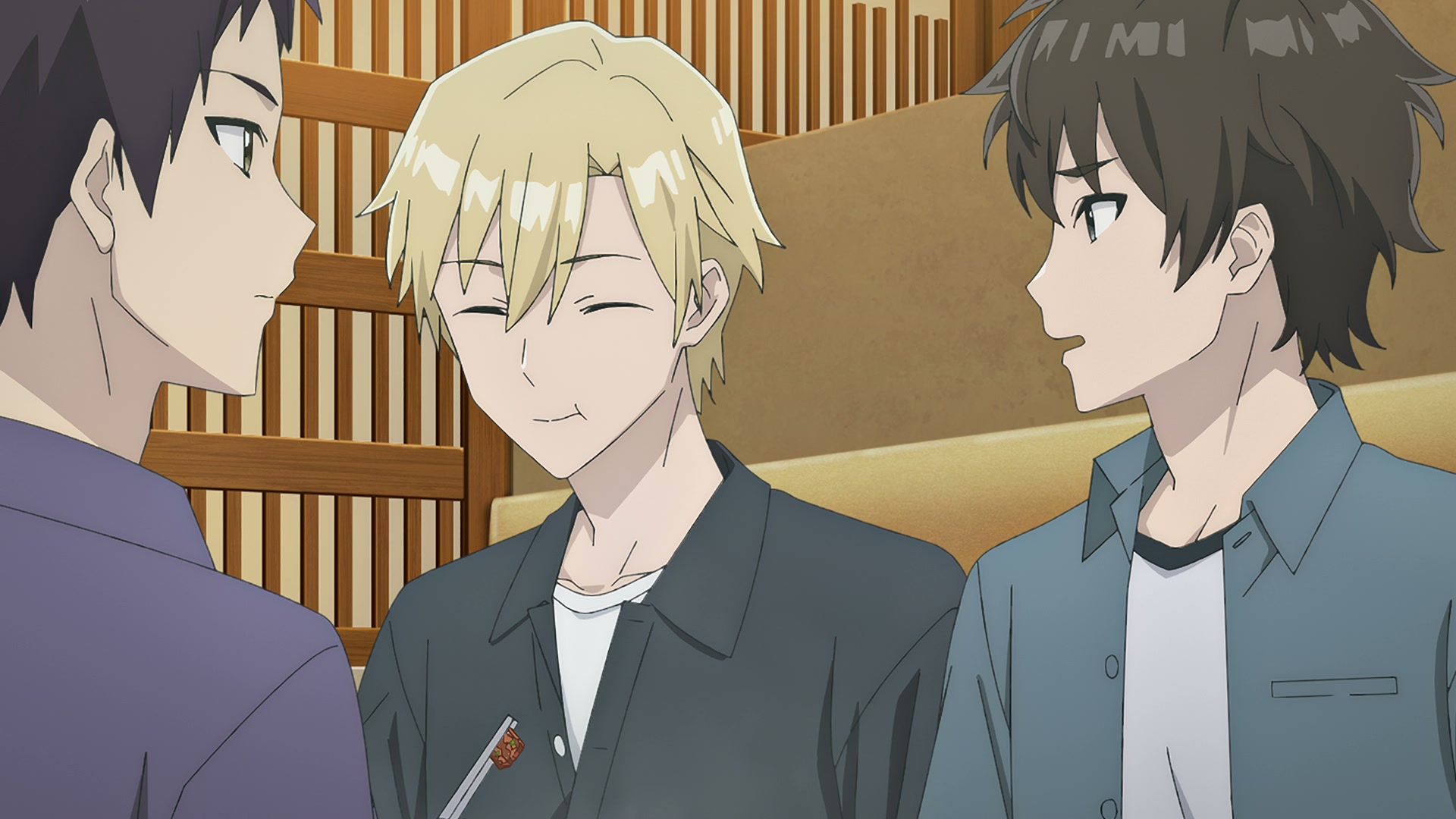
Kaidou Kazuki is the most explicit mirror of Haruki, wearing his own mask for his own reasons. His public confessions to Haruki are revealed to be performative, part of maintaining his image while seeking something more genuine. His arc from performative flirtation to genuine friendship with Hayato parallels Haruki’s gradual dismantling of her camouflage. The series wisely avoids making him a genuine romantic rival, instead using him to explore how masks can be set aside when trust is established.
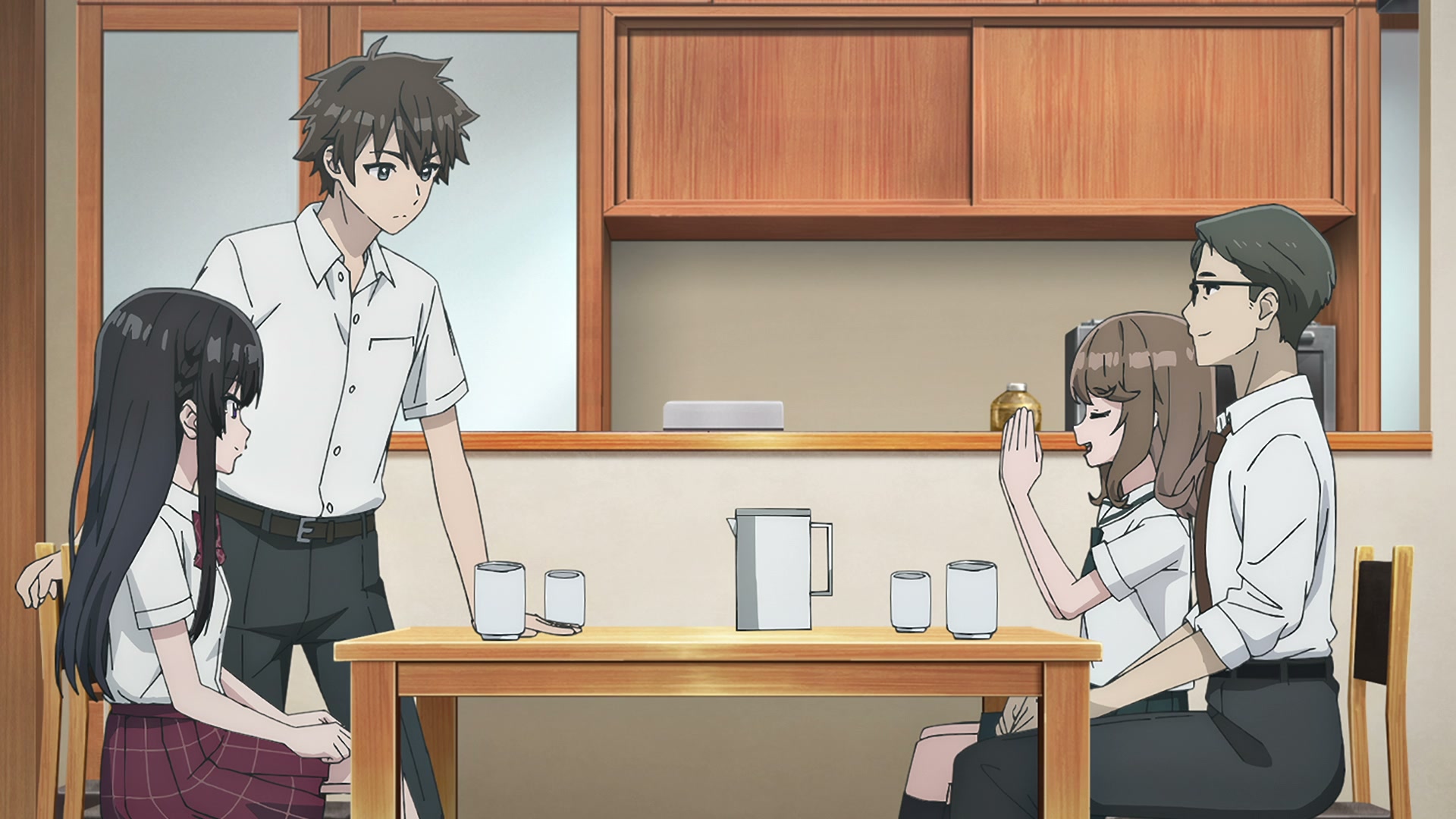
Mori Iori and Isami Ema provide a healthy relationship model, childhood friends who successfully transitioned to romance. Their ease with each other contrasts with Hayato and Haruki’s awkwardness, suggesting that the latter pair’s difficulties are not insurmountable. Iori’s advice about girls on diets being “emotionally unstable” is both comedic and surprisingly insightful.
Murao Saki carries the weight of unrequited love, a quiet tragedy running beneath the main narrative. Her childhood flashback, where she is frightened by her own strong feelings after Hayato compliments her Kagura dance, is deeply touching. She has loved him from a distance for years, maintaining contact through Himeko rather than pursuing him directly. Her restraint is both admirable and melancholy.
Sato Airi appears briefly but memorably, her public persona and private self revealing another iteration of the camouflage theme. The pool scene where she reveals her true self, uncertain and apologetic after losing her contacts, is a small gem of character writing.
Visuals and Animation
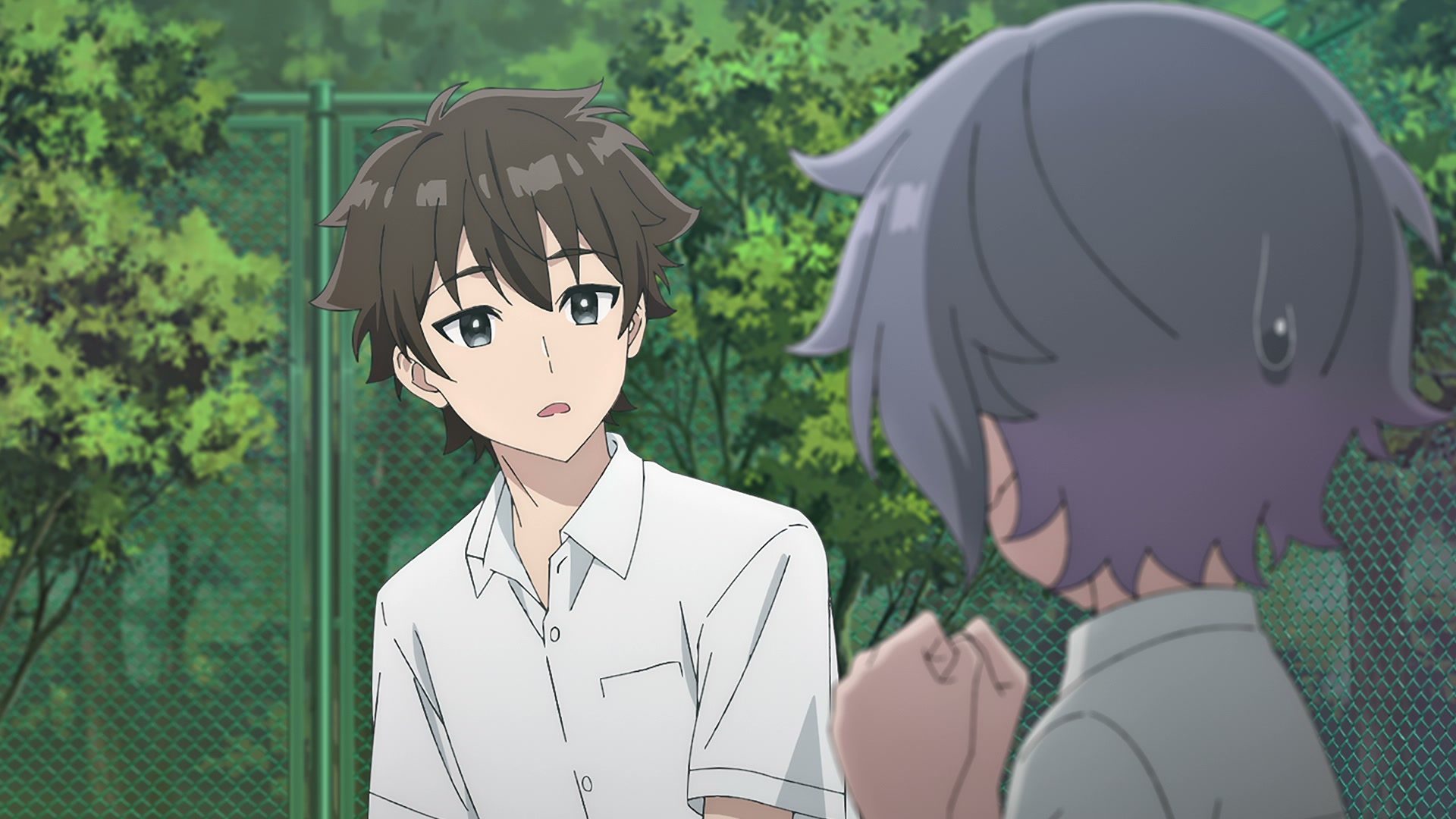
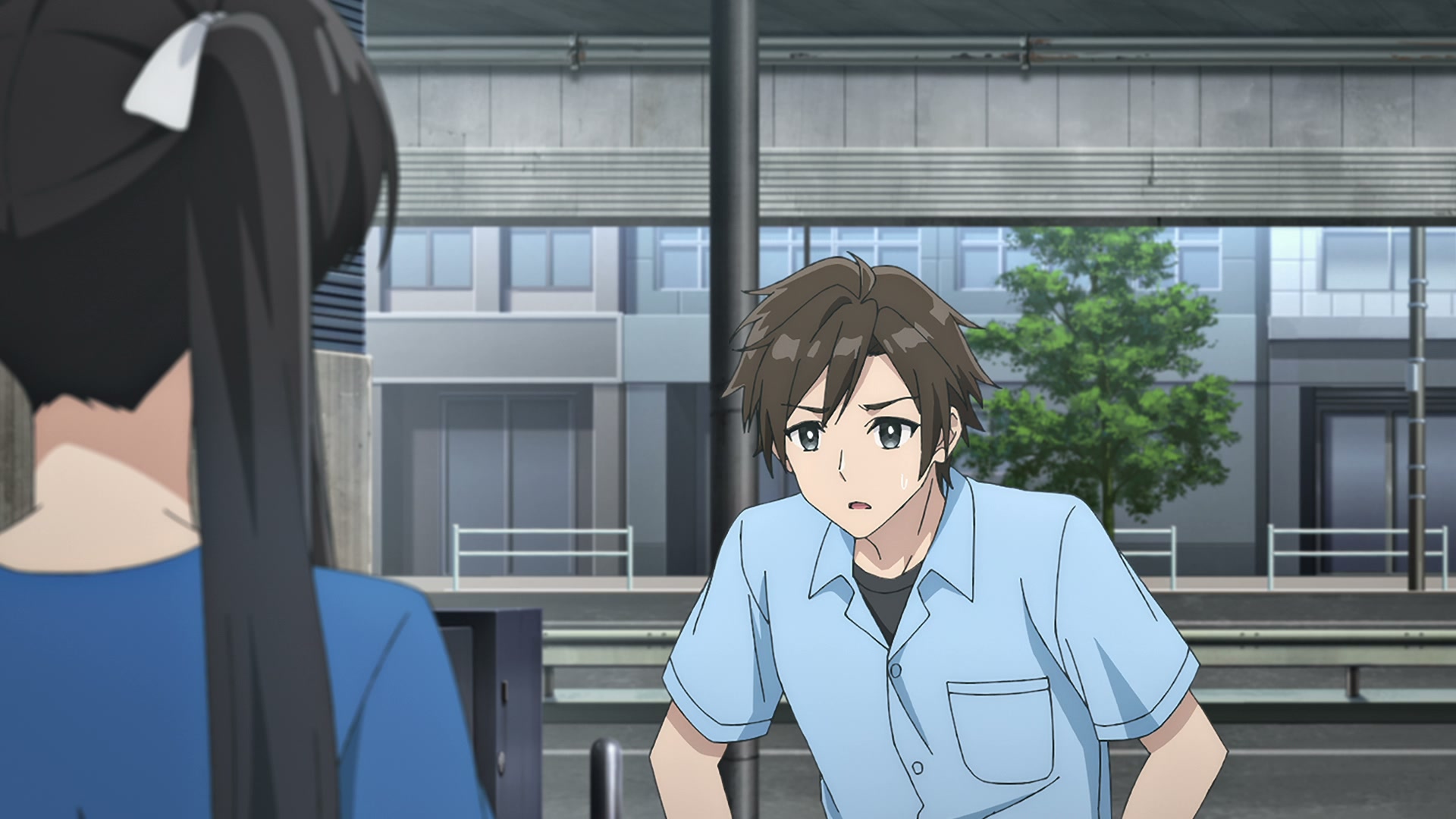
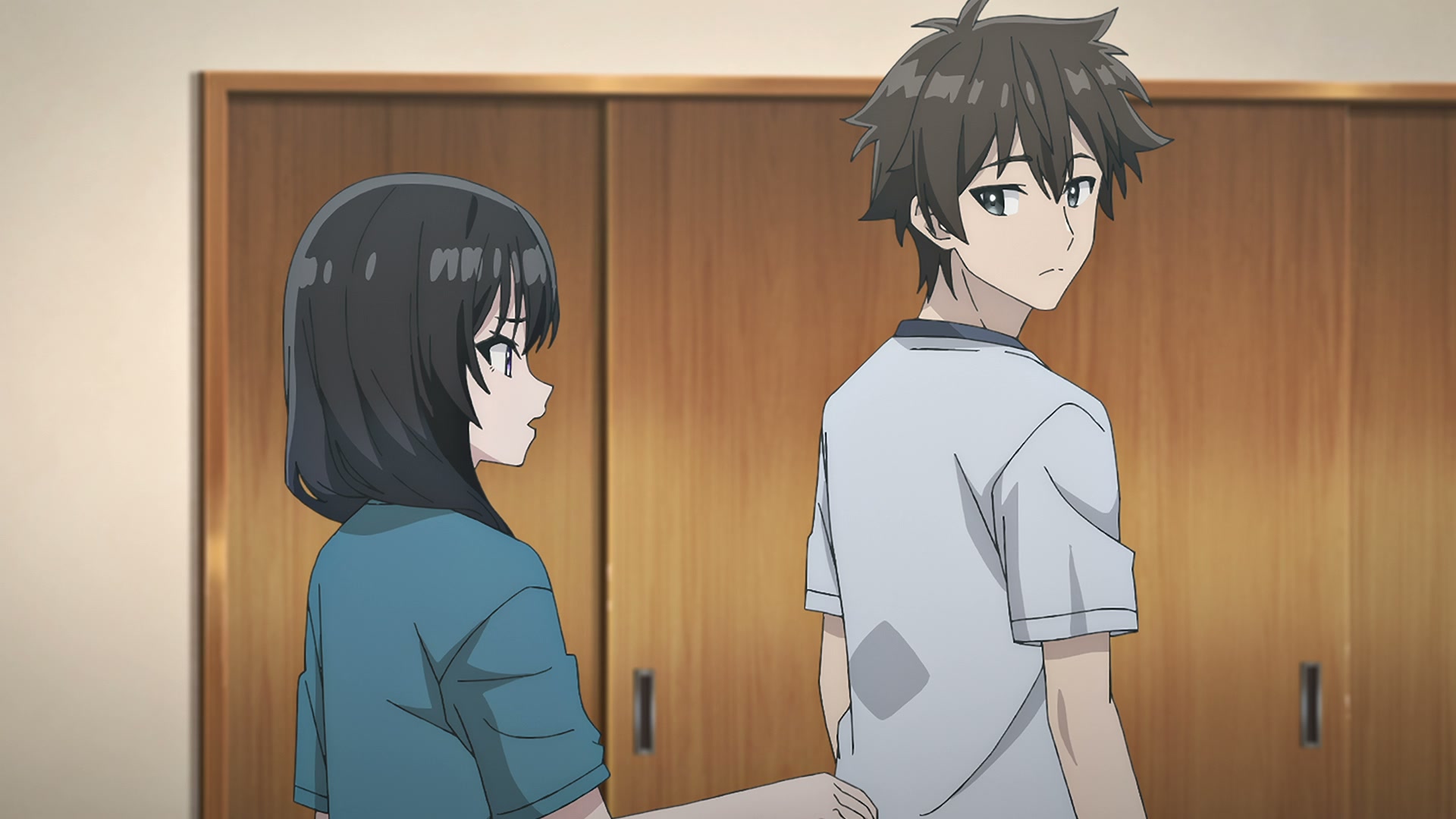
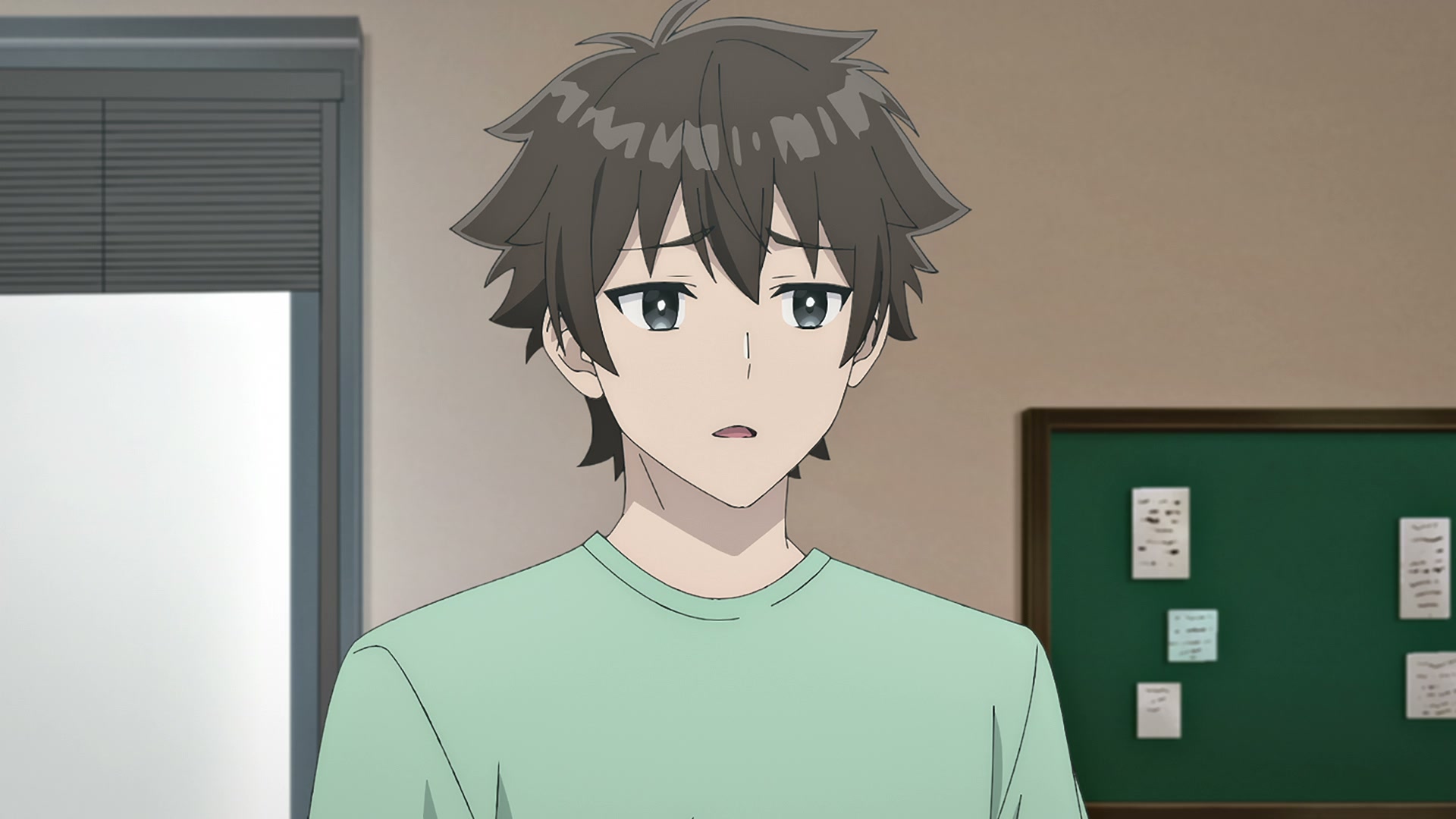
The visual presentation is competent and polished, though not groundbreaking. The character designs follow a standardized modern aesthetic with slender proportions and distinct hair silhouettes. Hayato’s messy brown hair, Haruki’s sleek black, Minamo’s shaggy waves. These differences aid immediate recognition, which matters in a dialogue-heavy series where characters spend a lot of time talking.
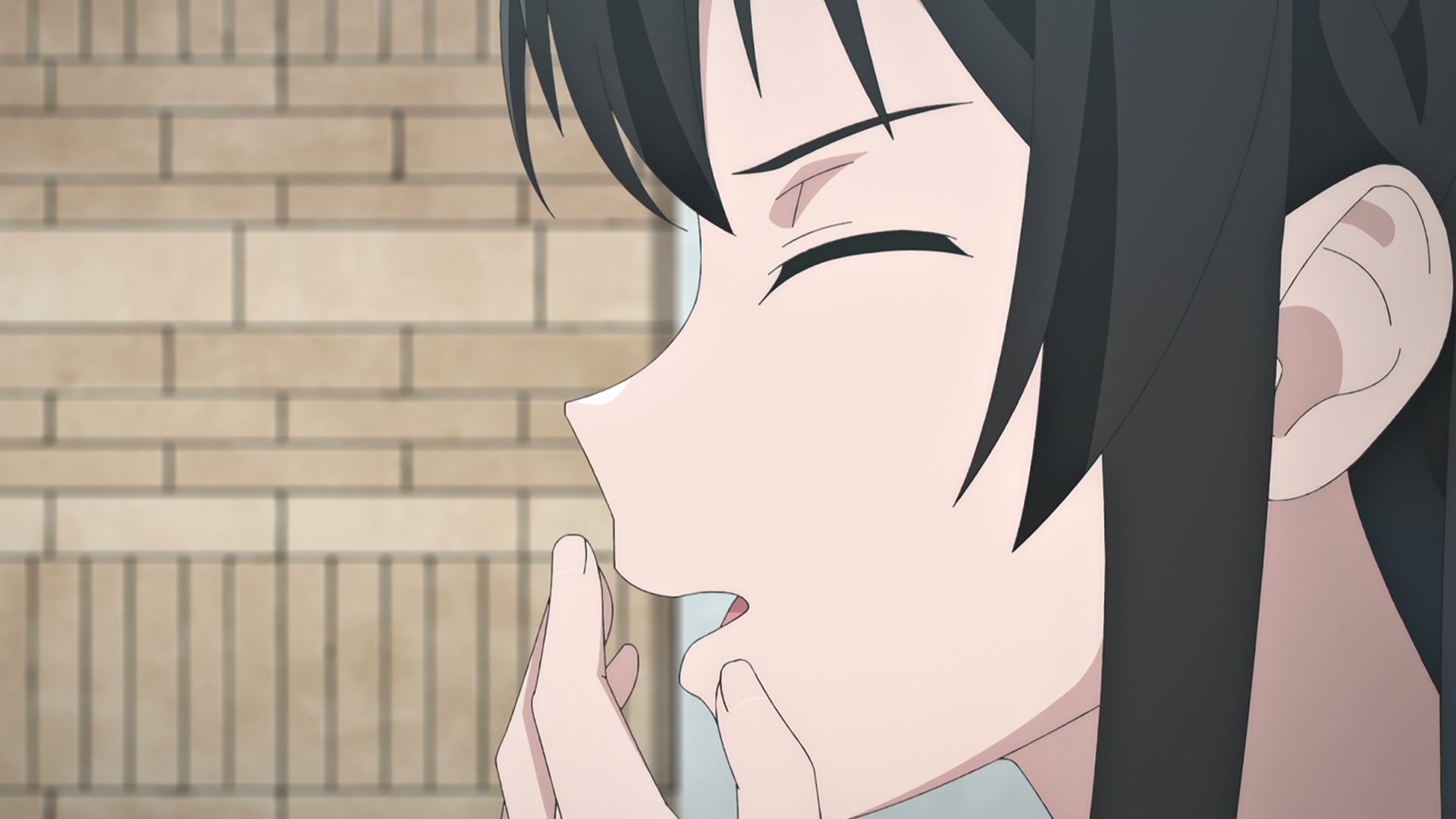
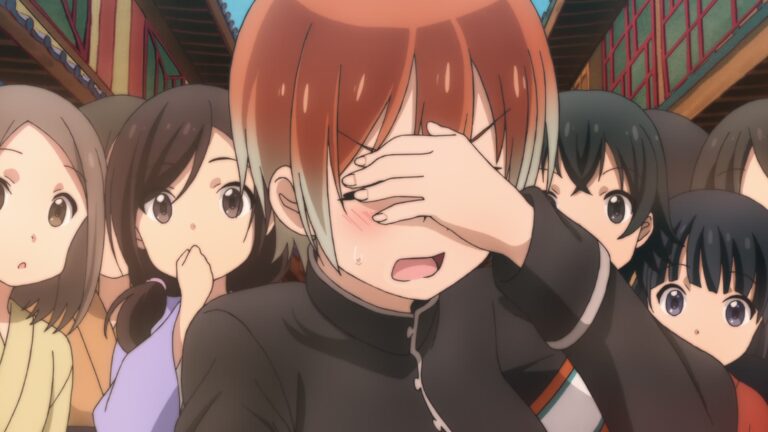
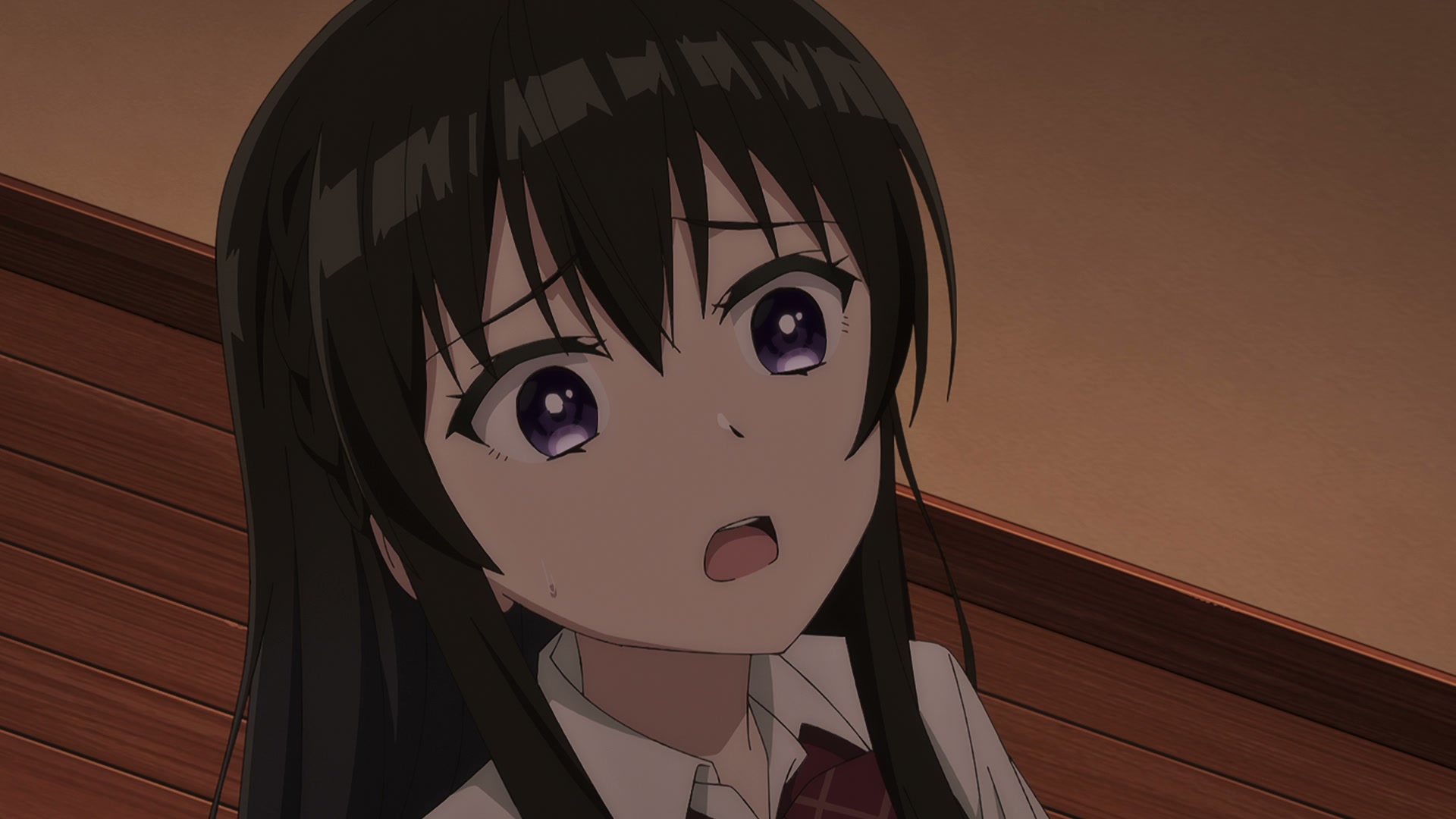
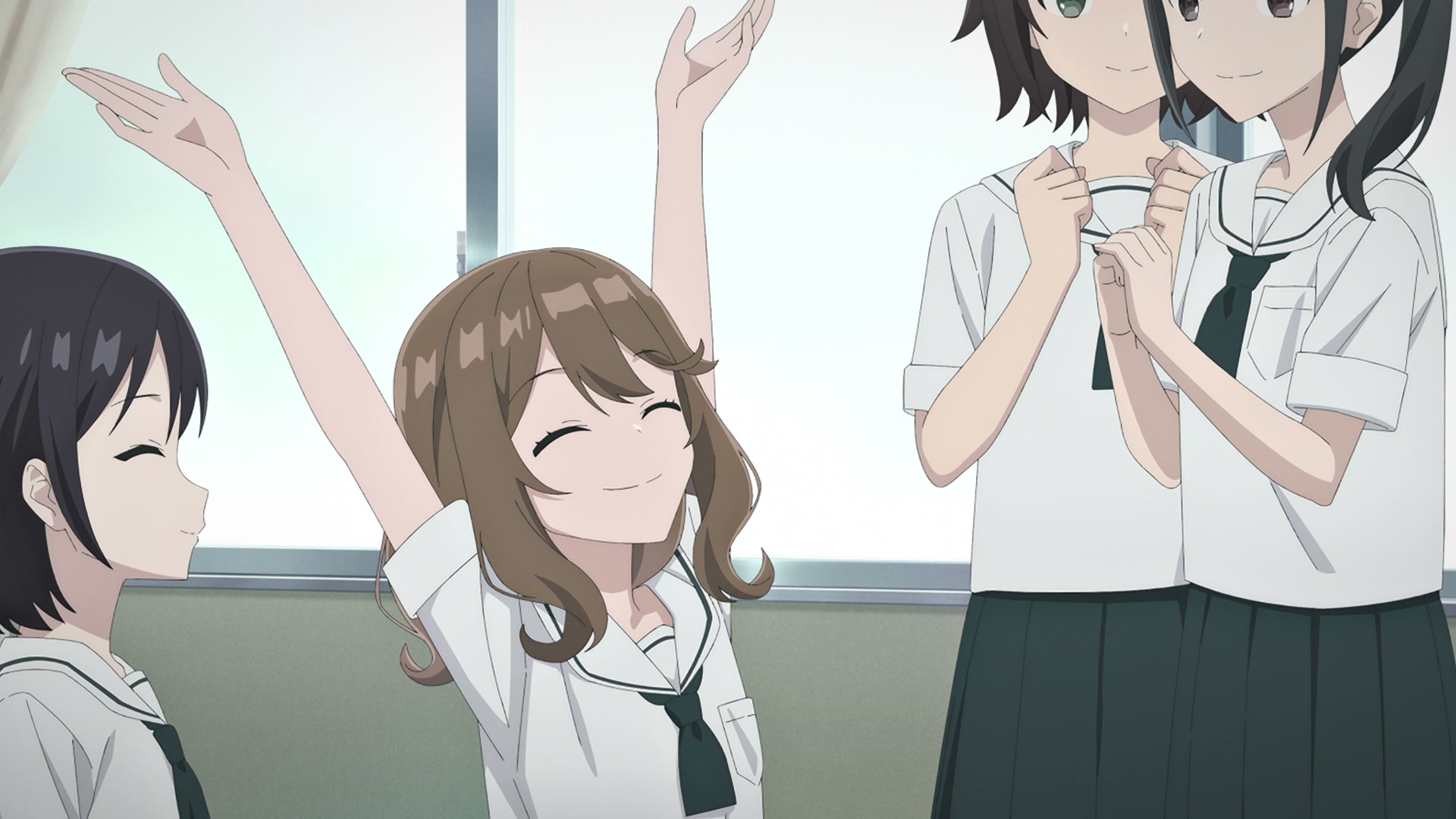
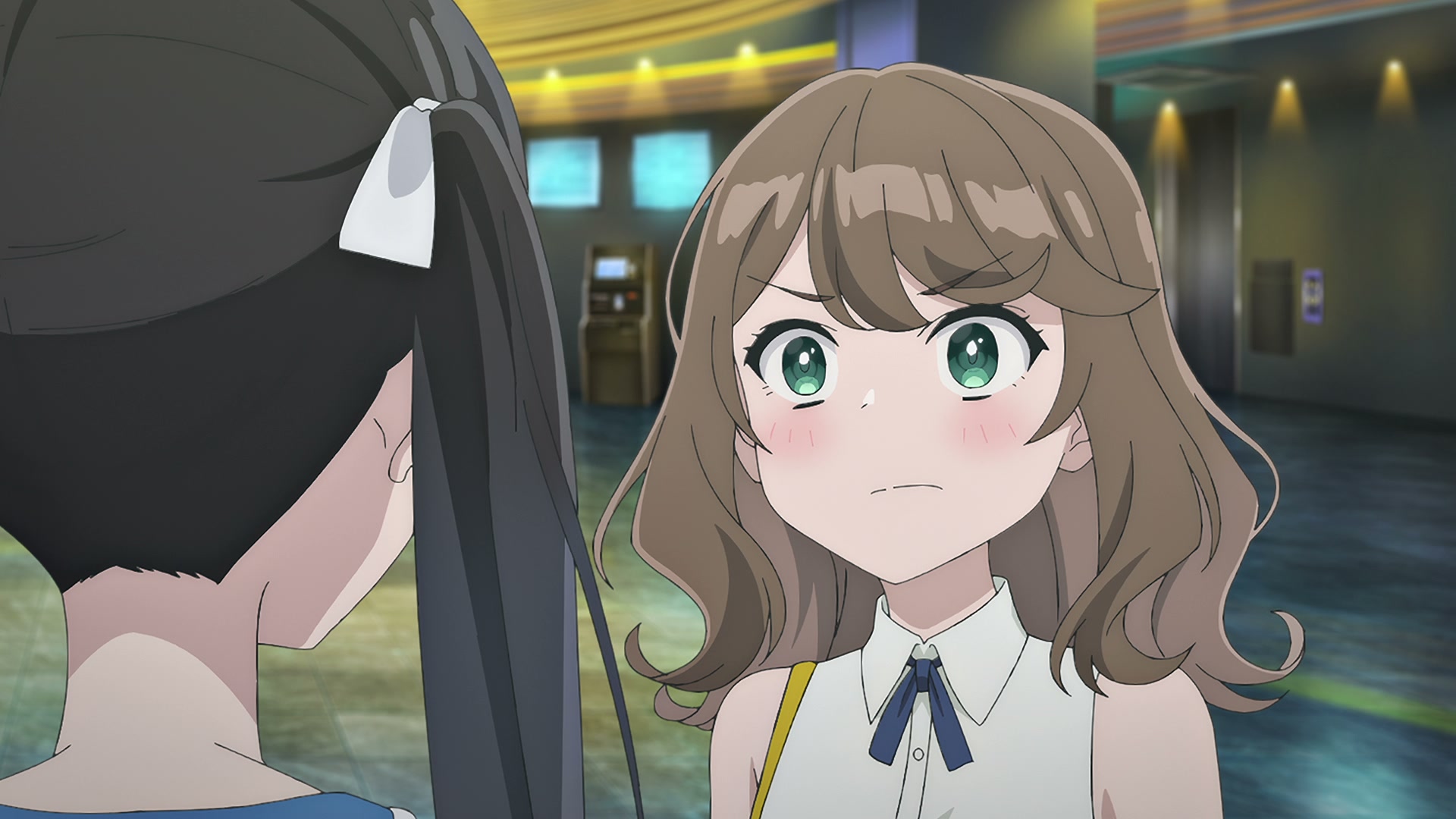
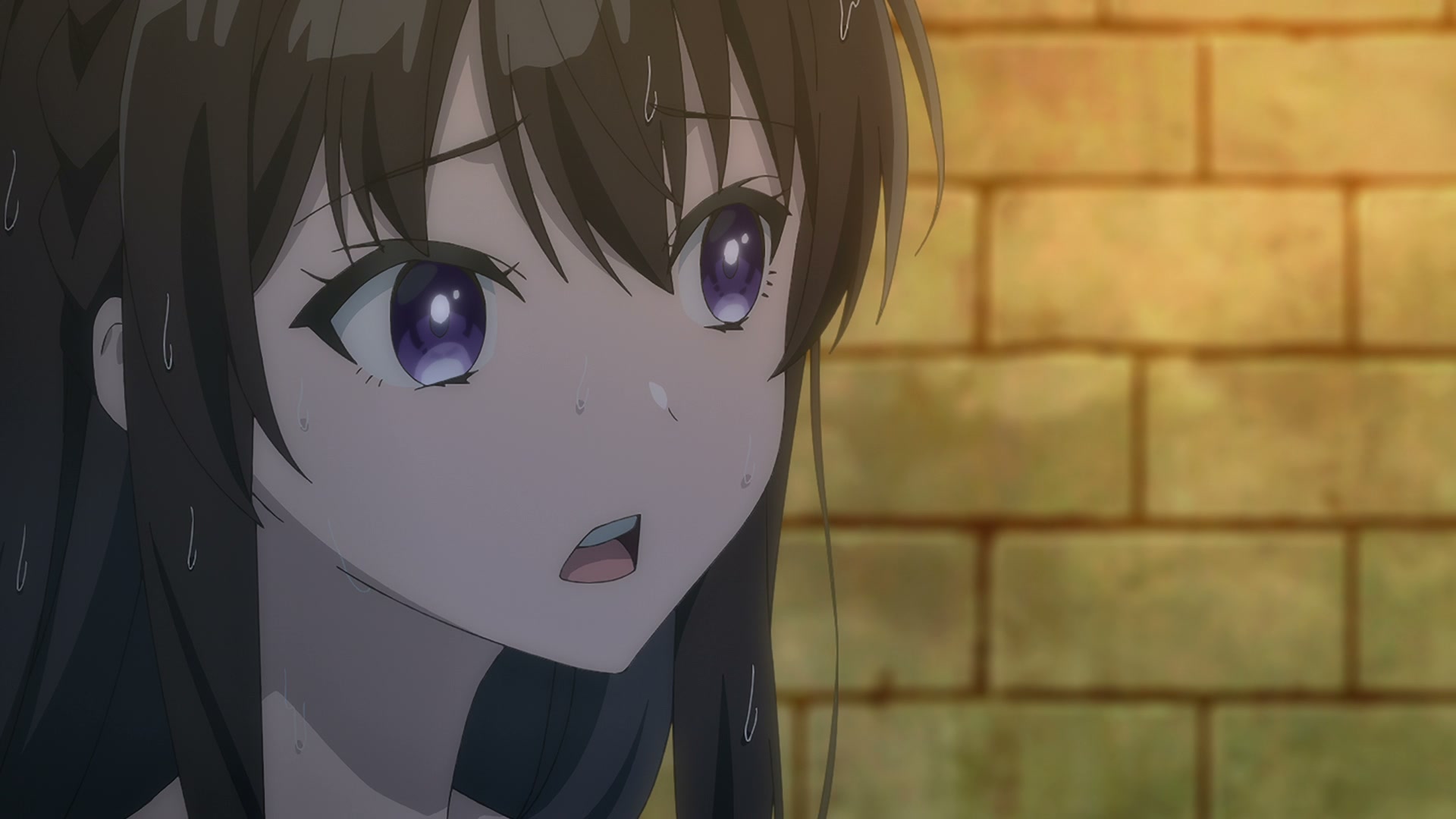
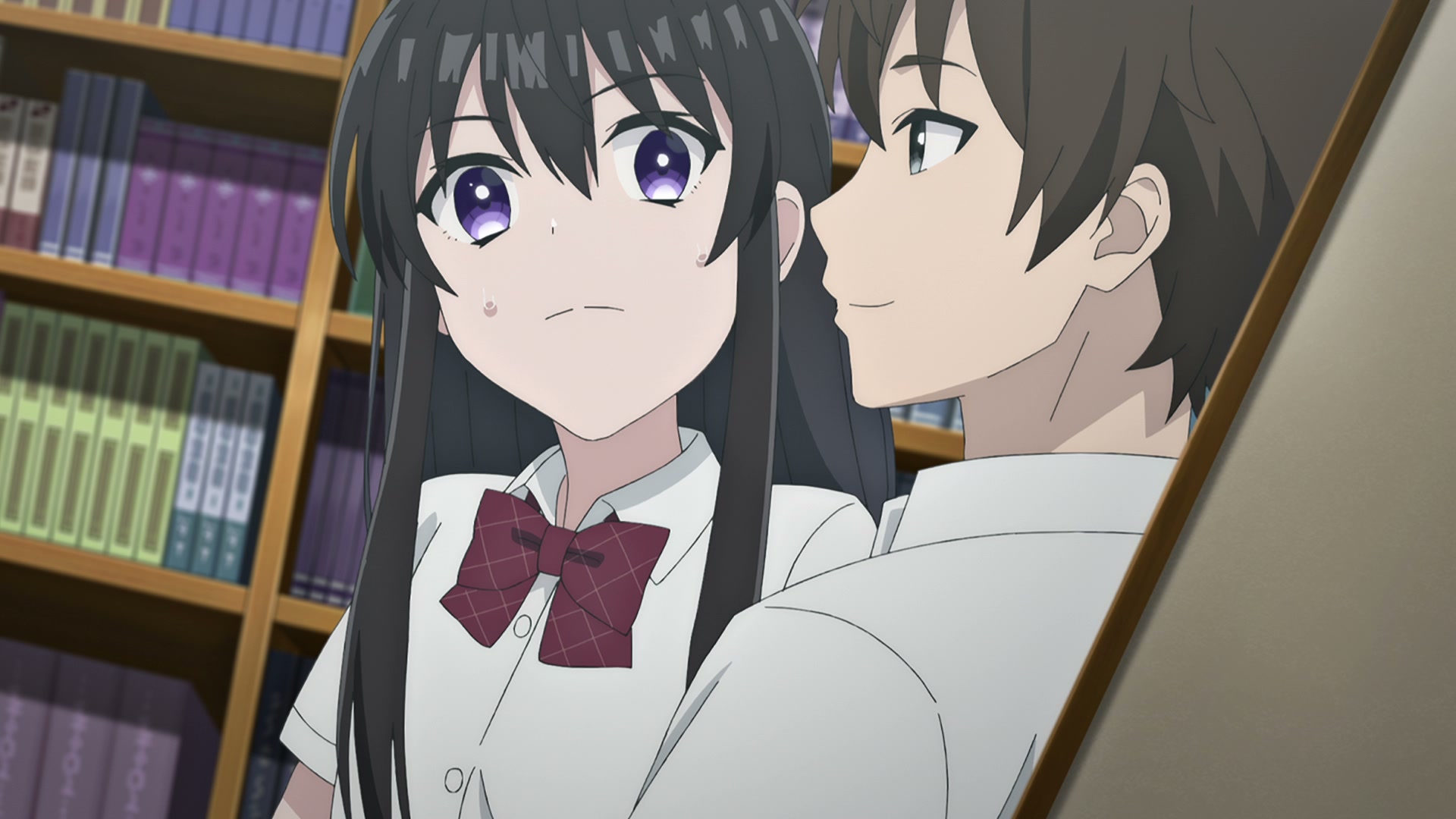
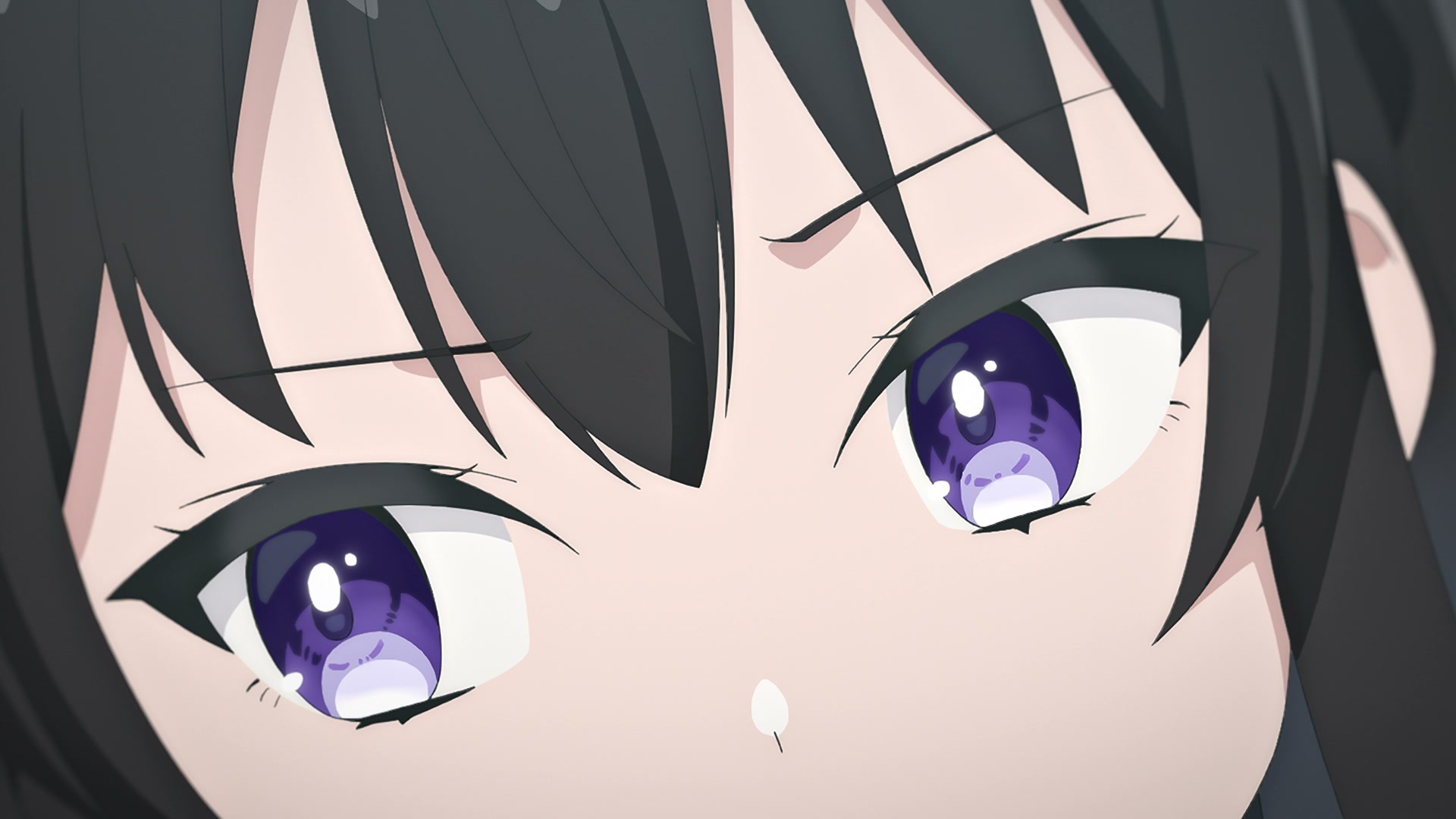
The production relies heavily on subtle facial expression rather than exaggerated motion to convey emotion. Close-ups feature detailed iris rendering with complex gradients and glossy highlights. The standard anime visual shorthand, sweat drops for nervousness, blush lines for embarrassment, closed-eye smiles for satisfaction, is executed with enough nuance to feel readable rather than cartoonish. Haruki’s “Meeah” moments are accompanied by specific facial configurations that sell the involuntary nature of the reaction.
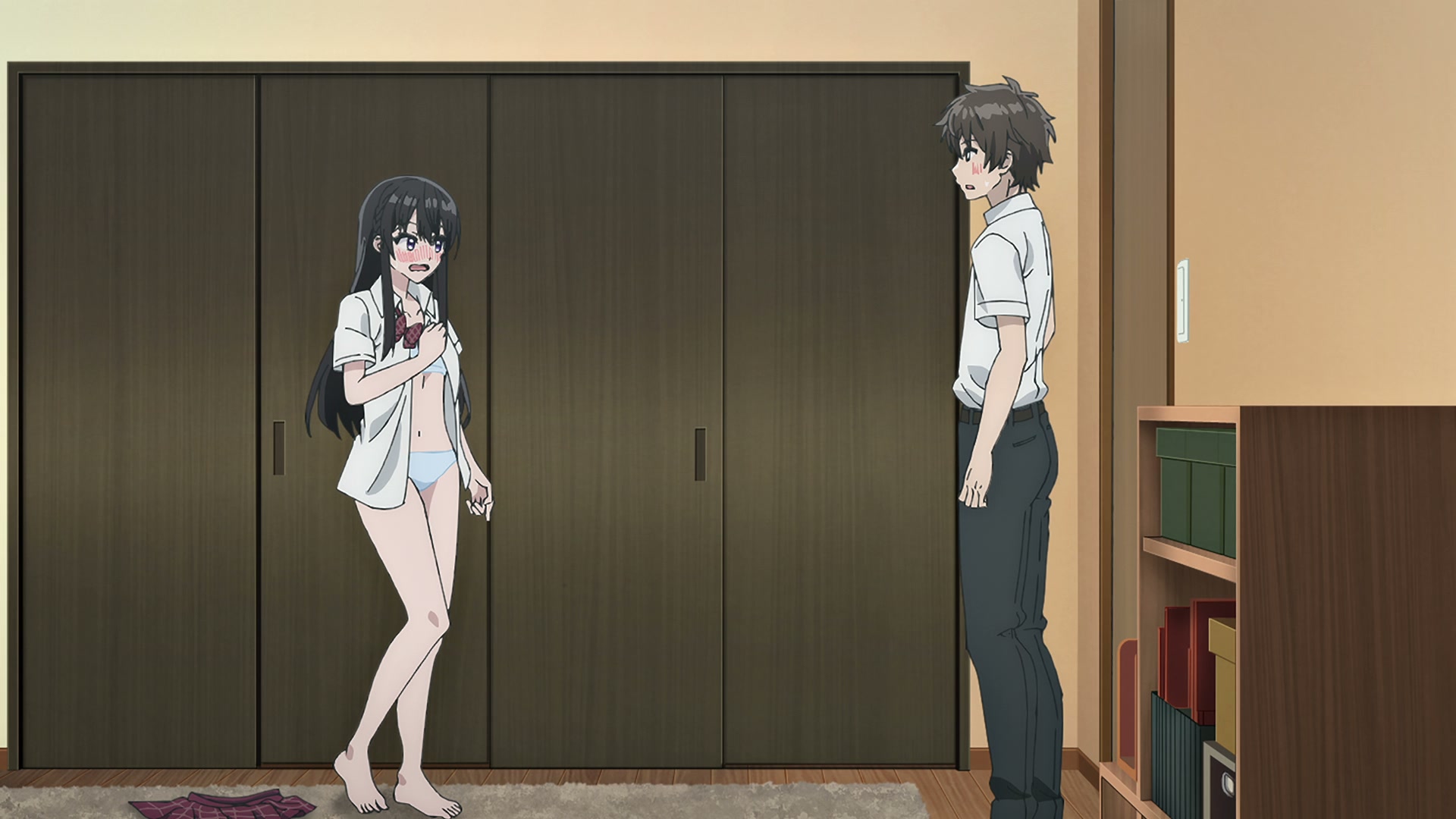
Body language is generally reserved. Characters often stand with hands in pockets or maintain rigid postures during awkward social situations. This visual restraint fits the tone. These are teenagers who are not comfortable with their own bodies or their changing feelings, and the stiffness reads as intentional rather than lazy.
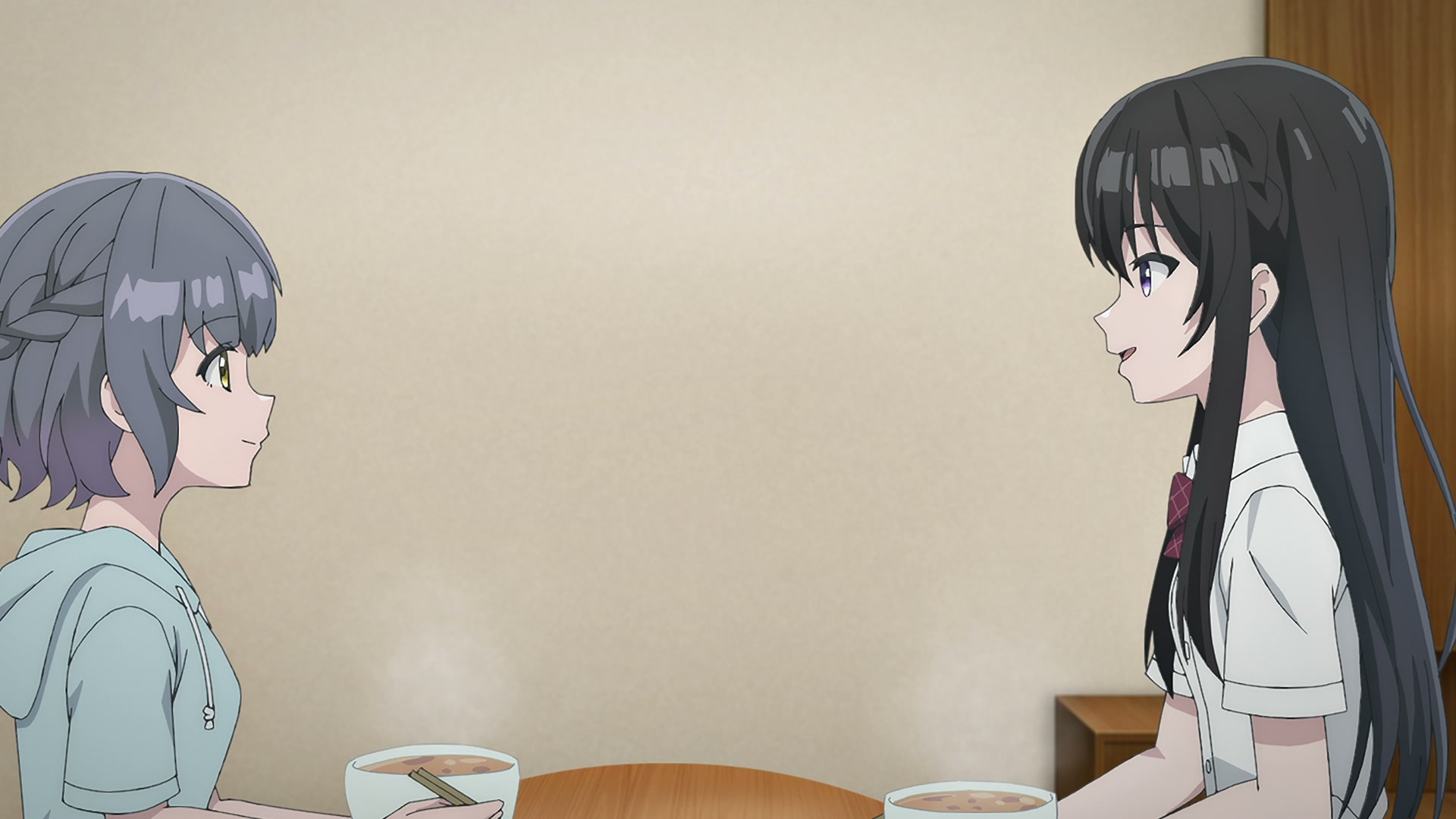
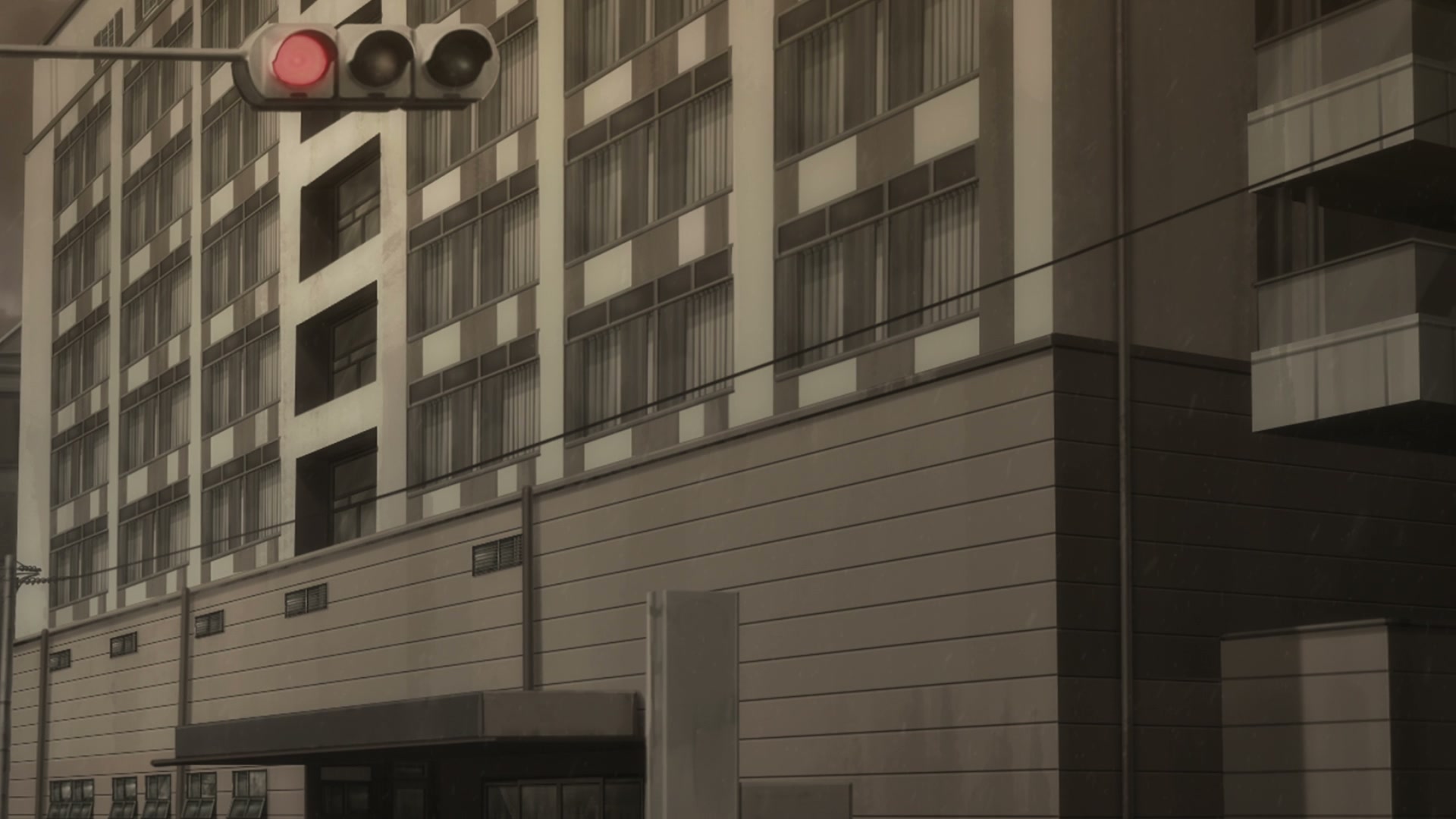
The background art is the strongest visual element. The Kirishima apartment feels genuinely lived-in, cluttered with the detritus of daily life and warmed by household lighting. The school environments are rendered with consistent spatial logic. The confectionery shop has a warm and inviting interior that contrasts with the cool impersonality of school corridors. Haruki’s apartment, sparse and functional, reflects her isolation. It is a place to sleep, not to live.
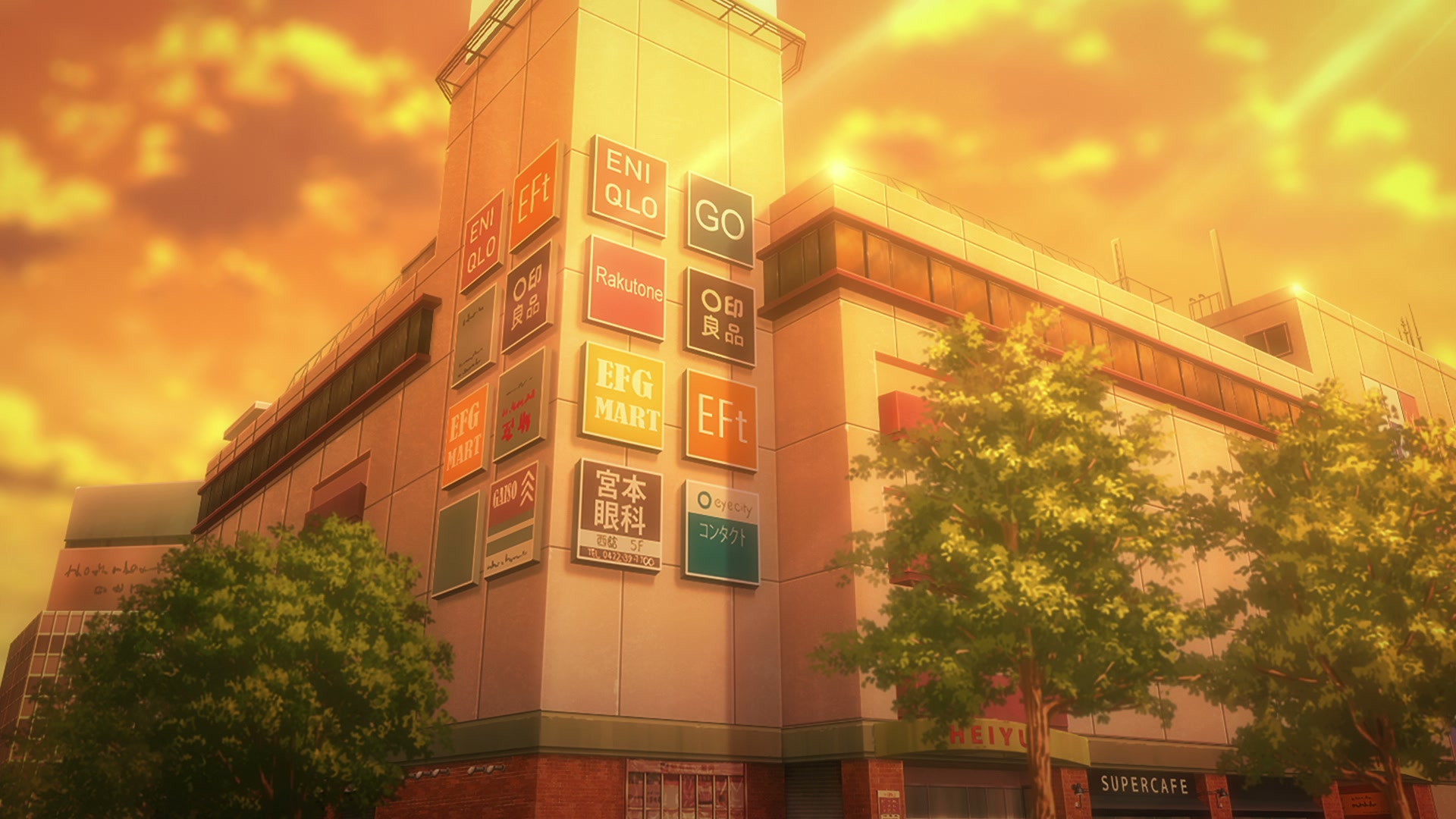
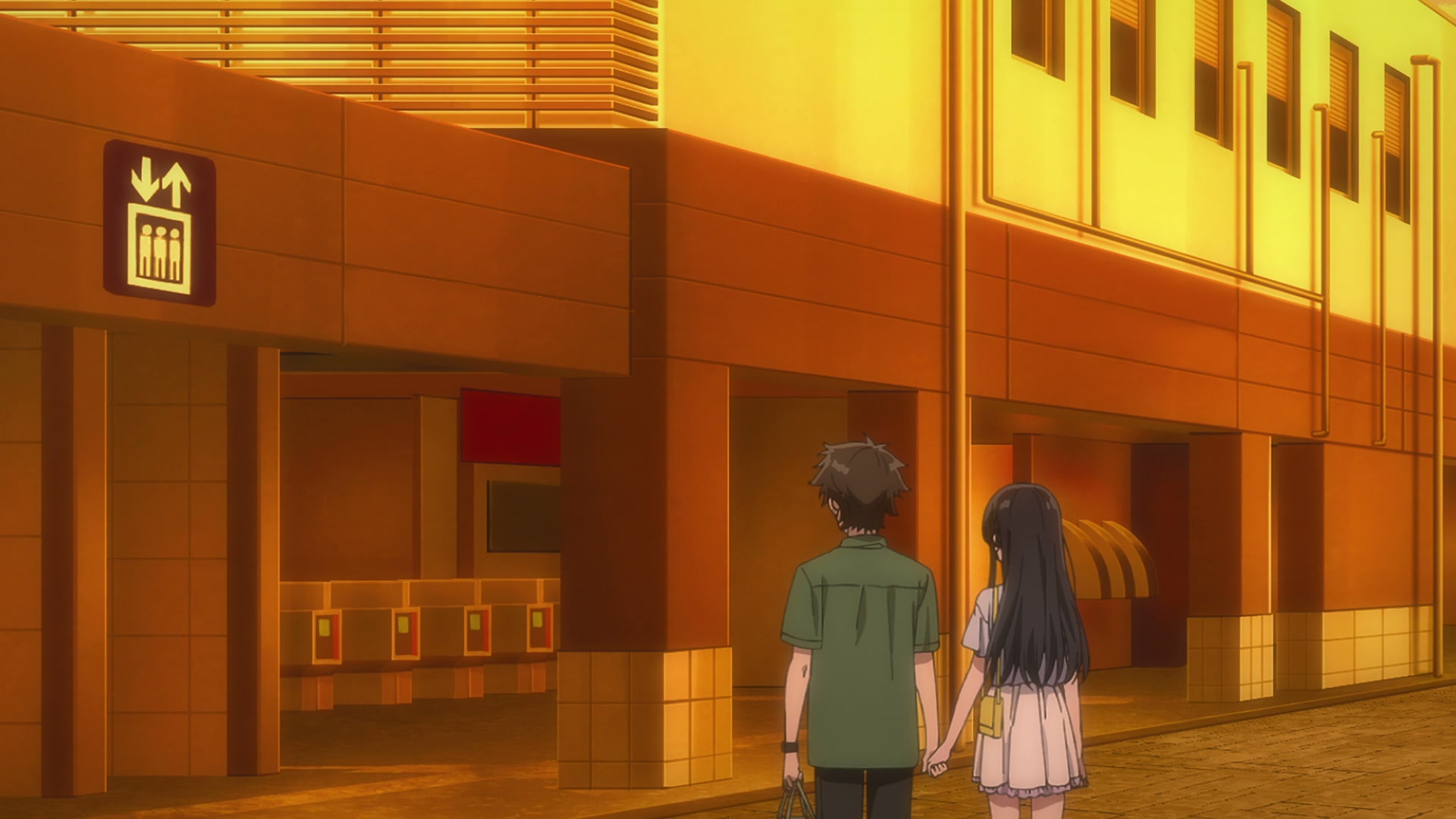
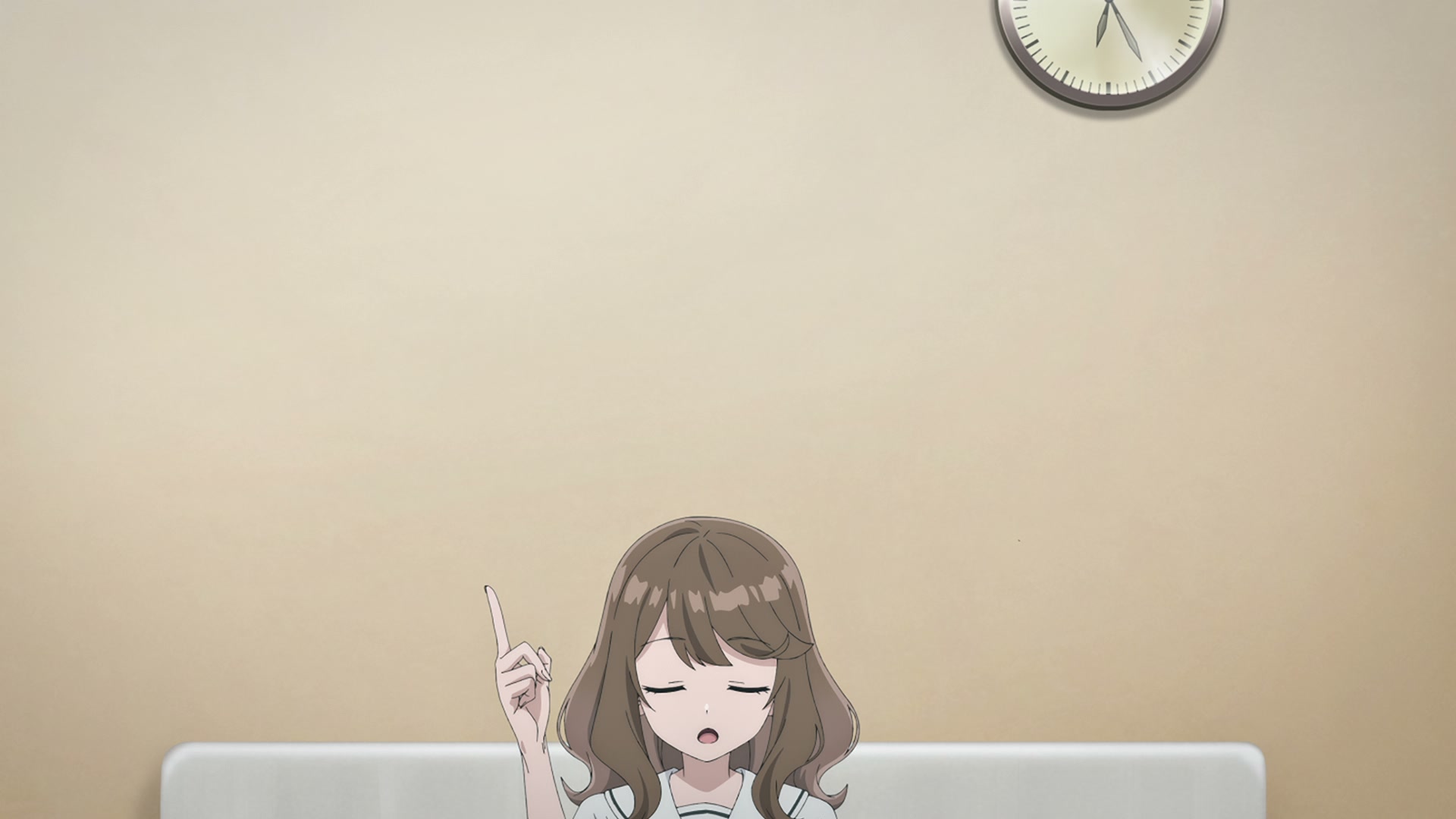
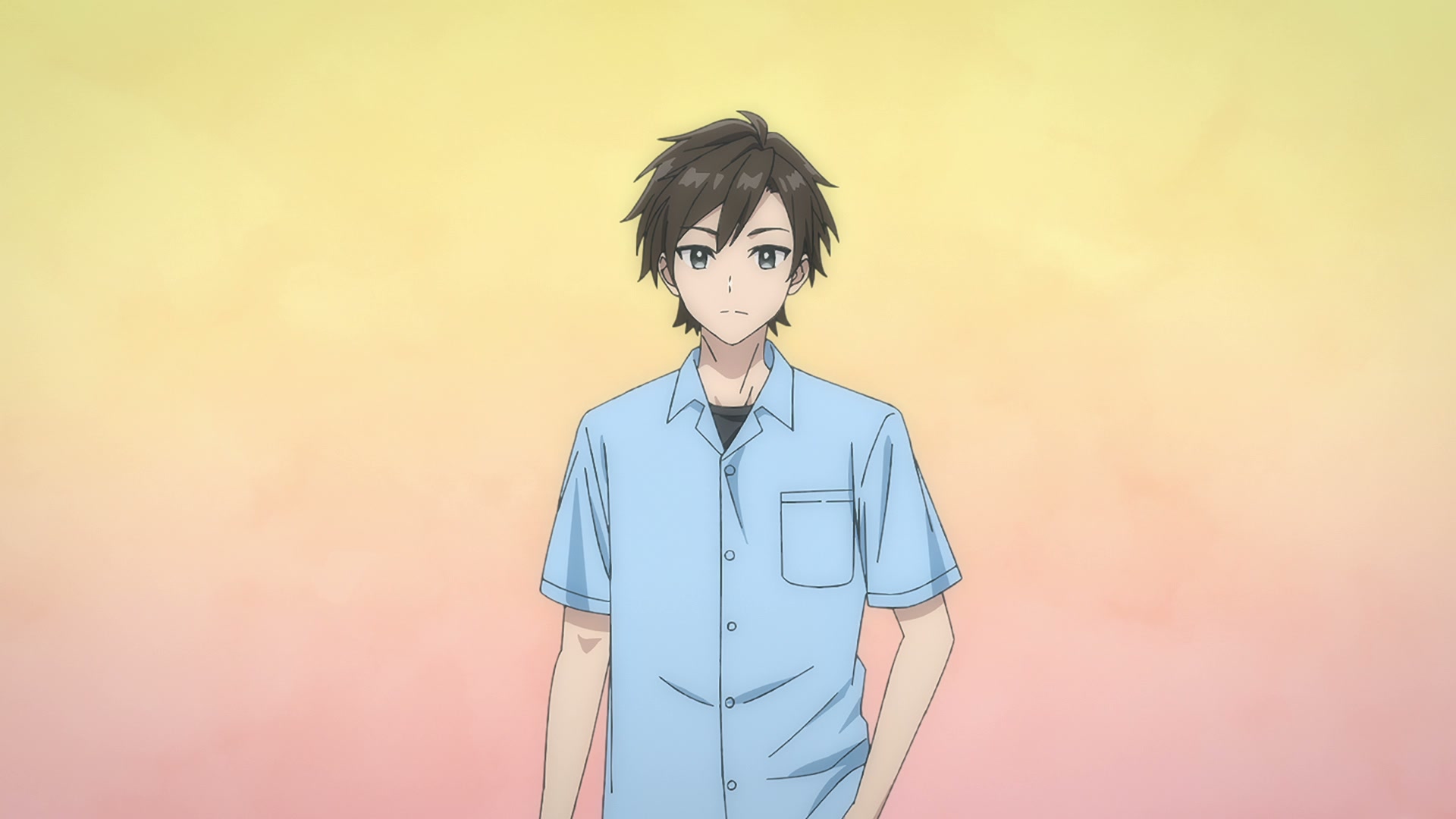
Lighting and color design effectively establish mood. Interior scenes use warm, earthy tones to create coziness. Exterior scenes are vibrant and high-contrast, with saturated colors that convey the energy of summer. Golden hour sequences, particularly in Tsukinose, employ saturated oranges and warm highlights that create nostalgia. The series occasionally breaks from realism entirely, placing characters against soft gradient backgrounds for internal monologues, which isolates them in their emotional states.
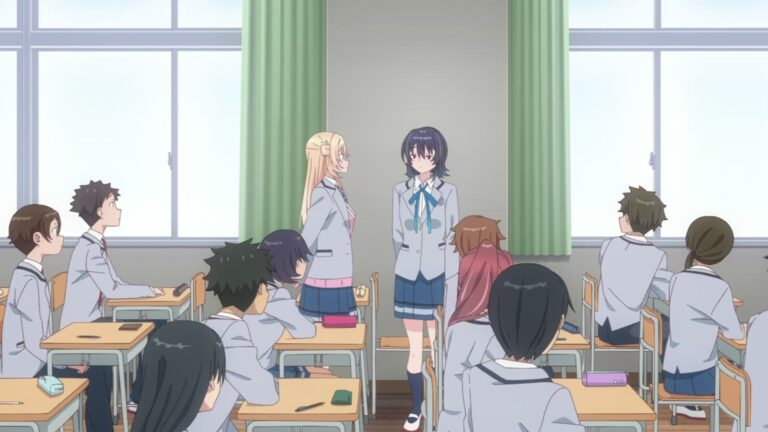
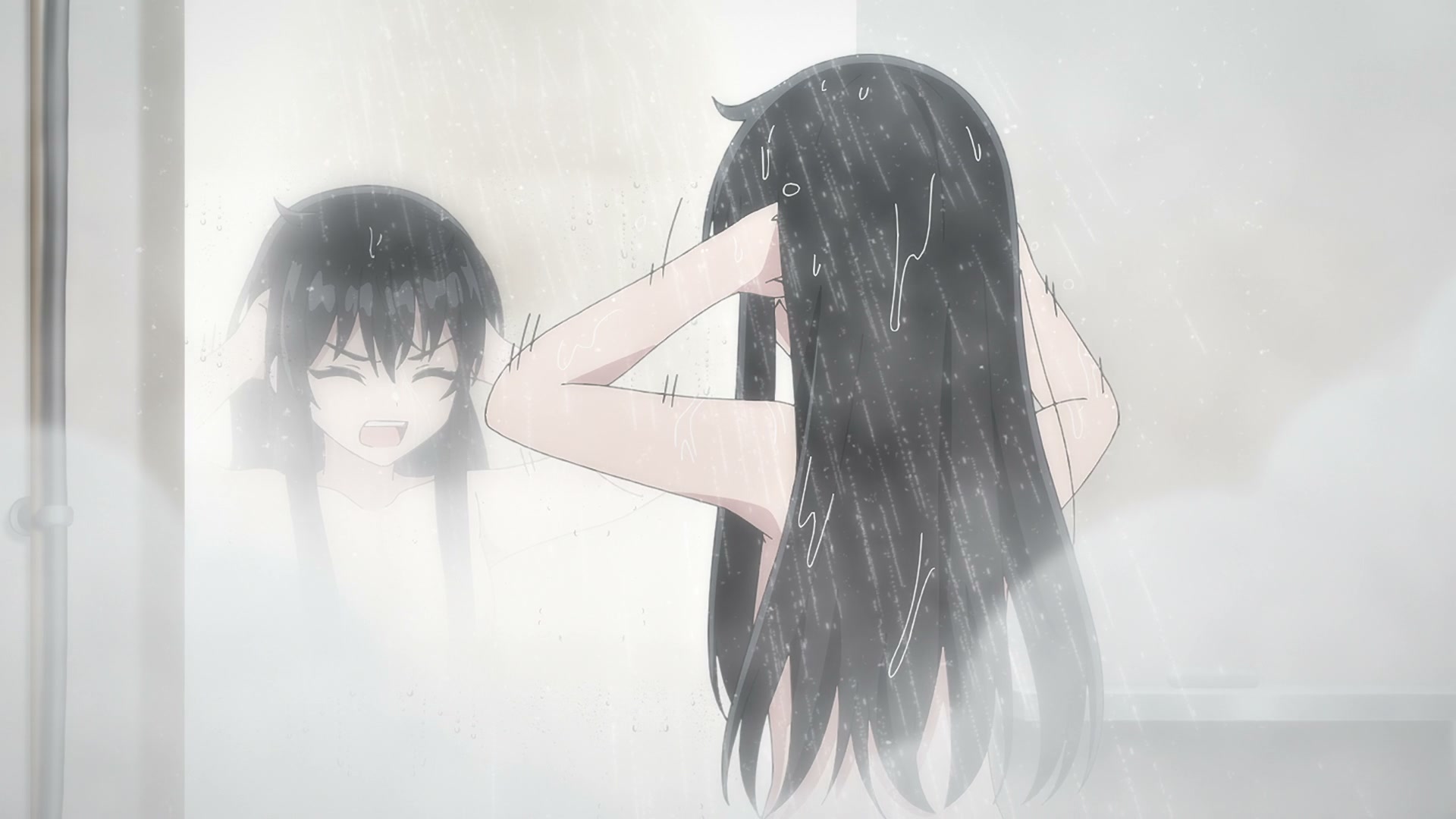
The animation limitations are real but contextual. Dialogue scenes rely on static shots and facial tweaks rather than dynamic body language. This is standard for the genre, which prioritizes emotional clarity over technical spectacle. The series allocates its resources strategically, investing in facial expression work while accepting limited movement in conversation scenes. Water effects in the pool episode are notably flat, and crowd scenes feature minimally animated background characters. These are not failures of ambition but choices about where to spend limited animation budget.
The distinction between intentionally static scenes and genuinely weak animation matters here. When Haruki and Hayato sit in their secret base eating lunch, the stillness feels appropriate. They are in a safe space, and the quiet is part of the atmosphere. When the same stillness appears in school corridors or public spaces, it can feel more like budget constraint than directorial choice. The series mostly manages to make the stillness work for it.
Sound and Music
The opening and ending themes complement the series’ tone effectively. The opening captures the nostalgic quality of the story, mixing imagery of childhood and the present in ways that reinforce the central themes. The ending theme has a gentler, more reflective quality that suits the quiet moments of emotional processing that often close episodes.
The voice acting is a significant strength. The seiyuu work for Haruki is particularly impressive, requiring her to navigate between her public persona and her authentic self. The vocal shift is subtle but noticeable: her school voice is composed and slightly distant, while her private voice is more animated and expressive. The “Meeah” exclamation is delivered with perfect comic timing while still feeling involuntary.
Hayato’s voice work is appropriately understated, matching his emotionally reserved characterization. He does not emote loudly, but the subtle variations in his delivery convey warmth, exasperation, and genuine care. The contrast between his measured speech and Haruki’s more explosive delivery creates a natural comedic rhythm.
The supporting cast performs well throughout. Himeko’s energetic delivery provides comic energy. Minamo’s soft and hesitant speech patterns match her anxious personality. Kazuki’s smooth charm is rendered through vocal performance as much as animation. Saki’s formal politeness comes through clearly in her careful enunciation.
Sound design is functional and appropriate. The ambient sounds of school life, the bustle of the confectionery shop, the quiet of the Kirishima apartment at night. These create atmosphere without calling attention to themselves. The use of silence in emotional moments is effective, allowing the characters’ words and expressions to carry the weight.
Overall Verdict
Tenkou-saki no Seiso Karen na Bishoujo ga, Mukashi Danshi to Omotte Issho ni Asonda Osananajimi Datta Ken is a thoughtful and emotionally intelligent entry in the slice-of-life romantic comedy genre. Its strengths lie in thematic sophistication, character depth, and emotional authenticity. The series understands that the most meaningful moments often occur in the quiet spaces between dramatic events, in shared meals and competitive video game sessions and the gradual dismantling of protective masks.
The weaknesses are real but contextual. The animation is limited in dialogue scenes, the visual style is conventional, and the narrative openness may frustrate viewers expecting a definitive romantic resolution. The series ends with Hayato and Haruki standing together, ready to face the future, but without a confession scene or a clear statement of romantic intent. This is thematically appropriate. They are teenagers still figuring themselves out, and forcing a clean resolution would undermine the series’ commitment to gradual, organic change.
This series is for viewers who appreciate character-driven narratives, slow-burn romance, and exploration of identity and authenticity. If you enjoy series like Tsuki ga Kirei or Just Because, if you appreciate stories about people learning to be honest with themselves and each other, this will reward your patience. If you require constant action, dramatic escalation, or quick romantic payoff, this may not be for you.
What stays with me after watching is the spare key. Hayato gives it to Haruki without ceremony, without a grand declaration. It is a practical object with enormous symbolic weight. It says: you have access to my life, my family, my support. You do not need to perform for me. You already belong here. The series is full of moments like this, quiet gestures that carry more meaning than any confession could. That is the kind of storytelling that sticks with you, and it is why I will be thinking about these characters long after the final episode ends.
Gallery