





The Sports Festival Arc Nobody Asked For, and Why It Worked
The fourth episode of Otaku ni Yasashii Gal wa Inai pulls off something I genuinely didn’t expect: it takes the mandatory school sports festival premise and uses it not for cheap fanservice or dramatic rivalries, but to quietly deepen all three leads before dropping them into one of the most endearing karaoke sequences I’ve seen in a while.
The episode opens by resolving the minor cliffhanger from last time. Seo found that purikura photo of Ijichi with an older guy, and both he and Amane spiral into worst-case scenarios. Amane’s mind goes straight to “sugar daddy” while Seo tries to rationalize it as an older boyfriend. The way these two immediately team up out of genuine concern says a lot about where the trio stands now. They’re not competing. They’re worrying together.
The resolution lands fast and hits the right note. The mystery man is Ijichi’s oldest brother, one of five siblings spanning an eighteen-year age gap. The reveal does double duty: it reassures the audience that Ijichi’s quiet burden isn’t something dark in that direction, and it adds texture to her home life. She’s the middle child in a big, noisy family. That context makes her easygoing warmth feel less like a generic “nice gal” trait and more like something shaped by growing up surrounded by brothers.
When the Episode Earns Its Smile
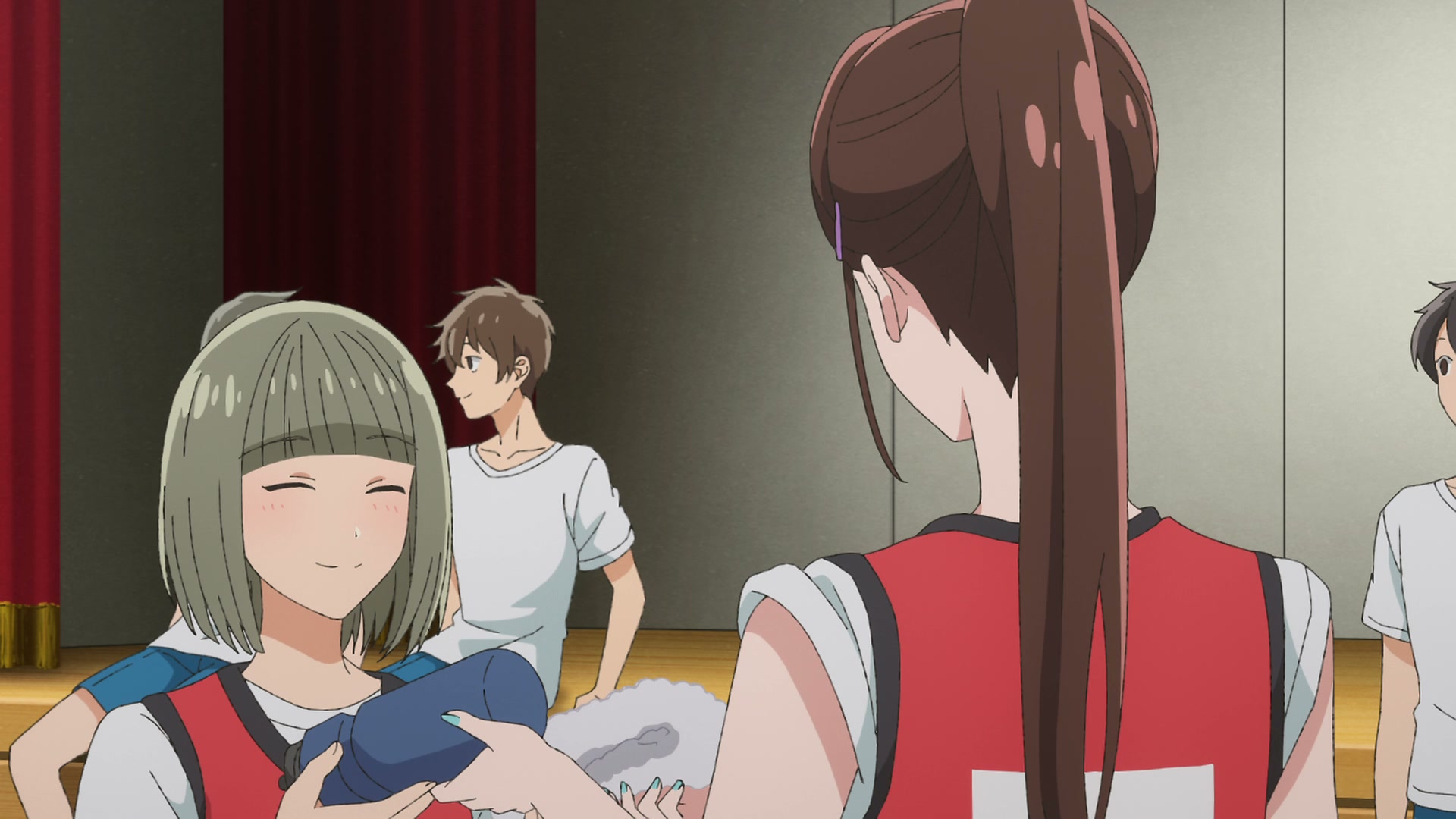
The sports festival section could have been a throwaway. Instead, the show uses it to flesh out both girls through contrast.
Amane dominates at basketball. The episode leans into her reputation as “Iron Mask,” the stone-faced middle school player who made nationals and never cracked a smile. The crowd reaction when Seo cheers for her and she finally grins is played for comedy, with opposing team members falling over themselves about how cute she is. But her internal monologue during the game reveals something more interesting: she’s trying to impress Seo. Not the crowd, not her teammates. Just him.
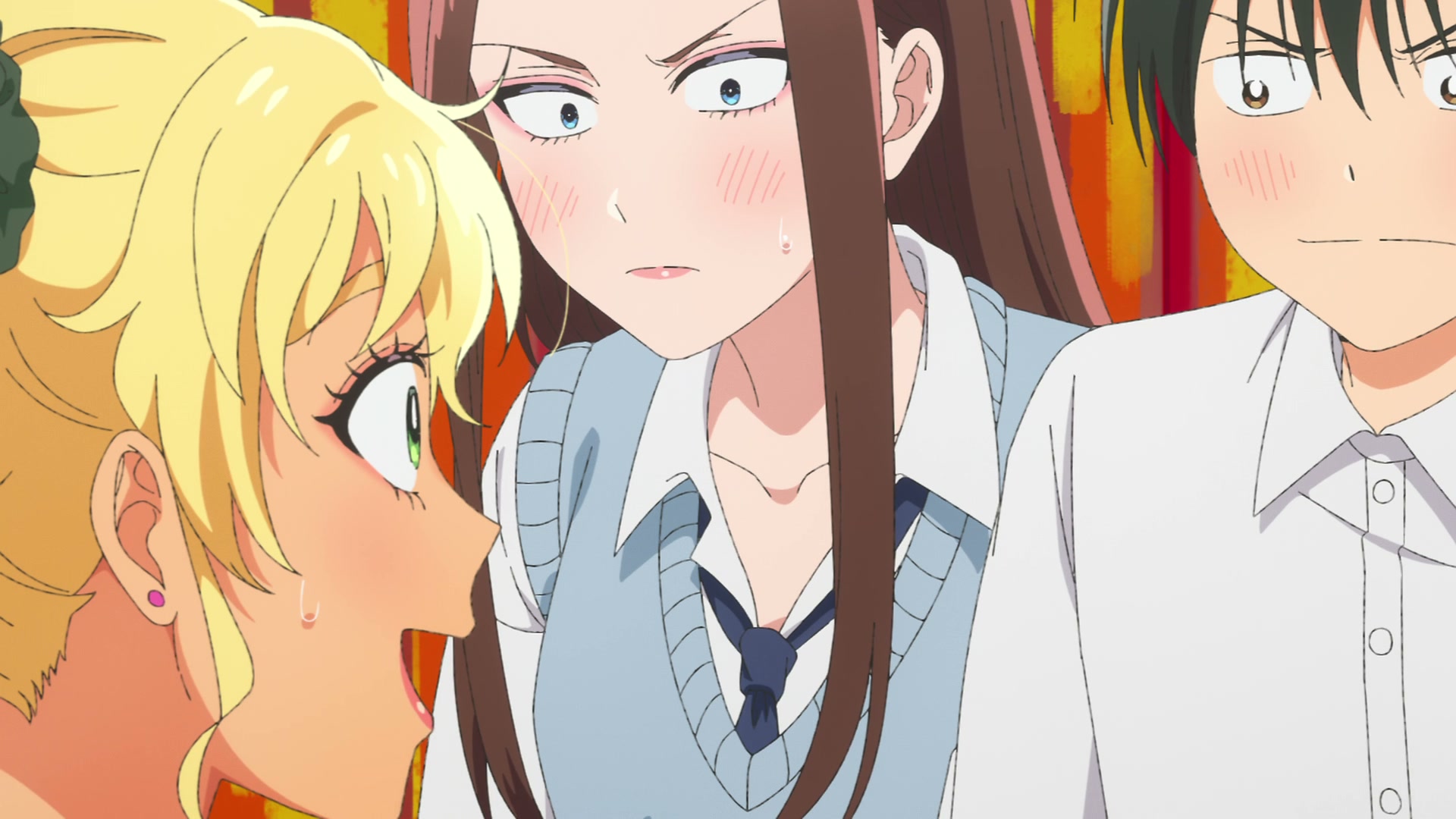
The mental gymnastics she performs are vintage Amane. She tells herself she’s only showing off to “get back at him” for beating her in studies. She insists she doesn’t have feelings. The show lets her protest too much without winking at the audience, and that restraint keeps the character from becoming a simple tsundere cutout. She’s competitive and prideful and completely unable to be honest with herself, and it’s endearing precisely because the show doesn’t rush her toward self-awareness.
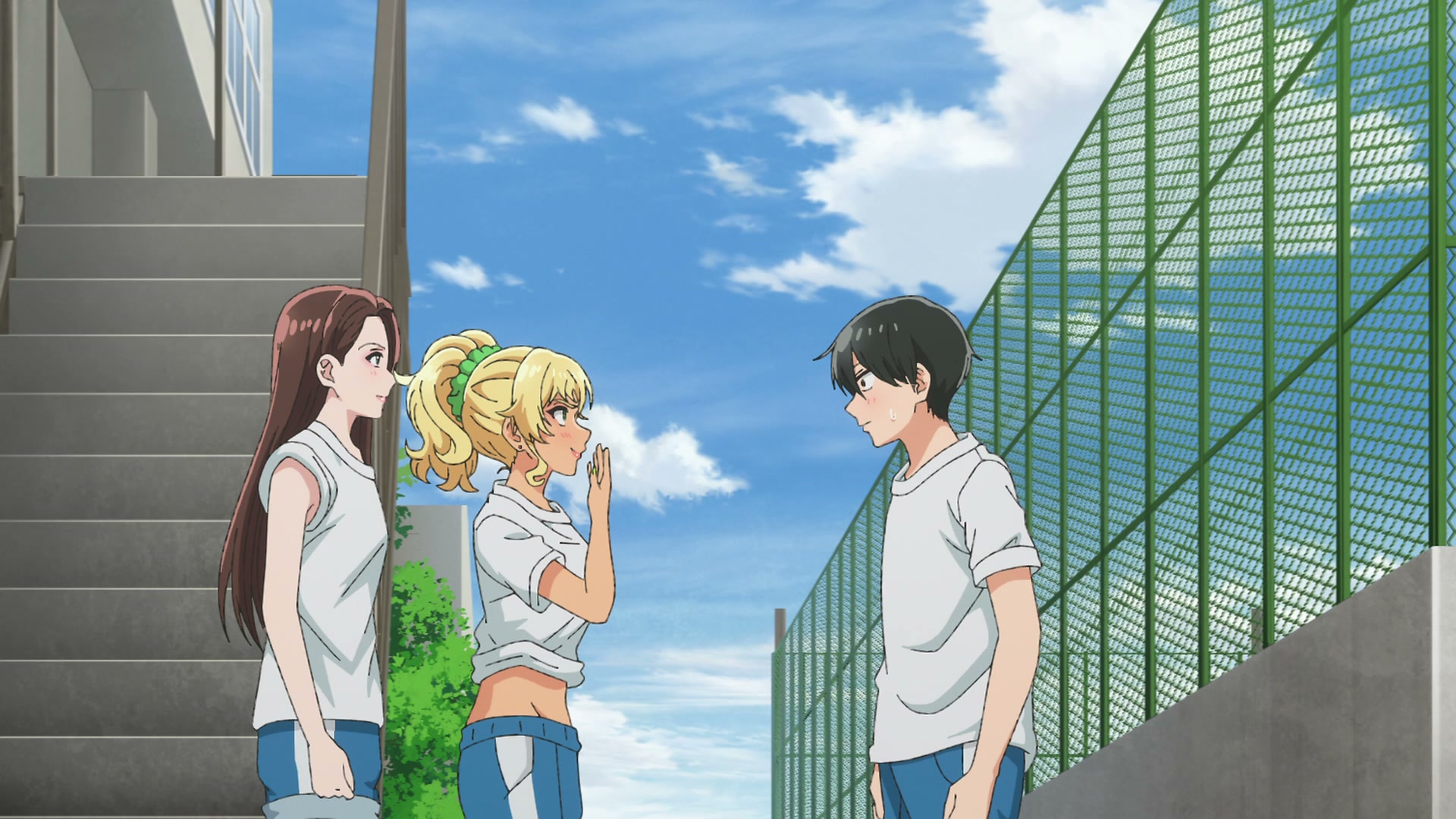
Ijichi’s ping-pong disaster gets the episode’s best physical comedy. She’s genuinely terrible, flailing at balls and striking poses that have nothing to do with the sport. The crowd gathered around the ping-pong tables is noticeably larger than the basketball crowd, and it’s all guys. Seo’s deadpan observation that “there are lots more guys in the crowd than there were at girls’ basketball” is the kind of dry delivery that lands because the show doesn’t linger on it.
What matters about Ijichi’s performance isn’t the comedy, though. She’s having fun despite being awful. She trash-talks between missed shots. She’s fully committed to the bit. The episode quietly establishes that both girls share a willingness to try hard at things they care about, even when the results are messy or public.
A Big, Noisy, Dumb Family
The barbecue invitation that closes the episode gives Ijichi some welcome depth beyond “the cheerful one.” She mentions her oldest brother runs a family barbecue every year, and it’s always just him and the two little ones. That throwaway detail about the absent middle siblings isn’t dwelled on, but it sits there quietly. The Ijichi household sounds chaotic and maybe a little fractured, with Kotoko functioning as a bridge between age gaps.
Her invitation to Seo and Amane feels natural. She frames it as “you should fit right in” because the family dynamic is already loose and welcoming. When Seo hesitates about intruding on a family gathering, she pivots to mentioning her little brothers would love to see him. It’s a small writing choice that shows she knows how to read Seo’s social anxiety and what reassurance he needs.
Amane’s invitation for an unspecified mid-August date goes unexamined for now, but it’s sitting there as a thread to pull later.
The Karaoke Scene Gets It Right
The back half of the episode belongs to the karaoke outing, and it’s the strongest sequence so far in terms of pure character chemistry.
Seo’s performance of the Kiramon theme song is exactly what you’d expect from an introverted otaku who’s finally among people he trusts. He goes all in. The lyrics are as sugary as the show-within-a-show presumably is, and he belts them with complete sincerity. The moment where Amane and Ijichi both call it “awesome” and “cool” without a trace of irony is the emotional core of the episode. This is what the whole premise has been building toward: two girls who could easily have mocked him instead validating his passion in the most unambiguous way possible.
Then Ijichi reveals she knows the lyrics too. Not just recognizes the song, but has it memorized. The episode plays the reveal for maximum impact, with both Seo and Amane reacting with the same awed “Sublime!” internal monologue. When the three of them sing it together, it’s less about the specific song and more about the fact that all three are now fully comfortable being their weird selves around each other.
The Micchi impression bit is a nice grace note. Seo mentions that Ijichi resembles the Kiramon idol character, and when she tries to deliver Micchi’s signature line, Amane shuts it down with brutal honesty. “No, you flopped. If you’re not serious, never do that again.” It’s a small moment that shows Amane’s standards haven’t dropped just because they’re friends now. The show understands that friendship doesn’t mean unconditional praise.
The Little Details That Hold It Together
The indirect kiss moment deserves mention because of how the show handles it. Seo realizes he’s mixed up their drinks, panics internally, and confesses the situation to Ijichi. Her response is a flat “Who the heck cares? We’re not middle schoolers.” It’s a tiny bit of writing that defuses a tired trope by having a character simply refuse to engage with it. Coming from Ijichi, whose whole characterization has been about cutting through social pretense, it feels consistent rather than like the show patting itself on the back.
The photo booth photos from last episode’s date get a quick callback, with Seo finally seeing the full set. Zombies vs. Shark apparently makes for good purikura material. The running gag about that movie being the least date-appropriate film possible continues to amuse without overstaying its welcome.
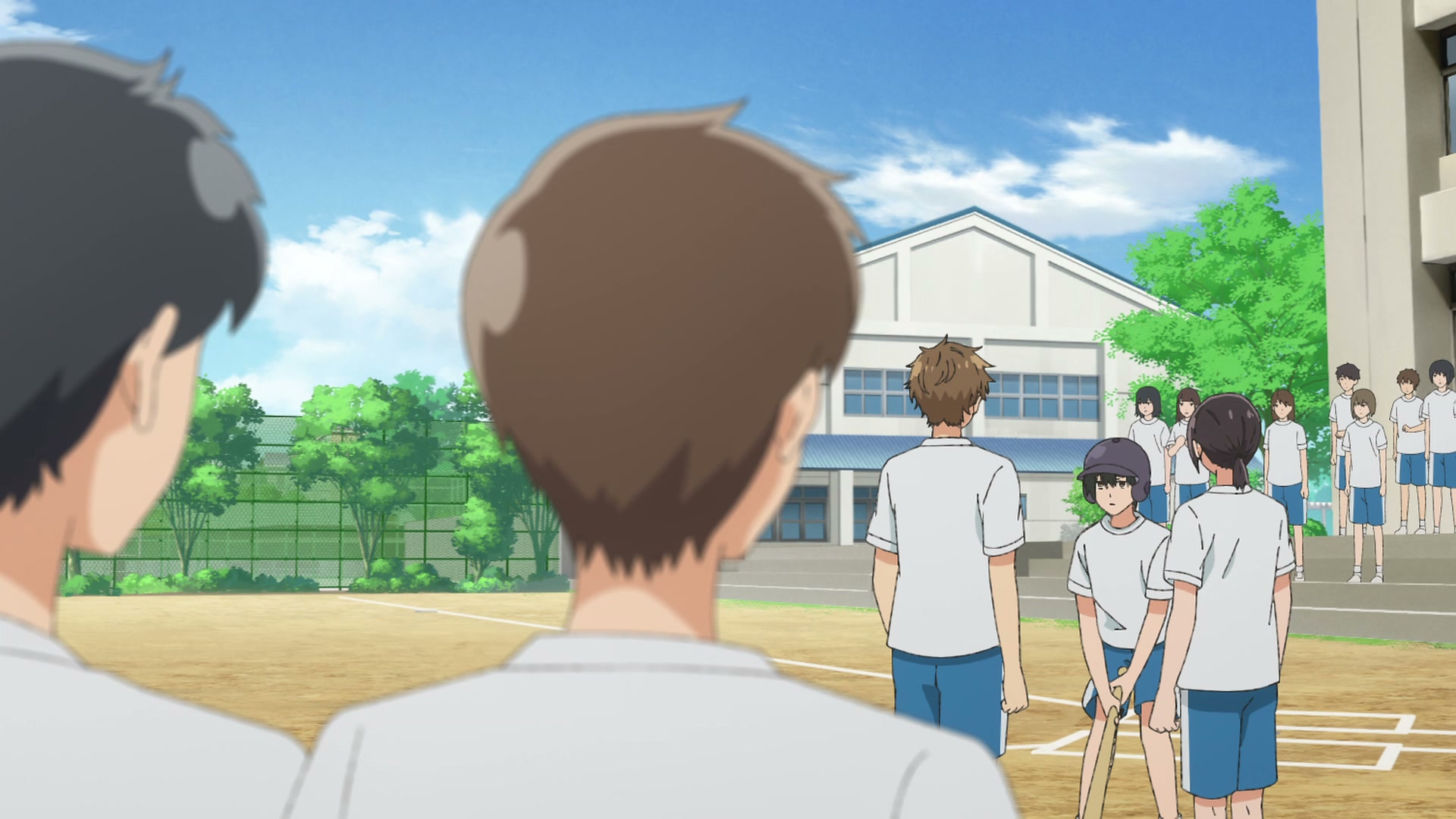
Seo’s internal monologue after the baseball game is another small but honest beat. He tried his best, still struck out, but the guys on his team were supportive anyway. Yuta telling him “you didn’t give up and took some great swings” is the kind of casual kindness that the show has been arguing exists beneath the surface of high school social dynamics all along. Seo’s surprise at being invited to karaoke by the baseball team later reinforces this: he’s slowly discovering that people are more accepting than he assumed.
Where This Leaves the Trio
By the end of the episode, the friend group feels genuinely established. They’ve shared a karaoke booth, made summer plans, and seen each other succeed and fail at sports. The romantic tension is still simmering at a low heat: Ijichi’s earlier half-confession hasn’t been revisited, and Amane’s feelings are still locked behind layers of denial, but both dynamics feel like they’re building toward something rather than stalling.
The barbecue episode is clearly teed up as the next major set piece, and bringing Sayu along as Amane suggested will give the show a chance to mix its established chemistry with a new combination of characters. The younger brothers, the seaside setting, and the casual family atmosphere all promise a different energy than the school-bound episodes so far.
What makes this episode satisfying is that nothing huge happens, but everything that does happen reinforces why these three work as a unit. The show has moved past its initial “otaku discovers gals can be nice” premise and settled into something quieter: three oddballs figuring out that friendship means showing up, trying hard, and singing embarrassing songs at full volume without caring who hears.
Screenshots
← Episode 3 | All Otaku ni Yasashii Gal wa Inai Season 1 posts →