




Introduction
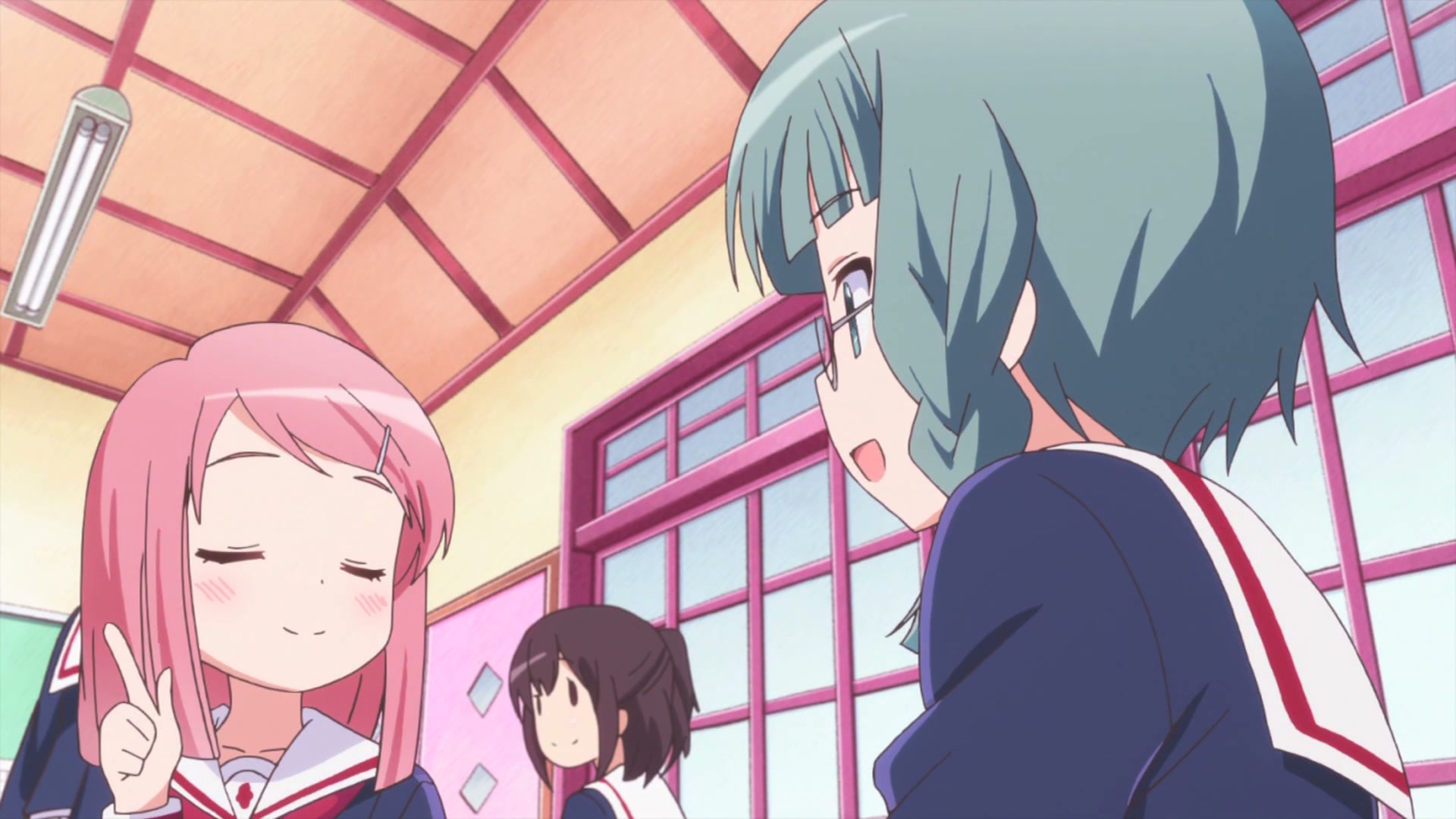
There is a moment early in this series where a girl trembles with excitement at the prospect of buying ice cream with friends after school. She has never done it before. She panics that aliens might invade before the outing, she tries to schedule daily trips, she photographs every detail of the cup with the devotion of a pilgrim. Watching her, you understand that what looks like a throwaway gag is actually the entire emotional thesis of the show. Ordinary teenage life, when seen through the right eyes, is impossibly luminous. That is the quiet magic of Wakaba Girl, a slice-of-life comedy that takes a premise that could have been a one-joke sitcom and patiently builds it into one of the warmest, most emotionally generous iyashikei series I have encountered in years.
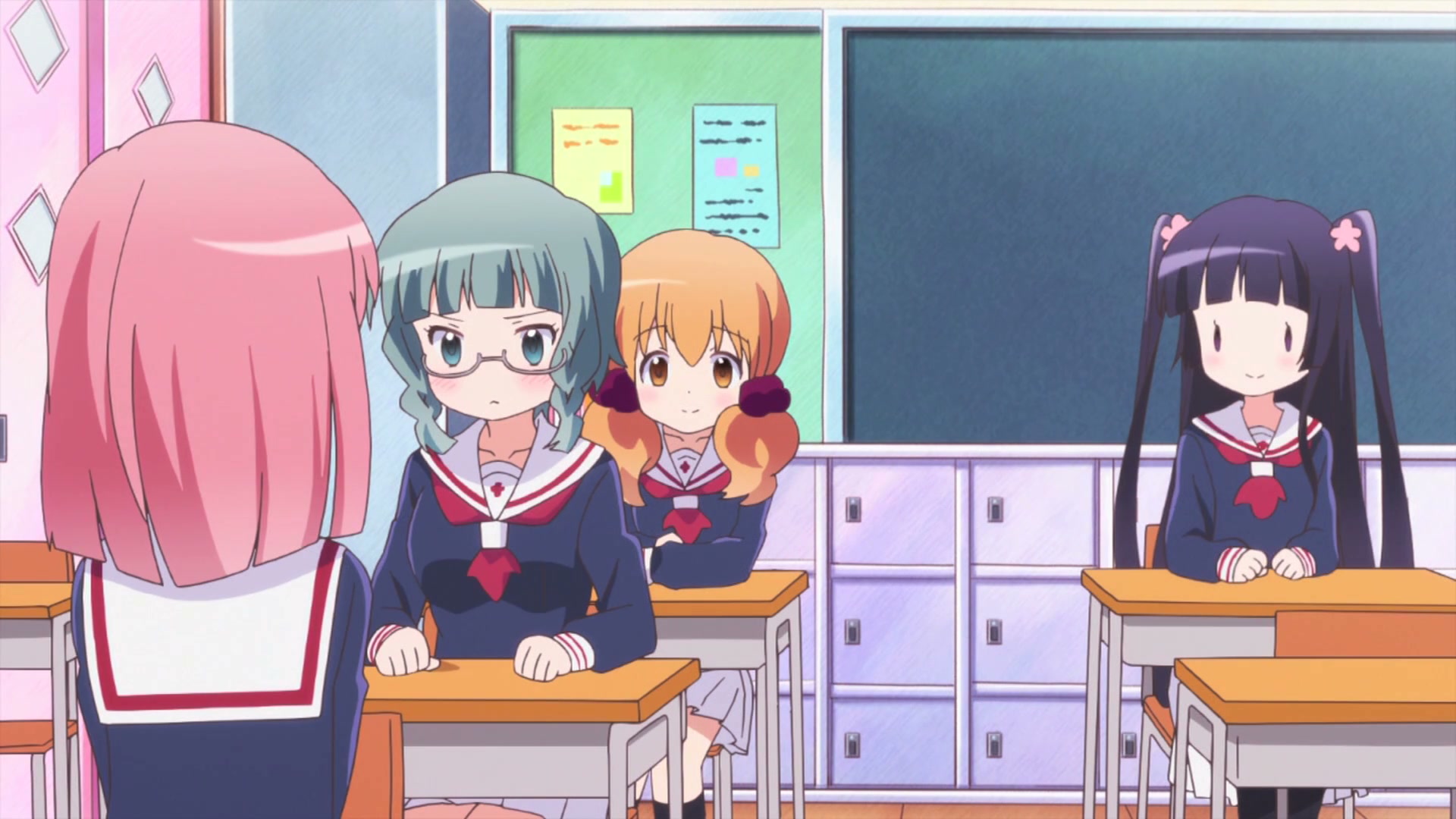
The setup is deceptively simple. Kohashi Wakaba, the daughter of an absurdly wealthy family, has spent her entire childhood changing schools, living abroad, and being chauffeured in isolation. She has never made a lasting friend, never eaten convenience store junk food, never worn a miniskirt, and never felt like a normal high school girl. So she enrolls at Clover Girls’ Academy (her second choice after failing the elite Water Lily Academy exam) with a single, burning aspiration: to become a gyaru. On her first day she meets three classmates, Mashiba Nao, Kurokawa Mao, and Moeko, and her life opens up into a year of discoveries that most teenagers take for granted. There is no grand plot, no love triangles, no dramatic stakes beyond whether she will make it home before her strict 6 p.m. curfew. And yet the series manages to be consistently funny, deeply moving, and visually delightful across its thirteen episodes.
This is a show for people who love watching good people become good friends. If you find healing in the quiet rhythms of Non Non Biyori, the cozy clubroom chatter of K-On!, or the gentle comedy of Aria, then Wakaba Girl belongs on your watchlist, and probably on your rewatch schedule as well.

Story and Themes
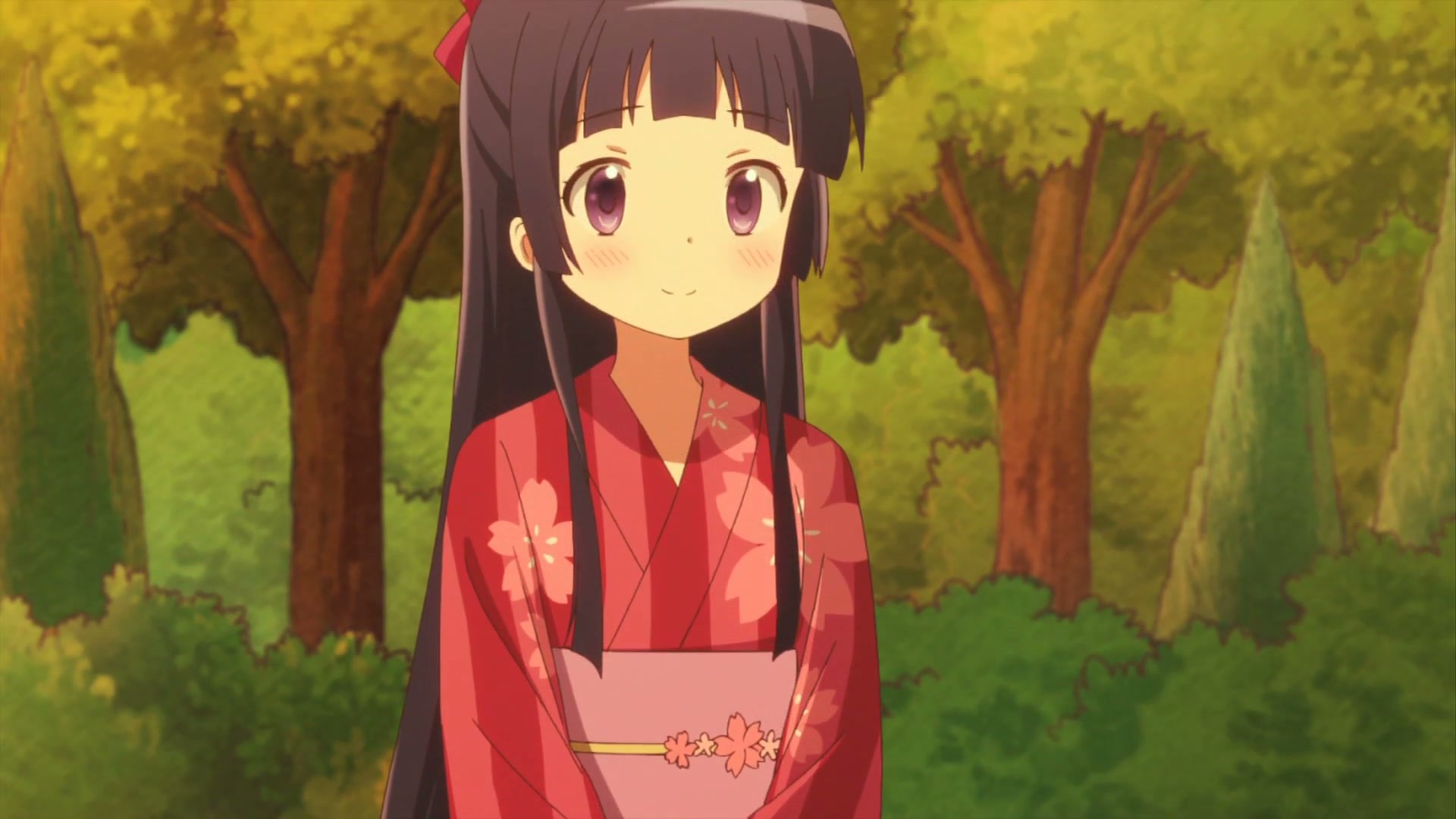
The narrative follows a single year in the lives of four first-year high school girls, progressing through the natural milestones of spring enrollment, summer vacation, the cultural festival, athletic events, winter break, New Year’s shrine visits, and snow days. Each episode treats a small domestic adventure, buying ice cream, visiting a friend’s house, going to the pool, making cupcakes, as a major life event for Wakaba. The pacing is patient and the stakes are intimate. There is no antagonist. The only threats are misunderstandings, curfew clocks, and the distant fear of being separated by class shuffles or parental relocation.
The central theme is the gift of ordinariness, and the series explores it with a sincerity that sidesteps cynicism altogether. Wakaba’s extreme wealth and profound isolation form a lens that reverses the usual consumerist fantasy of luxury. For her, a kotatsu is a mystical object rumored to drain human energy. A convenience store rice ball is a treasure. A summer festival at night, with its bright booths and goldfish scooping and fireworks, is a miracle she never believed she would experience. When she weeps with joy in the middle of a crowded street, her friends do not mock her. They are learning to see their own lives as something precious too.
This thematic core is reinforced through a recurring motif: friendship cannot be purchased. Wakaba’s first instinct in any happy situation is to reach for her wallet. After a lovely afternoon baking cupcakes at Moe’s house, she tries to hand everyone money. After a sleepover, she brings caviar, truffles, and other absurdly lavish gifts. Each time, her friends refuse, sometimes sharply, and the show makes it clear that this is not a comedy-of-manners gag but a genuine emotional boundary. The group’s foundational moment is their unison declaration: “We aren’t friends for hire!” Wakaba has to learn that her wealth is not a shortcut to belonging, and her clumsy, burnt homemade cupcakes later in the series symbolize that lesson beginning to take root.
The gyaru aspiration itself is handled with affectionate humor rather than mockery. Wakaba cannot pronounce the word correctly at first (she says “jyaru”), she buys an adult “gal game” by mistake, and she earnestly believes that gyaru-hood involves eating instant ramen because Mao told her so. But the show never treats the subculture as vapid or the joke as being on gyaru. Wakaba’s desire is for a kind of modern femininity she associates with freedom and sparkle, and by the final episode she realizes that what she really wanted was not a fashion label but the ordinary status of “a regular girl” with real friends. That moment of clarity is quiet and earned, not a punchline.
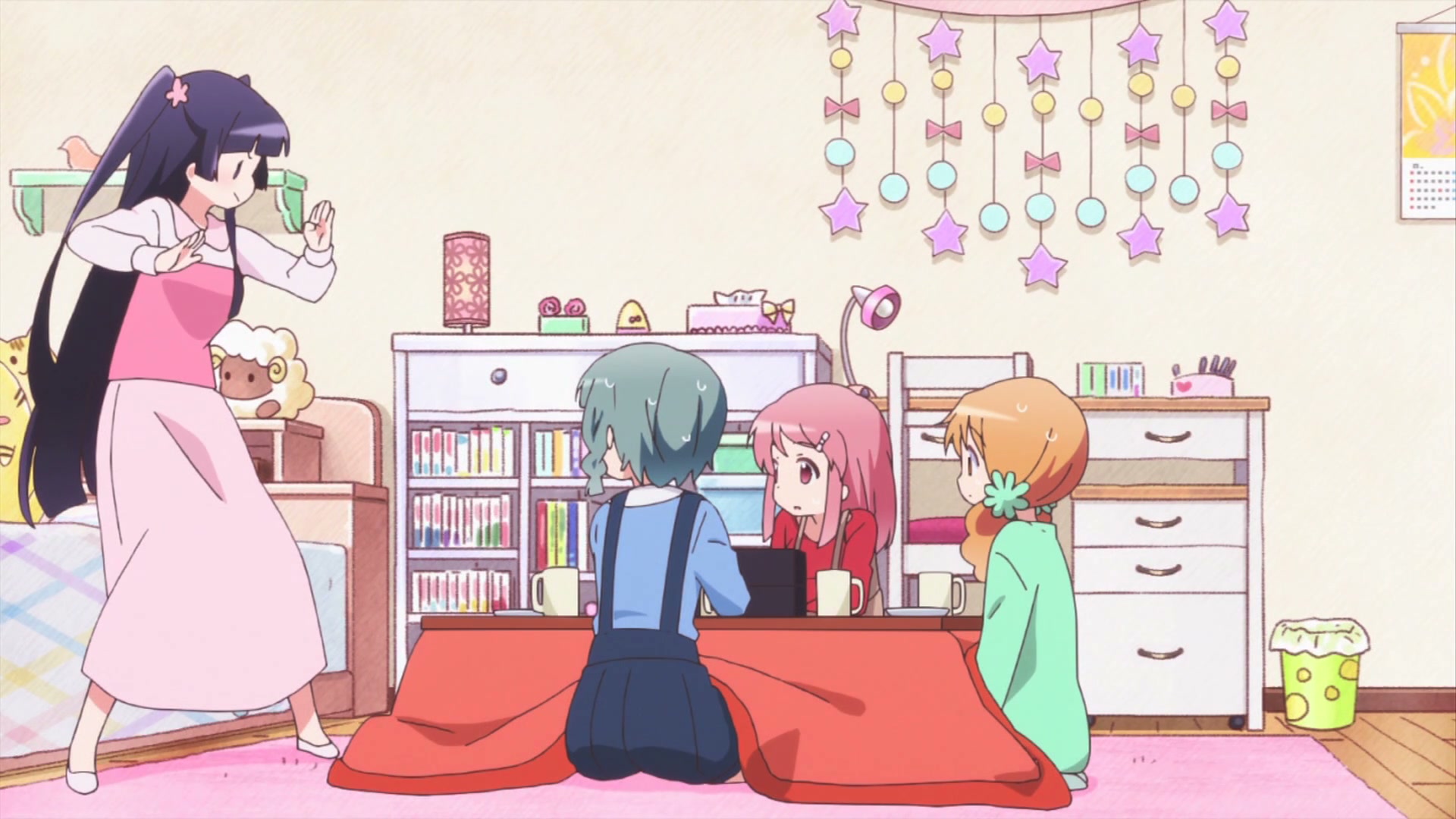
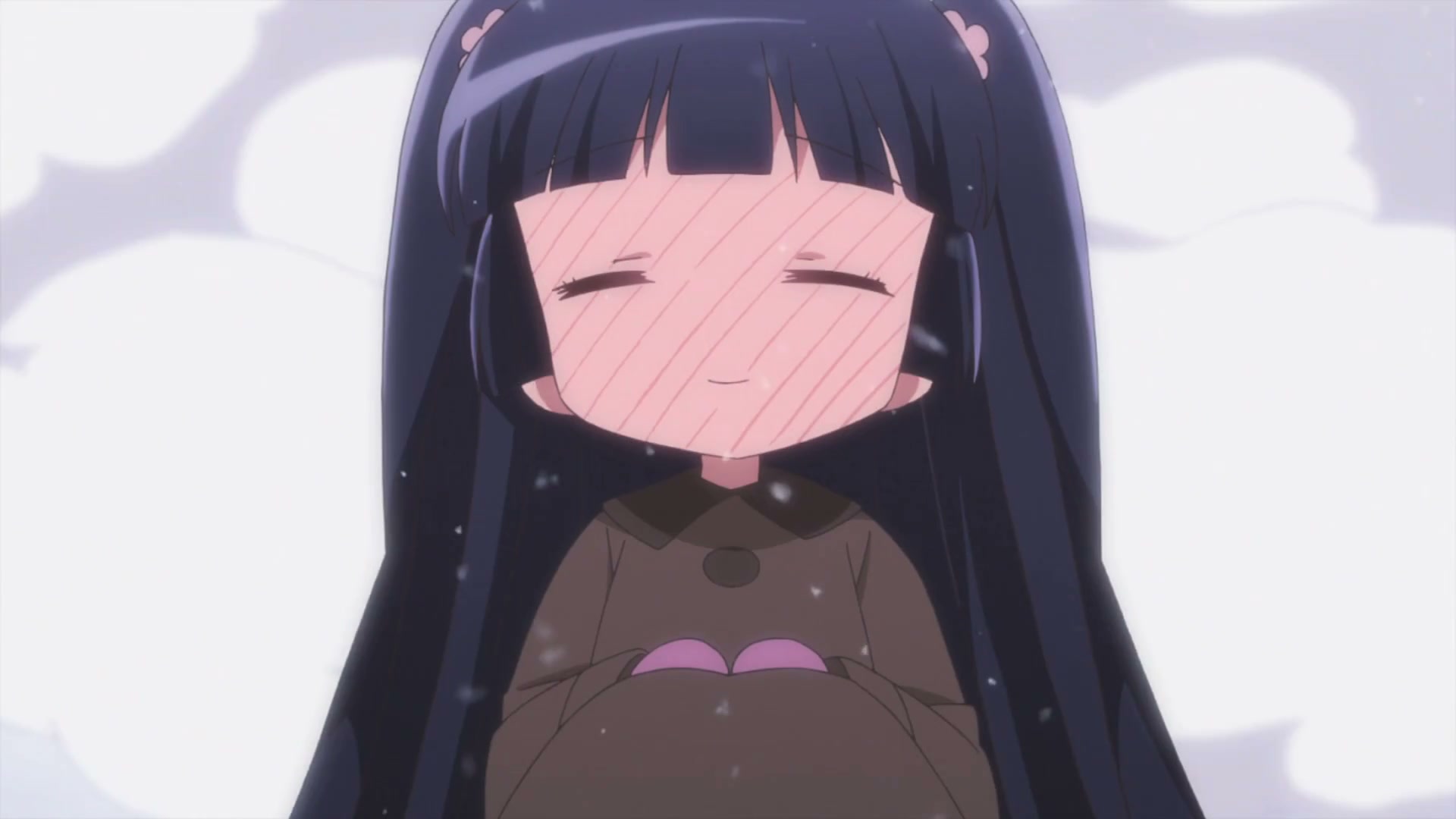
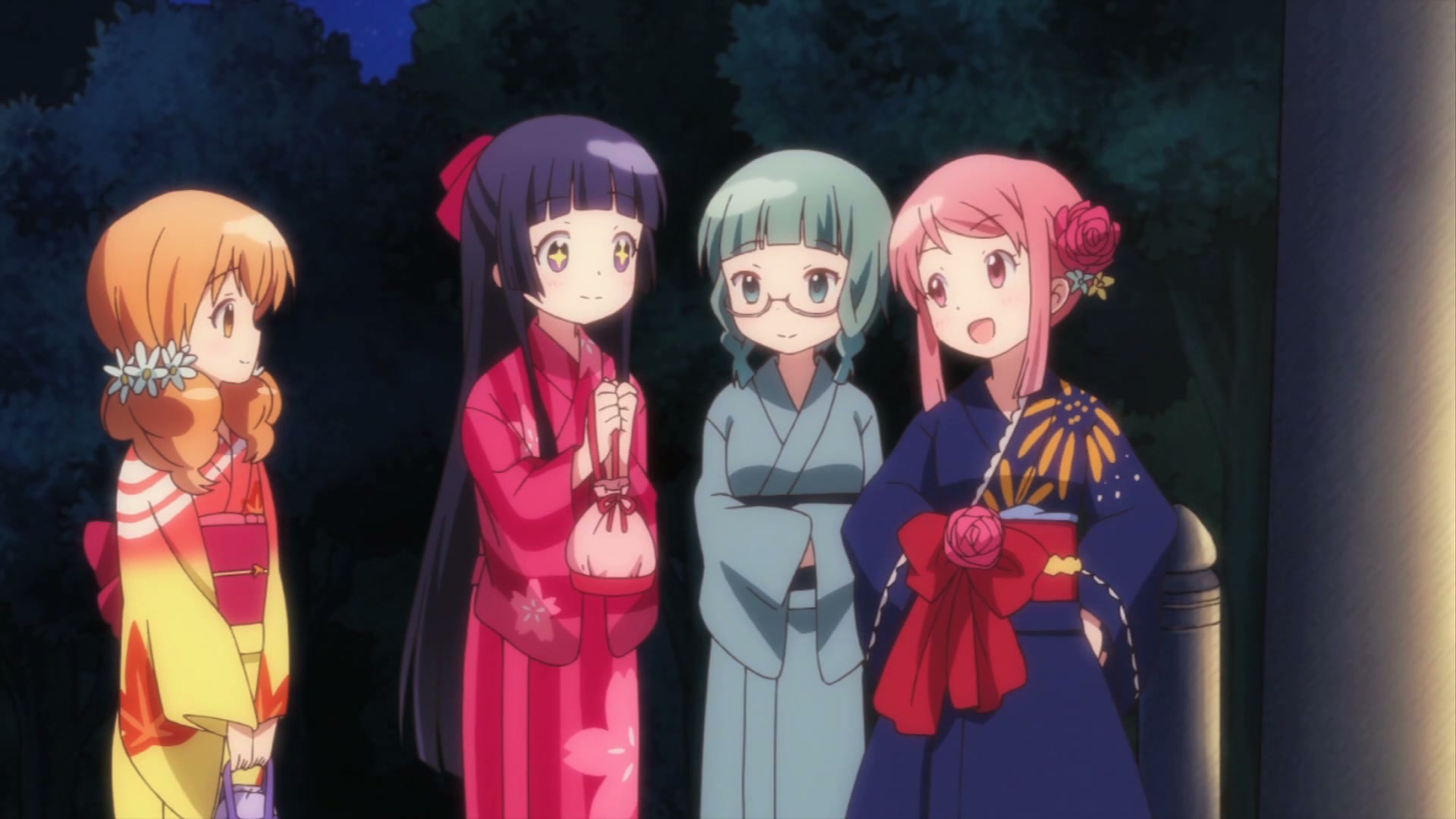
Cultural elements are woven into the story with obvious affection. The summer festival episode is a highlight, with yukata, goldfish scooping, and a secret fireworks viewing spot that the others scouted out in advance just for Wakaba. The New Year’s shrine visit, complete with a sleepy countdown performed two hours late, treats hatsumoude not as a tourist attraction but as a shared ritual that seals their promise to enjoy the coming year together. The kotatsu sequence is a masterpiece of domestic comedy, as Wakaba’s fearful rumors about the device give way to instant, blissful surrender, and her friends engage in the timeless foot-war under the heated blanket. Snow, which Wakaba has never seen before because her family habitually migrates south every winter, becomes a cause for a shaman-like snow-summoning dance in the classroom before a joyful, chaotic snowball fight.
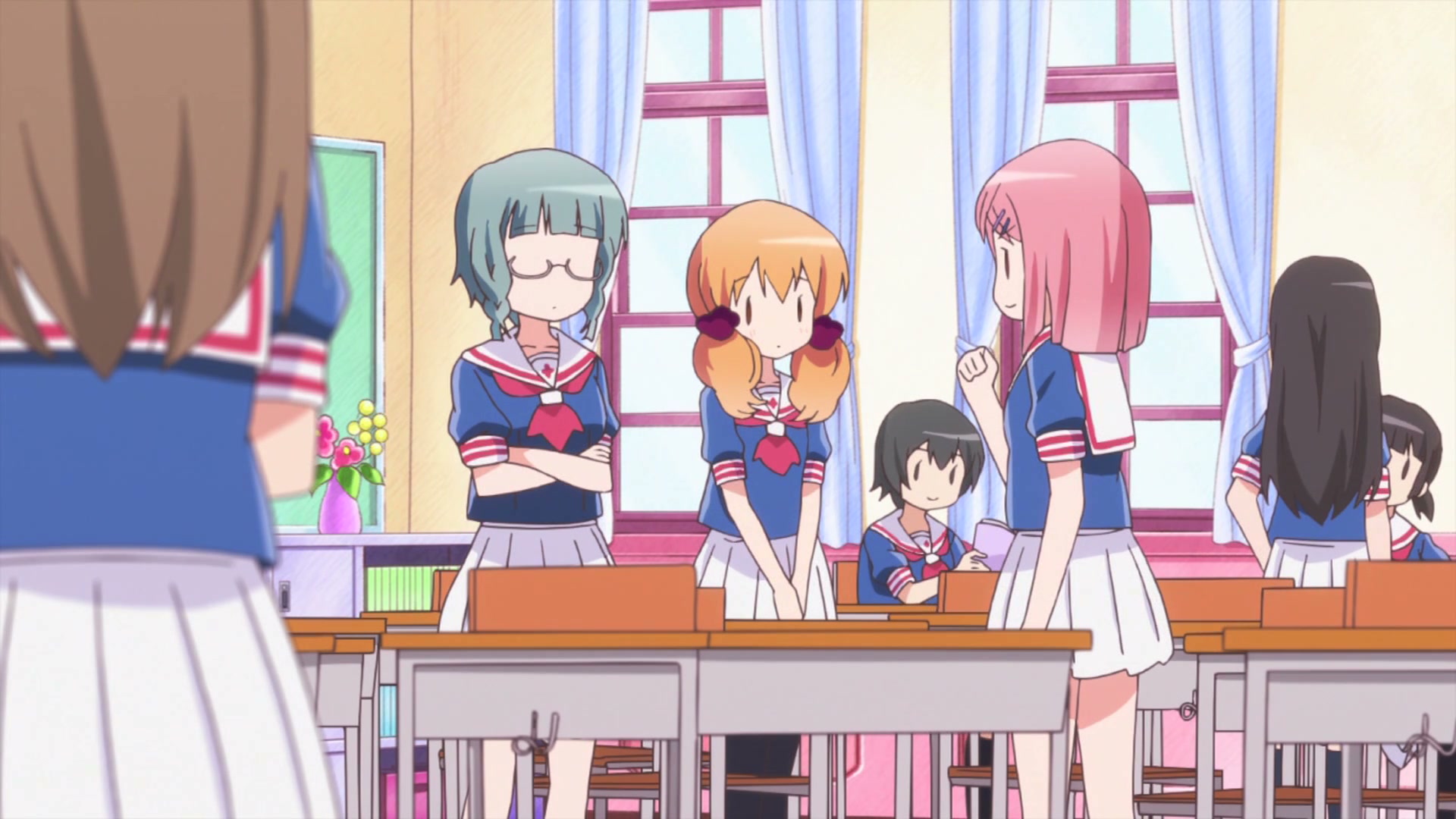
Structurally the series achieves a cohesive arc across its thirteen episodes. It begins with tentative acquaintanceship and ends with the four girls anxiously checking the second-year class rosters, discovering they are all in the same class again, and bookending the season with Wakaba’s iconic line: “What a fine morning, everyone.” The threat of separation in the final episode, when Wakaba mishears a phone call and believes she is moving abroad, creates the season’s only real crisis. The resolution is handled with the same gentle sincerity as everything else, and the relief that floods the final scenes feels genuinely cathartic.
Characters
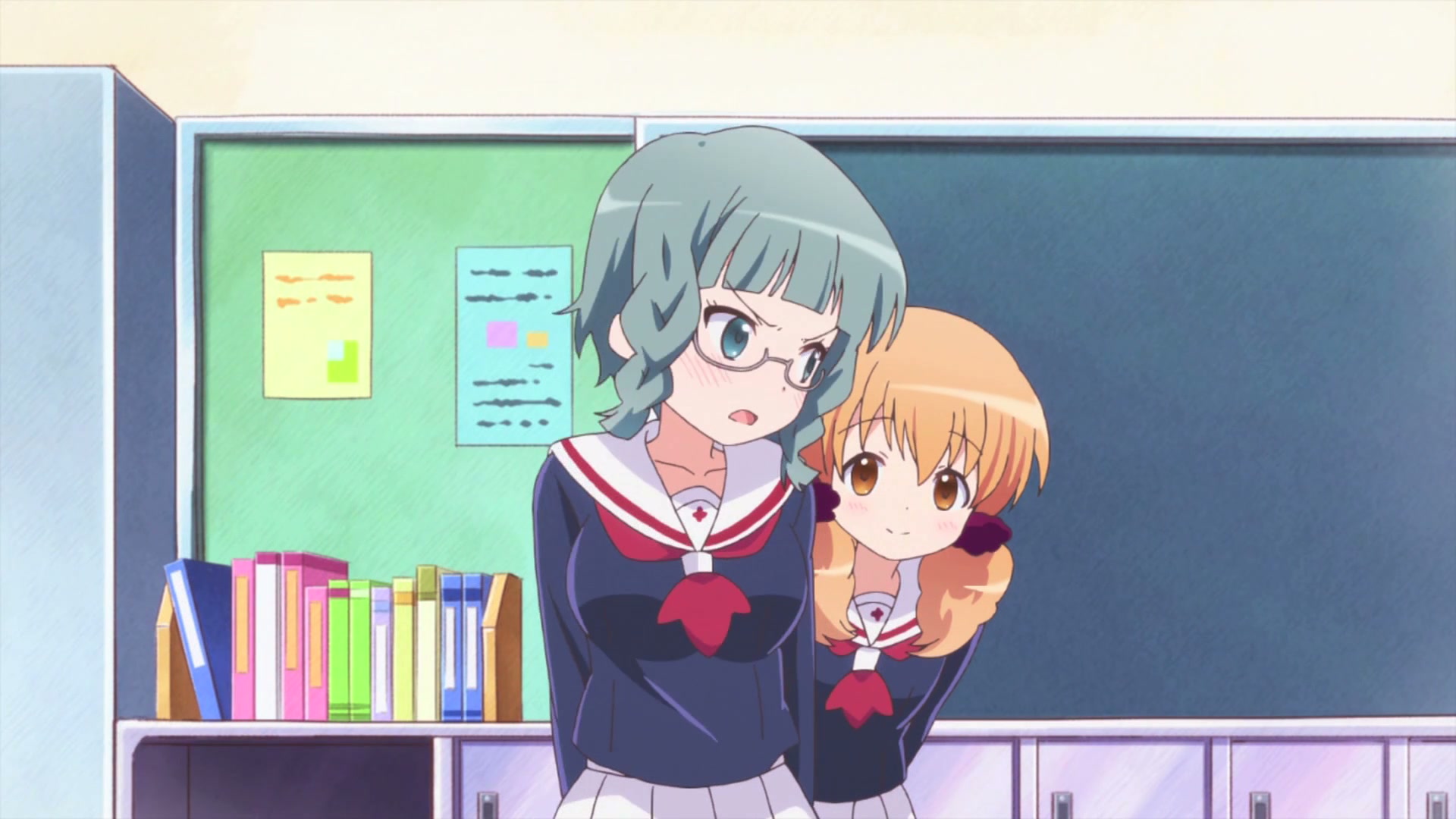
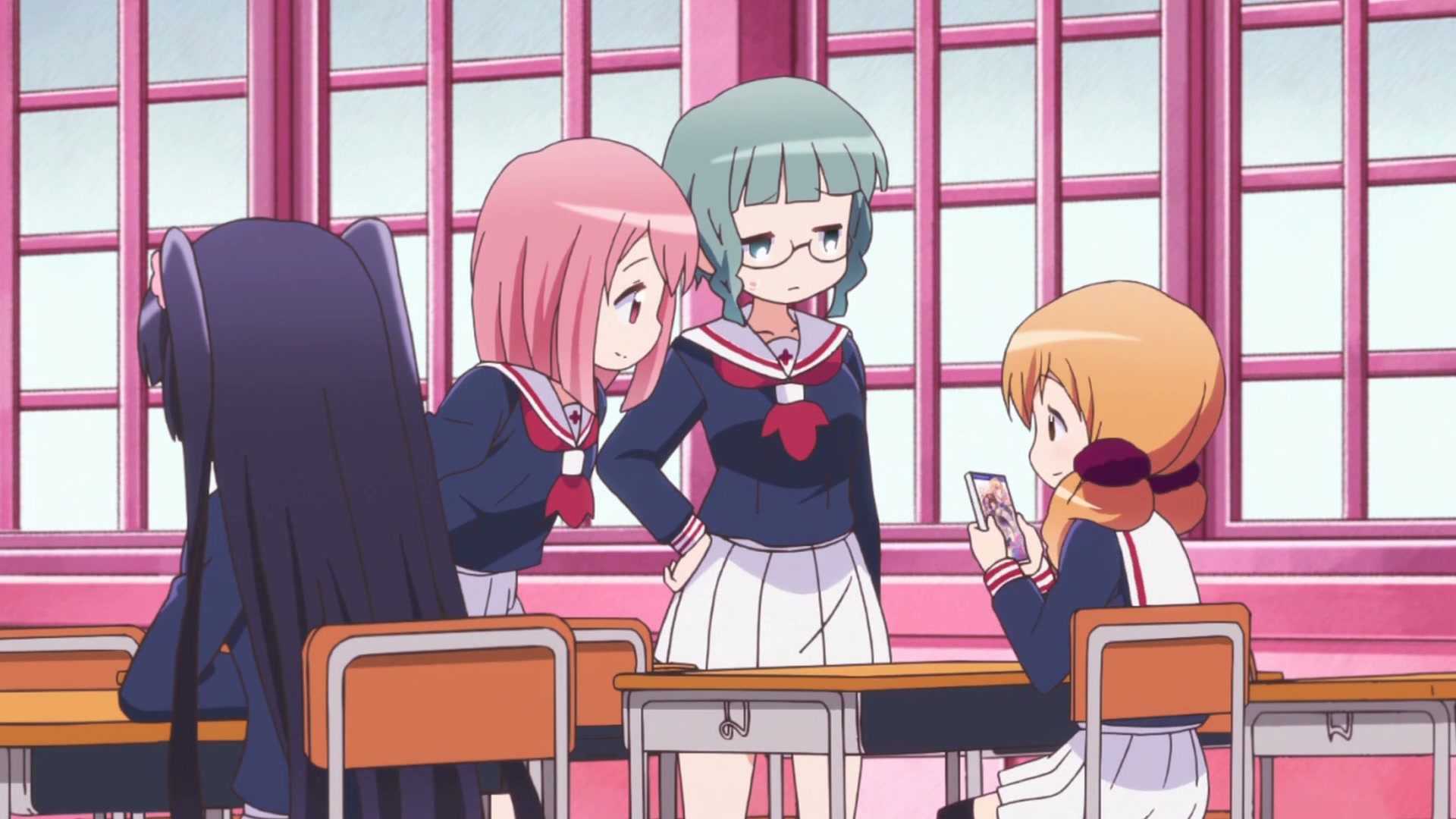
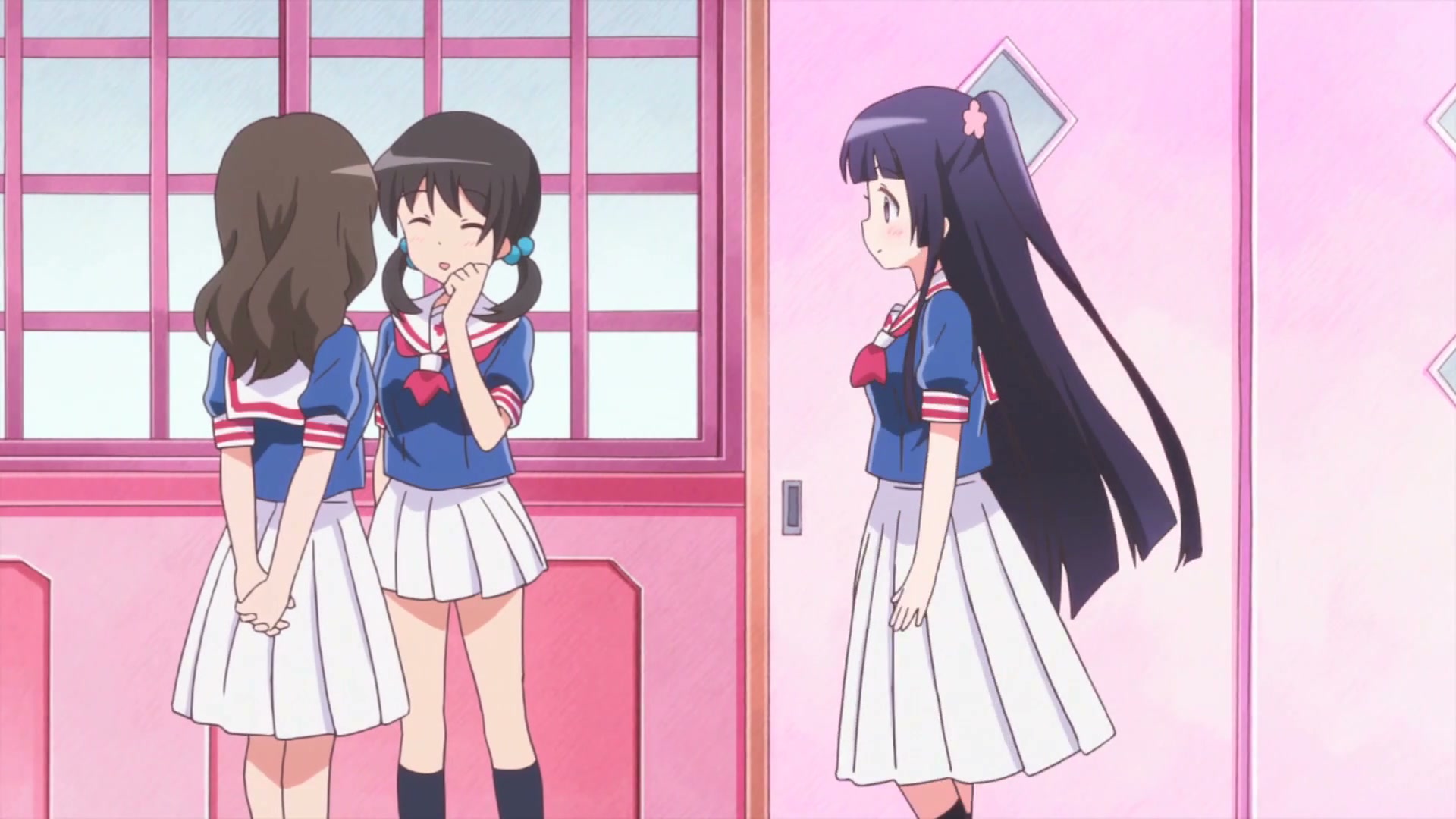
At the heart of the show are four girls, each carrying a private vulnerability that the others help bring into the open. The character writing is not revolutionary, it works within recognizable archetypes, but it executes with such consistency and warmth that the archetypes become specific, lovable people.
Kohashi Wakaba
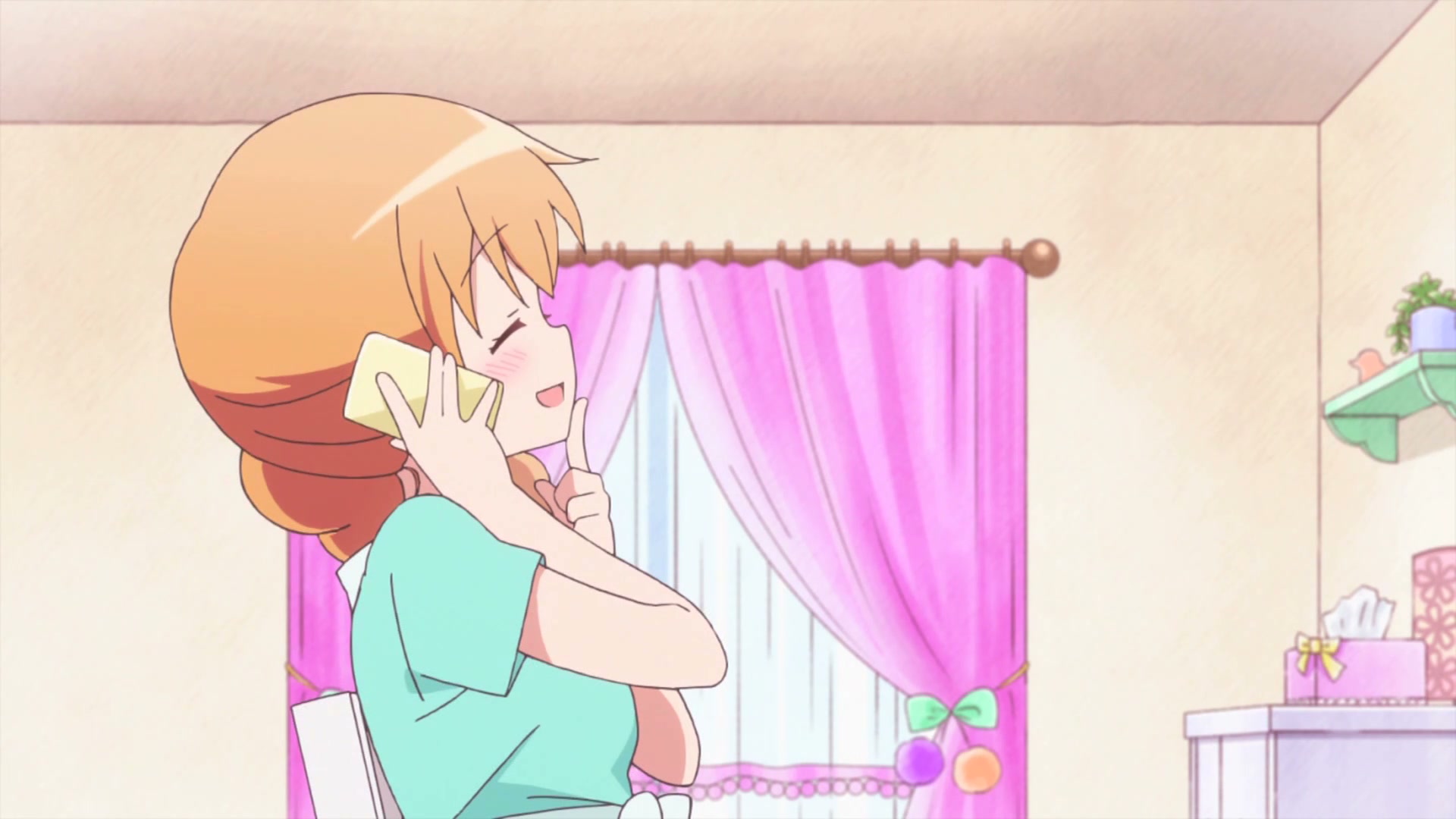
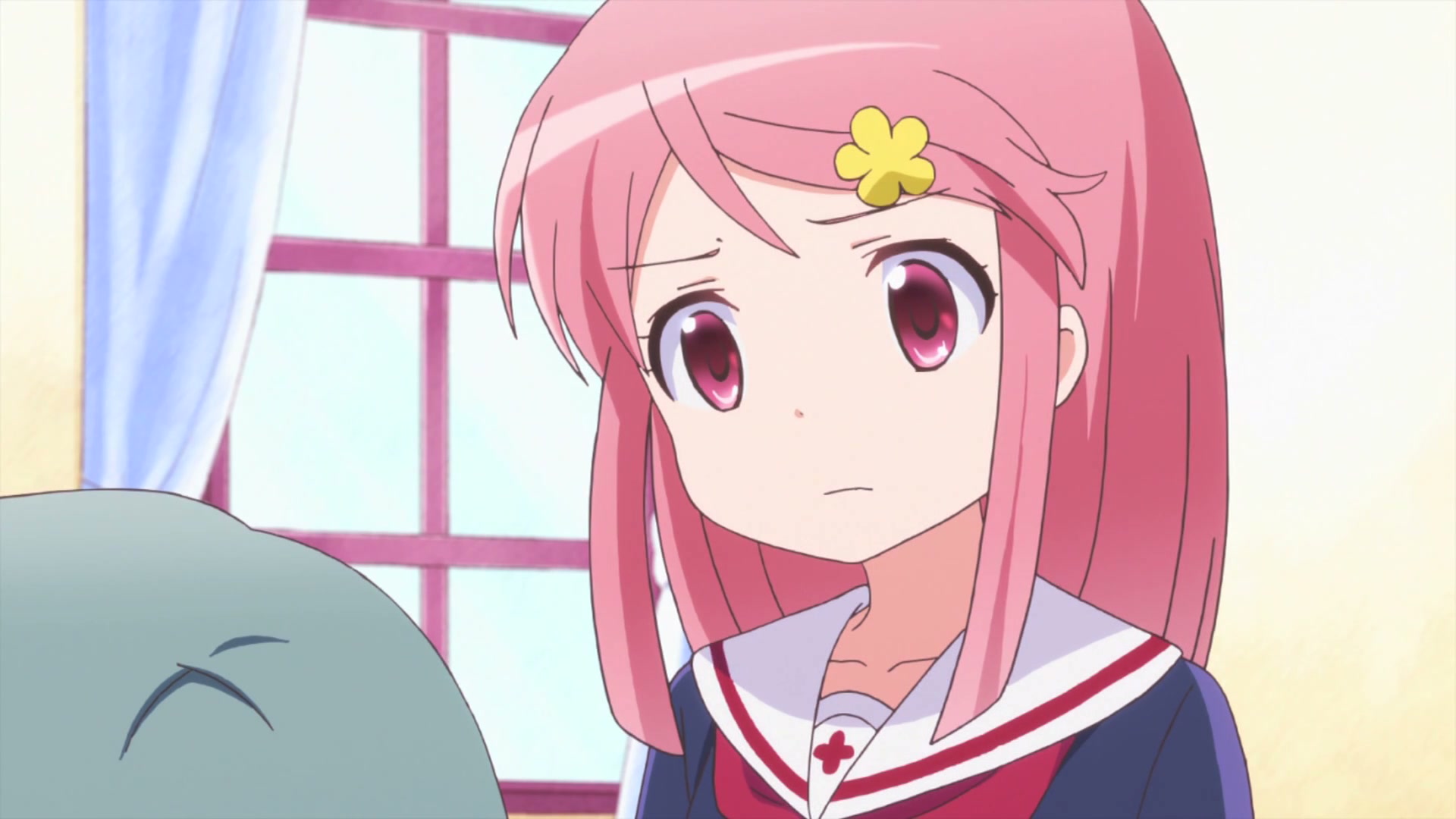
Wakaba is the sun around which the other characters orbit, though she would never describe herself that way. Raised in a mansion with maids, fifty dresses, and a chauffeured car, she has spent her entire childhood in gilded solitude. She is not spoiled in any bratty sense. She is bewilderingly innocent, utterly sincere, and so overwhelmed by kindness that she cries at least once an episode. Her comedy arises from the gap between her aristocratic upbringing and normal life. She carries a cordless landline phone as a mobile, tries to wear a swimsuit like a yukata, and solemnly believes that French restaurants are relaxing while convenience stores are terrifying.
Her emotional arc is the backbone of the series. She enters Clover Girls’ Academy friendless and exits it as someone who can stand up to her mother, defy her curfew to support a friend’s practice, and articulate her own desires. The moment in Episode 12 when a feverish Wakaba delivers a deathbed-style gratitude speech, recounting every happy memory of the year, is not played for laughs. It is the culmination of a slow accumulation of ordinary joys that have become, for her, a life-defining treasure. Her realization that what she truly wanted was “simply a regular girl” reframes the entire gyaru journey as an external symbol for an internal longing to belong.
Mashiba Nao
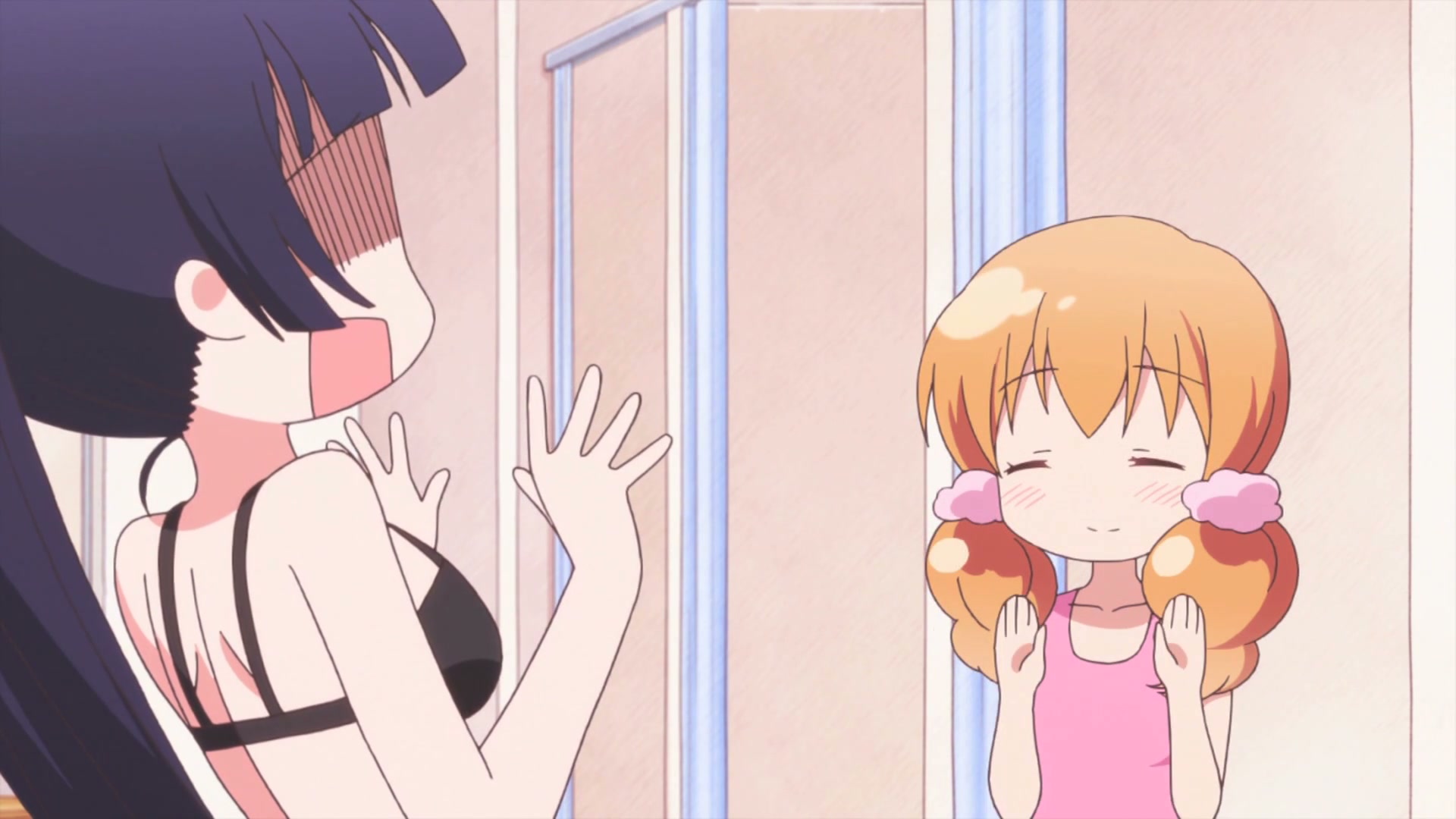
Nao is the group’s straight man and its reluctant leader. A former soccer player with a sturdy build and a D-cup bust that Mao will not stop mentioning, she speaks bluntly, rolls her eyes at Mao’s antics, and yet is always the one who ends up making the difficult phone calls or confronting adults. Her secret is a deep insecurity about her femininity, hidden beneath an otaku identity she shares more freely than her feelings. She plays dating sims, otome games, and BL with academic seriousness, and her response to Mao’s romantic disappointment is a deadpan “Welcome to 2D!”, offered with the genuine conviction of a veteran who has had her heart broken many times by bad romance route choices.
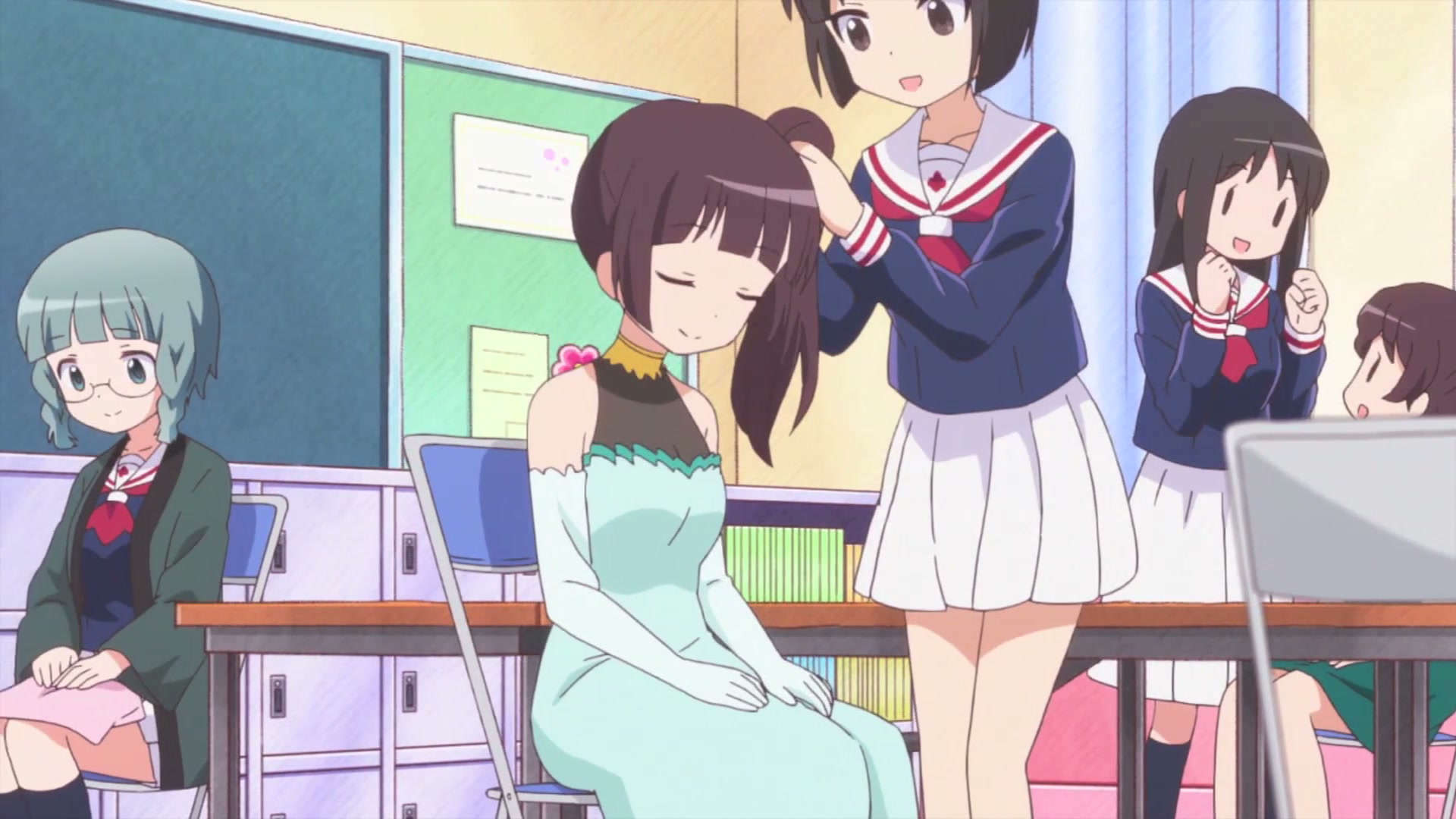
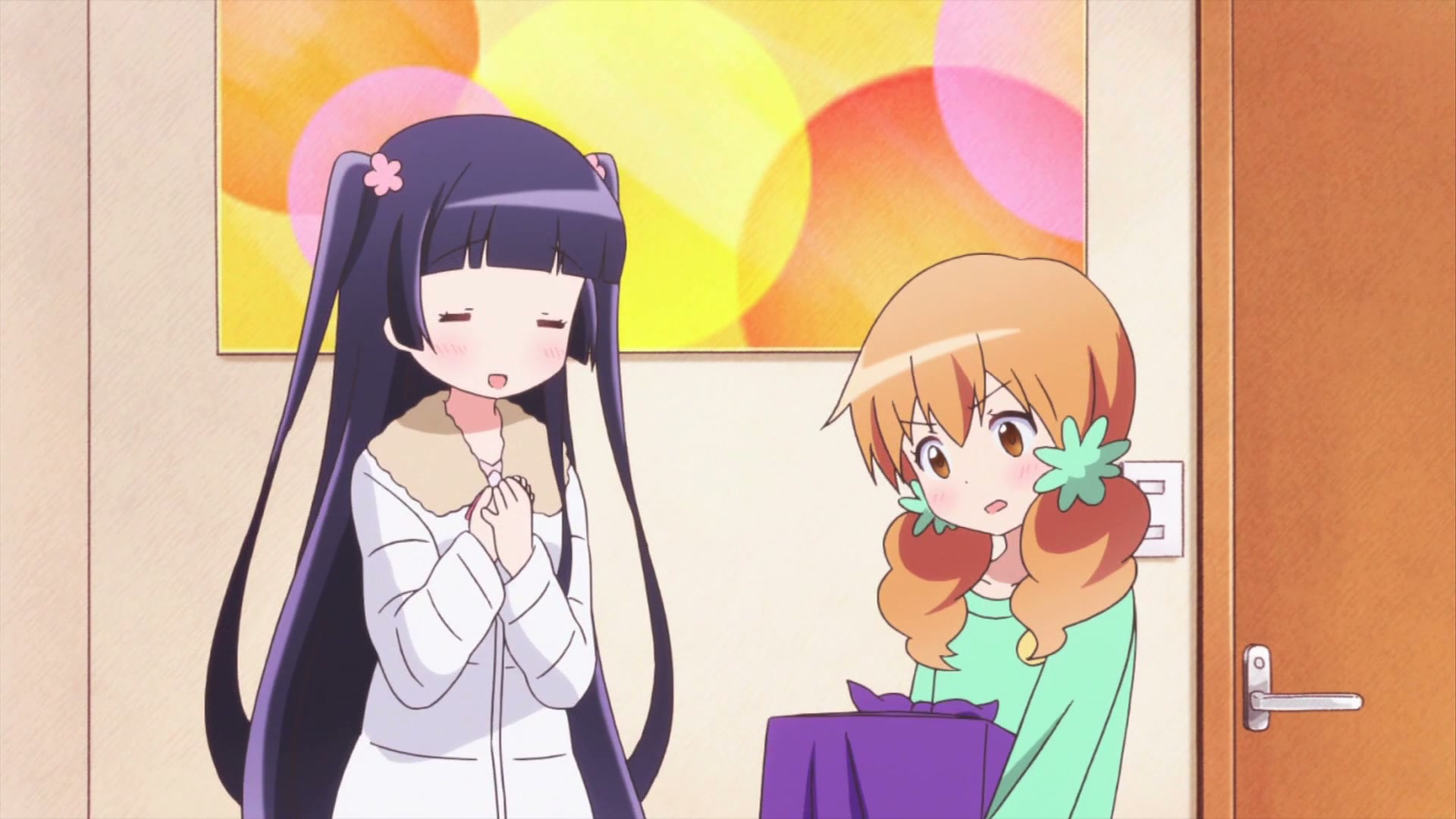
Nao’s most vulnerable storyline unfolds across the cultural festival arc. She spends weeks sewing a frilly dress and enters the Miss Clover beauty contest because she wants to prove to herself that she can be seen as feminine. The plan collapses when she catches a cold and arrives at the festival with a masked, swollen face. She gives her dress to Wakaba, who wins the contest in her stead, and Nao’s quiet pride mixed with bruised ego is handled with real delicacy. Her eventual vow, “I’ll win it on my own,” accompanied by the half-joking threat to smash the trophy if she never can, captures her stubborn, fiercely self-aware spirit.
Kurokawa Mao
Mao is the group’s engine of chaos. She refers to herself in the third person, collects hair accessories, chases after boys she sees on the train, and concocts elaborate schemes that usually involve volunteering Nao for something uncomfortable. Her confidence is theatrical and mostly genuine, but it cracks open briefly when she develops a crush on a commuter who seems interested in a girl from the ritzy Water Lily Academy. Her response is a full-day stalking mission of Wakaba, complete with an “observation journal,” as she attempts to study rich-girl mannerisms in order to mimic them.
The scheme fails, obviously, because Wakaba’s elegance is not a set of behaviors that can be copied. But the episode ends with Mao rebounding in the most Mao way possible: she realizes that Wakaba actually copies her, making Mao “the ultimate of the ultimate.” This self-aggrandizing logic is not delusional. It is a survival mechanism, a way of processing insecurity by reframing it as superiority. And it works. Mao’s ego emerges intact, and she remains the group’s most effervescent member, the one who suggests spontaneous outings and declares that if a festival were held every day they would be invincible.
Moeko
Moe is the quietest presence, and in some ways the most essential. She is small, soft-spoken, and domestically gifted. She bakes, she hosts sleepovers, and she speaks with a gentle warmth that makes everyone feel safe. Her hobbies are so anachronistically innocent, Chinese jump rope, playing cards, that her friends react with a bemused “Moe-tan…” She seems to have no sharp edges.
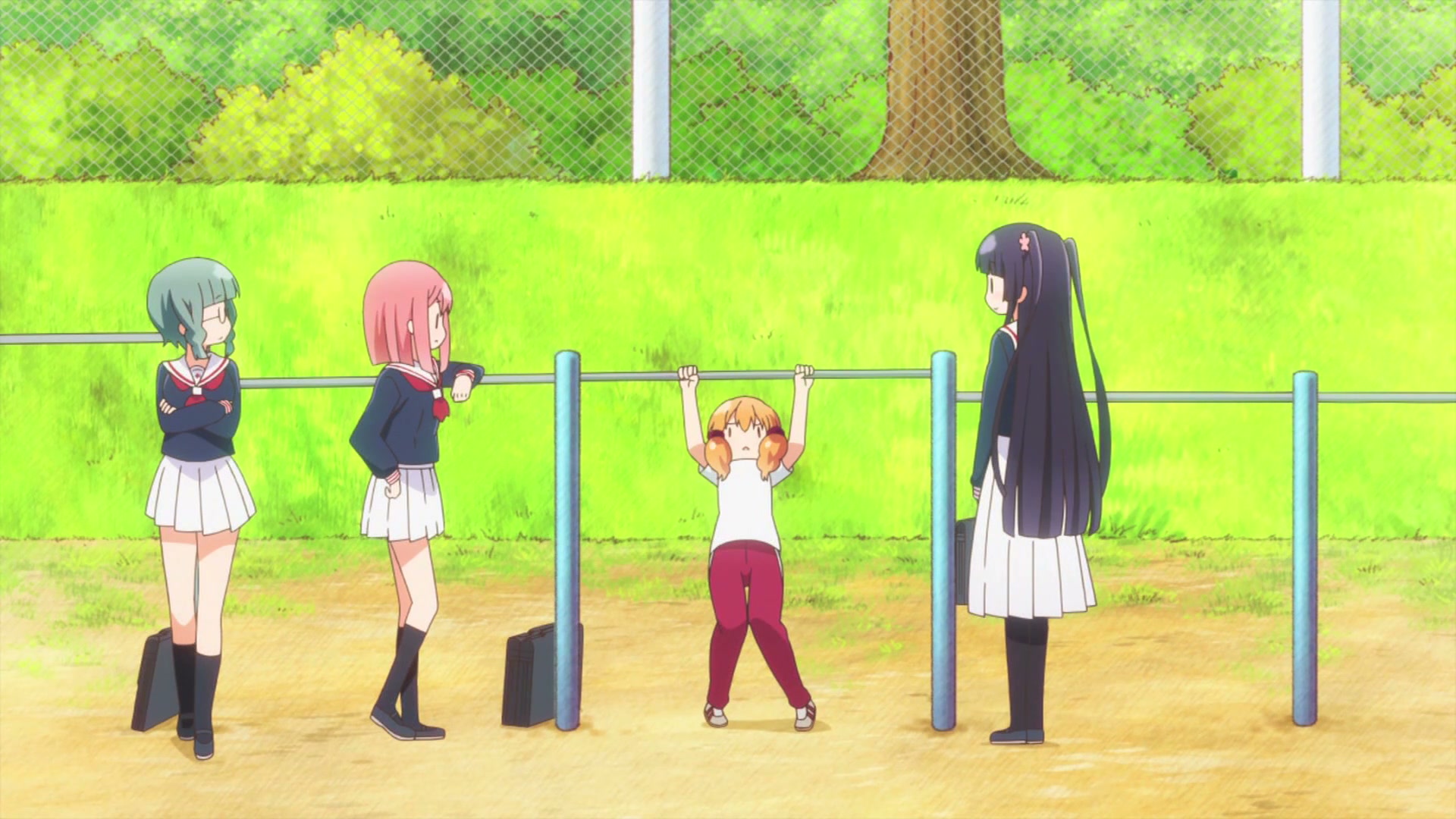
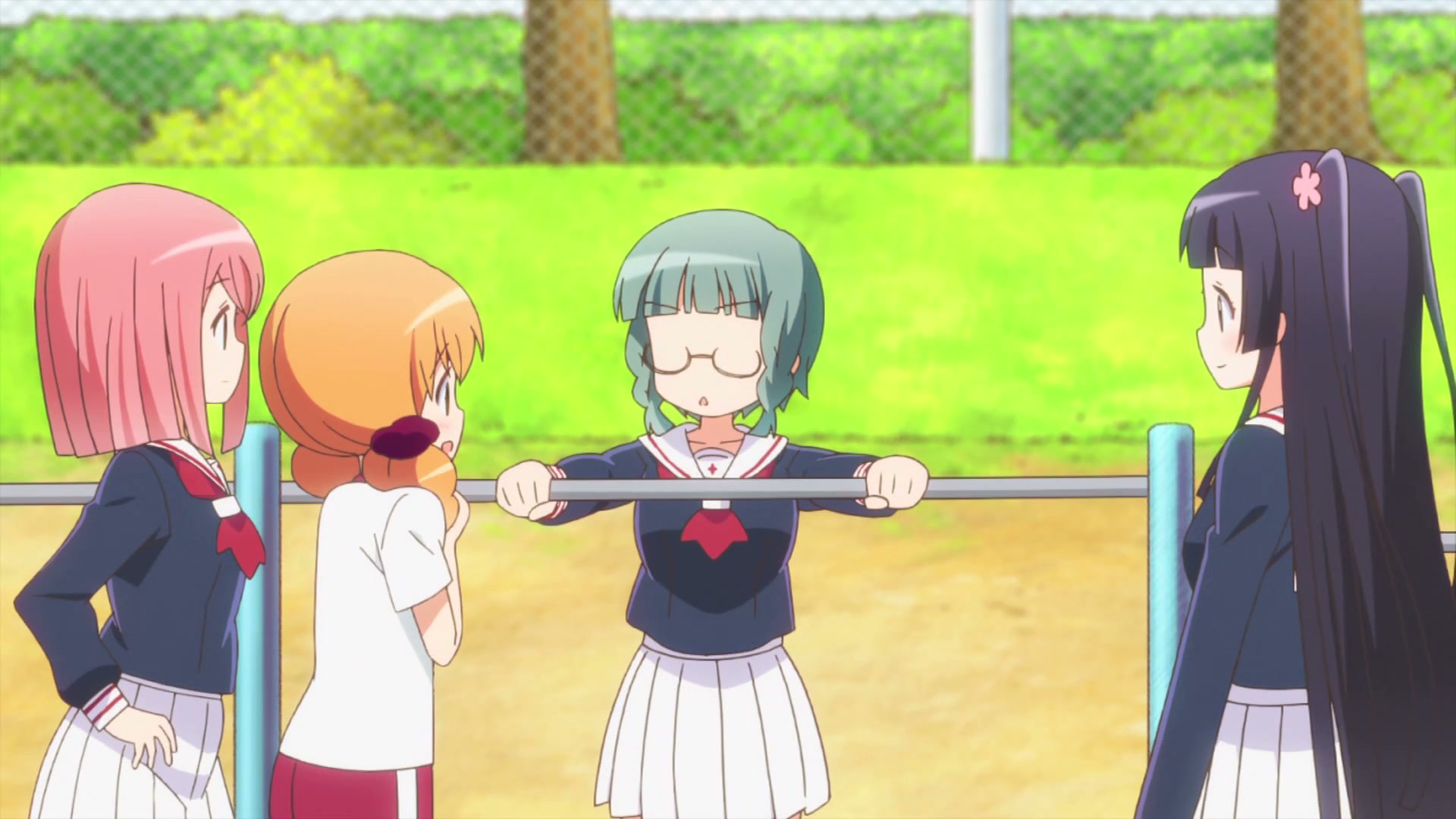
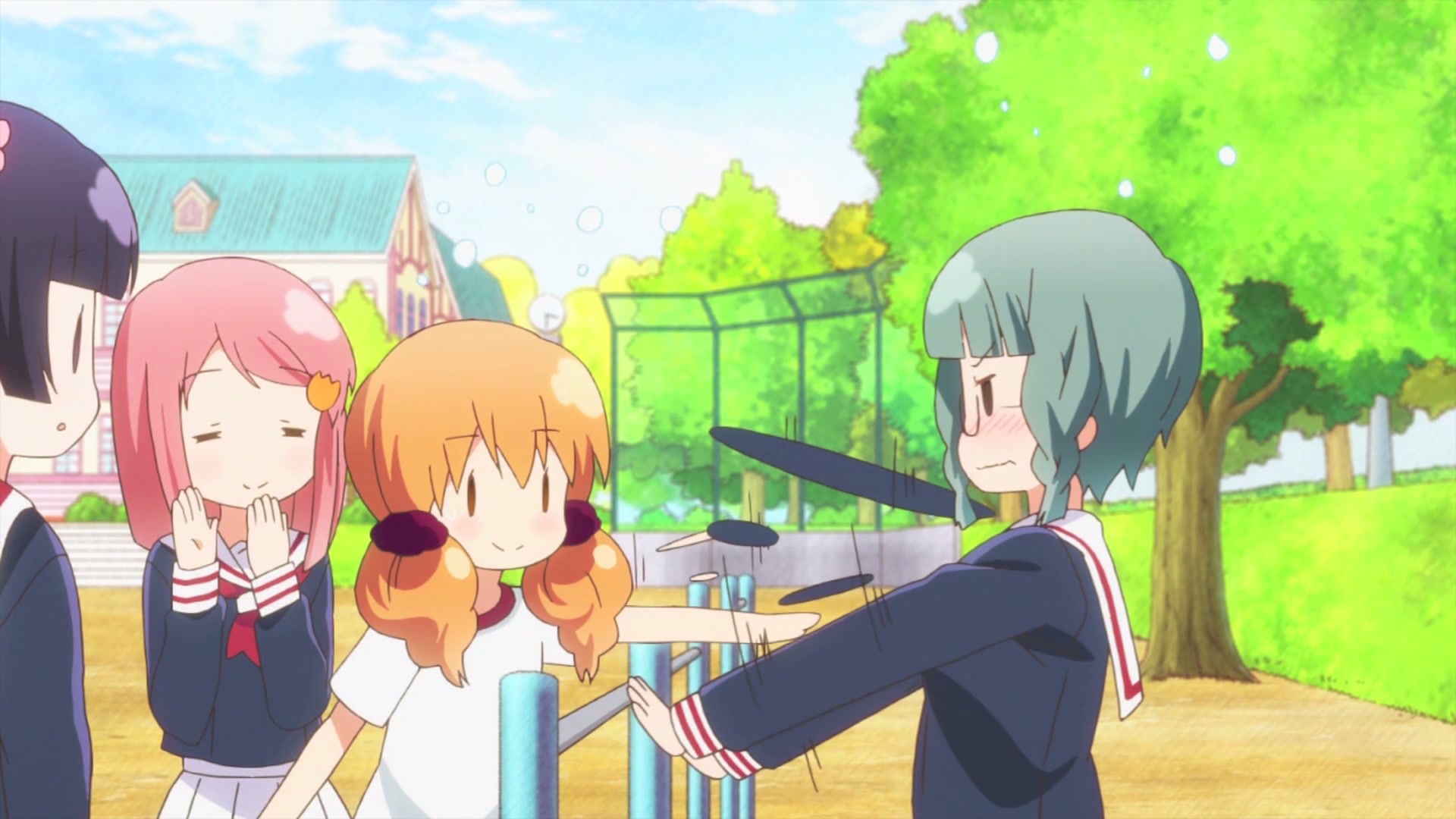
But Moe carries a long-standing shame about her physical limitations. She cannot run fast, cannot swim well, and has never been able to perform a back hip circle on the horizontal bar. The sports day episode forces her to confront this. After losing a relay, she quietly resolves to master the back hip circle before giving up on physical activity entirely. Her after-school practice sessions, with Mao offering incomprehensible sound-effect coaching and Nao discovering she can no longer do the move herself, become a group project. Moe’s hands blister, she fails repeatedly, and she refuses to quit until she succeeds. The moment she finally swings over the bar, and Wakaba cheers with tears streaming down her face, is the show’s purest expression of its belief that persistence matters more than talent, and that friends make persistence possible.
Group Dynamics
The four characters form a delicate ecosystem. Mao initiates, Nao resists and then executes, Moe facilitates and comforts, and Wakaba reacts with transformative joy that validates everyone’s efforts. This rhythm repeats throughout the season and becomes the group’s unspoken emotional language. Teasing serves as a form of intimacy, particularly between Mao and Nao, where Mao’s provocations draw out Nao’s hidden care. Moe’s quiet leadership anchors the group’s emotional continuity, it is often Moe who articulates what everyone feels about staying together.
The supporting cast is minimal but effective. Wakaba’s elegant mother and perceptive older sister appear as gentle presences who support her social awakening, gradually relaxing their strictures as they witness her happiness. The sister’s dry humor, suggesting kotatsu for every room, adds a final comic note that suggests Wakaba’s eccentricities are familial.
Visuals and Animation
The visual presentation understands exactly what kind of show it is making. It does not pursue technical spectacle. It pursues warmth, clarity, and expressive charm, and it succeeds remarkably.
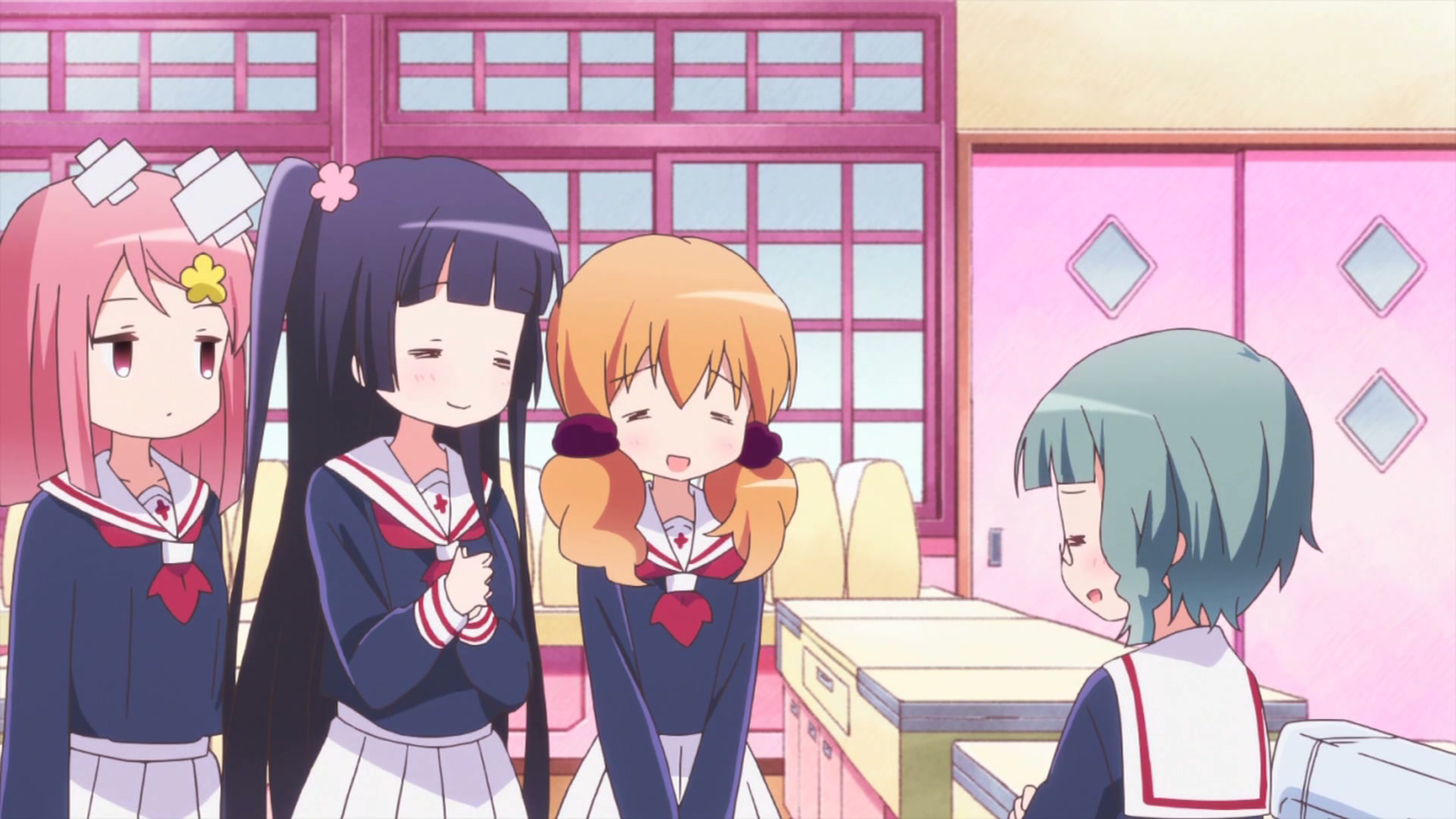
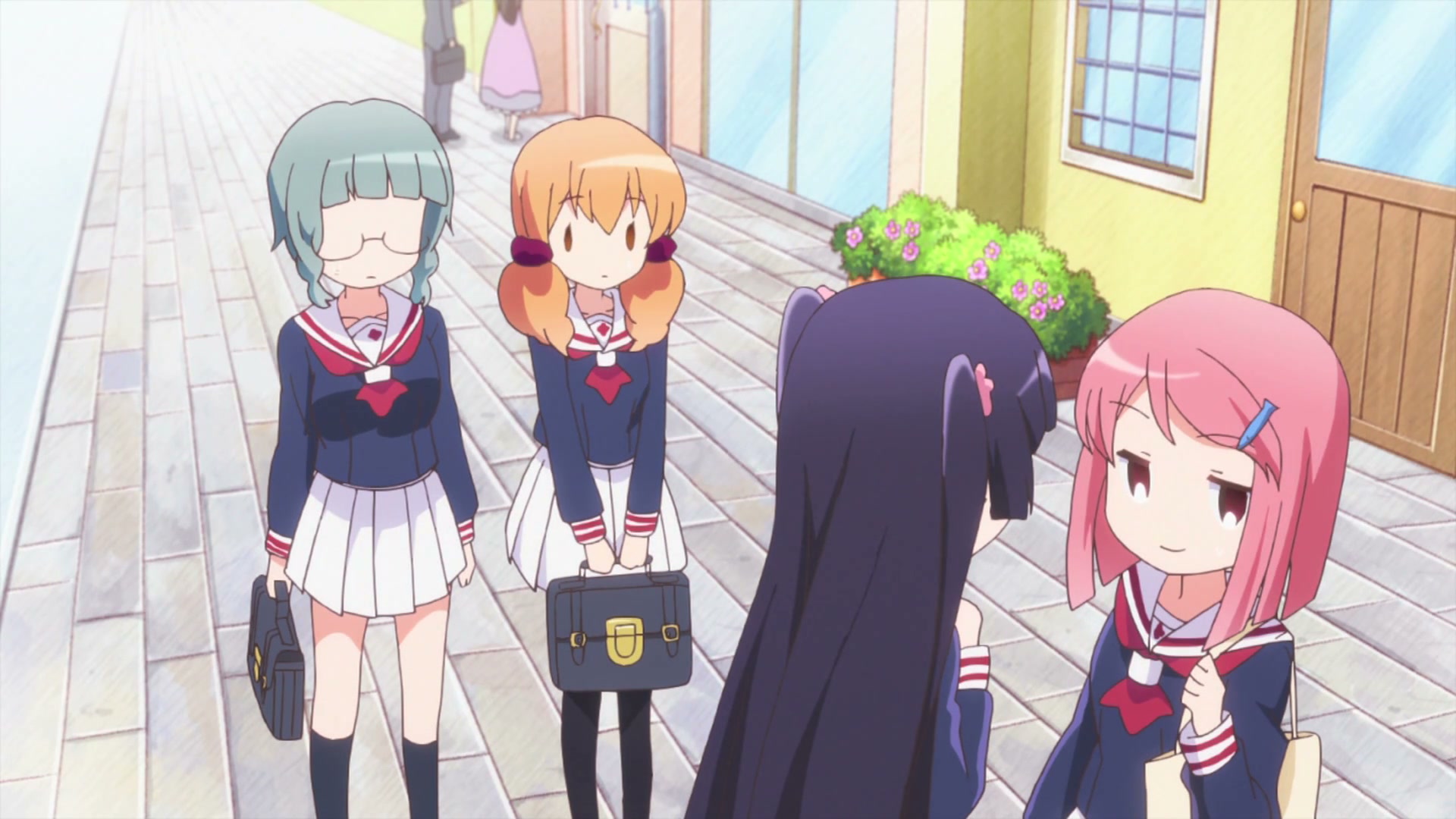
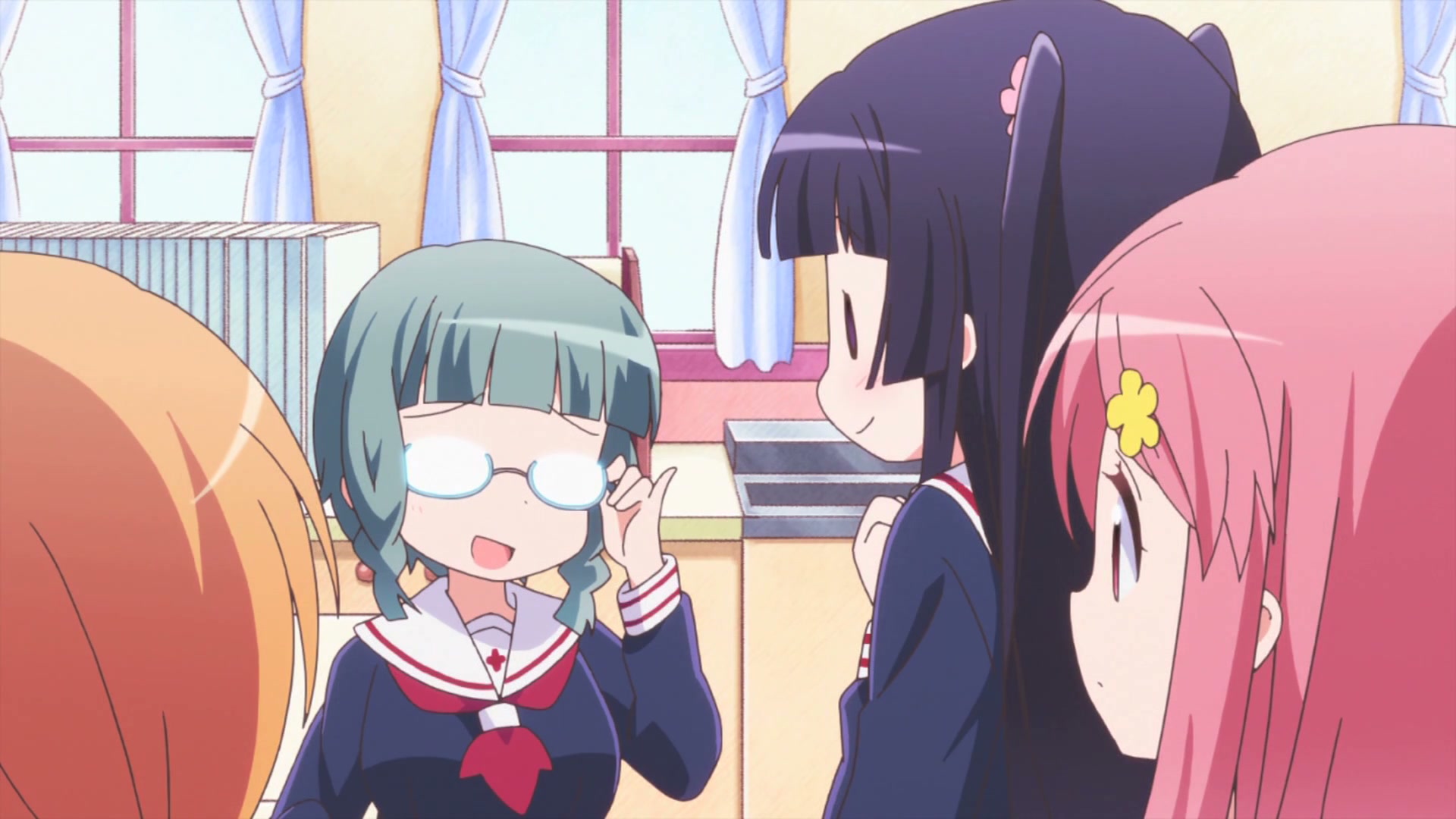
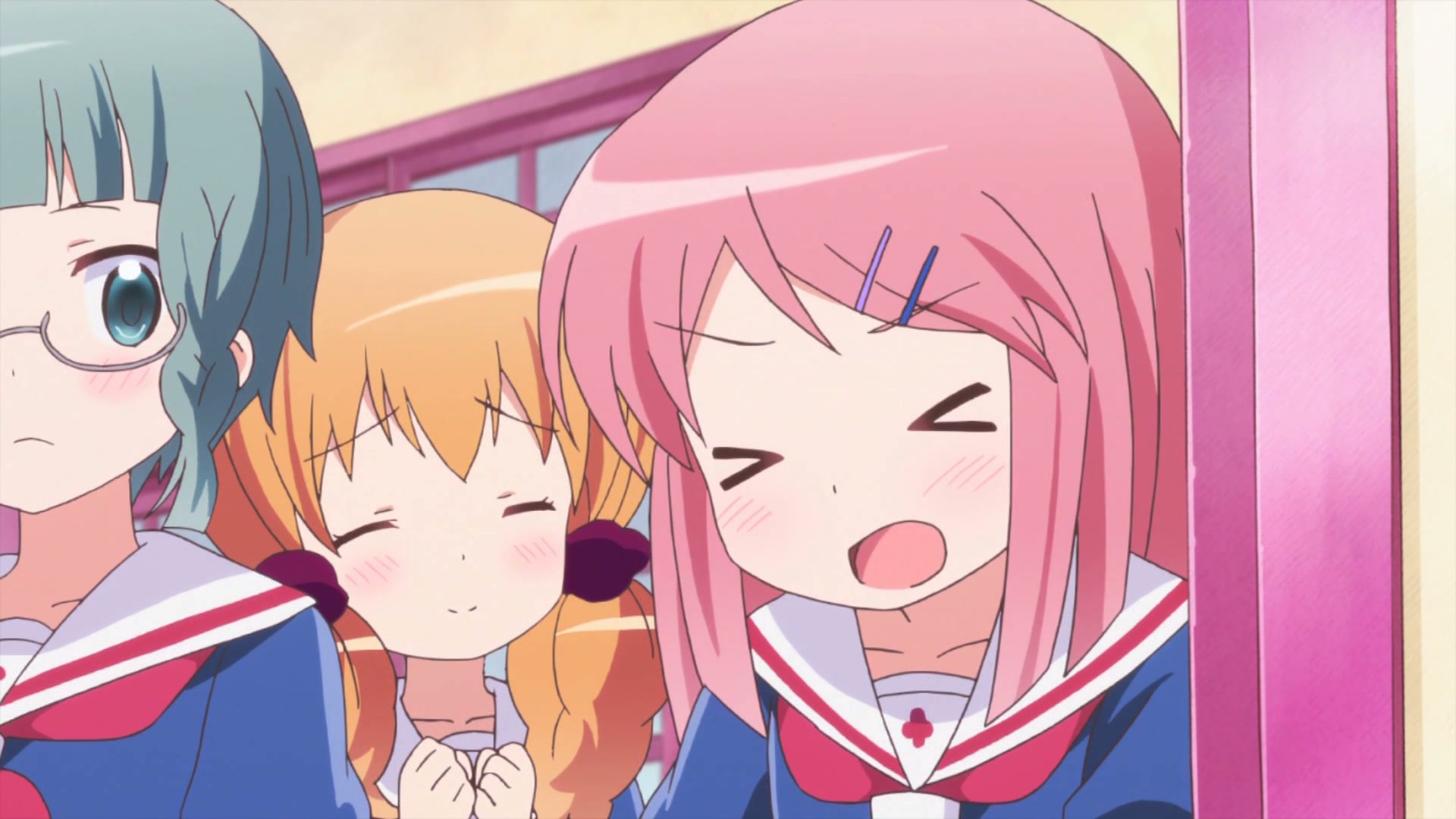
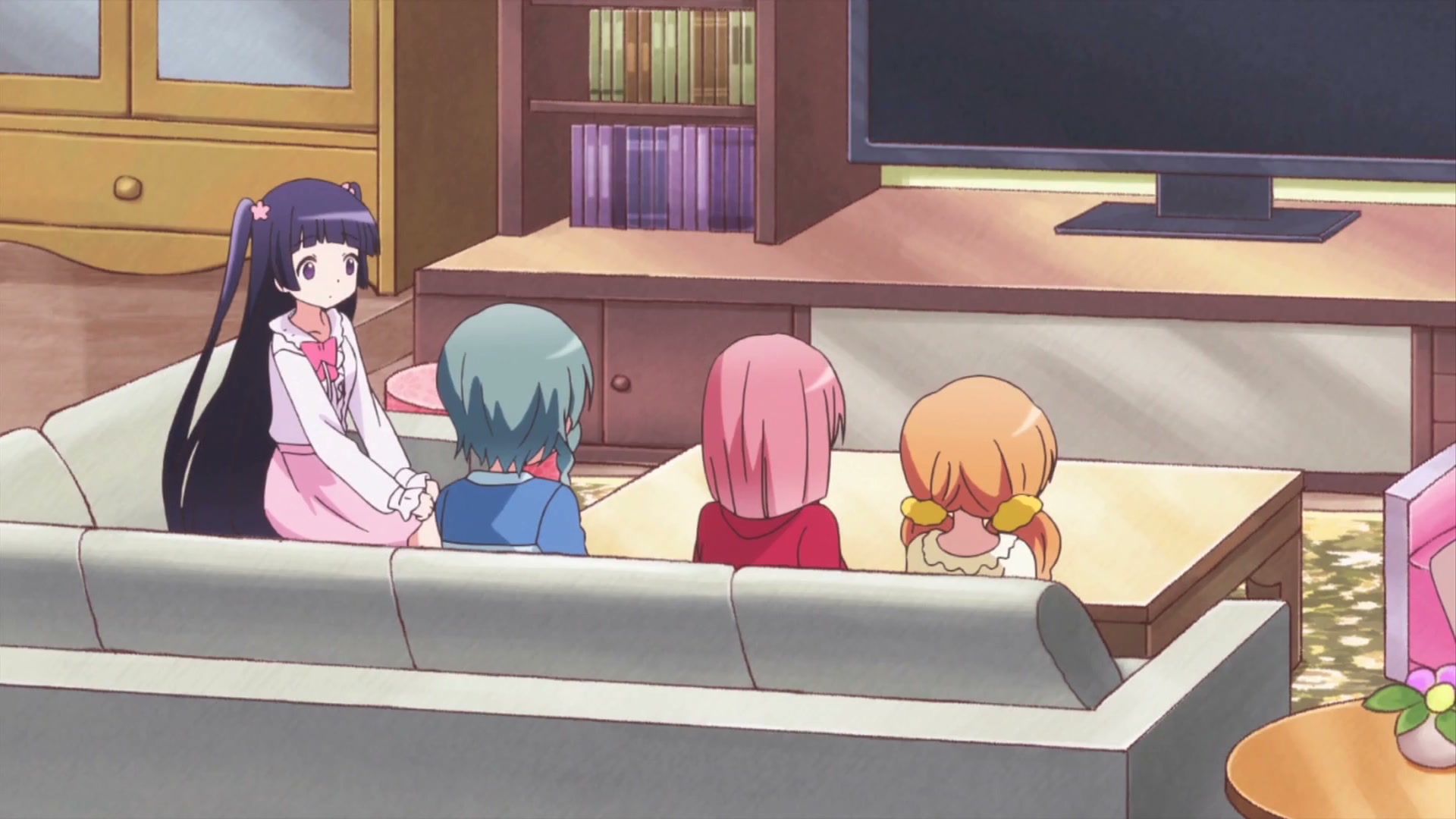
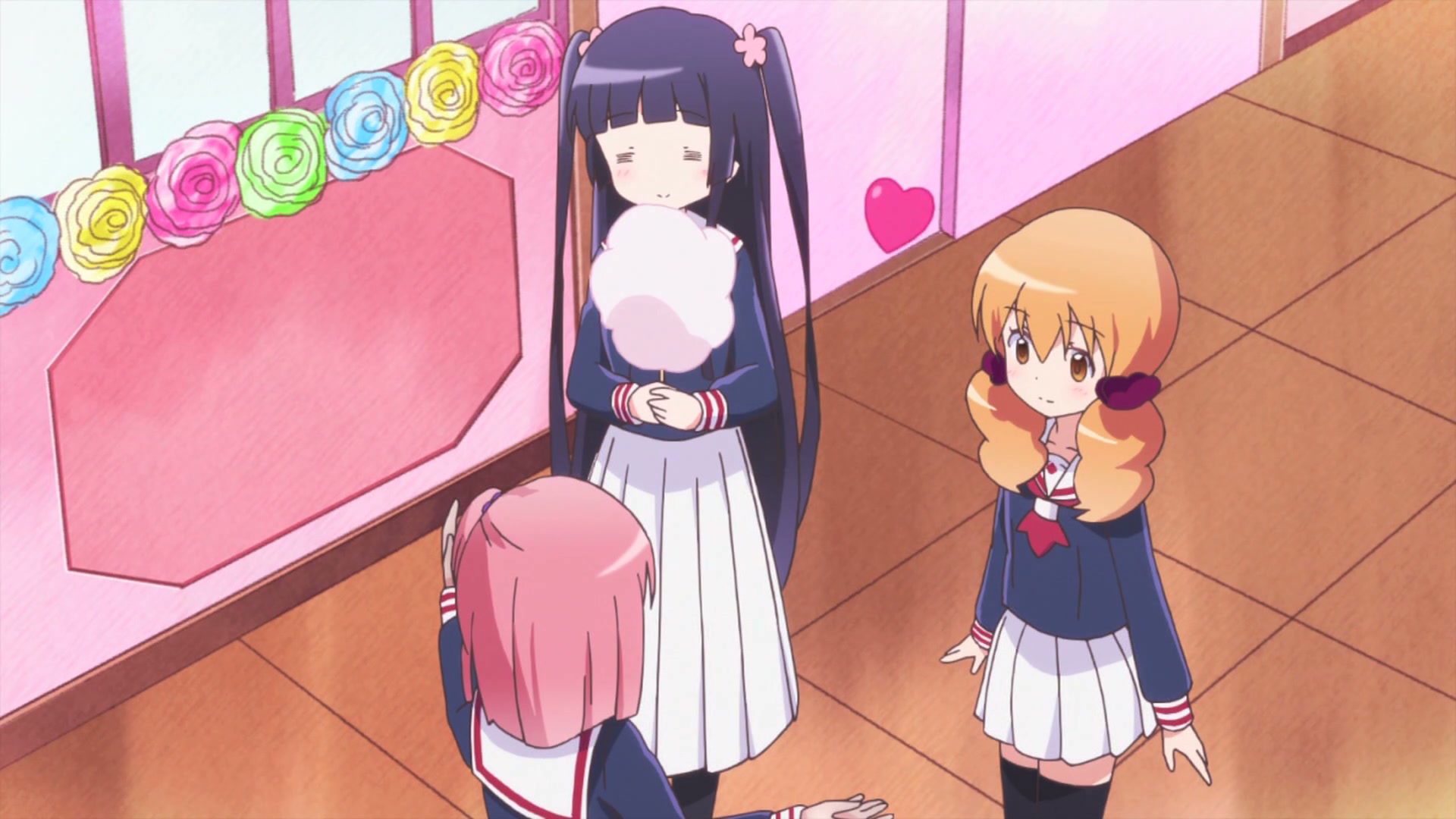
The character designs follow a classic moe template with rounded forms, large eyes, and distinct color-coded silhouettes. Wakaba’s soft pink hair, Nao’s deep purple, Mao’s striking blue, and Moe’s mint-green make each girl immediately identifiable even in crowd shots. The designs stay consistently on-model, which is more important here than fluid motion, because the series relies heavily on facial expressions to convey its emotional beats.
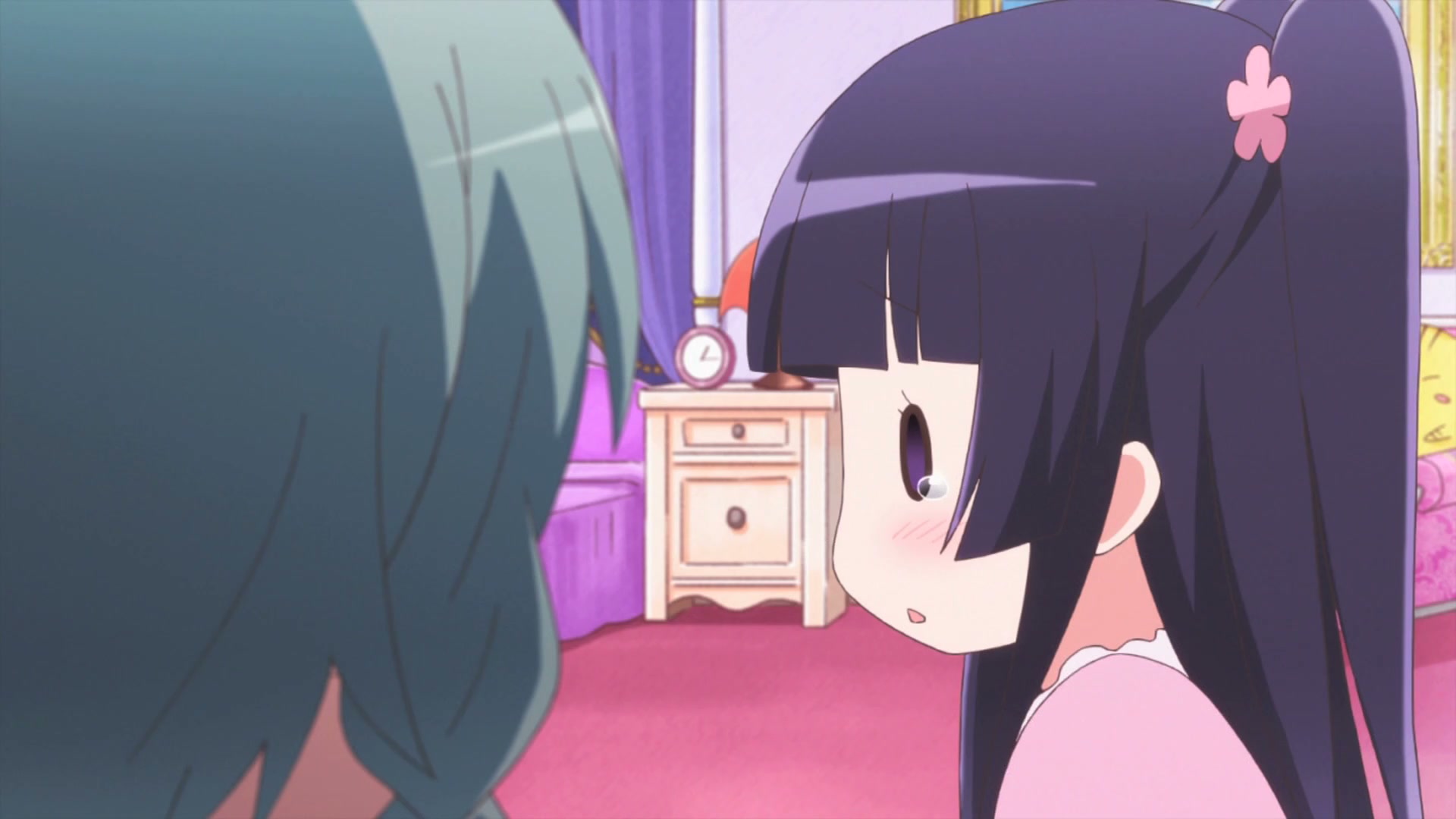
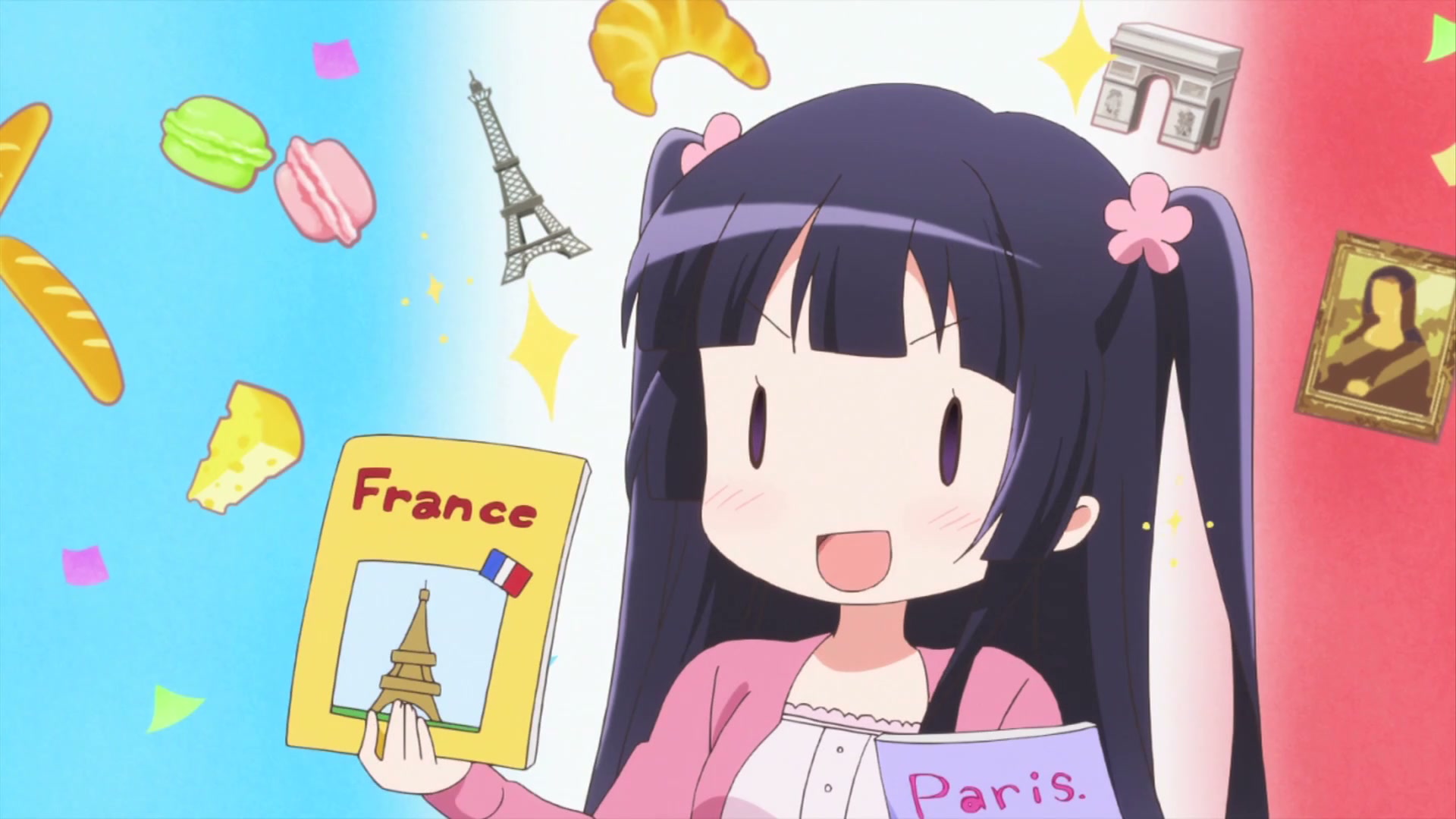
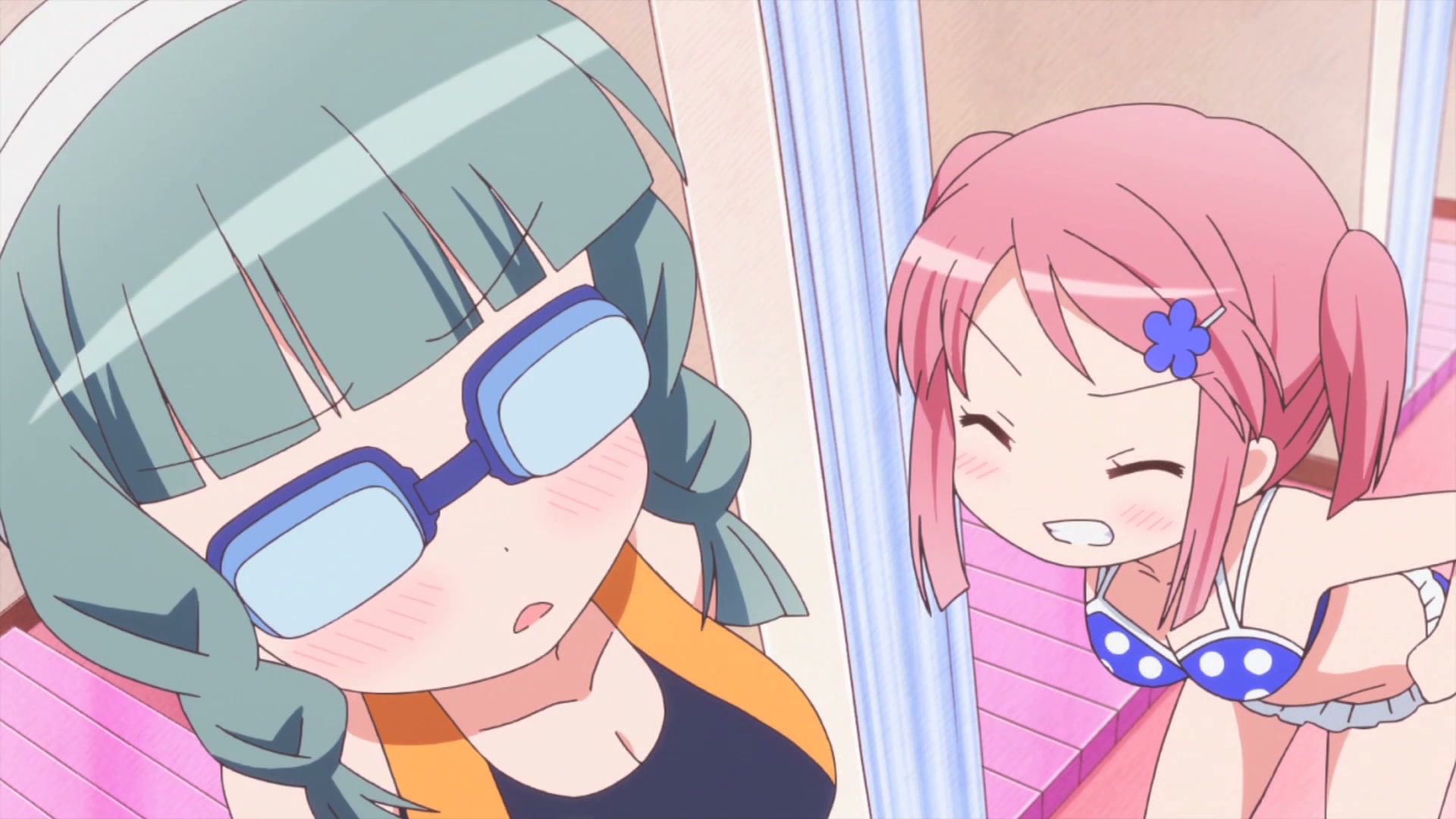
That expressiveness operates in two distinct modes. For sincere, emotional moments, the art shifts into an idealized register. Eyes become the focal point, with gradient irises, shimmering highlights, and delicate lash details. Soft tears, gentle blushes, and a subtle glow around the hair give these beats a storybook tenderness that feels earned rather than saccharine. For comedy, the show pivots into an iconic, simplified mode reminiscent of yonkoma manga. Characters collapse into chibi-lite forms with dot eyes and U-shaped shouting mouths. Speed lines, floating question marks, and exaggerated motion blurs punctuate gags. The transitions between these modes are fast and fluid, and they never undercut the sincerity of the emotional moments.
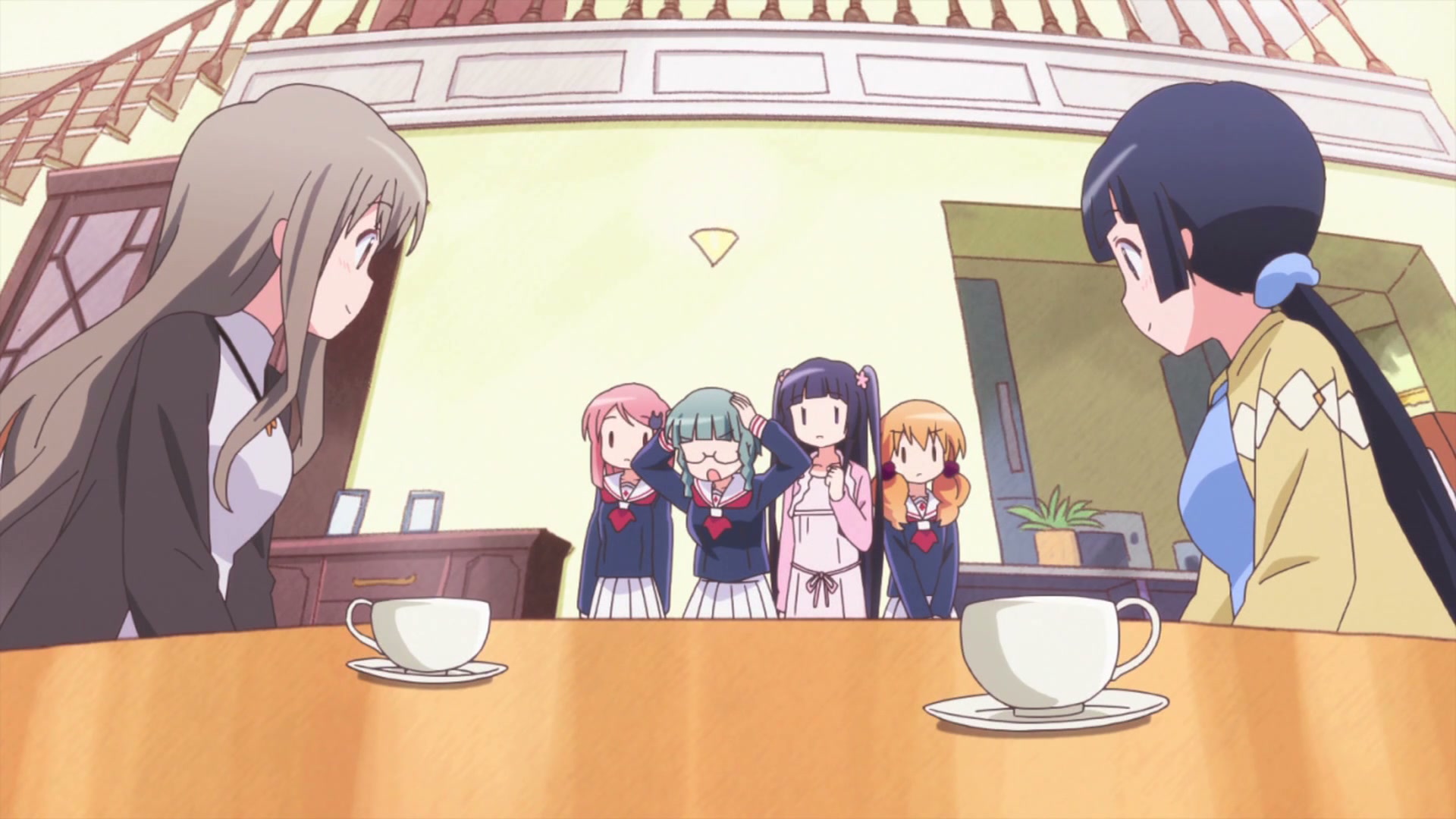
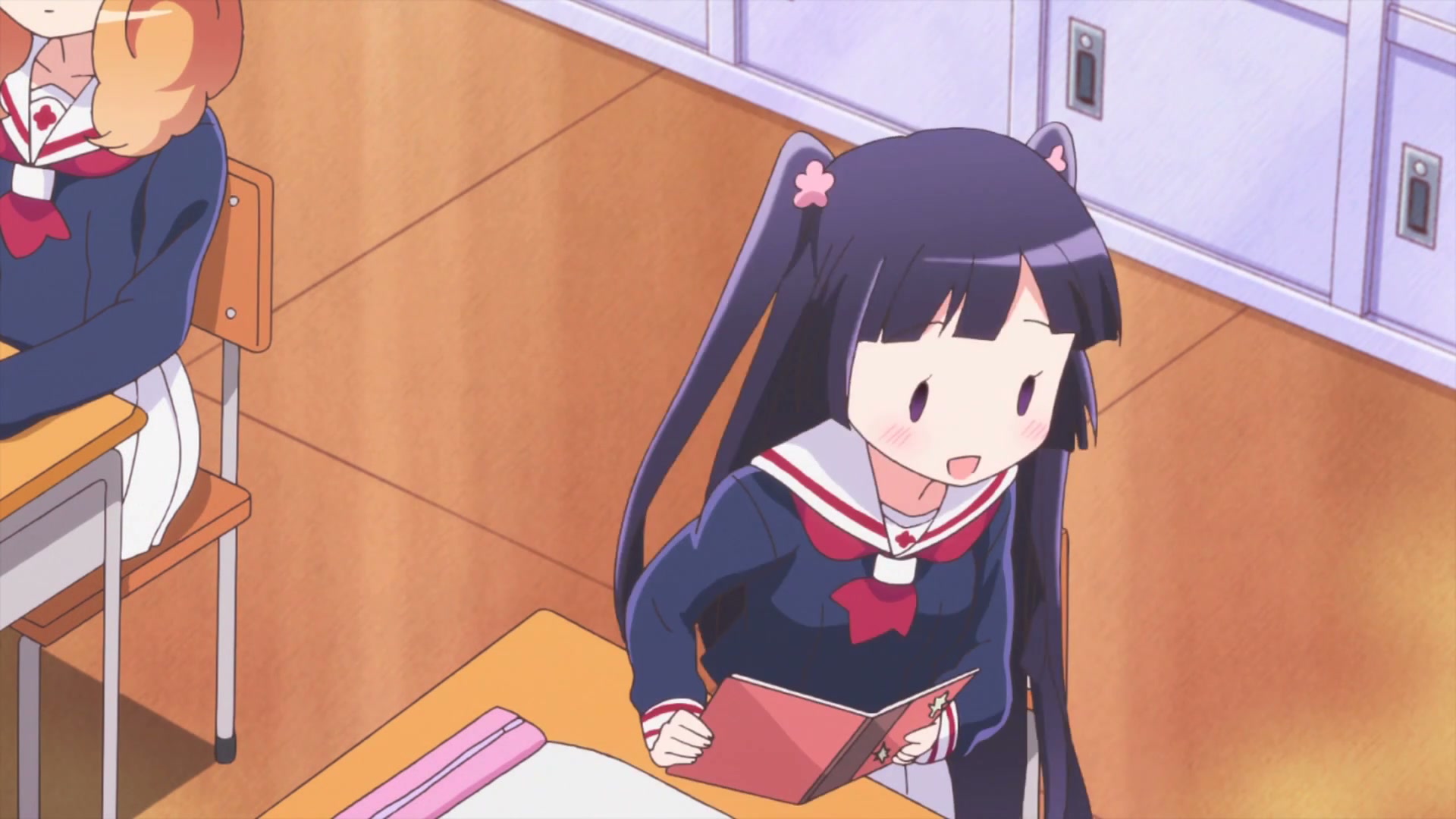
Background art is where the production quietly excels. The environments feature a visible hand-drawn texture with hatching, stippling, and a colored-pencil grain that avoids the flat, sterile look of purely digital fills. Classroom interiors feel lived-in, with personalized clutter and warm wood tones. Outdoor scenes at the shrine or festival use gradient skies, soft bloom, and bokeh sparkle effects to create a gentle, nostalgic atmosphere. Interior spaces like Moe’s cozy home or Wakaba’s absurdly grand mansion are rendered with careful attention to detail, supporting the characters’ distinct worlds.
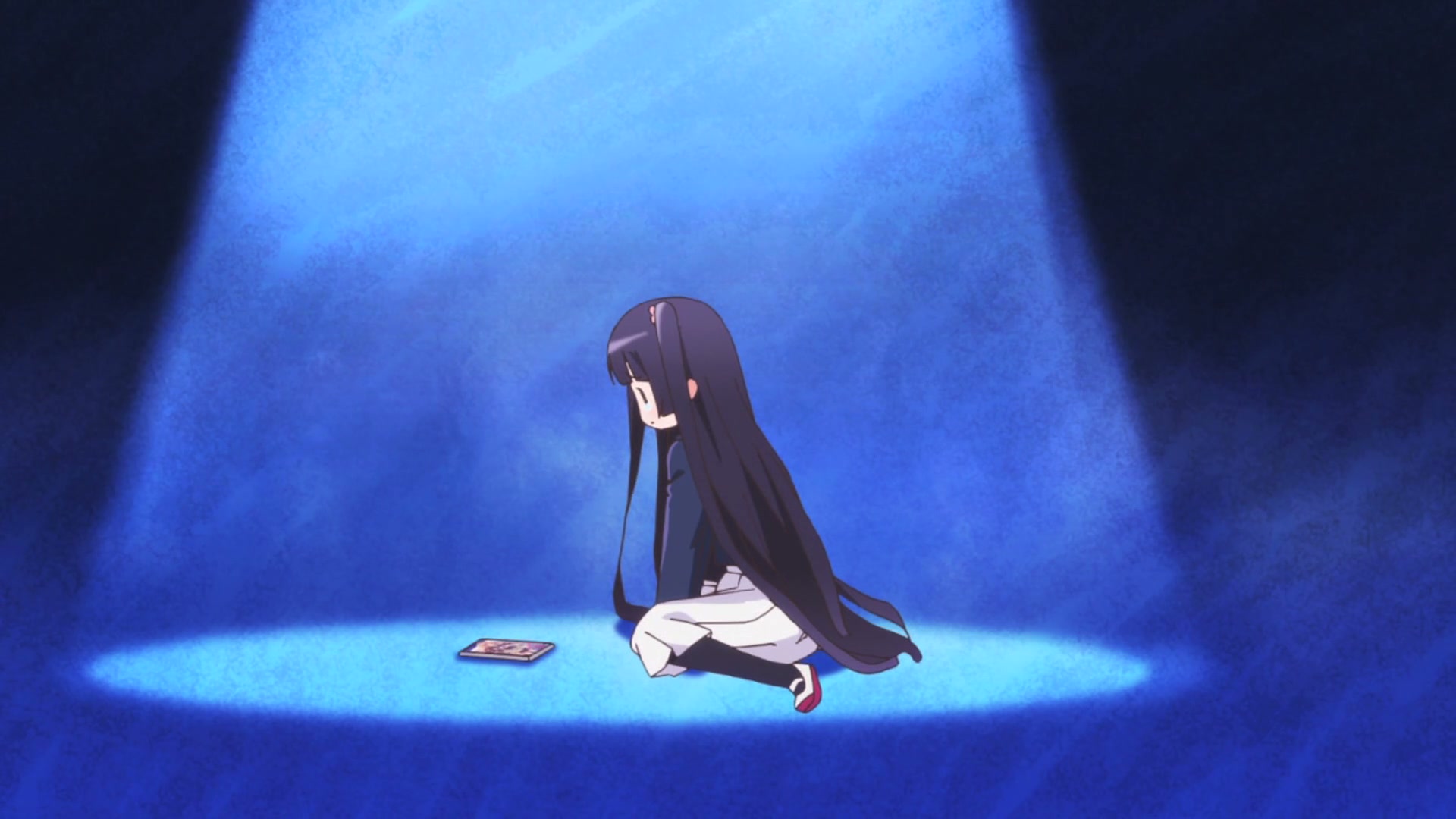
The color palette leans into a candy-coated pastel spectrum of lavenders, pinks, creams, and mint greens. Lighting is generally flat and high-key, as befits a healing comedy, but the show capably shifts to moodier tones when needed. A snowy day is rendered in desaturated purples; the cultural festival stage uses warm spotlights; a comedic melodramatic moment will suddenly bathe a character in a single blue spotlight. These choices are simple but effective.
Animation is a mixed bag in the way that slice-of-life productions often are. Character motion is limited. Walking cycles are minimal, crowd scenes are simplified, and the relay race or snowball fight use speed lines and off-screen impacts to conserve frames. But many of the static shots are not weaknesses. They are deliberately composed tableaux that support the “hanging out” atmosphere, with careful character placement, rich background detail, and compositions that use fish-eye lens effects or out-of-focus foreground elements to add depth without requiring camera movement. The series knows its visual lane and stays in it. If you come expecting sakuga showcases, you will be disappointed. If you come for cozy charm and expressive faces, you will be delighted.


Sound and Music
The soundtrack operates in a supportive mode, never drawing attention to itself but consistently enhancing the emotional register of each scene. Light piano melodies underline reflective moments, playful woodwinds and pizzicato strings accompany comedic beats, and warm, swelling strings rise during the series’ more heartfelt climaxes. It is unobtrusive craftsmanship, exactly what a show like this needs.
The opening and ending themes fit the tone perfectly. The opening is upbeat and bouncy, with a chorus that invites humming along, and the animation sequence features the four girls in a rapid montage of seasonal activities that essentially previews the entire arc. The ending is softer, more melancholic in a cozy way, with images of the girls walking home in twilight or sitting under a starry sky, reinforcing the theme of quiet, everyday closeness.
The voice acting is a particular strength. Wakaba’s seiyuu shoulders the heaviest burden. She must sell formal, almost archaic politeness, explosive crying jags, panicked squeaks, and hushed, sincere gratitude, often within the same scene. The performance is nimble and utterly convincing. Nao’s voice shifts between gruff sarcasm and flustered embarrassment with perfect comedic timing. Mao’s third-person speech and singsong self-satisfaction are delivered with infectious energy. Moe’s soft, gentle cadence anchors the group, and her occasional moments of teasing or determination are all the more effective for the contrast. Sound effects are crisp and functional, from the squish of takoyaki to the crinkle of a convenience store wrapper. The audio design understands that small sounds matter in a show about small pleasures.

Overall Verdict
Wakaba Girl is a series that asks very little of its audience and gives back a great deal. It is not a show about conflict or transformation in the dramatic sense. It is a show about the accumulation of small happinesses, the quiet construction of a shared history among four friends who learn to see their own lives as luminous through each other’s eyes. It made me laugh often, tear up more than once, and feel genuinely grateful for the existence of stories that treat ordinary friendship as a subject worthy of careful, affectionate attention.
This series will appeal most to fans of iyashikei slice-of-life who value warmth over plot and character intimacy over spectacle. It is an ideal comfort watch, structured enough to feel complete, gentle enough to soothe a weary mind. If you need high-stakes drama or cutting-edge animation, you will not find either here. If you want to watch four girls buy ice cream and cry about it, and somehow feel yourself tearing up alongside them, this is exactly your show.
There is something quietly radical about a series that insists, across thirteen episodes, that the most precious thing a person can have is not a title, a talent, or a fortune, but simply a group of friends who will beg your mother to let you see fireworks, wait while you practice a back hip circle, and shout in unison that they are not your friends because you have money. That is the heart of Wakaba Girl, offered without cynicism, wrapped in soft colors and gentle music. It is a small gem, and I suspect I will be rewatching it for years.
Gallery