

A Love Letter Written in Cosplay, Punches, and Sheer Idiotic Sincerity
Some anime ask you to meet them halfway. They present a world built on internal logic, character drama, and carefully constructed stakes, then invite you in. Penguin Musume Heart does not do this. Instead, it kicks down your door in a school swimsuit and cat ears, screams about a fictional bamboo-themed magical girl, punches its own best friend in the head, and demands you keep up or get left behind. This is a series that weaponizes every atom of its being in service of making you laugh, then sneaks in a genuinely moving story about identity, acceptance, and the power of loving something—anything—without shame.
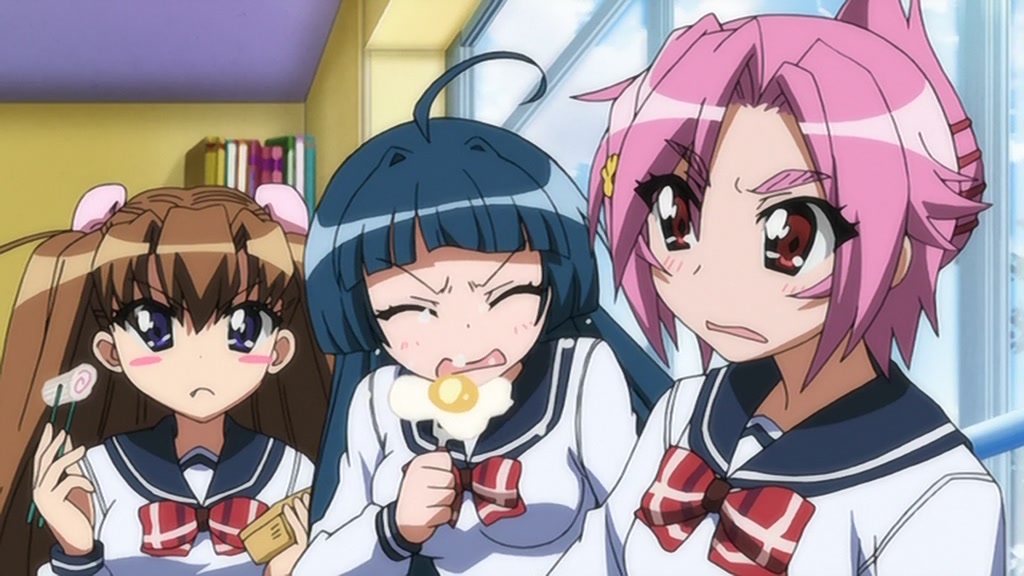
The premise is simple enough on paper. Nankyoku Sakura, heiress to the unimaginably wealthy Nankyoku Corporation, transfers into a new school and immediately wreaks havoc. She is an otaku of the highest order, filtering every decision, moral judgment, and combat strategy through the lens of her favorite children’s anime, Takenoko-chan. After a chaotic student council election decided by a water fight, a hundred-kilogram cosplay armor, and an accidental self-vote, she becomes president. Dragged into her orbit as vice president is Etorofu Kujira, a short-tempered martial arts prodigy raised as a boy by her karate-master father, who wants nothing more than to be left alone and definitely does not want to cosplay as a bamboo princess.
What follows is twenty-two episodes of escalating absurdity, corporate warfare, time travel, yandere stalker moms, and enough costume changes to bankrupt a small nation. But to call this series merely “chaotic” would be selling it short. The chaos is controlled, deliberate, and built on a foundation of genuine affection for its characters and the subculture that birthed it.
The Otaku Heart as a Superpower
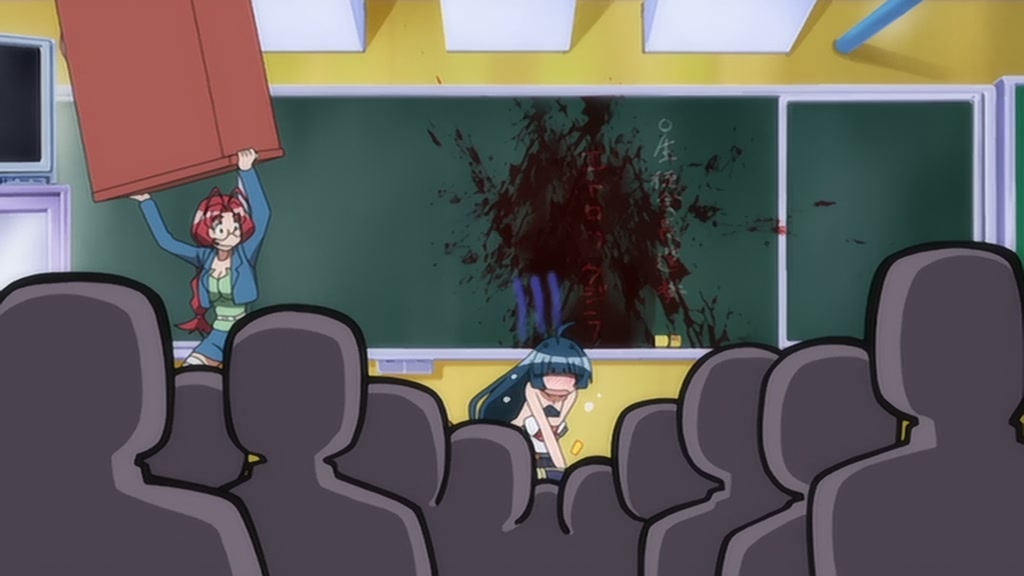
The central thematic engine of Penguin Musume Heart is simple: loving something with your whole chest makes you stronger. This is not subtext. It is literal plot mechanics. Sakura possesses a “cosplay-mode” that grants her the abilities of whatever character she dresses as. A blood smear that coincidentally makes her look like Prince Shōtoku? She can suddenly answer ancient history questions. A full Takenoko-chan battle costume? She gains that character’s agility and combat instincts. Her obsessive consumption of anime and manga is not framed as a weakness to overcome or an immaturity to shed. It is her superpower, her moral compass, her primary method of engaging with reality.
This is a deeply pro-otaku thesis, and the series commits to it with unblinking sincerity. When Sakura faces Mary Whitebear—a rival corporate heiress who believes in solitary power and despises friendship—the showdown is not won through superior tactics or hidden abilities. It is won through the Love Drive, a device that converts emotional support from friends into literal combat strength. Mary draws power from her knights’ fearful obedience. Sakura draws it from genuine affection. Friendship wins, not as a platitude but as physics. The series posits, with a completely straight face, that having people who love you is the ultimate power-up. In a medium that has spent decades exploring the strength of bonds, this is perhaps the most literal expression of that idea ever animated.
The genius of this approach is that it never feels preachy because it is never calm enough to preach. The moment you start to feel the warmth of a friendship speech, someone gets dropkicked through a wall or transformed into a cat-girl against their will. The emotional beats land because the show has not spent the preceding minutes demanding you take them seriously. They arrive sideways, through slapstick and screaming, and hit twice as hard for it.
A Tsundere’s Journey to Herself
If Sakura is the engine, Etorofu Kujira is the chassis holding everything together. Her arc is the most carefully constructed element of the series, and it provides the emotional gravity that keeps the comedy from spinning off into weightless nonsense.
Kujira was raised as a boy. Her father, the master of the Etorofu Karate dojo, needed a male heir and simply decided his daughter would fill that role. She was given masculine speech patterns, male clothing, and a relentless training regimen designed to make her a “real man.” Her entire presentation to the world is a defense mechanism built by someone else. She punches first, asks questions never, and guards her vulnerabilities with a ferocity that borders on feral.
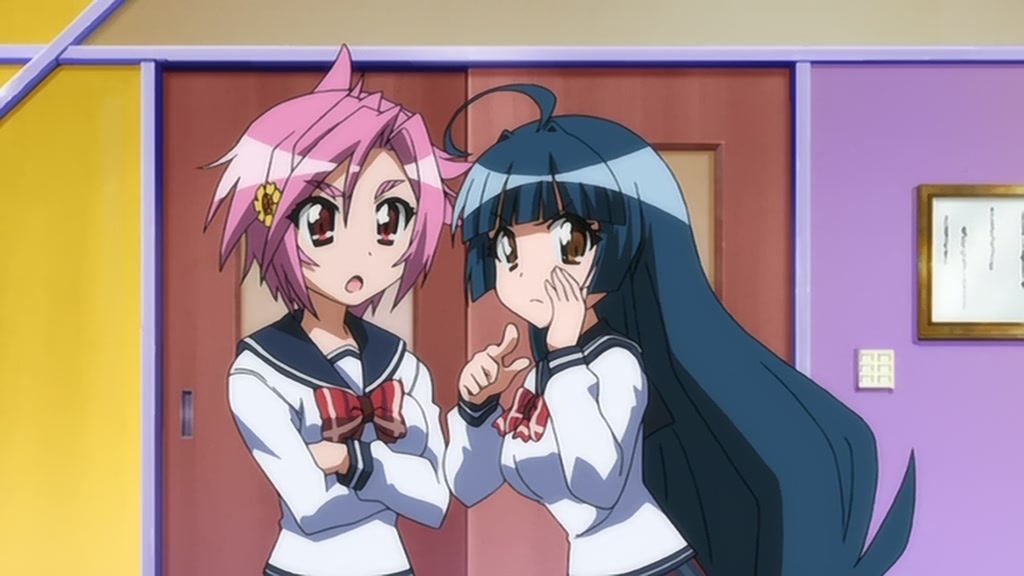
Enter Sakura, who looks at this glowering, fist-swinging disaster and sees not a boy or a girl but Takenoko-chan. Specifically, the eyebrows. This is so stupid it wraps back around to genius, because Sakura’s complete indifference to Kujira’s gender presentation is what allows Kujira to begin relaxing. Sakura never questions whether Kujira is masculine enough or feminine enough. She just wants her to wear the costume. When Kujira is forced into a girl’s school uniform in Episode 2, Sakura’s reaction is not commentary on her appearance but delight that she resembles a specific episode of Takenoko-chan. It is acceptance through the most ridiculous lens possible, and it works.
The time travel episodes (15 and 16) crystallize this arc. When Mary alters the past so that Kujira and Sakura never properly meet, the resulting timeline is one where Kujira has everything she thought she wanted. Peace, quiet, no one forcing her into maid outfits. And she hates it. “If Penguin’s not around… it’s boring,” she finally admits, before racing back to restore their shared history. The girl who began the series trying to beat Sakura into submission now cannot imagine a life without her. This is not a romantic confession—the series wisely leaves that space ambiguous—but it is a declaration of partnership more meaningful than half the love confessions in more explicitly romantic anime.
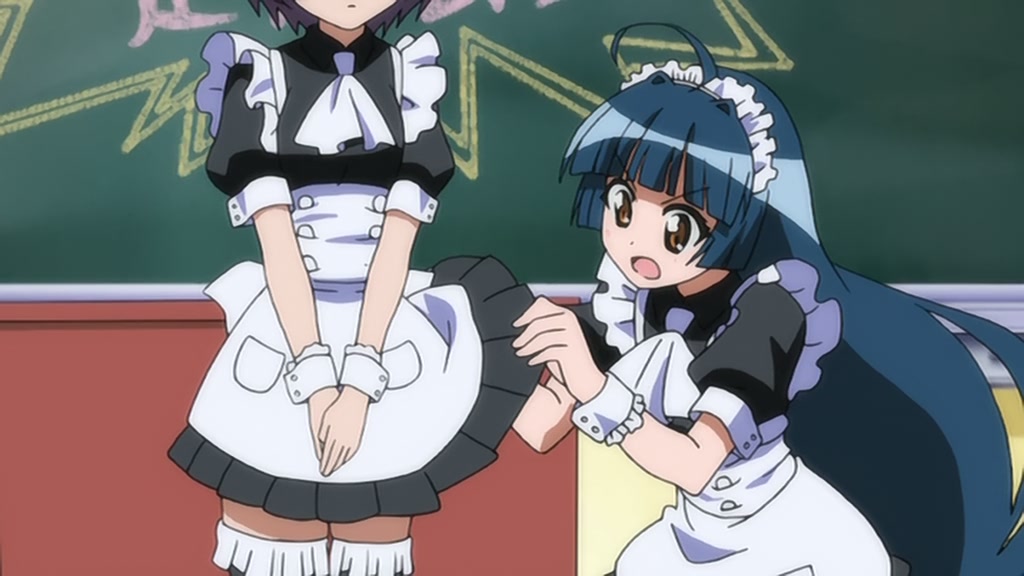
Kujira’s gender identity is never “resolved” in a neat bow. She does not suddenly embrace femininity or reject masculinity. She simply finds a space, in Sakura’s chaotic circle, where she does not have to be either. She can throw whale punches in a shrine maiden outfit and it is fine. She can be called “Kujira-chan” by a texting-obsessed maid and grimace but not flee. The acceptance she receives is not conditional on fitting a category, and that is the show’s quietest, most radical statement.
A Constellation of Misfits
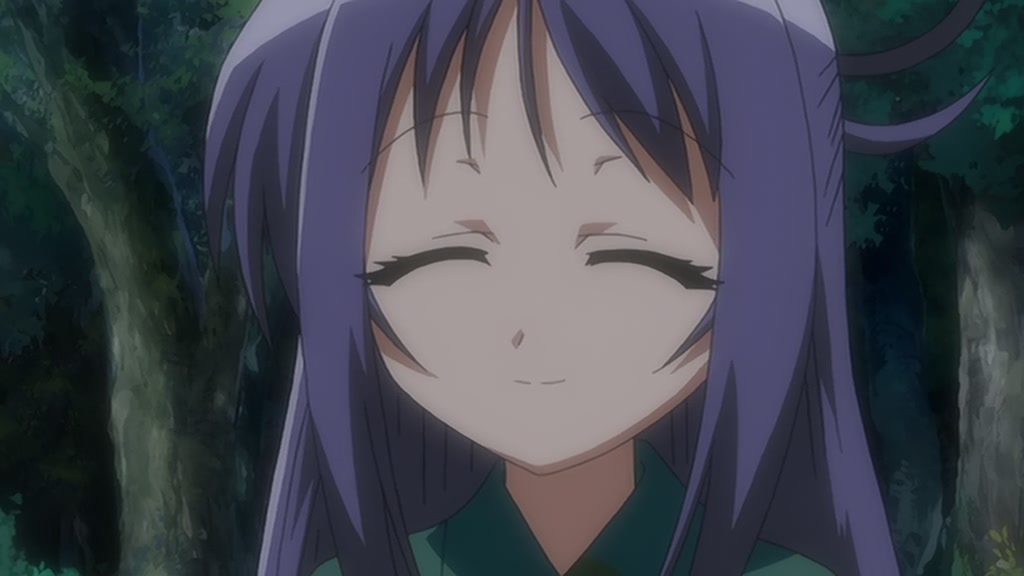
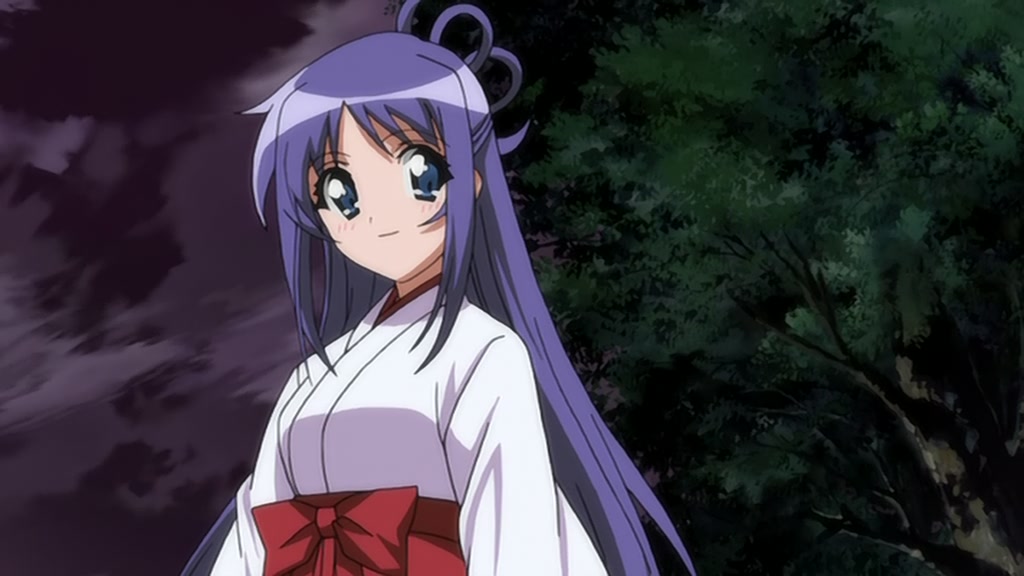
The supporting cast functions as variations on the theme of hidden selves being revealed and accepted. Kurio Nene, the perpetually smiling shrine maiden, maintains her composure because her grandmother taught her that miko are “friends of god” who must never show anger. This is presented not as repression but as a genuine spiritual discipline, and when Nene does unleash her power—teleporting to catch an evil spirit, erecting barriers in combat—the contrast is electric. Her smile is not weakness but a choice, renewed every moment.
Cha Chi, the Chinese martial artist who fell in love with Kujira as a child under the impression she was a boy, functions as both comic relief and emotional accelerant. Her refusal to process Kujira’s actual gender is played for laughs, but her devotion is utterly sincere. In Episode 19, she prepares a suicidal technique not to win Kujira’s affection but to buy time for Kujira to arrive and save everyone. “Kujira will surely come,” she says. “That’s why you must protect Penguin.” Her possessiveness has transformed into selflessness without her even noticing.
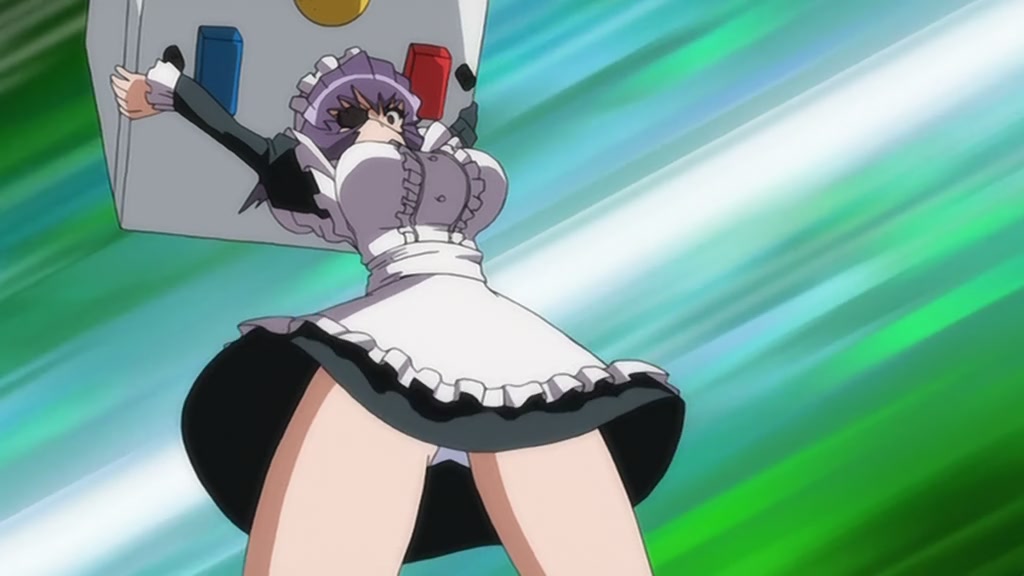
The Four White Knights, initially presented as a villainous sentai squad, each receive moments of unexpected depth. Ijuin Kare, a “female” knight who challenges the girls to a skirt-flipping duel, is revealed to be a man who loves wearing beautiful skirts. Nene gently tells him, “You told a lie,” and his confession is met not with mockery but with relief and affirmation. In a lesser show, this would be a punchline. Here it is treated as a genuine moment of liberation. Maguro, the expressionless maid who communicates via cell phone text, finds an equal in Kujira during their arm-wrestling match, and the respect between them is earned through combat, not conversation.
Mary Whitebear herself undergoes the most dramatic external transformation, from corporate empress to bankruptcy pauper, but her internal shift is more subtle. She never stops being proud. She never stops declaring she will one day destroy the Nankyoku family. But when her knights throw her a tiny birthday party with a meager cake, bought by pooling their last resources, she accepts it. She even accepts Sakura’s hand of friendship, while explicitly clarifying this changes nothing about their rivalry. It is the most honest portrayal of a tsundere rival I have seen: she does not become soft. She simply expands the category of people she is willing to fight for.
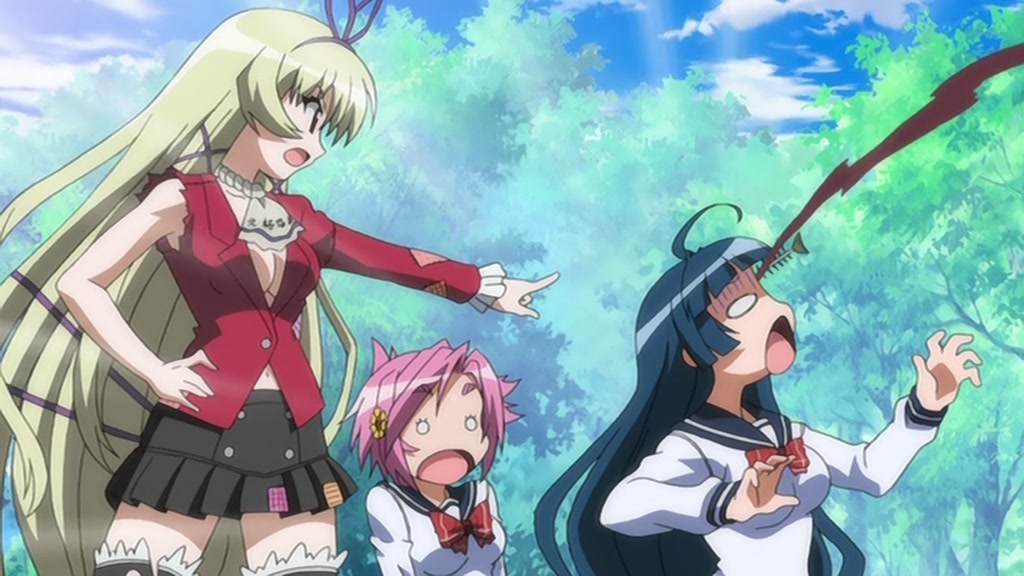
Nankyoku Kaede, Sakura’s third-grade sister, deserves special mention as the show’s stealth MVP. She is more mature, competent, and terrifying than every other character combined. She manages the household, commands the private security forces, and threatens Sakura with a mysterious “lecture-house” that reduces the president to a groveling mess. Yet she also secretly slips rare Takenoko-chan merchandise into forgotten reports, knowing it will make her sister cry with joy. She is a parentified child who expresses love through discipline, and her quiet, exasperated devotion is one of the series’ most consistent pleasures.
Visual Chaos with a Purpose
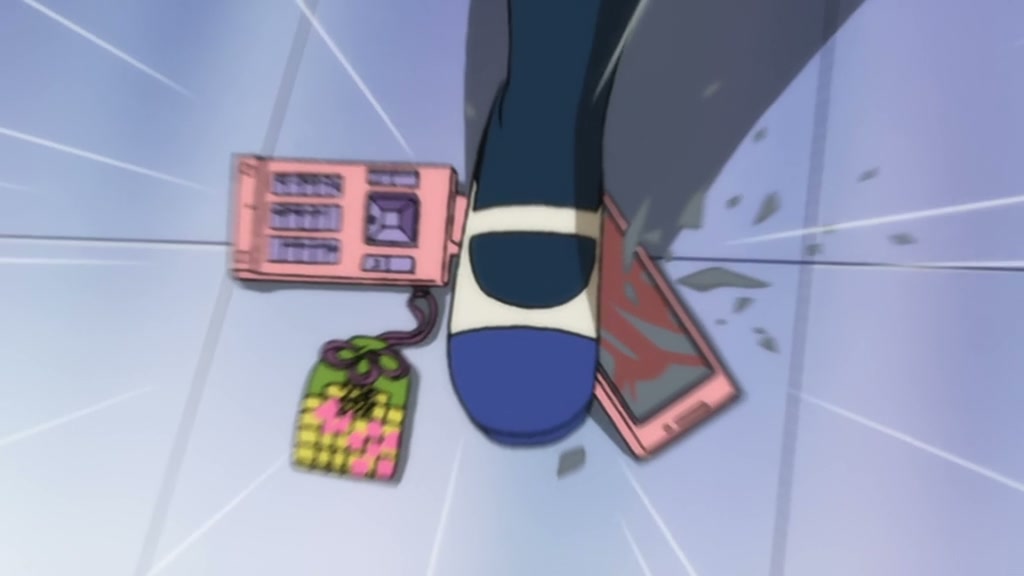
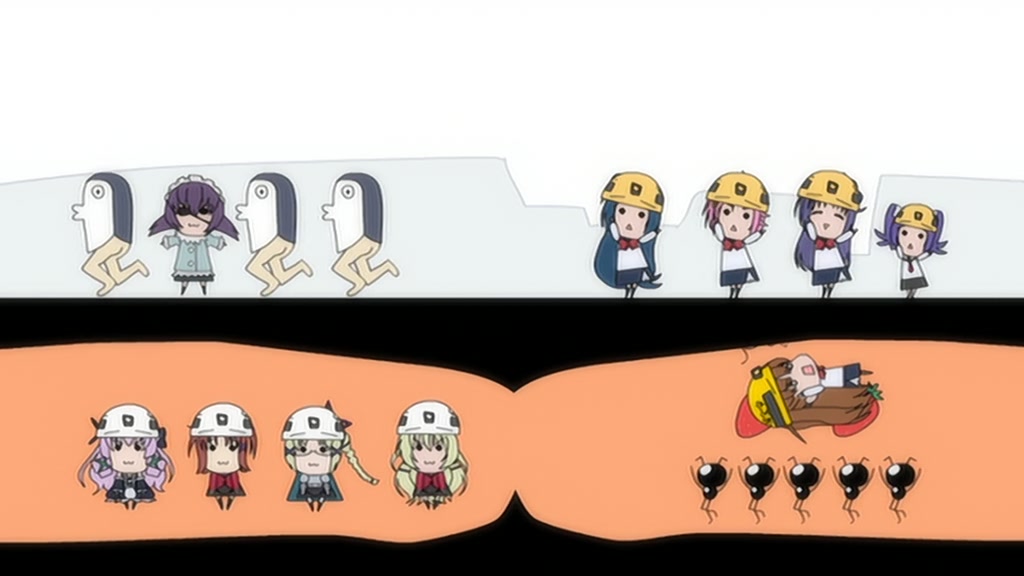
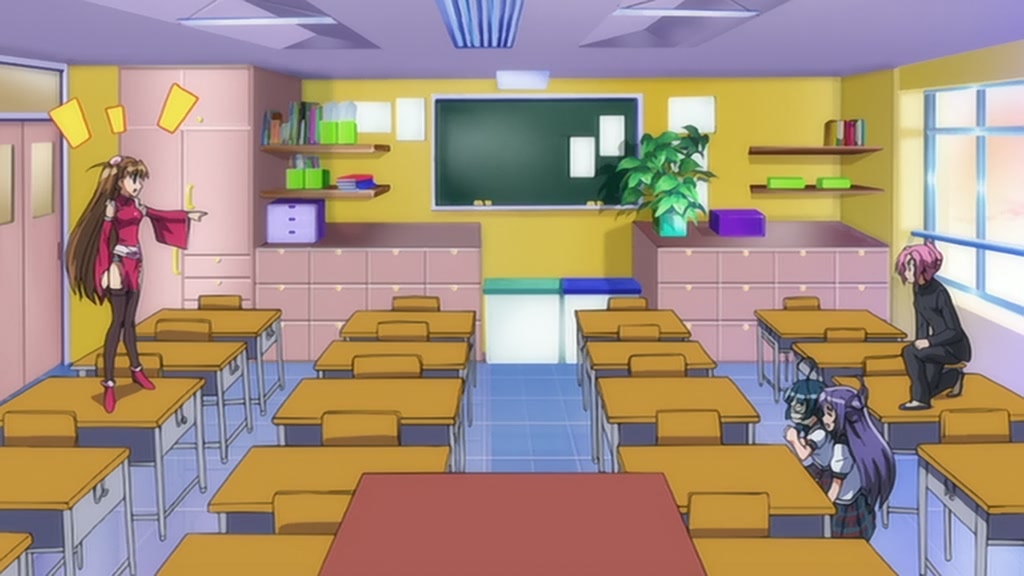
The visual identity of Penguin Musume Heart is best described as “strategically shambolic.” The animation budget was clearly not lavish. Backgrounds in school interiors are flat and functional. Wide shots simplify character models to the point of near-abstraction. Some compositing effects, particularly the heavy bloom and lens flares, sit on top of the image rather than integrating naturally, a hallmark of mid-2000s digital shortcuts.
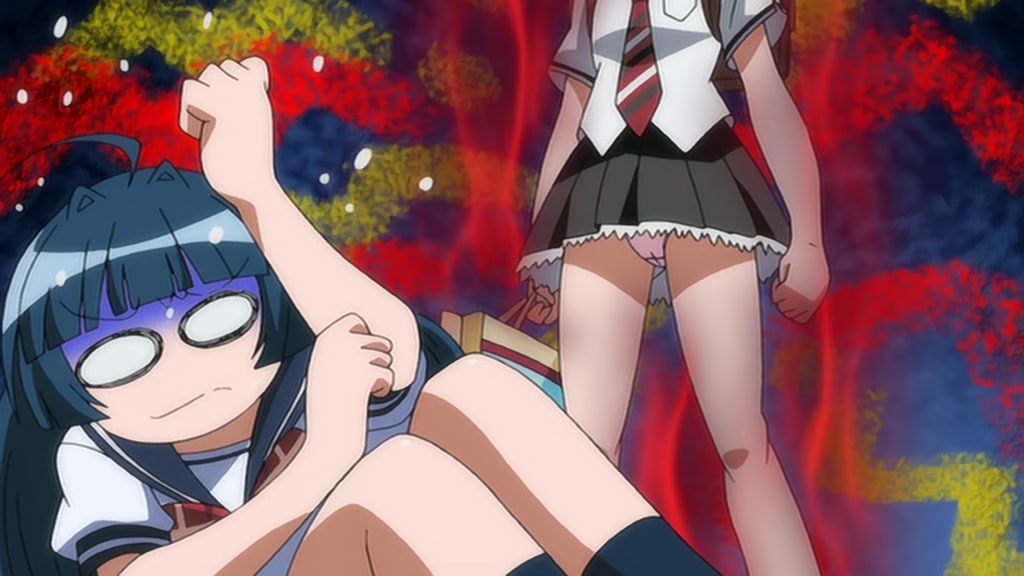
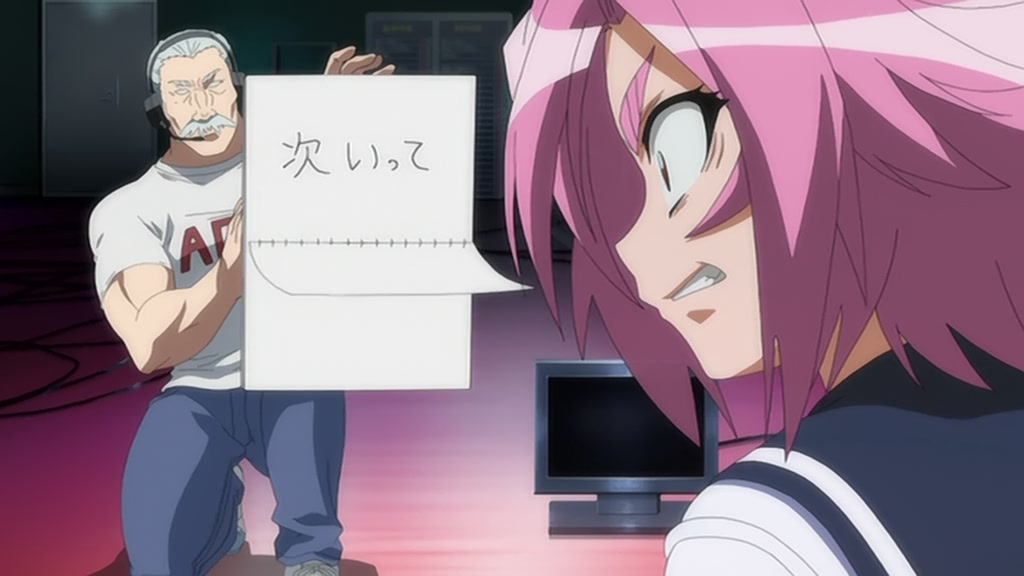
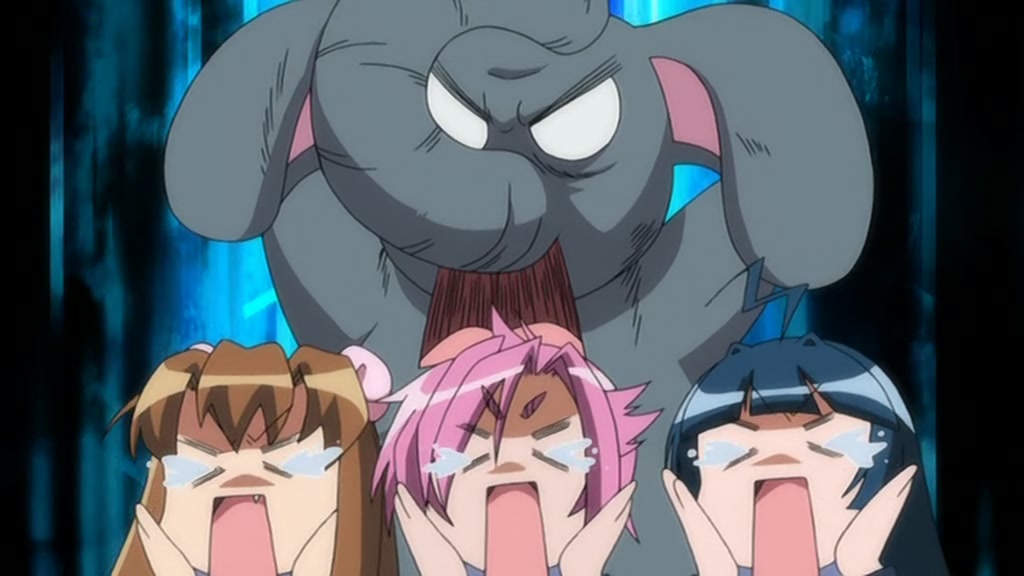
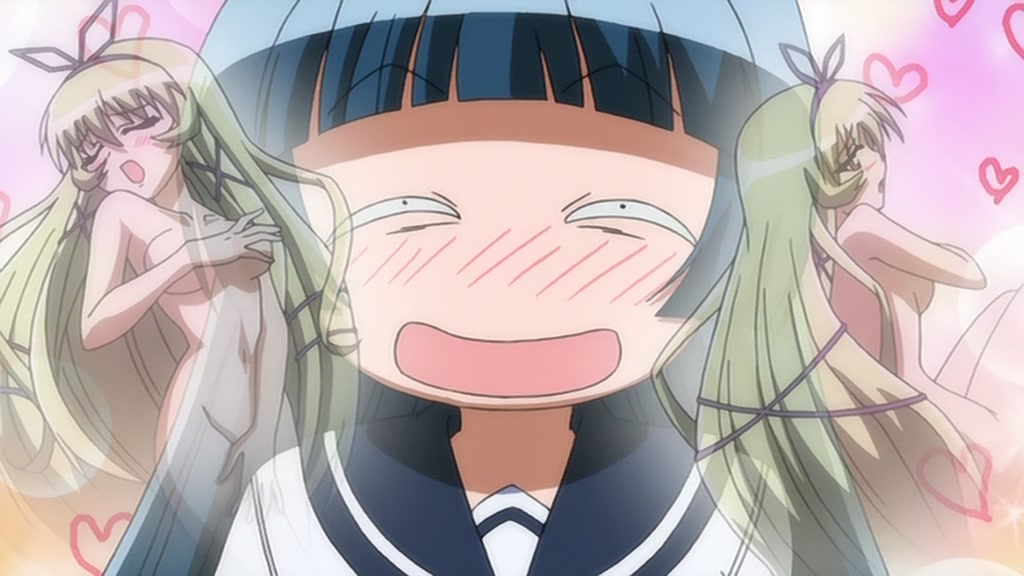
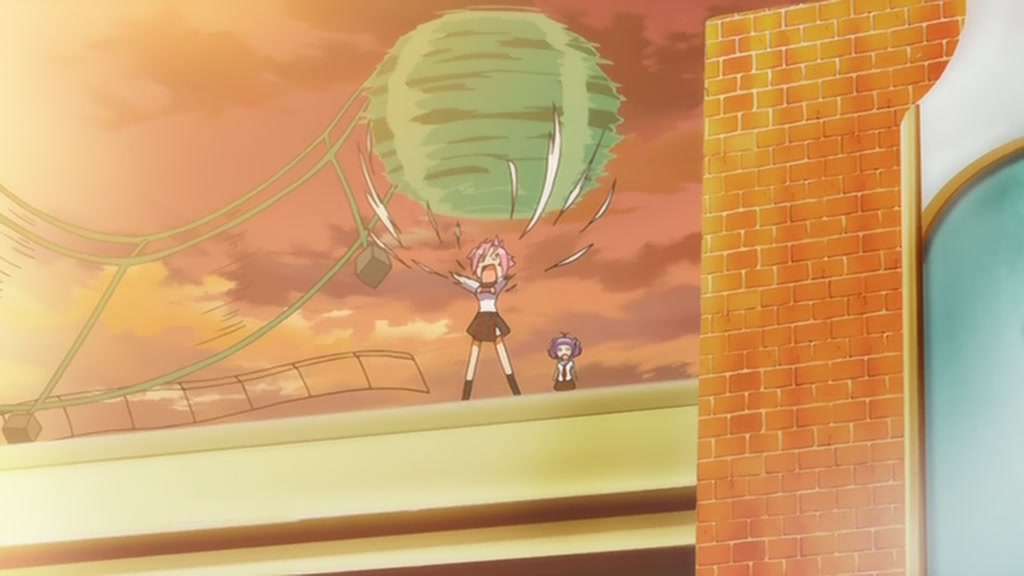
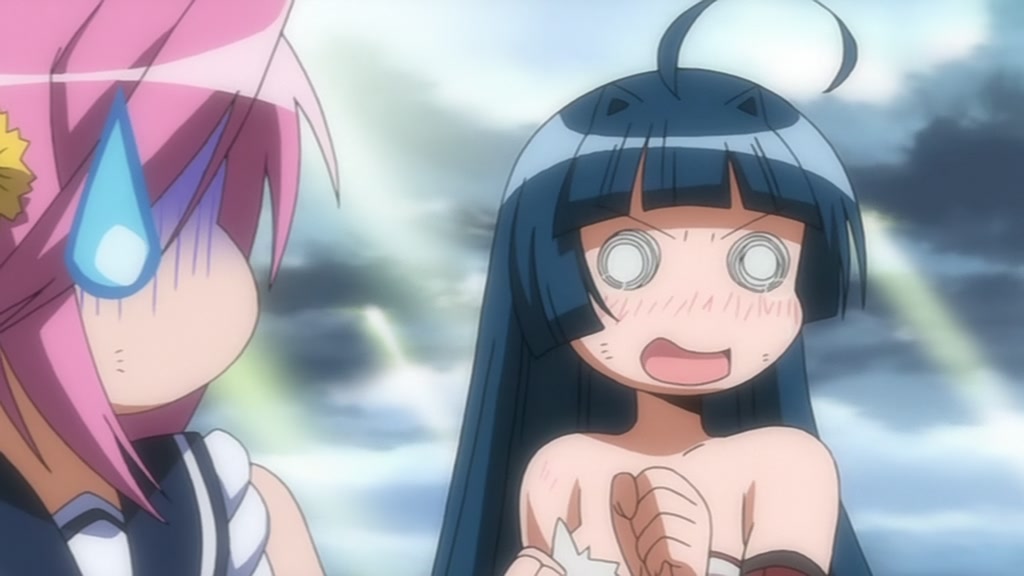
And yet. The series understands that fluid motion is not the only path to effective visual comedy. What it lacks in sakuga it compensates for with expressive acting that borders on the unhinged. Characters deform constantly: chibi faces for slapstick, cross-hatched exhaustion marks for despair, exaggerated sweat drops and bulging veins for fury. The timing of these deformations is precise. A scene will hold on a relatively normal character expression for just long enough to lull you, then snap into a deranged reaction face exactly on the beat of the punchline. This is comic timing executed through drawing, and it is genuinely skilled.
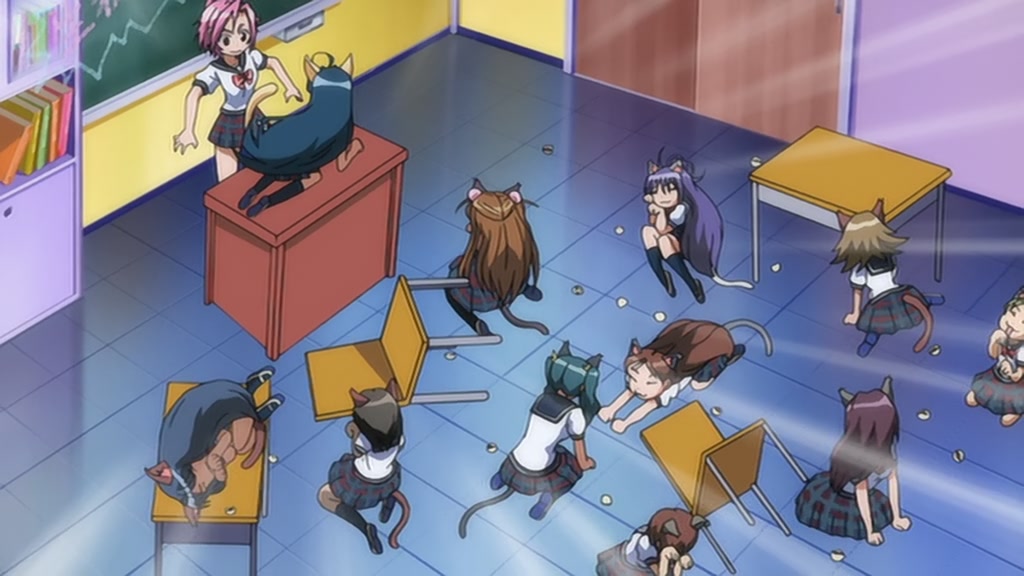
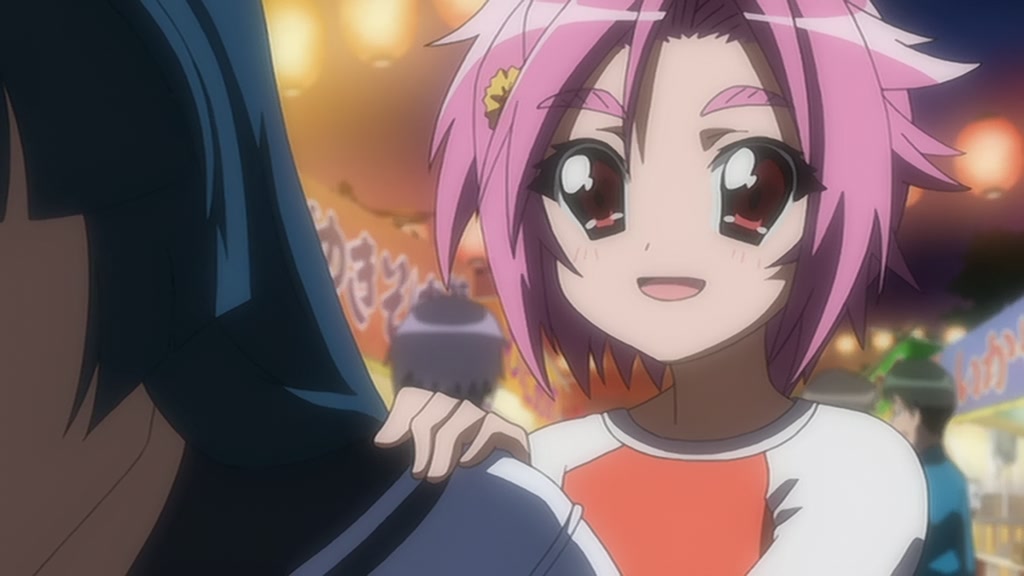
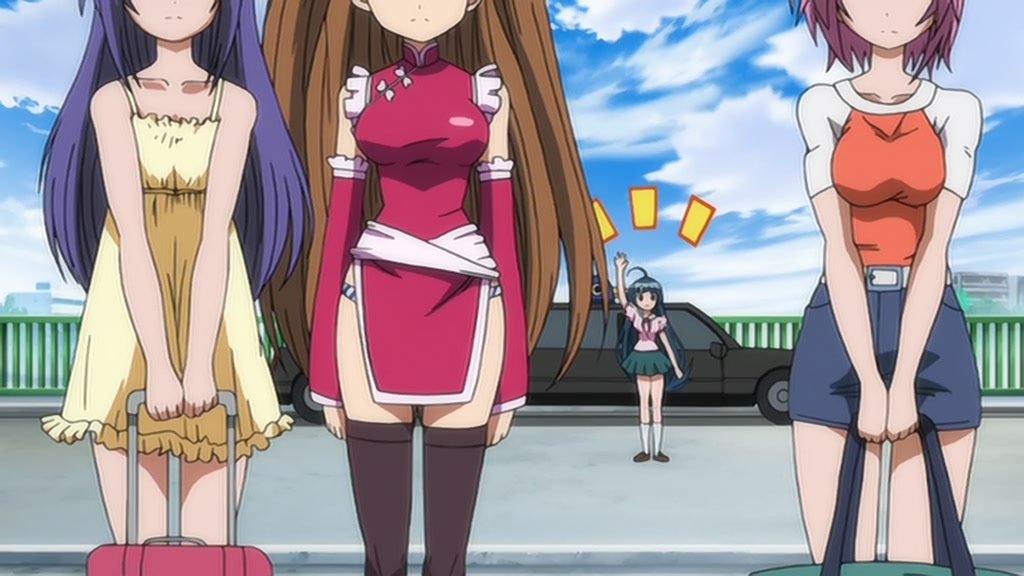
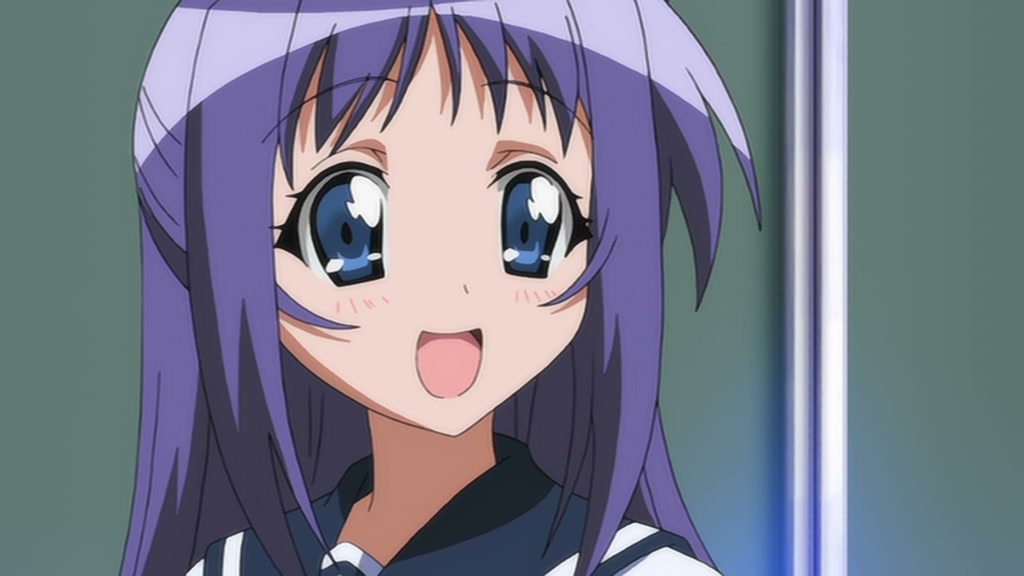
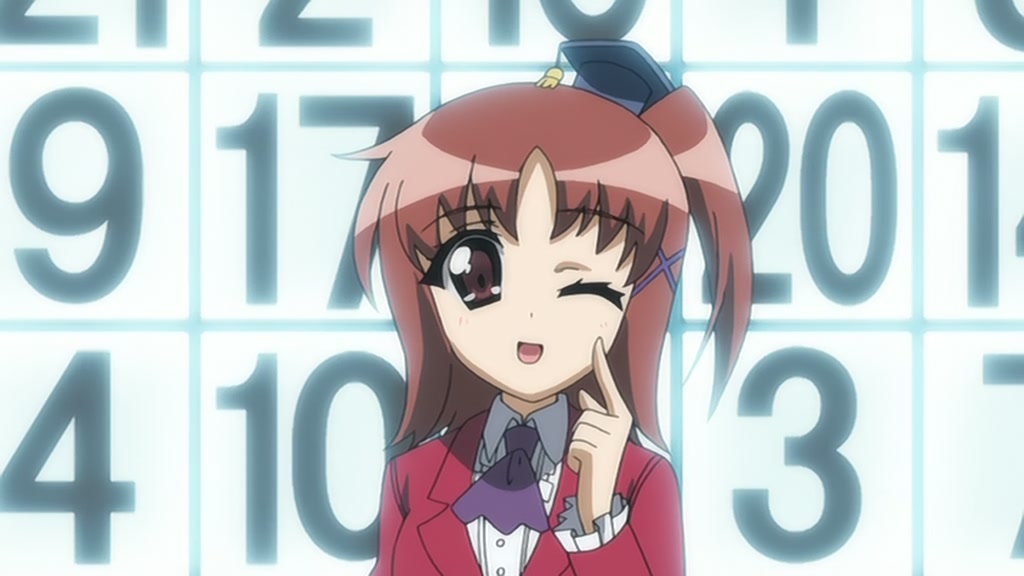
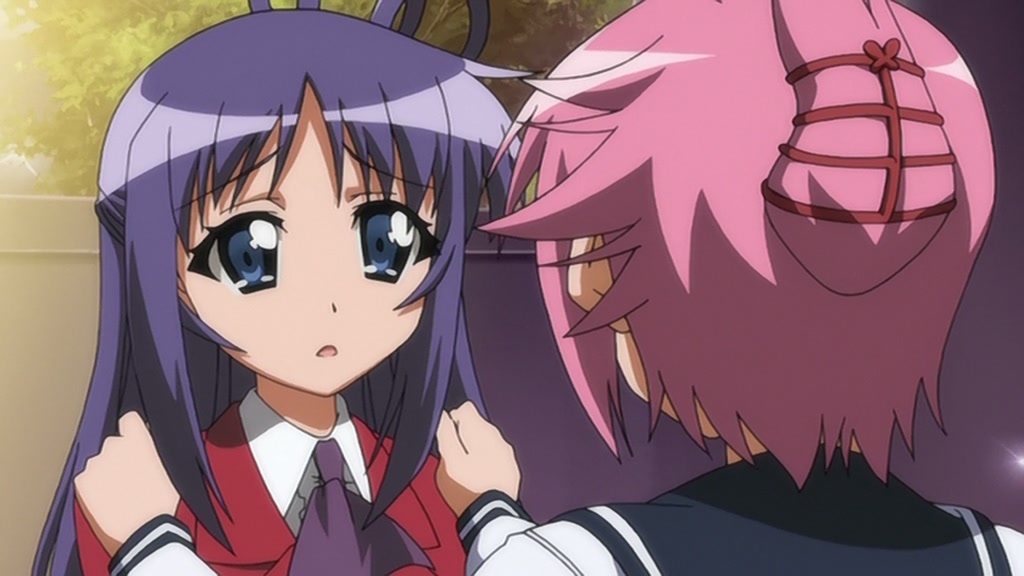
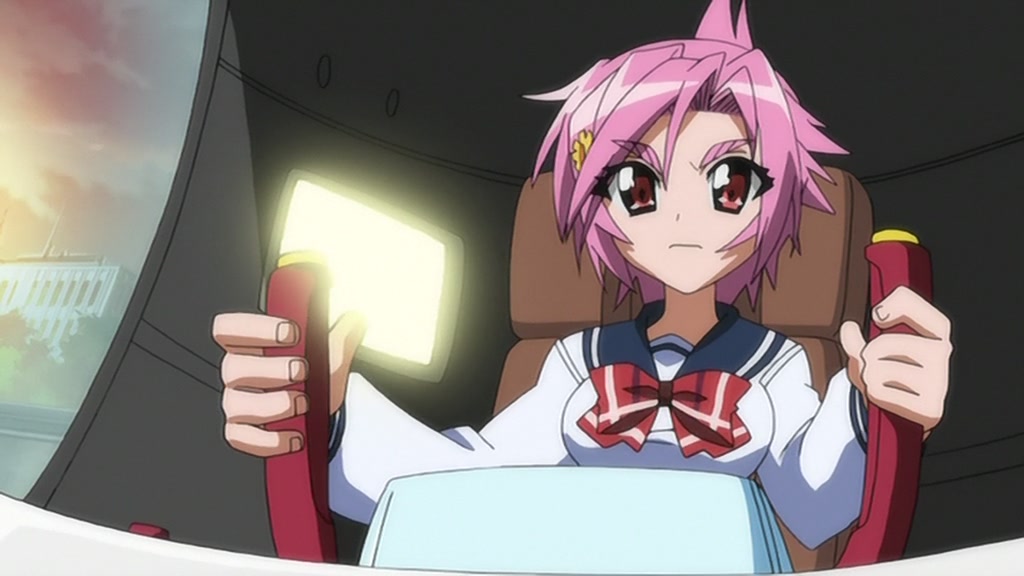
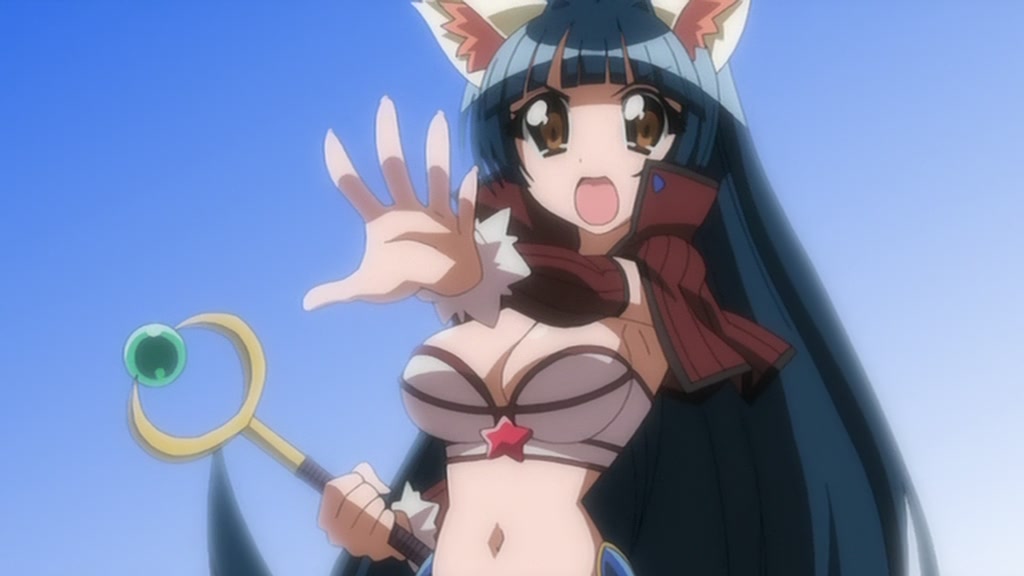
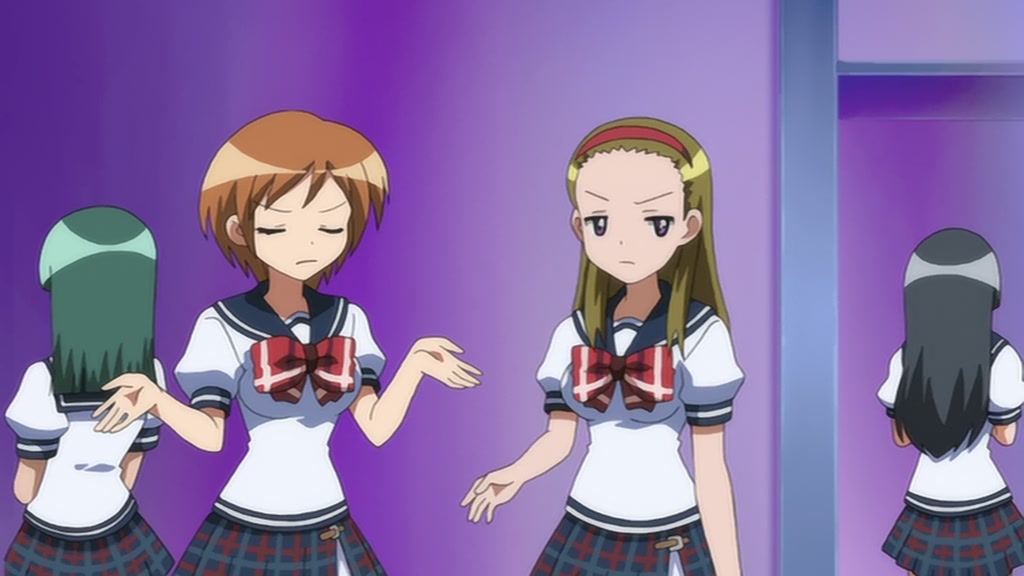
The character designs themselves are a carnival of bright colors and distinct silhouettes. Sakura’s pink twin-tails, Nene’s blue shrine maiden hair, Kujira’s short dark crop, Mary’s elaborate drill curls—you could identify any of them from a half-second silhouette. The costume designs, a crucial element given the series’ cosplay fixation, range from elaborate (the 100-kilogram Takenoko-chan armor) to deliberately half-assed (anything Kaede throws together to pacify her sister). The series knows when to pour resources into making an outfit look impressive and when a hastily donned cat-ear headband is funnier.
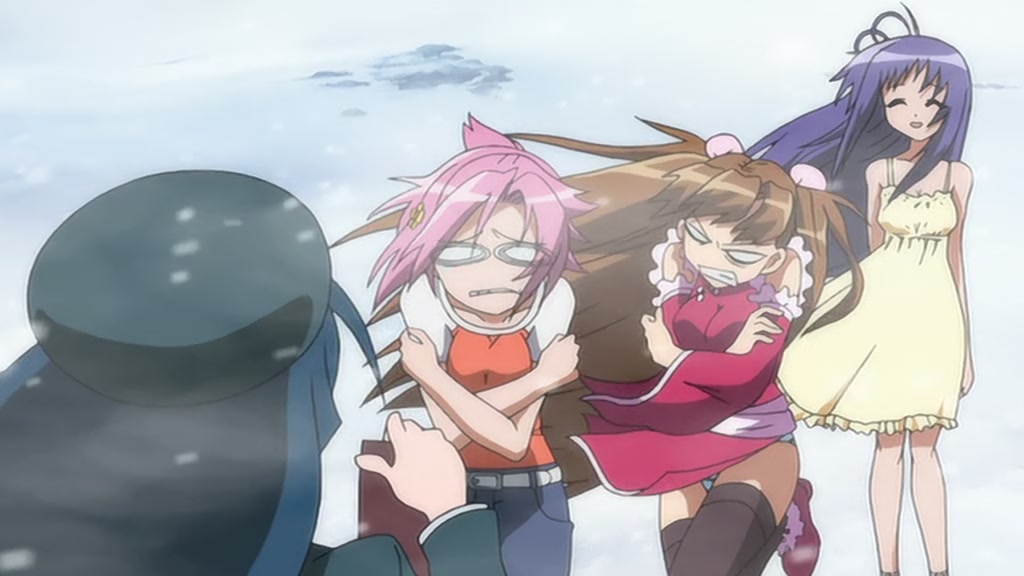
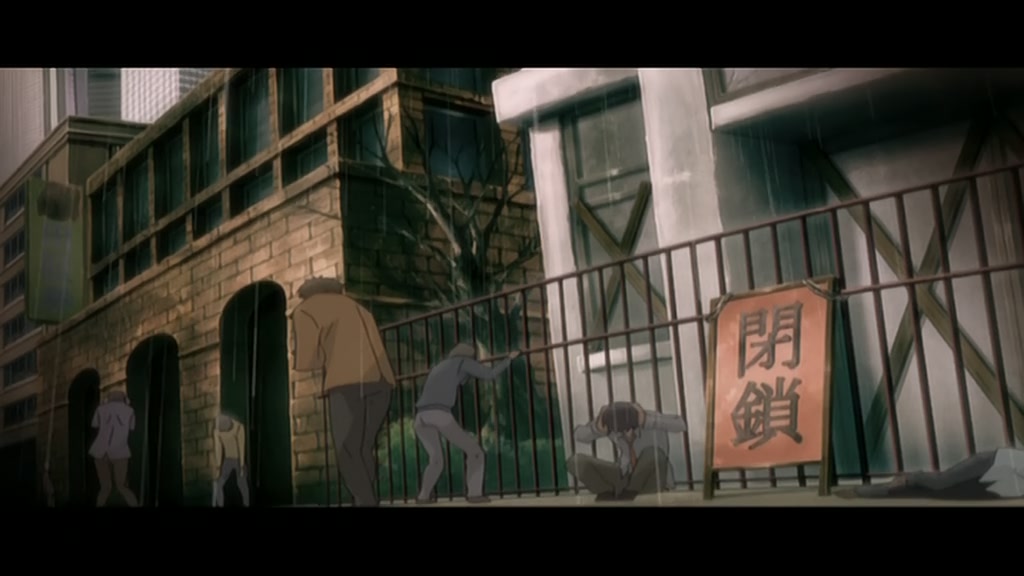
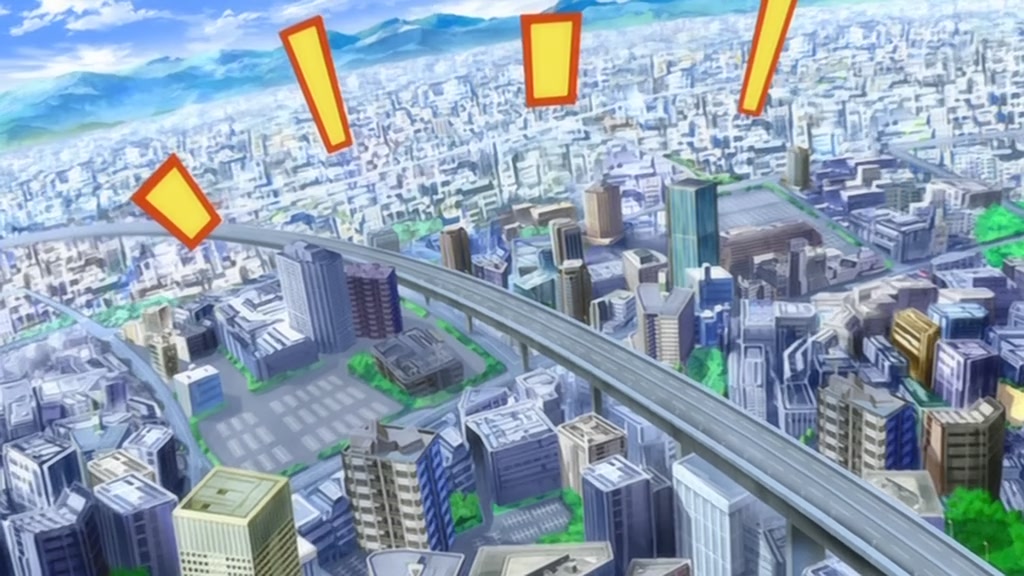
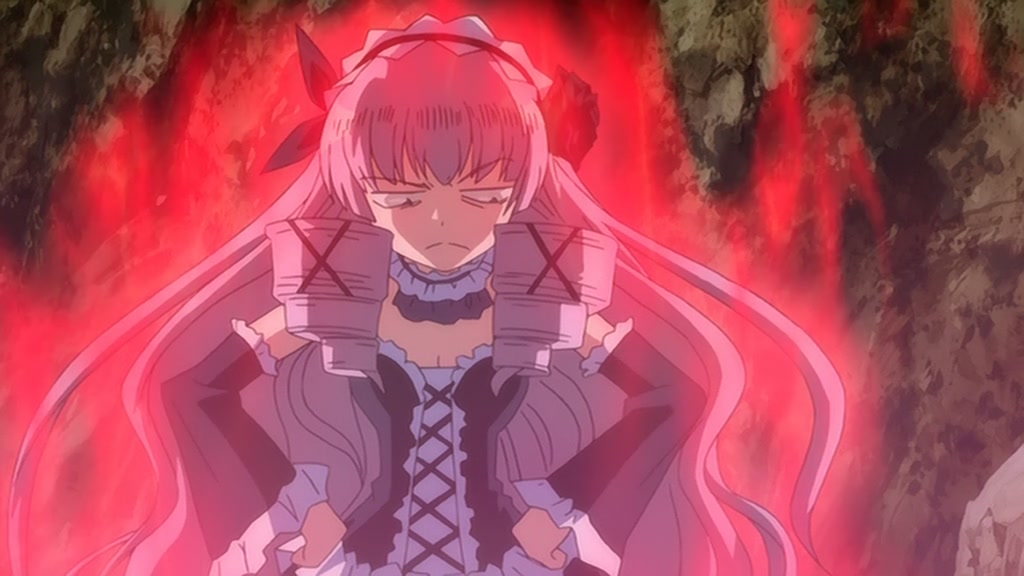
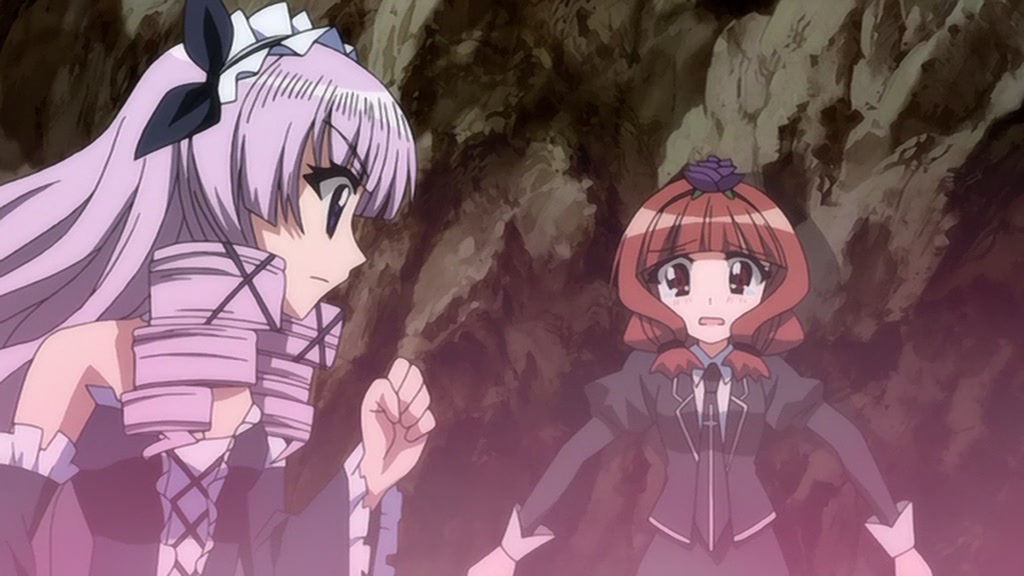
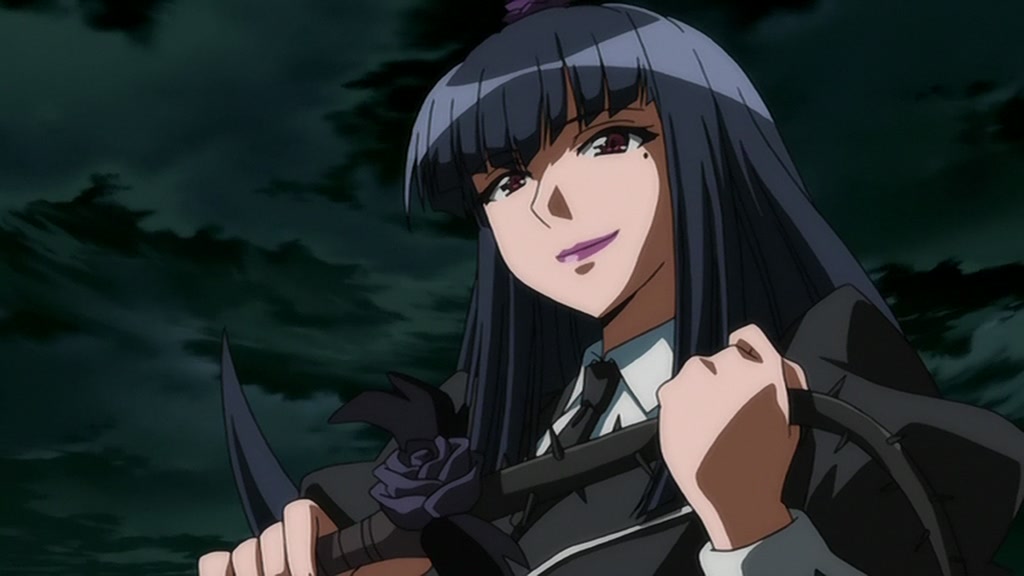
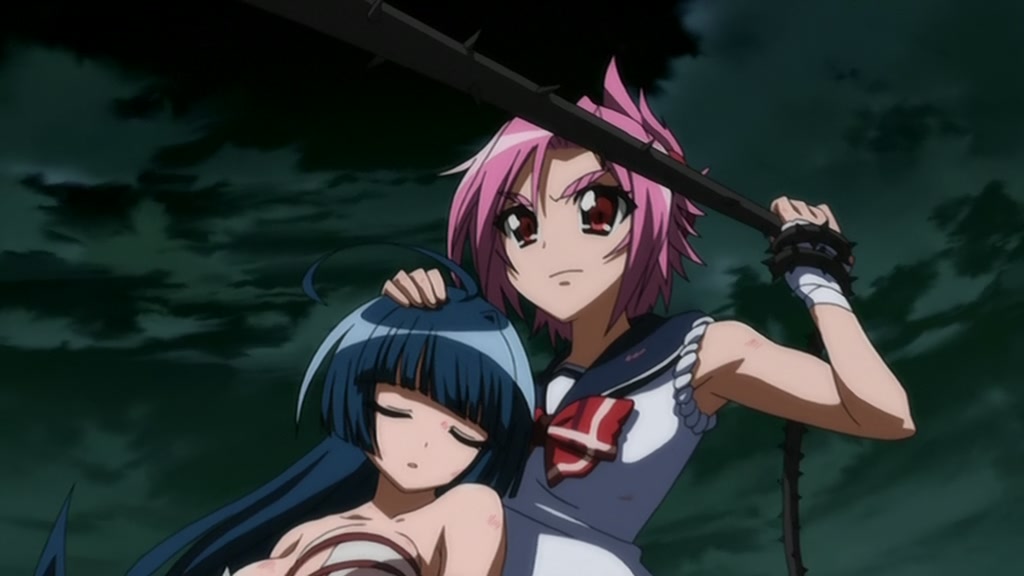
Environmental design splits into two modes. The everyday school settings are functional, even boring, which has the paradoxical effect of making the characters’ antics pop more vividly against muted backgrounds. When the series shifts to its climactic settings—the fireworks festival, the ice-carved South Pole villa, the rainy urban streets of the Kurobara arc—the backgrounds gain texture and atmosphere. The Tower of Blooming Black Roses, with its thorn-covered walls and gothic letterboxing, looks like it wandered in from a different, significantly darker anime. This tonal whiplash in the visual presentation mirrors the series’ narrative strategy: lull you into thinking this is just a school comedy, then drop you into a yandere horror set piece scored with melodramatic lighting.
Color is used aggressively and semiotically. Warm golden gradients signal nostalgia or sincerity. Cool blues and purples signal menace or melancholy. The sudden shift from a bright classroom to a shadow-drenched warehouse with deep green accents instantly communicates “this arc is going to be weirder than the last one.” It is not subtle, but it is effective, and the series’ willingness to swing between these extremes gives it a visual energy that transcends its budget constraints.
The Sound of Chaos
The sonic landscape of Penguin Musume Heart matches its visual philosophy: loud, fast, and committed. The voice acting is the standout element. Sakura’s seiyuu navigates the character’s emotional hairpin turns—from manic excitement to theatrical despair to genuine vulnerability—with a control that keeps her from becoming grating. It would be easy for a character this hyperactive to exhaust the audience within two episodes. Instead, there is a warmth and sincerity in the performance that makes her endearing even at her most selfish.
Kujira’s performance is equally demanding in the opposite direction. She spends most of the series yelling, but the pitch, volume, and texture of her fury vary according to context. Her “Etorofu Punch” battle cry is different from her exasperated scolding, which is different from her genuinely angry confrontations with her father. There is a vocabulary of rage here, and the actress navigates it with precision.
The supporting cast all commit fully to their archetypes: Mary’s imperious sneer, Cha Chi’s blunt third-person declarations, Nene’s soft “My, my” that somehow never sounds condescending. Maguro’s complete lack of spoken dialogue—she communicates through text displayed on her phone, with only occasional verbal interjections—is a running gag that her seiyuu executes with deadpan perfection.
The opening and ending themes are energetic J-pop confections that set the tone effectively: bouncy, cheerful, laced with just enough electric guitar to promise action. The insert music during battle sequences leans into the parody, with swelling orchestration that treats a badminton match or a sumo showdown with the same gravity as a giant robot launch. This is the sonic equivalent of the show’s visual strategy: play it completely straight, let the disconnect between presentation and content do the comedic work.
Why This Works
Penguin Musume Heart is not, by conventional metrics, a “great” anime. Its animation is limited. Its plot is nonsense. Its protagonist is an idiot. But conventional metrics are the wrong tools for this job. This series operates in a mode that has become increasingly rare: the unapologetic gag comedy that also cares about its characters as people.
Every absurd plot development—the corporate rivalry, the time travel, the stalker mom—serves a character beat. Mary’s bankruptcy leads to her knights proving their loyalty through a humble birthday party. Kujira’s altered timeline forces her to admit she values Sakura’s chaos more than her own peace. Sakura’s mother’s insane “exam” is revealed as a twisted expression of maternal concern. The show earns its emotional payoffs not by building dramatic tension but by demonstrating, again and again, that these characters genuinely like each other. Not in spite of their flaws but because of them.
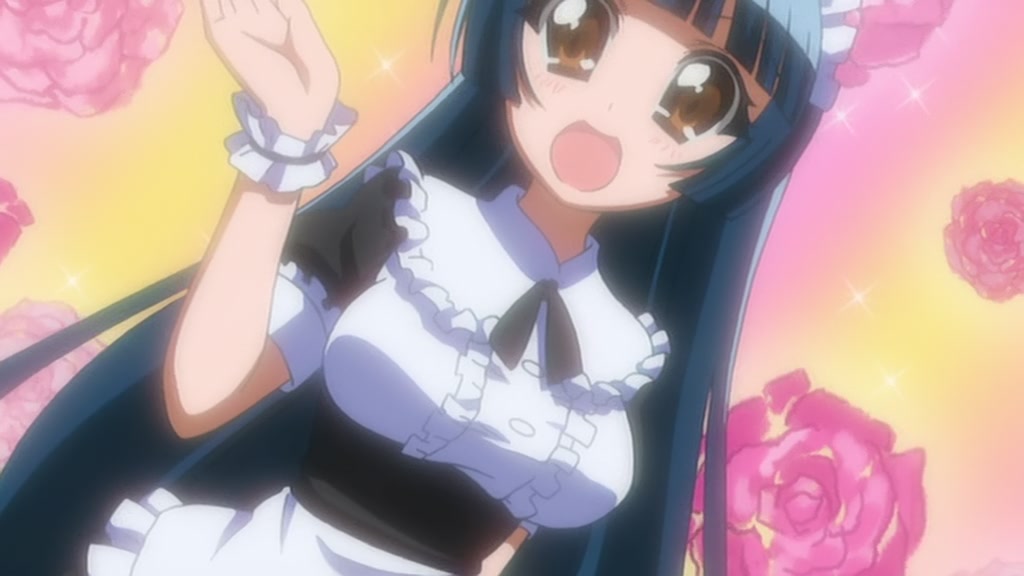
The series also functions as a time capsule of late-2000s otaku culture, operating with an assumption of fluency. The maid café episode, the Akihabara DVD hunt, the shrine maiden fetishism, the entire concept of a “cosplay-mode” superpower—these are elements that require no explanation because the intended audience already understood them. The jokes land not as parody but as celebration. This is a show made by otaku for otaku, and it radiates affection for its subculture even as it mocks its excesses.
Who Should Watch
If you need your anime to have consistent animation quality, logical plotting, or characters who make sensible decisions, this series will test your patience. If you are allergic to fanservice or find anime trope vocabulary annoying, you will actively suffer. This is not a show for casual viewers or newcomers to the medium.
If, however, you have spent years marinating in anime’s particular flavors of comedy, if you understand what a tsundere is and love seeing the archetype pushed to its breaking point, if you believe that friendship speeches are better when punctuated by whale punches, Penguin Musume Heart is a buried treasure. It is the kind of series that knows exactly what it wants to be, executes that vision with infectious energy, and somehow finds time between the screaming and the cosplay to tell a genuinely sweet story about a girl learning she is allowed to be herself.
The finale’s closing title card promises “Chapter 3, Dark Clouds – The Rival Warlords,” and like any good otaku, I immediately wanted more. That is the highest compliment I can give this ridiculous, wonderful show. It left me wanting to stay in its world, with its idiot president and her long-suffering, fist-throwing best friend, for as long as they would have me.
Gallery