





Miki Draws a Line
The episode opens where the last one left off, with Miki’s sharp question hanging in the air. But what follows isn’t more interrogation. It’s a warning, delivered with the kind of clarity that only comes from someone who knows exactly what’s at stake.
“You’re always like this, aren’t you, Minato? Thinking things like ‘she’s alone,’ or ‘she’s pitiful’… But that is incredibly arrogant of you.”
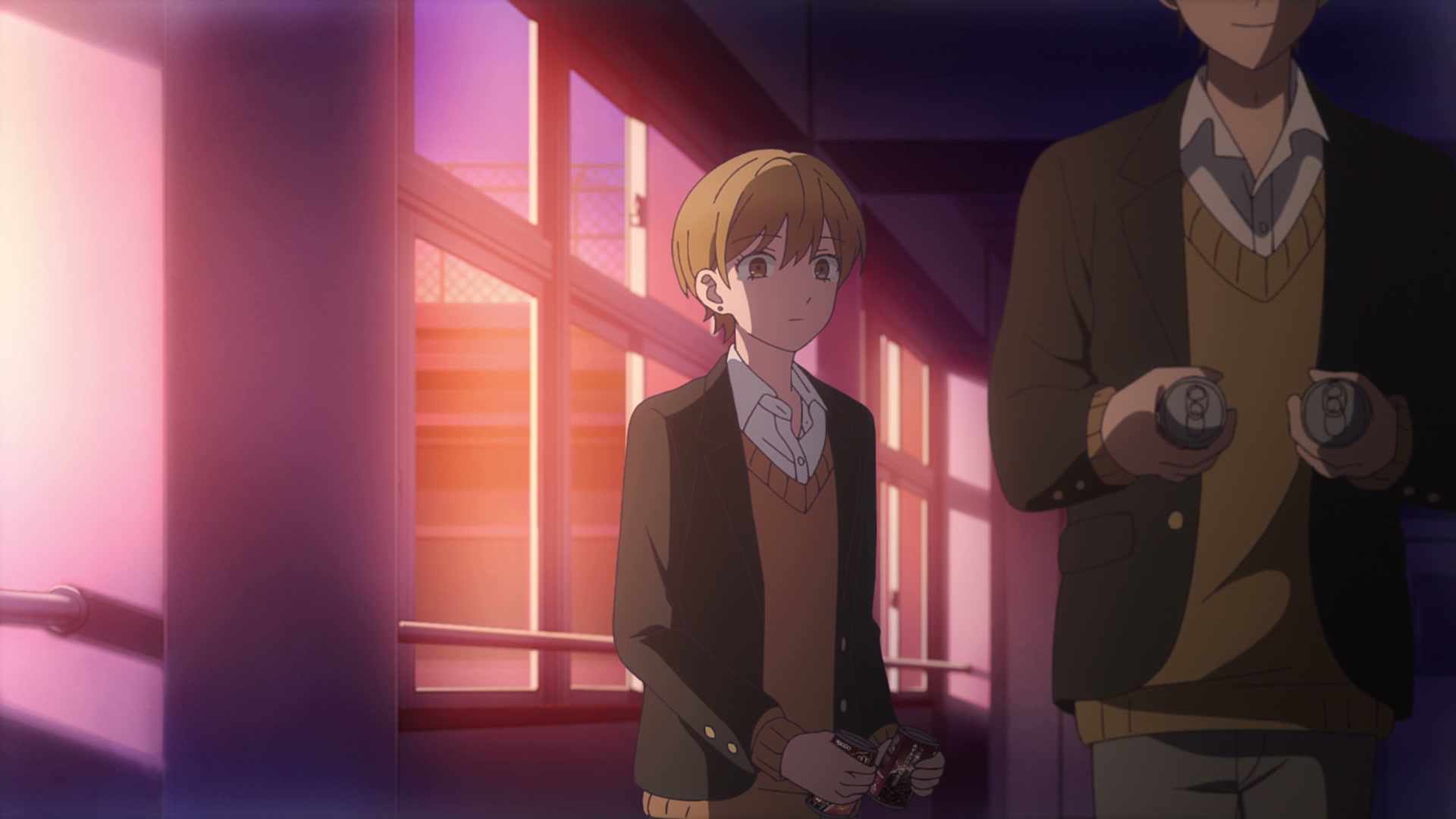
Miki doesn’t just call him out. She explains the damage. The emptiness of realizing someone’s kindness was just pity dressed up differently. The way being looked at doesn’t mean being seen. When she tells him not to approach Koyuki for that reason, it’s not possessiveness. It’s the voice of someone who might have been on the receiving end of that same well-meaning condescension once before.
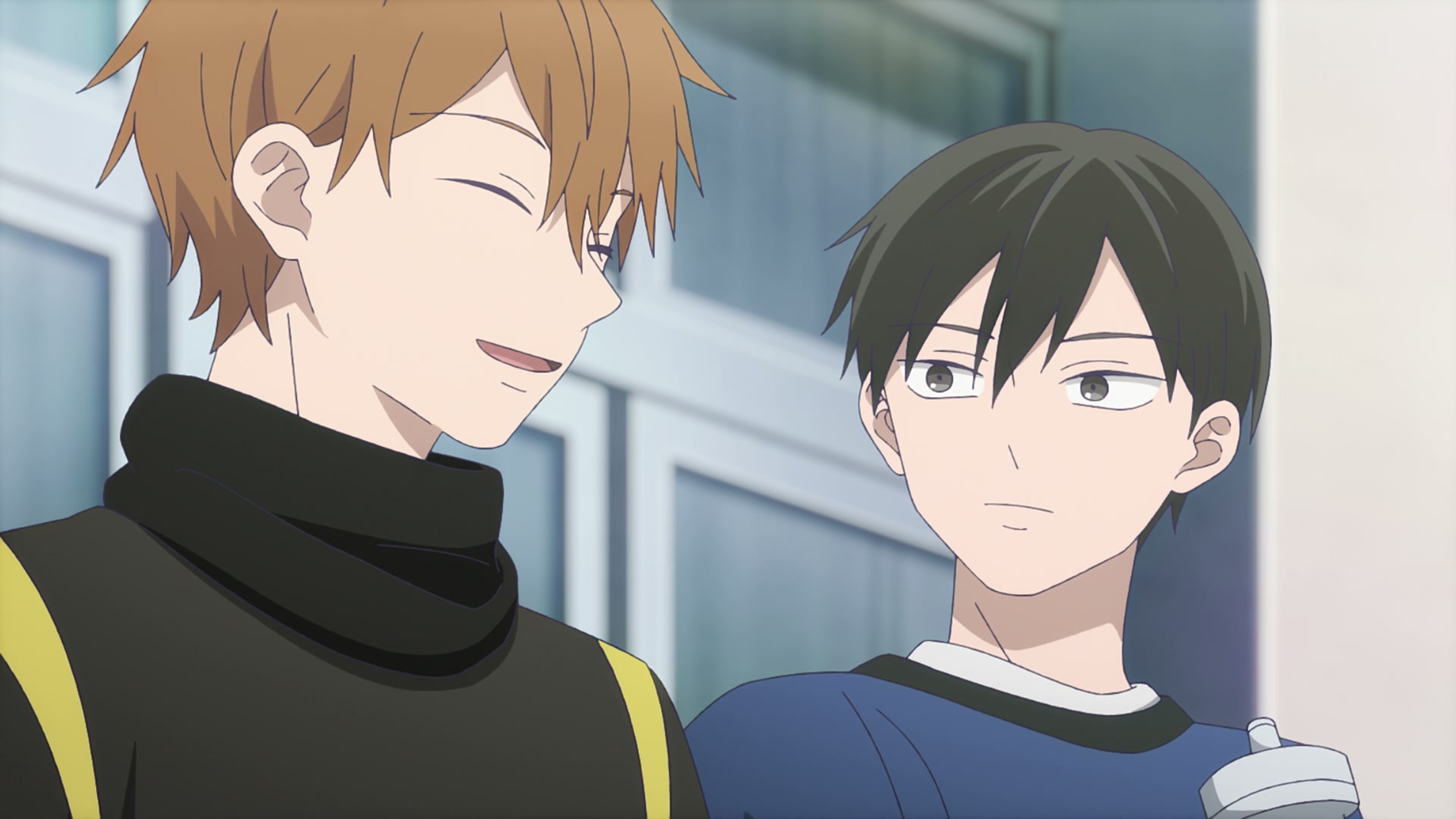
Minato pushes back, as he always does, deflecting with jokes about Miki being Koyuki’s guardian and accusing her of overprotectiveness. But the exchange shifts when he pieces together that Koyuki was in the basketball club. Miki’s reaction tells you everything. She didn’t want him to know because Minato notices things. He connects dots. And the more he knows about Koyuki’s past, the harder it becomes for Koyuki to maintain the distance she relies on.
The two of them reaching an understanding, messy as it is, feels earned. Miki admits her initial friendship might have started from concern that looked like pity. Minato, for once, doesn’t joke his way out of the moment. It’s a quiet, awkward repair job between two people who both care about the same person in different ways.
The Reconciliation Lands, but Leaves a Question
When Miki and Minato return from buying drinks, Youta immediately knows something happened. His observation that there was nothing in the story to make Miki cry lands with the kind of understated perceptiveness that makes Youta quietly essential to this group. He doesn’t push. He just notes the gap between the stated reason and the visible effect.
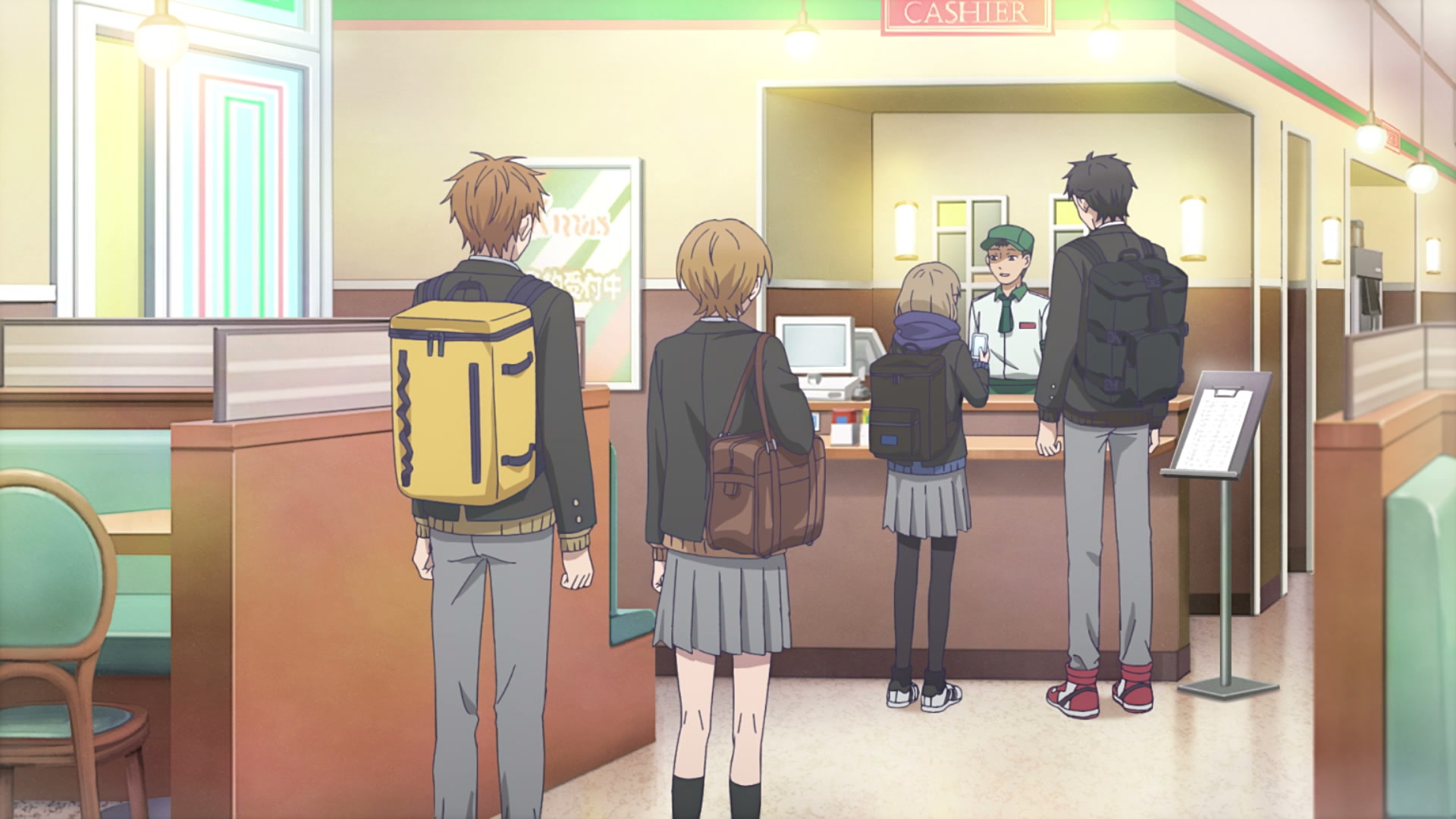
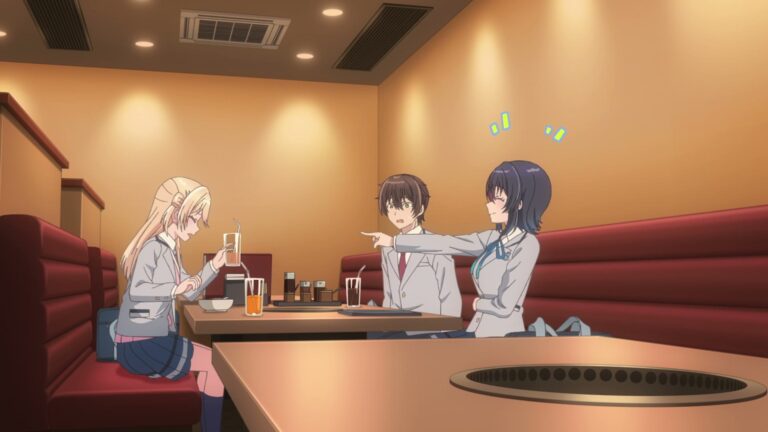
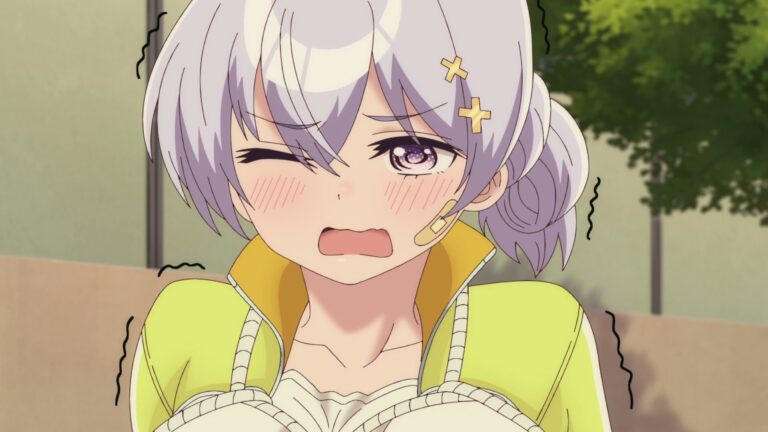
The exam study session itself plays out with the easy rhythm the group has developed. Minato and Miki bicker over a find-the-mistakes puzzle in a menu. Koyuki watches them get along normally and wonders if she was overthinking things. The scene at the family restaurant afterward, with Minato peppering Koyuki with questions about her free time, reads like someone testing boundaries he’s been told not to cross. “What do you do on days when you don’t have work?” “Read books.” “What is this? Looks boring.” It’s pushy in exactly the way Miki warned him about, and Koyuki’s internal response cuts through the surface-level chatter.
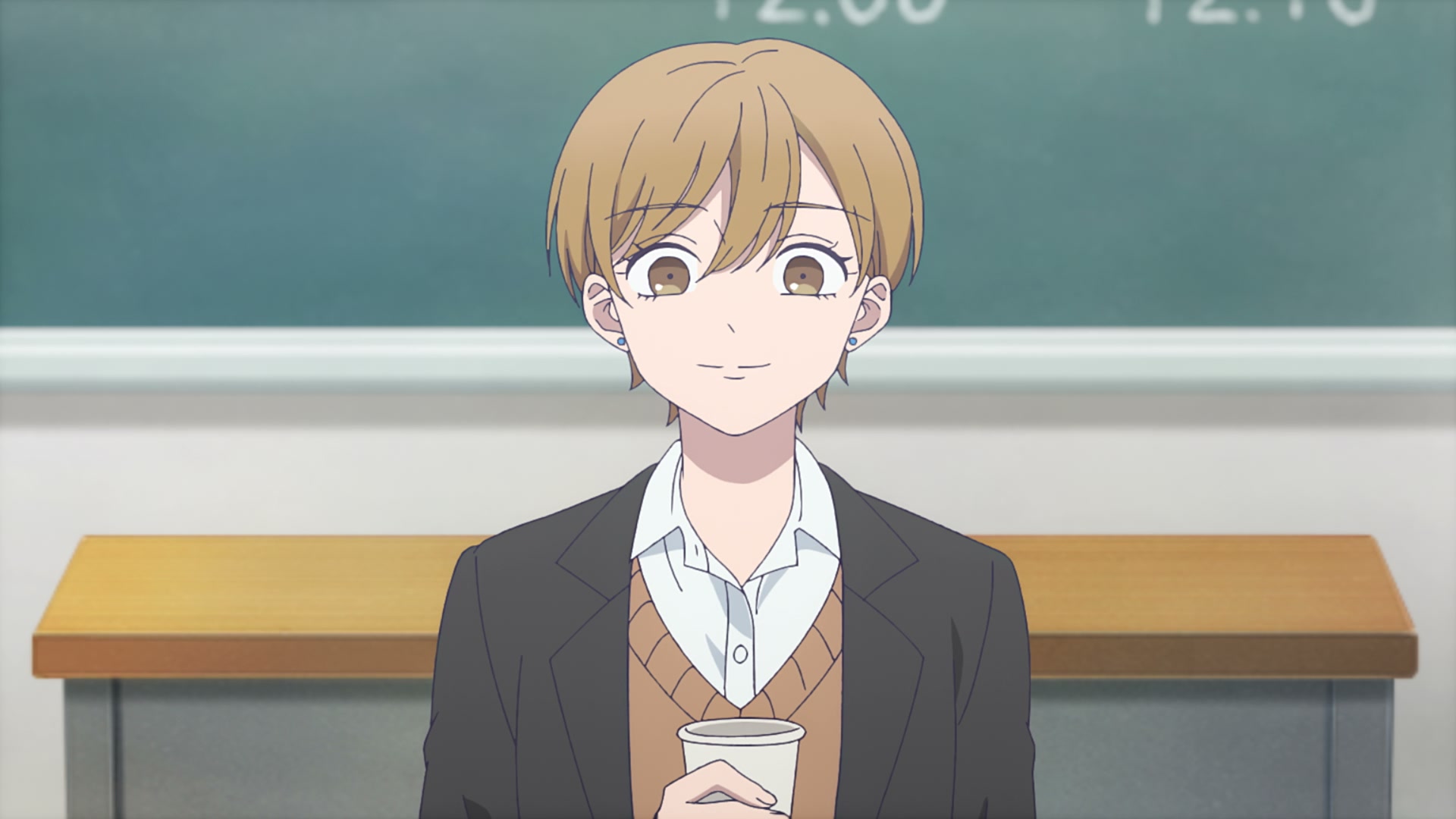
“Being asked so many questions is a bit tiring… I’m still not very good at talking about myself. It’s not that I hate doing it. But I’m scared of letting people know my inner self. So that ‘I’ won’t be rejected. So that I won’t end up hating myself more than I already do.”
This is the core of Koyuki’s wall, stated plainly. It’s not arrogance or coldness. It’s self-preservation built on the belief that exposure leads to rejection, and rejection confirms the worst things she already thinks about herself. The episode doesn’t frame this as something to be easily solved by friendship. It frames it as a survival mechanism that’s hard to turn off even when you want to.
An Overheard Conversation and the Weight of the Past
The emotional center of the episode shifts when Koyuki, recovering from stress-induced nausea at the nurse’s office, overhears voices in the hallway. One of them belongs to Igarashi. The same Igarashi she’s been worried about since Minato’s name came up.
She can’t hear everything clearly. Fragments reach her. They’re talking about Miki. Then the other voice asks Igarashi if he remembers someone named Hikawa.
Koyuki’s reaction is immediate and physical. She doesn’t want him mentioning her name. She doesn’t want anyone from that time remembering she exists. The episode flashes back briefly to middle school, to the circle of gossip that cornered her with invasive questions about Igarashi, about rumors, about things that were nobody’s business but became everyone’s entertainment.
“Why does everyone love gossip so much? Why won’t they just leave me alone? Is interfering with others really that fun? You don’t care whether it’s true or not. As long as it’s entertaining, anything goes.”
The flashback shows exactly what Miki’s protectiveness is trying to prevent. Not just the cruelty itself, but the way it was packaged as friendly curiosity. The way boundaries meant nothing to people who treated Koyuki’s life as content.
Minato’s “Pity” Looks Different Through Koyuki’s Eyes
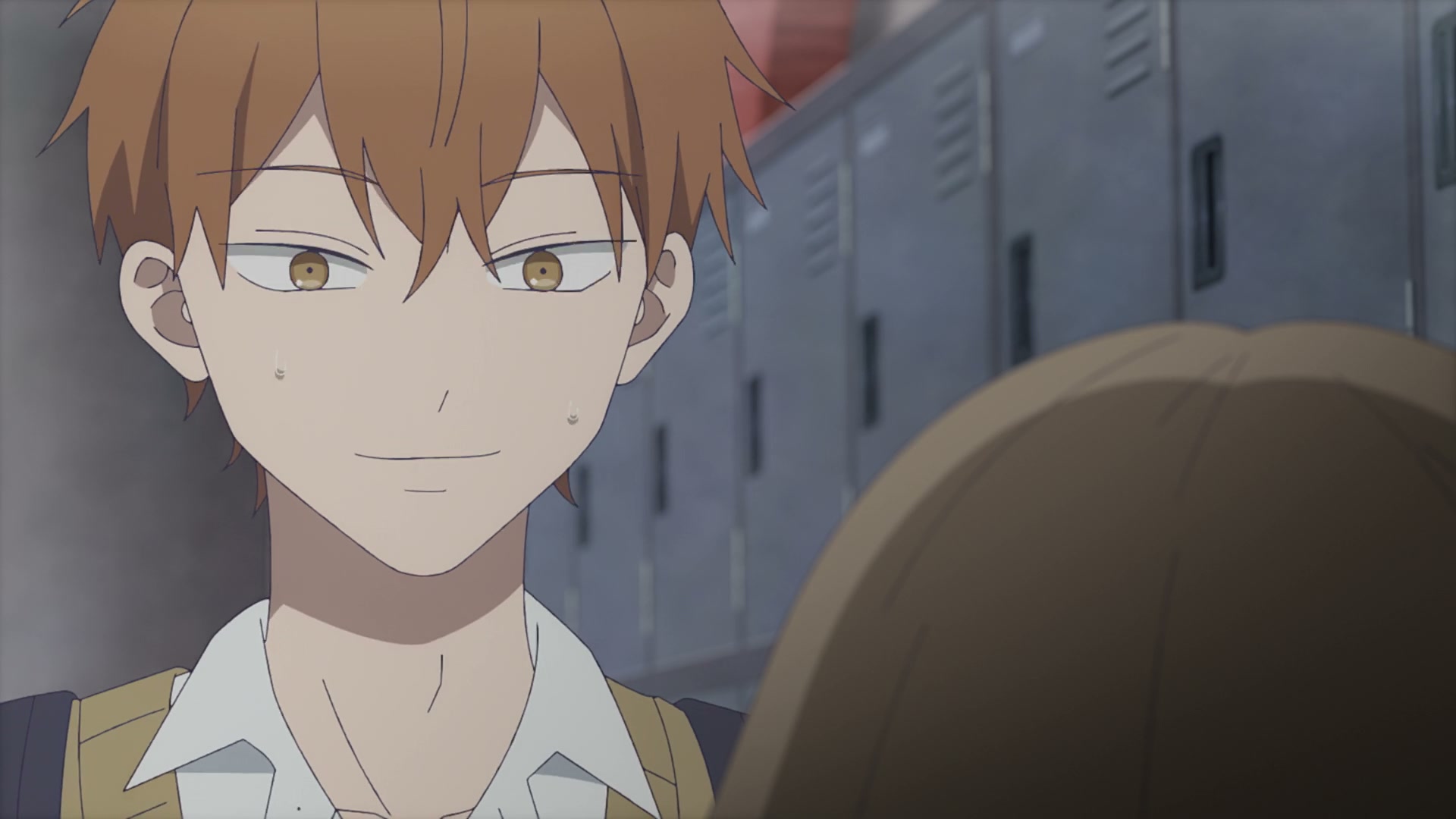
The day after the overheard conversation, Minato runs into Koyuki on the way to school. He’s radiating heat from morning basketball practice. Steam rises off him in the cold air. It’s a small, almost comedic visual, but the conversation that follows isn’t light.
He brings up Igarashi visiting the school, then immediately pulls back with, “But I guess you’re not interested, Hikawa-san.” He adds that she didn’t seem close to Igarashi anyway. Then he tries to pivot away from middle school entirely, saying she’ll make new memories in high school.
Koyuki’s mind races. She’s never told Minato anything about her middle school days. Why is he suddenly backing off from that topic? Did he hear something from Igarashi? What did he hear?
The ambiguity is the point. We don’t know what Minato knows or doesn’t know. What matters is that Koyuki’s defenses are fully activated now. The wall isn’t just about keeping people out in general. It’s about keeping specific people from specific knowledge. And Minato, who notices things and connects dots, has stumbled close to something she’s not ready for anyone to touch.
When the Past Steps In
The final piece of the episode arrives in a brief but loaded encounter. Igarashi Azumi, now at Meiten for a joint basketball practice, runs into Koyuki in the hallway. His reaction is stunned disbelief. “Your vibe has completely changed… What happened, gorilla?”
The nickname lands like a slap. It’s not just that he uses it. It’s that he seems genuinely surprised she’s different, as if the person she was in middle school is the only version of her that exists. Koyuki’s friends, the ones she was with moments before, are left behind as Azumi pulls her into his orbit for just a moment.
He doesn’t know she goes to Meiten. He doesn’t know she’s been quietly building a life here with Miki and Youta and even the frustrating Minato. He sees the old Koyuki, or maybe he doesn’t see her at all. He sees the person he remembers, frozen in time.
When Koyuki rushes home afterward, she mutters to herself, hoping Koyuki has already left school. Not herself. Koyuki. The name Miki gave her. The person she’s been becoming in this new space. She wants that version of herself kept separate from the one Azumi just dragged back into the light.
And then, alone in the dark of her room with the curtains closed, she says it plainly. “Why do you have to pry into people’s matters? I can’t understand it… It’s disgusting.”
The word lands with more weight than usual because it’s not just about Minato’s questions or Igarashi’s surprise appearance. It’s about the entire social machinery that treats other people’s inner lives as territory to explore and map without permission. Koyuki isn’t just guarded. She’s exhausted by the fundamental way people relate to each other.
Where This Episode Lands
This episode deepens the series’ understanding of Koyuki’s isolation without offering easy comfort. Miki’s protectiveness is admirable but limited. She can warn Minato off, but she can’t control what Igarashi says or what connections get made outside her watch. Minato’s curiosity, which Miki framed as pity, doesn’t read as simple condescension here. It reads as something messier: genuine interest tangled up with a habit of pushing into spaces he hasn’t been invited into.
The episode ends with Koyuki alone, the cool air from outside a small relief after the nausea and the tension and the unwanted encounter. She’s been seen again, in a way she didn’t choose. The wall held, but barely. And the people on the other side of it keep finding cracks.
Screenshots

[…] ← Episode 5 | All Koori no Jouheki Season 1 posts → […]