






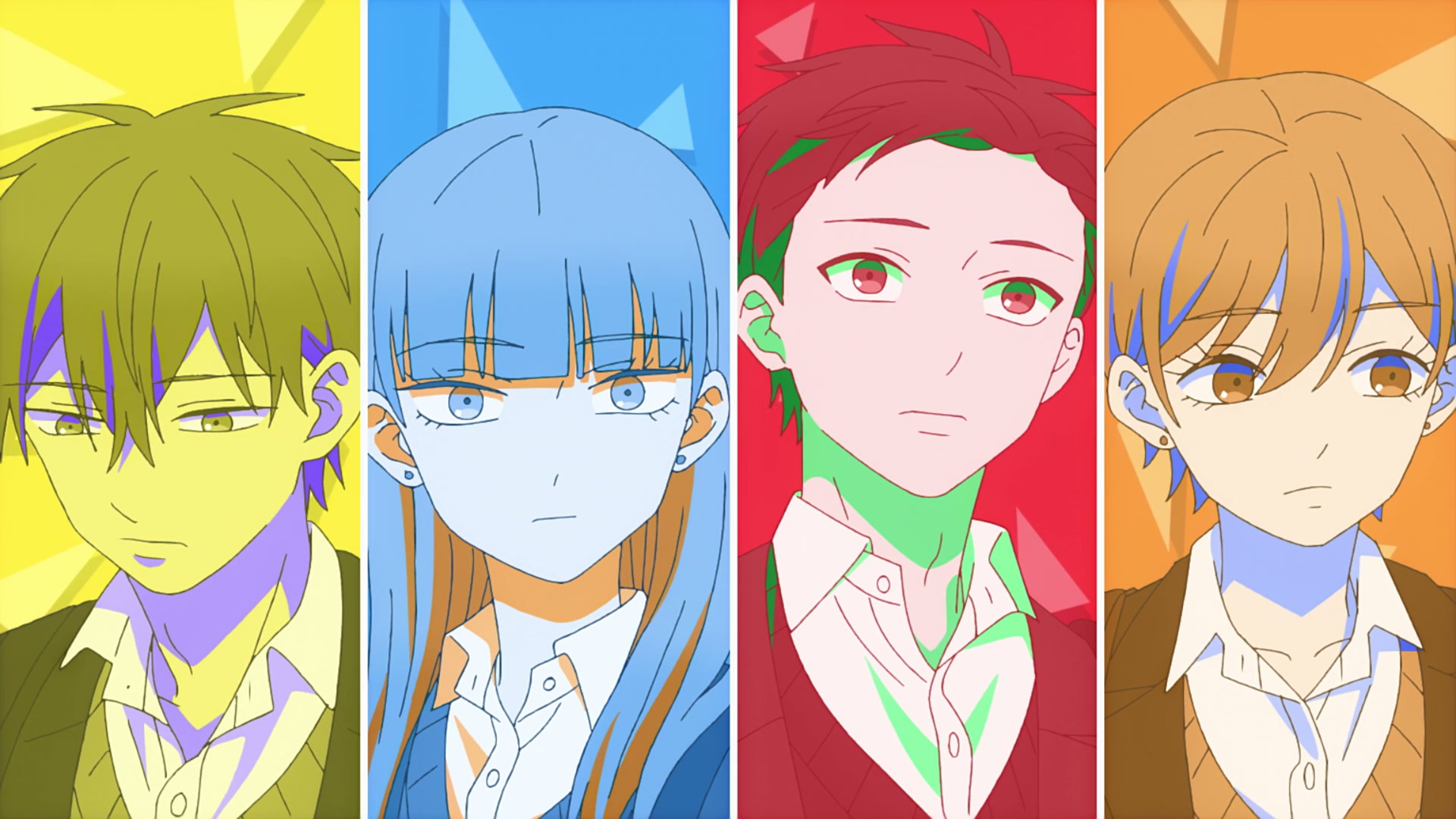
The Quietest Confession
There is a kind of loneliness that only shows up when you are surrounded by people who love you. Yoota’s home is full of noise: little siblings yelling for airplane rides, a stepmom asking about his day, a dad at his limit. But episode 7 of Koori no Jouheki opens with him standing in the middle of it all, the sounds swirling “around and around” in his head. He has to make the noise disappear. Think of nothing. That coping mechanism, the mental erasure of a perfectly happy household, tells you everything about where Yoota actually lives.
This episode does something I was not expecting. It pulls Yoota out of the gentle-giant supporting role and makes him the emotional center. Koyuki’s narration about zoning out, about words connecting into shapes she does not want to name, turns out to be leading somewhere specific. She notices something is off with Yoota. And she decides to act on it.
Koyuki Chooses to Barge In
The episode’s first stretch belongs to Koyuki’s internal debate. She thinks about how Yoota says everything is fine. She wonders whether she has any right to pry. “When he himself says he’s fine, can I just worry about him on my own and barge in like that?”
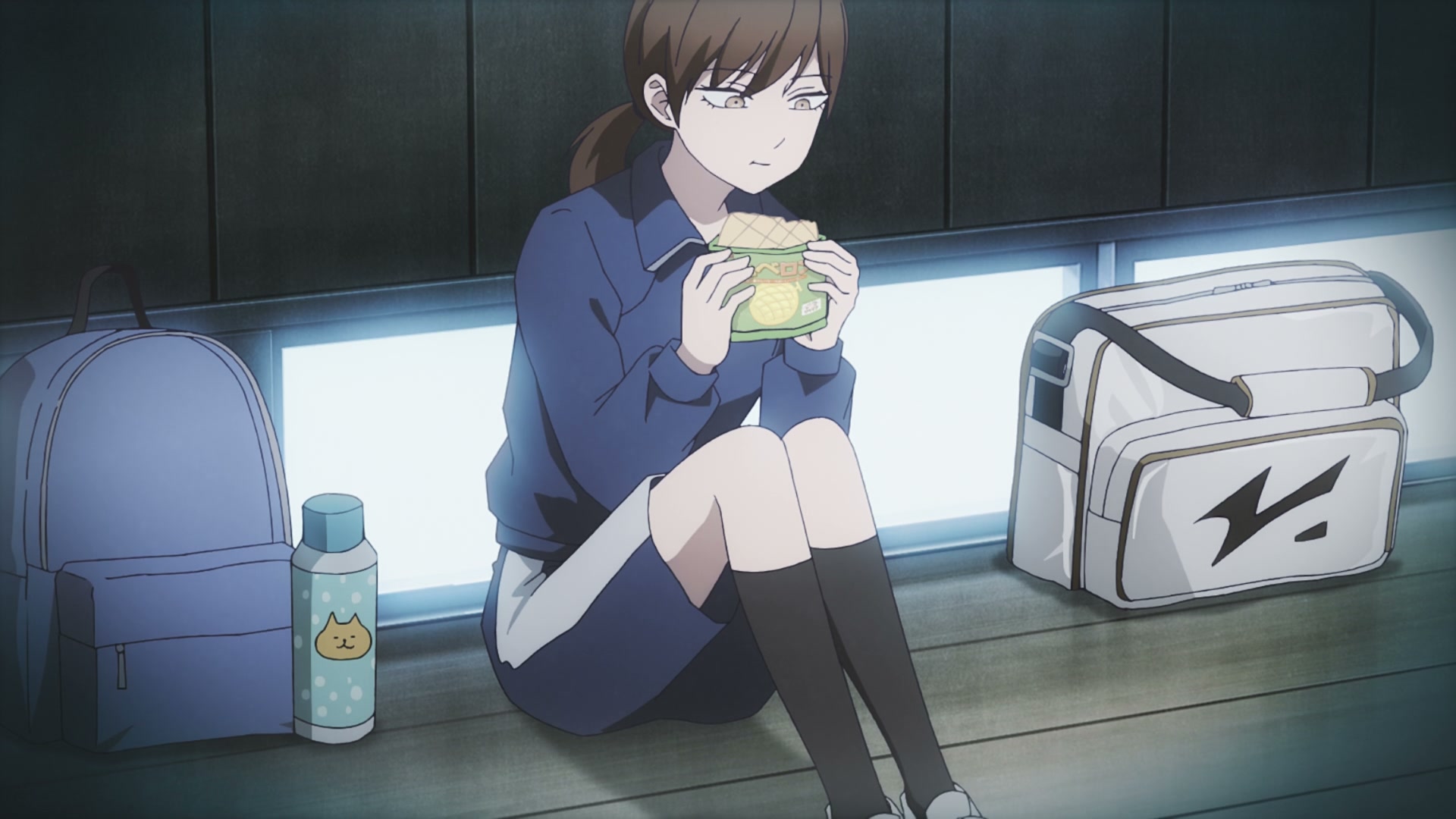
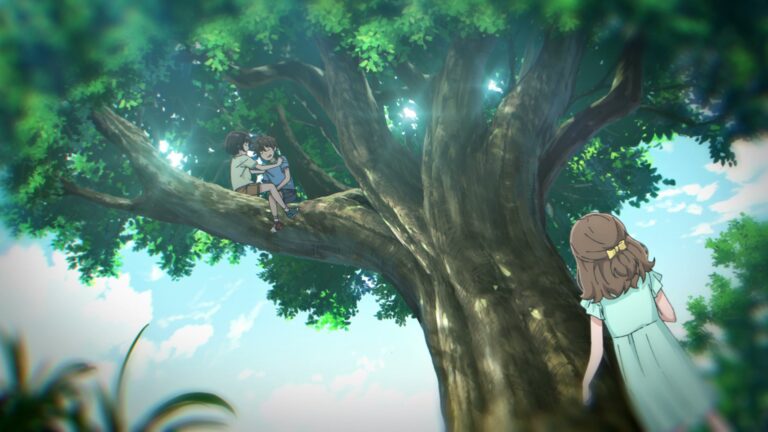
Then the show cuts to her own past. Her parents’ divorce. The moment her mother said it plainly: “Your father and I are getting a divorce.” The thing that hurts most in that flashback is not the announcement itself. It is Koyuki’s memory of believing she was the glue. She and her mom got along. Her dad loved her. She was confident she held them together. The collapse of that confidence, the slow realization that maybe her presence did not matter as much as she thought, broke something in her.
This is why the present-day scene lands so hard. Koyuki sees Yoota’s calm not as serenity but as something she recognizes. Someone holding too much in. Someone telling himself he is fine when he is not. She is not projecting blindly. She is drawing from a wound she knows intimately.
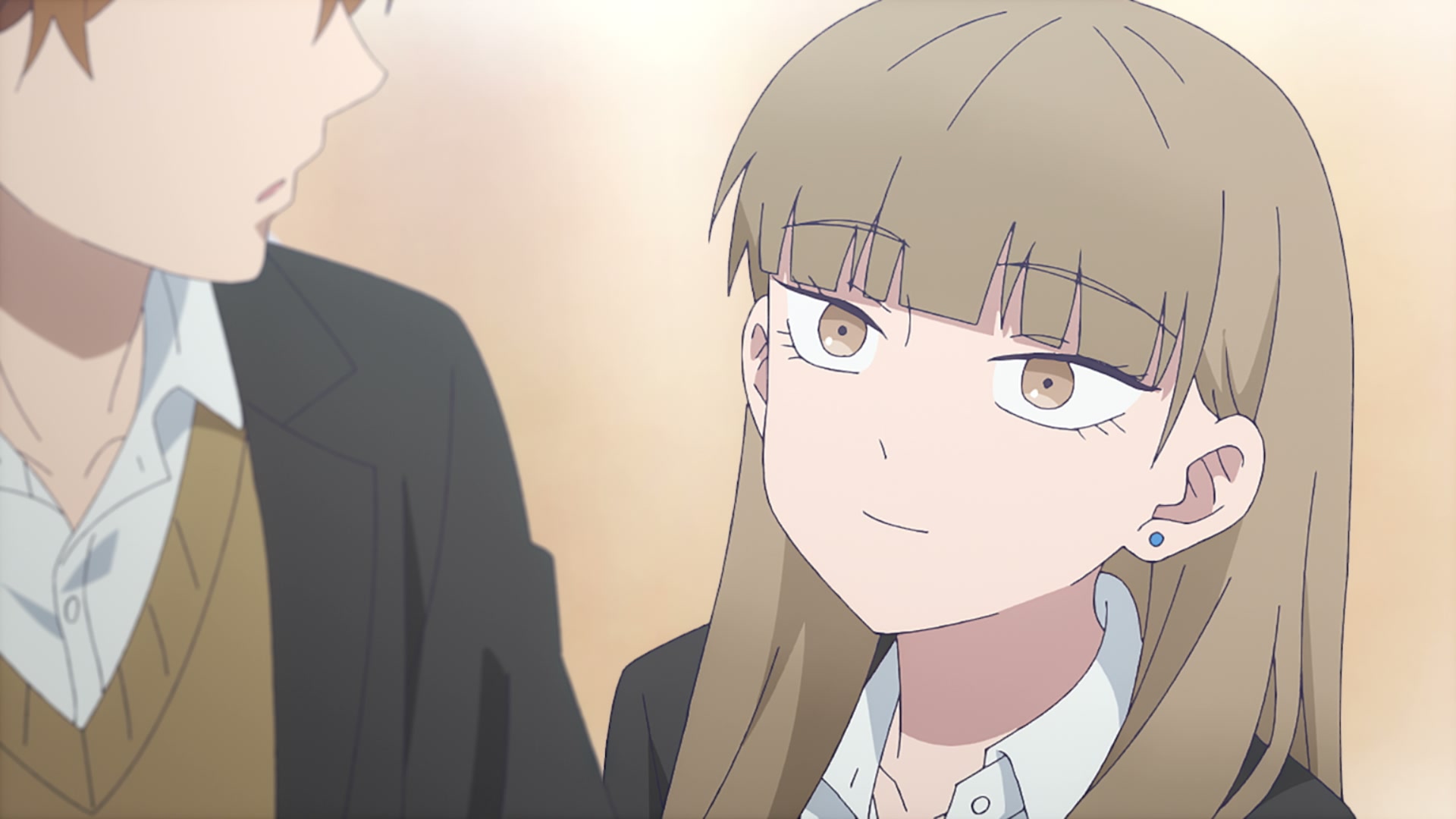
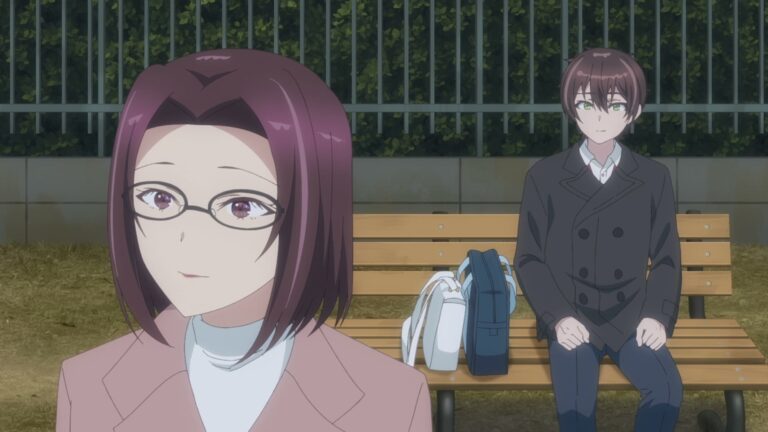
So when she finds him after school and says “Sorry for making you come along,” what follows is not a dramatic confrontation. It is quieter. She tells him she is often alone at home. She asks if he would spend time with her sometimes. She frames it as something she needs, not something he owes her.
That is such a Koyuki move. She cannot just say “I am worried about you.” She turns the whole thing around so Yoota feels like he is doing her a favor. And it works.
Yoota’s Confession Feels Earned
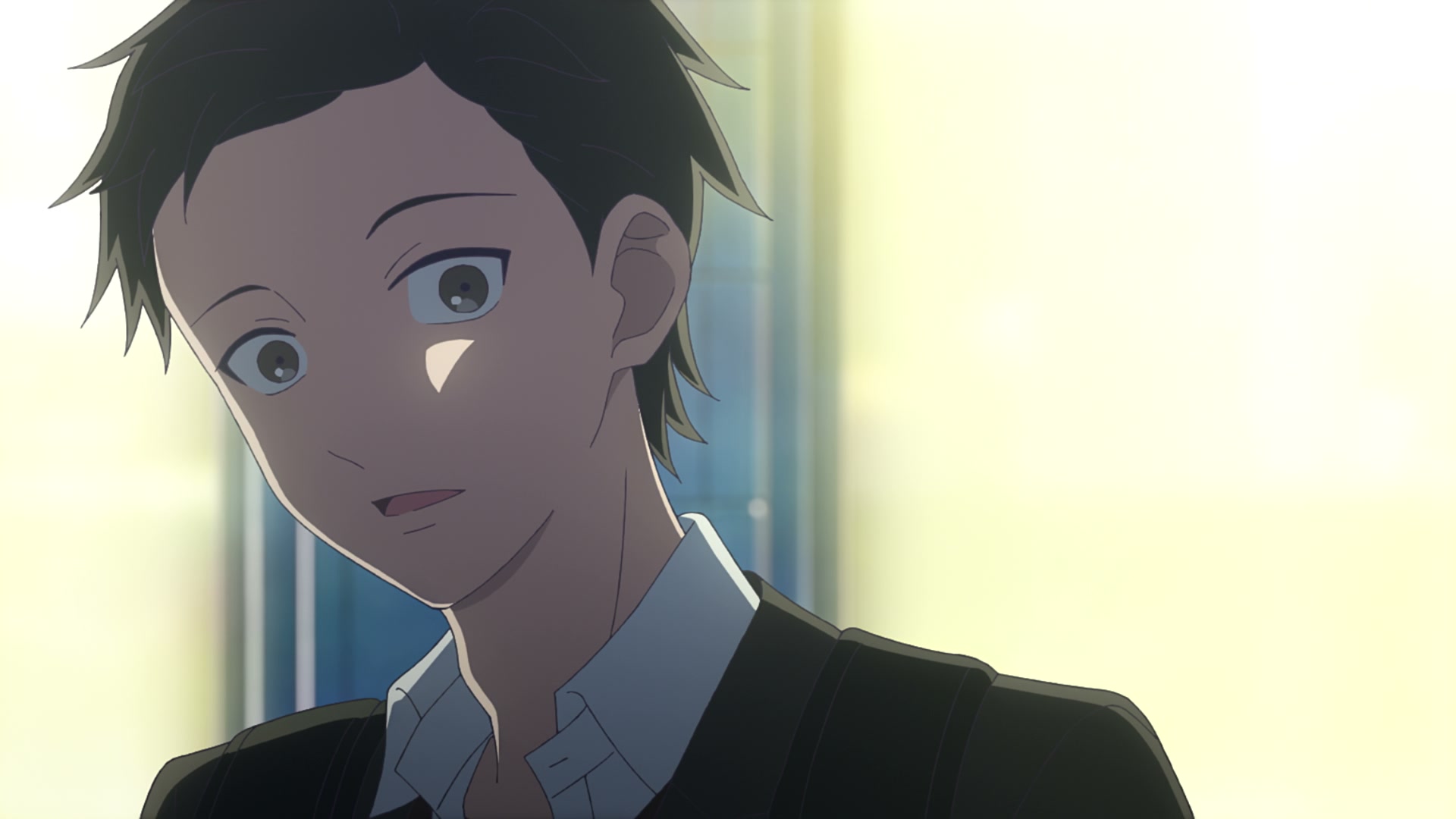
What Yoota tells her on that bench is the kind of thing this show has been building toward since his first appearance. His mother died when he was a child. His dad remarried a woman named Akari. She is kind. Genuinely, thoroughly kind. Yoota insists on this. But kindness does not erase the feeling of being the odd one out.
The detail that gets me is the parental leave conversation. His dad and Akari are thrilled about a baby on the way, about time off, about their growing family. Yoota watches this and thinks: “Do they even need me? It feels like I’m always the only one who’s different in my family.”
He knows it is selfish. He says so. But knowing does not stop the thought. And the thought itself becomes its own kind of noise, the kind you try to drown out by thinking of nothing.
Koyuki listens. She does not reassure him that he is wrong. She does not tell him his family loves him, even though they clearly do. She says something sharper and stranger: “You mustn’t blame yourself for the things you feel or think. The more you blame yourself, you just end up hating yourself more and more, right?”
Then she says something that feels lifted straight from her own survival manual: “You can run away from your environment, but you can’t run away from yourself.”
Yoota’s reaction is not relief. It is mild shock. “You saw right through me.”
The Soot Metaphor Arrives
Koyuki, of all people, introduces a metaphor for emotional buildup. She describes the heart getting covered in soot when you hold too much in. Your field of vision narrows. You cannot move freely. It is a clunky, almost childlike image, and Yoota even stumbles over the word. But it sticks because Koyuki is not speaking as someone who has it figured out. She is speaking as someone who has lived inside the soot and is only now starting to breathe cleaner air.
The visual in my head during this scene is just the two of them sitting there, dusk light, a public bench somewhere between school and home. No dramatic score swell. Just two people who both know what it feels like to wonder if they belong, comparing notes.
And then, with that strange emotional timing this show has, Yoota pivots to something completely different.
The Miki Confession Changes the Energy
“There’s someone I like.”
Koyuki’s reaction is immediate and physical. She practically vibrates. The shift from heavy emotional processing to excited friend energy is jarring in the best way. Yoota likes Miki. He has liked her for a while. Minato already knows. And Yoota has no intention of confessing.
That last part matters. He values Miki as a friend too much. He knows she probably does not see him that way. But keeping it secret makes him feel like he is deceiving her. He even thinks about apologizing for falling for her.
Koyuki immediately catches this as soot. “Don’t blame yourself!” she says, and the callback to their earlier conversation lands without the show underlining it.
What makes this scene work beyond the cute factor is how it recontextualizes the whole episode. Yoota has been carrying multiple weights: his place in his family, his feelings for Miki, the sense that he does not quite fit anywhere. The family confession and the crush confession are not separate issues. They are both about the same fear: that what he feels might be a burden to others.
Koyuki, who has spent years convinced she is a burden, recognizes this instantly.
Yoota Goes Home Different
The episode’s closing sequence is short but precise. Yoota comes home. Akari notices his expression is brighter. She assumes something good happened, and she is right. His little siblings ambush him at the door, demanding his attention. The noise is still there. But this time Yoota does not retreat to his room. He agrees to wait while they dry their hair. He hears about the ice cream in the freezer.
And in voiceover, he says something that lands like a exhale: “Why did I think I had no place here? Soot. I see. I never noticed at all. A night this quiet. How long has it been?”
The noise did not disappear. He just stopped needing to make it disappear.
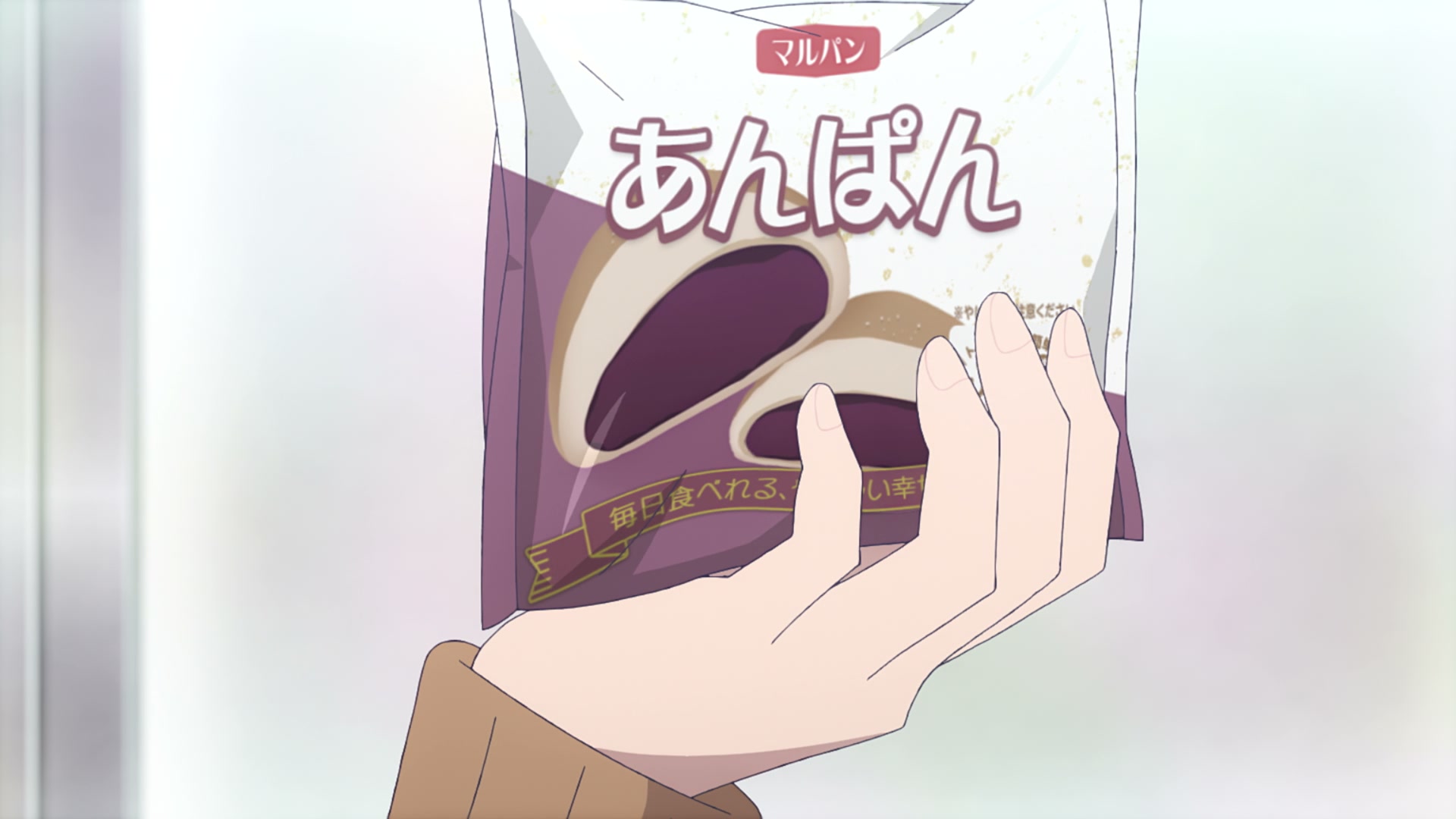
The final school scene with Miki and Minato adds a light grace note. Miki and Minato bicker over an anpan. Koyuki watches them with barely contained glee, internally playing Cupid while trying not to be obvious. The other students notice how close the three of them have gotten. The closing line, “Was Miki-chan always like that?”, hangs in the air. Someone outside the group sees the change.
Where This Leaves the Season
Episode 7 is the payoff to something the show has been doing quietly since Yoota first showed up. He has been the calm presence, the one who gives Koyuki space, the cloud metaphor. But calm that comes from suppression is not really calm. This episode cracks him open just enough to let the audience see what he has been holding, and it does it through Koyuki’s eyes.
Koyuki’s decision to reach out, to risk barging in, is the clearest sign yet that her wall is coming down in specific, targeted ways. She is not suddenly extroverted or healed. She is just unwilling to watch someone else disappear into the same loneliness she knows too well.
The Miki crush adds a new thread to the group dynamic. Minato knows. Koyuki knows. Miki does not. That asymmetry will either be a gentle source of comedy or a slow burn toward something messier. Given this show’s track record, probably both.
The soot metaphor is going to stick with me. It is not elegant. It is not poetic in the way anime metaphors often try to be. It is exactly the kind of image someone like Koyuki would reach for: practical, a little awkward, and built from experience rather than observation. I hope the show returns to it, because watching her offer it to Yoota felt like watching someone hand over a tool they wish someone had given them years ago.
Screenshots
[…] ← Episode 7 | All Koori no Jouheki Season 1 posts → […]