






Miki finally snaps, and it’s the best thing that could have happened.
I’ve been waiting for the show to push past Miki’s sunny exterior, and this episode delivers without flinching. The class idol act was always a balancing act, and the moment that rumor about the broken window resurfaced, the whole performance started to wobble. What follows is an episode that digs into the exhausting loneliness of keeping up a perfect image, the way a small exclusion can spiral into a full-blown cold shoulder, and the quiet relief of admitting you’re a mess.
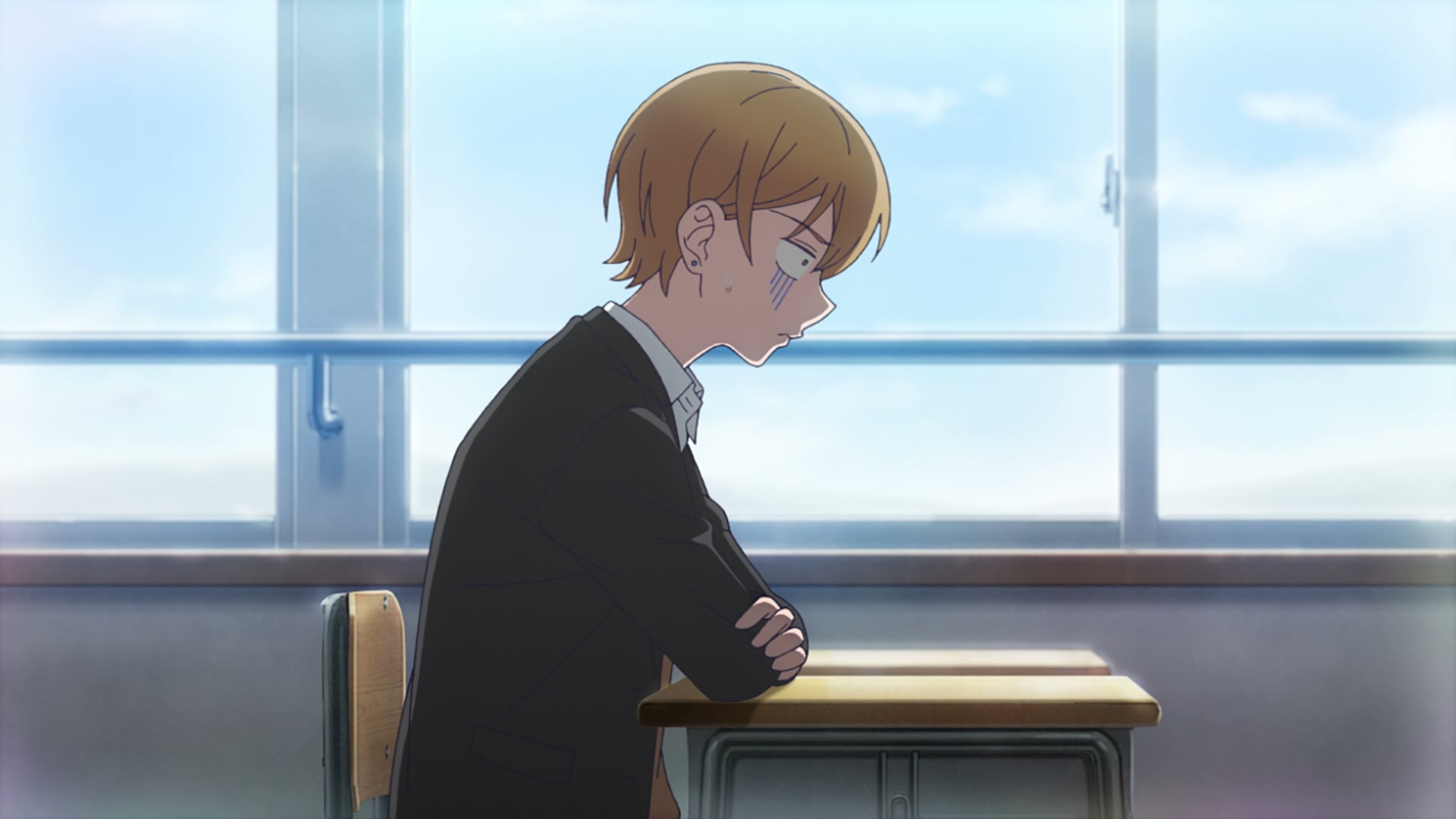
The tension had been simmering for a while. Miki’s friend group started drifting, side-eyes exchanged, invitations suddenly not reaching her. The episode nails that particular high school horror: the feeling of walking into a room and knowing, without anyone saying a word, that you’re on the outside. Miki cycles through self-blame immediately. Did she say something wrong? Was her tone too harsh? The reflex is painfully familiar. She’s so conditioned to see herself as the one who can’t read the room that she assumes every shift in atmosphere is her fault.
That’s the knot the episode works to untie. Miki is trying so hard to be liked that she’s erased the parts of herself that might actually connect with people. The “cute” Miki is a curated highlight reel: agreeable, gentle, never too loud, never too messy. The real Miki closes doors with her foot, forgets her handkerchief and fake-dries her hands, and when papers are collected from the back, her arm sweat makes her sheet so wrinkly that she panics. I love that confession scene. It’s ridiculous and awkward in the most relatable way, and Miki blurting it all out in one breath feels like a dam cracking. “That’s! That’s the kind of person I am!” She’s practically shouting it, not with pride, but with the exhausted desperation of someone who can’t keep up the lie anymore.
What makes the episode work so well is that it doesn’t treat Miki’s friends as villains. They’re not monstrous. They’re a group of teenage girls who heard a rumor, felt uneasy, and didn’t know how to address it. The episode gives them a moment to be awkward and fumbling. When Miki finally confronts them, the first thing one of them says is, “We’re the ones who made you put those limits on yourself, right? I’m sorry.” That line lands because the show understands that ostracism is often a mess of unspoken assumptions rather than deliberate cruelty. Miki assumed they’d hate the real her, and they assumed Miki didn’t really want to be their friend. Both sides were wrong.
The broken window rumor is a fascinating piece of Miki’s past. It’s true that she broke glass, but the way she tells it, it was more of an accident than a fight. The scar on her arm, which her classmates had noticed and whispered about, suddenly makes sense. Middle school Miki was someone who couldn’t read the room and had a harsh personality, according to the rumor mill. Hearing that, you can see why she tried to become a completely different person in high school. The episode doesn’t show the full flashback, but the weight of it is there in how Miki flinches when the rumor catches up to her. The shame of that old self, the fear that it defines her forever, is what drives her to play the idol role even when it’s suffocating.
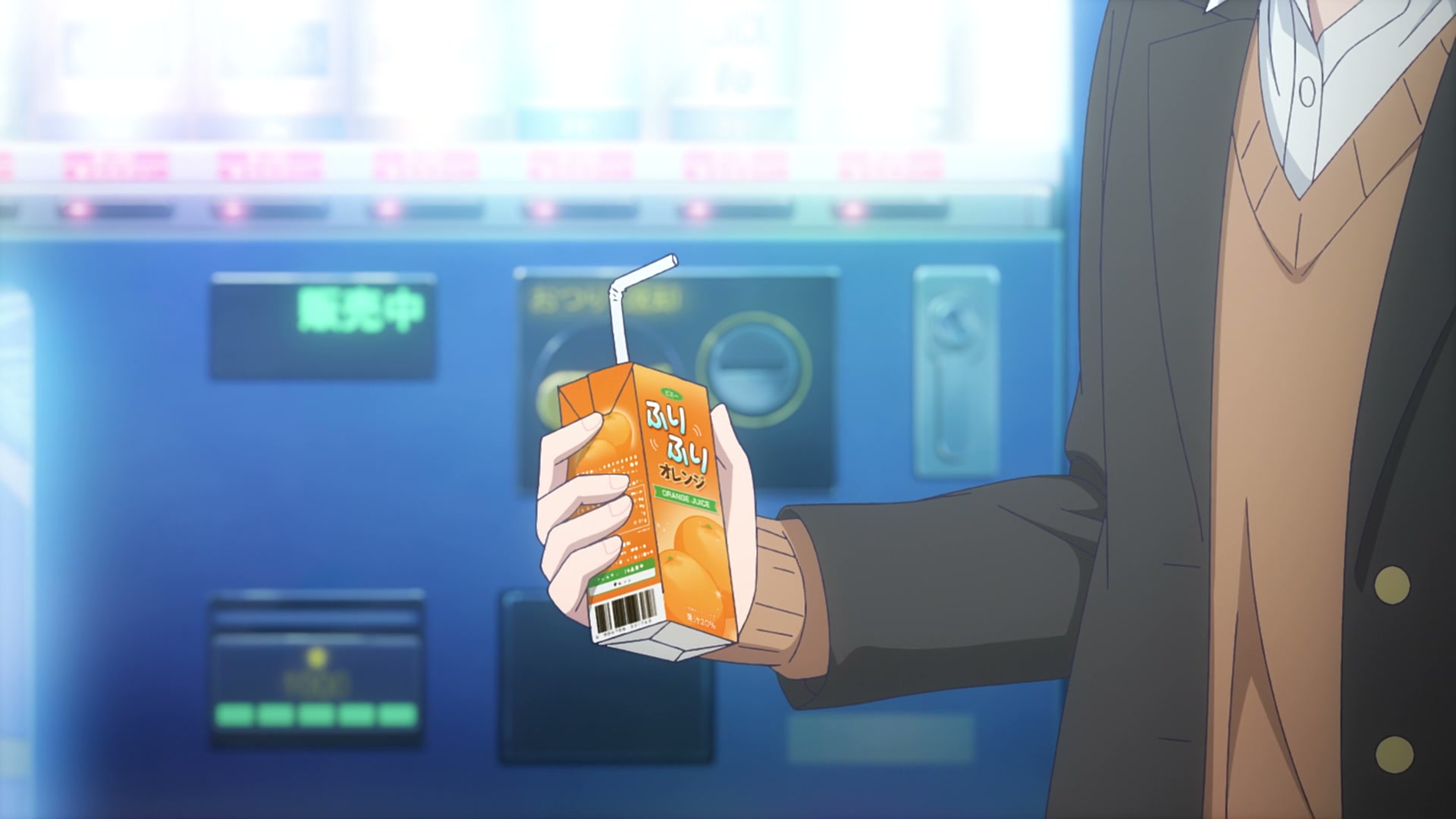
While Miki is struggling with her girl group, the episode balances the emotional weight with the easy warmth of her time with the boys. The scene where Minato and Yoota mess around with her by the vending machines, talking about her grip strength and joking about motorcycles, is a breath of fresh air. Miki is relaxed in a way she can’t be in the classroom. She laughs, she teases back, she forgets to perform. Minato’s “Your grip strength is wild!” and Miki’s rueful “I’m not like this at school” are small exchanges, but they say everything about the different selves she’s been maintaining. The show lets you see how exhausting that split is. She’s at ease with people who don’t expect her to be cute, but she can’t bring that ease into the space where she wants to belong.
And then there’s a completely unexpected moment of diplomacy from Minato. He runs into Miki’s three friends at a convenience store and, instead of being pushy, just chats. He knows their names because Miki talked about them. He mentions that Miki researched sweets for them. The whole interaction is so disarming that the girls leave the store reassessing everything. One of them says, “I just assumed she had said bad things about us.” Minato’s simple question, “Has she ever said anything like that?” hangs in the air. It’s a quiet, clever bit of bridge-building, and it shows a side of Minato that’s genuinely thoughtful, not just intrusive. The guy who usually pokes at Koyuki’s walls also knows when to gently nudge other people’s assumptions.
Koyuki’s role in this episode is understated but essential. She isn’t the one to step in and fix things. What she does is create a space where Miki can be honest. After Miki breaks down and admits she feels like she can’t change, Koyuki tells her that she knows Miki has been trying. She says, “We know you properly, Miki. We know you properly, and we want to be with you.” That repetition of “properly” matters. Koyuki, more than anyone, understands what it means to be seen for the person you actually are, not the image you project. The quiet “I love you too” later on, after Miki thanks her, is one of those small, perfectly placed lines that deepens their friendship without overplaying it.
The episode’s emotional climax isn’t a dramatic confrontation. It’s Miki, standing in a hallway, saying she wants to make up with everyone and start over as her real self. She thanks Koyuki, but she also thanks Minato and Yoota in her own way. The shift from “I want to protect the fake me” to “I want to be the real me even if it’s messy” is huge for a character who has spent all of high school terrified of rejection. When she declares the idol business is out of business, it’s not a sad line. It’s a relief.
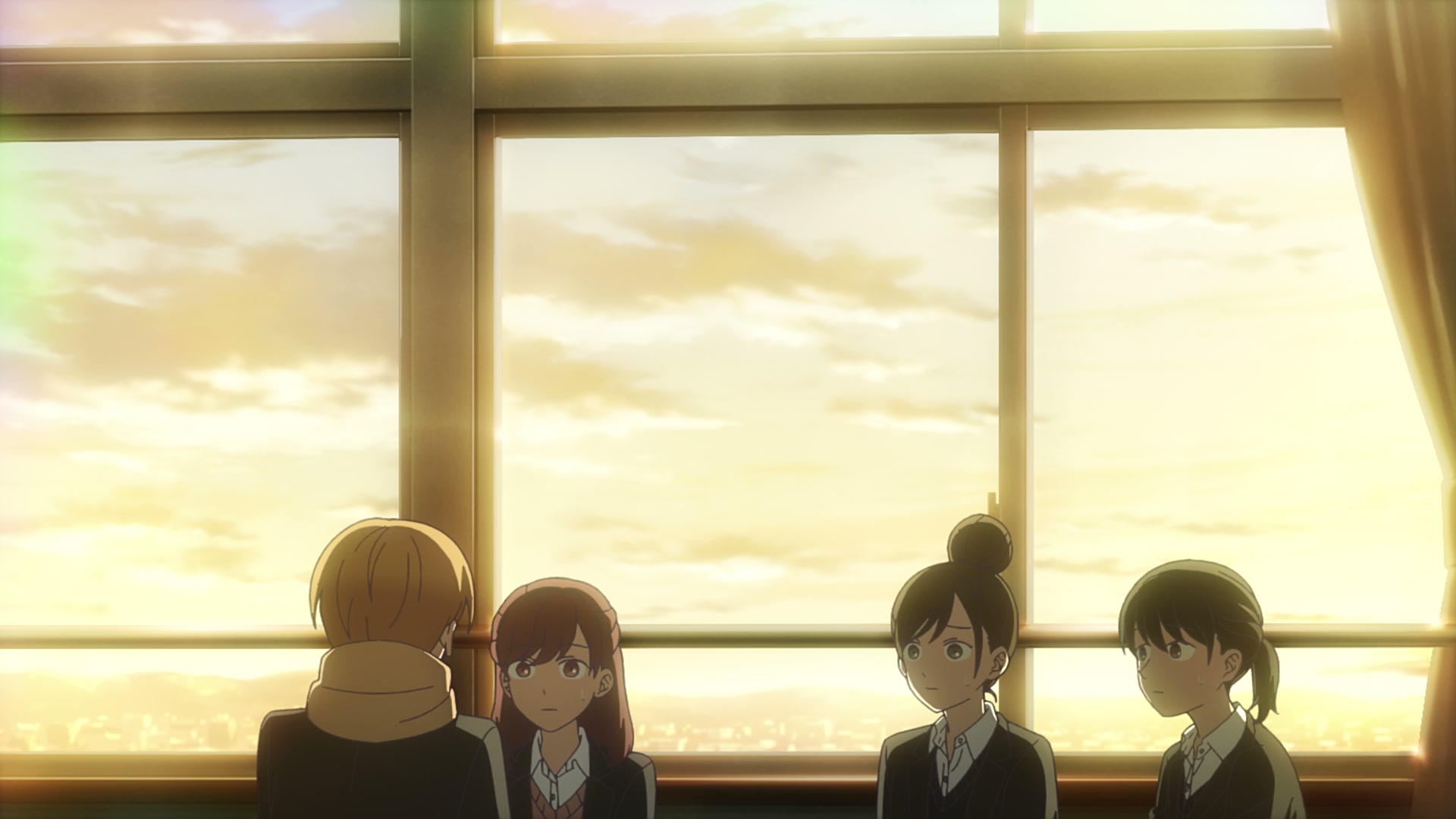
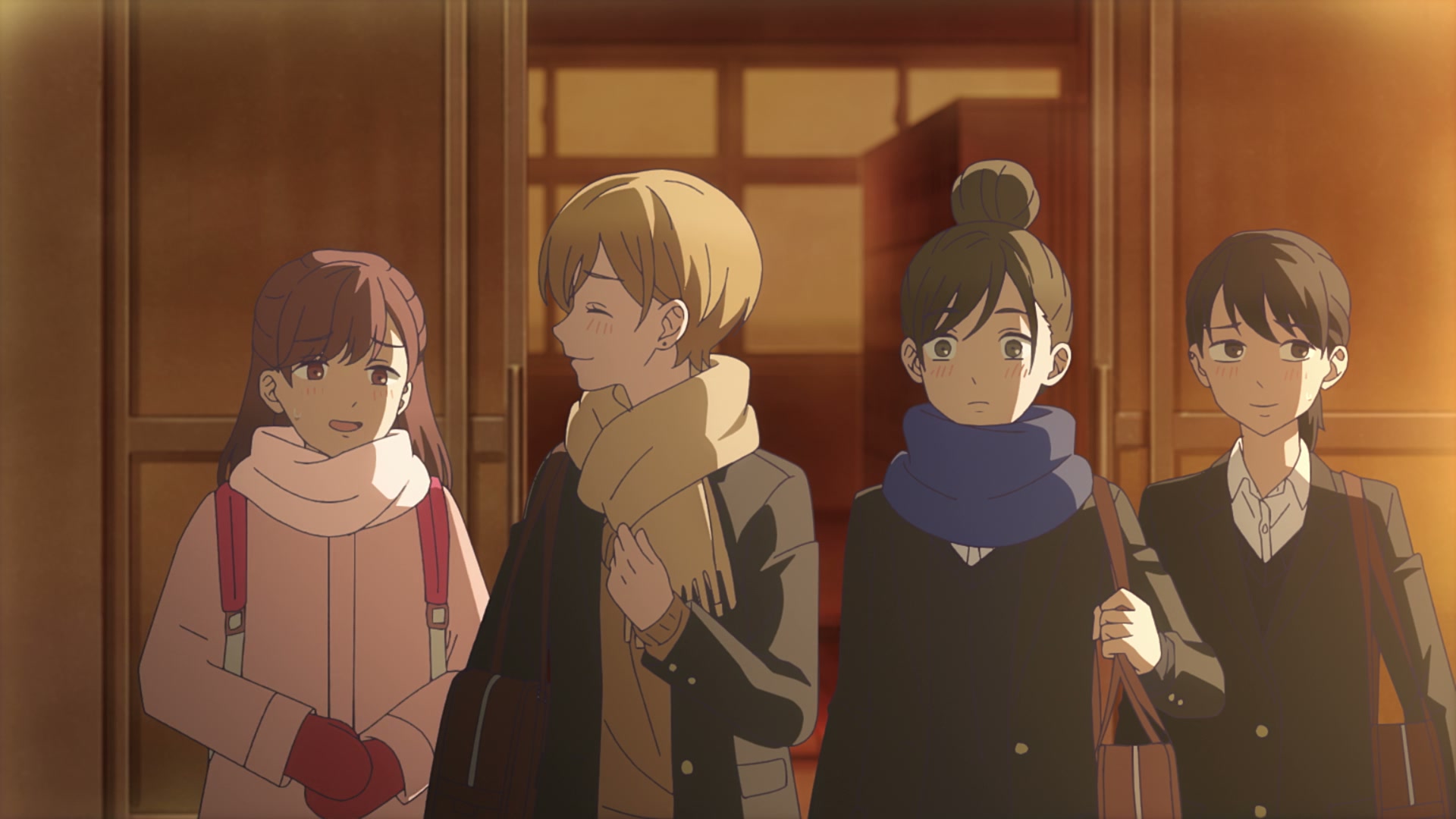
The final scene back in the classroom, with Miki joking about her panic over arm sweat and all the girls laughing, feels earned. The show doesn’t pretend everything is magically fixed, but the tension has dissolved into something warmer. The friends are smiling, Miki is allowed to be a little weird, and the distance that had grown between them shrinks to nothing.
This episode gave Miki the spotlight she needed, and it used her arc to reinforce one of the show’s quiet themes: the exhausting performance of being “likeable” is rarely worth the cost. Watching Miki stumble into being more herself, with her legs spread and her paper wrinkly, is a genuinely satisfying step forward. The friend group isn’t just intact; it’s finally starting to feel real.
Screenshots
[…] ← Episode 8 | All Koori no Jouheki Season 1 posts → […]