





The flashback we needed drops us straight into the discomfort of new classrooms, and that specific, cold-war tension when the cool beauty and the loud gal just don’t click. Episode nine of Otaku ni Yasashii Gal wa Inai takes a breather from the trio’s present dynamics to show how Ijichi Kotoko and Amane Kei first became friends, using a conversation at a bakery while they wait for Genichiro’s marathon bath to finish. On paper it’s a recap, but its real value lies in the emotional honesty it wrings from a misunderstanding that could have easily stayed a simple “sorry” and moved on.
How They Actually Became Friends
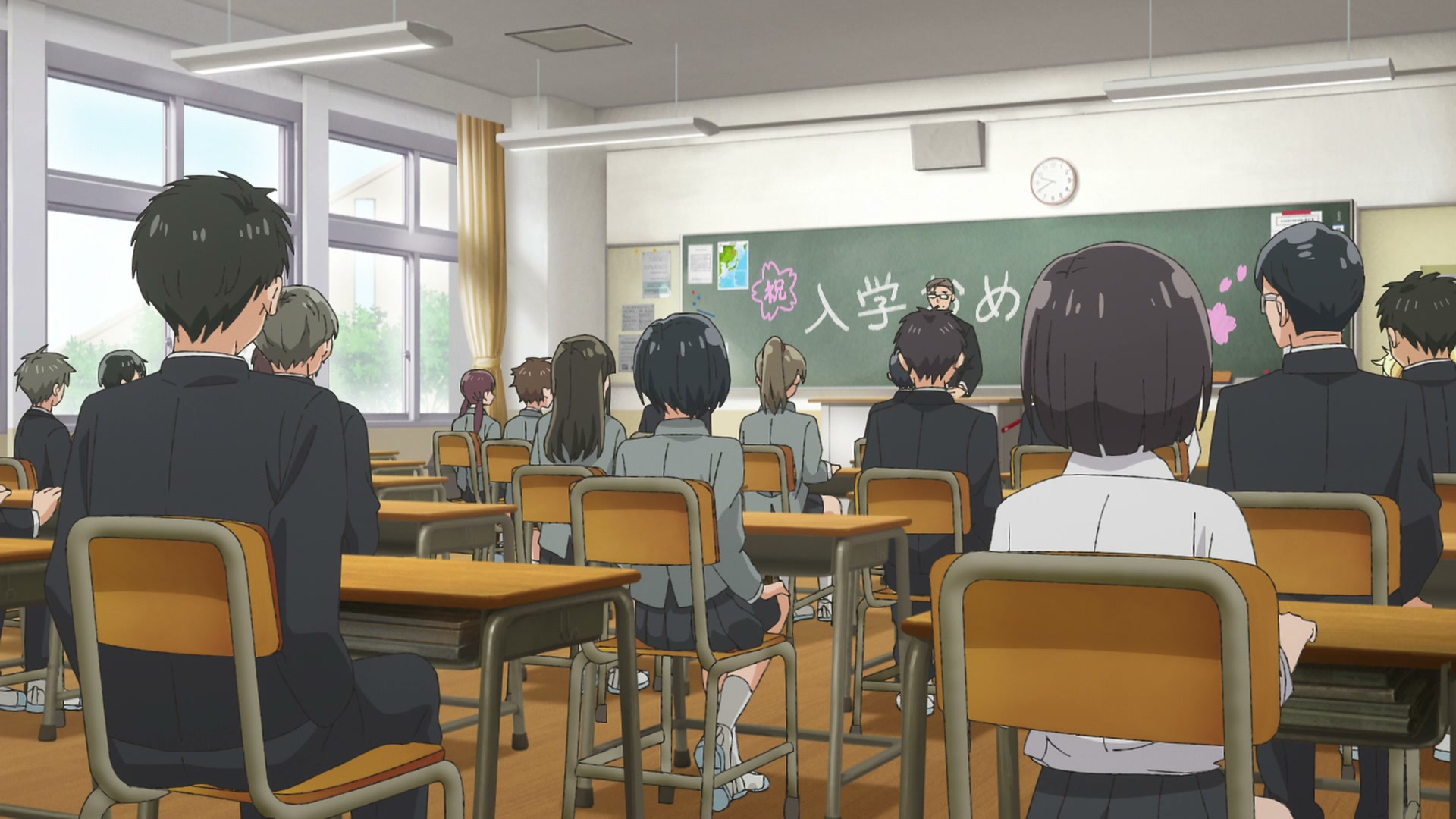
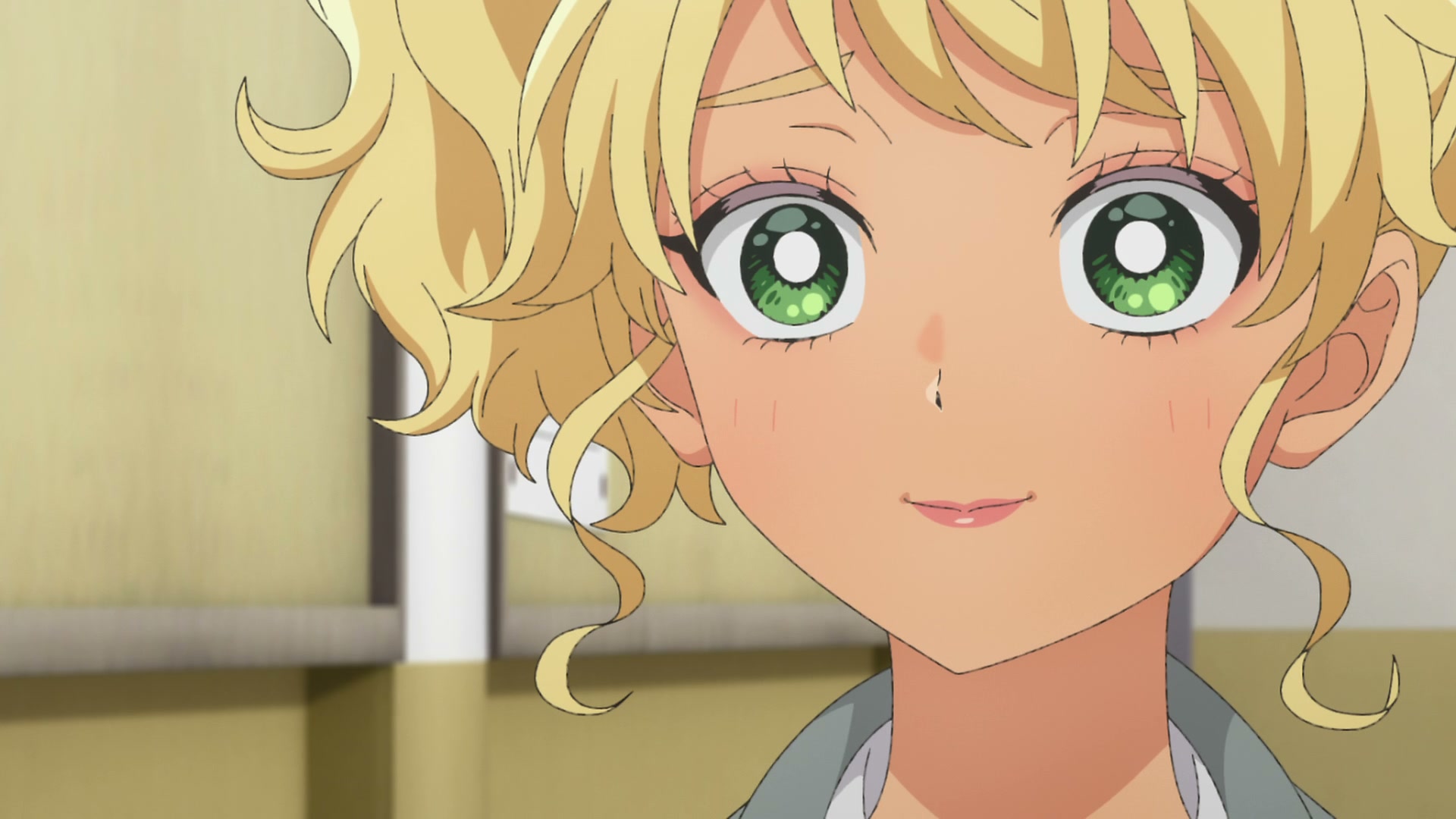
The flashback starts on the first day of high school. Amane Kei glides through the hallway like she’s already tired of being stared at, which, given the “older sister” aura Ijichi’s internal monologue immediately assigns her, feels less like an assumption and more like a survival strategy. Ijichi, meanwhile, brightens the room with the same “let’s all go to karaoke!” energy that later becomes the glue of the group. Their seat arrangement puts Ijichi directly behind Amane, and the mismatch is immediate. Ijichi’s friendly grin gets met with what she calls “a sinister grin,” and Amane privately admits she couldn’t help staring because Ijichi looks exactly like her favorite character Micchi from Kiramon.
That’s the core of the episode: both girls are misreading each other based on their own baggage. Amane’s cool exterior masks an otaku who has been hurt before and is terrified of a repeat. Ijichi’s relentless friendliness masks a need to be liked so strong she’ll say yes to everyone, even when it means steamrolling someone’s comfort. The show doesn’t frame either as a villain. It just lets the tension build until the group outing at the arcade.
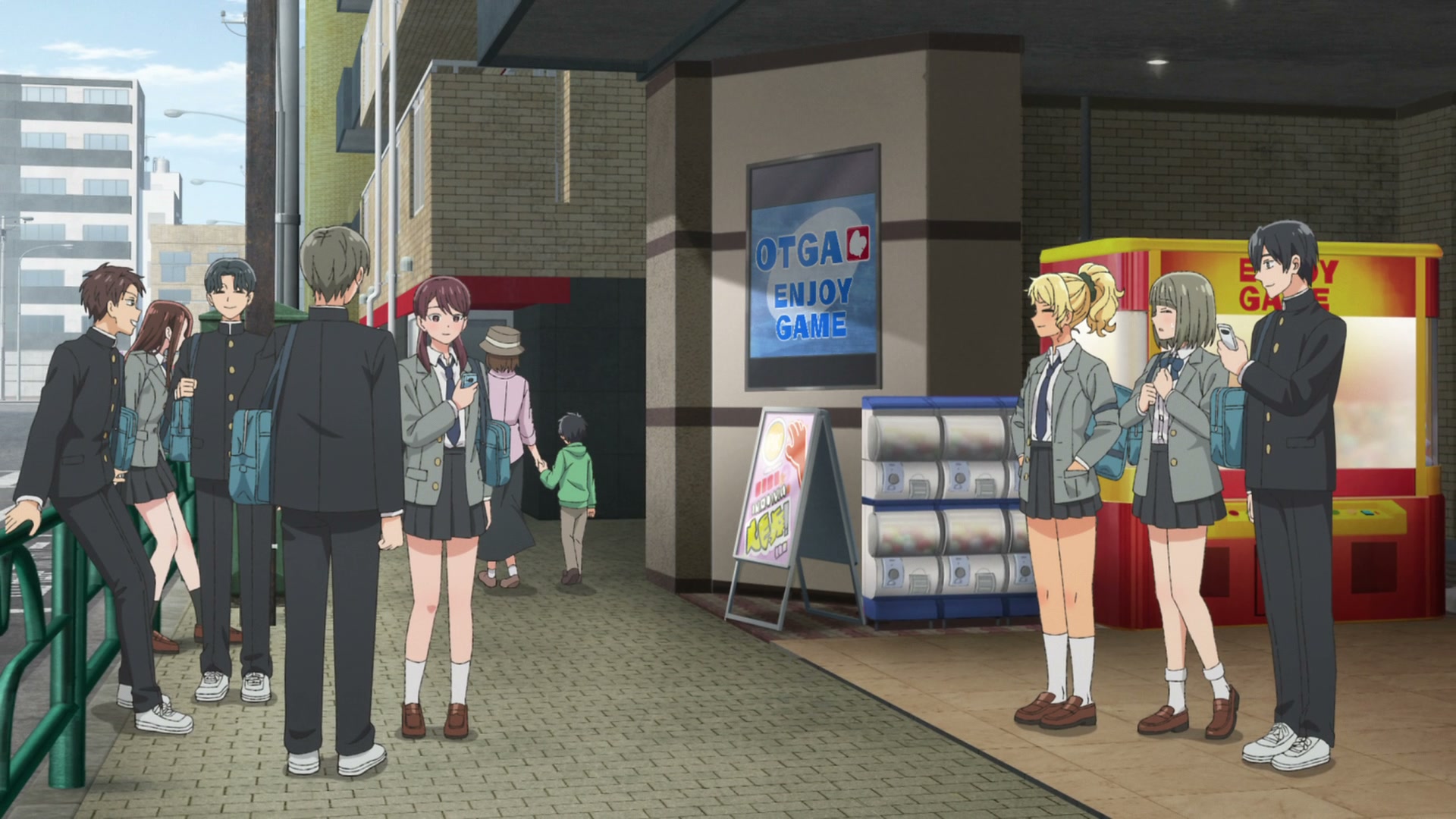
The arcade plan starts with Ijichi excited to hang out with just a few girls, including Amane. Then the boys ask to come, and Ijichi’s instinct to be the friendly connector kicks in: “Oh, totally! It’s more fun with more people.” She never stops to ask Amane, who only agreed to go because she thought it would be a small, safe group. When Amane confronts her afterwards, she’s blunt and cold. “I’m actually really disappointed in you. You can’t expect everyone to want to hang out in a big group. You should have at least asked me first.” It stings because it’s entirely fair. Ijichi’s face falls. There’s no exaggerated comedy, just a quiet “Did I totally screw up?” that feels more honest than any of the previous episodes’ lighter conflicts.
Amane's Mask Was Never Just About Otaku Hobbies
What makes this work as more than a simple apology arc is how the episode layers Amane’s fear. We’ve known since episode one that she hides her Kiramon fandom behind an “iron mask,” but here we see that the mask is broader. She’s afraid of groups, of boys, of being left behind. When she overhears Shion and Mayu the next day talking about Ijichi’s thoughtful planning (Ijichi made a list of things to talk about, asked Shion to make sure Amane wasn’t left alone), the guilt crashes hard. The internal “What the hell am I doing?!” followed by “Here I thought she was so insensitive… But which one of us was actually?” is a moment of genuine self-awareness that Amane rarely let herself have before meeting this pair.
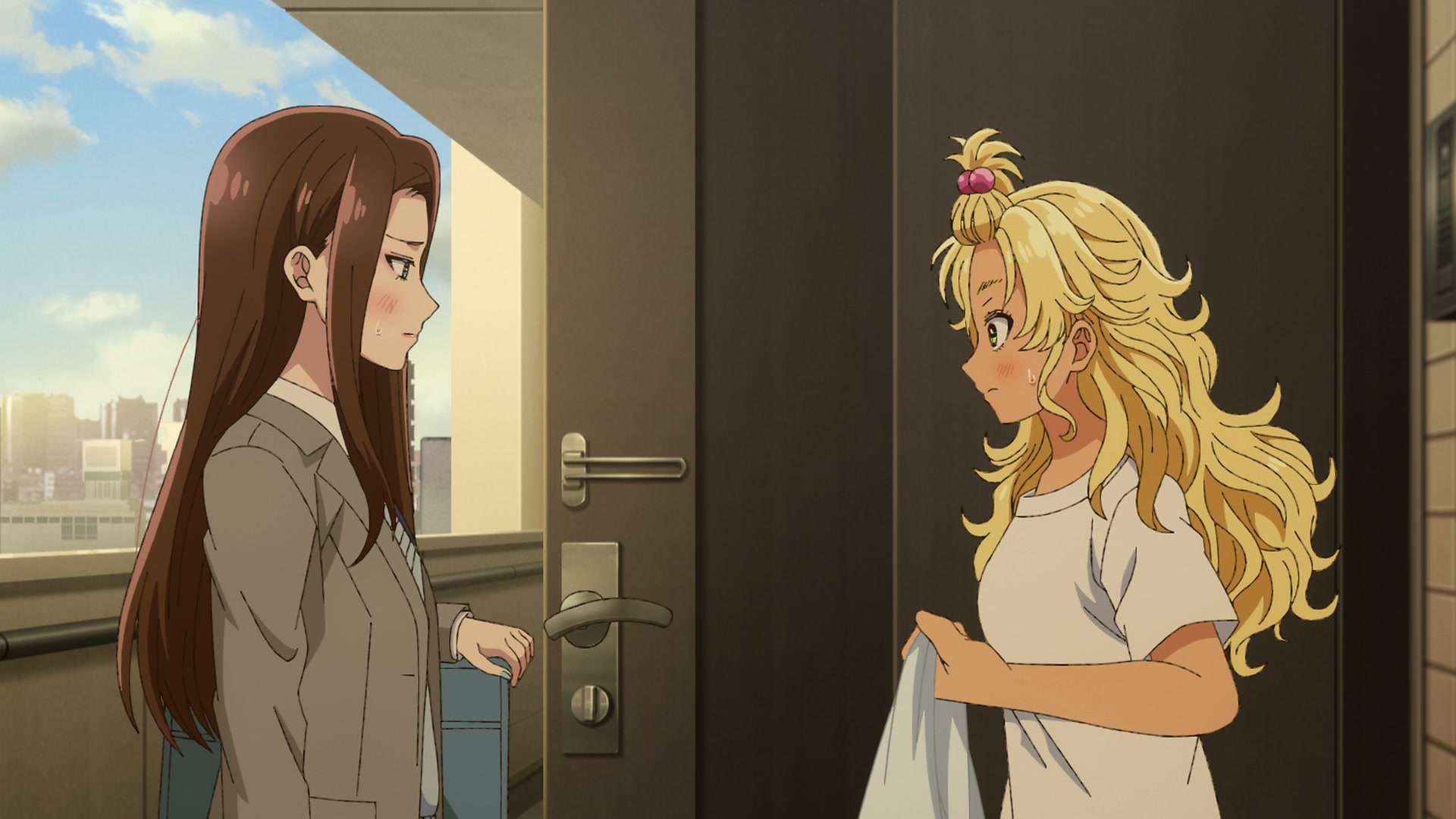
Her decision to visit Ijichi’s house that same day, to apologize in person, isn’t just about saving face. She brings a gift for the sick brothers, stumbles through an apology, and then adds something more important: “The girls told me you were being all kinds of considerate for me. And that… made me really happy.” The crack in her voice here is real. For someone who spent middle school isolated and masking, being considered for in that way is deeply disarming.
Ijichi's Confession About the Gal Who Wanted Approval
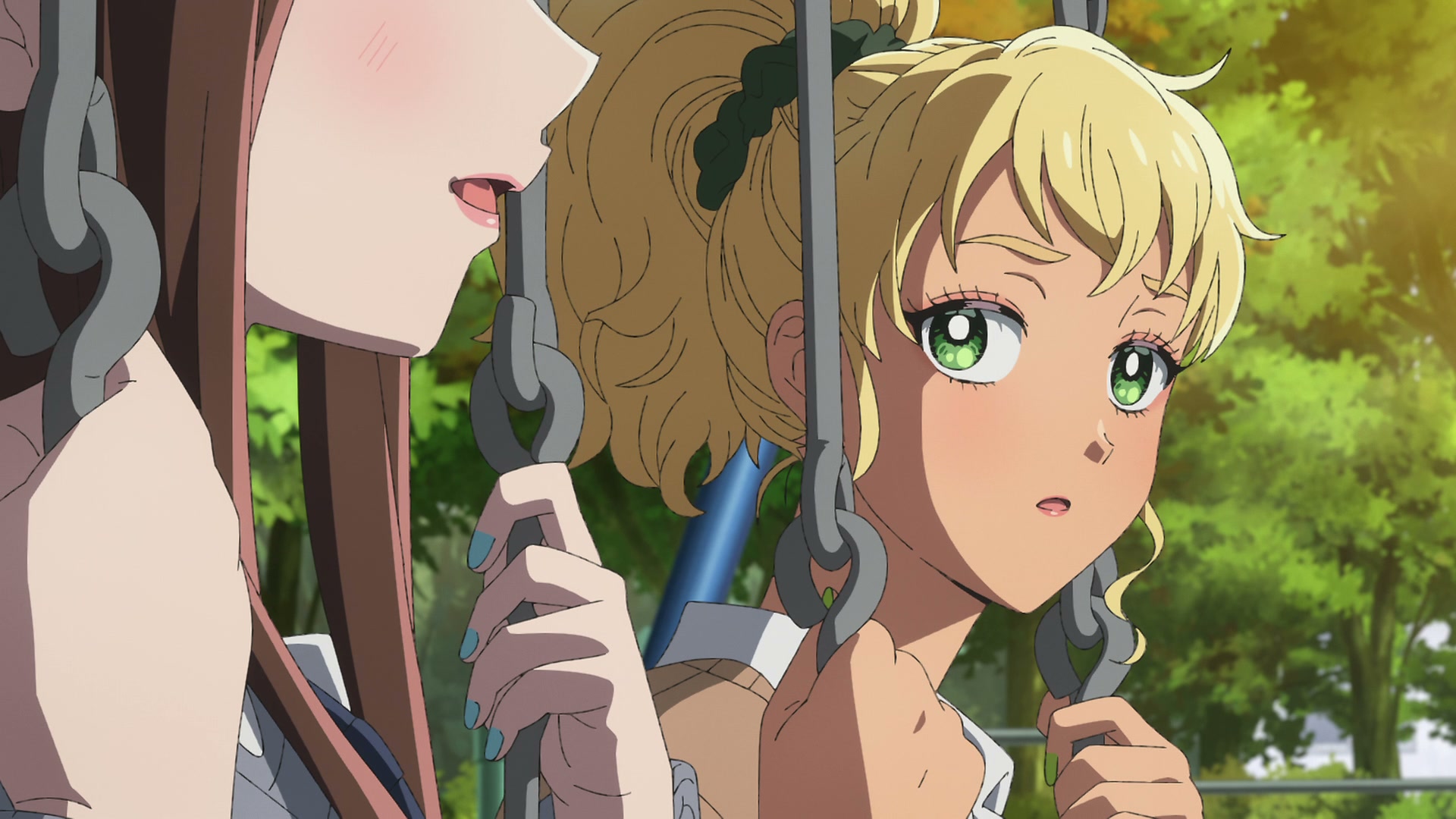
The bakery framing in the present day gives Ijichi a chance to revisit the story, and what she says reframes the entire flashback. Amane thanks her for inviting her that day, for not giving up even when she lashed out. Ijichi’s response is not what you’d expect from the endlessly positive gal. She admits she only thinks about herself, that she wanted people to like her and didn’t want to spoil the mood. “It was all about me.” That’s a remarkably blunt self-assessment for a character who usually deflects with brightness. It doesn’t undo her kindness; it just adds a layer of neediness. She wasn’t just being nice. She was performing niceness for validation. The fact that she can articulate that now, and that Amane hears it and still says “You’re pretty awesome, Ijichi,” shows how far their trust has come.
This isn’t a confession of a hidden dark side, but it’s the sort of quiet, unglamorous self-knowledge that makes a friendship feel earned. The show avoids the trap of making Ijichi a pure-hearted savior. She’s a teenager who messed up because she was thinking about her own image, and she’s still figuring out how to balance her desire to be liked with actually caring for her friends.
One Japanese Detail Worth Mentioning
When Amane apologizes properly, she uses “-san” again, and Ijichi’s tearful relief leads them to drop honorifics: “Just call me Ijichi. And I’ll call you Amane.” The shift from “Amane-san” to “Amane” is the quiet marker of their real beginning. The present-day scene mirrors this when they try out first names. “Kei.” “Kotoko.” It’s sweet but slightly awkward, and they immediately revert to Amane and Ijichi. That’s exactly right: they’ve finally reached a place where the names they’ve used since that day feel warmer than new ones. The nickname change isn’t the point; the mutual comfort is.
A Small Bakery Scene That Ties the Flashback Together
The decision to set the framing story in a bakery early in the morning, right after the chaotic sleepover at Gen’s, is quiet genius. The girls are tired, a little disheveled, eating croissant sandwiches while they wait for a famously long bath. It’s the opposite of the high-energy arcade and classroom scenes that dominate the flashback. That relaxed, almost mundane coziness is the proof of concept for the whole friendship. The episode doesn’t need to yell about how close they are now; it just shows them sitting together, talking honestly about a time when they weren’t.
The little touches matter: Ijichi casually mentioning Gen always takes forever, Amane immediately calling Ijichi “a little kid” for conking out with her stomach exposed, the way the conversation just flows. It’s the same energy as two friends reminiscing about a terrible first date they now laugh about. The show trusts that we’ve been watching these two grow closer for eight episodes, so a simple scene like this lands.
Where This Leaves the Pair
What lingers is the quiet admission that Amane’s secret Kiramon fandom was partly obvious to Ijichi all along. In the flashback, Amane’s internal monologue panics when she accidentally corrects Seo’s misinformation about Keppi’s debut episode, but Ijichi never outs her. In the present, Ijichi says she knew Amane was into Kiramon, just not that she was a full-blown otaku. That gentle, non-judgmental awareness is the foundation of their dynamic: Ijichi saw the mask and simply waited. Amane, who spent so long terrified of being seen, was already seen and accepted from practically day one.
The episode doesn’t push the romantic triangle forward or tease big dramatic shifts. It just sits with the friendship that made everything else possible. For a show about gals and otaku that regularly plays with the tension between public selves and private passions, “How We Became Friends” is the kind of episode that feels small but leaves a lot under the surface. Ijichi wanted to be liked, Amane wanted to be safe, and somehow they ended up with something sturdy enough to survive a sleepover, a shared shower, and a long wait for Genichiro to get out of the bath. That’s a win.
Screenshots
← Episode 8 | All Otaku ni Yasashii Gal wa Inai Season 1 posts →
[…] ← Episode 9 | All Otaku ni Yasashii Gal wa Inai Season 1 posts → […]