




With the FIFA World Cup 2026 capturing global attention, there’s one soccer anime that can deepen your appreciation of the matches: GIANT KILLING. The story of Tatsumi Takeshi rebuilding a struggling club offers viewers a unique angle—enjoying soccer through the eyes of a coach, not just a player. Now is the perfect time to revisit this series.
The Real Tension of a Manager as Protagonist
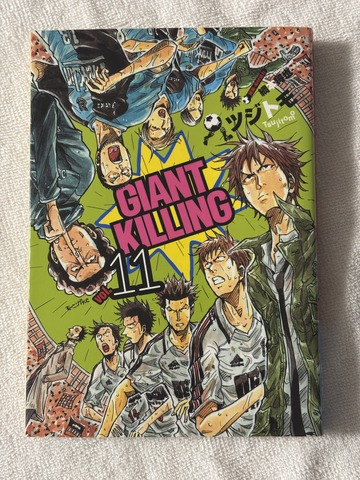
Based on the manga by Tsunamoto Masaya (original concept) and Tsujitomo (art), which began serialization in 2007, GIANT KILLING follows ETU, a once-popular professional soccer team now barely staying afloat in the Japan Football Division 1. Desperate for a turnaround, the club brings back former star player Tatsumi Takeshi as manager. Tatsumi had disappeared from the scene after a career-ending injury ten years earlier, but he had since coached an amateur British club to the FA Cup Round of 32—a remarkable feat against top-tier pros.
Returning to Japan, Tatsumi faces hostility from fans who blame him for ETU’s decline after he left for England, and resentment from veteran players who had held the team together. The atmosphere is tense from the start. Yet, with his unorthodox tactics and cool judgment, Tatsumi begins to shake up the league, even defeating powerful opponents. The team’s spirit and supporter passion reignite as his philosophy of “GIANT KILLING”—the small defeating the mighty through wit and courage—spreads through ETU.
The anime’s charm lies in letting viewers experience matches from the manager’s perspective. You see why a certain formation is chosen in the first half, how players defend against an attack, and how motivation builds. It’s like watching a chessboard from the strategist’s side.
Tatsumi Takeshi’s Unconventional Tactics
Early in the story, Tatsumi surprises the team with bizarre methods for deciding starters: sprint tests, dividing players into red-and-white scrimmage groups, throwing rookie Tsubaki Daisuke into the starting lineup, and even leaving the squad to study on their own during camp. He shakes up the hierarchy by stripping defensive midfielder Murakoshi Shigeyuki of the captaincy and giving it to attacking midfielder Gino. The team is bewildered, but the games become increasingly fascinating. Tsubaki emerges as a new offensive linchpin, Gino’s passes click, and Murakoshi’s defense tightens—all depicted with realistic dynamism.
The anime also explores the human side of soccer: loyal supporters who travel to away games and cheer from behind the goal, and front-office staff who shield Tatsumi from angry fan protests. These off-pitch moments add depth and make you appreciate the broader context of every match broadcast.
Understanding Tactics Makes Soccer More Enjoyable
Broadcast from April to September 2010 over 26 episodes, GIANT KILLING remains a masterclass in explaining soccer tactics and rules through excellent pacing, direction, and commentary. Even 16 years later, watching it before the FIFA World Cup 2026 gives you a new lens for viewing live games. When you watch matches, you’ll find yourself thinking about each player’s positional intent—just as Tatsumi does. The anime doesn’t only feature Tatsumi; other managers like Hiraizumi of Tokyo Victory, Fuwa of Nagoya Grampales, and Dalfar of Osaka Gunners also showcase distinct strategies, adding layers to every confrontation.
If you can spot a “GIANT KILLING” in real time, your World Cup experience will be even richer. We highly recommend pairing the FIFA World Cup 2026 with a viewing of this anime.
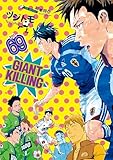
The latest volume 69 of the manga (GIANT KILLING (69) Morning Comics) is priced at ¥869 (price at time of writing).
Written by Ebisawa Nachi