




When Being Superman Means Flying Alone
The café opening is a perfect little microcosm of where Natsuki is right now. Second day on the job, and he’s already running the kitchen solo, whipping up Napolitan while Kirishima-san marvels at how fast he picked it up. Natsuki deflects with a modest “I cook at home,” but his internal monologue fills in the truth. Café job in college, years of studying cooking. The accumulated skills of an adult stuffed into a sixteen-year-old body, and everyone around him can tell something is off even if they can’t name it.
The friends show up, and it’s all warm chaos. Uta barges in with her usual energy, Reita and Tatsuya in tow, Hikari absent because of a strict curfew. The bit where Uta asks Natsuki if he’s happy they’re friends and drags a reluctant “sure” out of him is exactly the kind of push-pull that defines their dynamic. She’s relentless, he’s flustered, and you can already feel the shape of something starting to form between them even if Natsuki himself is too busy staring at Hikari to notice.
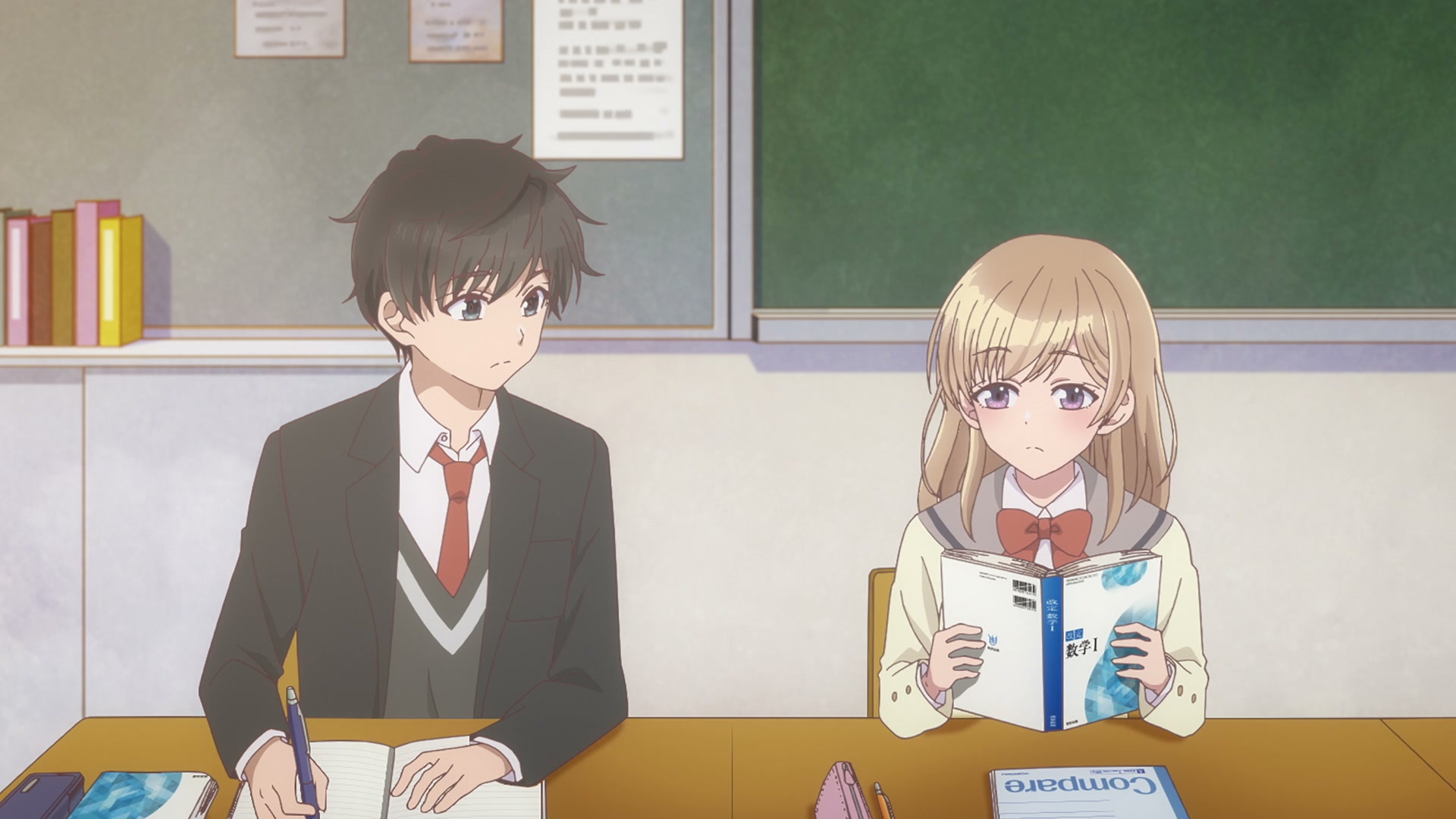
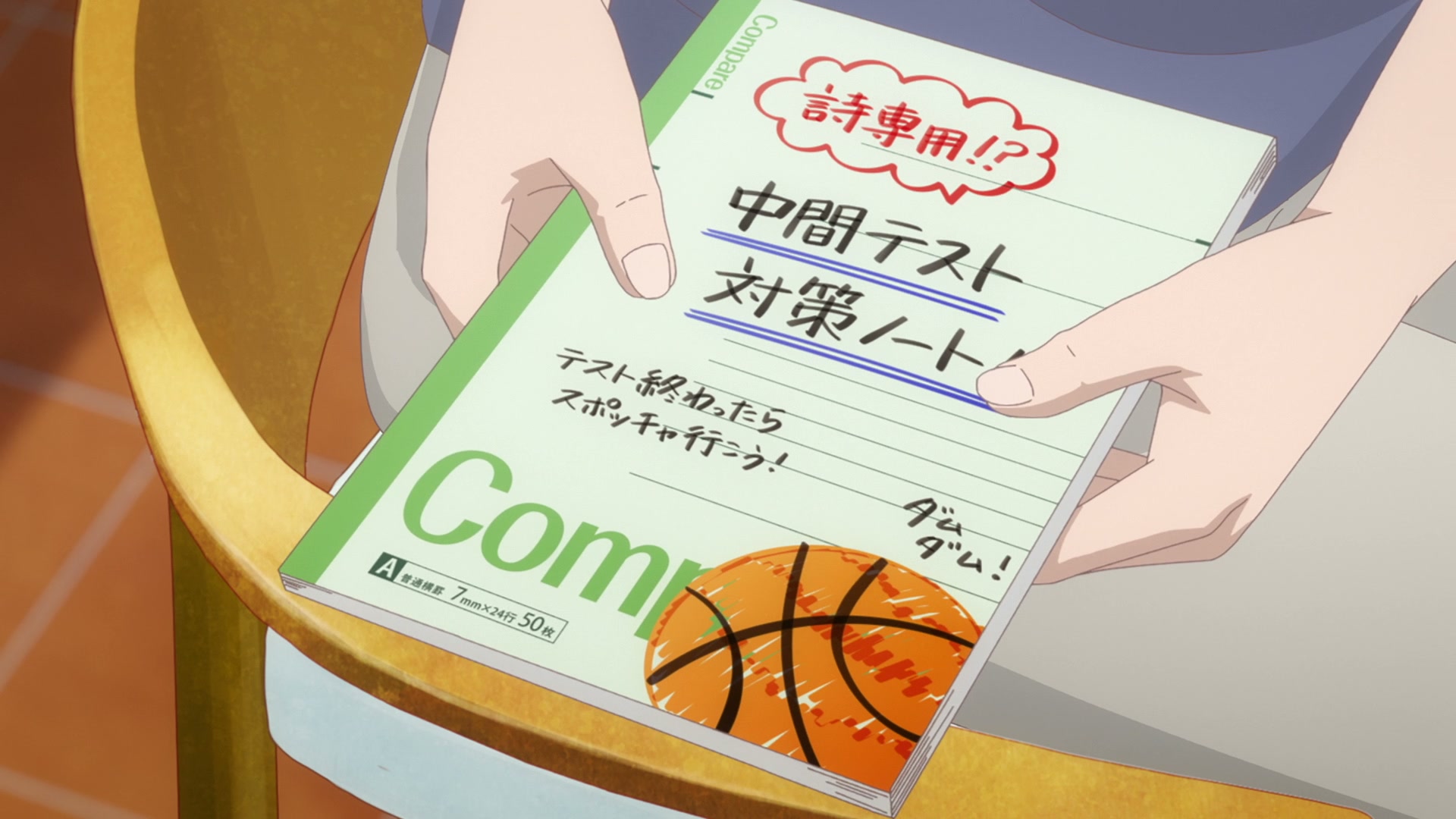
But the episode plants its real flag during the study sessions. Natsuki, ever the tutor from his original timeline, makes a tailored review sheet for Uta. He stayed up all night, and the exhaustion is genuine, but the gesture lands differently than he intended. When Uta thanks him and says she can’t fail after everything he’s done, there’s a weight to it. She’s not just grateful. She’s motivated by him specifically.
Then Miori slides in like a cat who knows exactly where the can opener is kept.
Miori Plants the Seed (and Refuses to Water It)
Miori’s appearance at the study spot with Serika is framed as coincidence, but everything she says after that is surgical. She pulls Natsuki aside and drops two bombs in quick succession: one, Uta talks about him all the time at basketball practice (“totally turning into a lovestruck girl”), and two, as his “partner in crime,” she could probably get them together if he wants. Natsuki short-circuits. The idea that Uta might like him hasn’t even entered his field of view, because his entire operation is calibrated toward Hikari.
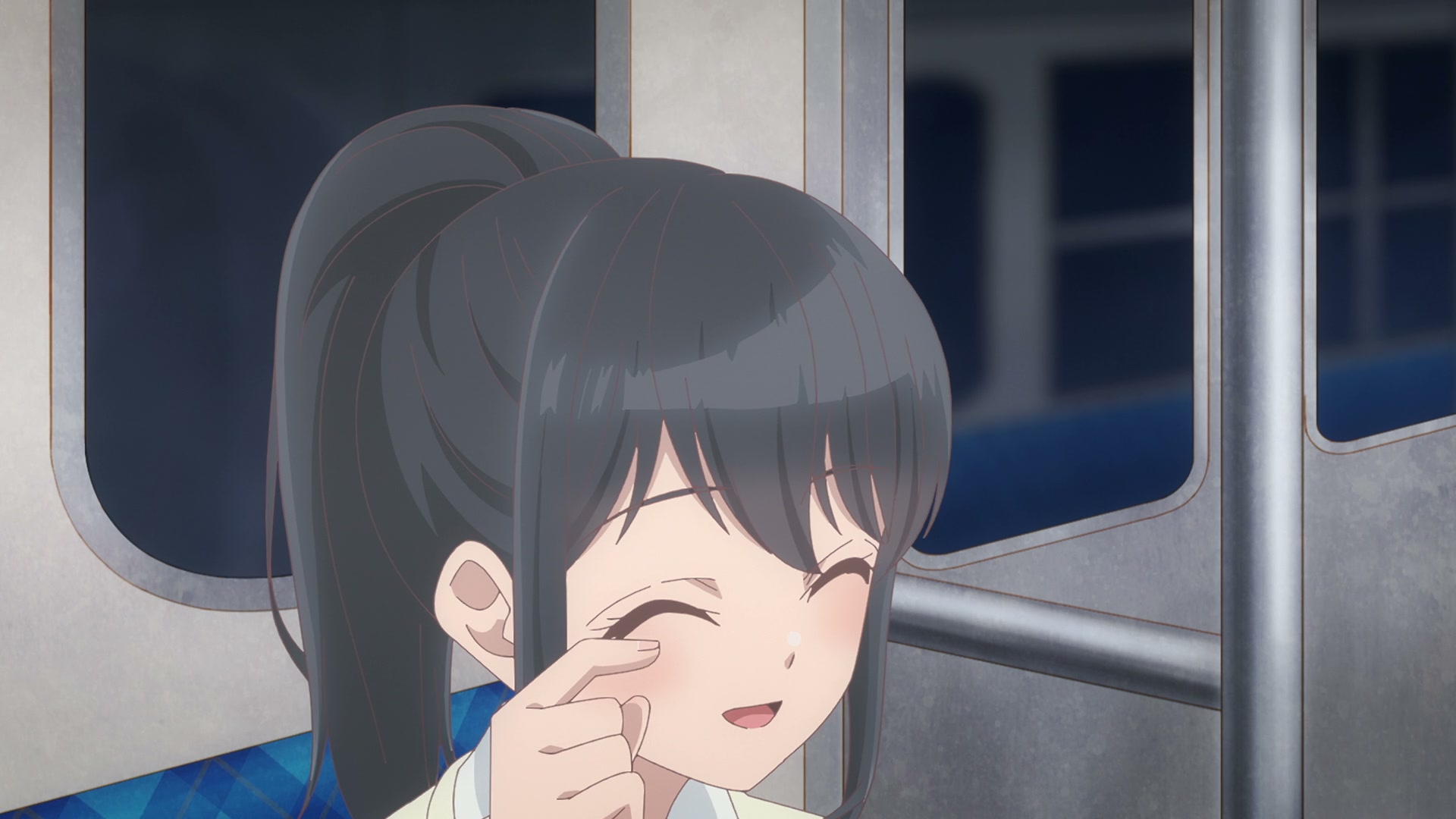
What makes Miori’s role here so good is that she doesn’t push. She plants the information and walks away, later telling him on the train that he’s “hit a snag” without explaining what it is. She’s watching him navigate a social web he’s not equipped for, and her refusal to elaborate feels less like cruelty and more like a test. He has to figure this one out on his own.
The train conversation also gives us the first real callback to Natsuki’s “plan for a colorful adolescence,” which Miori finds hilarious. He’s embarrassed that she even knows the name. It’s a small thing, but it reminds you that for all his tactical brilliance, he’s still clinging to this earnestly dorky framework. He thinks he’s executing a plan. The universe, meanwhile, is introducing variables he never accounted for: other people’s feelings.
Hikari’s Quiet Radar
Hikari’s late-night phone call to Natsuki is an oddbeat scene that initially seems like padding until you replay it in your head. She asks about Tatsuya. Thinks he’s seemed down. Wonders if Natsuki, as another guy, might know why. Natsuki brushes it off. He hasn’t noticed anything.
She noticed, though. Hikari’s emotional perception is sharper than Natsuki’s, and that call sets up the karaoke sequence perfectly. She saw the shape of a problem before the explosion. Whether that comes from friendship, something more toward Tatsuya, or just her general attentiveness is left ambiguous. Right now it just adds another layer. The people around Natsuki are reading each other constantly, and he’s still operating off a script from a different decade.
Karaoke Breaks the Spell
The post-exam karaoke celebration starts as pure release. Yuino belts something idol-like to applause. Natsuki, internally nervous, picks an Aqua Timez song, and Uta lights up because they share the same taste. They sing together, and then everything shifts.
Natsuki can sing. Like, really sing. The kind of good where the room stops being a hangout and becomes an audience. Uta physically sits down mid-song to get out of his way. Reita accuses him of sarcasm when he says he’s nervous. Hikari is “basking in the afterglow.” Yuino declares herself a fan.
And Tatsuya sits there watching Uta watch Natsuki.
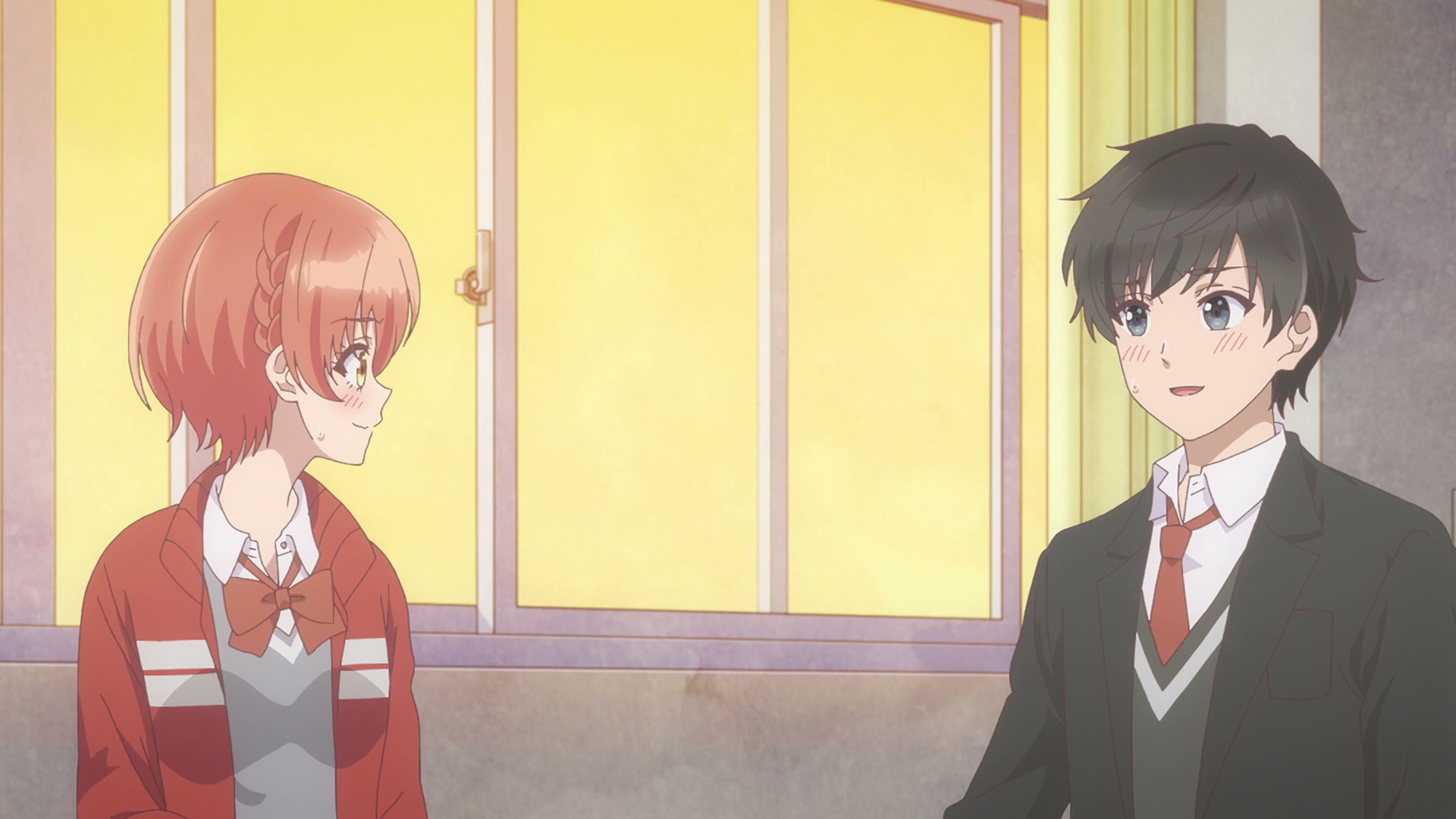
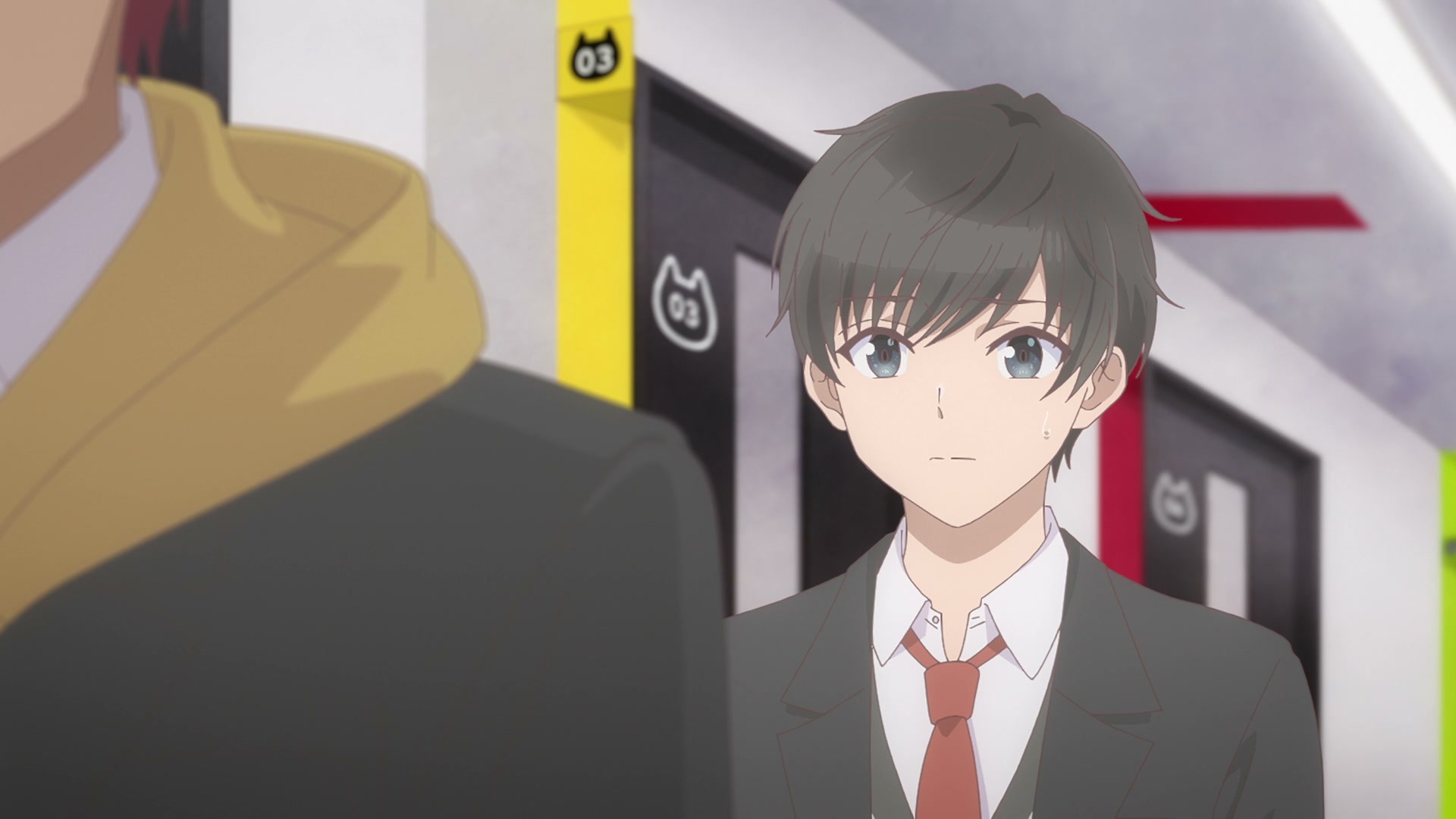
The fun evaporates the moment Tatsuya stands up and says he’s leaving. No anger, no scene. Just a quiet exit. Natsuki follows, and the confrontation that follows is the emotional core of the entire episode. Tatsuya’s voice cracks when he says, “Sometimes I feel so pathetic, I just want to be alone.” Then the knife: “You wouldn’t get it, since you’re Superman.”
Natsuki’s confusion is genuine. He’s not being modest. He truly doesn’t understand how he looks from the outside. All the things that made him proud this episode, the cooking, the tutoring, the singing, are the exact same things that hollowed Tatsuya out.
The Jealousy That No One Named Until Now
Reita explains everything back at the karaoke booth with the kind of calm directness only he can pull off. Basketball was Tatsuya’s identity, and Natsuki beat him. Cooking, studying, singing. Perfect at everything. And Uta was charmed. Tatsuya likes Uta.
This has been building since the one-on-one in episode two, but the show never telegraphed it as a triangle until now. Uta’s attention has been drifting toward Natsuki organically. She’s not doing it to hurt Tatsuya. She’s just responding to someone who keeps accidentally impressing her. And Tatsuya, who fronts like nothing bothers him, has been absorbing every bit of it.
Natsuki’s reaction is what makes the scene land. “I looked up to Tatsuya. I wanted to be someone as cheerful and fun as him.” This isn’t pity. It’s grief. The guy he admired, the guy he wanted to become, now resents him for succeeding at the very thing he set out to do.
And the worst part? Natsuki immediately blames himself. His internal monologue closes the episode on a brutally self-aware note: “Both now and back then, I’m terrible at understanding people’s emotions. That hasn’t changed.”
He got a second chance at youth, but he didn’t get a new brain. The adult awareness that made him train, cook, and study ahead of the curve is the same awareness that still can’t read a room. The plan for a colorful adolescence didn’t include a footnote about making your friends feel small.
Screenshots
← Episode 2 | All Haibara-kun no Tsuyokute Seishun New Game Season 1 posts →