

Miori’s Walls Finally Come Down
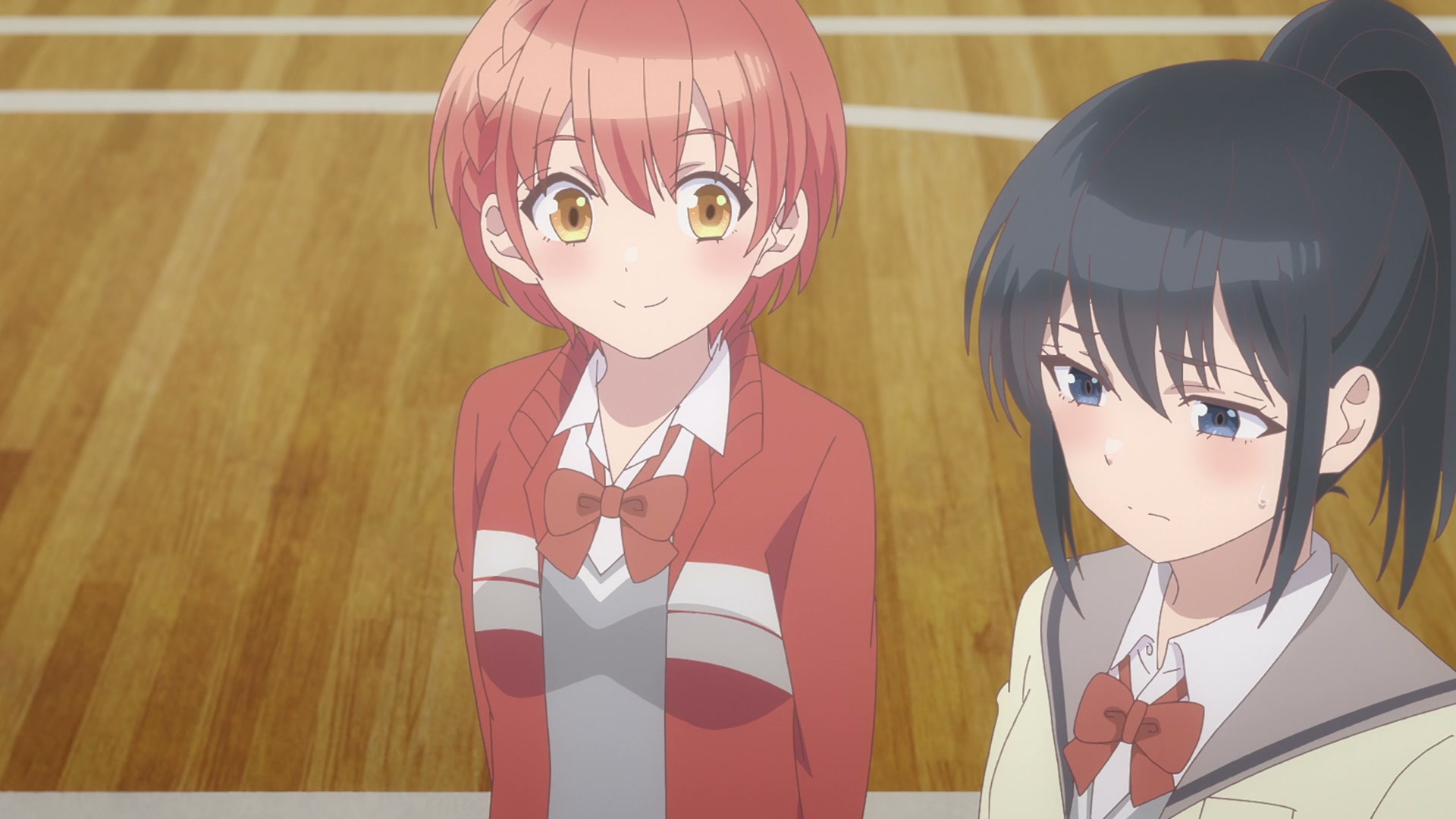
Natsuki’s whole deal since the redo began has been about dropping the act and letting people see the real him. Episode 4 blew that open with the Tatsuya confession, and the group absorbed it. But Miori, the person who dragged him out of hiding in the rain and told him to stop pretending, has been doing the same thing in reverse: closing herself off completely.
This episode takes that dynamic and shoves it into a basketball court, where the metaphor gets physical. She can’t pass. It’s the yips, but the anime treats it like what it actually is: a trust injury that’s turned into a physical block. Her upperclassmen talked behind her back, she overheard it, and now every pass toward them feels like handing over something fragile to people who already broke it once.
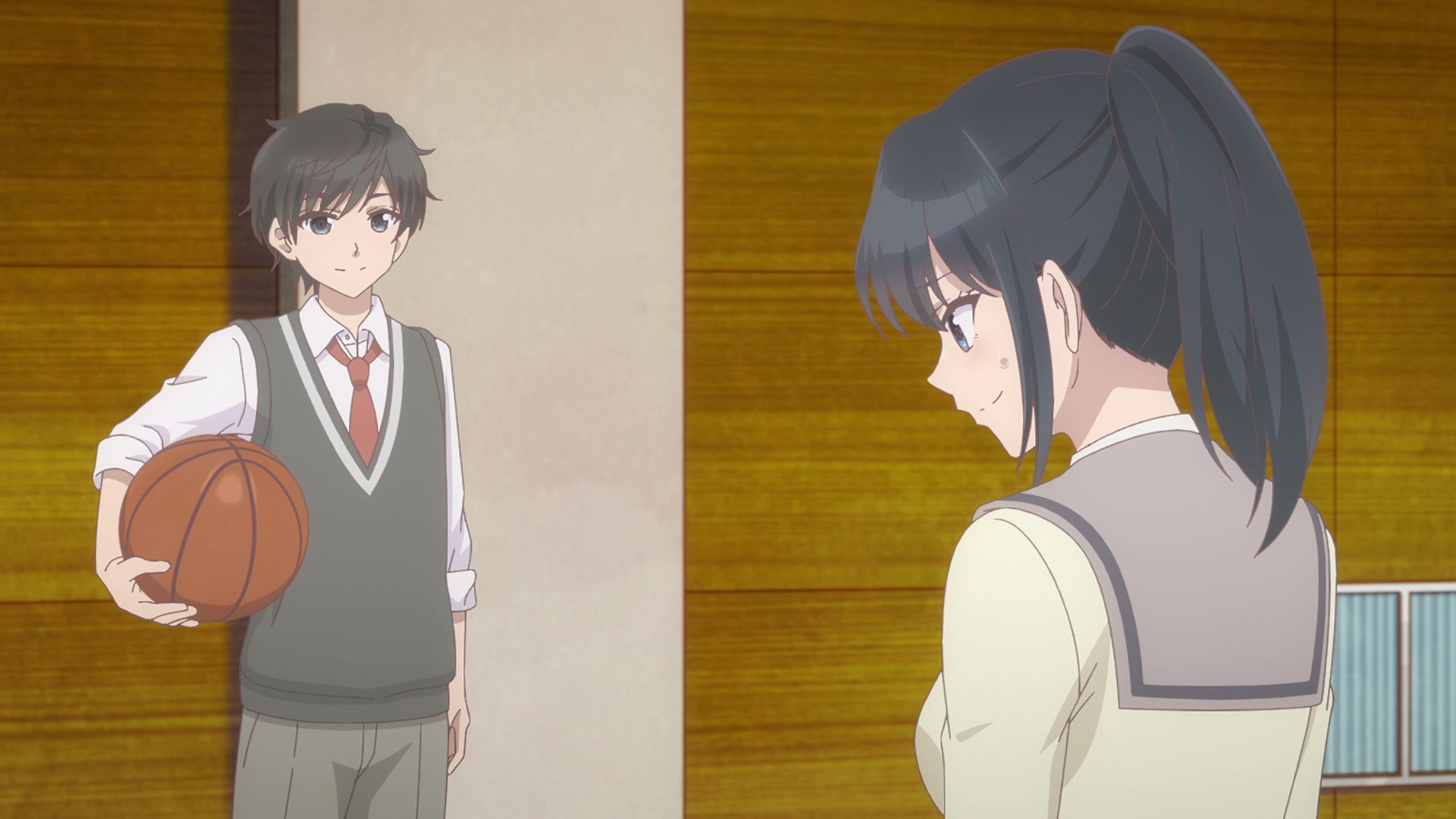
Natsuki’s approach this time isn’t to hover or lecture. He lures her into a one-on-one game, puts his own dignity on the line (the “I’ll be your property” line is wild but also very Natsuki—he always overcommits the terms), and then wins. Not through some adult-skill flex, either. He just plays. And when Miori has to honor the bet, she finally says the thing she’s been carrying: she’s scared, she’s hurt, she doesn’t want to seem weak, and she’s been pushing everyone away because asking for help feels like admitting defeat.
The “we’re friends, aren’t we?” beat lands because the show has earned it. Miori called Natsuki out on his isolation back in episode 4. Now that logic gets turned on her, and she can’t deflect it. The hug that follows is awkward and long enough that Uta comments on it, but it doesn’t feel cheap. Natsuki’s internal monologue about not knowing when to let go is exactly the kind of dweeby sincerity that keeps his character from ever sliding into smooth-operator territory.
Uta’s role here is essential. She’s not just the referee or the third wheel; she’s the one who catches Miori’s passes first and proves that passes are possible. The practice sequence, set to a quiet outdoor court, uses the basketball as a stand-in for emotional connection. Natsuki catches it, Uta drops it, Miori panics, and then slowly, through repetition and patience, it works. It’s the kind of scene that would feel like a therapy exercise in a lesser show, but here it plays like a natural extension of two people who care about her refusing to let her spiral alone.
The Tanabata Date Has Real Weight
The second half shifts entirely to Uta and Natsuki’s festival date, and it’s the strongest chunk of romantic development the show has done so far. Uta’s been carrying visible feelings for several episodes, and the nighttime call in episode 5 made it explicit. Here, she invites him to Tanabata, just the two of them, and Natsuki, who’s still emotionally aware enough to recognize what that means, says yes.
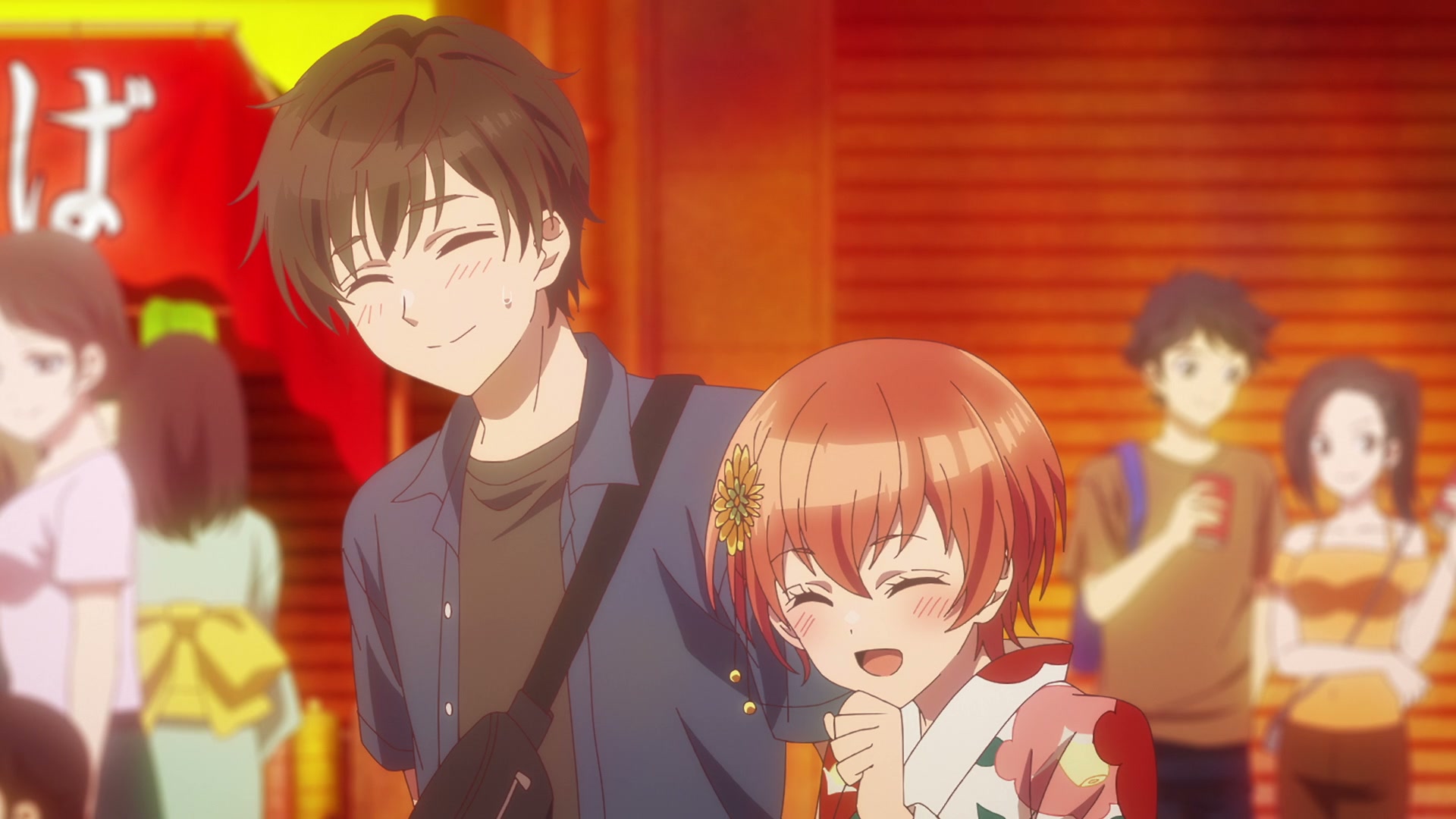
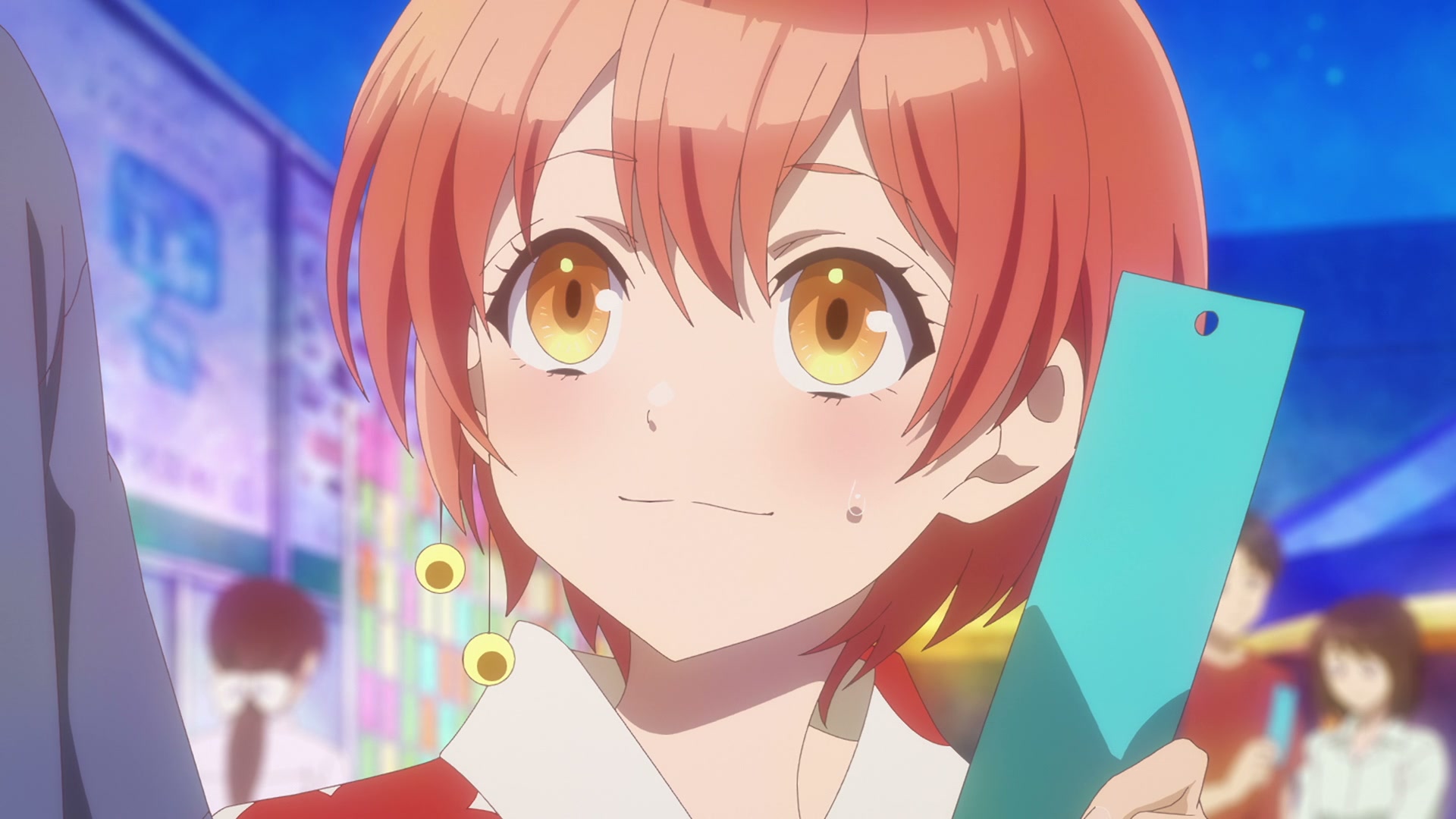
The date itself is full of small, telling moments. Uta’s yukata, her nervousness about whether he’s looking at her or not, the cotton candy, the okonomiyaki stand belonging to her family that they both immediately agree to avoid (meeting the parents is not on the menu yet). The yakisoba half-share leads to an indirect kiss, and Natsuki’s internal monologue about whether Uta even cares about that kind of thing is one of those quiet indicators that he’s still not reading her as clearly as he thinks he is.
The shooting gallery bit is a nice comedic interlude. Natsuki’s overconfident “let me handle this” evaporating into failure, Uta winning through sheer luck and calling it a skill, and the small stuffed prize she gives him. These aren’t groundbreaking dating scenes, but they’re grounded in the characters. The exchange where he buys her something in return because he’s been working while she’s at practice, and she lets herself be spoiled “maybe just a little,” shows how their dynamic is shifting from group-friend warmth into something more intentional.
Then comes the late-night walk home and the moment that recontextualizes the whole date. Uta leans in, whispers that she won’t say it out loud yet so he shouldn’t either, but that she’s not giving up. No matter who’s in his heart right now, she’ll outdo them. She’ll make him look her way. It’s a direct, confident, almost aggressive declaration delivered in a low voice while she’s essentially tucked against him. And then she pulls back, says she’s really leaving this time, and walks off with a cheerful goodbye.
Natsuki’s “that’s not fair” afterward is not about discomfort. It’s about her playing the long game in a way he can’t easily counter, because she’s not asking for an answer. She’s telling him to wait. For a guy who spent years in his first life never being seen, having someone see him this clearly and still choose to compete for him is a new kind of pressure.
Little Visual Moments
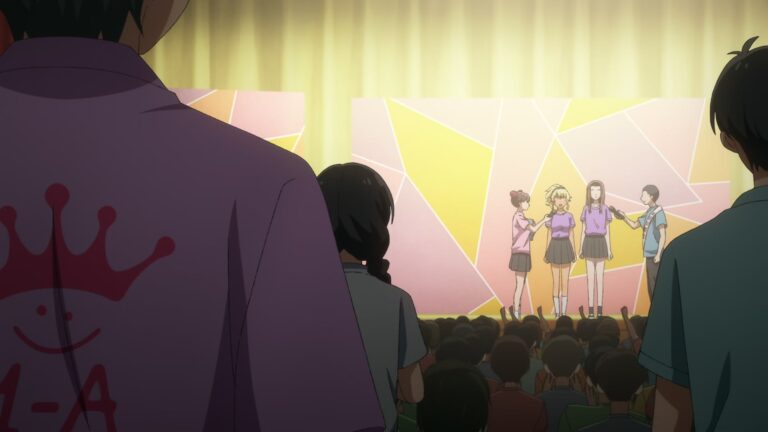
The episode’s visual direction stays understated, but a couple of choices stand out. The basketball one-on-one is filmed with a decent sense of movement, not flashy but clear. The outdoor court where they practice passing has soft evening light that makes the emotional stakes feel gentler. The Tanabata festival scenes lean into warm lantern glow and the bustle of the crowd, nothing too stylized, but enough to create the right atmosphere.
The tanzaku (wish strips) moment is the most visually loaded. Natsuki writes “The Best Adolescence Ever,” which Uta reads aloud, and then she changes her wish to match his. The act of tying them to bamboo, the brief exchange about reaching the heavens, and the cut to the two strips hanging side by side says more than dialogue could. It’s a quiet promise, and the episode trusts the audience to catch it without underlining.
A Small Cultural Detail
Tanabata is woven in naturally, and the show assumes basic familiarity, which is nice. The tanzaku wishes, the bamboo, the date setup all use the festival as a backdrop without turning it into a Wikipedia entry. The fact that Uta’s family runs an okonomiyaki stand that they avoid is a good local color touch; it reminds you that festivals are also work for a lot of people, and that her family is part of the community in a tangible way.
The “indirect kiss” beat may seem like a tired trope, but the show handles it with Natsuki’s self-consciousness and Uta’s apparent lack of concern, which feels more like characterization than pandering. It’s also a moment where the viewer is unsure whether Uta is genuinely unbothered or just very good at hiding things, and given what she reveals later, it’s probably the latter.
Where This Leaves Things
Miori’s arc isn’t fully resolved in a single episode, but the critical block is gone. She passes to Wakamura-senpai in the practice game, the team starts to gel again, and the episode ends with Natsuki watching from the stands, satisfied. The credit sequence also gives us a brief Namika cameo, which serves as a reminder that Natsuki’s home life is still ticking along in the background. The Miori thread can now either settle or evolve into whatever comes next with her hinted feelings for Natsuki, but for now, her immediate pain is addressed.
The romantic board, on the other hand, just got a lot more interesting. Uta has formally entered the field of play. She knows Natsuki probably likes someone else, she’s told him she’ll win anyway, and she’s doing it with the kind of patience and directness that makes her hard to write off. Tatsuya’s vow not to give up on Uta now sits against this new reality, which means the love geometry is only going to get messier.
Natsuki, for his part, is still the same guy: earnest, a little dense, trying to navigate feelings he never had to deal with the first time around. But the show keeps reminding us that his redo isn’t just about him anymore. It’s about the people around him who are also changing, and who are starting to make their own moves.
Screenshots
← Episode 5 | All Haibara-kun no Tsuyokute Seishun New Game Season 1 posts →