






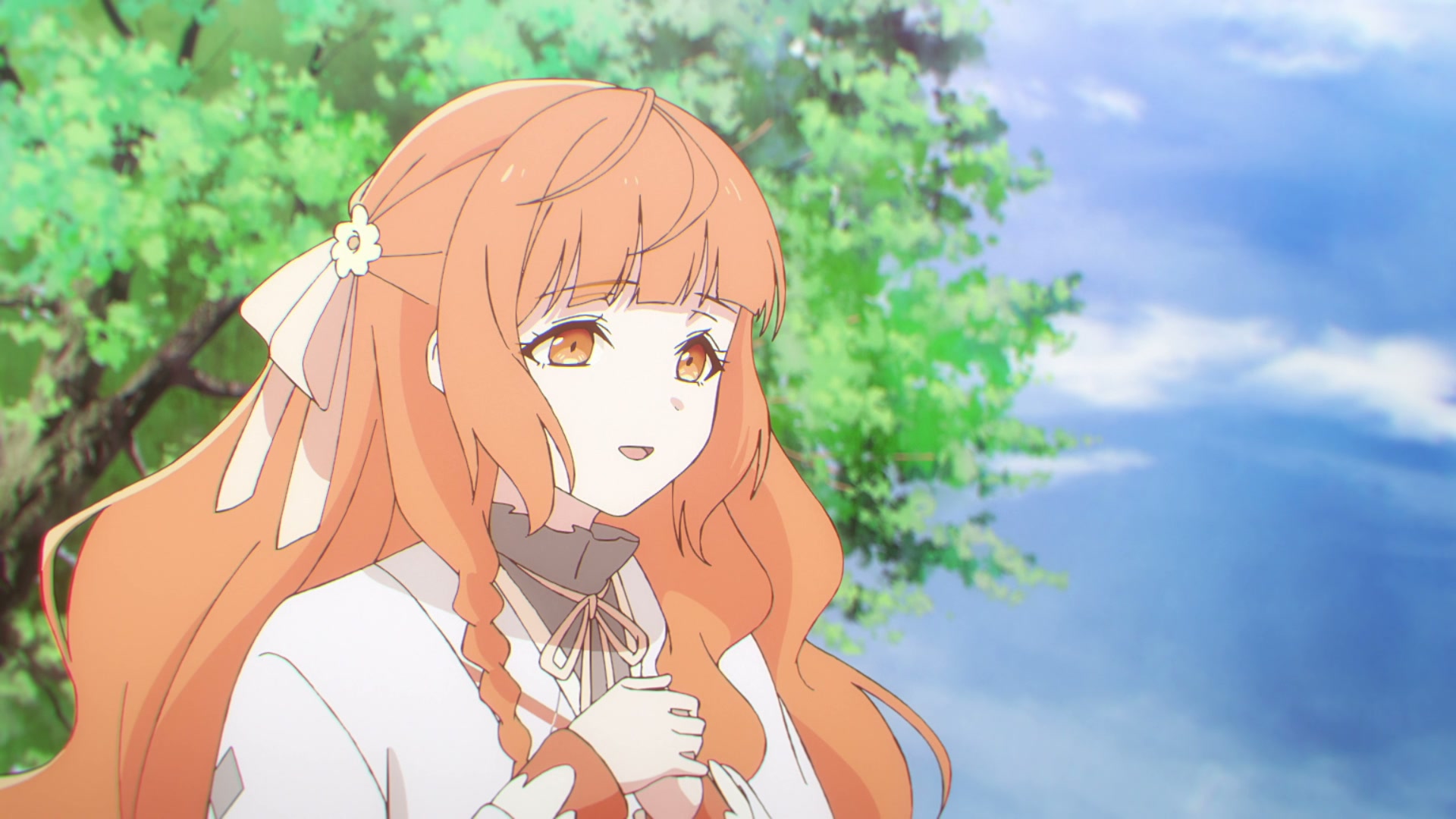
The nightmare that opens this episode is as close as Shunkashuutou Daikousha has come to showing us what Hinagiku endured during the lost years. A woman’s voice, soft and possessive, calls her “an adorable daughter” and tells her to do as she’s told. Then the sweetness curdles into a promise to hunt down and kill everyone who tried to protect her. Hinagiku’s whispered denials escalate into a child’s broken mantra: No. No. No. Mother. The episode doesn’t identify the speaker explicitly, but the context of Hinagiku’s captivity points to an insurgent who styled herself a surrogate parent, warping the girl’s need for love into a tool of control. The scene fractures into a conversation between “Present Hinagiku” and “Past Hinagiku,” the younger self simply wanting to die, while the current self, barely holding on, manages a quiet All right… It’s a wrenching way to begin, and it sets the emotional stakes for everything that follows.
This episode is essentially the second half of a long, painful reunion. The Village of Spring sat on the truth of Hinagiku’s return for two years, finally bringing Sakura back only when her presence was needed to coax the broken Agent into manifesting spring. The subtitles give us Sakura’s perspective in raw, unfiltered internal monologues marked {M}, and they’re the heart of the hour. Her first sight of Hinagiku, six months after the official search ended, is devastating in its restraint: she bursts in calling her name, but the woman who turns to face her is barely there. Sakura’s hair, which used to be “pretty black,” has gone white from grief. What follows isn’t a joyful embrace. It’s Sakura listening to Hinagiku explain, with terrifying calm, that she is a replacement occupying a dead girl’s body. That the original Hinagiku couldn’t endure any longer and “went away.” That everyone wanted her to die anyway, so this new Hinagiku will oblige them and die soon enough.
The show refuses to let Sakura respond with simple reassurance. Instead, we get the full weight of her decade of searching, her hatred for anyone who abandoned Hinagiku, and her fury at the idea of accepting this hollow version of happiness. “Stop it. Shut up! I don’t need a life like that,” her inner voice snarls. Sakura knows her devotion has always been possessive and blood-soaked—she admits as much later—but she also knows that the alternative is losing the only person who ever made her feel like more than a disgraced orphan. When she kneels and insists, “there’s only one place I can call home. Whatever happens, I am your servant,” it’s not a polished oath. It’s a woman refusing to let the world take this one thing from her, even if the “thing” is a girl who no longer believes in her own existence.
The dynamic between the two versions of Hinagiku is handled with unsettling gentleness. The current Hinagiku speaks about the old one with a kind of tender distance, as if discussing a sister who didn’t make it. She still carries that girl’s memories, and they bleed through in unexpected ways. When she tentatively asks if it’s strange that she still cares about Rousei-sama, she’s voicing a need that the original Hinagiku shared. The current Hinagiku wants to “help her see him,” acting as a caretaker for a feeling that refuses to die. Sakura bristles at the mention of Winter—she’s never forgiven Rousei for what happened—but Hinagiku gently defuses it. “Making someone the bad guy makes it worse,” she says. “You won’t stop hurting that way.” It’s a lesson Hinagiku learned through unbearable pain, and she offers it to Sakura like a gift, even as she herself is still learning how to live.
Sakura’s internal wrestling with hatred is where the episode gets its most uncomfortable honesty. She’s not a pure, selfless guardian. She needed anger to keep going during the years when the world gave up. “If you give up your hatred, it will weaken you. If you weaken, you can’t become a blade. If you can’t become a blade, you can’t protect her.” That mantra kept her alive. She clings to it even now, when Hinagiku is safe in her arms. The episode doesn’t frame this as something to be solved. Instead, it lets Hinagiku respond in the only way she can: by loving Sakura on purpose. “Hinagiku likes you, even if you can’t change, but she doesn’t want you to suffer.” And then, over and over, she tells Sakura she loves her. She loves her kindness, her short temper, her everything. It’s the first time Hinagiku has been able to give love rather than just receive protection, and she does it with the same quiet, deliberate care she used when she decided to show a lonely child the rite of spring.
The episode’s climax is an exchange of “I love you”s that doesn’t feel romantic in the usual sense but is far more intimate. Sakura, internally, calls it “a little broken, but it’s a healthy feeling.” That line might be the most precise description of their entire relationship. Sakura acknowledges that her dependence and her hatred are still there, and she can’t let them go yet. But she also knows that Hinagiku’s love is real, and it’s something she can receive without shame. The promise to stay by her side becomes a mutual pact: Hinagiku will keep telling her she’s loved, and Sakura will keep protecting her, not because duty demands it, but because they’ve both chosen to live.
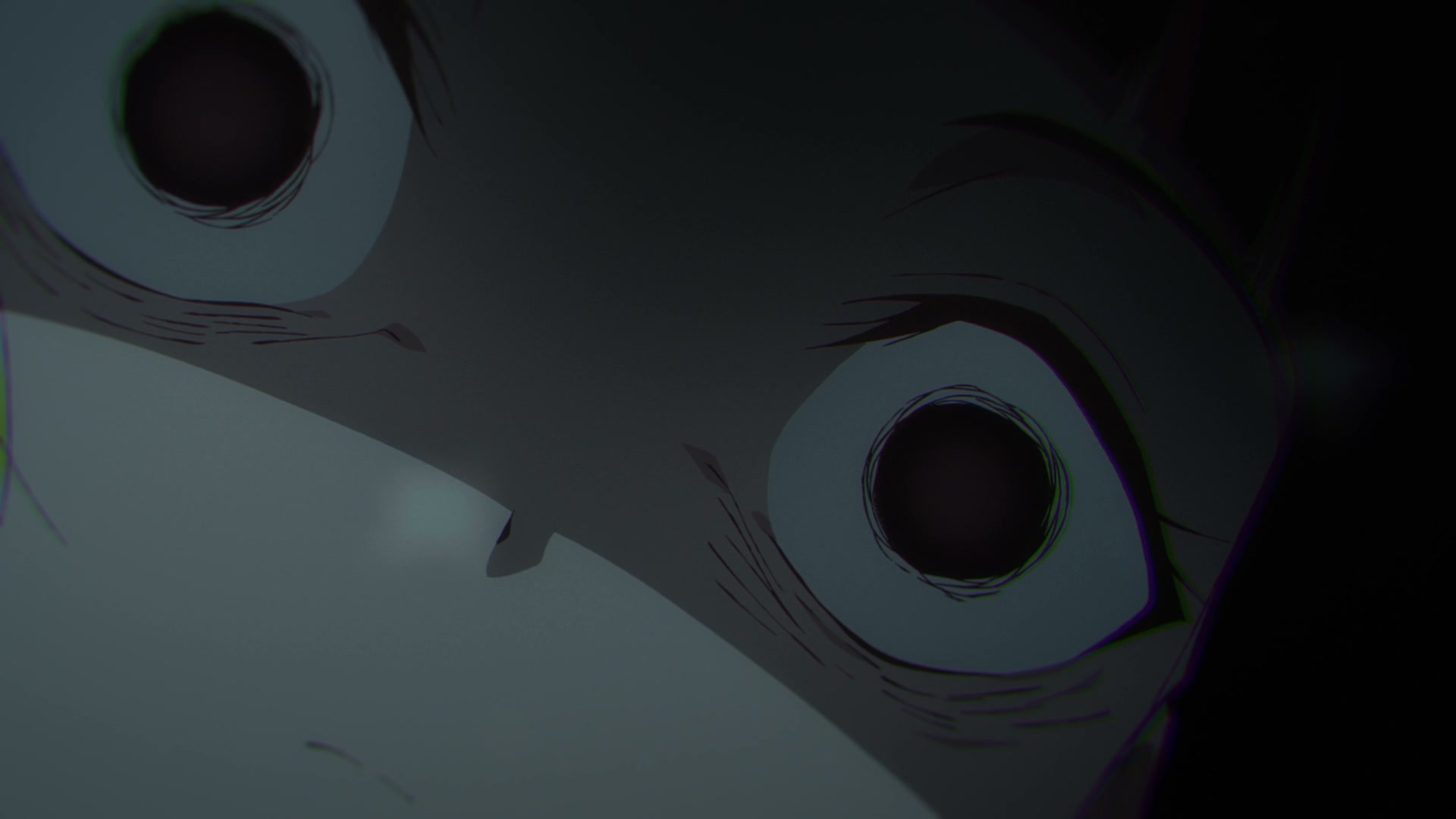
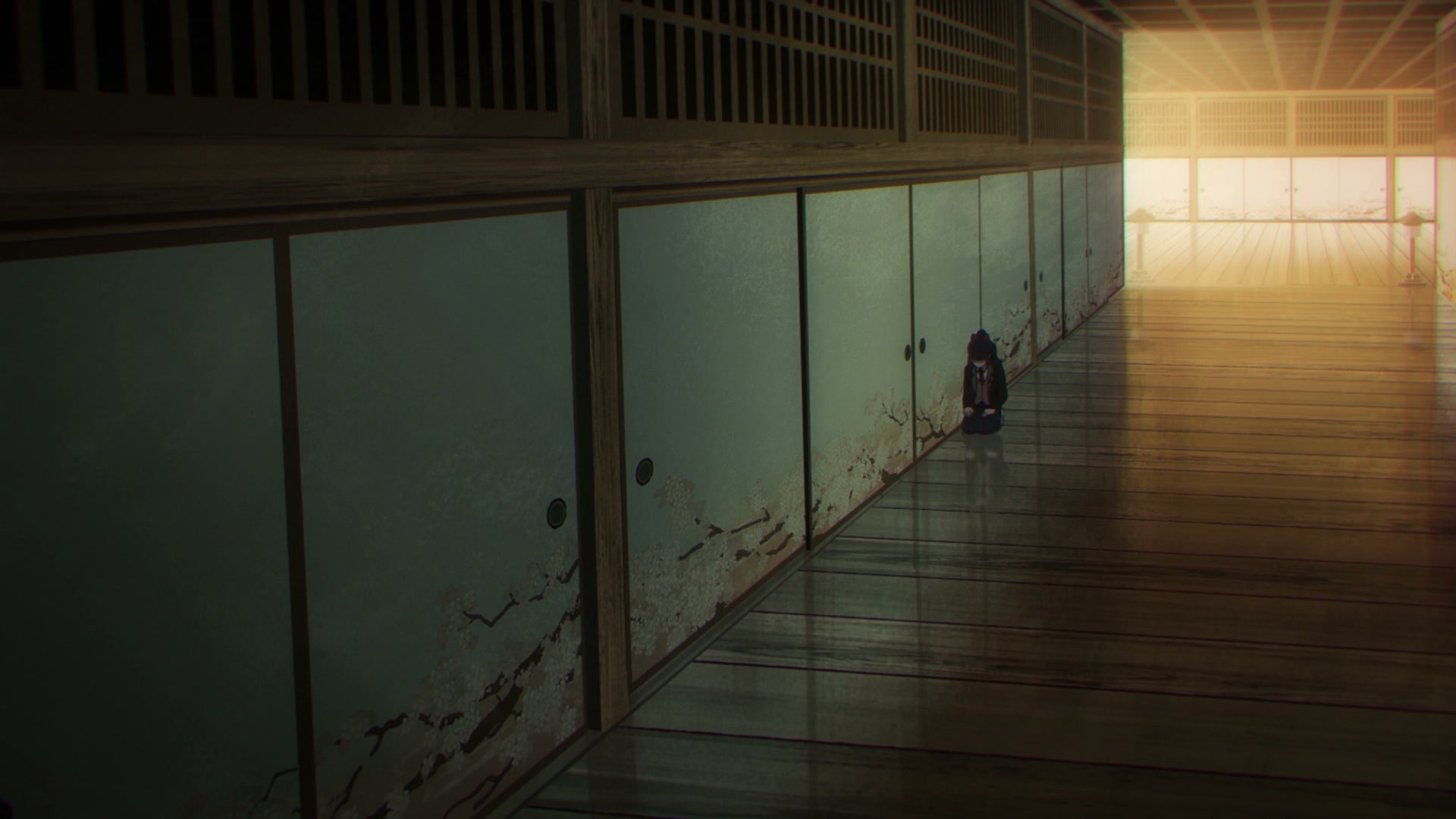
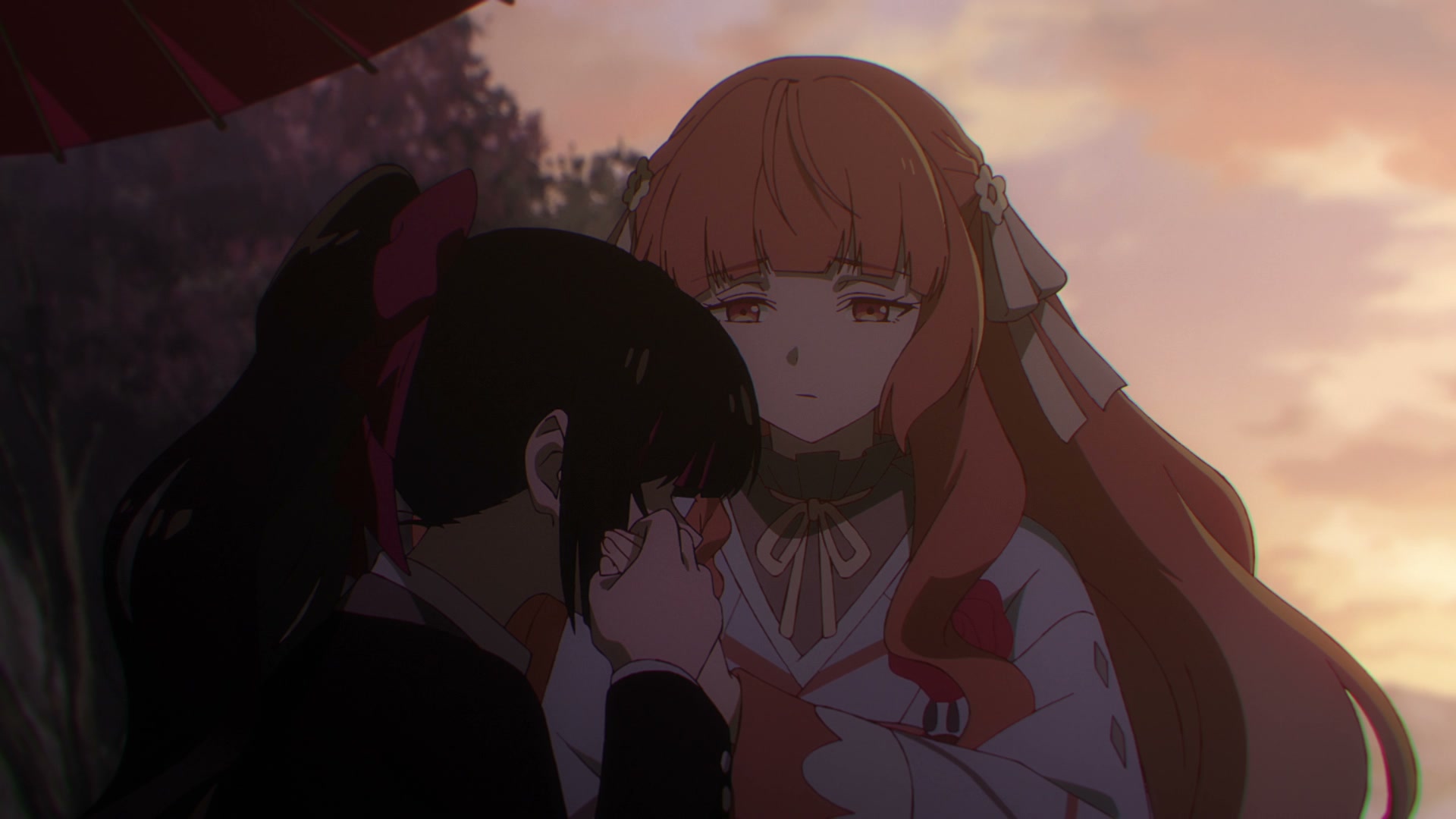
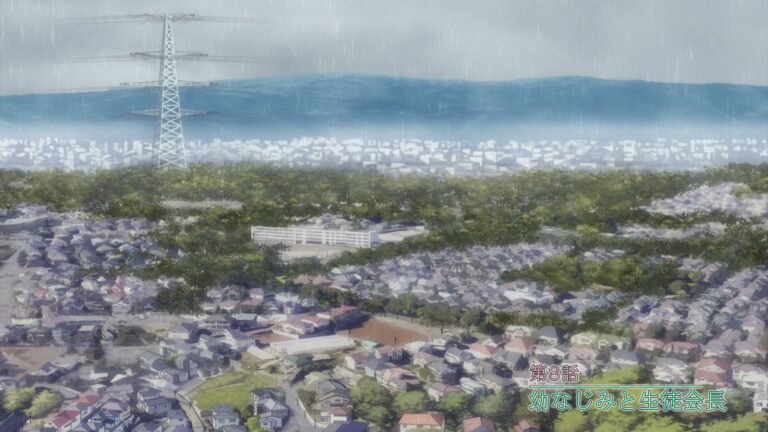
The visual language of the episode reinforces this dynamic. The screenshot around the 1133-second mark likely captures the moment Hinagiku sits on Sakura’s lap by the window, watching snow, two women holding each other in a world that’s been cold for far too long. The earlier shots, like the one at 340 seconds, probably show the raw grief of the reunion, while the 795-second image might freeze Sakura’s desperate, tear-streaked face as she tells Hinagiku she’s all she needs. The direction lingers on these quiet tableaux, letting the silence between words do as much work as the dialogue.
What makes this episode land so hard isn’t the tragedy itself; it’s the decision to let both characters be messy and honest about their damage. Sakura doesn’t become a pure-hearted heroine. Hinagiku doesn’t magically heal. They just choose each other anyway, over and over, in the face of a world that wanted Hinagiku dead and Sakura forgotten. The love they build is a patchwork of guilt, gratitude, longing, and sheer stubbornness. And somehow, it feels like the healthiest thing in the entire series.
Screenshots
← Episode 5 | All Shunkashuutou Daikousha – Haru no Mai Season 1 posts →
[…] ← Episode 6 | All Shunkashuutou Daikousha – Haru no Mai Season 1 posts → […]