


It took eight episodes to get here, but this is the flashback the series has been promising since the first cold frames of the opening. S01E08 of Shunkashuutou Daikousha – Haru no Mai plunges us back into the event that shattered Rousei, scarred Sakura, and reshaped Hinagiku into the quietly resilient girl we know. The episode opens in the present-day aftermath of Nadeshiko’s kidnapping, with Itechou and Rousei receiving word that Autumn Palace has been attacked. Rousei immediately wants to go to Hinagiku. Itechou has to hold him back because the insurgents are still active. That raw urgency sets the tone before the screen fades into memory and we arrive at the Summoning of Seasons, ten years earlier, where a brusque boy who never made a friend and a girl terrified of her own power meet for the first time.
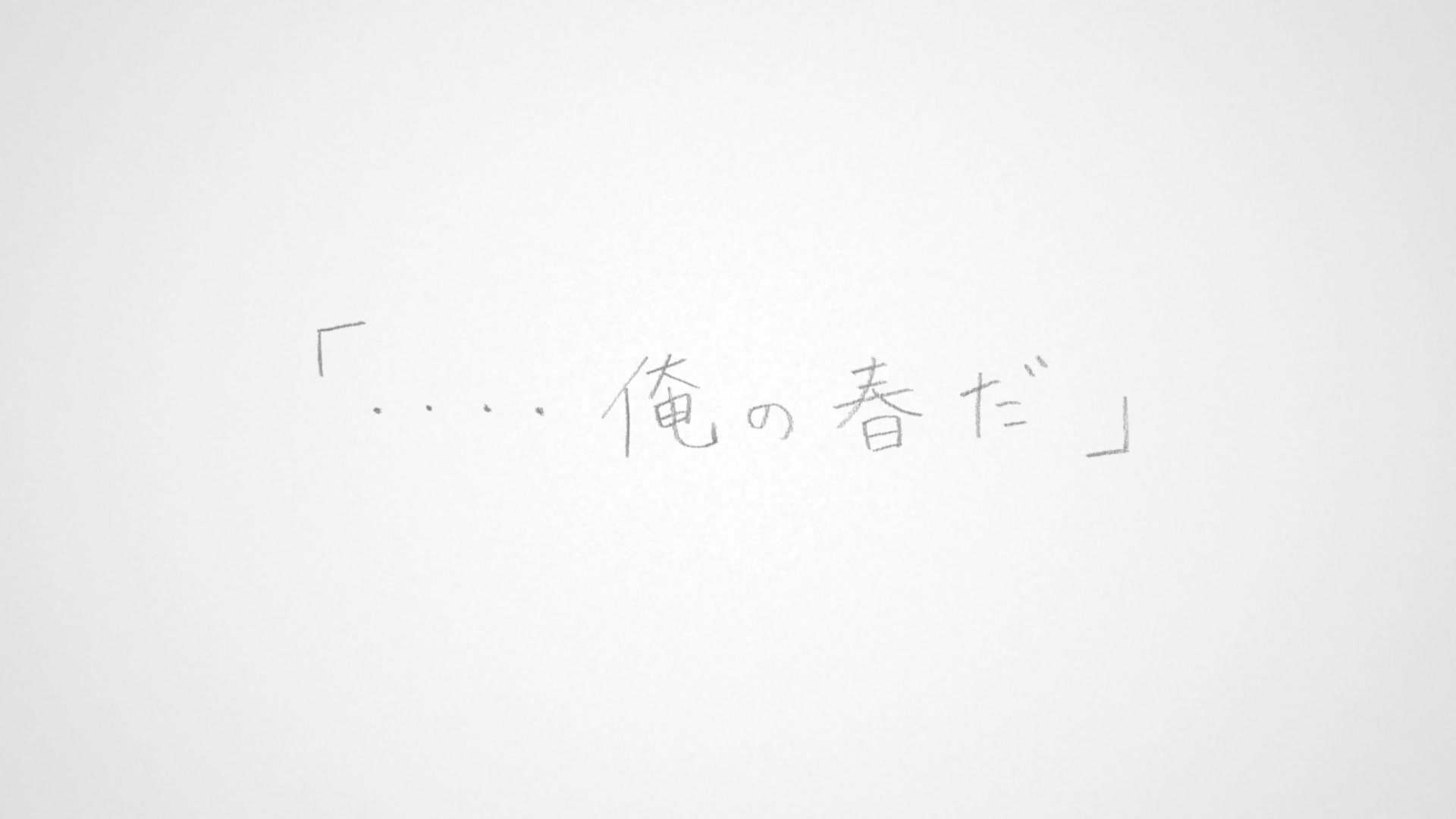
The flashback dominates the episode, and it is handled with the kind of deliberate, unhurried care that lets every awkward gesture and small kindness land. Young Rousei is exactly the surly brat Itechou has been nagging all episode: late, grumbling about the ritual being pointless, and so unused to girls his age that he practically bristles when Hinagiku arrives. His face when he first sees her is a mix of confusion and something he does not yet have words for, and his internal monologue simply says “My spring.” It is not a smooth line. It is a realization that hits him in the gut.
The episode knows how to soften that roughness without forcing it. Rousei lending Hinagiku his thick winter coat is the kind of small gesture that says more about him than all his complaints about rituals. He gruffly tells her to put it on so Itechou will stop fussing, but he’s the one who noticed she was cold. Hinagiku’s timid request for an ice flower, and Rousei’s clumsy but genuine attempt to make one, is the first moment the two of them stop being Agents and become children playing together. The quince flower he creates is simple, cold, and imperfect. She calls it beautiful. Then she makes a daisy, the flower she’s named after, and his eyes go wide like he’s just seen color for the first time. That exchange of tiny frozen blossoms and living petals is the whole promise of the winter-spring myth in miniature. Rousei, who only freezes things, learns that creation is possible. Hinagiku, who has been told not to manifest spring outside of practice, dares to show someone what she can do.
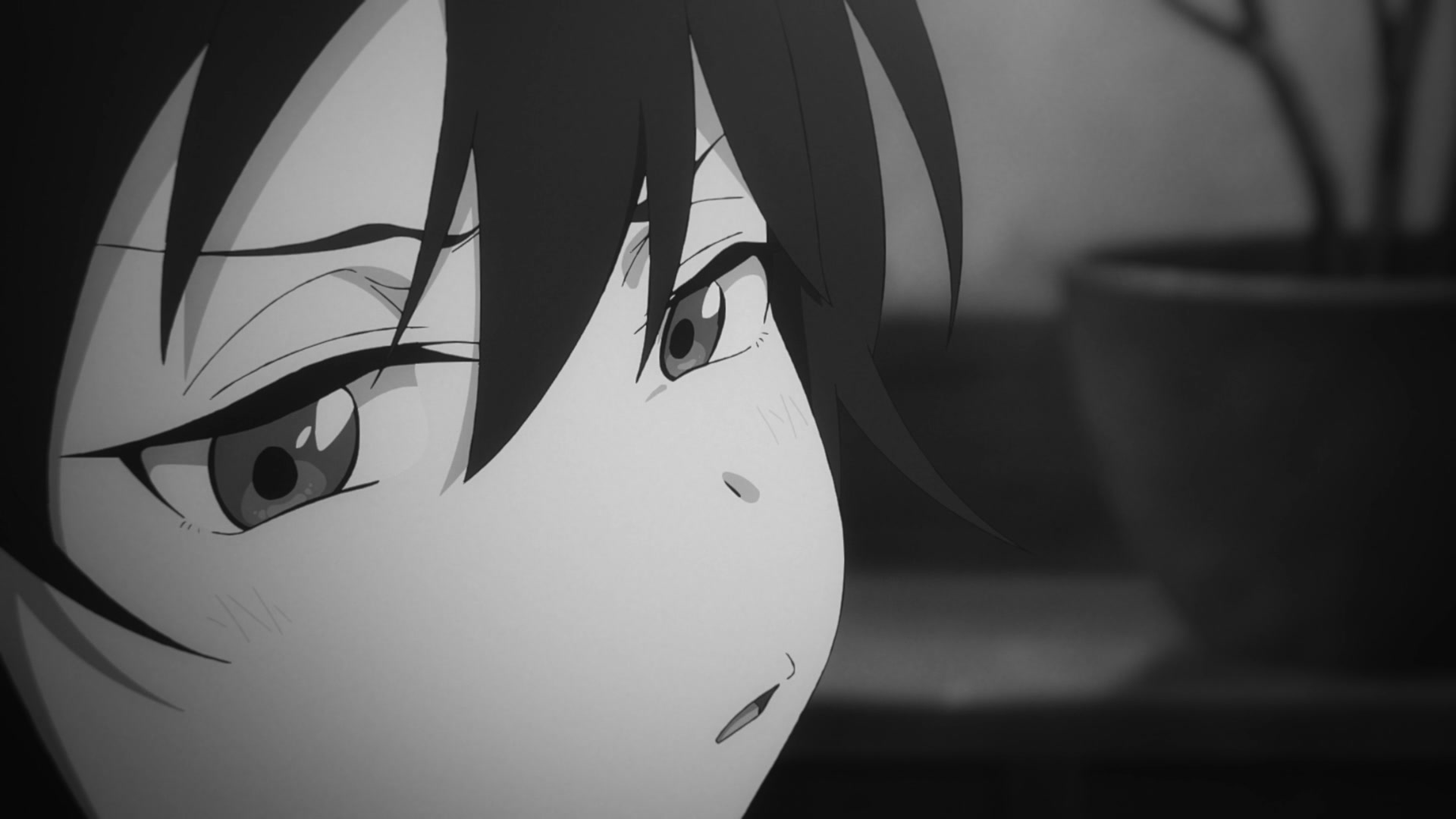
The sweetness does not last. The insurgent attack comes abruptly, shattering the training ground and cutting off communication with the Village. Itechou is shot. Sakura takes a wound. Rousei, carrying the weight of being the target, starts to crack in a way that feels painfully true to a kid who has never been allowed to be weak. His inner monologue is a spiral of “it’s my fault” that narrows into a single resolution: he has to die. If he kills himself in front of the insurgents, maybe they will let Hinagiku, Sakura, and Itechou go. He forms an ice dagger meant for his own heart and commands Itechou to run, pulling rank as his lord, a desperate move from a boy who has never wielded authority except as a burden.
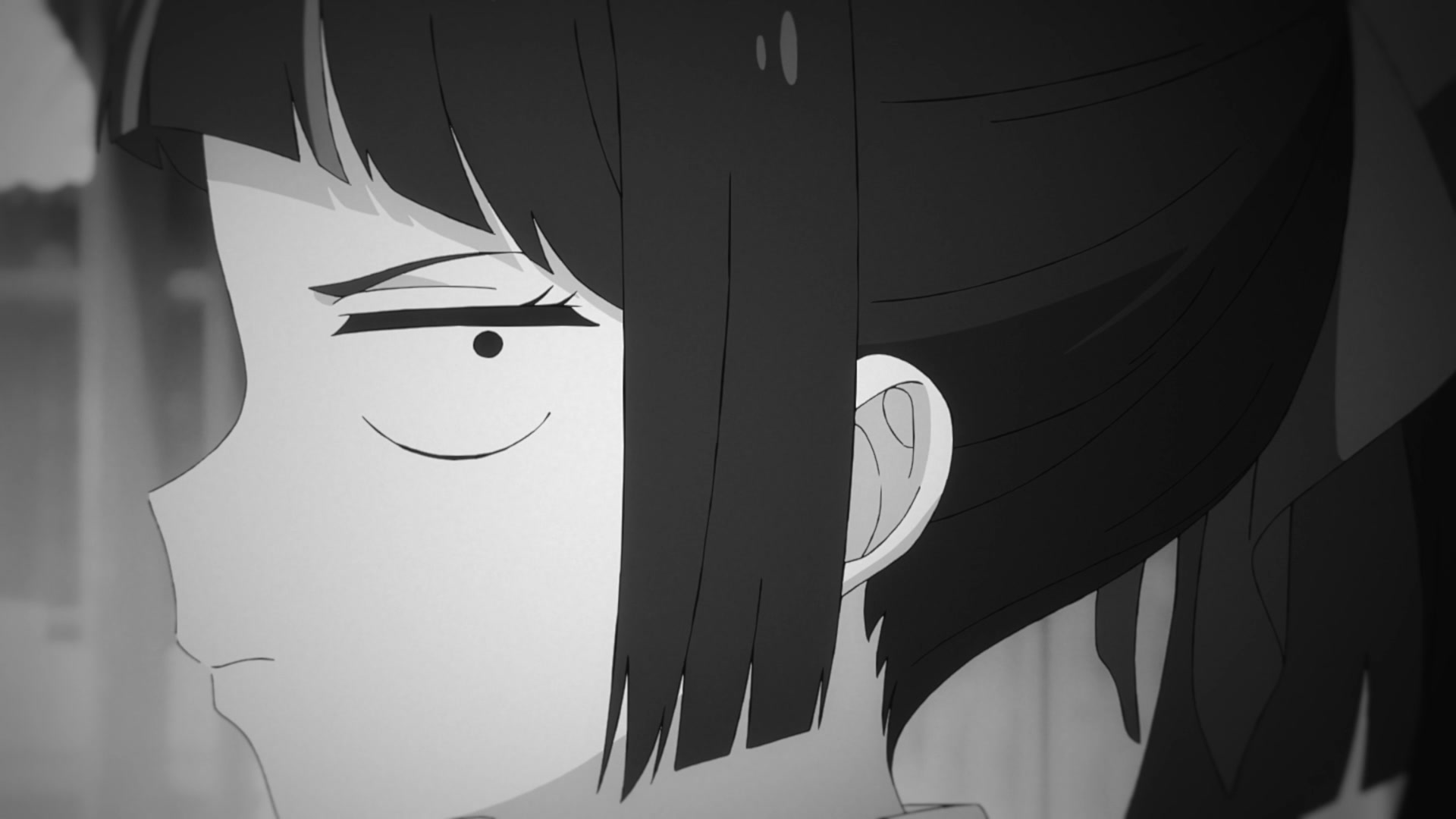
This is where Hinagiku becomes the episode’s real force. She does not plead or cry at first. She listens to Rousei’s plan and then dismantles it with the kind of clarity only someone who has already lived through a parent’s suicide can have. She tells him she knows what happens after death because her mother made the same choice, believing she would solve problems by vanishing. “Even if you do everything the people who hurt you say, once you’re dead, all they’ll do is laugh!” That line lands like a blow because it is not philosophical. It is a six-year-old’s lived truth. She has watched the aftermath of a sacrifice that meant nothing to the abusers. She refuses to let Rousei become another ghost whose death changes nothing.
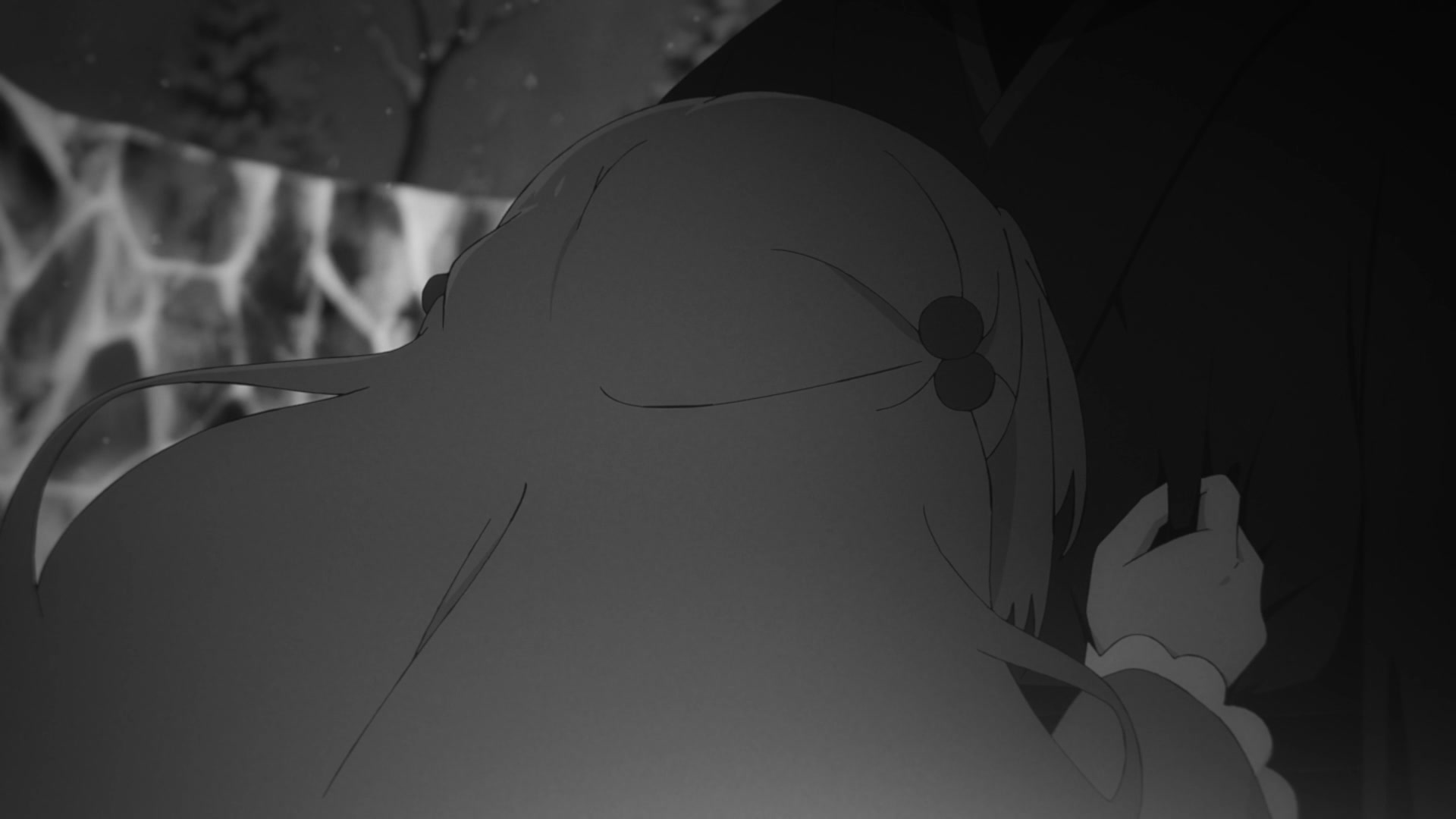
Her offer is not a heroic charge. She proposes something harder: run, endure, wait for the chance to strike. When Rousei breaks down and screams that he does not want to die either, that he just cannot bear any of them dying, Hinagiku meets his despair with a plan that is terrifying in its simplicity. She will be the hostage. She steps forward, her spring power flaring in a protective barrier that halts the gunfire just long enough, and she negotiates with the insurgents with a composure that feels borrowed from a much older self, the self that learned to survive by watching a false mother’s cruelty. “I’ll be your hostage. Haven’t you done enough for today? Please, don’t hurt anyone else.” Her voice does not waver.
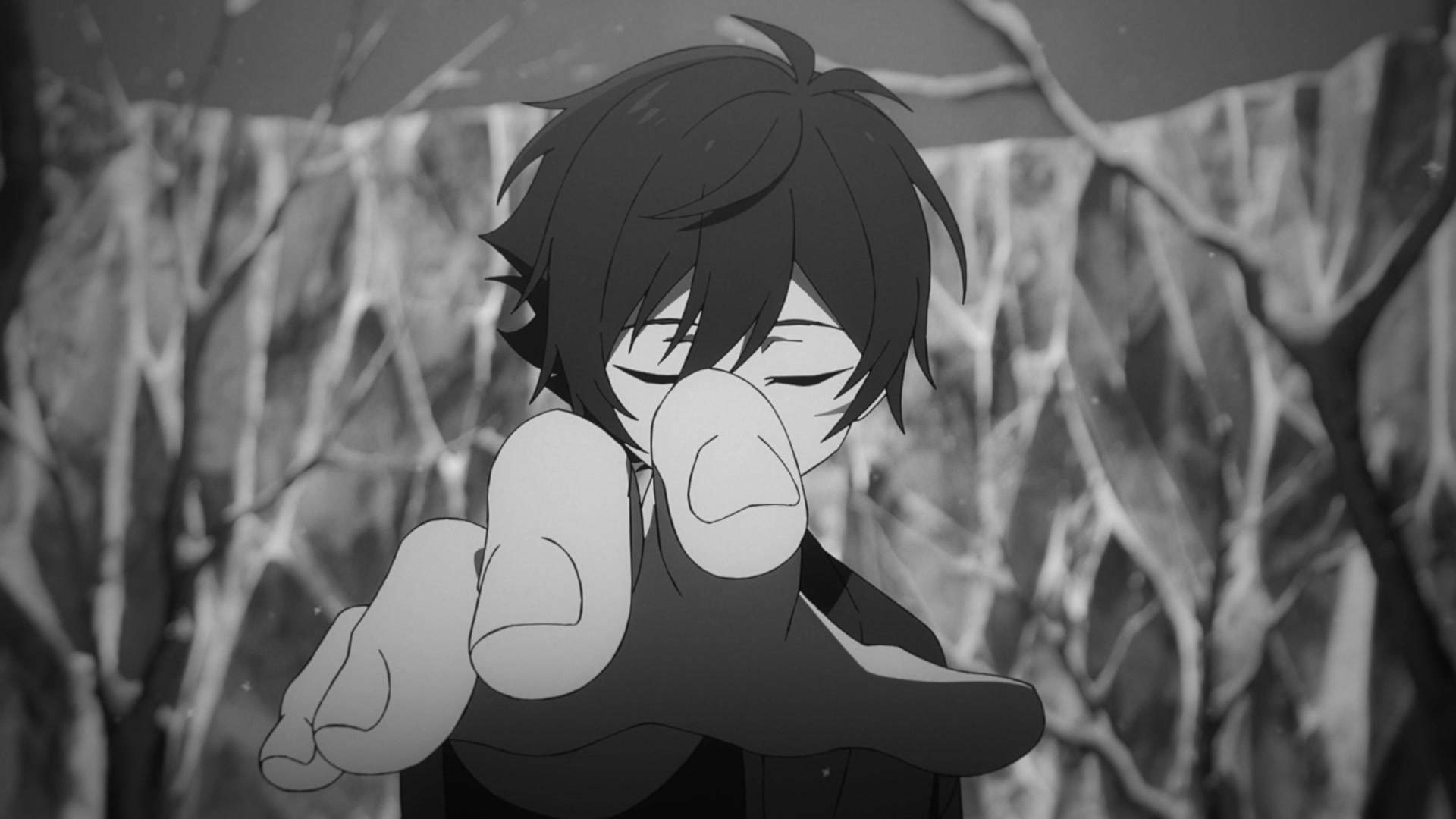
Rousei’s confession of love comes at the worst possible moment, and that is exactly why it works. He screams “I love you! Don’t go!” at her back, words he did not know he had until he was about to lose everything. Hinagiku turns and thanks him, for the flower, for playing with her, for being nice to her, and adds a promise: “I promise I’ll give you my answer! So, Rousei-sama… don’t die. Will you live for me?” The request is not just to survive but to live, to carry forward rather than freeze in guilt. Then she walks away, and the episode ends with Rousei’s screams echoing into the credits.
This flashback retroactively deepens every strained interaction between the winter and spring camps across the first seven episodes. Rousei’s constant self-blame, his inability to face Hinagiku, his secret security support. Itechou’s guilt toward Sakura, who watched this same scene from the ground, bleeding, unable to stop Hinagiku from giving herself up. Sakura’s fierce hatred of anything that smells like Winter’s interference. It all traces back to this single afternoon. Hinagiku’s dissociation, her “other self” that handled the captivity, also makes a quiet appearance here. The girl who steps forward to bargain is not quite the same one who was just laughing about ice flowers. There is a switch that flips when she says she is worn out and this is the best she can do. It is not a break so much as a handing over of the self.
Visually, the episode leans into soft, pale colors during the flashback, the endless snow a blank canvas for the small reds and pinks of Hinagiku’s hair ornaments and the green of the daisy she creates. The moment Hinagiku’s power surges to block the gunfire is a burst of warm light and petals against the cold, a direct visual argument for what Spring represents. The ice dagger scene is stark, a close-up on Rousei’s trembling hands forming the blade, his face half-lit, the sound of his breathing loud in the mix. The direction trusts the audience to feel the weight without over-scoring the tragedy.
One quiet detail that deserves mention: the way Itechou immediately understands what is happening when Rousei starts forming that ice. He is not just his retainer; he is the older brother figure who knows Rousei’s worst impulses and cannot stop him with logic. The moment Rousei uses the formal “your lord commands you,” Itechou’s face shows he knows he is being shut out of a suicide pact. That dynamic, which has simmered in every episode with their bickering and mutual care, hits its lowest point here, and you can see exactly why Itechou spent the next ten years trying to make up for it.
With the autumn kidnapping still fresh, the episode draws a grim parallel without needing to underline it. Misuzu’s line about Nadeshiko being “just like her” now carries the full menace of a repeated cycle. The insurgents have done this before, and the series is making it clear that the system that failed to protect Hinagiku is still failing. But unlike ten years ago, Rousei is not alone with his guilt. He has already begun moving toward Hinagiku, and she has begun asking to see him. That fragile momentum is the only thing keeping the tragedy from feeling like a closed loop.
This is the episode that makes the myth of Winter and Spring feel less like a fairy tale and more like a wound. The love story the opening promised was never going to be simple. It started with a boy ready to die and a girl who had already seen death fail. The fact that she asked him to live instead says everything about who Hinagiku is, and the fact that he is still trying, ten years later, says everything about what she gave him.
Screenshots
← Episode 7 | All Shunkashuutou Daikousha – Haru no Mai Season 1 posts →
[…] ← Episode 8 | All Shunkashuutou Daikousha – Haru no Mai Season 1 posts → […]