



The lie that held this whole dorm together finally collapses, and the show handles it with the exact mix of warmth, absurdity, and stubborn affection you would expect from Hedgehog. Episode 11 of Ichijouma Mankitsu Gurashi does not drag out the confession or wring melodrama from it. Instead, it lets Meiko stumble through the truth, watches the group absorb it in their own chaotic ways, and then quietly insists that none of it changes why she belongs here.
The Confession Finally Happens
The episode picks up right where the last one left off, with Beru’s report to Gao exposing the gap between Morita Meiko the manga artist and Morita Meiko the country girl from Akita. Meiko does not try to deflect or change the subject this time. She just says it: “That was… the truth. I am… not the manga artist, Morita Meiko-sensei.”
The delivery is halting and small, and the show lets the silence sit for a beat before Rie’s flat “Seriously?” lands. It is not outrage. It is the sound of someone whose entire framework for a friendship is being rewritten in real time. Rie immediately pulls up the dorm applicant list she forgot to check, and the group reads through Beru’s full report together. The evidence is laid out plainly, and then the report drops the second bombshell: the real Morita Meiko-sensei is probably Meiko’s younger sister, Miori.
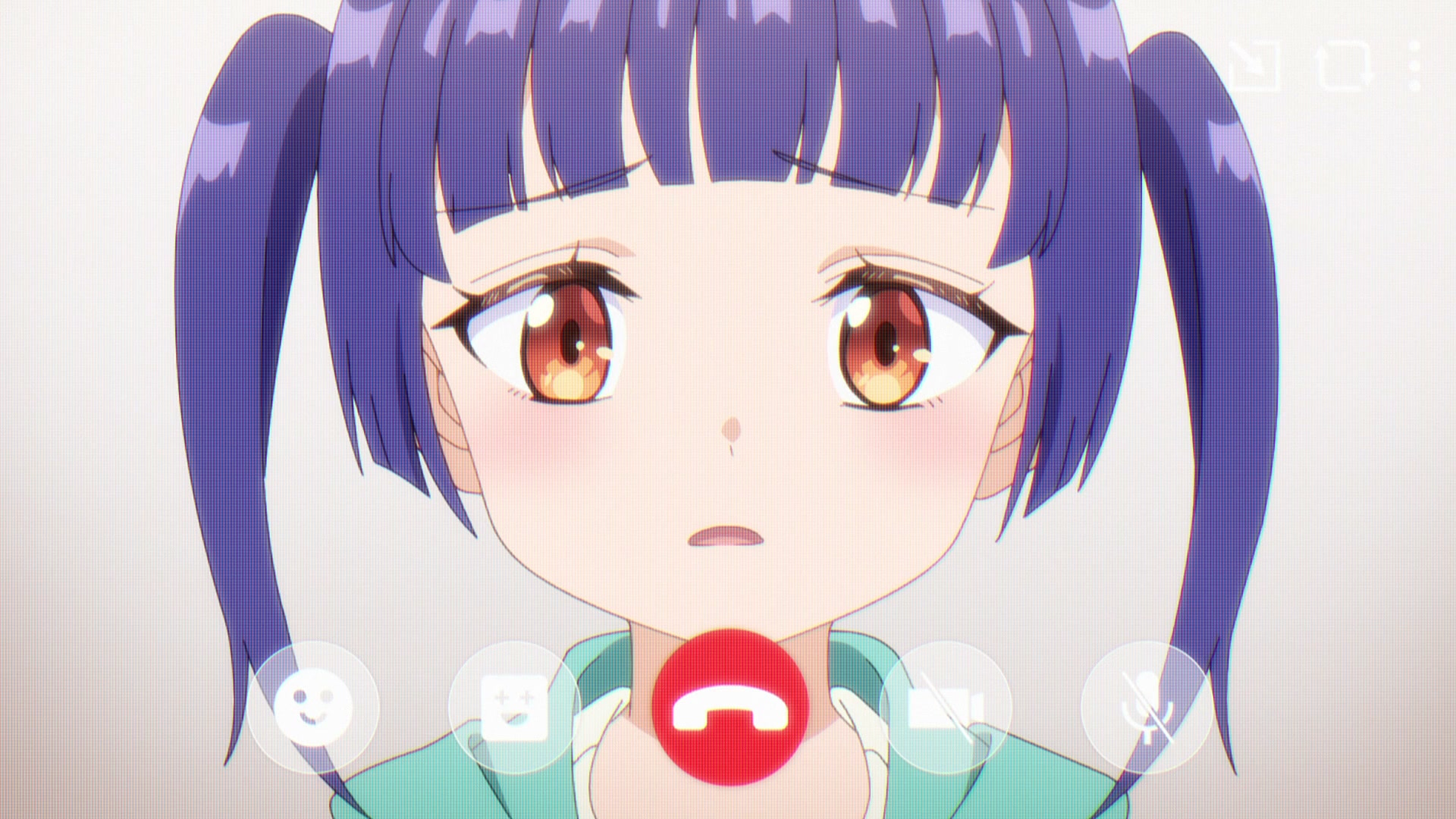
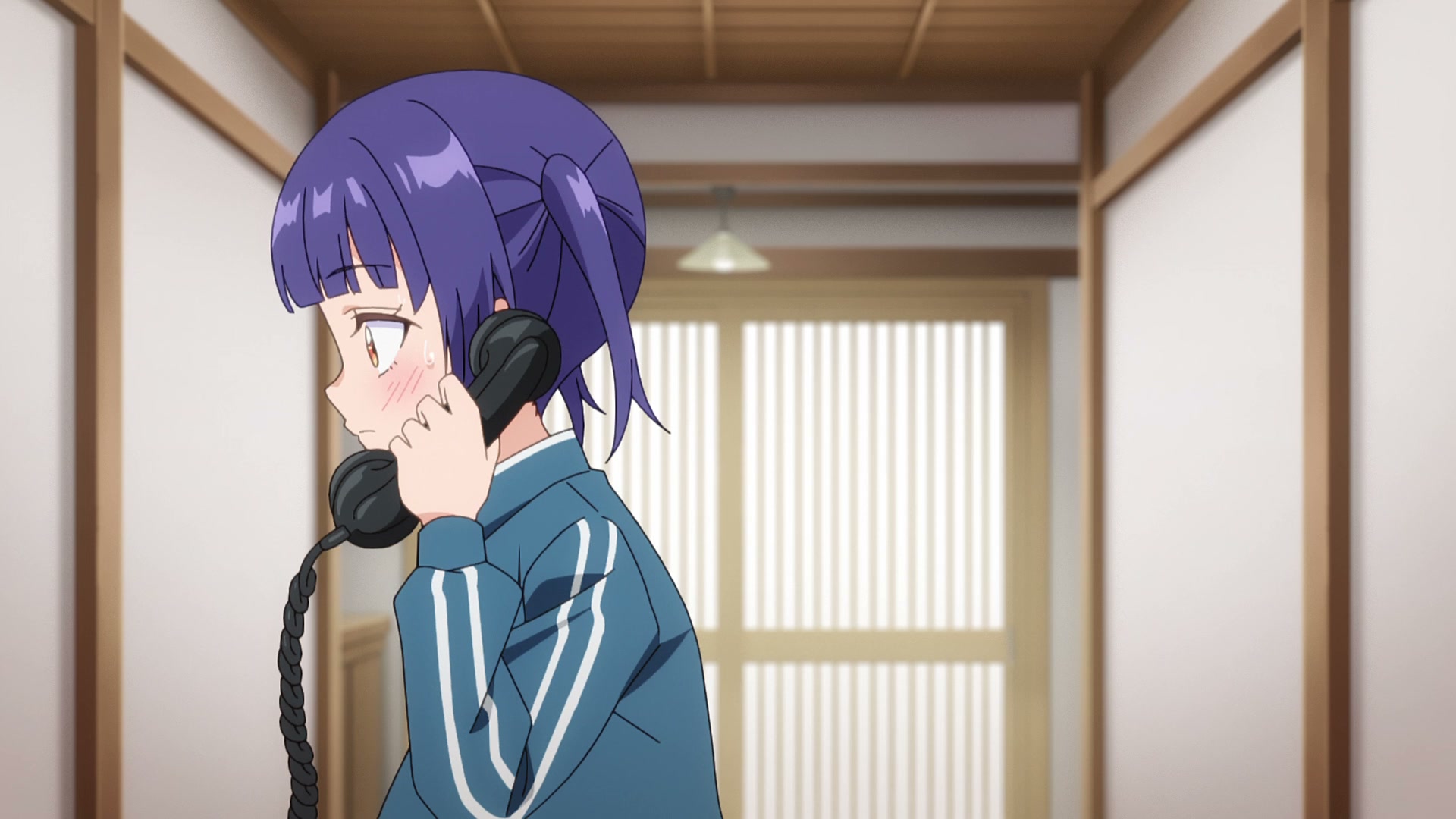
Miori’s explanation, delivered over the phone, is a perfect little origin story for the pen name. She won a manga grand prize, needed a pseudonym to keep it secret from her family, and an editor suggested something with a gap from her sports manga style. A cute name. Morita Meiko. By the time she tried to change it, it was too late. She figured her older sister would never notice, and she planned to come clean when she got serialized. The chain of coincidences that turned a private pen name into a dorm-wide misunderstanding is so specific and so stupid that it feels completely true to life.
The Dorm’s Reaction Is Exactly Right
What makes this episode work is that nobody treats Meiko’s lie as a betrayal. Neo says she kind of figured it out because Meiko never seemed to be drawing manga anyway. Marika immediately says she wants Meiko to stay. Rie, after a moment of processing, lands on the same conclusion, and she frames it in the most Rie way possible: the whole thing started from her own jumping to conclusions, and Meiko has helped them too much for gratitude to turn into resentment.
The group’s acceptance is not a vague “we forgive you” hand-wave. Rie explicitly says she wanted to hear the truth directly from Meiko, and she is frustrated that Meiko tried to quietly move out and repay everything instead of just asking to stay. The scene where Meiko bows and apologizes and Rie snaps back “You’re so stubborn, Meiko!!” is the emotional core of the episode. Rie is not angry about the lie. She is angry that Meiko still does not believe she is wanted for who she is, not for the mangaka identity she borrowed.
That stubbornness cuts both ways. Meiko’s instinct to take full responsibility and remove herself is the same country-girl practicality that has saved the café multiple times. Watching Rie refuse to let that instinct win, while also admitting she would be thrilled if Miori eventually moved in, is the kind of contradictory, greedy affection that defines this dorm.
Miori’s Pen Name and the Coincidences
Miori’s backstory is a small gem of character writing. She deliberately avoided making her debut work a pro-wrestling manga so her idol Tank-sama would not think she was flattering her. She could not afford screentones, so she drew everything with lines. She worked hard on the story, won the grand prize, and then an offhand suggestion from an editor during cleanup duty gave her a pen name she could not shake. The gap between a sports manga and a soft, feminine-sounding name like Morita Meiko was the whole point.
The detail that Miori never told Meiko because she assumed her sister would not notice is painfully sibling-accurate. It also reframes the entire series premise as a cascade of small, reasonable decisions that snowballed into a life-altering misunderstanding. The show does not treat Miori as a villain or a plot device. She is just a younger sister with a secret career and a guilty conscience, and her apology feels genuine.
A Bathhouse Interlude
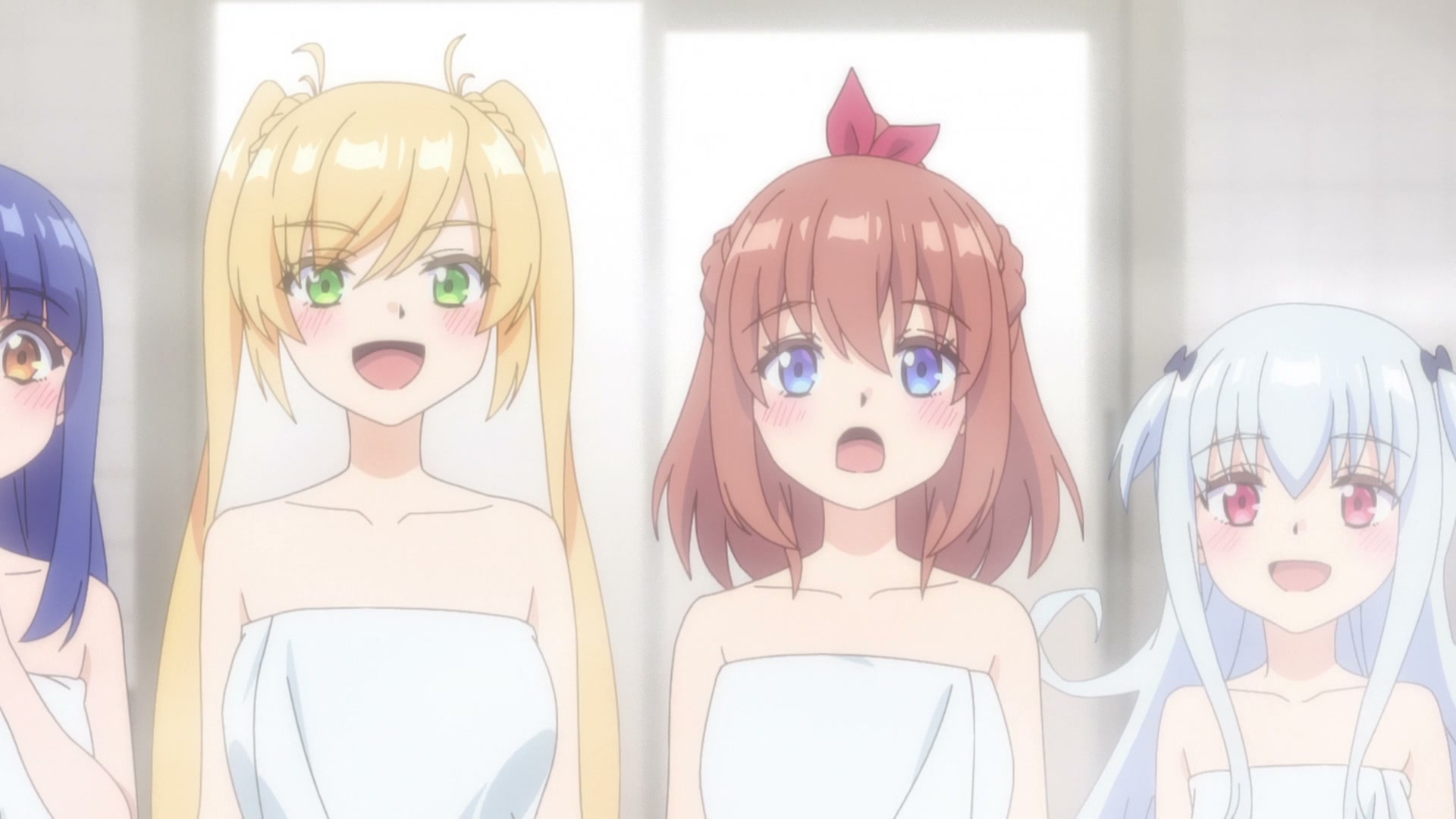
The episode balances the emotional weight of the confession with a long, silly bathhouse sequence that introduces a new location and lets the expanded cast bounce off each other. Marika, as always, is freezing. She bought too much stuff, her heat packs are dying, and she is drinking ice-cold cola in mid-winter because she likes cola and refuses to drink it lukewarm. Neo, also drinking iced coffee, describes the cold in game-mechanic terms: if they get back within two minutes and twenty seconds, Marika will maintain a comfortable temperature. The show has fully committed to Neo’s RPG-brain as a running character trait, and it never stops being funny.
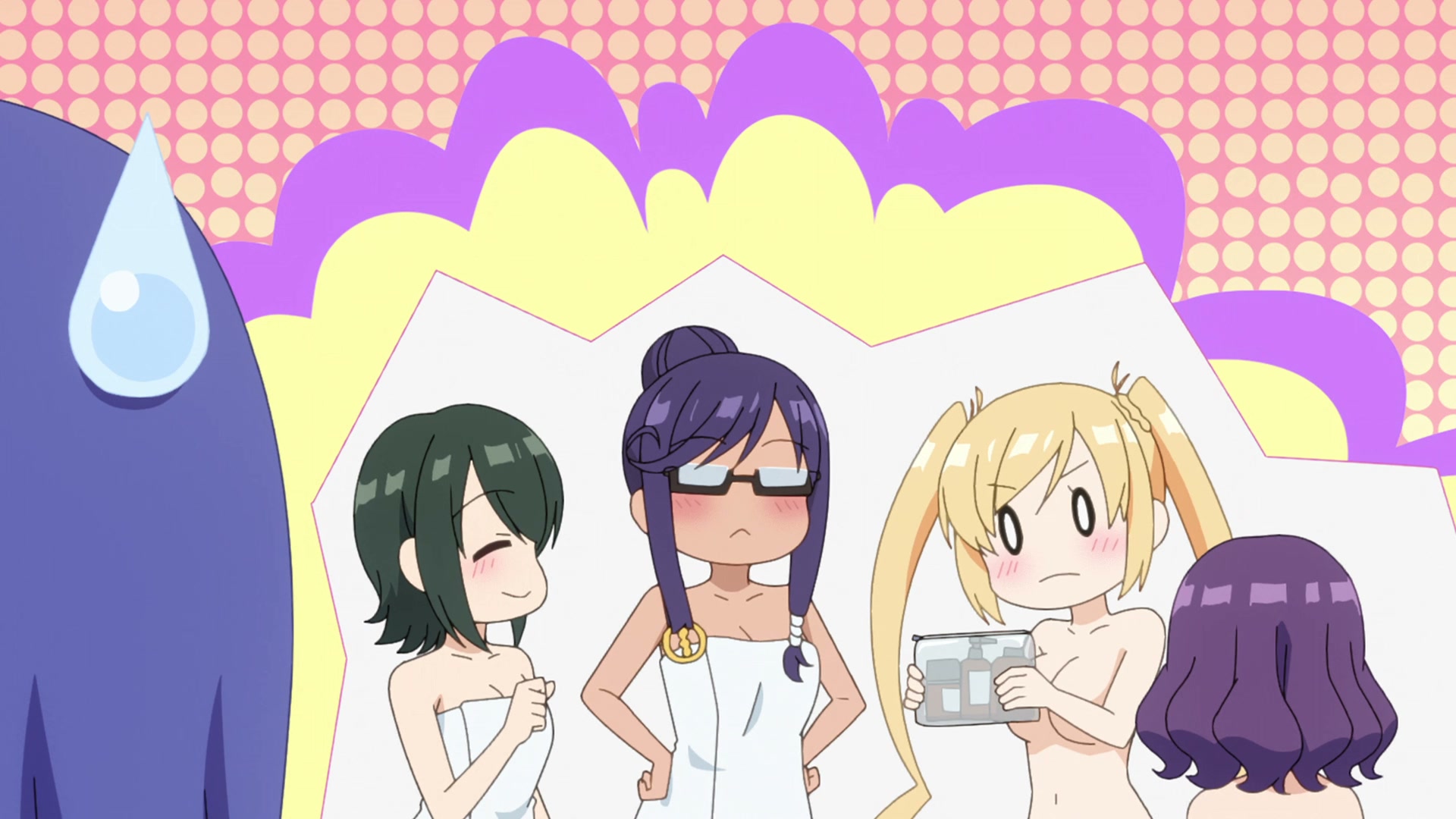
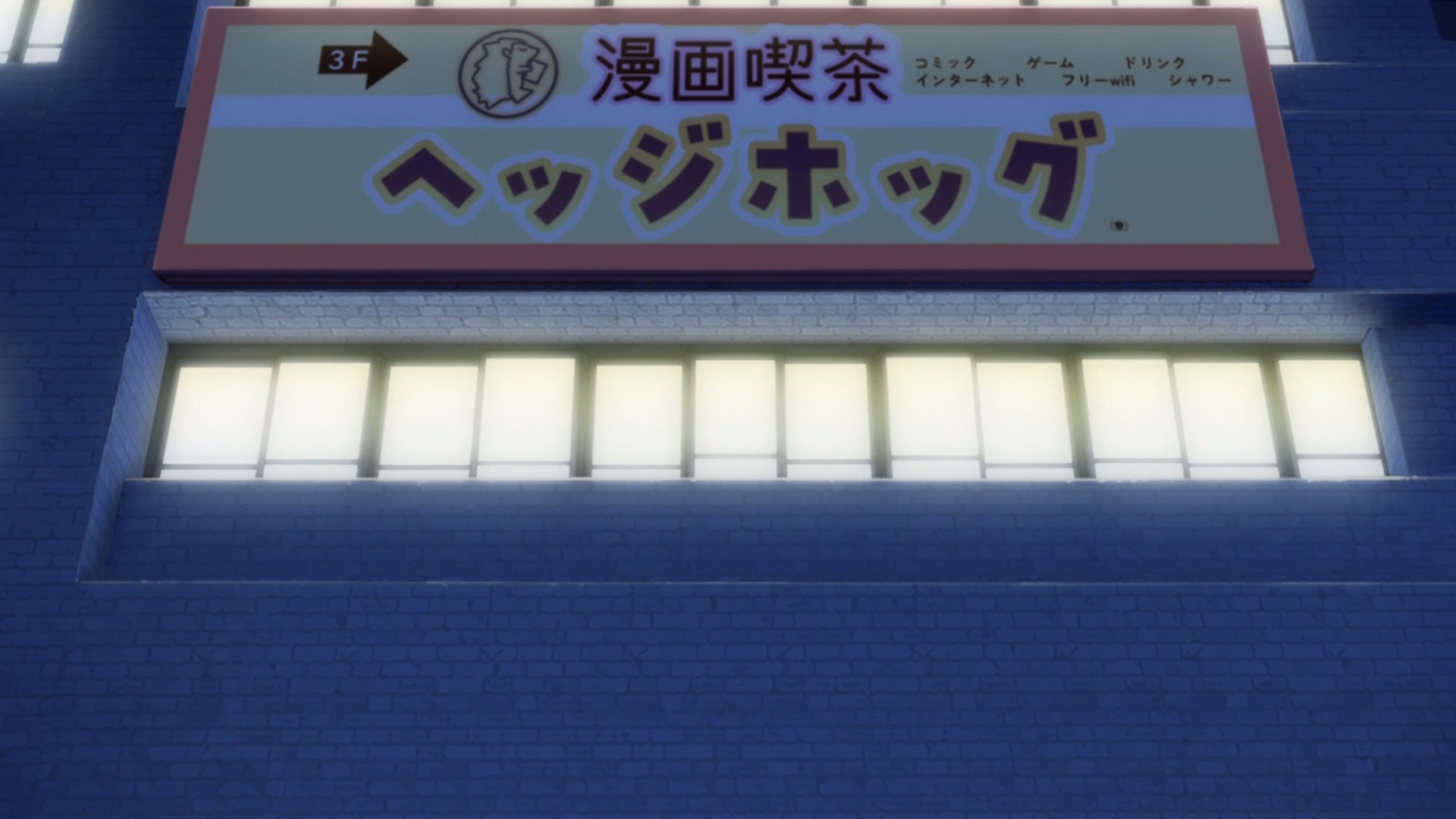
The bathhouse turns out to be right behind Hedgehog, and the group runs into Suzu, Michika, Beru, and Gao there. The reveal that Suzu and Beru are “besties” catches everyone off guard, and Beru’s deadpan explanation that she visits Japan from time to time and favors Michika’s cat café is a nice bit of worldbuilding that makes the cast feel interconnected without forcing it. Gao is there reluctantly, dragged along by Michika, and Beru distributes fancy hair care sets from Gao to everyone except Marika, a petty little gag that fits their strained dynamic perfectly.
The bathhouse itself becomes an immediate source of schemes. Rie and Neo start brainstorming a collaboration where Hedgehog sends customers to the bathhouse and the bathhouse advertises the café. Marika, in full invasion-simulation mode, suggests just merging them and having the bathhouse pay for everything. Neo encourages her. The bit is pure Hedgehog: a practical idea inflated into absurdity by the group’s collective lack of restraint.
The Morning After and the Scrubbing Brush
The episode’s quietest and best scene comes the next morning. Meiko, unable to sleep, finds Rie cleaning the bathroom before opening. Rie tells her that when they started the dorm and café, the first thing they did was clean the bathrooms, hoping it would become a comfortable place that could support everyone’s dreams. She swore her original intentions to the Hedgehog scrubbing brush.
That image, Rie on her knees with a scrub brush, talking about dreams, is the show’s thesis statement in a single frame. The Amamiya wealth is absurd, the misunderstandings are ridiculous, but the core of Hedgehog is a genuine desire to give people a place to belong. Meiko tries one more time to offer to leave, to repay everything, to let Miori take her place. Rie shuts it down not with grand speeches but with frustration: “Don’t make me say something so obvious!”
Meiko finally lets herself cry, and Rie finally gets the direct apology she wanted. The scene does not overexplain. It just lets two stubborn people meet in the middle.
Coming Home
The episode closes with the group returning from the bathhouse, Meiko smiling to herself because she realizes she is coming back home. The final “I’m home!” and the chorus of welcomes is simple, but after everything that came before, it lands.
The lie that started the series is out. Meiko is not Morita-sensei. But the dorm never needed her to be. The scholarship, the supermarket, the money sent home, all of that still exists as a tangled mess of consequences, but the emotional foundation has shifted. Meiko is staying because the people around her want her there, not because of a misunderstanding she was too scared to correct.
That is a quiet, satisfying resolution for a show that has always been more interested in the strange family that forms around a manga café than in the mechanics of its premise. The bathhouse adds a new playground for future chaos, and the expanded cast now includes Gao and Beru as reluctant regulars. The season still has threads to pull, but this episode closes the central lie with grace and lets Meiko finally exhale.
Screenshots
← Episode 10 | All Ichijouma Mankitsu Gurashi Season 1 posts →