




With the rise of streaming services, the process of selecting source material for anime has undergone a major shift. As the number of new titles has roughly doubled since the early 2000s, one category gaining particular attention is works based on historical fact.
Streaming Market Growth and the Surge in Historical Entertainment
Historical stories, even when their endings are widely known, can maintain viewer interest by offering unique perspectives and interpretations. They also tend to have strong global appeal. However, with content consumption accelerating, popular eras like the Sengoku period and the Bakumatsu have already been heavily mined. For production teams seeking fresh settings that stand out from the crowd, unexplored “minor” eras and regions have become the biggest blue ocean.
Against this backdrop, the July 2026 season features four historical anime set in periods and places that have rarely been in the spotlight.
Two Different Approaches to Japan’s Nanboku-chō Period
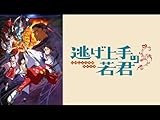
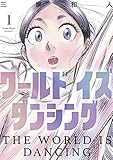
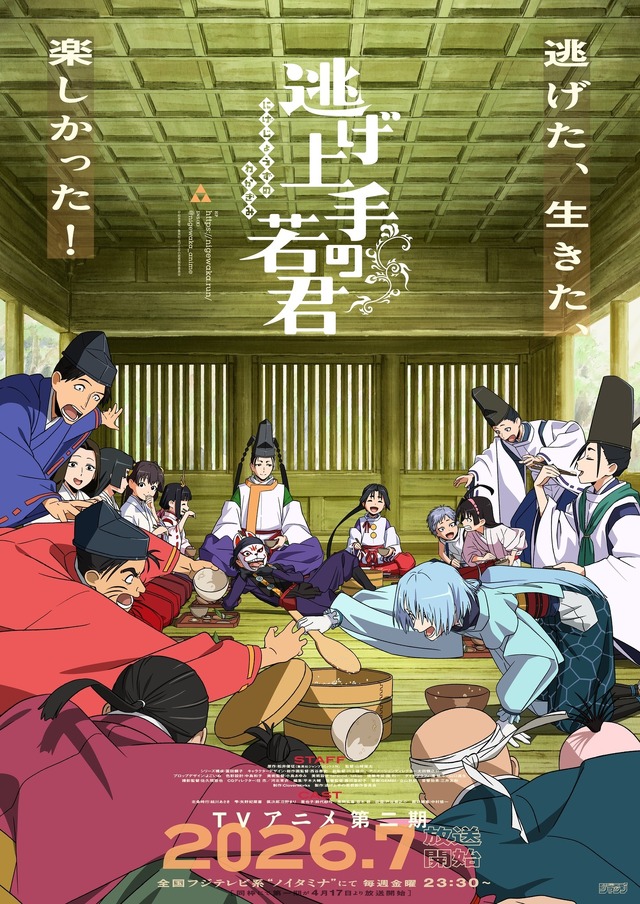
The Nanboku-chō (Northern and Southern Courts) period, with its complex shifting alliances, has seldom been used as a setting for entertainment works compared to the Sengoku or Bakumatsu. This “gap era” is the stage for two series: Nige Jouzu no Wakagimi (The Elusive Samurai) Second Season and World is Dancing.
Nige Jouzu no Wakagimi follows Hojo Tokiyuki, who survives the turbulent aftermath of the Kamakura shogunate’s fall. The first season depicted the beginning of his flight, and the second season will see him finally move toward recapturing Kamakura. Meticulous historical research recreates the clothing and weapons of the era, and the complex web of alliances is visually clarified. Expect a dynamic battle spectacle as the story charges into the Nakasendai no Ran.
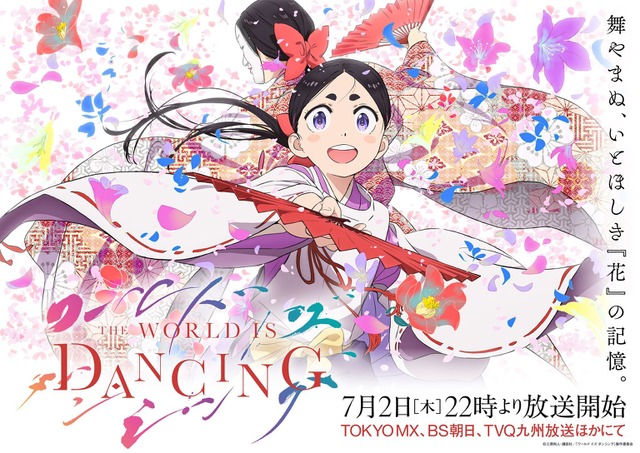
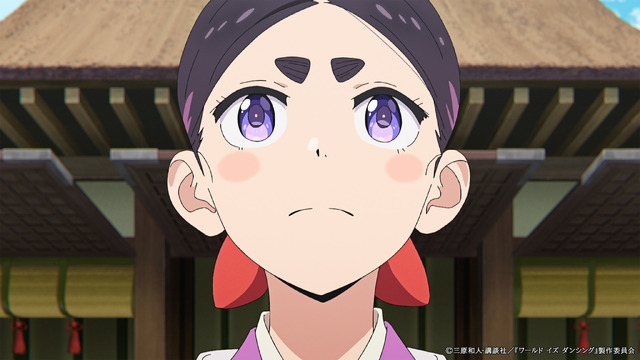
If that series is the “action” anime, then World is Dancing, which also covers the transition from the Nanboku-chō to the Muromachi period, could be called the “stillness” anime. Its protagonist is Zeami, who later perfects sarugaku (Noh). Realizing that inner impulse is the source of expression, he deliberately strips away excess movement and slows his speed to the extreme, creating a “kata” (form) that anyone can reproduce and pass down. The focus will be on how today’s top animators visually interpret Zeami’s dance.
The Battle of Knowledge in the 13th-Century Mongol Empire
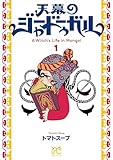
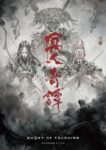
Set in the 13th-century Mongol Empire—one of the largest empires in world history, yet rarely depicted in anime due to the diversity of source languages and the difficulty of portraying nomadic life—is Tenmaku no Jaadugar, based on the manga by Tomato Soup.
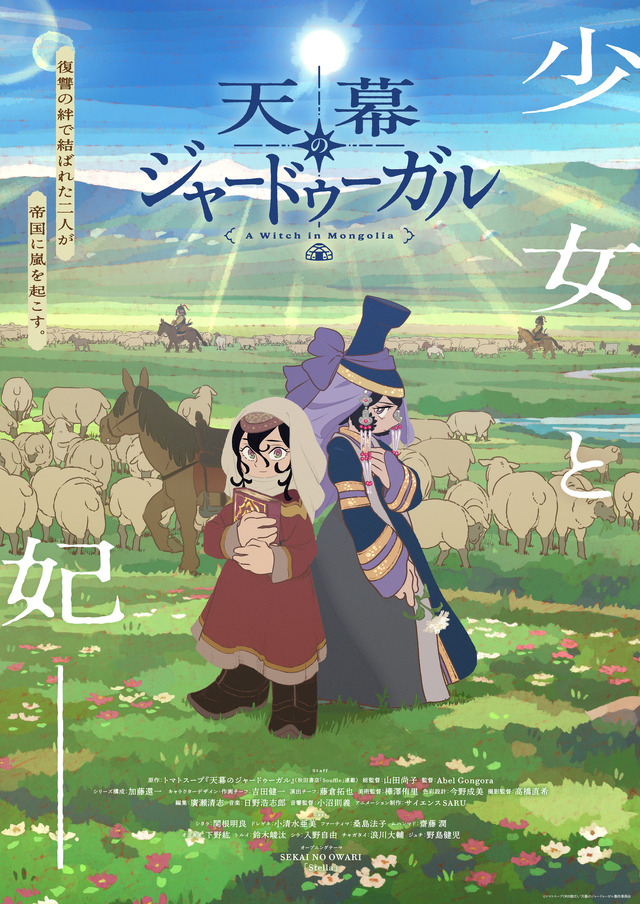
The story unfolds from the perspective of a girl named Shitara, who is forced into a harsh situation by the Mongol invasion. Behind the violent power struggles, she chooses to survive in the harem using only her accumulated knowledge as a weapon. The series also serves as an accessible way to learn about Mongol history, with thorough historical research depicting the oppressive ruling class and the multilingual environment. The picture-book art style and fairy-tale opening may lull viewers into comfort, but the rapid twists that follow will keep them glued to the screen.
Ancient Orient Court Life Depicted After 24 Years
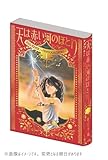
Set in the 14th century BC Hittite Empire—a setting unfamiliar even to those who studied world history—is Sora wa Akai Kawa no Hotori by Shinohara Chie. This is the first TV anime adaptation, coming 24 years after the manga ended. It follows modern middle school student Suzuki Yuri, who is summoned to the ancient world and becomes entangled in court power struggles alongside the third prince, Kail.
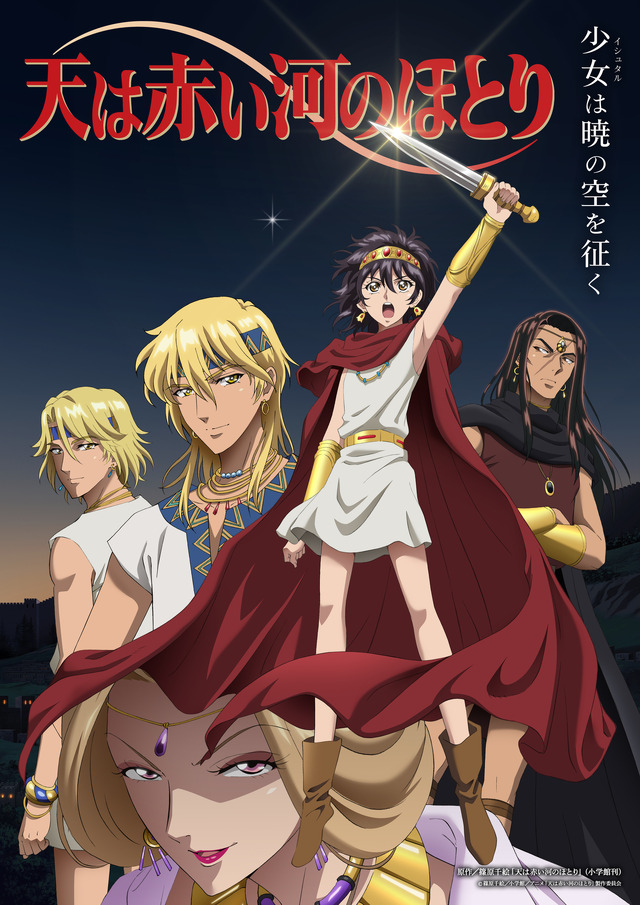
The premise of a modern girl time-leaping and adapting to a foreign land shares similarities with the isekai genre popular in recent anime, making it accessible to today’s viewers. For international audiences, the setting is familiar from world history and the Bible, giving it a unique advantage in global streaming. Domestically, longtime fans will surely welcome the revival of a masterpiece by a legendary shoujo manga artist in the Reiwa era.
These four series are a must-see not only for anime fans but also for history enthusiasts. With modern interpretations added, they promise a fresh excitement that standard genres cannot offer.