





Introduction
Some anime sneak up on you. You go in expecting one thing and come out with something entirely different, something that lodges itself in your memory and refuses to leave. Grow Up Show – Himawari no Circus-dan is that kind of series. On the surface, it looks like another entry in the crowded field of “cute girls doing unusual activities” shows, a circus-themed slice-of-life with a colorful cast and a cheerful premise. What it actually delivers is a surprisingly thoughtful meditation on trauma, found family, and the complicated process of learning to love something that once hurt you.
The premise is straightforward enough. Tsurumaki Mizuka, a sixteen-year-old girl who grew up in the legendary Lotus Circus under her father, the famous performer Black Lotus, finds herself abandoned and in debt after the troupe disbands. She is sent to the struggling Himawari Circus, a small traveling troupe based in Odawara, where she is forced into service by a forged debt. The ringmaster, a diminutive woman named Maria, sees something in Mizuka that Mizuka herself refuses to acknowledge: a prodigious talent for aerial performance and an undeniable love for the circus that she has buried under years of resentment.
What follows is a thirteen-episode journey that balances episodic character studies with a larger serialized narrative about competition, illness, and the meaning of home. The series moves from small-scale conflicts, recovering a stolen performance venue, helping a child at an orphanage, to a full-scale tournament arc where Himawari competes against the Sumeragi Group’s elite Blue Rose Circus for a chance to represent Japan at the World Circus Festival.
This is a series for viewers who appreciate character-driven drama with an ensemble cast. It is for fans of shows like Kaleido Star and Princess Tutu, works that use performance as a metaphor for personal growth and connection. It is not a series for viewers looking for animation spectacle or high-octane action. The production values are modest, sometimes frustratingly so, and the series relies heavily on emotional writing rather than visual showmanship. But if you can look past its limitations, what you find is one of the more emotionally honest anime of its kind, a story that takes its characters seriously and earns its moments of catharsis.

The Story’s Structure and Pacing
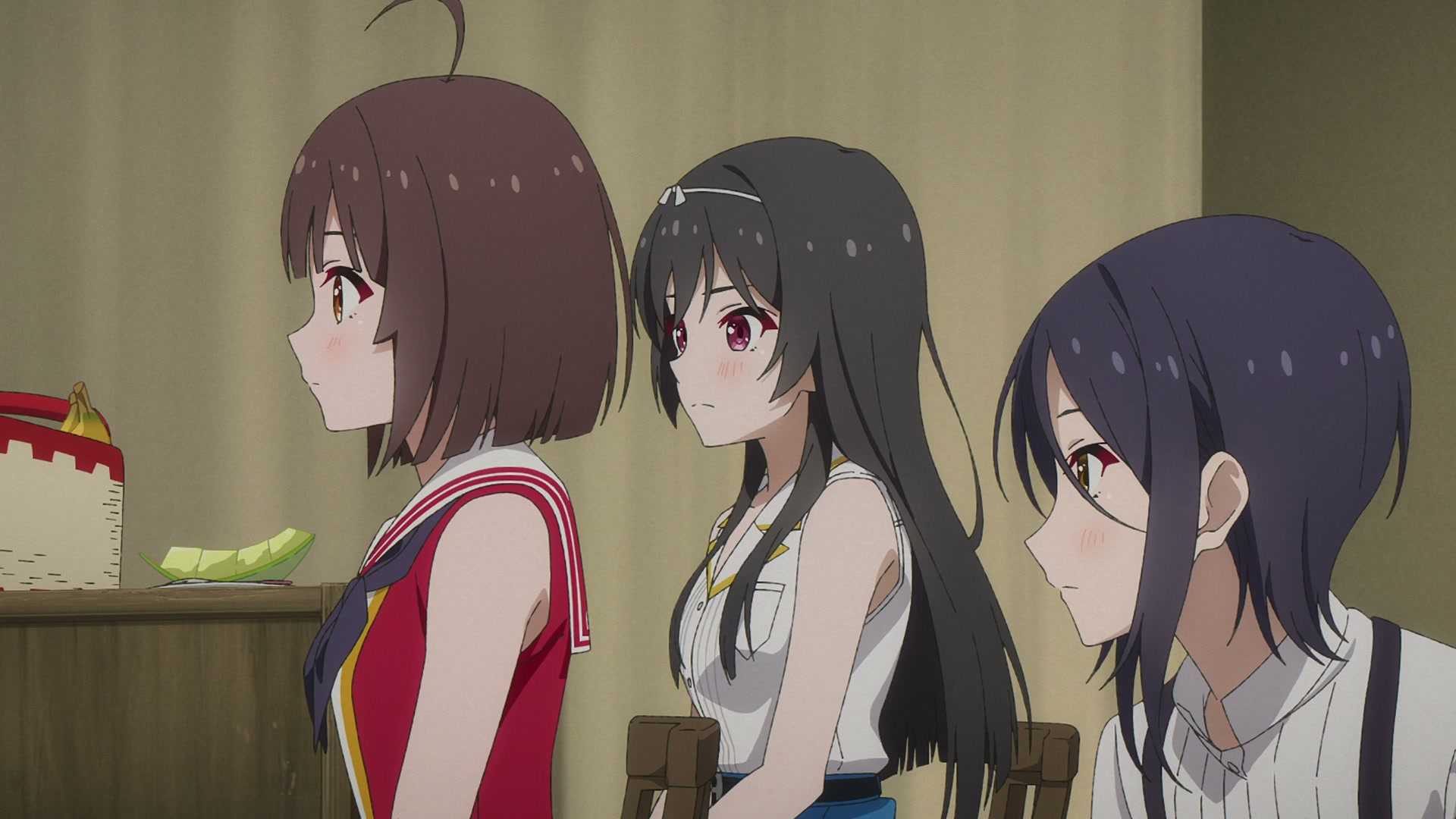
Himawari Circus follows a three-act structure that mostly works, though the seams are visible in the middle stretch. The first five episodes establish the premise and introduce the core cast through episodic adventures. We meet Mizuka, learn about her traumatic past with the Lotus Circus, and watch as she reluctantly begins to form bonds with the other members of Himawari. These early episodes are the strongest in terms of pacing, each one focusing on a specific character or conflict while slowly building Mizuka’s relationship with the troupe.
The middle section, roughly episodes six through nine, is where the series begins to rush. Major revelations come in quick succession: the truth about why the Lotus Circus disbanded, the revelation that Sumeragi Nanami is Maria’s younger sister, Maria’s life-threatening illness, and the decision to enter the Circus Collection tournament. Any one of these developments could sustain an entire arc on its own, but the series stacks them on top of each other with little breathing room. The emotional weight of Maria’s collapse, for example, is somewhat undercut by how quickly the plot moves on to the next crisis.
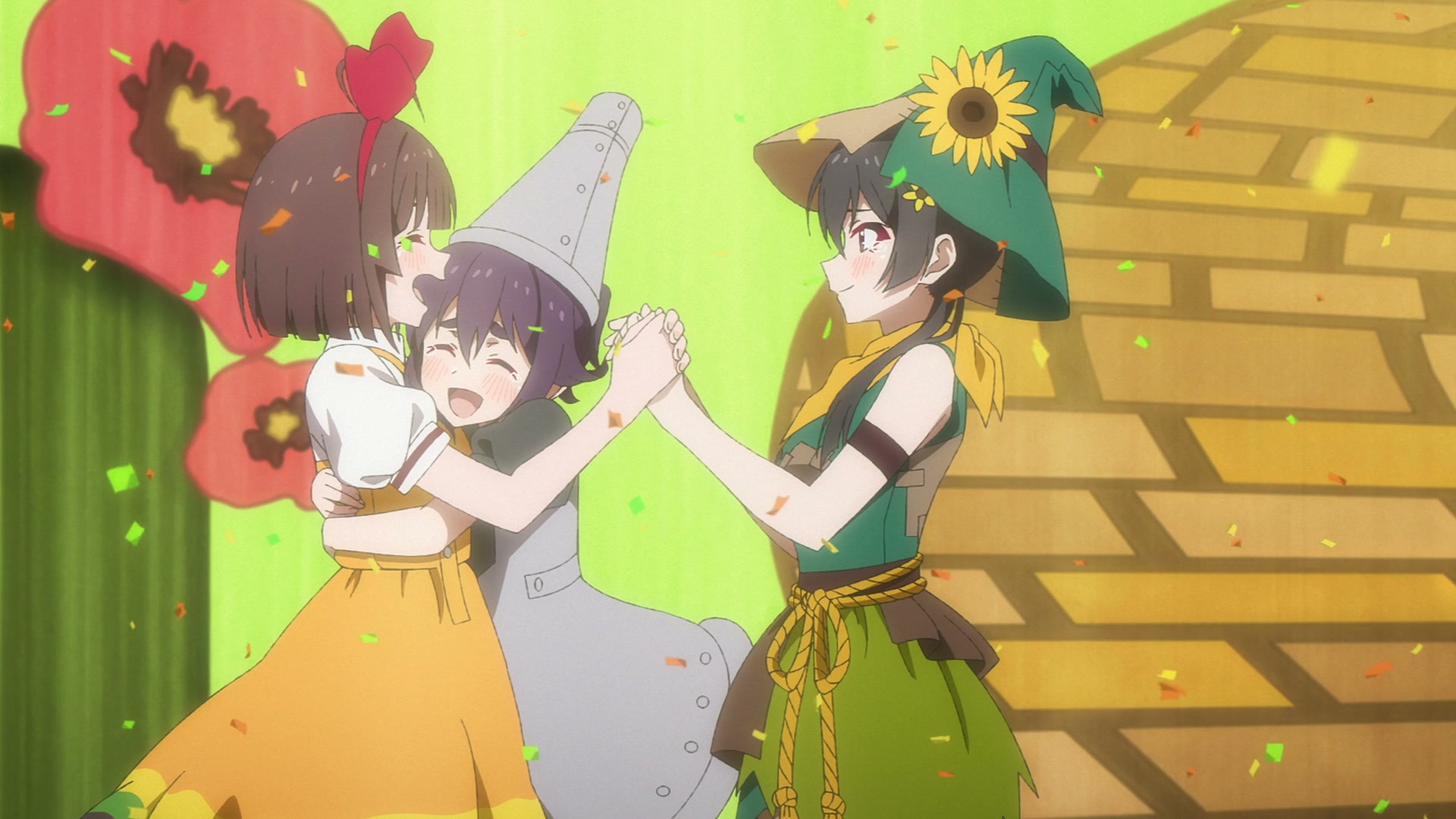
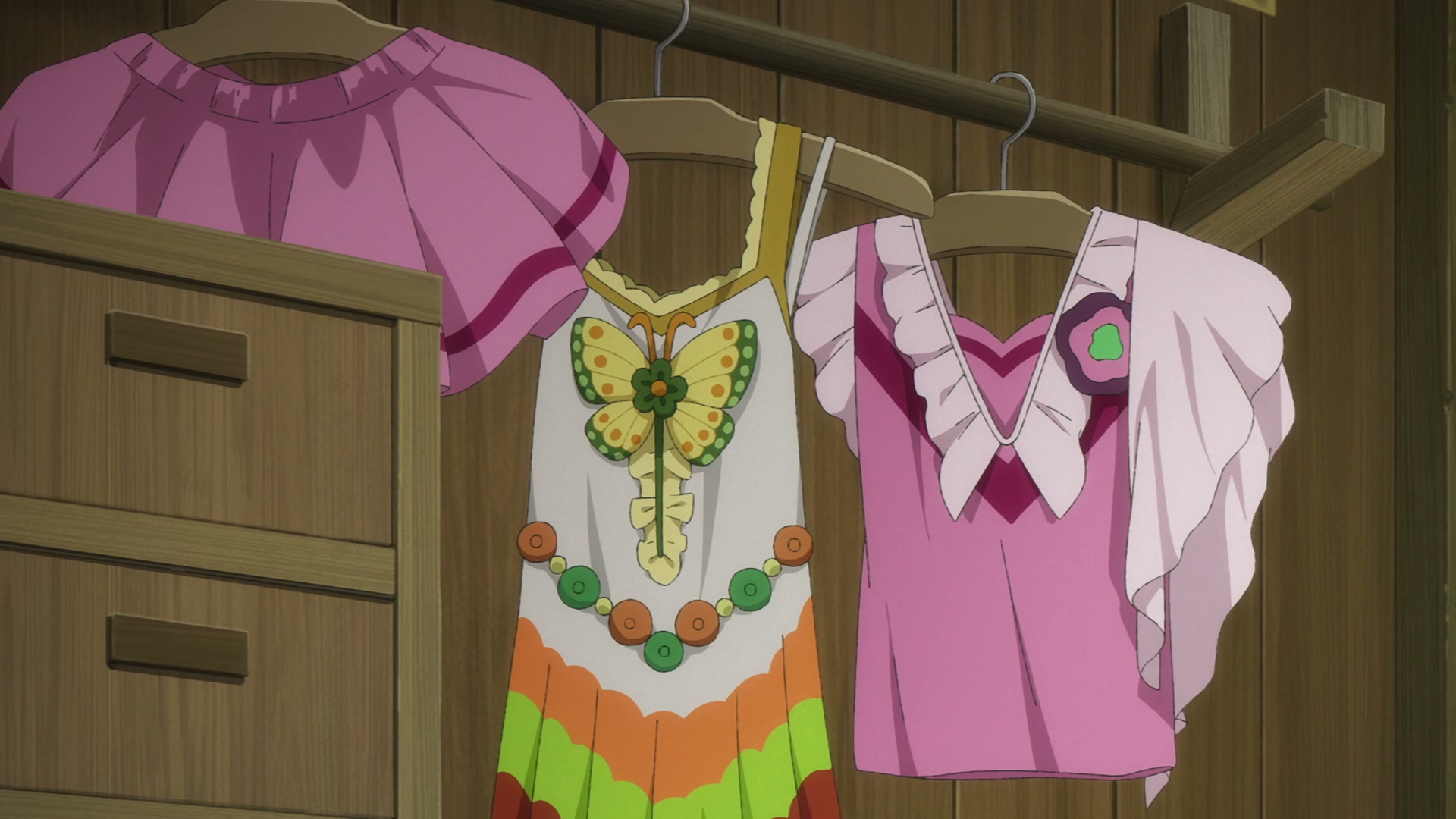
The final arc, covering the Circus Collection tournament, recovers much of the lost momentum. The decision to base the troupe’s final performance on The Wizard of Oz is a creative masterstroke. It gives the series a unifying visual and thematic framework for its climax, allowing the various character arcs to pay off in ways that feel organic rather than forced. The choice of story is also thematically rich: The Wizard of Oz is about a group of misfits on a journey to find something they already possess, which maps neatly onto the series’ themes of self-discovery and found family.


Family, Blood, and the Circus as Home
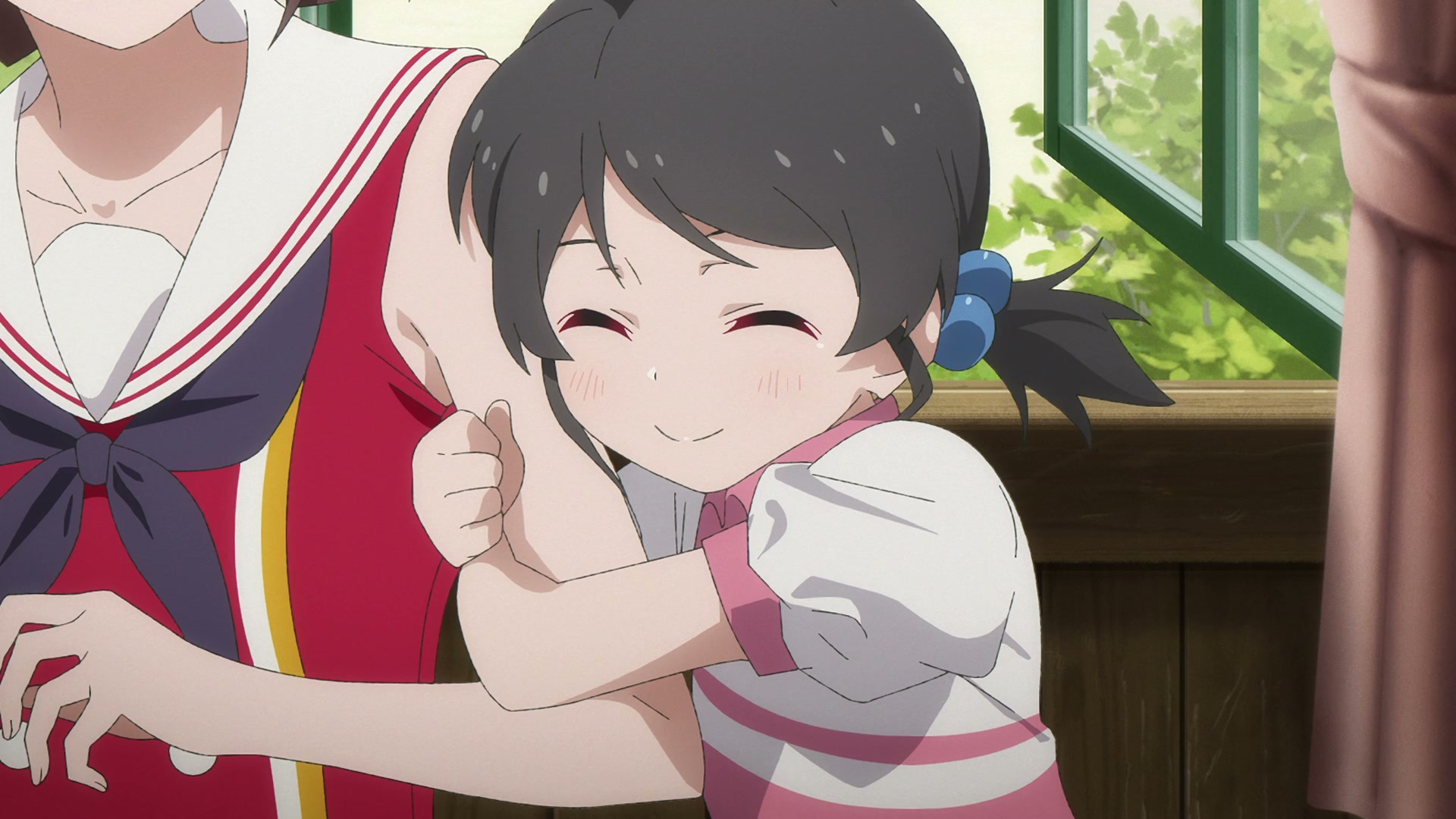
The central theme of Himawari Circus is family. Not the biological kind, though that plays a role, but the chosen kind. The circus troupe is explicitly presented as a surrogate family for girls who have been abandoned, orphaned, or otherwise cast out of society. Maria created the troupe for this purpose, having herself been rescued by Black Lotus after a childhood accident left her with amnesia and permanent physical damage.
Mizuka’s journey is the emotional core of the series. She lost her family when the Lotus Circus disbanded, and she has spent years resenting her father for taking that away from her. Her arrival at Himawari forces her to confront the possibility that family is not something you are given but something you build. The other members of the troupe all carry their own wounds: Ouka grew up in an orphanage; Imari’s family fell apart after her father’s career-ending accident; Isuzu left her own family to follow Imari; the twins Aoi and Akane have only each other.
The series is careful not to present this found family as easy or uncomplicated. Maria’s relationship with Nanami, her biological sister, is fractured by years of misunderstanding and mutual hurt. The troupe members squabble, compete, and sometimes say cruel things to each other. The debt that binds Mizuka to the troupe is a deliberately manipulative construct, and the series never entirely lets Maria off the hook for using it. But the underlying message is clear: family is not about blood but about the people who choose to stay, who show up when things are difficult, and who push you to become more than you thought you could be.
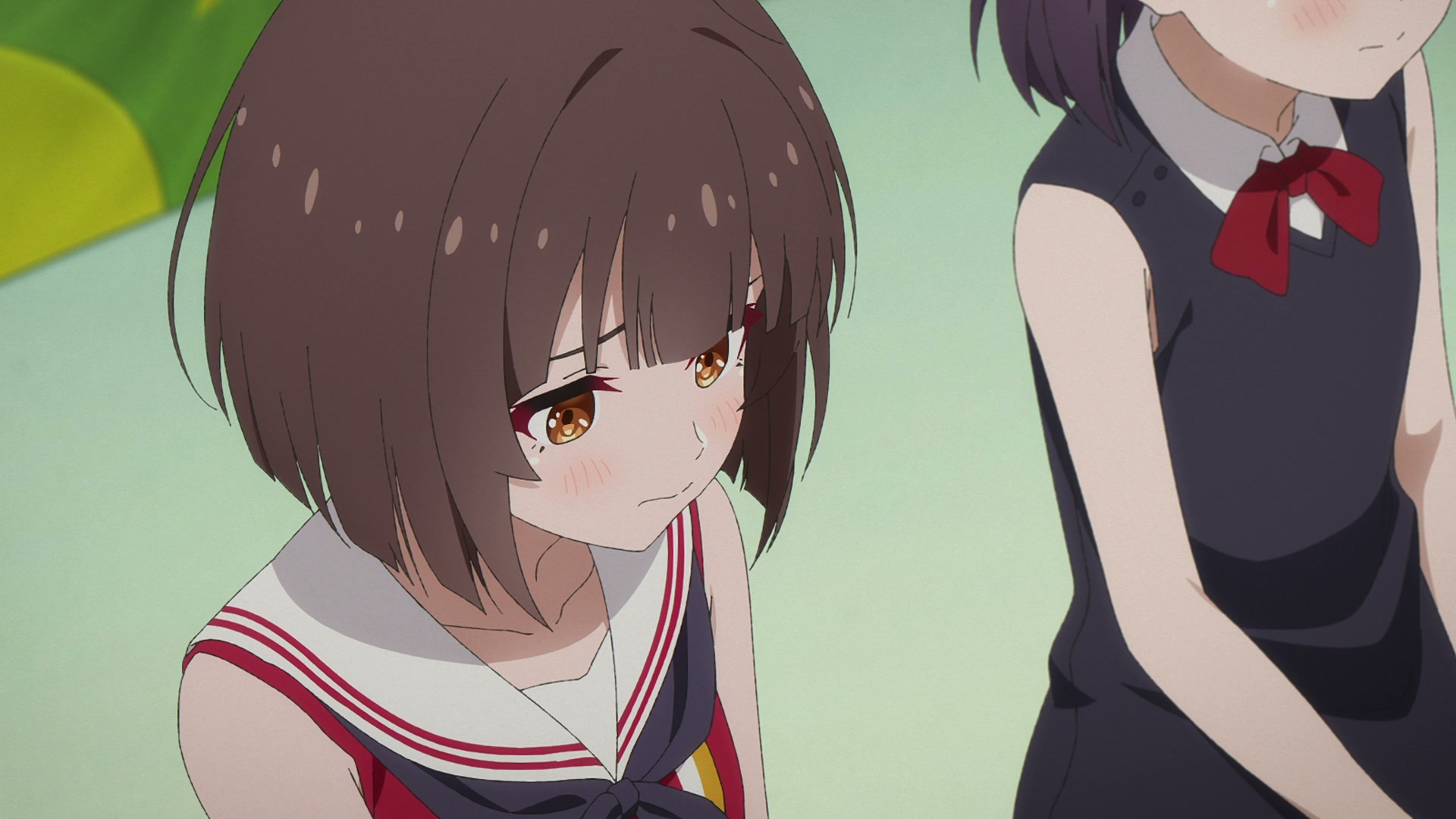
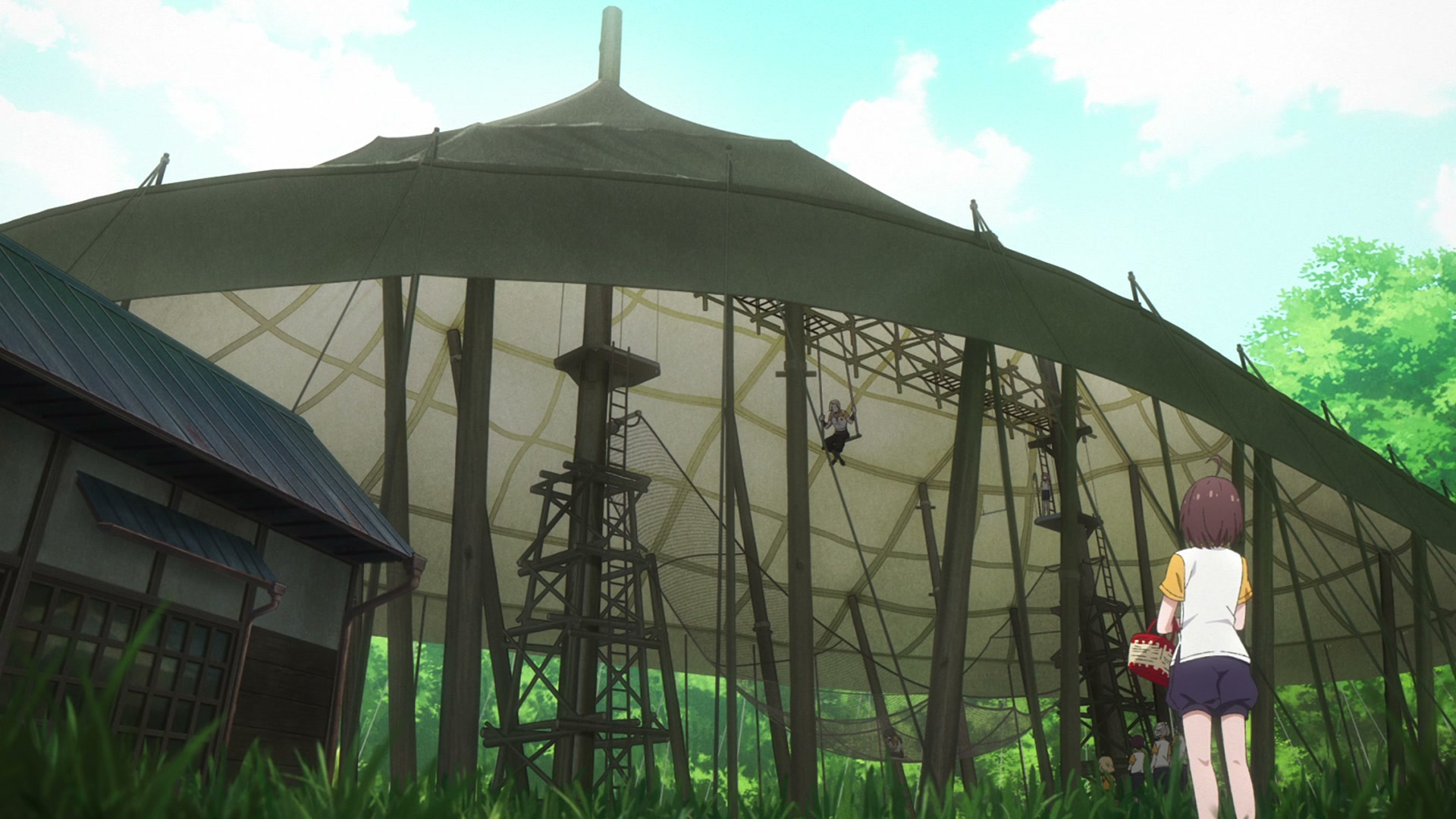
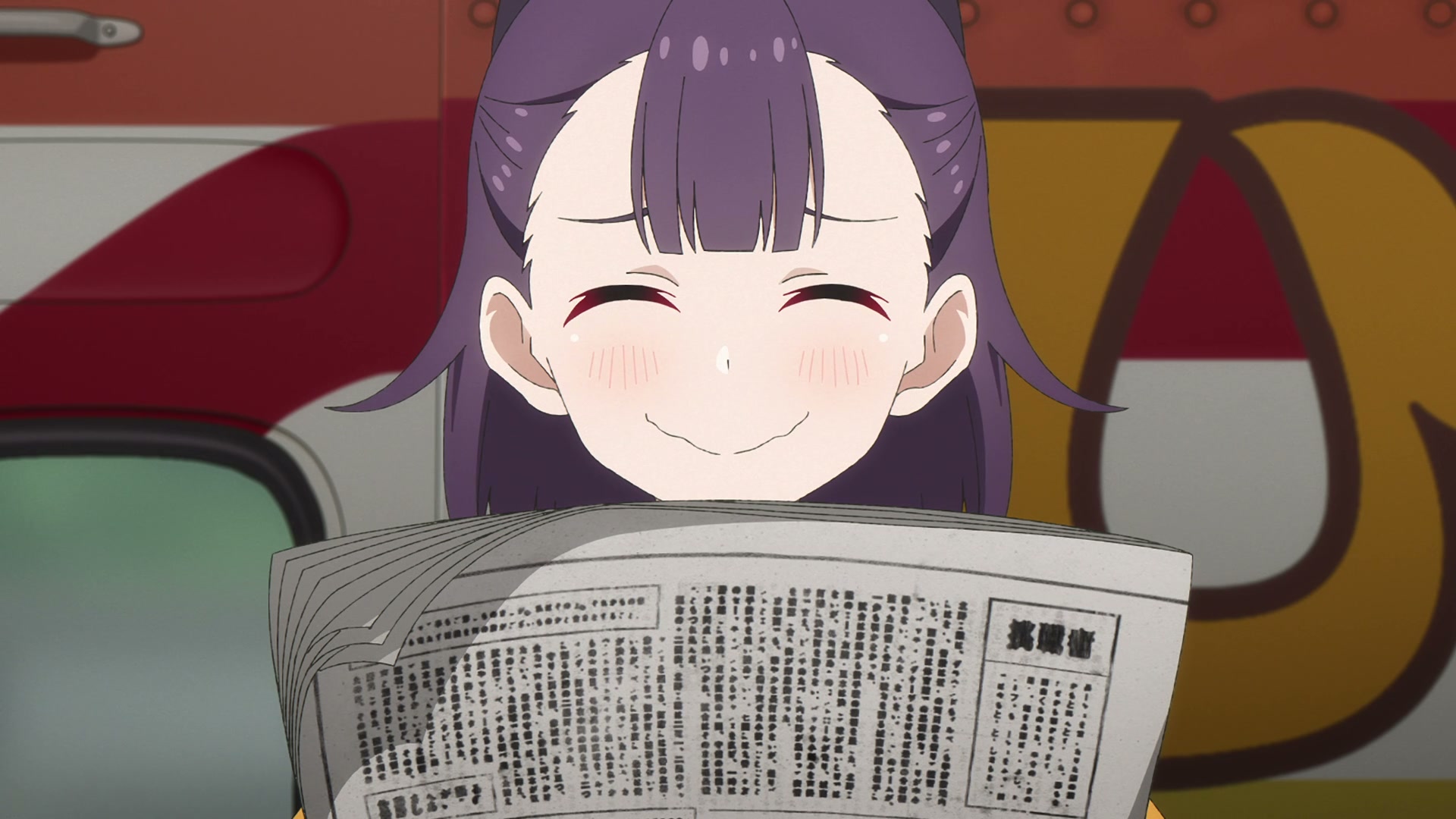
The title character of the series, if there is one, is the circus itself. The tent is not just a setting but a character, a place of refuge and transformation. The series uses the physical space of the circus to explore ideas about home, belonging, and the performance of happiness. The “Pavlovian smile” that Mizuka unconsciously makes when nervous is a sharp critique of how children in the entertainment industry are conditioned to perform emotions they do not feel. It is a visual detail that becomes a recurring motif, a reminder that the circus can be both a sanctuary and a prison.


Legacy and the Weight of the Past
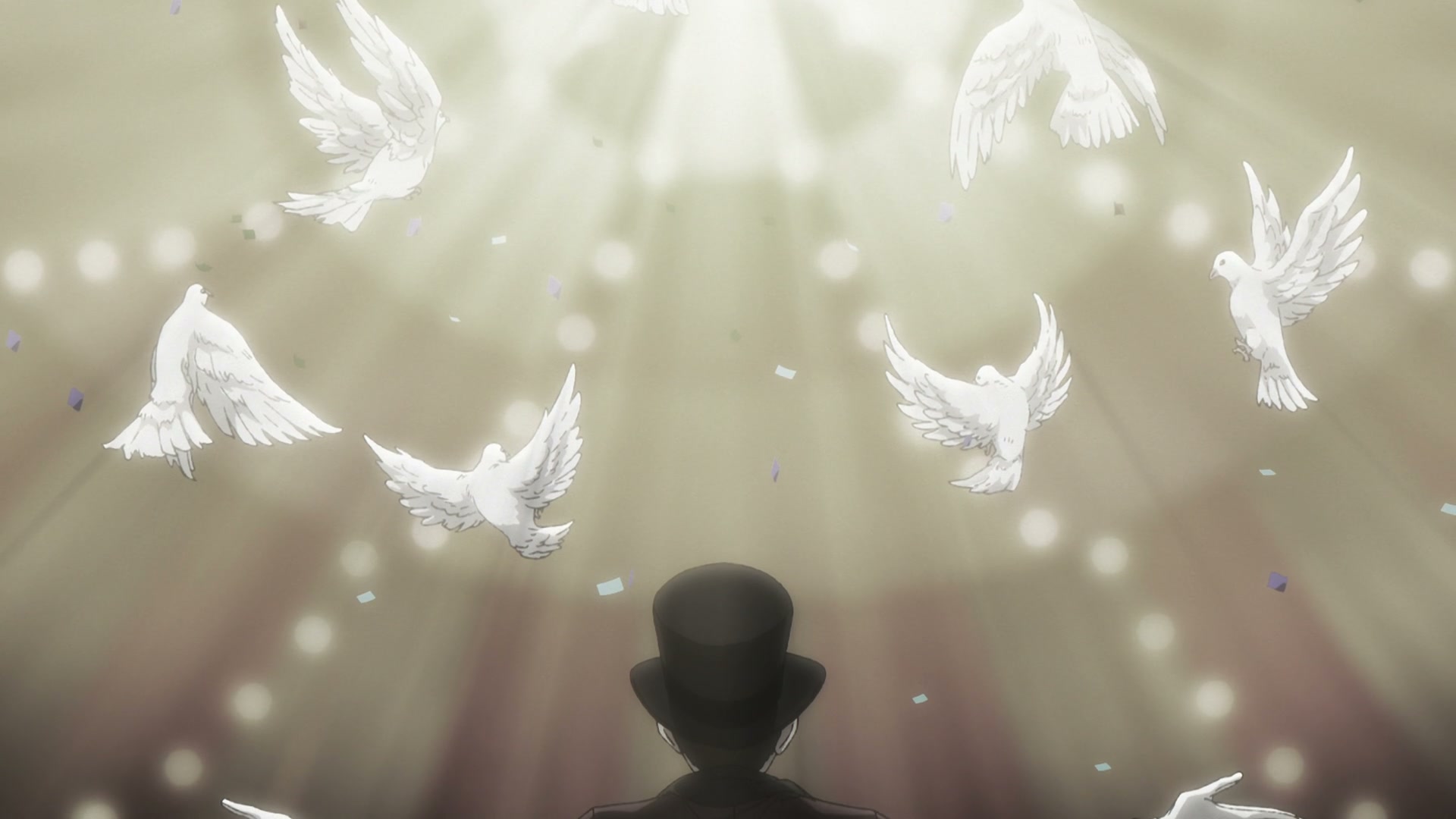
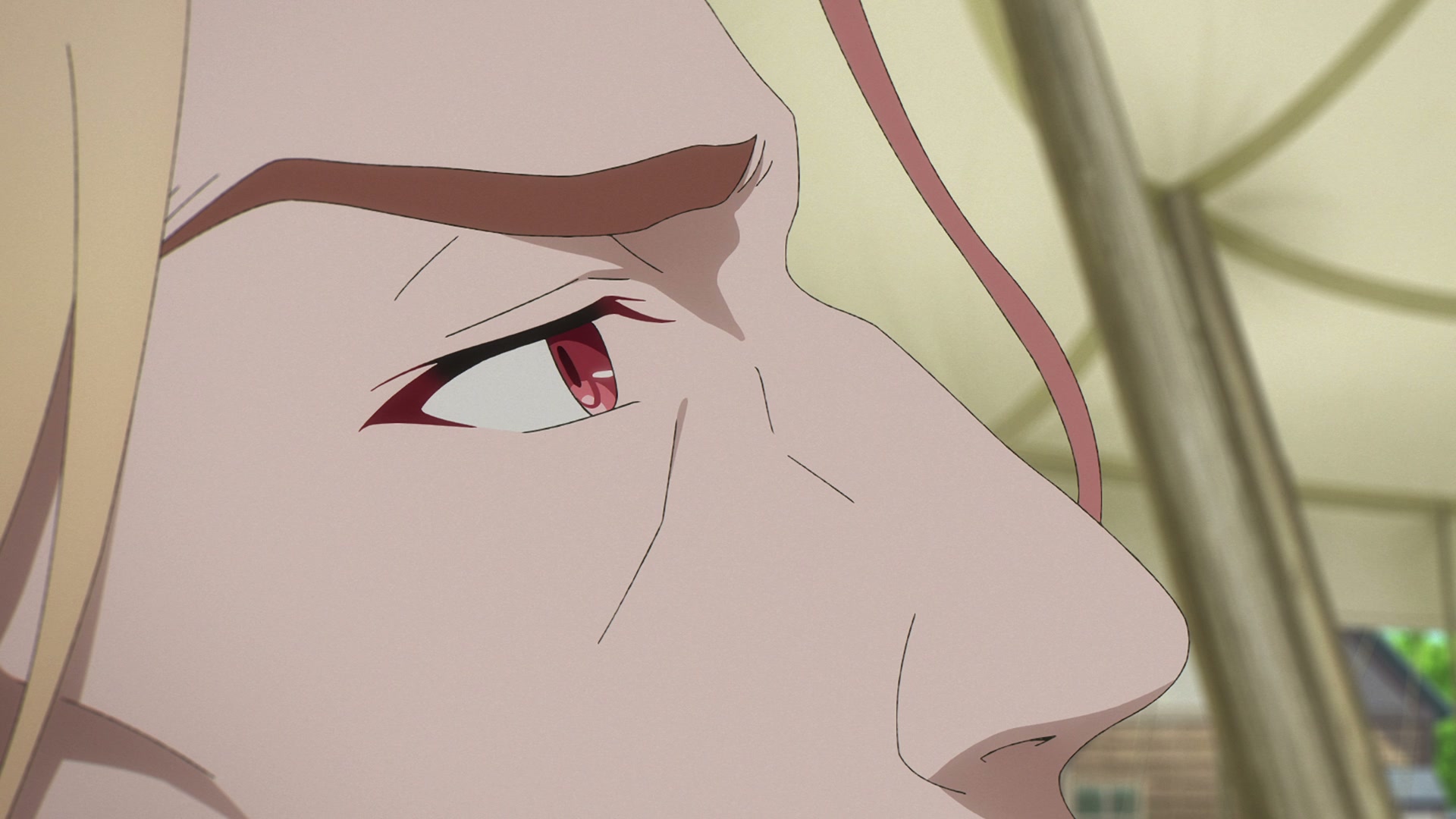
Black Lotus, Mizuka’s father, is the series’ most important absent character. He never appears on screen, yet his presence looms over everything. He is the reason Mizuka has her extraordinary physical abilities, and the reason she is so damaged. He created the legendary Lotus Blossom act, which Ouka dreams of recreating and which Nanami eventually perfects. He is the standard against which everyone measures themselves.
The series explores the burden of legacy through multiple characters. Mizuka must decide whether to follow in her father’s footsteps or create something new. Ouka must decide whether to spend her career chasing a trick that no one else has been able to reproduce. Nanami must decide whether to honor her sister’s dream or her own ambitions. The resolution, when it comes, is satisfying: the characters do not reject the past, but they do not let it dictate their futures. Instead, they choose to create something new, something that draws on the past but is not bound by it.
This theme is particularly resonant in Japanese storytelling, where the tension between tradition and innovation, between respecting the past and creating the future, is a recurring concern. The circus, as an art form that depends on tradition but must evolve to survive, is a perfect vehicle for exploring these ideas.
The Characters Who Make It Work
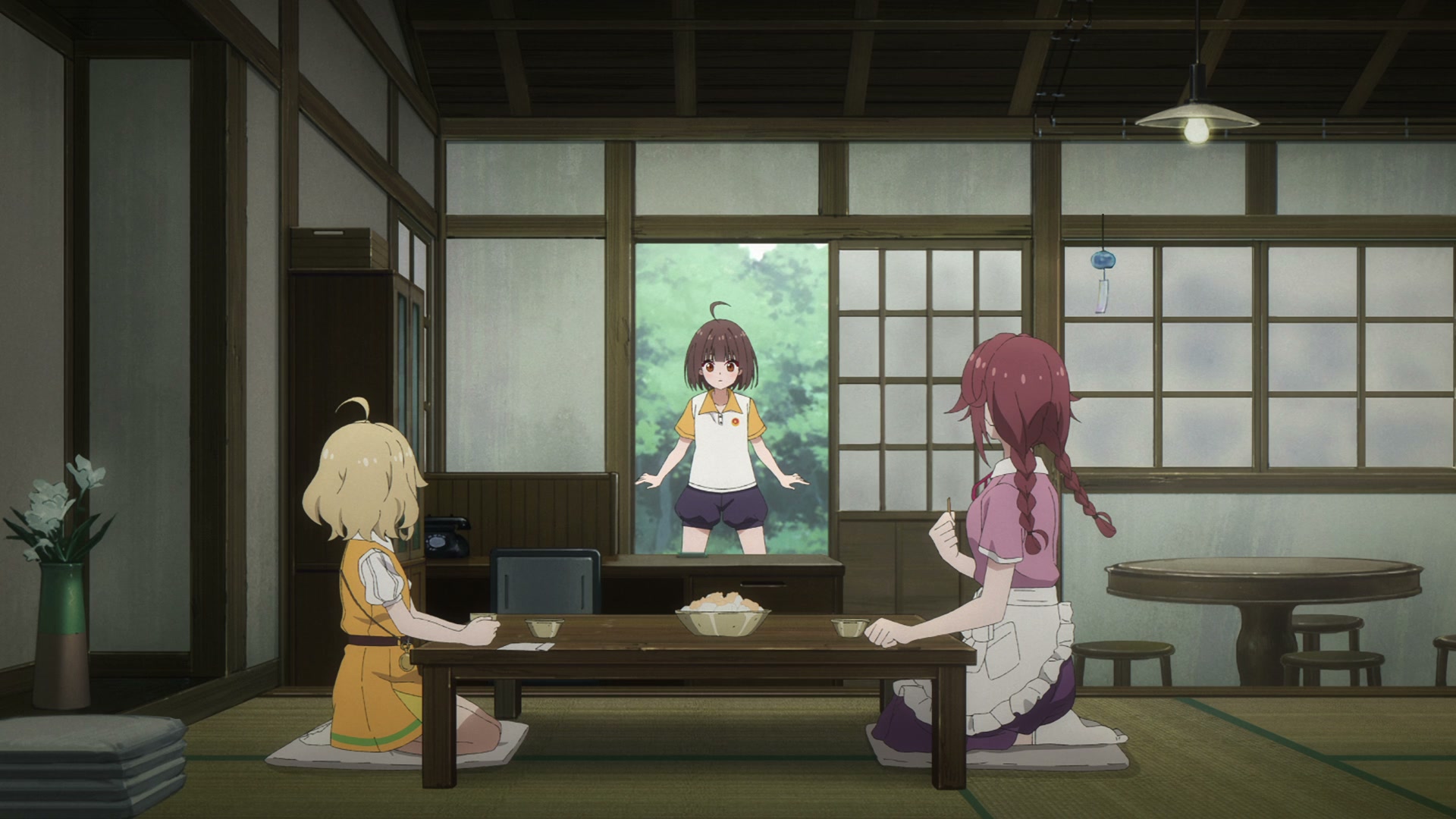
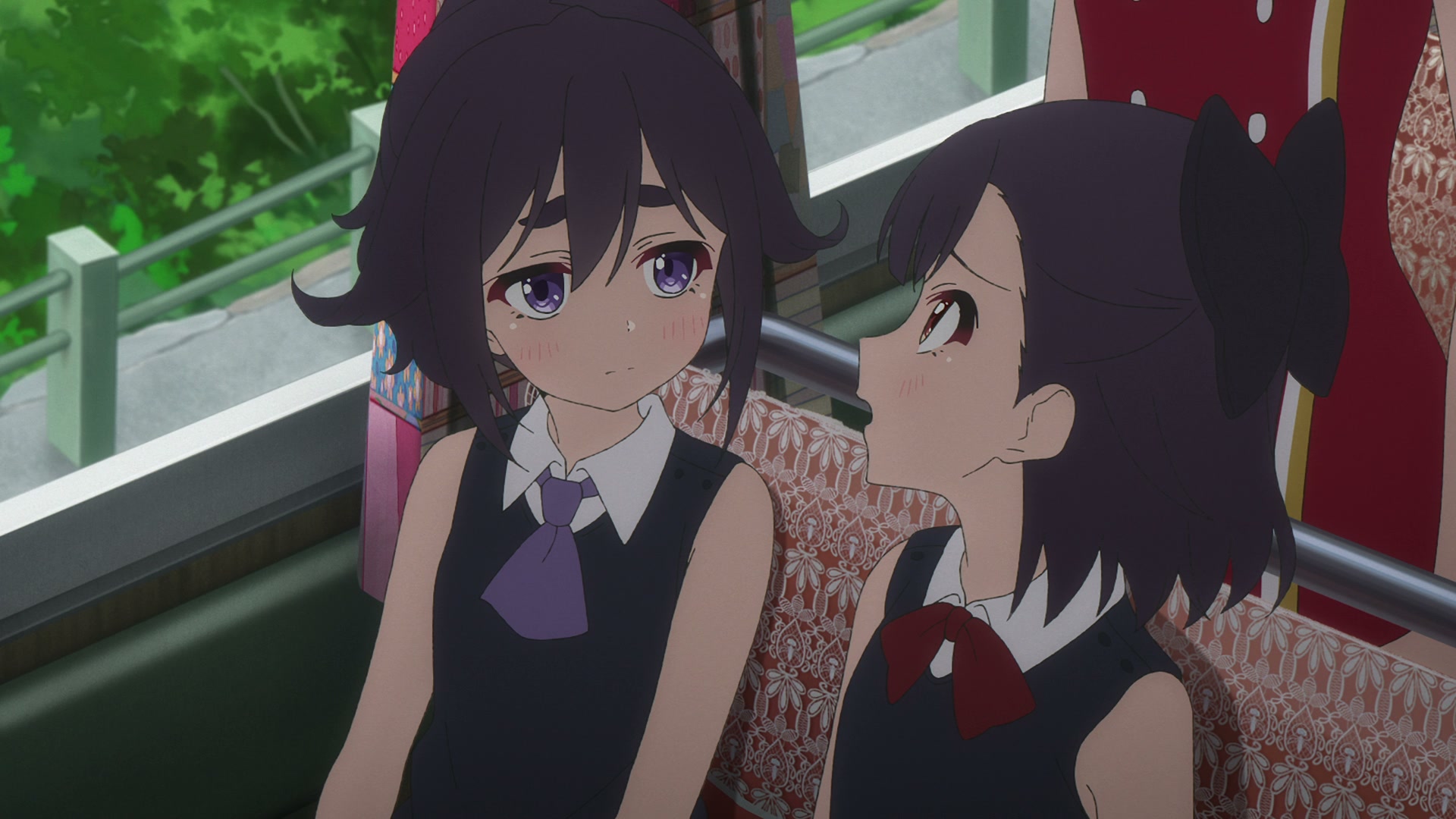
Mizuka is the series’ protagonist, and much of its success depends on her. She is a difficult character to like at first, blunt to the point of rudeness, emotionally closed off, and frequently motivated by the most base desires (food, money, avoiding work). But this is precisely what makes her compelling. Her bluntness is a defense mechanism, her emotional distance a response to trauma. As the series progresses and she begins to open up, her moments of genuine feeling land harder because they feel earned.
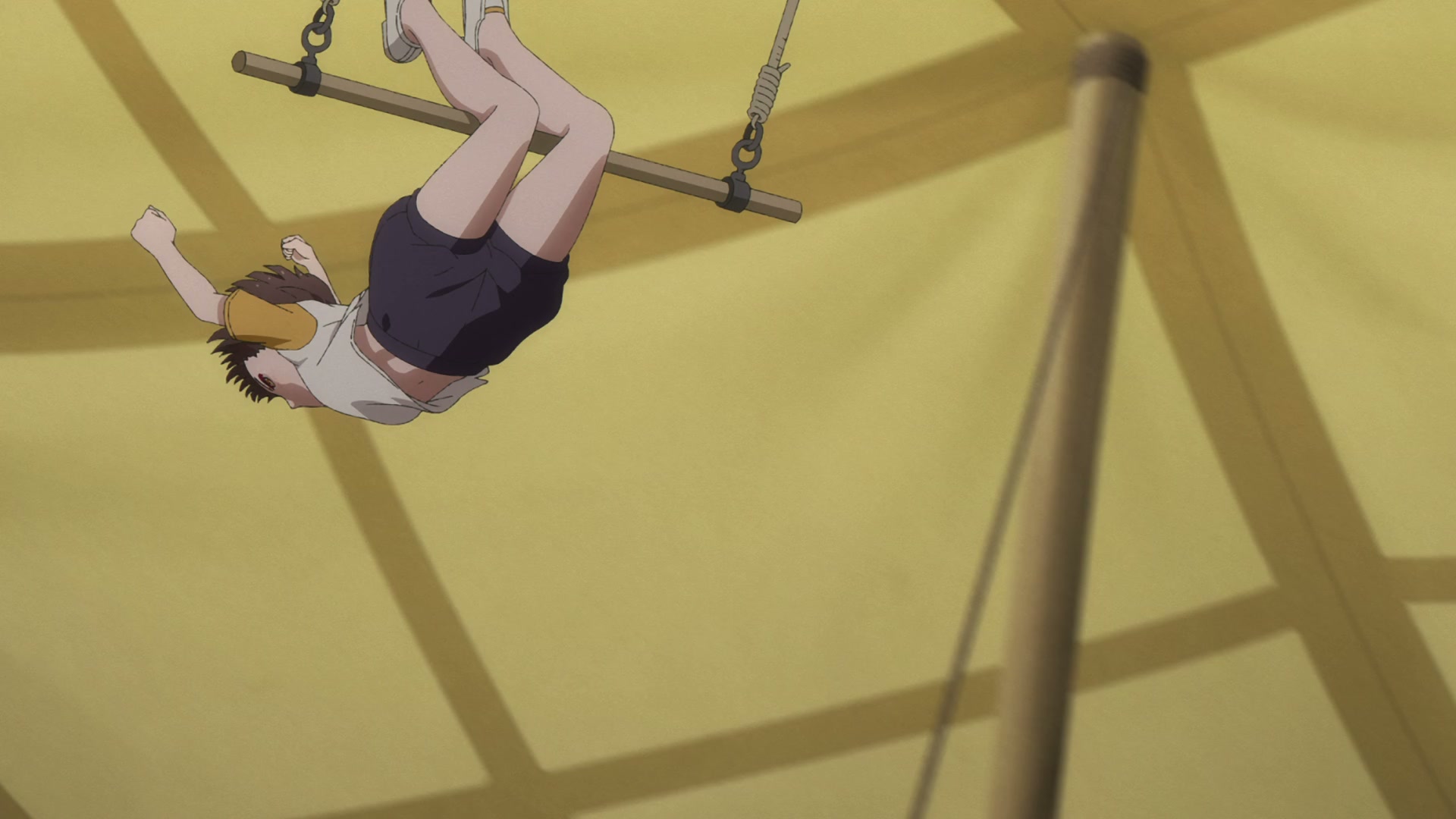
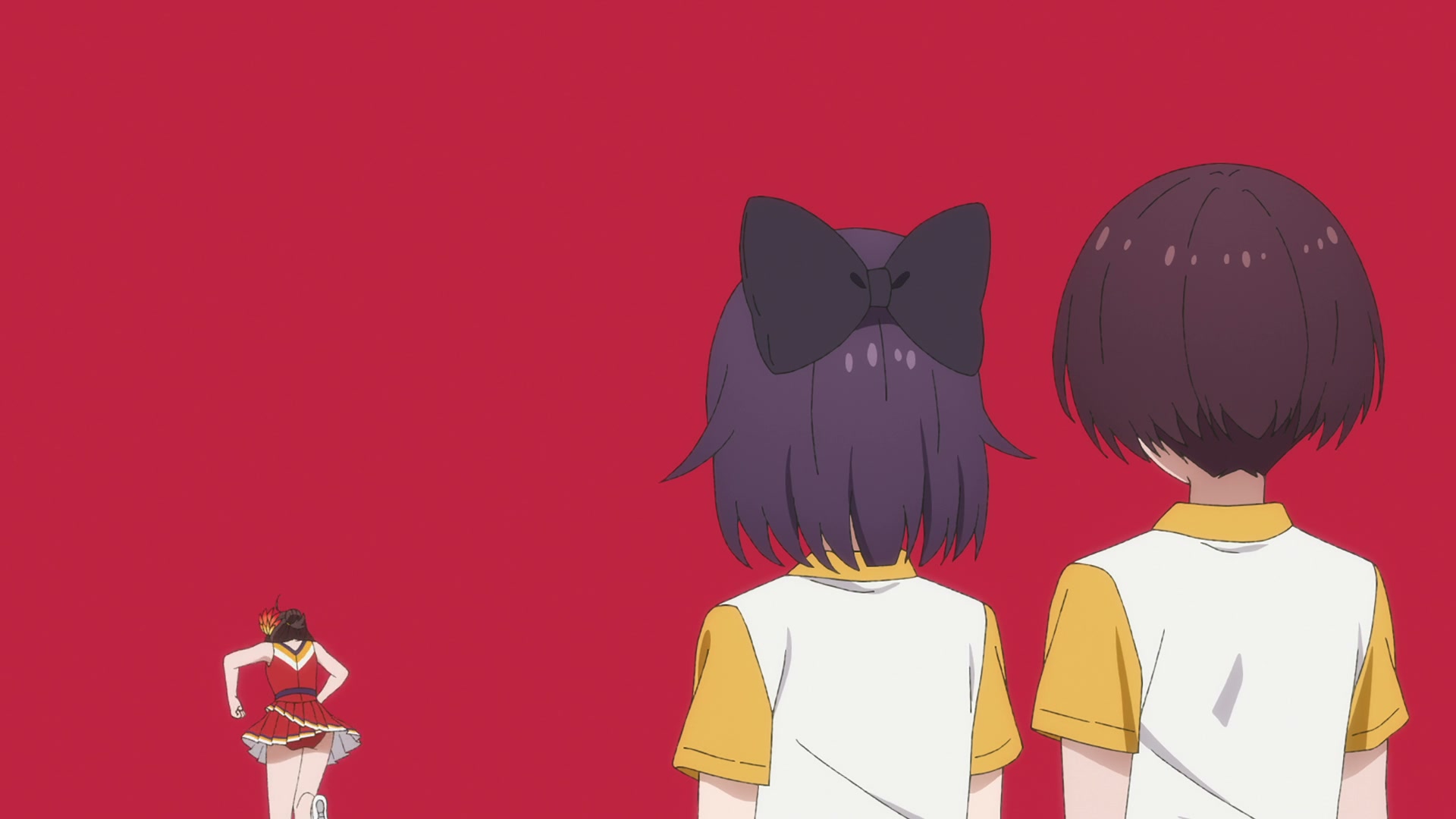
Her relationship with Ouka is the emotional heart of the series. Their partnership as flyer and catcher is built on trust, and the series does an excellent job of showing how that trust develops over time. The physical intimacy of trapeze, the catcher literally holding the flyer’s life in their hands, becomes a metaphor for the emotional intimacy they slowly build. The climactic moment when they switch roles mid-air is not just a clever trick but a visual representation of how far their relationship has come.
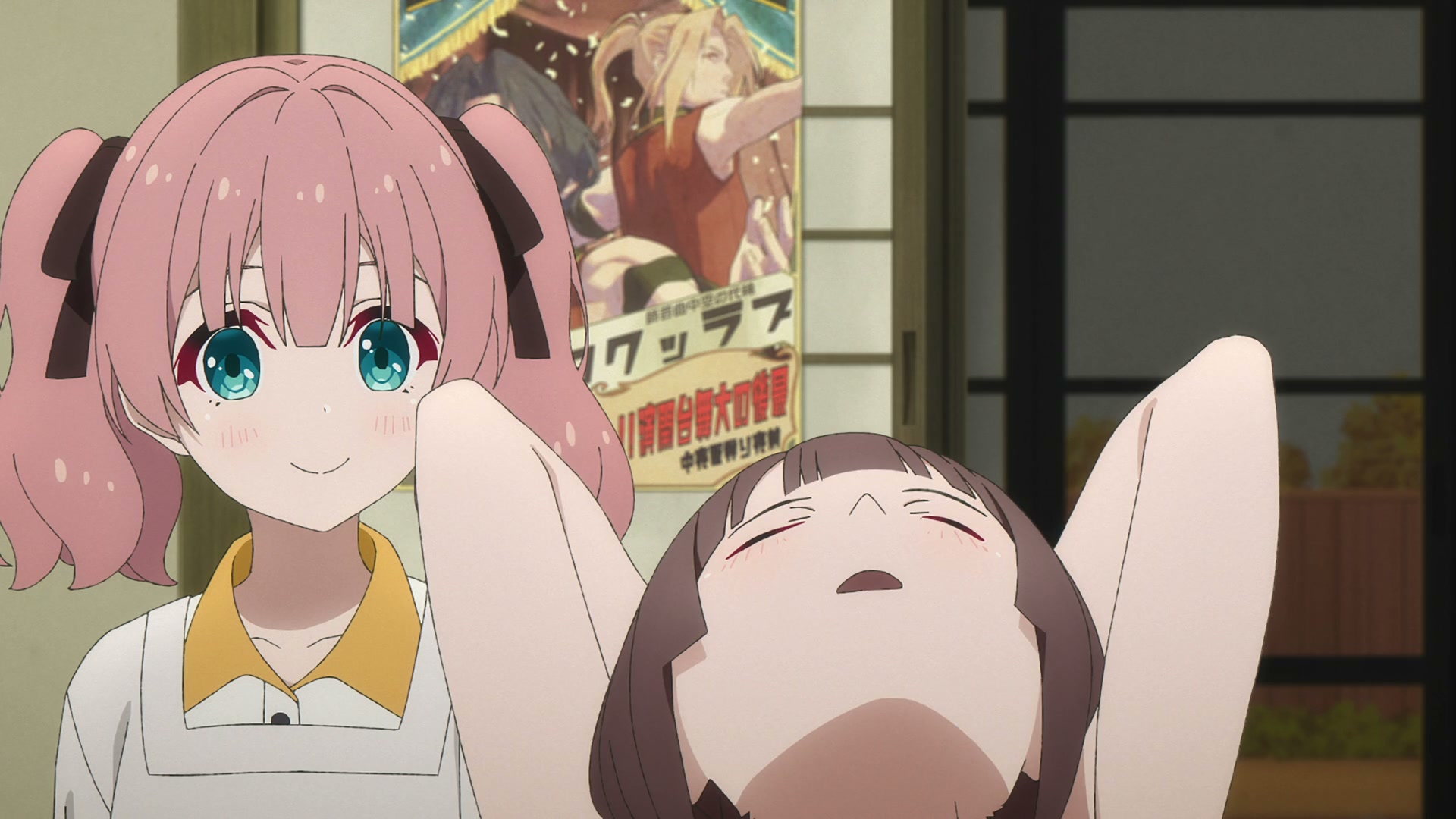
Ouka herself is a fascinating character. She is introduced as the stoic professional, the graceful star who does not let anything affect her. But as the series progresses, we see the passion beneath the surface, her possessiveness of Mizuka, her childish jealousy of anyone who competes for Mizuka’s attention, and her desperate desire to be seen and appreciated. She is a kuudere, yes, but a well-written one whose coldness is not a personality trait but a coping mechanism.
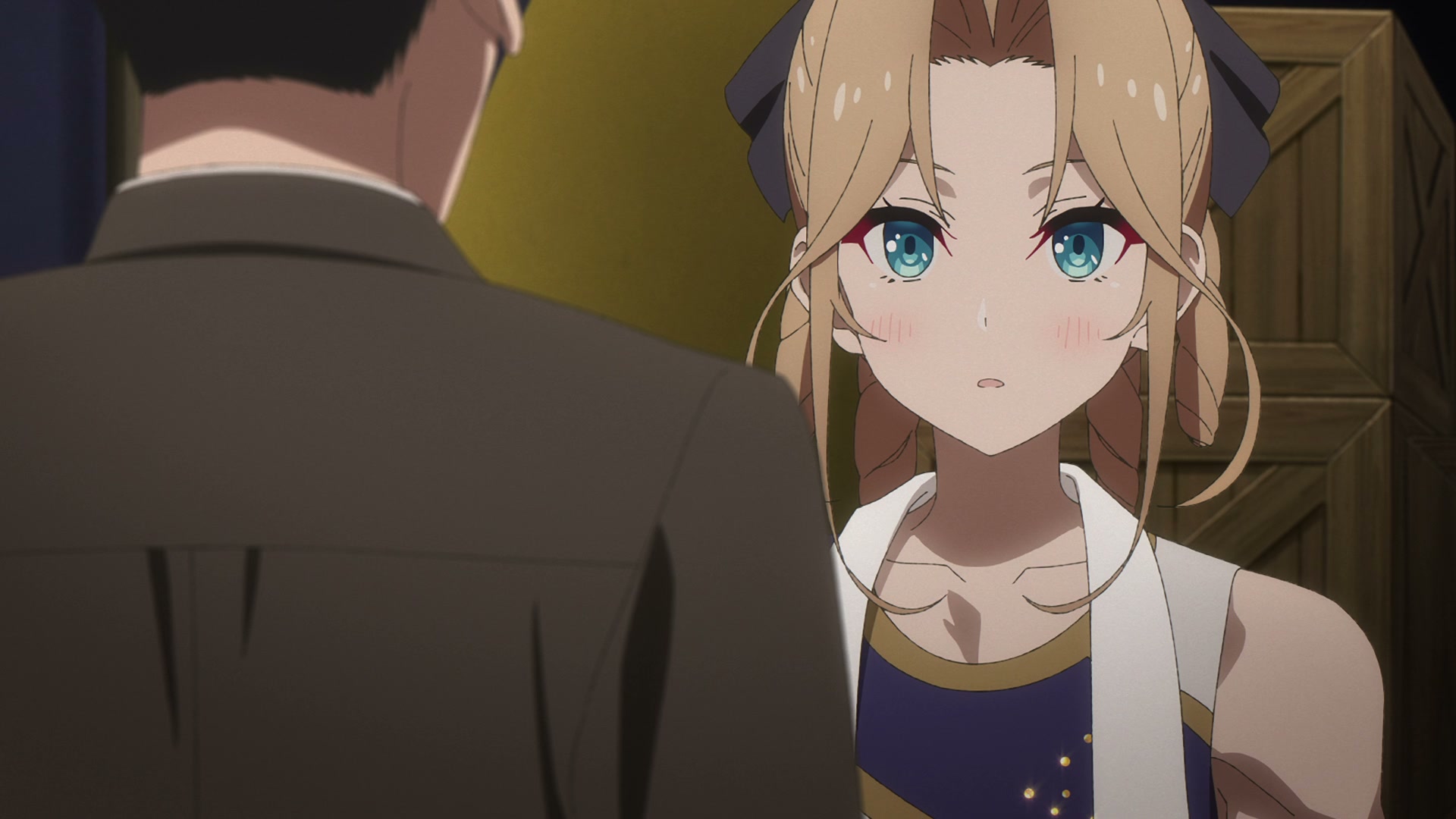
Maria is the most morally complex character in the series. She is manipulative, using debt and guilt to force Mizuka into performing. She hides her illness from everyone and makes decisions that affect the entire troupe without consulting them. And yet, her love for her family is genuine. She created Himawari to give hope to girls who had none, and her greatest fear is not her own death but the thought of her family being torn apart. The series does not excuse her manipulative behavior, but it does explain it, showing how a woman with her back against the wall might resort to whatever means necessary to protect the people she loves.
Nanami is the antagonist, but the series wisely avoids making her a villain. Her harshness toward Mizuka and the Himawari troupe is rooted in love for her sister and the pain of being abandoned. She wants to protect Maria, and if that means forcing her to shut down the circus and get treatment, then so be it. The gradual thawing of her relationship with Mizuka is one of the series’ better subplots, culminating in her decision to let the Himawari troupe continue performing their way.
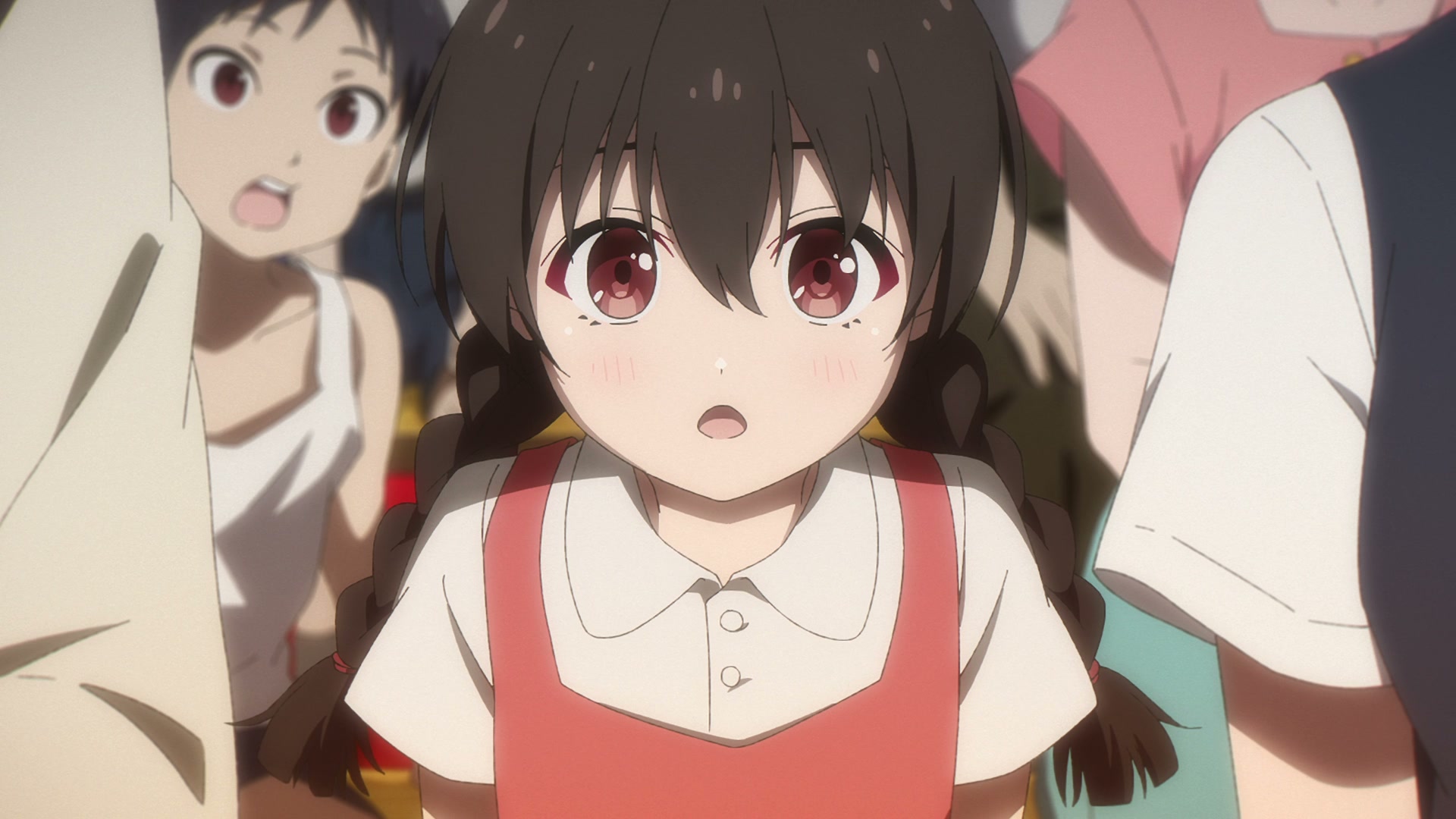
The supporting cast is large but well-managed. Each character gets at least one episode that focuses on their specific wound and how they process it. Imari’s stage fright and her fractured relationship with Isuzu, the twins’ codependency and fear of change, Shizuku’s physical limitations and her rivalry with Mutsumi, Svetlana’s past as a prodigy and her fear of being past her prime. These are not just backstories; they are character studies that pay off in the ensemble dynamics of the final arc.

Visuals and Animation: Modest Means, Clear Intentions
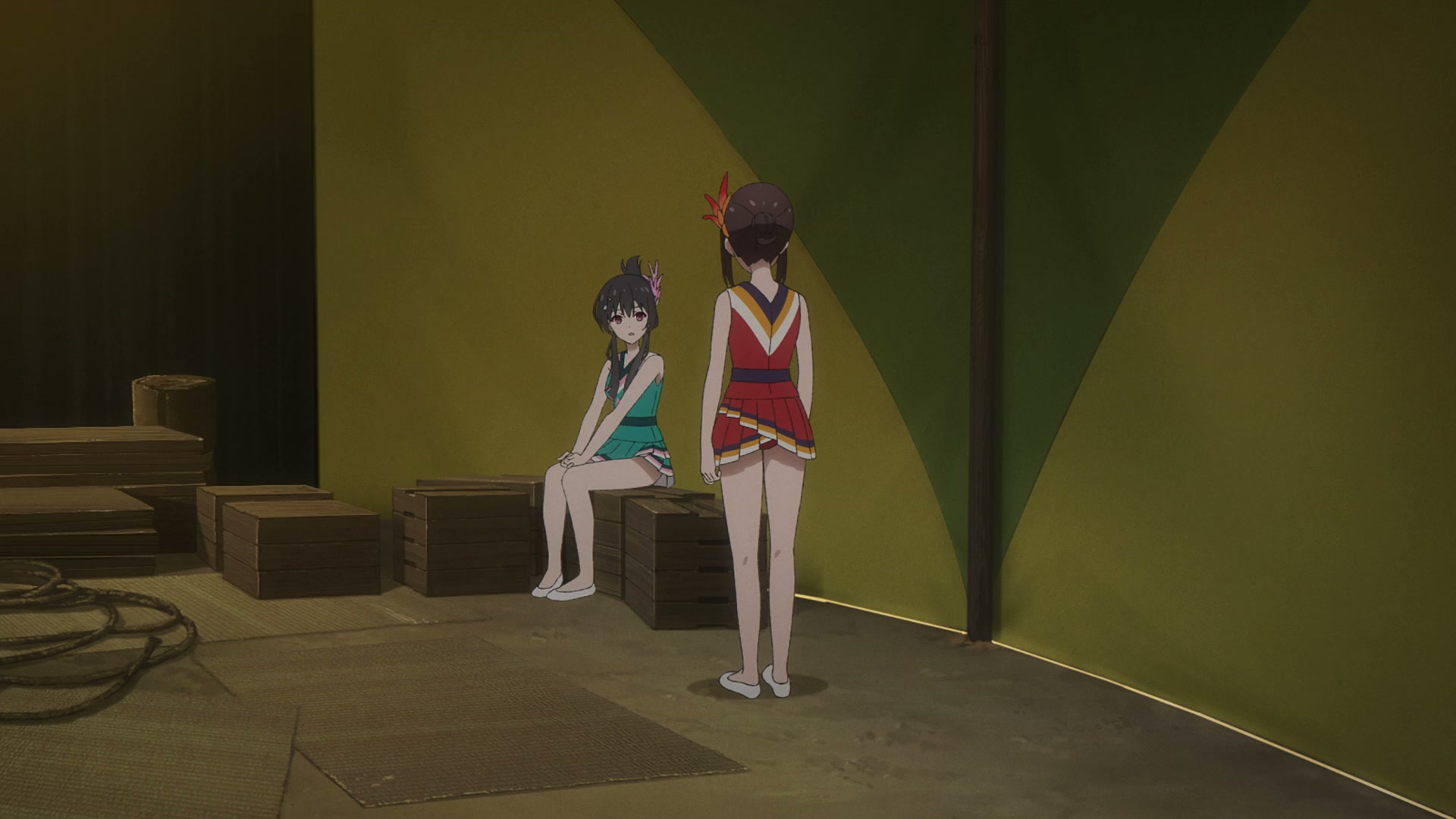
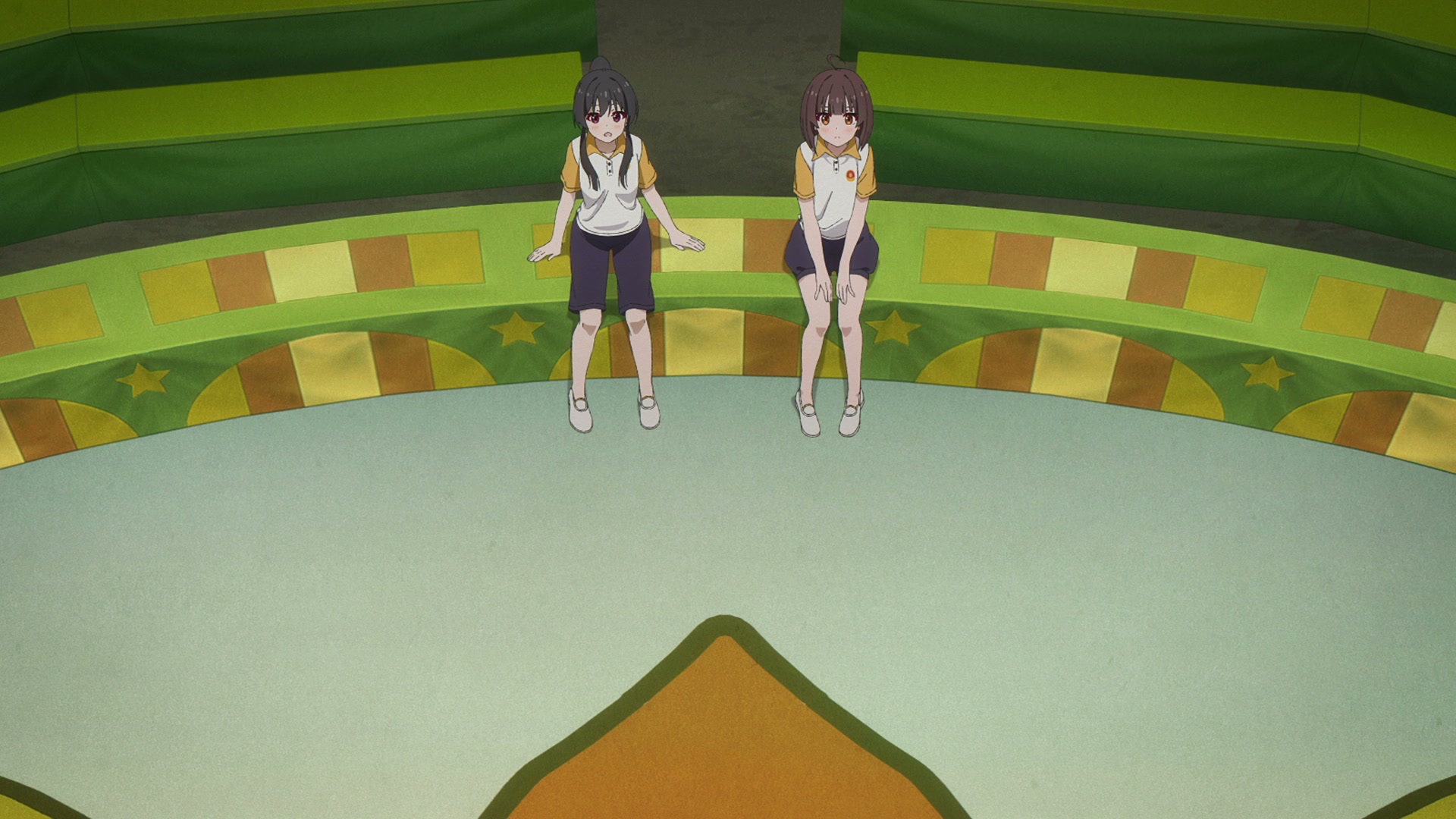
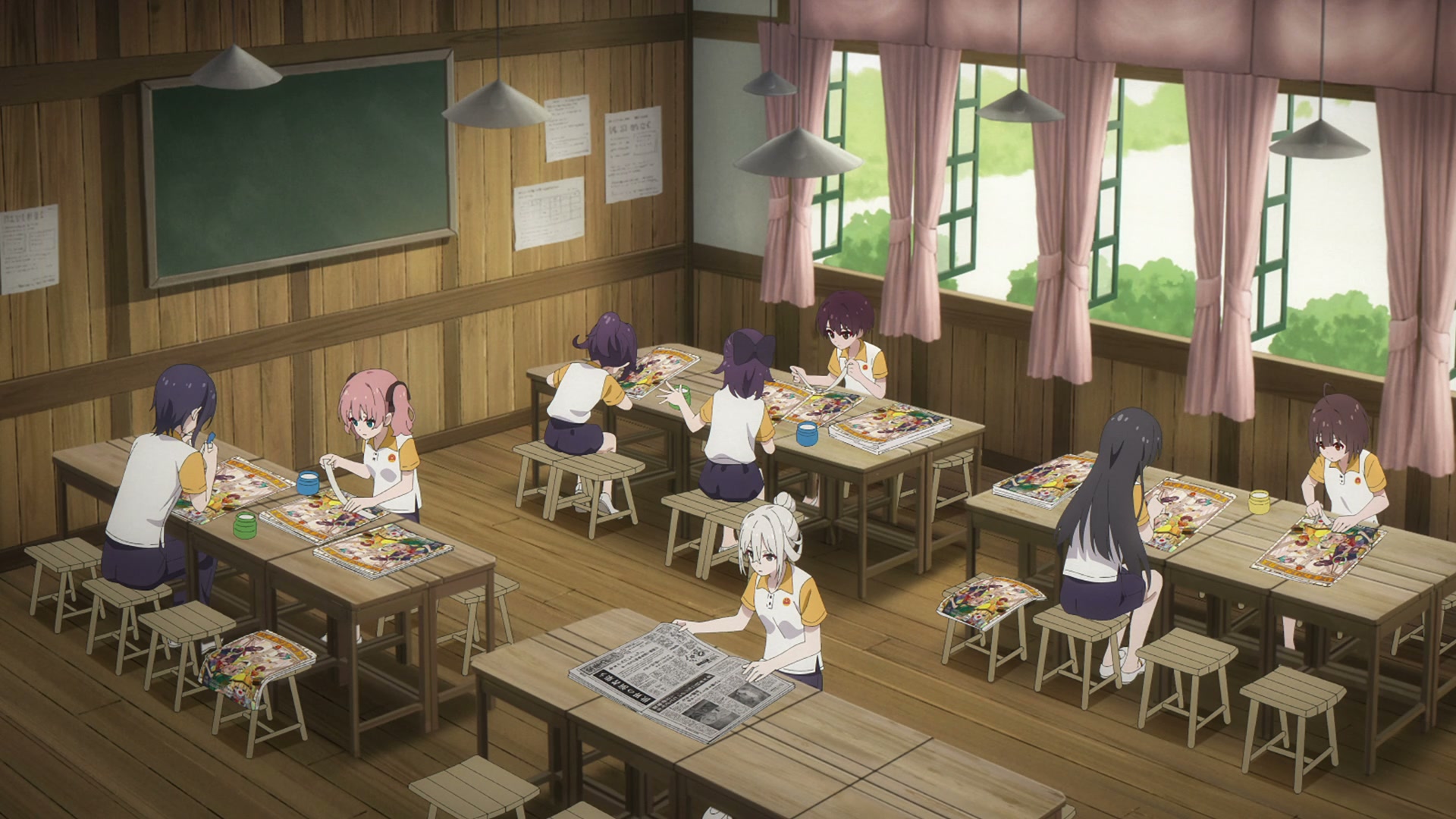
The visual production of Grow Up Show – Himawari no Circus-dan is where the series shows its limitations most clearly. This is not a high-budget production. The animation is frequently static, with characters holding poses longer than they should, and action sequences relying on quick cuts and implied movement rather than fluid animation. The trapeze acts, which should be the visual highlight of the series, are often underwhelming, with the camera cutting away at key moments or using slow pans over still frames to suggest movement.
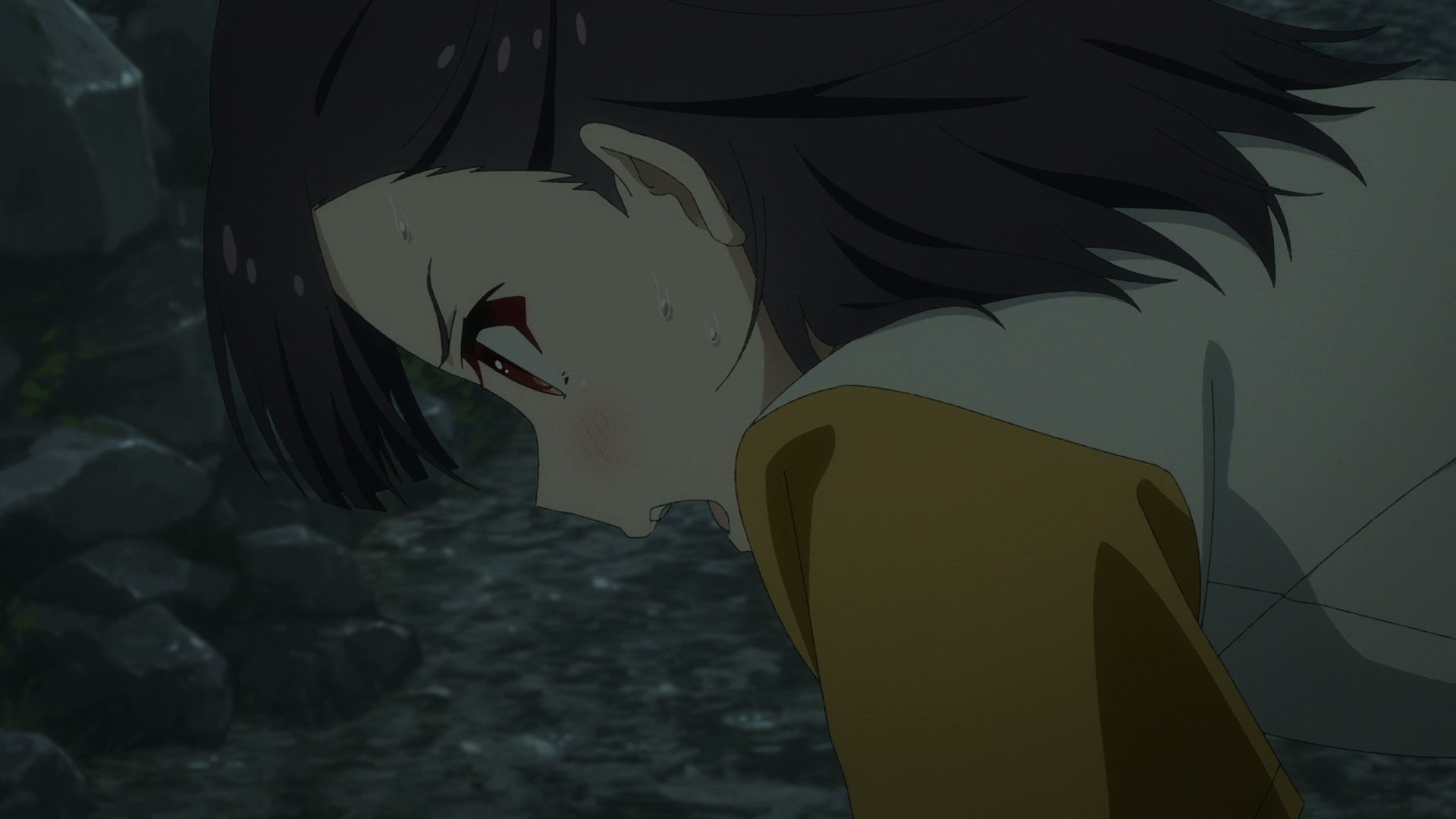
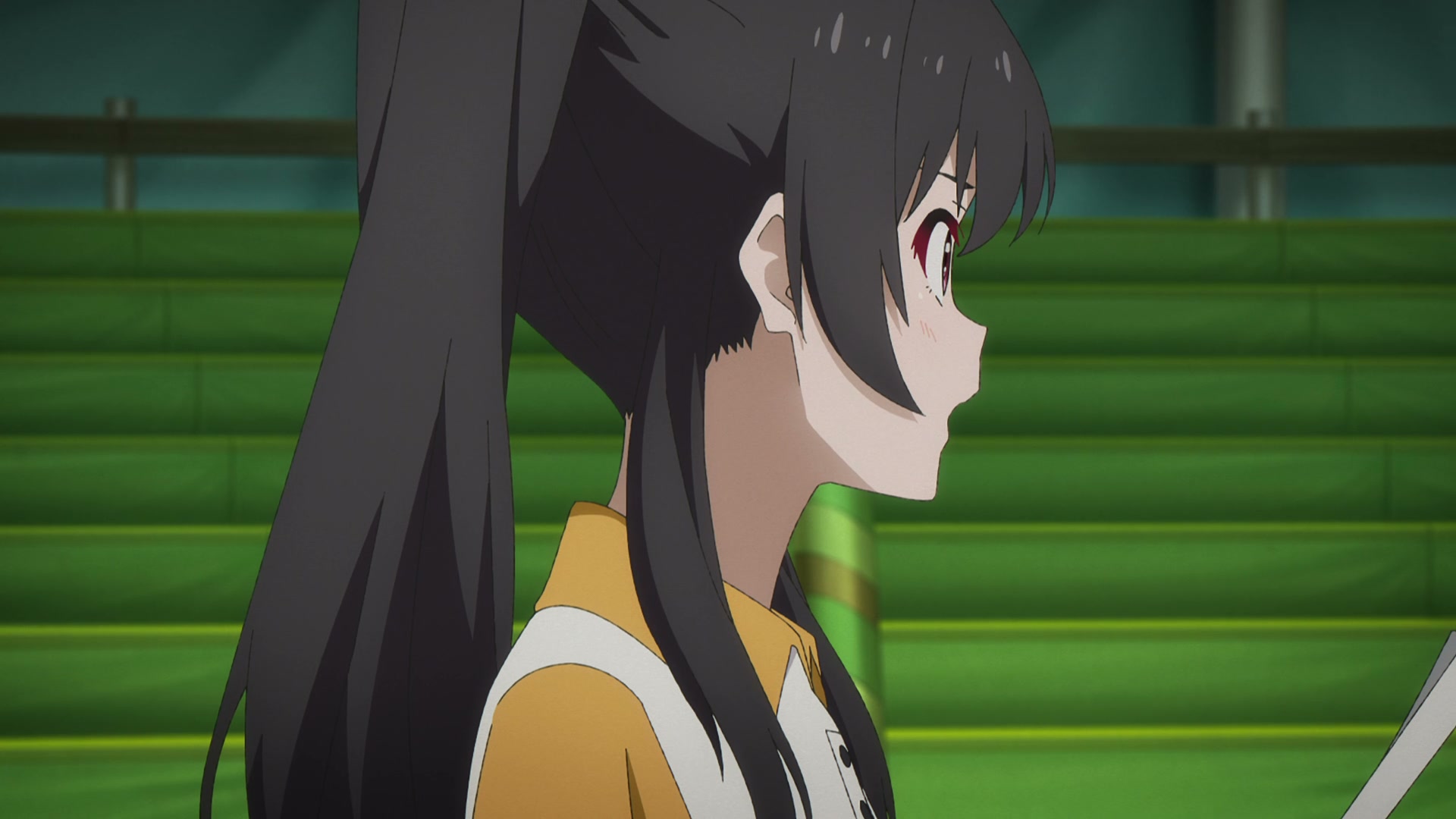
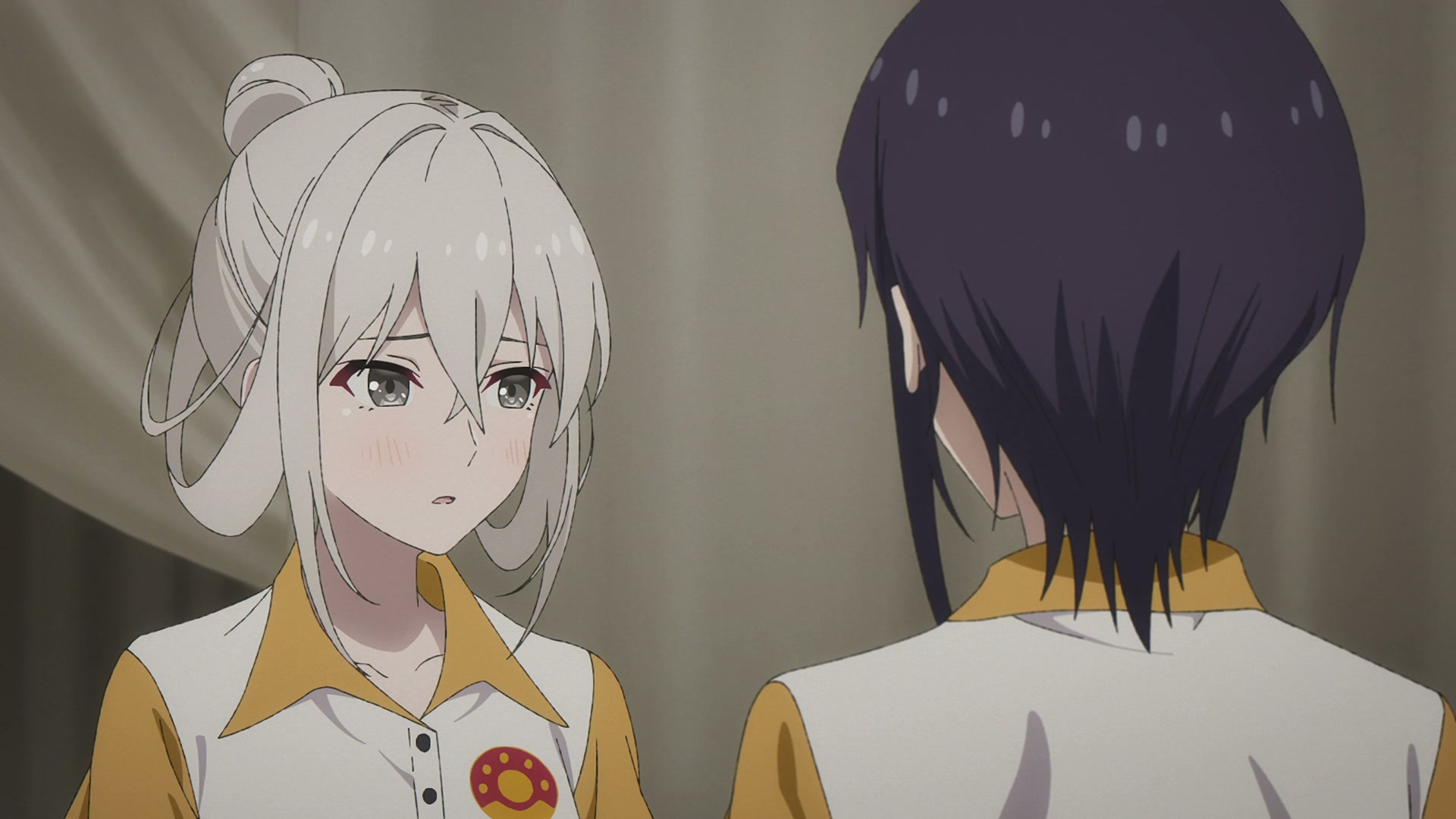
This is a shame, because the series’ visual language is otherwise quite thoughtful. The character designs are distinctive and expressive. Mizuka’s “dead eyes” design effectively conveys her trauma, and her Pavlovian smile is a brilliant visual gag that becomes genuinely unsettling as the series progresses. Maria’s childlike stature, which makes her look like a little girl, serves a narrative purpose: she is an adult in a body that has been forever stunted by illness, and the design makes this literal rather than metaphorical.
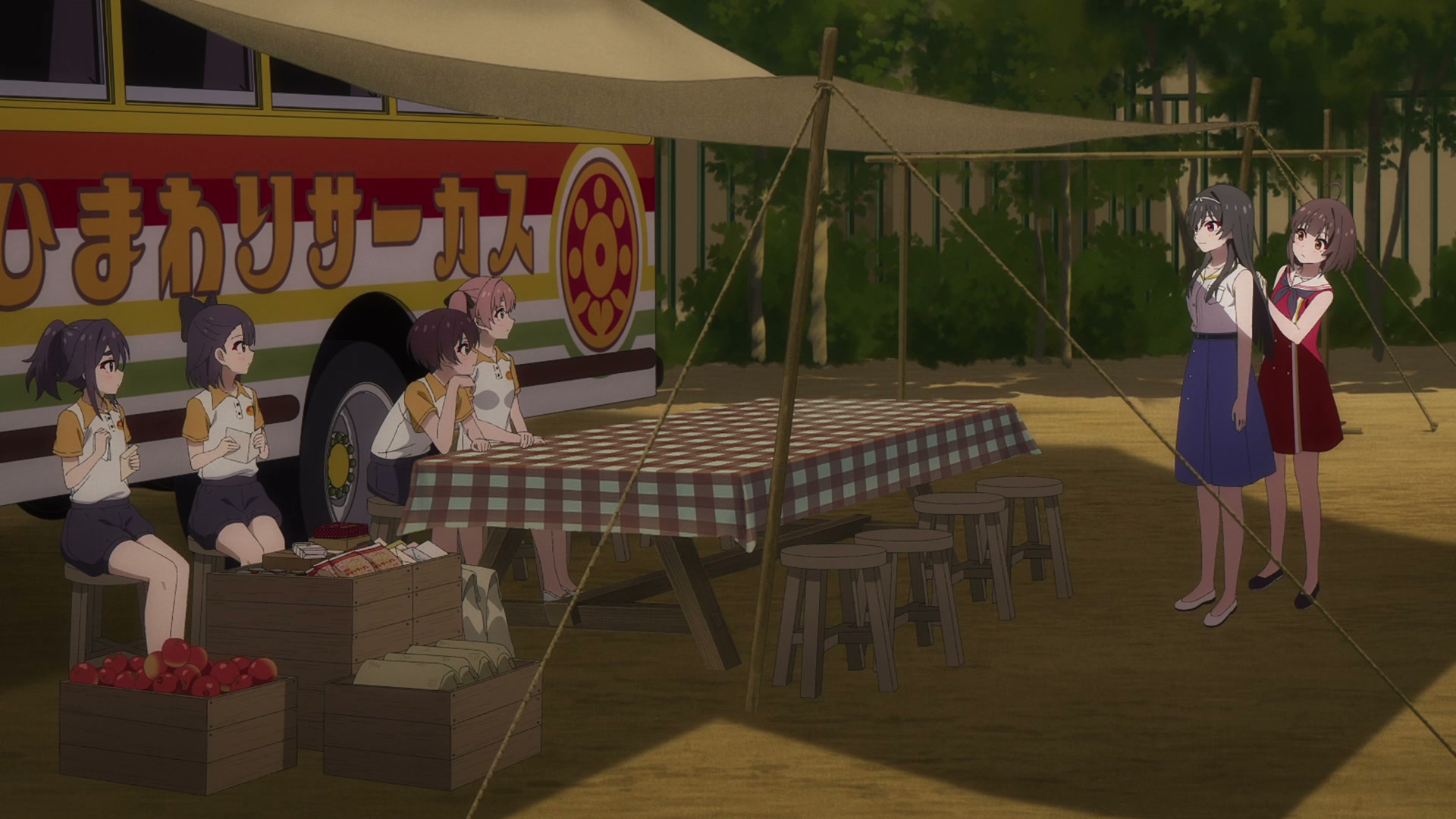
The color palette is muted and naturalistic, which suits the series’ grounded tone. The circus tent is rendered in warm earth tones, contrasting with the polished artificiality of the Sumeragi venues. The Wizard of Oz performances in the final episodes use more vibrant colors and creative staging, suggesting what the series might have looked like with a bigger budget.
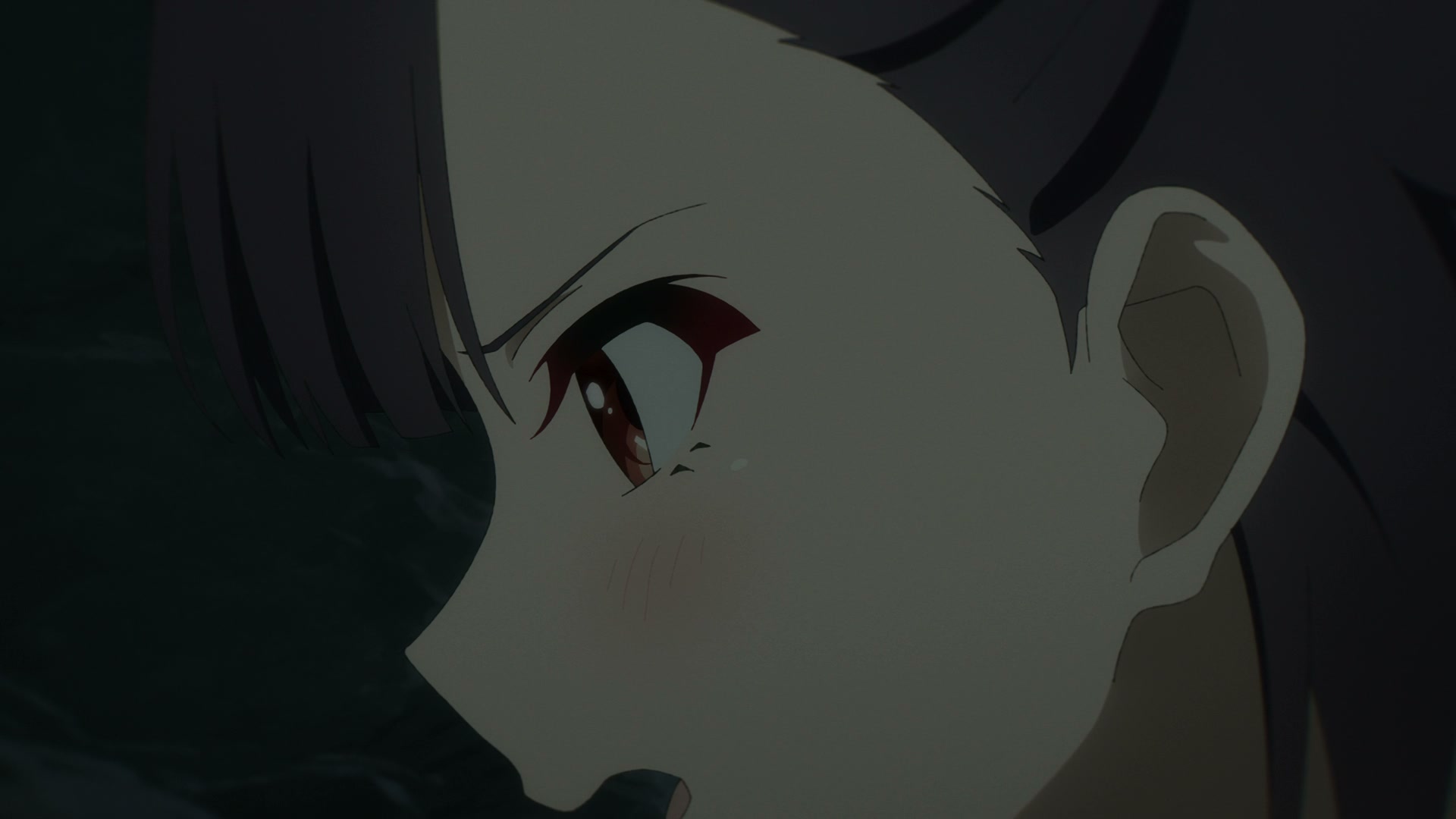
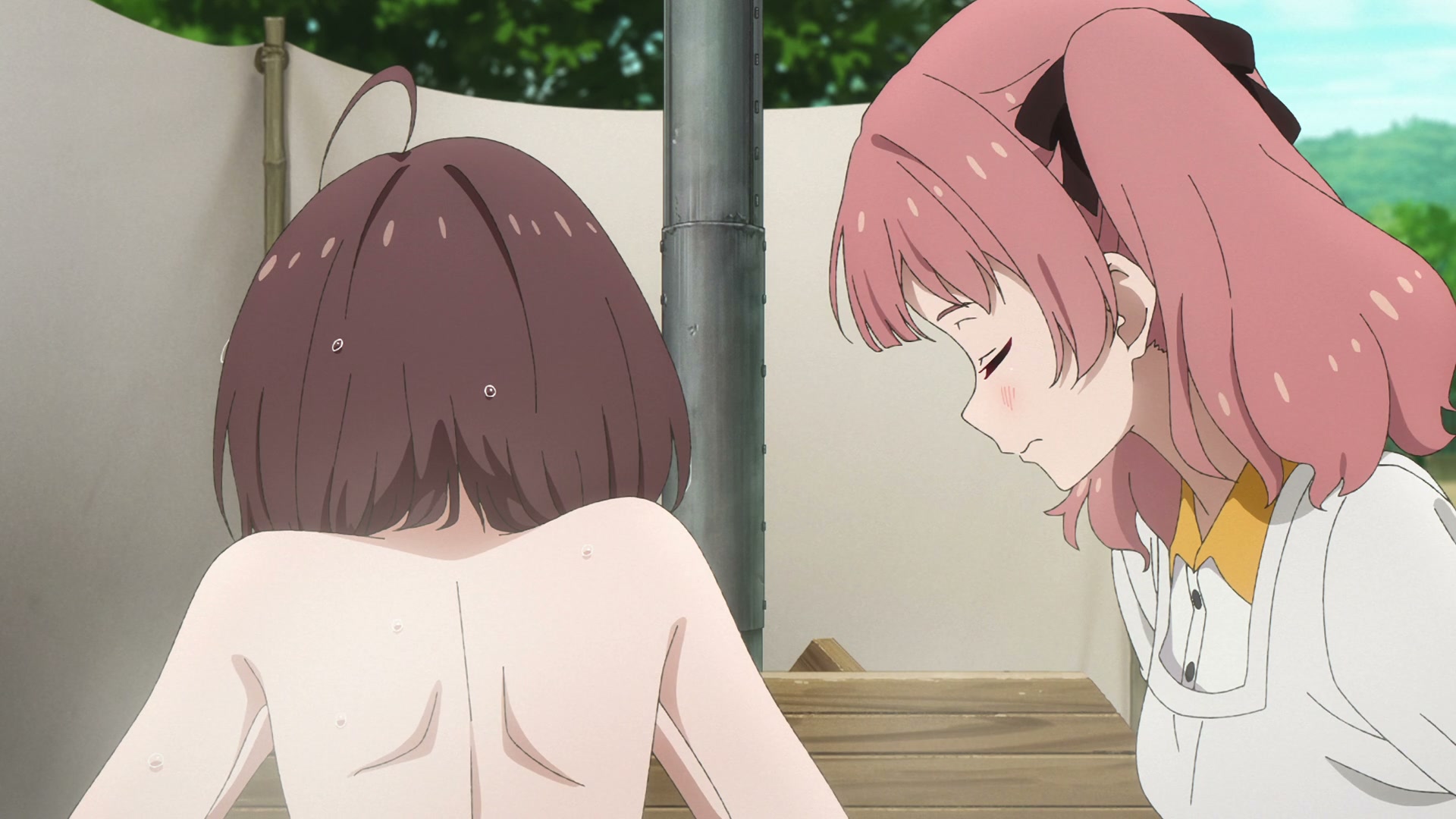
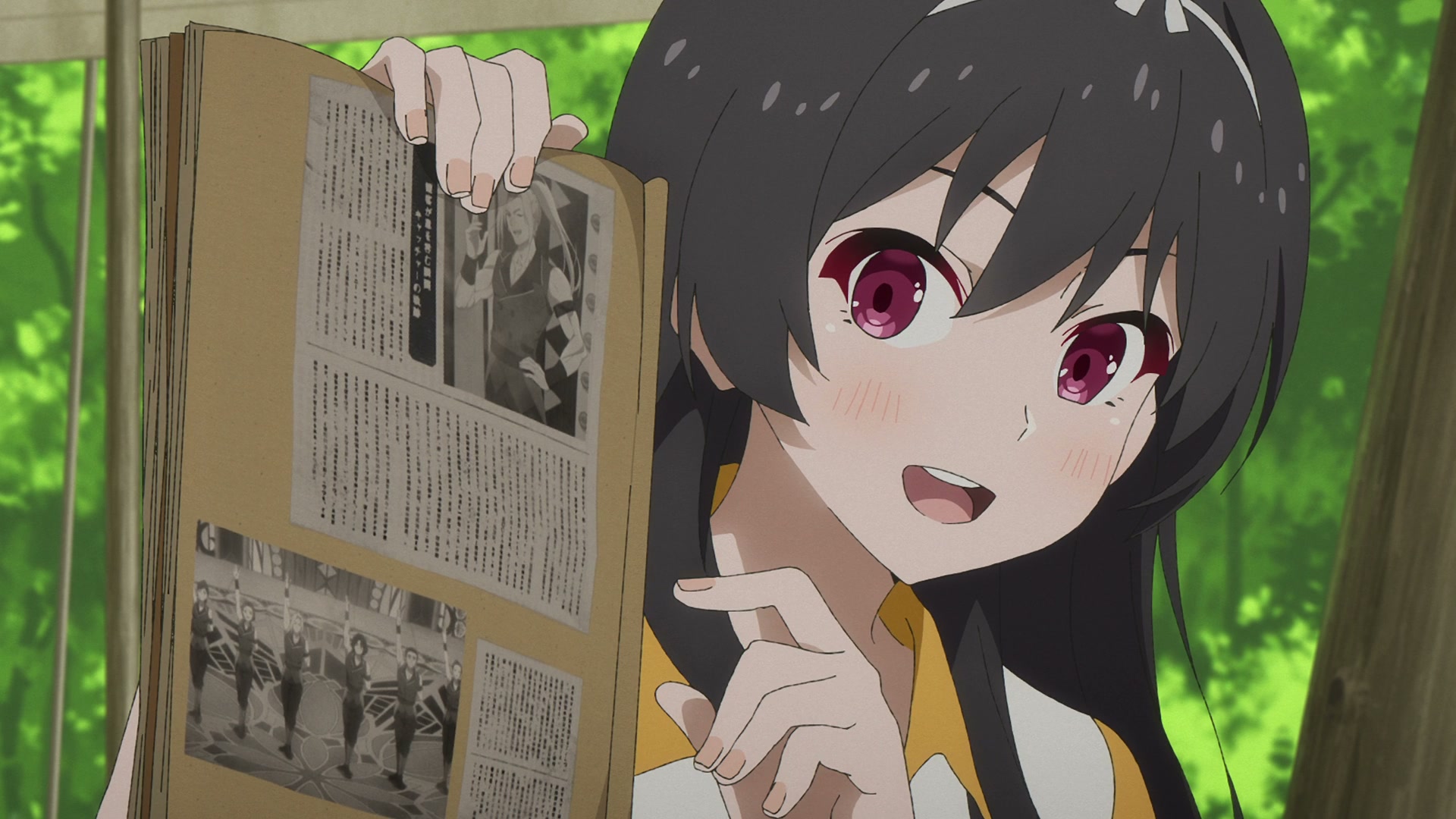
The direction makes good use of close-ups during emotional moments, allowing the voice acting and character expressions to carry the scene. This is a smart choice that plays to the production’s strengths. The series’ best visual moments are often still frames: Mizuka looking at the audience and realizing that the circus is fun, Maria’s exhausted face as she hides her pain from the troupe, Nanami’s slight smile as she acknowledges Mizuka as an equal.
The character acting is excellent, with subtle differences in expression conveying a great deal about character dynamics. Mizuka’s deadpan versus her occasional genuine smiles; Ouka’s professional focus versus her jealous glares; Maria’s confident ringmaster persona versus her tired private face. These are the details that make the series work despite its animation limitations.

Sound and Music: Supporting the Emotional Core
The soundtrack of Grow Up Show – Himawari no Circus-dan is functional and appropriate, if not particularly memorable. The opening theme captures the series’ blend of energy and melancholy, with a driving melody that builds to an optimistic chorus. The ending theme is gentler and more reflective, fitting for a series that often ends its episodes on quiet emotional moments rather than cliffhangers.
The voice acting is a highlight. Mizuka’s voice actress does an excellent job of conveying her character’s emotional range, from deadpan sarcasm to genuine feeling. The subtle shifts in her tone during moments of genuine connection or hurt are what make Mizuka feel like a real person rather than a collection of tropes. Maria’s voice, shifting between playful manipulation and exhausted vulnerability, is similarly impressive.
The sound design is solid, with the creaking of trapeze ropes, the rustle of costumes, and the murmur of crowds all contributing to the atmosphere. The series uses silence effectively, allowing moments of realization or emotional weight to land without unnecessary musical accompaniment.

Final Thoughts and Recommendations
Grow Up Show – Himawari no Circus-dan is a series that is greater than the sum of its parts. Its animation is limited, its pacing sometimes rushed, and its budget clearly constrained. And yet it tells a story that feels emotionally honest and thematically coherent, with characters who feel like real people rather than archetypes. It is a series about learning to love something that hurt you, about building a family out of the pieces of your broken life, and about the joy of performing when you are performing for the right reasons.
For fans of character-driven drama, particularly those who appreciate ensemble casts and stories about found family, this series is highly recommended. It compares favorably to works like Kaleido Star and Princess Tutu. It is not a perfect series, but it is a memorable one, and its best moments, Mizuka looking at the audience, Ouka flying at full speed, the entire Wizard of Oz finale, will stay with you long after the credits roll.
Viewers who prioritize animation spectacle or who need every plot thread tied up neatly might find the series frustrating. Some subplots, like Ouka’s jealousy of Kasumi, are introduced and then dropped. The middle stretch feels rushed, and a longer series might have allowed more breathing room for the Circus Collection arc. But these are quibbles about what could have been, not fundamental flaws.
The final episodes, in particular, deserve praise for how they bring together the series’ themes. The decision to use The Wizard of Oz as the basis for the final performance is inspired, and the mid-air switch between Mizuka and Ouka is a perfect visual representation of their relationship. The resolution is bittersweet and open-ended, suggesting that the characters’ journeys are not over but continuing. And the final twist, Maria marrying Black Lotus and telling Mizuka to call her “Mom,” is absurd and perfect, a reminder that this series is ultimately about the families we make rather than the ones we are given.
This is a series worth seeking out. It is not flashy. It does not have the sakuga moments that get clipped and shared on social media. But it has heart, and it has something to say about what it means to find a place where you belong. In a medium often dominated by spectacle, that is worth something.

Gallery