






Introduction
There is a specific kind of joy in watching an anime that knows exactly what it is doing with the tropes it deploys. Renai Boukun opens with a girl in shinigami cosplay telling an unremarkable high school boy that he must kiss someone within 24 hours or she will die. Before he can process this, she demonstrates her power by making two male politicians kiss on live television and cheerfully admits she did it because “it’s my hobby.” Within ten minutes of runtime, the series has established its entire operating philosophy. If that description sounds appealing, you are the target audience, and the series will reward you handsomely. If it sounds exhausting, you should probably look elsewhere.
Renai Boukun is a twelve-episode romantic comedy that serves as an affectionate and structurally ambitious parody of Death Note while simultaneously functioning as a genuine exploration of how messy, stupid, and transformative love can be. It concerns Aino Seiji, an ordinary student whose life is upended when a self-proclaimed cupid named Guri accidentally writes his name in her Kiss Note, a notebook that forces any two people whose names are paired within it to kiss. Through a series of mishaps involving Guri’s incompetence, the violent devotion of assassin-heiress Hiyama Akane, and the obsessive love of Akane’s half-sister Kichougasaki Yuzu, Seiji finds himself immortal, perpetually stabbed, and at the center of a chaotic polycule that somehow develops into genuine emotional connection.
The series is not for newcomers to anime. Its humor relies on familiarity with Death Note‘s visual language and narrative mechanics, with otaku subculture terminology deployed casually in dialogue, and with a willingness to let characters be exaggerated, archetypal, and occasionally unhinged without constantly apologizing for it. For those with that familiarity, Renai Boukun offers sharp writing, committed voice performances, and a surprising willingness to treat its absurd premise as a vehicle for real emotional insight.
Story and Themes
The narrative structure of Renai Boukun is tighter than its chaotic surface suggests. Across twelve episodes, the series moves through distinct phases. The opening three episodes establish the premise, introduce the core cast, and destroy the original Kiss Note, making the series’ first thematic argument. The middle stretch develops individual character arcs through episodic adventures (the beach, the festival, the cultural festival play) while gradually building the tensions that will drive the climax. The final arc follows Guri’s emotional collapse and fall into demonhood, culminating in a rescue mission to Hell and a resolution that honors complexity over tidiness.
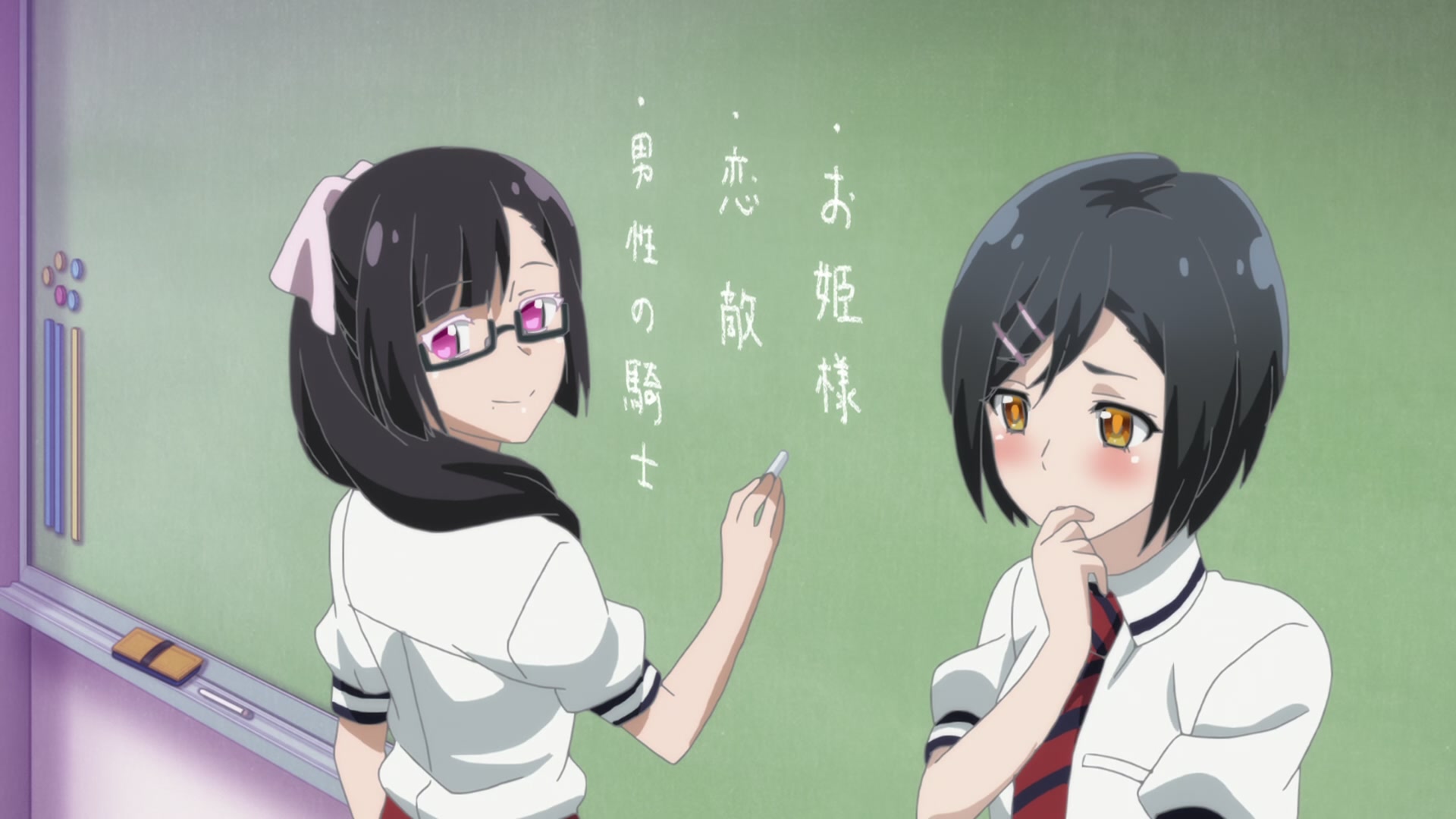
The pacing is generally brisk but never frantic. Individual episodes function as self-contained comedic units while advancing longer emotional arcs. Episode 2’s subplot about class representative Mari and her teacher Kusunoki-sensei could easily have been filler. Instead, it establishes the series’ thesis about the difference between forced and natural romantic development. Mari has been playing a deliberate long game, waiting until after graduation to pursue the relationship, because “teachers have such meager salaries” and she wants a stable foundation. When the notebook’s destruction temporarily frees Akane from its influence in Episode 3, her persistent love for Seiji proves that the magical compulsion only created an opening. What filled that opening was real.
The Kiss Note itself is the central symbol, and its Death Note parody is structural rather than superficial. Where Death Note examined justice through absolute power over death, Renai Boukun examines love through absolute power over romantic coupling. Both texts ask the same question: what happens when you bypass natural processes with supernatural shortcuts? The answer here is that the shortcut creates opportunity but cannot manufacture substance. When the notebook burns up and some couples persist anyway, the series makes its position clear. External forces create openings. Internal feelings sustain connection.
Guri’s half-demon heritage, revealed in the finale, recontextualizes this theme. Her mother Mavro was a demon who rejected the Demon King’s throne to marry God, then disappeared when God cheated on her. Guri contains both divine capacity for creating love and demonic capacity for destroying it. Her “fall” in Episode 11 is not corruption but surrender to one side of her nature, the side that protects through detachment because needing love means risking pain. Her restoration requires integrating both halves. She can still be chaotic, still be temperamentally “demonic,” but choose vulnerability anyway.
The series’ most significant thematic argument concerns the difference between knowing about love and experiencing it. Guri understands love intellectually. She has learned its patterns from “manga, anime, and internet message boards.” She can identify compatibility scores, classify relationship archetypes, and recite romantic tropes. But she cannot feel any of it. Her attempts to simulate emotional experience physically (wrapping bandages around her chest to produce the heartache Akane described) are simultaneously ridiculous and genuinely poignant. The series is making a meta-commentary about otaku culture itself. Consuming media about romance is not the same as participating in it, and no amount of genre literacy can substitute for the terrifying act of wanting someone and asking to be wanted back.
That is the emotional climax of the entire series. Guri, fallen into demonhood and methodically dissolving couples across the city, is finally confronted by Seiji, who demands she tell him what she actually wants. Her response (“I want you to love me”) is the first purely emotional, non-analytical statement she makes in twelve episodes. It is not an observation about love. It is a request. The series treats learning to ask as the hardest and most important emotional work a person can do.
The clan dynamics between the Hiyama family (assassins, “spears”) and the Kichougasaki family (protectors, “shields”) draw from classical samurai drama conventions while serving the series’ interest in how family obligation warps emotional development. Akane was raised to suppress all feeling because love is a weakness that dulls the blade. Yuzu was raised to subordinate herself to Akane’s protection, which she transformed into obsessive devotion to give her role meaning. Their mothers, Suou and Ameisha, both loved the same man (Akane and Yuzu’s father), and their contrasting responses to his loss (Suou’s bitter withdrawal, Ameisha’s stubborn pride in her own love) provide a generational dimension to the series’ exploration of how people cope with heartbreak.
The harem structure is a known quantity that the series consistently subverts. Seiji is not a bland wish-fulfillment cipher but a specific personality with clear flaws. His defining trait is decency, but that decency is genuine rather than performative, and it sometimes fails catastrophically. His inability to articulate his feelings for Guri, his assumption that her chaotic cheerfulness means she needs nothing from him, is what enables her fall. The “rival” girls develop relationships with each other that rival their interest in Seiji. The series ends with the harem configuration maintained but emotionally transformed. This is a rejection of the “choose one girl” resolution that defines lesser entries in the genre.
I cannot speak to adaptation fidelity because I have not read the source material. What I can evaluate is whether the anime works as a self-contained narrative, and it does. The twelve-episode structure introduces, develops, and resolves its major arcs with clear intentionality. Emotional beats like Yuzu’s Episode 9 crisis and Guri’s Episode 11 fall are given appropriate space. The series focuses tightly on its core cast, which is a strength of the format. Some supporting characters like Mari and Kusunoki receive limited screen time that might have been expanded in source material, but their presence is efficient and tonally distinct enough to provide a stable counterpoint to the chaos of the main relationships.
Characters
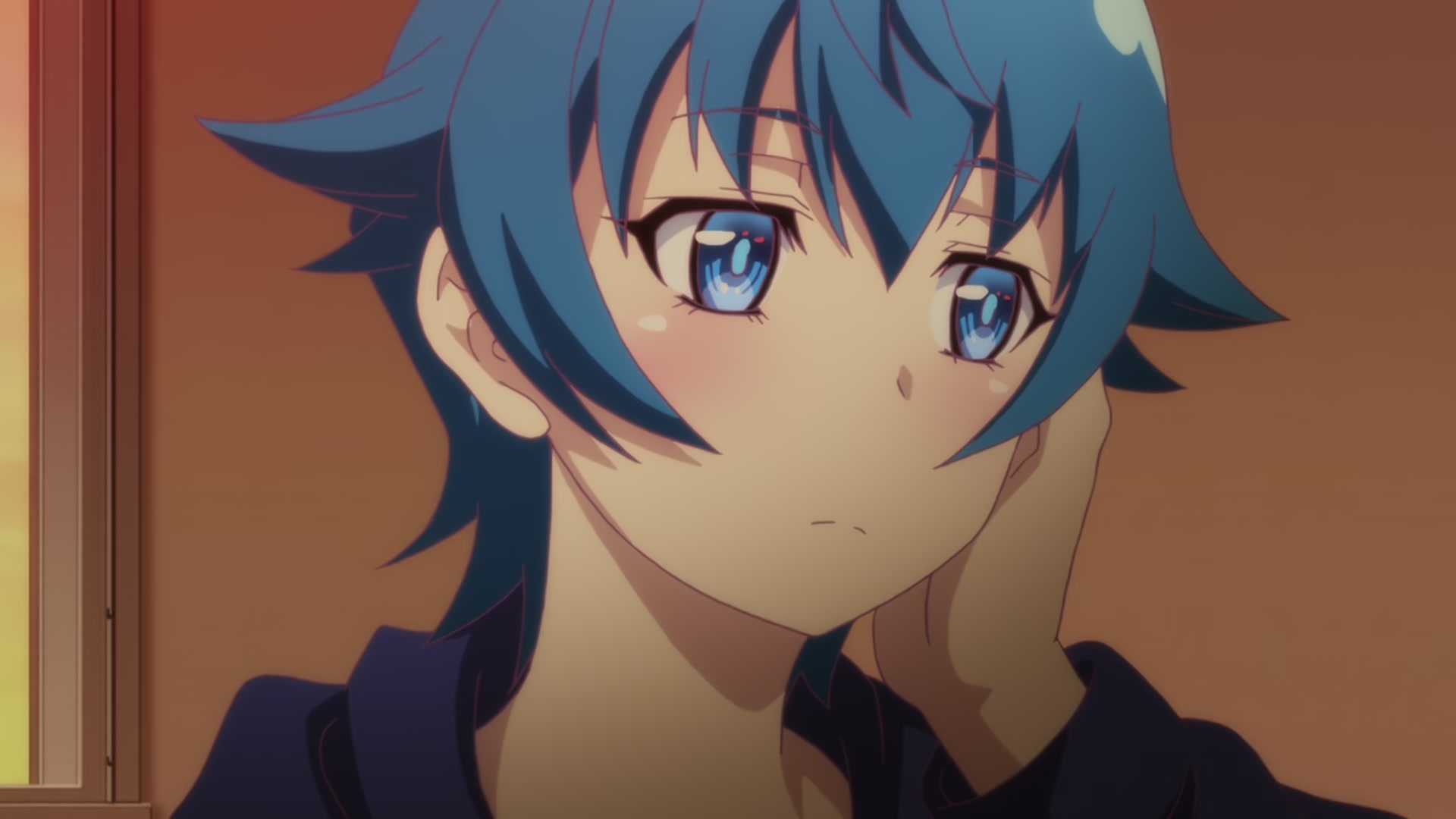
Aino Seiji succeeds as a protagonist because his ordinariness is a deliberate choice that makes him an effective audience surrogate, and because his specific personality traits generate both comedy and dramatic stakes. He is quick to complain, slow to recognize others’ feelings for him, and constitutionally incapable of ignoring someone in distress. That protective instinct defines him more than any dialogue. He shields Yuzu from gunfire despite knowing she has a barrier power and he is immortal. He pursues Akane into the Hiyama estate despite having no combat ability. He chases Guri into Hell itself despite having no plan.
His emotional indirection is simultaneously his most relatable trait and his greatest flaw. He expresses care through commitment rather than proclamation. His promise to Akane that he will “at least listen” when she wants to talk about her family, his willingness to continue being Guri’s “straight man” forever. These are declarations of love in his emotional vocabulary. But this same indirection causes genuine harm. When he calls Guri “nothing but a pain” in Episode 11, he intends comic exasperation. She receives it as confirmation that she is unnecessary and unloved. His obliviousness to how much his words can wound is a character flaw the series takes seriously, and his growth requires him to recognize it.
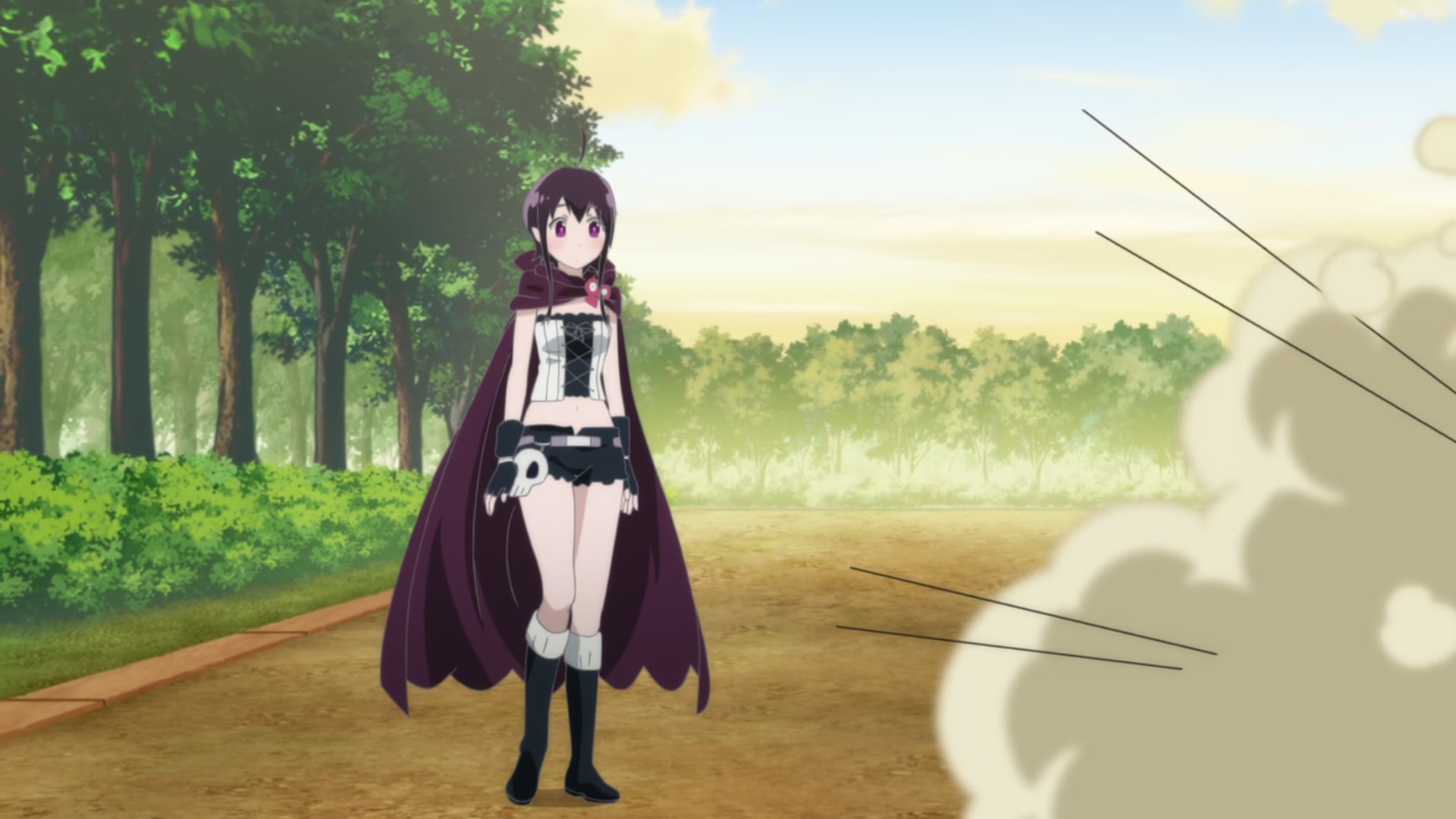
Guri is the series’ most memorable creation, an angel who understands romance analytically but cannot feel it, a half-demon who must choose between inheritance and authenticity, and an otaku whose entire emotional education comes from fiction. Her surface personality is manic cheerfulness, laziness, and a talent for causing chaos while remaining emotionally detached. She creates couples because it entertains her, prioritizes limited-edition manga signings over rescue missions, and responds to most situations with theatrical “ta-da” poses.
The careful construction of her arc becomes visible in retrospect. Each girl’s emotional development throughout the series highlights what Guri lacks. Akane’s love is possessive and consuming. Yuzu’s love is devotional and evolving. Even Shikimi’s empty predation defines love by its absence. Guri observes all three and cannot locate herself among them. Her difference becomes a source of shame rather than neutrality. Watching Seiji, Akane, and Yuzu grow closer in her absence (laughing together, sleeping in a pile, apparently fine without her), she concludes she was never necessary. Her transformation into a demon is not malevolent rebellion but despairing acceptance. If she cannot be loved, she will become what cannot need love.
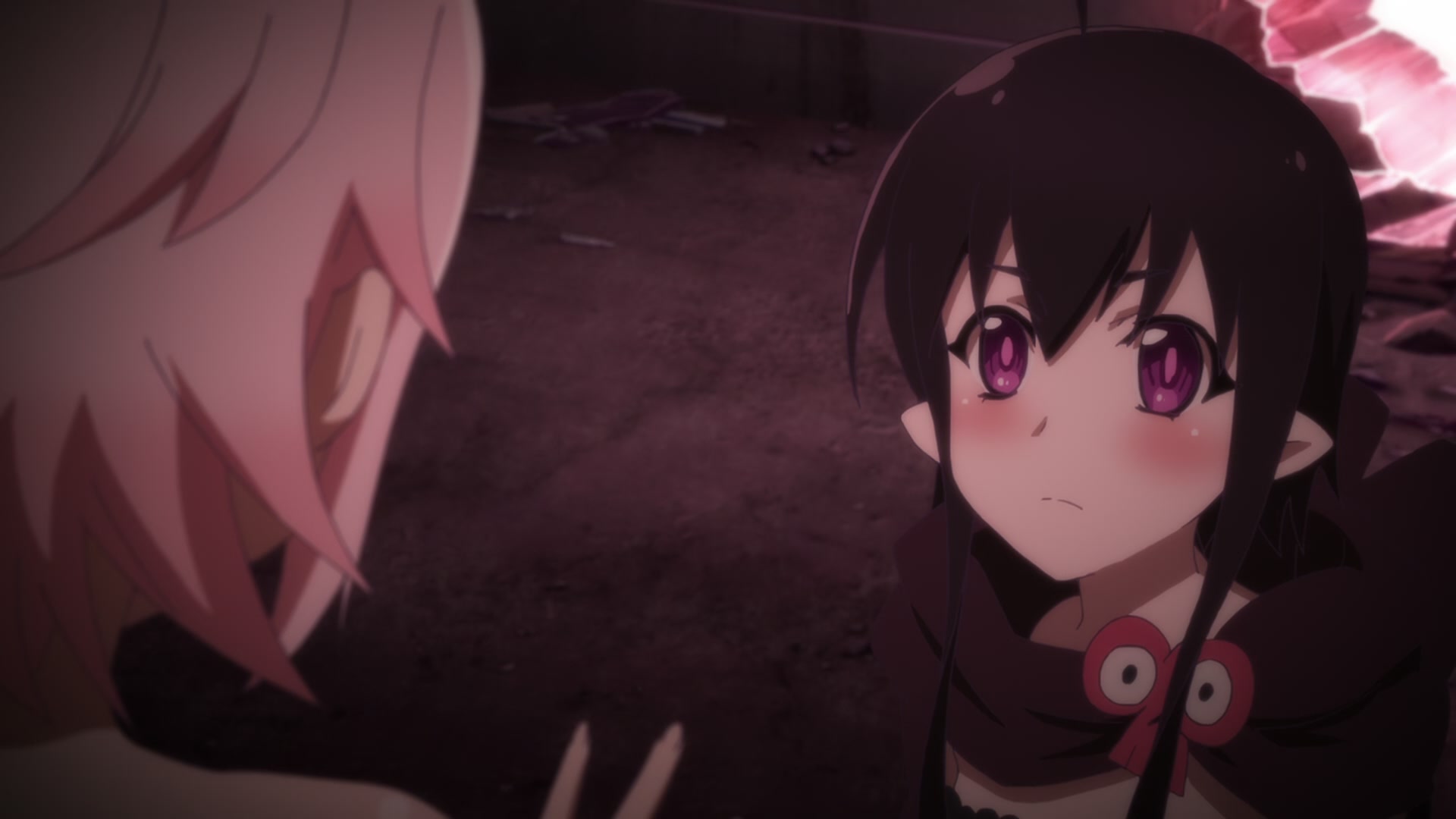
Her restoration requires voicing desire rather than analyzing deficiency. “I want you to love me” is the first time she asks for something emotional rather than observing or manipulating it. After her return, she extends the same request to Akane and Yuzu, hugging them and asking them to love her too. This is genuine growth. She has learned that wanting is more vulnerable than giving, and that participation requires risk.
Hiyama Akane initially presents as a pure yandere gag character. Knives appear from nowhere. Death threats are delivered mid-sentence. Any girl who touches Seiji faces execution. Watching this play out in Episode 1 is funny, and the series does not pretend otherwise. But the comedy is gradually undergirded by explanation that transforms caricature into character.
Akane was raised by her mother Suou to be an emotionless weapon. The Hiyama philosophy treats love as structural weakness. Affection compromises the blade. Attachment creates exploitable vulnerabilities. Akane internalized this completely until her first encounter with Seiji, when he bumped into her while injured by his cat, apologized profusely, asked if she was hurt, and called her “kind” for helping. The word resonated where identical compliments from others had not, because Seiji’s delivery was uncalculating. He was simply decent.
Her arc follows a pattern of approach and retreat that mirrors her internal conflict between conditioning and desire. She swings between euphoric adoration and murderous jealousy because both extremes serve the same function. They maintain intensity and avoid the calm, stable affection that would require her to integrate her Hiyama identity with her loving self, a synthesis she cannot initially achieve. Her coldness when the notebook is destroyed in Episode 3 and her mechanical obedience to her mother in Episode 8 are not mood swings but trauma responses, reversion to familiar emptiness under stress.
Her growth culminates in the confrontation with Suou, where she kneels and accepts any punishment while refusing to abandon Seiji. She will respect her mother, bear the consequences of disobedience, and continue to love. It is imperfect (Suou still threatens to kill Seiji at the next opportunity) but genuine. Her treatment of Yuzu demonstrates parallel development. By Episode 9, when Yuzu confesses confusion about her feelings for Seiji, Akane responds with astonishing generosity for someone defined by possessiveness: “What harm is there in you coming to love someone other than me?” She has learned that love is not diminished by being shared, a lesson her mother never managed.
Kichougasaki Yuzu carries the series’ most complex emotional arc. She begins as an obsessive stalker whose devotion to Akane manifests in rummaging through the Hiyama family’s trash for used tissues, deploying body doubles to maintain surveillance, and declaring love that Akane explicitly forbids. This behavior is played for comedy before its psychological roots are explored. Yuzu’s identity is constructed entirely around Akane. The Kichougasaki family’s role as shields for the Hiyama spears creates structural subordination. By loving Akane, she transforms assigned duty into chosen devotion.
Her crisis in Episode 9 is the most nuanced sequence in the series. Shikimi suggests that Yuzu’s reluctance to break up Akane and Seiji might stem from feelings for Seiji rather than protectiveness toward Akane. This attacks the foundation of Yuzu’s self-concept. If she feels something for Seiji, she is not the perfectly devoted sister she believes herself to be. Her kiss with him is an experiment designed to disprove this hypothesis. When it fails to disprove, when her heart pounds and she cannot categorize the result, her identity collapses. “I’m the worst person alive,” she declares, because her feelings have multiplied beyond her capacity to contain them.
Akane’s response is therapeutically precise. She reframes Yuzu’s crisis as evidence of love (“You love me so much that you’re out of your mind with worry”) and grants permission for emotional multiplicity. This allows Yuzu to retain her primary identity while accommodating secondary feelings. Love, it turns out, is not singular.
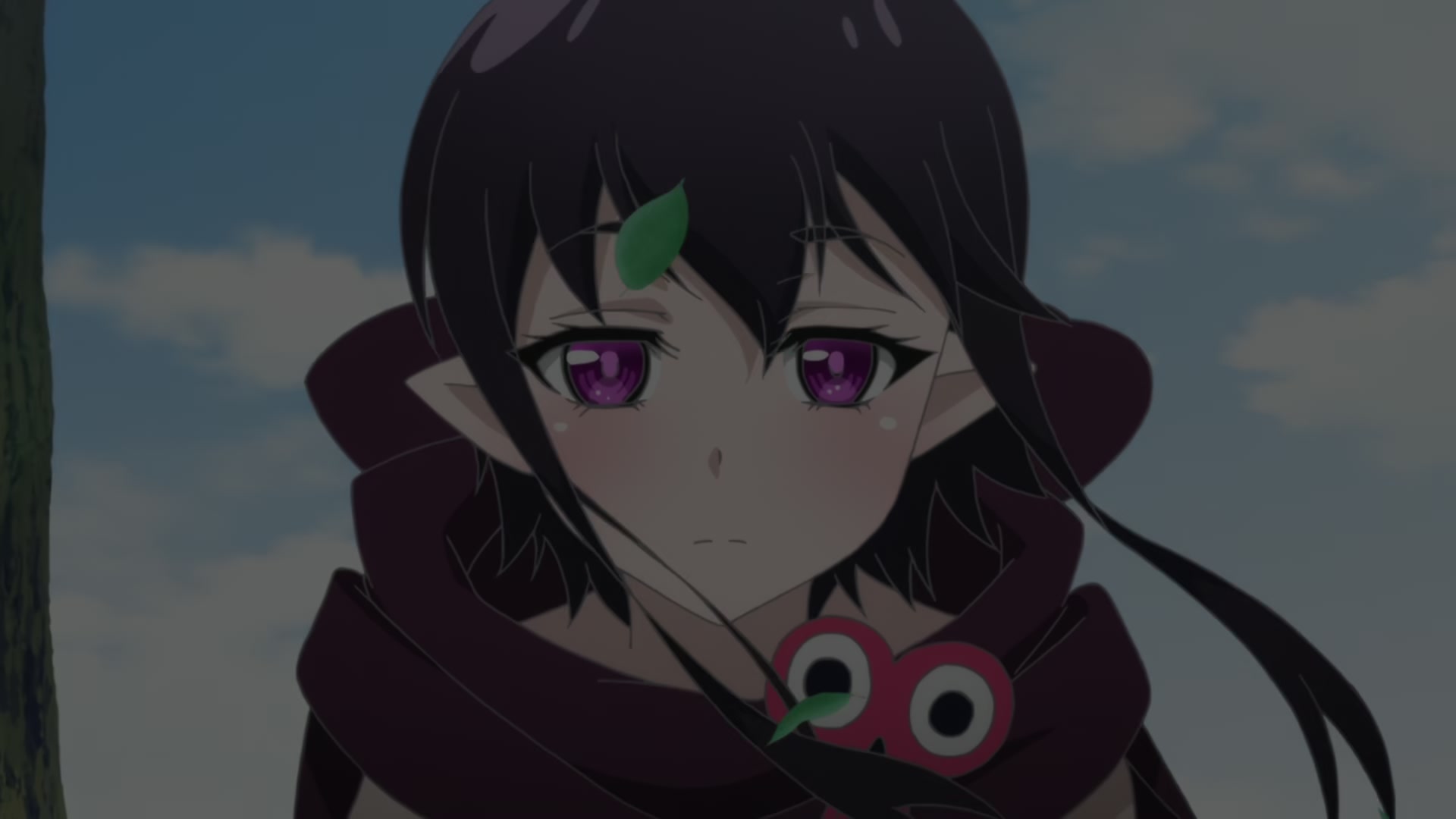
Yuzu’s friendship with Guri provides a parallel avenue for growth, a relationship model that is neither devotional (like her love for Akane) nor competitive (like her rivalry with Seiji). When Guri calls her barrier power “so cool,” no one had ever responded to it with admiration rather than fear. This validation transforms what Yuzu considered a frightening abnormality into something positive. By the finale, Yuzu has integrated her conflicting feelings without fully resolving them. Akane remains her “number one.” Seiji is “detestable but not hated.” Guri is a dear friend. This ambiguity is not evasion but emotional honesty.
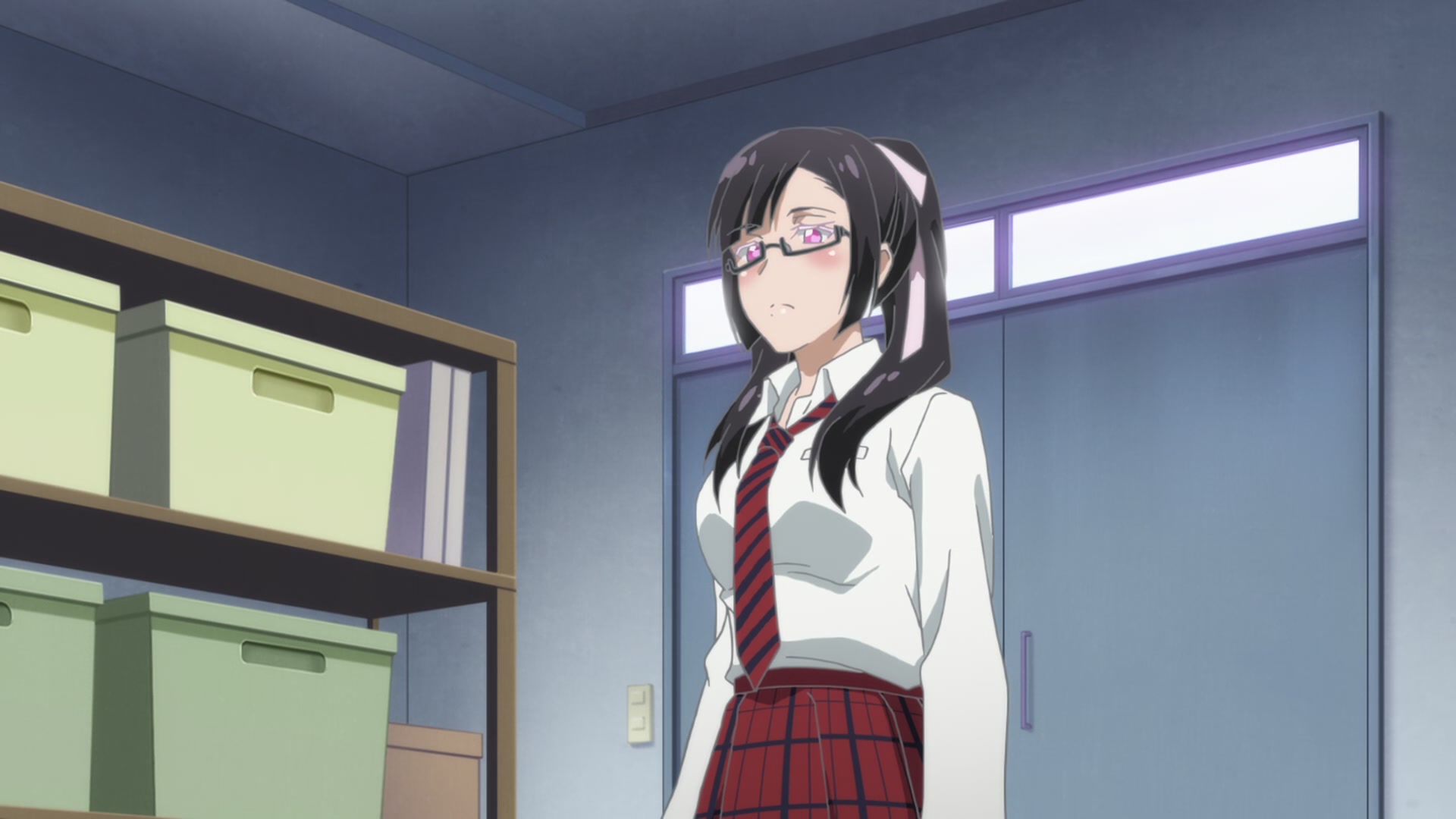
Shiramine Shikimi functions as antagonist and dark mirror, and the series gives her pathology specific, sympathetic origin without excusing her behavior. As a child, she was denied what she wanted, told that things “didn’t suit her.” This created a scarcity model of affection. If she cannot receive love, she will take it, and if she cannot keep it, she will break it. Her sadism (torturing Seiji, psychologically manipulating Yuzu, trying to seduce and destroy Kusunoki-sensei) is genuinely disturbing. The series does not sanitize it.
Guri’s insight into Shikimi (“You want people to notice you, don’t you? You want someone to acknowledge that you’re there, right?”) identifies the need beneath the behavior. Shikimi’s theft and destruction are performances that demand attention. Negative acknowledgment is preferable to invisibility. Guri is the first person to see through the performance without being destroyed by it, and her offer of eventual inclusion in the “harem” (conditional on learning to earn love rather than steal it) leaves the door open without pretending that twelve episodes can resolve damage this deep. Shikimi’s ambiguous response (“I don’t know what you mean, but that sounds more interesting”) respects her complexity.
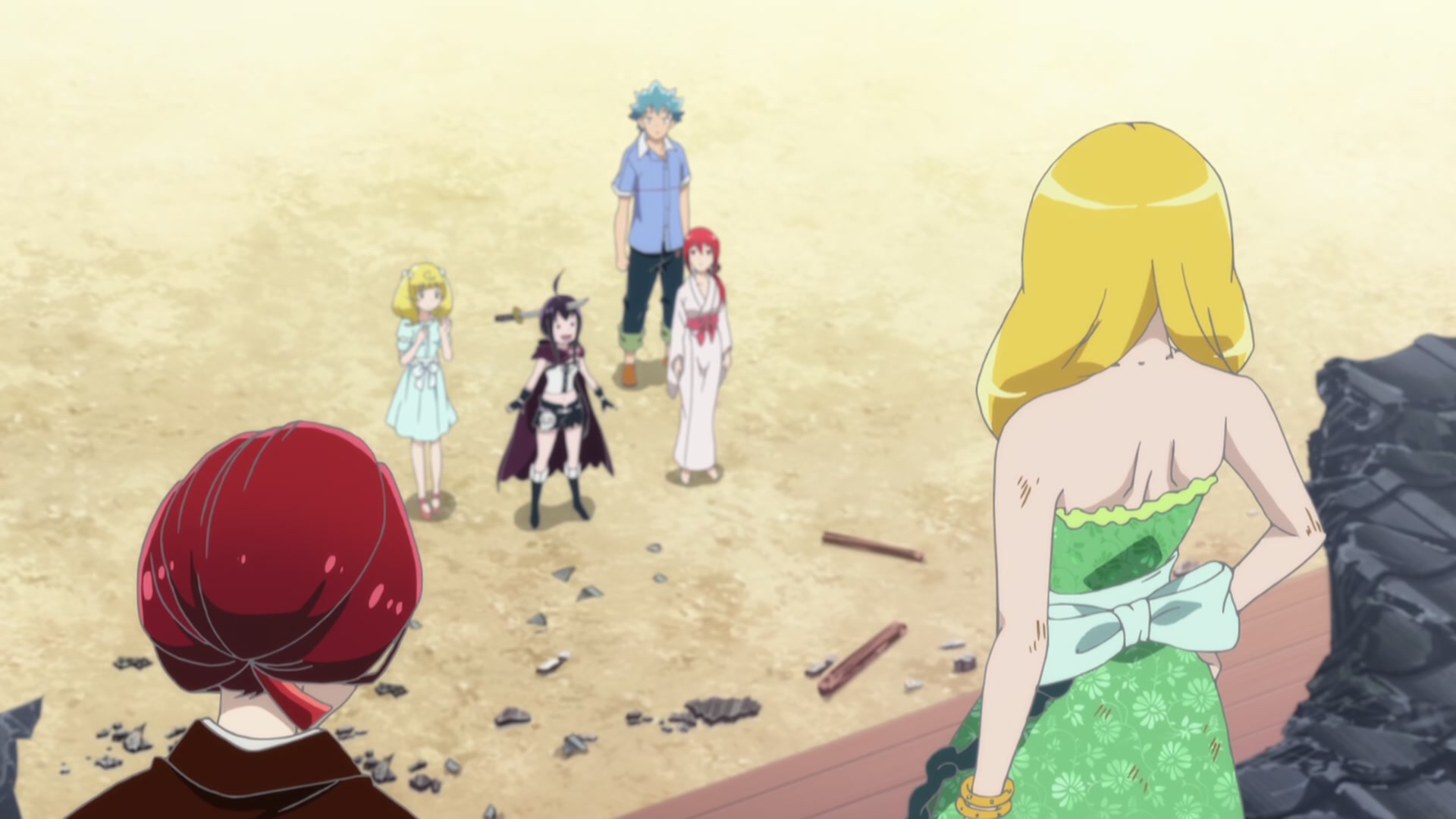
The supporting cast is used efficiently. Mari and Kusunoki-sensei provide a stable, slow-burn counterpoint to the chaotic main relationships. Seiji’s younger sister Akua channels her fear of losing his attention into bratty hostility, and her arc of conquering her fear of the demon penguin Stolas on her own quietly mirrors the series’ broader interest in emotional independence. Coraly, Guri’s vain angel supervisor who borrows the body of the family cat, provides exasperated reactions and occasional genuine heroism. God is a cheerful buffoon who gets stuck to the ceiling as a prank and prostrates himself before mortals, yet can instantly shift to regal wrath when his daughter is threatened. The Demon King is a suave, lonely figure whose obsession with Guri stems from unrequited love for her mother, making him more pathetic than terrifying, which is exactly the right choice for this series.
Visuals and Animation
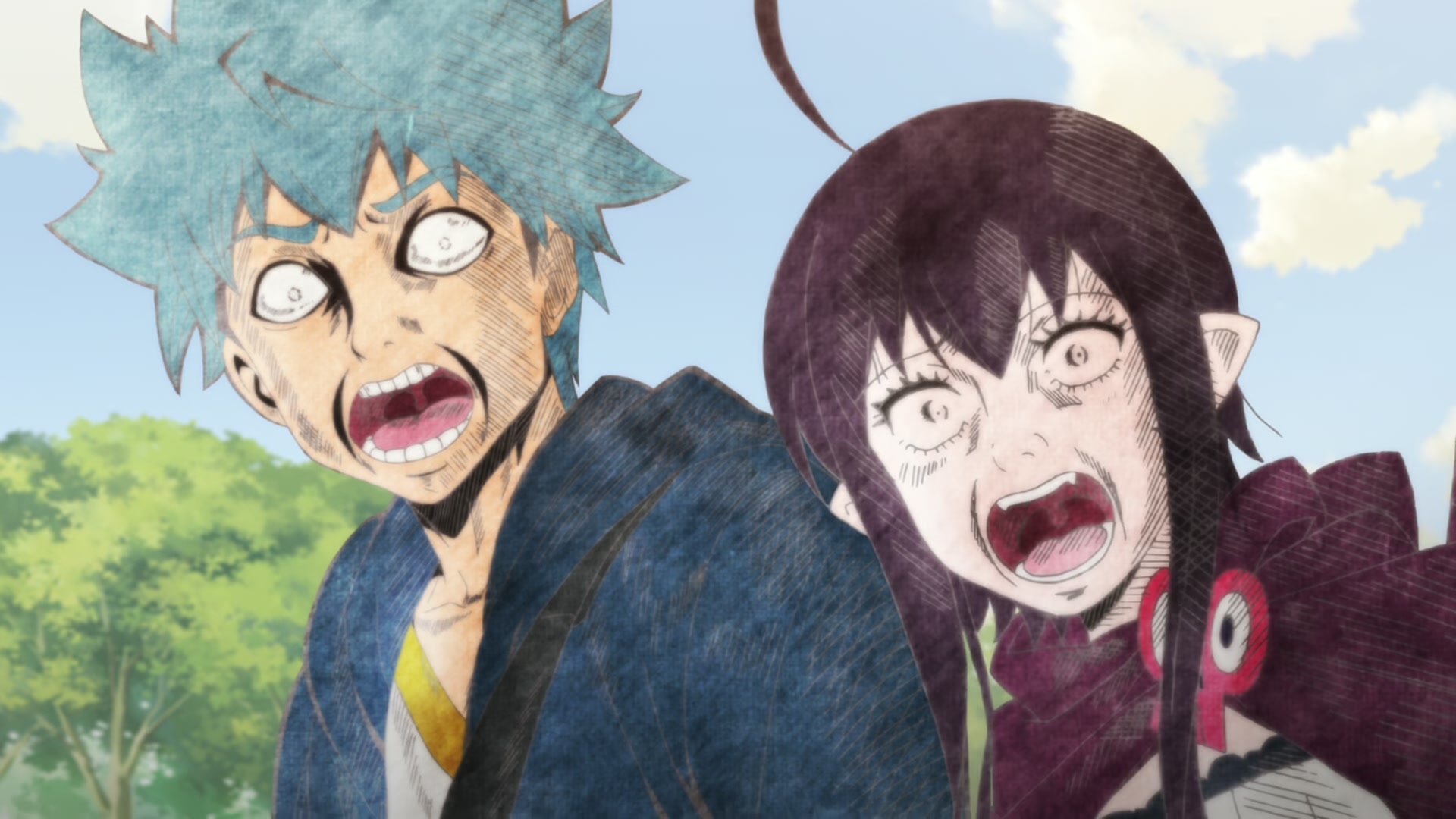
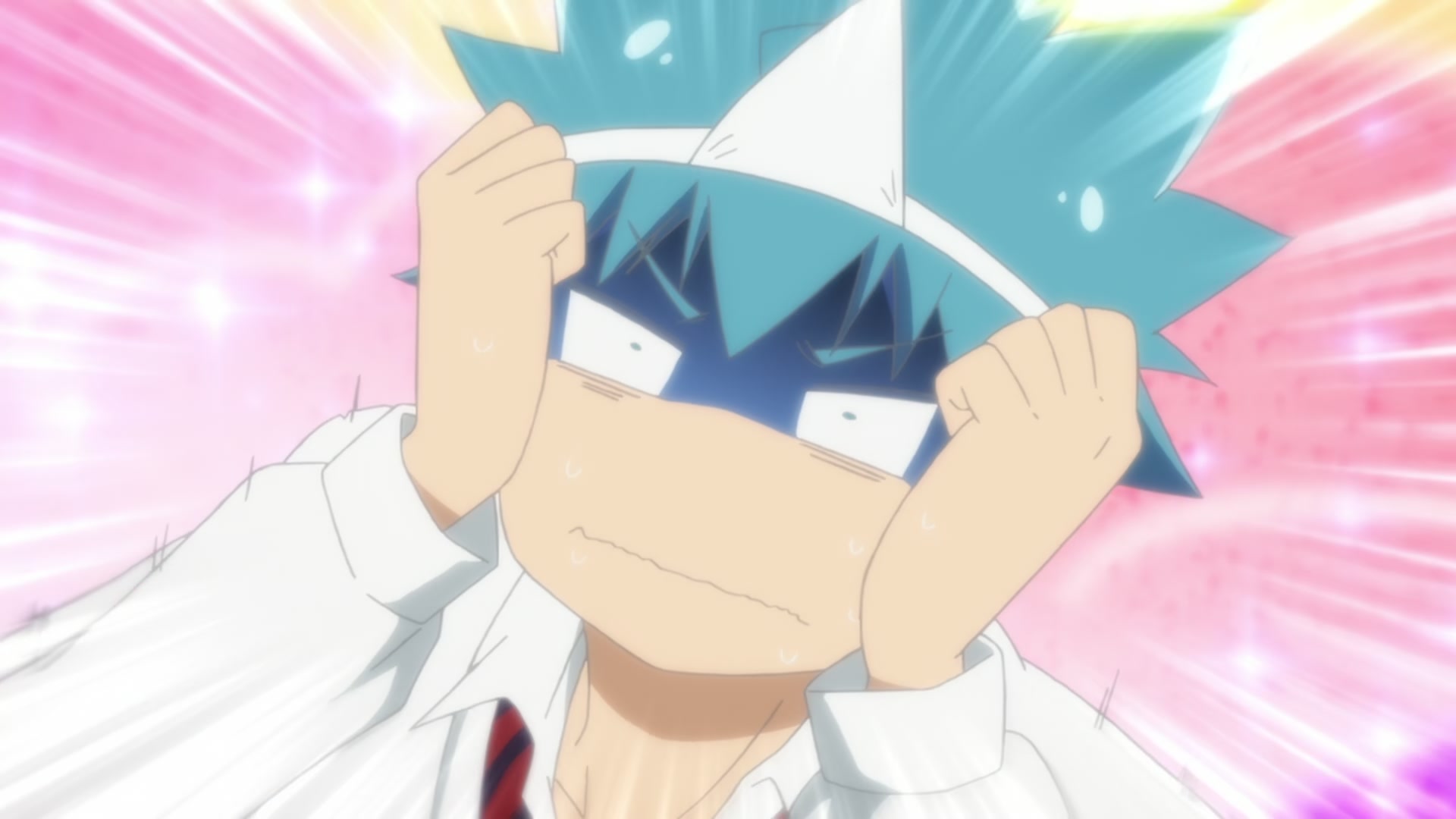
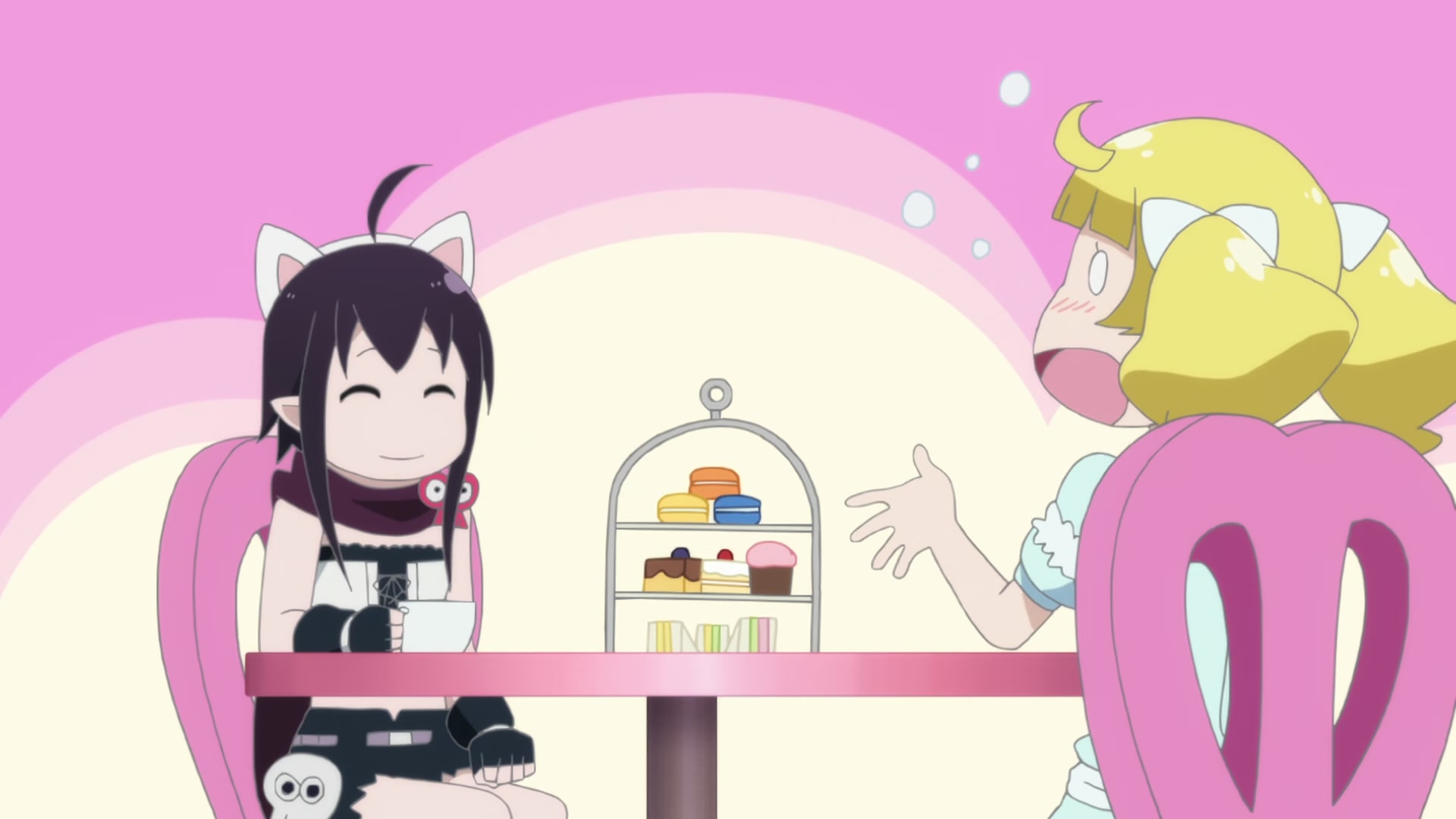
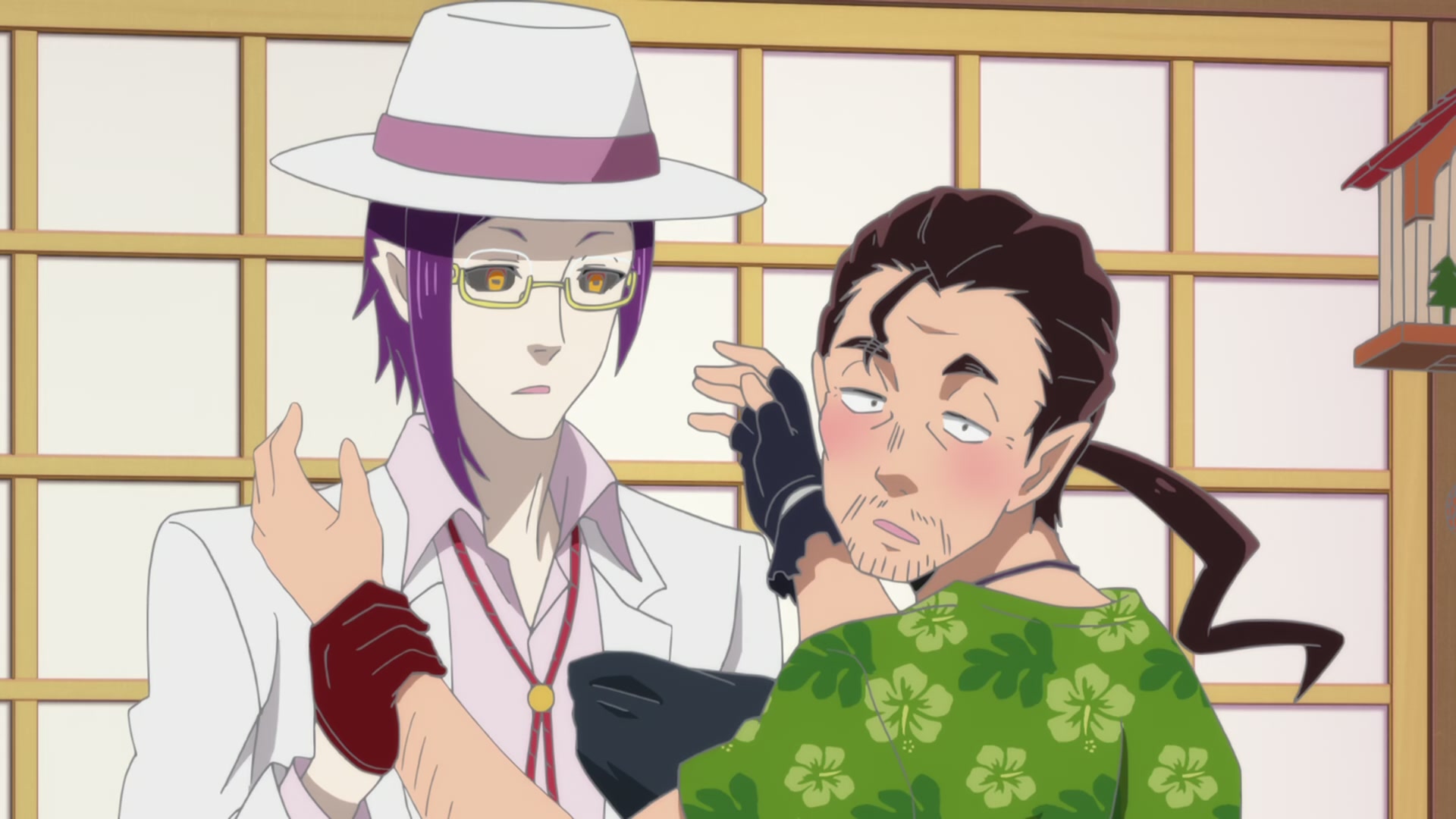
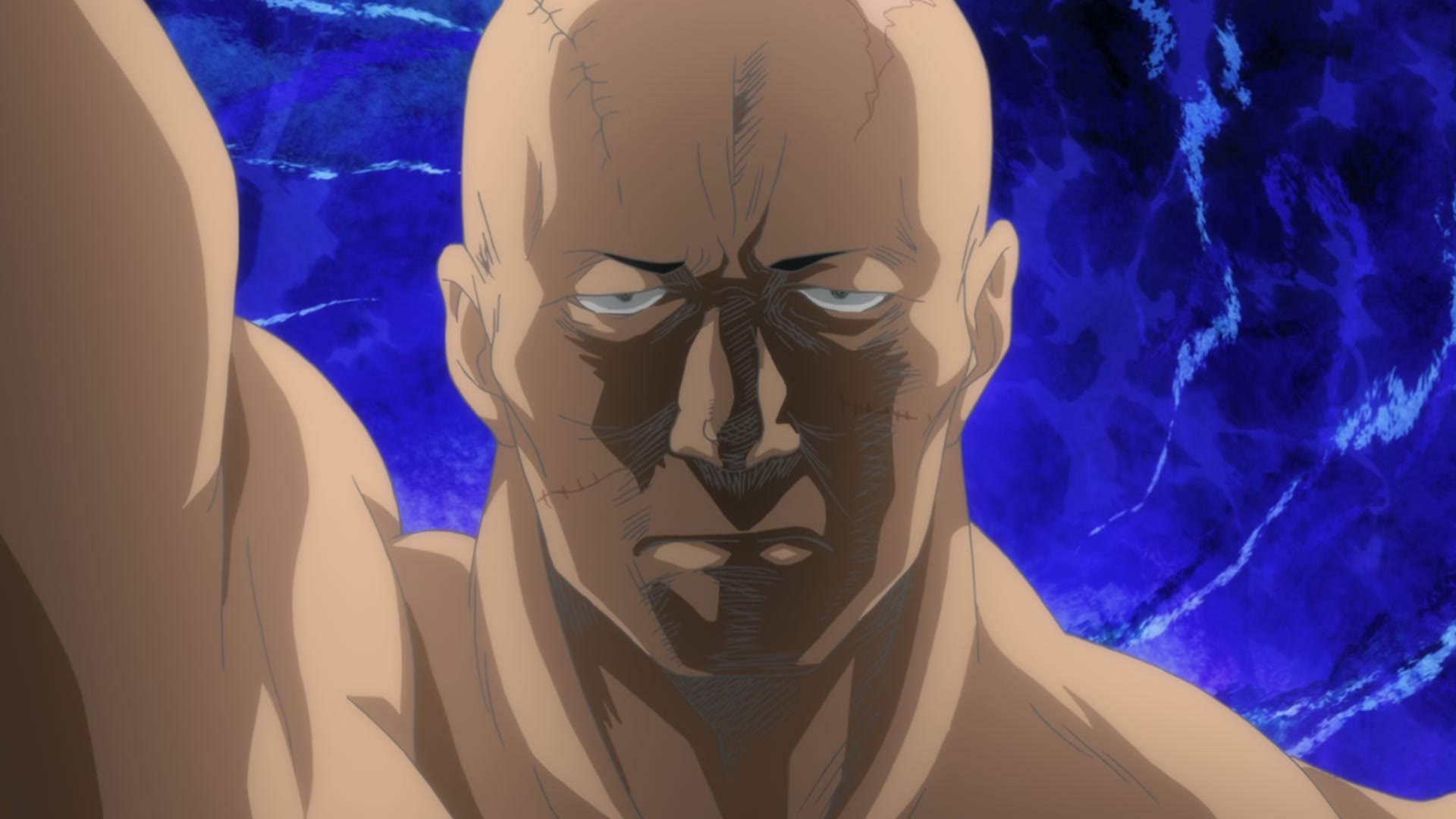
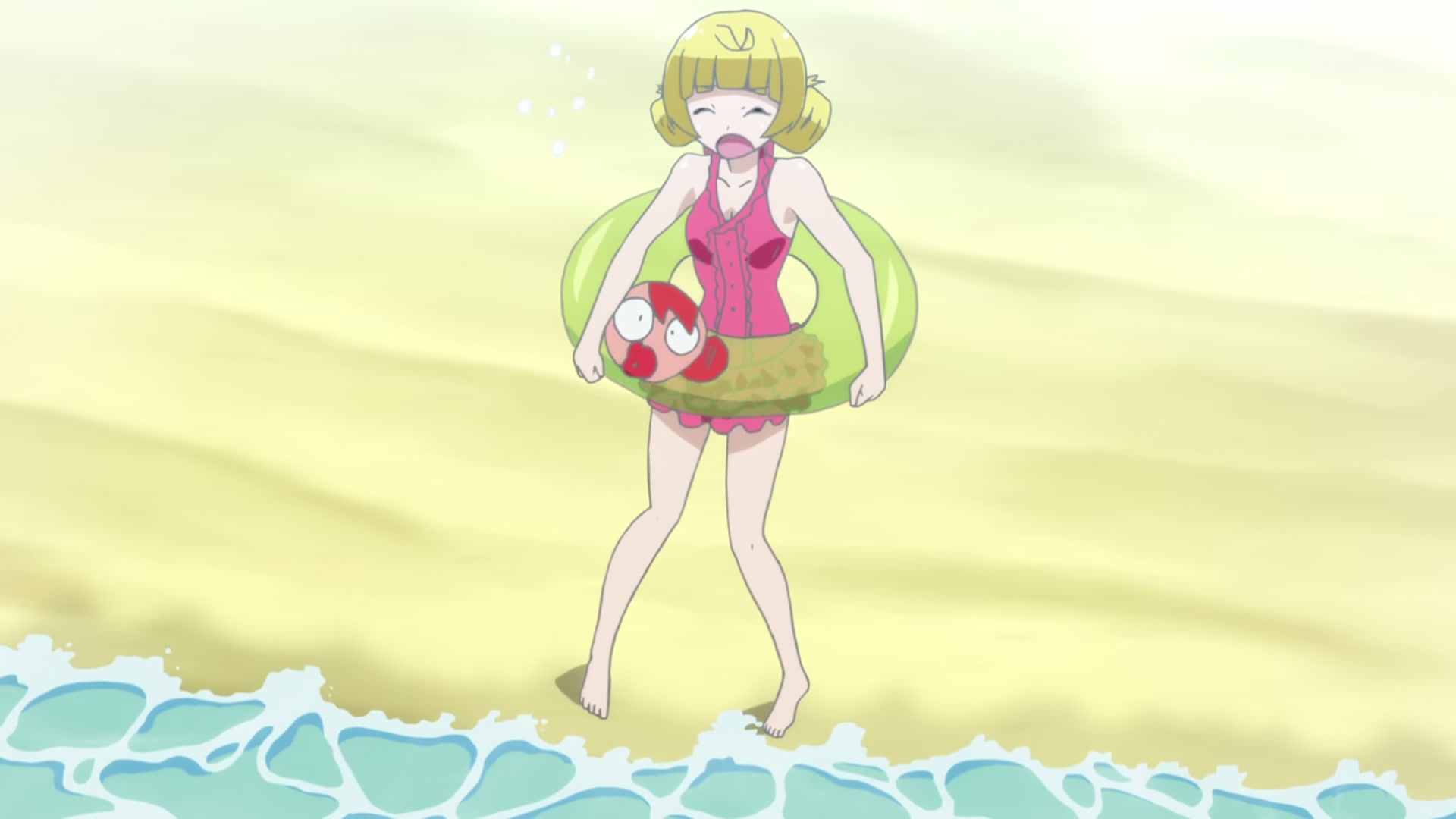
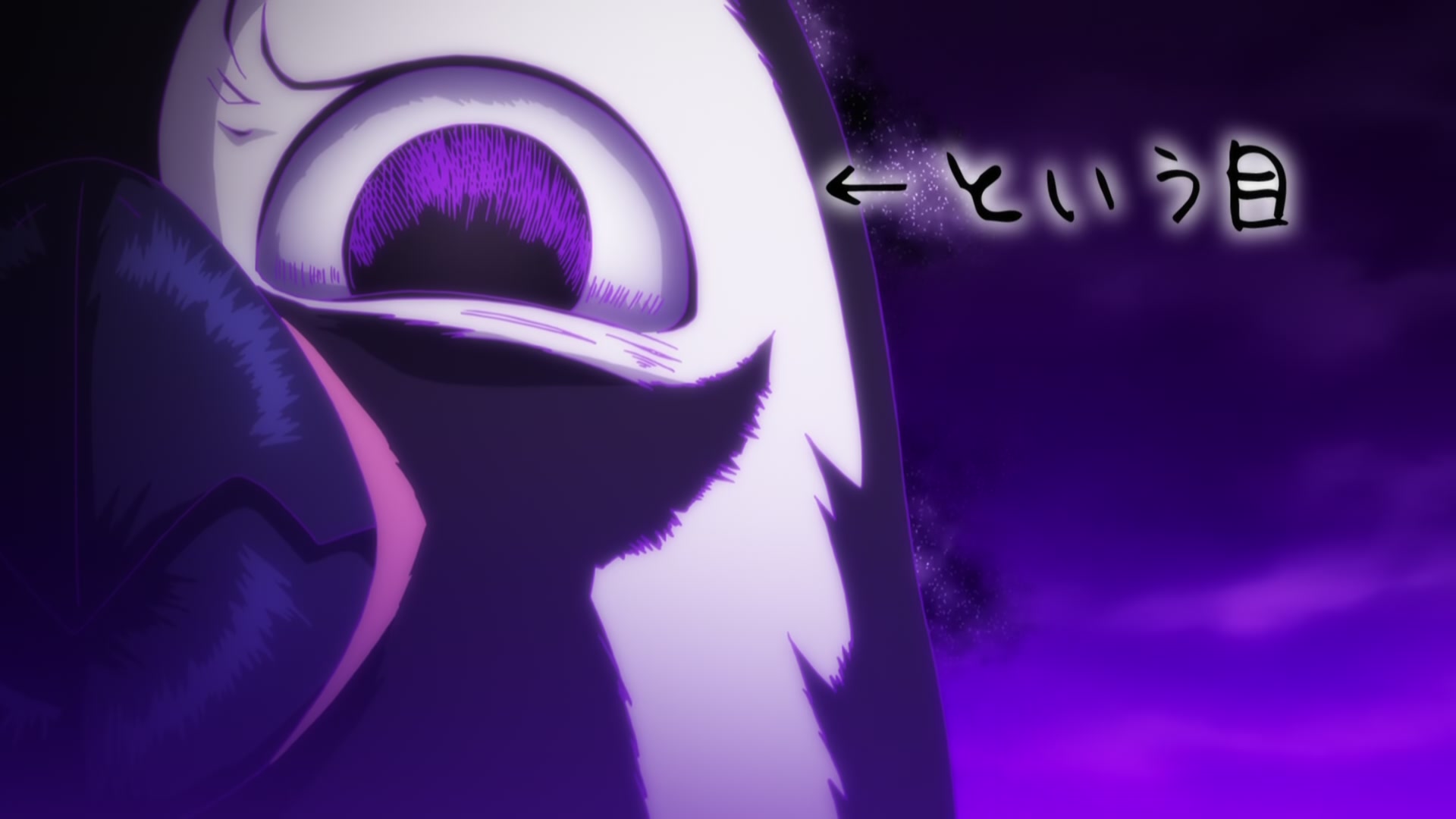
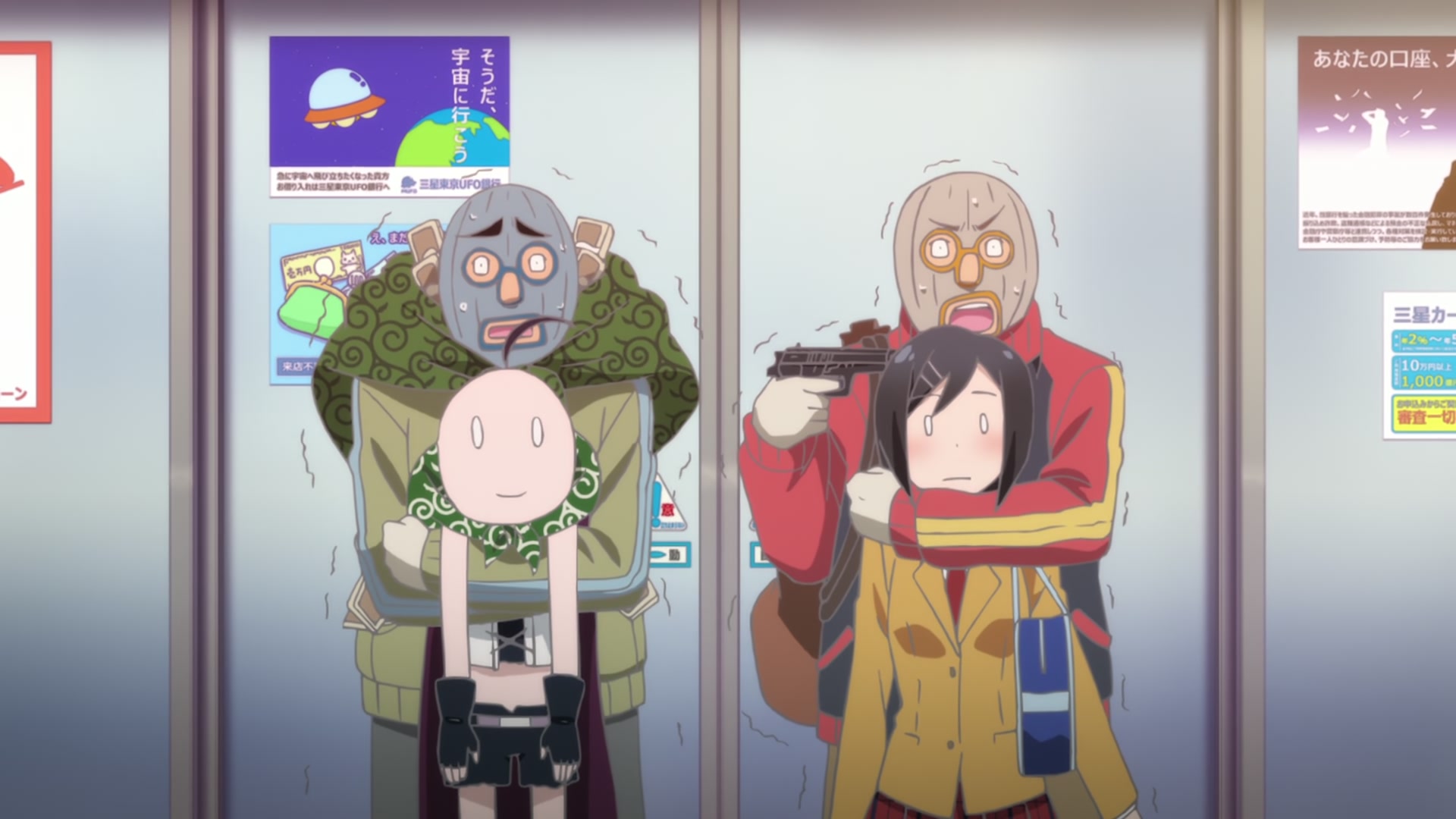
Renai Boukun operates with a visual philosophy that prioritizes expressivity over consistency. The production moves freely between three distinct modes. There is a standard mode with clean, polished digital aesthetics, thin linework, and vibrant color-coded character designs. There is a simplified gag mode where characters become blobs, stick figures, or chibi forms with dot eyes for deadpan reactions or surreal humor. And there is a hyper-detailed impact mode featuring heavy cross-hatching, dramatic shading, and sudden anatomical realism that parodies shonen visual language directly. These shifts are not sloppiness. They are a deliberate language that treats the screen as a theatrical stage where the punchline determines the presentation.
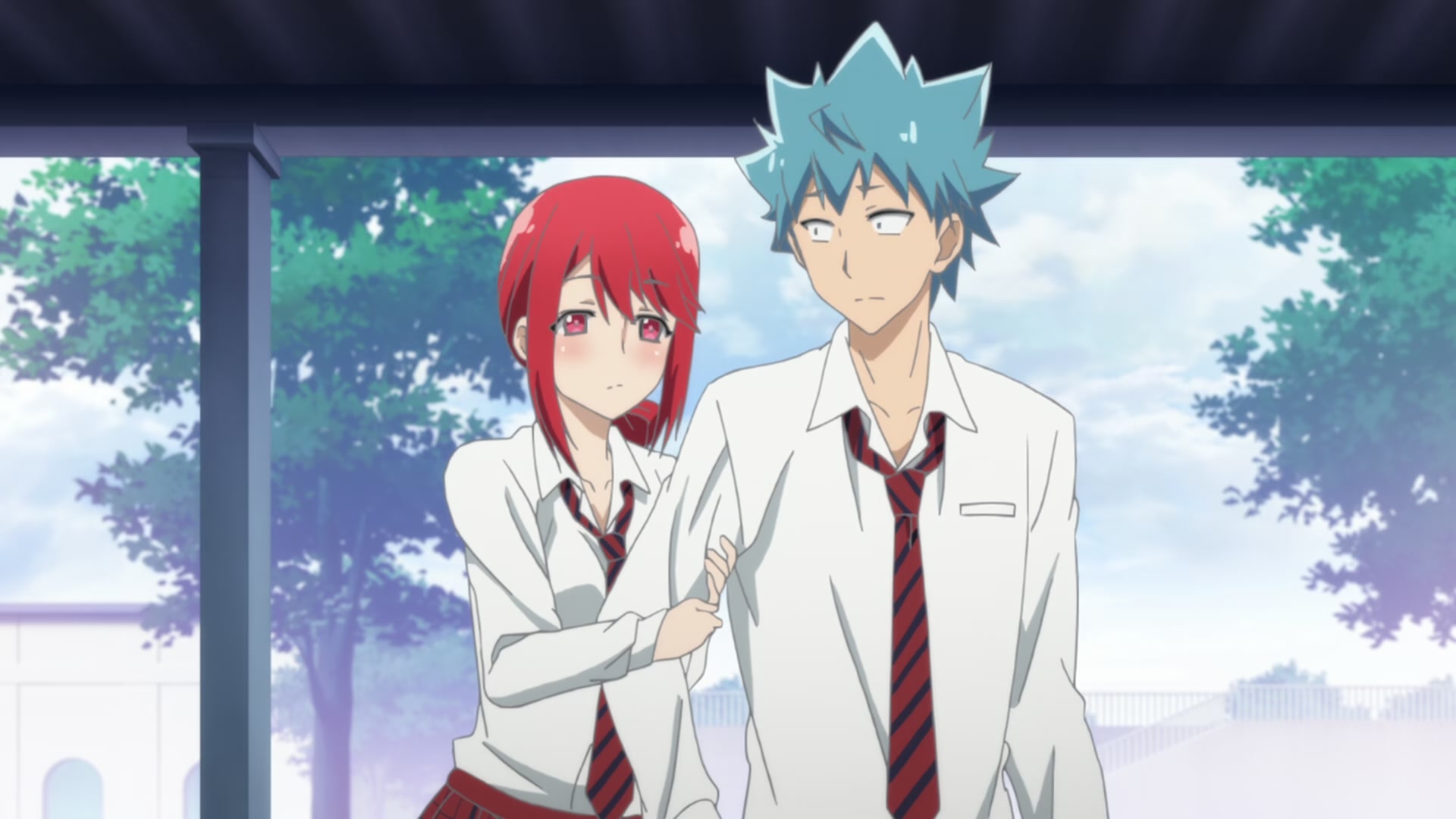
The character designs are bold and high-contrast, using a palette of bright blues, reds, purples, and yellows to ensure instant recognizability. Each character has a clear color signature (Guri’s pink and white, Akane’s red and black, Yuzu’s purple and blue), and the hair silhouettes remain identifiable even in extreme simplification. Guri’s design shifts with her emotional state, angel mode in soft whites, demon mode in sharp blacks. This is efficient visual storytelling.
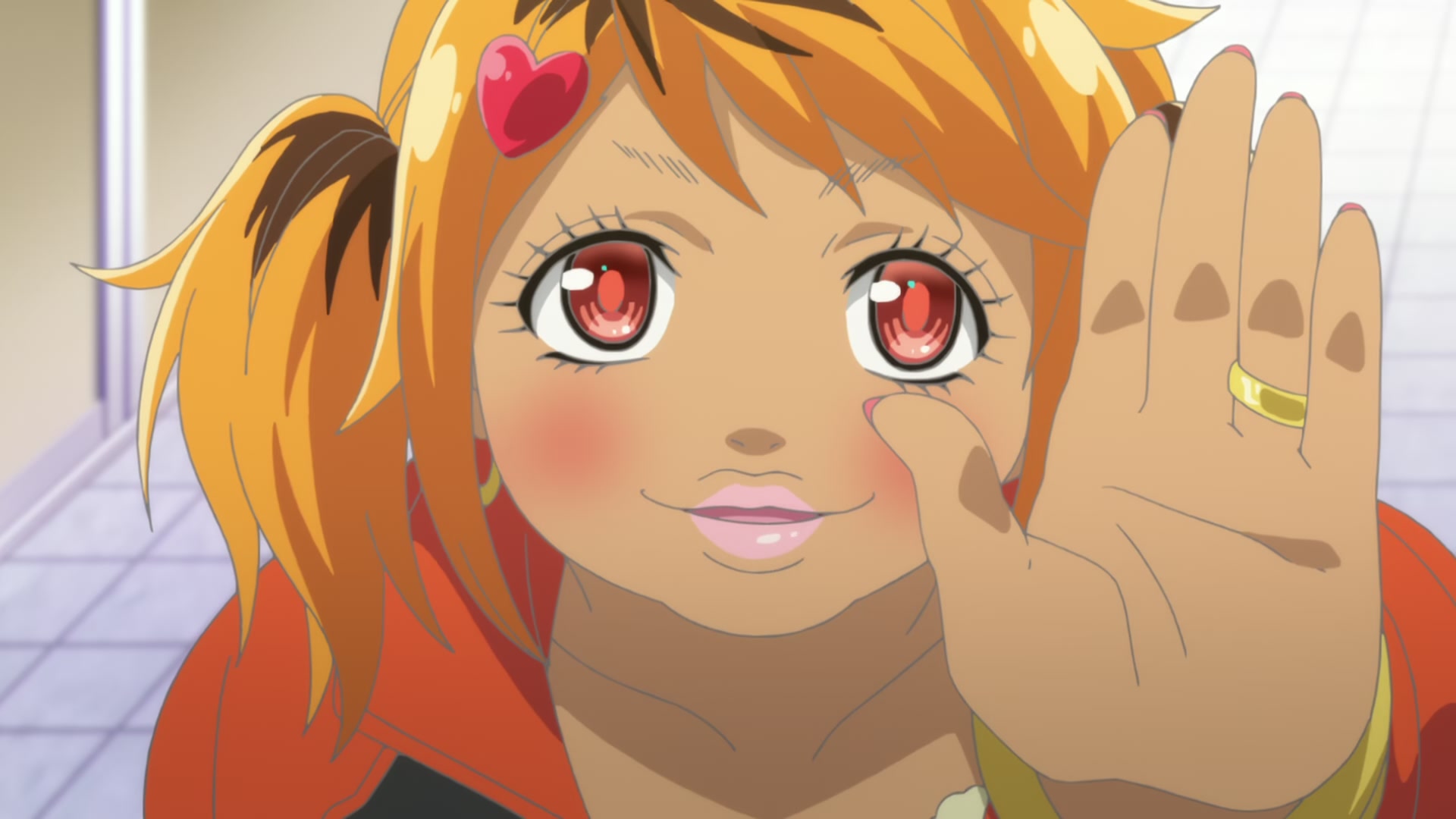
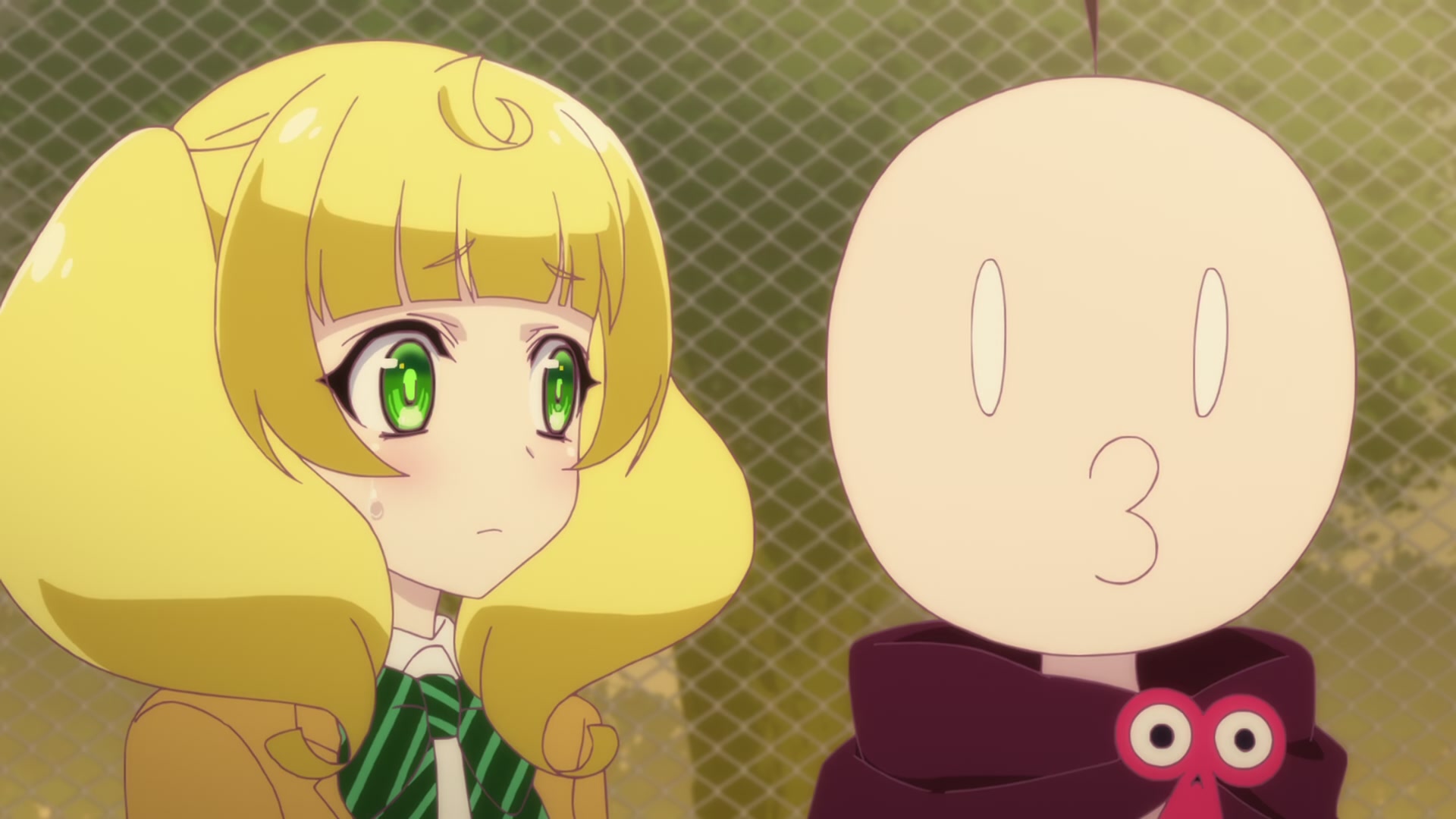
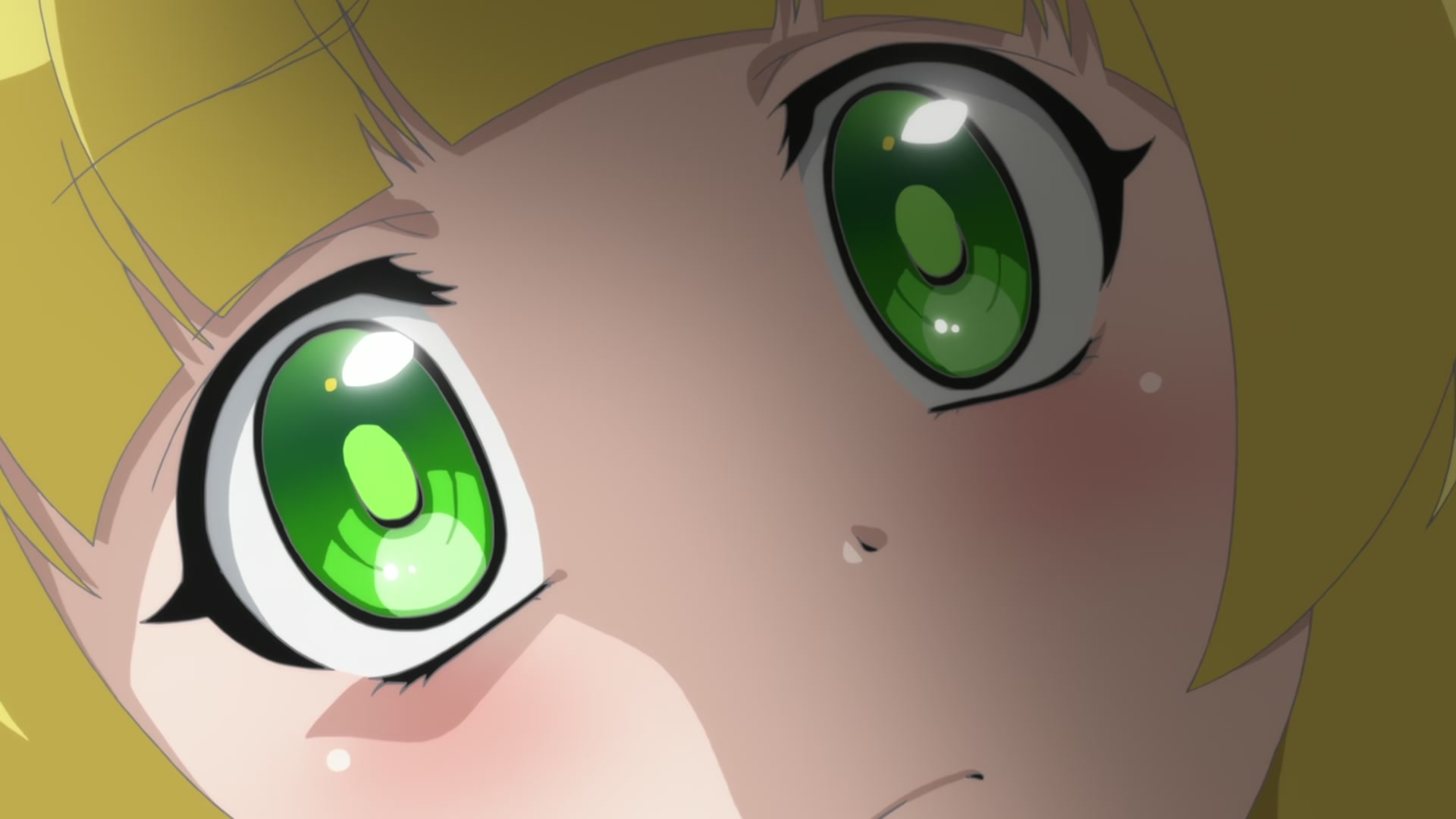
The production’s most effective technique is its differential rendering of eyes. While character bodies may be simplified, the irises are often rendered with intense detail (multiple highlight layers, glassy gradients, complex hatching) that communicates emotional states wordlessly. Akane’s “erased eye highlights” signal her shift into yandere mode or emotional shutdown. Guri’s eyes become flat and dull when she falls into demonhood, then regain their sparkle when she returns. Yuzu’s wavering irises convey her internal confusion in Episode 9. This is sophisticated character acting concentrated in a single facial element, and it is the series’ strongest visual asset.
The comedic iconography is deployed with good timing and appropriate restraint. Anger marks, heart eyes, sweat drops, and other classic shorthand appear when needed and do not overwhelm dramatic scenes. Body language ranges from regal rigidity for characters like Suou and Ameisha to rubbery slapstick for Seiji being thrown across rooms or launched at demon penguins. Even static frames convey character dynamics effectively. Yuzu’s slight slouch when she is uncertain, Akane’s cling when she is affectionate, Guri’s comfortable sprawl when she is at home.
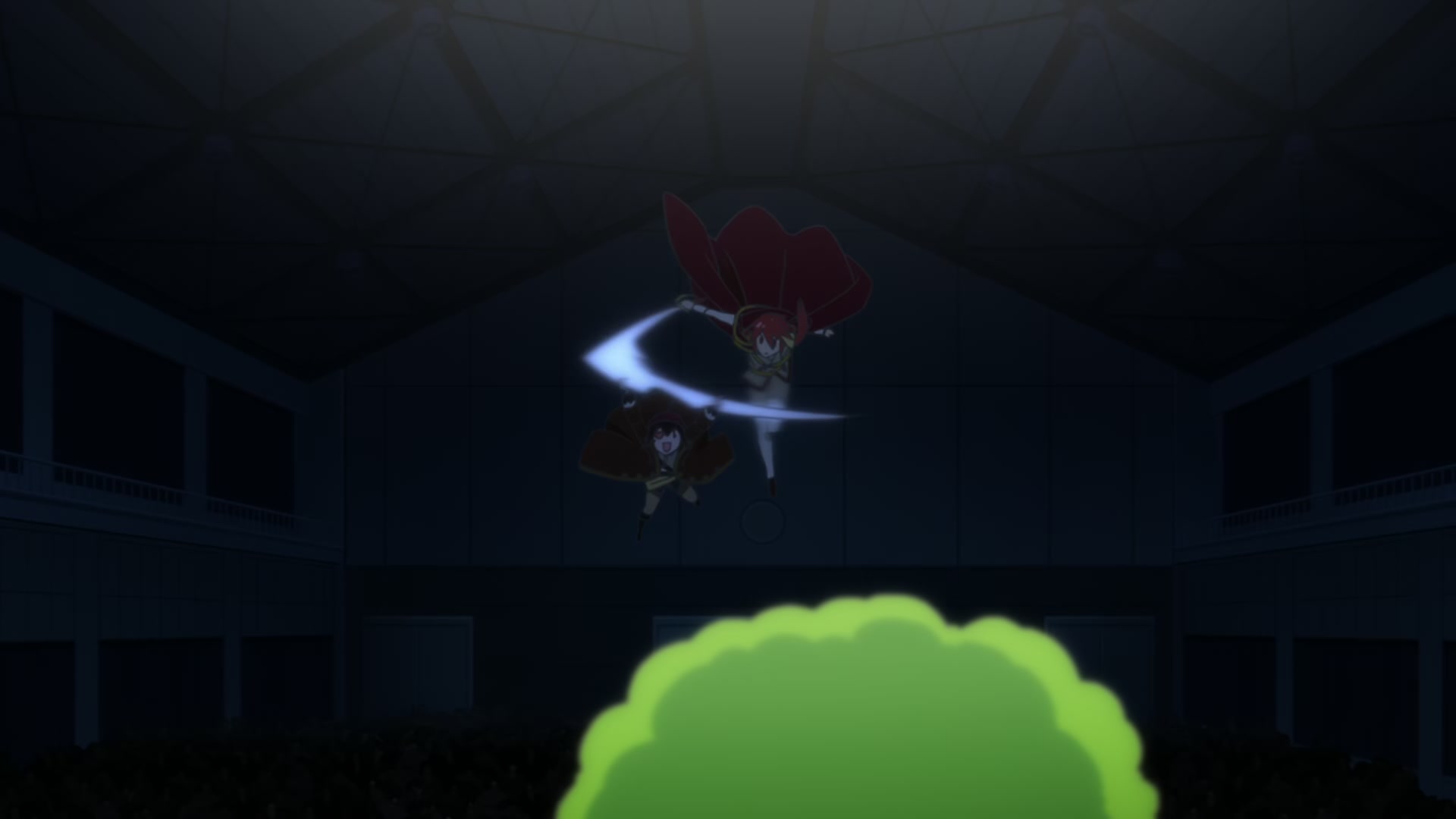
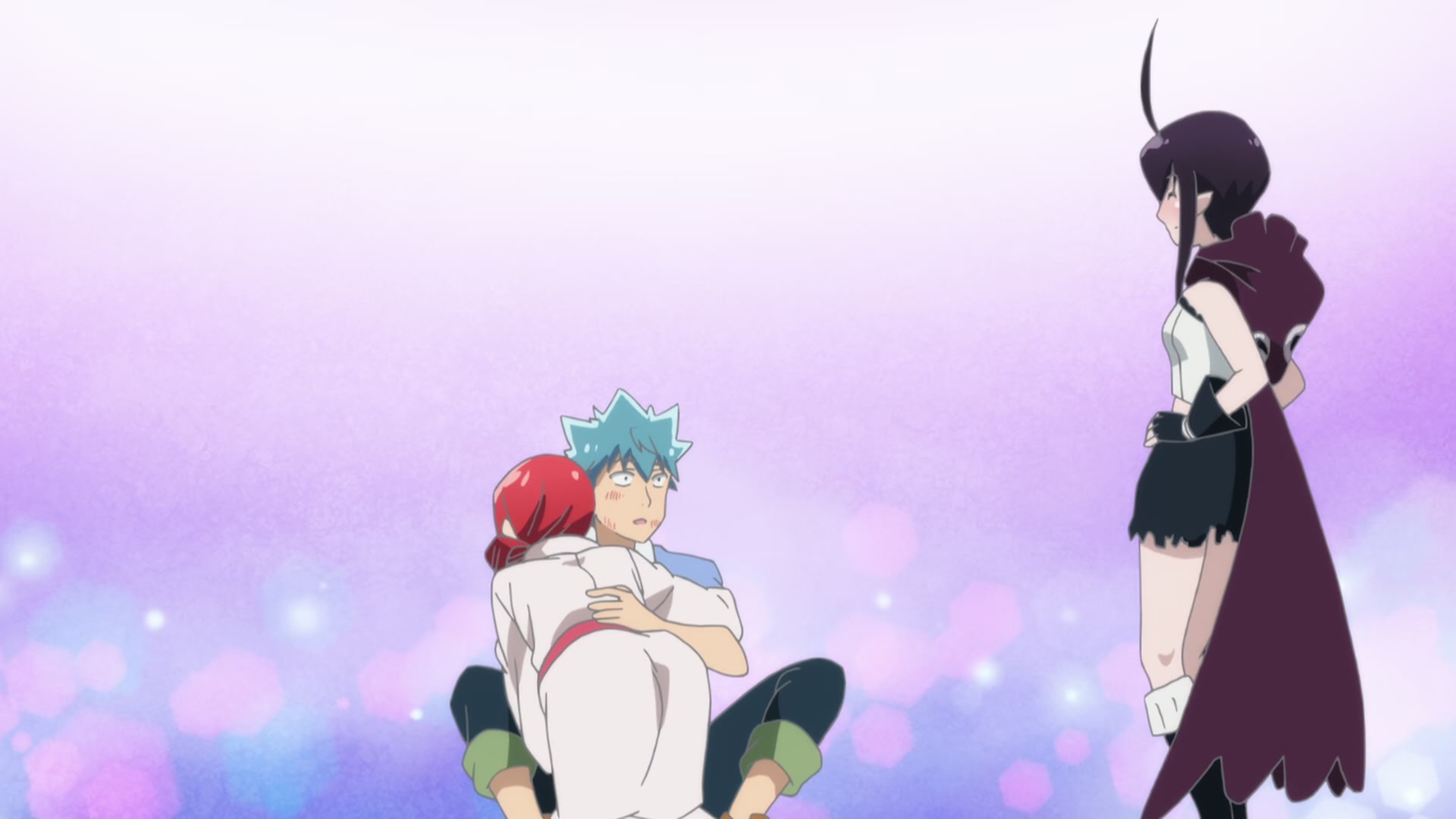
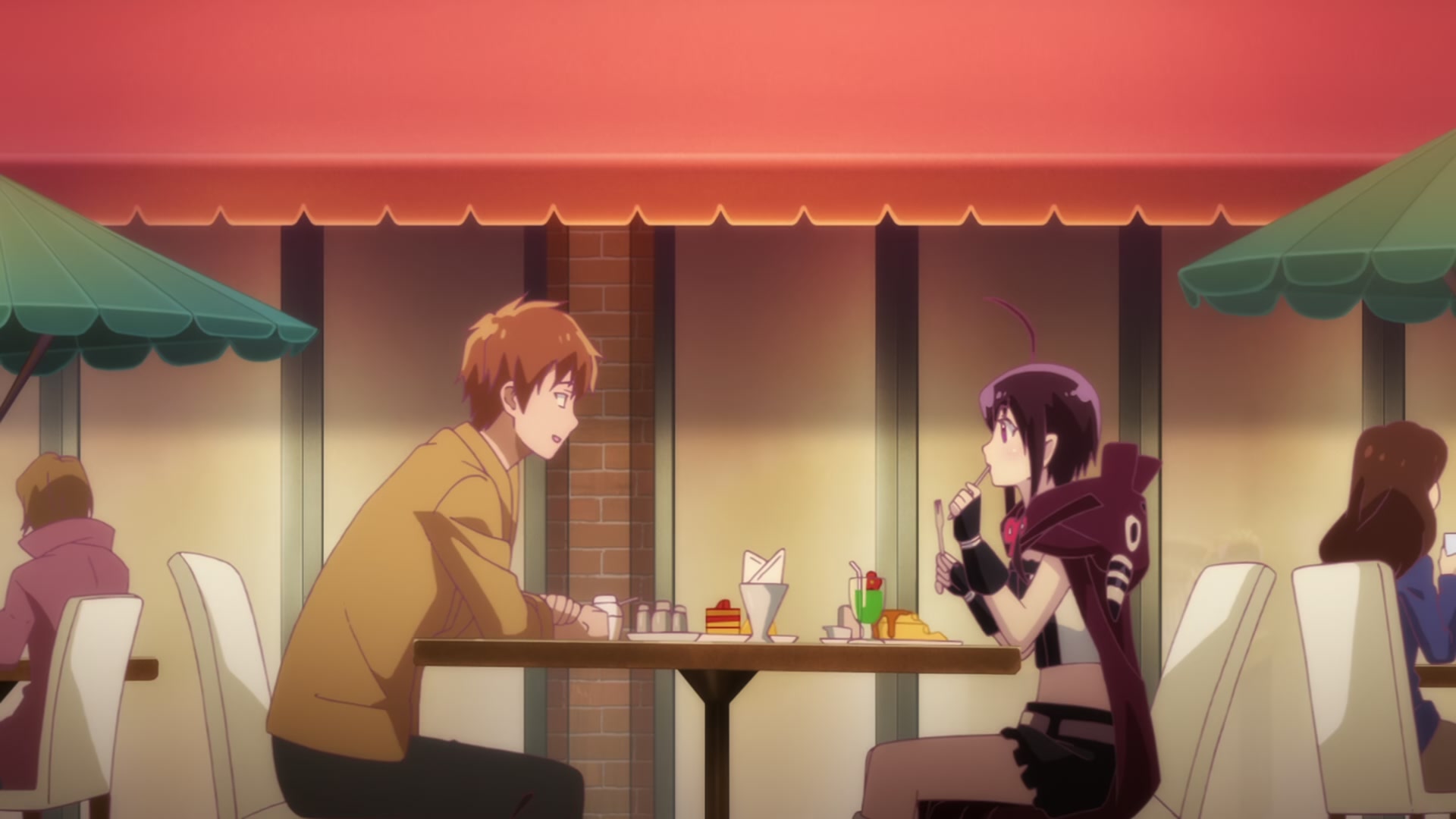
Lighting and compositing shift to match the narrative’s emotional register. Most scenes use high-key comedy lighting, bright and even. When tension rises, the series pivots to moodier approaches. Low-angle perspectives with high-contrast shadows, light catching only the edges of hair or the vibrance of an eye. Digital compositing adds atmosphere through soft-focus glows, white vignettes, and sparkle filters on romantic objects. Heaven sequences use ethereal lighting to signal otherworldliness. Hell is presented with flat, corporate lighting that makes the afterlife feel like an office district, which is a good visual joke.
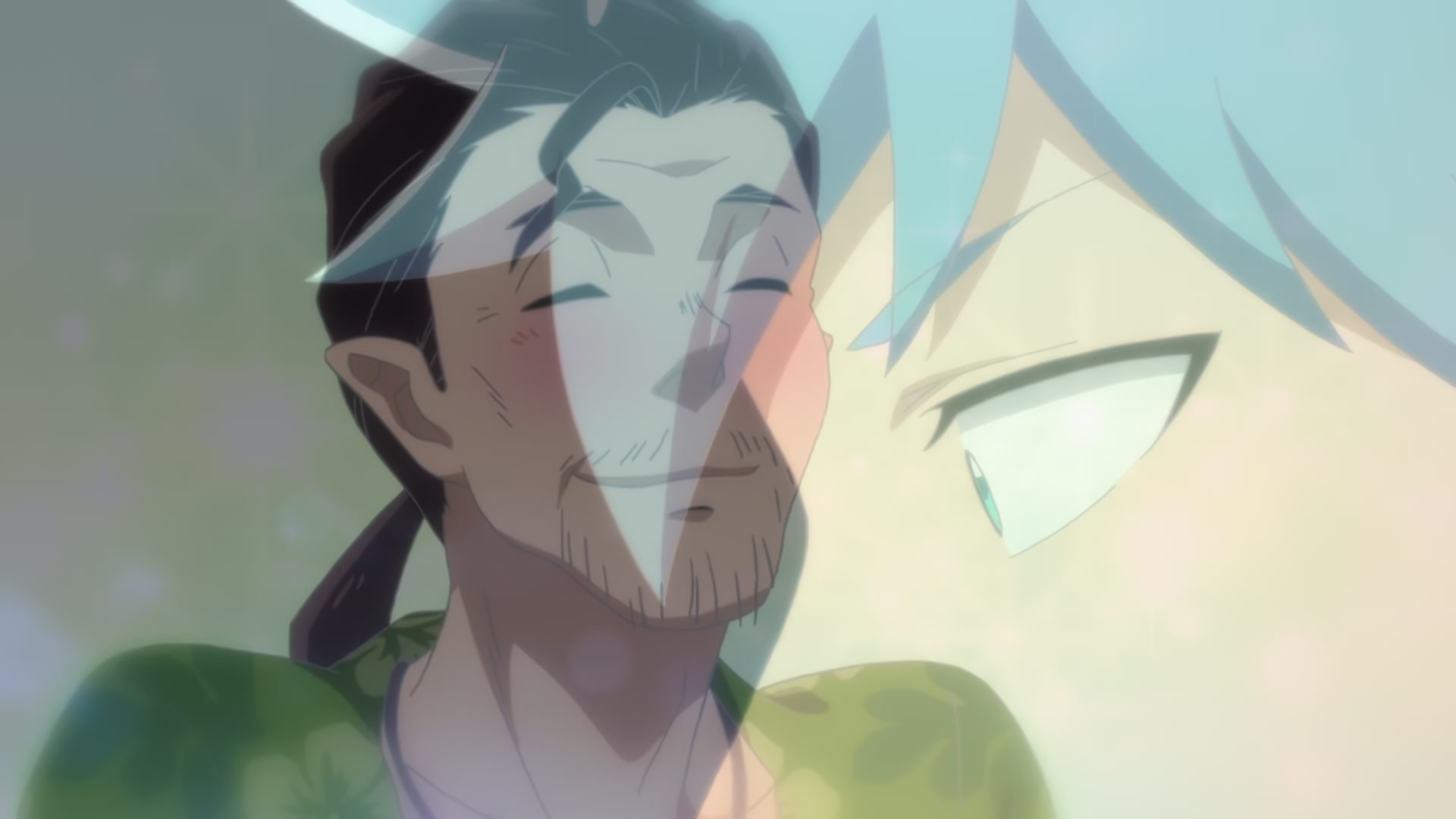
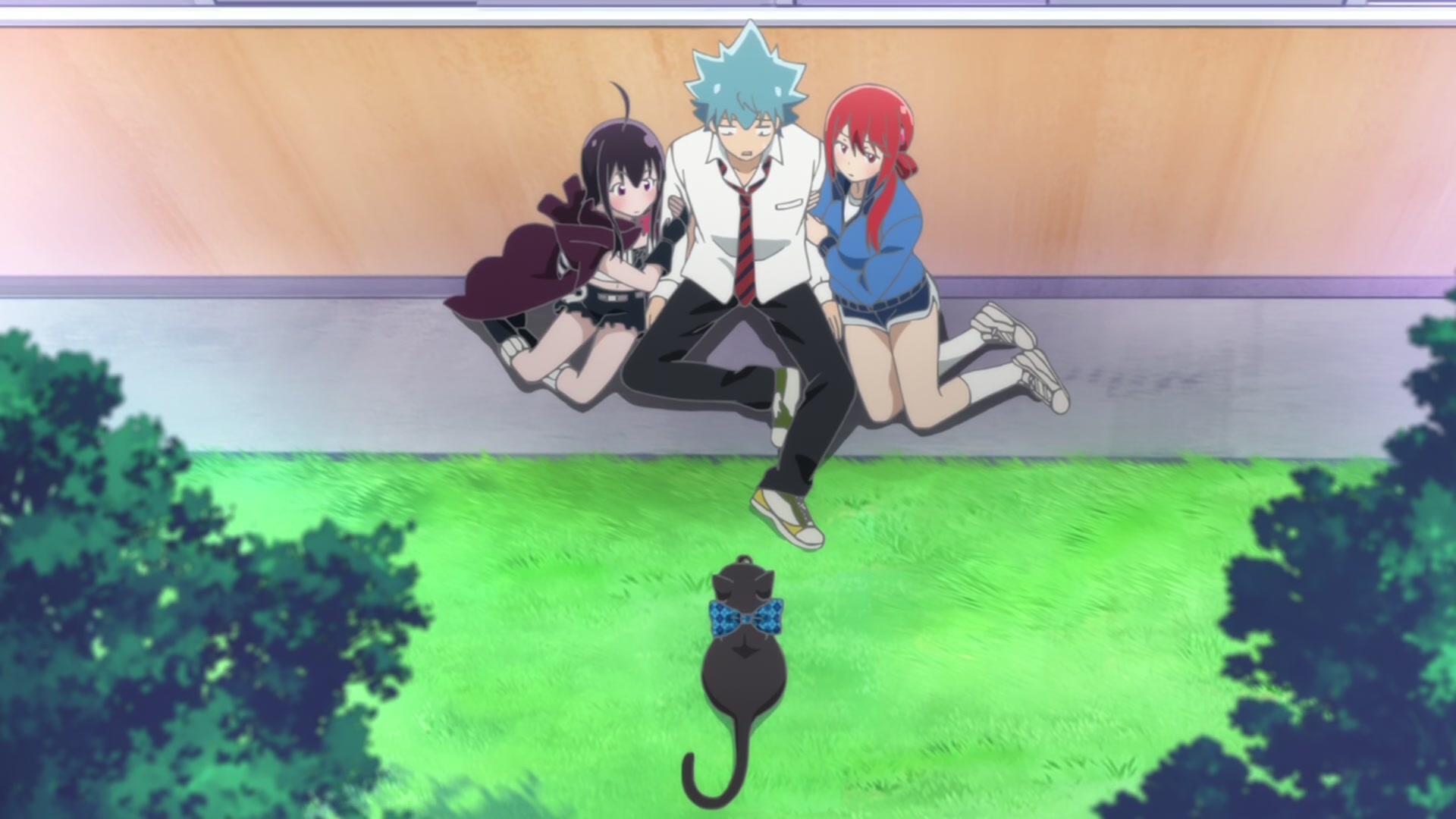
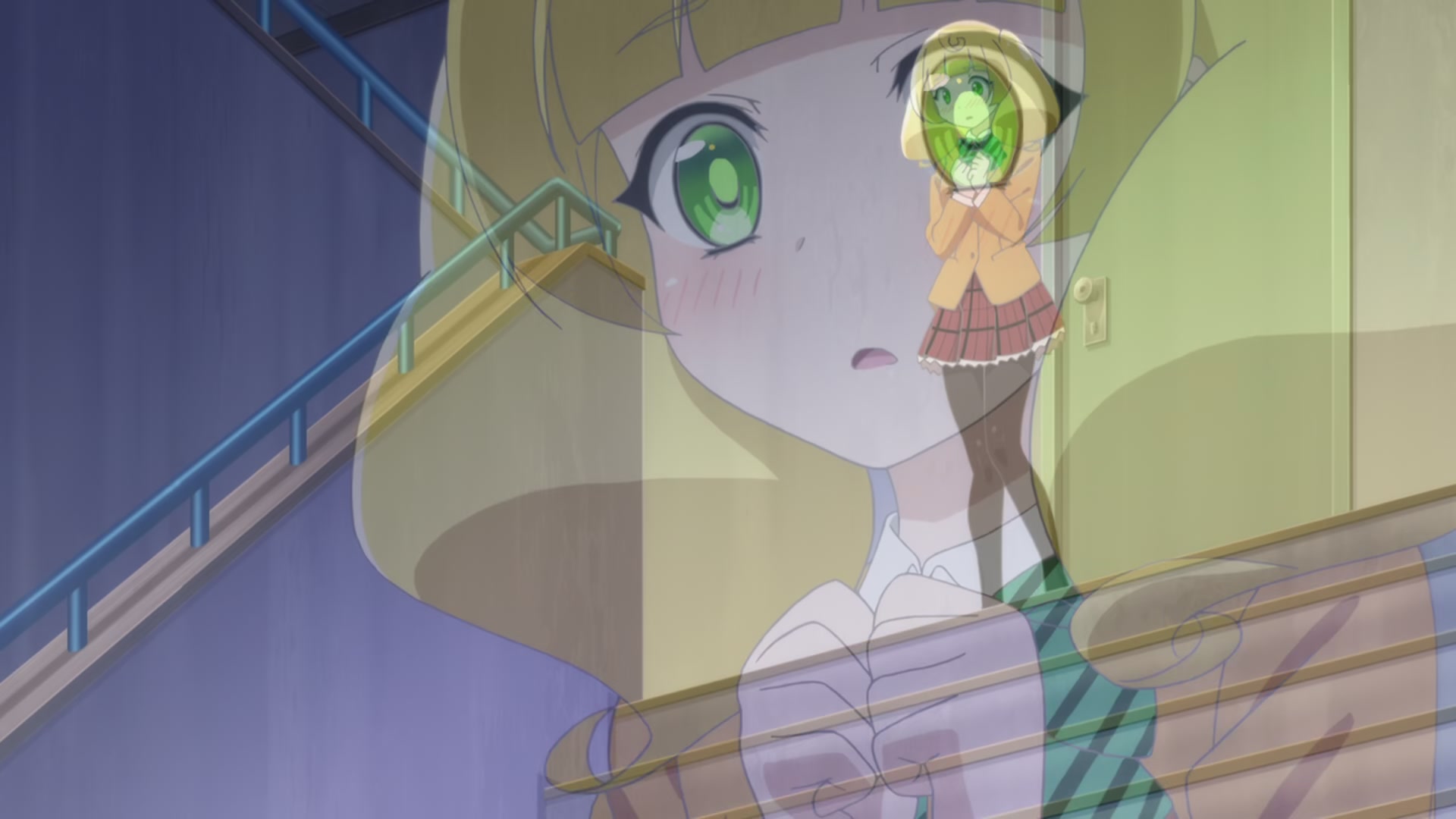
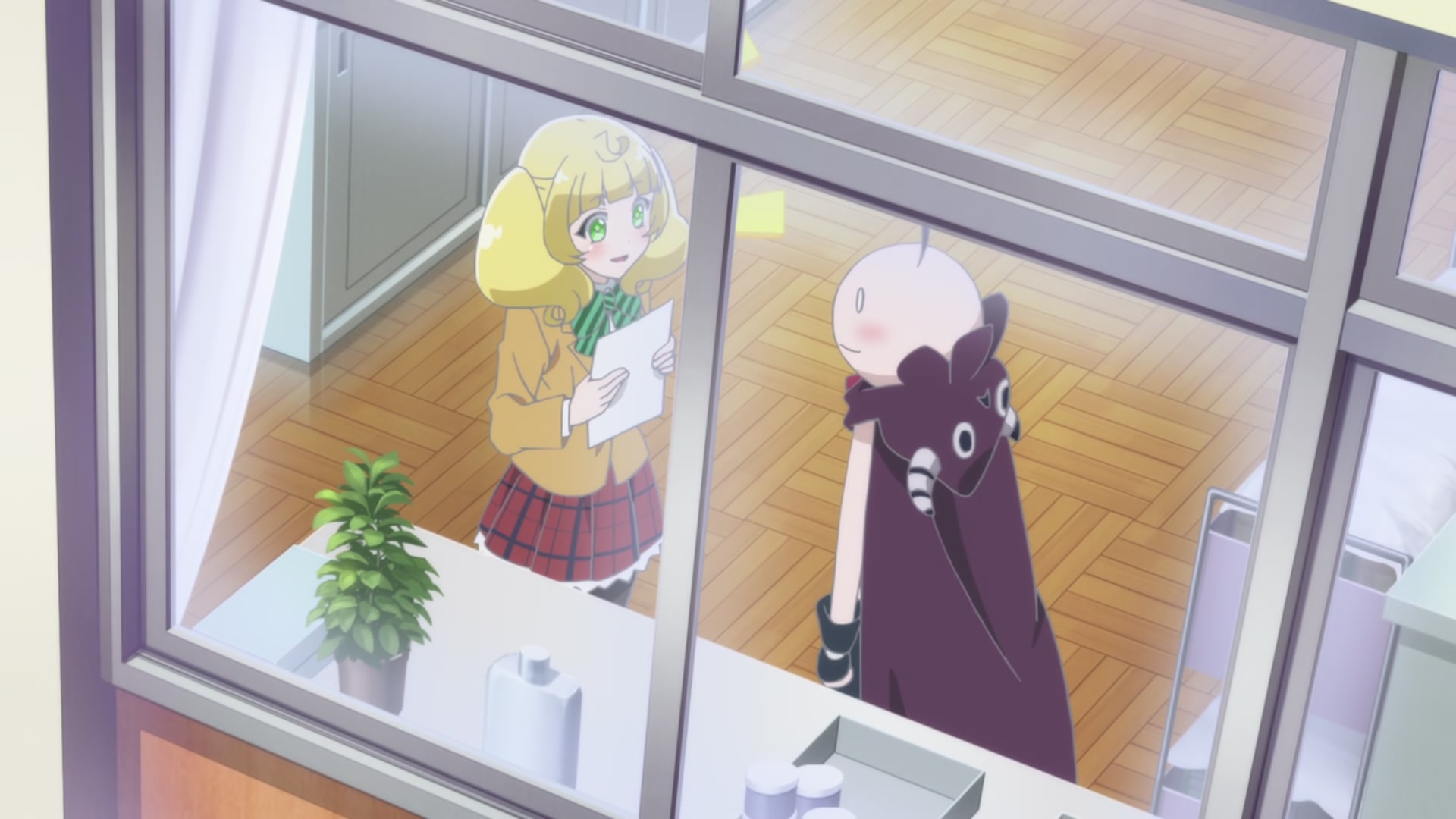
The creative framing deserves mention. The series uses layering and transparency effects to visualize internal thoughts or memories. High-angle “god’s eye” views establish spatial relationships during chase sequences. Characters are often framed through doorways, windows, or foreground elements, creating internal “stages” that focus attention on specific interactions. These techniques are used sparingly but effectively, adding visual variety to what is fundamentally a dialogue-driven comedy.
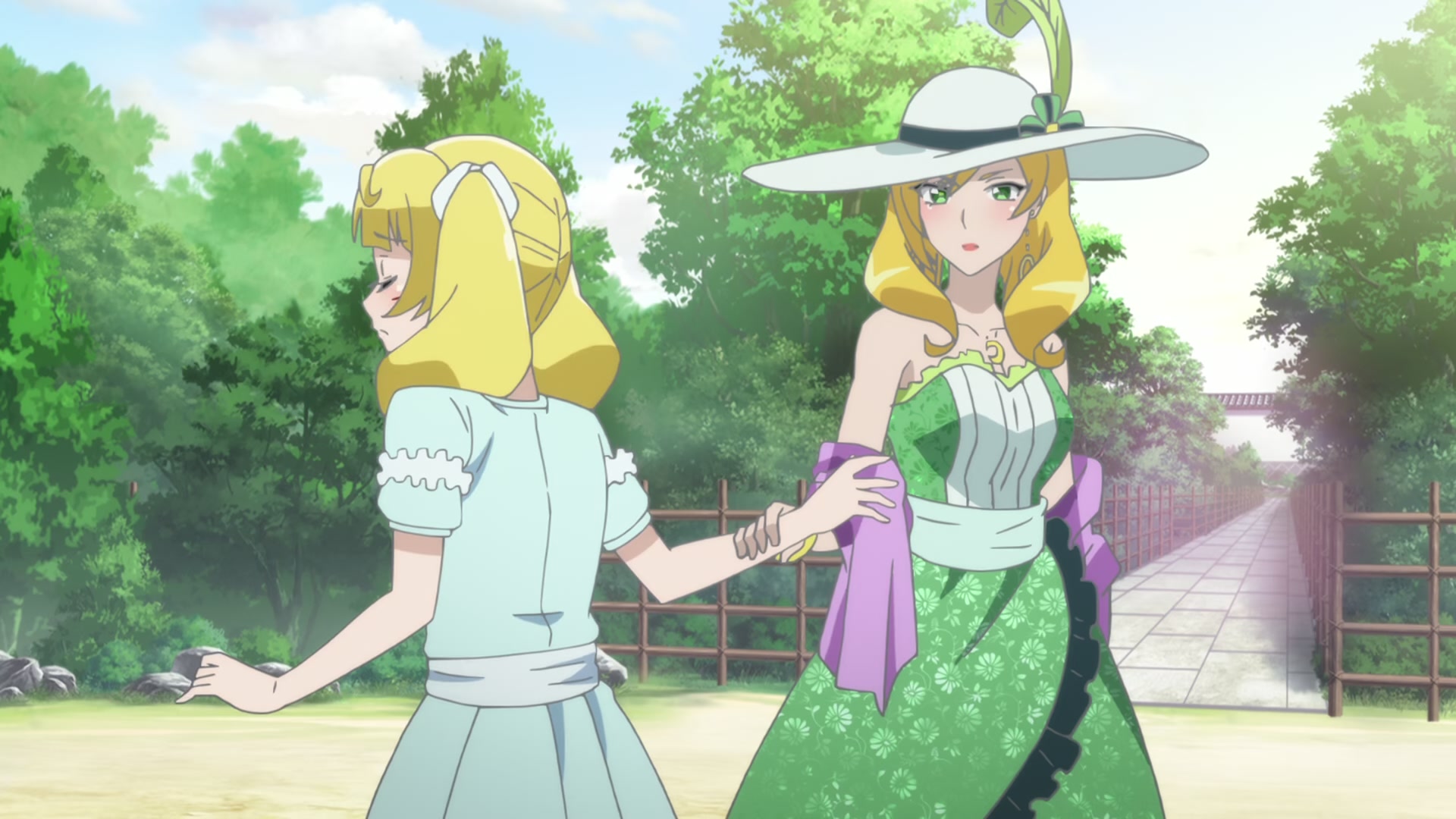
There are weaknesses, and they are consistent enough to note. The compositing sometimes fails to integrate characters with their environments. Characters can appear as distinct layers placed on top of backgrounds rather than existing within the same lighting conditions. This is particularly noticeable in outdoor scenes where background elements have naturalistic shading while characters retain flat cell-shading. Character detail degrades significantly in wide or distant shots, which is common for television anime at this budget level. Many dialogue scenes feature minimal actual animation. Characters move slightly, mouths flap, the camera pans across a still frame.
Distinguishing between intentional stillness and budget-dictated stillness is important. A deadpan reaction shot where a character freezes in disbelief serves the comedy. A dialogue scene where nothing moves because the production could not afford to animate it does not. The series has both, and a fair evaluation acknowledges the difference. The facial expression work, comic timing through visual cuts, and high-quality impact frames demonstrate that skilled artists worked on this production. The constraints were budget and schedule, not talent.
The hierarchy of detail (faces first, then bodies, then backgrounds, then crowd characters) is a defensible choice given those constraints. The backgrounds are functional stages that do not distract from character action. Indoor settings use simple geometry and flat-colored walls. Outdoor settings add slightly more painterly texture but remain secondary. Key dramatic locations like the Hiyama mansion and Heaven receive more attention, communicating worldbuilding efficiently. The school is intentionally generic.

Sound and Music
The most significant audio element in Renai Boukun is the voice acting, which carries substantial weight given the series’ reliance on dialogue and character interaction. Guri’s seiyuu navigates a wide emotional range. The default mode is manic, high-energy cheerfulness delivered at speed. When Guri falls into demonhood, the performance shifts to flat, affectless coldness without losing recognizability. The tearful confession in the finale lands because the voice has earned the transition from comedy to vulnerability over twelve episodes.
Akane’s voice work handles similarly abrupt tonal shifts. The switch from adoring girlfriend to murderous yandere happens mid-sentence, and the performance makes these transitions feel like a single fractured personality rather than two separate characters. Yuzu’s tsundere patterns (insults delivered while blushing, protests while accepting comfort) are well-timed. Seiji’s exasperation, Coraly’s prissy dignity, and Shikimi’s layered performance (sweet and poisonous in the same breath) all contribute to a strong ensemble cast.
The opening and ending themes fit the series’ tone. The opening is an energetic pop track with visuals that introduce the cast and the series’ playful approach to its Death Note parody. The ending is softer and more reflective, appropriate for a series that uses its quieter moments to do genuine emotional work. The background music supports the shifting tones effectively. Upbeat tracks for comedic chaos, atmospheric pieces for moments of reflection, and dramatic scoring for the rescue missions and climactic confrontations.
Sound design contributes to the comedy without overwhelming it. The knife-conjuring sound that accompanies Akane’s attacks becomes a running gag. Guri’s “ta-da” poses have their own audio punctuation. The contrast between Heaven’s ethereal ambient sounds and Hell’s bureaucratic office noise is a good detail.
Overall Verdict
Renai Boukun is an anime made for people who already speak anime’s language fluently. Its humor is built on recognition. Its visual style rewards familiarity with the medium’s range from moe to shonen to theatrical absurdism. Its emotional beats land because the series has earned the right to take its characters seriously after spending multiple episodes treating them as punchlines.
The writing is sharper than the chaotic presentation suggests. Arcs are constructed carefully across the twelve episodes, character development is cumulative, and the thematic arguments about love’s nature (the difference between observing and wanting, the insufficiency of knowledge without experience, the courage required to ask for what you need) are articulated clearly without becoming didactic. The voice performances are excellent, the visual creativity is genuine, and the finale sticks the landing.
The animation has limitations. The compositing issues, detail loss at distance, and reliance on static dialogue scenes are noticeable. They do not significantly harm the experience because the series’ strengths (facial acting, visual timing, impact frames, voice work) operate in the spaces where animation budget matters most, but they prevent the production from reaching its full visual potential.
This series is highly recommended for long-term anime fans who enjoy genre parody and can appreciate a harem comedy that treats its characters’ messy emotions as worthy of genuine attention. It is also recommended for anyone who watched Death Note and can handle a loving parody of its most self-serious tendencies. It is recommended with significant caveats for viewers who need consistently high-budget animation or who dislike fanservice even when it is deployed with ironic self-awareness.
It is not recommended for anime newcomers. The density of reference and the assumption of genre literacy will leave unfamiliar viewers lost as to what the series is doing and why. It is also probably not for anyone who finds yandere humor genuinely disturbing rather than comedic, though the series does more than most to ground that behavior in recognizable psychology.
The series ends not with resolution but with the promise of continuation. Guri has learned to want and to ask. Seiji has learned to say what he means, more or less. Akane has learned that love is not diminished by sharing it. Yuzu has learned that her heart has room for more than one person. Shikimi is hovering at the edge, curious enough to consider a different approach. The final scene is everyone chasing Seiji through the school while Guri shouts that she will not share him, which is superficially identical to earlier chaos but emotionally transformed. The chaos is now a choice rather than an accident.
For fans who recognize the visual language, the character types, and the series of affectionate references, Renai Boukun is one of the more rewarding romantic comedies in recent years. It understands that love is something you practice rather than something you solve, and that sometimes the best response to absurdity is to commit to being someone’s straight man for the long haul.
Gallery