




Introduction
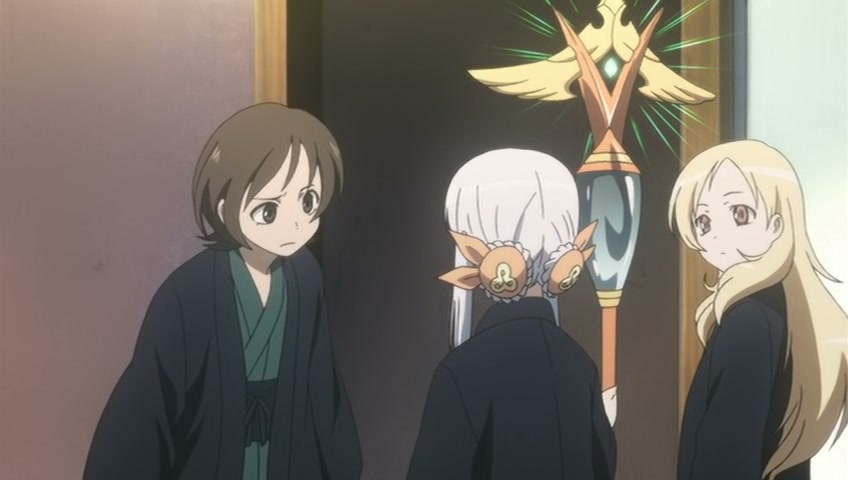
There is something quietly devastating about receiving a letter from someone who has already died. It forces you to confront whatever was left unsaid, and in the world of Shigofumi, those final messages cannot be softened by time or selective memory. The dead cannot lie. They can pour out love, apology, or the most mundane observations, but they can also send hatred so raw it scars. Mikawa Fumika is the postal worker who delivers these letters, accompanied by Kanaka, a staff that talks, complains, and dreams of becoming human. Together they move through a modern Japanese city where the supernatural hides in plain sight, handing over mail that often changes everything for those left behind.
I went into Shigofumi expecting a melancholic episodic anthology, something like a cross between Mushishi and a ghost story. What I found was that and a whole lot more. The series uses its initial deliveries to build a world, yes, but underneath them it lays the groundwork for one of the most sensitive portrayals of trauma, dissociation, and recovery I have seen in anime. It respects its audience enough to be slow and quiet when it needs to be, and it trusts that you will pay attention to the details. This is not a show for thrill seekers or those who need constant action. It is for people who appreciate moody, introspective storytelling and who want to see broken characters slowly, painfully become whole.
Story and Themes
The narrative structure of Shigofumi is a slow burn that rewards patient viewing. The opening two episodes form a self-contained overture with the “Rocket” story, about a boy who builds rockets and a girl who carries an unbearable secret. From there, the series moves through several mostly self-contained deliveries: a classmate who committed suicide for no reason anyone can understand, a tennis player who must confront her feelings about the mother who abandoned her, an old cat that outlived its owners, and a bullying victim whose final words to his tormentors are a curse. Each of these episodes explores a different facet of what it means to speak from beyond the grave, and each one quietly adds a piece to the larger puzzle of who Fumika really is.
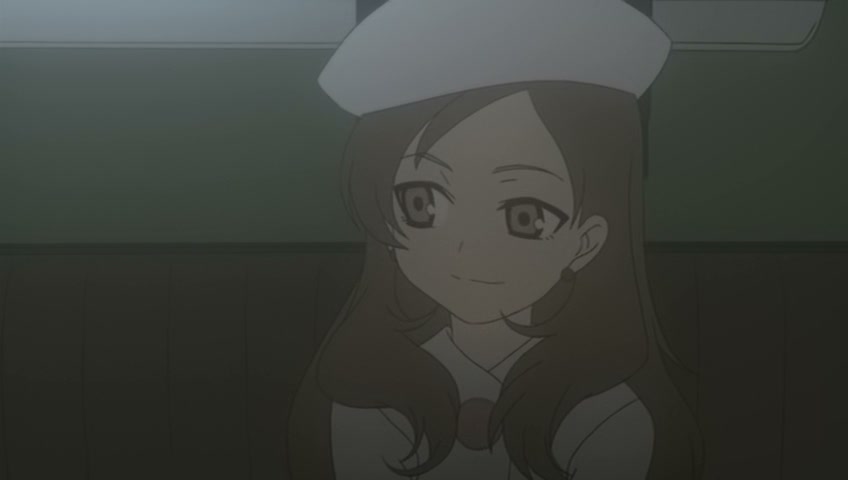
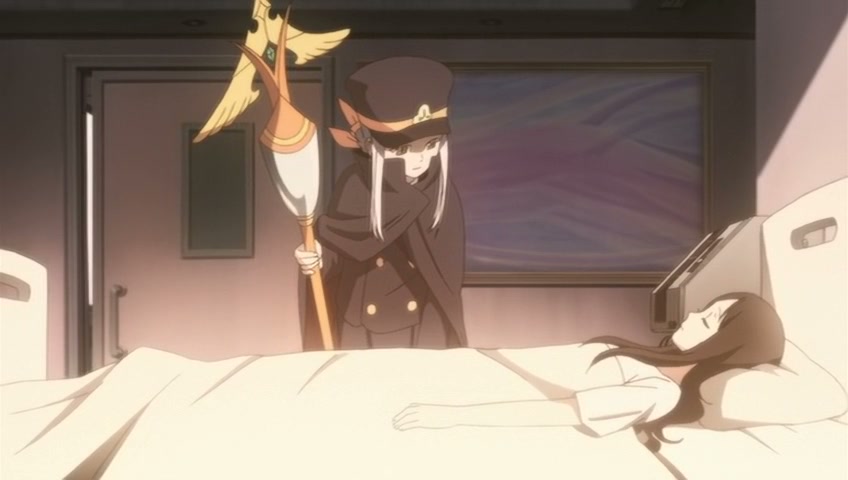
That puzzle begins to take shape around the midpoint, when the story shifts into a serialized exploration of Fumika’s past. The true depth of the series emerges as we learn that Fumika is not one person but two: Mika, the alter-ego who walks the world as a Shigofumi carrier, and Fumi, the original personality who has been lying in a coma for three years. The two were born from a childhood of severe abuse at the hands of their father, the famous novelist Mikawa Kirameki. This revelation recontextualizes everything that came before. Mika’s stoic detachment is not just professional coolness. It is the armour of someone who believes she must atone for a crime she committed to protect Fumi, and who yearns to be erased once that atonement is complete.
The series handles this material with a seriousness that I found genuinely moving. Dissociation is not treated as a gimmick or a source of horror. Mika and Fumi are both fully realised individuals with their own desires, resentments, and love for one another. Their conflict, which comes to a head in a violent confrontation at a shrine and later in an abandoned house, is raw and uncomfortable. They scream, they fight with fists, they hurl accusations and confessions that have been buried for years. It is the kind of catharsis that feels earned precisely because the story has spent so much time letting us understand both of them.
Thematic depth runs through every layer of the show. The central moral axis is the tension between malice and good will. A Shigofumi can be a vessel for either, and the series argues that malice always circles back to poison the sender, while good will, even when it arrives decades late, has the power to heal. This is not presented as a simplistic moral. Characters who send vengeful letters are often sympathetic. Their anger is justified. But the narrative gently insists that forwarding hatred perpetuates a cycle that can only be broken by an act of kindness, and that kindness can be as small as a mother’s long-secret record of her daughter’s tennis matches or a grandfather’s simple report that he lived a happy life.
Another theme that resonates strongly is the nature of truth. “The dead cannot lie” is repeated often, and it stands in deliberate contrast to the living, whom Fumika describes as “weak, scared, ugly.” The living lie to protect themselves, to avoid pain, to maintain a comfortable image. The dead have no such luxury. A father’s Shigofumi can accuse his own daughter of murder with brutal directness. A bullied boy can curse his classmates from beyond the grave. This makes the postal workers’ role morally ambiguous: they deliver truth, but truth is not always kind, and sometimes it does more harm than good.
The series does not shy away from culturally specific ideas that give the supernatural world a distinctive Japanese flavour. The Gospel Department, with its rules, authorisation codes, and endless paperwork, feels like a bureaucratic afterlife straight out of Shinto-Buddhist cosmology, where even the dead must navigate official channels. The concept of kotodama, the spirit power believed to reside in words, is implicitly present in every letter. The final words of the deceased carry a weight that demands to be respected, and the series treats that weight with appropriate gravity. Kirameki’s obsession with beauty, his horror at “filthy” handwriting and his worship of light and glass, draws on traditional aesthetic ideals twisted into monstrous narcissism. Even the name “Kirei,” which means beautiful, is layered with meaning as both the name of the mother who abandoned Fumika and the quality Kirameki pursues in his abuse.
There is also a notable refusal to offer easy answers about suicide. When Senkawa Daiki jumps from his apartment roof, the eventual Shigofumi reveals that he did not have a tragic reason. He simply felt like taking a different path, just as he might choose a yakisoba bun for lunch. His father’s grief and the subsequent hostage situation at the school are not resolved by a comforting explanation. The absence of meaning is itself the answer, and the series respects that emptiness without trying to fill it with platitudes.
As an anime-only viewer, I cannot comment on how faithfully Shigofumi adapts its source material, a series of light novels. What I can say is that the anime stands perfectly well on its own. It tells a complete story in thirteen episodes, with a beginning that establishes the rules, a middle that deepens the mystery, and an end that resolves the central emotional conflicts without overreaching. Whatever might have been cut or rearranged from the novels, the result on screen feels intentional and whole.
Characters
The characters are the soul of this series, and I would argue that the depth of their writing is what elevates Shigofumi above many other supernatural dramas. Nearly every significant figure carries a wound that is explored with patience and empathy.
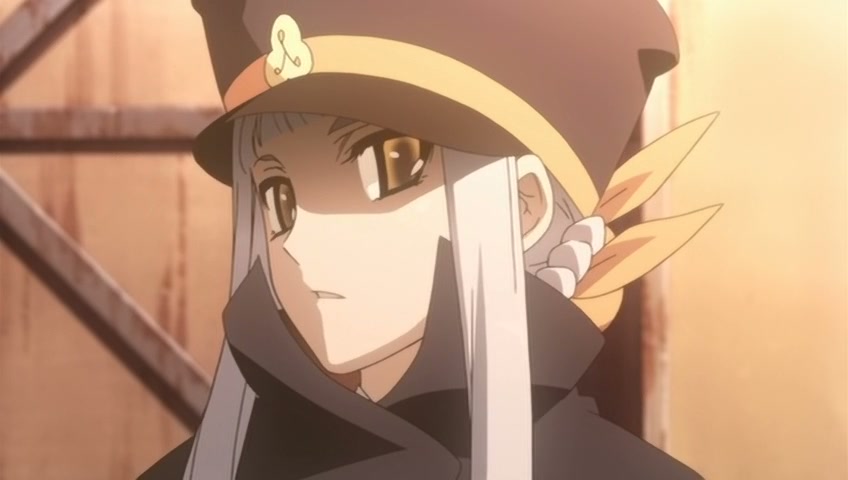
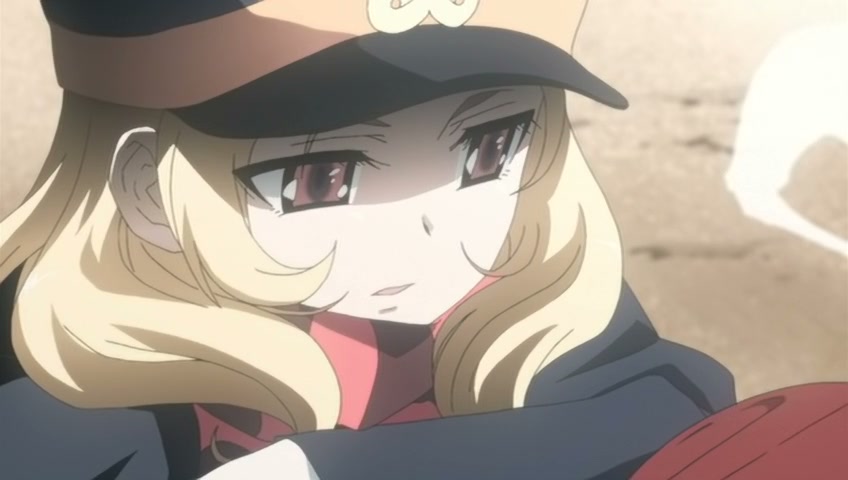
Mikawa Fumika, the postal worker, is introduced as the ultimate kuudere: silent, detached, almost robotic in her dedication to her job. She responds to questions with monotone statements about rules and regulations, and she watches human tragedy with an unnerving calm. This facade is a survival mechanism. Over time, cracks appear. She hesitates before delivering a particularly cruel letter. She bends protocol when she believes a father’s words should not go unheard. And when the truth of her own past begins to surface, her controlled exterior shatters into fury, tears, and desperate longing. Mika, as we come to know her, is the alter-ego who was born to protect Fumi from their father’s abuse. She is the one who shot Kirameki, an act she carries as both guilt and a perverse sense of duty. Her entire existence as a postal worker is a self-imposed penance. She wants to deliver the gun to the awakened Fumi and be erased, believing she has no right to a life of her own. What makes her journey so compelling is that she is wrong. Through her partnership with Kanaka, her growing friendship with Chiaki, and the steadfast kindness of Kaname and Natsuka, Mika slowly learns that she is allowed to exist, that her desire to live is not a betrayal of Fumi.
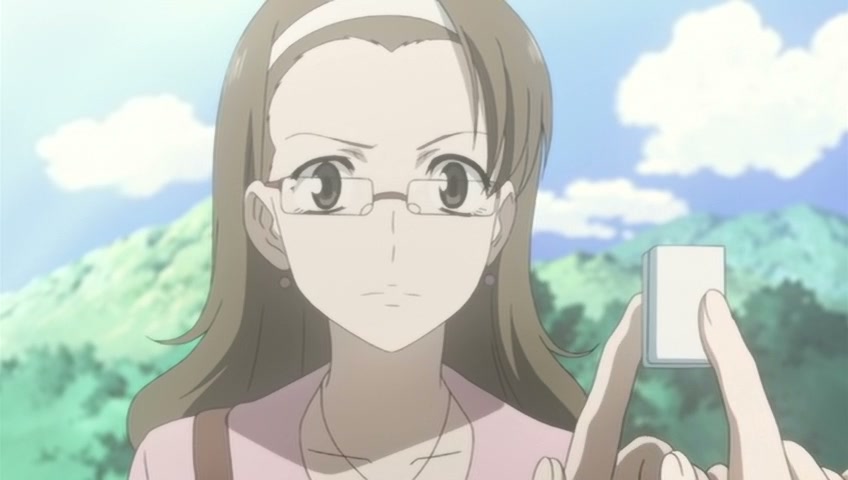
The original Mikawa Fumika, Fumi-chan, awakens from her coma after three years with a fragmented memory and a childlike fragility. She has never been to school, never had friends, never even eaten sukiyaki with a family. Her first experiences of ordinary life are handled with a tenderness that makes small moments feel enormous. Yet Fumi is not simply a victim to be rescued. Once she regains her footing, she makes the difficult decision to press charges against her father, a move that requires her to relive the abuse in front of police and media. She meets her biological mother, Aizawa Kirei, who coldly rejects her, and instead of crumbling, she resolves to move forward. Her relationship with Mika is the most intricate dynamic in the series. She loves Mika, resents her, envies her, and ultimately cannot bear the thought of her disappearing. The fistfight between them, ugly and raw, is the series’ emotional climax, a physical release of all the words they could never say.
Kanaka is far more than comic relief, though she provides that in abundance. This talking staff, who dreams of becoming human so that she can learn to lie, is the first constant companion Mika has ever had. Her cheerful chatter and indignant complaints about being used as a weapon keep the series from becoming oppressively dark. More importantly, her loyalty is absolute. When Mika is in danger, Kanaka’s voice breaks with panic. When she learns that Mika plans to let Fumi erase her, she pleads, “I want to have you as my partner. For now and always.” That moment, and Mika’s quiet, grateful response, captures the heart of their bond. Kanaka is the proof that Mika is capable of being loved and loving in return.
Chiaki, the senior postal worker who died fifty years ago in a car accident, brings a playful, big-sister energy to the cast. She teases Mika about romance, drags her into a cat chase across the city, and secretly drinks alcohol at a girls’ night pillow fight. Underneath that cheerfulness is a profound loneliness. Chiaki once visited her old hometown only to find everything erased by time. She is frozen at the age of her death while the world moves on without her. Her arc in the beach episode, where she receives a Shigofumi from her long-dead lover, is a quiet masterpiece of closure. He reports that he lived happily, married, and adopted a daughter. Her reply, whispered to a gravestone, is a delayed “Yes, I do” to a proposal she never got to answer. It is a beautiful, bittersweet resolution that shows even the dead can find healing.
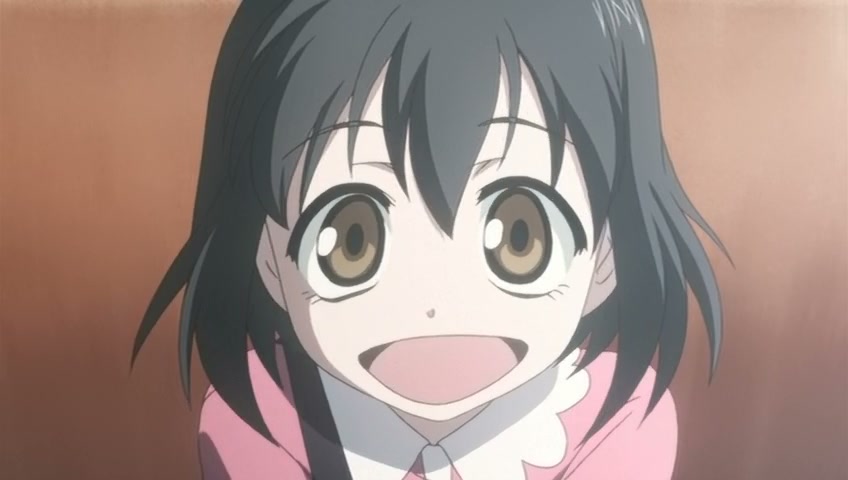
Nojima Kaname and Kasai Natsuka are the living anchors who help both Fumikas reconnect with the world. Kaname has been in love with Mika since middle school, and his search for her has driven much of his life. He is earnest, occasionally awkward, and stubbornly loyal. When he finally understands the truth about the two personalities, his declaration that he loves both Fumikas is simple, heartfelt, and free of possessiveness. He does not push for romance; he simply stays present. Natsuka, who has her own unrequited feelings for Kaname, might have been written as a jealous rival. Instead, she is the emotional glue of the group. She confesses to Kaname, accepts his silent rejection with quiet dignity, and channels her love into supporting his happiness and befriending both Fumikas. Her family’s sukiyaki dinner, where Fumi experiences a warm family meal for the first time, is one of the series’ most quietly joyful scenes.
The parental figures are the source of all the damage. Mikawa Kirameki is a chilling antagonist even though he spends much of the series off-screen. He is not a cackling villain. He is a celebrated novelist who genuinely believes his abuse is a form of art and love. His glass atelier, filled with light and delicate pens, is a horror set where beauty becomes indistinguishable from cruelty. When Mika confronts him with the gun, his reaction is not guilt but a wounded sense of betrayal. He is pitiable in his brokenness, but the series does not grant him redemption. He is contained, forced to write to pay for Fumi’s care, and ultimately left as a hollow man who cannot create without his victim. Aizawa Kirei, the mother, is a different kind of failure. She abandoned her daughter to preserve her own beauty and freedom, and her brief, sugary rejection of Fumi after the coma is devastating precisely because it is so casual. She wishes Fumi well, says she does not want to be a mother, and leaves. The point is not that she is evil; it is that she is empty, and her emptiness forces Fumi to stop looking backward for love that will never come.
The supporting cast from episodic arcs also deserves mention, because each one reinforces the central themes. Ayase Asuna, the student council president who murdered her father to protect her sister, is a tragic figure whose guilt and eventual suicide are handled with a surprising lack of moral judgment. Senkawa Daiki’s father, the grieving man who takes a classroom hostage, embodies the pain of needing a reason that will never exist. Kikukawa Kouichi, the bullied boy who chronicles his suffering online, leaves behind a legacy of malice that his sister Suzune nearly continues, until Fumika intervenes by sharing her own experience with the poison of revenge. These episodes work as stand-alone stories while also enriching the series’ larger argument about the cost of hatred and the necessity of kindness.

Visuals and Animation
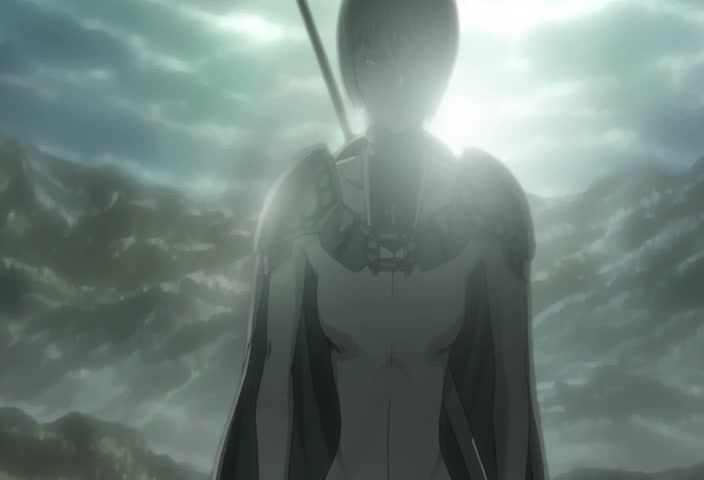
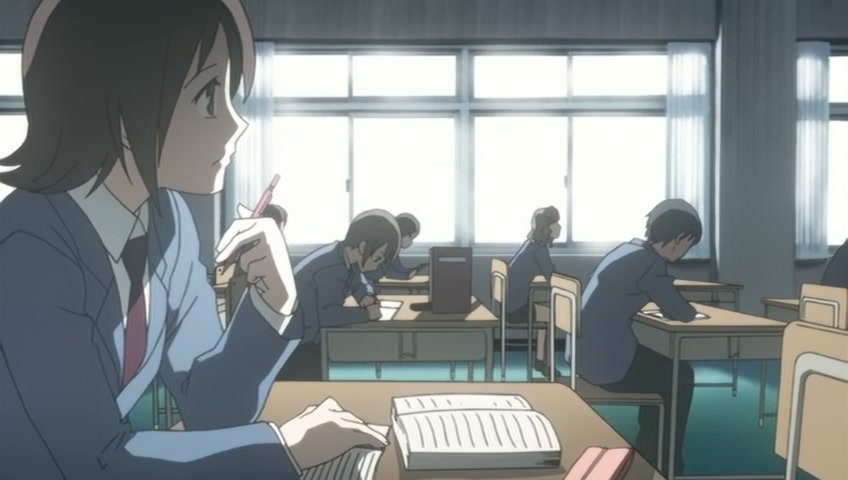
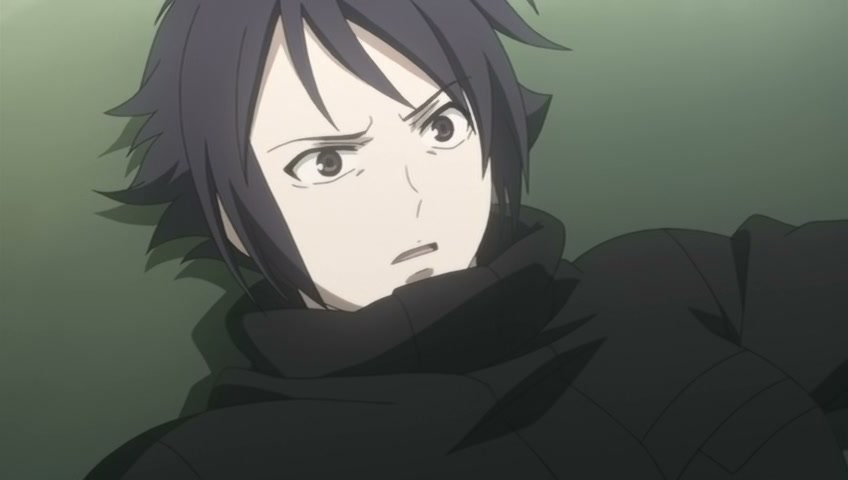
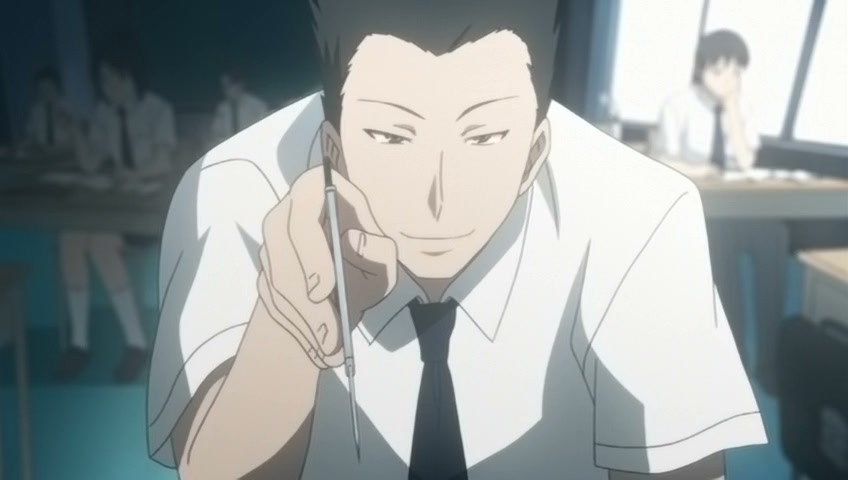
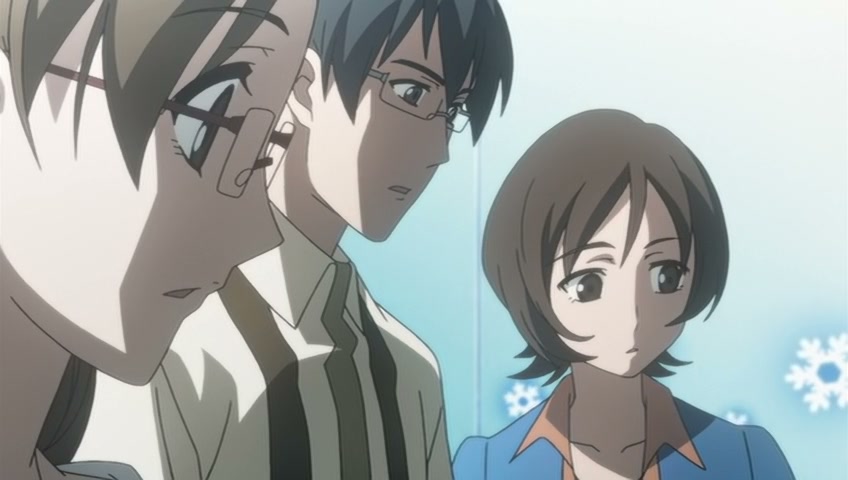
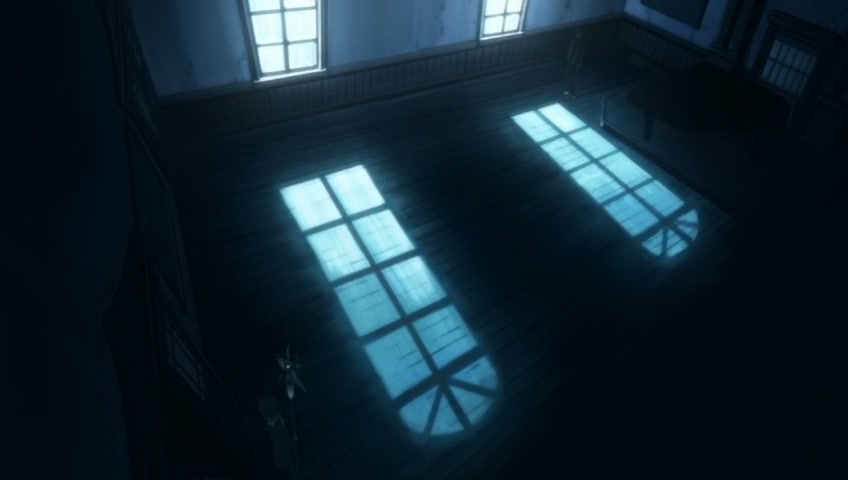
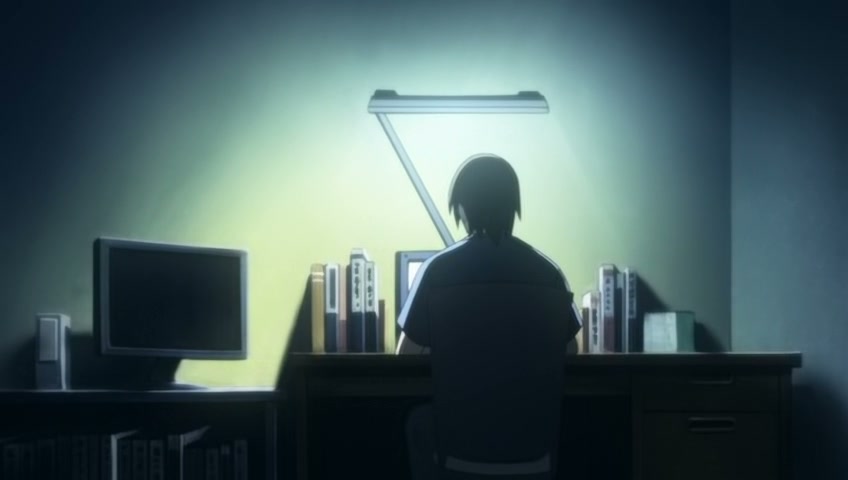
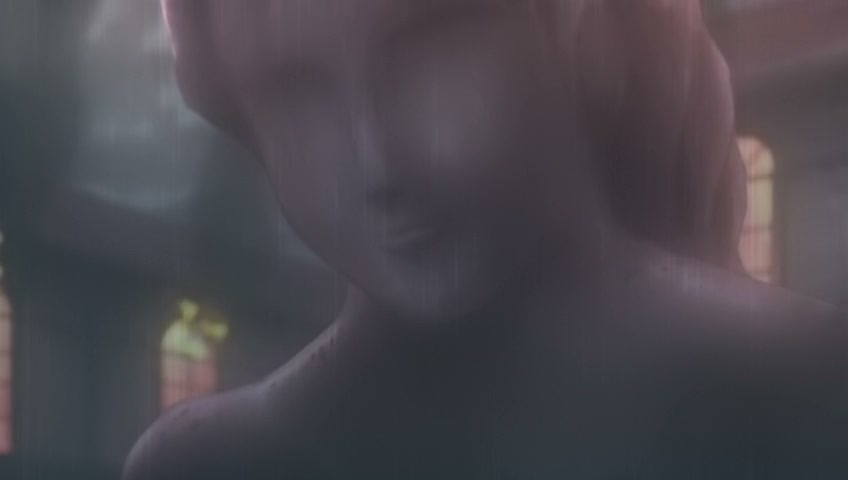
The visual identity of Shigofumi is one of its greatest strengths, and it is built almost entirely on atmosphere rather than fluid motion. This is a slow, contemplative series, and its animation philosophy reflects that. The production relies on lighting, composition, and colour to create mood, often treating each frame as a painting that can be held for long seconds while dialogue or internal monologue plays out.
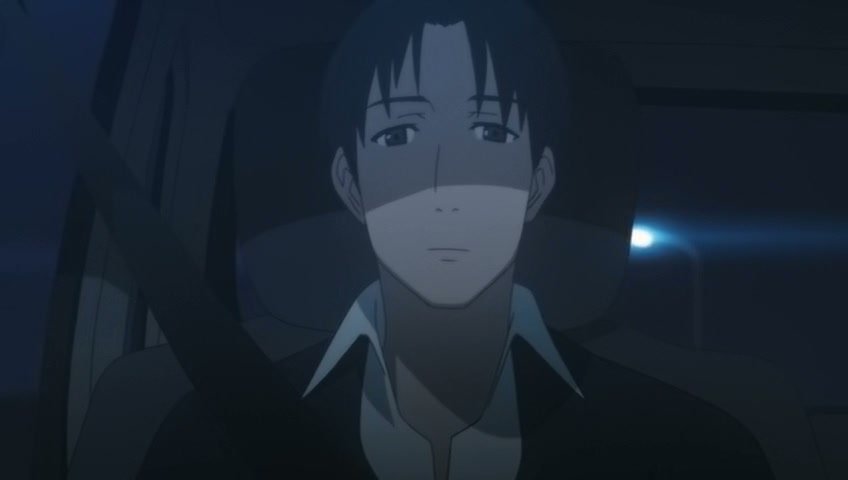
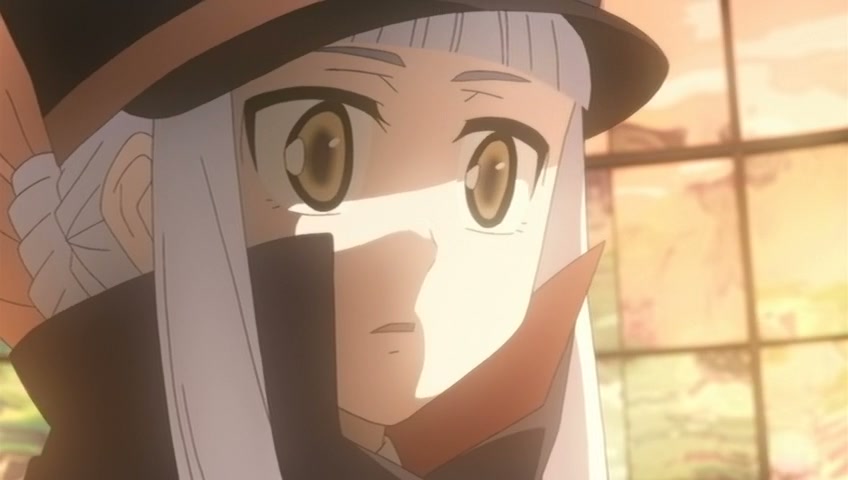
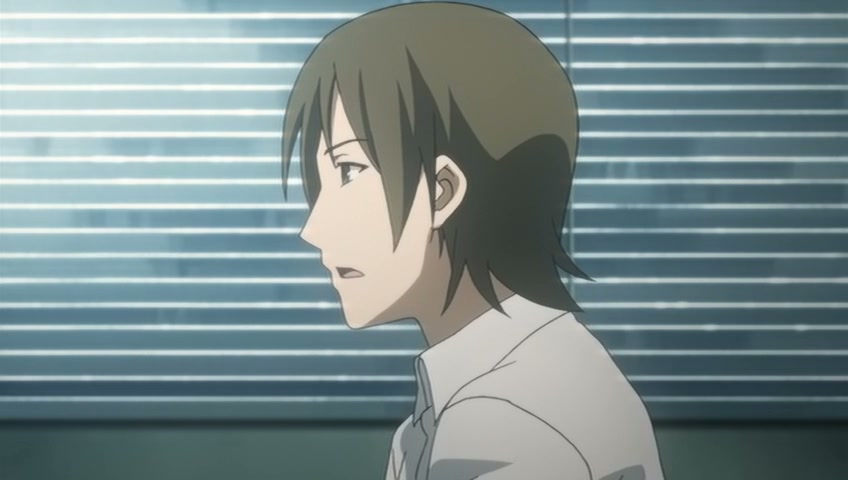
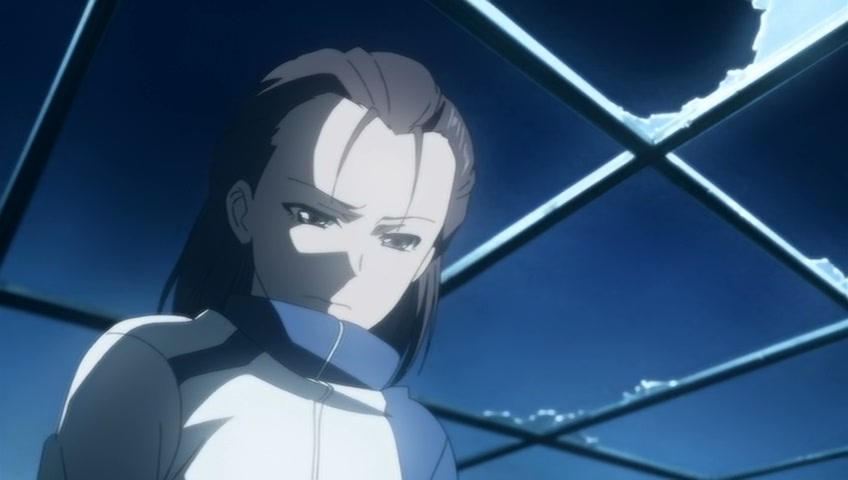
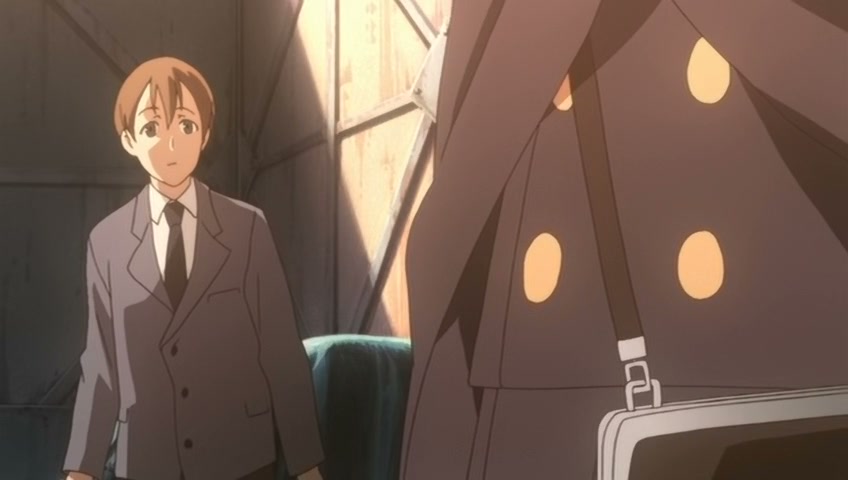
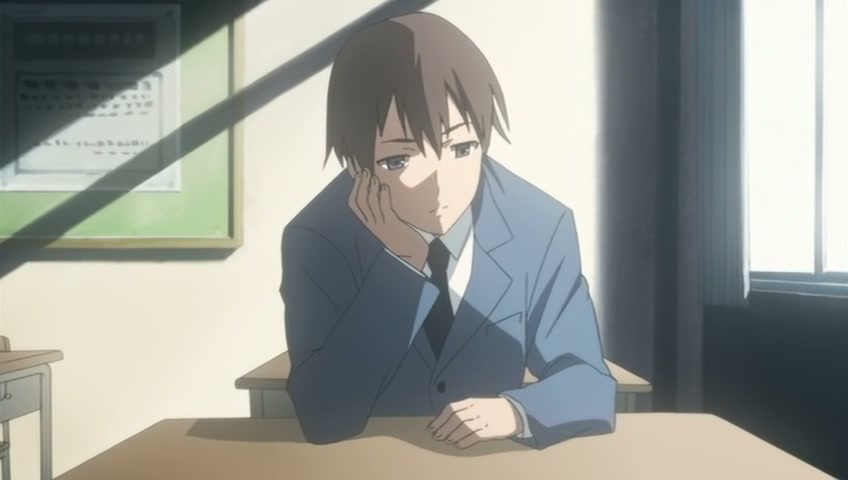
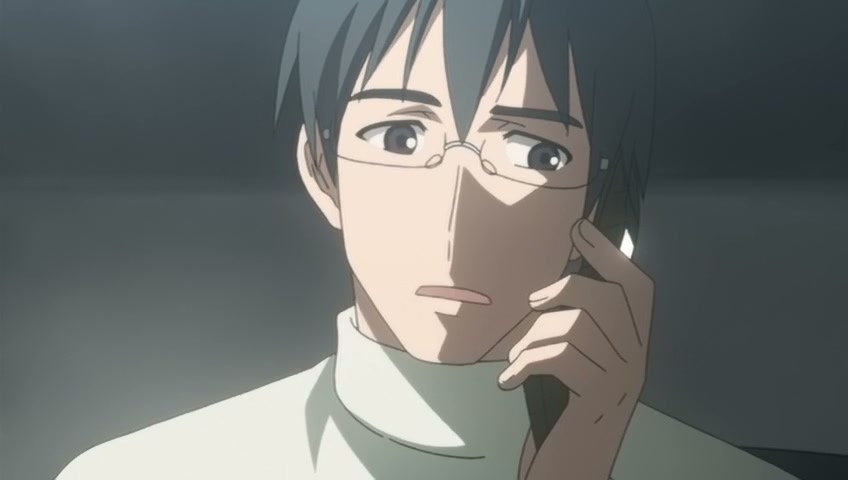
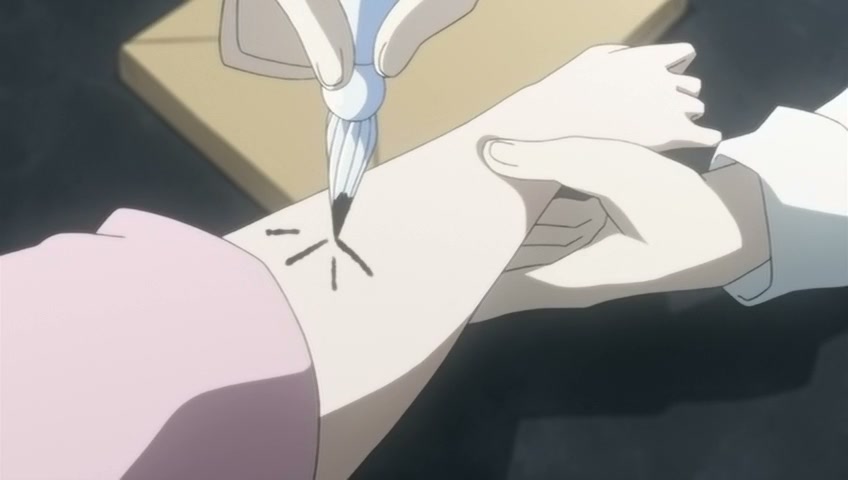
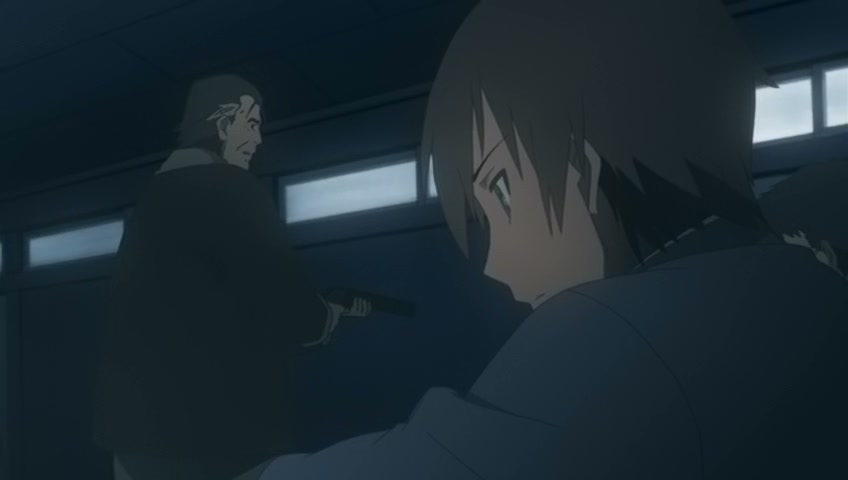
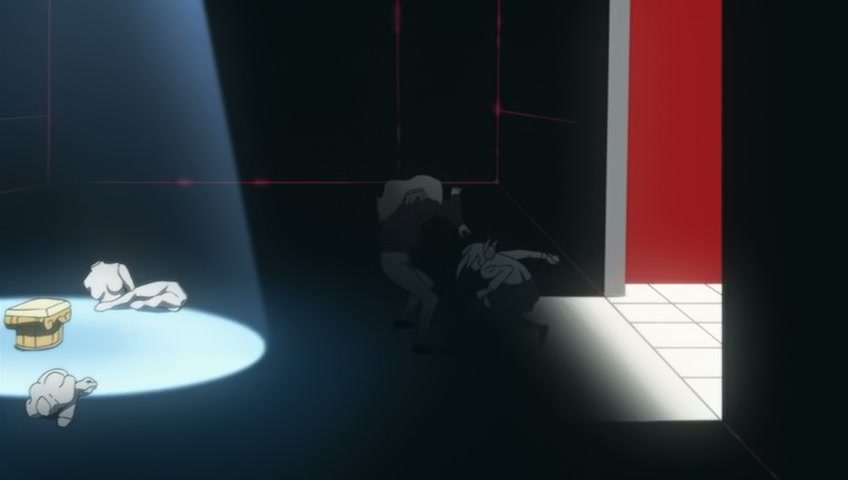
The most immediately striking element is the use of light. The series consistently employs a soft, high-key bloom that washes out bright areas and gives daylight scenes a hazy, nostalgic quality. Light pours through classroom windows, bounces off glass surfaces, and wraps characters in a gentle glow that makes even mundane moments feel weighted and reflective. This is counterbalanced by deep, noirish shadows in interior and nighttime scenes. Venetian blinds cast bars across faces, and characters are frequently half-lit, one eye hidden in darkness, a visual shorthand for internal conflict and hidden truths. The contrast between the warm amber tones of golden hour exteriors and the desaturated teals and greys of hospitals, police stations, and Kirameki’s sterile house creates a clear visual language that signals emotional states without needing to say a word.
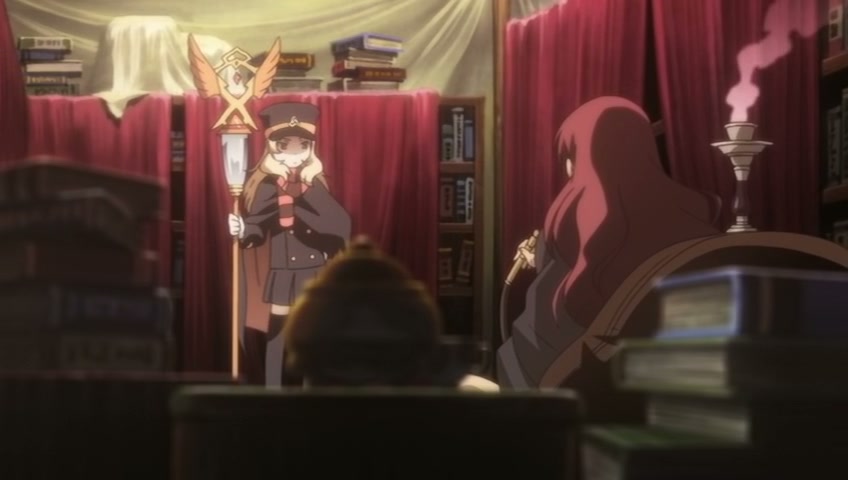
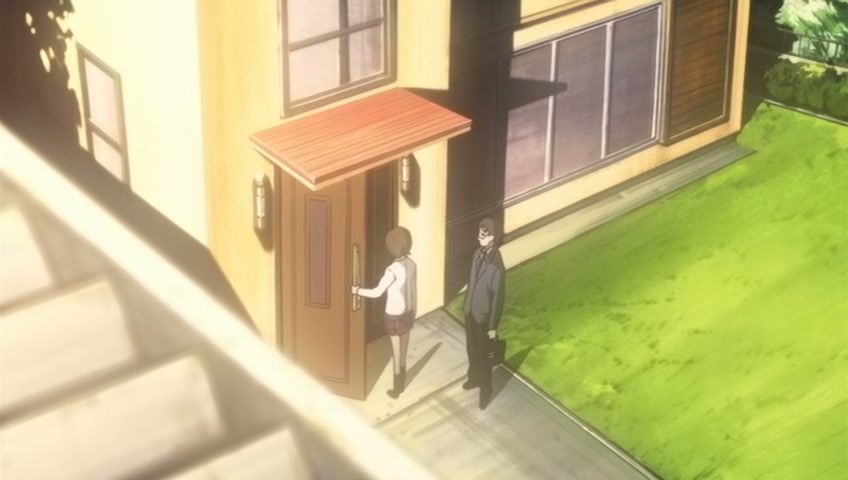
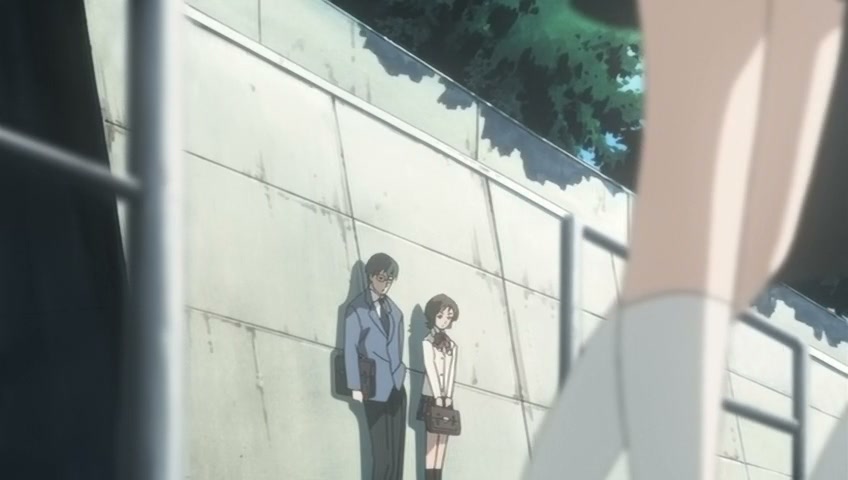
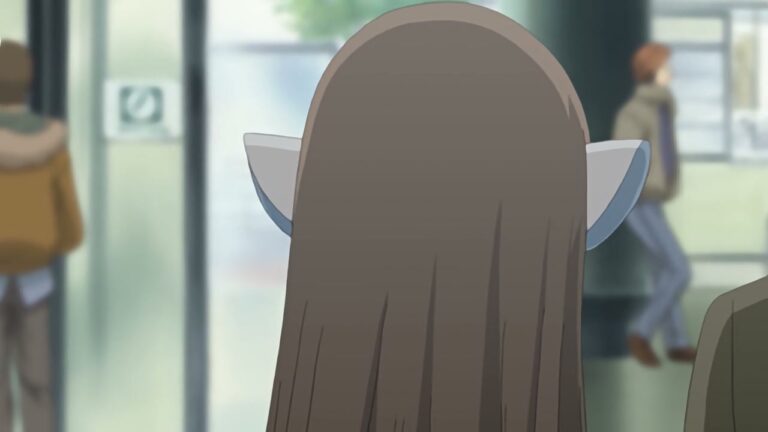
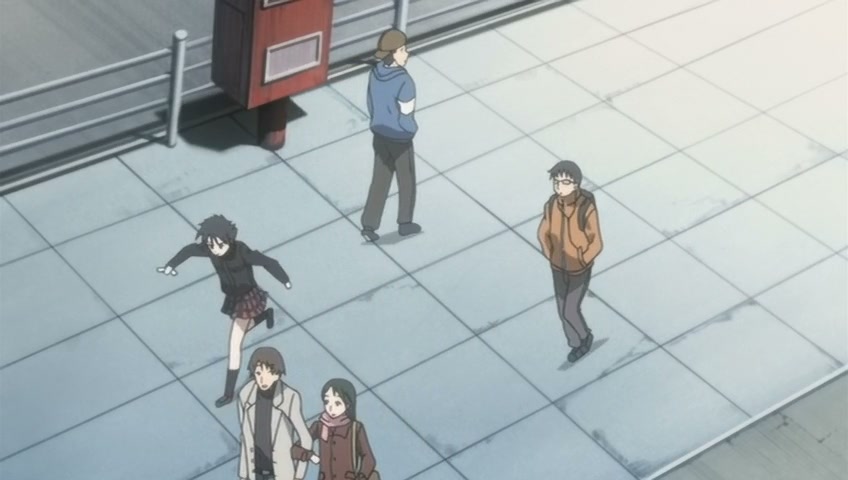
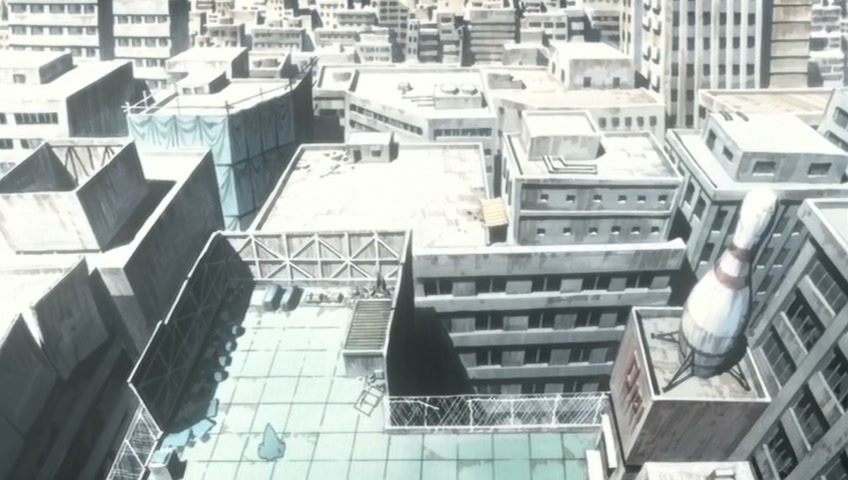
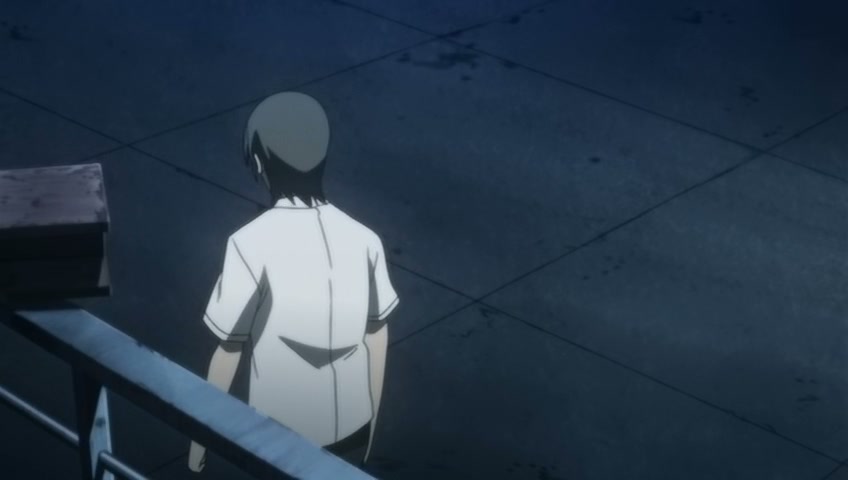
Composition and framing reinforce the idea that we are often voyeurs in these characters’ lives. Foreground objects like doorframes, rooftops, or stacks of books partially obscure the subject, creating a sense of peering into private moments. Extreme high-angle shots of the city from above emphasise isolation, making the characters look small and lost in the urban sprawl. During more frantic sequences, such as the cat chase or the confrontations at the shrine, the framing shifts to wide-angle and slightly distorted perspectives that inject energy without requiring fast editing.
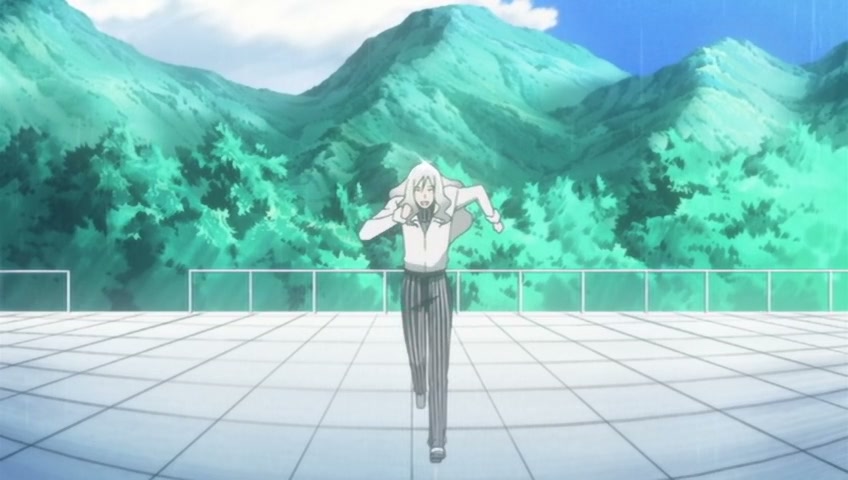
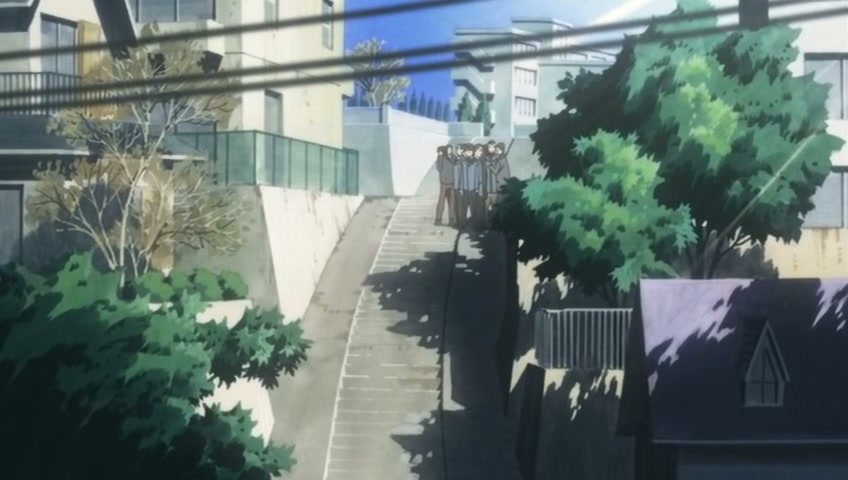
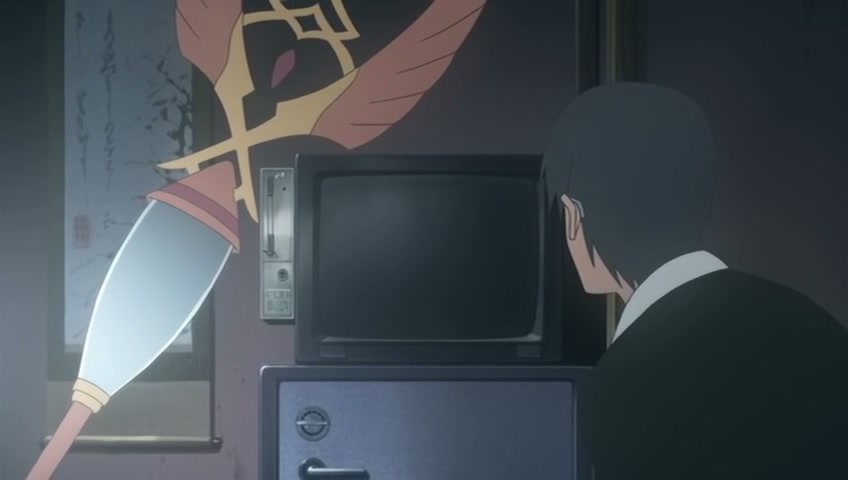
Background art is exceptionally detailed and feels hand-painted, with a texture that grounds the supernatural premise in a real, lived-in world. Kamome City is full of industrial redevelopment sites, overgrown shrines, quiet residential streets, and the strange, glittering silver road that leads to Kirameki’s house. That road, lined with trees and dappled light, becomes a visual metaphor for the journey into Fumika’s trauma, a path that is beautiful and menacing at the same time. Kirameki’s atelier, with its glass walls, glass pens, and relentless brightness, is a space of aesthetic perfection that doubles as a torture chamber, and the series’ ability to make it feel both gorgeous and horrible is a testament to its art direction.
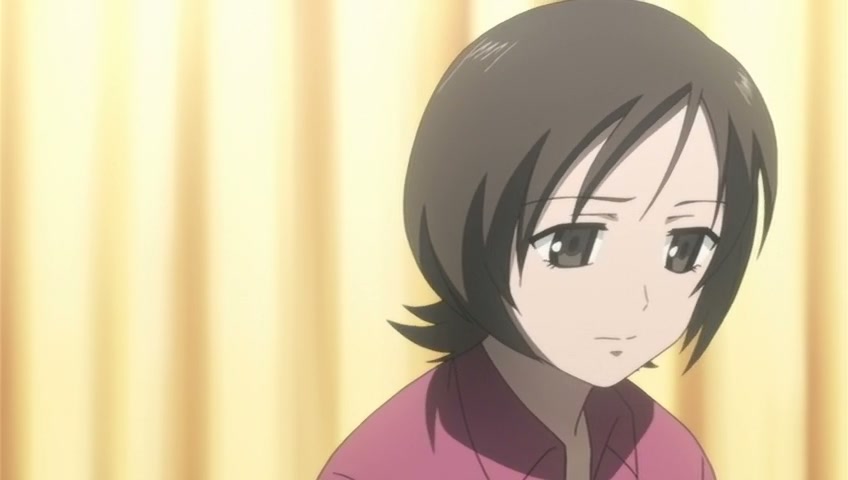
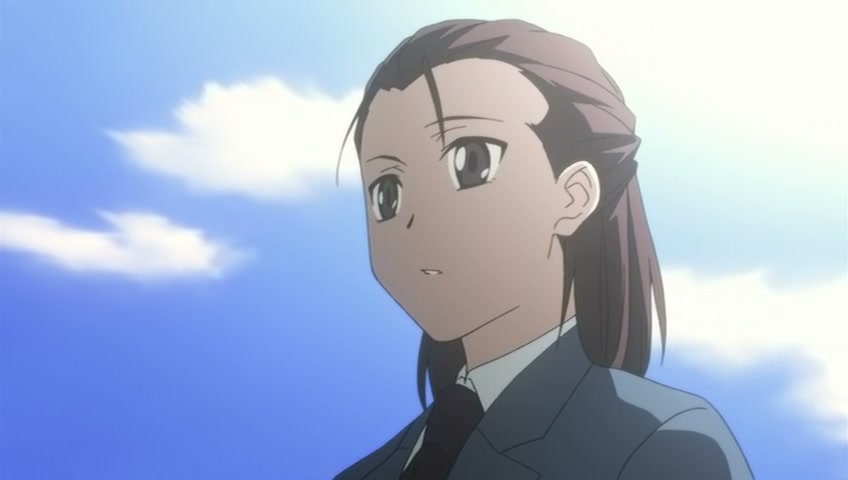
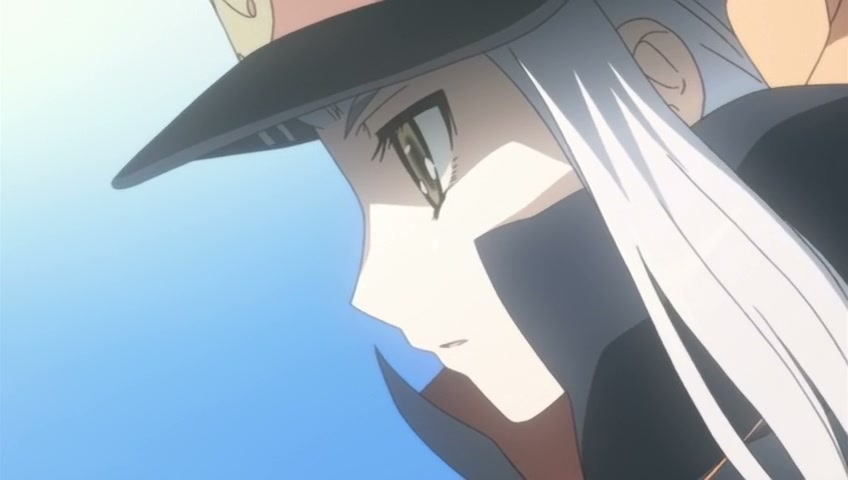
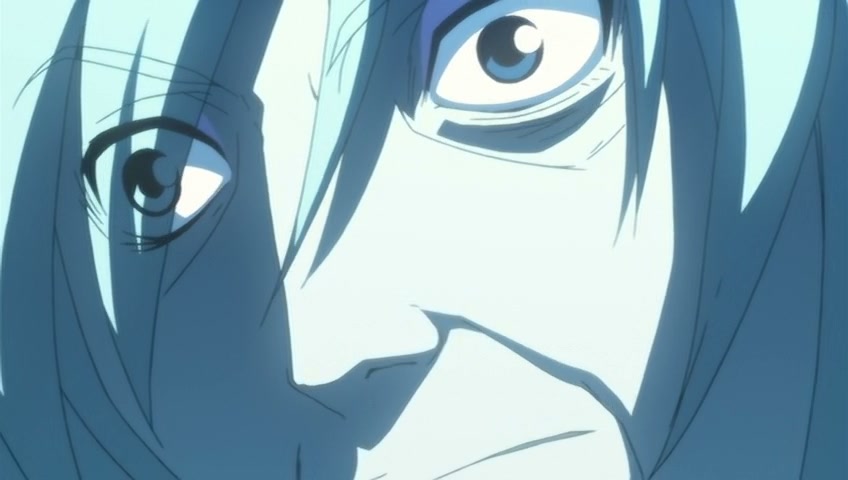
Character designs are clean and naturalistic, typical of the mid-to-late 2000s, with thin, uniform linework that allows the figures to blend seamlessly into their painterly environments. The real expressive power lies in the faces, particularly the eyes. Large, detailed irises carry enormous emotional weight, shifting from dull and unfocused in moments of depression to sharp and intense when anger or desperation takes hold. Subtle changes in mouth shape, eyebrow position, and gaze direction do the bulk of the acting, and the series trusts its audience to read those nuances. Posing is naturalistic and often static, with characters slumping, leaning, or sitting in ways that suggest real weight and fatigue.
The talking staffs, Kanaka and Matoma, serve as a constant visual reminder of the supernatural. Their floating presence adds a mild otherworldly accent to scenes without ever feeling intrusive. The contrast between Kanaka’s chattering voice and Fumika’s stone-faced silence becomes a running visual and auditory joke, but it also underscores how much Kanaka fills the emotional space that Mika cannot.
Now, it is important to distinguish between deliberate stillness and genuine animation weakness, because this production does have its limits. The series is clearly budget-conscious, and when action is required, the seams show. The hostage situation in the school, the physical struggles on the rooftop in the bullying episode, and the climactic fistfight between Mika and Fumi are emotionally potent but not technically impressive. Movement is stiff, with simplified in-between frames and occasional off-model moments. Wide shots in crowded hallways or streets often feature faceless background characters, a standard shortcut that keeps the focus on the main subjects but is noticeable. The heavy reliance on bloom and soft-focus filters, while beautiful, can sometimes wash out line clarity and make images feel slightly fuzzy, which may bother viewers who prefer razor-sharp cel animation.
Yet these limitations rarely detract from the experience because the series knows exactly where to invest its resources. Close-up shots of faces receive the most attention, with careful mouth and eye movements that sell every emotional beat. The long, static holds on characters in contemplation are not a sign of laziness. They are a deliberate choice that lets the lighting and the voice acting carry the scene, much like the approach taken by Haibane Renmei or early Mushishi. The result is visually cohesive and often stunning in its quiet way, provided you accept its contemplative tempo.
Sound and Music
The sound design and music of Shigofumi support its atmospheric goals with a light touch. The soundtrack is predominantly ambient and piano-driven, staying out of the way during dialogue-heavy scenes and swelling gently during emotional climaxes. It leans toward the melancholic without becoming oppressive, leaving room for the hopeful notes that emerge in the series’ second half. The opening theme sets an appropriately somber but melodic tone, while the ending theme provides a softer, more reflective closure to each episode.
Voice acting is a major asset. Fumika’s deadpan delivery, with its minimal inflection and careful pacing, gradually reveals cracks of warmth as the series progresses. The subtle shift between Mika’s guarded monotone and the moments when her voice trembles with suppressed emotion is handled expertly. Kanaka’s seiyuu brings an irrepressible energy that prevents the series from feeling too heavy, and her shifts into panic or tearful pleading are genuinely affecting. The supporting cast performs solidly across the board, with notable work from whoever voices Kirameki, capturing his cultured, obsessive tone and his sudden descents into rage. Chiaki’s playful, slightly teasing voice contrasts beautifully with her moments of vulnerability on the beach. The audio mix is clean, with ambient city sounds, wind, and interior echoes used to reinforce the sense of place without calling attention to themselves.
Overall Verdict
Shigofumi is the kind of series that rewards patience and emotional investment. It is not flashy, it is not fast, and it does not hand out easy resolutions. What it offers instead is a thoughtfully constructed meditation on what the dead can teach the living, and on how people shattered by trauma can slowly, painfully reassemble themselves. The dual portrayal of Mika and Fumi remains one of the most respectful and psychologically nuanced treatments of dissociation I have encountered in anime. Their journey from symbiotic dependence through violent confrontation to peaceful coexistence is earned and deeply moving.
The episodic deliveries in the first half build a world where every letter carries absolute truth, and the serialized back half digs into why the girl delivering those letters is herself a living contradiction of the rules she follows. Themes of malice and good will, the burden of unspoken words, and the courage required to face the past are woven through every arc with consistency and purpose. The visual direction, with its painterly lighting and composed stillness, creates an atmosphere that lingers long after the episodes end.
This series will not appeal to everyone. Those who need energetic pacing, complex fight choreography, or constant forward momentum may find it too slow. The occasional stiffness in animation during action scenes might frustrate viewers accustomed to higher budgets. But for anyone who loves contemplative supernatural dramas, who values character psychology over spectacle, and who appreciates anime that trusts its audience to sit with silence and nuance, Shigofumi is a rewarding watch. It sits comfortably alongside titles like Kino’s Journey and Mushishi as a quiet gem from the late 2000s that deserves far more recognition than it gets.
A talking staff that wants to learn to lie. A girl who splits herself in two to survive and then has to learn that both halves deserve to live. Letters from the dead that can damn or heal. If that combination intrigues you, do yourself a favour and track down this series. It will stay with you.
Gallery