





Story and Themes
Gabriel DropOut is adapted from Ukami’s four-panel manga, and the anime’s structure reflects that origin beautifully. Rather than a single overarching plot, the series unfolds as a collection of interconnected skits, holiday specials, and slice-of-life vignettes that gradually deepen our understanding of the characters and their world. This episodic format is a perfect match for the material; the rapid-fire gags and sudden tonal shifts never feel jarring because the show has trained you to expect the unexpected. One moment you are watching a heartfelt flashback about how Gabriel and Vigne first met, and the next you are laughing as Gabriel threatens to destroy all of humanity because her panties teleported into the classroom without her.
Thematically, the series is a sustained meditation on the gap between assigned roles and true nature. Gabriel was an overachiever in Heaven, but she confesses that the “perfect angel” was a lie she built to meet expectations. Her fall is not a corruption by demonic forces; it is a liberation into her genuine self — lazy, selfish, and utterly addicted to gaming. Vigne, meanwhile, is a demon who cannot bring herself to harm anyone. Her stipend from Hell keeps shrinking because she commits no evil deeds, yet she cannot stop helping others. The cosmic systems that define angels as good and demons as evil are revealed to be arbitrary, even bureaucratic; what matters is how you treat the people around you.
This role reversal is the comedic engine of the series, but it also carries a surprising amount of heart. The purest “angel” in the show is arguably Vigne, a demon who cooks for her friends, nurses them when they are sick, and organizes beach trips with homemade guidebooks. The most genuinely dangerous character is Raphiel, an angel whose serene smile conceals a mind constantly calculating how to engineer the next humiliation for her favorite toy, Satania. And Satania herself, the self-proclaimed future queen of Hell, is so innocent that she believes Christmas is simply called “Melon Breadmas” after a few rounds of brainwashing. The series never preaches, but its message is clear: virtue and vice are not species traits; they are choices made moment by moment, often hilariously.
Cultural elements are woven into the comedy with a light touch. Christmas is treated as a commercial holiday devoid of religious significance, which Vigne uses to justify her participation despite being a demon. New Year’s shrine visits become an exercise in chaos when Gabriel gets drunk on amazake and transforms into her angelic form, trumpet in hand, ready to ring in the year with an apocalypse. The show pokes gentle fun at Japanese school life traditions, from physical fitness tests to career path surveys, all filtered through the warped perspectives of its supernatural cast. It never feels like the show is mocking these traditions; rather, it is celebrating the absurdity of trying to fit otherworldly beings into mundane human routines.
Regarding adaptation, the anime captures the manic energy of a four-panel manga remarkably well. The rapid scene transitions, the visual punchlines that land like comic strip panels, and the voice acting that elevates every deadpan line all serve to translate the source material’s rhythm into animation. While I cannot speak to exactly what may have been cut or rearranged, the final product feels complete and confident, a show that knows exactly what it wants to be and executes it with precision.
Characters
The beating heart of Gabriel DropOut is its quartet of main characters, each one a masterclass in comedic archetype given unexpected depth.
Tenma Gabriel White is the rare protagonist whose entire character arc happens in the first episode and then simply refuses to progress — and that is the joke. Her transition from angelic paragon to faillen disaster is so swift and so total that it becomes a running commentary on the fragility of virtue. What makes Gabriel work beyond the initial gag is the tiny, buried hints that she does care about her friends. She secretly arranges for Satania’s apartment to allow pets, offering extra shifts at her coffee shop job without ever taking credit. She visits Vigne when she is sick, ostensibly to hand over homework, but a forgotten receipt reveals she came because she was worried. These moments are always undercut by a punchline, as if Gabriel herself cannot tolerate sincerity for more than a few seconds. Her relationship with her terrifying older sister Zelel — the only being who truly frightens her — pushes Gabriel to elaborate schemes of manipulation, groveling, and fake rehabilitation, all of which fail spectacularly because Zelel is simply too perceptive. Gabriel’s ultimate triumph, if you can call it that, comes not through her own efforts but because Zelel is terrified of dogs. Even victory is something Gabriel stumbles into sideways.
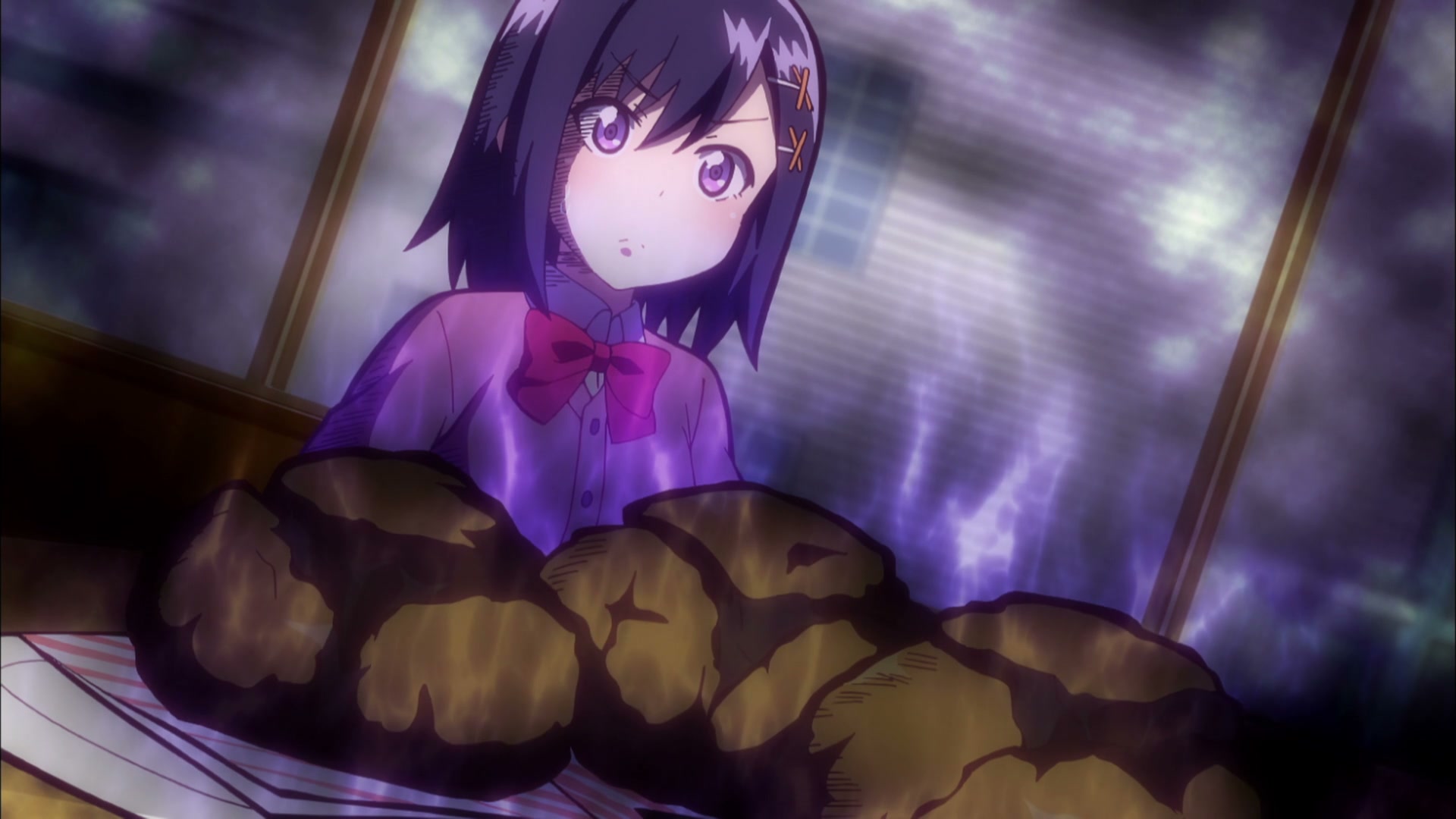
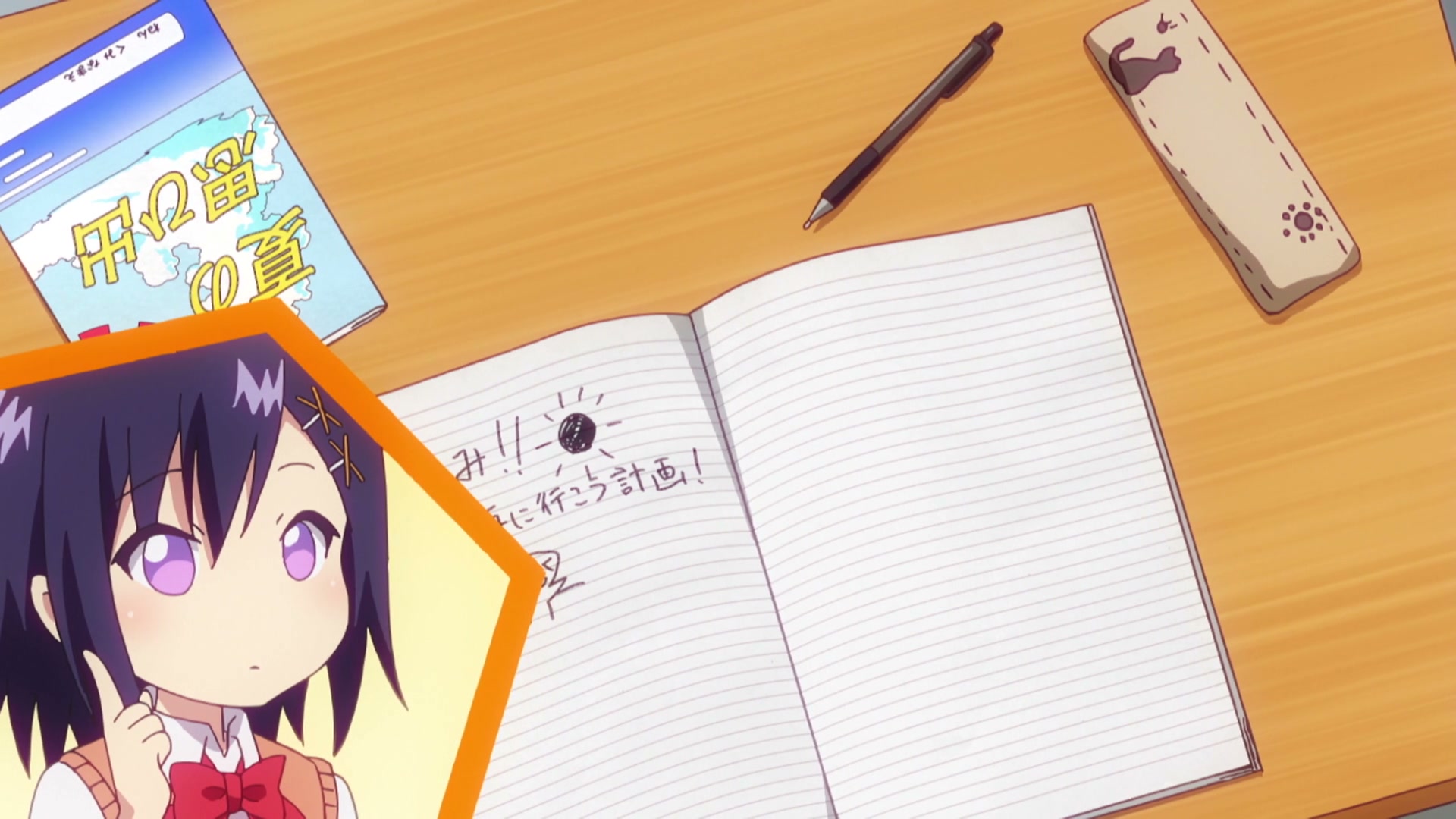
Tsukinose Vignette April is the series’ emotional anchor and its most lovable character. A demon who cannot do evil, Vigne pours all her energy into taking care of Gabriel, Satania, and anyone else who wanders into her orbit. She is the exhausted straight man, the designated scolder, the one who will throw a fork with lethal force when pushed past her limit. But beneath the exasperation lies a profound kindness and a deep need to be needed. Vigne’s struggle with her demonic identity — her shrinking stipend, her failed attempts at “bad deeds” — is played for comedy, but it also gives her a quiet melancholy. She treasures the memory of the pure angel Gabriel once was, and it takes her the entire season to accept that the fallen Gabriel is the real one, and that this version is the friend she actually wants. Her relationships with the others are maternal in the best way: she corrects Satania gently, she feeds Gabriel endlessly, she tries to befriend Raphi while keeping a wary eye on her schemes. In a show full of characters who are failing upward, Vigne is the one who succeeds by simply being good, even if that makes her a terrible demon.
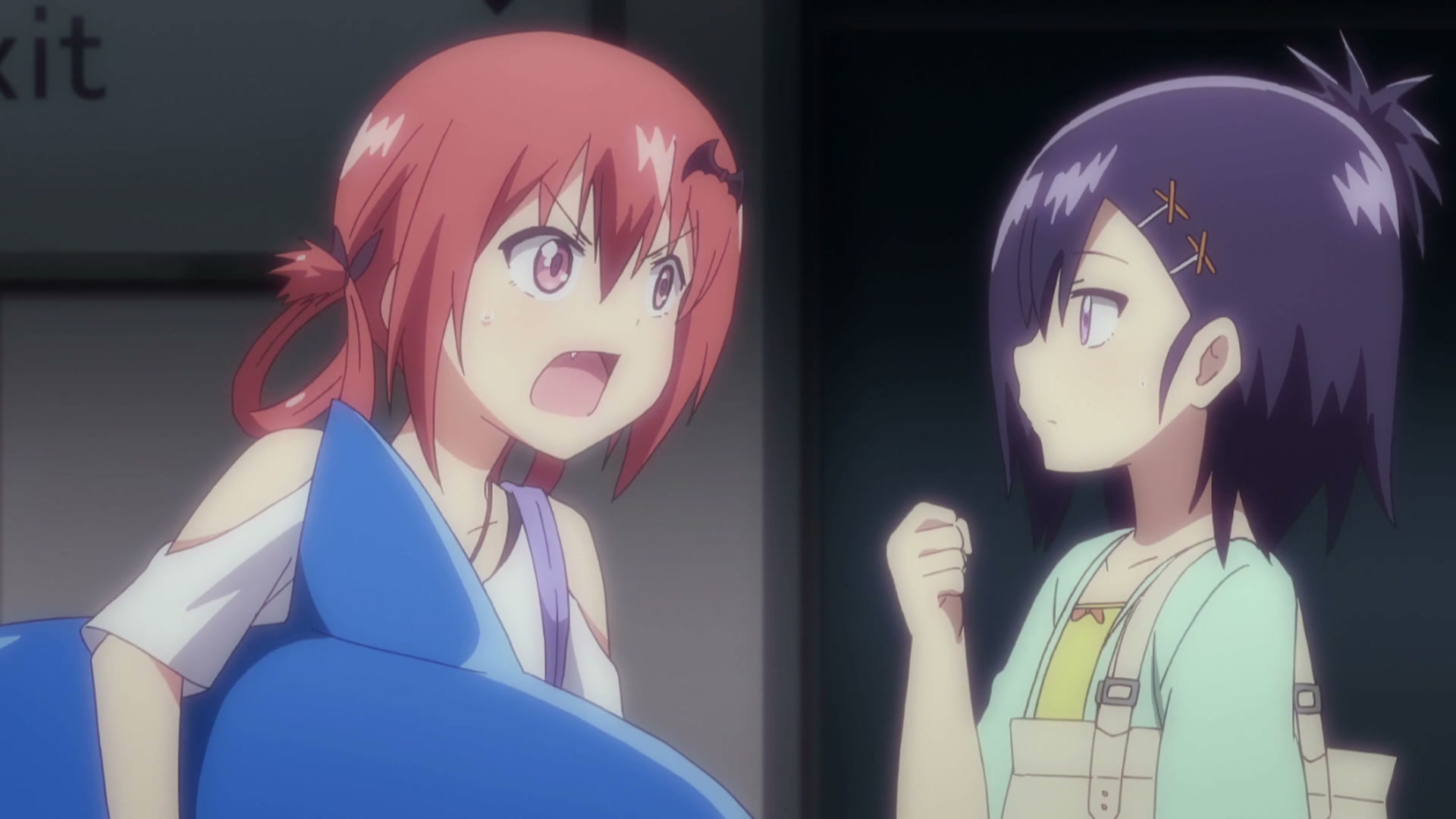
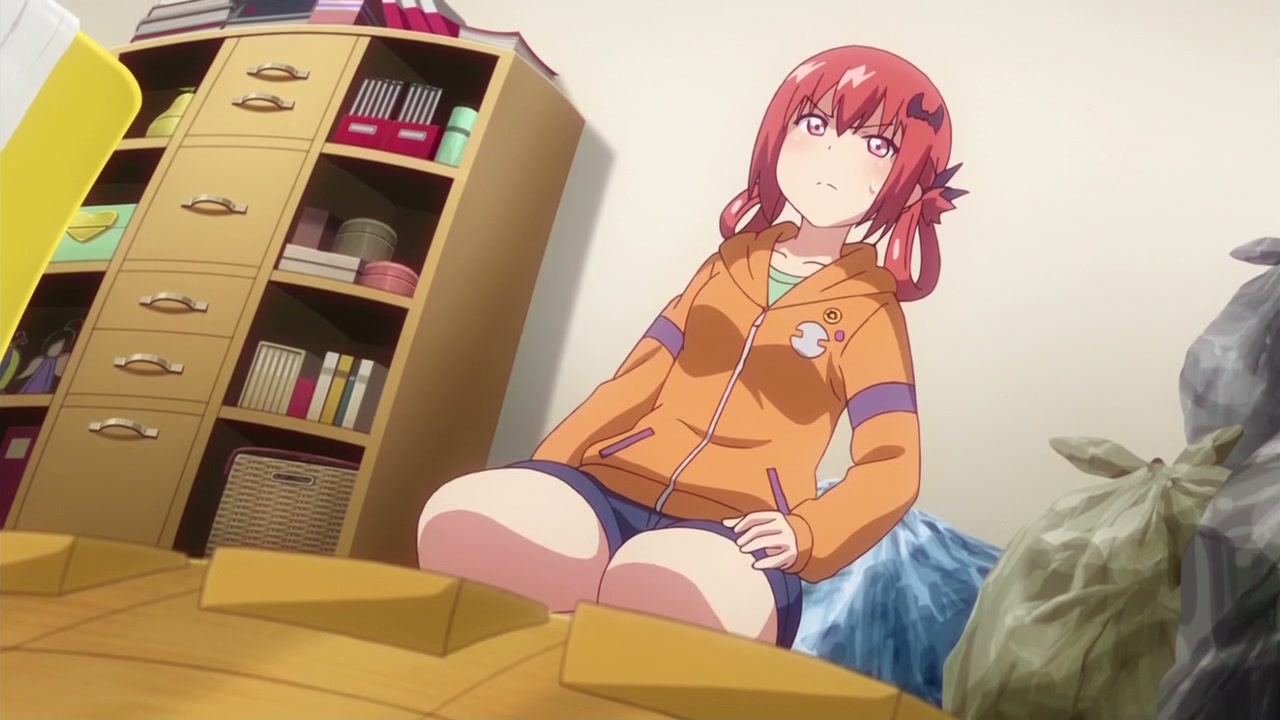
Kurumizawa Satanichia McDowell — Satania — is the show’s punching bag and its most endearing creation. She genuinely believes she is a terrifying archdemon destined to rule Hell, but her “evil deeds” include recycling bottles incorrectly and buying useless gadgets from the Hell Shopping Network. Her rivalry with Gabriel is entirely one-sided; Gabriel barely notices her challenges, yet crushes them effortlessly every time. What saves Satania from being merely pathetic is her indomitable spirit and the sincere loneliness beneath the bluster. When the girls find her eating lunch alone in an empty hallway, the pain on her face before she covers it with bravado is a small, perfect moment of vulnerability. Satania’s relationship with the stray dog that constantly steals her melon bread is a miniature arc of its own: she hates it, she rescues it from the pound, she declares it her familiar, and she ends up genuinely attached, all while the dog ignores her commands. And of course, there is her dynamic with Raphi, which is one of the most twisted and hilarious predator-prey relationships in anime comedy.
Shiraha Raphiel is, quietly, the most dangerous person in the series. On the surface, she is the elegant, soft-spoken second-best angel graduate, always polite, always smiling. Inside, she is a sadist who derives immense pleasure from the suffering and humiliation of others, especially Satania. Raphi’s genius is her understanding of Satania’s ego: a little flattery, a respectful “Satania-sama,” and Satania will do anything — bark like a dog, lick a foot, wear a reindeer costume, act like a three-year-old for Christmas presents. Raphi orchestrates these scenarios with the detached pleasure of a scientist watching a particularly interesting experiment, and her serene expression never cracks. Yet there is a strange constancy to her obsession; she follows Satania everywhere, GPS-tracks her phone, and considers her an indispensable source of entertainment. Raphi’s own maid, Martiel, is a perverted mirror of her tendencies, and Raphi’s discomfort with that attention suggests a self-awareness she chooses not to apply to her own behavior. She claims to love Gabriel “in all her forms,” and with Satania, she loves watching her squirm. In the upside-down moral universe of this show, that is perhaps the closest thing to devotion Raphi can offer.
The supporting cast enriches the world beautifully. Tapris, Gabriel’s innocent underclassman from Heaven, arrives expecting her idol and finds a degenerate who tries to shake her down for cash. Her journey from horror to grudging acceptance, culminating in a friendship with Vigne that transcends the angel-demon divide, is one of the series’ most genuinely moving threads. Zelel, Gabriel’s older sister, is a force of nature — all-seeing, all-knowing, and absolutely terrifying — until a small dog reduces her to a squealing mess and sends her fleeing back to Heaven. The coffee shop Master provides a human perspective on the supernatural chaos, consistently misinterpreting Gabriel’s rudeness as a language barrier and Vigne’s questions about bad deeds as method acting research. And Prez, the long-suffering class president, endures Satania’s artistic whims with a patience that eventually snaps in spectacular fashion, cementing her as the show’s most relatable audience surrogate.


Visuals and Animation
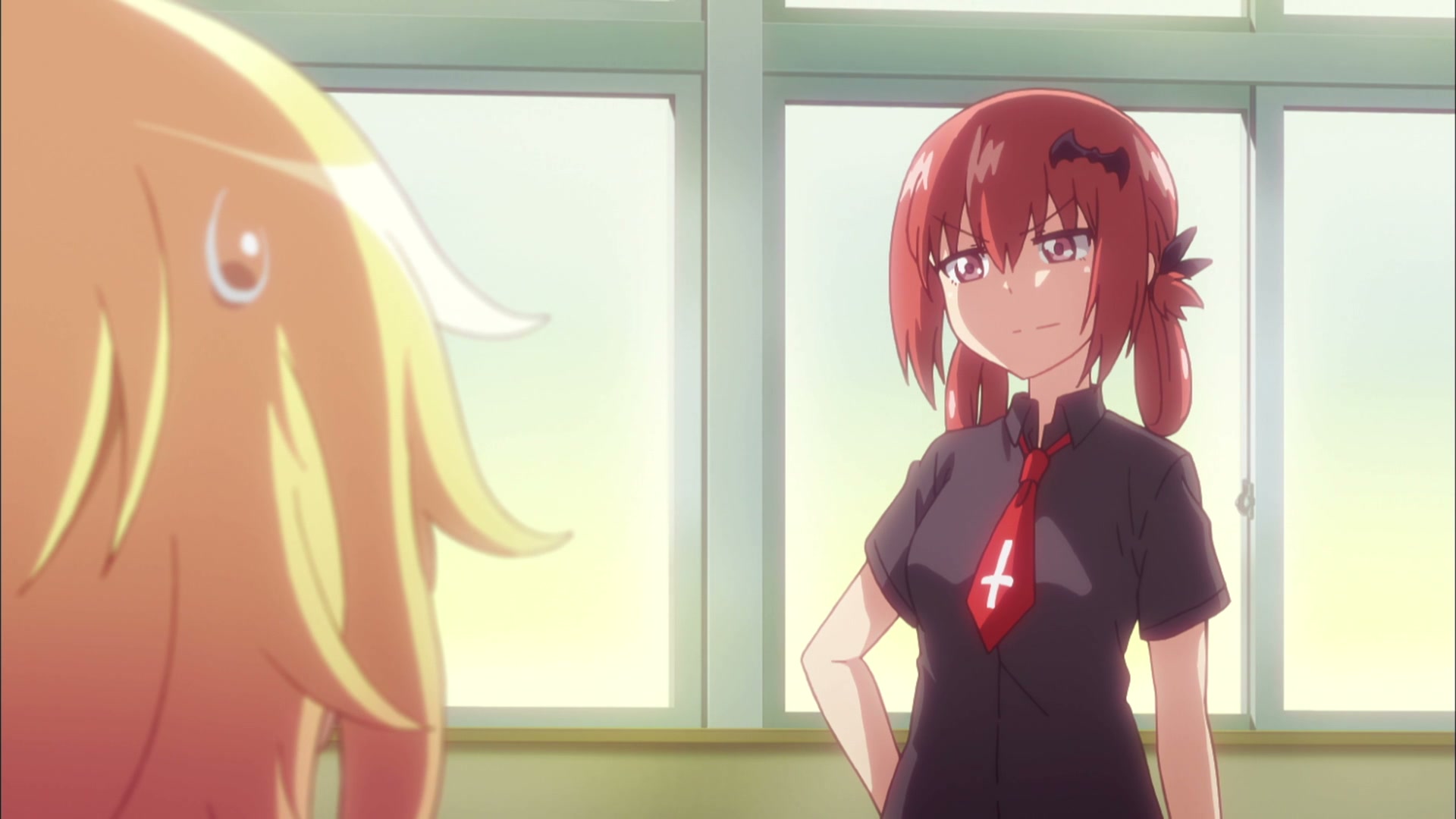
Produced by Doga Kobo, Gabriel DropOut is a visually polished series that understands exactly where to invest its animation resources for maximum comedic impact. The art style is clean, modern, and vibrantly colorful, with character designs that are distinct and memorable. Gabriel’s golden hair and perpetually dead eyes, Vigne’s purple locks and gentle expressions, Satania’s fiery red hair that matches her delusional energy, and Raphi’s silver elegance — each design instantly communicates personality before a single line is spoken.
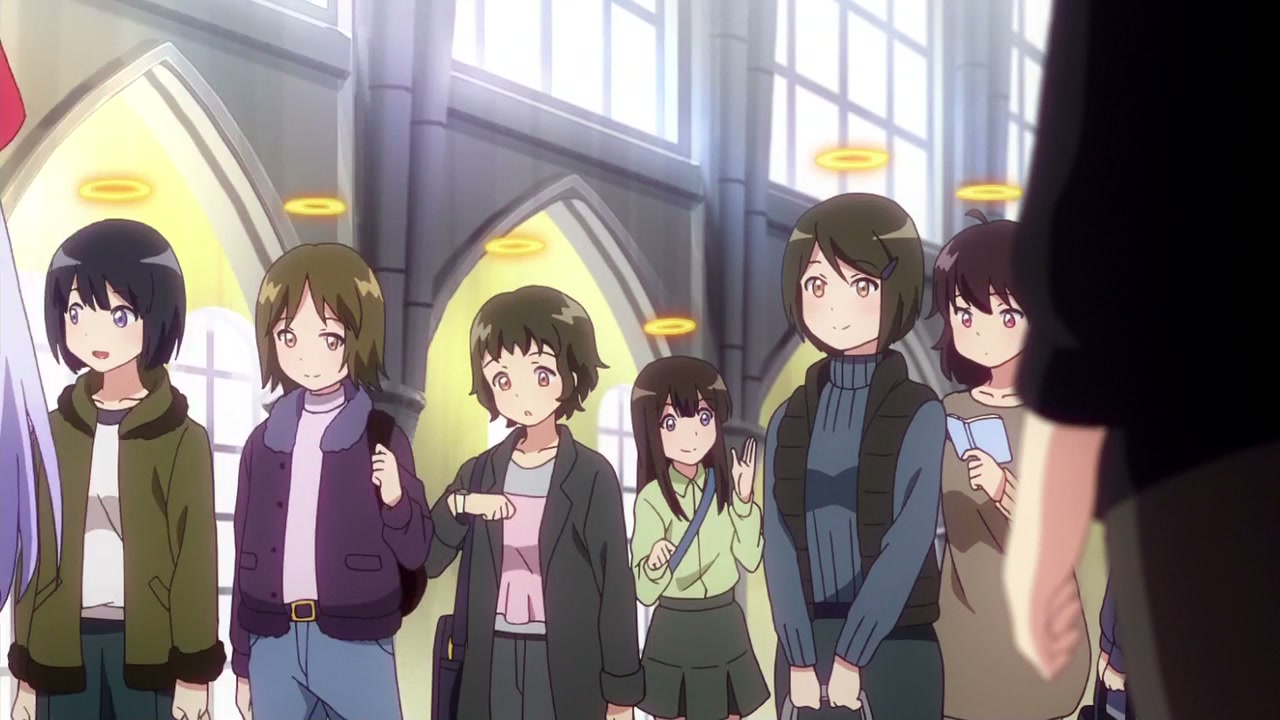
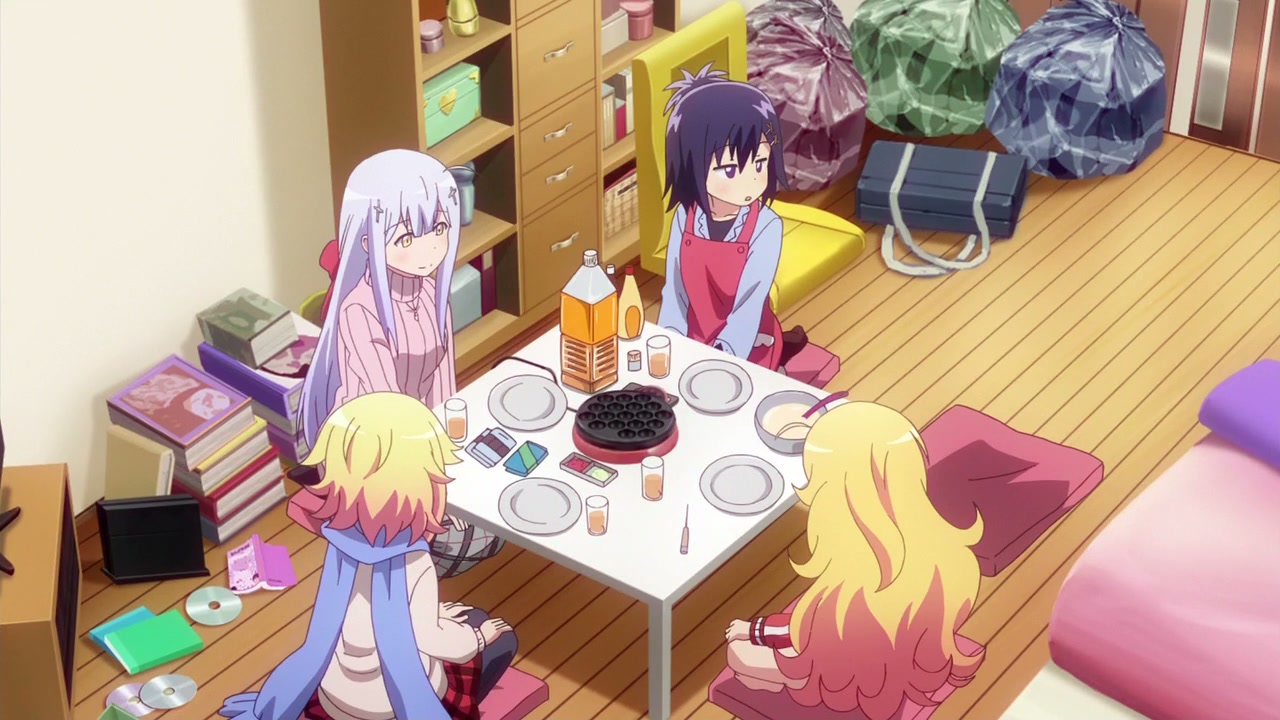
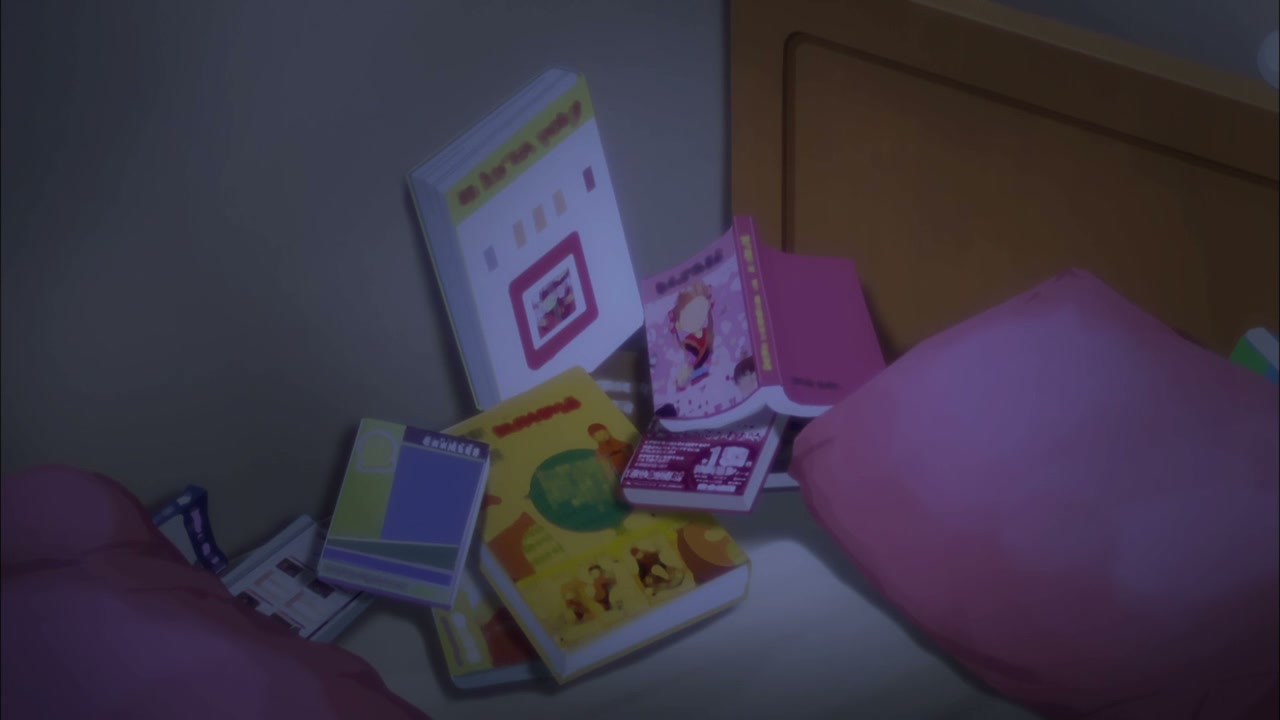
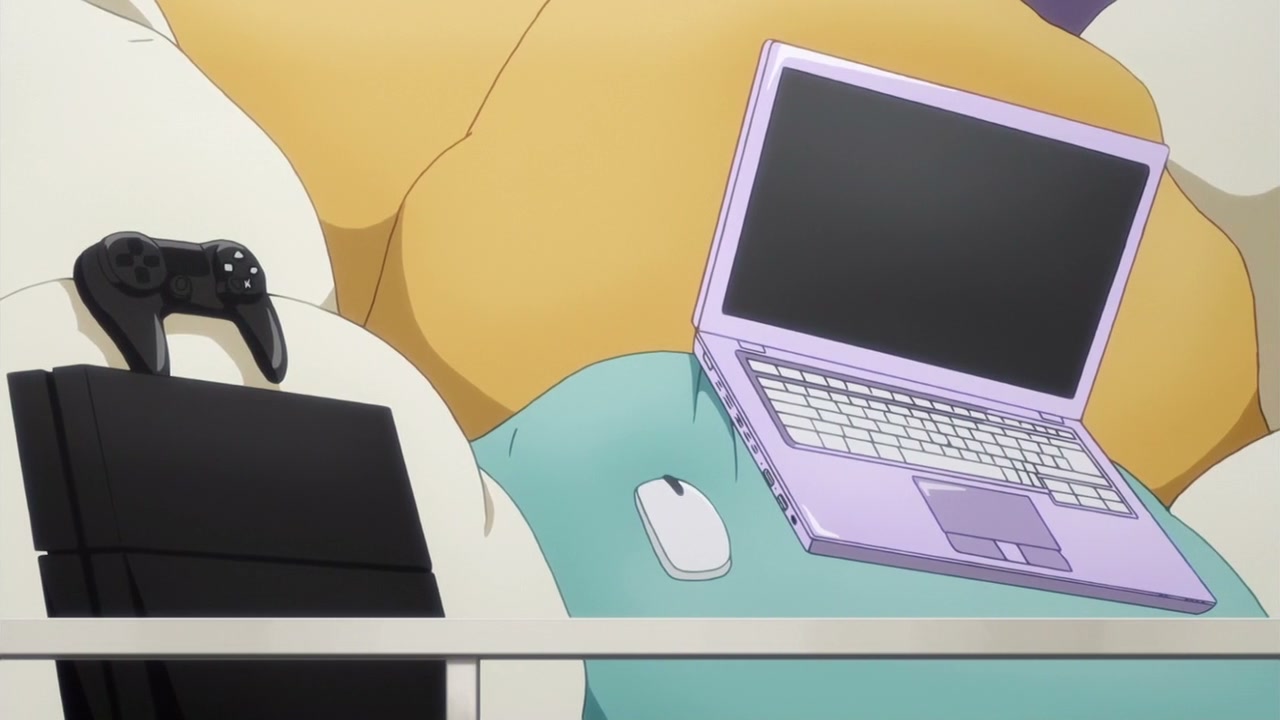
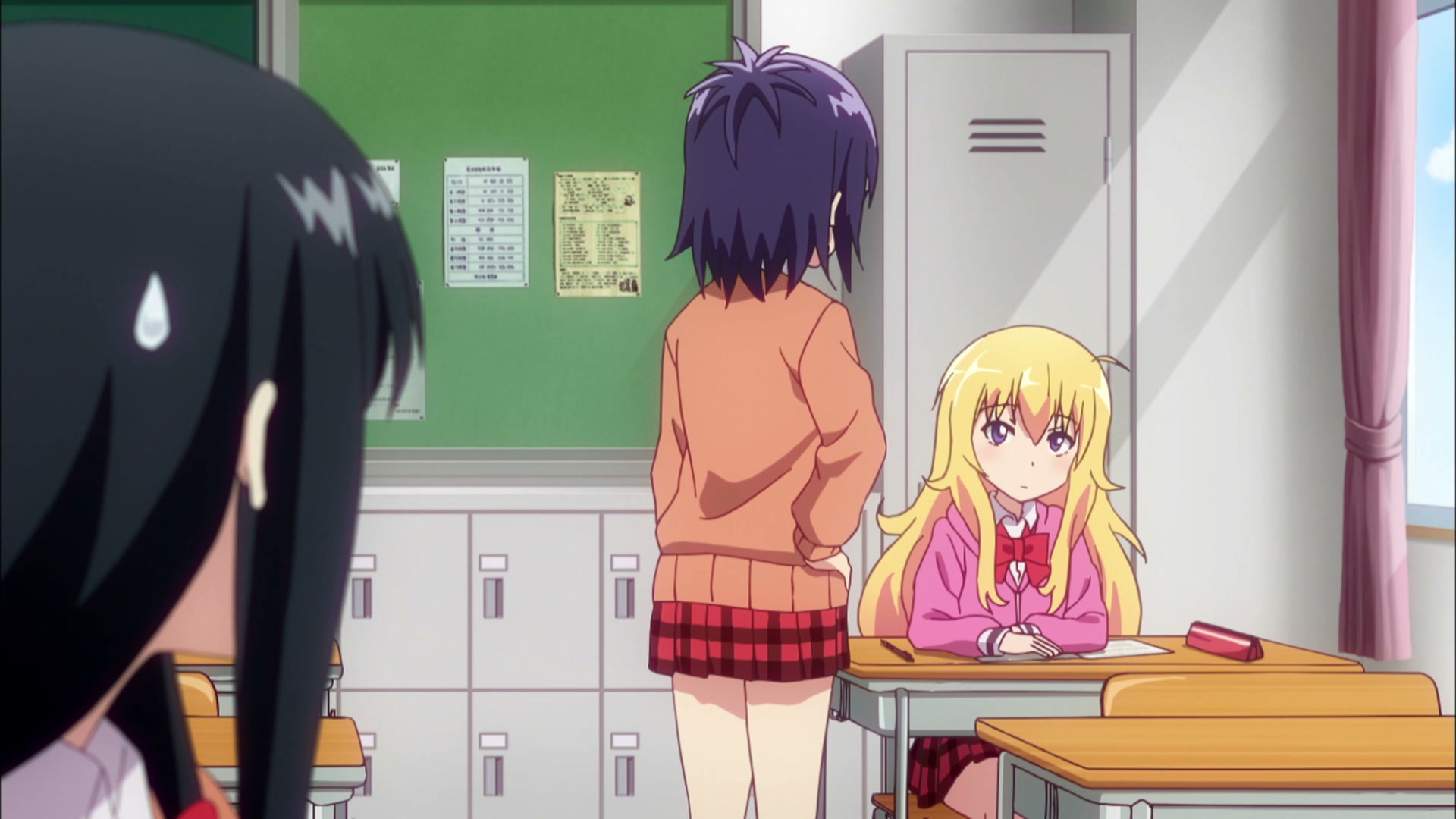
The series employs a fascinating visual duality that serves its storytelling. In more grounded, emotional moments, backgrounds become richly detailed: a cluttered bedroom with legible book spines, a warmly lit coffee shop with wood textures and ambient shadows, a church interior with stained-glass backlighting. These settings ground the supernatural characters in a tangible world and enhance the sincerity of scenes like Vigne’s first meeting with Gabriel or the Master’s heartfelt coffee monologues. When the comedy takes over, backgrounds often simplify into flat colors or graphic patterns, deliberately pushing focus onto the characters’ exaggerated reactions and the timing of the gag. This shift is never jarring; it feels like a natural extension of the four-panel manga rhythm, where the punchline panel often strips away extraneous detail.
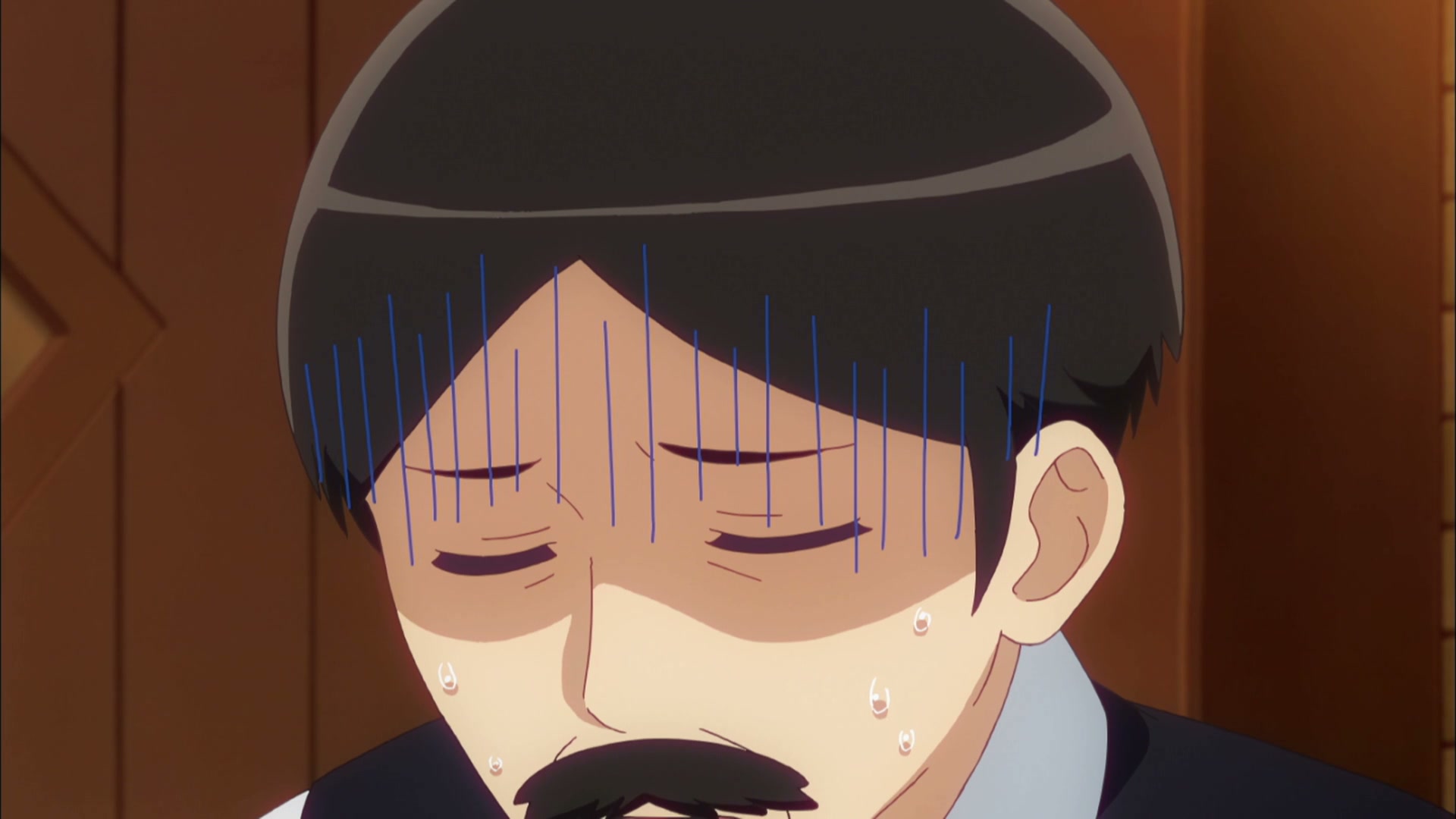
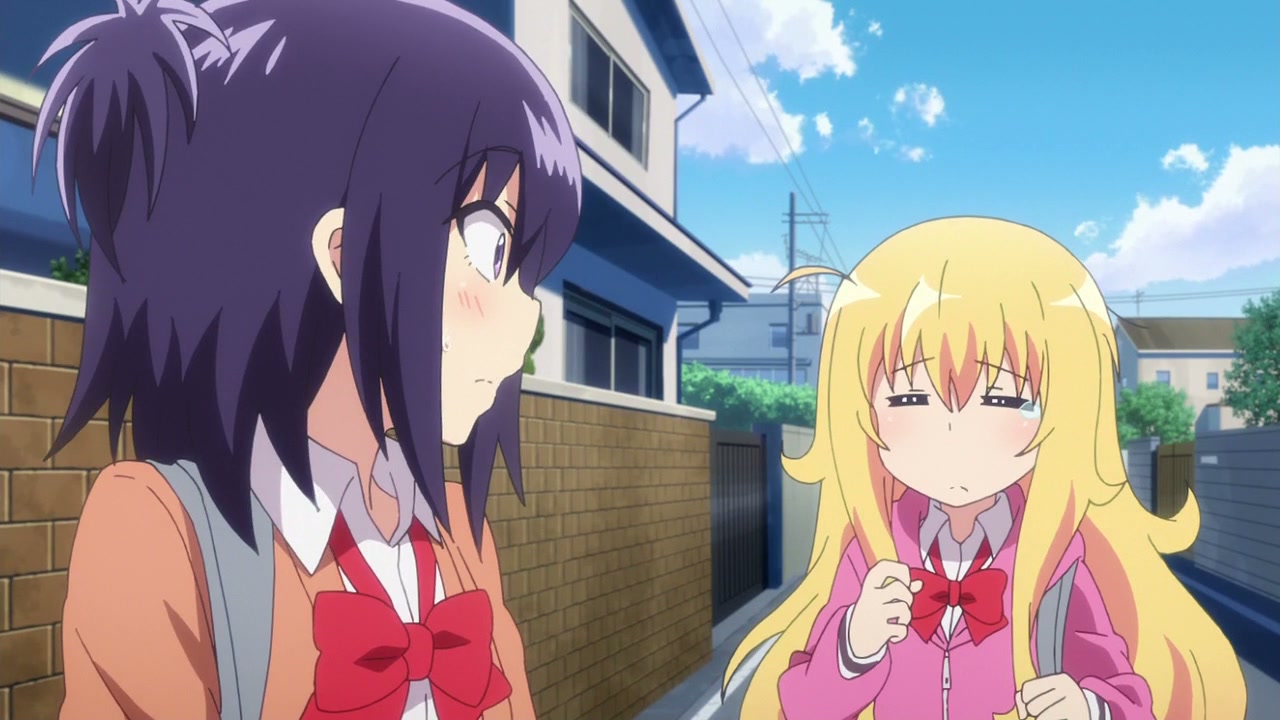
Character animation is expressive and energetic where it counts. Facial expressions are the show’s strongest visual asset. The precise placement of a sweat drop, the subtle tremor of a forced smile, the wide-eyed horror of Tapris realizing her idol is a degenerate — these small details sell both the comedy and the occasional moments of pathos. The show is not afraid to use chibi distortions or simplified reaction faces, but they are integrated with enough anatomical coherence that they feel like stylistic choices rather than budget shortcuts. A particularly memorable sequence occurs during the fitness test, where Raphi is forced to run while her too-tight bra threatens to come undone; her restricted, careful movements contrast perfectly with Satania’s all-out sprinting, and the tension is conveyed almost entirely through Raphi’s strained posture and the occasional panicked eye flicker.
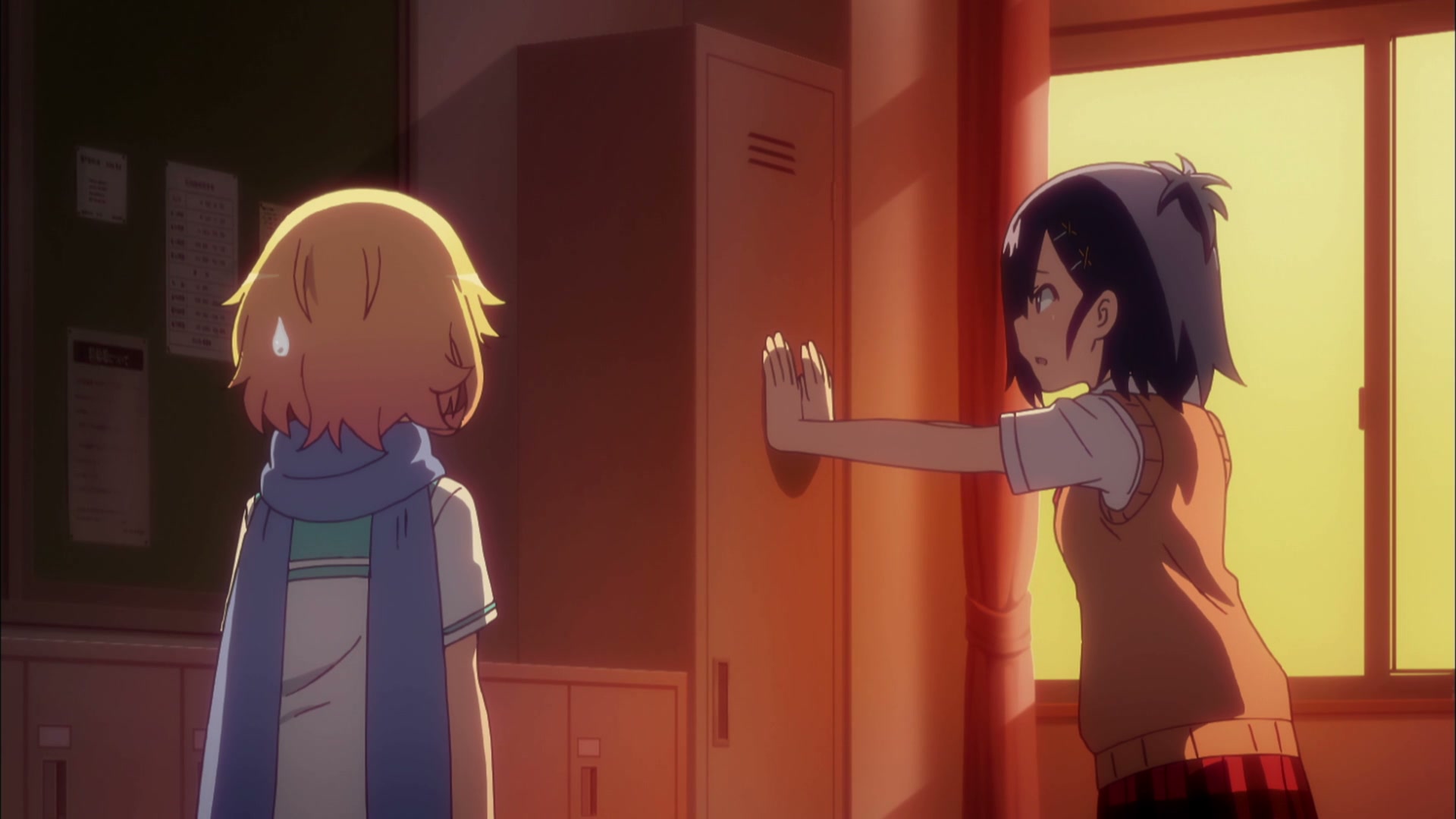
Color palette and lighting are used with notable intelligence. School scenes are bathed in bright, airy daylight with warm pastels, evoking the openness of youth and routine. Evening interiors shift to amber and purple tones, creating intimacy and, occasionally, a sense of entrapment (as when Gabriel is trapped at home with her little sister, forced to play old-fashioned games). The Christmas episode makes bold use of festive reds and greens, contrasted with the darkness of Satania’s attempted revolt. Directional lighting, such as the holy backlight that follows Gabriel’s angelic transformation or the shadows that obscure Zelel’s face during her intimidating speeches, adds theatrical weight to the comedy.
There are certainly moments of static imagery — characters talking in place with only mouth flaps moving, background crowds reduced to simple silhouettes — but these are standard television anime production practices and rarely detract from the overall experience. The show compensates with strong shot composition: low-angle perspectives that make Satania’s dog feel like a genuine threat, symmetrical framing that adds mock solemnity to absurd rituals, and extreme close-ups that highlight a single smirk or a teary eye. Gabriel DropOut may not be an action spectacle, but it is a masterclass in visual comedy direction, where every frame is designed to land a laugh or a feeling with precision.


Sound and Music
While I will not attempt a track-by-track breakdown of the soundtrack, the audio landscape of Gabriel DropOut is an essential part of its charm. The background music shifts nimbly between light, bouncy tunes for everyday antics, mock-epic orchestral swells for Satania’s delusional monologues, and gentle piano for the show’s rare moments of sincerity. The sound design knows when to exaggerate — a comedic “thud” when Satania faceplants, the ominous hum when Gabriel’s halo turns black — and when to step back and let the voice acting carry the scene.
And the voice acting is stellar. Gabriel’s performance captures her transition from angelic sweetness to deadpan sloth with perfect nuance; her lazy drawl and sudden outbursts of rage are endlessly quotable. Vigne’s seiyuu navigates the character’s constant exasperation without ever making her sound shrill or unlikable; you can hear the affection beneath the scolding. Satania’s voice is a manic rollercoaster of pride, panic, and indignant squeaking, while Raphi’s soft, melodic delivery makes her cruelest lines feel like a gentle caress, which is precisely what makes her so unsettling. The comedic chemistry among the four leads is palpable, with overlapping dialogue, perfectly timed retorts, and the occasional unison scream that lands like a musical chord.
The opening and ending themes are energetic, catchy, and perfectly suited to the series’ tone. They capture the chaotic friendship of the main quartet, with visuals that playfully reference the character dynamics without spoiling the comedy. Even if you skip OPs and EDs after the first watch, the songs will lodge themselves in your brain and refuse to leave — much like Gabriel in front of her monitor.


Overall Verdict
Gabriel DropOut is a rare gem: a comedy that fully commits to its premise, executes it with relentless wit, and somehow finds genuine warmth amid the wreckage of its characters’ cosmic failures. It is a show about angels who are worse than demons, demons who are better than angels, and the absurd, fragile, fiercely loyal friendships that form when none of you fit the roles you were assigned.
This series will appeal most to viewers who love character-driven comedy, subversive takes on familiar tropes, and the kind of humor that balances rapid-fire gags with deadpan absurdity. If you have enjoyed shows like Nichijou, Danshi Koukousei no Nichijou, or Hinamatsuri, you will feel right at home here. It also helps to have a tolerance for occasional fanservice — the show contains some cheesecake moments, such as a beach episode and a bizarre scene where Raphi dresses Satania as a toddler for her own amusement — but these are brief and always played for laughs rather than titillation.
Those who prefer linear plots, dramatic stakes, or serious theological exploration may find the episodic, static nature of the series less engaging. But for everyone else, Gabriel DropOut is a masterfully crafted slice of comedic heaven — or hell, depending on which character you ask.
In the end, what lingers is not any particular joke, but the image of four supernatural misfits crammed into a messy apartment, celebrating a holiday they barely understand, driving each other crazy, and refusing to be parted. Gabriel may never become the great angel she was supposed to be. Vigne may never earn a demon’s stipend. Satania may never conquer the world. And Raphi may never run out of reasons to smile. And that, truly, is the happiest ending this show could offer.



Gallery