




Introduction
“I became a god.”
It’s the kind of line that could launch a thousand light novels, but in Kamichu!, Hitotsubashi Yurie delivers it with the same energy as announcing she got a new backpack. She doesn’t know what kind of god she is. She doesn’t know how it happened. She just woke up one morning, and now she’s divine. Her friend Mitsue responds with flat disbelief. Her new friend Matsuri immediately sees dollar signs. And Yurie herself just wants to know if this means she can get out of studying for her test.
That gap, between the enormity of becoming a deity and the mundane reality of still being a middle school girl who forgot her homework, is where Kamichu! lives. It’s a series about what it means to be sacred while also being fourteen. It never treats divinity as an escape from adolescence. It treats divinity as just another thing you have to figure out, alongside crushes, grades, and whether your cat is secretly possessed by a poverty god.
Kamichu! belongs to a specific lineage of anime that I love, shows like Aria and Natsume’s Book of Friends, where the supernatural isn’t an intrusion into ordinary life but an extension of it. Gods and spirits aren’t threats to be defeated. They’re neighbors. Sometimes they’re inconvenient neighbors who run away from their shrines to start rock bands, but neighbors nonetheless. The series shares that lineage’s commitment to patient pacing, environmental atmosphere, and the belief that watching someone eat breakfast can be as meaningful as watching them save the world.
This is a show for people who find comfort in quiet storytelling, who appreciate Shinto spirituality not as exotic flavoring but as a lived cultural framework, and who understand that the most profound moments often arrive without dramatic fanfare. If you need high-stakes action, rapid plot progression, or clear-cut answers to every question, Kamichu! will frustrate you. If you want to spend time in a beautifully realized Japanese port town with characters who grow on you like moss on a shrine step, this is one of the medium’s hidden gems.

Story and Themes
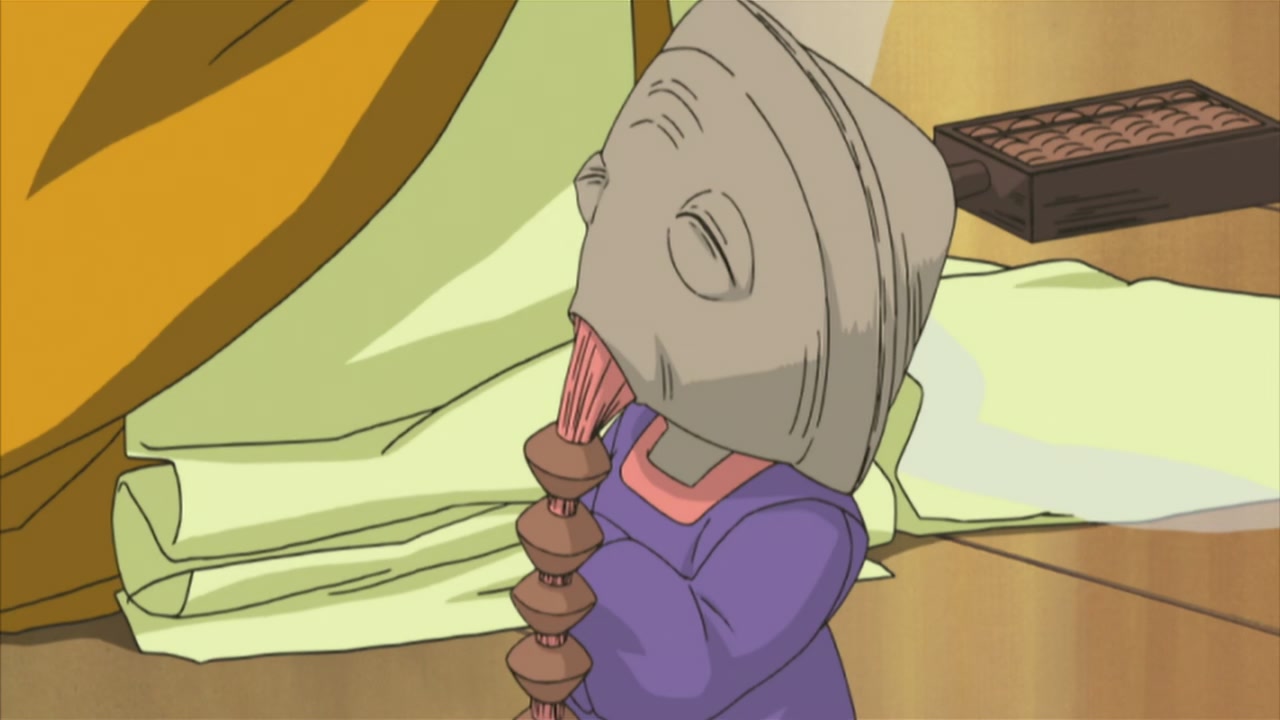
The narrative follows Yurie through roughly a year of her life, from the autumn when she discovers her godhood through the following spring. Each episode presents a self-contained challenge, a divine request, a lost spirit needing guidance, or a personal crisis requiring courage, but these individual stories accumulate into a coherent arc about identity and belonging. The series asks its central question in the first episode (“a god of what?”) and then spends sixteen episodes answering it not with a definition but with a life lived.
This structural approach is worth examining because it’s easy to mistake for aimlessness. Kamichu! is not a plot-driven series. There’s no villain to defeat, no escalating threat, no final boss. The closest thing to an antagonist is a student council rival who gets slapped and then quietly becomes a background bureaucrat. The series’ tension comes from internal sources: Can Yurie be honest about her feelings? Can she accept help when she needs it? Can she figure out what kind of god, and what kind of person, she wants to be?
Divinity as Neighborliness
The theological framework here is distinctly Shinto, and understanding this matters. In Shinto cosmology, kami are not omnipotent creators but spirits that inhabit the world alongside humans. There are eight million gods, yaoyorozu no kami, a number that signifies not literal census counts but the principle that everything contains spirit. Mountains, rivers, trees, swords, battleships, swimming tubes, all of it can be divine.
Kamichu! takes this animism seriously but not solemnly. The gods Yurie encounters are tired, nostalgic, ambitious, depressed. They hold conventions. They form rock bands. They complain about changing technology. The God Association has a president who cares about fashion and gives Yurie a ceremonial robe while reminding her that “in the end, it’s what’s inside that matters.” The poverty god is a shunned outcast who sleeps under eaves and apologizes for existing. The god of death is cheerful and enjoys a good depression.
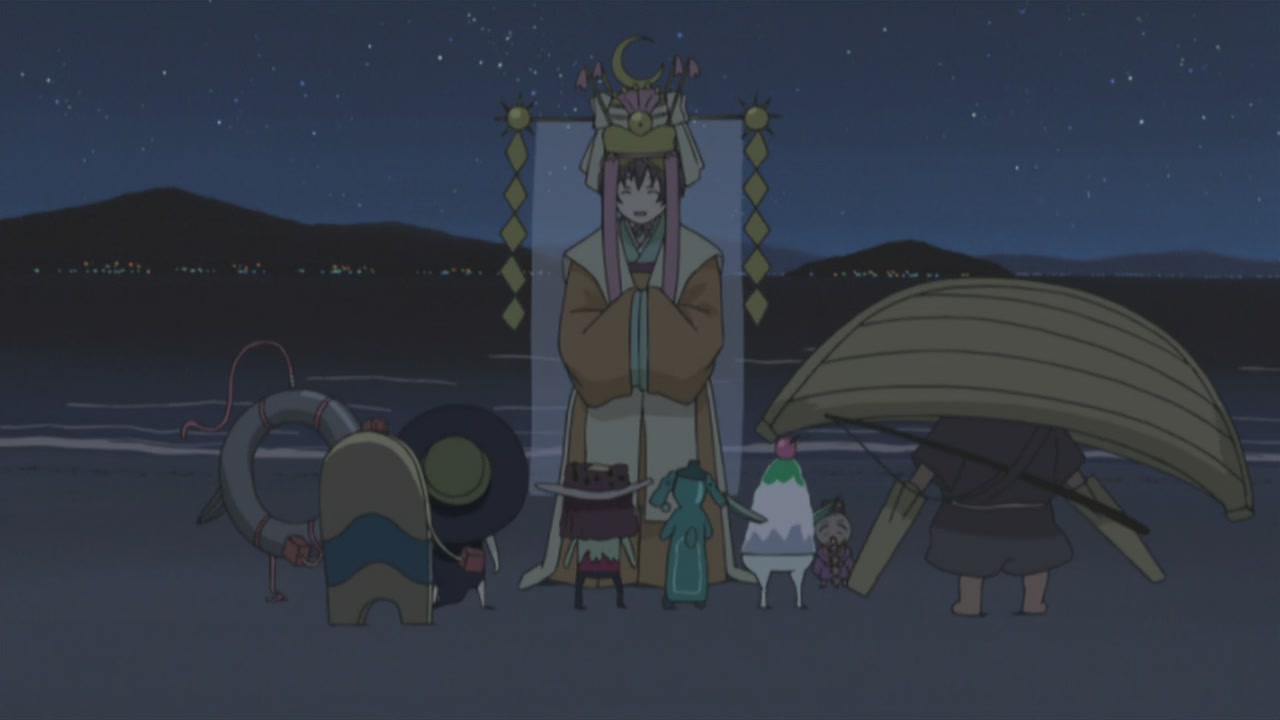
This isn’t parody. It’s a sincere depiction of what polytheistic animism would look like if taken literally, and the result is unexpectedly moving. When Yurie attends the divine convention in Izumo during Kannazuki, the “godless month” when all Japan’s deities gather in one place, the bureaucracy and introductory courses and networking sessions feel less like satire and more like any professional conference you’ve ever attended. Gods have careers. Gods retire. Gods worry about becoming obsolete. The gods of the abandoned Sea Breeze beach, spirits of swimming tubes and shaved ice machines and rental boats, gather in an empty beach house and reminisce about when people came. They’re not fading because they failed but because the world changed around them, and the series treats their nostalgia with genuine tenderness.
This conception of divinity shapes the entire moral framework of the series. Gods are not above humanity. They’re alongside it. They have the same fears and hopes. Yurie’s power doesn’t elevate her beyond her friends. It makes her more responsible for them.
The Obligation to Care
A recurring tension in the series is what a god owes to those who ask for help. Yurie is constantly approached with requests, from classmates wanting better grades to the government needing diplomatic translation for a Martian visitor. She can’t grant every wish. She can’t solve every problem. But she feels the weight of every request.
The most direct confrontation of this tension comes in Episode 10, during the student council election. Her rival, Nishimura Ukaru, visits her problem consultation room and asks her, as a god, to grant his wish to become president. The logic is insidious. If she’s truly a benevolent deity, she must help anyone who asks, even her opponent. If she refuses, she’s a fraud. Matsuri slaps him for this manipulation, calling it “the easy way out,” but the question lingers. What does Yurie owe to someone whose interests directly oppose her own?
The series’ answer, developed across multiple episodes, is that divine obligation isn’t absolute. Yurie has to make choices. She can’t save everyone. She has to prioritize the people she’s connected to, the relationships she’s built, the responsibilities she’s chosen. This isn’t selfishness. It’s the recognition that care is finite and must be directed where it can actually matter. The poverty god Bin-chan gets to stay in her house not because every outcast deserves shelter (though they do) but because he’s Tama now, he’s family, and family takes care of each other.
This is a mature thematic position for a series about middle schoolers. It rejects both the fantasy that a sufficiently powerful person can solve everything and the cynicism that caring is pointless. Yurie helps because she can, and she stops when she can’t, and she learns to tell the difference.
The Persistence of Memory
Running beneath the slice-of-life comedy is a quiet meditation on things that are passing away. The Sea Breeze beach was once thriving but is now abandoned, its only visitors old gods and curious teenagers. The battleship Yamato rests on the ocean floor, its spirit tired and embarrassed by its rusted condition. The analog media gods in the divine clubhouse grumble about being replaced by new technology. Raifuku Shrine is deep in debt, its chief priest retreating into vegetable farming because he was never suited to the role.
The series doesn’t rage against this passing. It doesn’t offer solutions. It offers presence. The beach can be briefly revived through Yurie’s power because her parents remember it and their memory gives it form. The Yamato can come home to Kure because an old veteran still carries his service in his heart and Yurie does the research to understand what the ship meant. The shrine survives not through Matsuri’s schemes (though those help) but because the community gathers there, for festivals, for consultations, for New Year’s visits, for quiet moments of connection.
This is a deeply Japanese approach to tradition. It’s not about preserving everything unchanged. It’s about honoring what came before while adapting to what comes next. Old gods retire. New gods emerge. Yurie herself is unprecedented, a middle school girl god, something that’s never existed before. The tradition continues not by freezing itself but by growing.
The Adaptation Question
I haven’t read the manga. I can’t tell you what was cut, condensed, or altered. What I can tell you is that the anime as it exists is a complete, coherent work. It tells a story with a beginning, middle, and end. Characters develop consistently. Themes are established early and paid off late. Nothing feels missing. Nothing feels rushed.
The episodic structure suggests a selective adaptation. Some episodes, like the Martian diplomacy or the Cat Fight, have the energy of favorite manga chapters given room to breathe. Others, like the Izumo transfer or the Christmas conflict, feel like original material designed to fill out the anime’s specific version of the story. But these elements blend seamlessly. The tone is uniform. The characters behave like themselves regardless of the episode’s presumed source.
If the manga is richer, more detailed, more expansive, then that’s a separate pleasure available to those who seek it out. The anime earns its place as a standalone work. It doesn’t require supplementary reading to make sense or to feel satisfying. That’s a higher bar than it might seem, and one that many adaptations fail to clear.

Characters
Hitotsubashi Yurie
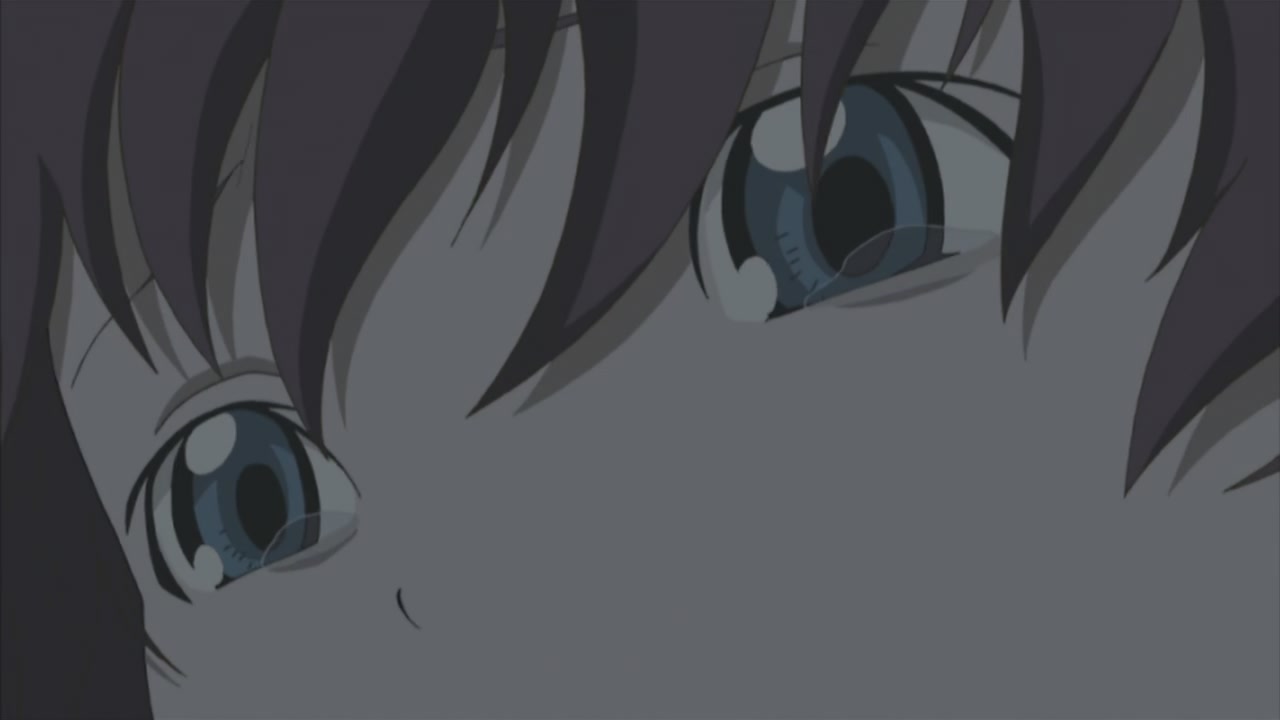
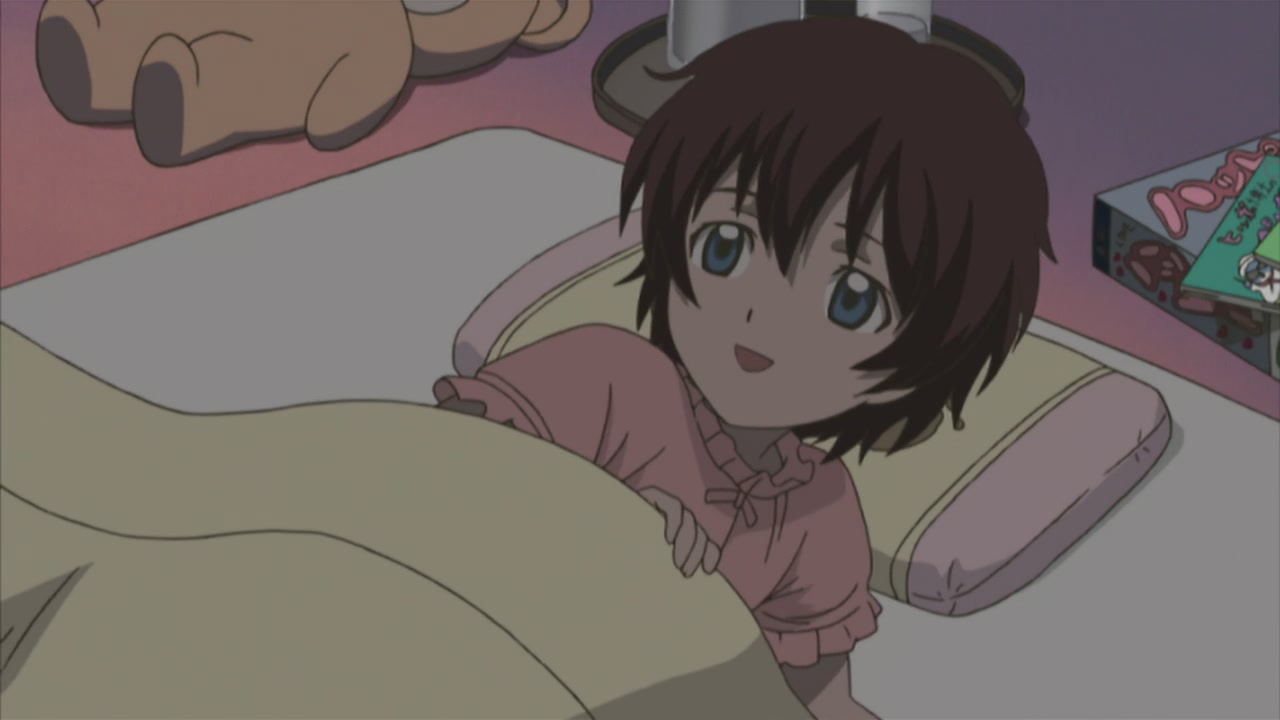
Yurie is the rare protagonist who succeeds by staying exactly who she is. She doesn’t become cooler, smarter, or more confident over the course of the series. She remains clumsy and forgetful and easily embarrassed. Her grades don’t improve. Her calligraphy remains terrible. Her divine powers manifest unpredictably and exhaust her when she overuses them.
What changes is her willingness to be seen. Early Yurie hides. She’s embarrassed by her divinity. She’s terrified of rejection. She can’t even admit her crush on Kenji to herself, let alone to him. When a rival for his affection asks Yurie for romantic advice, Yurie lies about her own feelings and then hates herself for lying. “Even though I’m a god,” she says, as if divinity should make you incapable of cowardice.
The Valentine’s Day confession in Episode 15 represents the culmination of her year-long growth. She has spent months building connections, helping classmates with their problems, learning that being a god isn’t about power but about presence. When she finally stands in front of Kenji on that rooftop, clutching homemade chocolates, she’s still terrified. Her voice trembles. She stumbles over her words. But she does it anyway. She’s learned that courage isn’t the absence of fear. It’s fear plus the knowledge that some things matter more than safety.
Her ordinariness isn’t a flaw to be overcome. It’s her defining quality as a deity. She’s a god who forgets her homework, who sleeps through her alarm, who gets sunburned at the beach and whines about it for days. She’s approachable. She’s relatable. The gods she meets at conventions are impressed not by her power but by her sincerity, her “pure heart” as Yashima-sama puts it. In a divine bureaucracy full of tired functionaries and fading specialists, a genuinely earnest middle schooler is revolutionary.
Saegusa Matsuri
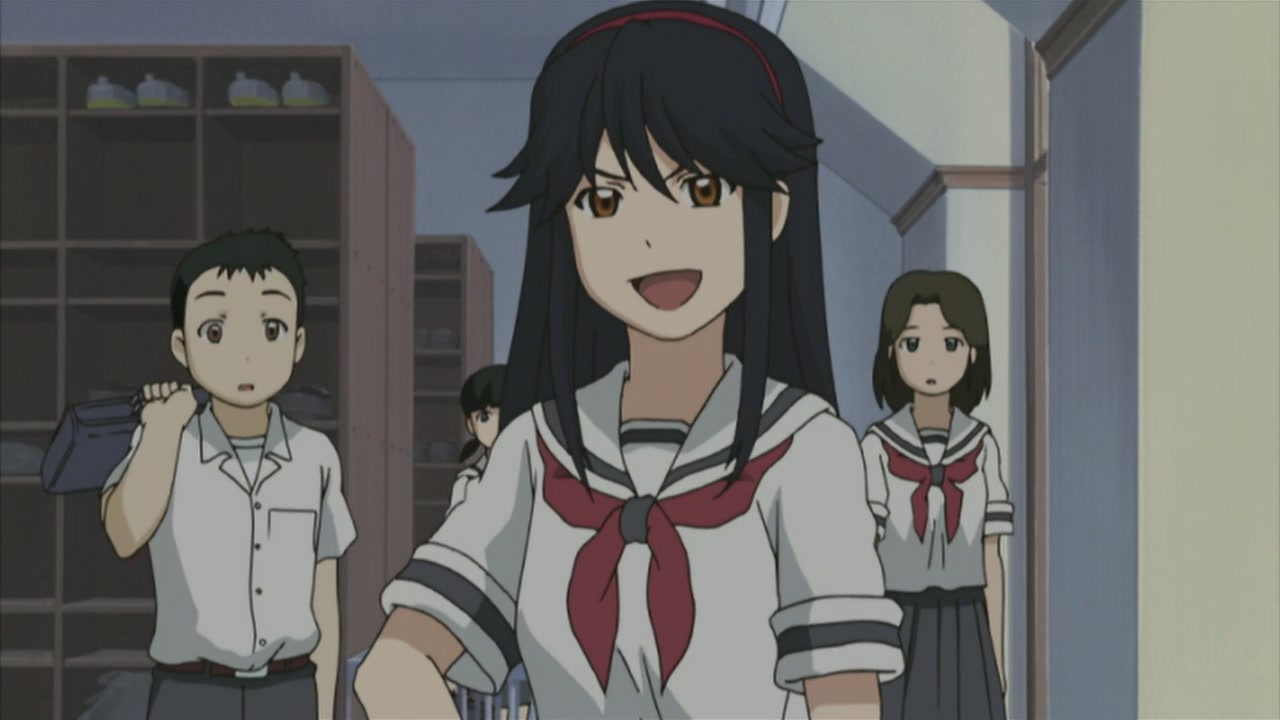
Matsuri is the series’ engine, its chaos agent, the person who makes things happen while everyone else is still thinking about whether they should. She’s introduced as commercially opportunistic, immediately recognizing Yurie as a “hit” who can revitalize her family’s struggling shrine. She organizes festivals, consultation rooms, election campaigns, Thanksgiving events. She pushes Yurie into situations Yurie would never choose for herself.
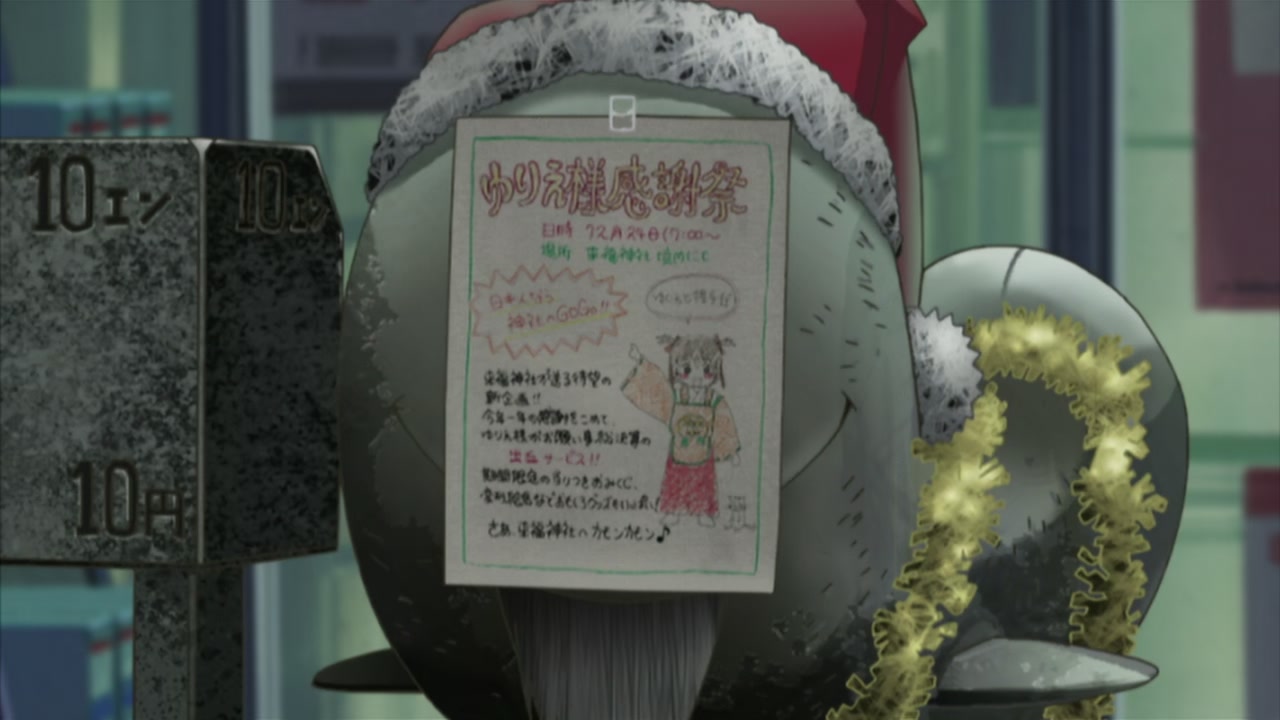
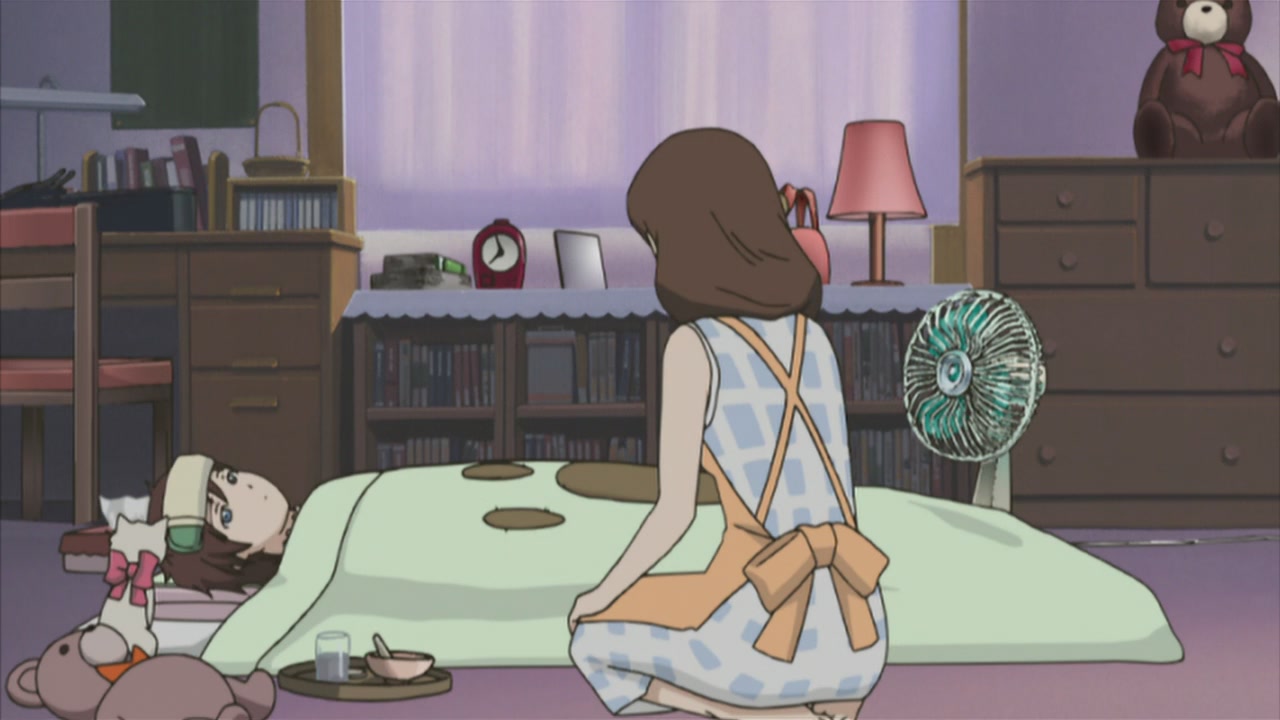
This could make her unlikable. What saves her, what makes her one of the series’ best characters, is that her opportunism is always in service of love. She loves her shrine. She loves her sister. She comes to love Yurie, not as a “talent” but as a friend. The shift is gradual, visible in small moments: her genuine worry when Yurie is sick, her fury when Nishimura tries to manipulate Yurie’s divine obligation, her willingness to set aside her anti-Christmas crusade when she realizes it’s alienating the people she cares about.
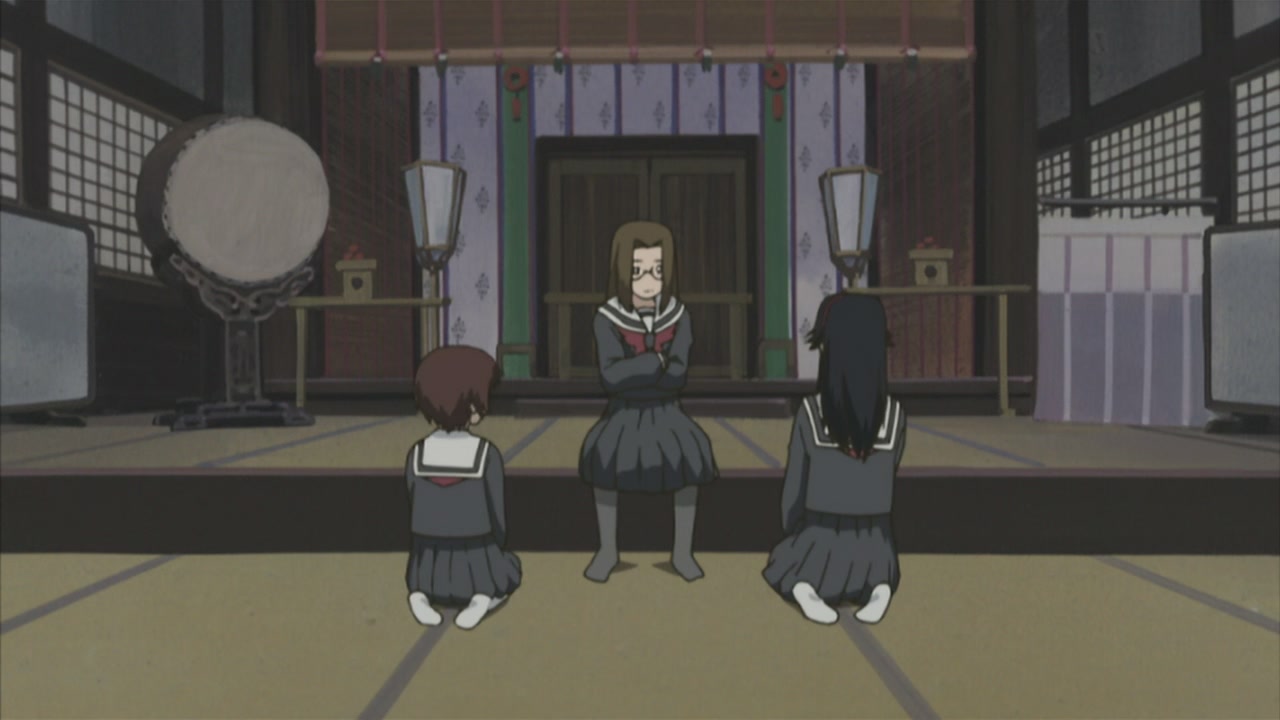
Her relationship with her sister Miko is the series’ most emotionally complex family dynamic. Matsuri is bossy, demanding, often oblivious to Miko’s inner life. When Miko runs away in Episode 11, convinced that her sister will never understand her feelings for Yashima-sama, Matsuri’s collapse into tears reveals how much she’s been taking for granted. “You always keep to yourself,” she sobs, both an accusation and an apology. She’s not just upset that Miko left. She’s upset that she didn’t notice Miko was suffering.
Matsuri is also deeply funny. Her schemes are absurd. Her feuds with the shopping district are petty. Her conviction that the shrine can compete with Christmas through sheer Shinto enthusiasm is both admirable and deranged. She’s the character most likely to make you laugh and the character whose moments of vulnerability hit hardest, because she works so hard to seem invulnerable.
Shijou Mitsue
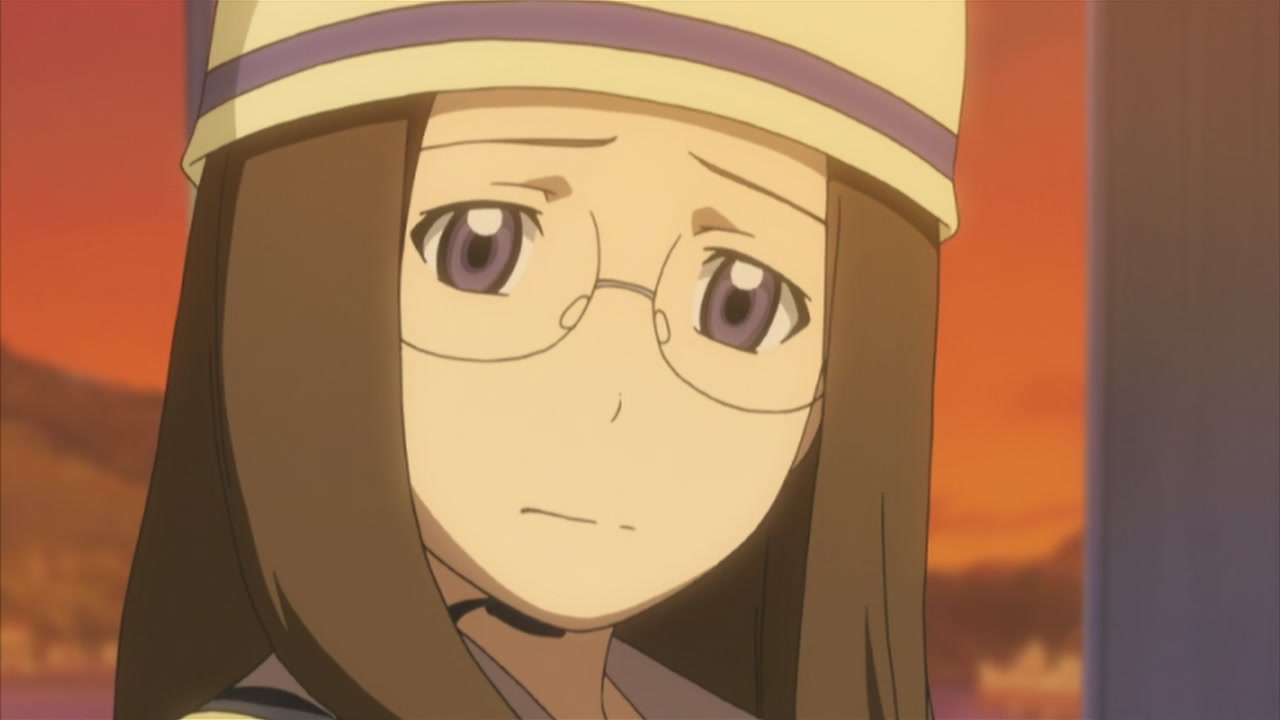
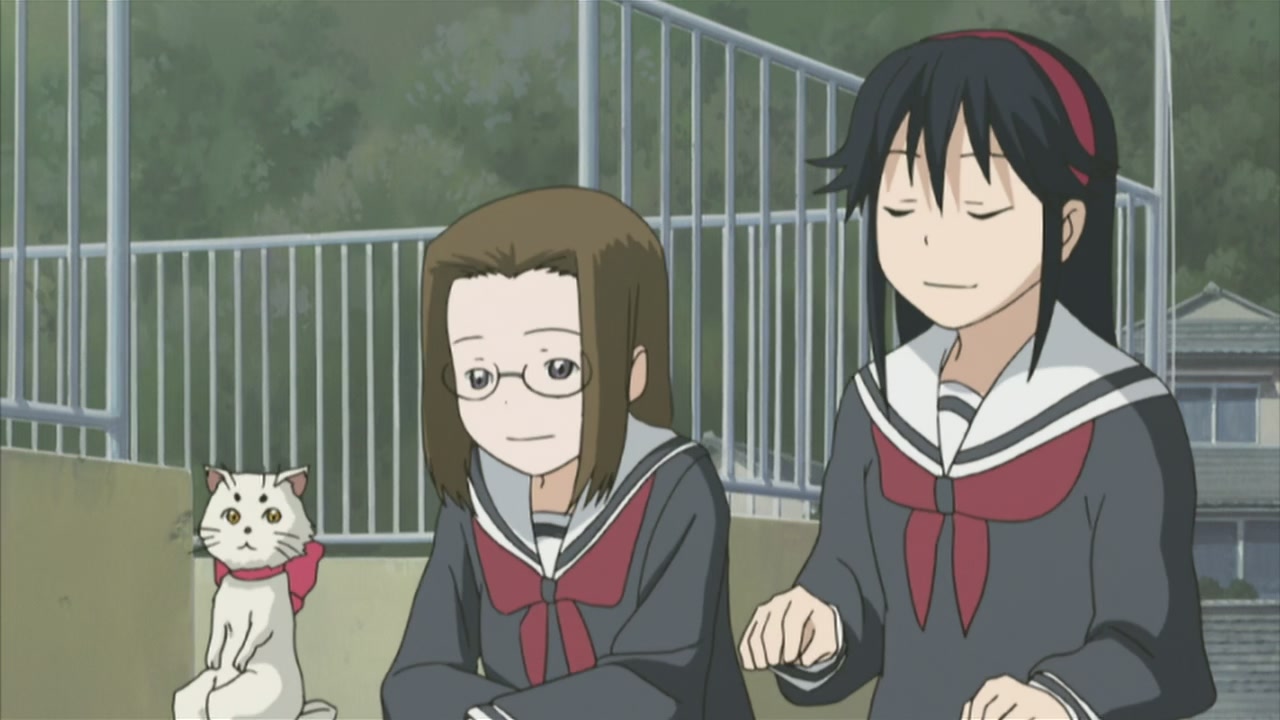
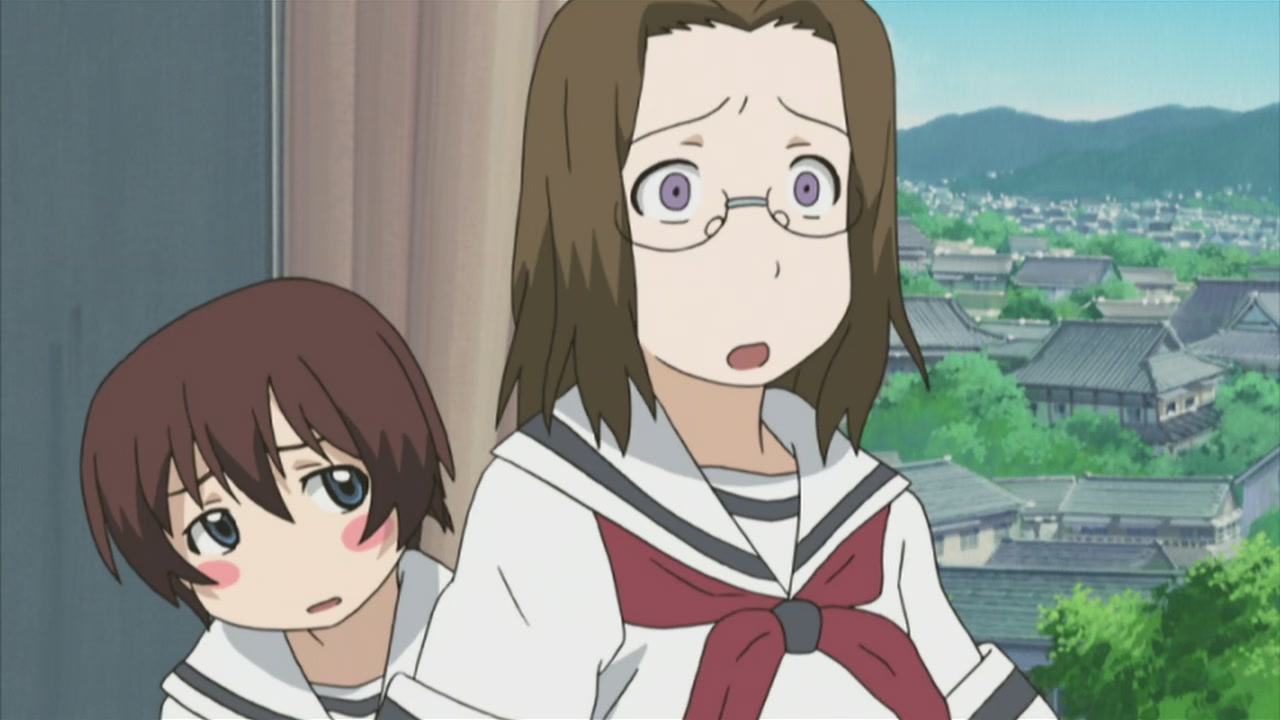
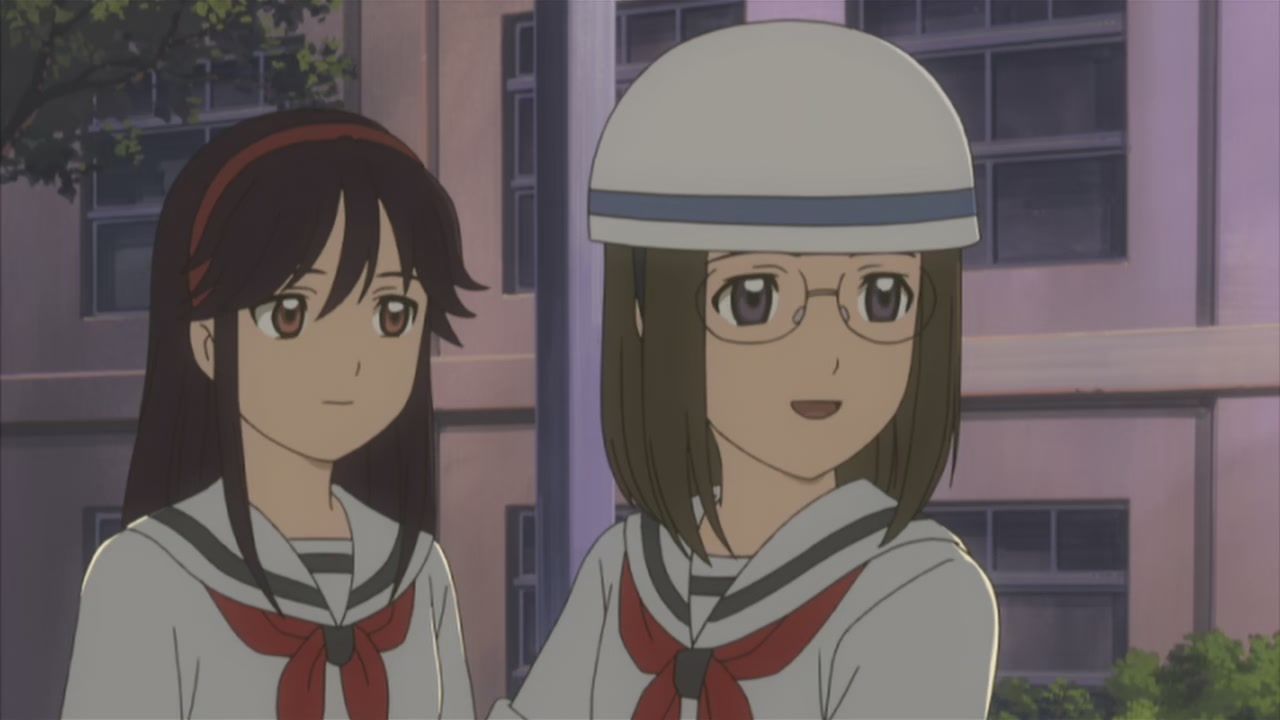
Mitsue is the anchor. She’s the friend who was there before the divinity, who will be there after, who treats Yurie’s godhood as a strange but manageable fact rather than a world-changing revelation. She’s sensible and observant and frequently exasperated by the chaos around her. Her deadpan commentary, delivered with the weary patience of someone who has accepted that her life now includes cat wrestling matches and Martian diplomacy, provides the series’ most reliable comedy.
But Mitsue is also the series’ emotional center of gravity. She expresses affection through action rather than declaration, bringing Yurie study guides, fetching forgotten chocolates, delivering the honest campaign speech that wins the student council election. When she tells the school that Yurie is clumsy and unreliable and might not be able to fix everything with divine power, but that she genuinely cares about others’ troubles, she’s revealing her own values. She loves Yurie not despite her flaws but because of who Yurie is, flaws included.
There’s a loneliness to Mitsue that the series acknowledges without fully exploring. She helps her friends find love while her own romantic feelings, hinted at through references to an “elder cousin,” remain unresolved. She’s the observer, the supporter, the one who makes things possible for others. The series never suggests this is a problem to be fixed. She seems content in her role. But there’s a gentle melancholy to her position that adds depth to her pragmatism.
Ninomiya Kenji
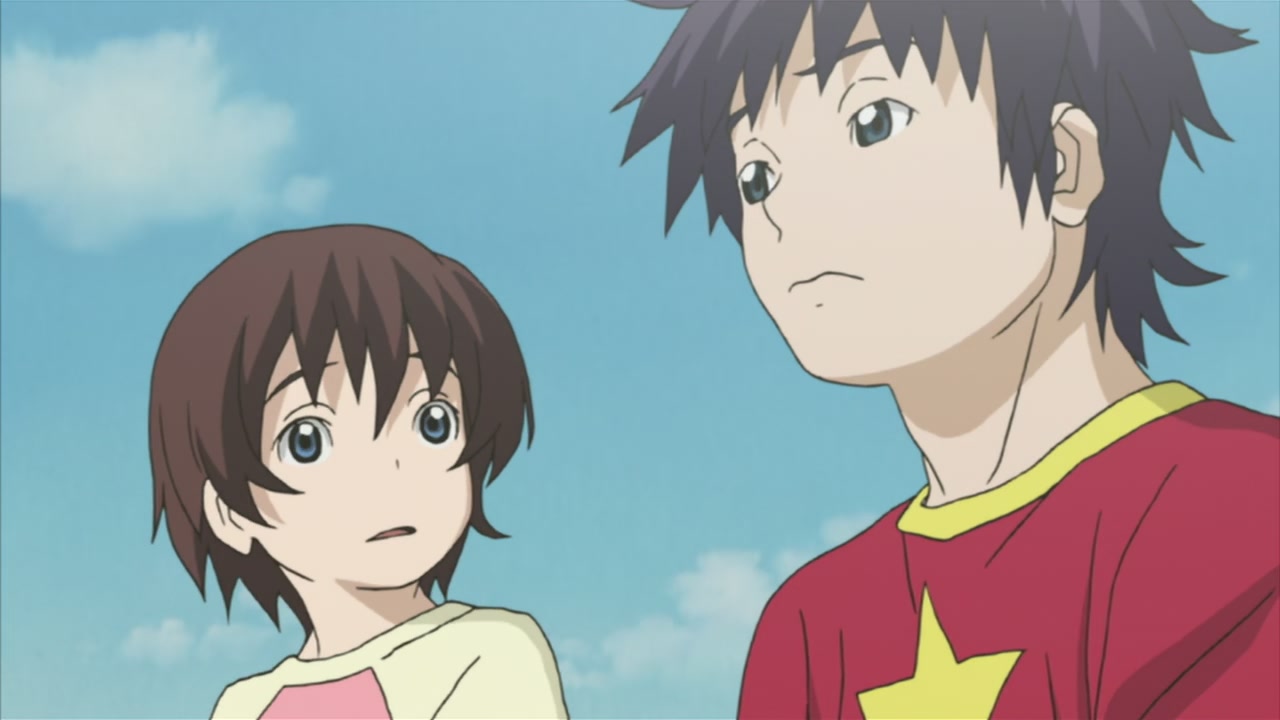
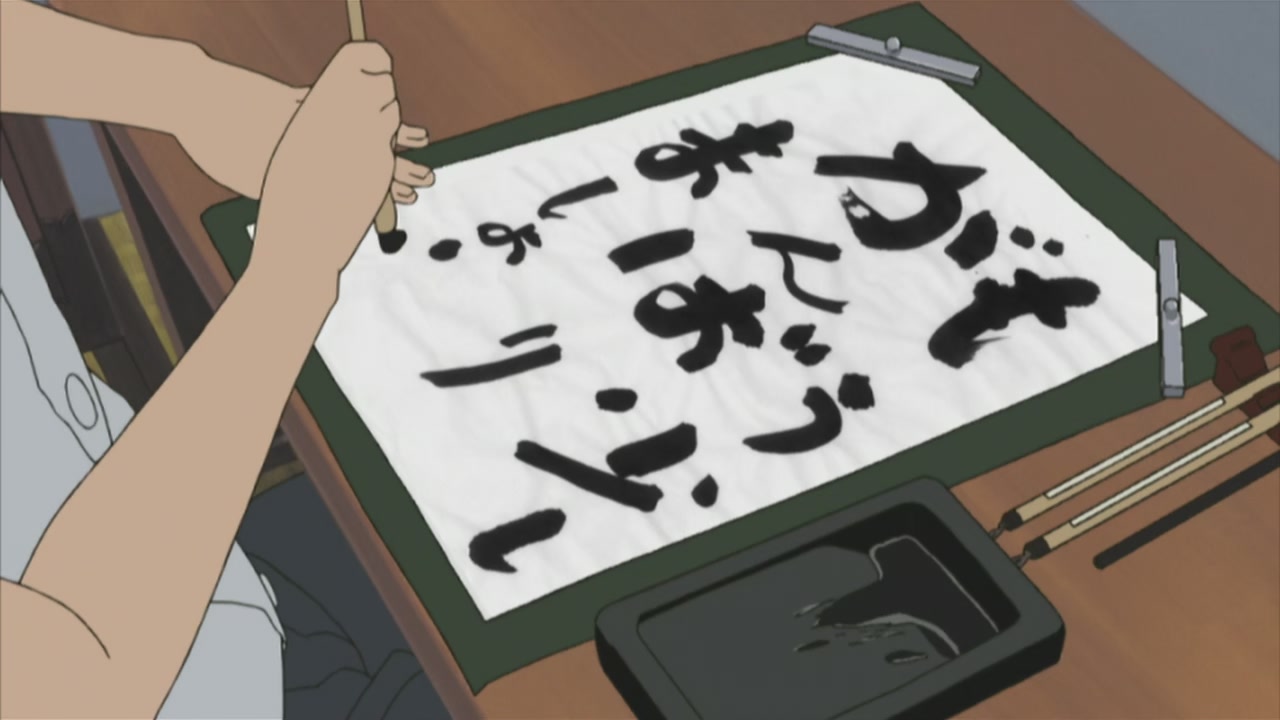
Kenji is one of the most genuinely strange love interests in anime romance, and I mean that as a compliment. He’s not cool. He’s not secretly powerful. He’s not awkward in a cute, marketable way. He’s odd in ways that would be genuinely inconvenient in real life. He forgets names constantly, including Yurie’s, even after she becomes a nationally famous god. He describes her as having “hair in the front like this, and tiny.” He processes the world through calligraphy and has little bandwidth for anything outside that passion.
His romance with Yurie works because they’re both strange, in complementary ways. Yurie’s strangeness is situational (she’s a god) and emotional (she feels everything intensely). Kenji’s strangeness is constitutional. He’s just like this. When he finally realizes he loves her, his confession is perfect: “I love you because you’re strange. It’ll be stimulating if we’re together.” This is not a traditional romantic declaration, but it’s an honest one. He’s not trying to be smooth. He’s telling her what he values, and what he values is the quality they share.
His role in the series is limited in screen time but crucial in function. He’s the goal Yurie is working toward but also the proof that she can’t divine-power her way into love. She has to earn it through patience and presence and the terrifying act of confession. The fact that he’s so oblivious for so long, that he genuinely doesn’t notice her feelings until she literally tells him, makes the eventual reciprocation feel earned rather than inevitable.
The Supporting Ecosystem
The series treats its supporting cast with remarkable generosity. The poverty god Bin-chan could be a one-note joke, the manifestation of bad luck who causes comic misfortune. Instead, he’s a melancholy figure who’s been rejected everywhere and finds his first real home with Yurie’s family. His joy at receiving Valentine’s chocolates, the first gift of his existence, is played for gentle humor but carries real weight.
Yashima-sama, the runaway shrine god, is ridiculous, a middle-aged deity with no musical talent who dreams of rock stardom. But his guilt over abandoning his shrine, his unrequited love for Matsuri, and his genuine respect for Yurie’s purer divinity make him more than comic relief. He’s a cautionary example, the kind of god Yurie could become if she let her insecurities drive her away from her responsibilities.
Team Happiness, the trio of fairy-like assistants assigned by the God Association, could be annoying mascot characters. Instead, they’re genuinely helpful and emotionally invested in Yurie’s wellbeing. Yurie naming them after animals is a small moment of connection that makes them feel like part of her extended family rather than divine bureaucracy.
Even antagonists are given understandable motivations. Nishimura Ukaru is rigid and manipulative, but he genuinely believes he’s the best person to lead the school. Tyler Nyurden, the nekomata revolutionary, is trying to protect stray cats from human mistreatment. The series never excuses their bad behavior, but it never reduces them to villains either.
Visuals and Animation
The Art of Place
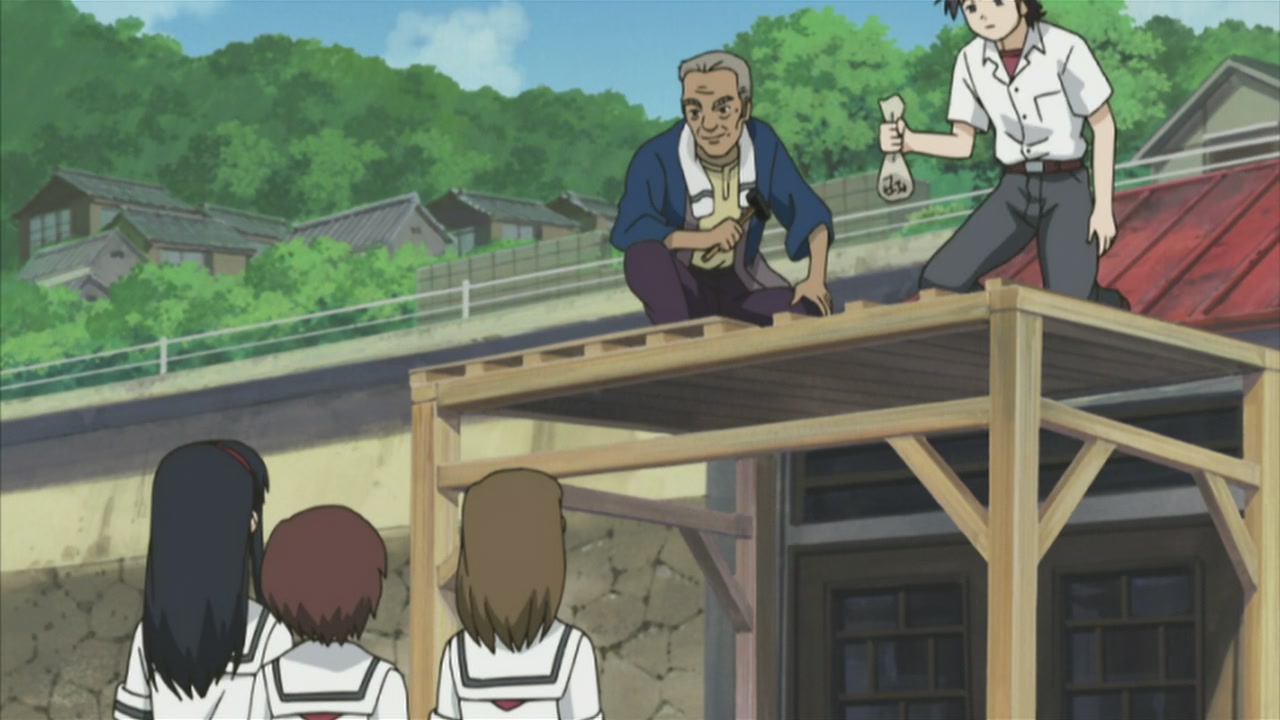
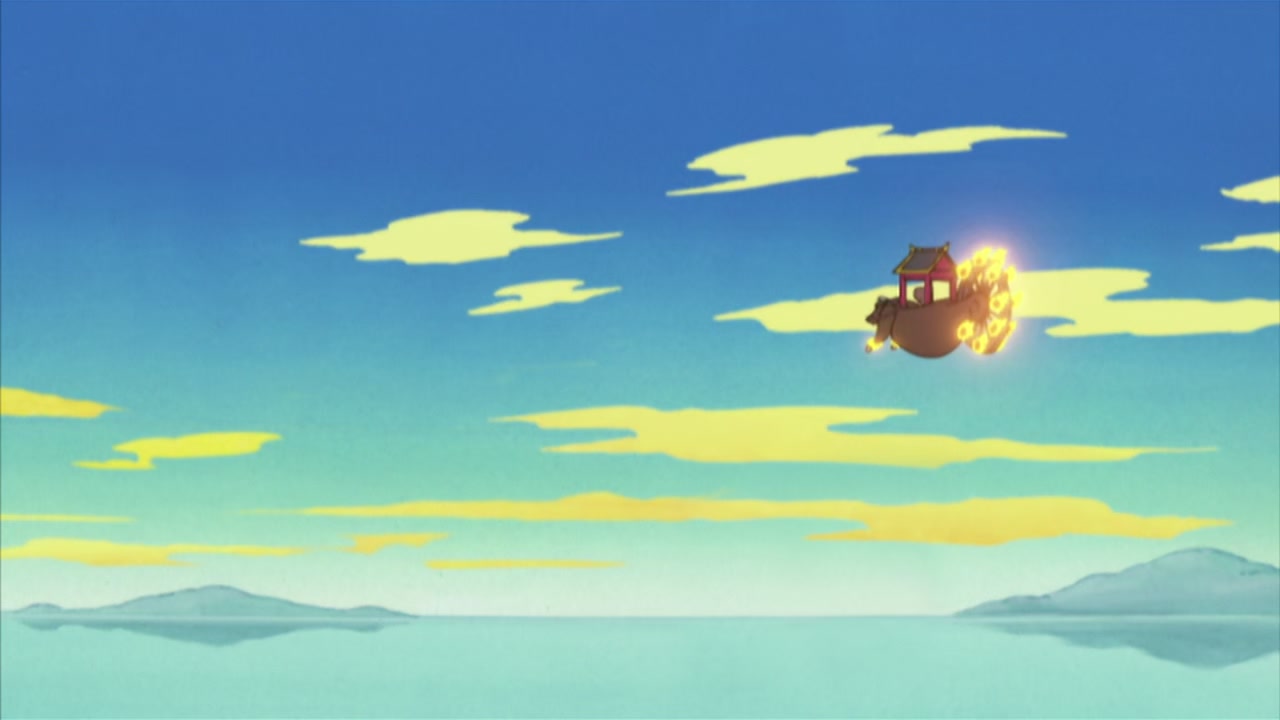
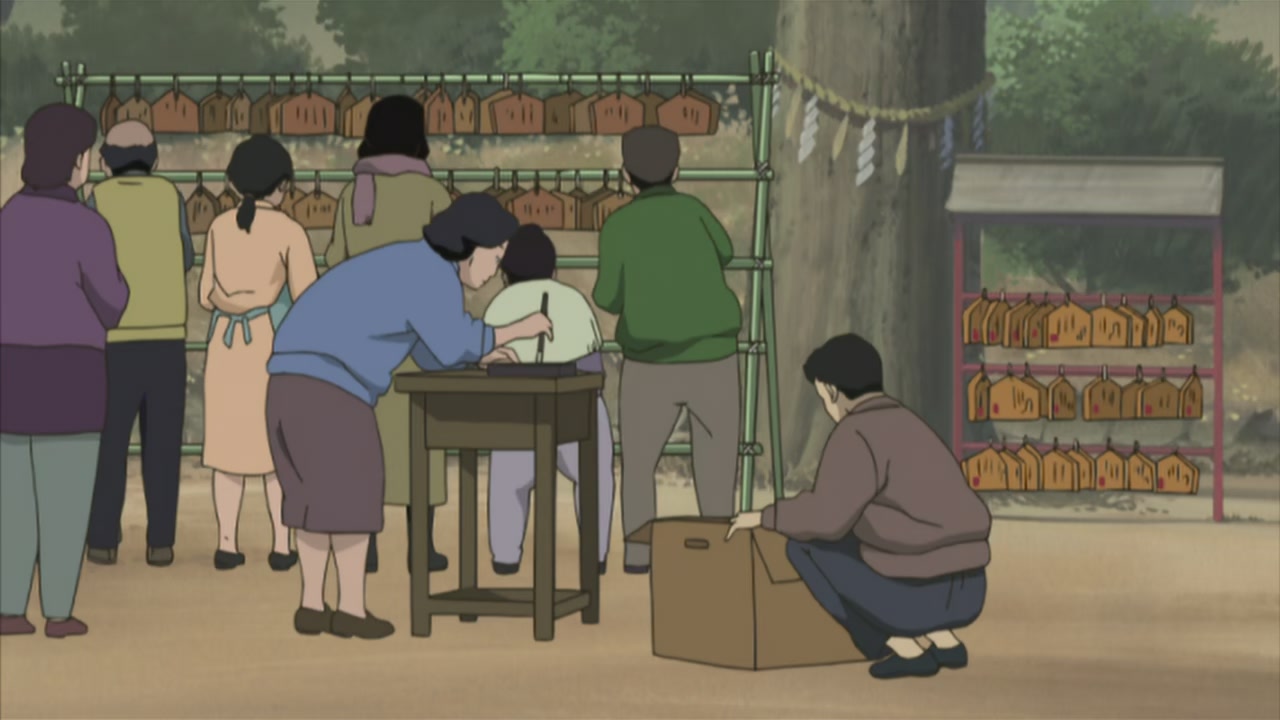
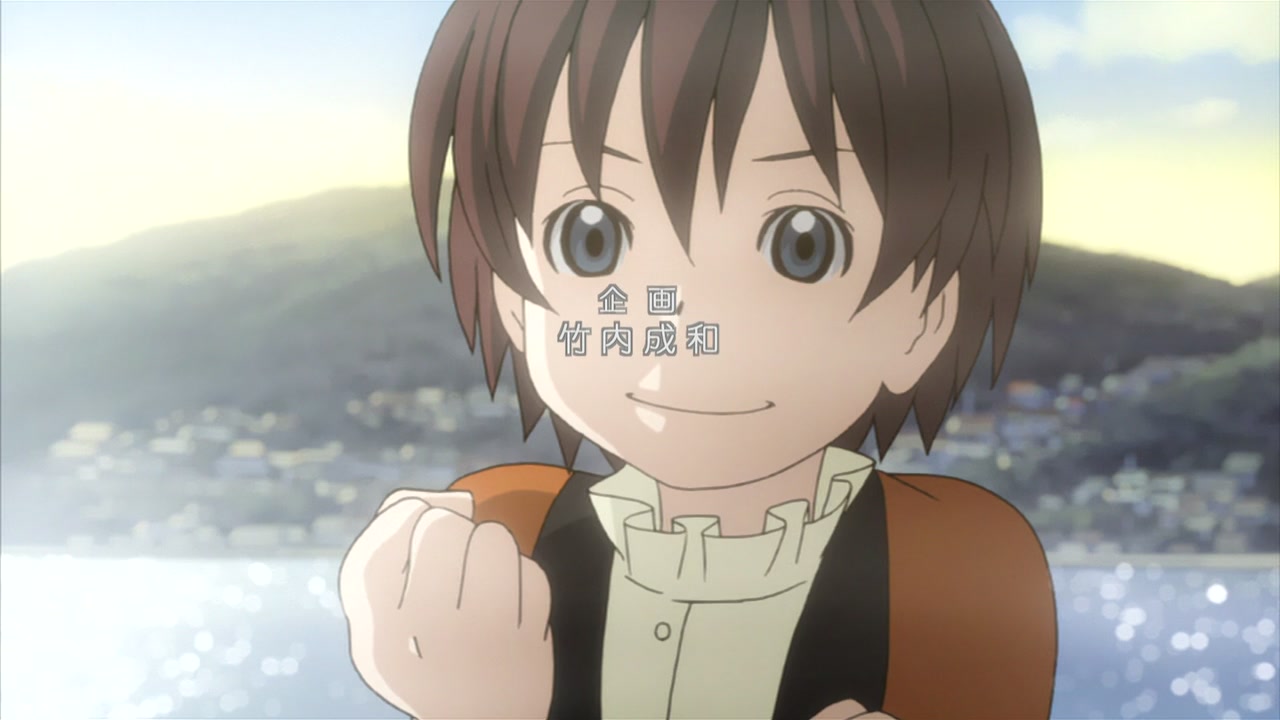
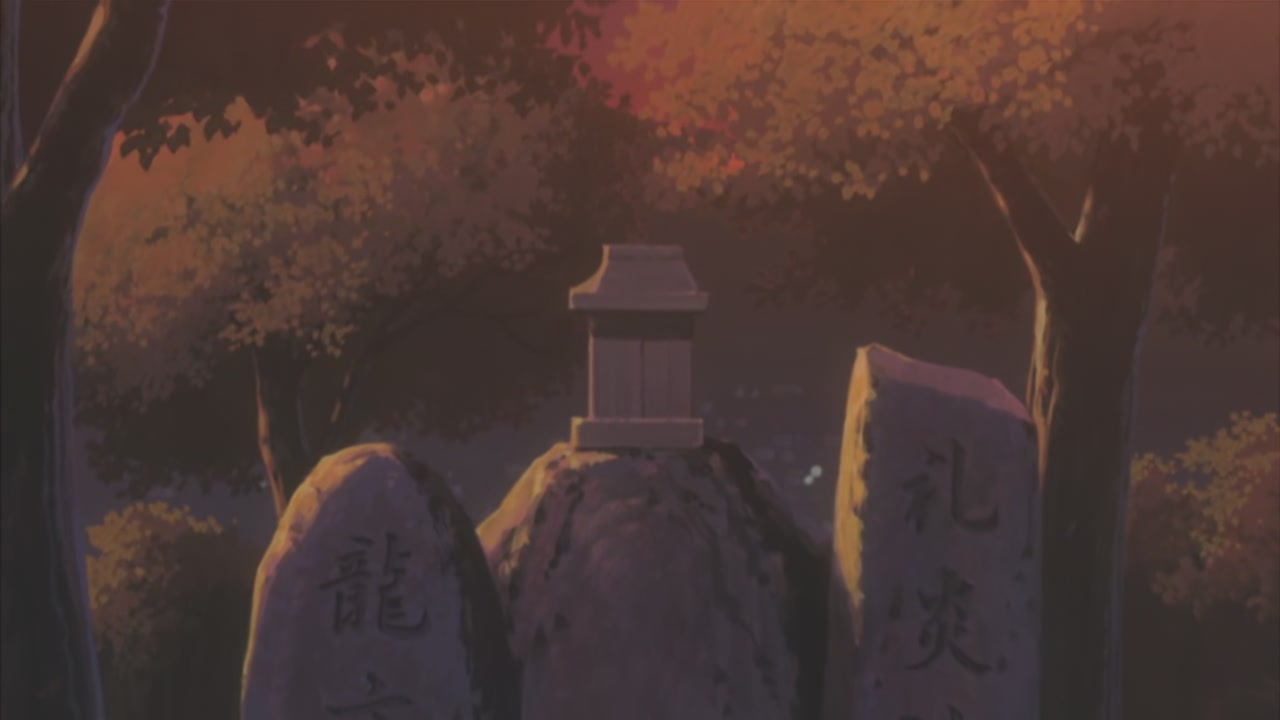
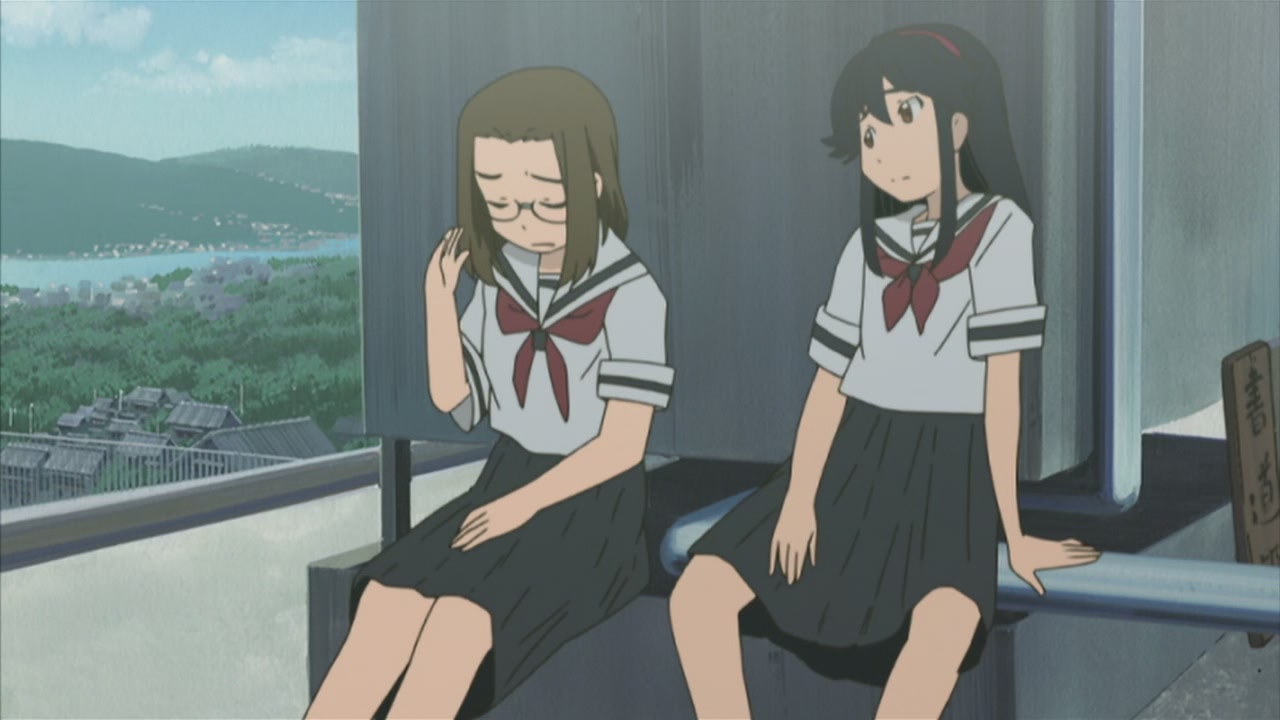
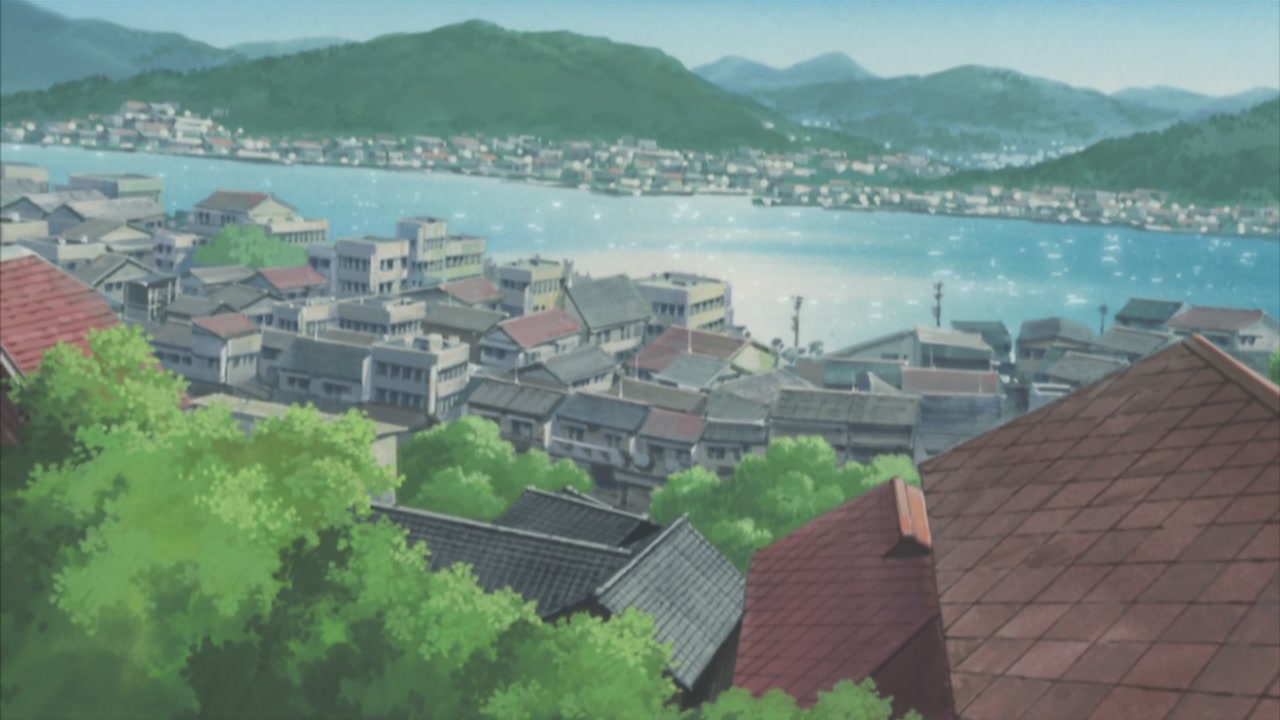
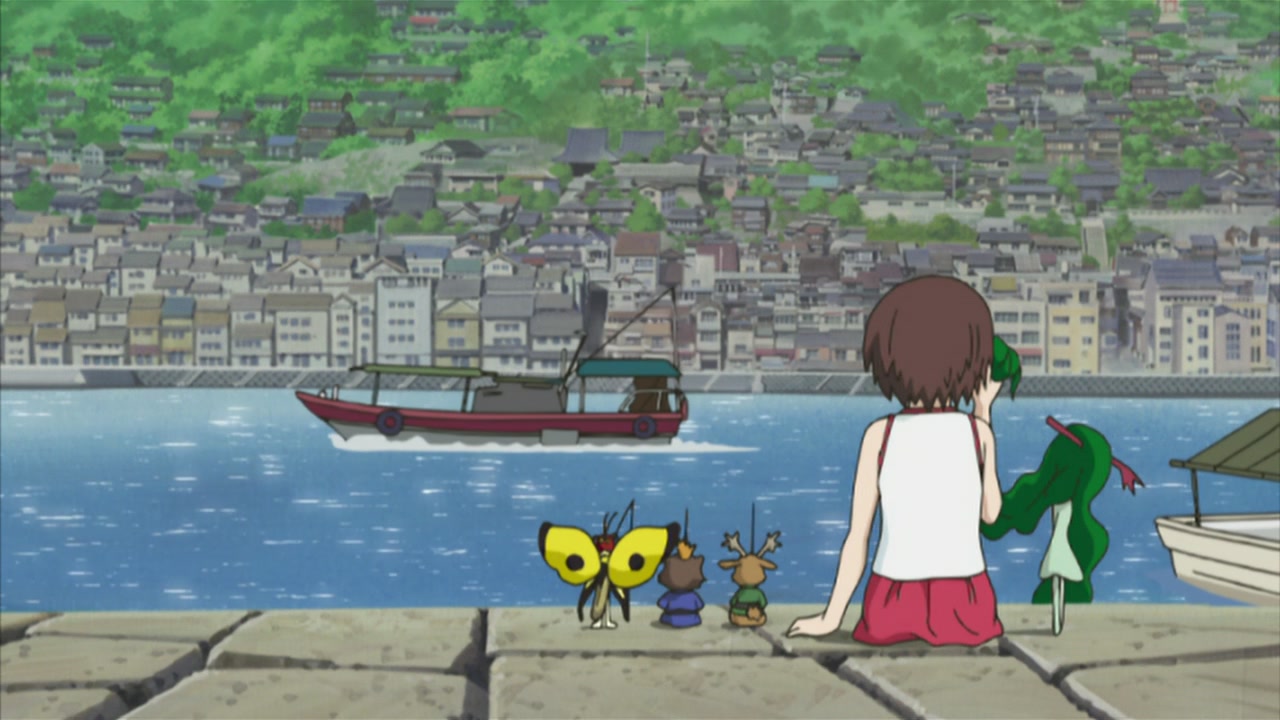
The most striking visual element of Kamichu! is its background art. The series is set in Onomichi, a hillside port town in Hiroshima Prefecture, and the artists clearly worked from extensive location reference. The steep staircases, the narrow streets cascading down to the water, the specific quality of light on the Seto Inland Sea, these aren’t generic “coastal Japan” backdrops. They’re a real place rendered with loving specificity.
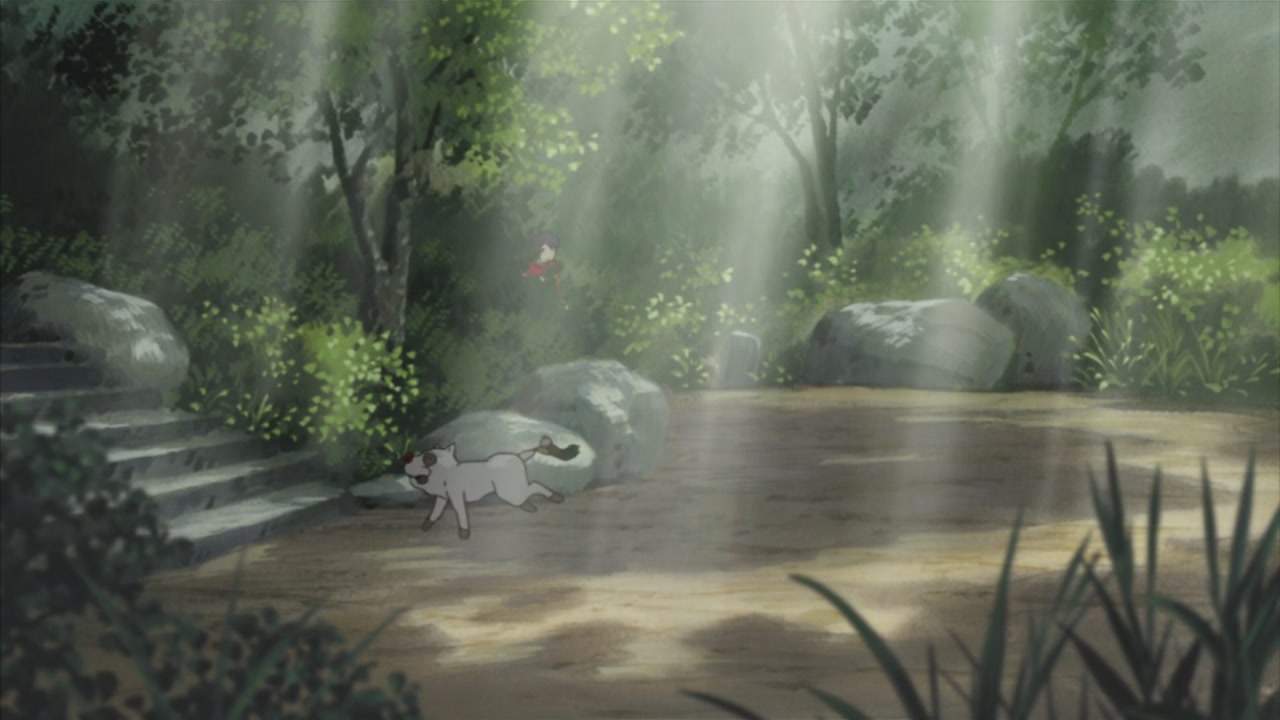
The backgrounds have a painterly quality, visible brushwork and atmospheric perspective that creates depth without calling attention to itself. Scenes are often composed with characters sandwiched between foreground elements and distant views, emphasizing the layered nature of the town’s topography. A staircase might fill the left third of the frame while the sea glimmers in the distance on the right. A shrine building occludes part of the sky while rooftops cascade down the hillside below.
This environmental detail serves thematic purposes. The town’s verticality creates natural separations between spaces, the school below, the shrine above, the sea beyond, that mirror the series’ interest in different layers of reality. The mundane world and the divine world coexist in the same geography. You climb stairs to reach the gods. You look out over the water and see both fishing boats and battleship spirits.
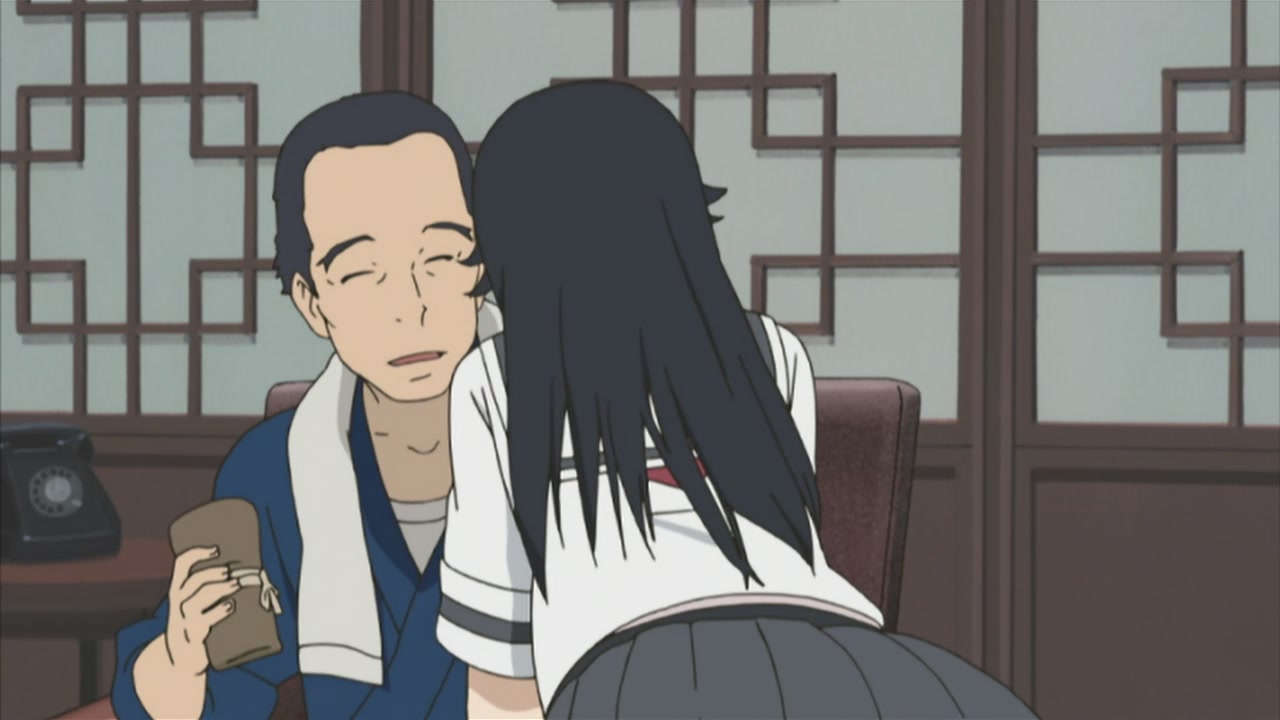
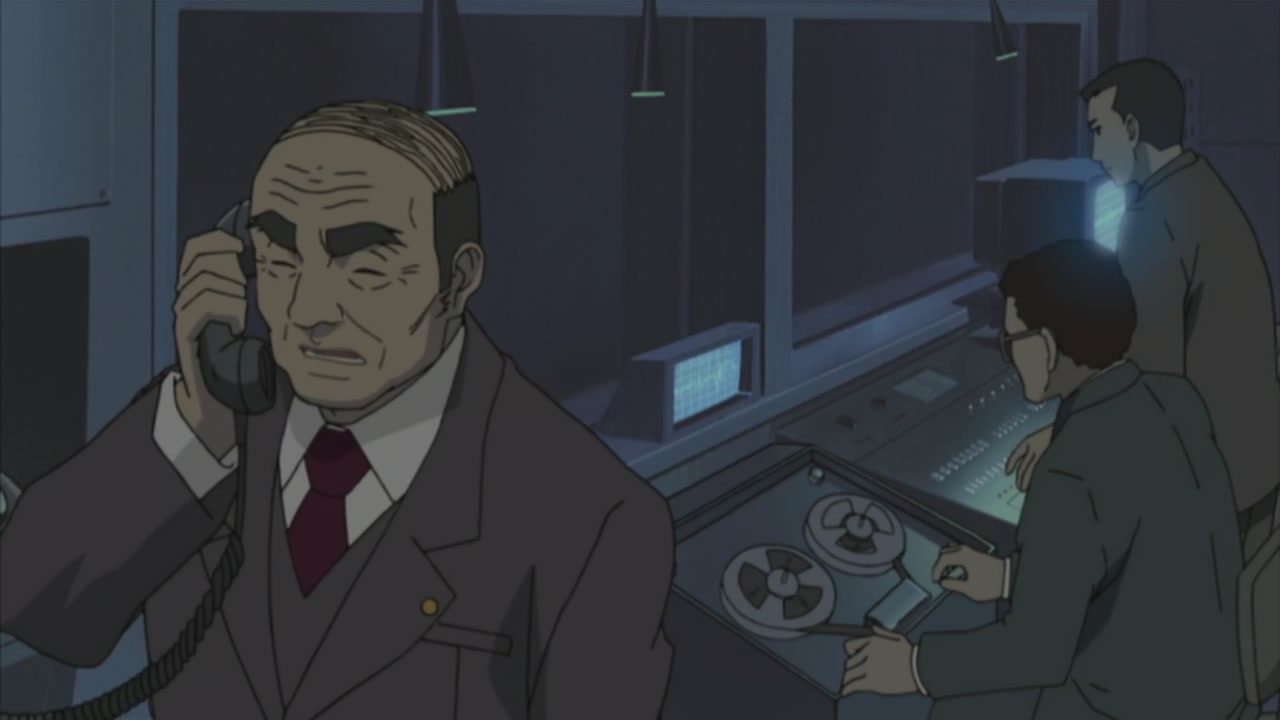
The 1980s setting is conveyed through environmental details rather than explicit declaration. There are no smartphones or computers. TVs have dials. Phones have cords. The cultural detritus of the era, vinyl records, aging film projectors, hand-painted shop signs, fills the backgrounds without being fetishized. This isn’t nostalgia-bait. It’s just the world these characters inhabit, rendered with period-appropriate accuracy.
Character Design and Acting
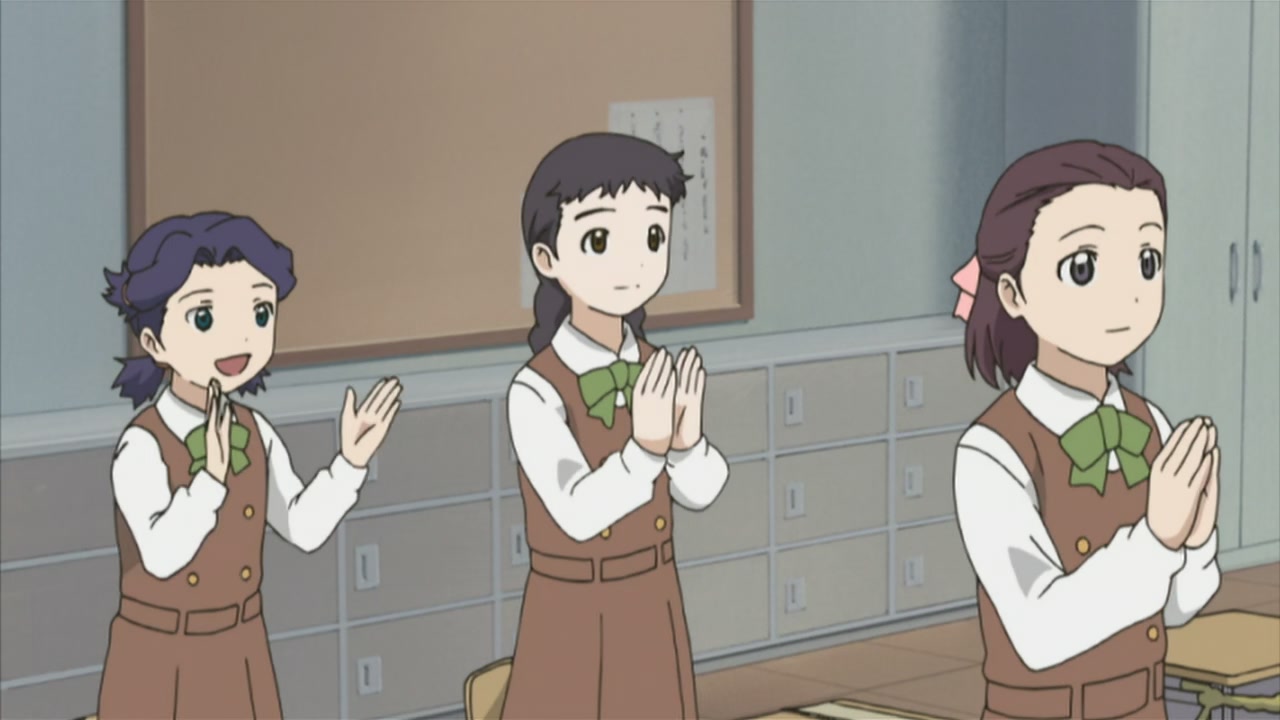
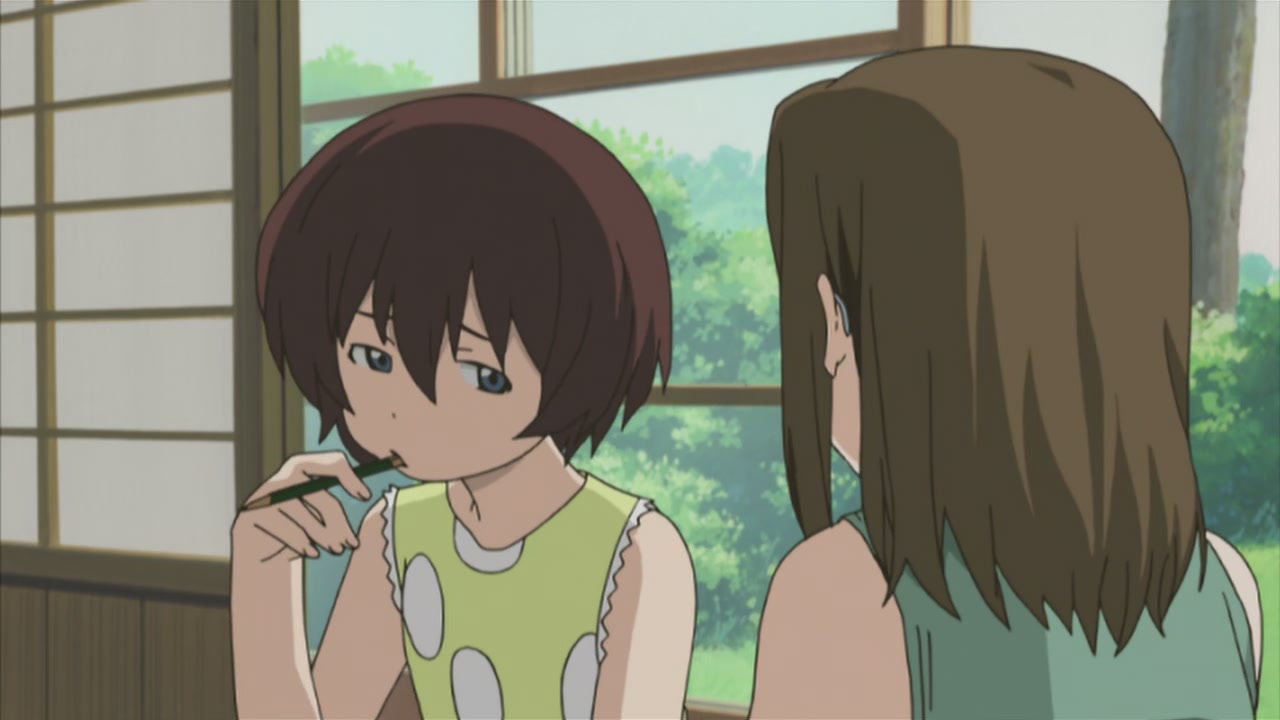
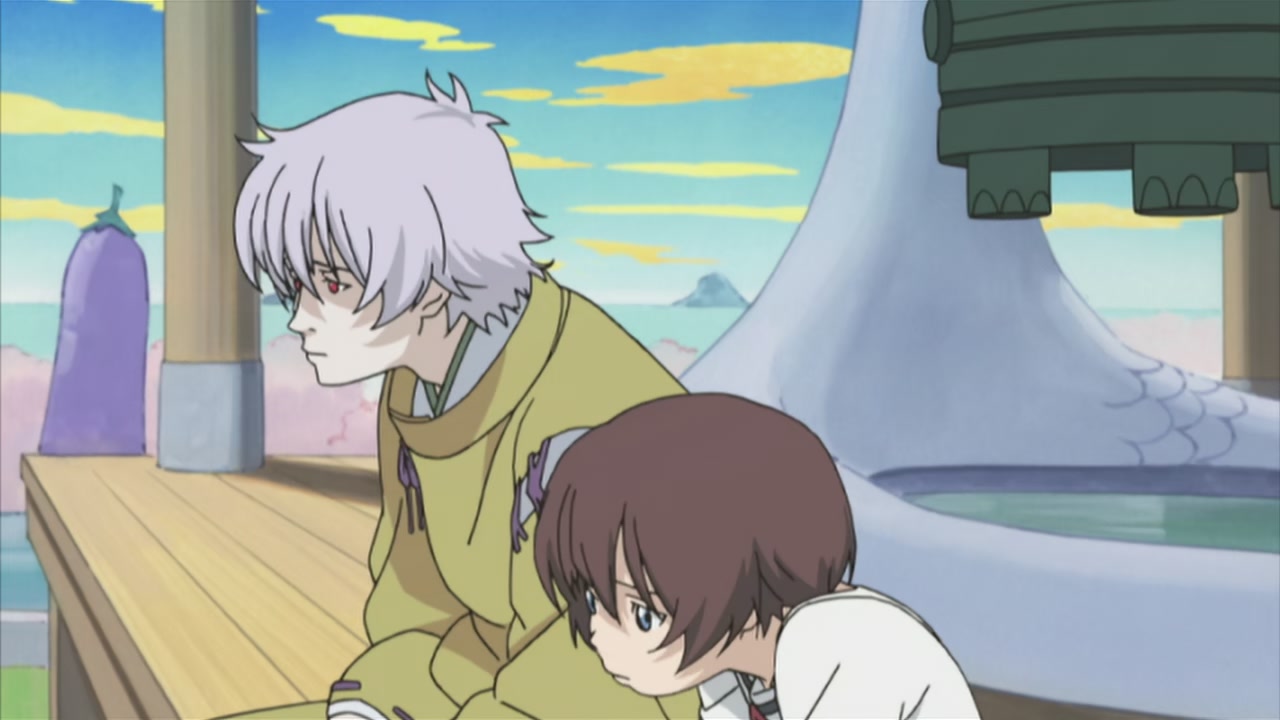
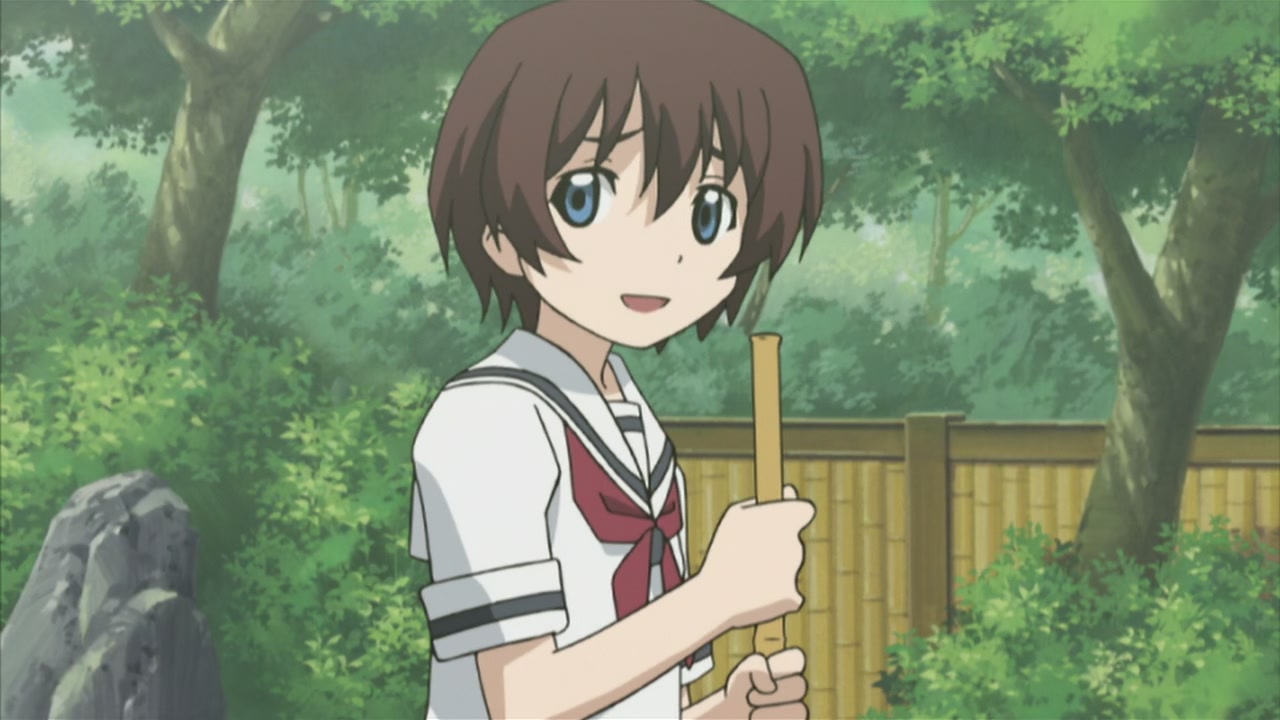
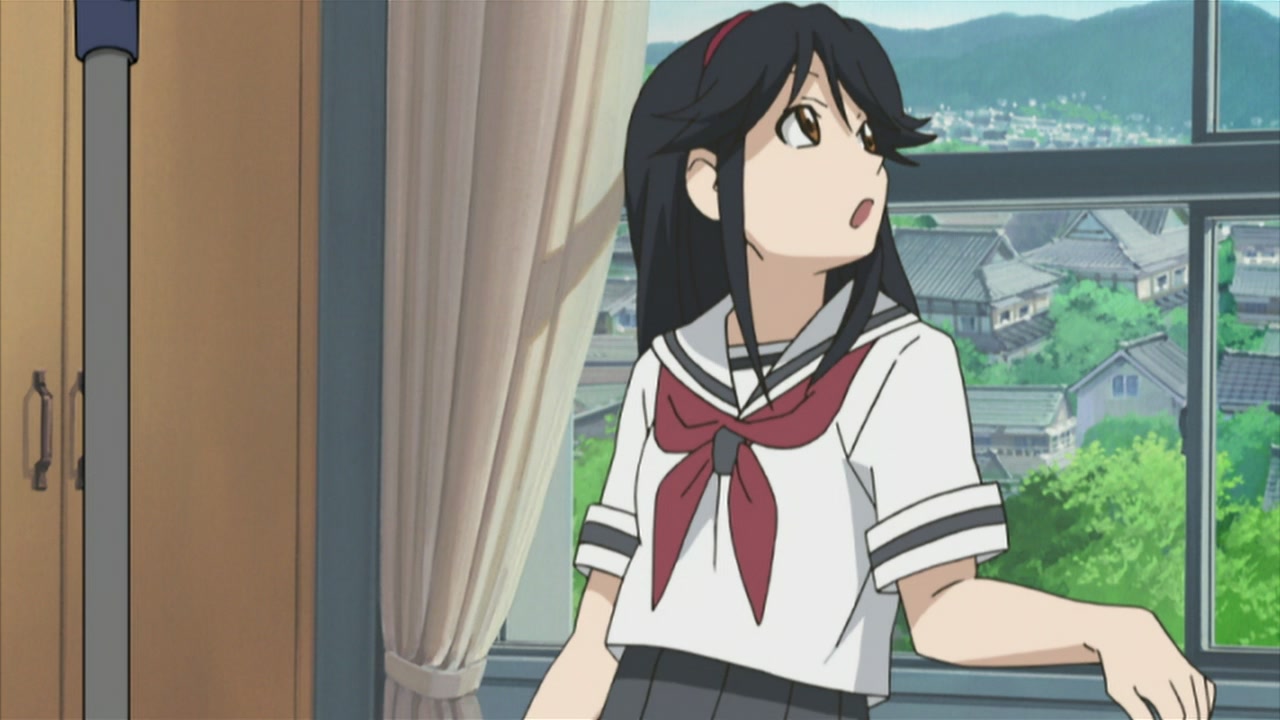
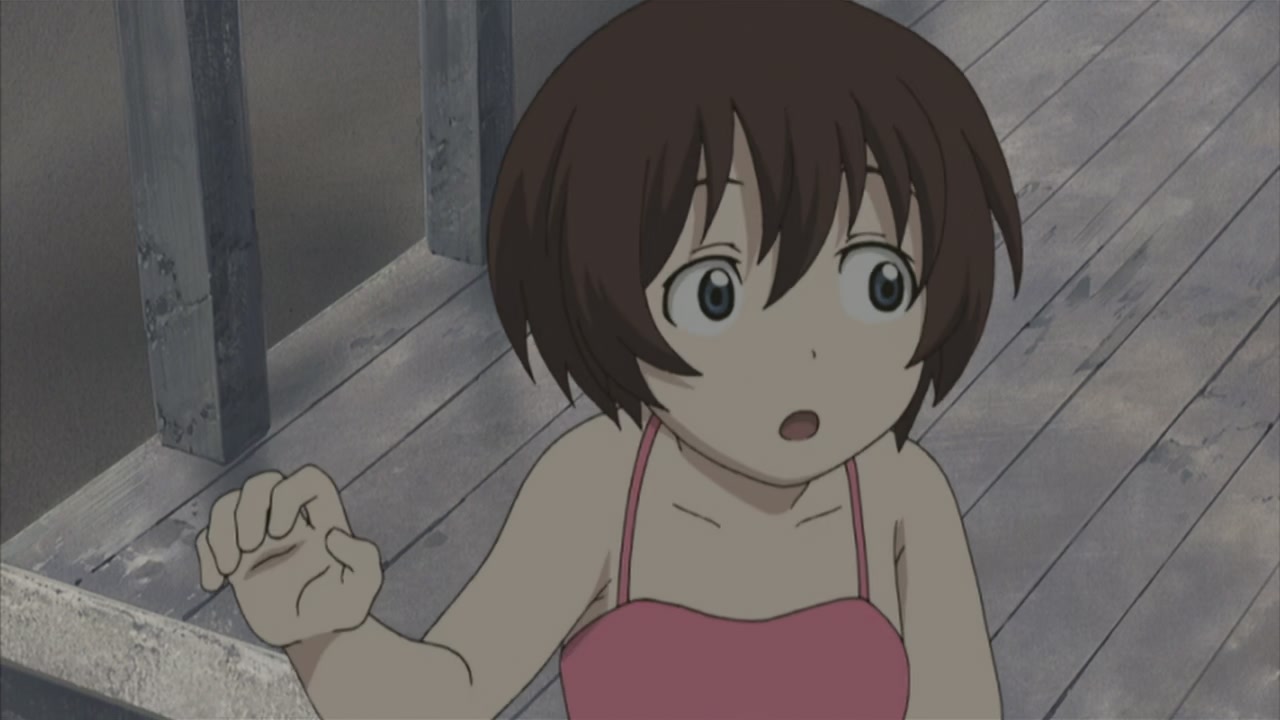
The character designs by Takahiro Chiba prioritize function over flair. Yurie is short, simply dressed, with a bob cut and expressive eyes that communicate her emotional state through subtle shifts. Matsuri has slightly sharper features and more dynamic posing, reflecting her more aggressive personality. Kenji is lanky and slightly unkempt, his hair a bit too long, his posture a bit too casual. These aren’t designs that will launch a thousand figurines, but they serve the story. They make the characters feel like people you might actually encounter in a small Japanese town.
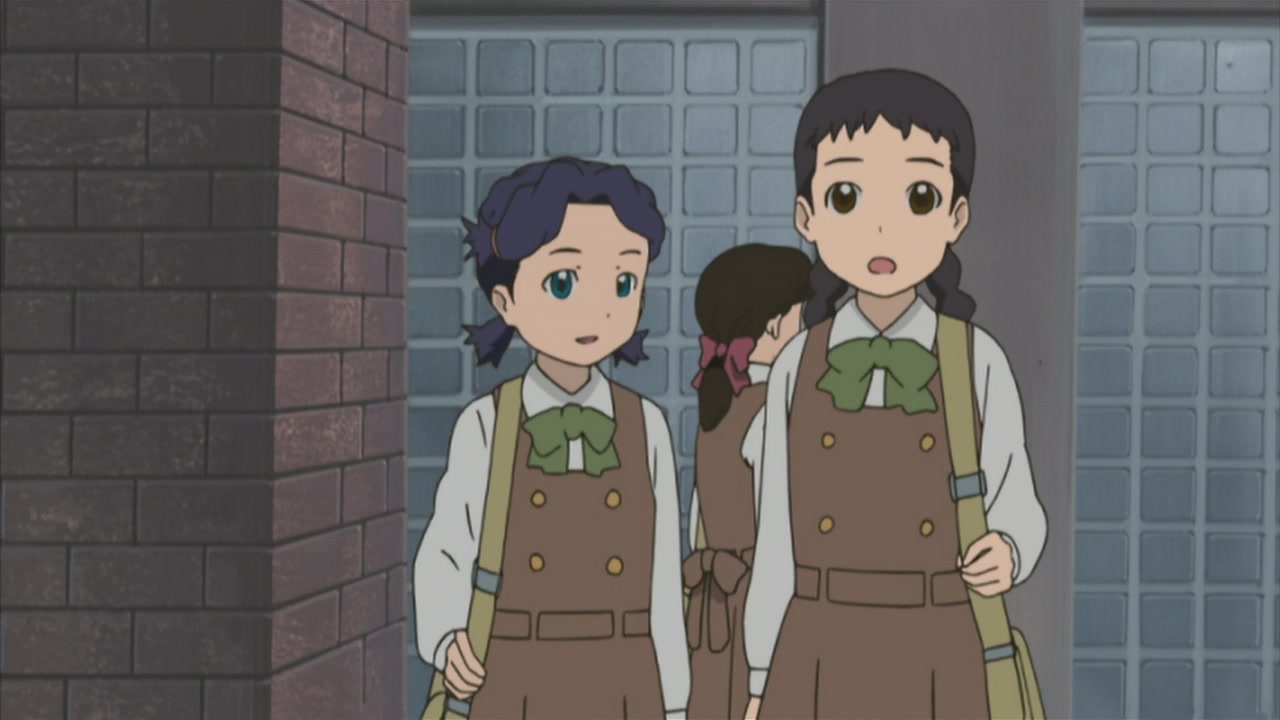
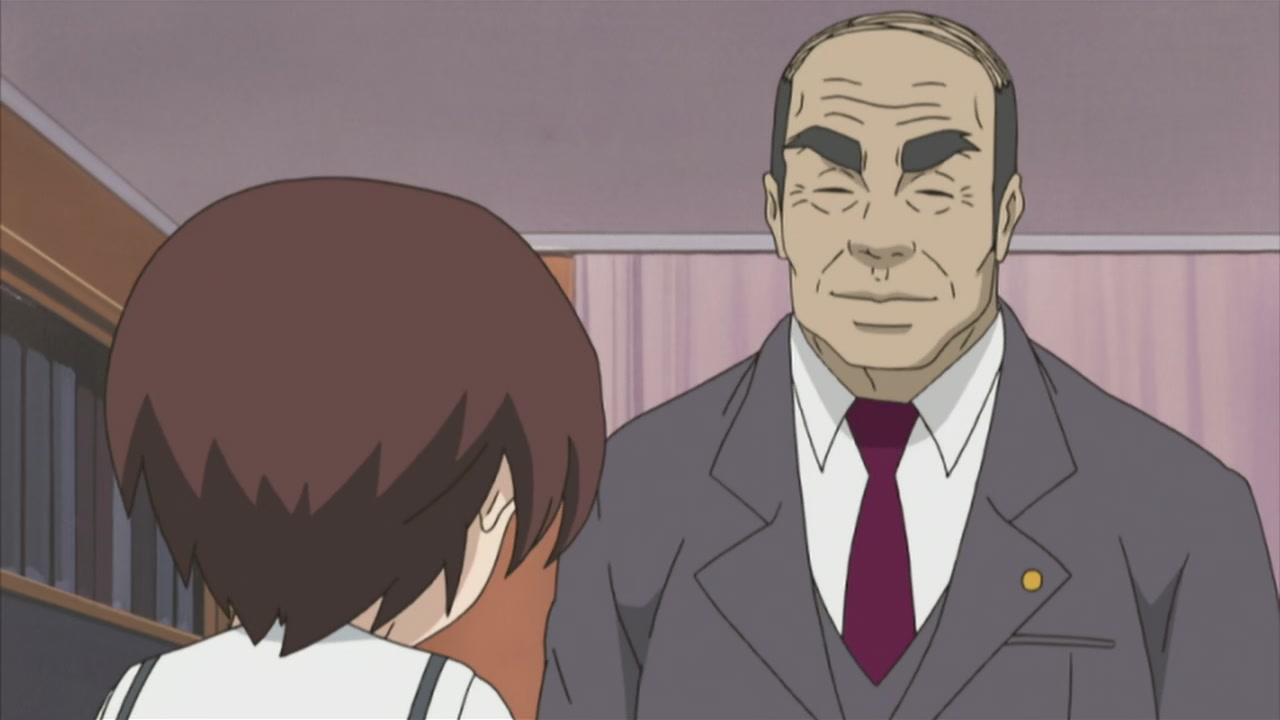
Age differentiation is handled well. Middle school characters have softer features, larger eyes, and rounder faces. Adult characters have more defined bone structure, visible aging, and varied body types. The elderly characters are particularly well-observed, with weathered faces, stooped postures, and the careful movements of people who’ve learned to work around aging bodies. Gen-san, the Yamato veteran, looks like someone who spent decades doing physical labor. The neighborhood association members look like actual old people, not cartoon caricatures of old people.
The character acting is notably restrained. Emotional expression is conveyed through small adjustments, eye movements, slight changes in posture, the tension or release of shoulders, rather than through exaggerated facial expressions or physical comedy. Yurie’s feelings are visible in the way her eyes widen or narrow, the way she holds her hands, the way she sits or stands. This restraint is essential to the series’ tone. It allows the supernatural elements to feel integrated rather than disruptive. When something genuinely extraordinary happens, the characters react with the understated surprise of people for whom the extraordinary has become ordinary.
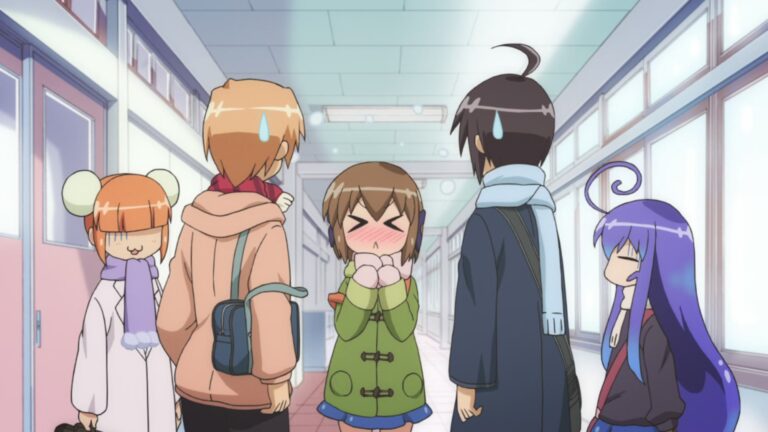
The series does occasionally deploy more expressive modes for comedic effect. Yurie’s embarrassment produces large circular blushes in classic anime style. Tama’s Cat World sequences use broader, more cartoony movement. These shifts in register are deliberate signals that we’ve moved from observational realism into a more stylized mode. The baseline restraint makes these departures land.
Honest Assessment of Limitations
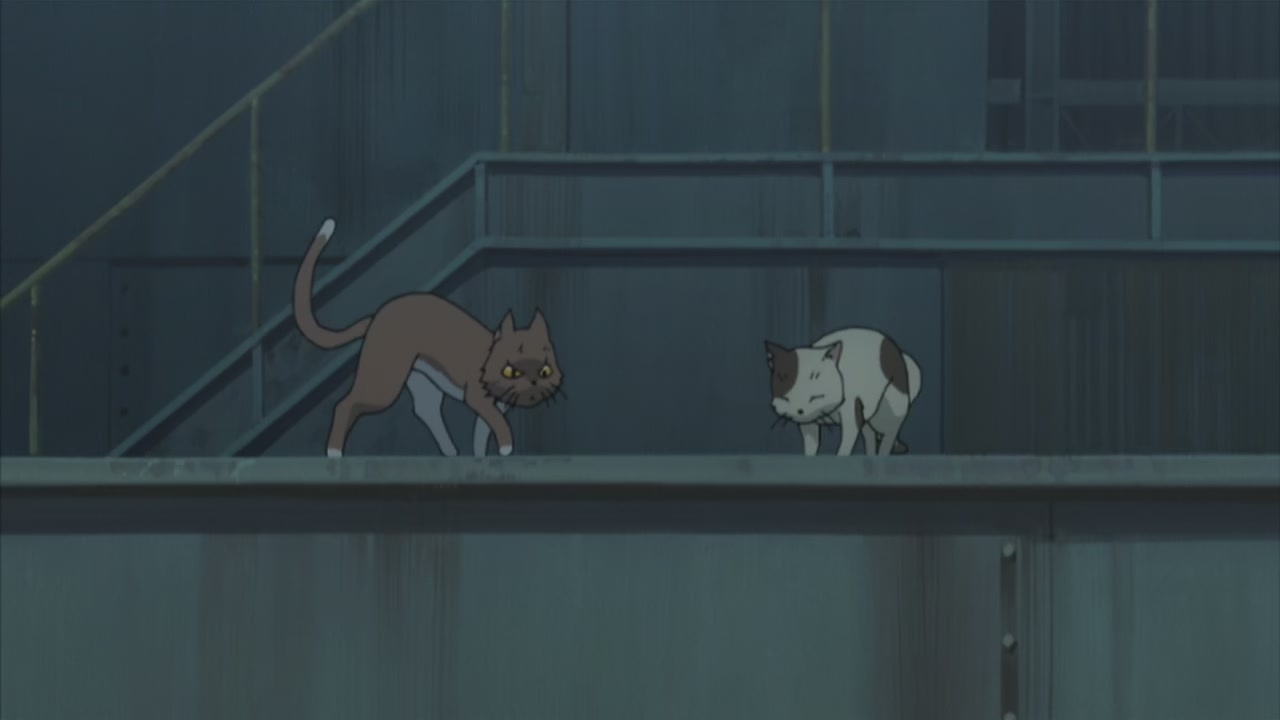
This is not a high-budget production by contemporary standards, and pretending otherwise would be dishonest. Limited animation techniques are used extensively: held frames with moving mouths, pans across static images, off-screen action conveyed through sound effects, repeated walking cycles. Action sequences, particularly the Cat Fight in Episode 8, are functional rather than dynamic, using speed lines and impact frames to suggest movement rather than animating it fully.
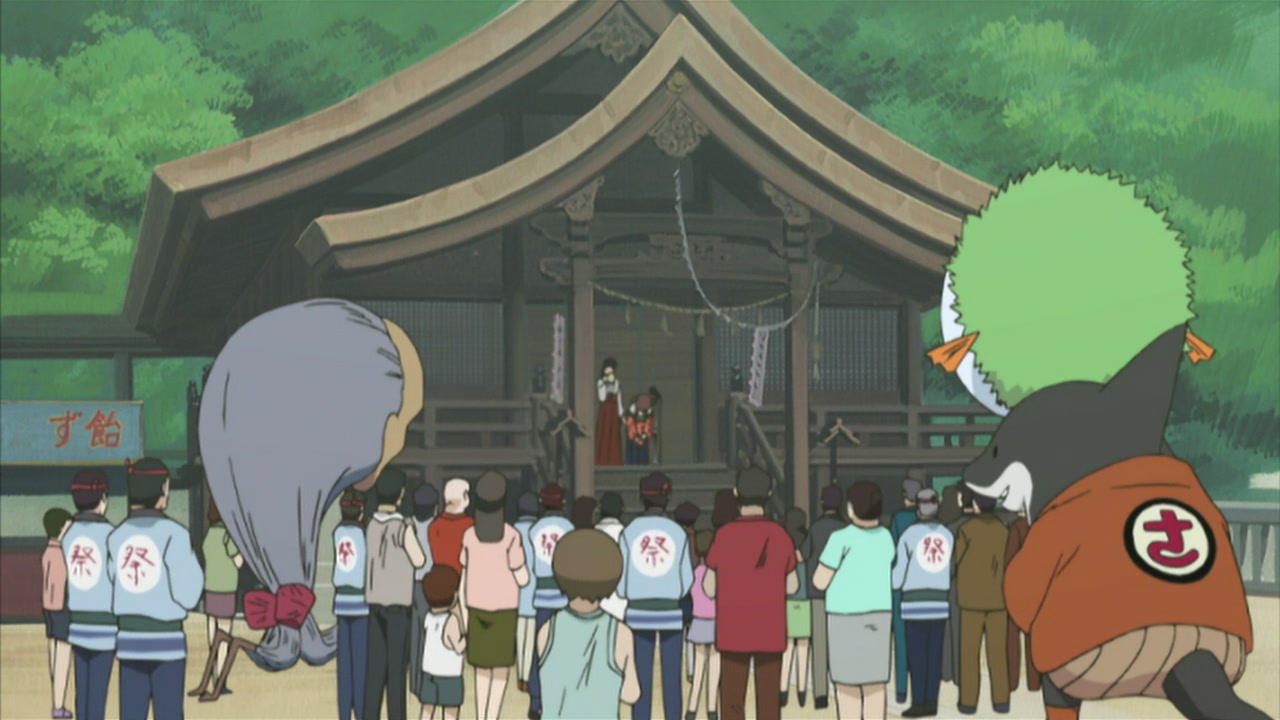
Crowd scenes and wide shots show the constraints most clearly. Background characters are simplified to near-silhouettes. Complex group movement is avoided. The school assembly sequences rely on static crowd layouts with minimal animation. The festival scenes use clever framing to suggest crowds without having to animate them.
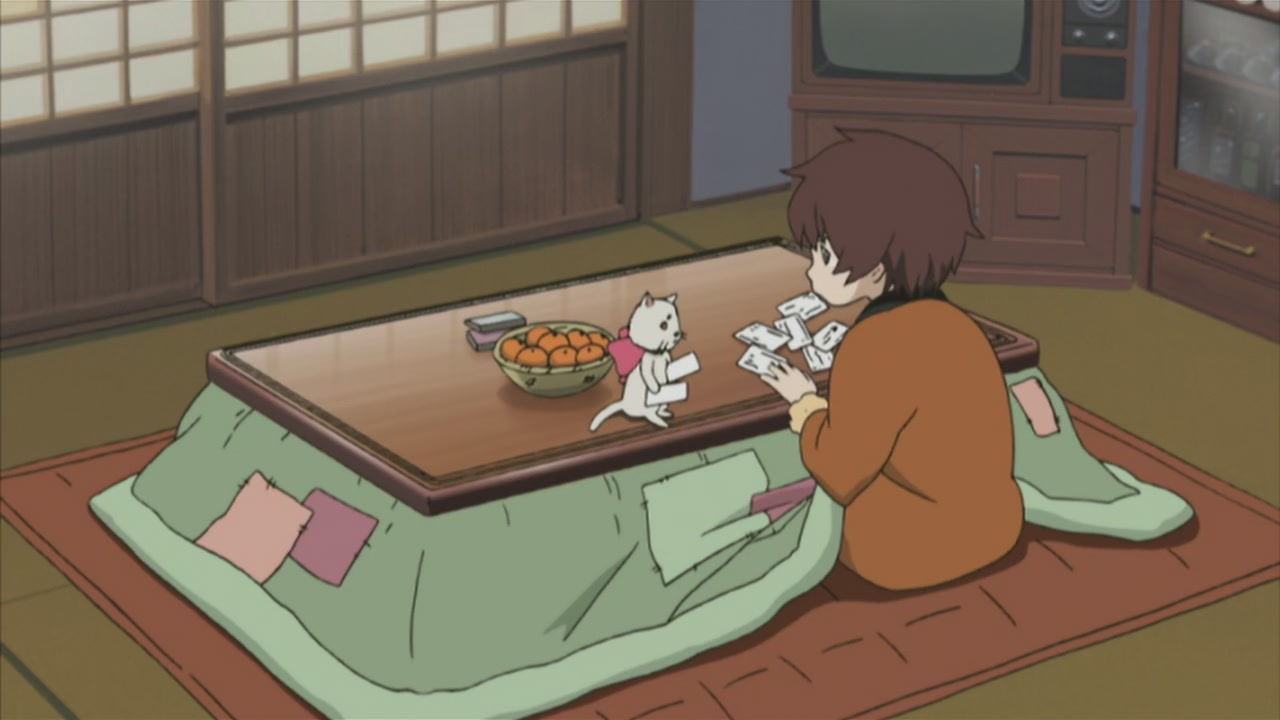
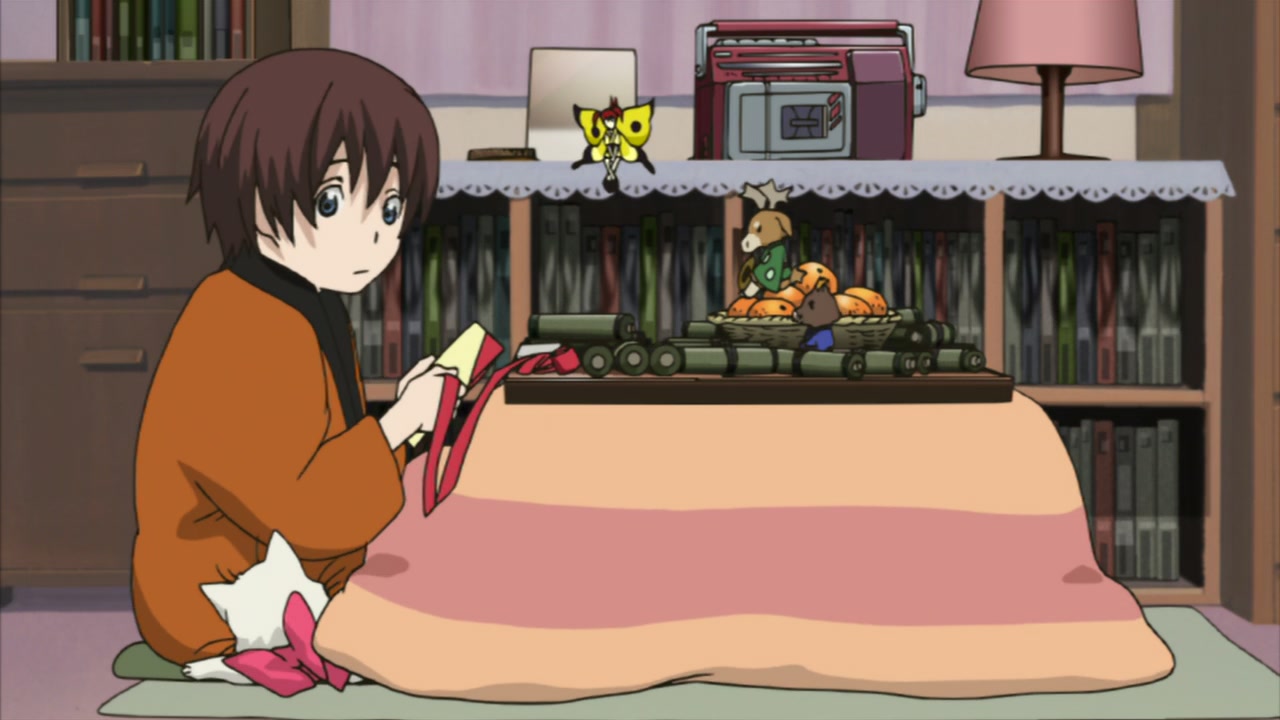
But here’s the thing. Not all stillness is weakness. Kamichu! is a quiet, observational series. Its emotional beats are internal rather than external. The static compositions that characterize many of its most important scenes, Yurie lying under the kotatsu, friends talking in the dark during a sleepover, Kenji writing calligraphy alone on the roof, are aesthetically appropriate to the material. The stillness is the point. This isn’t an action series that couldn’t afford action. It’s a contemplative series that chooses contemplation.
Where the limitations become genuine weaknesses is in transitional moments. Characters walking from one location to another often look floaty and disconnected from their backgrounds. Physical comedy occasionally lacks the timing and follow-through that would make it land. The climactic floating sequence during the Valentine’s Day confession is emotionally powerful but visually static. Yurie and Kenji float, but there’s minimal sense of movement or weightlessness. More resources might have made these moments more visually transcendent.
Digital Elements and Lighting
The series uses digital compositing in ways that are generally tasteful by mid-2000s standards. The “god rays” and lens flares that indicate divine presence are effective when used sparingly but can feel intrusive when overused. The integration of 2D character animation with occasional 3D background elements, notably in some vehicle sequences, shows the limitations of the era’s technology. The 3D elements sit awkwardly against the hand-drawn artwork.
The digital color grading, however, is excellent. The warm amber of afternoon scenes, the cool blues of nighttime sequences, the specific quality of light through paper screens, these are achieved through digital post-processing that enhances rather than overwhelms the underlying art. The series understands that the Seto Inland Sea light is a real phenomenon, that golden glow that filmmakers and photographers have been chasing for decades, and it reproduces that light with obvious care.
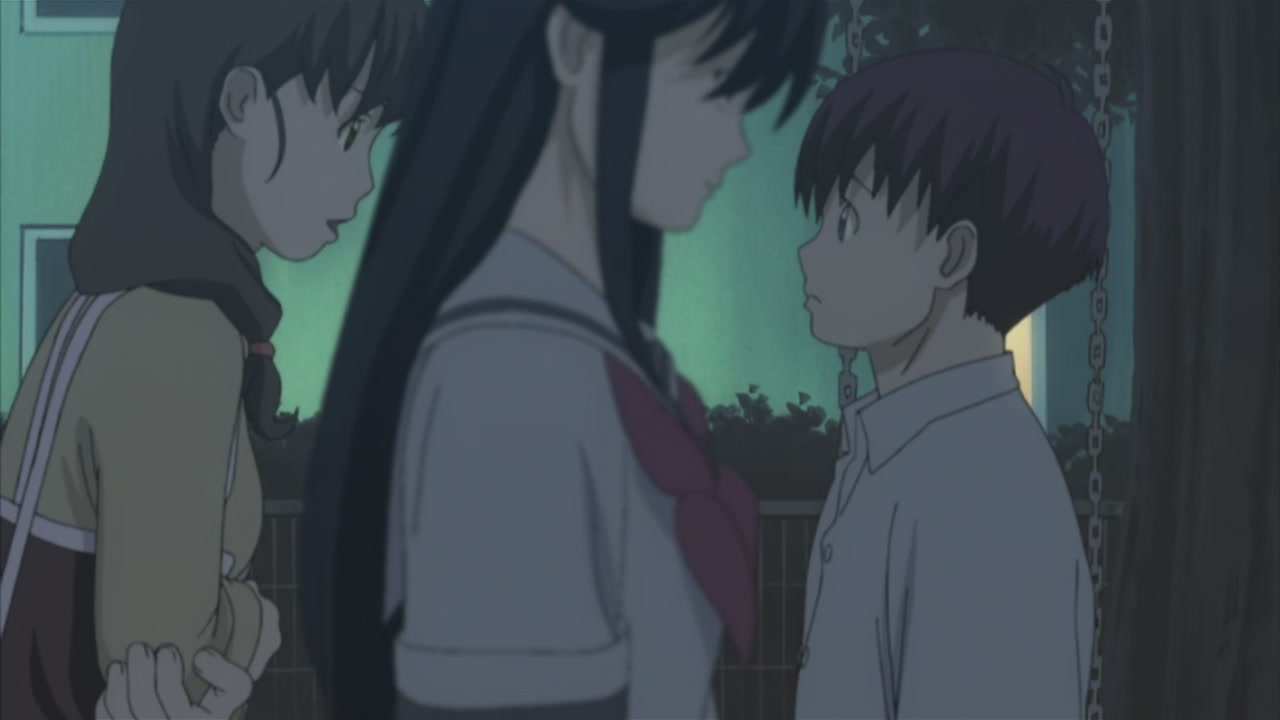
Bokeh effects in background elements create depth without drawing attention to themselves. The shallow depth of field in close-up shots, with backgrounds dissolving into soft circles of color, gives intimate conversations a dreamlike quality that suits the series’ gentle supernaturalism.
Sound and Music
Voice Acting
The seiyuu cast delivers performances that match the series’ restrained tone. MAKO’s Yurie is a particular achievement. She makes Yurie sound like an actual middle schooler, hesitant, sometimes mumbly, prone to squeaking when embarrassed, rather than a polished anime archetype. The trembling in her voice during the confession scene isn’t theatrical. It sounds like someone genuinely terrified who’s forcing herself to speak anyway. It’s one of those performances that’s easy to underrate because it never calls attention to itself, but it’s doing exactly what the series needs.
Matsuri’s voice work, by Ai Nonaka, captures the character’s energy without becoming grating. She can shift from brash enthusiasm to genuine vulnerability without either mode feeling false. Mitsue’s performance is appropriately understated, deadpan when needed but warm underneath. Kenji’s voice acting, by Issei Miyazaki, maintains his characteristic calm even in moments of emotional revelation, making his eventual confession feel like a genuine breakthrough rather than a personality transplant.
The supporting cast is uniformly solid. Bin-chan’s melancholy politeness, Yashima-sama’s whiny enthusiasm, the God Association president’s theatrical flair, the Martian girl’s alien formality, all are rendered with specificity and care. No one is phoning it in, even in bit parts.
Sound Design and Atmosphere
The series’ sound design emphasizes environmental atmosphere. The chirping of cicadas in summer scenes, the distant sound of waves at the beach, the rustle of wind through shrine trees, these ambient elements create a sense of place that supports the detailed background art. The soundscape of Onomichi is present in every scene: the echoing footsteps on temple stairs, the distant train announcements, the particular quiet of a small town at night.
The supernatural elements get subtle sonic treatment. Divine presence is often signaled by a quiet shimmer or a shift in ambient tone rather than dramatic stingers. When Yurie uses her powers, there’s a whooshing quality that suggests movement rather than impact. The gods’ world has its own acoustic signature, slightly echoey, slightly distant, as if you’re hearing it through a layer of reality.
Opening and Ending Themes
The opening theme, “Fairweather Forecast” by Maho, is a gentle pop track that sets the series’ tone perfectly. It’s upbeat without being aggressive, melodic without being saccharine, with lyrics about love and weather that mirror Yurie’s emotional journey. The animation accompanying it is a pleasant montage of character moments and location shots that effectively introduces the cast and setting.
The ending theme, “Ice Candy” by MAKO (Yurie’s voice actress), is softer and more reflective, a wind-down piece that reinforces the series’ contemplative mood. MAKO’s performance here is notably different from her character work, sweeter and more conventionally musical, but it works as a closing note for each episode.


Overall Verdict
Kamichu! is a minor masterpiece of tone. It’s not flashy. It’s not fast. It won’t generate viral clips or dominate convention cosplay. What it does is harder and rarer. It creates a world that feels real, populates it with characters who feel like people you might know, and tells stories about them that accumulate into something genuinely moving.
The series understands something that many more ambitious anime miss: the sacred and the mundane aren’t opposites. They’re the same thing viewed from different angles. A girl eating breakfast while her possessed cat complains about dried sardines is, if you’re paying attention, as miraculous as a battleship spirit coming home. A friend delivering an honest campaign speech is as holy as a divine convention. Love confessed on a rooftop, awkward and trembling, is as powerful as any magic.
This is fundamentally a Shinto sensibility. It’s about finding the divine in the everyday, honoring the spirits in everything, and recognizing that connection, to people, to places, to the past and future, is the highest form of worship. Yurie’s journey from “I became a god” to “I want to hear your voice” isn’t about gaining power. It’s about learning to be present.
Who is this for? Anime fans who love Aria, Natsume’s Book of Friends, Mushishi, or any series that prioritizes atmosphere and character over plot mechanics. Viewers with an interest in Japanese spirituality who want to see it depicted accurately and affectionately. Anyone who’s ever felt like nothing interesting happens to them and needs to be reminded that interesting things aren’t found. They’re made, together, in the small moments between grand events.
Who is this not for? Viewers who need action, dramatic escalation, or clear-cut resolutions. Fans of tight plotting and rapid pacing. Anyone who finds “nothing happens” to be a valid criticism of a work whose subject is exactly the texture of ordinary life.
The final image of the series is Yurie ringing the temple bell at dawn, 108 times, the traditional Buddhist number for cleansing worldly desires. She’s alone but not lonely. She’s peaceful. She’s present. She’s spent a year figuring out what kind of god she is, and the answer, it turns out, is the same as the answer to what kind of person she is. Someone who cares. Someone who tries. Someone who’s learned that being divine doesn’t mean being perfect. It means being there.
That’s a quiet conclusion for a series that never raised its voice. It’s exactly right.
Gallery