



Introduction
Some anime announce their intentions with a shout. Others whisper. sola belongs firmly in the second category. It begins with a boy, a camera, and a girl kicking a vending machine at four in the morning because her tomato bean soup got stuck. What sounds like the setup for a quirky romantic comedy slowly peels back its layers to reveal something far stranger and more melancholy: a meditation on fabricated existence, the weight of immortal loneliness, and love that must eventually learn to let go.
The series follows Morimiya Yorito, a high school student whose obsession with photographing the sky borders on religious devotion. He chases sunrises, catalogues cloud formations, and skips class whenever the light is right. One predawn outing brings him face to face with Shihou Matsuri, a peculiar girl who seems baffled by vending machines and speaks with the bluntness of someone who has never learned to be self-conscious. She also, it turns out, cannot step into direct sunlight without burning to ash. Matsuri is a Yaka, an immortal being of the night, and her chance meeting with Yorito sets in motion events that will unravel the very fabric of his identity.
What elevates sola above its premise is the sincerity with which it treats its ideas. This is not a story about saving the world. No grand evil threatens the earth. The stakes are achingly personal: one sister who refused to accept her brother’s death, one immortal who has never seen the blue sky, and one fabricated boy who must decide whether his borrowed life is worth continuing. I went into this series expecting a gentle fantasy romance. I came out genuinely moved, with that specific ache reserved for stories where characters choose to break their own hearts for the sake of someone they love.
This is a series for viewers who enjoy the slow-burn supernatural dramas of the mid-2000s, the kind associated with Key and Visual Art’s adaptations like Air or Kanon. If you have patience for deliberate pacing and a tolerance for melodrama that commits fully to its emotional convictions, sola rewards that investment handsomely.
Story and Themes
Narrative Architecture and Pacing
sola runs for thirteen episodes, and its structure can be divided roughly into three movements. The first movement, spanning episodes one through six, establishes the domestic comedy-drama. Yorito shelters Matsuri in his home, their daily routines develop, and the primary source of tension is whether Mana (Yorito’s childhood friend) will discover the strange girl living in his house. The tone is light, punctuated by Matsuri’s attempts to “fix” broken appliances by kicking them and Yorito’s exasperation at her complete lack of modern common sense.
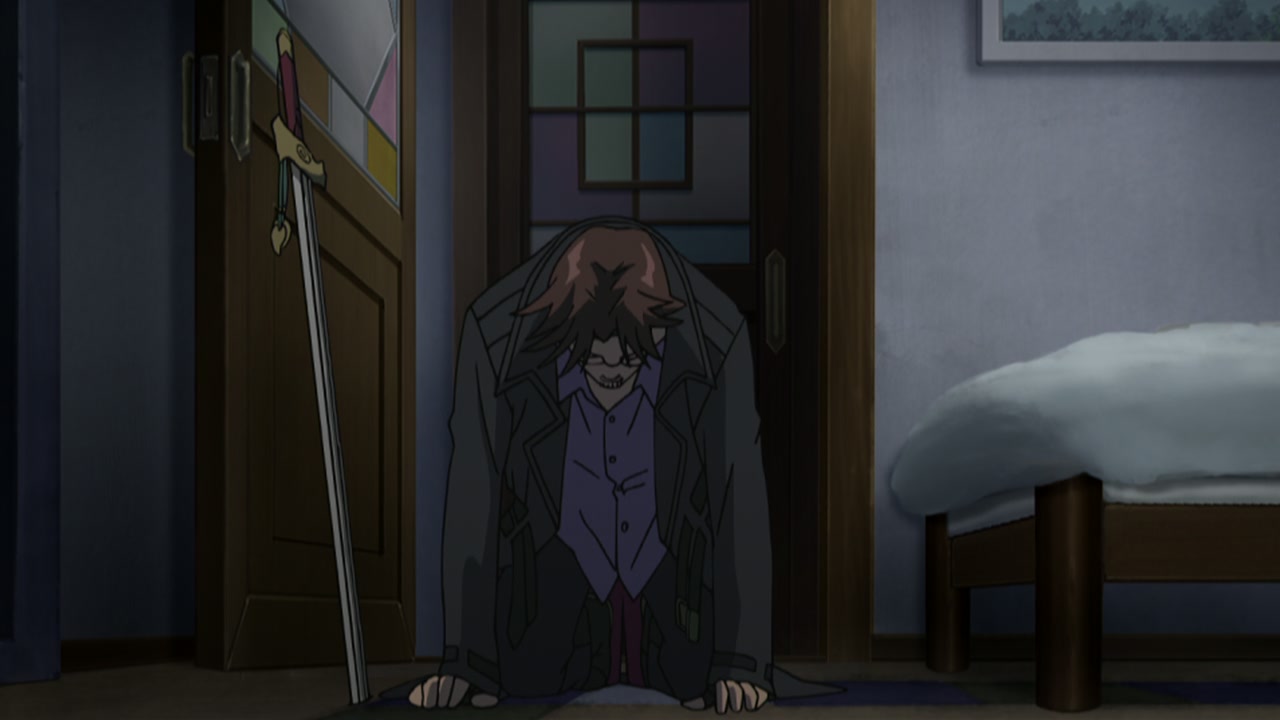
The second movement, episodes seven through ten, marks a sharp tonal shift. Matsuri disappears. Yorito’s memories begin to fracture. The series reveals that Aono, Yorito’s older sister, has been erasing his recollections of Matsuri. The comfortable world of the first half unravels, and the viewer is plunged into a psychological drama where the protagonist’s own mind has become unreliable. This segment contains some of the most distressing material in the series: Yorito lying on the floor blankly repeating “Matsuri isn’t here anymore,” his consciousness hollowed out by his sister’s desperate attempts to protect him.
The third movement, episodes eleven through thirteen, is the culmination. The full backstory emerges: the original Yorito died centuries ago, and the present-day Yorito is a paper construct animated by Aono’s Yaka powers. He is a memory given flesh, sustained only by his sister’s refusal to grieve. With this knowledge, the characters make their choices. Matsuri decides to sacrifice her immortal existence to restore Aono’s humanity. Yorito accepts that he must vanish along with the powers that sustain him. The finale does not offer a happy ending in the conventional sense, but it offers something more resonant: closure, release, and the quiet suggestion that nothing truly loved is ever entirely lost.
Some viewers may find the first half too leisurely, too invested in small domestic moments that seem to delay the plot. I would argue that this leisure is essential. The weight of the later revelations depends entirely on our investment in the mundane happiness these characters share. When Matsuri buries her face in a sun-dried futon and whispers “So this is the warmth of daylight,” the scene lands because we have spent hours watching her exist in the shadows. When Yorito’s memories are stolen, we feel the violation because we have watched those memories being made.
The Sky as Governing Metaphor
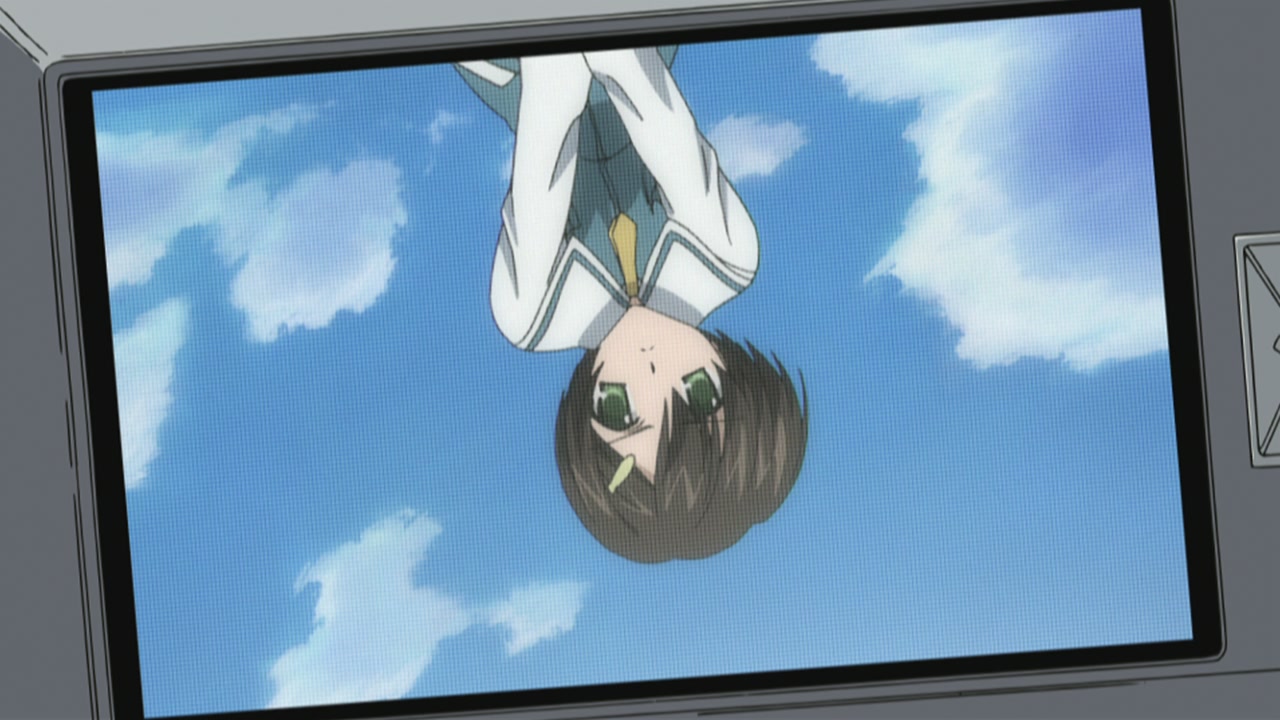
The sky is the central symbol of sola, and the series returns to it with almost obsessive consistency. Yorito’s opening monologue establishes the terms: “The moment when the night changes into blue sky… that instant.” His photography is an attempt to capture something that can never be repeated, because “no two skies are the same.” This philosophy extends to the series’s understanding of life itself. Every existence is unique, unrepeatable, and worth preserving, even if only in memory.
The sky also functions as the boundary between two worlds. Yakas can never stand under the open blue sky without being destroyed. They belong to the night, to rain, to the spaces humans abandon when they sleep. The chant that recurs throughout the series—”When the night falls for the people, and the voices of people disappear, the dwellers of night step into darkness”—frames Yakas as beings born from human suffering, the discarded pain that people “throw away” in sleep so they can wake with a lightened heart. Matsuri’s longing for the sky is not merely aesthetic; it is a longing to participate in the world of the living, to be something other than a repository of forgotten anguish.
When Yorito promises to show Matsuri the real sky, he is making a vow that can only be fulfilled through death. Either she dies as a Yaka and sees the sky in her final moment, or she becomes human and loses her immortality. The promise contains its own impossibility, and both characters sense this long before they can articulate it. The series’s final image of Matsuri, bathed in dawn light as she fades with a smile, is the fulfillment of that promise and its tragic cost rendered visible.
Authenticity and Fabricated Identity
The philosophical core of sola is the question of what makes a person real. Yorito is a “paper doll,” a facsimile created by Aono’s grief. He has the memories of the original Yorito, the personality of the original Yorito, and presumably the same face. But he is not that boy, and the series does not allow him to hide from this truth.
What makes the treatment of this theme compelling is that Yorito does not respond to the revelation with existential despair alone. He experiences confusion, grief, and a temporary mental collapse. But he also arrives at a kind of defiance. He tells Matsuri in episode ten that he wants to return Aono to normal, even knowing it means his own erasure. When Matsuri tells him he does indeed exist—”You can kiss. You can hold others’ hands. You do indeed exist here”—the series offers a pragmatic definition of personhood. It does not matter where you came from. What matters is that you can think, feel, choose, and love.
This pragmatism extends to the series’s handling of memory. Aono has been erasing Yorito’s memories to protect him from the pain of knowing what he is. But the erased memories leave a void, and Yorito’s mind keeps reaching for what was taken. The series suggests that memory, even painful memory, is constitutive of identity. To remove it is to damage the person, not to protect them. Mana’s furious declaration—”I definitely won’t forget you!”—becomes the series’s moral counterpoint to Aono’s erasures. Memory is a form of love, and the refusal to forget is an act of defiance against the forces that would make loss meaningless.
Sacrifice as the Architecture of Redemption
Sacrifice in sola is not a single climactic event but a chain of interconnected offerings. The original sacrifice was Aono, offered to the Yaka by her village. Matsuri, instead of killing her, transformed her into a Yaka—a mercy that became a curse. The original Yorito died trying to save his sister from that fate. Aono, unable to accept his death, sacrificed her powers to create a duplicate. Matsuri, centuries later, sacrifices her immortality to restore Aono’s humanity. The fabricated Yorito sacrifices his existence so that Aono can finally live as a human.
This chain creates a kind of circular economy of life force that the series treats with genuine moral weight. No sacrifice is clean. Every offering creates complications for someone else. Matsuri’s choice to spare Aono led to the creation of a false existence and centuries of suffering. Aono’s choice to create Yorito trapped both of them in a relationship built on a lie. The final sacrifice by Matsuri and Yorito is an attempt to break the chain, to return things to their natural order, but the series does not pretend this is a happy resolution. Aono wakes human and alone, under the sky she could never appreciate as a Yaka, finally free to grieve. It is a bittersweet kind of mercy.
Cultural Elements and Context
The series draws loosely on Japanese folkloric traditions while creating its own mythology. The term “Yaka” is invented for the series, combining characters for “night” and “calamity,” but the concept echoes familiar tropes of beings that exist in darkness and feed on or are created by human emotion. The ritualistic chanting in the church, the village sacrifice narrative in the backstory, and the idea of transferring life force through a sacred sword all gesture toward Shinto and Buddhist conceptions of spirit, offering, and purification without committing to any specific tradition.
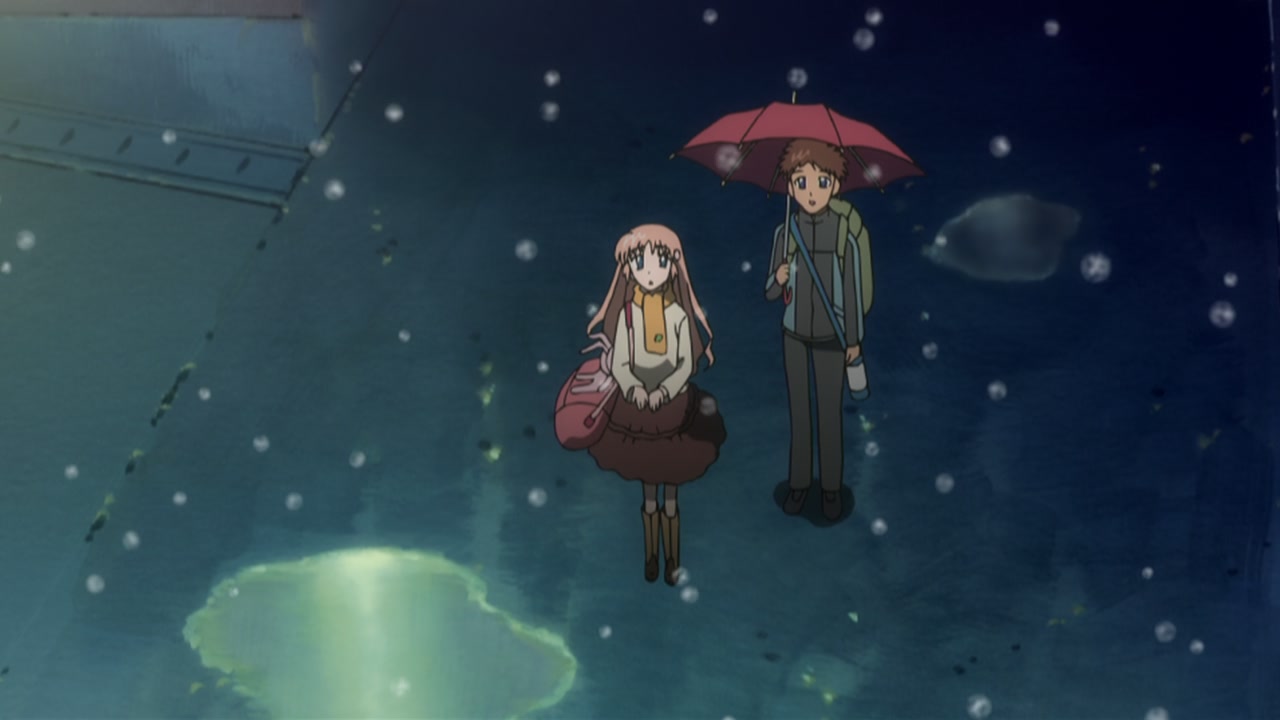
The seasonal and meteorological sensitivity throughout the series reflects the Japanese aesthetic of mono no aware, the bittersweet awareness of transience. Cloud types are named with specificity. The quality of light at different times of day is treated as meaningful. Rainy days become opportunities for intimacy precisely because they allow Matsuri to go outside under an umbrella, simulating the sky she cannot touch. This attention to weather as an emotional register is one of the series’s quiet strengths.
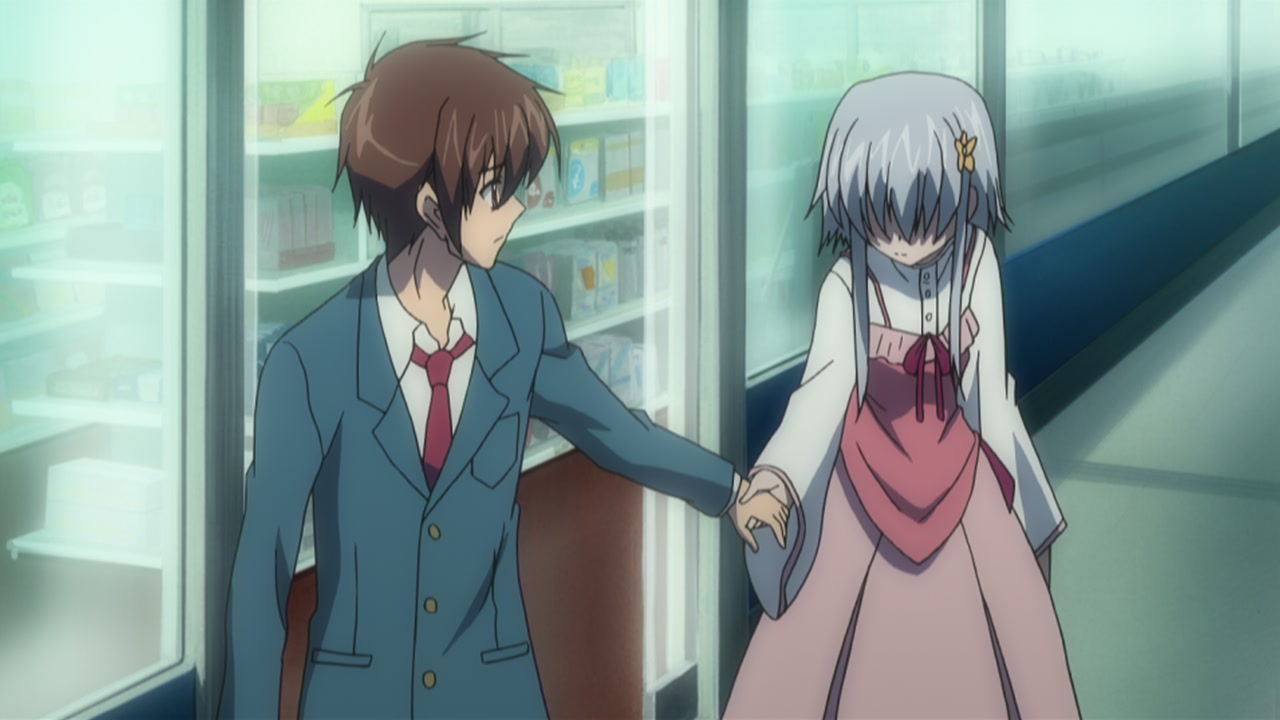
The modern elements, meanwhile, anchor the supernatural story in recognizable daily life. Matsuri’s tomato bean soup is a running joke, but it also represents her connection to mundane human pleasures. The vending machine where she and Yorito meet, the convenience stores Takeshi frequents for increasingly absurd onigiri flavors, the family restaurant where Mana works—these are not glamorous settings, and that is the point. sola roots its supernatural drama in the most ordinary of spaces, suggesting that the extraordinary exists alongside the everyday for those who know where to look.
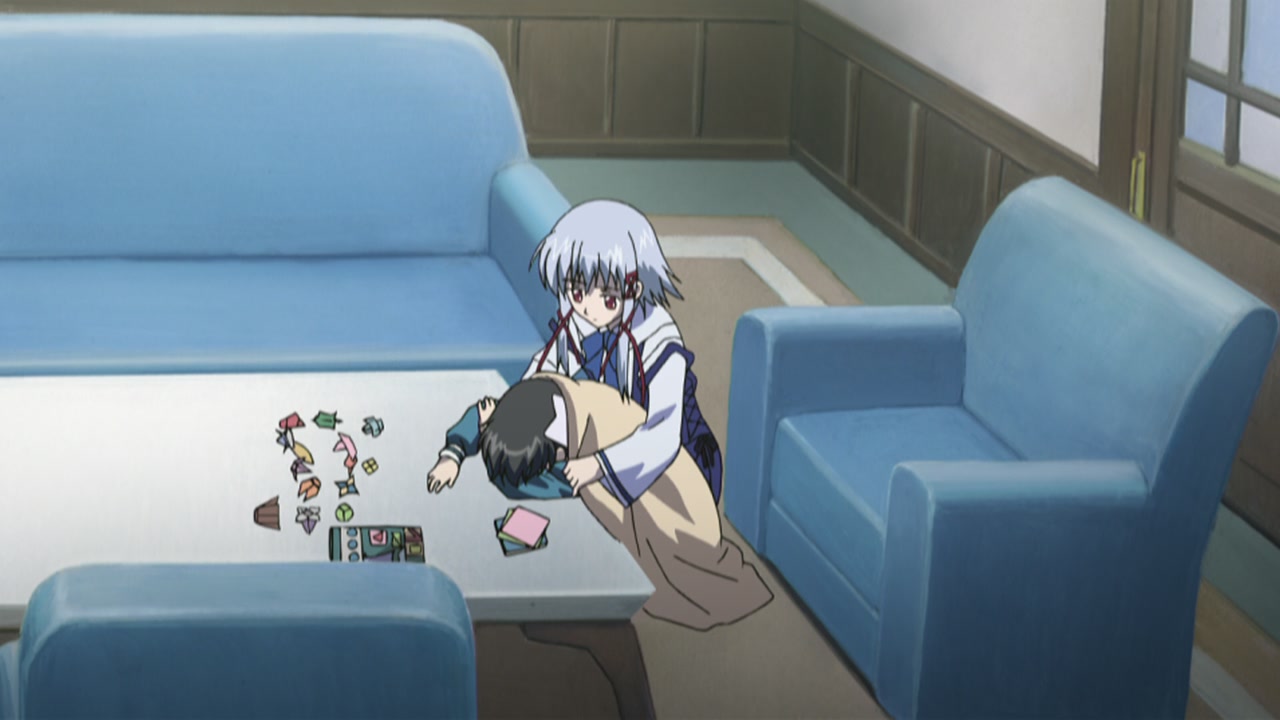
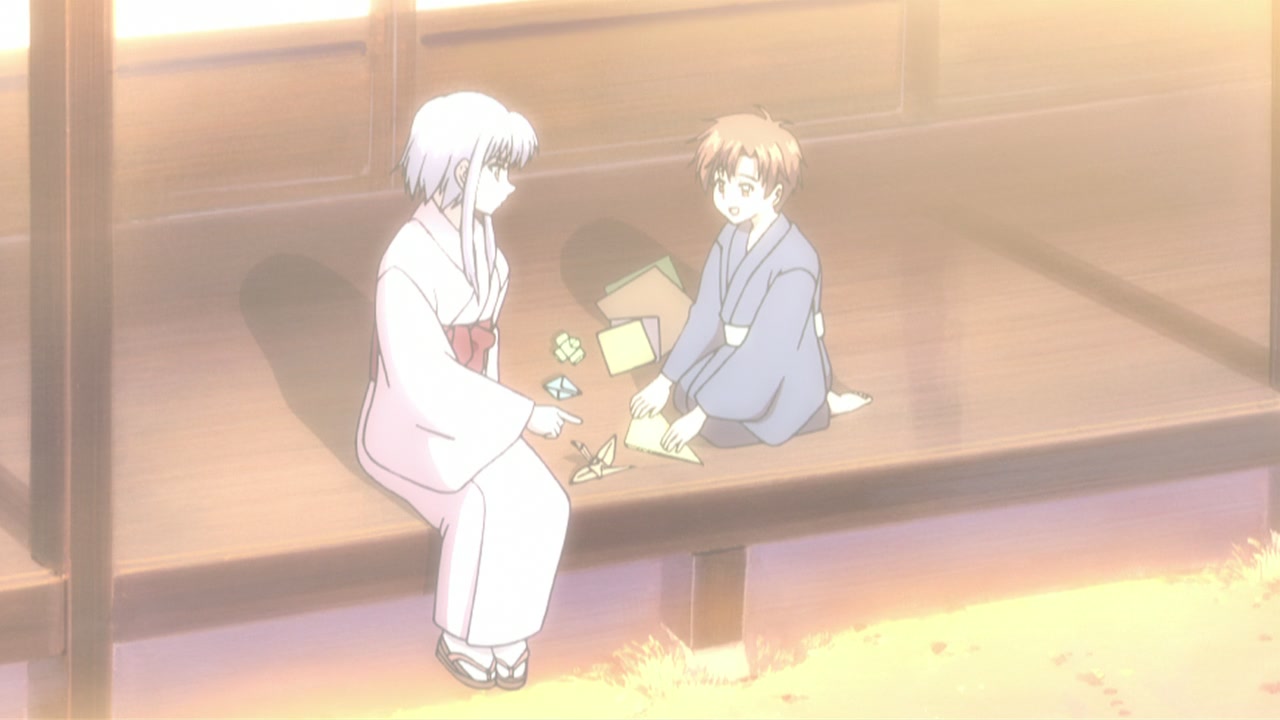
Origami deserves special mention as a recurring motif. Aono’s paper folding is her primary mode of creative expression, a way of building delicate structures from nothing. The parallel to her creation of Yorito is deliberate. But origami also becomes a vehicle for transmission and legacy. She teaches Koyori, and in the epilogue we see Koyori passing the craft to a new girl. Paper creations outlast their creators. The series ends with the suggestion that love, like origami, can be folded into shapes that persist even when the hands that made them are gone.
Characters
Morimiya Yorito: The Phantom Who Chose
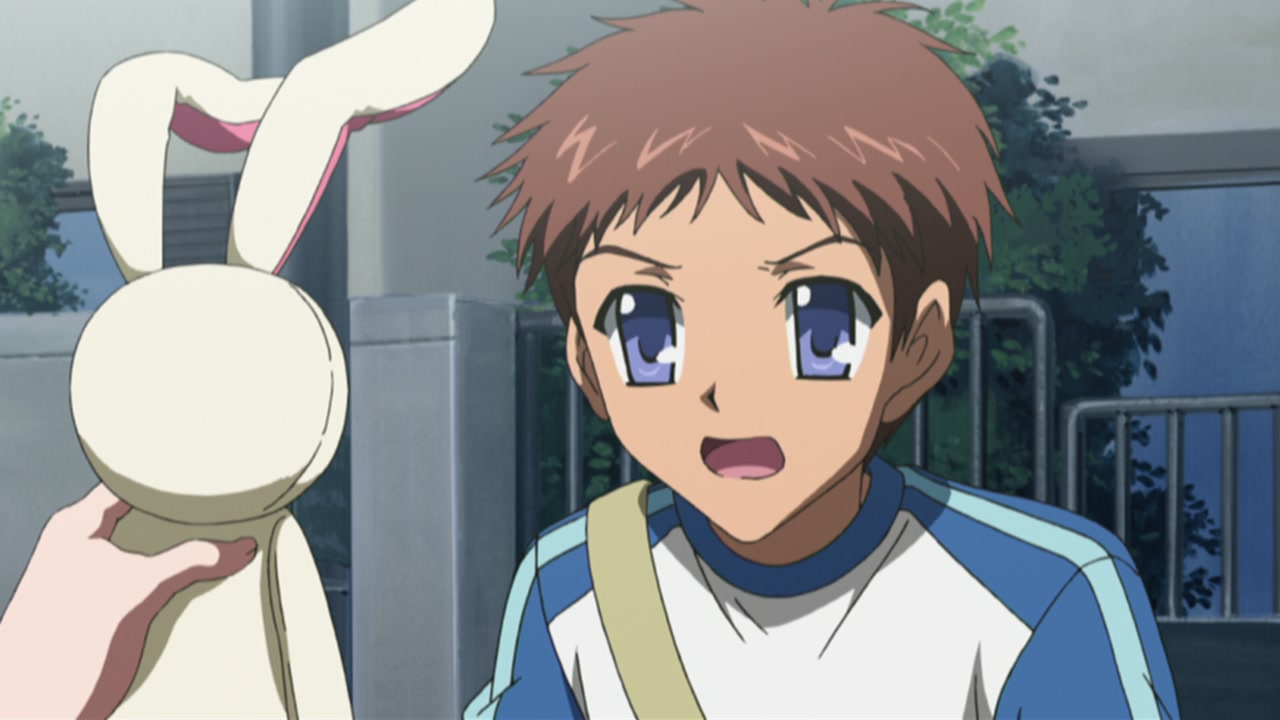
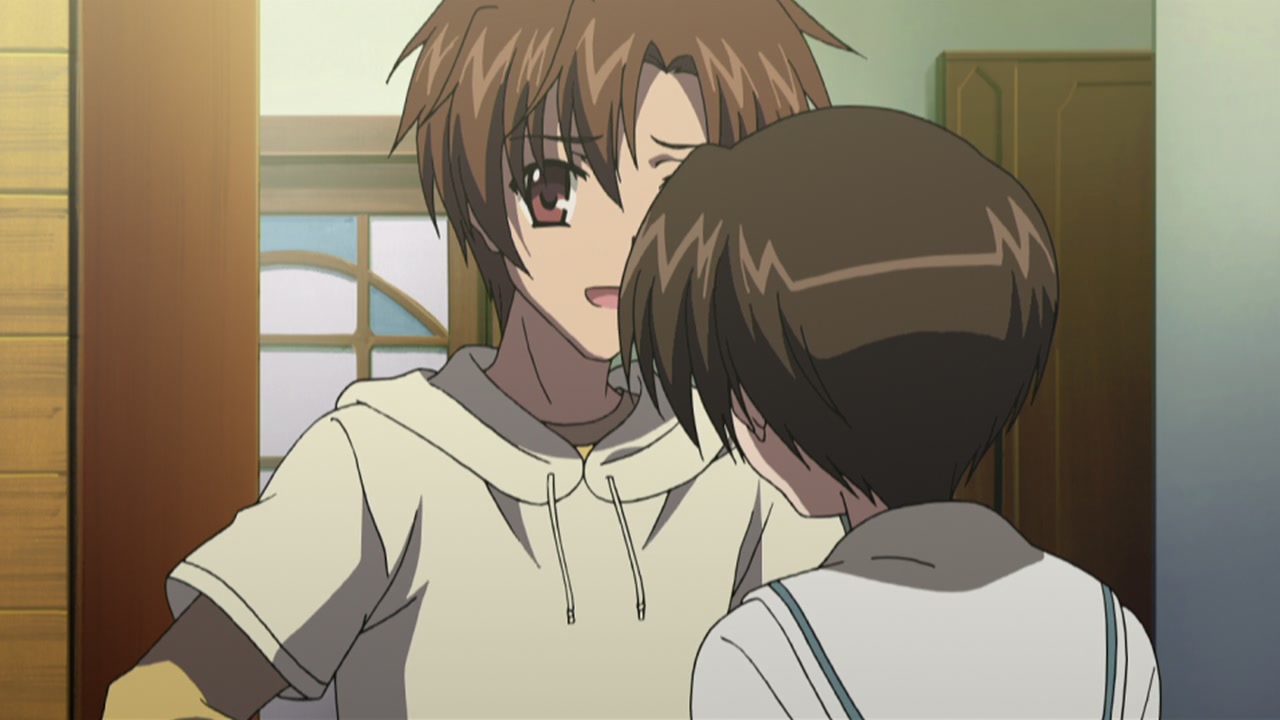
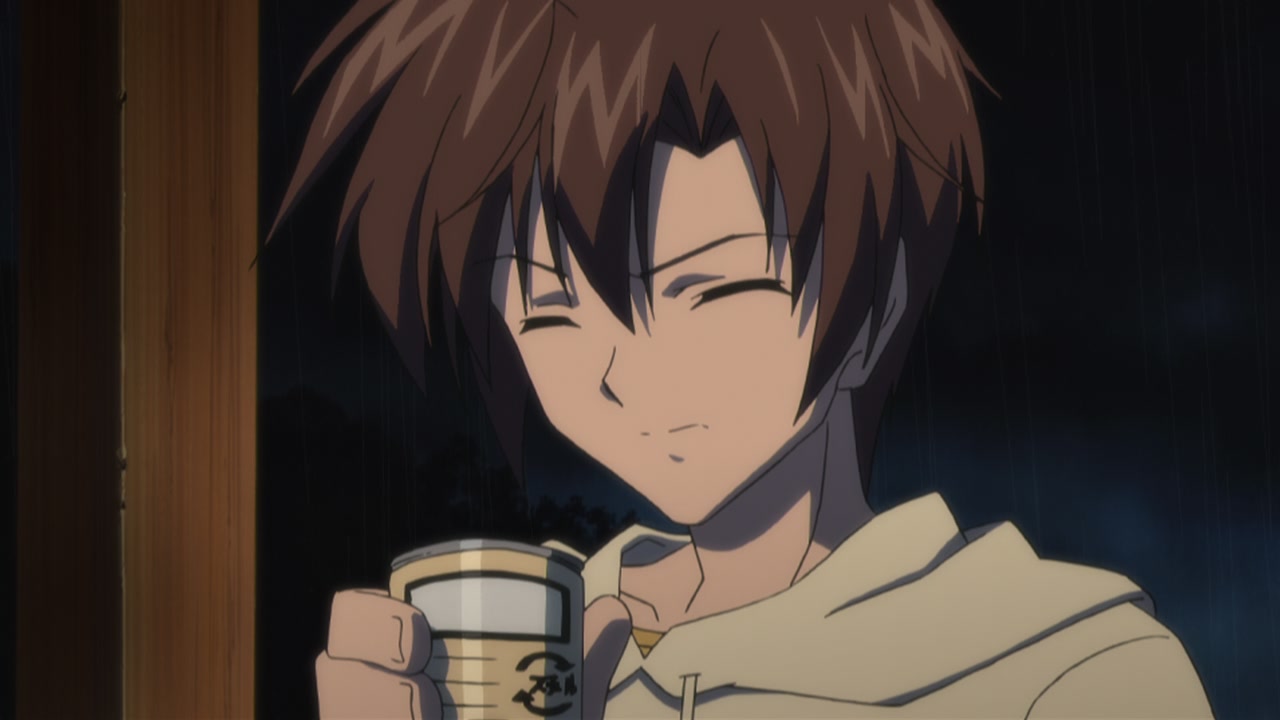
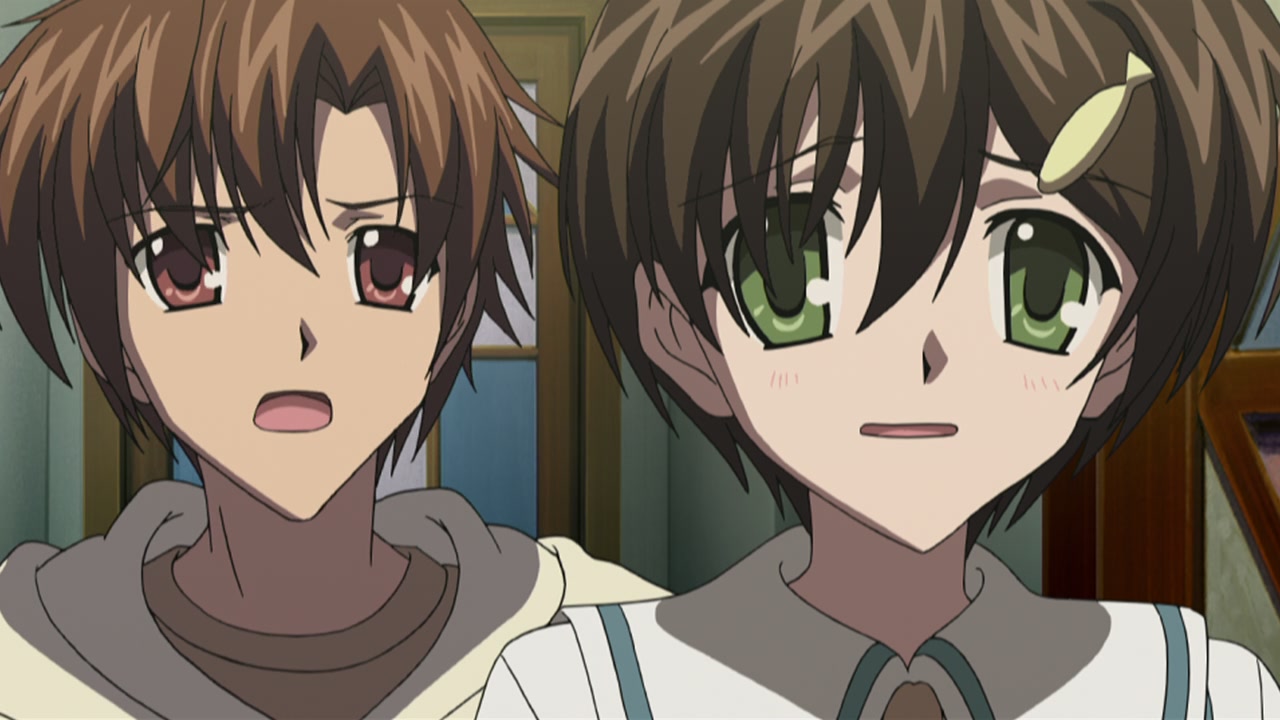
Yorito’s defining trait in the early episodes is a gentle, slightly directionless enthusiasm. He is kind without being assertive, passionate about his photography without being ambitious about anything else. This passivity makes narrative sense once the truth of his nature is revealed: he is not a person with a history but a construct built to fill a specific emotional role. He exists to be Aono’s brother, and his personality is shaped entirely around that function.
Yet Yorito does not remain a passive vessel. His growing attachment to Matsuri, his resistance to Aono’s memory erasures, and ultimately his decision to end his existence all demonstrate agency that exceeds his programming. The fabricated brother becomes more real than the original by making choices the original never had to face. When he tells Aono in the climactic confrontation that the real Yorito would have made her anxious, that “things will work against you, and bad things do happen. You can’t stop them from happening,” he is articulating an understanding of life that a mere copy should not possess. He has learned what the original never had to learn: that love does not protect you from pain, and that protecting someone from pain is not the same as loving them.
His dynamic with Matsuri is the relationship that catalyzes this growth. She is the first person who knows what he is and still reaches toward him without the entanglement of guilt or obligation that defines his relationship with Aono. Their scenes together have an ease that his interactions with others lack, a sense of two people seeing each other clearly for the first time.
Shihou Matsuri: The Immortal Who Yearned
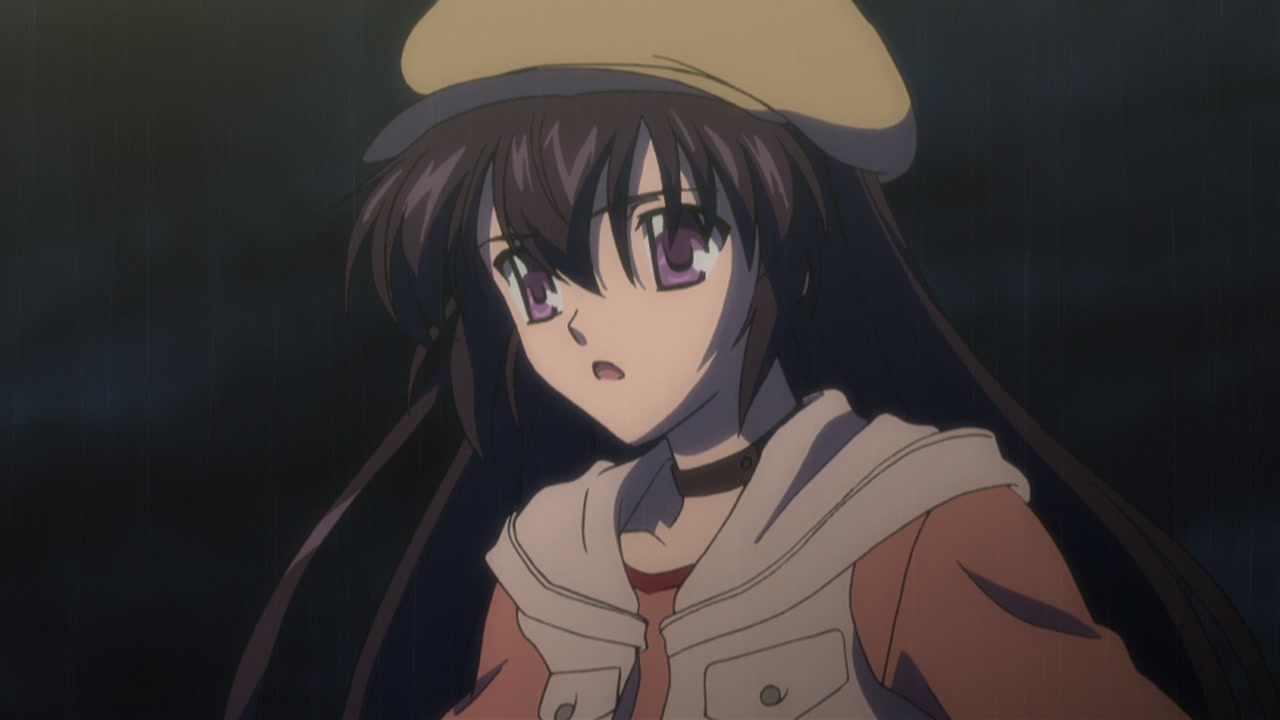
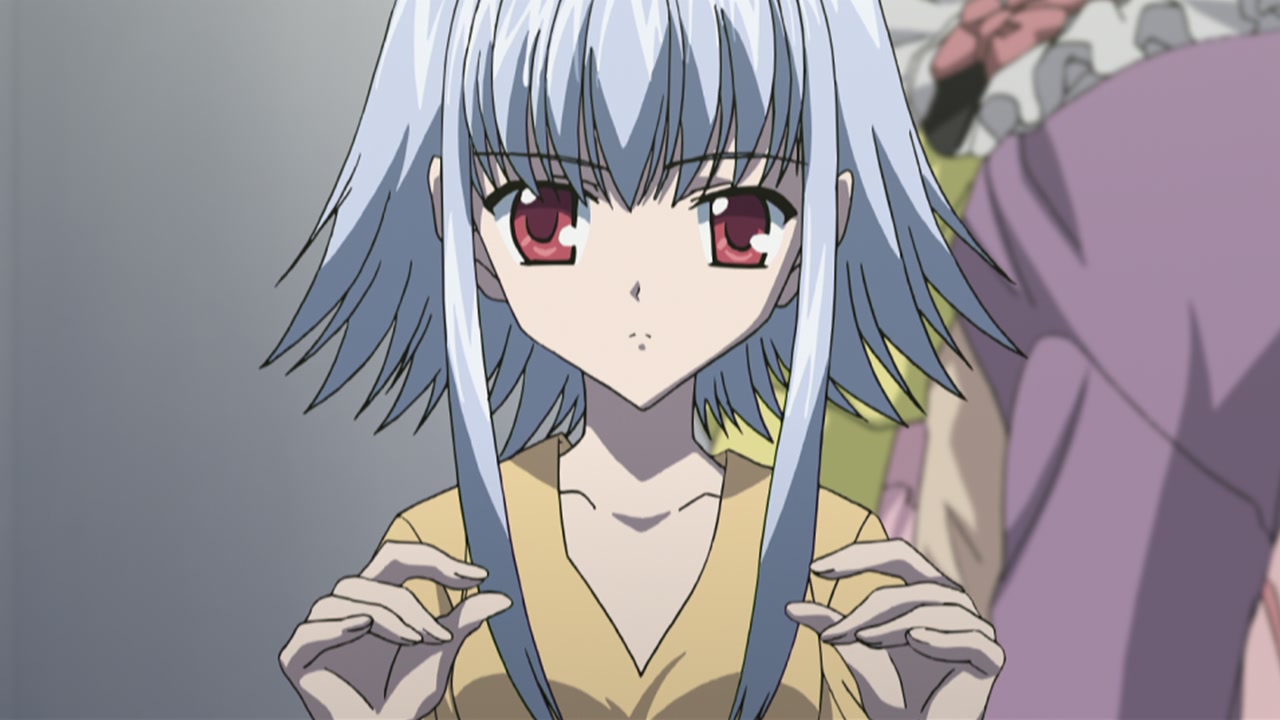
Matsuri is introduced as comic relief. She kicks vending machines. She breaks microwaves by kicking them too. She speaks without filter and seems perpetually bemused by modern life. This comedic exterior makes the gradual reveal of her interior life all the more effective. She has lived for centuries and never once stood under the open sky. She is haunted by guilt over what she did to Aono, the mercy that became a curse. Her bright demeanor is armor.
Her attachment to Yorito is complicated by her knowledge of his true nature. She knows he is a fabrication, knows that loving him would mean participating in Aono’s delusion. But she cannot help herself. The kiss she initiates in episode six, and her follow-up “I wasn’t teasing you,” land with force because we have watched her hold herself back. She loves him, and that love dooms her.
What distinguishes Matsuri from similar “immortal girl” archetypes is her moral clarity. She does not waver about what needs to be done. The fabricated Yorito must end, and Aono must be returned to humanity, even if doing so costs Matsuri everything. But the clarity does not make the decision easy. The weight in her voice when she tells Yorito “Disappear together with me” is the weight of someone who has already made the choice and is simply waiting for the courage to execute it.
Morimiya Aono: The Grief That Would Not End
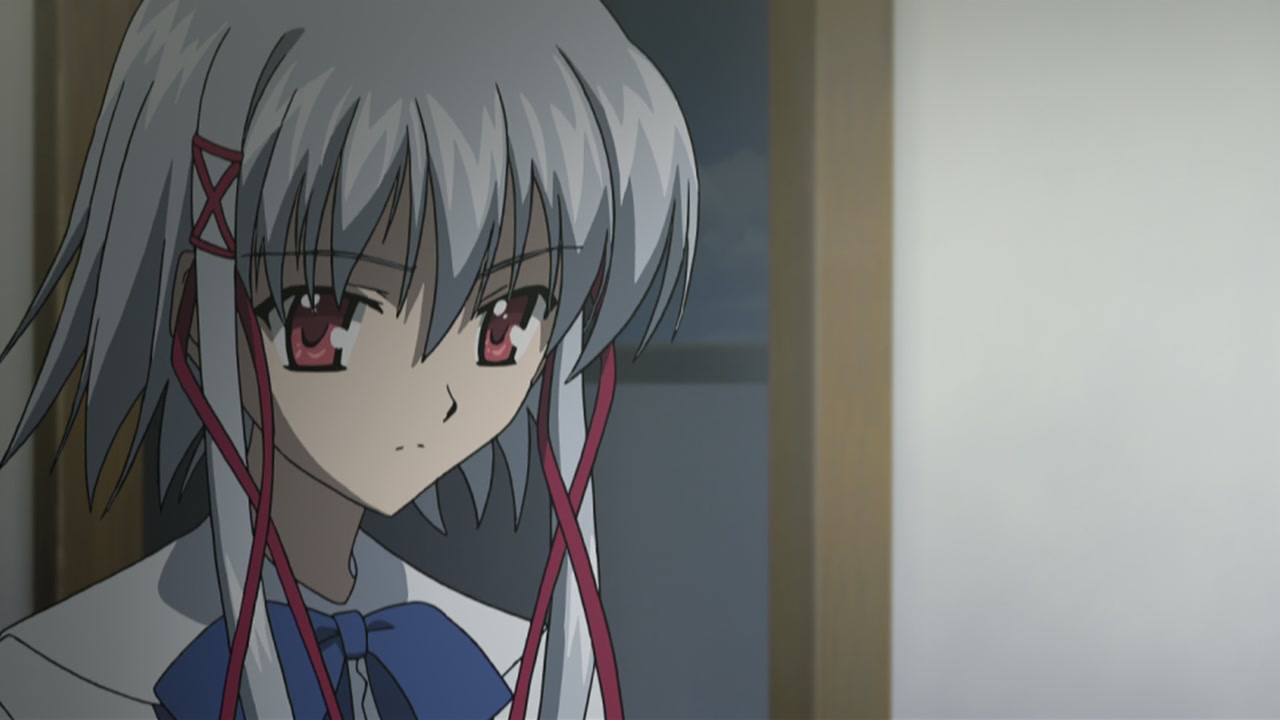
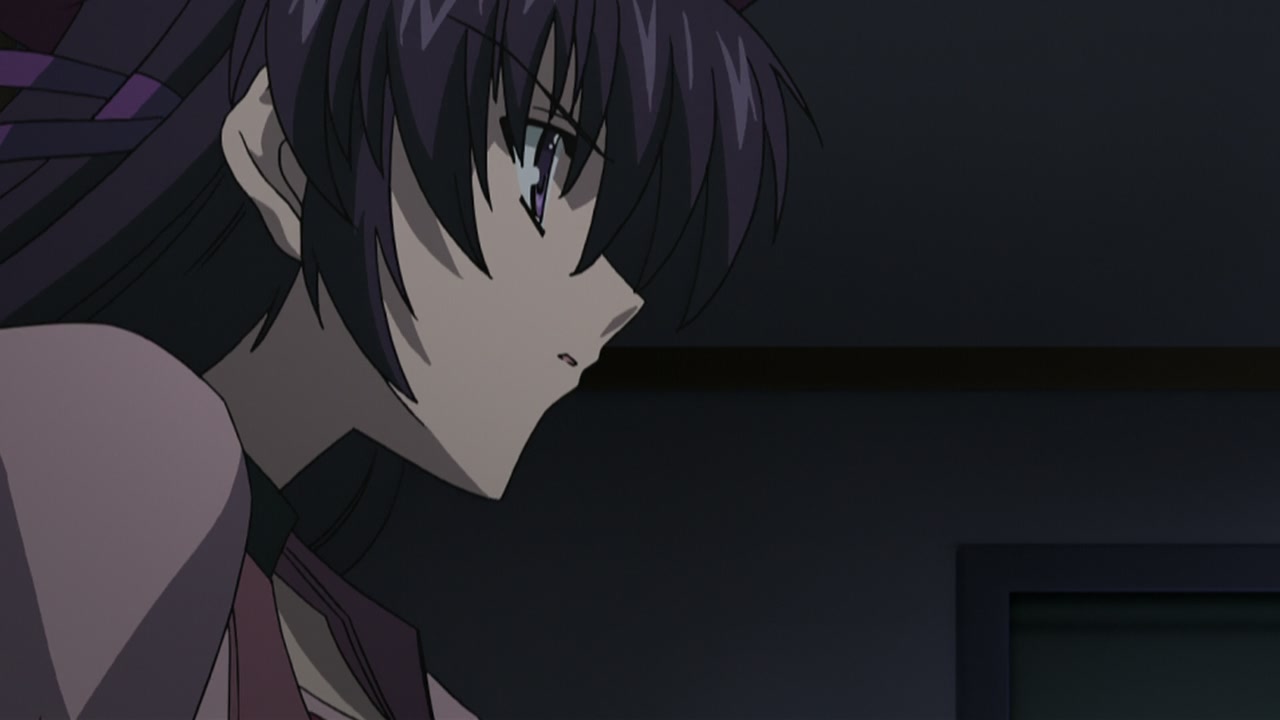
Aono is the series’s most complex creation. On the surface, she is a cold, sickly sister who speaks in monosyllables and rarely shows emotion. She criticizes Yorito’s gifts and seems indifferent to his affection. But the surface is a facade maintained at enormous cost. Underneath is a woman whose love was so immense it bent the laws of reality, and whose refusal to grieve has trapped both her and the object of her love in a frozen stasis.
The doll-counting scene in episode four is the first crack in her facade. She has counted every ugly doll Yorito ever brought her. She treasures the first one above all the others. These are not the actions of someone who dislikes the gifts. They are the actions of someone who cannot express love directly because direct expression would require acknowledging that the recipient is not her real brother, and that acknowledgement would destroy the fragile illusion she has built.
Her villainy, such as it is, stems entirely from love. She erases Yorito’s memories not out of cruelty but because she cannot bear his pain. She refuses to let him leave because being alone again, after centuries of having him beside her, is unimaginable. The series does not condemn her for this. It understands her. And in the end, it grants her the release she could never grant herself: Yorito’s willing sacrifice, which breaks the cycle by proving that even a fabricated being can love her enough to set her free.
Ishizuki Mana and Koyori: The Human Anchors
Mana is the character who keeps the story tethered to normal human emotion. She is Yorito’s childhood friend, his surrogate sister, and the person who notices when something is wrong before anyone else does. Her response to learning about Yakas is characteristically practical: she processes the information, accepts it, and immediately starts cooking. She does not need the supernatural to make sense. She just needs to know how to help.
Her finest moment comes during the memory-erasure arc. As Yorito’s existence fades from the world and even her closest friends forget his name, Mana refuses to lose him. The scene where she tells the fading Yorito that she will come pick him up tomorrow, that the three of them will go to school together, is devastating precisely because it affirms the value of ordinary love against supernatural erasure. She cannot stop what is happening with any power or spell. She can only remember. And memory, the series suggests, is a kind of power.
Koyori provides a complementary function. Where Mana is assertive and practical, Koyori is gentle, anxious, and desperate to be liked. Her friendship with Aono develops through origami lessons, a quiet transmission of craft that becomes the vehicle for Aono’s legacy. When Koyori finally breaks down in episode eleven, discarding her “good girl” persona to scream that she does not want Aono to leave, the moment lands because we have watched her suppress those feelings for the entire series. She is the inheritor, the one who will carry Aono’s paper folding into the future, and in doing so keep something of her friend alive.
Takeshi and Mayuko: The Alternative
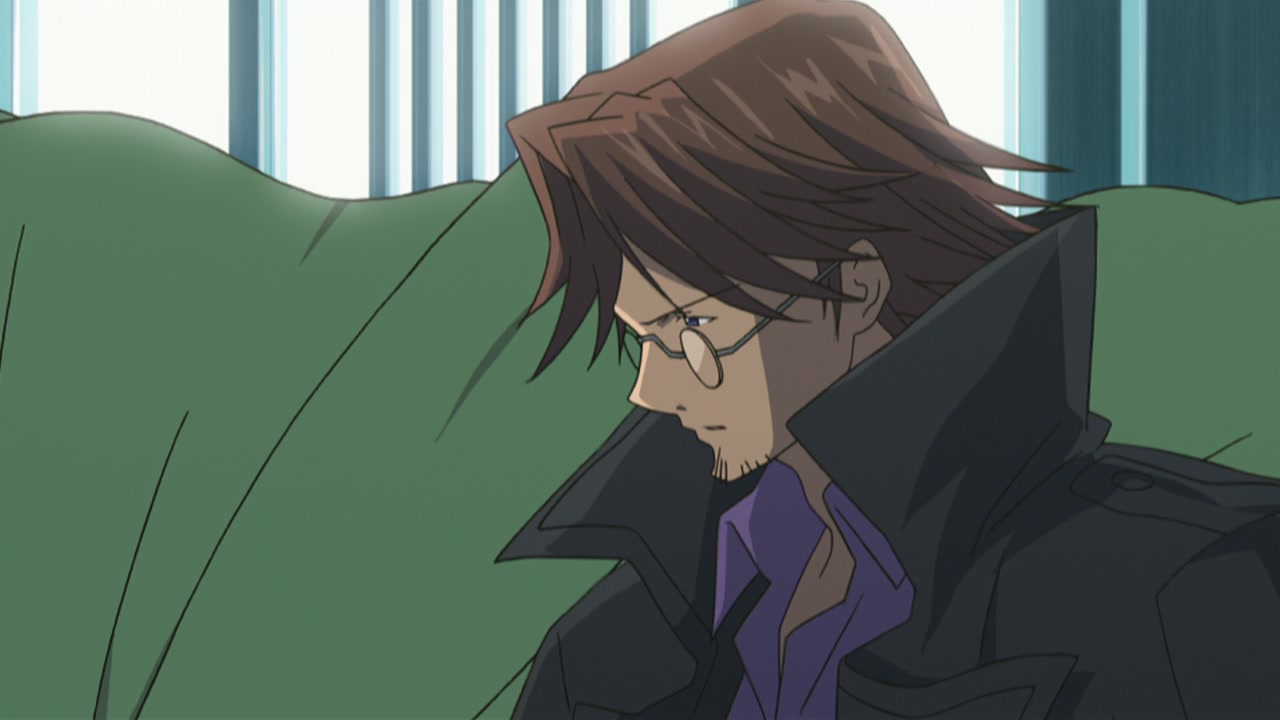
Tsujidou Takeshi and Kamikawa Mayuko function as a parallel couple, offering a different resolution to the same fundamental problem. Takeshi has spent years hunting Yakas, hoping to transfer a Yaka’s lifeforce to Mayuko and restore her humanity. He is gruff, perpetually exasperated, and completely devoted to a girl who looks like a child but is older than him in every way that matters.
Mayuko’s revelation in episode nine reframes their entire relationship. She does not want to become human at the cost of another’s life. What she wanted, all along, was simply to stay with Takeshi. The quest he undertook out of guilt and grief was never what she needed from him. Their story ends not with magical resolution but with acceptance. They continue traveling together, a Yaka and her human companion, the promise already fulfilled.
This alternative matters because it provides a counterweight to the central tragedy. Aono and Matsuri could not find a way to coexist without sacrifice. Takeshi and Mayuko did. The latter path is not presented as morally superior; it required different circumstances and different people. But its presence in the narrative suggests that the tragic resolution was not inevitable, only the shape that these particular characters, with their particular histories, ultimately chose.
Visuals and Animation
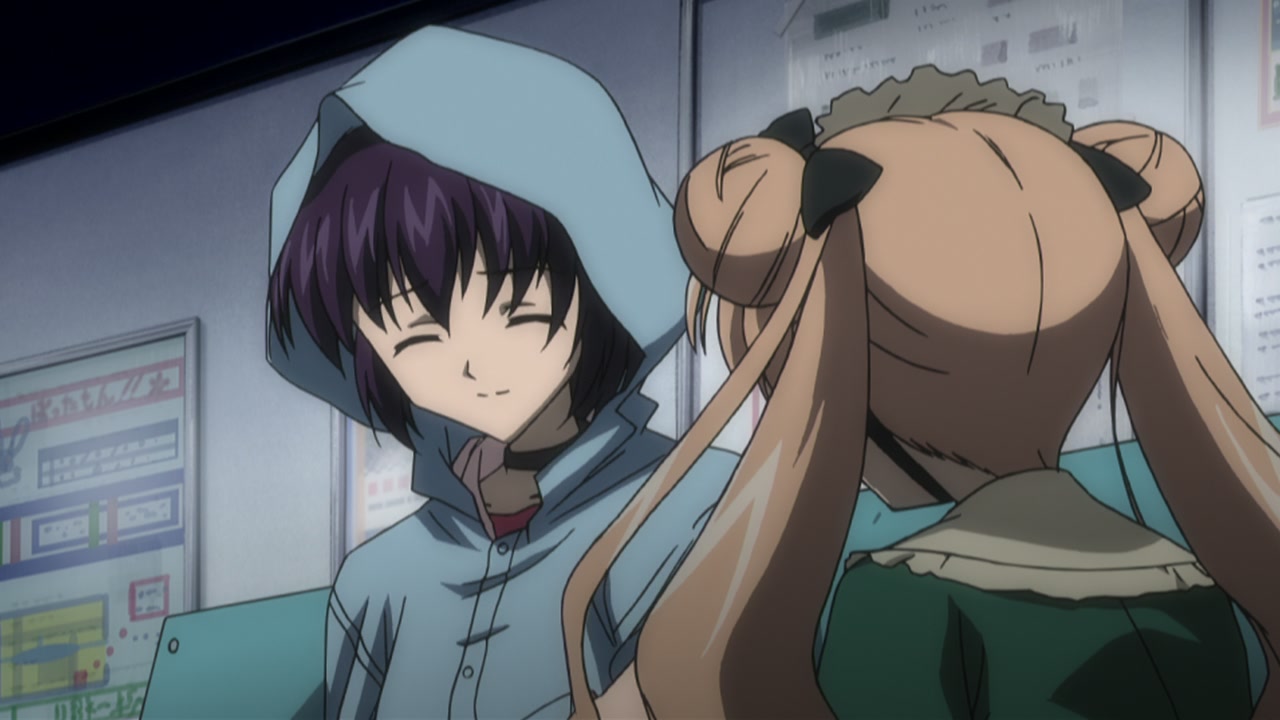
sola is a series where atmosphere does much of the storytelling. Produced in 2007, it carries the visual hallmarks of mid-2000s drama anime: thin linework, soft digital coloring, and character designs that fall squarely within the visual-novel-influenced aesthetic of the era. The result is a show that looks its age in certain respects, particularly in its limited animation, but compensates through deliberate art direction and a sophisticated command of lighting.
Art Direction and Color Philosophy
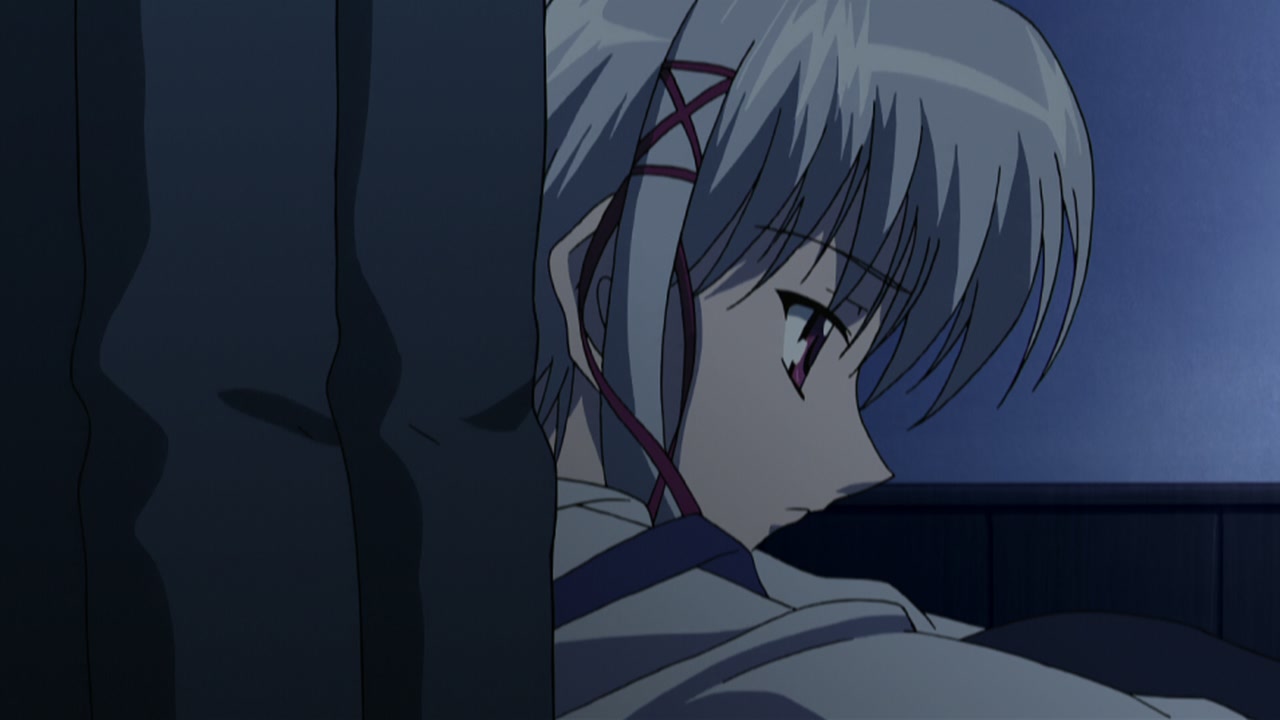
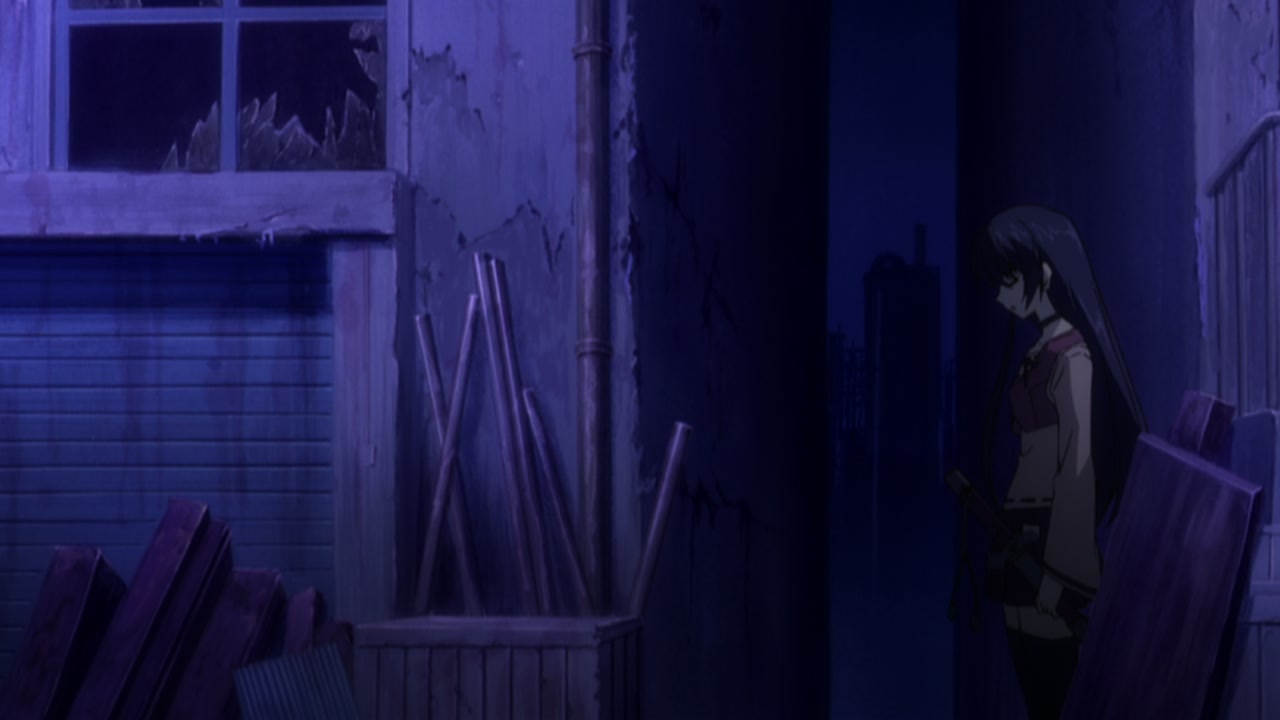
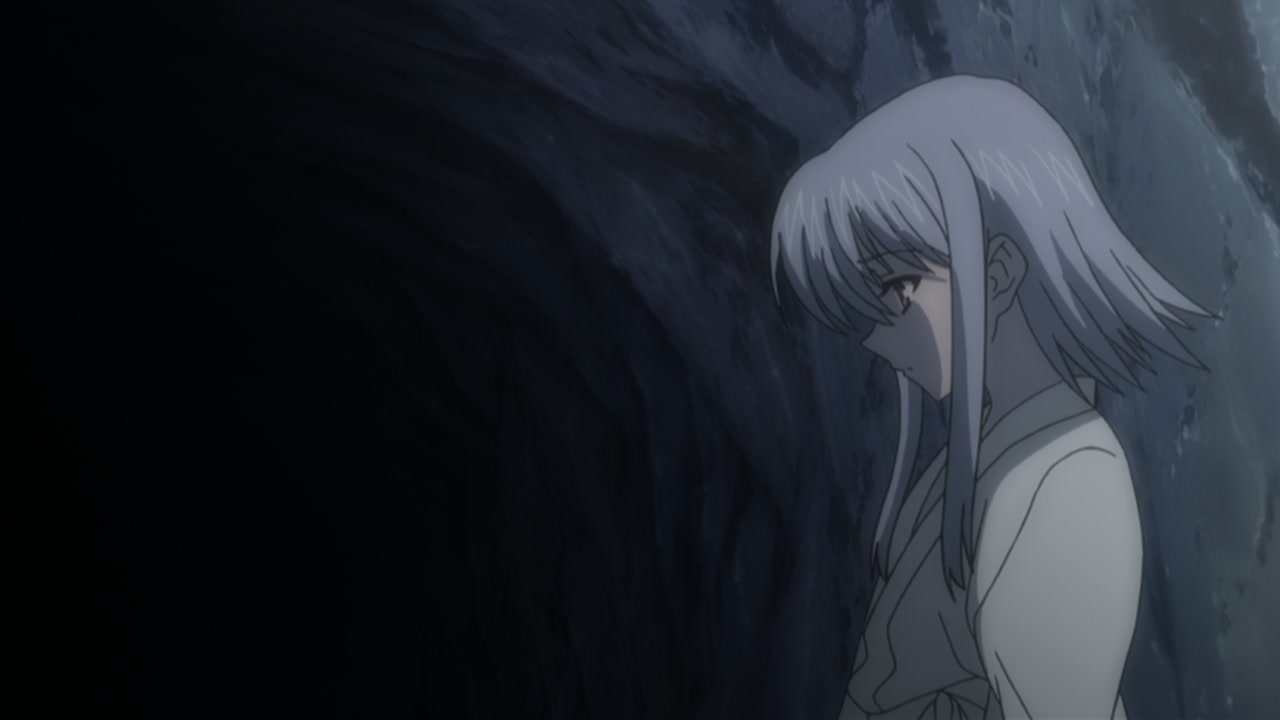
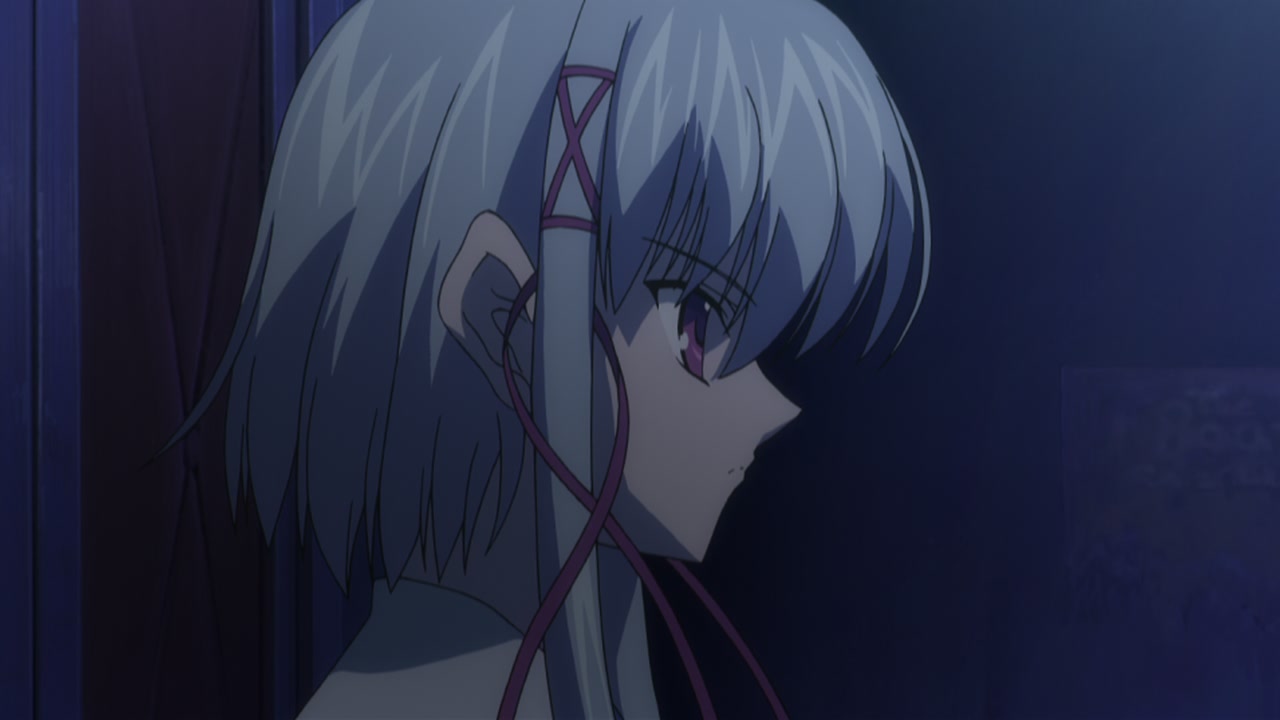
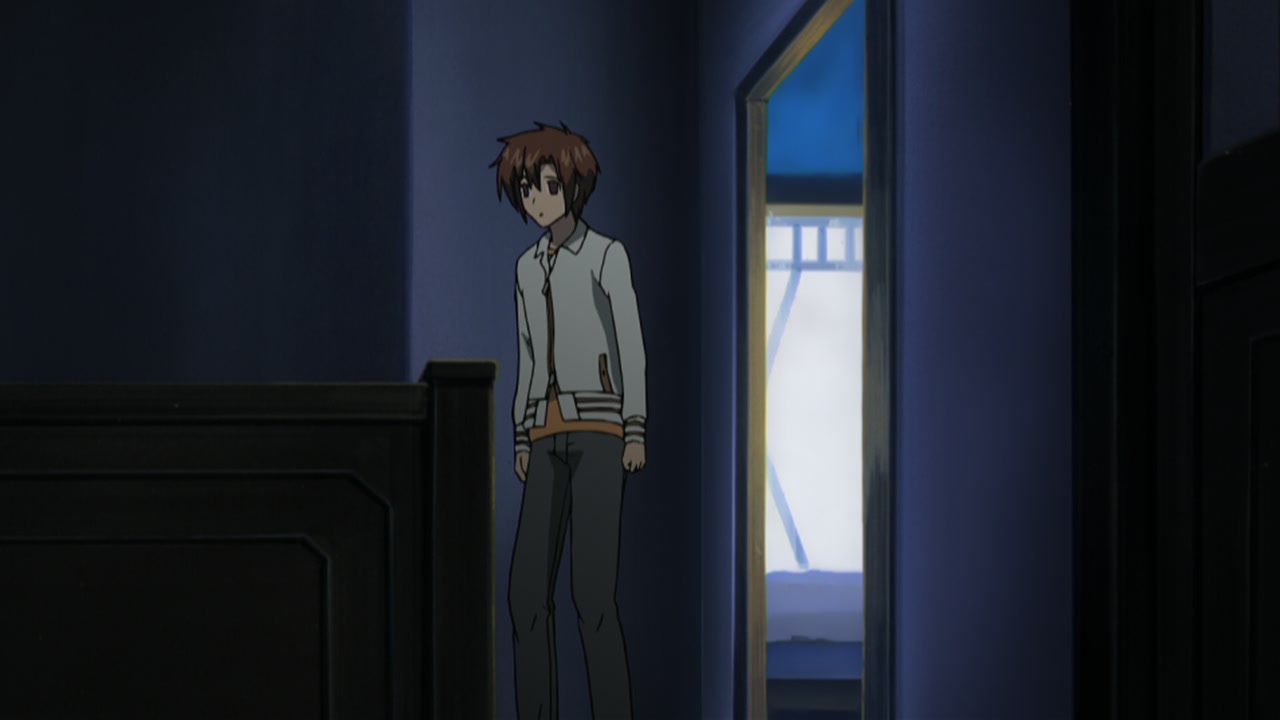
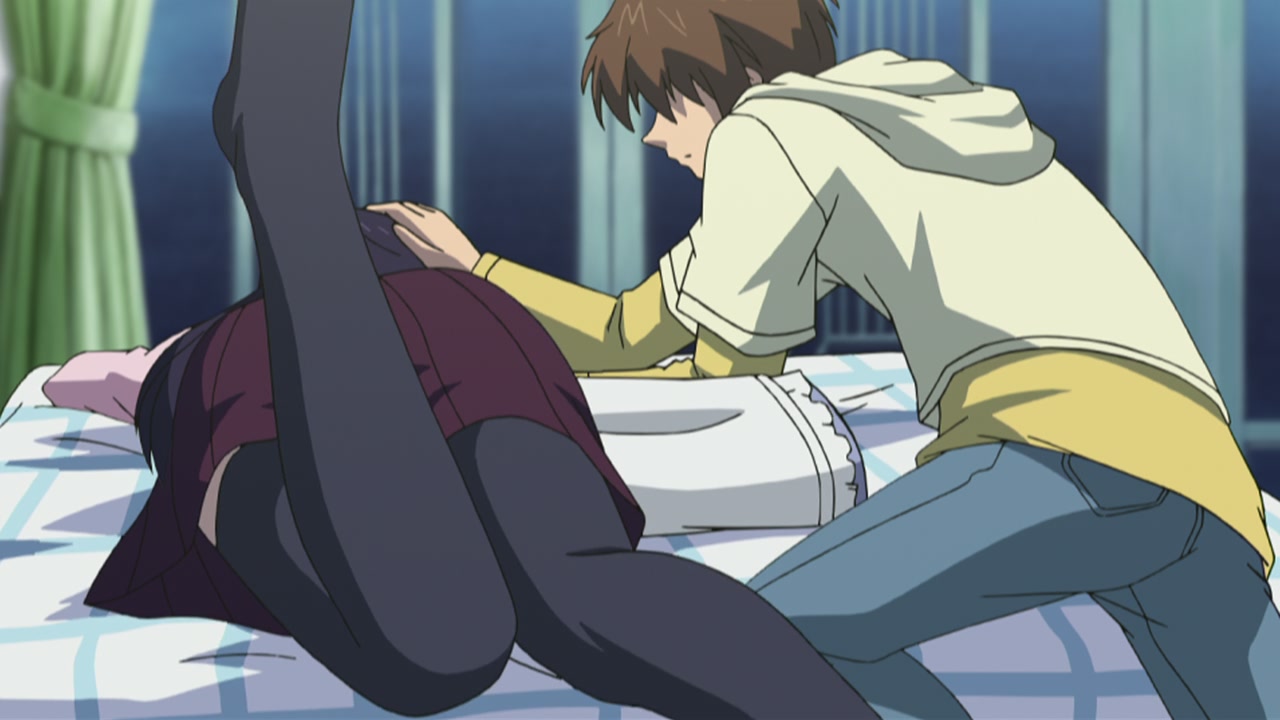
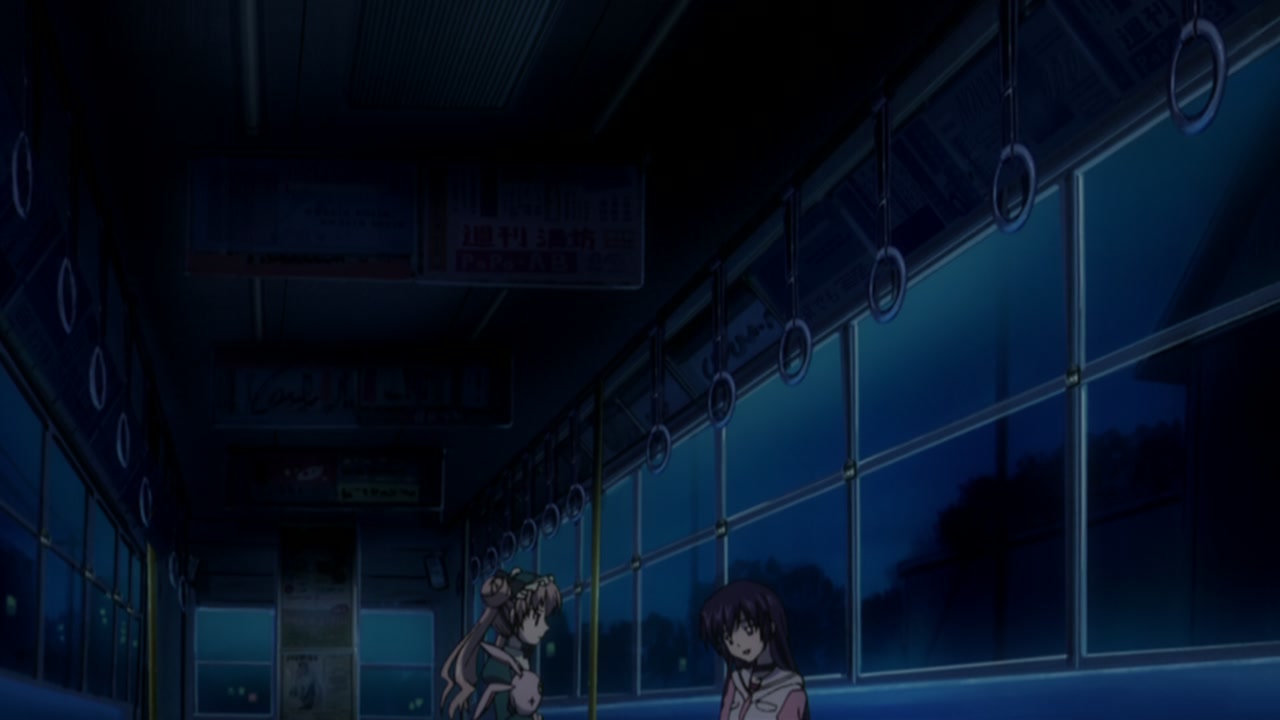
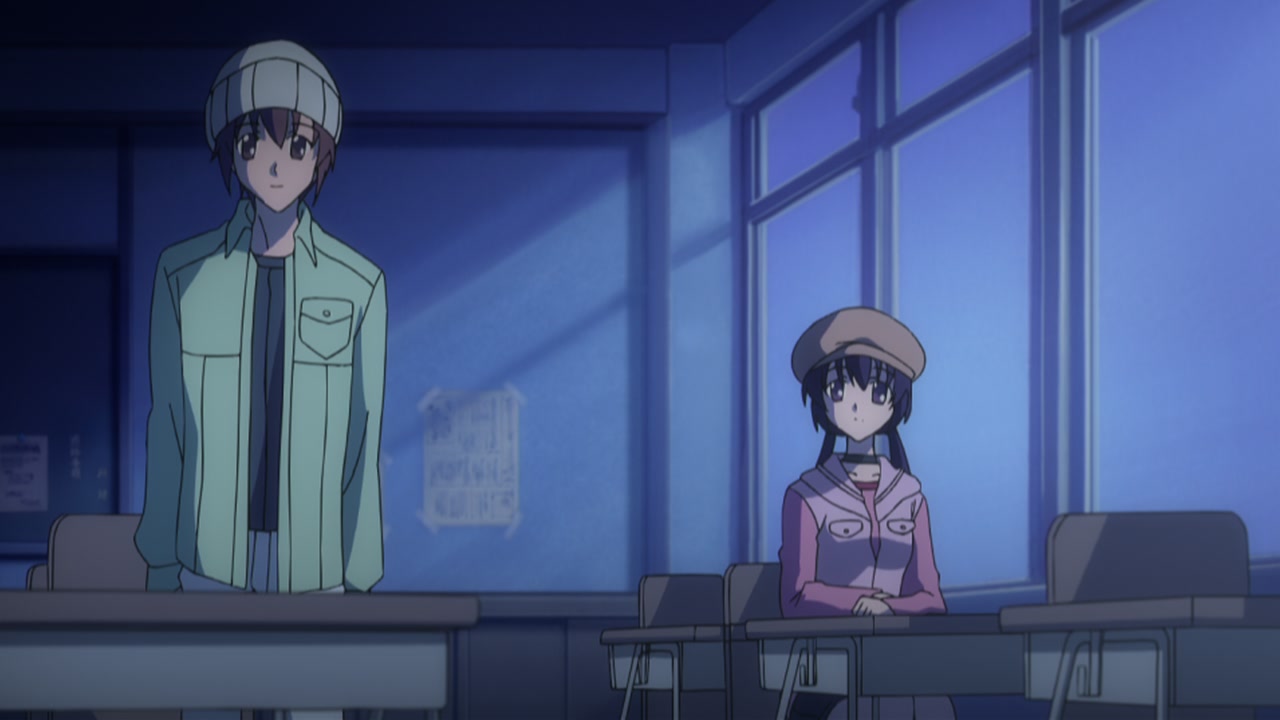
The color script of sola operates on a clear thematic dichotomy. Night scenes and supernatural moments are bathed in deep indigos, purples, and desaturated teals, often with high-contrast lighting that leaves parts of faces in shadow. This nocturnal palette communicates isolation and otherness, the world of Yakas that exists parallel to the human one but remains forever separate.
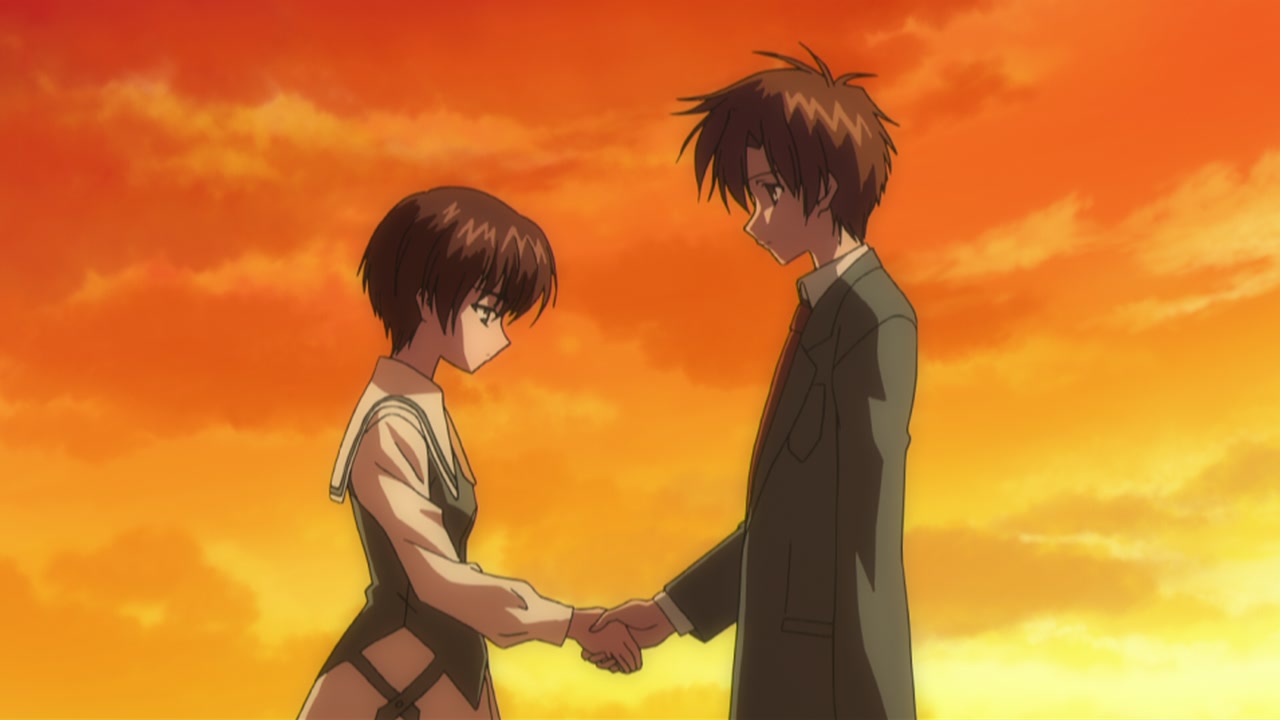
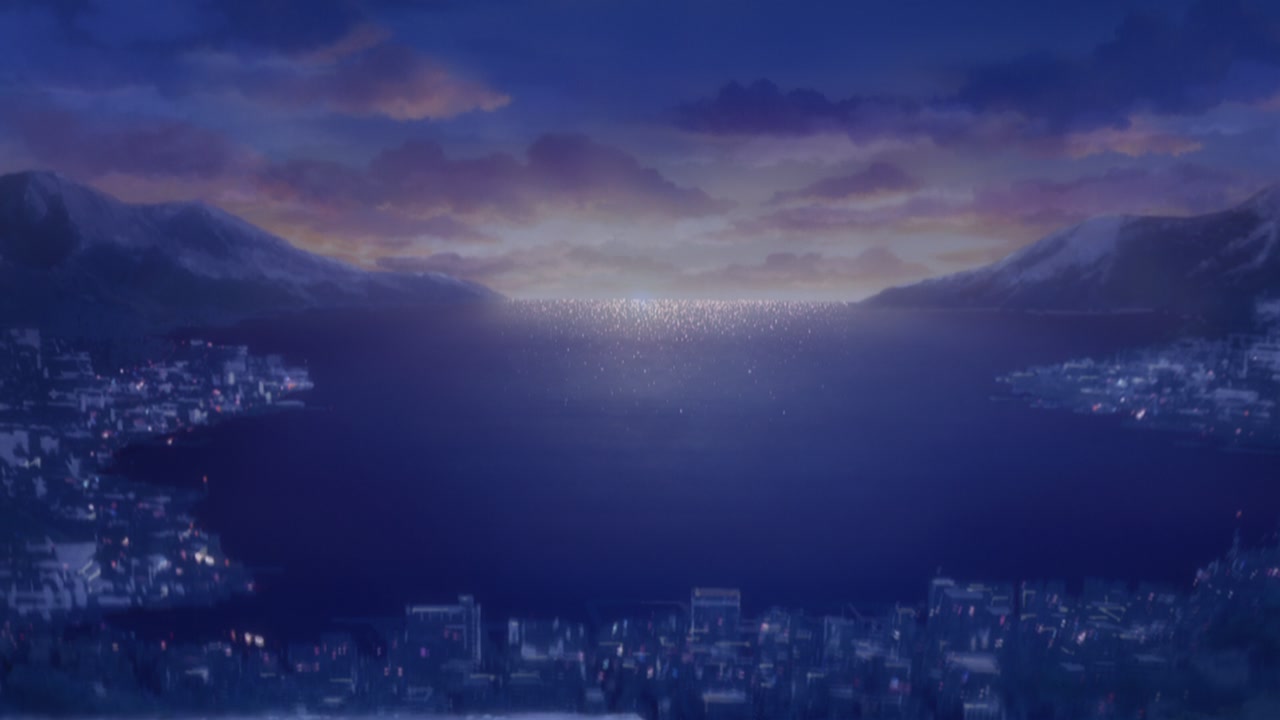
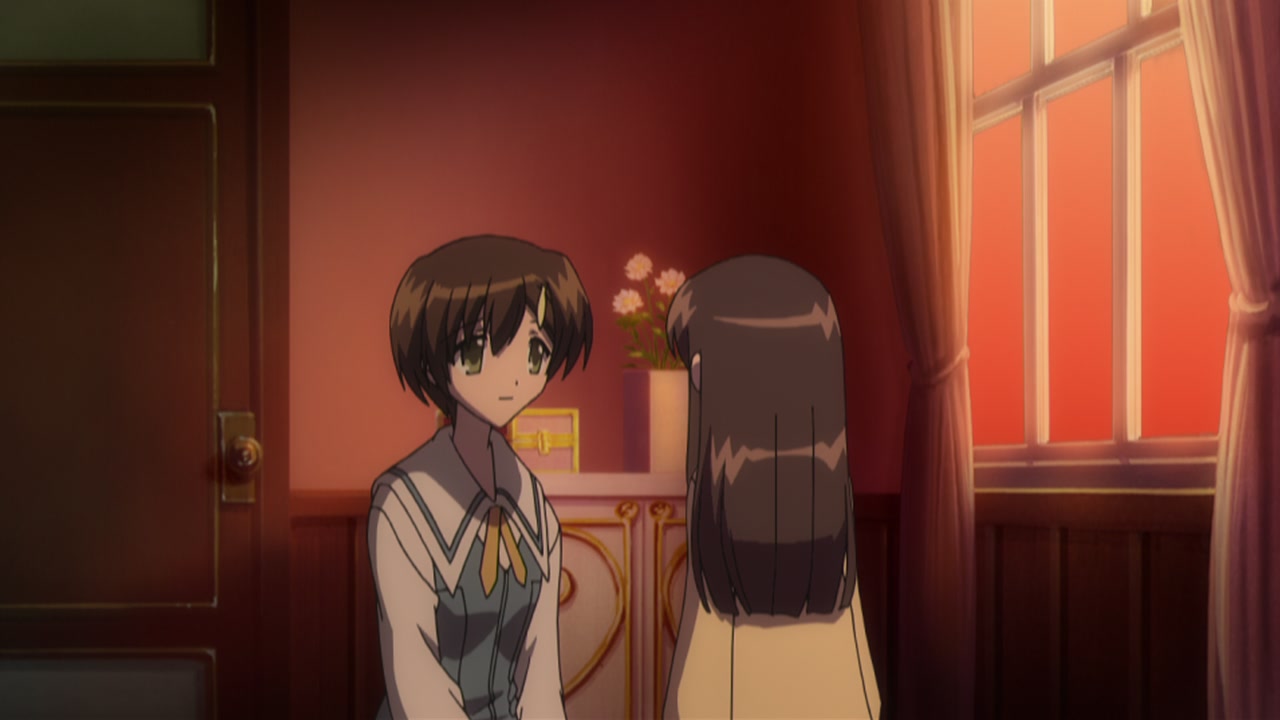
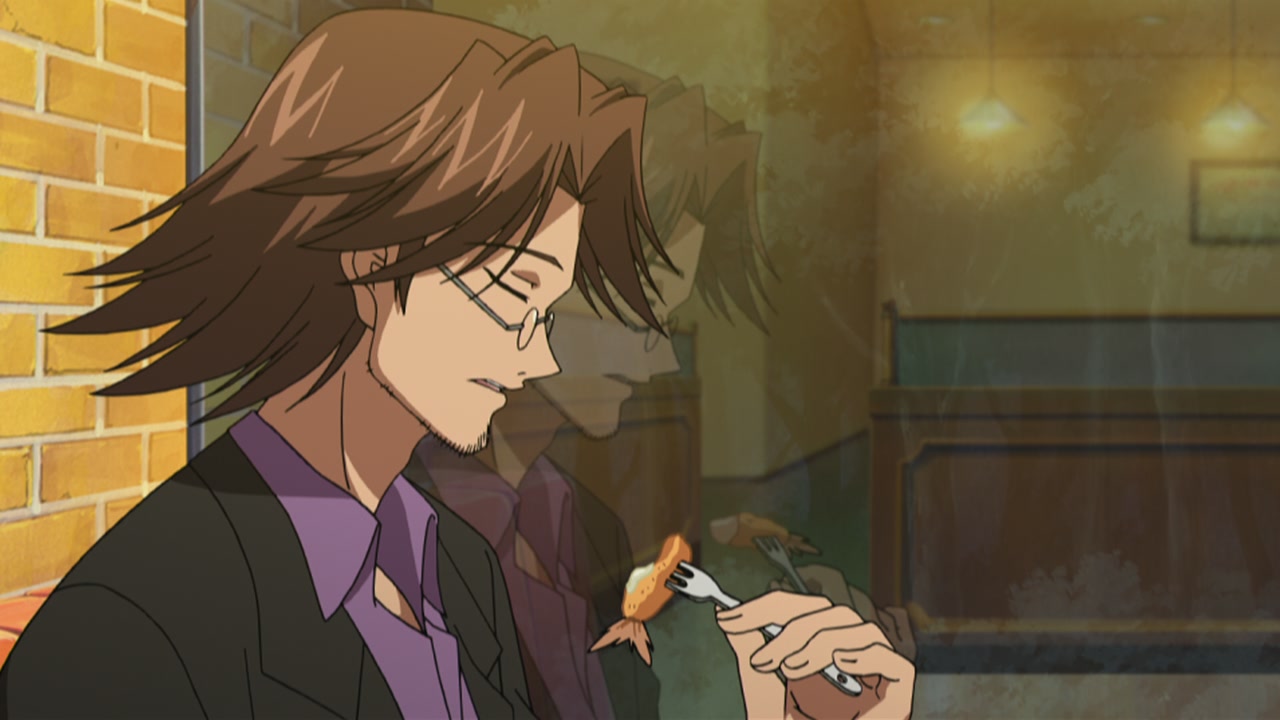
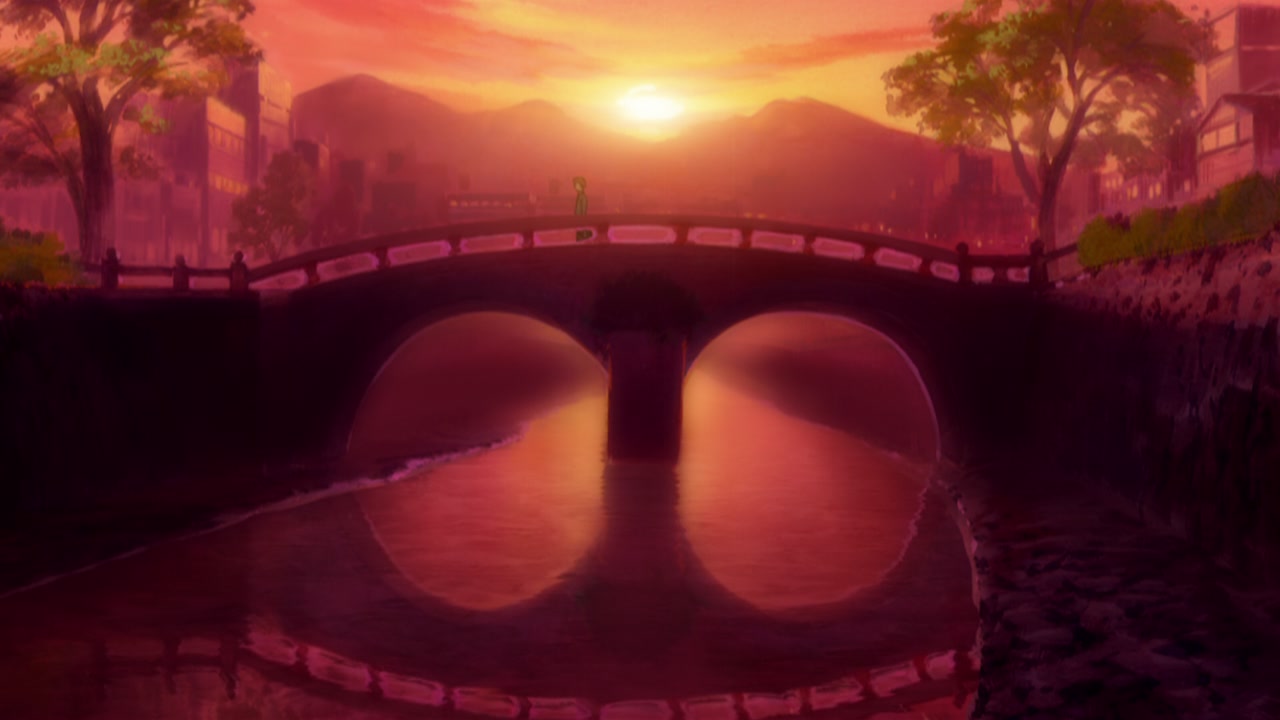
Daytime and interior scenes, by contrast, lean into warm ambers, oranges, and soft browns. Heavy bloom filters soften the edges of these scenes, creating a dreamlike haziness that fits the domestic intimacy of Yorito and Matsuri’s shared life. Sunsets are rendered with particular care, the orange and pink gradients bleeding across the frame with the kind of reverence the protagonist himself would appreciate.
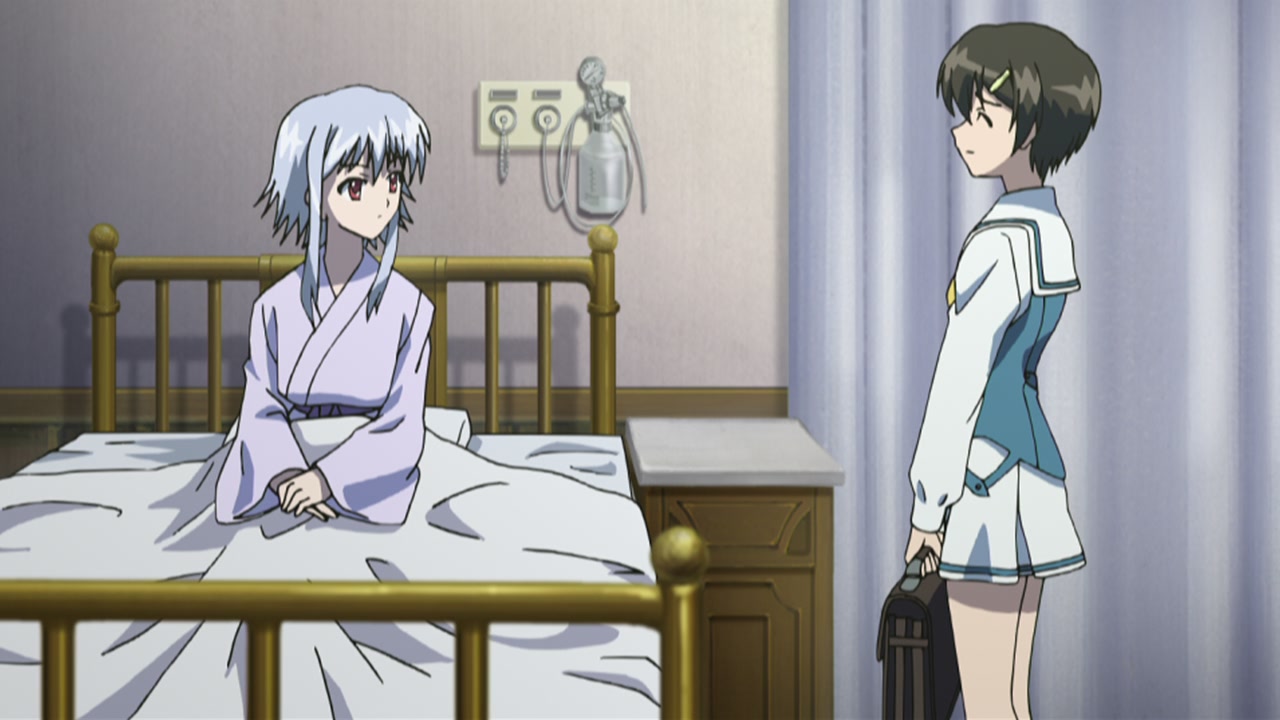
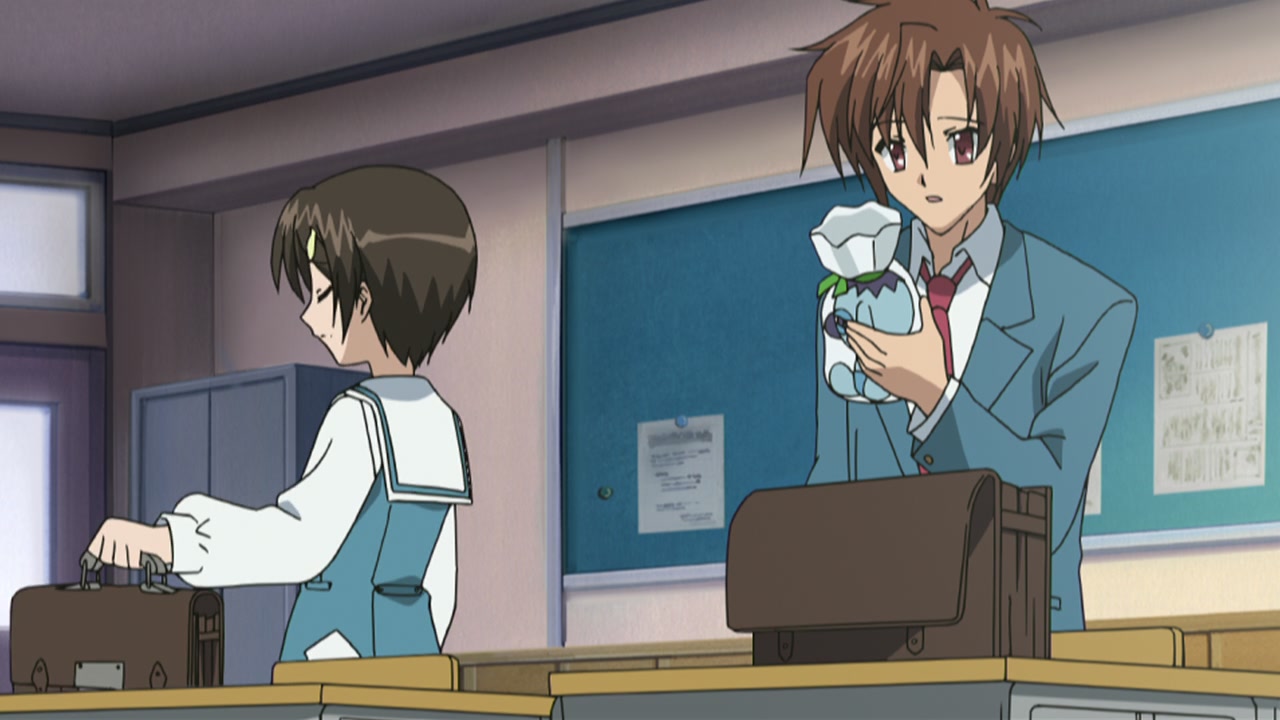
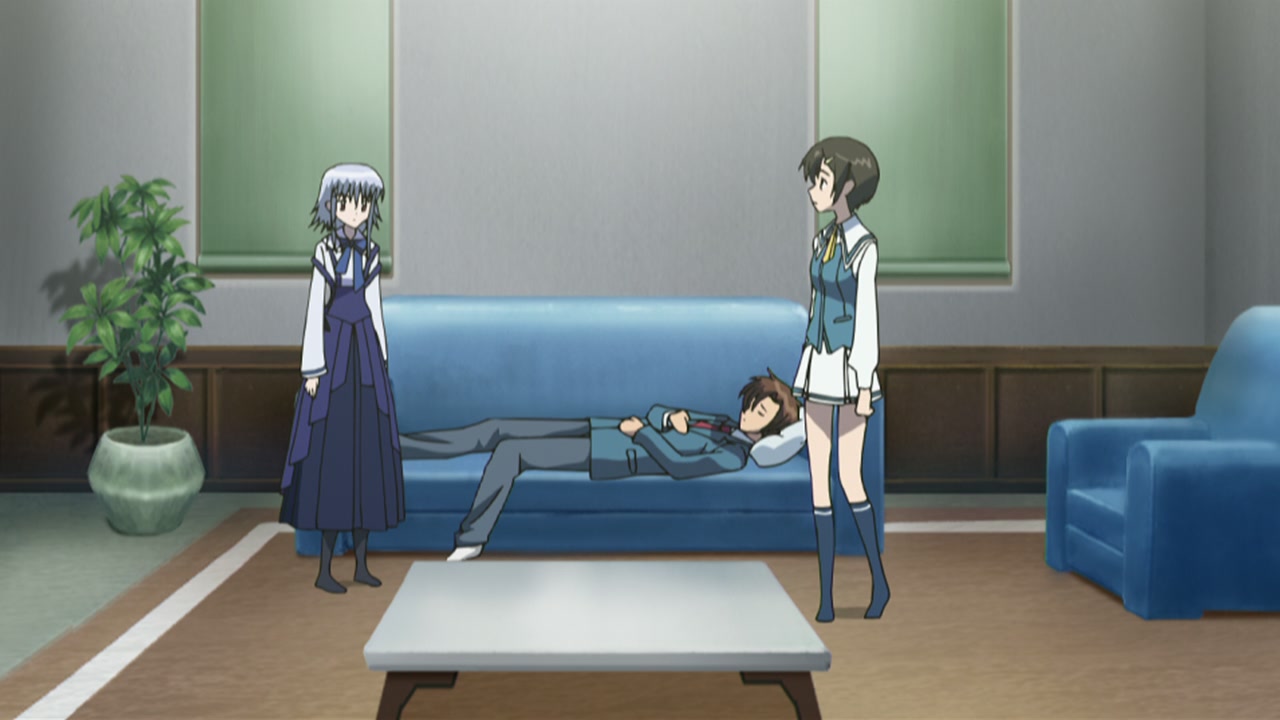
Clinic and school environments use flatter, cooler fluorescent tones, establishing a visual baseline of “ordinary life” that makes the supernatural intrusions feel more vivid by comparison.
Character Designs and Acting
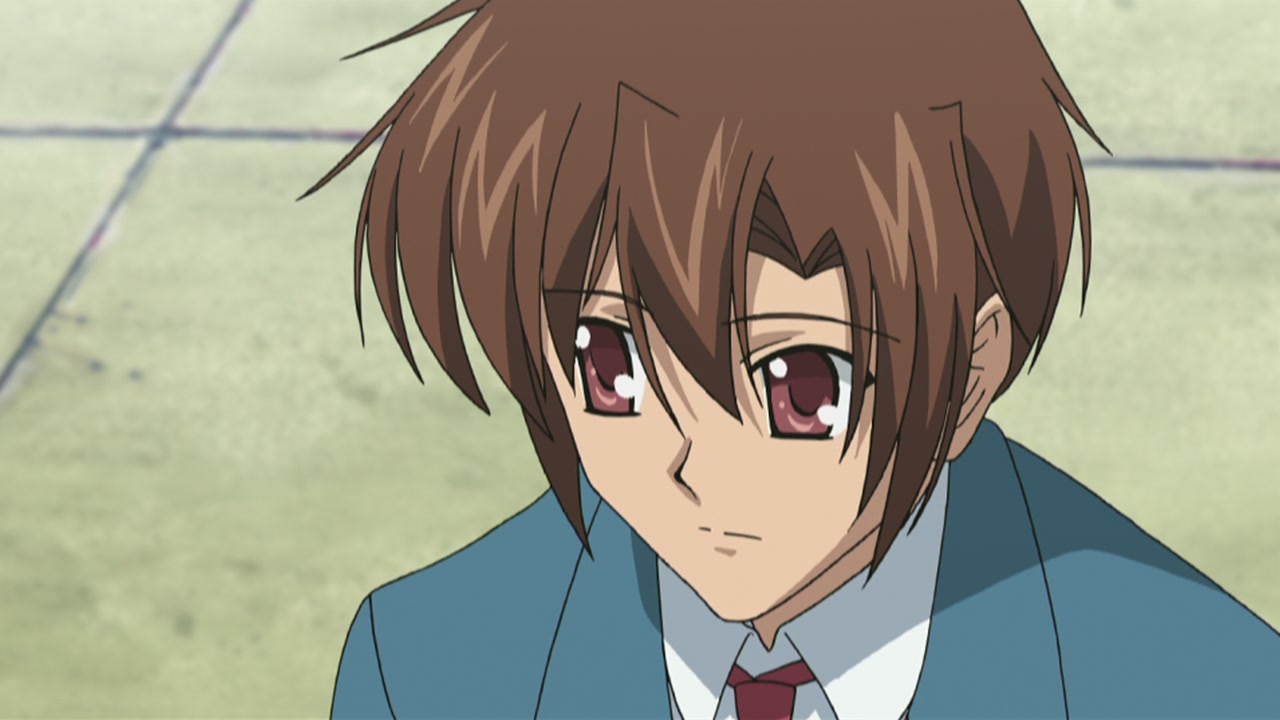
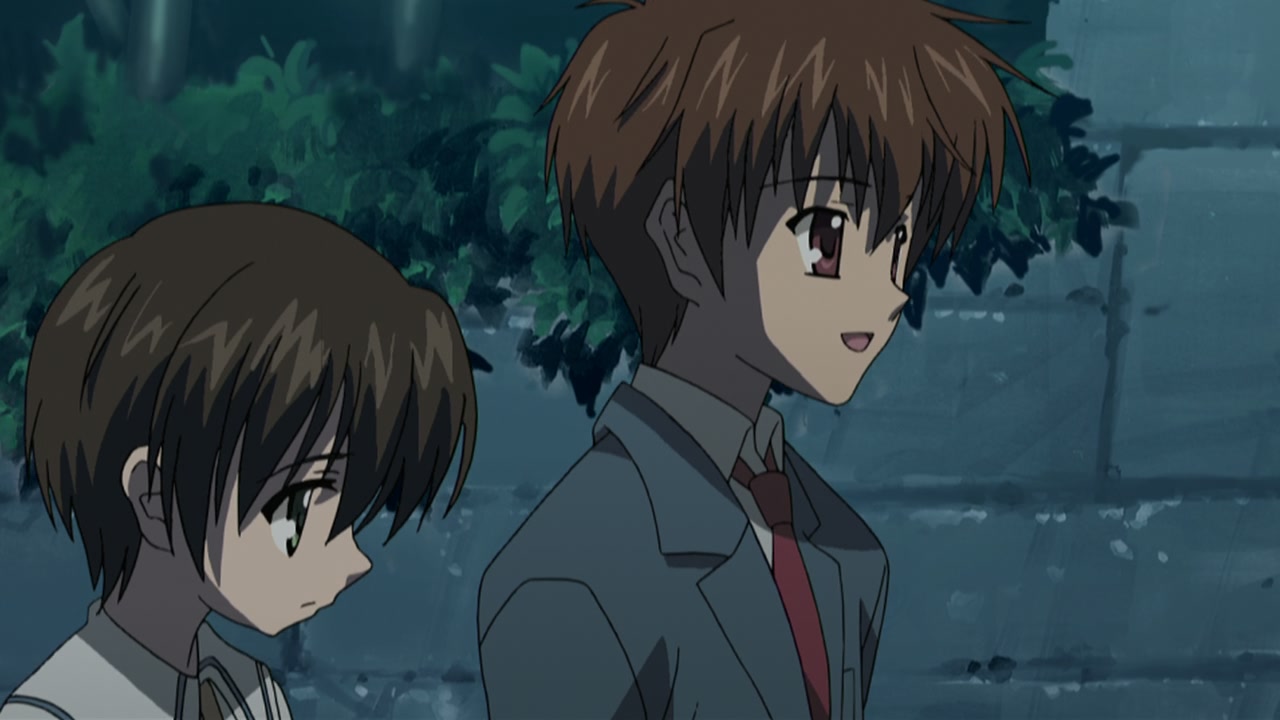
Character designs follow the period’s conventions: elongated faces, sharp chins, and large, multi-toned eyes that serve as emotional focal points. Matsuri’s eyes are a striking green, Aono’s a cool silver-purple, and the detail work in these features carries much of the emotional expression. The linework is thin and disciplined, maintaining consistency in close-ups even across varied lighting conditions.
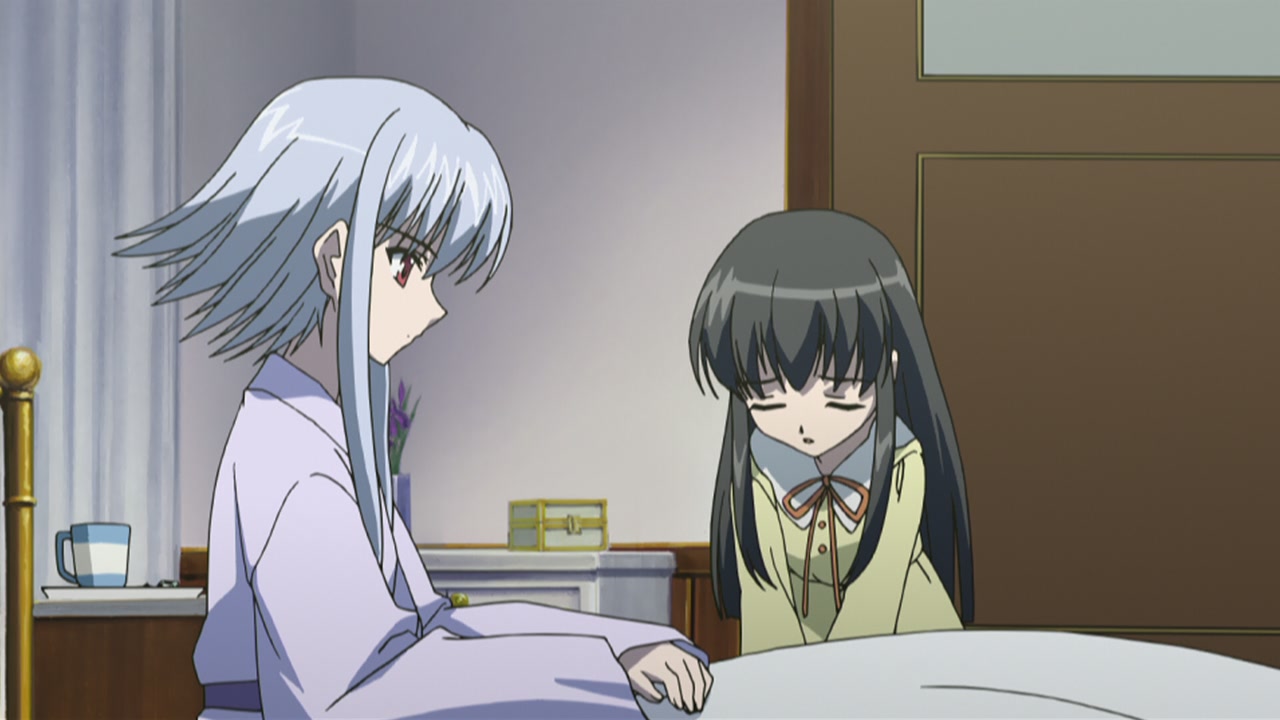
Because the animation budget is modest, the series relies heavily on restrained character acting rather than fluid motion. A head tilt, a downward gaze, hands clutching fabric, a slow prostration—these small gestures communicate more than dialogue in many scenes. The direction understands that stillness can be expressive when the surrounding context charges it with meaning. Aono’s long silences would not work in a show that felt the need to fill every pause with movement.
The weakness of this approach appears when the series demands dynamic action. The Yaka battles are stiff and lack the impact they should carry conceptually. Sword swings feel weightless, and the choreography never rises above functional. This is a forgivable limitation, because sola is not an action series, but it does create moments where the visual execution falls below the emotional stakes.
Background Art and Framing
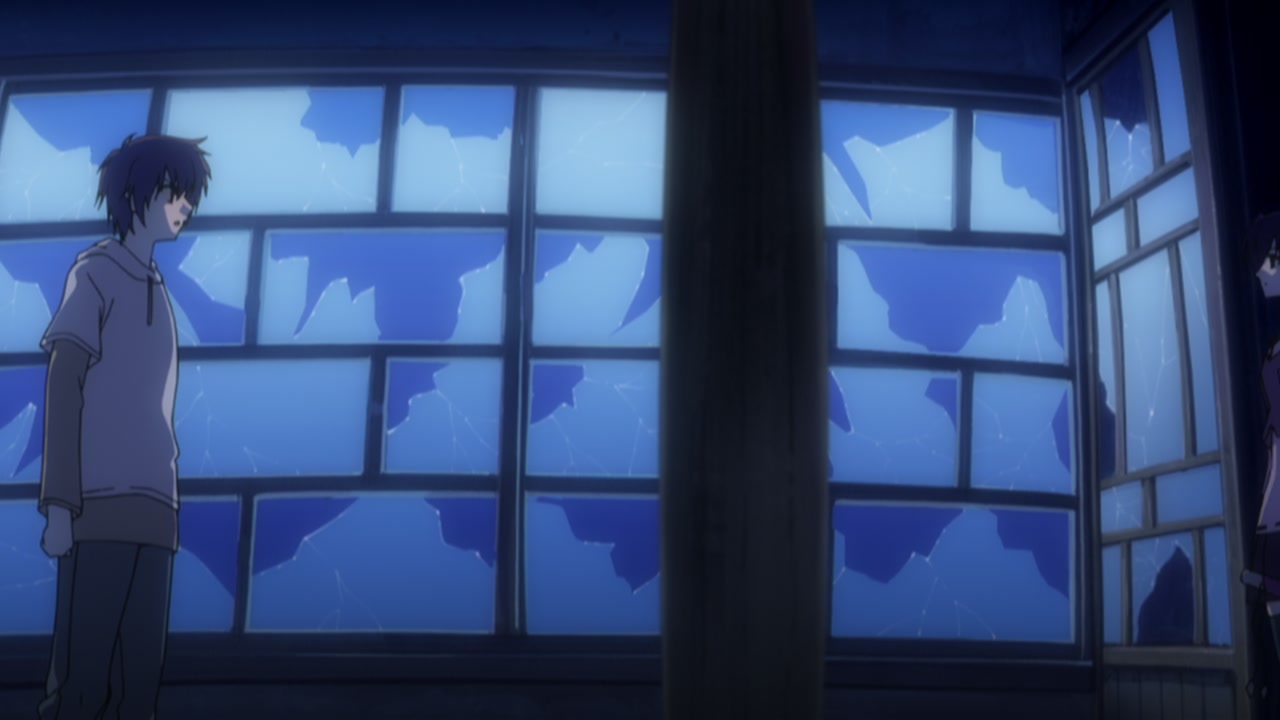
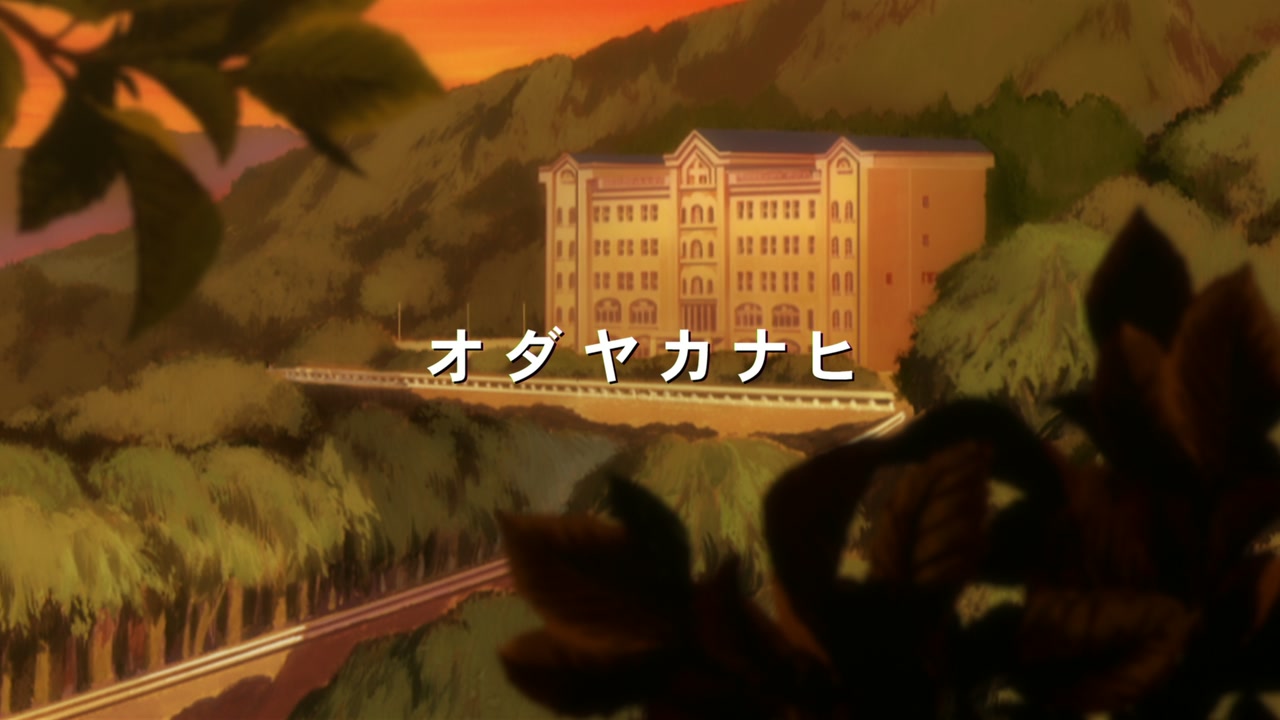
Where the series excels is in its painterly approach to backgrounds. The abandoned church, with its broken windows and crumbling stone, functions as a recurring location that embodies forgottenness. The riverbank where Yorito watches sunsets, the overgrown park, the bay at twilight—these environments are rendered with a detail and texture that the character animation does not always match, creating an interesting tension. The backgrounds feel lived-in and specific, while the characters can occasionally feel like beautiful paper dolls placed atop them.
Compositionally, the series favors architectural framing. Characters are often viewed through doorways, between pillars, or partially obscured by foreground objects. This creates a sense of private observation, as if the audience is witnessing moments not meant to be seen. Negative space is used extensively to underline loneliness: small figures dwarfed by an expansive sky or an empty street.
In bright daylight scenes, the compositing shows its age. Characters sometimes float slightly above the background rather than inhabiting it, a common issue in digitally composited anime of this period. The heavy bloom that works beautifully in sunset and interior scenes can wash out detail when applied to full daylight, softening edges that should remain crisp.
Aesthetic Verdict
sola is a visually coherent experience that knows exactly what mood it wants to create and achieves it consistently. The atmospheric direction, the thoughtful use of color, and the restrained character acting all serve the story’s emotional goals. The animation limitations are real and noticeable, particularly in sequences requiring dynamic movement, but they rarely undermine the scenes that matter most. The final image of Matsuri, smiling as dawn light washes over her for the first and last time, is rendered with enough care to linger in memory long after the credits roll.
Sound and Music
The auditory landscape of sola supports its emotional arc with quiet competence. The soundtrack favors piano and strings, the standard toolkit for melodramatic anime of this era, and deploys them with restraint. Swelling strings during emotional climaxes, gentle piano during domestic scenes, and eerie atmospheric pieces during supernatural confrontations all function as expected but are arranged with enough sensitivity to avoid feeling mechanical.
The opening theme, “colorless wind” by Aira Yuhki, sets the tonal expectations effectively. The song balances melancholy with forward momentum, its lyrics about reaching for something distant aligning neatly with the series’s central imagery. The animation accompanying it emphasizes the sky motif and the key character dynamics without revealing the plot’s deeper secrets.
The ending theme, “mellow melody” by Ceui, provides a gentler decompression, its softer tempo matching the reflective mood of the post-episode cooldown. The contrast between the two themes mirrors the series’s own movement between urgency and stillness.
Voice acting across the cast is solid, with a few standout performances. Noto Mamiko brings a particular quality to Matsuri that manages to be simultaneously childlike and ancient, her line delivery shifting between playful teasing and weighted confession without losing coherence. Nakahara Mai as Aono does much with very little, communicating volumes through the flatness of her tone and the rare moments when that flatness cracks. The supporting cast performs capably without drawing undue attention to themselves, which in a story this intimate is exactly what is needed.
Sound design for environmental effects deserves mention. Rain, a crucial element in the series, is rendered with enough variation to feel present and atmospheric rather than generic. Footsteps, the creak of the old church, the hum of vending machines—these ambient details ground the supernatural events in tactile reality.
Overall Verdict
sola is not a series that will appeal to everyone. Its pacing is deliberate to the point of languor in the early episodes. Its aesthetic and emotional register belong firmly to 2007, and viewers who prefer contemporary production values and tighter narrative economy may find it frustrating. The limited animation during action sequences is a genuine weakness, and the memory-erasure logic is sometimes hand-waved in service of emotional beats.
But for those willing to meet it on its own terms, sola offers something genuinely affecting. It takes a premise that could have been merely a quirky supernatural romance and transforms it into a meditation on what it means to be real, to love someone enough to let them go, and to leave behind something that persists after you are gone. The characters make choices that hurt them, because the alternatives would hurt someone else more, and the series does not flinch from the consequences of those choices.
The sky motif is handled with unusual coherence for a symbol this pervasive. It never feels like empty decoration. Every reference to clouds, to sunlight, to the boundary between day and night connects back to the central tensions of the story. When the final episode closes with a new girl on the rooftop, one who looks like Matsuri and loves the sky for the same reasons, the circle closes with a gentleness that feels earned rather than imposed.
I recommend sola to fans of visual-novel-adjacent drama from this era, to viewers who appreciate stories where the emotional logic matters more than the worldbuilding logic, and to anyone who has ever looked up at a particularly beautiful sky and felt, for a moment, connected to something larger than themselves. The sky arches over everything, the series reminds us. Even the night. Even the lost.
Gallery